Medieval Coins

A selection of medieval coins reflecting Polish history, depicting rulers and featuring artistic depictions relevant to their era.
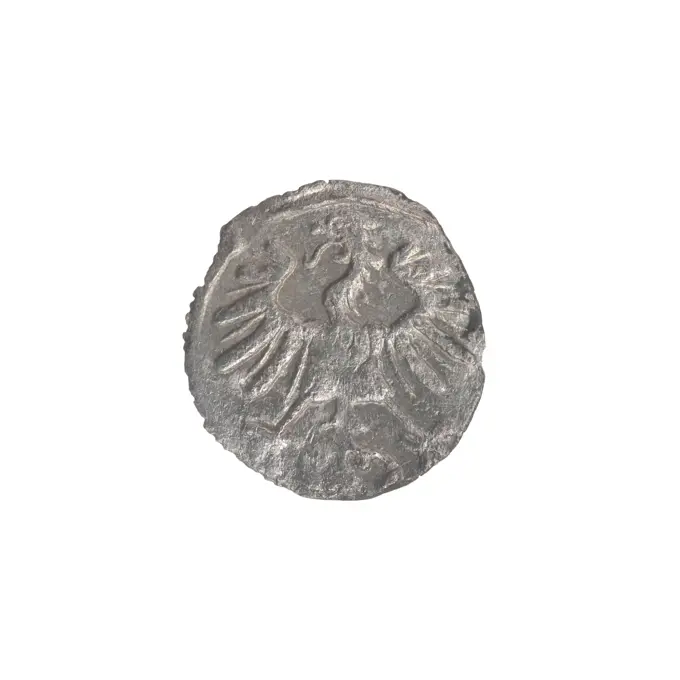
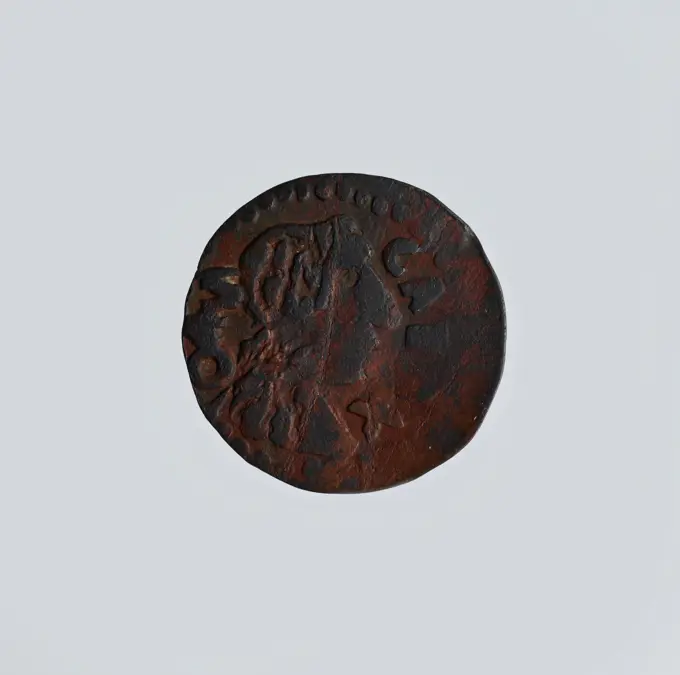
Lithuanian Denar; Zygmunt II August (Polish king; 1544-1572); 1556 (1546-00-00-1546-00-00);
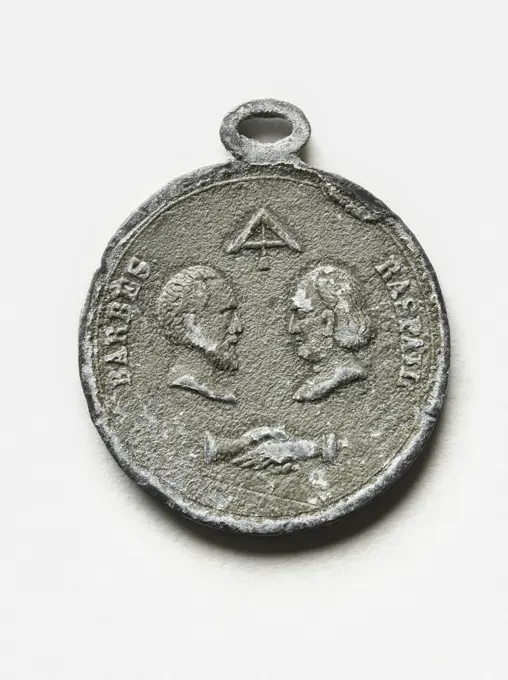
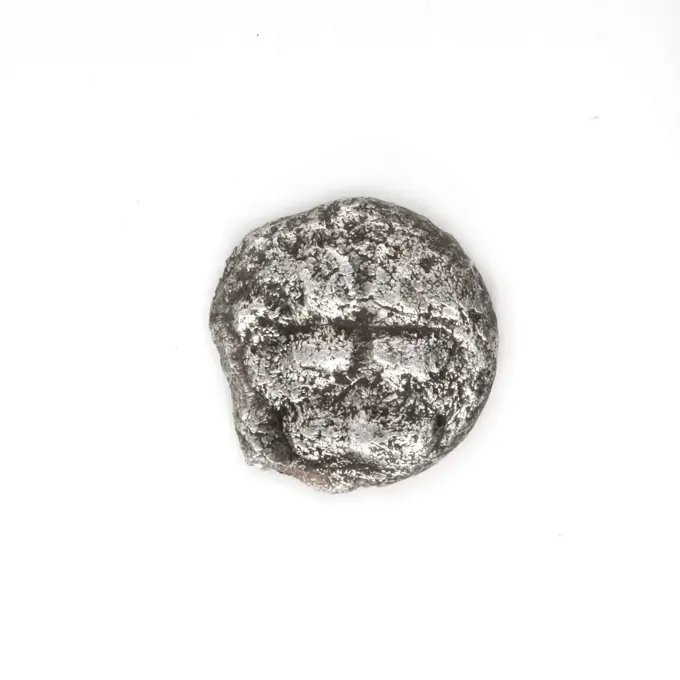
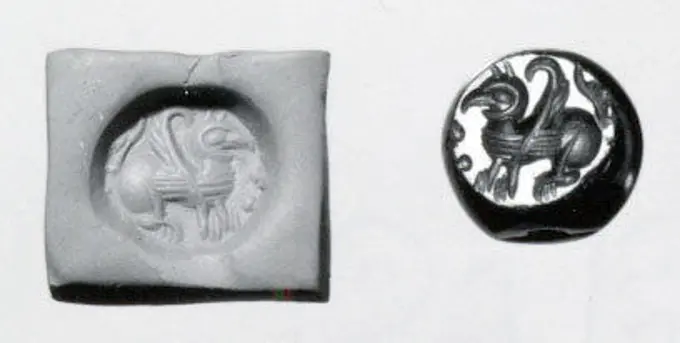
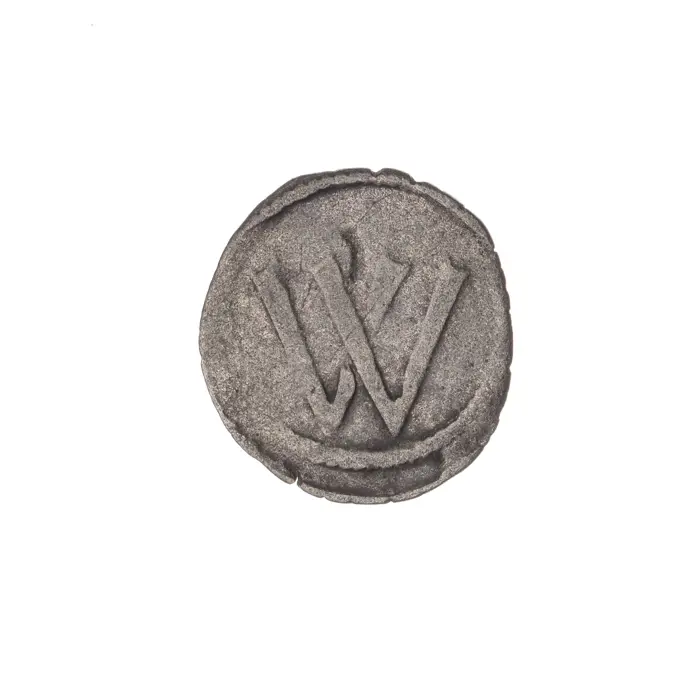
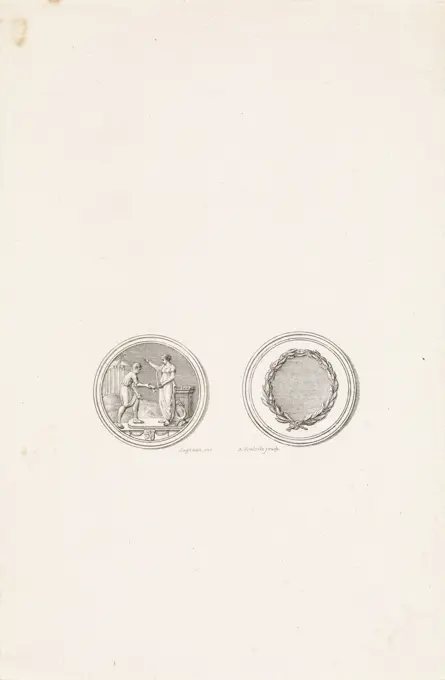
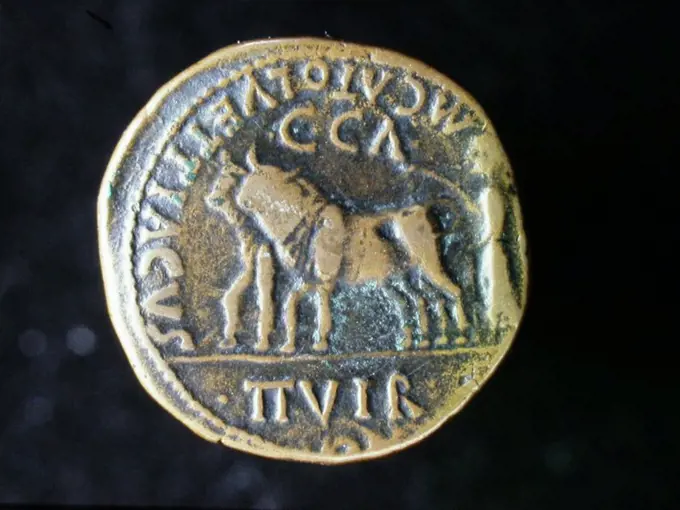
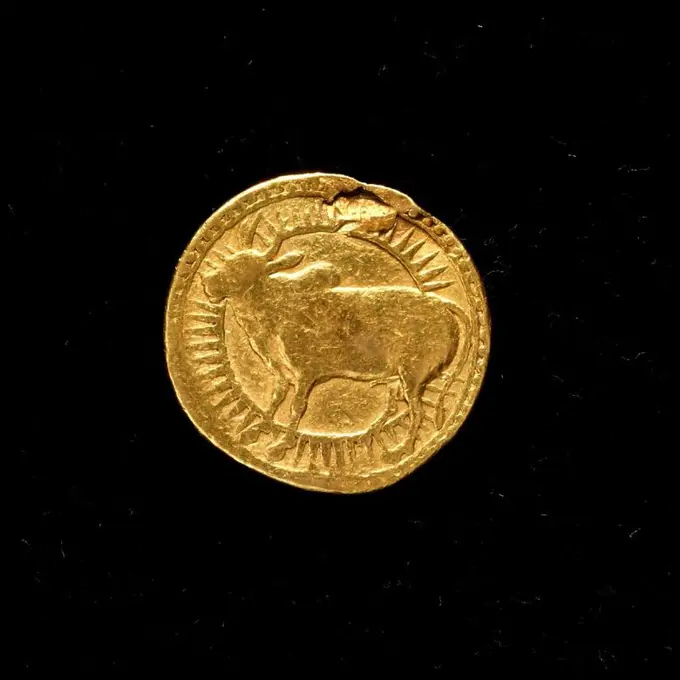
Coin. Dimensions: Diam. 7/8 in. (2.2 cm)D. 1/16 in. (0.2 cm). Date: dated A.H. 1028/A.D. 1619.This coin bears a Taurus symbol found on the other objects in the collection, but it was not created for talismanic purposes. This sign instead corresponds to the month in which it was minted. In his memoirs, the Mughal emperor Jahangir recorded his inspired idea for the unusual design of this and other coins depicting the signs of the zodiac. Museum: Metropolitan Museum of Art, New York, USA.AE. PantikapaionFalse coin, crown shilIIng, John II Casimir (1649 1668)szel g; Pfahler, Ernest; 1627 (1627-00-00-1627-00-00);denarius; Septimiusz Sewer (146-211; Roman emperor 193-211), Klodiusz Albinus (Ca 150-197; Roman emperor 193-197); 193 (177-00-00-177-00-00);Coin Depicting Head of a Male. Greek. Date: 400 BC-310 BC. Dimensions: Diam. 0.9 cm; 0.71 g. Bronze. Origin: Ancient Greece. Museum: The Chicago Art Institute, Chicago, USA.False coin, IIthuanian shilIIng, John II Casimir (1649 1668)Abruzzo L'Aquila S. Giuliano (L'Aquila environs) Museo9. Hutzel, Max 1960-1990 Views of the four collections housed in museum: Roman coins; Pre-Columbian art brought from Central America in 17th century; Greek and Roman sculpture; Egyptian sculpture and minor arts. Museum Roman coins; Greek and Roman sculpture; Egyptian sculpture and minor arts; Pre-Columbian sculpture. German-born photographer and scholar Max Hutzel (1911-1988) photographed in Italy from the early 1960s until his death. The result of this project, referred to by Hutzel as Foto Arte Minore, is thorough documentation of art historical development in Italy up to the 18th century, including objects of the Etruscans and the Romans, as well as early Medieval, Romanesque, Gothic, Renaissance and Baroque monuments. Images are organized by geographic region in Italy, then by province, city, site complex and monument.Stater (Coin) Depicting a Quadriga. Greek, minted in Cyrene, North Africa. Date: 322 BC-308 BC. Dimensions: Diam. 2 cm; 8.69 g. Gold. Origin: Cyrene. Museum: The Chicago Art Institute, Chicago, USA. Author: ANCIENT GREEK.Armand Barb�s (1809-1870) and Fran�ois Raspail (1794-1878), s. d. (Dummy title) Anonymous. Armand Barb�s (1809-1870) and Fran�ois Raspail (1794-1878), around 1848 (Avers).Lazio Latina Sezze Antiquarium Comunale42. Hutzel, Max 1960-1990 German-born photographer and scholar Max Hutzel (1911-1988) photographed in Italy from the early 1960s until his death. The result of this project, referred to by Hutzel as Foto Arte Minore, is thorough documentation of art historical development in Italy up to the 18th century, including objects of the Etruscans and the Romans, as well as early Medieval, Romanesque, Gothic, Renaissance and Baroque monuments. Images are organized by geographic region in Italy, then by province, city, site complex and monument.3 kreutzers. Chrystian (książę brzesko-legnicko-wołowski ; 1618-1672), ruler, Pfahler, Christian (fl. 1651-1665), moneyerSeal, 918-1392. Korea, Goryeo period (918-1392). Bronze; diameter: 2.1 cm (13/16 in.); overall: 1.6 cm (5/8 in.).Tetradrachm (Coin) Depicting the Goddess Athena 490 BCE Greater Athens. The front (obverse) of this coin depicts the goddess Athena, facing right.On the back (reverse), an owl stands facing right, its wings folded against its body which is detailed with dots and fine lines indicating the different types of feathers. In the upper right an olive branch with two long leaves is shown.. Silver . Ancient GreekDukata's print - mint test or Eton to play cards Copy; Stanis Aw August Poniatowski (Polish King; 1764-1795), Brenn, Efraim (Fl. 1774-1792); 1779 (1771-00-00-1771-00-00);Diobol; Pantikapaion; End of the 5th century BC (-410-00-00--401-00-00);Nadczarzyorze, Terlecki, Ignacy (1860-1916), Terlecki, Ignacy (1860-1916)-collection, rams, head of rams (iconogr.), Jesiotr, lions, fish, lion scalp (iconogr.), Purchase (provenance), animalsAncient medals. N � 21 Ancient medals. N � 21. Black and white projection plate. 1900-1930. Photograph of Jacques-Ernest Bulloz (1858-1942).Stamp seal ca. 3rd-7th century A.D. Sasanian. Stamp seal. Sasanian. ca. 3rd-7th century A.D.. Jasper. Sasanian. Iran. Round, lead plaque, surrounded by a braid. David kneels in the middle in the foreground; For him, the harp, a bag of sheepskin and a shepherd staff are located; Samuel is behind him, in priest clothing, while he broke out the oil about David's head, with whom he omits him to future king. Right two standing mans figures, left the sitting, old father, behind him on the second plan three women. A smoking altar and smaller figures left in the landscape, a city in it.denarius. Sabina (żona Hadriana ; 117-137), emperor, Hadrian (Roman emperor; 117-138), emperorheller; W ADYSW II JAGIELLO 1471-1516 (1471-00-00-1516-00-00);Czech kingdom (coat of arms), Czech lion walking left (iconogr.), Letter W, letters, lions, city coinsFinger Ring with Figure of Nike, 300s BC. Greece, 4th Century BC. Gold; diameter: 1.7 cm (11/16 in.); bezel: 2.2 x 2 cm (7/8 x 13/16 in.).Abruzzo L'Aquila S. Giuliano (L'Aquila environs) Museo7. Hutzel, Max 1960-1990 Views of the four collections housed in museum: Roman coins; Pre-Columbian art brought from Central America in 17th century; Greek and Roman sculpture; Egyptian sculpture and minor arts. Museum Roman coins; Greek and Roman sculpture; Egyptian sculpture and minor arts; Pre-Columbian sculpture. German-born photographer and scholar Max Hutzel (1911-1988) photographed in Italy from the early 1960s until his death. The result of this project, referred to by Hutzel as Foto Arte Minore, is thorough documentation of art historical development in Italy up to the 18th century, including objects of the Etruscans and the Romans, as well as early Medieval, Romanesque, Gothic, Renaissance and Baroque monuments. Images are organized by geographic region in Italy, then by province, city, site complex and monument.Menning with a laurel wreath on the back, Reinier Vinkeles (I), After Lageman, 1751 - 1816 print  Amsterdam paper etching / engraving trees: laurelNUMISMATICA. MONEDA HISPANO-ROMANA. AS DE BRONCE. REVERSO. YUNTA A LA IZQUIERDA. 31 D.C. (DEPOSITO: MUSEO ARQUEOLOGICO NACIONAL).False coin, crown shilIIng, John II Casimir (1649 1668)Abruzzo L'Aquila S. Giuliano (L'Aquila environs) Museo4. Hutzel, Max 1960-1990 Views of the four collections housed in museum: Roman coins; Pre-Columbian art brought from Central America in 17th century; Greek and Roman sculpture; Egyptian sculpture and minor arts. Museum Roman coins; Greek and Roman sculpture; Egyptian sculpture and minor arts; Pre-Columbian sculpture. German-born photographer and scholar Max Hutzel (1911-1988) photographed in Italy from the early 1960s until his death. The result of this project, referred to by Hutzel as Foto Arte Minore, is thorough documentation of art historical development in Italy up to the 18th century, including objects of the Etruscans and the Romans, as well as early Medieval, Romanesque, Gothic, Renaissance and Baroque monuments. Images are organized by geographic region in Italy, then by province, city, site complex and monument.