Medieval Coins Collection

A series of false coins from historic figures, featuring unique engravings and aged textures, set against light backgrounds.

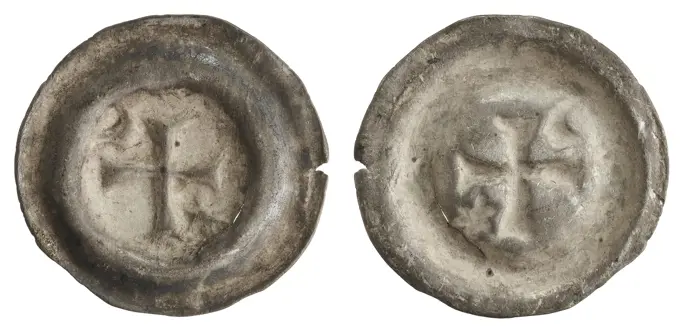
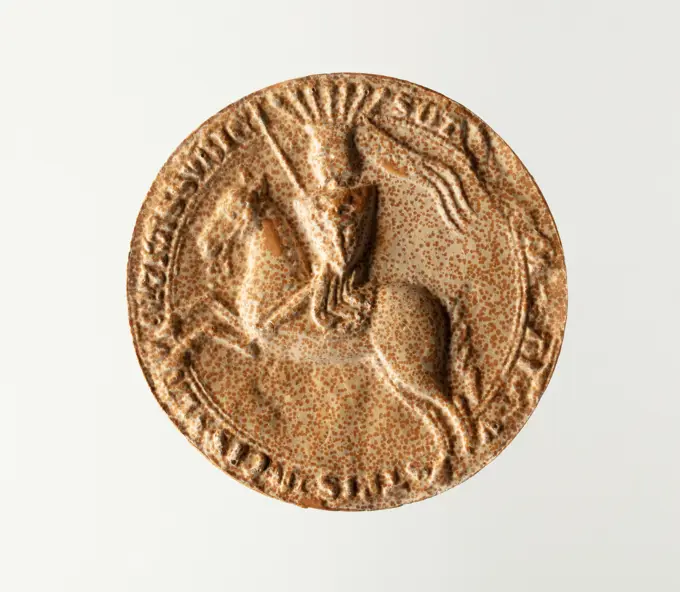
False Coin, Władysław Jagiełło (1386 1434), Kwartalnik Mały (Ternar); 1399/1400 unknown
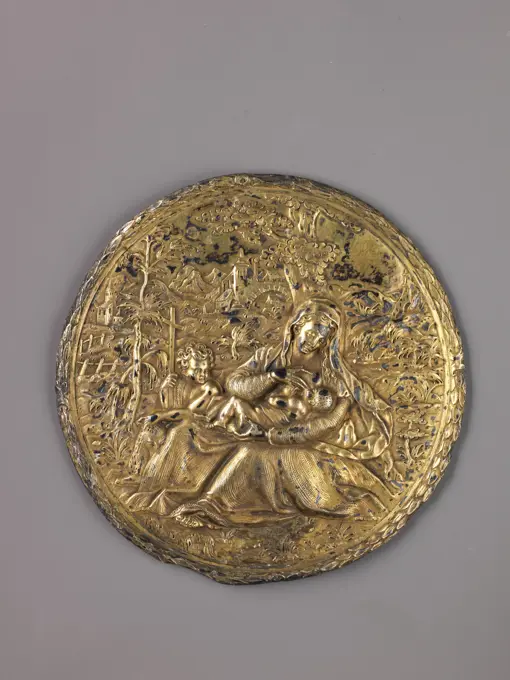
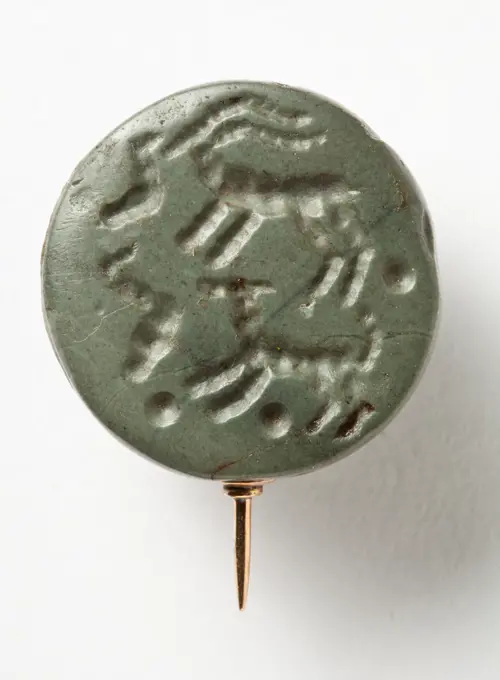
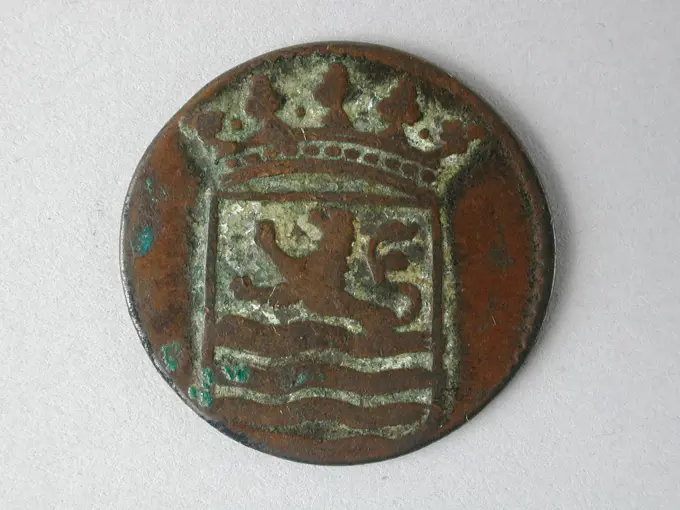
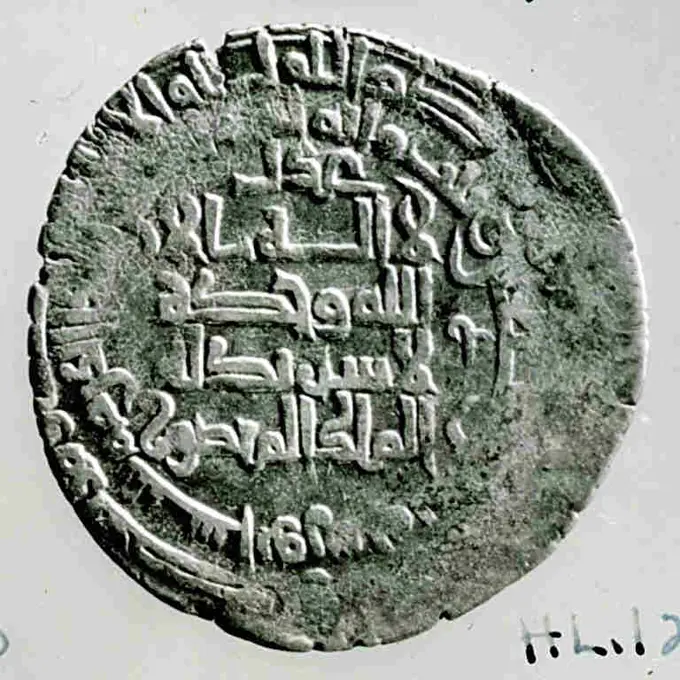
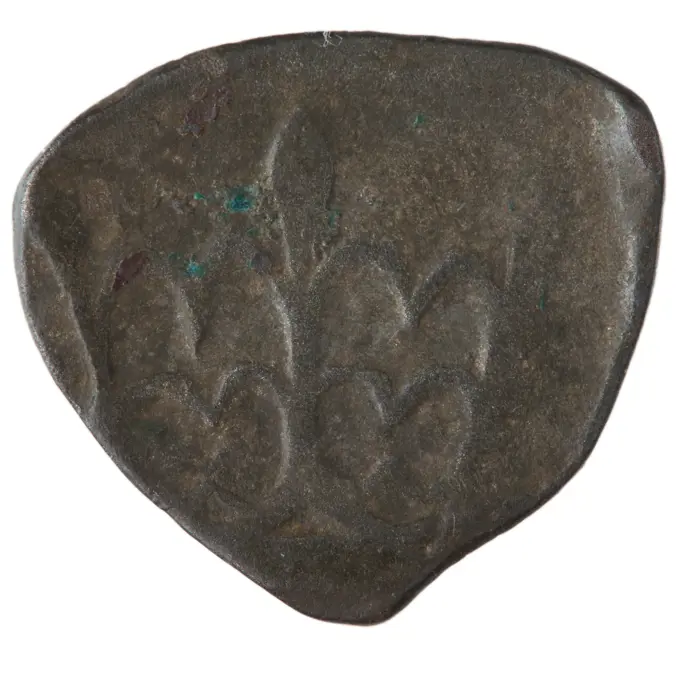
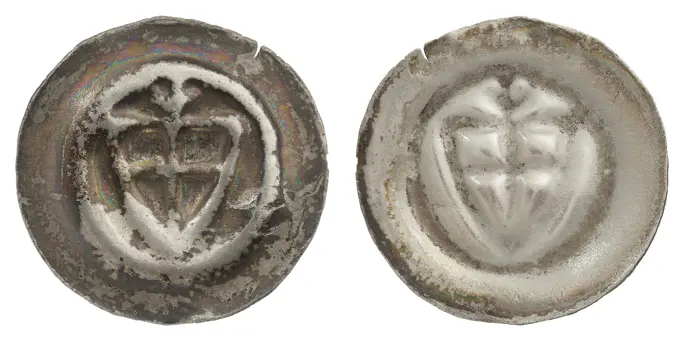
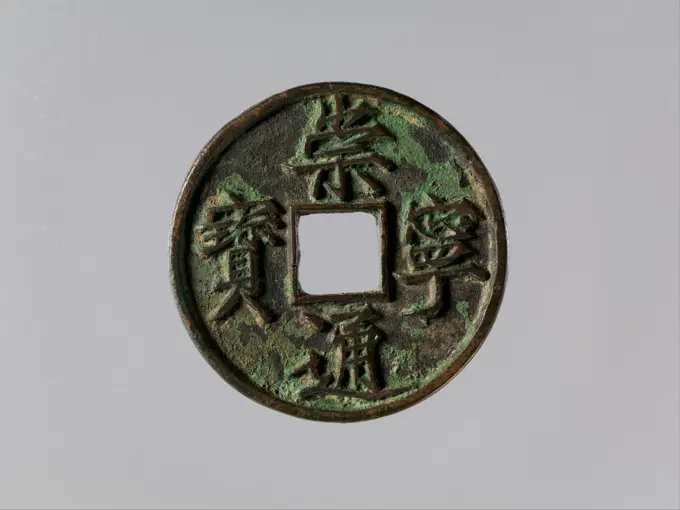
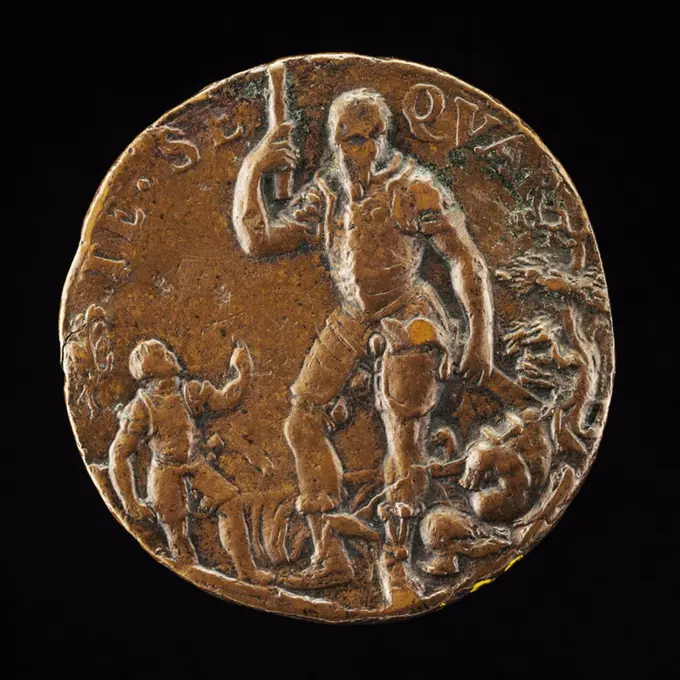
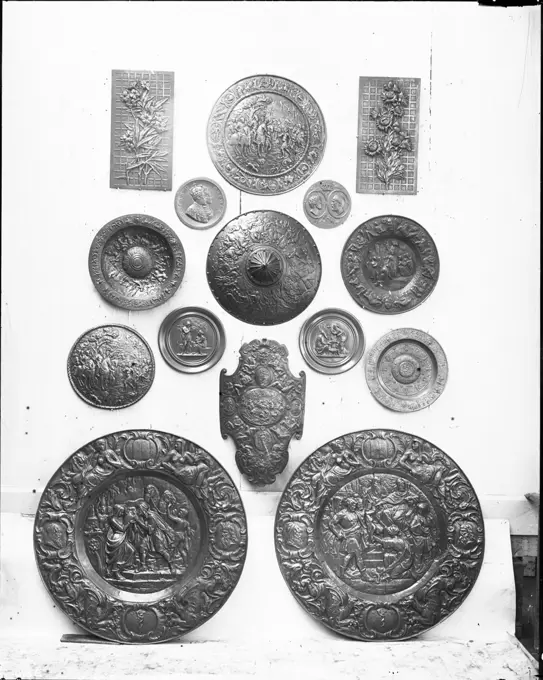
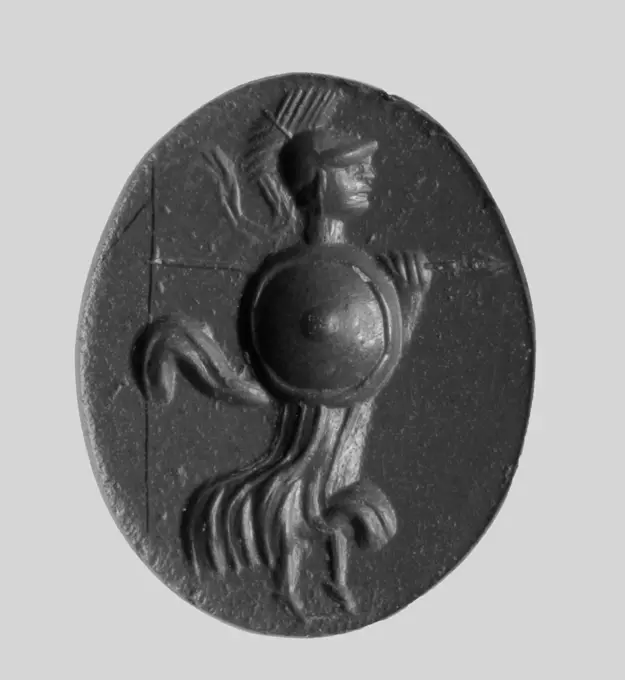
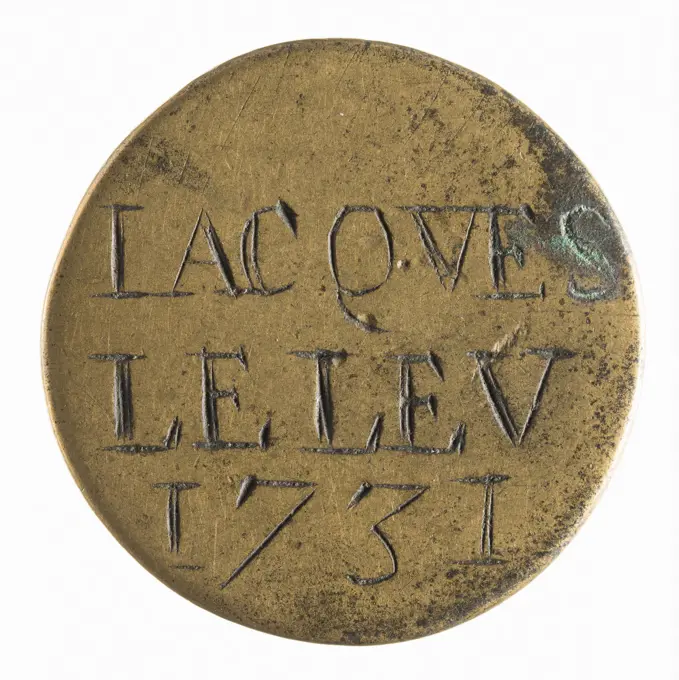
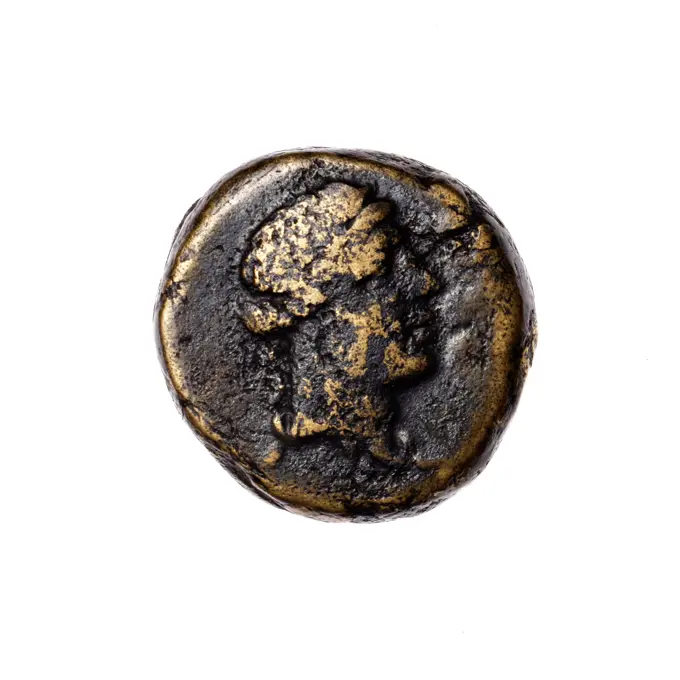
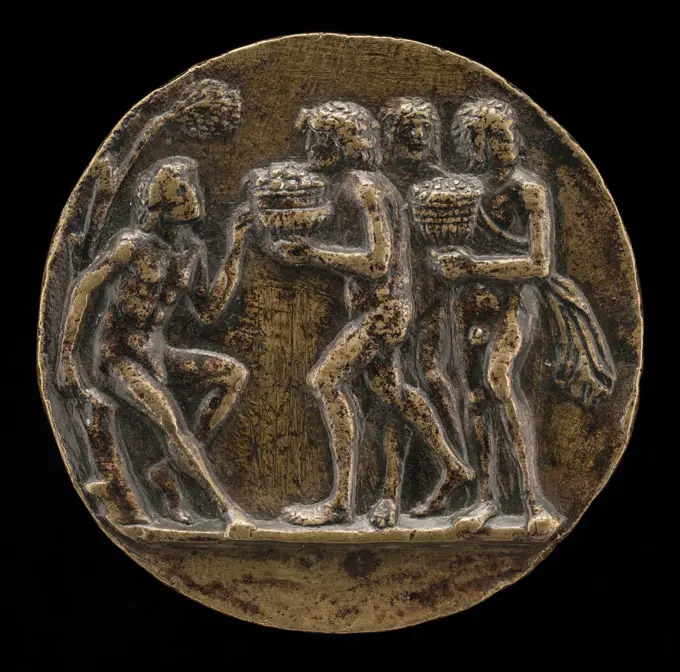
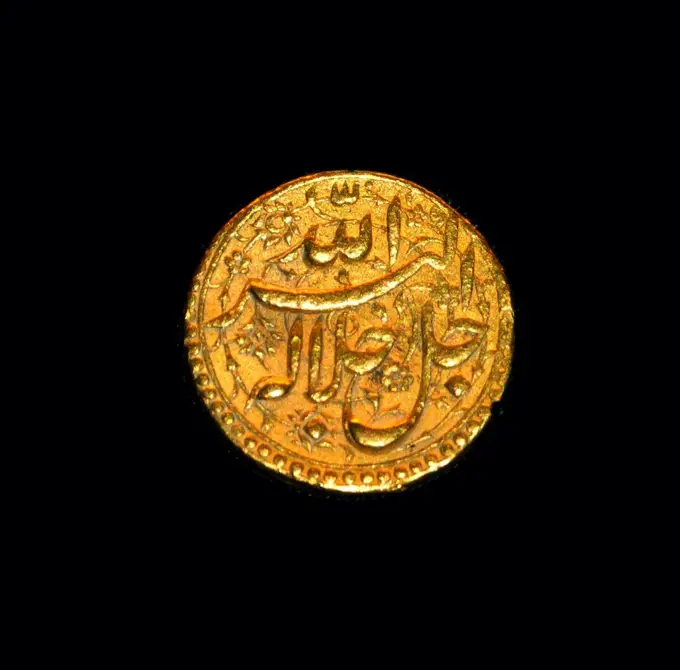
Stater: Barley, incuse (Reverse), 530-510 BC. Greece, Matapontum, 6th century BC. Silver; diameter: 2 cm (13/16 in.).bracteate denarius. Zakon krzyżacki (1190-), issuerVirgin and Child with St. John ca. 1625 (cast 19th or early 20th century) Arent van Bolten A circular plaque surrounded by a laurel wreath shows Mary sitting under a tree, nursing the Infant Christ with Saint John standing to her left. He holds a cross and strokes a lamb at his feet. The scene is set against a rocky landscape with buildings and a bridge in the background. While this piece is an electrotype, it was deliberately made to look like an authentic chased or cast plaquette, with extra silver soldered to the reverse, forming a zigzag test line intended to bolster the genuine character. The makers mark has not been identified.. Virgin and Child with St. John 461376Ionia, Miletus, diobol; 6th  5th century BC Miletus mintStamp Seal, Hemispheroid. Iran or Mesopotamia, circa 3000 B.C.. Tools and Equipment; seals. Green jasperPilgrim's Badge 14th-16th century French. Pilgrim's Badge. French. 14th-16th century. Lead. Metalwork-LeadCoin dated A.H. 376/ A.D. 986. Coin 457206Lombard account token, XIII-15th century Anonymous. Lombard account token, 13th-15th century. Copper. 1200-1400.Disk Brooch 8th-9th century Merovingian. Disk Brooch 466207Germany, coin of the VOC, beaten in Zeeland, penny coin money swap bronze metal 3.62 grams minted German. bronze. Coin of the VOC, VOC 1790 W. of Rede V.O.C shipping trade colonies pay money Zeeland Collection W of Rede Rotterdam.Coin dated A.H. 375/ A.D. 985. Coin 457148Coin dated A.H. 347/ A.D. 958. Coin 457310Poland, Władysław Warneńczyk (1434 1444), Denar, 1434 1444, Town of Krakow W ADYS AW WARNE Czyk (King of Poland, 1434 1444), Mint of KrakówCoin. South India, 8th-10th century. Tools and Equipment; coins. GoldBath Scraper 12th-13th century Prolonged exposure to water and steam in a hammams hot rooms loosens dead skin and forces impurities out of the body, which are then wiped or scrubbed away with any number of exfoliating implements, such as a mitt or sponge. A group of ceramic scrapers similar to this one are believed to come from Iran. Their decoration includes a variety of animal, floral, and geometric patterns, suggesting customers could select their own designs.. Bath Scraper 447922drachm. Szapur II (szachinszach Persji ; 309-379), rulerRoof Tile End China These two roof tiles (with 18.56.30) are decorated with animals that symbolize two of the four cardinal directions: the White Tiger of the West and the Red Bird of the South.. Roof Tile End 49529Inscription in a Wreath reverse. Dated: c. 1515. Medium: bronze. Museum: National Gallery of Art, Washington DC. Author: Paduan 16th Century.bracteate denarius. Zakon krzyżacki (1190-), issuerMirror China. Mirror. China. Bronze. Tang dynasty (618-907). MirrorsGold stater of Alexander the Great 336-323 B.C. Macedonia head of Athena/NikeMacedonia. Gold stater of Alexander the Great. Macedonia. 336-323 B.C.. Gold. Late Classical. Coinspenny; 1761 (1761-00-00-1761-00-00);R* (rarity), replacement coin, one -sided coins, city coinsCoin with Inscription Chong Ning Tong Bao 1102-06 China This coin is round with a square hole. It conforms to the shape of Chinese coins that first developed in the early seventh century and continued well into the nineteenth. The four character inscription reads chong ning tong bao, roughly circulating treasures of the Chongning era.” This is the name given to the period from 1102 to 1106 by Huizong (r. 1101-1125), the last emperor of the Northern Song dynasty (960-1127).. Coin with Inscription Chong Ning Tong Bao. China. 1102-06. Bronze. Northern Song dynasty (960-1127). CoinsCoin dated A.H. 600/ A.D. 1204. Coin 457695Bliżej Kultury unknownAkhtar Uit Mysore in India Van Kanthirava Narasa Raja Wodeyar I, 1638-1659,, 1638 - 1659 coin Copper mint. Front: running elephant to the right. Reverse: Pattern of perpendicular to each other standing straight lines. Mysore copper (metal) striking (metalworking)False coin, crown shilIIng, 1587, Sigismund III Vasa (1587 1632)Brown coin; Pantikapaion; 330-315 BC (330-00-00-315-00-00);Chynowski, Józef (1833 -Ca 1915), Chynowski, Józef (1833 -Ca 1915) - collections, Nadczarzyorze, Pegasus (Mitol.), Satyr (Mitol.), Society of Fine Arts encouragement (Warsaw - 1860-1940) - collection, Protoma Pegasus (iconogr.)Coin A.H. 596-616/ A.D. 1199-1219. Coin 457394King's Star, Xive-Fifteenth Century Anonymous. "King's Star, XIVE-15th century". Tin.Lombard Account Token: Buonsignori from Siena, XIII-15th Century Anonymous. Lombard Account Token: Buonsignori from Siena, XIII-15th century. Brass. 1200-1400.bracteate denarius. Zakon krzyżacki (1190-), issuerHalles and Markets of Paris: Lambert Renaudin, 1720 Halles and Markets of Paris: Lambert Renaudin, 1720 . Bronze. 1720-1720.Child Addressing Deifobo II reverse. Dated: 1552 or after. Dimensions: overall (diameter): 5.04 cm (2 in.) gross weight: 36.87 gr (0.081 lb.) axis: 7:00. Medium: bronze. Museum: National Gallery of Art, Washington DC. Author: Pier Paolo Galeotti.Halles and Markets of Paris: Michard, Ancien Régime Halles and Markets of Paris: Michard, Ancient Diet . Bronze.bracteate denarius. Zakon krzyżacki (1190-), issuerMedal titled The Russian Hydra” (Russland-Hydra). Artist: Karl Goetz, German, 1875-1950Round Plaque. Culture: Vicús. Dimensions: Diam. 2 1/8 in. (5.3 cm). Date: 3rd century B.C.-A.D. 2nd century. Museum: Metropolitan Museum of Art, New York, USA.Medals of cast iron.Engraved Gem. UnknownHalles and Paris markets: P. Pihan, 1731 Halles and Markets of Paris: P. Pihan, 1731 . Bronze. 1731-1731.Brown coin; Pantikapaion; 1. W. 1st century BC (-100-00-00--76-00-00);Apollo (mitol.), Nadczarzyorze, head of Apollo (iconogr.), Monograms, Tri -Leg (iconogr.), Tyrs (iconogr.), Purchase (provenance)Plate with David Slaying a Lion. Culture: Byzantine. Dimensions: Overall: 5 1/2 x 15/16 in., 13.7oz. (13.9 x 2.4 cm, 389g)foot: 2 9/16 x 3/8 in. (6.5 x 0.9 cm). Date: 629-630.In 628-29 the Byzantine emperor Herakleios (r. 610-41) successfully ended a long, costly war with Persia and regained Jerusalem, Egypt, and other Byzantine territory. Silver stamps dating to 613-29/30 on the reverse of these masterpieces place their manufacture in Herakleios's reign. The biblical figures on the plates wear the costume of the early Byzantine court, suggesting to the viewer that, like Saul and David, the Byzantine emperor was a ruler chosen by God. Elaborate dishes used for display at banquets were common in the late Roman and early Byzantine world; generally decorated with classical themes, these objects conveyed wealth, social status, and learning. This set of silver plates may be the earliest surviving example of the use of biblical scenes for such displays. Their intended arrangement may have Pseudo Melioli, A Fruit Offering, late 15th  early 16th century A Fruit OfferingGold Mughal coin of Emperor Akbar, Agra 1556-1605 This gold coin carries ornate Persian inscriptions which include the names of Persian months.