Medieval Coins from Poland

Ancient Polish coins featuring royal imagery and inscriptions, representing historical figures from different eras, with unique minting qualities.

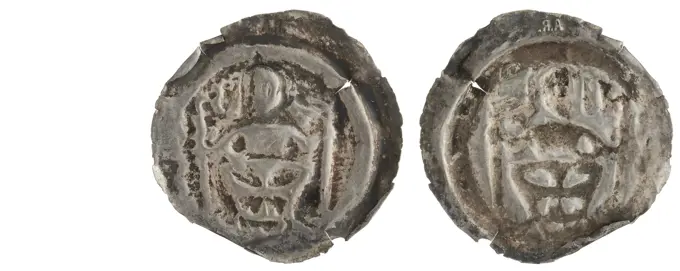
Greater Poland, Přemysl I (1239-1257) and Boleslaus the Pious (1239-1279), penny; 1239-1249 Boles and pious (1239-1279), Przemysł I (KSI Wielkopolska, 1239 1257)
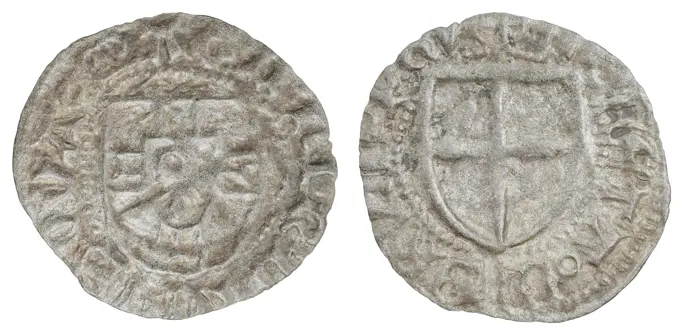
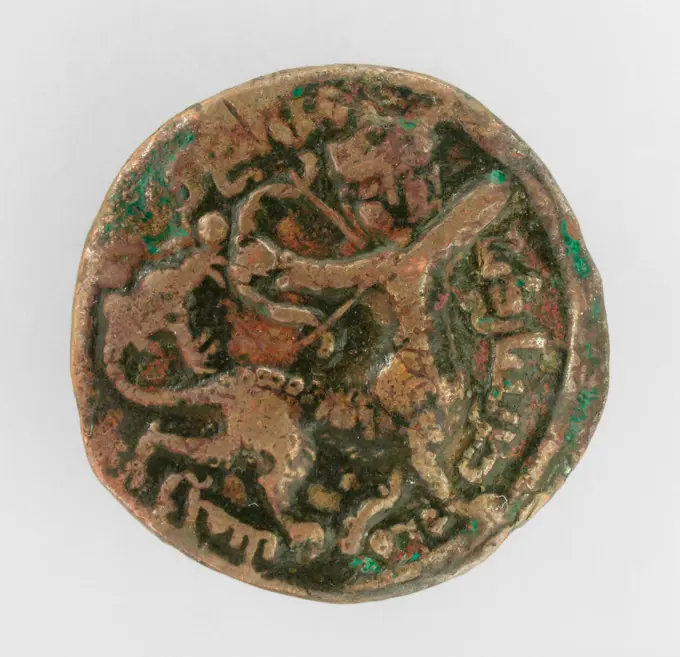
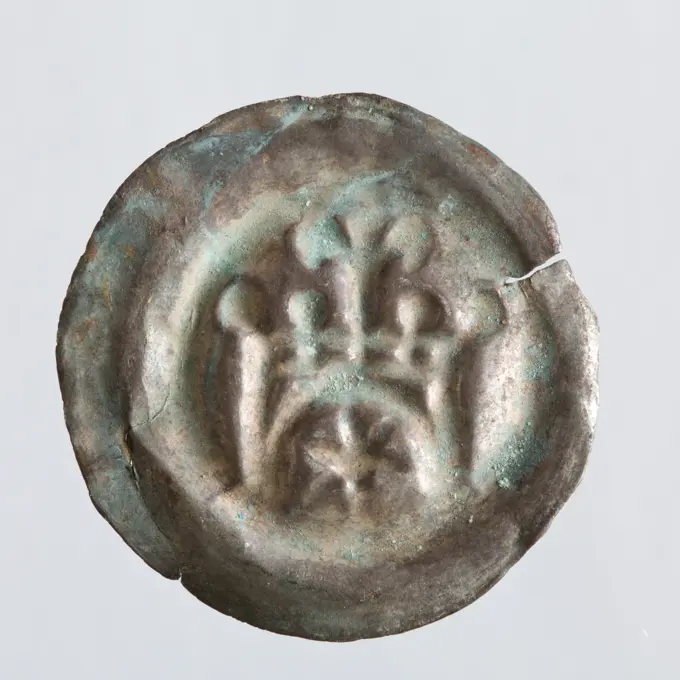
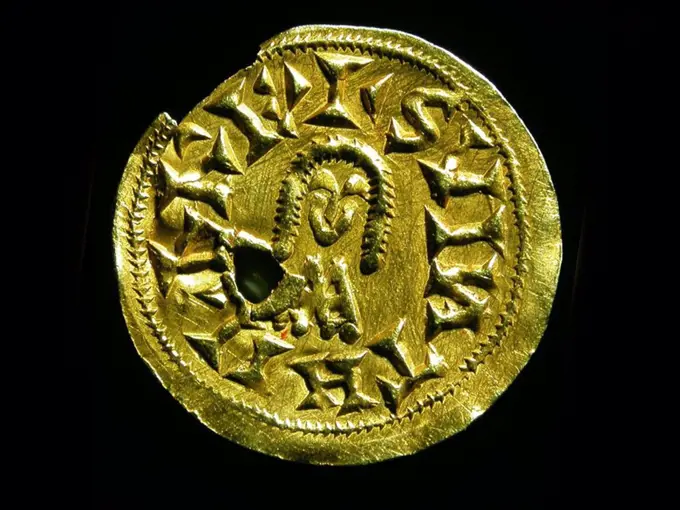
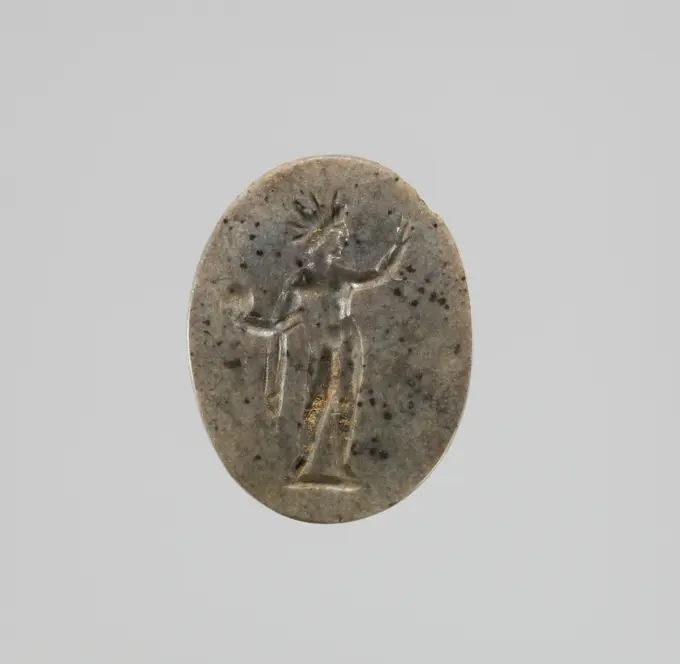
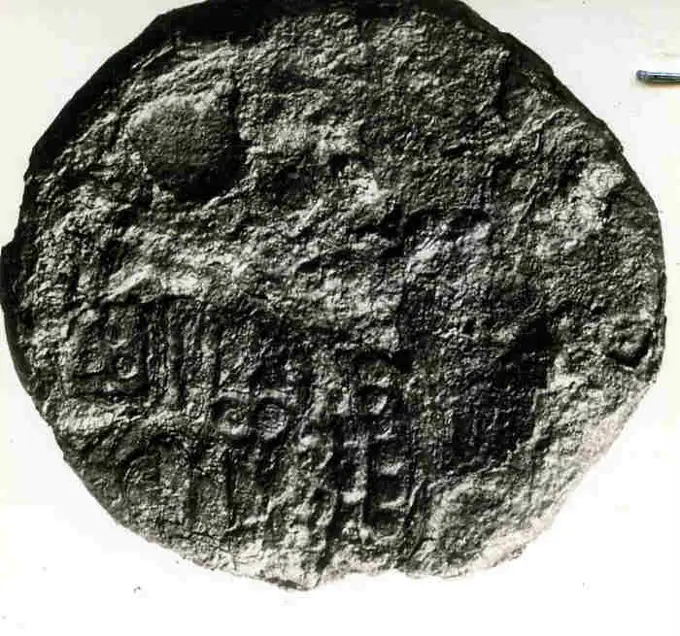
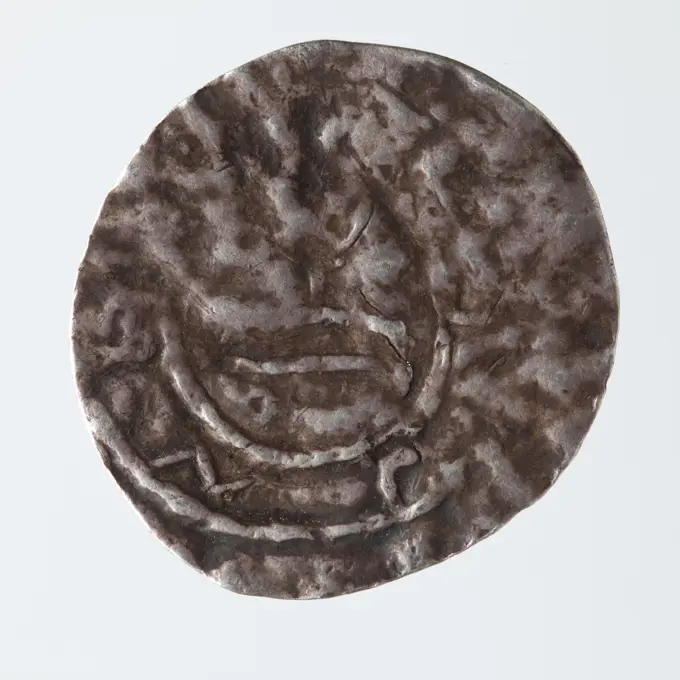
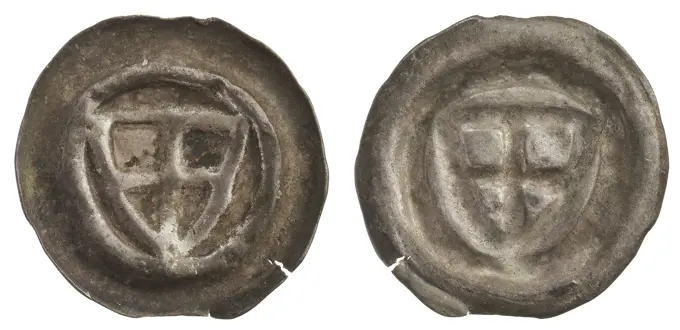
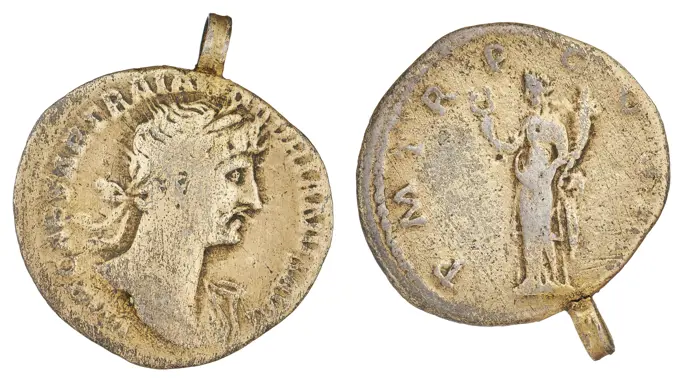
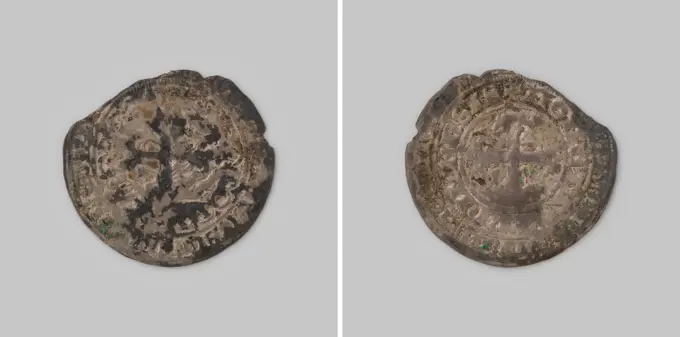
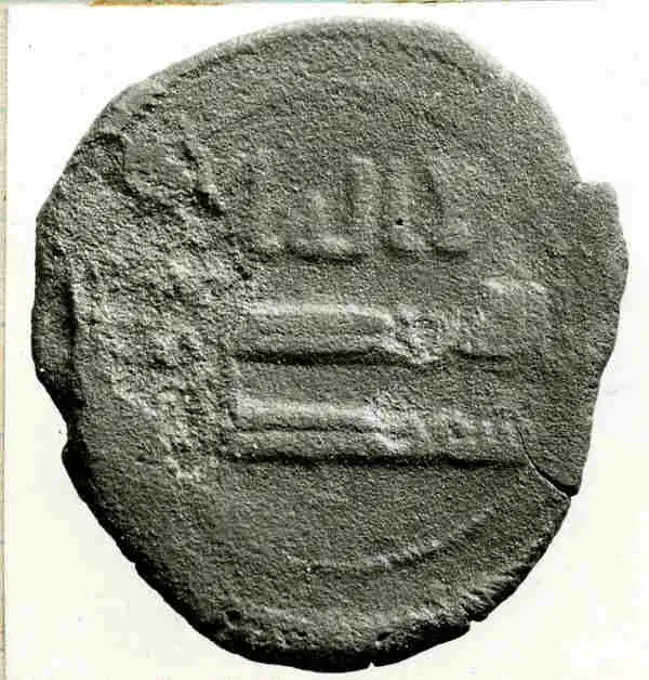
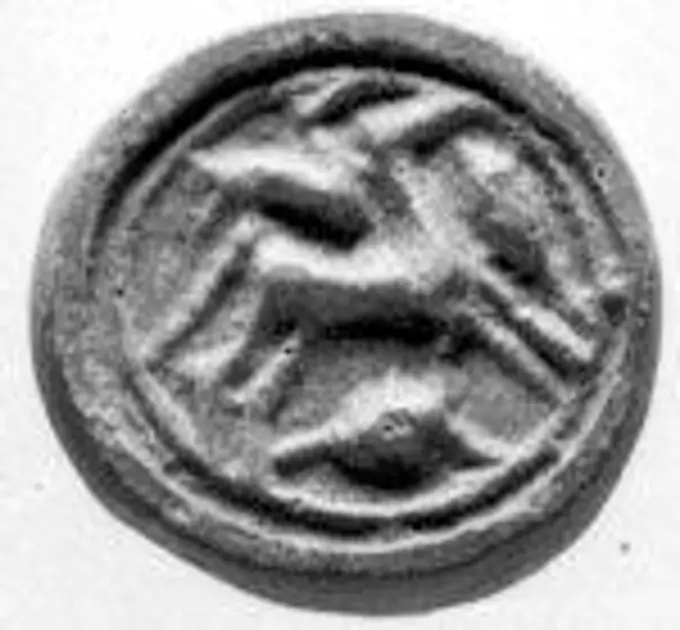
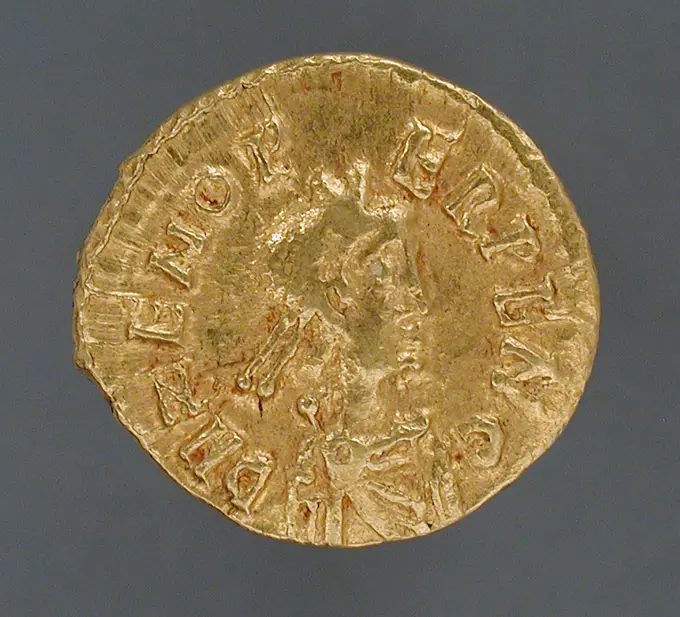
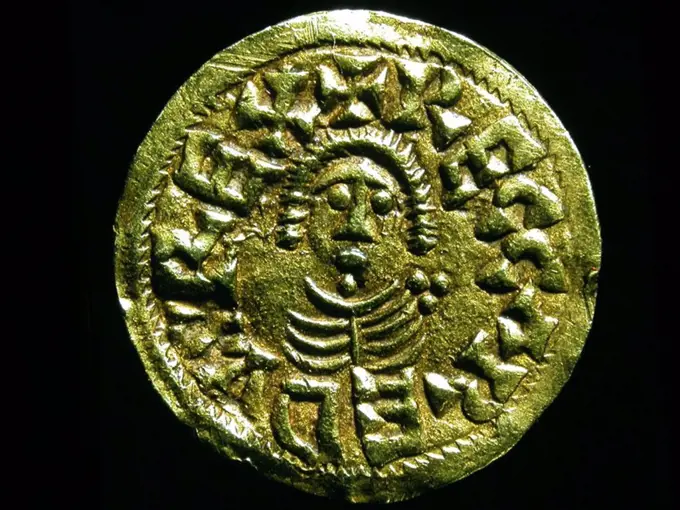
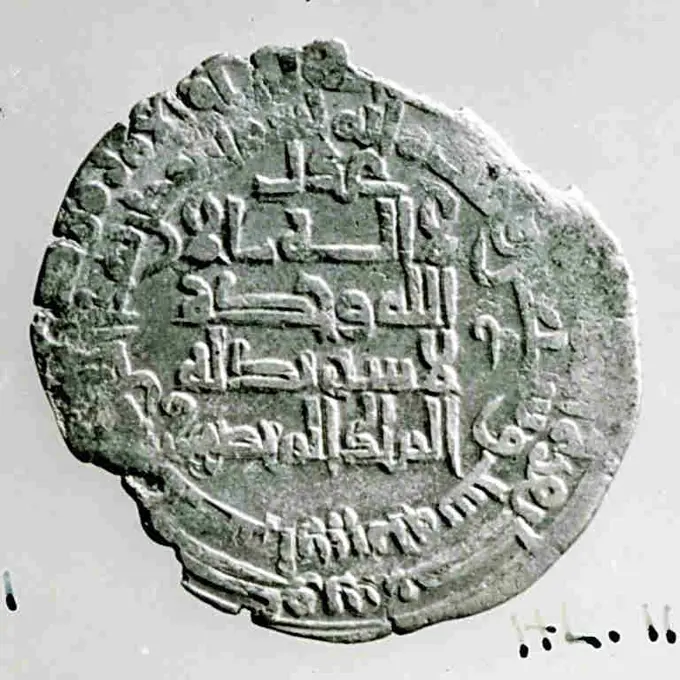
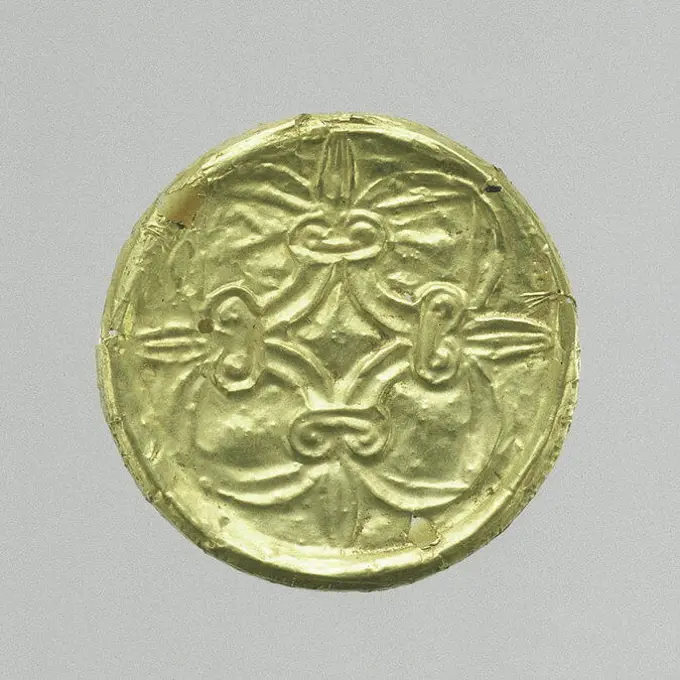
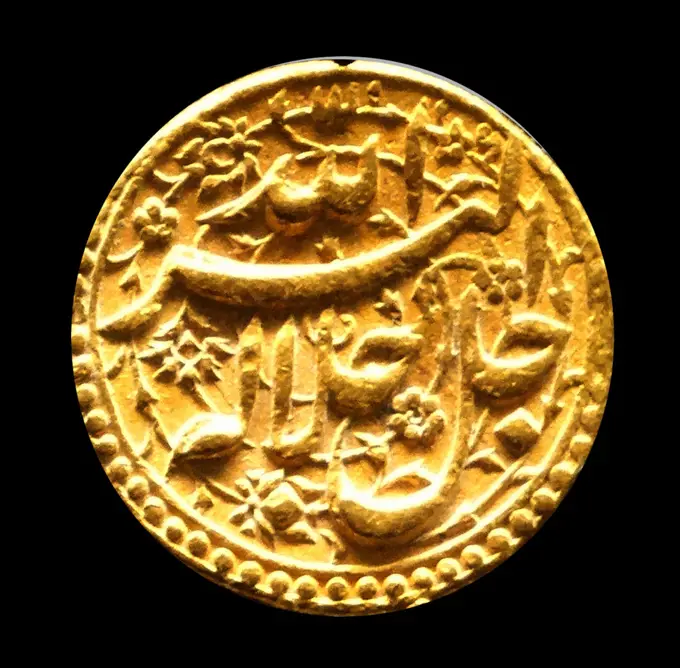
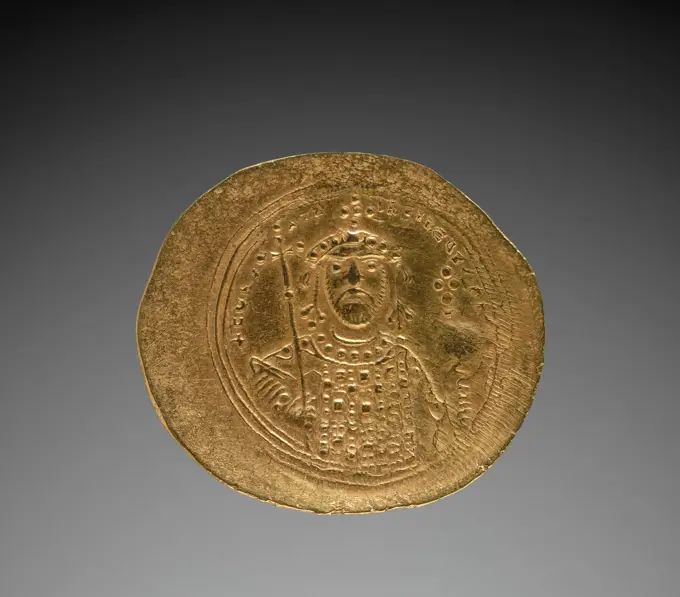
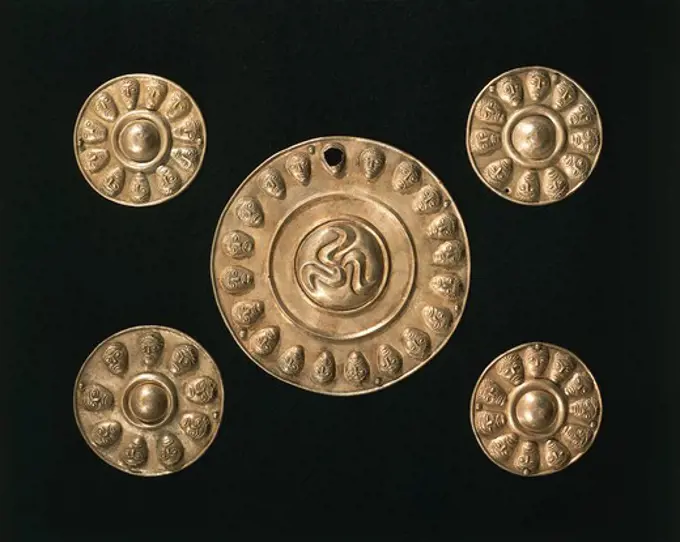
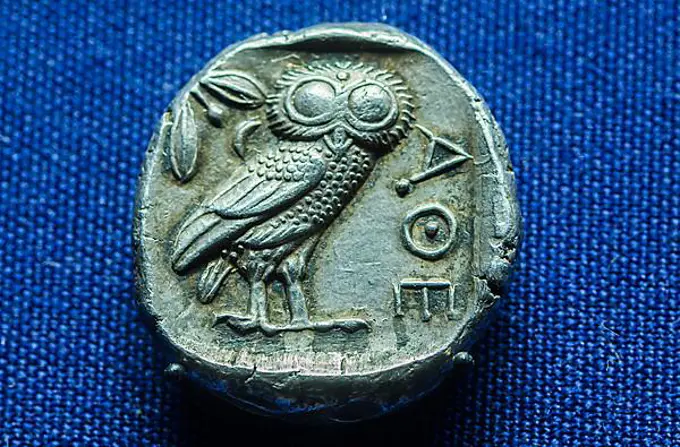
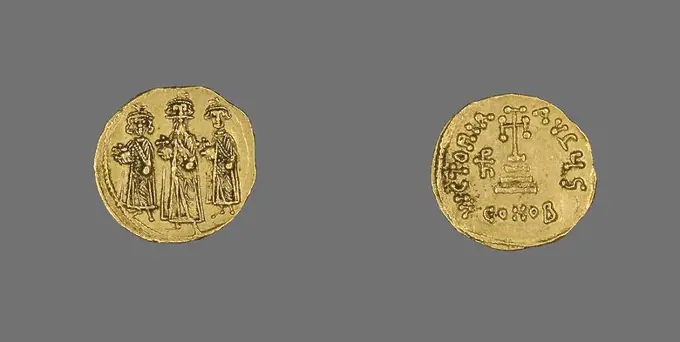
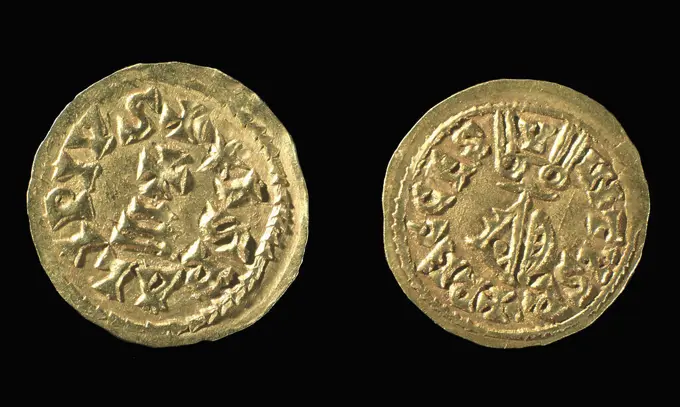
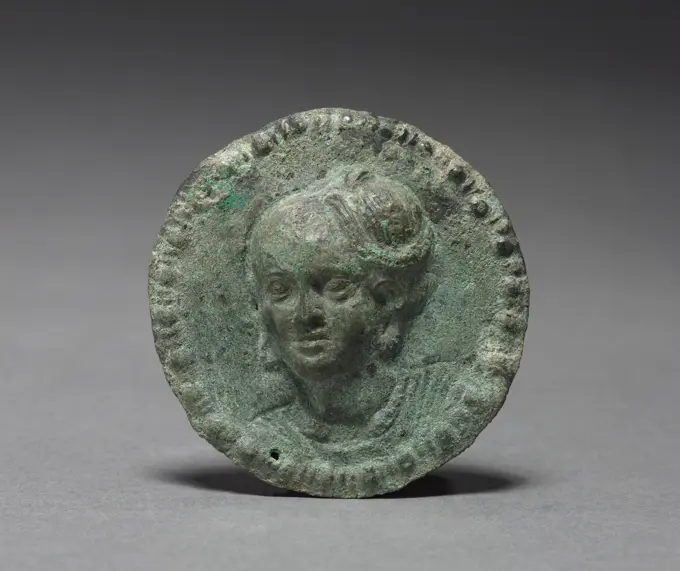
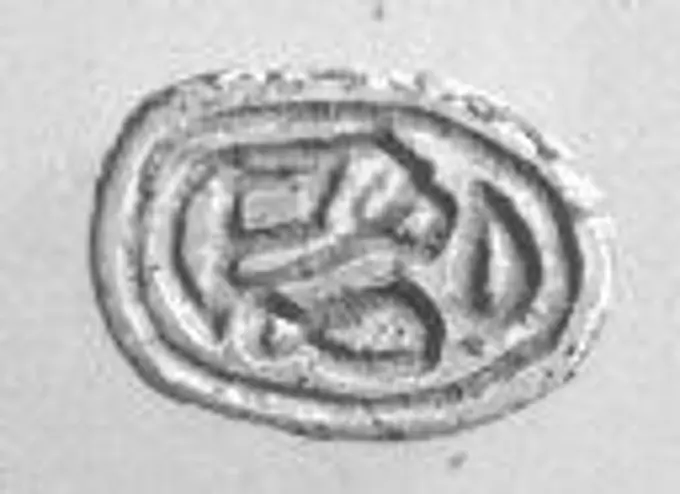
Coin. Unknownschilling. Zakon krzyżacki (1190-), issuer, Henryk Reffle von Richtenberg (wielki mistrz ; 1470-1477), grand masterschilling. Zakon krzyżacki (1190-), issuer, Wesner, Hans (fl. 1480-), moneyer, Marcin Truchsess von Wetzhausen (wielki mistrz ; 1477-1489), grand masterHemiobol from Athens,Attica. Artist: UnknownFalse coin, IIthuanian shilIIng, John II Casimir (1649 1668)False coin, daric, Achaemenids, fifth sixth century BCDirham. Anatolia, Mardin, 1201/597 A.H.. Tools and Equipment; coins. CoinNUMISMATICA. MONEDA VISIGODA. RECAREDO TOLETO (CARTHAGINESIS)586-601 REVERSO. HALLAZGO DE GARROVILLAS.Poland, the unknown ruler, bracteate; 1257/1258-1267/1268Coin. UnknownCarnavalet Museum, Medals CollectionNUMISMATICA. MONEDA VISIGODA. SUINTILA BARBI (BAETICA) (621-631) ANVERSO. DONACION DE LA COLECCIÓN DE DON MANUEL TRABUCO.Hematite intaglio: Standing deity Roman. Hematite intaglio: Standing deity 245904bracteate denarius. Zakon krzyżacki (1190-), issuerCoin 1256-1335. Coin 457349Mieszko II Lambert (1025 1034) As the Successor of the Throne, Denar; Wielkopolska, Kujawy or North Mazowsze; AROUND 1010-1020 Mieszko II Lambert (1025 1034)drachm. Chosroes II (władca Persji ; 590 - 628), rulerdrachm. Gotarzes II (król Partów ; 40-51), rulerCoin dated A.H. 157/ A.D. 774. Coin. dated A.H. 157/ A.D. 774. Gold-plated copper. Excavated in Iran, Nishapur. Mint Balkh. CoinsReaal van Achten, beaten in Mexico, mint from the wreck of the East Indied's' t flying heart. Beaten silver coin, beaten on irregular coin plate. Front: coat of arms; Turn left: letters omf, placed above each other; From the top left, from the top left is only yaartal visible. Downside: cross in common; between cross arms: weapon figures.bracteate denarius. Zakon krzyżacki (1190-), issuerdenarius. Hadrian (Roman emperor; 117-138), emperorStamp seal ca. 3rd-7th century A.D. Sasanian. Stamp seal. Sasanian. ca. 3rd-7th century A.D.. Chalcedony, translucent. Sasanian. Iran or MesopotamiaGelderse Plak van Hertog Eduard, 1361-1371, Eduard (Hertog van Gelre), 1361 - 1371 coin Silver coin. Front: sitting lion to the left with helmet and helmet sign. Reverse: Short floral cross. Arnhem silver (metal) striking (metalworking)Coin 718-814. Coin 457632Stamp seal (grooved oval conoid) with animals 12th - 7th century B.C. Syro-Anatolian-Levantine. Stamp seal (grooved oval conoid) with animals. Syro-Anatolian-Levantine. 12th - 7th century B.C.. Steatite, brown. Iron Age I-II. Cyprus ()Unattributed Trebizond Coin. UnknownCoin, Zeno. Constantinople, Byzantine, circa 474-491 A.D.. Tools and Equipment; coins. GoldCoin dated A.H. 139/ A.D. 756. Coin. dated A.H. 139/ A.D. 756. Copper. Excavated in Iran, Nishapur. Mint A-Rayy. CoinsSaxon Silver Coins: Left King Ethelwulf & Right King Egbert. Drawing of a Silver Penny from the reign of King zzz Black and White Illustration from the "Old England" published by James Sangster in 1860.NUMISMATICA. MONEDA VISIGODA. RECAREDO CORDOBA (BAETICA) (586-601) ANVERSO.Coin dated A.H. 376/ A.D. 986. Coin 457140Coin dated A.H. 369/ A.D. 979. Coin 457213NUMISMATICA. MONEDA MONEDAS BIZANTINAS DE ORO Y BRONCE. REAL ACADEMIA DE LA HISTORIA.Gold roundel with stamped designs ca. 1600-1050 B.C. Cypriot Made of hammered sheet metal, these gold roundels would have adorned a cloth or garment, probably a funerary shroud. Similar examples have been found in the Royal Shaft Graves at Mycenae and in Mycenaean tombs on the island of Rhodes.. Gold roundel with stamped designs 242455Coin, Lead, 13th century, Russia, Moscow, State History Museum,Kasja Van Sultan Ala Ed-Din Mansouer II VAN Atjeh, Sumatra, Ah 1260 (1844) ,, 1844 coin Pewter mint. Front: three -faced inscription in Arabic characters. Reverse: Three -layer inscription in Arabic characters, including year in Islamic era Aceh tin (metal) castingFemale Head. UnknownStamp seal ca. 3rd-7th century A.D. Sasanian. Stamp seal. Sasanian. ca. 3rd-7th century A.D.. Hematite. Sasanian. Iran or MesopotamiaCoin dated A.H. 375/ A.D. 985. Coin 457147Solidus of Justinian I, Emperor of Byzantium fromConstantinople. Ruler: Justinian I, Emperor of Byzantium, ca. 482-565, ruled 527-65 Mint: Constantinople Artist: UnknownGold Dinar coin. AD 690 Damasus.Inscription in a Wreath reverse. Dated: 1554. Dimensions: overall (diameter): 6.35 cm (2 1/2 in.) gross weight: 110.33 gr (0.243 lb.) axis: 12:00. Medium: bronze. Museum: National Gallery of Art, Washington DC. Author: Italian 16th Century.Coin dated A.H. 375/ A.D. 985. Coin 457141Scarab seal ca. 1780-1580 B.C.. Scarab seal. ca. 1780-1580 B.C.. Steatite, white. Dynasty 15-17, 2nd Intermediate Period, Hyksos. Levant, Lachish (modern Tell ed-Duweir)Gold Mughal coin of Emperor Akbar, Agra 1556-1605 This gold coin carries ornate Persian inscriptions which include the names of Persian months.bracteate denarius. Zakon krzyżacki (1190-), issuerSword Pommel 16th century Italian. Sword Pommel 29116Coin dated A.H. 377/ A.D. 987. Coin 457137Nomisma with Constantine IX Monomachus (reverse), 1042-1055. Byzantium, 11th century. Gold; diameter: 2.9 cm (1 1/8 in.). The vast number of surviving Byzantine coins attests to the level of trade across the empire. Controlled and supervised by the emperor, the producers of coins took care to represent his authority and reflect his stature. Talented artists were recruited to engrave the dies (molds) used for the striking of coins. Emperors increasingly came to include their heirs and co-emperors on their coinage, as well as other family members or even earlier rulers. Coins were recognized, then as now, as small, portable works of art. With their inscriptions and images, Byzantine coins provide valuable documentation of historical events and a record of the physical appearance of the emperors. The solidus is the basic gold coin of 24 karats; the tremissis, a gold coin of one-third the weight and value of the solidus; and the nomisma, which in the 10th century replaced the solidus as tCeltic civilization, Italy, 1st century b.C. Embossed silver phaleras, ornamental disks used on horse gear. From Manerbio, Brescia province.Coin Cabinet in the Residence PalaceSolidus (Coin) of Heraclius. Byzantine, minted in Constantinople. Date: 638 AD-641 AD. Dimensions: Diam. 2 cm; 4.49 g. Gold. Origin: Byzantine Empire. Museum: The Chicago Art Institute, Chicago, USA. Author: BYZANTINE.MONEDAS VISIGODAS EN ORO. Location: MUSEO ARQUEOLOGICO NACIONAL-COLECCION. MADRID. SPAIN.Stamp seal ca. 3rd-7th century A.D. Sasanian. Stamp seal. Sasanian. ca. 3rd-7th century A.D.. Sard. Sasanian. Iran or MesopotamiaANVERSOS DE REALES DE A DOS Y DE A OCHO DE PLATA DE CARLOS II - SIGLO XVII. Location: FABRICA NACIONAL DE MONEDA Y TIMBRE-COLECCION, MADRID, SPAIN.Roundel, c. 100-1 BC. India, Satavahana period. Bronze with repoussé and chased designs; diameter: 6.5 cm (2 9/16 in.); overall: 6.5 x 1.8 cm (2 9/16 x 11/16 in.).Hercules, vintage engraved illustration.Scarab seal ca. 1700-1560 B.C.. Scarab seal. ca. 1700-1560 B.C.. Steatite, white. Dynasty 15-17, 2nd Intermediate Period, Hyksos. Levant, Lachish (modern Tell ed-Duweir)Stamp seal ca. 3rd-7th century A.D. Sasanian. Stamp seal. Sasanian. ca. 3rd-7th century A.D.. Chalcedony, milky. Sasanian. Iran or Mesopotamia