Medieval Frescoes and Architectural Fragments

A collection of historical frescoes and architectural details from ancient sites, showcasing the artistry of past centuries in monochrome tones.

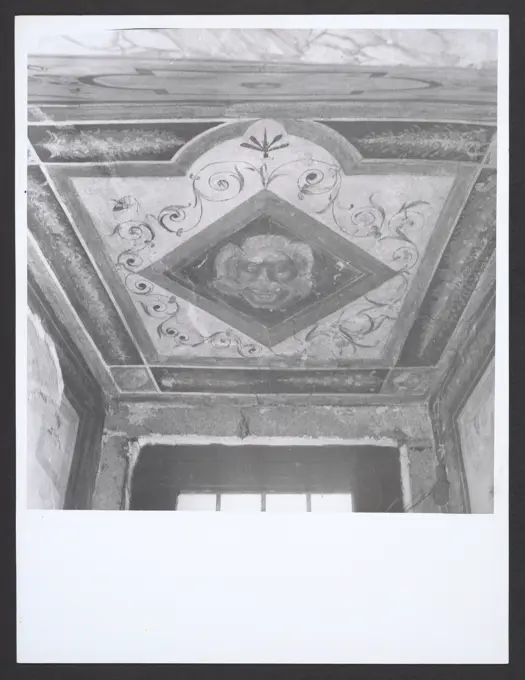
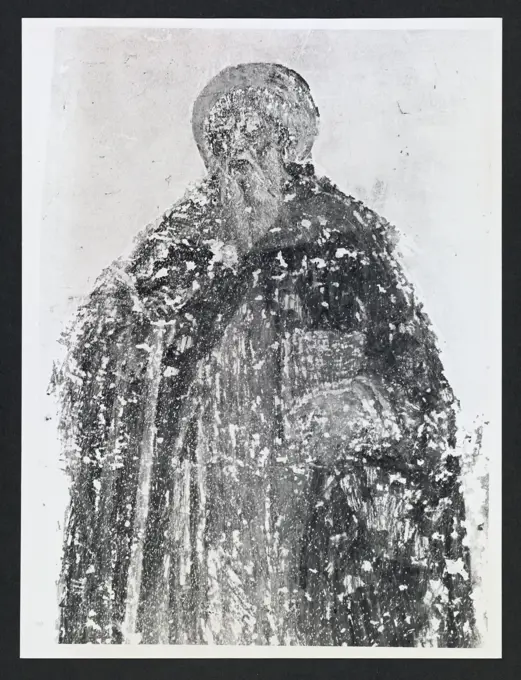
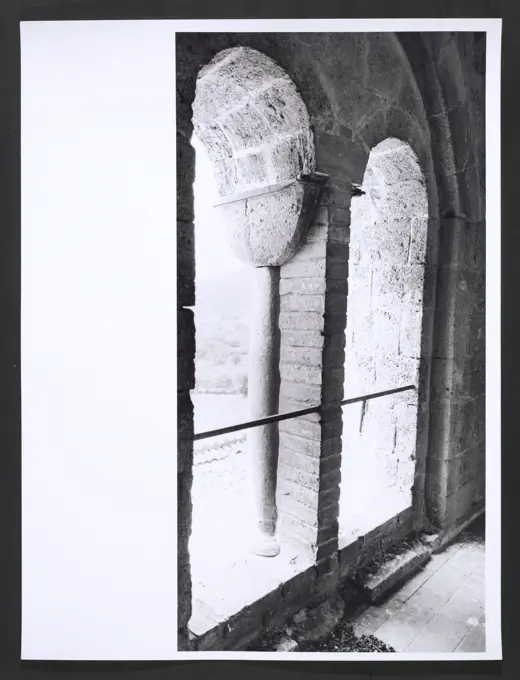
Campania Caserta Santa Maria Capua Vetere Mitreo7. Hutzel, Max 1960-1990 Antiquities: Plan, sculptural reliefs, architecture, fresco painting, architectural fragments Object Notes: Discovered in September 1922, one of the best preserved monuments of the habitations for the cult of the Persian god Mithras, dating from the 2nd-3rd centuries A.D. The building consists of a rectangular subterranean hallway of 23 x 3 meters, with painted ceiling. Frescoes and sculptural fragments abound. No information provided by Hutzel. See TCI, Campania, p.184 German-born photographer and scholar Max Hutzel (1911-1988) photographed in Italy from the early 1960s until his death. The result of this project, referred to by Hutzel as Foto Arte Minore, is thorough documentation of art historical development in Italy up to the 18th century, including objects of the Etruscans and the Romans, as well as early Medieval, Romanesque, Gothic, Renaissance and Baroque monuments. Images are organized by geographic regi