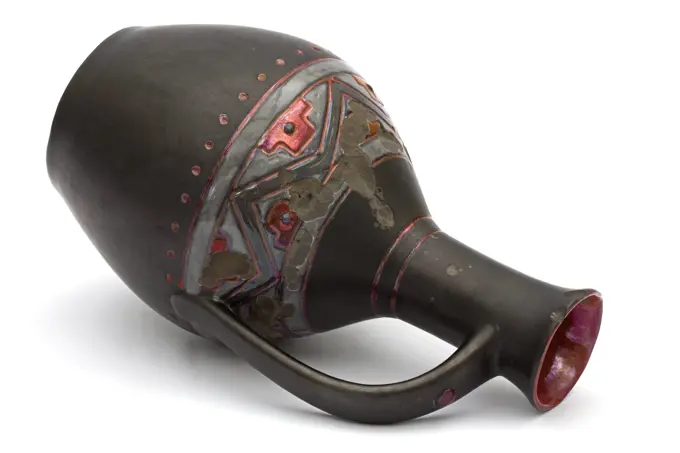
Medieval Helmets Collection

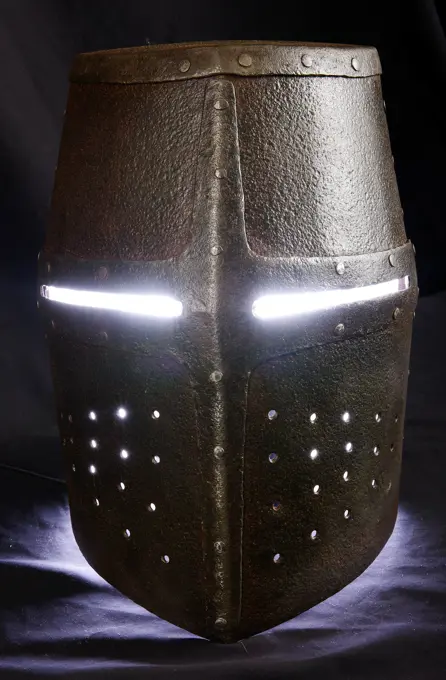
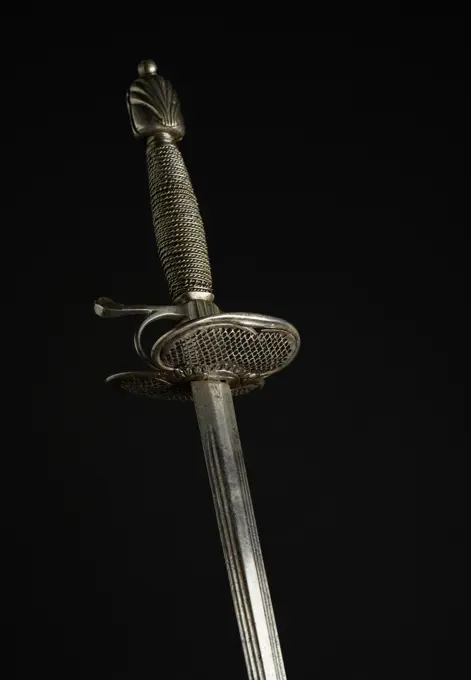
Various styles of historical helmets from different cultures, showcasing unique designs and materials, embodying the armor of past centuries.

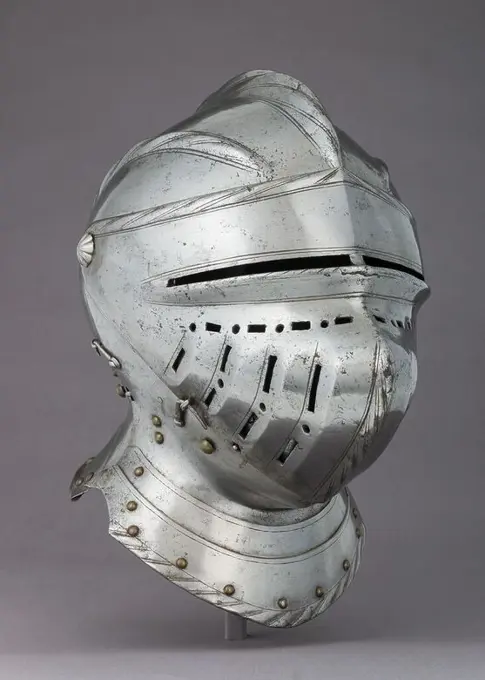
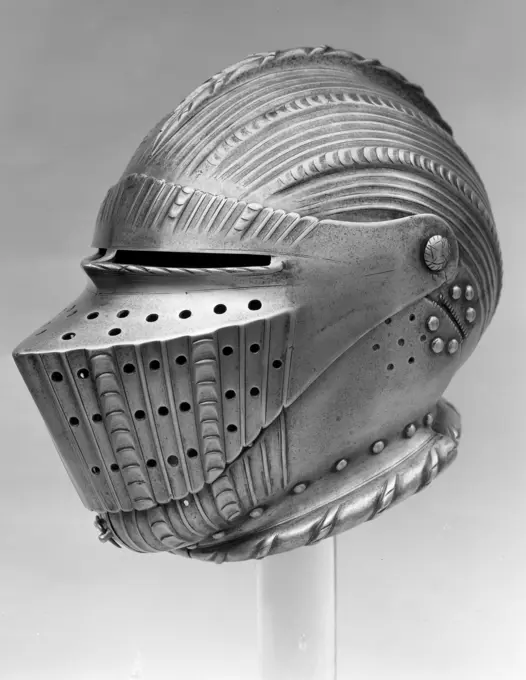
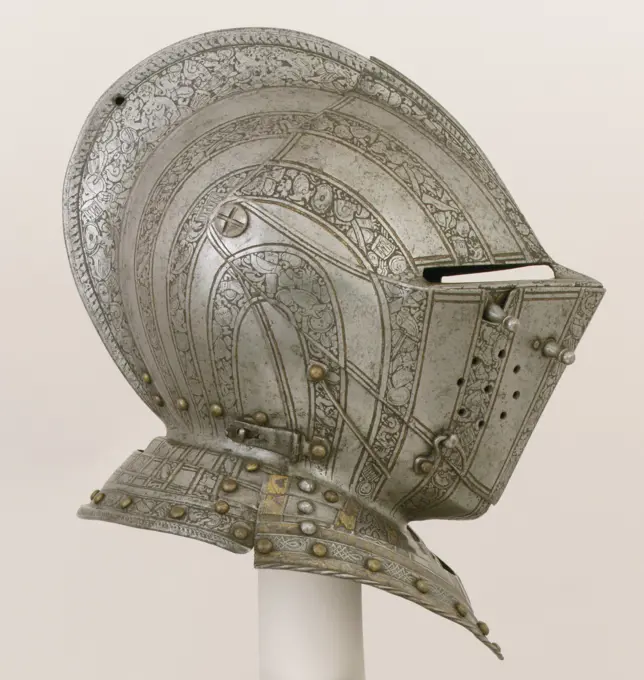
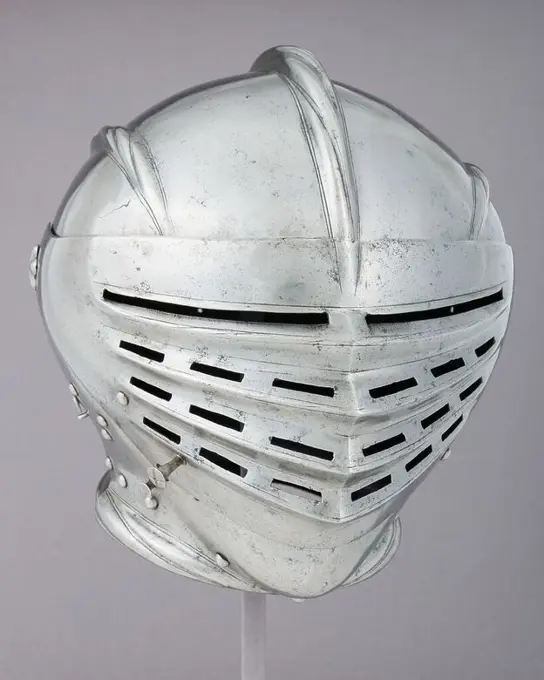
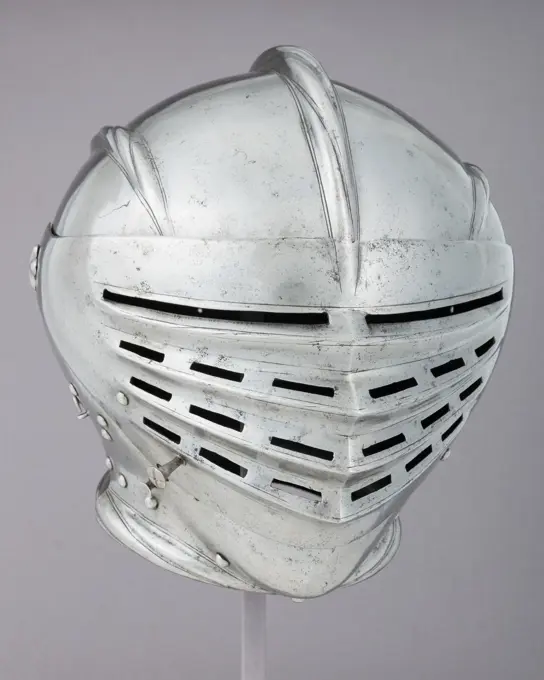
Close Helmet ca. 1505-10 Hans Maystetter This is an early close helmet, which became the standard form of cavalry helmet throughout the sixteenth century. Characteristic are the visor and separate chin defense that pivot at the same points.. Close Helmet. Austrian, Innsbruck. ca. 1505-10. Steel, leather. Innsbruck. Helmets
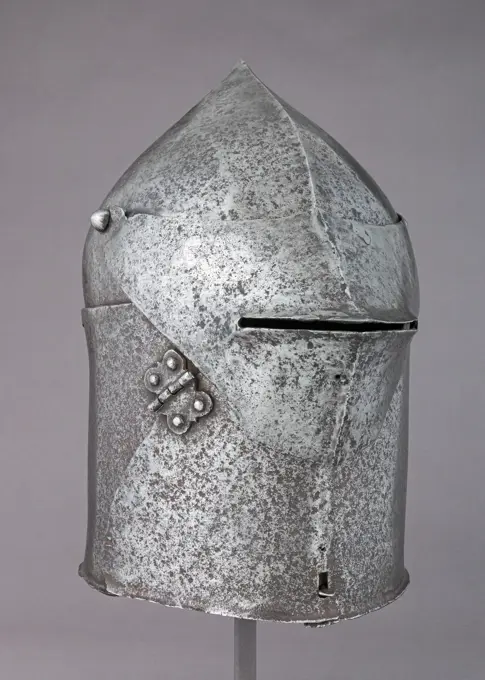
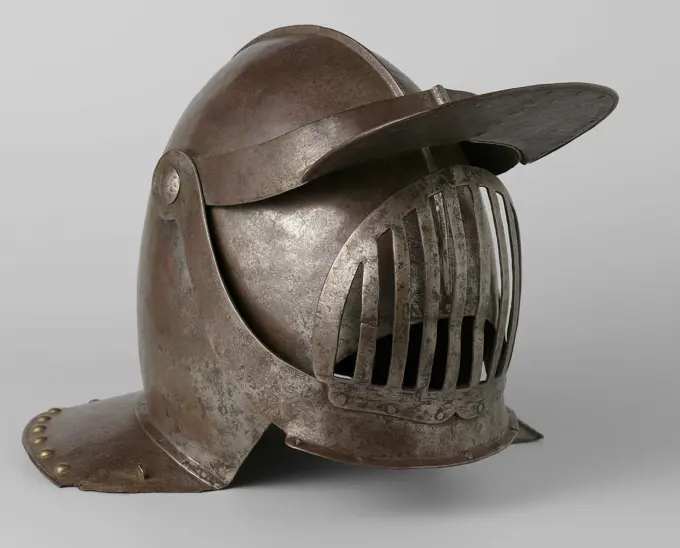
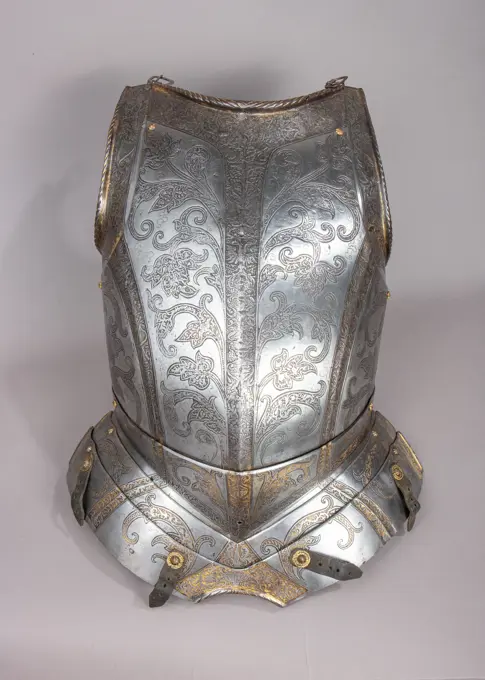
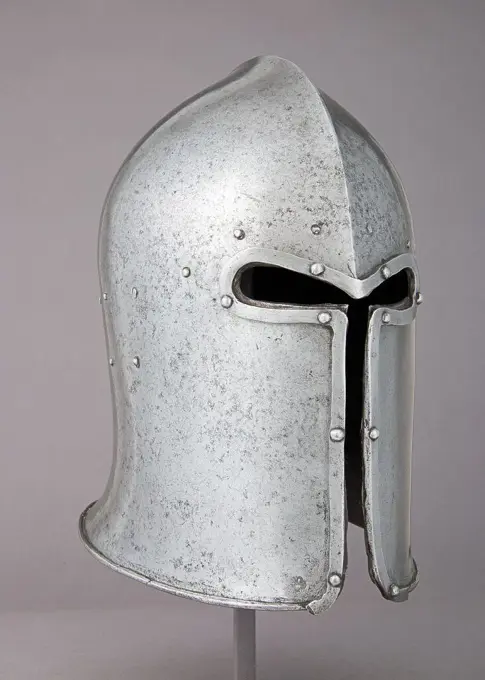
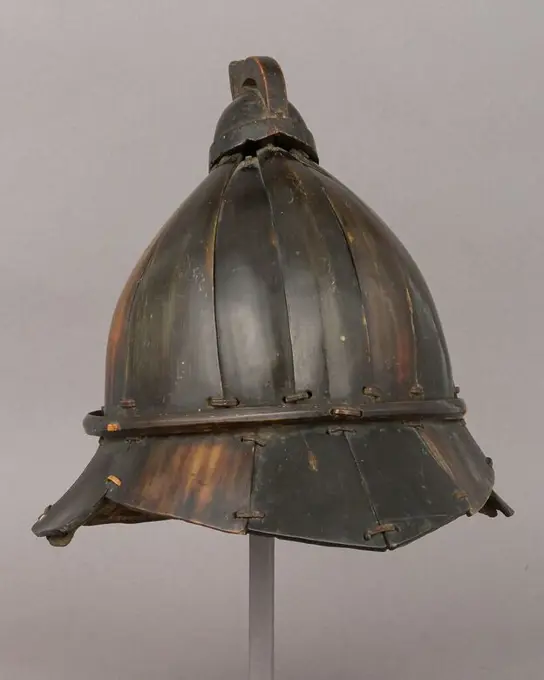
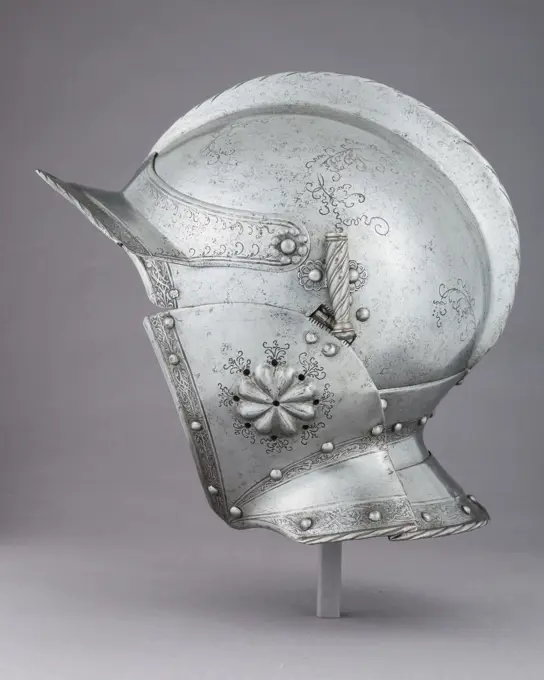
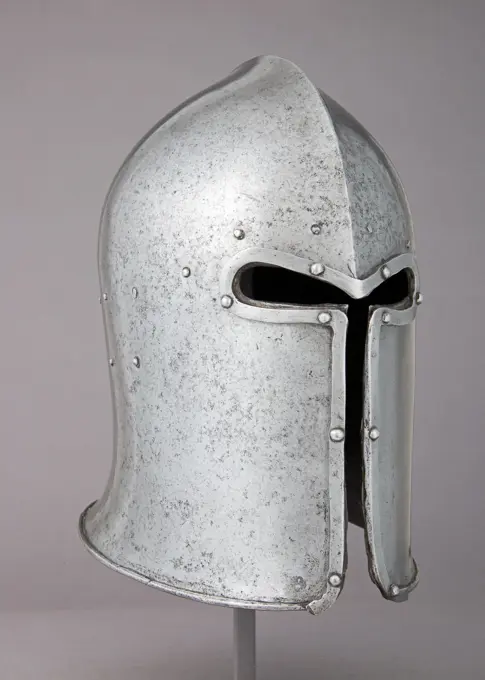
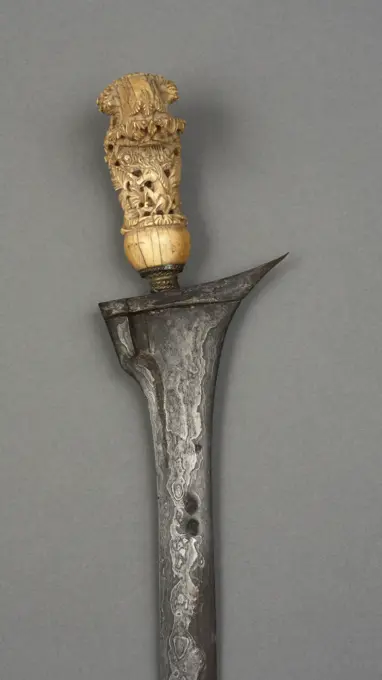
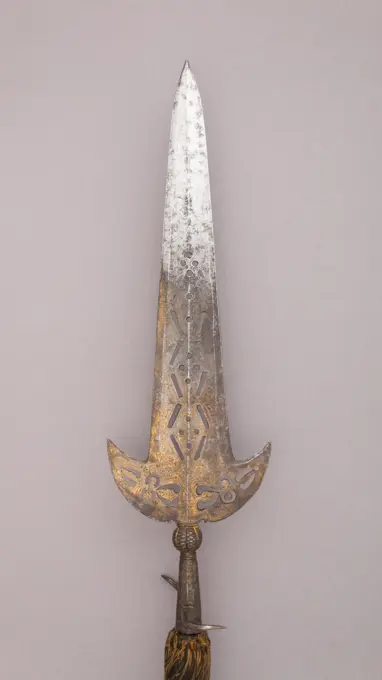
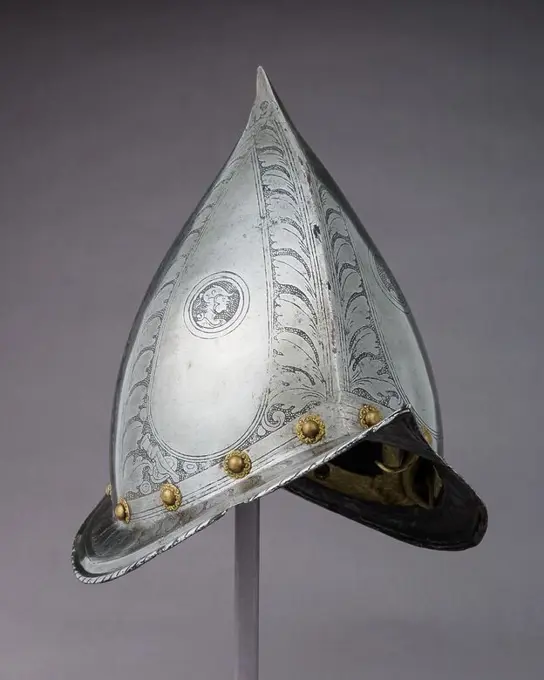
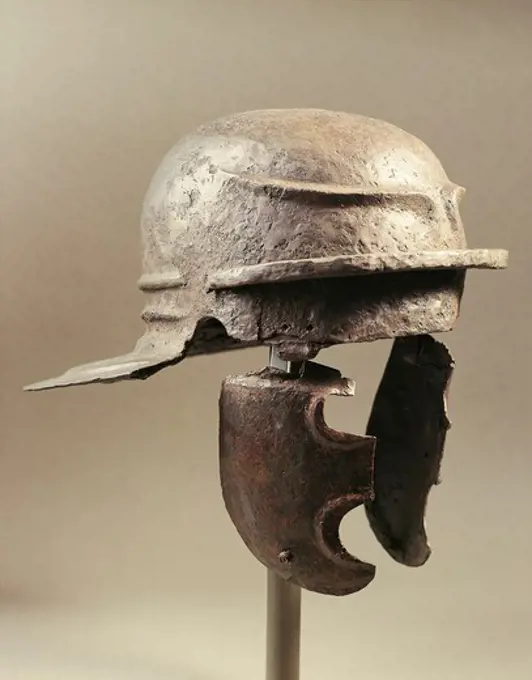
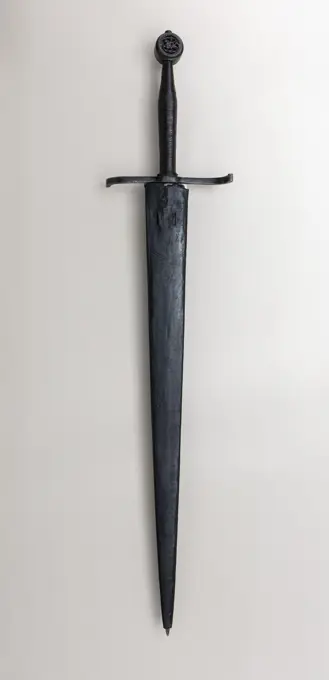
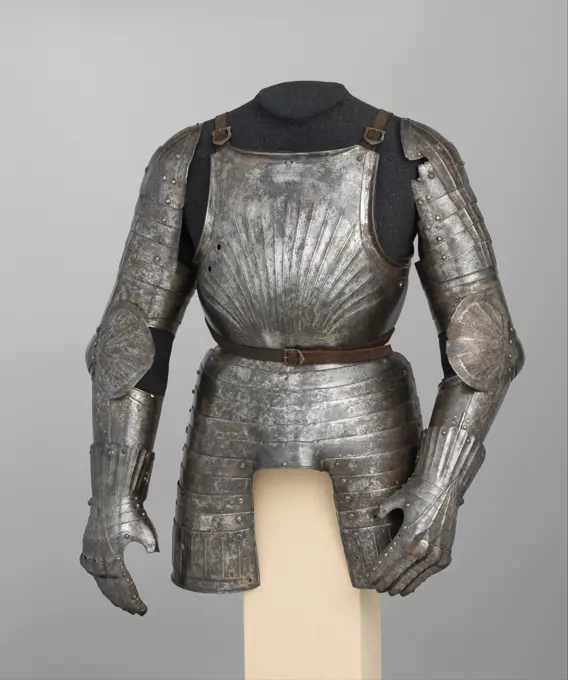
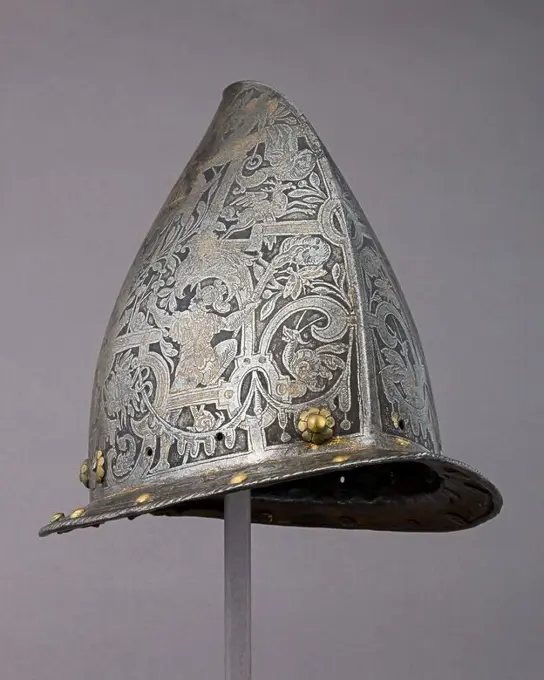
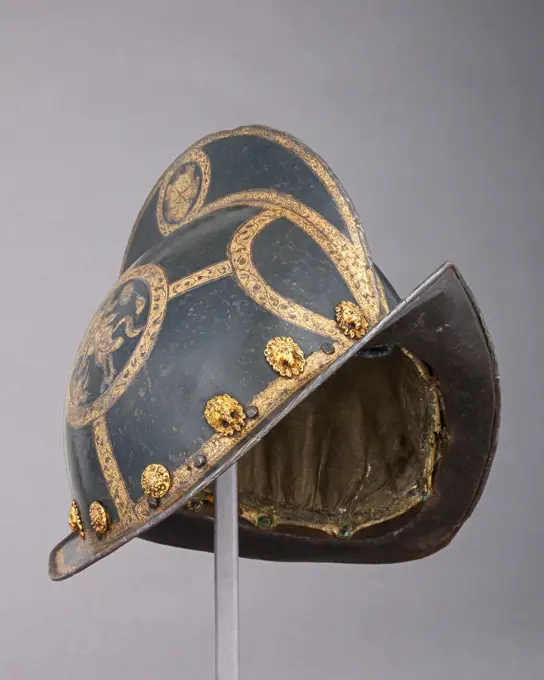
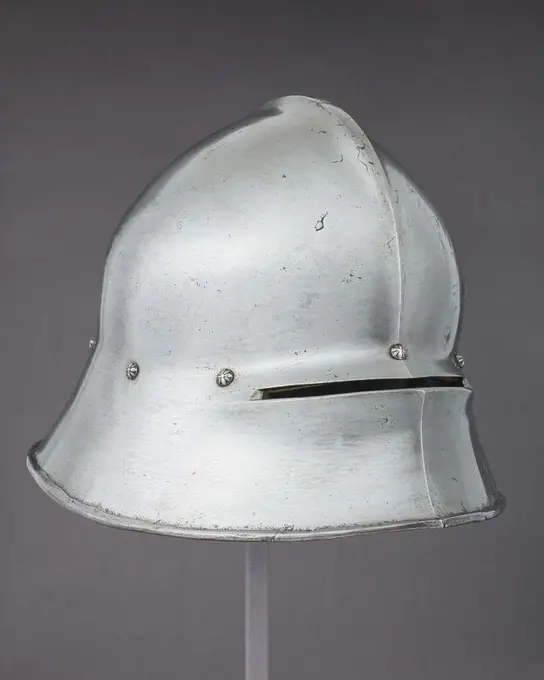
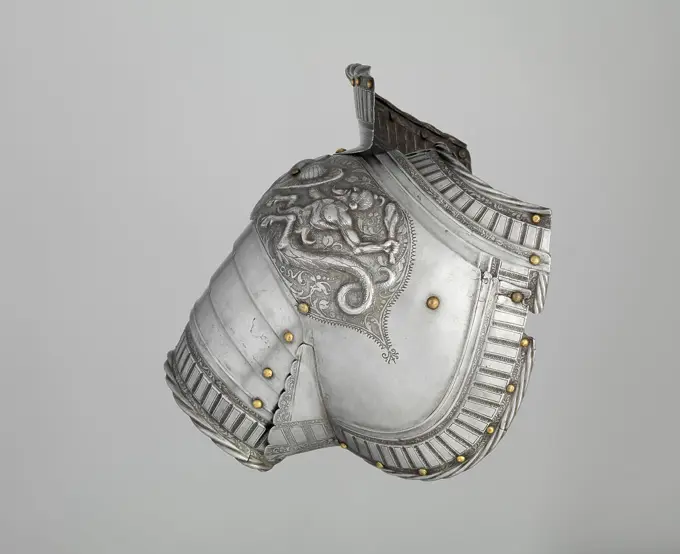
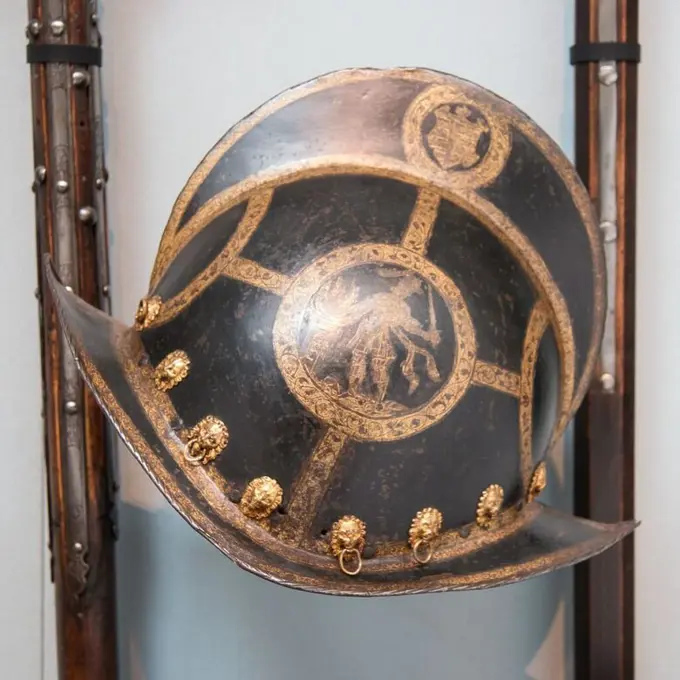
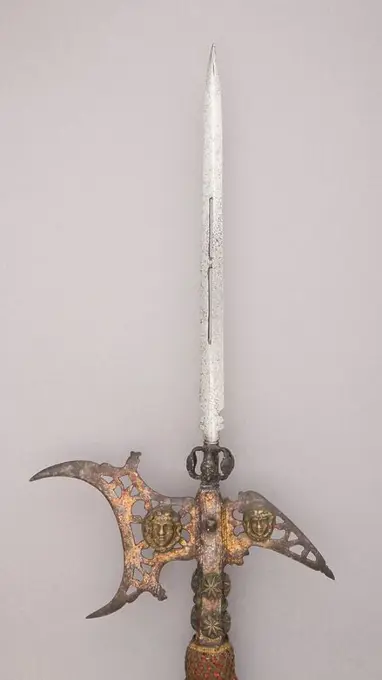
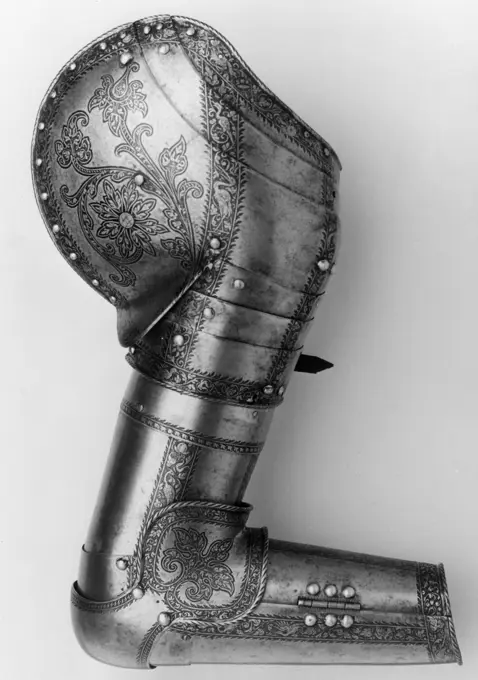
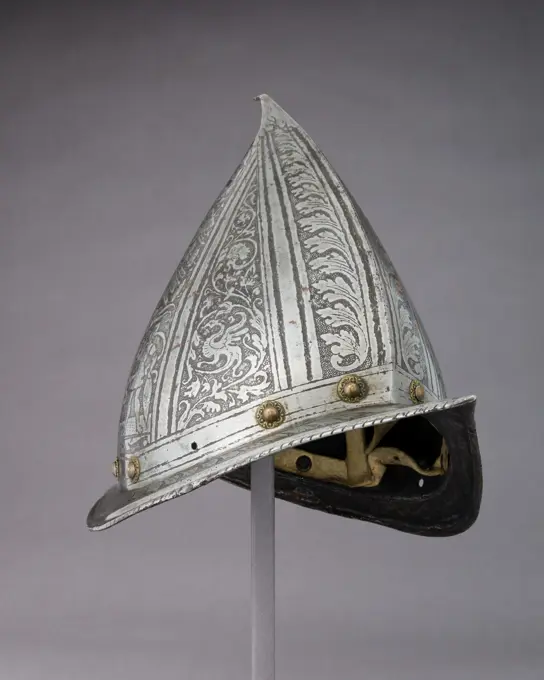
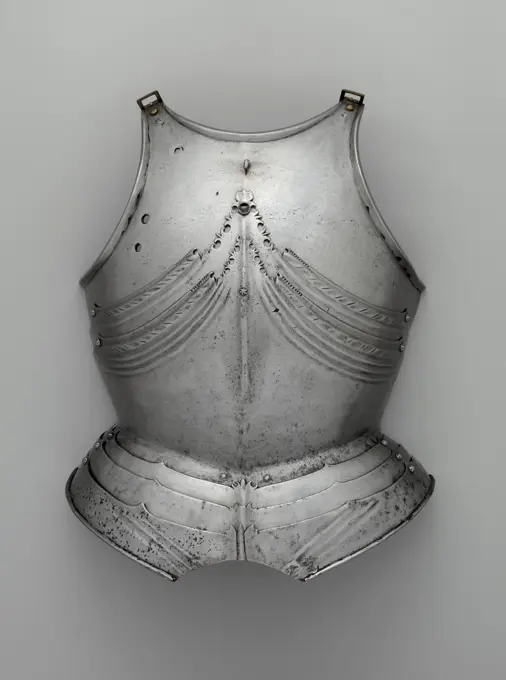
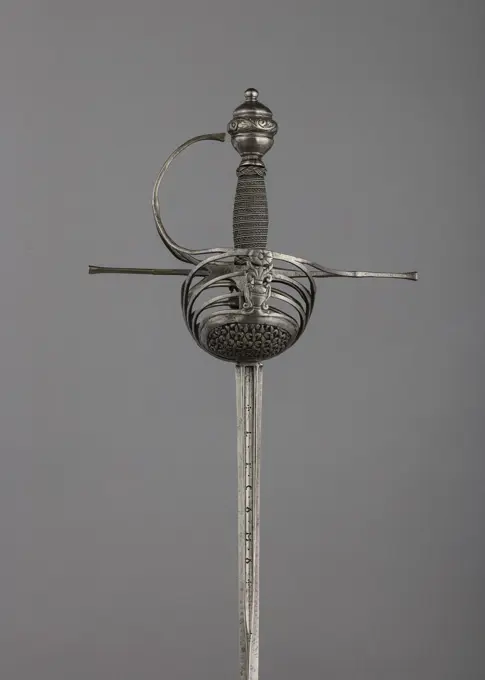
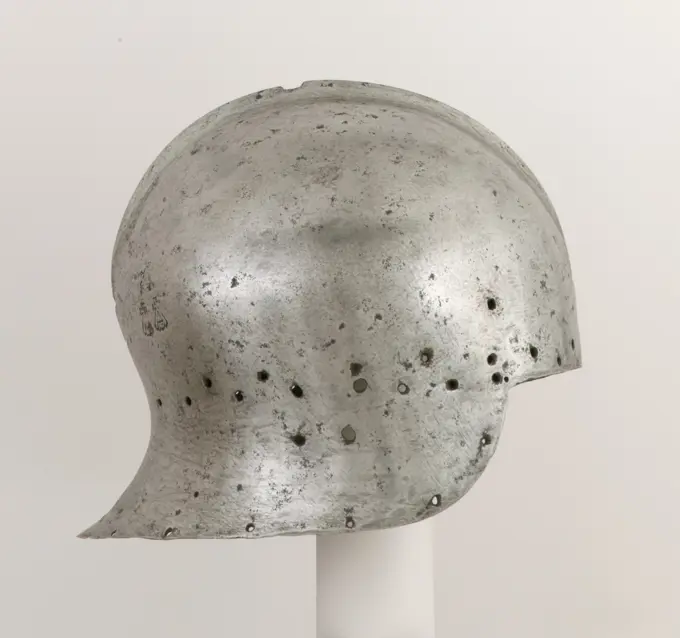
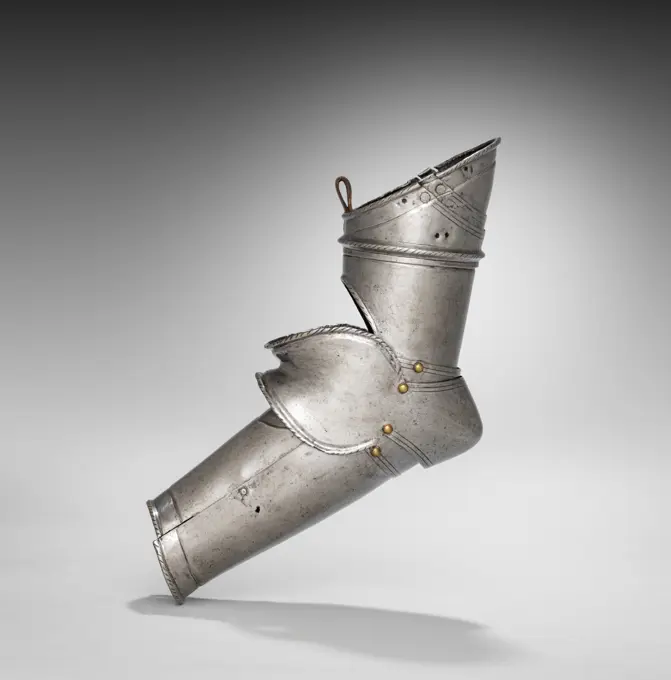
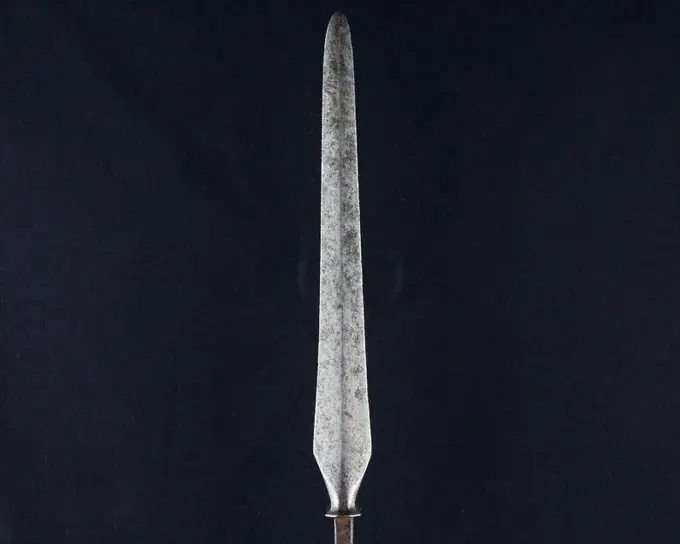
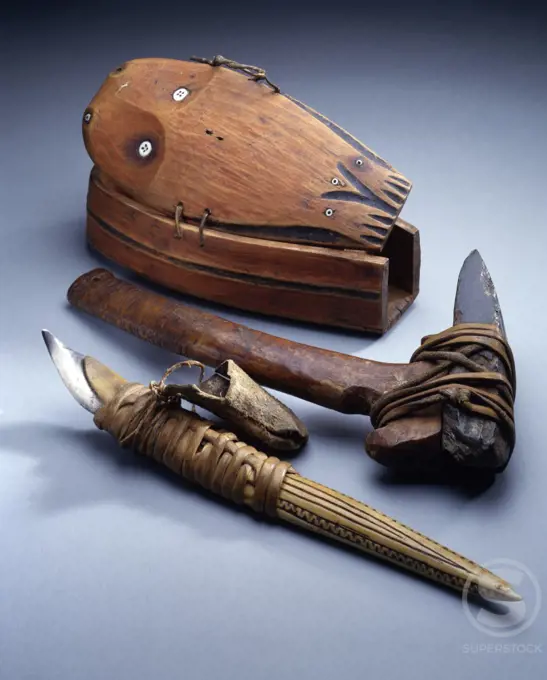
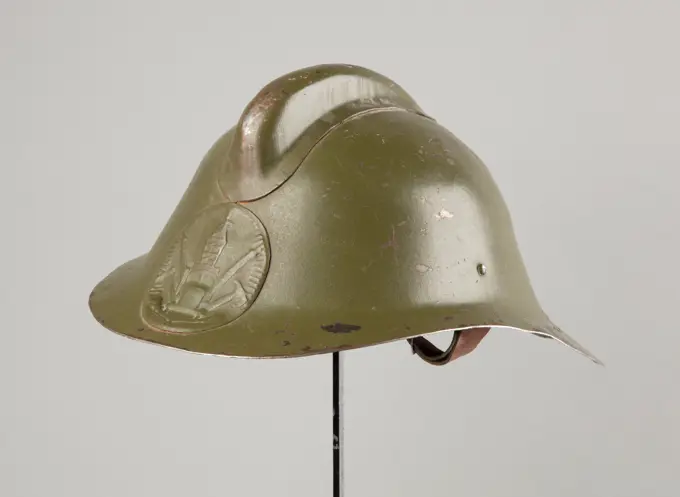
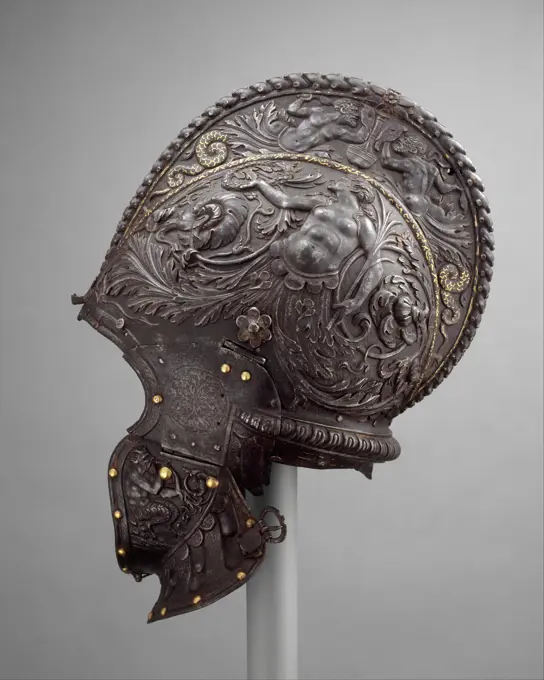
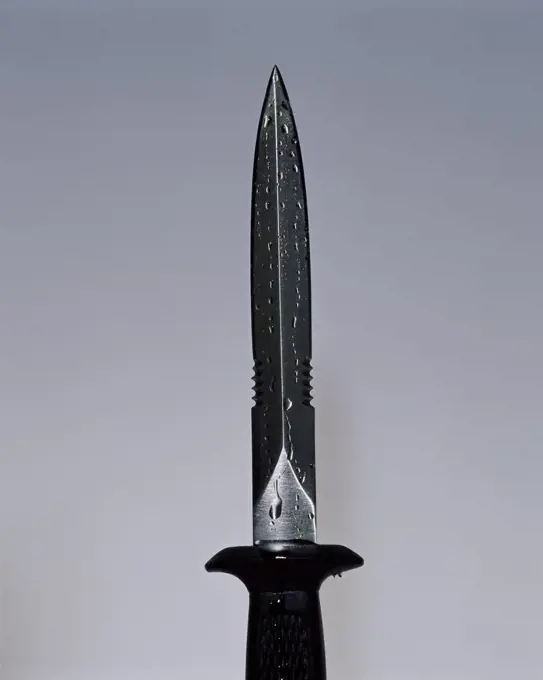
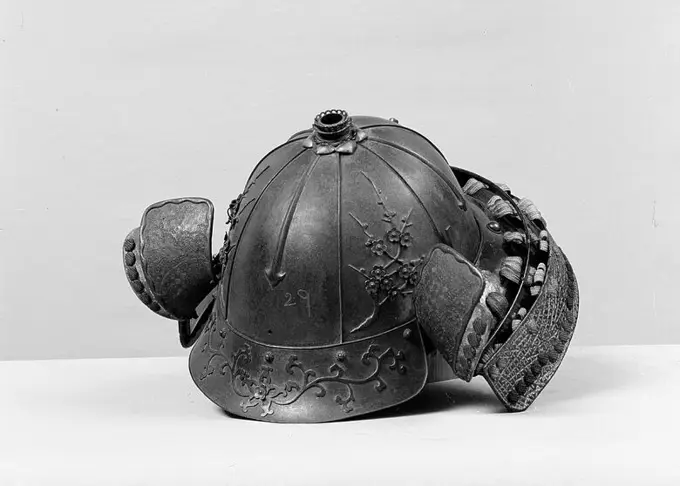
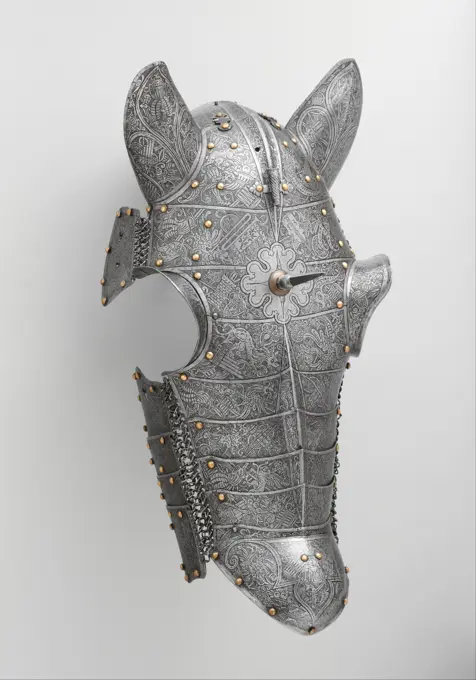
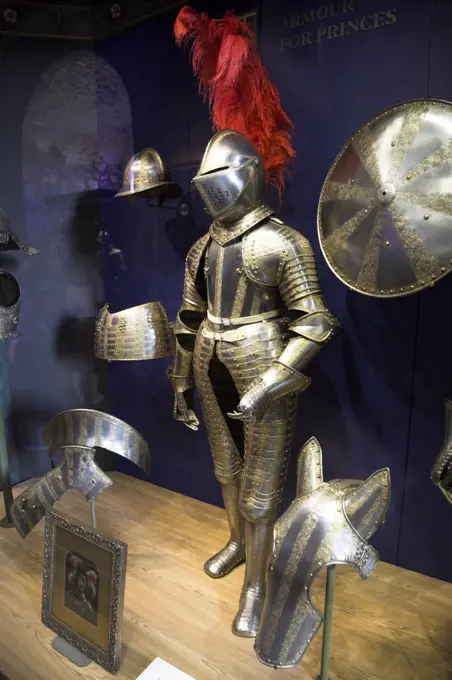
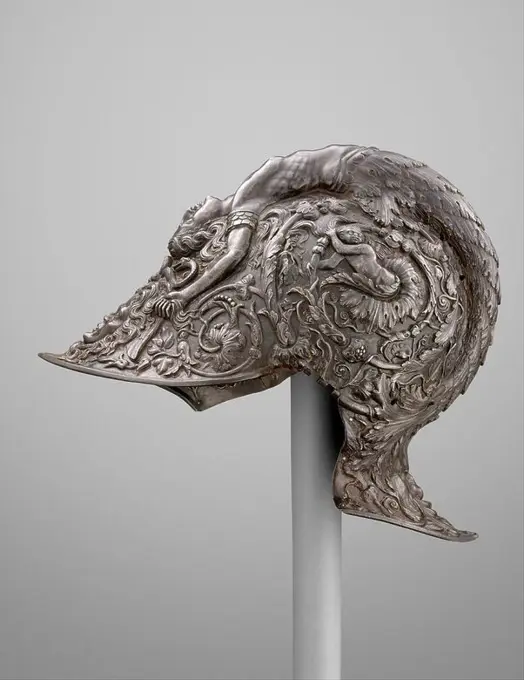
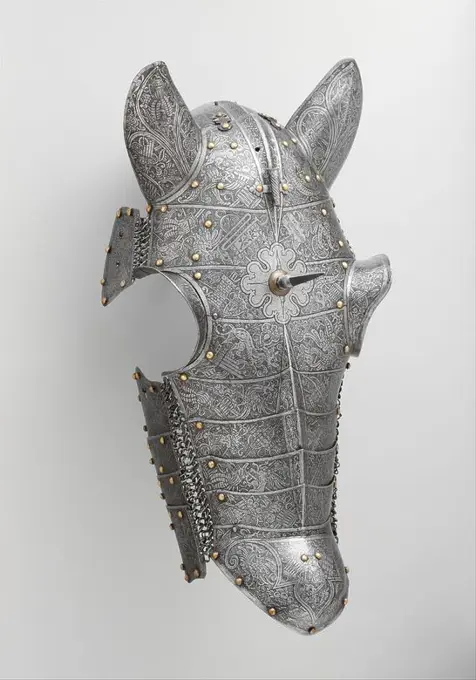
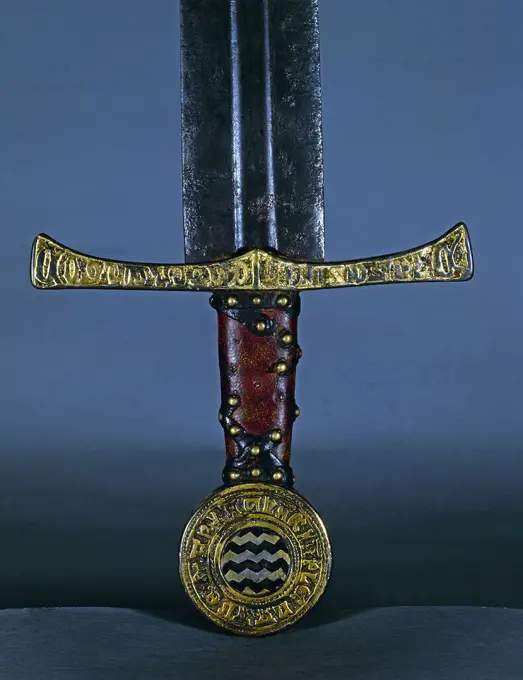
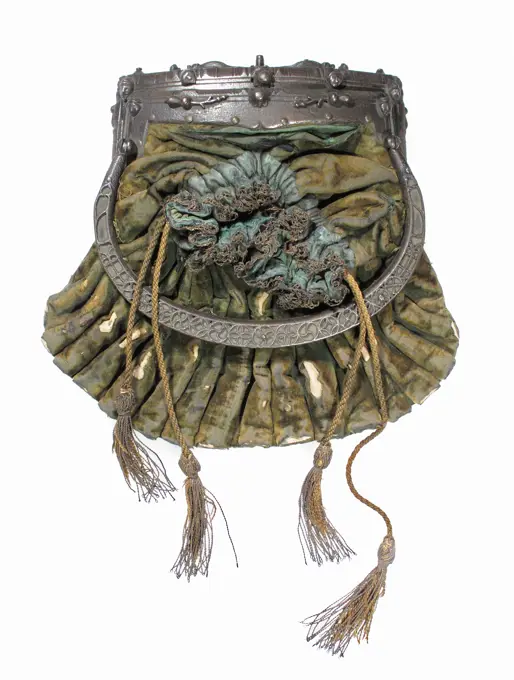
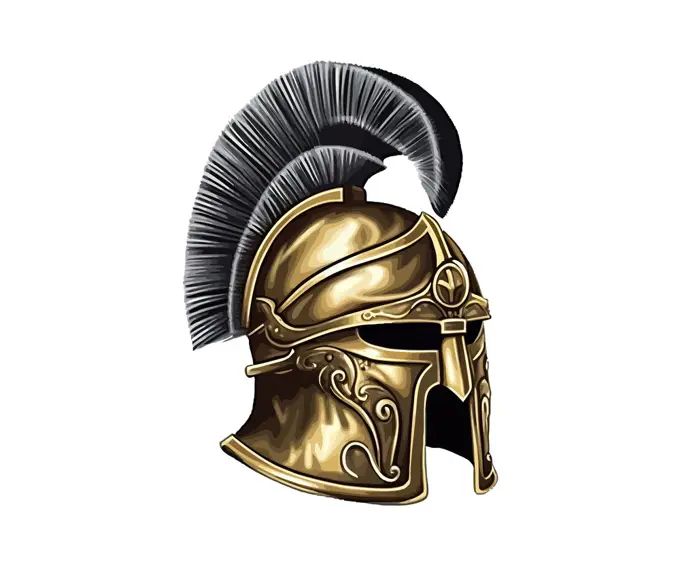
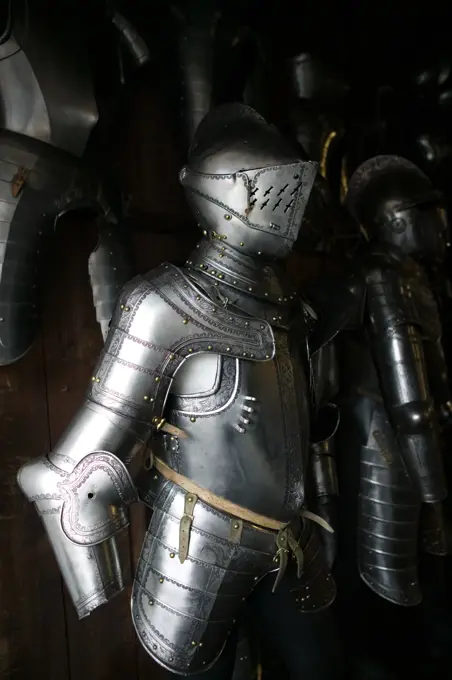
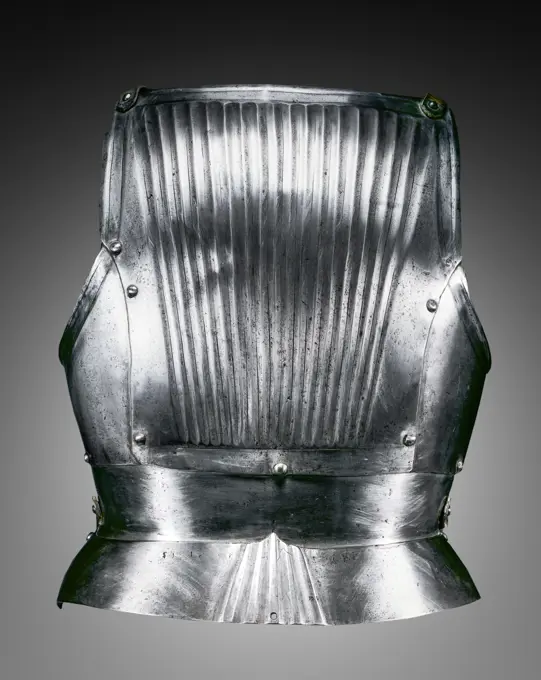
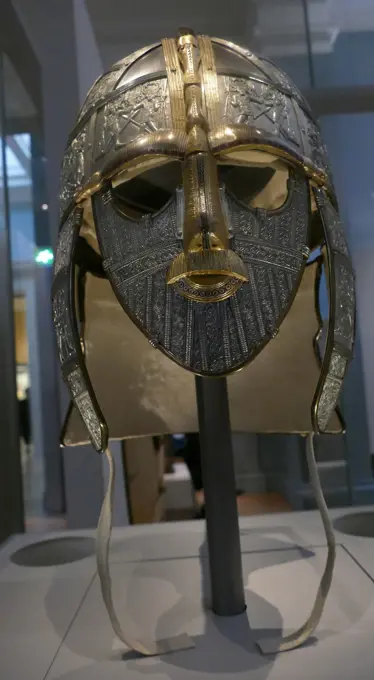
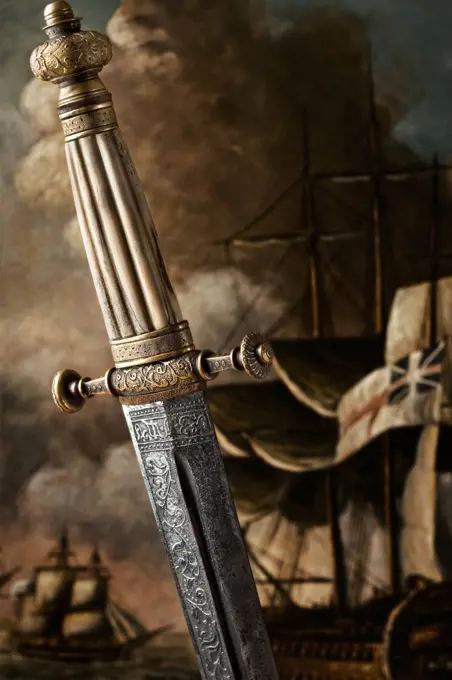
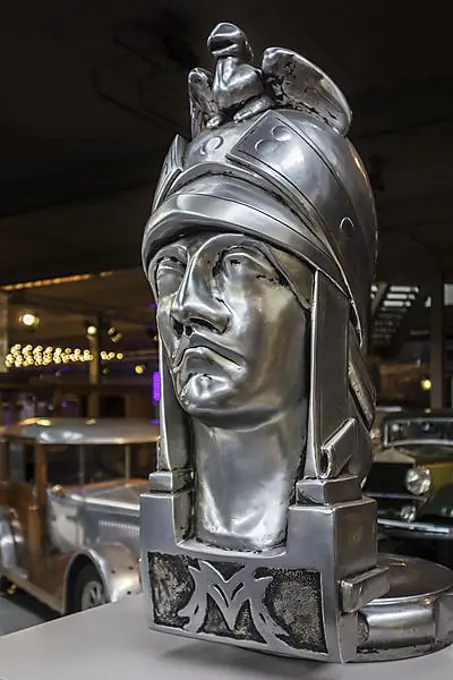
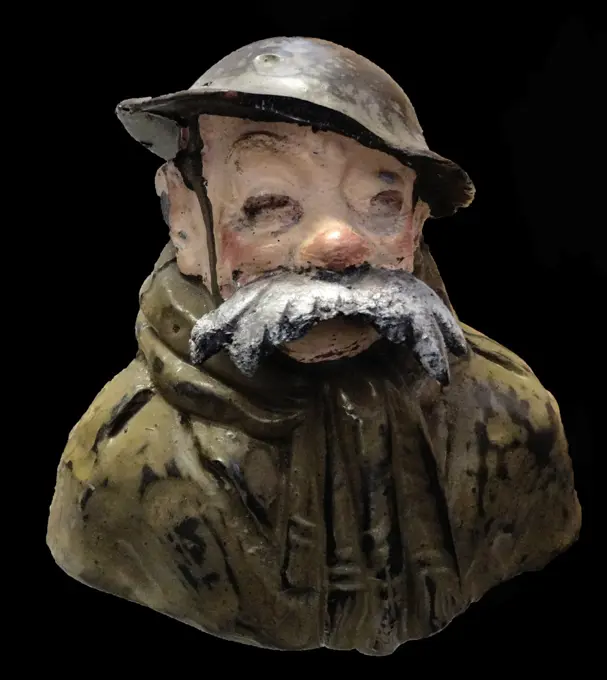
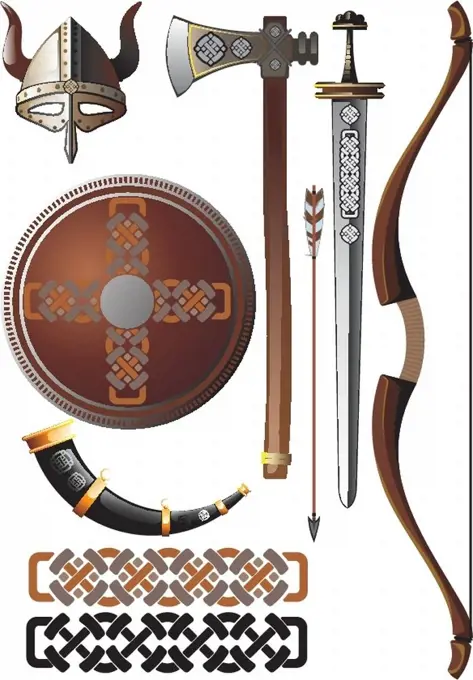
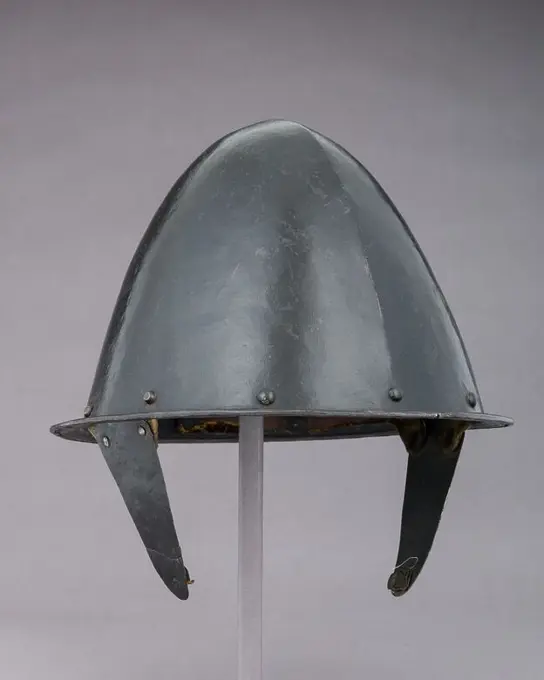
Cabasset. Culture: possibly British. Dimensions: H. 11 3/4 in. (29.8 cm); W. 9 7/8 in. (25.1 cm); D. 10 7/8 in. (27.6 cm); Wt. 2 lb. 3 oz. (992 g). Date: 17th century. Museum: Metropolitan Museum of Art, New York, USA.Visored Bascinet ca. 1425-50 Italian This particular form of helmet, with its two-piece construction, distinctive visor, and hinger flap on one side, is only found among the Chalcis group.. Visored Bascinet 22773Close Helmet ca. 1505-10 Hans Maystetter This is an early close helmet, which became the standard form of cavalry helmet throughout the sixteenth century. Characteristic are the visor and separate chin defense that pivot at the same points.. Close Helmet. Austrian, Innsbruck. ca. 1505-10. Steel, leather. Innsbruck. HelmetsArmet. Culture: German. Dimensions: H. 14 in. (35.6 cm); W. 9 in. (22.86 cm); D. 12 1/4 in. (31.1 cm); Wt. 6 lb. 9 oz. (2977 g). Date: ca. 1520. Museum: Metropolitan Museum of Art, New York, USA.Closed burgundian storm hat with tralyizier. Closed burgundian storm hat with tralyizier and helmet valve. Probably a nineteenth century variant on a seventeenth-century storm hat or a composite storm hat. The trai-container on the hinged chin plate is not authentic and incorrectly confirmed. What is now the bottom of the visor was the top in the seventeenth century. The front half of the ring collar is missing.Breastplate Armorer Kunz Lochner German ca. 1550-55 View more. Breastplate. German, Nuremberg. ca. 1550-55. Steel, gold. Nuremberg. Armor Parts-BreastplatesBarbute. Armorer: Bernardino da Carnago (Italian, active in Milan and Naples, ca. 1475). Culture: Italian, Milan. Dimensions: H. 12 1/8 in. (30.8 cm); W. 8 1/8 in. (20.6 cm); D. 10 3/4 in. (27.3 cm); Wt. 6 lb. 8 oz. (2948 g). Date: ca. 1475.Stamped with the armorer's marks BC beneath a crown and BC beneath a split cross, this barbute is attributed to Bernardino da Carnago, who was active in Milan and Naples. It is also stamped on the right cheek with the lion of Saint Mark, which signified ownership by the Republic of Venice. Museum: Metropolitan Museum of Art, New York, USA.Helmet. Culture: Philippine, Moro. Dimensions: H. 11 1/4 in. (28.6 cm); W. 10 3/8 in. (26.4 cm); D. 13 1/8 in. (33.3 cm); Wt. 2 lb. 8.6 oz. (1151 g). Date: 18th-19th century. Museum: Metropolitan Museum of Art, New York, USA.Burgonet ca. 1540-50 Decoration attributed to Ulrich Holzmann The decoration of this helmet is attributable to the Augsburg etcher Ulrich Hozmann (recorded 1534-62). The position of the plume-holder at the side of the bowl, rather than at the back, is unusual and perhaps reflects an Oriental influence.. Burgonet 26439Barbute ca. 1475 Bernardino da Carnago Italian Stamped with the armorer's marks BC beneath a crown and BC beneath a split cross, this barbute is attributed to Bernardino da Carnago, who was active in Milan and Naples. It is also stamped on the right cheek with the lion of Saint Mark, which signified ownership by the Republic of Venice.. Barbute 24692Iron helmet of the medieval knight. Very heavy headdressIron helmet Iron helmet of the medieval knight. Very heavy headdress. Copyright: xZoonar.com/ValeryxxSibrikovx 2449711Medieval knight metal helm for protection and displaying powerBayonet converted to a kitchen shoulderPitchIron helmet Iron helmet of the medieval knight. Very heavy headdress Copyright: xZoonar.com/ValeryxxSibrikovx 2449815Armour of the medieval knight. Metal protection of the soldier against the weapon of the opponentJavanese Kris, Indonesia, Southeast Asia, AsiaArmor ca. 1535 German, possibly Brunswick This is a fine late example of a fluted armor, made shortly before the style went out of fashion. It is distinguished for its unusually large proportions and impressive height. The bands of scales and the distinctive roping of the lower edge of the associated helmet and the top edge of the breastplate are features frequently found on armors from northern Germany (possibly Brunswick), a region generally not known for producing fluted armors. The leg defenses are of the same period but originally did not belong with the rest of the armor.. Armor. German, possibly Brunswick. ca. 1535. Steel, leather. possibly Brunswick. Armor for ManPartisan 17th century British. Partisan 34301Ancient sabre. A smart variant of the fighting weaponMorion-Cabasset. Culture: Italian. Dimensions: H. 11 7/16 in. (29.1 cm); W. 9 1/4 in. (23.5 cm); D. 14 in. (35.6 cm); Wt. 3 lb. 2 oz. (1410 g). Date: 16th century. Museum: Metropolitan Museum of Art, New York, USA.The Netherlands, Nimega, Ulpia Noviomagus, Bronze helmetCuirass (Breastplate and Backplate) in the Late Gothic Style Made 1475-1485 Germany. Sculpted with sleek rippled surfaces and decorative cut edges, this cuirass typifies late gothic German armor. A rare survival, it is fabled to have come out of a church in the Austrian Tyrol at the turn of the 20th century. It may have adorned a shrine figure of Saint George or hung over a nobleís tomb.The heavily pitted exterior attests to centuries of neglect, and a redblistered area of the interior is evidence it was in a fire. The right side of the breastplate below the waist was carefully restored in London around 1917.. Steel, brass, and leather .Rapier Made 1600-1640 Solingen. Iron, steel, silver, brass, and wood .Sword with Scabbard 1450-75 North Italian. Sword with Scabbard. North Italian. 1450-75. Steel, leather. SwordsHelm and breast medieval armor isolated photo Front view helm and breast medieval armor isolated on white photo Copyright: xZoonar.com/DanielxFerreira-LeitesxCiccarinox 20013059Anima breastplate with fauldsPersian helmet with engraved elephant scene, 16th century, Álava Armory Museum, Vitoria, Basque Country, SpainKnight in shiny metal armor on a white background. Knight in shiny metal armor on a white background. Copyright: xZoonar.com/AlexeyxPopovx 18223842One of the pairs of pistolsElements of a Light-Cavalry Armor ca. 1505-10 Christian Schreiner the Younger Austrian This armor is a rare example of the fluted, or "Maximilian," style in its earliest stages. The armor was made in either Mühlau or in neighboring Innsbruck soon after the Emperor Maximilian I (1459-1519) established his court armor-making workshop in Innsbruck in 1504. Little is known of its maker, Christian Schreiner the Younger. Few of his works survive, and this is the most complete.A strong Italian influence is apparent in this armor and in armors of the Innsbruck/Mühlau school in general. They are characterized by full rounded forms and sparing use of surface ornament as opposed to the purely German Gothic style typified by slender proportions and pierced openwork.Particularly distinctive are the gracefully bold mitten gauntlets, which blend features of late Gothic design with the evolving German Renaissance style.. Elements of a Light-Cavalry Armor. Austrian, Innsbruck or Mühlau. ca. 1505-10. StCabasset. Culture: Flemish, possibly Antwerp. Dimensions: H. 10 in. (25.4 cm); W. 9 1/8 in. (23.2 cm); D. 13 3/16 in. (33.5 cm); Wt. 3 lb. 12 oz. (1701 g). Date: ca. 1580-90.The etching is based on prints by Etienne Delaune (1518 or 1519-1582) of Paris and Marcus Gheeraerts the Elder (1525-1604) of Antwerp. The inscription on the helmet, COLLERT 1585, indicates that its decoration was done by a member of that distinguished Antwerp family of engravers and printmakers. Museum: Metropolitan Museum of Art, New York, USA.Morion for the Bodyguard of the Prince-Elector of Saxony dated 1568 German, Nuremberg The electors of Saxony appear to have been the only German princes in the sixteenth century to outfit their bodyguards with matching equipment. The guards' helmets are etched and gilt on one side with the coat of arms of the dukedom of Saxony and on the other side with the crossed swords that signify the duke's office as archmarshal of the Holy Roman Empire. Originally, the gilt decoration was contrasted with black painted surfaces (some now polished bright). The black and gold derived from the Saxon coat of arms and were also the colors of the guards' uniforms. Both helmets were made by armorers in Nuremberg.This example is dated 1568. The only dated morion of this series known, it establishes that the creation and use of the guard morions in the reign of August I (1553-86) occurred twenty to thirty years earlier than previously thought.. Morion for the Bodyguard of the Prince-Elector of Saxony 2494Sallet. Culture: German. Dimensions: H. 8 3/4 in. (22.2 cm); W. 10 3/8 in. (26.4 cm); D. 14 1/2 in. (36.8 cm); Wt. 6 lb. 6 oz. (2892 g). Date: ca. 1480. Museum: Metropolitan Museum of Art, New York, USA.Iron helmet of the medieval knight. Very heavy headdressArmour for a head of a horse of the medieval knightClose-Helmet for the Field and Tourney ca. 1560-65; front collar lames, 1544 Italian, probably Brescia; front collar lames, German, Augsburg The style and design of the etched ornament are typically Brescian, though the confinment of the trophies to multiple narrow bands is highly unusual. The presence of a threded hle on the right side of the upper bevor indicates that this helmet was fitted with a reinforce, presumably for use in the tourney. The three front collar lames are associated; their decoration indicates that they belong to a large armor garniture in the Real Armería, Madrid, made in 1544 by Desiderius Helmschmid and etched by Ulrich Holzmann, both of Augsburg, for Emperor Charles V.. Close-Helmet for the Field and Tourney 26511Whistling Arrowhead 17th-18th century Chinese or Tibetan. Whistling Arrowhead 26625Dagger, c. 1550-1600. Italy, 16th century. Steel; russetted and damascened guard and pommel; wood and wire grip; overall: 50.7 cm (19 15/16 in.); blade: 36.5 cm (14 3/8 in.); quillions: 16.5 cm (6 1/2 in.); grip: 13.3 cm (5 1/4 in.).Left Shoulder Defense (Pauldron). Armorer: Kolman Helmschmid (German, Augsburg 1471-1532). Culture: German, Augsburg. Dimensions: H. 10 1/4 in. (26 cm); W. 9 1/4 in. (23.5 cm); D. 12 in. (30.5 cm); Wt. 2 lb. 10.4 oz. (1202 g). Date: ca. 1525.This is an exchange piece for the armor (now in the Armeria Reale, Turin) made for the Nuremberg patrician Wilhelm Rieter von Bocksberg (died 1528). Museum: Metropolitan Museum of Art, New York, USA.Morion for the Bodyguard of the Prince-Elector of Saxony. Culture: German, Nuremberg. Dimensions: H. 10 1/2 in. (26.7 cm); W. 9 3/4 in. (24.8 cm); D. 13 1/4 in. (33.7 cm); Wt. 3 lb. 15 oz. (1775 g). Date: dated 1568.The electors of Saxony appear to have been the only German princes in the sixteenth century to outfit their bodyguards with matching equipment. The guards' helmets are etched and gilt on one side with the coat of arms of the dukedom of Saxony and on the other side with the crossed swords that signify the duke's office as archmarshal of the Holy Roman Empire. Originally, the gilt decoration was contrasted with black painted surfaces (some now polished bright). The black and gold derived from the Saxon coat of arms and were also the colors of the guards' uniforms. Both helmets were made by armorers in Nuremberg.This example is dated 1568. The only dated morion of this series known, it establishes that the creation and use of the guard morions in the reign of August I (1553-The Armour of Tsar Boris Godunov, Ancient Russian Art  Halberd. Culture: Italian. Dimensions: L. 97 3/8 in. (247.3 cm); L. of head 24 5/8 in. (62.5 cm); W. 11 1/2 in. (29.2 cm); Wt. 6 lbs. (2720 g). Date: ca. 1575. Museum: Metropolitan Museum of Art, New York, USA.Elements of an Armor Garniture ca. 1555-60 Attributed to Wolfgang Grosschedel German. Elements of an Armor Garniture 690153Morion-Cabasset 16th century Italian. Morion-Cabasset 34269Tuscany, Italy. Detail of an original Medieval armourBreastplate ca. 1475-85 German or Austrian Armor was made in southern Germany and Austria, areas rich in iron ore, since the early Middle Ages. By the fifteenth century, the armorers of this region had achieved an international reputation that rivaled the fame of their counterparts in northern Italy. Augsburg, Landshut, Nuremberg in Germany, and Mühlau and nieghboring Innsbruck in Austria were the major armor-producing centers. Their armorers could equip entire armies while also fulfilling personal commissions for the nobility throughout western Christendom. The patronage of the upper nobility spurred the leading armorers to develop technical innovations and decorative styles that set international standards of quality and beauty. Emperor Maximilan I (1459-1519) employed dozens of armorers to make battle and tournament armors for his personal use and as imperial gifts. Chief among these armorers was Lorenz Helmschmid (about 1445-1516) of Augsburg, possibly the most talented German armoRapier Spanish ca. 1650 The rapier was the principal civilian sidearm throughout the sixteenth and seventeenth centuries. Designed for cut-and-thrust fencing of progressively complex techniques, the rapier is characterized by a double-edged blade with an acute point and an elaborate guard for the hand. The guards, usually of iron or steel, were subject to a variety of embellishment. They were engraved, chiseled, gilded, damascened, and encrusted in gold and silver in keeping with fashionable styles. Unless otherwise noted, the materials, attributions, and dating given here refer to the hilts. Rapier blades, invariably of steel, bear a variety of makers marks denoting their origin in the two principal centers of blademaking, Toledo in Spain and Solingen in Germany. View more. Rapier. Spanish. ca. 1650. Steel. SwordsSallet ca. 1470-80 Italian, Milan Numerous holes along the edge and at the front and back indicate that this sallet, like acc. no. 29.158.17, probably was mounted several times during its working life with textile coverings and gilt-metal appliqués in the Venetian fashion. The bowl's rough, unfinished edge suggests that it has been trimmed. On the right side at the back are three Milanese-style armorers' marks: BE() beneath a crown and below, struck twice, three letters (A over AP) beneath a split-legged cross. The same marks are found on a slightly earlier Italian cuirass in the Historisches Museum, Lucerne, Switzerland.. Sallet. Italian, Milan. ca. 1470-80. Steel. Milan. HelmetsProper Left Arm (Vambrace, Rerebrace and Couter), c. 1560-1580. South Germany, 16th century. Steel, leather straps, brass rivets; overall: 47 cm (18 1/2 in.). This armor was developed for the joust-a sporting combat between two mounted contestants. Although all of the elements of this armor date from the same period, they are not all from the same suit. This armor is thus called "composed." It also shows the asymmetry of jousting armor. The participants rode along a wall-like barrier known as a "tilt" with their left sides facing one another. Consequently, armor on that side of the body had to be thicker. Note the large plate (grandguard) over the left shoulder for extra protection. Also, the breathing holes in the helmet were placed on the right side (farthest from an opponent's lance) to avoid injuries from splinters. The bracket attached to the right breastplate is called the lance-rest, a shock-absorbing support designed to accommodate the lance when "couched" under the right armpSword North Italian or French ca. 1540-60 View more. Sword. North Italian or French. ca. 1540-60. Steel, wood, copper wire. SwordsHelmet. Culture: Korean. Dimensions: H. including nape defense 21 3/4 in. (55.2 cm); H. excluding nape defense 11 7/8 in. (30.2 cm); W. 9 9/16 in. (24.3 cm); D. 10 1/2 in. (26.7 cm); Wt. 5 lb. 2.9 oz. (2350.2 g). Date: 16th-19th century. Museum: Metropolitan Museum of Art, New York, USA.Dagger (Katar) 17th century Indian, Thanjavur; central blade, German. Dagger (Katar) 31424Knight helmet sketch hand drawn in engraving style. Vector illustration desing.Rapier Italian ca. 1580 The rapier was the principal civilian sidearm throughout the sixteenth and seventeenth centuries. Designed for cut-and-thrust fencing of progressively complex techniques, the rapier is characterized by a double-edged blade with an acute point and an elaborate guard for the hand. The guards, usually of iron or steel, were subject to a variety of embellishment. They were engraved, chiseled, gilded, damascened, and encrusted in gold and silver in keeping with fashionable styles. Unless otherwise noted, the materials, attributions, and dating given here refer to the hilts. Rapier blades, invariably of steel, bear a variety of makers marks denoting their origin in the two principal centers of blademaking, Toledo in Spain and Solingen in Germany. View more. Rapier. Italian. ca. 1580. Steel, gold, iron, wood. SwordsArrowhead (Yanone). Culture: Japanese. Dimensions: L. 17 1/4 in. (43.8 cm); L. of head 7 13/16 in. (19.8 cm); W. 7/8 in. (2.2 cm); Wt. 3.1 oz. (87.9 g). Date: 18th century. Museum: Metropolitan Museum of Art, New York, USA.Halberd, c. 1500-25. Germany (), early 16th Century. Steel, quatrefoil piercing; wood haft (rectangular with planed corners); overall: 217.4 cm (85 9/16 in.); blade: 21.9 cm (8 5/8 in.). The halberd was a staff weapon favored by European infantries (foot soldiers) of the 1400s and 1500s for its versatility and deadly effect. The word halberd comes from the German words Halm (staff) and Barte (axe). The halberd is, in fact, an axe that served multiple functions: the axe blade was used for hacking, the spike for thrusting, and the beak for piercing plate armor or for pulling a knight from his saddle. The halberd was used by shock troops (those who lead an attack) and by Swiss and German mercenaries. After about 1550, the halberd gradually became less functional. Its large blade provided space for coats of arms and insignia. By the late 1500s, the parade halberd had become a ceremonial weapon for palace guards.Man's Box, Adze and Curved Knife, (Kepun and Cavik), Eskimo Art, USA, Washington DC, Smithsonian Institution (National Museum of Natural History)Firefighter Soviet helmet unknown labelField Armor in Maximilian Style, c. 1510-15. Germany, Augsburg(), early 16th century. Fluted steel with leather straps; overall: 170.2 cm (67 in.).Kettle hat, anonymous, c. 1375 - c. 1399 helmet Medieval boiler hat from one iron plate forged. Equipped with a comb and with a keep halfway the ball, around which 18 largely rusted rivets were attached. The inside was originally fed with leather, which is still partly present. An iron loop on the inside points to the attachment of a belt with which the hat around the neck or to the belt could be worn. Germany wrought iron (iron alloy). leather forging  Netherlands. GermanyBurgonet ca. 1550-55 Italian, Milan Allegorical figures of Fame and Victory are embossed on the sides of the bowl. The helmet was originally fitted with a pivoting visor and plates at the nape.. Burgonet 21981Close-up of a knifeHistorical Surgical ToolsKnight in shiny metal armor on a white background. Knight in shiny metal armor on a white background. Copyright: xZoonar.com/AlexeyxPopovx 18223826Helmet (Kabuto). Culture: Japanese. Dimensions: 7 in. (17.8 cm) x 14 1/4 in. (36.2 cm).. Date: 17th century. Museum: Metropolitan Museum of Art, New York, USA.Shaffron (Horse's Head Defense) ca. 1560-70 Italian, probably Brescia This shaffron is of an unusual construction that appears to be consciously imitative of Turkish armor of the period, which was made of multiple small plates of iron attached by mail to form a very flexible defense. The etched decoration, however, is typically Italian in its use of trophies and grotesques inspired by classical prototypes. The style of etching and the overall covering of the armor's surface with ornament are characteristic of armors made in Brescia, the principal arms manufacturing center in the Veneto. Armors constructed in emulation of Turkish examples reflect a taste for the exotic that had existed in Venice for centuries as a result of the republic's regular encounter, through trade and warfare, with the Middle East.. Shaffron (Horse's Head Defense). Italian, probably Brescia. ca. 1560-70. Steel, brass, leather. probably Brescia. Equestrian Equipment-ShaffronsPartisan ca. 1690 French. Partisan. French. ca. 1690. Steel, wood. Shafted WeaponsHalberd of Prince Karl I of Liechtenstein (1569-1627) ca. 1620-23 German. Halberd of Prince Karl I of Liechtenstein (1569-1627) 22965A suit of medieval armour on display inside the Tower of London.Burgonet. Armorer: Filippo Negroli (Italian, Milan ca. 1510-1579). Culture: Italian, Milan. Dimensions: H. 9 1/2 in. (24.1 cm); W. 7 5/16 in. (18.6 cm); D. 11 1/2 in. (29.2 cm); Wt. 4 lb. 2 oz. (1871 g). Date: dated 1543.This masterpiece of Renaissance metalwork is signed on the browplate by Filippo Negroli, whose embossed armor was praised by sixteenth-century writers as "miraculous" and deserving "immortal merit." Formed of one plate of steel and patinated to look like bronze, the bowl is raised in high relief with motifs inspired by classical art. The graceful mermaidlike siren forming the helmet's comb holds a grimacing head of Medusa by the hair. The sides of the helmet are covered with acanthus scrolls inhabited by putti, a motif ultimately derived from ancient Roman sculpture and wall paintings. Museum: Metropolitan Museum of Art, New York, USA.Shaffron (Horse's Head Defense). Culture: Italian, probably Brescia. Dimensions: H. 24 7/8 in. (63.2 cm); W. 12 1/4 in. (31.1 cm); D. 9 in. (22.9 cm); Wt. 4 lb. 11 oz. (2132 g). Date: ca. 1560-70.This shaffron is of an unusual construction that appears to be consciously imitative of Turkish armor of the period, which was made of multiple small plates of iron attached by mail to form a very flexible defense. The etched decoration, however, is typically Italian in its use of trophies and grotesques inspired by classical prototypes. The style of etching and the overall covering of the armor's surface with ornament are characteristic of armors made in Brescia, the principal arms manufacturing center in the Veneto. Armors constructed in emulation of Turkish examples reflect a taste for the exotic that had existed in Venice for centuries as a result of the republic's regular encounter, through trade and warfare, with the Middle East. Museum: Metropolitan Museum of Art, New York, USA.US helmet is a parade shape referring to the MK1 pattern unknown labelDETALLE DE LA EMPUÑADURA DE UNA ESPADA CON ORO E INSCRIPCION ARABE - PRIMERA MITAD DEL SIGLO XIV. Location: INSTITUTO VALENCIA DE DON JUAN-COLECCION. MADRID. SPAIN.Bag for Game with Iron Mounts 15th-16th century European Purses of various shapes and sizes, carried by both men and women, were given descriptive terms in medieval inventories, such as bourse or poche à compartement. In the fifteenth century, purses with clasps of metal and loops on the rear which could be attached directly to the belt superseded the pouches which closed with drawstrings and hung from the belt. The clasp no doubt came into use to provide greater security for money or other valuables when the owner walked on crowded city streets.This velvet bag has a double pouch with an opening in the front section that still uses the older drawstring closure. The iron frame at the top is decorated with acorns, human heads, and lizards, some of which move to release catches for opening that frame.. Bag for Game with Iron Mounts. European. 15th-16th century. Iron, velvet & silk. Metalwork-IronCASCO ITALIANO 1933 CON DISTINTIVO ARTILLERIA. Location: EXPOSICION DE LA GUERRA CIVIL ESPAÑOLA. MADRID. SPAIN.Roman helmet. Vector illustration design.AUSTRIA, STYRIA (Stiermark), GRAZ: Landeszeughaus Museum / Provincial Armory (b.1642)17th Century ArmorPair of Tassets, c. 1540. Germany, 16th century. Steel; overall: 39.4 x 26.1 cm (15 1/2 x 10 1/4 in.).Triple-Crested Maximilian Armet. Culture: German. Dimensions: H. 10 3/4 in. (27.3 cm); W. 10 1/2 in. (26.7 cm); D. 13 in. (33 cm); Wt. 6 lb. 1 oz. (2750 g). Date: ca. 1520. Museum: Metropolitan Museum of Art, New York, USA.Triple-Crested Maximilian Armet ca. 1520 German. Triple-Crested Maximilian Armet 27115Knight helmet sketch hand drawn in engraving style. Vector illustration desing.Medieval sword on shiny dark backgroundBackplate in the Maximilian Style, c.1510-30. Germany, Nuremberg(), early 16th century. Steel, brass rivets; overall: 42 x 33.9 x 15.5 cm (16 9/16 x 13 3/8 x 6 1/8 in.). Distinguished by its regularly fluted surfaces, armor in this style was popularized in South Germany during the early 1500s. The style is usually called "Maximilian," as it was introduced during the reign of Emperor Maximilian I (1493-1519). The style reflects male costume of the period and the shift to the new rounded forms of the Renaissance. Other examples of this armor style may be seen nearby.Ancient sabre Ancient sabre. A smart variant of the fighting weapon Copyright: xZoonar.com/ValeryxxSibrikovx 5831871Armor for the Field and Tourney. Southern German. Date: 1540-1560. Dimensions: H. 193 cm (76 in.). Steel and leather. Origin: Germany. Museum: The Chicago Art Institute, Chicago, USA.Armour of the medieval knight. Metal protection of the soldier against the weapon of the opponentMedieval armour, helmet and sword, red canvas backgroundOld pitcher, isolated on white background Old pitcher, isolated on white background Copyright: xZoonar.com/OleksandrxKostiuchenkox 8899094Bronze helmet, Emilia-Romagna, Italy. Italic Civilization, 4th and 3rd Centuries BC.reconstruction of the Sutton Hoo helmet, a decorated Anglo-Saxon helmet discovered during the 1939 excavation of the Sutton Hoo ship-burial. Buried around 625 AD. it is believed to have been the helmet of King Raedwald; for whom its elaborate decoration may have given it a secondary function almost akin to a crown.Ancient face shield in KatakolonCollection of German First World War One helmets in the Memorial Museum Passchendaele 1917 at Zonnebeke, Belgium, EuropeCartoon human skulls in roman soldier helmetLow angle view of a sword, Inner Mongolia, ChinaA close-up of an ancient carved sword against painted background. A closeup view of the handle and the blade design of a Slavic dagger from 19th century.Enlarged version of the Minerva hood ornament, radiator cap, classic car mascot at Autoworld, vintage automobile museum in Brussels, Belgium, EuropeOld Bill' Figurine around 1917.Viking set