Medieval Royal Denarius

Denarius coins from various medieval rulers, showcasing intricate designs and historical significance in currency.

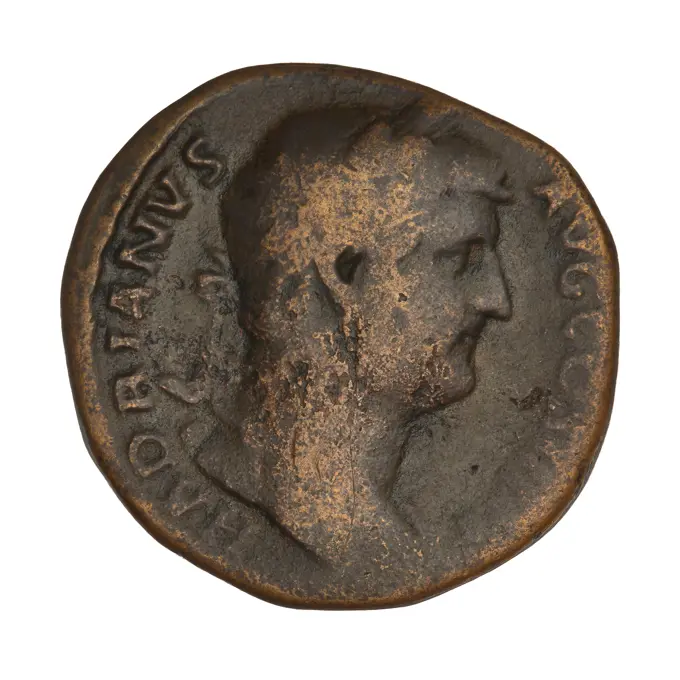
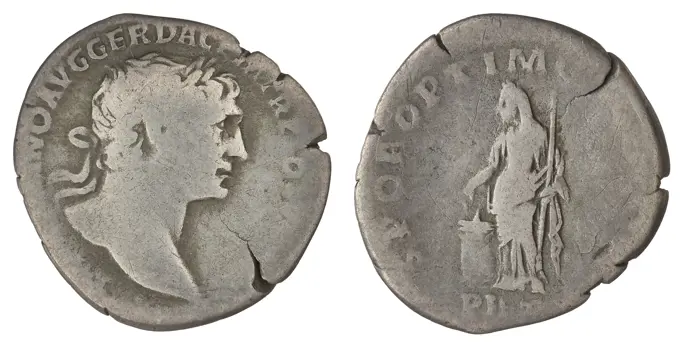
denarius. Hadrian (Roman emperor; 117-138), emperor
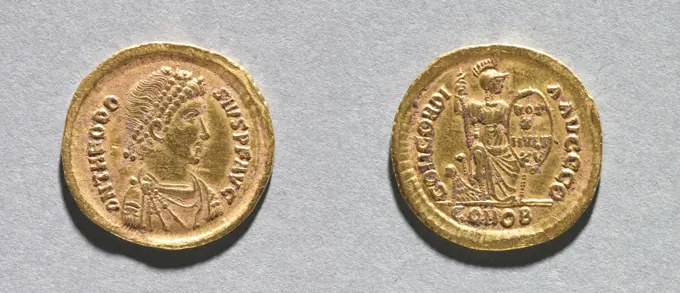
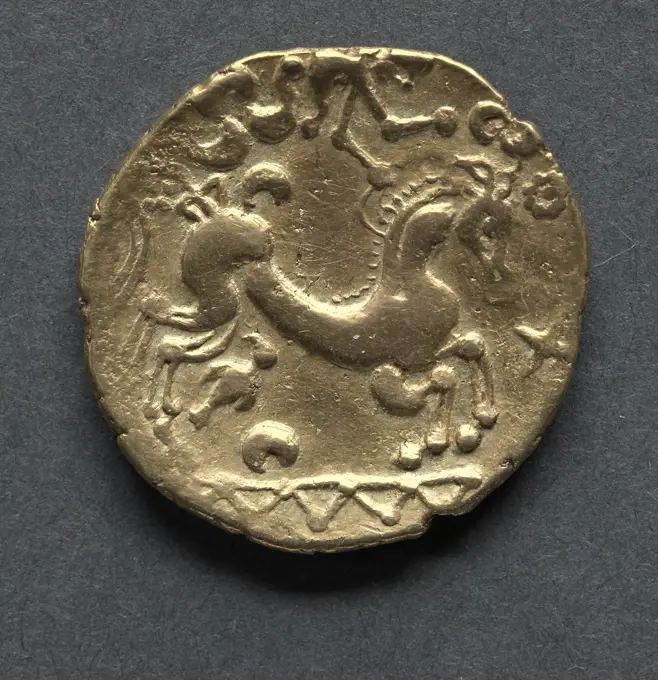
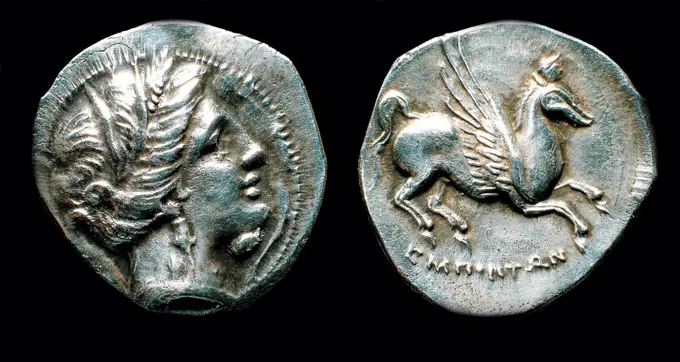
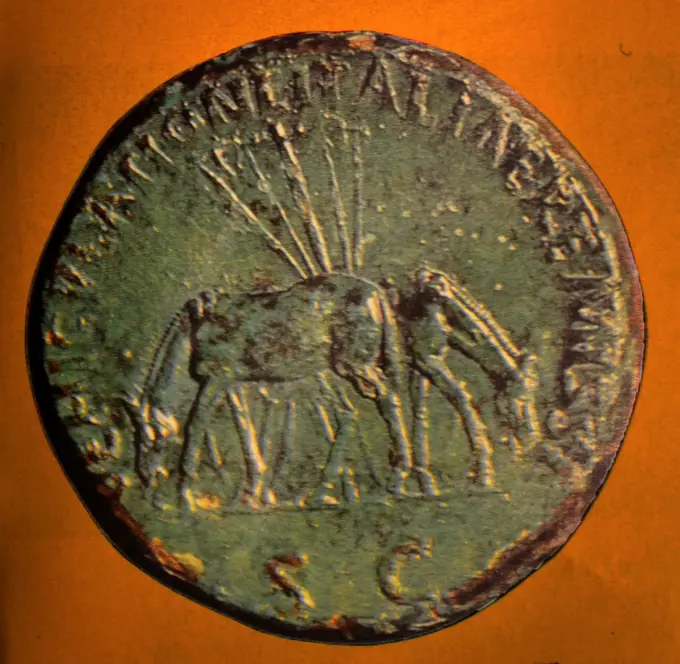
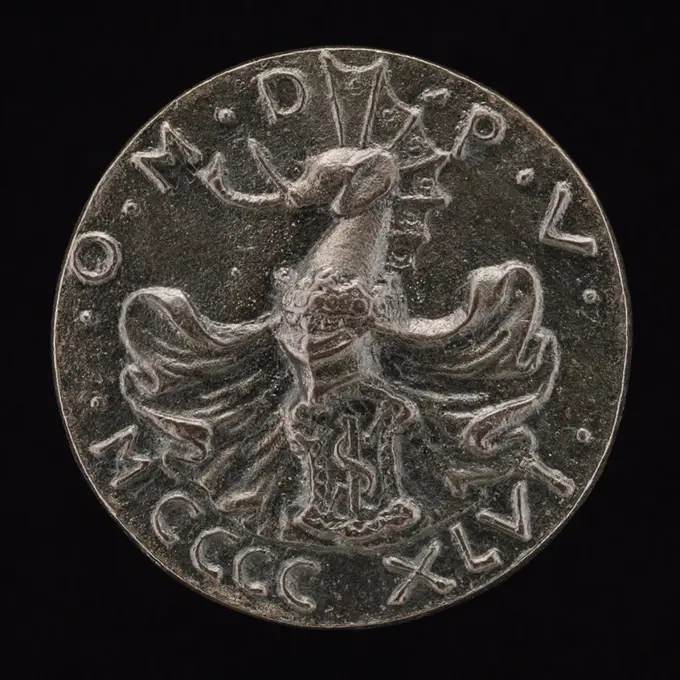
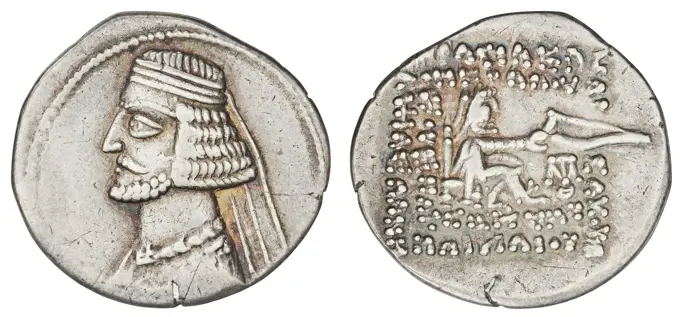
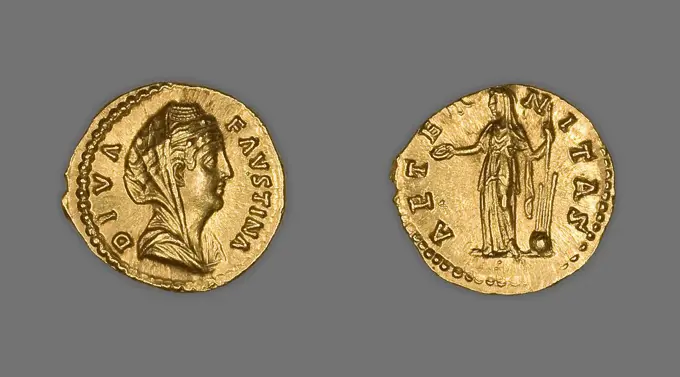
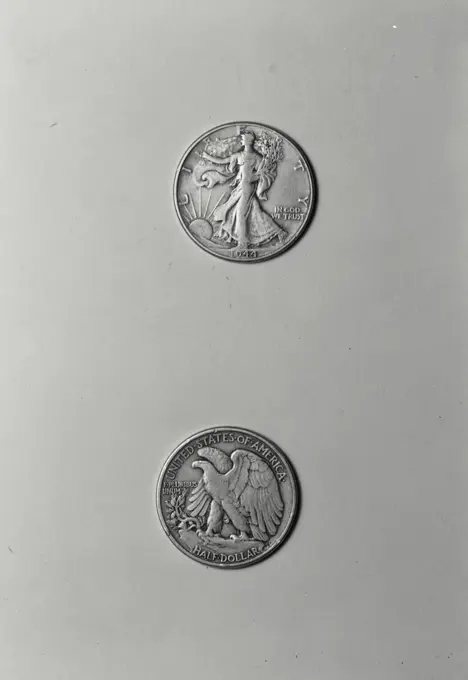
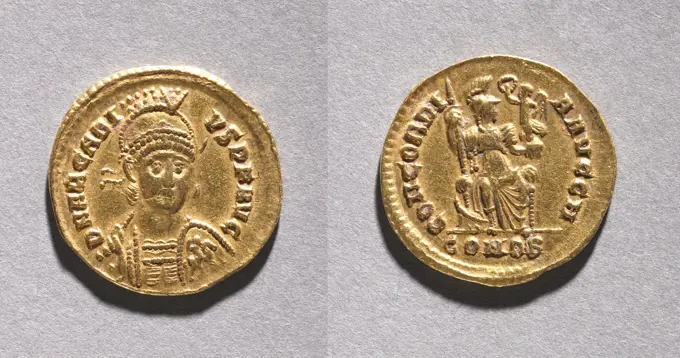
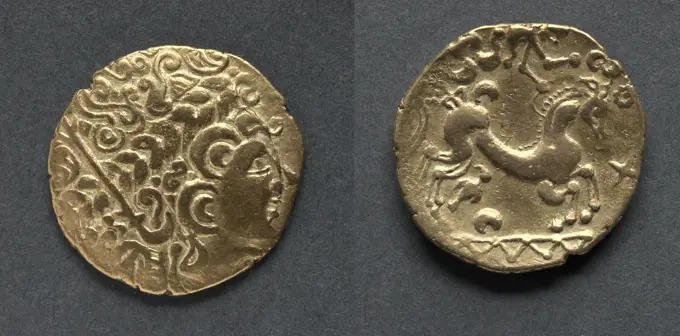
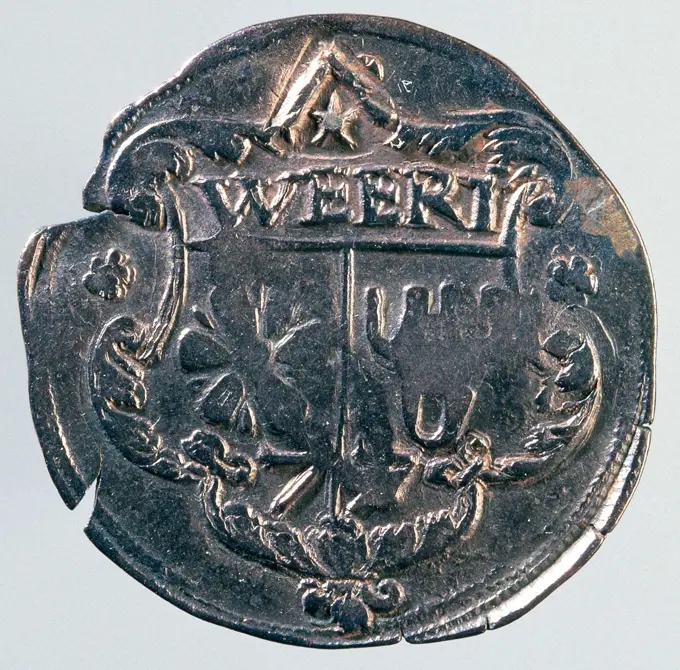
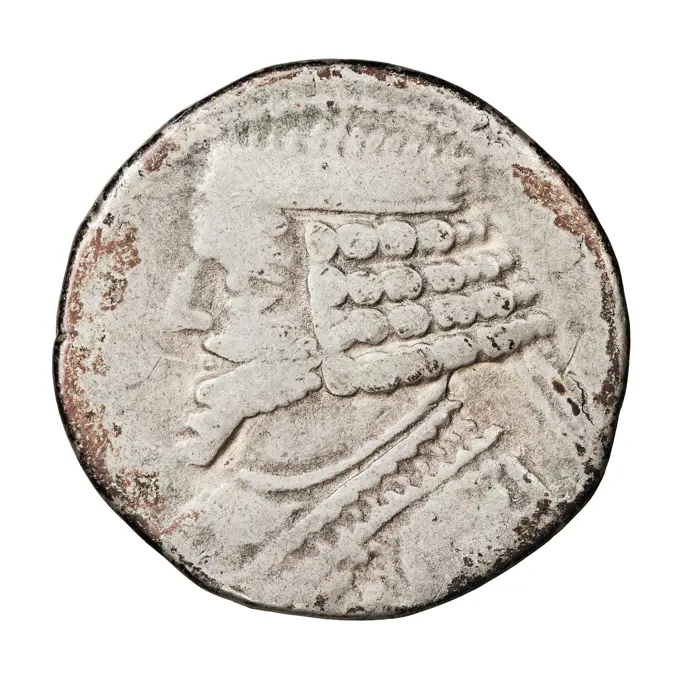
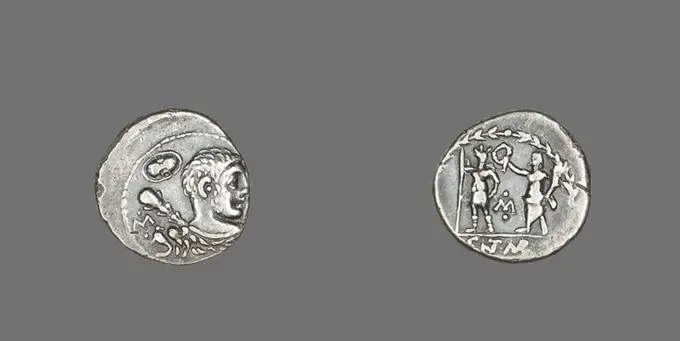
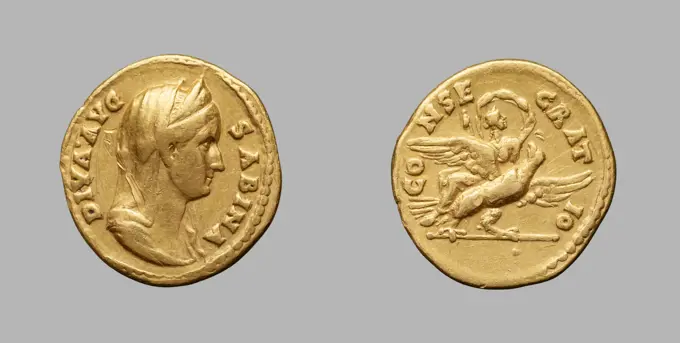
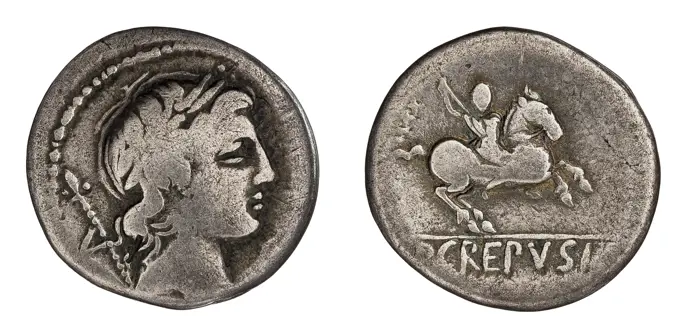
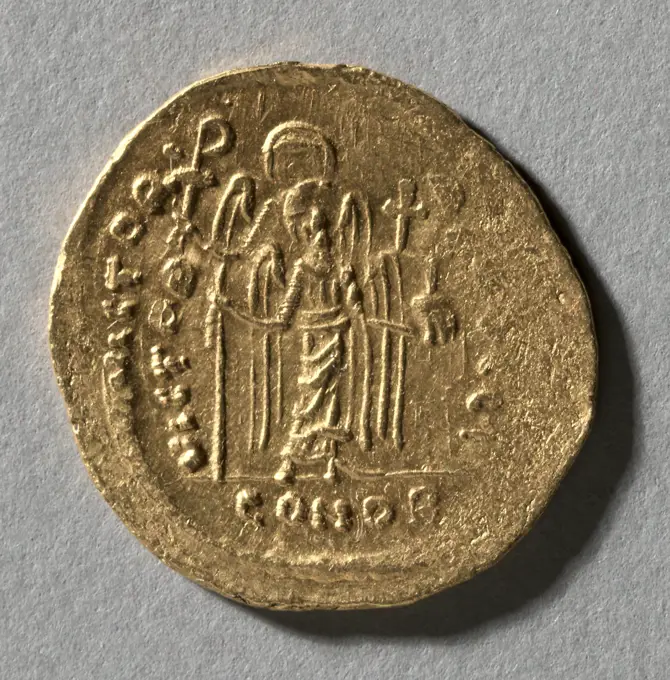
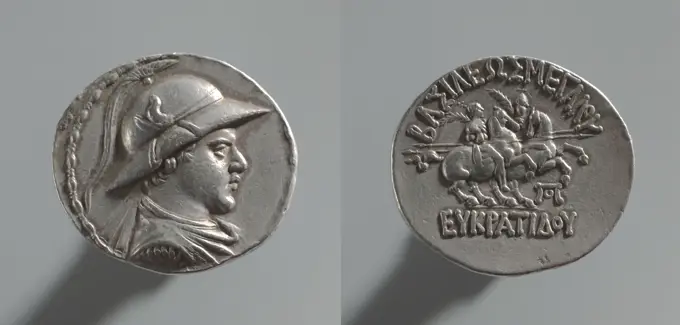
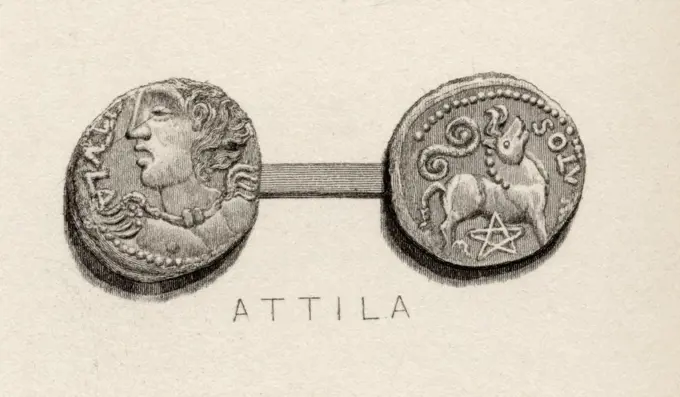
1 groschen. Zygmunt I Stary (król polski ; 1506-1548), rulerSestertius (Coin) Portraying Emperor Trajan Conquering Dacia 104 CE-107 CE Roman Empire. The Emperor Trajan devoted his energy to military campaigns to enlarge the empire. On this coin, the emperor Trajan, mounted and with a spear, overcomes the helpless enemy who represents the people of Dacia in eastern Europe.. Bronze . Ancient RomanBliżej Kultury unknowndrachm. Chosroes II (władca Persji ; 590 - 628), rulerdrachm. Orodes II (król Partii ; 57-37 p.n.e.), ruler1 groschen. Zygmunt I Stary (król polski ; 1506-1548), rulerSolidus of Theodosius I the Great , AD 383-88. Byzantium, Constantinople, Byzantine period, 4th century. Gold; diameter: 2.1 cm (13/16 in.). Byzantine Gold Coins The vast number of surviving Byzantine coins attests to the level of trade across the empire. Controlled and supervised by the emperor, the producers of coins took care to represent his authority and reflect his stature. Talented artists were recruited to engrave the dies (molds) used for the striking of coins. Emperors increasingly came to include their heirs and co-emperors on their coinage, as well as other family members or even earlier rulers. Coins were recognized, then as now, as small, portable works of art. With their inscriptions and images, Byzantine coins provide valuable documentation of historical events and a record of the physical appearance of the emperors. The coins shown here include the solidus, the basic gold coin of 24 karats; the tremissis, a gold coin of one-third the weight and value of the solidus; aSestertius (Coin) Portraying Empress Agrippina 37 CE-41 CE Rome. The front of this coin portrays the empress Agrippina, facing right. The coin was struck after her death.On the back, a type of chariot called a Carpentum is depicted.. Bronze . Ancient RomanMONEDA DE ORO ROMANA DEL AÑO 63 CON EFIGIE DE NERON. NERON EMPERADOR ROMANO.Stater fromAinos.  Mint: AenusAntoninian of Gordien III, 240-243 Anonymous. Antoninian of Gordien III (Reverse), 240-243. MONEY. Paris, carnavalet museum.1 groschen. Zygmunt I Stary (król polski ; 1506-1548), rulerA medal commemorating the 500th anniversary of the image of Our Lady of Częstochowa Głowacki, Wacław (1828 1908)Stater (Coin) Depicting a Horseman Struck 380 BCE-345 BCE Taranto. The front (obverse) of this coin depicts a nude horseman galloping to the left, holding a shield. The back (reverse) depicts Taras, nude, riding on a dolphin to the left.The boy riding the dolphin on this coin represents Taras, the son of Poseidon, the god of the sea. According to the founding myth of the city of Taras (Tarentum), when Taras was lost at sea, a dolphin rescued him and deposited him on the shore of Calabria in Italy, where the city of Taras grew and prospered. When this coin was struck, four hundred years after the cityís founding, the philosopher Archytas ruled Taras. His coinage is known for the beauty of its design.. Silver . Ancient Greeksesterce; Hadrian (76-138; Roman emperor 117-138); 119-138 (119-00-00-122-00-00);Felicitas (personification), branches, busts, laurel wreathsBellovaci Stater: Horse with Victory Above (reverse), c. 125-100 B.C.. England (Ancient Britain), 2nd century B.C.. Gold; diameter: 2.3 cm (7/8 in.).1 groschen. Zygmunt I Stary (król polski ; 1506-1548), ruler1 groschen. Zygmunt I Stary (król polski ; 1506-1548), rulerdenarius (royal type). Bolesław II Śmiały (król Polski ; 1058-1079), rulerDrachma from Emporion. Obverse: Head of Persephone. Reverse: Pegasus by Numismatic, Ancient Coins  / State Hermitage, St. Petersburg/ Third cent. BC/ Silver/ Numismatics/ D 2/ ObjectsNerva reformed the economy, The mules, depicted on this coin, commemorate his abolition of the tax which paid for the imperial post services, now to be a state charge. Died AD 98.Shield, Helmet, Elephant-crest, and Mantling reverse. Dated: 1446. Dimensions: overall (diameter): 4.29 cm (1 11/16 in.) gross weight: 52.01 gr (0.115 lb.) axis: 12:00. Medium: bronze. Museum: National Gallery of Art, Washington DC. Author: MATTEO DE' PASTI.drachm. Orodes II (król Partii ; 57-37 p.n.e.), rulerAureus (Coin) Portraying Empress Faustina the Elder. Roman, minted in Rome. Date: 141 AD-161 AD. Dimensions: Diam. 2 cm; 7.26 g. Gold. Origin: Roman Empire. Museum: The Chicago Art Institute, FLORENCIA, USA. Author: ANCIENT ROMAN.Coin of Domitian, Emperor of Rome fromSide. Ruler: Domitian, Emperor of Rome, A.D. 51-96, ruled 81-96 Mint: Side Artist: Unknownbianco. Paweł III (papież ; 1534-1549), ruler, Państwo Kościelne, issuerCoin Portraying Emperor Constantine I. Roman, minted in Arles. Date: 321 AD. Dimensions: Diam. 1.9 cm; 3.07 g. Bronze. Origin: Roman Empire. Museum: The Chicago Art Institute, Chicago, USA. Author: ANCIENT ROMAN.3 groschen (with bust of Wilhelm Kettler). Wilhelm Kettler (książę Kurlandii i Semigalii ; 1587-1616), ruler, Fryderyk Kettler (książę Kurlandii i Semigalii ; 1587-1642), rulerVintage Photograph. Two half dollars front and back.denarius. Trajan (cesarz rzymski ; 98-117), emperorRetro look Roman coins Vintage looking Ancient Roman coins on a black background Copyright: xZoonar.com/ClaudioxDiviziax 5786335Tremissis of Honorius, AD 395-423. Byzantium, Ravenna, Byzantine period, late 4th-early 5th Century. Gold; diameter: 1.5 cm (9/16 in.). Byzantine Gold Coins The vast number of surviving Byzantine coins attests to the level of trade across the empire. Controlled and supervised by the emperor, the producers of coins took care to represent his authority and reflect his stature. Talented artists were recruited to engrave the dies (molds) used for the striking of coins. Emperors increasingly came to include their heirs and co-emperors on their coinage, as well as other family members or even earlier rulers. Coins were recognized, then as now, as small, portable works of art. With their inscriptions and images, Byzantine coins provide valuable documentation of historical events and a record of the physical appearance of the emperors. The coins shown here include the solidus, the basic gold coin of 24 karats; the tremissis, a gold coin of one-third the weight and value of the solidus; and thStater: Head (obverse); Horse with Victory (reverse), c. 125-100 BC. England (Ancient Britain), 2nd century B.C.. Gold; diameter: 2.3 cm (7/8 in.). Like many other pieces in the ancient British series of staters, those of the Bellovaci, which were struck on the mainland of Europe and in Britain, take their type from the gold staters of Philip II of Macedon (359-336 BC). This original coin was copied and recopied over a long period of time, the copies becoming on occasion very crude pieces. The head on the piece shown is a run-down form of the head of Philip while the reverse is all that is left of the chariot of Apollo, the Sun God, and its driver.Oort van Weert, possibly as a guild pension used by the linenweavers guild.Copper Medal. Front: Coat of Arms in cartouche. Downside: Coat of Arms in cartouche; In Three Stamps About this: A Weaver Coil, The Figure 3 a Twill. Probably a Guild Pension.denarius (serratus). Claudius Nero, Ti. (fl. 79 a.C.), monetary officer, Republika Rzymska, issuer3 groschen. Schmickert, Jan Fryderyk (fl. 1764-1765), creator, Ernest Jan Biron (książę Kurlandii i Semigalii ; 1763-1769), rulertetradrachma; Fraates IV (37-2 A.C.); 37-2 BC (37-00-00-2-00-00);Stater fromSybaris.  Mint: SybarisDenarius (Coin) Depicting the Hero Hercules. Roman, minted in Rome. Date: 100 BC. Dimensions: Diam. 1.9 cm; 3.72 g. Silver. Origin: Italy. Museum: The Chicago Art Institute, Chicago, USA. Author: ANCIENT ROMAN.Aureus of Hadrian, Emperor of Rome fromRome. Ruler: Hadrian, Emperor of Rome, A.D. 76-138, ruled 117-38 Mint: Rome Artist: Unknown Honorand: Vibia Sabina, Empress of Rome, ca. 88-137denarius. Crepusius, P. (fl. 82 a.C.), monetary officer, Republika Rzymska, issuerSolidus of Maurice Tiberius, 583-602. Byzantine, 6th-7th century. Gold; diameter: 2.2 cm (7/8 in.).Stater fromCyzicus.  Mint: Cyzicus Artist: UnknownDenarius (Coin) Portraying Emperor Domitian 88 CE-89 CE Roman Empire. The front (obverse) of this coin portrays the head of Emperor Domitian, facing right. The back (reverse) depicts Pallas standing to the left and holding a spear, with a shield at her feet.. Silver . Ancient RomanCoin of Eukratides I, 170-145 BC. Afghanistan, Bactria, Bactrian period (3rd-2nd Century BC), Eukratides I. Silver; diameter: 3.4 cm (1 5/16 in.). After Alexander of Macedon succeeded in conquering Egypt and Persia in 331 BC, his ambition to rule the known world led him further east across Bactria in Afghanistan, through the Hindu Kush mountain pass, and into India. There he succeeded in defeating all the local kings of the region until his men, on the brink of mutiny, insisted that they return to Greece. Alexander left governors in charge of his territories, and after his death in 323 BC, his governors became independent kings, establishing Hellenistic cities and a Greek cultural base in the region, which lasted for almost 200 years. The king of Greek descent who ruled over territories in Afghanistan and Pakistan depicted himself with the brimmed military helmet with the bull's ear and horn of Poseidon, worn by generals from Macedon, the northern Greek country from which Alexander caMedals. BERTHOLDO, MAHOMET II Medals. Bertholdo, Muhammad II. Black and white projection plate. 1900-1930. Photograph of Jacques-Ernest Bulloz (1858-1942).NUMISMATICA. MONEDA GRIEGA. TETRADRACMA DE PLATA. REVERSO. AGUILA DE PIE A LA IZQUIERDA SOBRE RELAMPAGO. 300 A.C. (DEPOSITO: MUSEO ARQUEOLOGICO NACIONAL).Coin from the era of Attila, King of the Huns.A.D.434-453. Byname Flagellum Dei (Latin: Scourge of God)