Metal Dining Utensils

A selection of antique metal dishes and spoons, showcasing intricate designs and historical craftsmanship in a muted color palette.

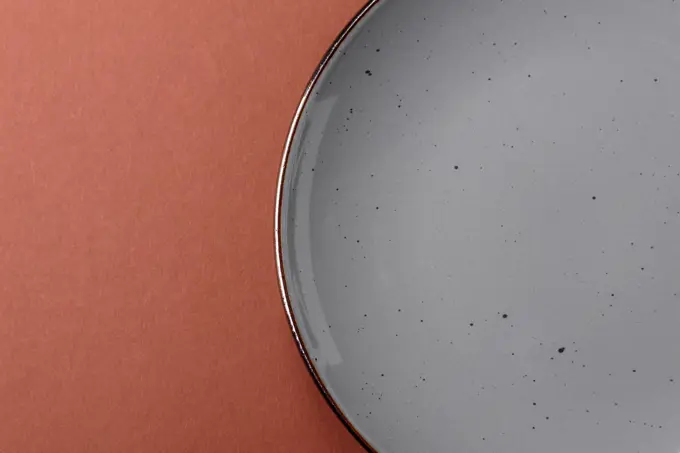
Leerer Keramikteller auf einem monochromen braunen Hintergrund Empty ceramic plate on a monochrome brown background. Empty plate with cutlery on a dining table LicenseRF Copyright: xZoonar.com/TetianaxChernykovax 23262058
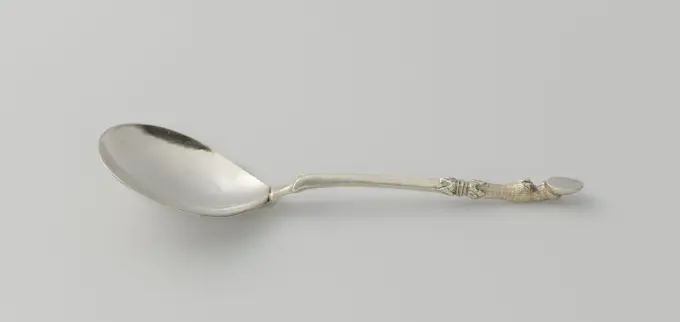
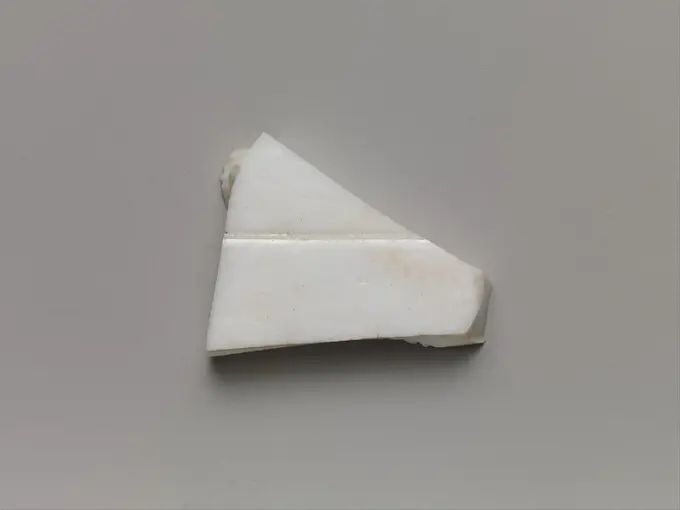
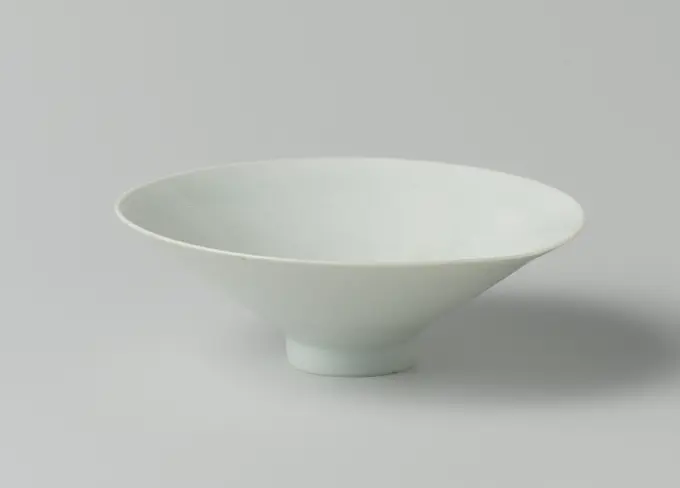
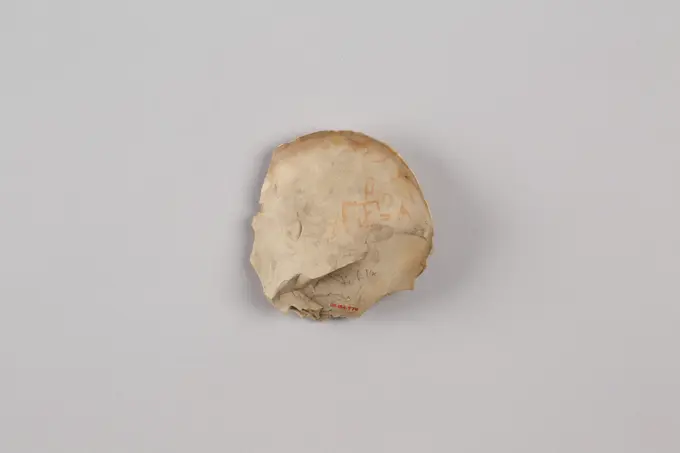
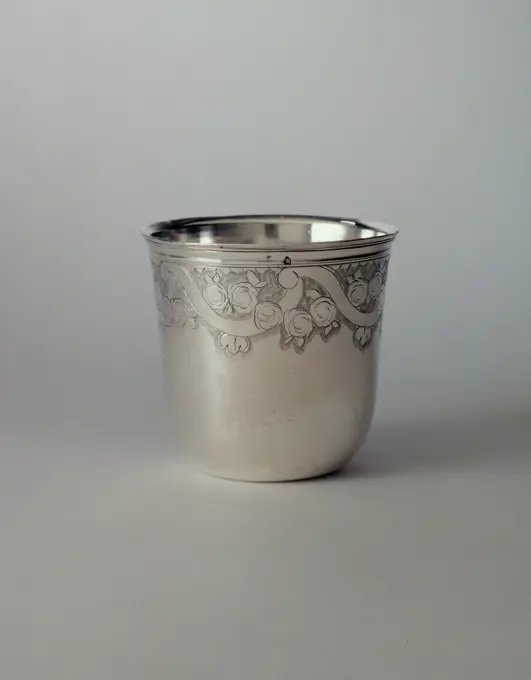
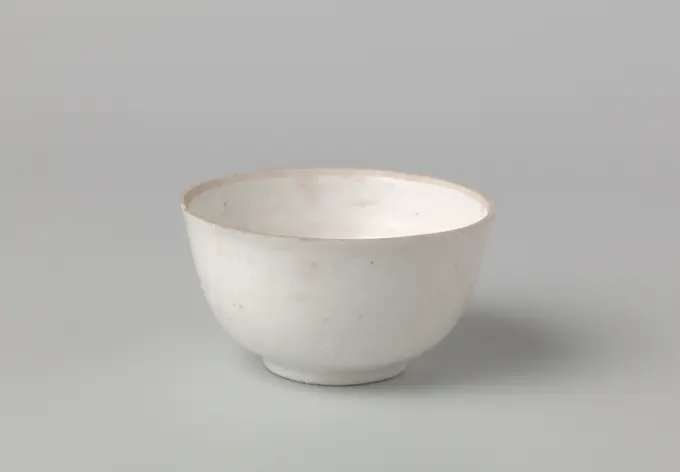
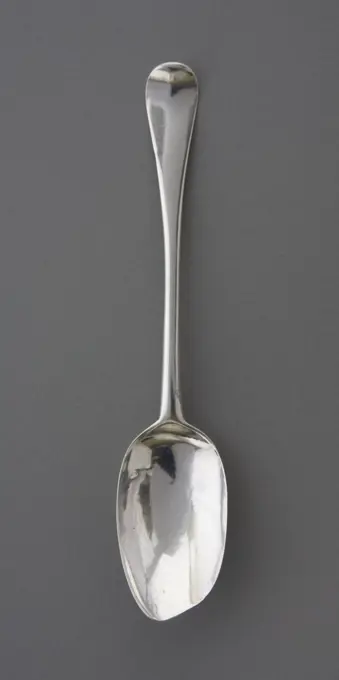
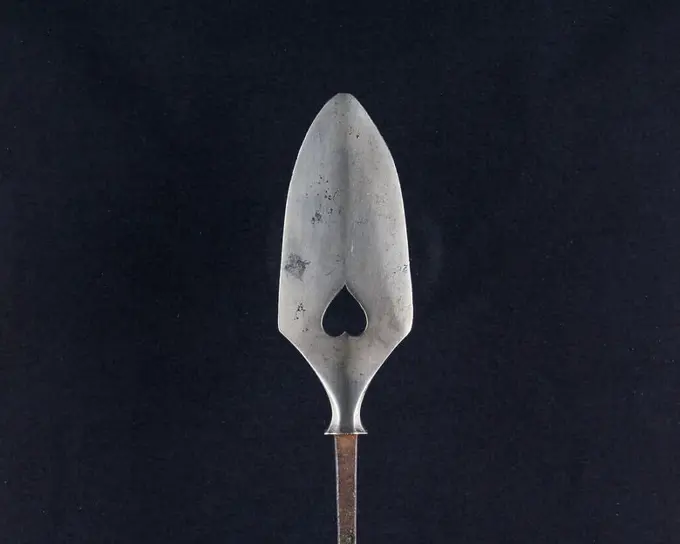
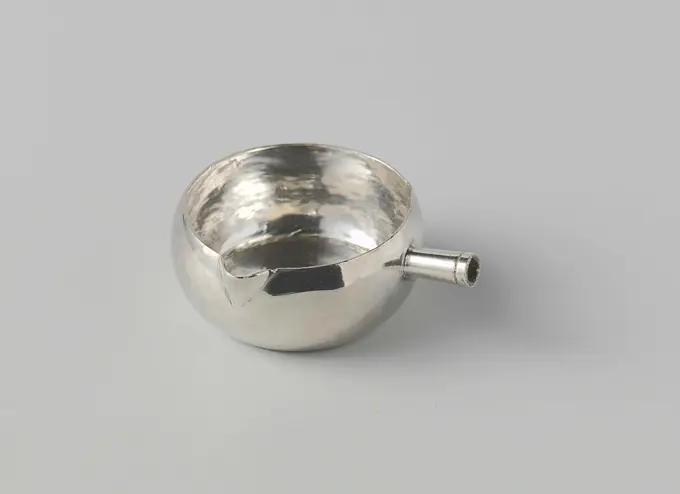
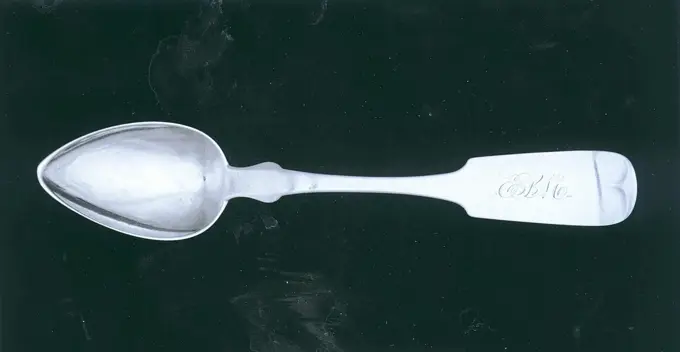
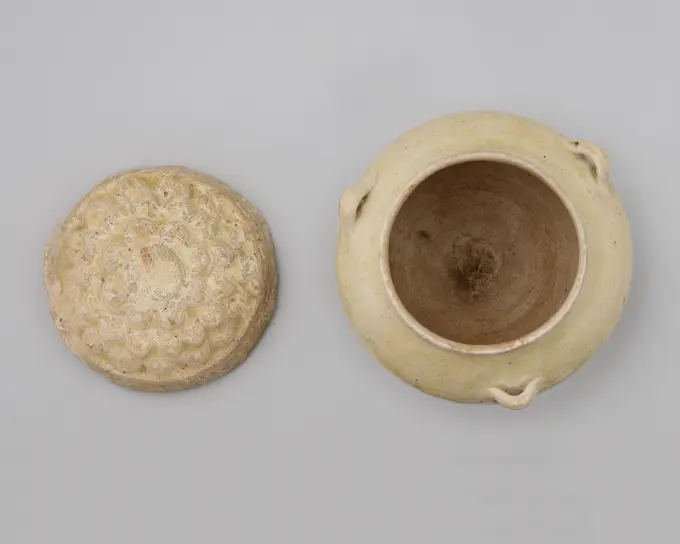
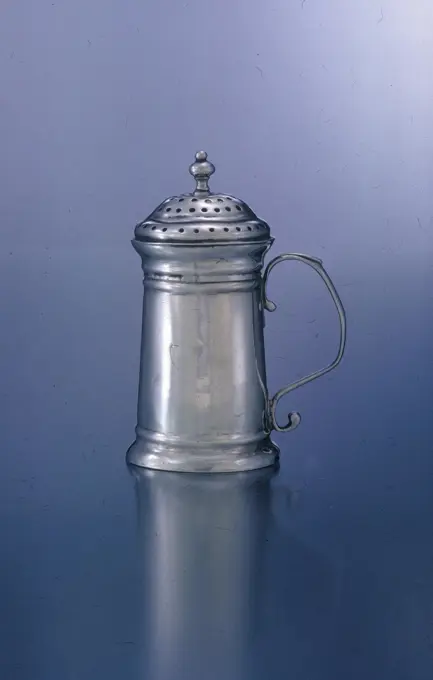
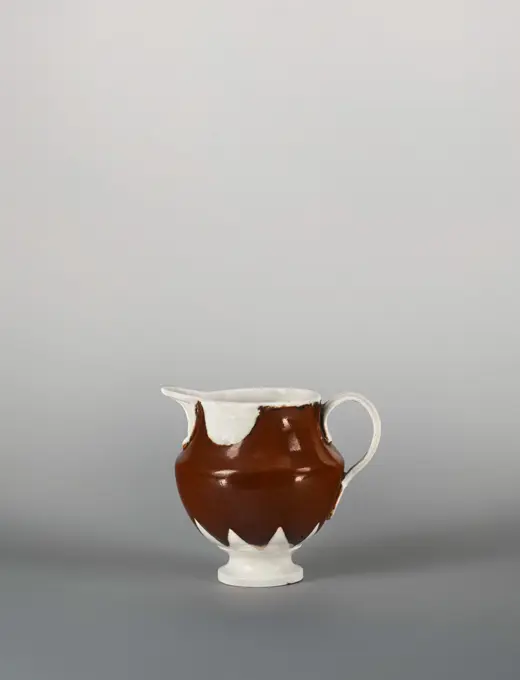
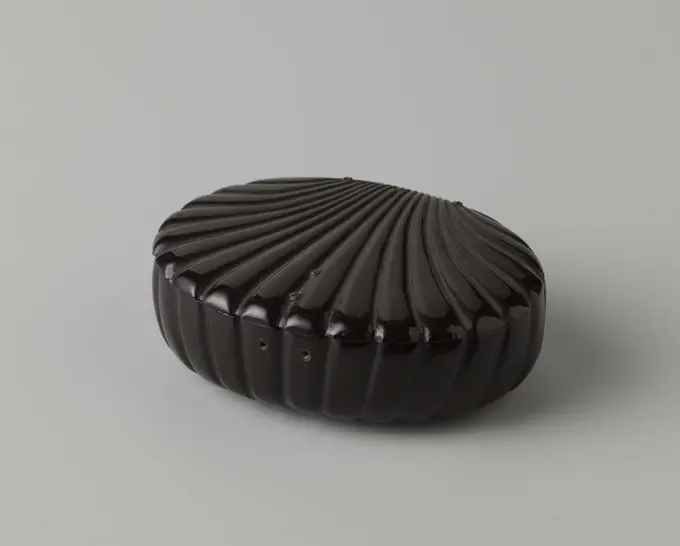
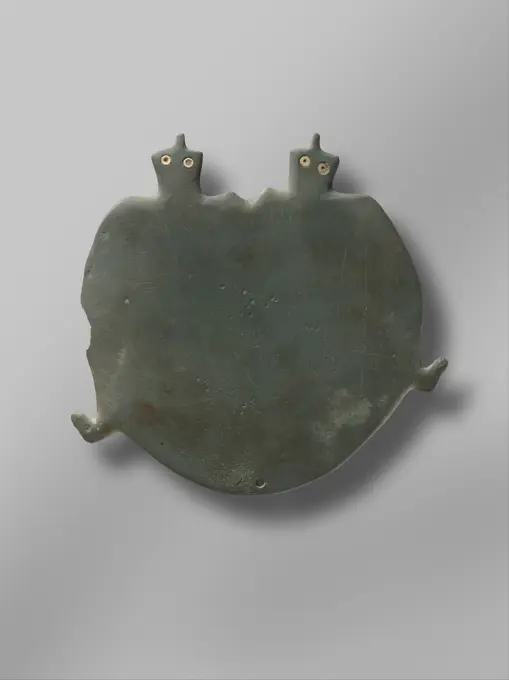
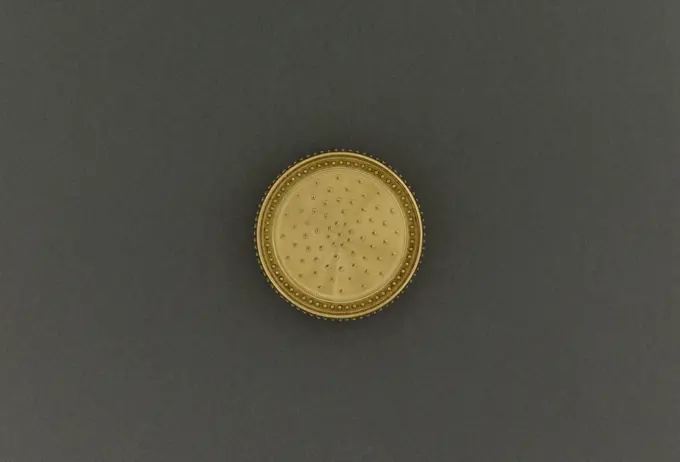
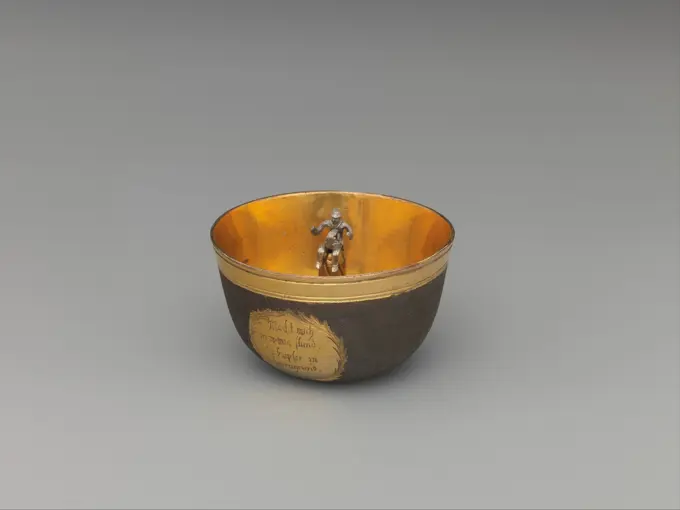
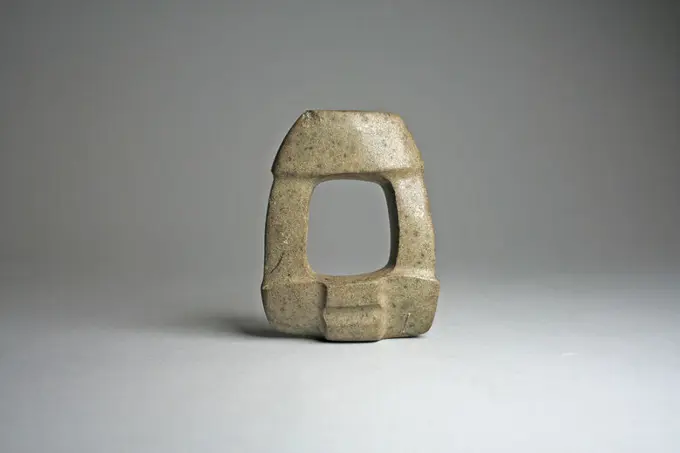
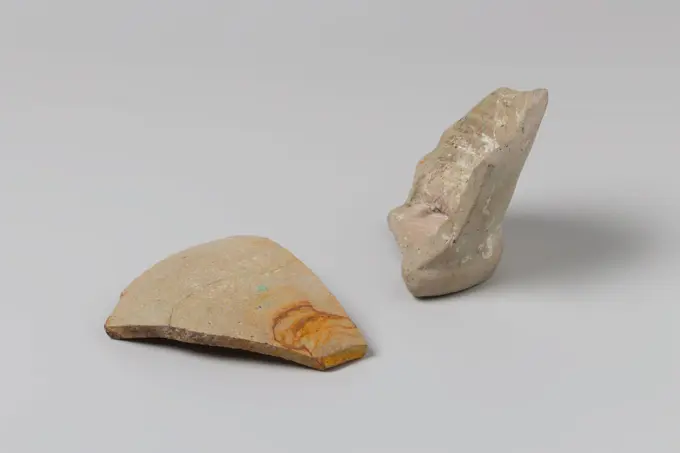
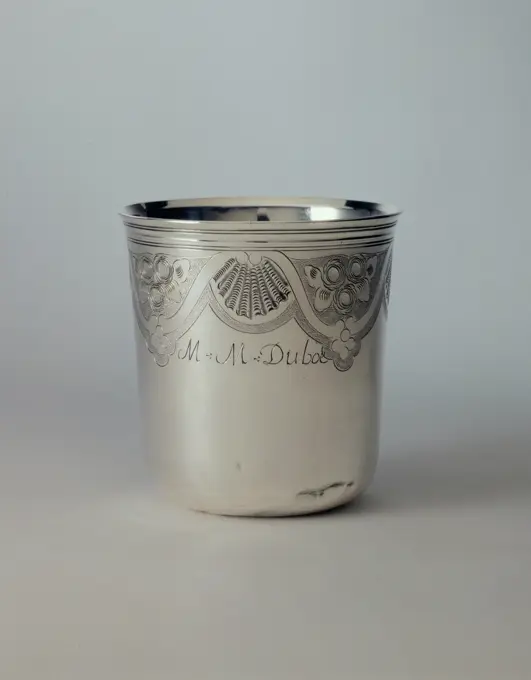
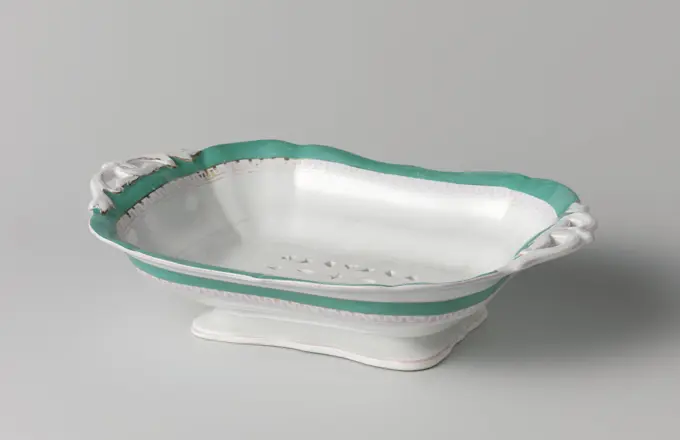
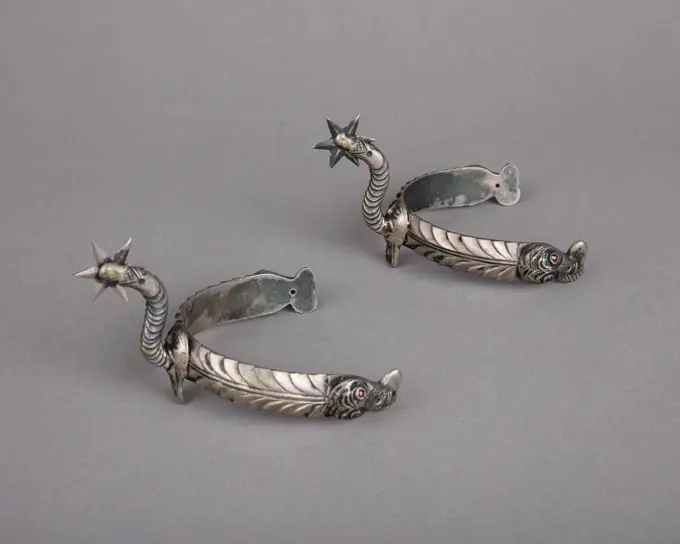
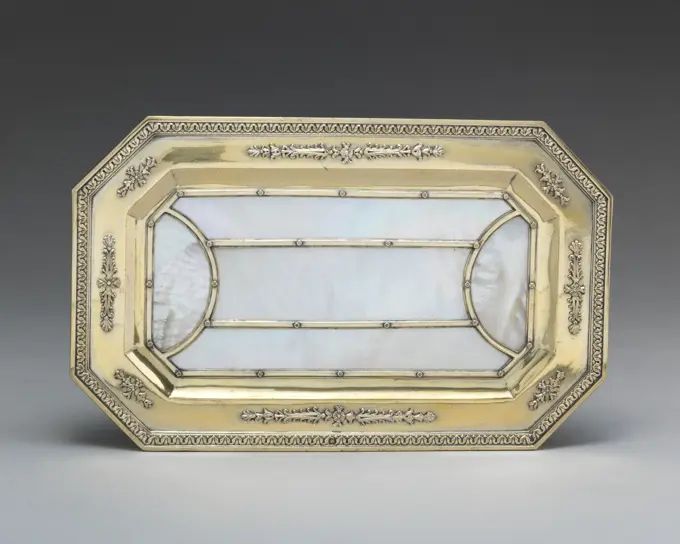
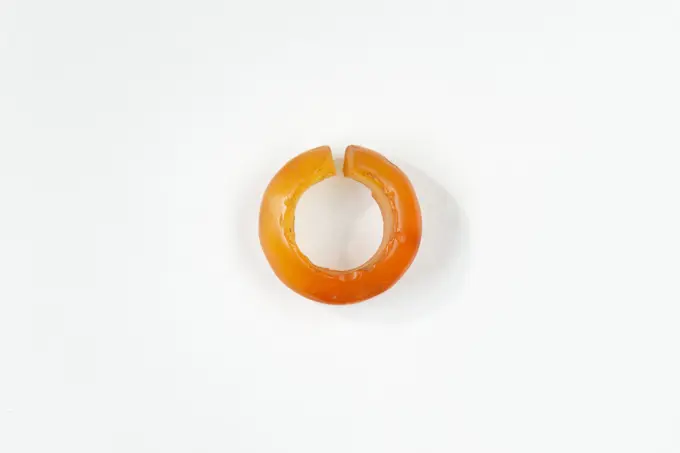
Dish of tin with hollow edge. Deep, round dish of tin. It has a narrow, deeply flat and a hollow border with upright profiling.Spoon with pear -shaped container and stem crowned with hoof, anonymous, 1650 The pear -shaped container is connected by means of a needle to the bent and torn, and then straight, four -sided stem. The short, constricted part is facing at the top. There, where the four -sided part splits, the impression is created that the faceted part connects. The stem is separated from the crown by a wreath of engraved on both sides by a wreath of engraved leaf motifs from the crown in the form of a goat's leg with a naturalistic processed surface. Amsterdam silver (metal) The pear -shaped container is connected by means of a needle to the bent and torn, and then straight, four -sided stem. The short, constricted part is facing at the top. There, where the four -sided part splits, the impression is created that the faceted part connects. The stem is separated from the crown by a wreath of engraved on both sides by a wreath of engraved leaf motifs from the crown in the form of a goat's leg with a natSteven Venables, Apostle Spoon: The Master, 1658/59, silver.Fragment. Culture: China. Dimensions: H. 1 1/2 in. (3.8 cm); W. 1 1/4 in. (3.2 cm). Date: 19th century. Museum: Metropolitan Museum of Art, New York, USA.Leerer Keramikteller auf einem monochromen braunen Hintergrund Empty ceramic plate on a monochrome brown background. Empty plate with cutlery on a dining table LicenseRF Copyright: xZoonar.com/TetianaxChernykovax 23262058Conical bowl with an incised foliate scrolls, anonymous, c. 1127 - c. 1279 Conical bowl of stoneware, covered with a transparent glaze with a light blue tint. The inside with an entry decoration of two boys between Lotusranken . Qingbai. China stoneware. glaze engraving / vitrification Conical bowl of stoneware, covered with a transparent glaze with a light blue tint. The inside with an entry decoration of two boys between Lotusranken . Qingbai. China stoneware. glaze engraving / vitrificationWheelbarrow, Jan Breda (attributed to), 1688 - 1704 Flat wheelbarrow with two handles. The wheelbarrow is marked with a crowned B. AmsterdamNetherlands silver (metal) Flat wheelbarrow with two handles. The wheelbarrow is marked with a crowned B. AmsterdamNetherlands silver (metal)Tablespoon.   Maker: William Coley, Jr., American, active ca. 1801-16Maker, formerly attributed to: Ebenezer Whitney, active ca. 1805-41Split ring (common name), 0000. Pierre. Cernuschi Museum, Asia Museum of Asia in the city of Paris.Come, blue, with six onion-shaped cartouches with flowers, Peter Regout, c. 1801 - c. 1879 Come from Blauwsteen, with six onion-shaped cartouches with flowers against a matted soil on the outside of the wall in relief. Maastricht earthenware Come from Blauwsteen, with six onion-shaped cartouches with flowers against a matted soil on the outside of the wall in relief. Maastricht earthenwarea chicken leg plastic toy child on a white background. chicken leg plastic toy child on a white backgroundFragment straight steel of glass from the wreck of the East Indians Hollandia, Anonymous, 1700 - in Or Before 1743 drinking glass Glass, stem glass, stems, plain; fragm, circular, hollow core, slightly tapering, eroded. Netherlands glass   SecondEngraved bend.Waist clamp;  XVIII-XIX century (1701-00-00-1900-00-00);. Scale of stoneware, covered with a translucent, slightly gray glaze. On the front a pressed decoration with two dragons between clouds on the flat. The inner edge with a bond with flower drinks and above a band with a meander pattern. The edge is caught in a metal band. Thing.Bowl;The collection of ancient EgyptOstracon inscribed with list of identity marks ca. 1390-1352 B.C. New Kingdom Ostraca (plural for ostracon) are potsherds used as surfaces on which to write or draw. The term is used, by extension, to refer to chips of limestone, which were employed for similar purposes. Despite their humble appearances, ostraca bear a wide range of images and texts, including administrative documents, literary texts, and depictions of royal and divine figures. The texts were mostly written with reed pen and ink of two colors, red and black, and inscribed in Hieratic, the cursive script of ancient Egypt throughout most of its periods. This ostracon bears identity markers referring to royal necropolis workmen.. Ostracon inscribed with list of identity marks. ca. 1390-1352 B.C.. Flint, ink, paint. New Kingdom. From Egypt, Upper Egypt, Thebes, Valley of the Kings. Dynasty 18Come, yelled. Come from Yellow Luggage Albast.A juicy drop of gel on a beige background. A perfect illustration for women's cosmetics.François-Martin Michelin. "Cup". Money. 1777-1784. Museum of Fine Arts of the City of Paris, Petit Palais. 74383-9 Money, silverware, gobletRound wooden saw cut cylinder shape on beige background abstract background. Minimal box and geometric podium. Scene with geometrical forms. Empty showcase for eco cosmetic product presentationCaneware Jar, c. 1795. Wedgwood Factory (British). Stoneware; overall: 8.3 cm (3 1/4 in.).Chess on a white backgroundBowl with a white glaze, anonymous, c. 1600 - c. 1699 Bell -shaped bowl of porcelain, covered with a white glaze. The inner edge is unglazed. White porcelain. South China porcelain. glaze vitrification Bell -shaped bowl of porcelain, covered with a white glaze. The inner edge is unglazed. White porcelain. South China porcelain. glaze vitrificationFoot, trunk and part of the chalice of a chalice glass (with a galloping horse and the inscription: Aurea Libertas), c. 1700 - c. 1800 Wooden foot and trunk. Originally the chalice was rounded from below and dedicated with softly bent, a little outward -running line at the opening. On the chalice, a galloping horse was engraved under a dipped saying band with the text: 'Aurea Libertas' in letters saved. Entirely cracked and glued. Northern Netherlands glass. wood (plant material) Wooden foot and trunk. Originally the chalice was rounded from below and dedicated with softly bent, a little outward -running line at the opening. On the chalice, a galloping horse was engraved under a dipped saying band with the text: 'Aurea Libertas' in letters saved. Entirely cracked and glued. Northern Netherlands glass. wood (plant material)Transparent crystal ball on a white background. Abstract background.Lid for Bowl, c 1900. Northwest Coast, Makah, late 19th century. Cedar bark, deer grass; wrapped twining;Frijzel van Bruingroen Glass, Anonymous, c. 1700 - c. 1900 Pijzel with slightly concave body with turned edge, trimmed at the bottom with a flat, slightly ribbed strap. Northwest Europe glass glassblowing Pijzel with slightly concave body with turned edge, trimmed at the bottom with a flat, slightly ribbed strap. Northwest Europe glass glassblowingDaniel Henchman, Tablespoon, c. 1750, silver.Cardboard BoxArrowhead (Yanone). Culture: Japanese. Dimensions: L. 9 5/8 in. (24.4 cm); L. of head 3 1/4 in. (8.3 cm); W. 1 1/4 in. (3.2 cm); Wt. 1.4 oz. (39.7 g). Date: 18th century. Museum: Metropolitan Museum of Art, New York, USA.Bumpy empty ceramic plate on a textured concrete background. Kitchen utensil itemGrahal-Manzara. Carnavalet 2013-2016 collection sites. Numismatics. Law Louis-Napoleon Bonaparte represented in insect, holding a scepter and a crown.A Medical Container A medical container on a white background Copyright: xblueringmediaxLadle.   Maker: Joseph Richardson Jr., American, 1752-1831Planets-manager. Cornalet Collection Sites 2013-2016. Numismatic.Broken white egg shell in front of a light gray background, empty Easter egg, copy room, selected focus broken white eggshell in front of a light gray background, empty Easter egg, copy room, selected focus copyright: xzoonar.com/marenxwinterx 23090022Bird figurine. unknown, craftsmanSaucepan. Saucepan with convex wall, a spout and a starter for a handle. The wooden handle is missing. The saucepan is marked: stk. = Amsterdam, jrl. = F (1740), mt. = Arnoldus van Geffen and a ax.Beautiful empty white ceramic gravy boat on a textured concrete background. Kitchen utensil itemAnthony Nelme, Pair of Salvers, 1699, silver.Teaspoon.   Maker: M.F. and C.H. Stilwell, active ca. 1837 - 1874VaseSmall jar with lid. Sandstone; White paste, celadon covered (ivory with green reflections). Cernuschi Museum, Asia Museum of Asia in the city of Paris.Pepperbox.   Maker: George Hanners, Sr., American, 1696-1740Pedestal circle podium minimal studio background for show producDish used in the House of Representatives of the Netherlands at official receptions, Hutschenreuther, c. 1900 - c. 1974  Porcelain dish, painted on the glaze in gold. Decorated with a golden edge. Marked on the underside with the factory brand and 'P.A.W. Philippona The Hague '. Possibly decorated in The Hague. porcelain company: BeierenThe Hague porcelain. glaze. gold (metal) painting / vitrification  The HagueSmall jug. Bolesławiec (ośrodek ceramiczny ; ca 1400- ), potter's workshop, Altmann, Johann Gottlieb (1780-1851), ceramistTortoise box in the shape of a shell. Box of turtle in the shape of a shell; At the hinge six and at the lock four silver screws. Smooth from inside.empty white dish on grey backgroundPalette Depicting a Pair of Mud Turtles ca. 3650-3500 B.C. Predynastic, early Naqada II The large mud turtle, Trionyx triunguis, which inhabited the Nile River and its canals, is the subject of many palettes and this one is quite unusual in depicting a pair. The duo may represent a mating pair linking the palettes imagery to the concept of fertility and therefore regeneration. In the Pharaonic Period, the turtle had a dual reputation, on one hand the animal was connected to chaos and disorder, and on the other, it could be a potent amulet when the turtles negative character was used as a protective force. Given the turtle is the subject of an implement for manufacturing pigment for eye paint, a protective interpretation seems fitting.. Palette Depicting a Pair of Mud Turtles 544044. Meissen porcelain manufactory Meissen, 1727 Hard Paste PorcelainGolden product stand on pastel pink rose color background. Abstract minimal geometry concept. Studio podium platform theme. Exhibition and business marketing presentation stage. 3D illustration renderLuncheon plate - St. Johns Stone Chinaware Company (founded 1873) St. Johns Stone Chinaware Company (founded 1873)Bandwurmglas, 17th century, 11 × 4 7/8 × 4 13/16 in. (27.94 × 12.38 × 12.22 cm), Glass, Germany or Netherlands, 17th century, A Bandwurmglas (literally, a 'tape worm glass') was used for drinking games, wherein the spiral band wrapped around the cylindrical, tapering body would mark positions, from which to which the participants would be required to drink: failing to do so would mean that they had to try again and drink on until the next mark. As participants got more and more intoxicated, the better it was that the spiral wrapped around the glasss body gave them a firm grip. Yet most of these glasses have been damaged and destroyed, making the surviving examples especially rare.Linen, yellow, outsource, anonymous, c. 1800 - c. 1850  Piece of yellow linen with stains. In package with label: Rijksmuseum, Amsterdam. Dutch army, Marines. Various pieces of uniform fabric and/or out -of -the -cutting sheet.  cloth3d rendering of a hanging egg chair isolated in white studio background 3d rendering of a trendy hanging egg chair isolated in white studio background Copyright: xZoonar.com/HugoxKurkx 14093840Dinner plate - St. Johns Stone Chinaware Company (founded 1873) St. Johns Stone Chinaware Company (founded 1873)Podium for product advertisement or restaurant menus with beautiful colorful backgroundFlacon - Vial. unknown, craftsmanNicolas Marguerit (born in 1763). Circular box in chiseled gold and guilloche with neoclassical patterns. 1780-1782. Paris, Cognacq-Jay museum. 56031-1 Circular box, chisel, guillocher, pattern, neoclassical, goldBeaker early 18th century Hungarian, Úrvölogy (formerly Herrengrund) This beaker, and a similar one in the museums collection, 2010.110.67, is in tumbler form with a gilded lip above punched snakeskin decoration. Each show a silver figure of a miner seated on a column rising from the center of the bowl. The figures are made of silver that can be polished. When the bowl was filled with wine the tiny statuettes image would be reflected on the surface of the “golden” beverage, the color of which was intensified by the gilded interior. Copper vessels in this form were popular souvenirs from Herrengrund, at that time in Northern Hungary, now in present-day Slovakia, extolling the seemingly magical qualities of the water in the region, which has unusually high concentrations of copper sulphate. Iron scraps left in pools of water did not actually transform into copper, but collected on their surface considerable amounts of pure copper precipitate drawn out of the water through a natural cheLeerer Keramikteller auf einem monochromen braunen Hintergrund Empty ceramic plate on a monochrome brown background. Empty plate with cutlery on a dining table LicenseRF Copyright: xZoonar.com/TetianaxChernykovax 23261855Glass bead. Culture: Roman. Dimensions: Height: 1/4 × 5/16 in. (0.7 × 0.8 cm). Date: ca. 1st-4th century A.D..Translucent blue green.Small spherical bead without decoration.Intact; pitting, creamy white weathering, and iridescence. Museum: Metropolitan Museum of Art, New York, USA.Ear of a jug of the wreck of the East Indies Hollandia, Anonymous, 1700 - in or Before 1743  Stoneware, Rhenish, Frechen-ware, jug; fragm of handle, sim. NG 1978-9H172. Cologne stoneware   SecondScale, round with holes drilled in the edge, anonymous, c. 1590 - c. 1596 dish Scale, round with holes drilled in the edge.  copper (metal) striking (metalworking)  Nova Zembla. Saving Huys. Prince William III was born in 1650, shortly after the death of his father, Stadtholder-Prince William II. He would not become stadtholder until 1672. Here he is depicted as a young child, with his coat of arms on the back of the glass.Cover of Schepel, Anonymous, 1800 - 1900  Round deck tone with a hole of creature in the middle. Four iron eyes on the side.  wood (plant material)   BorculoA brown beer bottleglass chess figures behind wooden ponce on white backgroundSpatula 1500-500 B.C. India. Spatula 50653Tablespoon.  Artist: Stephen Chandler, American, active 1812-1822Mirror. Culture: Japan. Dimensions: Diam. 3 3/4 in. (9.5 cm). Museum: Metropolitan Museum of Art, New York, USA.Stone Temple Model. Culture: Mezcala. Dimensions: H. 4 7/16 x W. 3 1/2 in. (11.3 x 8.9 cm). Date: 1st-8th century. Museum: Metropolitan Museum of Art, New York, USA.Melanoma and skin May cancer month, Black Ribbon with Piggy Bank for support illness life. Health, Donation, Charity, Campaign, Money Saving, Fund and World cancer day conceptPadlock of iron. An iron padlock whose stitch pin is missing.Soup plate - St. Johns Stone Chinaware Company (founded 1873) St. Johns Stone Chinaware Company (founded 1873)Football isolated on grayHandgemachte Kerze aus Paraffin und Sojawachs in einem Glasgefäß auf einem Betontablett. Kerzenherstellung. Minimalismus. Handmade candle from paraffin and soy wax in glass jar on concrete tray. Candle making. Minimalism Copyright: xZoonar.com/IrinaxKvyatkovskayax 22755263Close-up of pot of gold metallic cream eyeshadowZapinka do pasa. unknown, craftsmanShards of a jug from the wreck of the East Indies Hollandia, Anonymous, 1700 - in or Before 1743  Stoneware, Rhenish, Westerwald, jug; fragm: fragm of base; fragm of body, sim. NG 1980-27H2615. Westerwald stoneware   SecondAnonymous. "Cup". Money. 1789. Museum of Fine Arts of the City of Paris, Petit Palais. 74383-14 Money, silverware, gobletGranite countertop around porcelein sinkStrives on foot with a green edge and golden Greek band, Petrus Regout, c. 1865 Treed on foot of earthenware, elongated, scalloped, with a green edge and golden Greek band. Maastricht earthenware Treed on foot of earthenware, elongated, scalloped, with a green edge and golden Greek band. Maastricht earthenwarePair of Rowel Spurs 19th century Danish The heel band of each of these silvered spurs is decorated on each side with a scaled serpent holding an acorn in its mouth, its eyes inlaid with red glass. The neck, holding the rowel, is shaped as a serpent holding an acorn as well, emerging from the mouth of a bearded face placed on the heel. Each terminal is pierced for fixing each spur directly on a boot's heel.. Pair of Rowel Spurs. Danish. 19th century. Copper alloy, silver, glass. Equestrian Equipment-SpursClose up green Styrofoam packaging peanutMedum bowl;  around 2686- 2181 BC ; Old PASilver soap box, Abraham van der Hoeff, 1735 Silver soap bin, round with carrier, decorated with two groove lines. Haarlem silver (metal) Silver soap bin, round with carrier, decorated with two groove lines. Haarlem silver (metal)FoodSuppositoryStudio shot of old-fashioned itemHopi clay corn seed pottery jar used to store seeds before planting in Spring.Tray 1887-1911 André Aucoc. Tray. French, Paris. 1887-1911. Silver gilt, mother-of-pearl. Metalwork-SilverChairAccessorySerum and cream on a green background. Textures of cosmetic products.Penannular Earring ca. 1550-1295 B.C. New Kingdom. Penannular Earring. ca. 1550-1295 B.C.. Carnelian. New Kingdom. From Egypt; Probably from Northern Upper Egypt, Deir el-Ballas. Dynasty 18Candle bin, with semicircular back plate and hinged lid. Candle bin from Geelkoper, with semicircular back plate with suspension hole, hinged lid.Kura. unknown, sculptor