Metalwork Jewelry Components

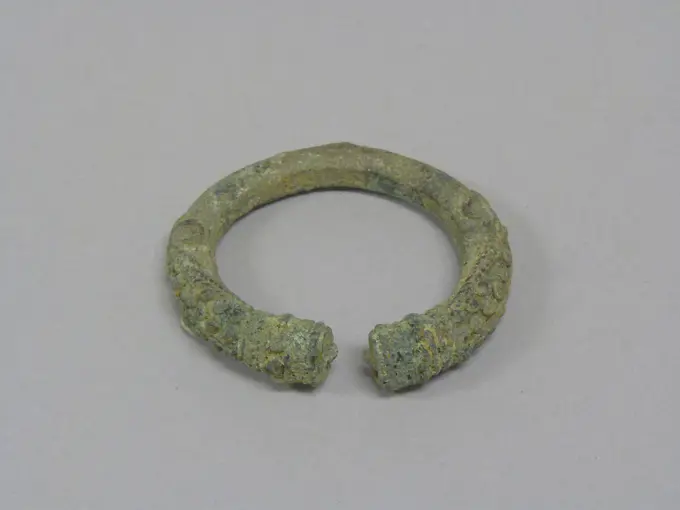
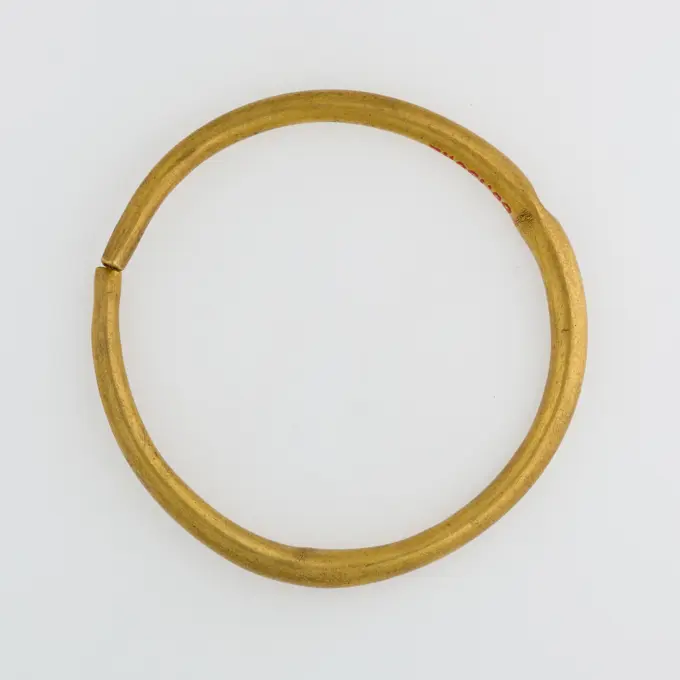
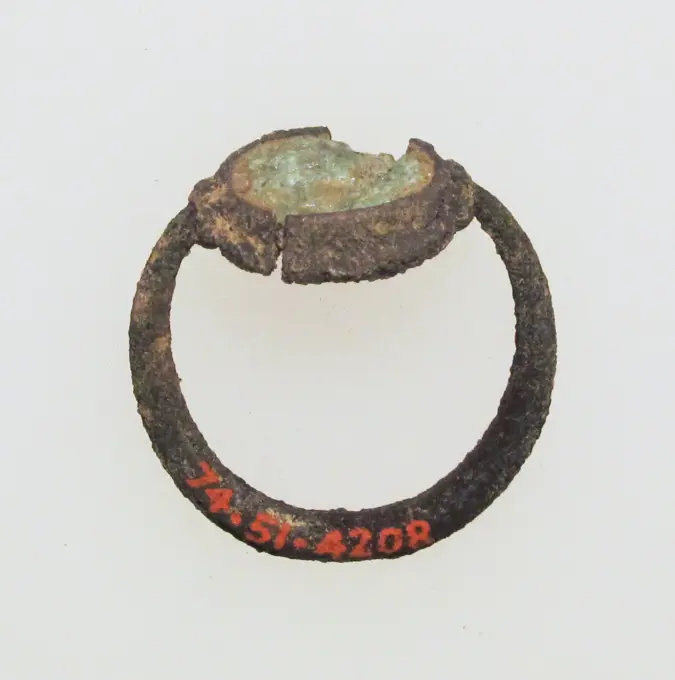
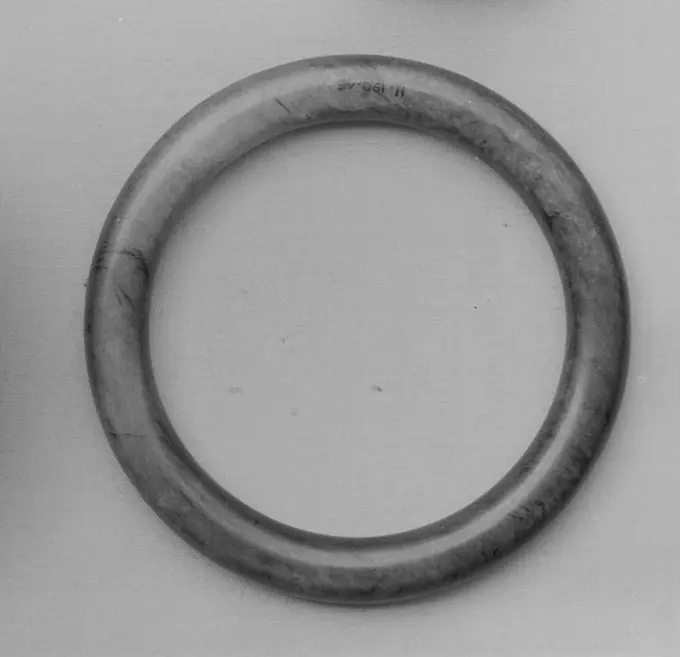
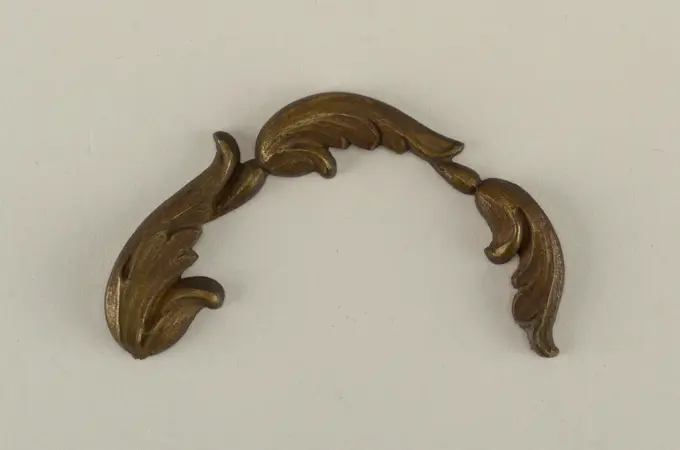
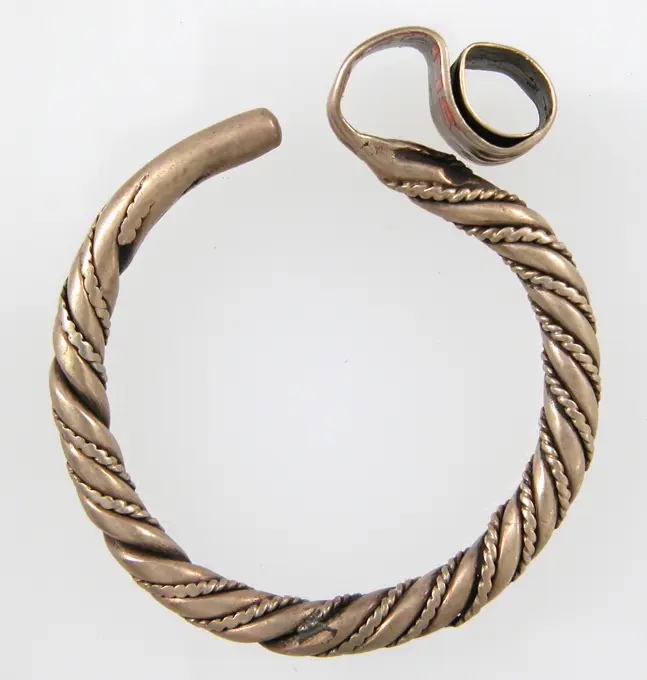
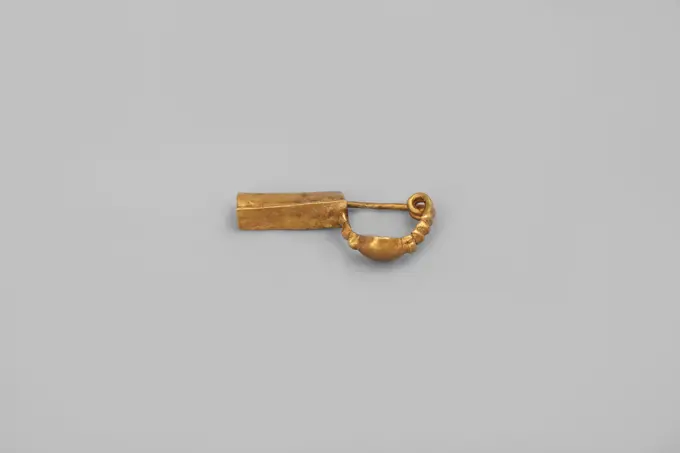
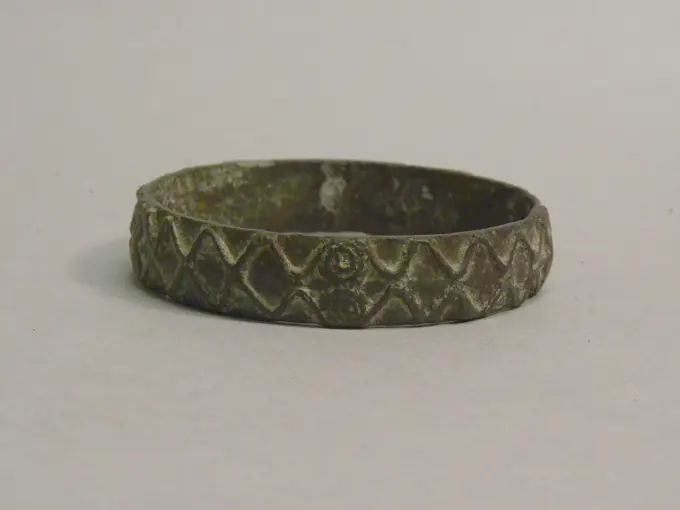
Various metal items like rings and brooches, highlighting rustic and ancient designs, showcasing artistic craftsmanship in jewelry.

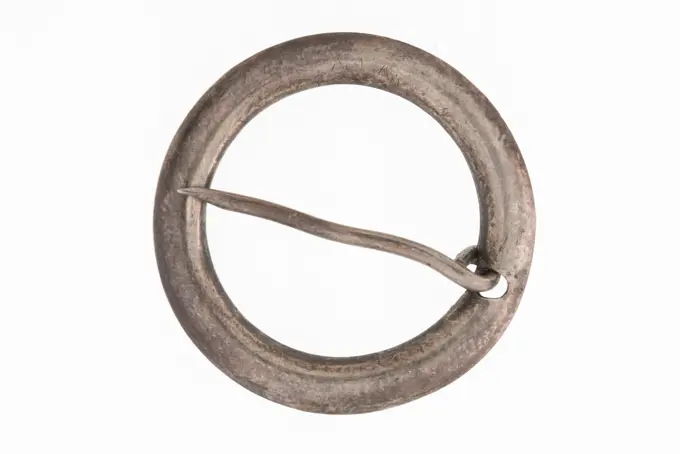
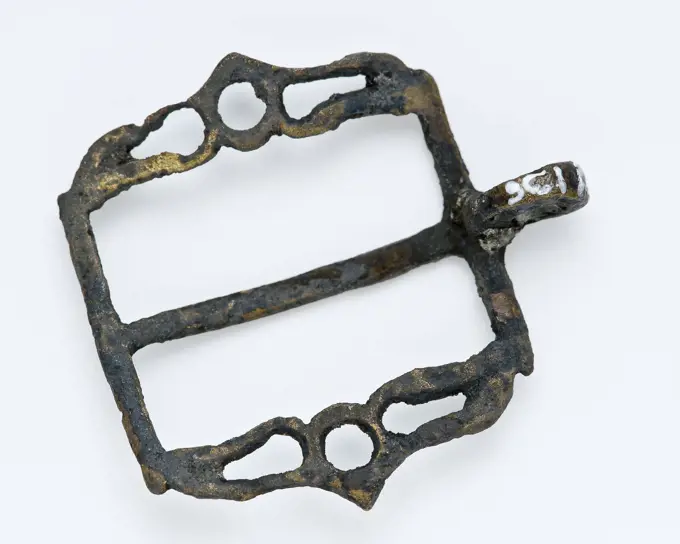
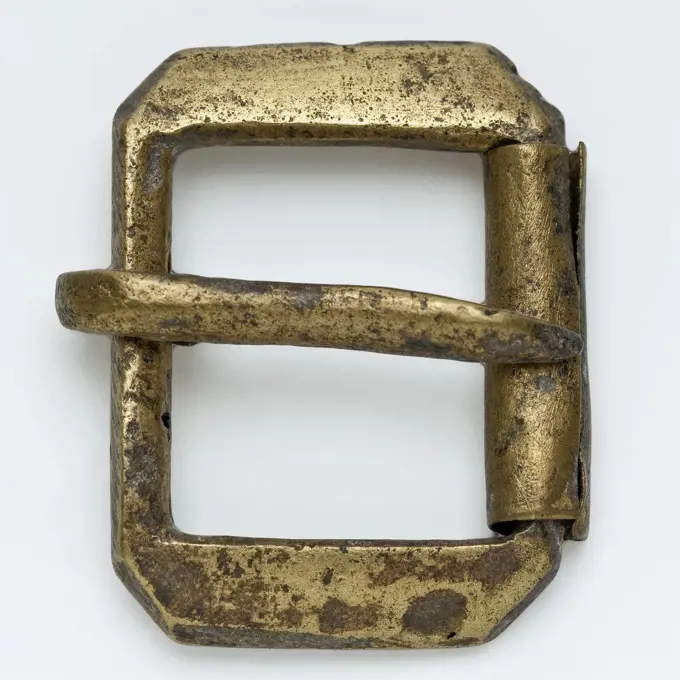
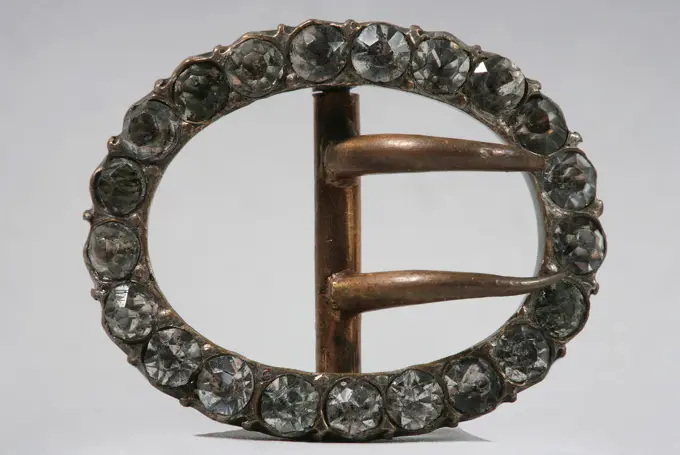
Brass oval buckle, decorated around with battles, buckle fastener component soil find brass metal, archeology Rotterdam Kralingen-Crooswijk Kralingsche Bos Kralingse Plas Soil discovery: collected in 1972 at the Kralingse Plas from sprayed dredge: metal detector finds and sight finds.
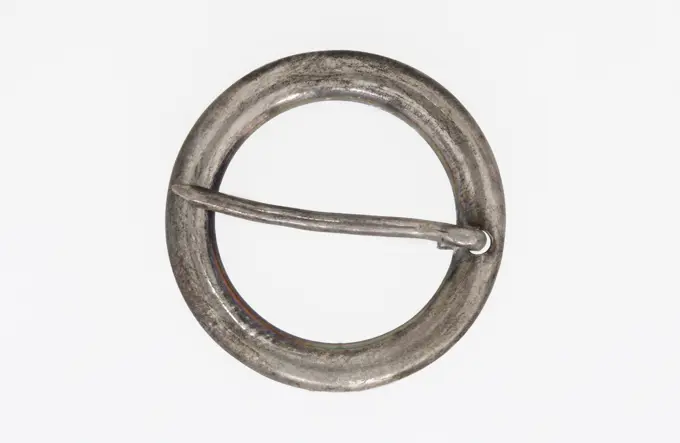
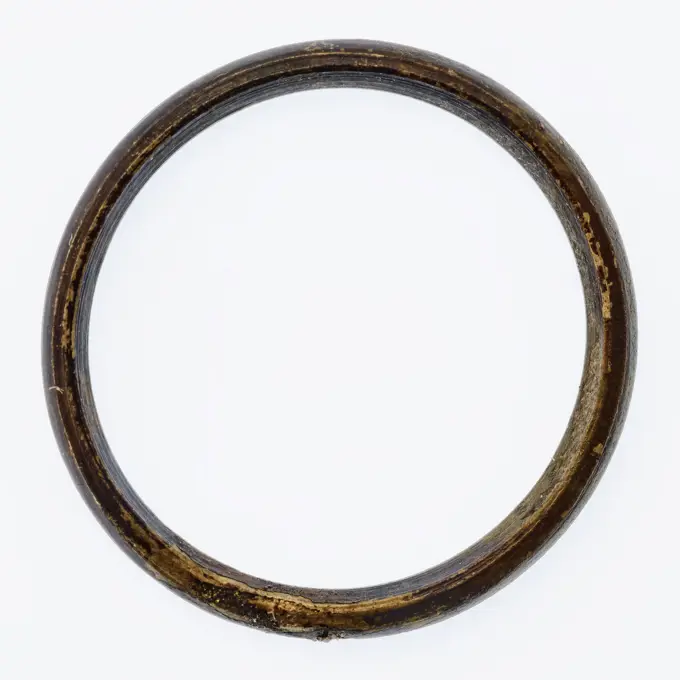
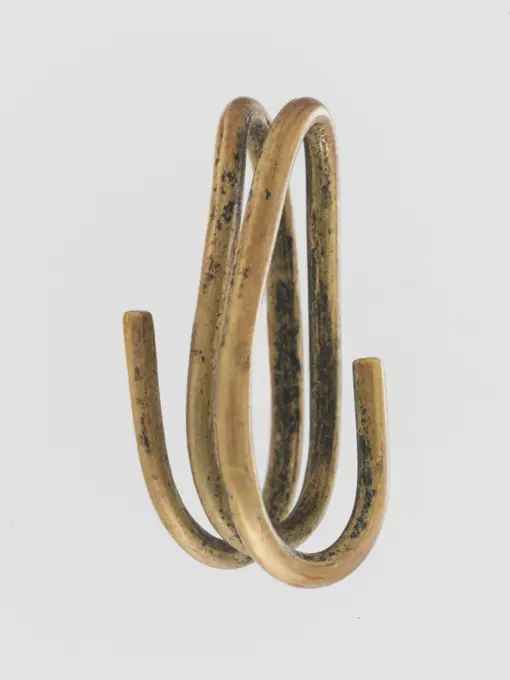
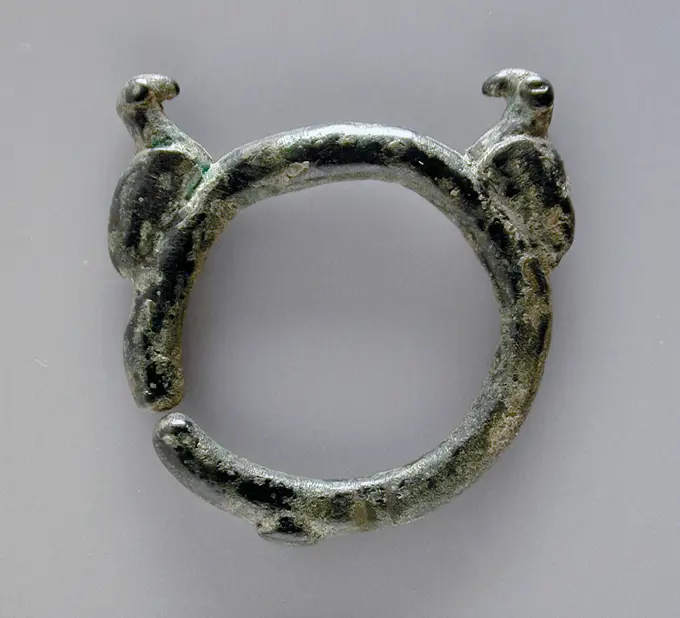
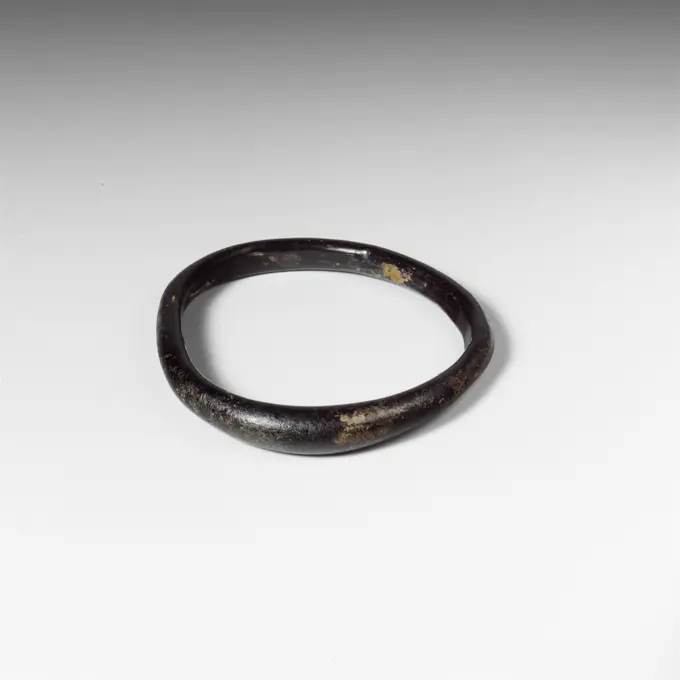
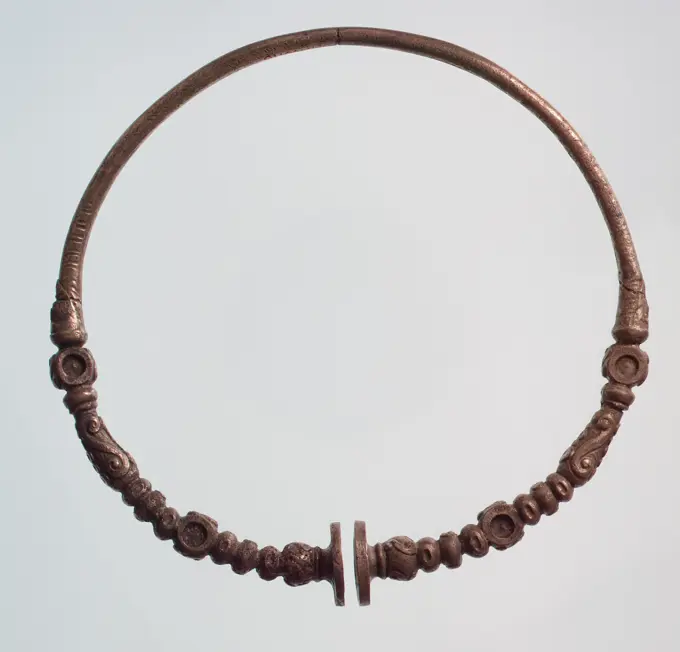
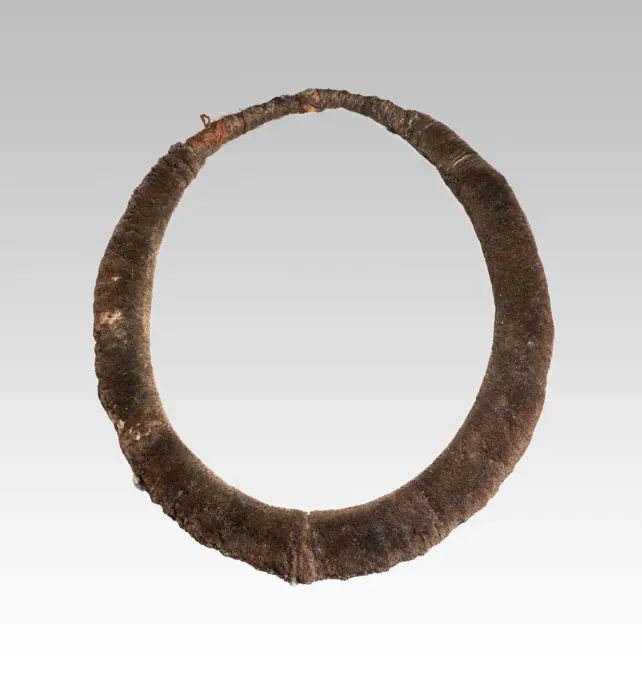
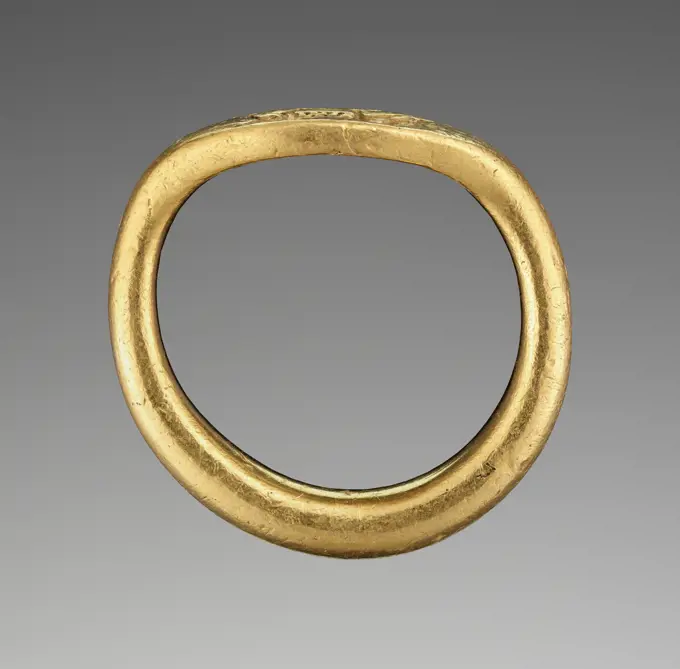
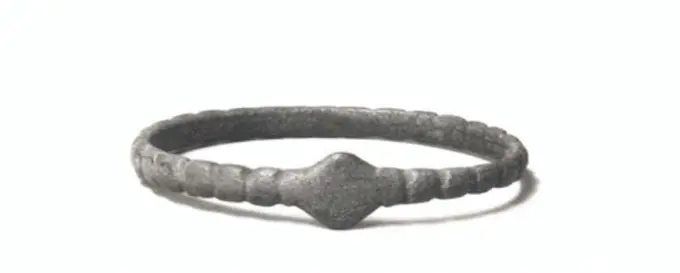
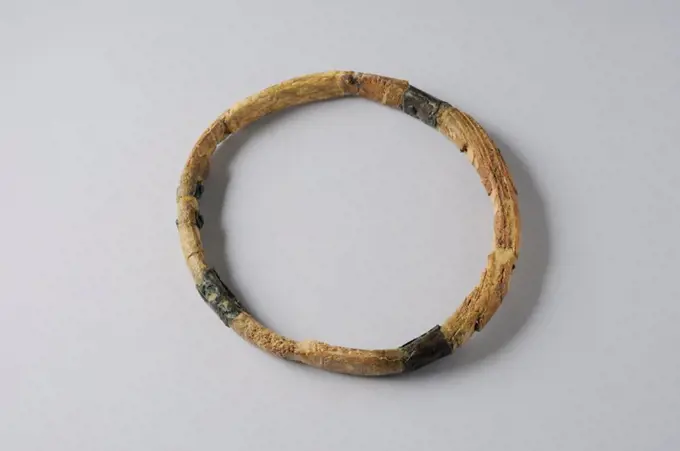
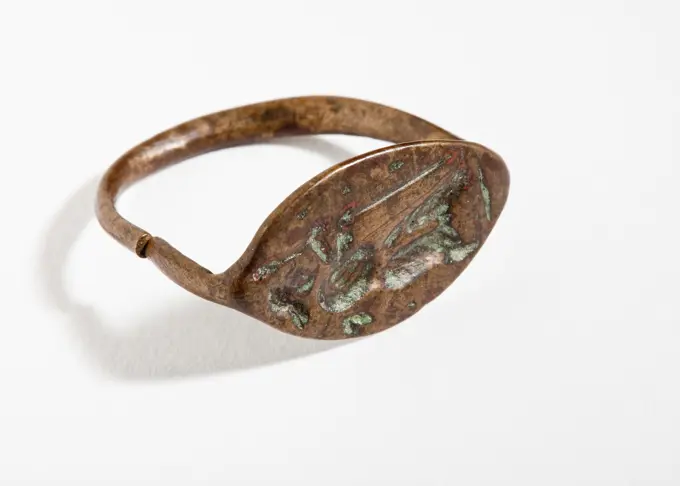
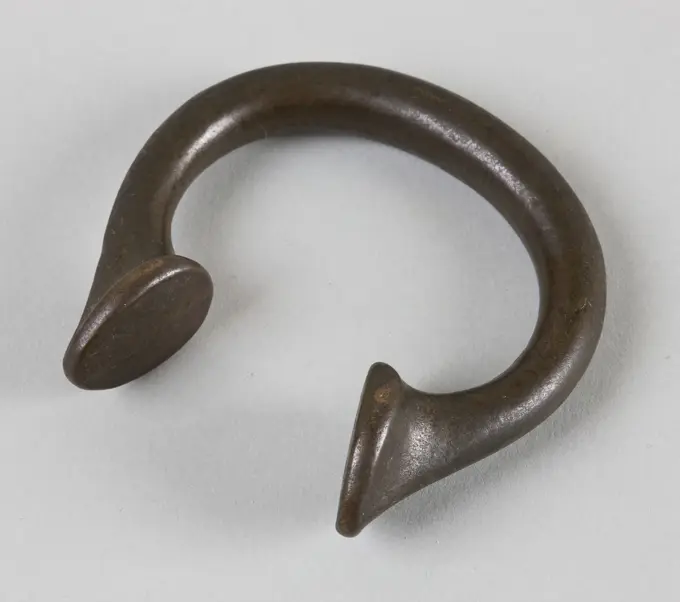
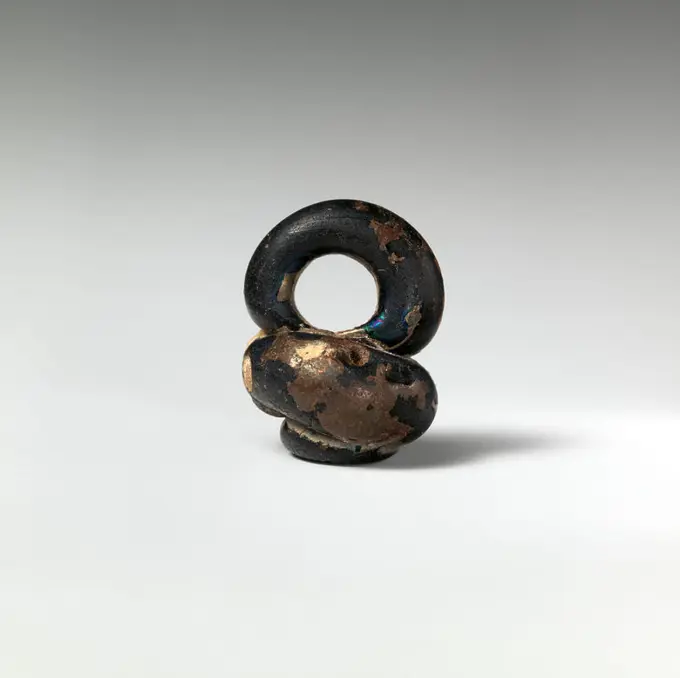
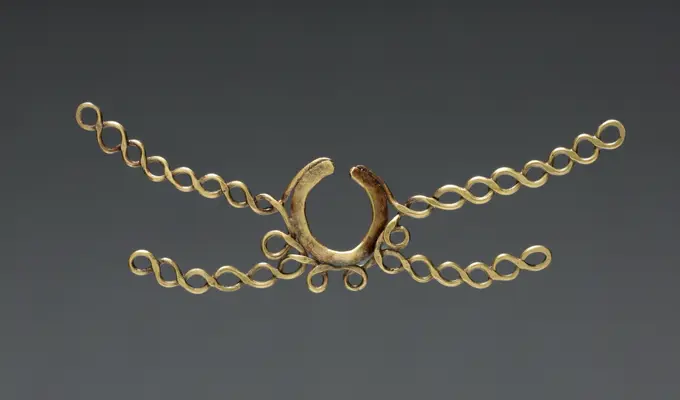
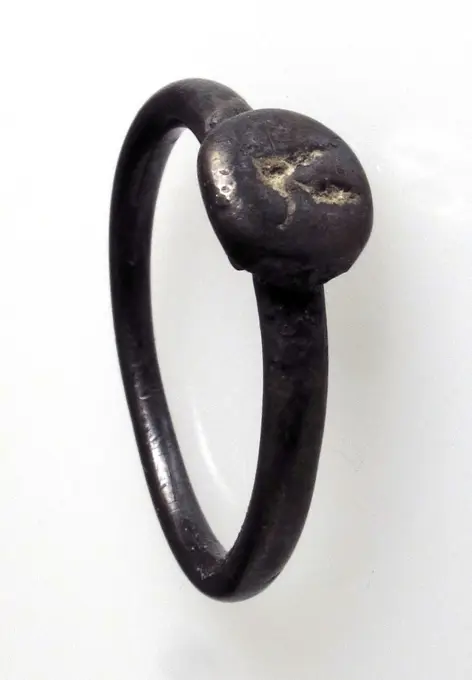
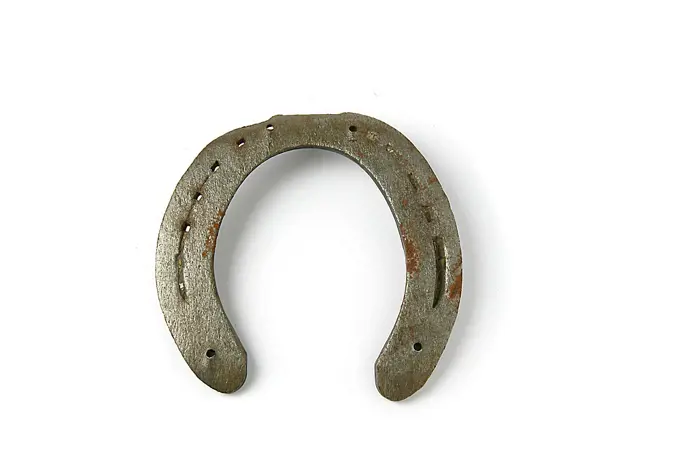
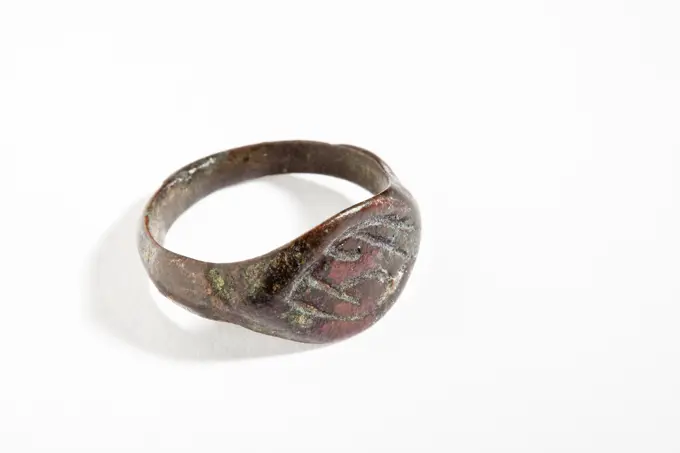
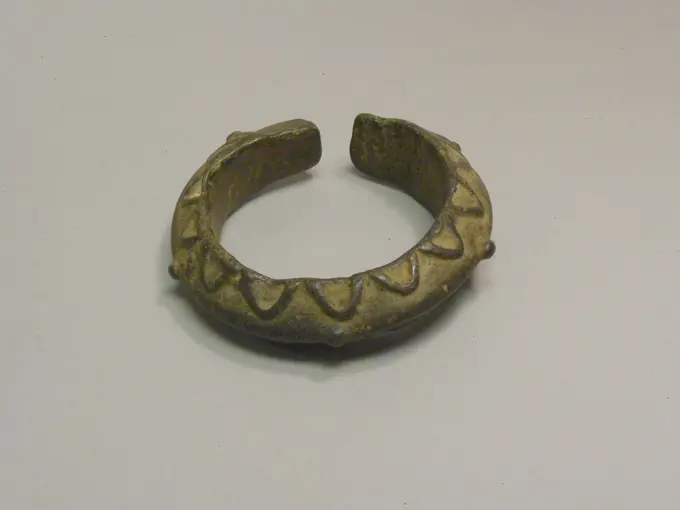
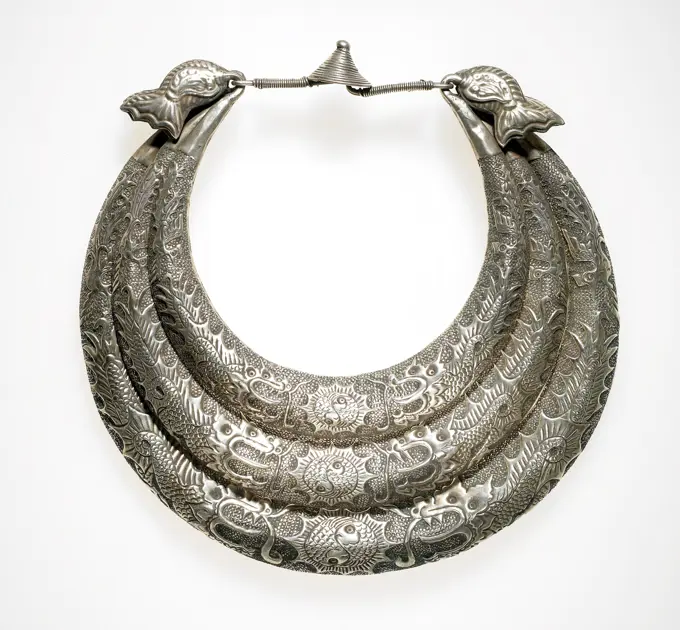
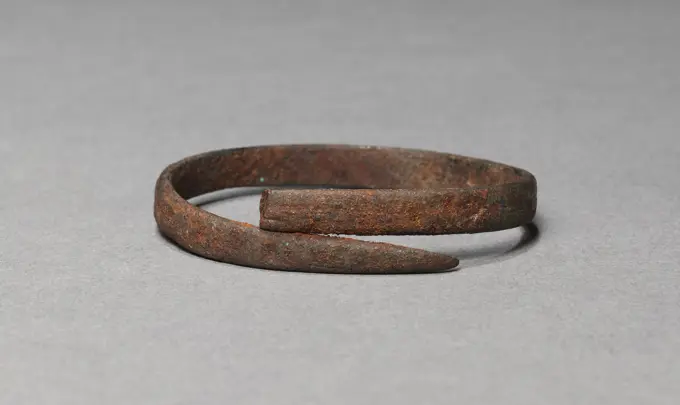
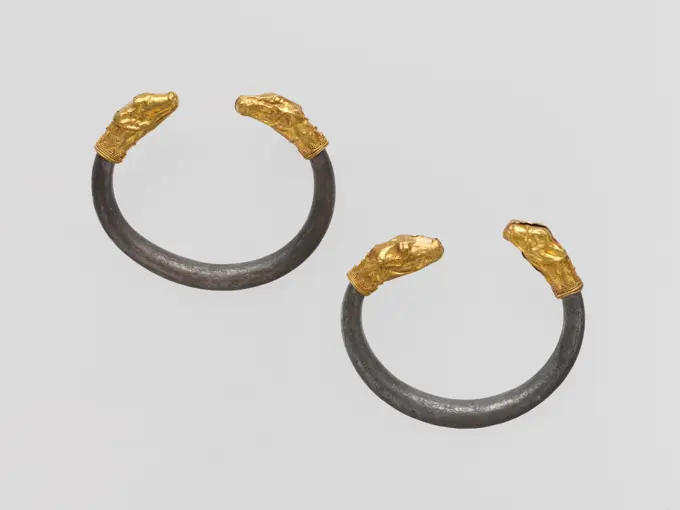
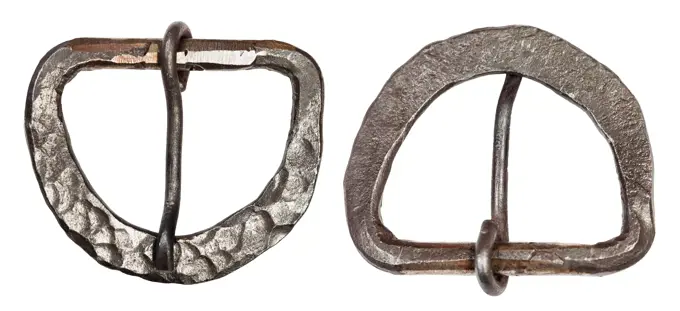
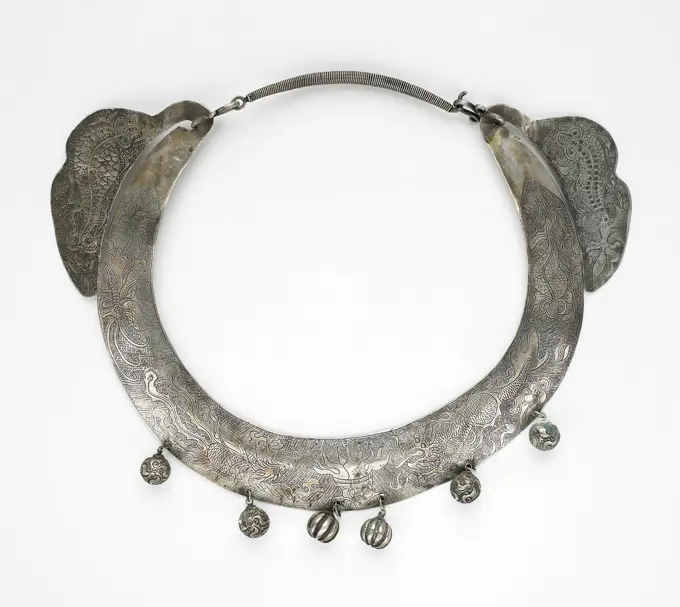
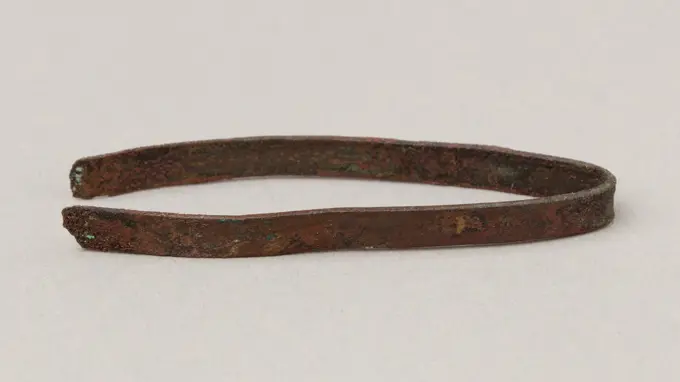
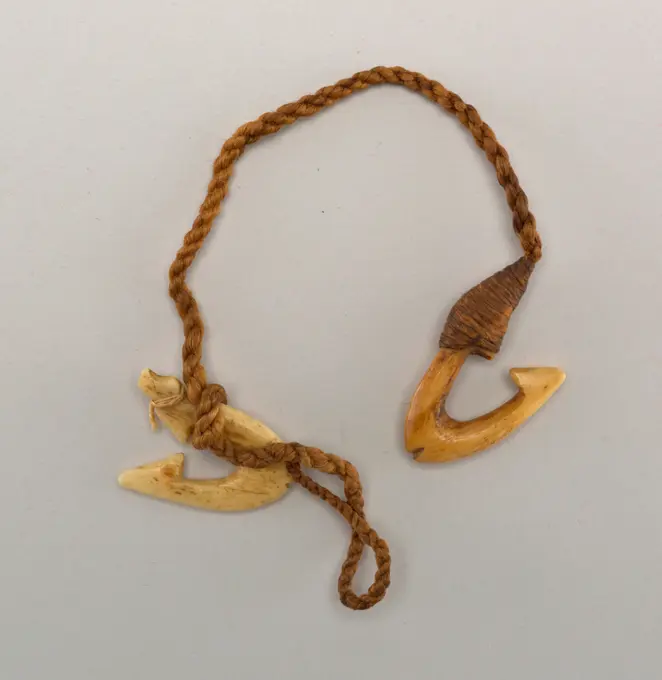
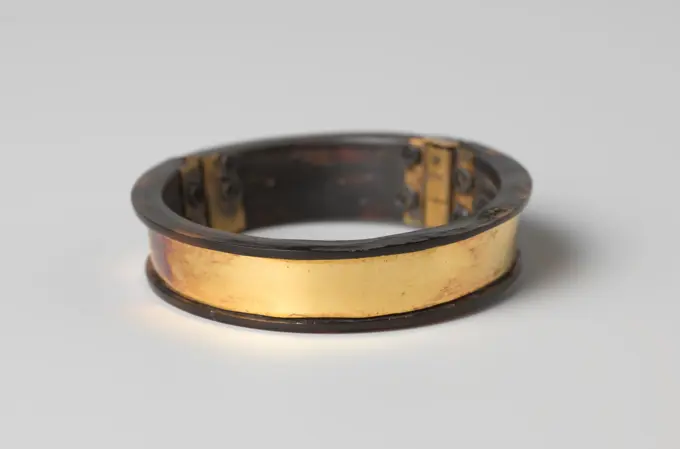
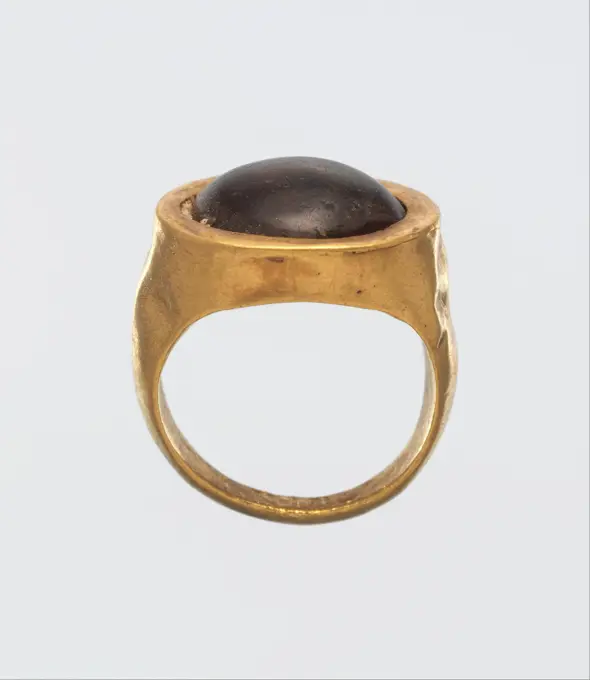
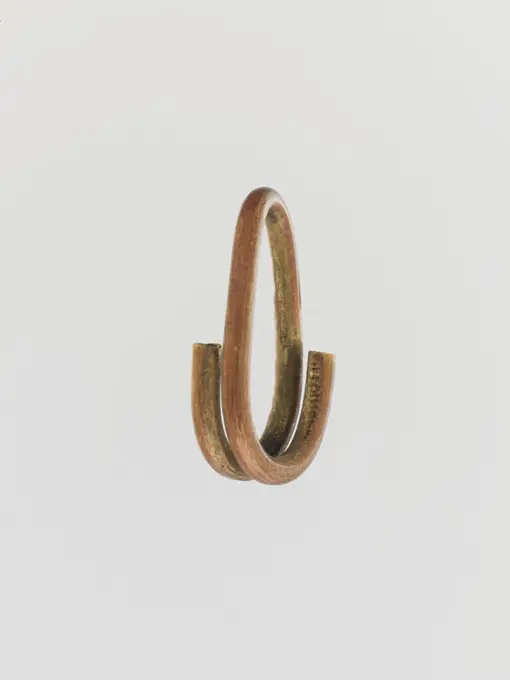
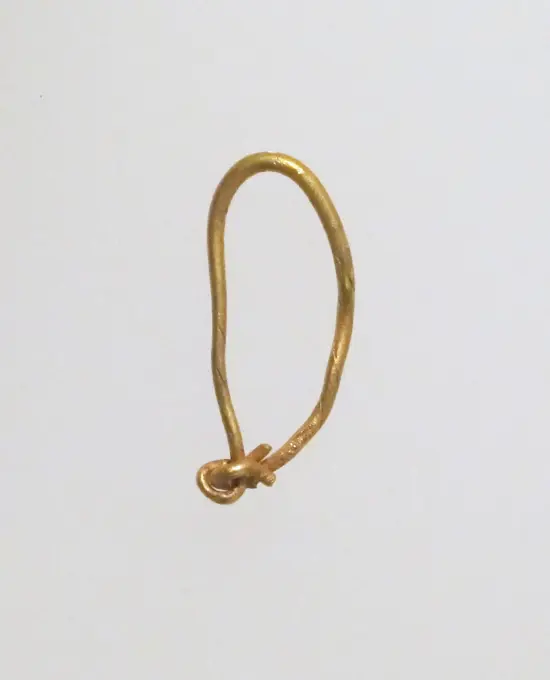
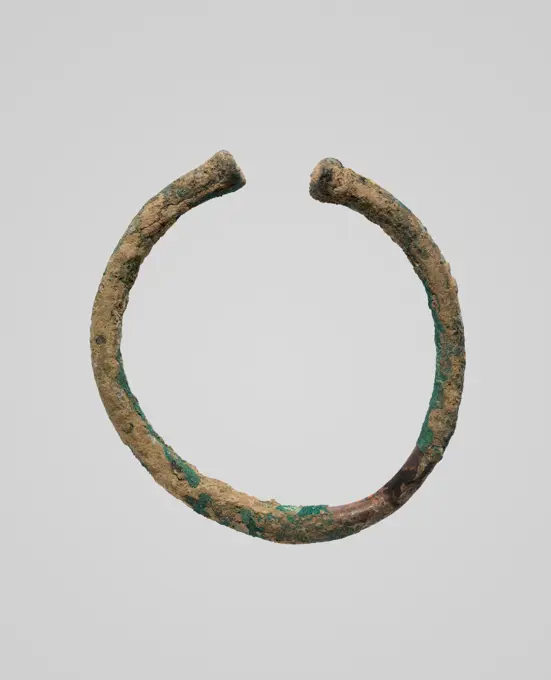
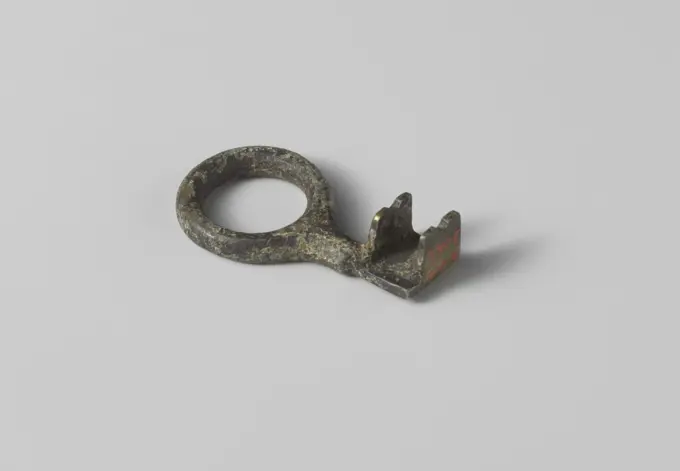
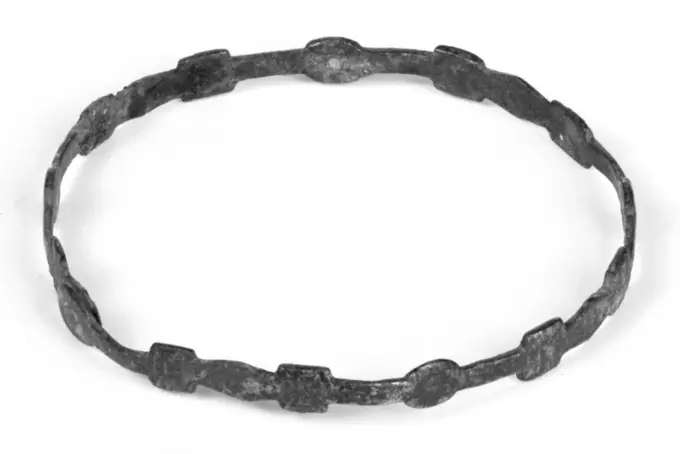
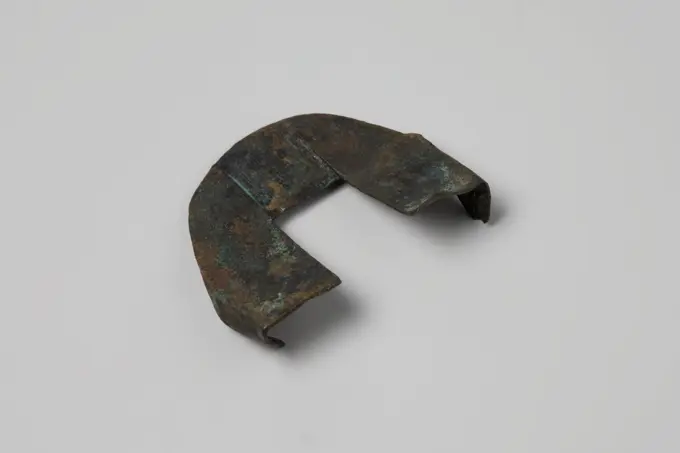
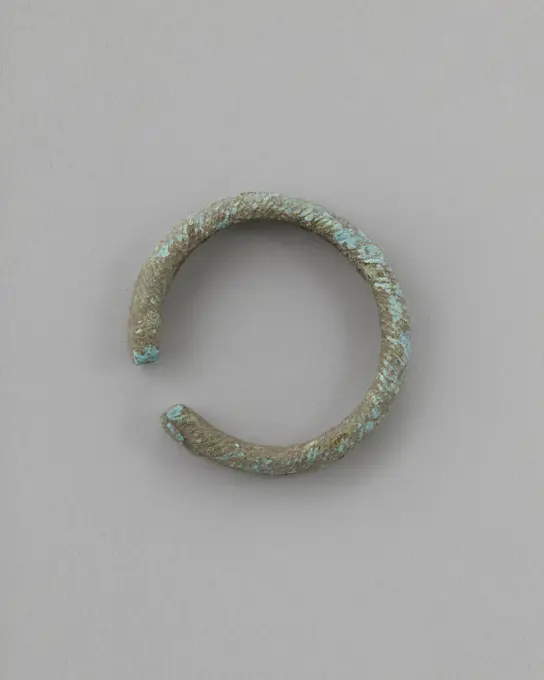
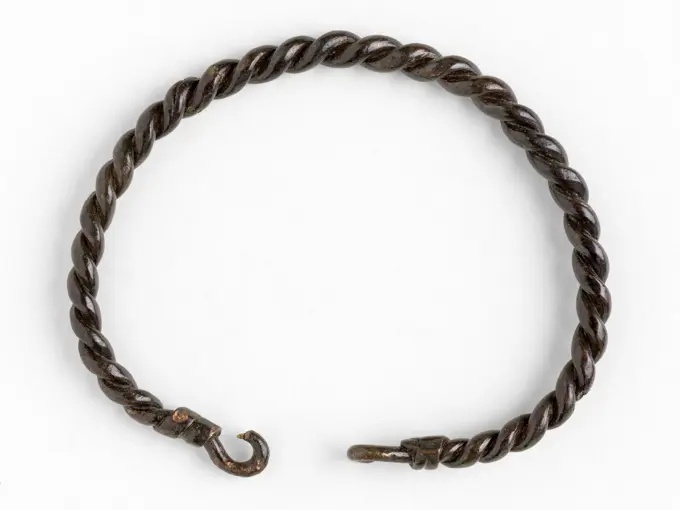
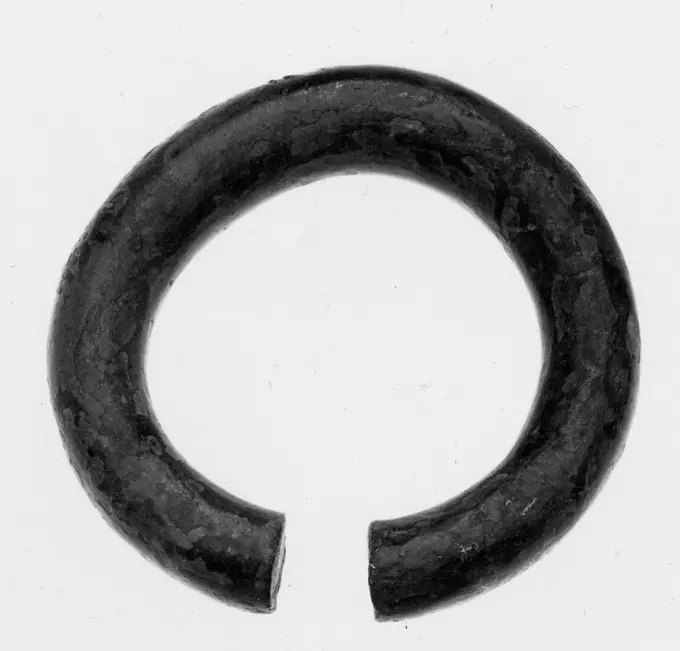
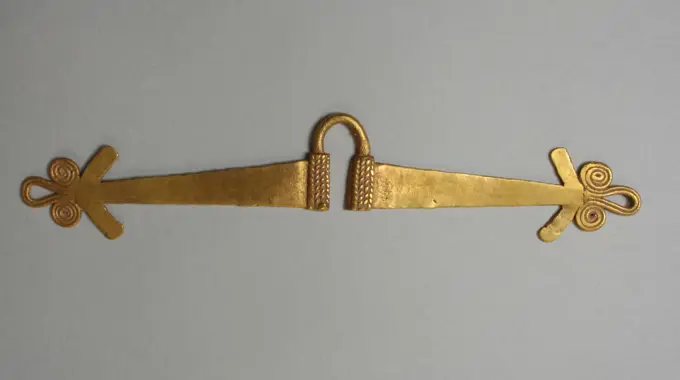
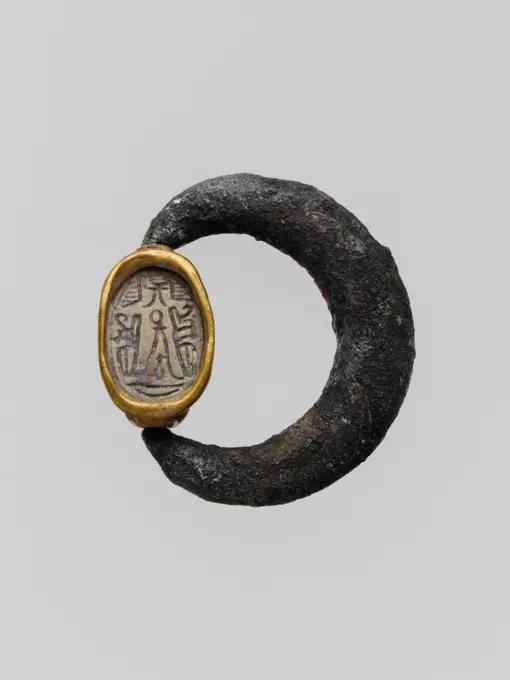
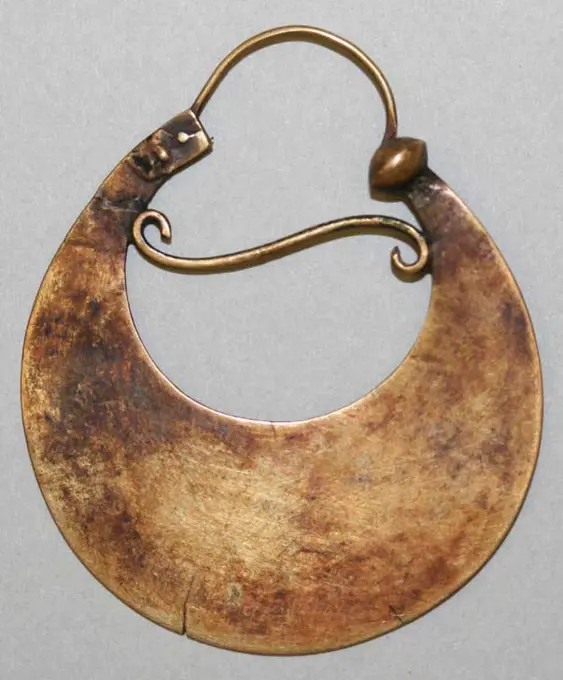
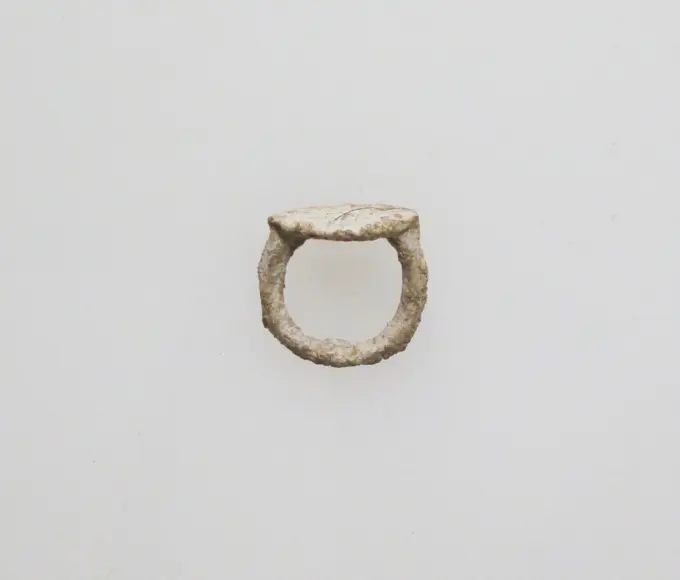
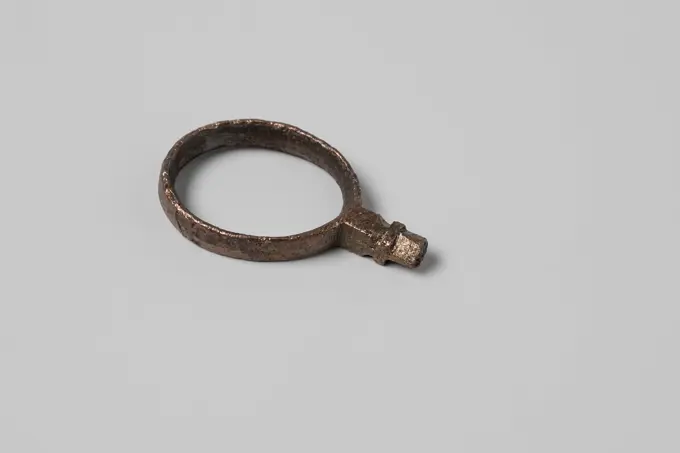
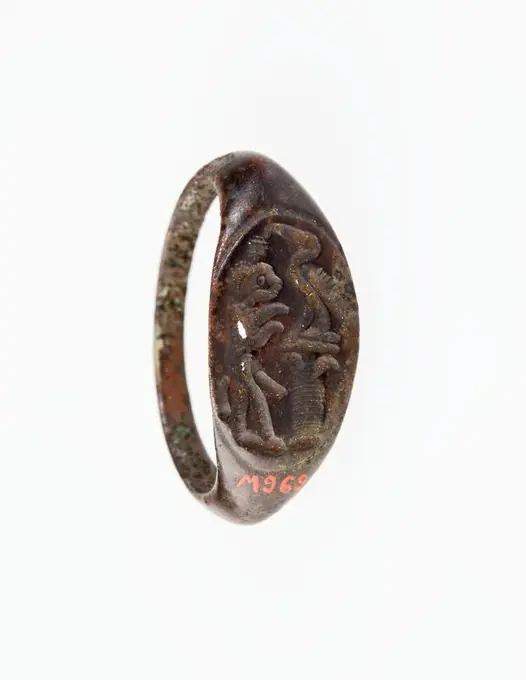
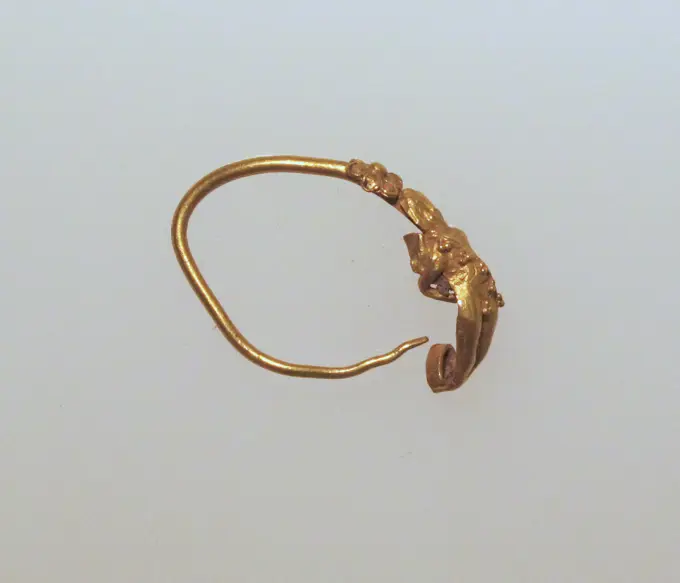
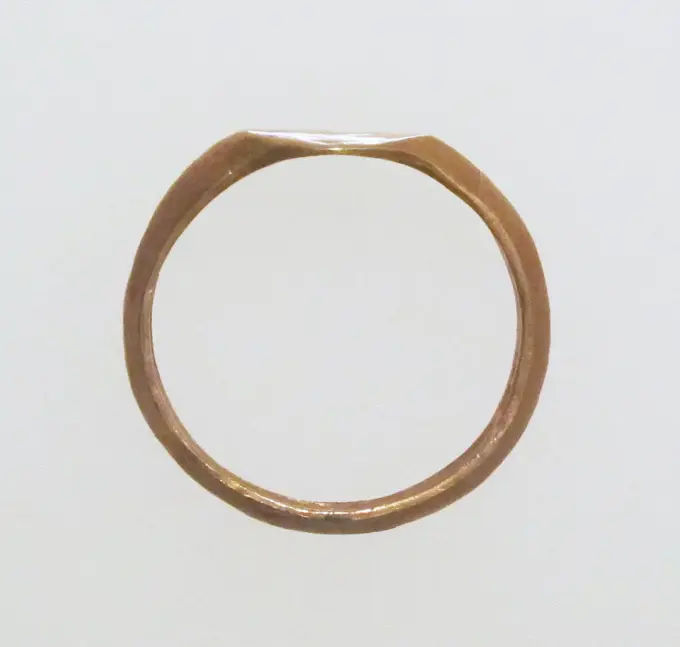
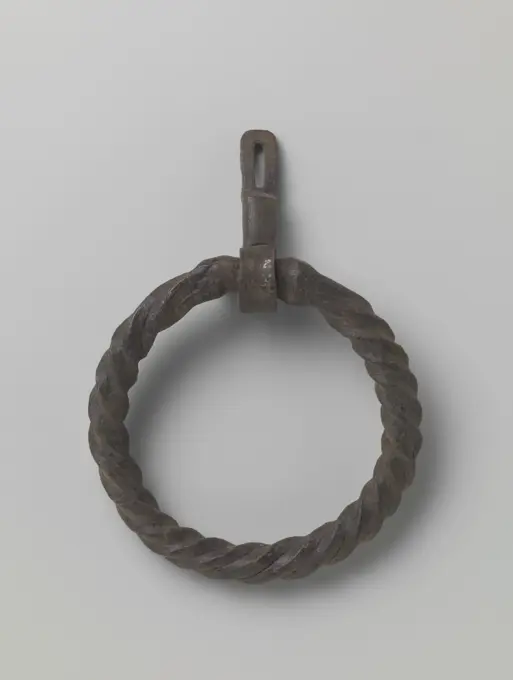
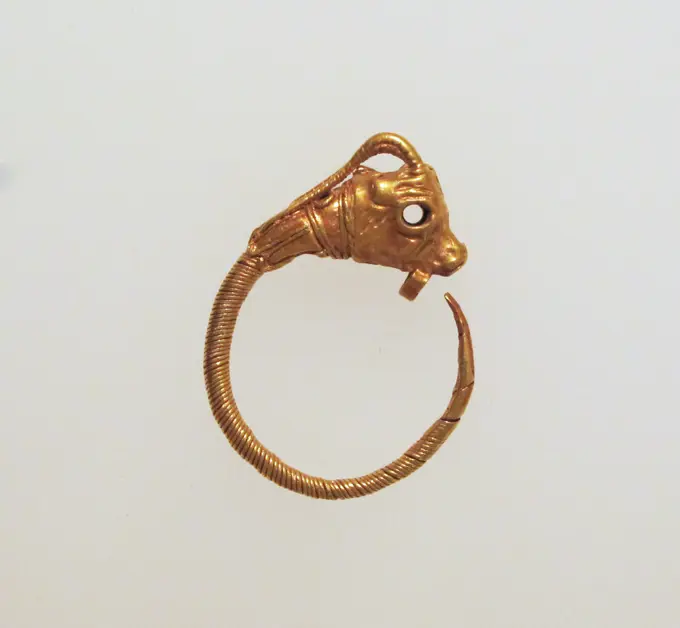
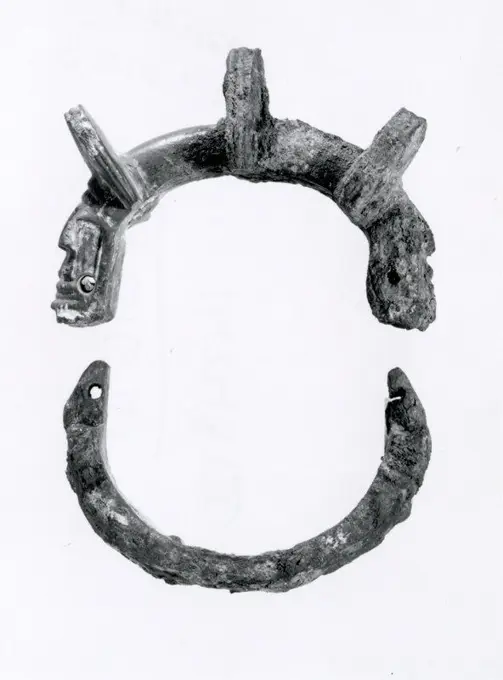
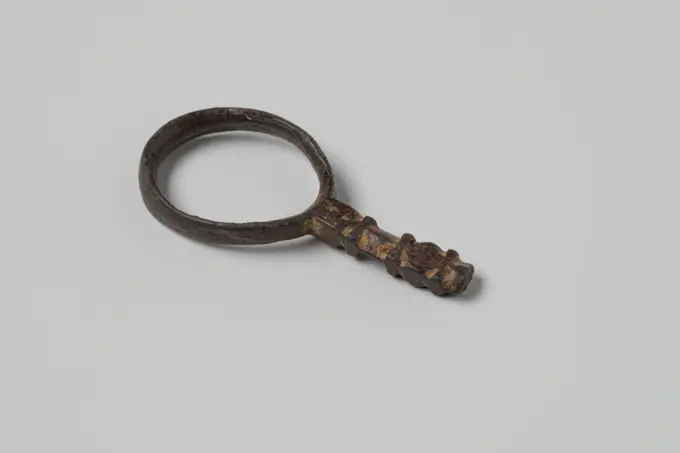
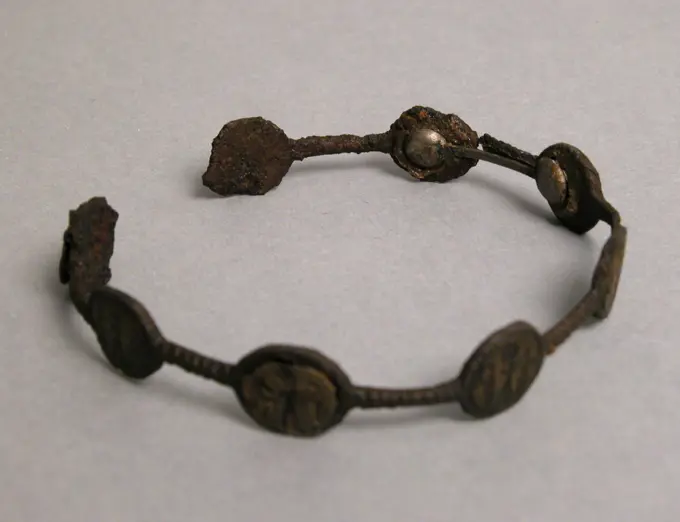
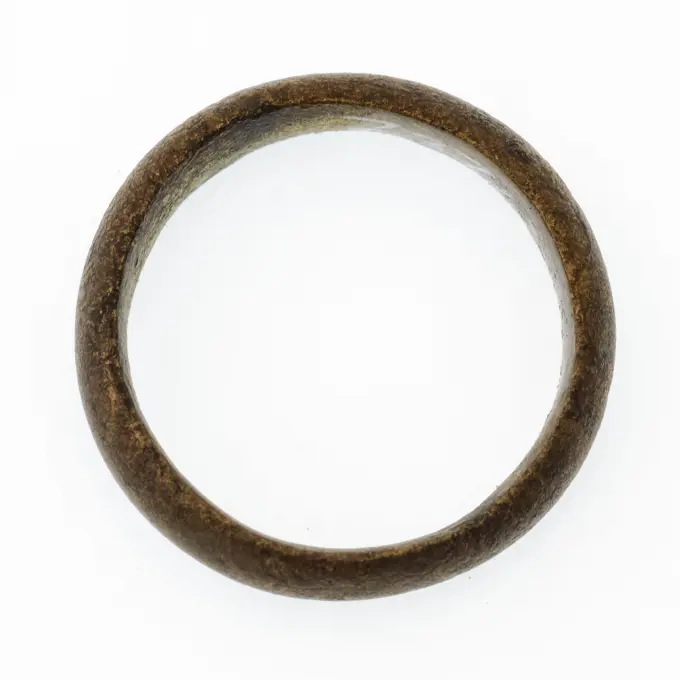
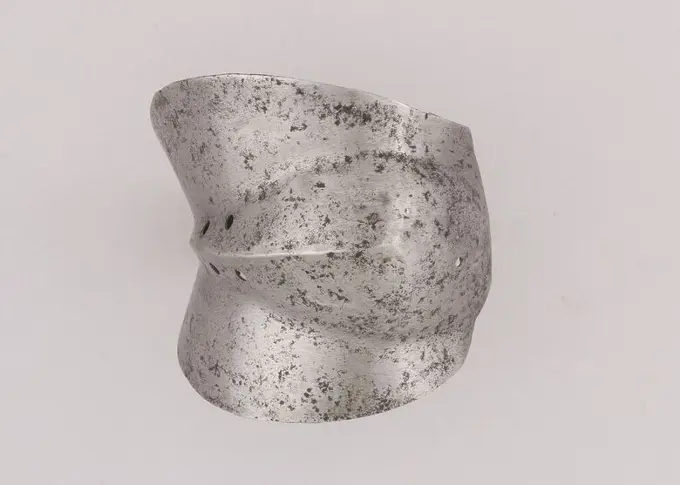
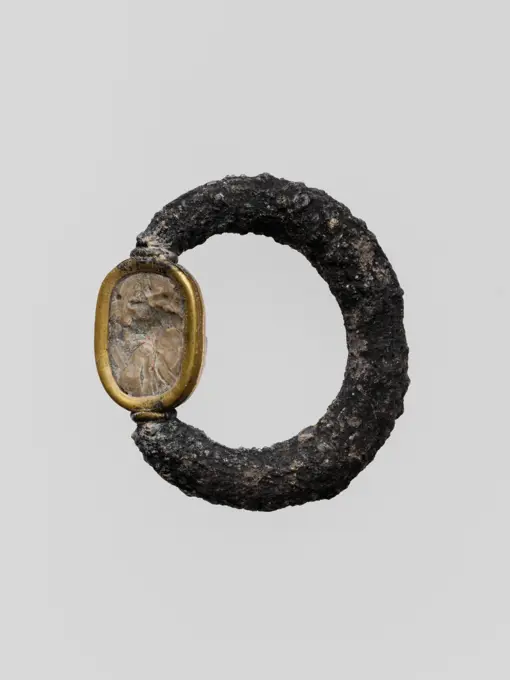
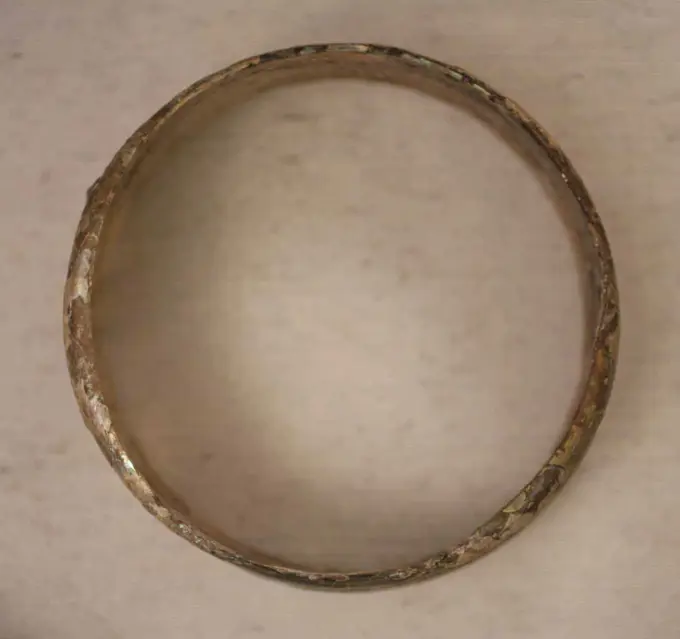
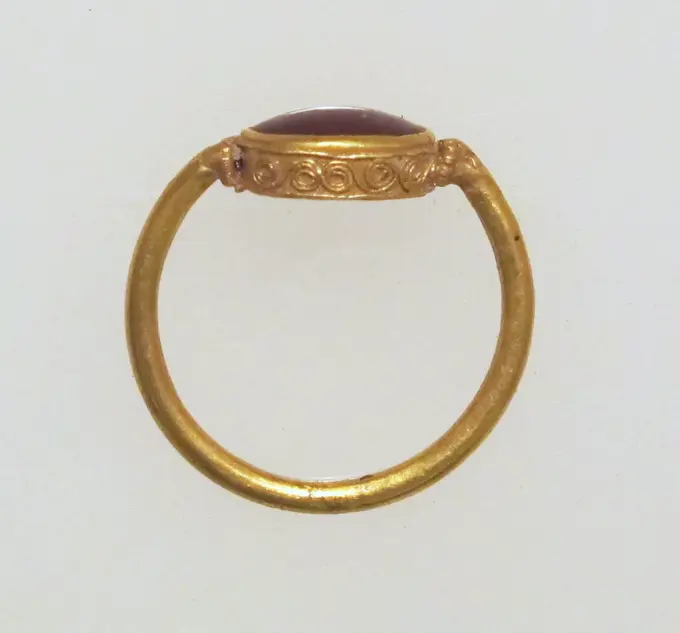
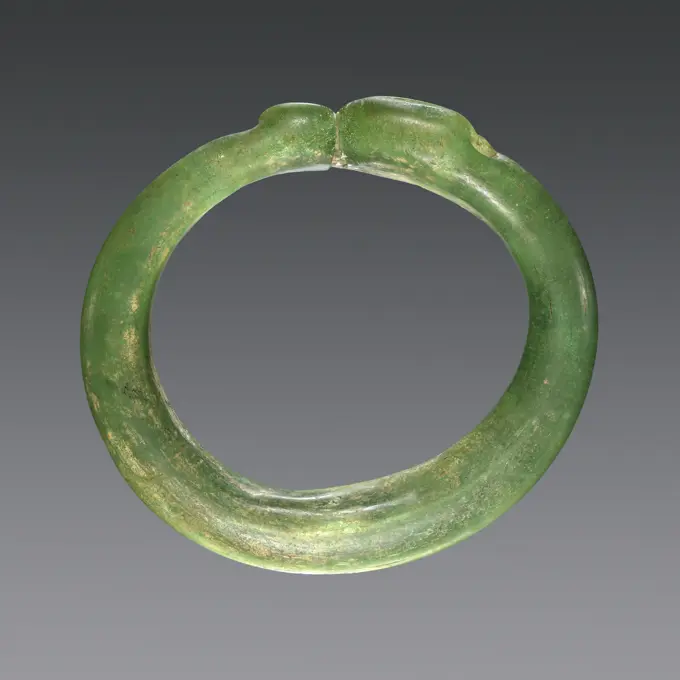
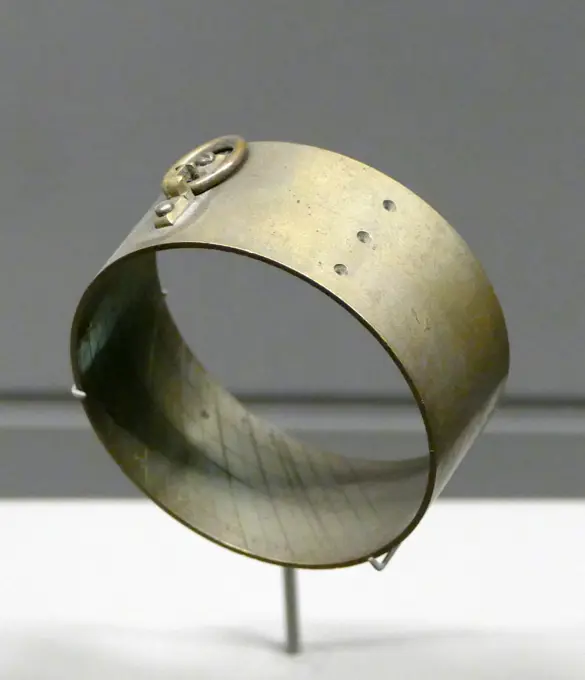
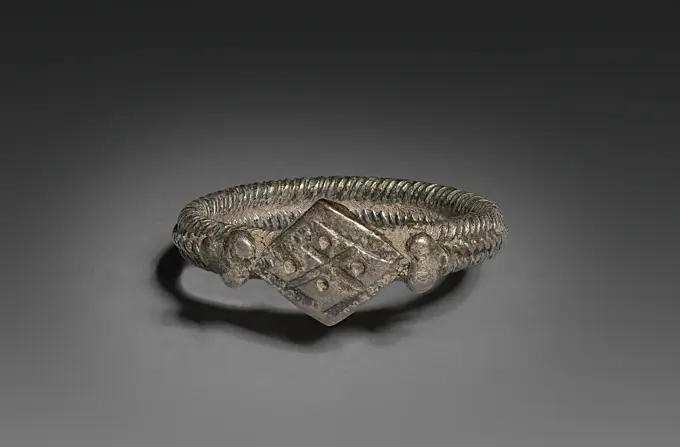
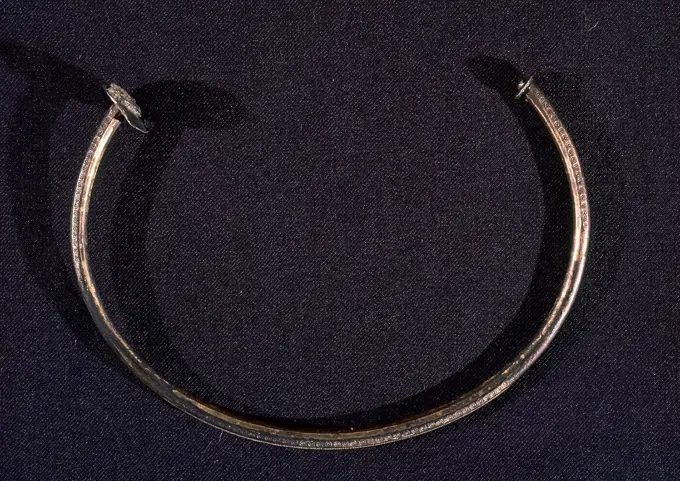
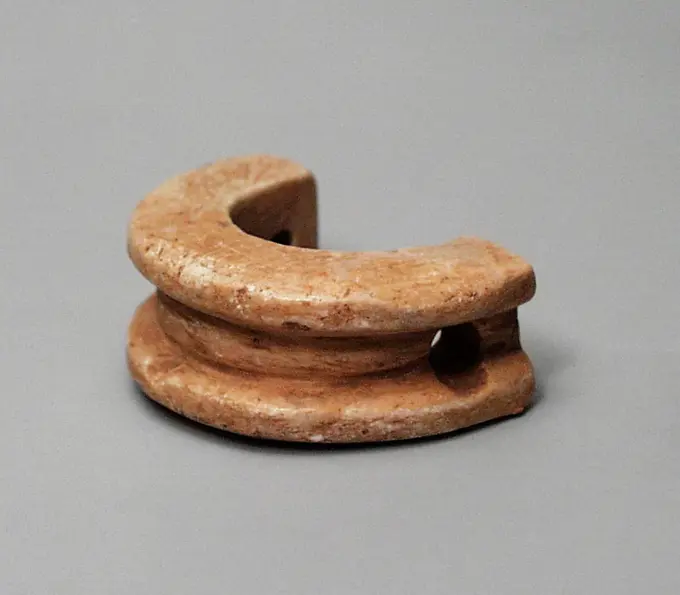
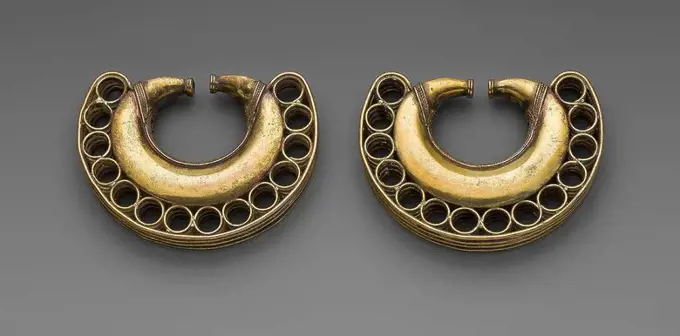
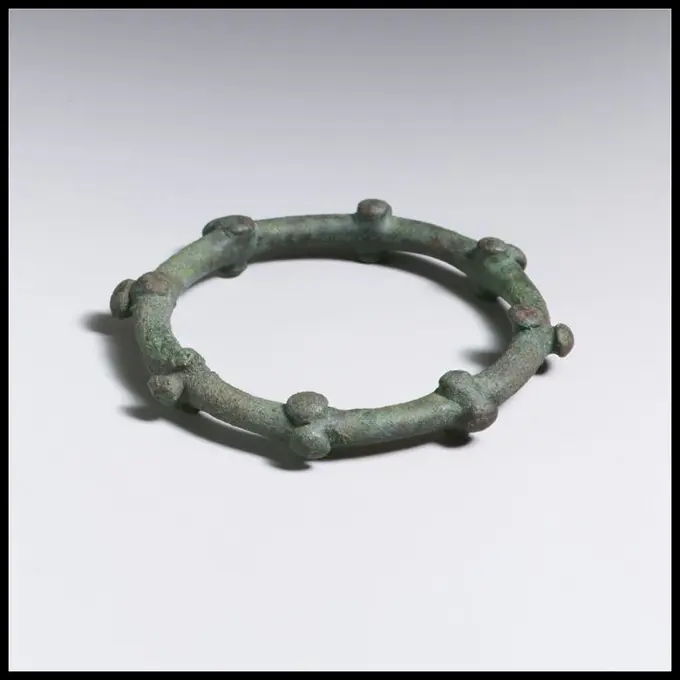
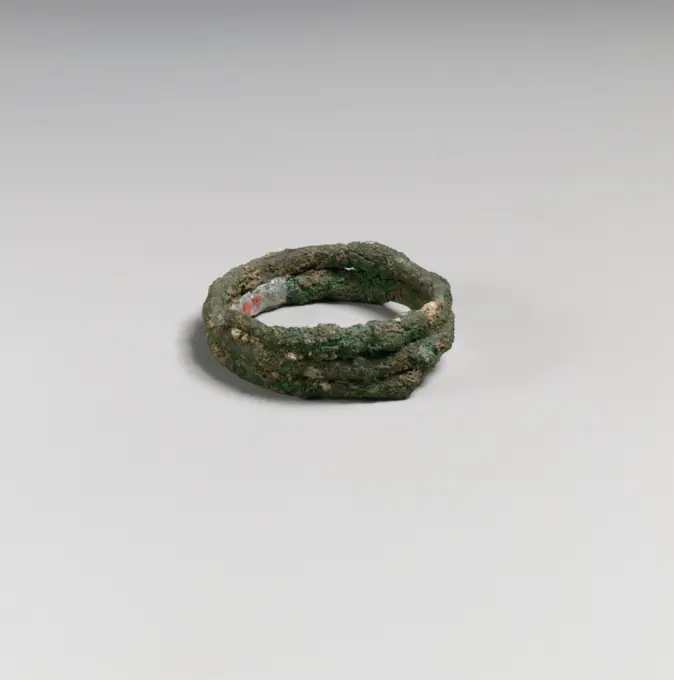
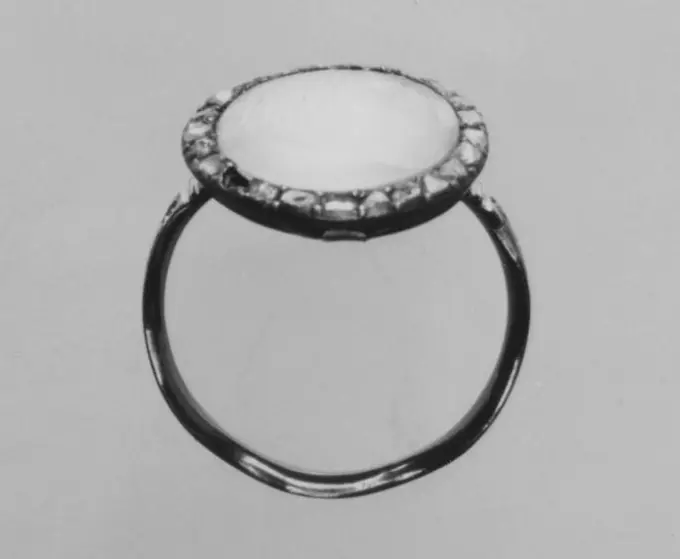
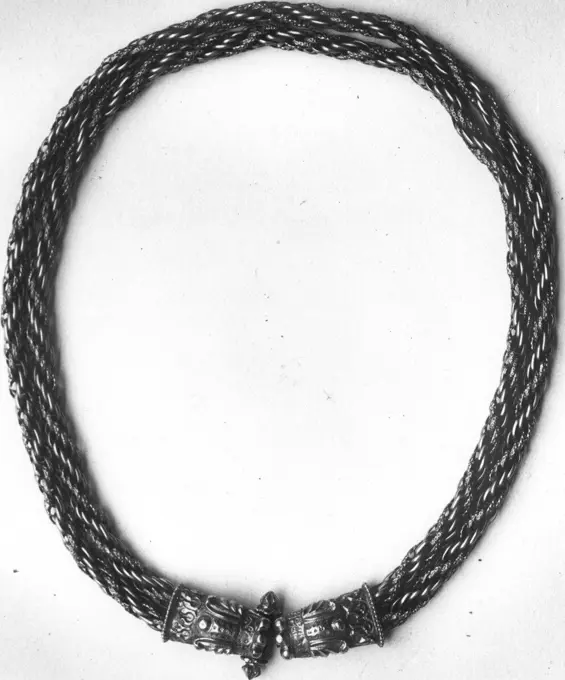
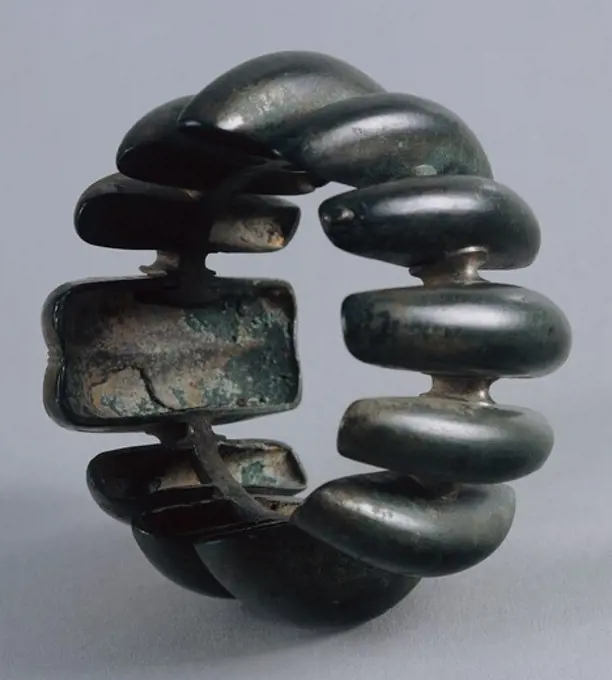
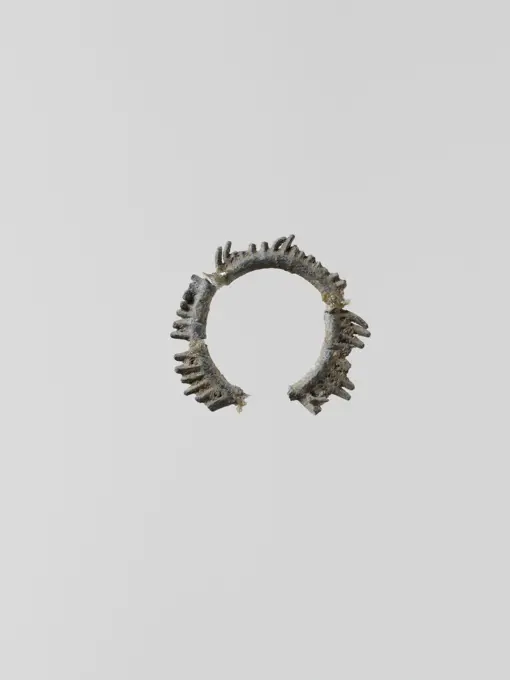
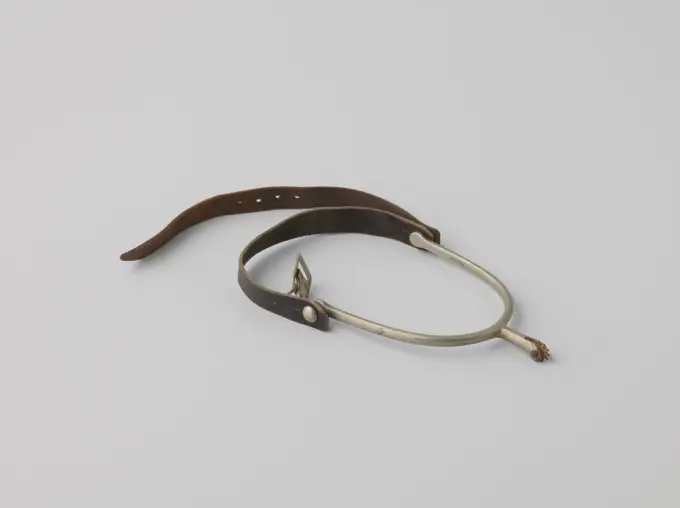
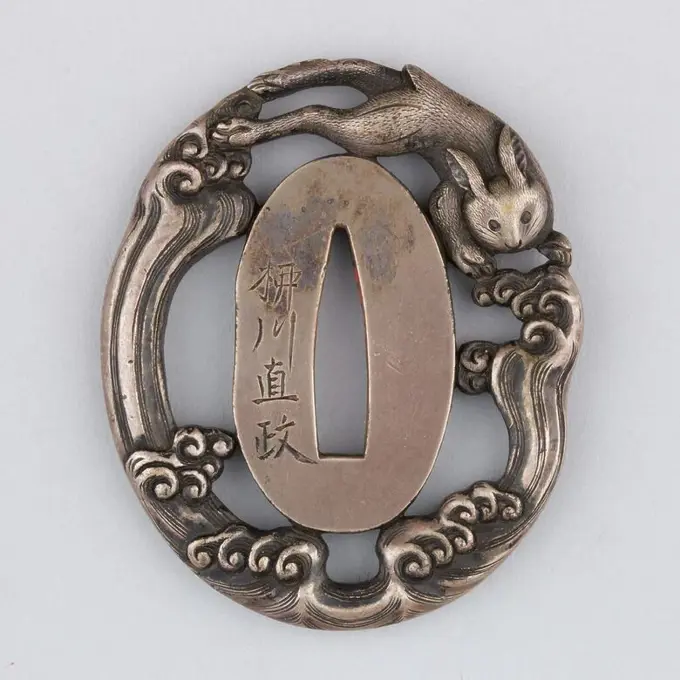
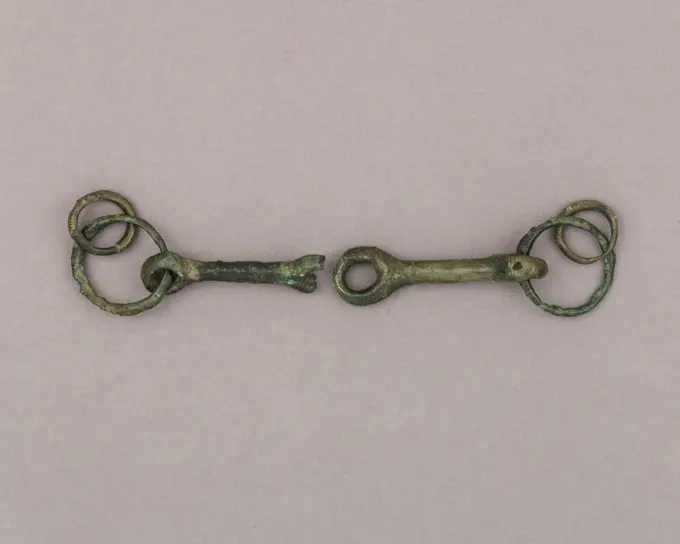
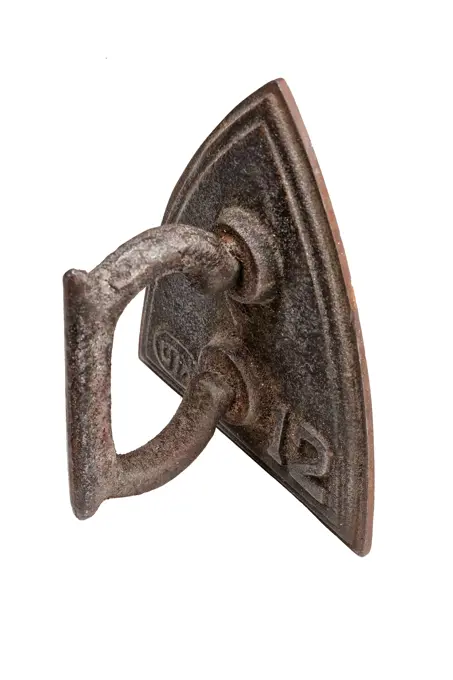
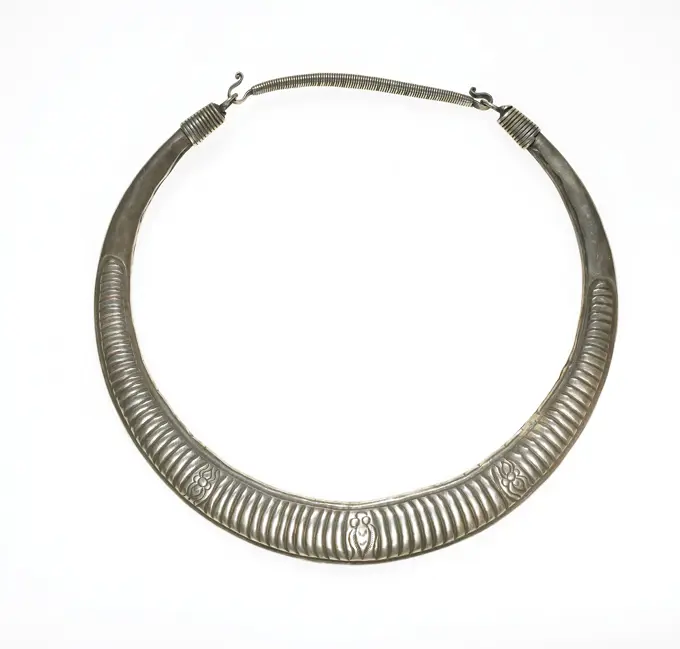
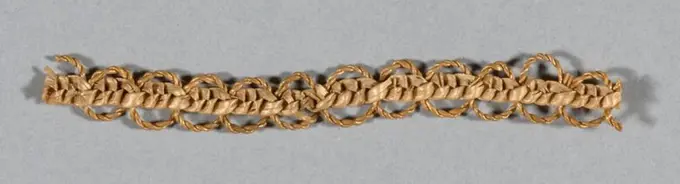
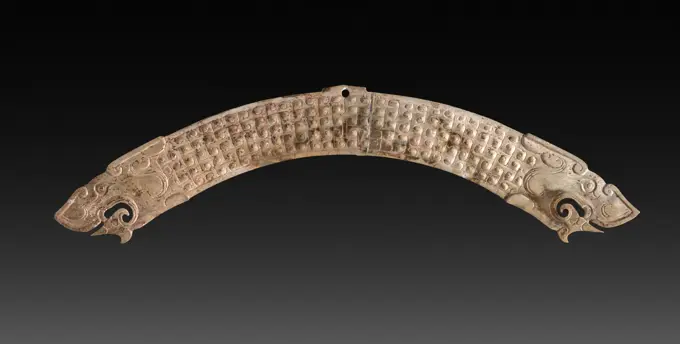
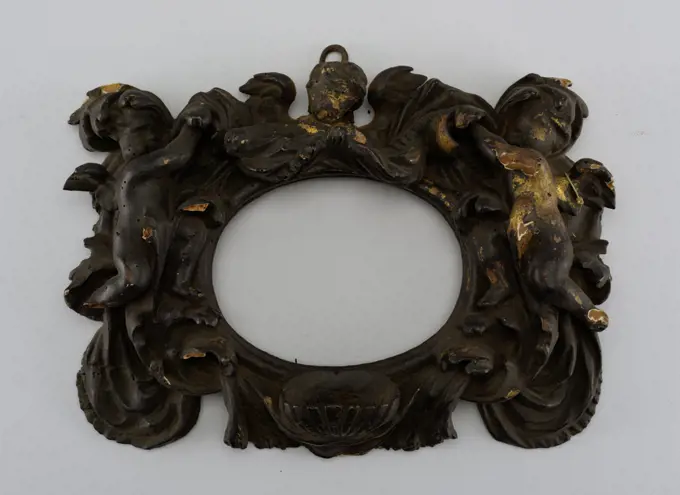
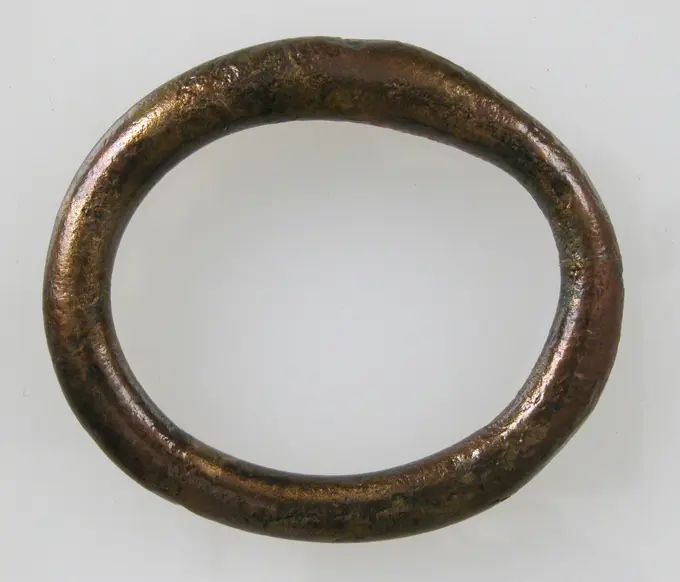
Ring 7th century Frankish. Ring 465469 Frankish, Ring, 7th century, Copper alloy, Overall: 2 x 1 3/4 x 1/4 in. (5.1 x 4.5 x 0.6 cm). The Metropolitan Museum of Art, New York. Gift of J. Pierpont Morgan, 1917 (17.193.157)Brooch -Thin, copper ring, ring part ornament clothing accessory clothing soil find copper brass metal, Thin copper ring. brass Semicircular cross-section on the outside faint back on the inside archeology Rotterdam rail tunnel adorn connections Soil discovery: Railway tunnel 1988-1993.Gold spiral ca. 1600-1100 B.C. Cypriot Of plain wire with two turns.. Gold spiral. Cypriot. ca. 1600-1100 B.C.. Gold. Late Bronze Age. Gold and SilverBrass oval buckle, decorated around with battles, buckle fastener component soil find brass metal, archeology Rotterdam Kralingen-Crooswijk Kralingsche Bos Kralingse Plas Soil discovery: collected in 1972 at the Kralingse Plas from sprayed dredge: metal detector finds and sight finds.Brooch -Harness Ring. Iran, Luristan, circa 1000-650 B.C.. Tools and Equipment; horse trappings. Bronze, castGlass bracelet ca. 2nd-4th century A.D. Roman Translucent dark cobalt blue, appearing black.Irregular oval band; semicircular in section but misshapen where tooled; no visible seam.Intact; dulling and faint iridescence.. Glass bracelet 239935Silver Neck Ring 475-400 B.C. Celtic Neck rings, worn by both men and women, were often seen as symbols of divinity or high rank, while also offering protective powers. Ancient writers noted that the first-century Celtic queen Boudicca, who fought against the Romans in Britain, wore a gold neck ring in battle. Celtic artists often depicted deities wearing or holding such rings.. Silver Neck Ring. Celtic. 475-400 B.C.. Silver. Metalwork-SilverRing -shaped fragment from the wreck of the East Indians Hollandia, Anonymous, 1700 - in Or Before 1743 fragment Varied parts or fragments, rings or ring-shaped fragments; circular, circular in section. Netherlands copper (metal)   SecondEarring-loop type, plain. Earring-loop type, plain 243250Headband 14th-15th century Inca. Headband. Inca. 14th-15th century. Camelid hair. Peru. Textiles-WovenSow; Etruria (); about 500 B.C; Gold; 1.9 × 1 × 0.2 cm (3,4 × 3,8 × 1,16 in.)Brooch -Bracelet ca. 6th-8th century A.D. Sasanian or Islamic. Bracelet. Sasanian or Islamic. ca. 6th-8th century A.D.. Bronze. Sasanian-early Islamic. Iran, Qasr-i Abu NasrIvory choker germanic tradition with bronze fixtures belonging to funeral trousseau . Diameter 13 cm Width 1, 6 cm Thickness 0, 8 cm ( 6th- 7 th CE ) - Visigoth period from the " Necropolis Afflicted- Villa del Val " - Archaeological site of Complutum in Alcala de Henares (Madrid). SPAIN.Finger Ring. Western Iran, circa 550-330 B.C.. Jewelry and Adornments; rings. Bronze, castManilla  subject money, IGBO ethnic group, Nigeria; XVIII XIX W.Ring from a Pennanular Brooch 9th century Anglo-Saxon. Ring from a Pennanular Brooch 466260Glass pendant in the form of a miniature jar. Culture: Roman. Dimensions: Height: 3/4 x 9/16 in. (1.9 x 1.5 cm). Date: late 3rd-4th century A.D..Uncertain color, appearing black, with same color pad base and loop handle; applied blobs in opaque white.Large rounded loop at top for suspension; very squat globular body; pad base with rounded edge and flat bottom.Body decorated with a few marvered blobs of varying sizes and one unmarvered blue blob.Intact; dulling, some deep pitting, and patchy black weathering. Museum: Metropolitan Museum of Art, New York, USA.Nose Ornament, c. 500-200 BC. Peru, North Highlands. Chavín de Huantar(), Chavín style (1000-200 BC). Hammered and cut gold; overall: 2 x 6.8 cm (13/16 x 2 11/16 in.). There seems to be a link between Chavín religion and appearance of the Andes’ first large precious-metal objects, made using revolutionary new metallurgical processes. Chavín may have developed these technical innovations to express the inexpressible, the "wholly other" nature of its religion. In many areas, elite men and women wore the ornaments as emblems of their ties to this religion, and eventually were buried with them. These 16 objects, along with three others not in the museum’s collection, are said to have come as a group from Chavín itself.Finger Ring 250-500 Roman (). Finger Ring 465146 Roman (), Finger Ring, 250500, Silver, Overall: 15/16 x 7/8 x 1/4 in. (2.4 x 2.3 x 0.6 cm) bezel: 1/4 x 1/4 x 1/16 in. (0.7 x 0.6 x 0.2 cm). The Metropolitan Museum of Art, New York. Gift of J. Pierpont Morgan, 1917 (17.191.94)A horseshoeRing. Western Iran, circa 1350-800 B.C.. Jewelry and Adornments. BronzeAnklet 500 B.C.-A.D. 300 Vietnam. Anklet 53879Torque, 12 1/4 x 11 1/4 x 1 3/4 in. (31.12 x 28.58 x 4.45 cm), Silver, ChinaBracelet, 2nd-3rd century AD. Egypt, Roman Empire. Iron; diameter: 4.7 cm (1 7/8 in.).Silver bracelet with gold calf's head finial late 6th-5th century B.C. Greek Gold and silver bracelet, capped by gold finials in the shape of a calf-head.. Silver bracelet with gold calf's head finial. Greek. late 6th-5th century B.C.. Gold, Silver. Classical. Gold and Silverforged steel buckle for belt isolated on white Forging Hardware - forged steel buckle for belt isolated on white background ,property released Copyright: xZoonar.com/ValeryxVoennyyx 9696284 ,model released, Symbolfoto ,property releasedTorque, 11 x 13 x 1/2 in. (27.94 x 33.02 x 1.27 cm), Silver, ChinaTweezers ca. 2650 B.C. Early Dynastic Period. Tweezers. ca. 2650 B.C.. Copper alloy. Early Dynastic Period. From Egypt, Northern Upper Egypt, Abydos, Umm el-Qaab, Tomb of Khasekhemui, Egypt Exploration Fund excavations. Dynasty 2Fish Hook; bone; 1919-1-3Pair of bracelets (churi), anonymous, c. 1750 Bracelet (Churi) consisting of a turtle -cut ring with a hinge and a golden lock. Enclosed by a simple golden band batter. Forms a few with AK-NM-7053-B. Surat gold (metal). Bracelet (Churi) consisting of a turtle -cut ring with a hinge and a golden lock. Enclosed by a simple golden band batter. Forms a few with AK-NM-7053-B. Surat gold (metal).Ring 200-30 B.C. Ptolemaic Period This ring is set with a garnet cabochon, that is, a garnet cut and polished so as to be rounded rather than faceted. Such rings became popular in the later Hellenistic Period.. Ring 551292Open Solid Bangle with Applied End Decorations 300 B.C.-A.D. 400 Thailand. Open Solid Bangle with Applied End Decorations. Thailand. 300 B.C.-A.D. 400. Bronze. Late period. JewelryHoop Earring ca. 1648-1540 B.C. Second Intermediate Period. Hoop Earring 546164Ring with scarab 7th-5th century B.C. Cypriot or Phoenician Such rings also served as pendants. The bezel is inlaid with glass paste.. Ring with scarab 243620Bracelet China. Bracelet. China. Jade. Han dynasty (206 B.C.-A.D. 220). JadeGold spiral. Culture: Cypriot. Dimensions: Length: 11/16 in. (1.8 cm). Date: ca. 1600-1100 B.C..Of plain wire with one turn. Museum: Metropolitan Museum of Art, New York, USA.Earring Etruscan Wire with twisted ends.. Earring 245971Bracelet ca. 3rd-7th century A.D. Sasanian This bronze bracelet was excavated at the Sasanian house of Maaridh VI in the Ctesiphon area. Although heavily encrusted, the simple yet elegant shape is still visible. The small ends near the opening are slightly flared, but the bracelet is otherwise undecorated. Rich finds, like metal objects, are clear indicators of the wealth of the households excavated in the Maaridh area. The city of Ctesiphon was located on the east bank of the Tigris River, 20 miles (32 km) south of modern Baghdad in Iraq. It flourished for more than 800 years as the capital of the Parthians and the Sasanians, the last two dynasties to rule the ancient Near East before the Islamic conquest in the seventh century. Systematic excavations in the Ctesiphon area were undertaken by an expedition in 1928-29 sponsored by the German Oriental Society (Deutsche Orient-Gesellschaft). The Metropolitan Museum of Art and the Staatliche Museen, Berlin, undertook a joint expedition fKey, c. 1200 - c. 1400 Key with large acorn eye, short handle and a beard formed by a quadrangular surface with two raised sides on it.  bronze (metal) Key with large acorn eye, short handle and a beard formed by a quadrangular surface with two raised sides on it.  bronze (metal)Bracelet with Roundels and Square Elements. UnknownVizier of the Jacobs Staff from the wreck of the East Indians Hollandia, Anonymous, 1700 - in Or Before 1743  Navigation, cross staffs' vizor; consisting of 2 parallel strips, flat, straight, with one curved end, joined by a semicircular strip with straight bevelled rim, rectangular opening between strips, outer rims of both strips right-angled in the shape of triangular pointed lugs. Netherlands copper (metal)   SecondMountOpen bracelet. Bronze. Cernuschi Museum, Asia Museum of Asia in the city of Paris.Twisted bracelet. Copper alloy. Bas-Empire (around 250-beginning from the 5th century). Paris, Carnavalet museum. Torsade bracelet Fashion accessory, copper alloy, Roman antiquity, low Empire, jewelry, twist bracelet, adornment, ancientShoe Buckles (England); Patentee: William Eley; silver, ironBangle 1500-500 B.C. India. Bangle 50578Nose Ornament A.D. 1-1000 Zenú This solid metal nose ornament was first cast by the lost wax technique, likely using gold or an alloy of gold with copper, and then hammered to its present shape and thickness. There are some archaeological ceramic figurines that show a person wearing a similar nose ornament by passing the central, semicircular loop through the septum, but it is uncertain whether this could be accomplished with a metal version, like the present example.1 A possible alternative is that the central, semicircular loop would have fit over a person’s nose and the interior edges would have pressed into the nostrils, securing the ornament to the face. This ornament is the work of Zenú people, who lived and live today in the Caribbean Lowlands of Colombia. It belongs to the group, defined by Ana María Falchetti (1995, 74, 77), known as "nose ornaments with flat, horizontal extensions and half-moon ends" or "narigueras con prolongaciones horizontales planes y remates semi-lunarBelt accessory in the form of buckle with bent center post, including suspension loop, clasp fastener component soil find copper metal, bracket with openwork brace-shaped sides rectangular basic shape Middle pillar with underneath an eye archeology Rotterdam rail tunnel attachment Soil discovery: trajectory rail tunnel Rotterdam.Silver swivel ring with glazed steatite scarab in a gold setting 7th-early 5th century B.C. Cypriot or Phoenician Swivel ring with Egyptian glazed steatite scarab with double footed ankh sign between crowned uraeus snakes.The type of ring is Phoenician in origin. Both the scarab and the technique of glazing steatite are connected with Egypt. Like the pendants with scarabs, the swivel rings were very widely distributed.. Silver swivel ring with glazed steatite scarab in a gold setting. Cypriot or Phoenician. 7th-early 5th century B.C.. Silver, steatite. Archaic. GemsEarrings 16th century-19th century probably Spanish. Earrings 90244BOKEK;  1 PO. 16th century (1501-00-00-1550-00-00);Ring. Ring. Lead. Miscellaneous-LeadPin from the wreck of the East Indiesman Hollandia. Tools and Instruments, Sewing and Sailmaking, PIN; Fragm: Fragm of Shaft with Bow: Bow, ID. NG 1980-27H3265.Ring. Dimensions: Diam: 2.3 x Bezel L. 1 cm (7/8 x 3/8 in.). Date: 304-30 B.C.. Museum: Metropolitan Museum of Art, New York, USA.Gold earring with figure 3rd2nd century B.C. Greek. Gold earring with figure 242943Ring. Ring 243529Door beater, c. 1400 - c. 1950 A door beater with a screw -shaped ring.  iron (metal) A door beater with a screw -shaped ring.  iron (metal)Gold earring with head of a goat 2nd century B.C. Greek. Gold earring with head of a goat 242904Hinged bracelet with lions' heads ca. 8th-7th century B.C. Iran. Hinged bracelet with lions' heads 326640Pin from the wreck of the East Indies Hollandia, Anonymous, 1700 - in Or Before 1743  Tools and instruments, sewing and sailmaking, pin; fragm of shaft with bow, id. NG 1980-27H3265. Netherlands copper (metal)   SecondBracelet 6th-7th century. Bracelet 446228Earring 9th-10th century Viking. Earring 468363Rectangular buckle with cylindrical sleeve around the side where the stinger is resting, buckle fastener part soil find copper metal, cast Copper buckle from harness Rectangular model slant angles with stanchion and sleeve. Decorated with double docks at the rear archeology horse fastening rigging closeFibula łukowata z wydłużoną nóżką. unknown, authorBracelet 500 B.C.-A.D. 300 Vietnam. Bracelet. Vietnam. 500 B.C.-A.D. 300. Bronze. Bronze and Iron Age period. JewelryBronze ring without decoration, ring ornament clothing accessory clothing soil find bronze copper metal d 0.5, cast bronze ring without any decoration. Round. Virtually flat inside convex outward archaeological Rotterdam railway tunnel wearing prosperity status adorning marry marriage Soil discovery: railway tunnel 1988-1993.Pair of Elbow Defenses (Couters). Culture: Spanish. Dimensions: (.3); H. 4 1/4 in. (10.8 cm); W. 4 in. (10.2 cm); D. 4 7/8 in. (12.4 cm); Wt. 4 oz (109 g); (.4); H. 4 1/4 in. (10.8 cm); W. 4 3/4 in. (12.1 cm); D. 4 in. (10.2 cm); Wt. 5 oz. (126 g). Date: late 15th century. Museum: Metropolitan Museum of Art, New York, USA.Silver swivel ring with agate scarab in gold setting 7th-early 5th century B.C. Cypriot or Phoenician Swivel ring with agate scarab; engraving decayed.The motif on the scarab's bezel is no longer distinguishable.. Silver swivel ring with agate scarab in gold setting. Cypriot or Phoenician. 7th-early 5th century B.C.. Silver, agate. ArchaicBow 7th-8th century. Bow 448719Ring, filigree with sard. Ring, filigree with sard 243626Loop . A row of stones.Snake Armlet. UnknownPicture frame - Inconnu / UnknownPortable brass sun ring for telling the time. 18th centuryRing, 20th Century. India. Silver; diameter: 2 cm (13/16 in.).CULTURA DE LOS CASTROS - ALLER - TORQUES. Location: MUSEO ARQUEOLOGICO-COLECCION. Oviedo. ASTURIAS. SPAIN.Silver ring, completely smooth, ring jewel clothing accessory clothing soil find silver metal, Silver ring Completely smooth and undecorated archeology Rotterdam rail tunnel wear adorn status prosperity Soil discovery: railway tunnel 1988-1993.Horseshoe -shaped fragment from the wreck of the East Indians Hollandia, Anonymous, 1700 - in or before 1743 fragment Varied parts or fragments, rings or ring-shaped fragments; fragm, horseshoe-shaped, both ends broken off, flat in section. Netherlands copper (metal)   SecondAtlatl Loop (Spear Attachment)Pair of Earrings. Tairona; Sierra Nevada de Santa Marta, Colombia. Date: 1000-1500. Dimensions: Each w. 7.5 cm (2 15/16 in.). Gold. Origin: Colombia. Museum: The Chicago Art Institute, Chicago, USA.Bronze bracelet. Dimensions: diameter 3 15/16in. (10cm).Ornamented with eight sets of three round bosses. Museum: Metropolitan Museum of Art, New York, USA.7 buoys belonging to a foot block, anonymous, c. 1600 - c. 1800   Netherlands iron (metal) forgingBRAZALETE DE ORO CON INCISIONES A PUNZON. Location: EXTERIOR. HASSELBY. HOLANDA.Bracelet Cypriot. Bracelet 244356Mourning Ring 1762 American. Mourning Ring 5264Necklace 18th-19th century. Necklace 454064Celtic Civilization, Italy, 3rd-2nd century b.C. Armilla, bronze bracelet.Elegant merry Christmas typography on bunting flag.Decorative neutral farmhouse design isolated on white background Elegant merry Christmas typography on bunting flag.Decorative neutral farmhouse design isolated on white background. Copyright: xZoonar.com/LiubovxPonomarchukx 19064202Wreaths, 11 Greek, LaconianRail of metal, belonging to a rijkostuum, anonymous, c. 1934 Rail of metal belonging to a rijkostume. Confirmation to driving boot by means of a leather belt. Netherlands Spoor: Metal. belt: Leather forging Rail of metal belonging to a rijkostume. Confirmation to driving boot by means of a leather belt. Netherlands Spoor: Metal. belt: Leather forgingSword Guard (Tsuba). Culture: Japanese. Dimensions: H. 2 1/4 in. (5.7 cm); W. 1 7/8 in. (4.8 cm); thickness 5/16 in. (0.8 cm); Wt. 2.4 oz. (68 g). Date: ca. 1615-1868. Museum: Metropolitan Museum of Art, New York, USA.Snaffle Bit ca. 650-475 B.C European The snaffle bit is the simplest type of horse bit, and has an effect on the bars (part of the horses jaw without teeth) and the corners of the lips.The mouthpiece of this example is composed of two links jointed in the middle. The large rings on each side were used to hang it from the bridle while the smaller ones were connected to the reins. Such bits and other harness parts are found in male warrior burials associated with the Hallstatt culture, in which the use of the horse was a symbol of wealth and high status.. Snaffle Bit. European. ca. 650-475 B.C. Copper alloy (bronze). Equestrian Equipment-BitsOld Iron Old metal iron on isolated studio white background Copyright: xZoonar.com/AndreyxSkatx 14291530Torque, 8 5/8 x 9 3/16 x 9/16 in. (21.91 x 23.34 x 1.43 cm), Silver, ChinaFragment (Bonnet Trim). Probably Europe. Date: 1850. Dimensions: 7.3 × .8 cm (2-7/8 × 3/8 in.)Height repeat: .9-1 cm (3/8 in.). Straw, three-dimensional braid laced with straw yarns. Origin: Europe. Museum: The Chicago Art Institute, Chicago, USA.Arc-Shaped Pendant (Huangpei), c. 400-300 BC. China, Eastern Zhou dynasty (771-256 BC), Warring States period (475-221 BC). Jade (nephrite); overall: 14.1 cm (5 9/16 in.).Frame, wood, carved, gilded, painted, Italy, ca. 1660, Decorative Arts, Frame