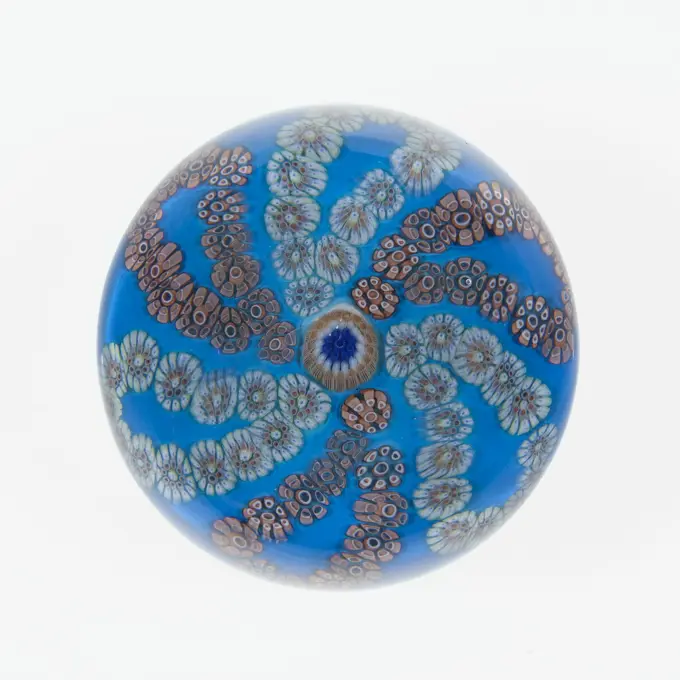
Millefiori Glass Paperweights

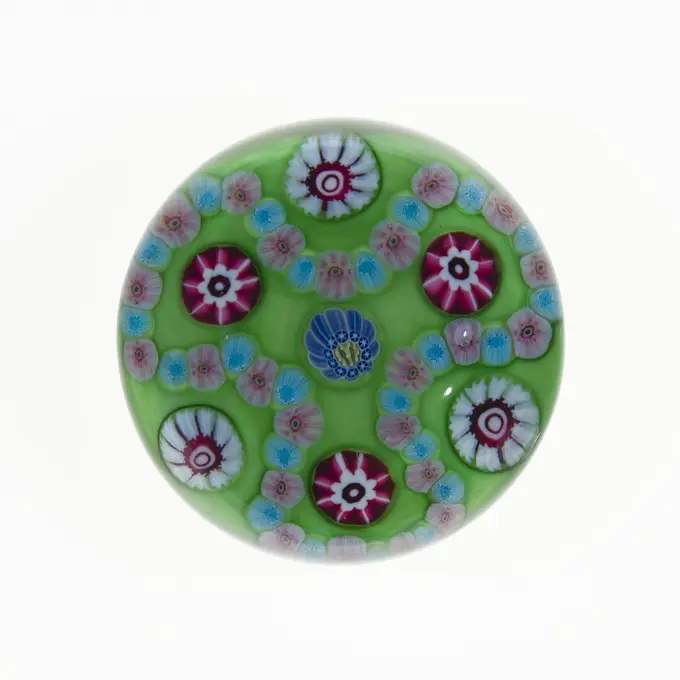
A collection of exquisite millefiori glass paperweights featuring floral designs in vibrant colors, showcasing French and Italian glass-making heritage from the 19th century.
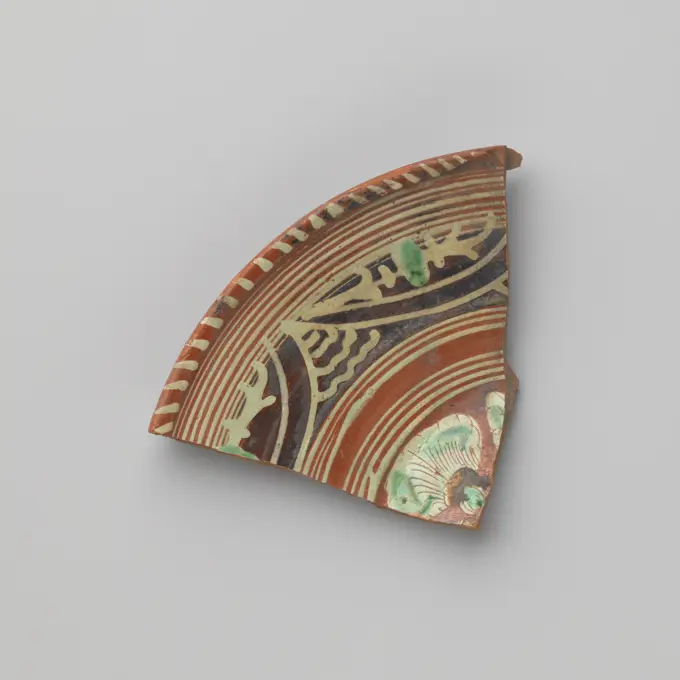
Saucer, fragment, with flower in sludge technology, anonymous, c. 1590 - c. 1620 Fragment of a dish of lead glaze pottery. The fragment is decorated in the middle in sludge technology with a flower chalice. Wanfried earthenware. lead glaze Fragment of a dish of lead glaze pottery. The fragment is decorated in the middle in sludge technology with a flower chalice. Wanfried earthenware. lead glaze
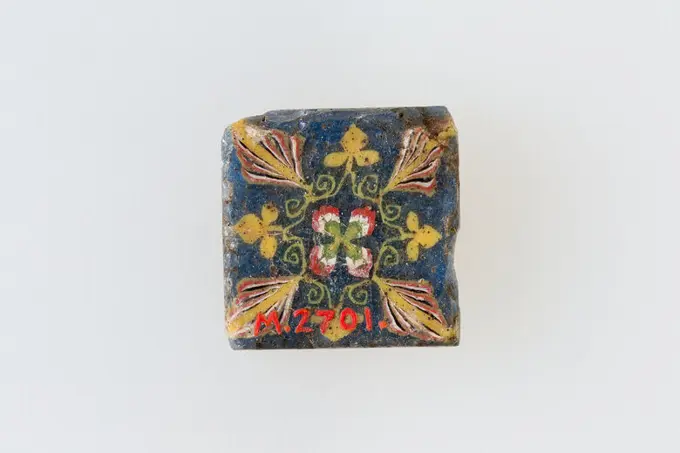
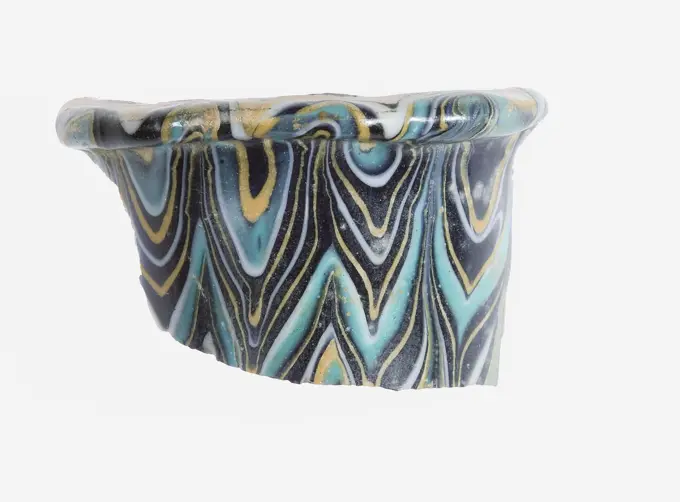
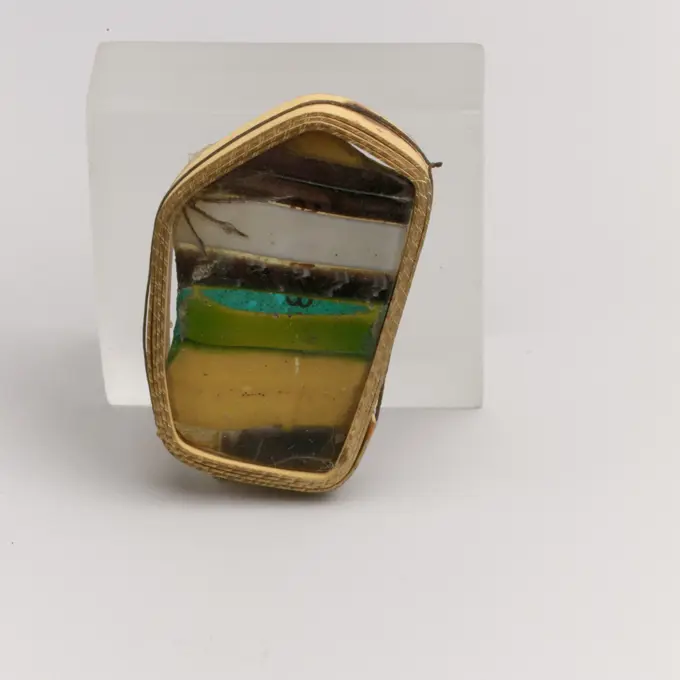
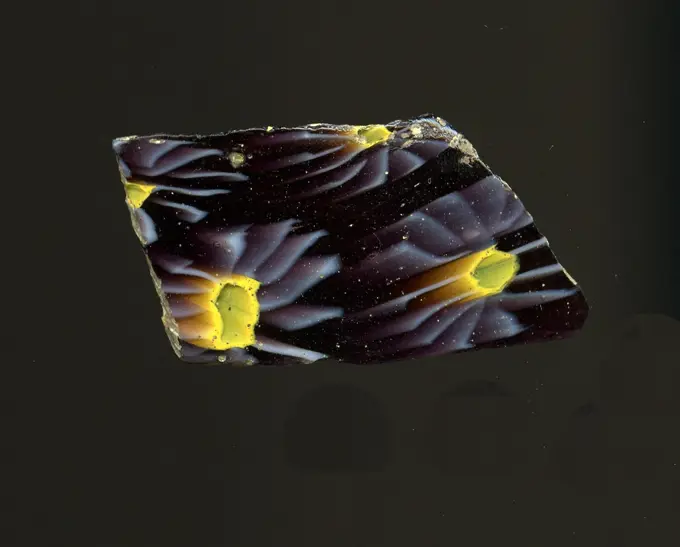
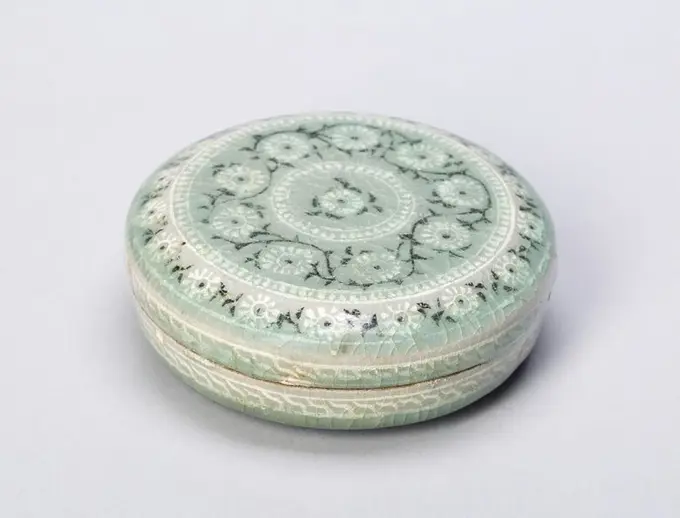
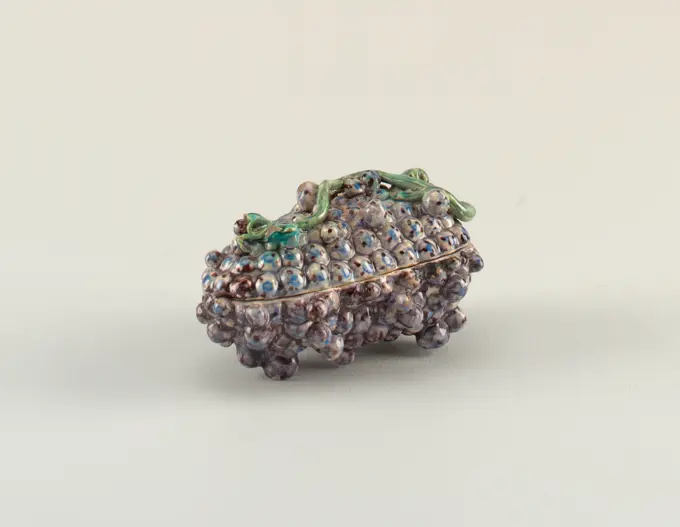
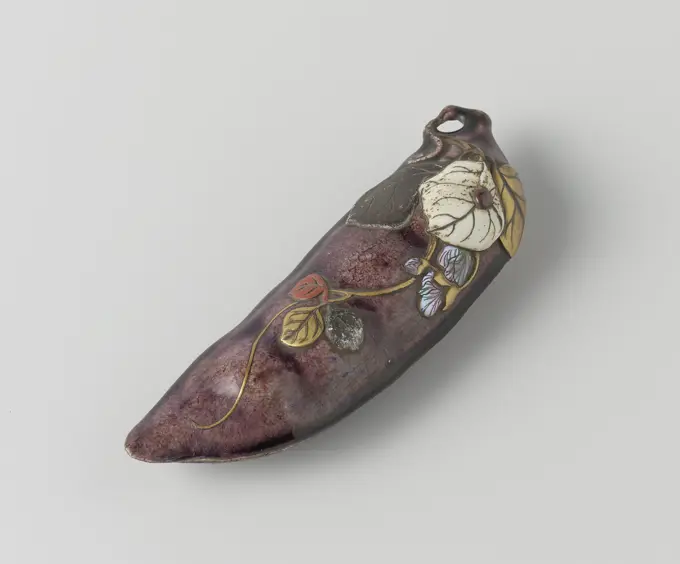
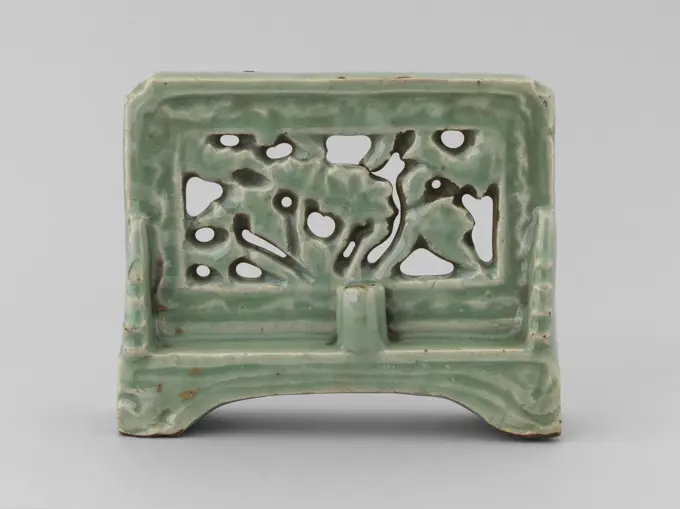
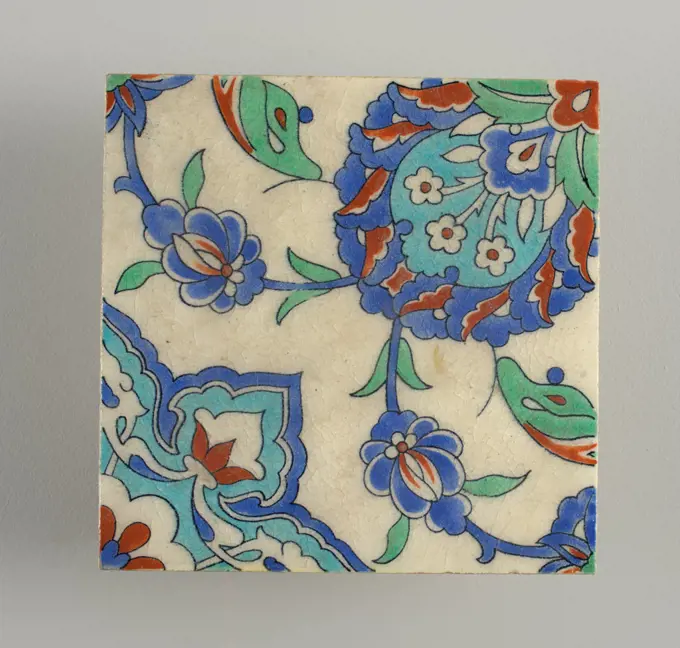
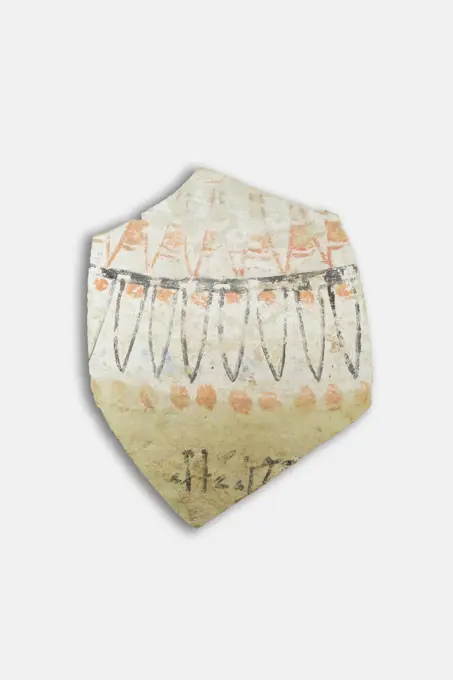
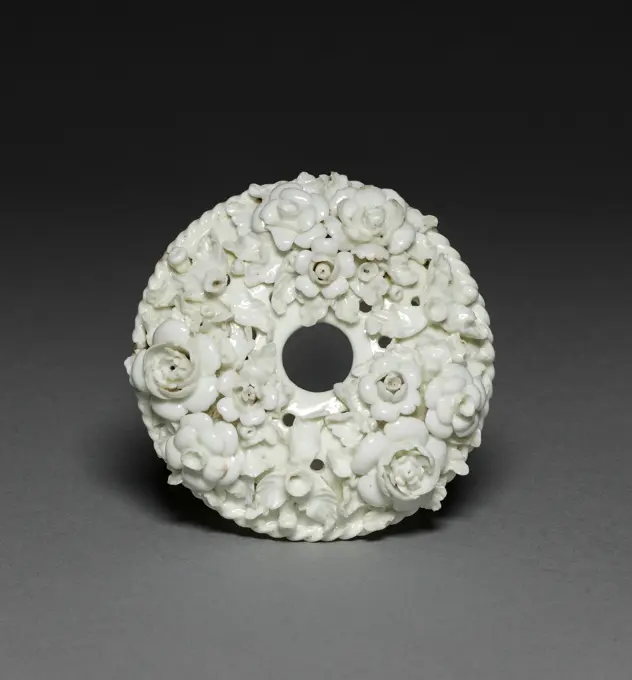
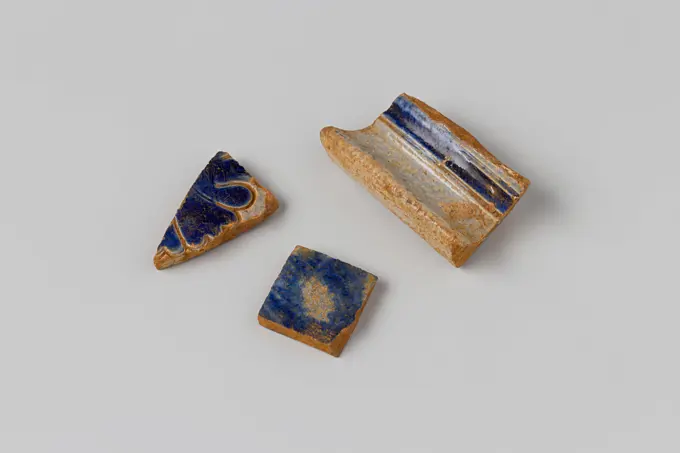
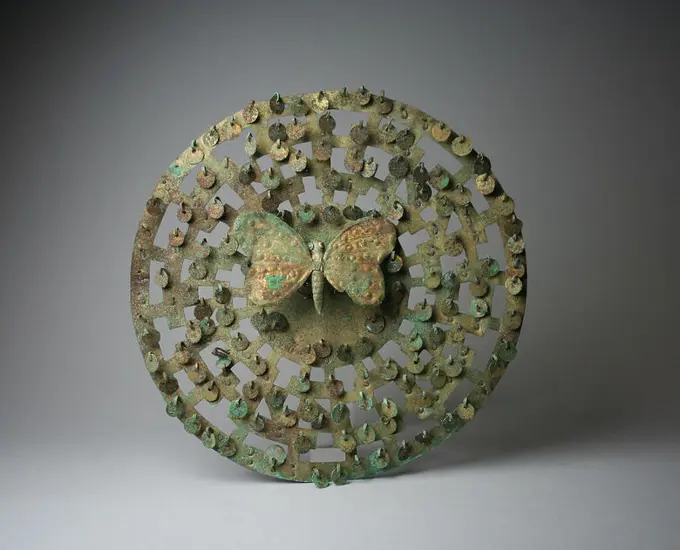
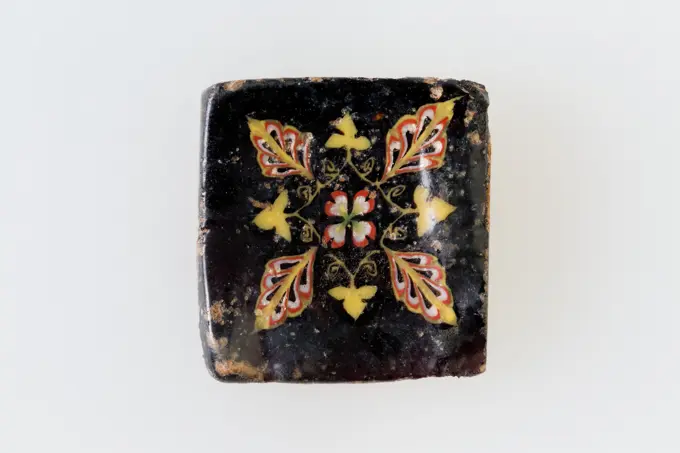
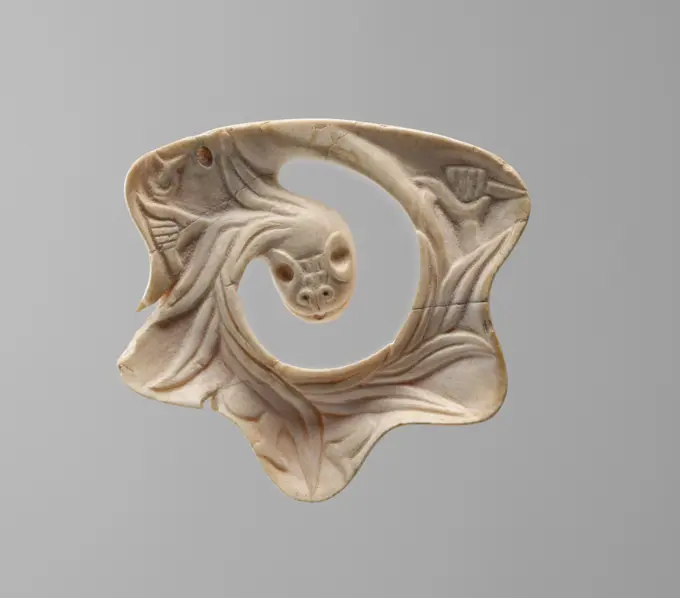
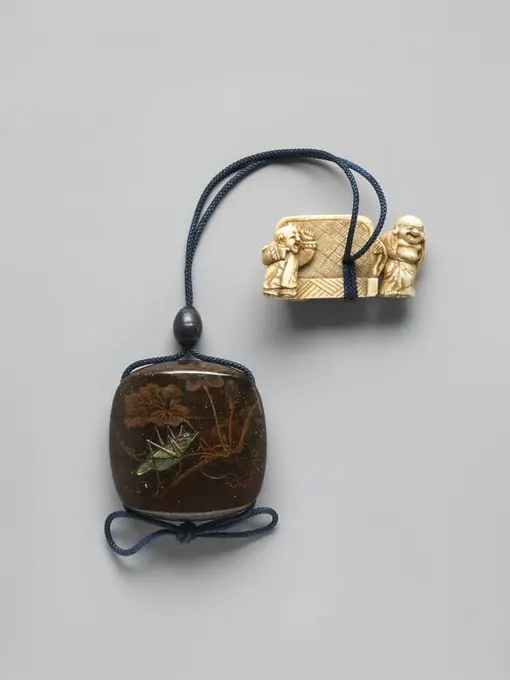
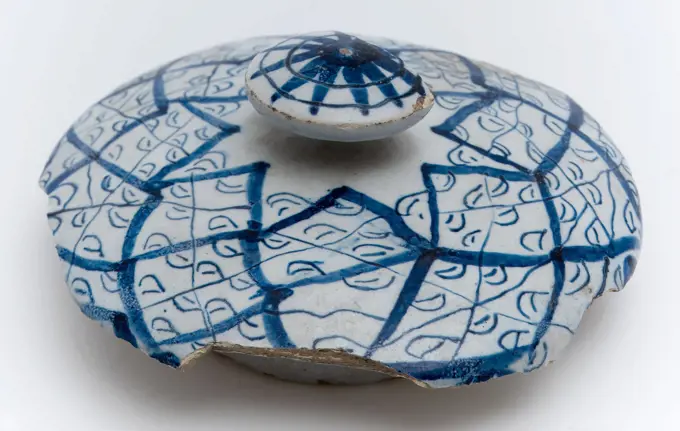
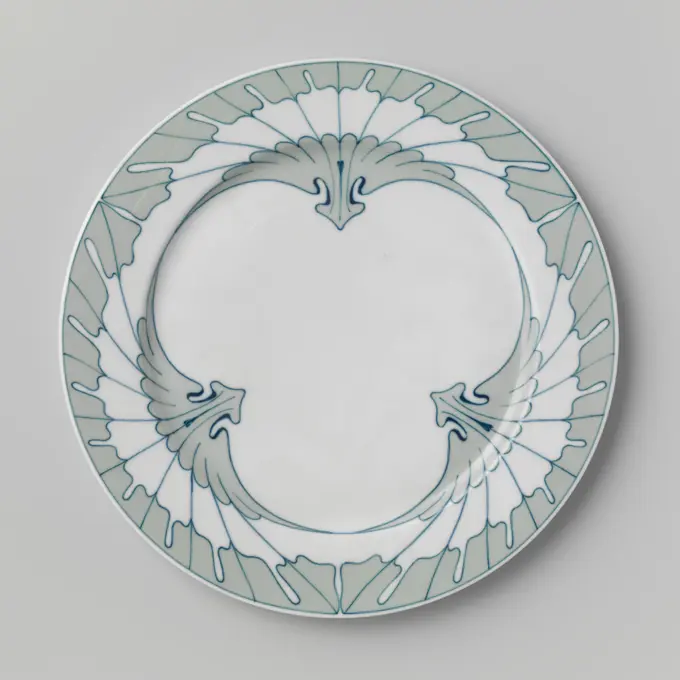
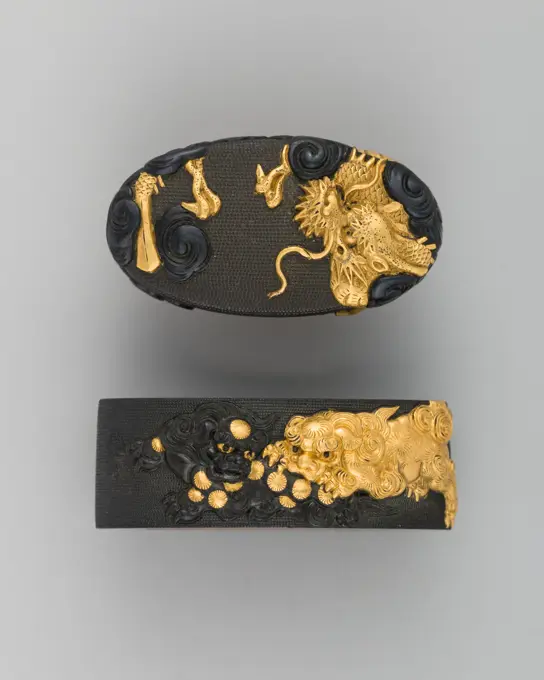
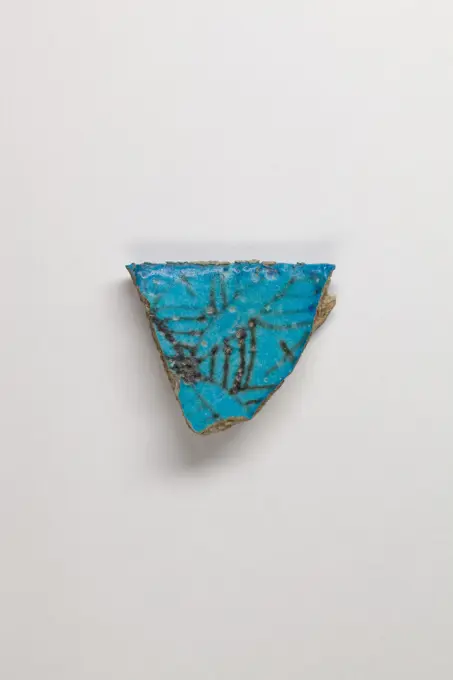
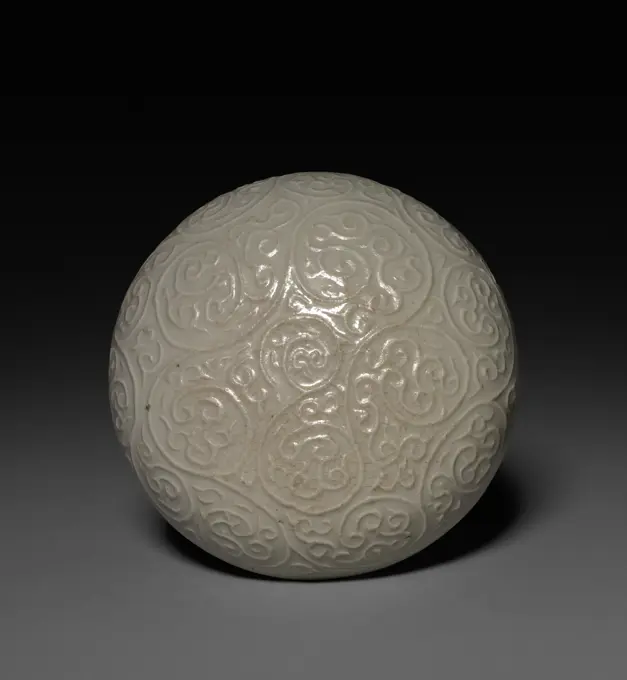
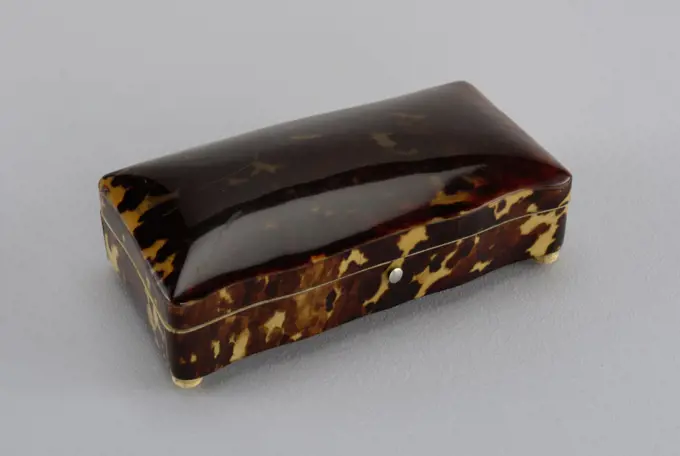
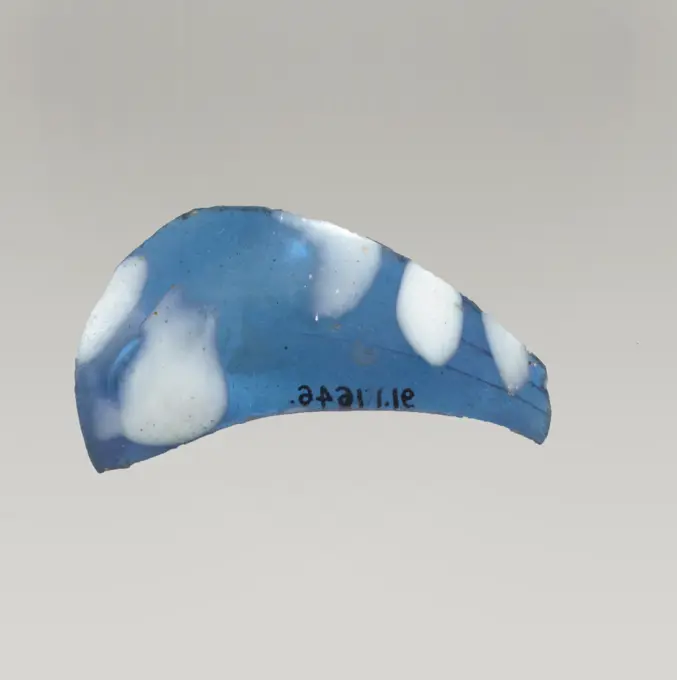
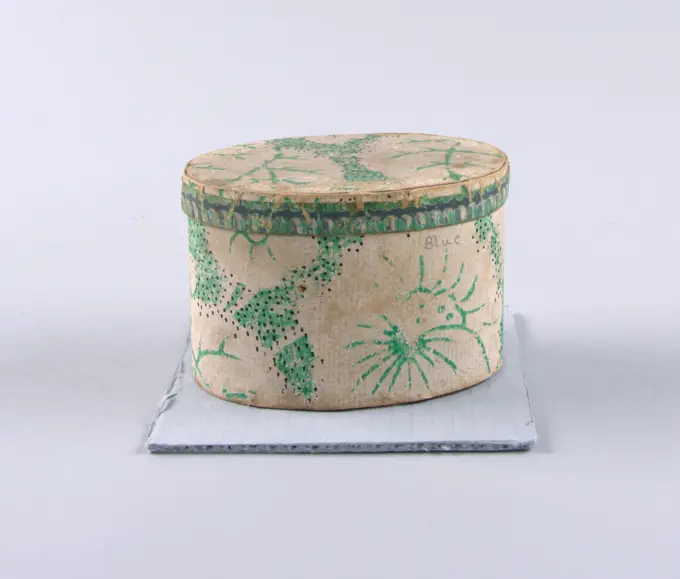
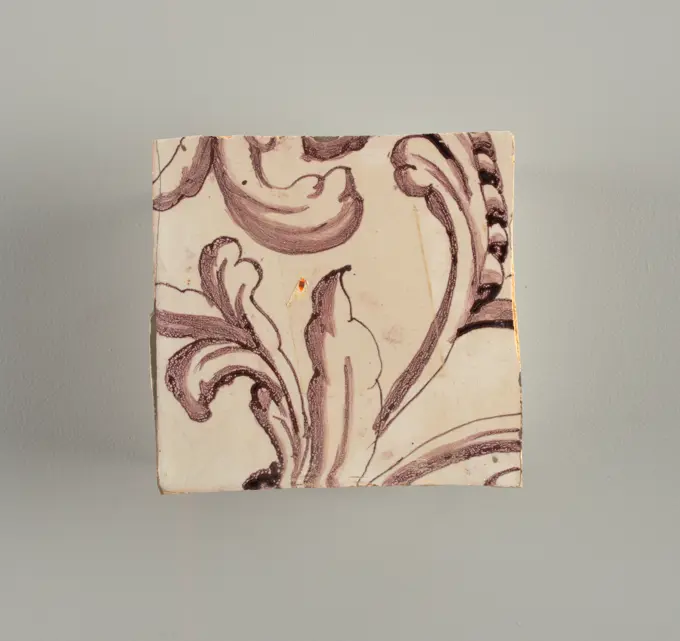
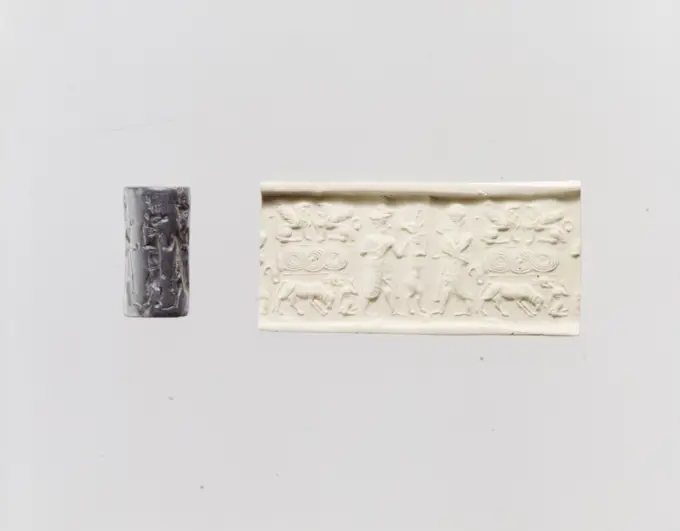
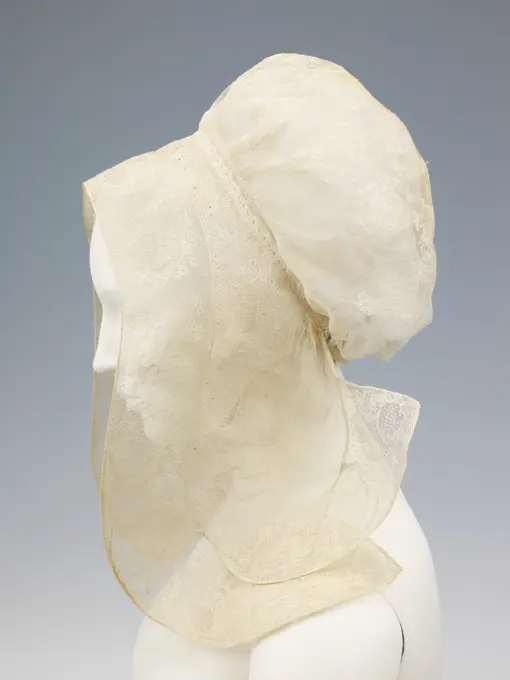
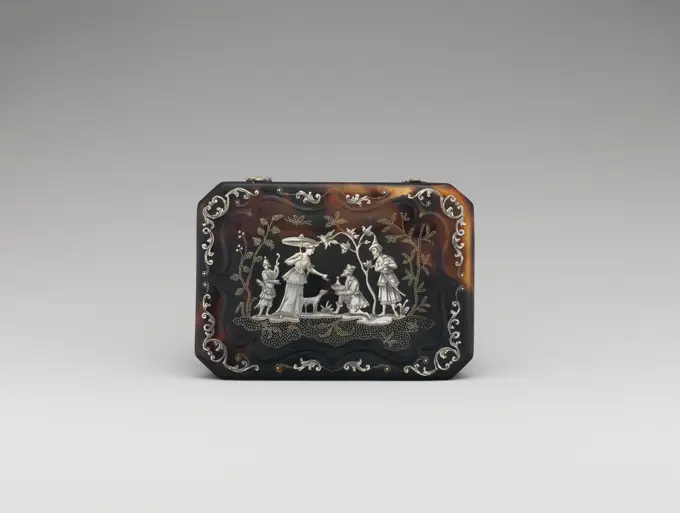
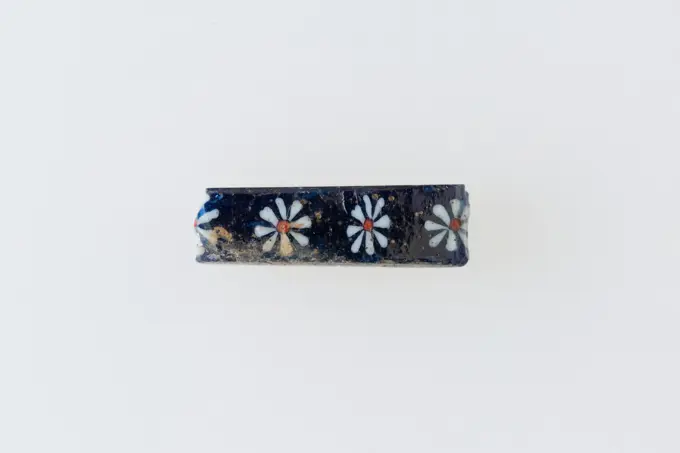
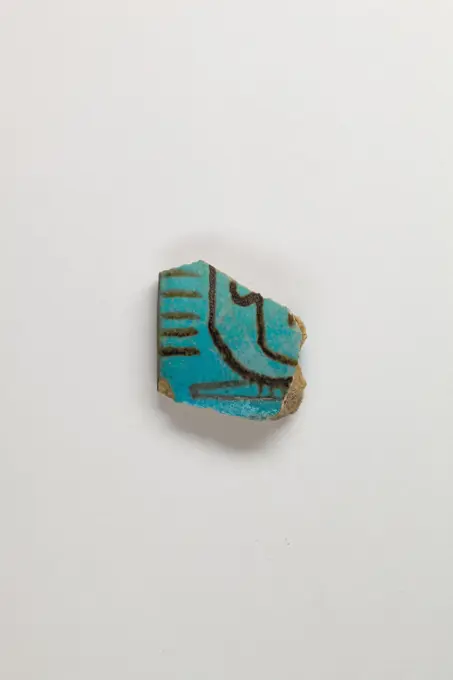
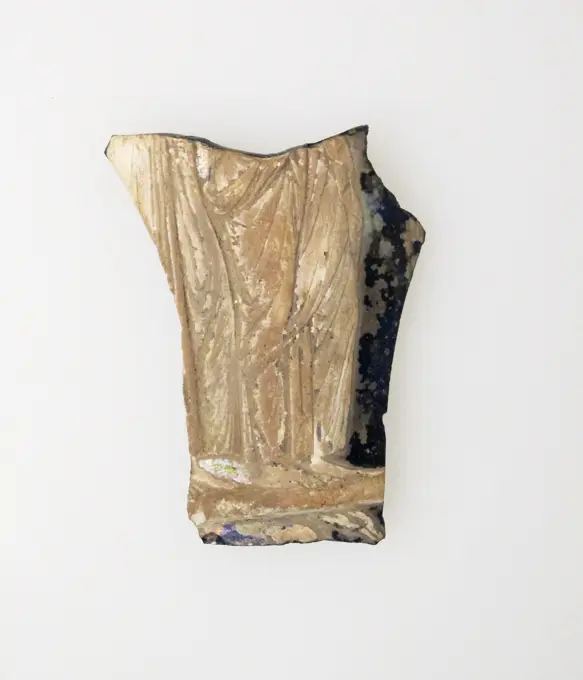
Votive Menat fragments ca. 1479-1458 B.C. New Kingdom. Votive Menat fragments. ca. 1479-1458 B.C.. Faience. New Kingdom. From Egypt, Upper Egypt, Thebes, Deir el-Bahri, Hatshepsut Hole, Hathor Shrine, MMA excavations, 1922-23. Dynasty 18Pearl button, 1770-1800.. Lightly carved with concentric designs and inset with blue glass disc held by copper gilt ring & decorated with a floral design in gilt & white.. Produced in Birmingham.Dish 18th century China. Dish 44250Glass striped mosaic bowl fragment late 1st century B.C.-early 1st century A.D. Roman Rim fragment.Translucent blue, turquoise blue largely layered with white appearing green, purple appearing opaque streaky brick red, opaque yellow, and white, with colorless glass.Applied coil rim with beveled, vertical lip; shallow convex curving side. Rim in colorless glass with single white spiral thread; body decorated with bands slanting from top right to bottom left, forming a pattern: green, turquoise, green, yellow, green, red, blue, red, yellow, green, turquoise, green, yellow, green, turquoise, red, blue, yellow, and green, with some white streaks.Pinprick bubbles; exterior polished, with pitting of surface bubbles; dulling and creamy weathering on interior; some iridescent weathering on two edges.. Glass striped mosaic bowl fragment. Roman. late 1st century B.C.-early 1st century A.D.. Glass; cast. Early Imperial. Glass. The signature on the underside of this footed stand suggests that it was made in the Rotterdam tile factory of Jan Aelmis, which also produced faience. However, a second signature refers to Cornelis Bouwer, owner of De Witte Ster factory in Delft. Aelmis and Bouwer were related, so the piece could be an example of collaboration.Box with cover. unknown, craftsmanSharf of white -baking earthenware, on the outside with a painting of flowers in blue on a white surface, c. 1500 - c. 1899 fragment   earthenware. glazeSquare Plaque. Culture: Vicús. Dimensions: Height 1-13/16 in. (4.6 cm). Date: 3rd century B.C.-A.D. 2nd century. Museum: Metropolitan Museum of Art, New York, USA.Inlay, square, palmette. Dimensions: H. 1.5 × W. 1.5 cm (9/16 × 9/16 in.). Date: 100 BC-100 AD.A mosaic glass technique allowed multiples of an image to be created: a figural or design composition was made by bundling colored glass canes, which were then drawn out into a long bar . The bar was then sectioned at right angles, probably by striking the bar with appropriate tools, to produce small inlay tiles. The tile would then be smoothed and polished on the face intended to appear outwards. Museum: Metropolitan Museum of Art, New York, USA.Neck Fragment of a Glass Vase with Dragged Decoration ca. 1390-1352 B.C. New Kingdom. Neck Fragment of a Glass Vase with Dragged Decoration. ca. 1390-1352 B.C.. Glass. New Kingdom. From Egypt, Upper Egypt, Thebes, Malqata, Palace of Amenhotep III, probably factories, probably MMA 1911-1912. Dynasty 18Paperweight 1840-1865 Baccarat. Technological improvements to optical scientific instruments in the mid-nineteenth century spurred a veritable obsession across Europe with identifying and classifying the natural world. Amateur botanists were eager to collect and preserve floral specimens, which they intently researched and catalogued. In response to this broad appeal, French glassmakers made paperweights that portrayed the very botanical subjects that were so enthusiastically sought. Many weights represented specimens with horticultural correctness, but others were entirely fanciful creations. Paperweights like this example speak to the periodís fascination with taxonomic systems.From the late 1840s to early 1860s, French manufacturers of fine glass and crystalósuch as Baccarat (Alsace), Clichy (Paris), and Saint-Louis (Lorraine)ócatered to the vast public enthusiasm for beautiful yet functional desk accessories. Paperweights, which were designed to secure loose papers against drafts, Paperweight 1840-1865 France. Technological improvements to optical scientific instruments in the mid-nineteenth century spurred a veritable obsession across Europe with identifying and classifying the natural world. Amateur botanists were eager to collect and preserve floral specimens, which they intently researched and catalogued. In response to this broad appeal, French glassmakers made paperweights that portrayed the very botanical subjects that were so enthusiastically sought. Many weights represented specimens with horticultural correctness, but others were entirely fanciful creations. Paperweights like this example speak to the periodís fascination with taxonomic systems.From the late 1840s to early 1860s, French manufacturers of fine glass and crystalósuch as Baccarat (Alsace), Clichy (Paris), and Saint-Louis (Lorraine)ócatered to the vast public enthusiasm for beautiful yet functional desk accessories. Paperweights, which were designed to secure loose papers against drafts, weSmall, round, ivory box with lid, anonymous, 1825 - 1875 Small, round box with a ball lid. All around in high relief with three Chinese on the lid near a tree and a pavilion; Around the side a landscape with houses without figures and on the bottom a flower in low relief. On the inside of the lid the remainder of a Chinese character in black ink. China ivory cutting Small, round box with a ball lid. All around in high relief with three Chinese on the lid near a tree and a pavilion; Around the side a landscape with houses without figures and on the bottom a flower in low relief. On the inside of the lid the remainder of a Chinese character in black ink. China ivory cuttingBag of black satin with velvet pattern, lined with salmon-colored silk, without closure. Pouch of a black silk bracket bag with velvet pattern. The model of the bag consists of two highly absorbed ovals, from the top right cut, the halves of which are sewn together. The decor is incomplete, the plumes in pool velvet are on a satin fond. The lining is made of dark salmon-colored crepe de chine.62.269.15ad                           325561Glass striped mosaic fragment late 1st century B.C.-early 1st century A.D. Roman Body fragment.Translucent purple, turquoise blue and opaque yellow appearing green, opaque white, yellow, and colorless.Convex curving side, partly flattened (on bottom).Decorated with parallel bands in pattern: yellow, purple with central white line, white, purple with spiral white thread, turquoise partly layered with yellow, yellow, purple with white line, and narrow stripes of colorless glass.Pinprick and some larger bubbles; exterior polished, with pitting of surface bubbles and cracks; dulling and creamy iridescent weathering on interior and edges.. Glass striped mosaic fragment 257323Shards from V.O.C. ship De 'Witte Leeuw', Anonymous, Before 1613 plate (dishes) Shards from V.O.C. ship the 'Witte Leeuw' from Kraakporcelain. Jingdezhen bone china (material)   Sint-HelenaFragment of a vessel. A low curvature of the glass fragment allows the assignment to a vessel, possibly a shell. On a violet reason, several flowers can be seen in millefiori technology. Around a yellow circle, white lines are ray-shaped as petals, all lines being distorted. For the production, different colored glasses into tubes and rods were formed. These were compressed and heated, causing a long bar. The glass sliced now had different amorphous or floral patterns. Thereafter, several of these platelets were folded, heated again and pressed into a vascular shape. Burry for the elaborate manufacturing process and its fragility was one of the luxury articles of antiquity.Lid of butter dish or terrine in the form of a grape trim. Botersloot or Terrine lid from Faience. Consisting of a container with lid in the form of a grape tray, and a subset in the form of a grape sheet.Covered Cosmetic Box with Chrysanthemum Flower Heads. Korean. Date: 1200-1299. Dimensions: H. 3.7 cm (1 1/2 in.); diam. 10.3 cm (4 1/16 in.). Stoneware with underglaze inlaid decoration of black and white clays. Origin: South Asia. Museum: The Chicago Art Institute, Chicago, USA.Covered Dish; earthenware; faiencePaperweight 1843-1860 Saint-Louis. Technological improvements to optical scientific instruments in the mid-nineteenth century spurred a veritable obsession across Europe with identifying and classifying the natural world. Amateur botanists were eager to collect and preserve floral specimens, which they intently researched and catalogued. In response to this broad appeal, French glassmakers made paperweights that portrayed the very botanical subjects that were so enthusiastically sought. Many weights represented specimens with horticultural correctness, but others were entirely fanciful creations. Paperweights like this example speak to the periodís fascination with taxonomic systems.From the late 1840s to early 1860s, French manufacturers of fine glass and crystalósuch as Baccarat (Alsace), Clichy (Paris), and Saint-Louis (Lorraine)ócatered to the vast public enthusiasm for beautiful yet functional desk accessories. Paperweights, which were designed to secure loose papers against draftPaperweight 1801-1900 Clichy. This paperweight uses a traditional glass-making technique called millefiori to great effect. Italian for ìone thousand flowers,î millefiori was first developed in fifteenth-century Venice. In the nineteenth century, French glassmakers revived the technique with a cultural twist. Arranged to evoke traditional French gardens such as the Tuileries in Paris, paperweights like this example brought a little of this landscaping magic indoors.From the late 1840s to early 1860s, French manufacturers of fine glass and crystalósuch as Baccarat (Alsace), Clichy (Paris), and Saint-Louis (Lorraine)ócatered to the vast public enthusiasm for beautiful yet functional desk accessories. Paperweights, which were designed to secure loose papers against drafts, were among their most popular products.. Glass . Clichy GlasshouseBean pod-shaped Incense Box, anonymous, anonymous, c. 1800 - c. 1899 Incense box of stoneware, covered with a purple glaze and inlaid with ivory , Pearl, red and gold lacquer. A flower branch on the lid. Kyoyaki . Japan stoneware. glaze. mother of pearl. ivory. lacquer (coating) lacquering / inlay (process) / vitrification Incense box of stoneware, covered with a purple glaze and inlaid with ivory , Pearl, red and gold lacquer. A flower branch on the lid. Kyoyaki . Japan stoneware. glaze. mother of pearl. ivory. lacquer (coating) lacquering / inlay (process) / vitrificationCarnavalet Museum, Footage CollectionDessert plate - Paragon, 1900- Paragon, 1900-Fragment of toilet jar. Dimensions: H. 6.3 cm (2 1/2 in). Dynasty: Dynasty 12-13. Date: ca. 1981-1640 B.C.. Museum: Metropolitan Museum of Art, New York, USA.Bird Plaque Ornament 3rd century B.C.-A.D. 2nd century Vicús. Bird Plaque Ornament. Vicús. 3rd century B.C.-A.D. 2nd century. Copper, gilt. Peru. Metal-OrnamentsBasket (England); Manufactured by Royal Worcester (England, GB, United Kingdom); Produced by Worcester Porcelain Factory; porcelain, overglaze decoration and gildingSeal with two dragons 18th century China. Seal with two dragons. China. 18th century. Jade (nephrite). Qing dynasty (1644-1911). Sculpture-WoodTable screen (username). Sandstone, molding, celadon, molded and openwork decor. Cernuschi Museum, Asia Museum of Asia in the city of Paris.Worsham-Rockefeller House, Glazed earthenware, Four tiles comprising a square portion of a larger composition in Persian style. This unit centered with a quatrefoil design enclosed by four semicircular stems and decorated corners, details reserved in white. Underglaze colors: burnt sienna, green, two shades of blue, on white ground., France, ca. 1880, tiles, Decorative Arts, Wall tiles, Wall tilesTray 18th century China. Tray. China. 18th century. Cloisonné enamel. Qing dynasty (1644-1911). CloisonnéDecorated jar fragment with label ca. 1390-1352 B.C. New Kingdom. Decorated jar fragment with label. ca. 1390-1352 B.C.. Pottery and ink, paint. New Kingdom. From Egypt, Upper Egypt, Thebes, Malqata, Palace of Amenhotep III, MMA excavations. Dynasty 18Cover for a Potpourri Vase, mid 1700s. Saint Cloud Porcelain Factory (French). Soft-paste porcelain; overall: 15 cm (5 7/8 in.).Watch, Henri Toutin, 1641 Watch with enamelled cupboard. On the top: Willem II and Maria Stuart who look at Ariadne. On the bottom: Neptunus who sails these people to a bank on which women stand with the weapons of Holland, Zeeland, Utrecht and Gelderland. On the side panorama of London and The Hague separated by the weapon of Orange and England and France. The marriage of Willem with Maria Stuart is depicted in the inside. Paris gold (metal). Watch with enamelled cupboard. On the top: Willem II and Maria Stuart who look at Ariadne. On the bottom: Neptunus who sails these people to a bank on which women stand with the weapons of Holland, Zeeland, Utrecht and Gelderland. On the side panorama of London and The Hague separated by the weapon of Orange and England and France. The marriage of Willem with Maria Stuart is depicted in the inside. Paris gold (metal).Shards of pots from the wreck of the East India Hollandia.Stoneware, Rhenish, Westerwald, Pot: Fragm or Rim; Fragm or body, sim. NG 1980-27H2624R.Disk Ornament. Culture: Moche (Loma Negra). Dimensions: Diam. 8 1/2 in. (21.5 cm). Date: 390-450. Museum: Metropolitan Museum of Art, New York, USA.Inlay, palmette 100 BC-100 AD Ptolemaic Period-Roman Period A mosaic glass technique allowed multiples of an image to be created: a figural or design composition was made by bundling colored glass canes, which were then drawn out into a long bar. The bar was then sectioned at right angles, probably by striking the bar with appropriate tools, to produce small inlay tiles. The tile would then be smoothed and polished on the face intended to appear outwards.. Inlay, palmette. 100 BC-100 AD. Glass. Ptolemaic Period-Roman Period. From Egypt. Milse standard of soft-paste porcelain (Pte tendre), painted in underglaze blue. On the wall a representation of a shepherd boy on the back of an OS in a river landscape at a bridge. Above the show a typing in characters with 'the shepherd boy comes home, astride attached to the buffalo. He improvises on the flute without prescribed melody. " Blue White.Feathered Serpent Pendant 14th-16th century Aztec This pendant, which retains the shape of a cross-section of a conch shell, features delicately incised imagery of a feathered serpent on one side, and its coiled, rattlesnake-like tail on the other. The head of the serpent, at the center of the ornament, is seen in a dorsal view, with two eyes drilled on either side of the creatures feathered snout. The serpents feathered body is coiled around the center void, with two human hands emerging from either end, along with two legs at the center. Leonardo Lo?pez Luja?n has identified the flower held in one hand as a huacalxo?chitl, the Nahuatl name for Philodendron affine, a plant associated with sensuality and pleasure. (Nahuatl was the language of the Mexica, the ruling group of the Aztec Empire.) The other hand grasps what may be a knife. This type of pendant is known as an ehecacozcatl or "wind jewel," an ornament often associated with Quetzalcoatl-Ehecatl, the creator and Wind God (forPaperweight 1801-1900 France. Technological improvements to optical scientific instruments in the mid-nineteenth century spurred a veritable obsession across Europe with identifying and classifying the natural world. Amateur botanists were eager to collect and preserve floral specimens, which they intently researched and catalogued. In response to this broad appeal, French glassmakers made paperweights that portrayed the very botanical subjects that were so enthusiastically sought. Many weights represented specimens with horticultural correctness, but others were entirely fanciful creations. Paperweights like this example speak to the periodís fascination with taxonomic systems.From the late 1840s to early 1860s, French manufacturers of fine glass and crystalósuch as Baccarat (Alsace), Clichy (Paris), and Saint-Louis (Lorraine)ócatered to the vast public enthusiasm for beautiful yet functional desk accessories. Paperweights, which were designed to secure loose papers against drafts, weHalf of a hexagonal tile with floral scrolls, anonymous, c. 1450 - c. 1499 Half of a hexagonal tile of quartz fritry with a red-gray shard, decorated under green enamel with a wide edge and flower vines in black. Coming from the Mosque of Yechel. From Broussa. Iran earthenware. glaze painting / vitrification Half of a hexagonal tile of quartz fritry with a red-gray shard, decorated under green enamel with a wide edge and flower vines in black. Coming from the Mosque of Yechel. From Broussa. Iran earthenware. glaze painting / vitrificationThe platter from the First/Gold Młoczkowski, Marcin, Karibia Sp. z o.o.Case (Inro) with Design of Cricket and Muskmelon Plants. Culture: Japan. Dimensions: H. 2 1/8 in. (5.4 cm); W. 2 1/16 in. (5.3 cm); D. 7/8 in. (2.3 cm). Date: late 19th century. Museum: Metropolitan Museum of Art, New York, USA.Bag made of durable two hearts lined with velvet, painted with flowers, surrounded by a border of cream-colored wrinkled sil, Anonymous, c. 1830Censer unknownBliżej KulturyPottery lid of apotherspot, faience, decor in blue and white, lid closure part apothecary jar holder soil find ceramic earthenware glaze tin glaze, decorated glazed baked lid with knob on high stand ring marked on the bottom with 4. Fully glazed Blue and white decorated White fond on which in blue star-like and fantasy motifs. Marks bottom: 4 archeology Rotterdam railway tunnel health care indigenous pottery pharmacy store packaging craft Soil discovery: rail tunnel Rotterdam.Plate, painted with the Flügelmuster decor. Porcelain plate, painted in green and blue with the Flügelmuster decor. The plate has been marked. and belongs to a service (BK-1976-65-1 to BK-1976-65-34). Marked with: Crossed swords and 35. In underglazing blue, inserted Ti and 22.Sword Guard (Tsuba). Culture: Japanese. Dimensions: H. 3 3/8 in. (8.6 cm); W. 3 1/16 in. (7.8 cm); thickness 1/8 in. (0.3 cm); Wt. 4.5 oz. (127.6 g). Date: ca. 1615-1868. Museum: Metropolitan Museum of Art, New York, USA.Sword-Hilt Collar and Pommel (Fuchigashira) 1733-1809 Japanese A fuchigashira is a pair of matching sword fittings comprising the fuchi (collar at the base of the grip of the sword hilt) and kashira (pommel cap at the end of a sword hilt).. Sword-Hilt Collar and Pommel (Fuchigashira). Japanese. 1733-1809. Copper-gold alloy (shakud), copper-silver alloy (shibuichi), gold. Sword Furniture-Fuchi-Kashirablue frozen forest on planet in cold winter little planet - blue frozen forest on planet and urban houses in cold winter morning isolated on white background Copyright: xZoonar.com/ValeryxVoennyyx 5712685Vase fragment Middle Kingdom ca. 1981-1640 B.C.Scarab. UnknownRound Covered Box with Floral Scrolls in Relief: Qingbai type Ware (lid), 1300s. China, Fujian province, Anxi xian, Yuan dynasty (1271-1368). Glazed porcelain with slip decoration;Paperweight 1843-1860 Lunéville. Technological improvements to optical scientific instruments in the mid-nineteenth century spurred a veritable obsession across Europe with identifying and classifying the natural world. Amateur botanists were eager to collect and preserve floral specimens, which they intently researched and catalogued. In response to this broad appeal, French glassmakers made paperweights that portrayed the very botanical subjects that were so enthusiastically sought. Many weights represented specimens with horticultural correctness, but others were entirely fanciful creations. Paperweights like this example speak to the periodís fascination with taxonomic systems.From the late 1840s to early 1860s, French manufacturers of fine glass and crystalósuch as Baccarat (Alsace), Clichy (Paris), and Saint-Louis (Lorraine)ócatered to the vast public enthusiasm for beautiful yet functional desk accessories. Paperweights, which were designed to secure loose papers against drafts,Box, Shaped tortoiseshell, ivory, wood, silk (cord) silk velvet (interior), Rectangular box of wood with wavy sides and hinged cover. Sides covered with flamy tortoise-shell; top cover is domed sheet of tortoise-shell without backing. Inside edges lined with strips of ivory, the box itself with dark purple velvet. Four ivory ball feet., Austria, ca. 1835, containers, Decorative Arts, BoxDecorative screen;  19th century (1801-00-00-1900-00-00);Glass fragment 1st century A.D. Roman Translucent cobalt blue, with opaque white.Body fragment with convex curving side.Decoration of large irregular blobs on exterior.Two large parallel internal cracks running lengthwise across fragment; polished on exterior, with pitting of surface bubbles; weathered edges; faint iridescent weathering on exterior.Probably part of a closed bottle rather than an open cup.. Glass fragment. Roman. 1st century A.D.. Glass; blown with applied marvered blobs. Early Imperial. GlassFragment of a kylix: band-cup (drinking cup) ca. 550-525 B.C. Attributed to Elbows Out Two youths running toward a standing figure.. Fragment of a kylix: band-cup (drinking cup) 244742Inlay from coffin. Dimensions: diam. 0.8 cm (5/16 in). Dynasty: Dynasty 12-13. Date: ca. 1850-1640 B.C.. Museum: Metropolitan Museum of Art, New York, USA.A plate Economic Huta Z BkowiceTea Screen Screen; Designed by Louis Comfort Tiffany (American, 1848-1933); Made by Tiffany and Co. (United States); USA; glass, bronzeHouse Model 1201-1300 Iran. Fritware painted in black under a transparent turquoise glaze . IslamicPaperweight 1801-1900 Saint-Louis. This paperweight uses a traditional glass-making technique called millefiori to great effect. Italian for ìone thousand flowers,î millefiori was first developed in fifteenth-century Venice. In the nineteenth century, French glassmakers revived the technique with a cultural twist. Arranged to evoke traditional French gardens such as the Tuileries in Paris, paperweights like this example brought a little of this landscaping magic indoors.From the late 1840s to early 1860s, French manufacturers of fine glass and crystalósuch as Baccarat (Alsace), Clichy (Paris), and Saint-Louis (Lorraine)ócatered to the vast public enthusiasm for beautiful yet functional desk accessories. Paperweights, which were designed to secure loose papers against drafts, were among their most popular products.. Glass . Compagnie de Saint LouisWhite porcelain heart for decorationVase, one of a pair, c. 1800, 11 1/2in. (29.2cm), Porcelain, England, 18th-19th centurySword Guard (Tsuba) ca. 1615-1868 Japanese A tsuba is a sword guard and part of a sword mounting. It is mounted between the swords blade and grip to protect the users hands.. Sword Guard (Tsuba) 34394Georges Dupre. "Medal obverse. The artist's parents". Metal, bronze. Museum of Fine Arts of the City of Paris, Petit Palais. 57553-12 Artist, obverse, bronze, medal, metal, numero inventory, numismatics, parentShards of plates from the wreck of the East India Hollandia.Porcelain, Plate, Type 3; Fragm or base, sim. Or 1980-27H3202C.Bandbox (USA); block-printed on handmade paper, cardboard support; 10 x 7 x 6.5 cm (3 15/16 x 2 3/4 x 2 9/16 in.)Wall Facing (Netherlands); tin-glazed earthenware, underglazeCylinder seal and modern impression: deity, goat, and worshiper; terminal; sphinxes, guilloche, bull and leaper () ca. 1820-1730 B.C. Although engraved stones had been used as early as the seventh millennium B.C. to stamp impressions in clay, the invention in the fourth millennium B.C. of carved cylinders that could be rolled over clay allowed the development of more complex seal designs. These cylinder seals, first used in Mesopotamia, served as a mark of ownership or identification. Seals were either impressed on lumps of clay that were used to close jars, doors, and baskets, or they were rolled onto clay tablets that recorded information about commercial or legal transactions. The seals were often made of precious stones. Protective properties may have been ascribed to both the material itself and the carved designs. Seals are important to the study of ancient Near Eastern art because many examples survive from every period and can, therefore, help to define chronological phases. ORed cosmetic mirror isolated on white background Engraved stamp or signet; Crete, Greece; about 1850 B.C. - 1550 B.C; Carnelian; 1.3 × 1.4 cm (1,2 × 9,16 in.)Twig from a liberty tree. With help from the French, the Dutch Patriots assumed power in January 1795 and founded the Batavian Republic. This was cause for celebration in countless cities; liberty trees were established in many places and people danced around them. This twig was cut from the liberty tree erected on Dam Square in Amsterdam on 21 January and preserved as a memento of the festivities.Shell with a flora representationWall Facing (Netherlands); tin-glazed earthenware, underglaze; 5 tiles tall, various wideElephant Pendant. China. Date: 1300 BC-1000 BC. Dimensions: 1 3/4 × 1 × 3/8 in. Jade. Origin: China. Museum: The Chicago Art Institute, Chicago, USA.Cap 1760-90 French This peasant bonnet is from the Cher River valley in Touraine, a former province of France southwest of Paris.. Cap 157068Box early 18th century probably Italian, Naples This octagonal box has embossed moldings and is decorated with a charming chinoiserie scene. Such boxes served as souvenirs for Grand Tour tourists. The Scottish architect Robert Adam bought several "handsome snuff-boxes of tortoiseshell, studded with gold and with gold hinges" while he visited Rome in 1755.. Box 188872 probably Italian, Naples, Box, early 18th century, Tortoiseshell, silver, 1/2 x 2 1/4 x 3 1/4 in. (1.3 x 5.7 x 8.3 cm). The Metropolitan Museum of Art, New York. Bequest of Mrs. Eleanor Strong, 1903 (03.26.6)Hair Ornament, Jada Billi, 1600s. India, Jaipur, 17th century. Gold, emerald and rubies; diameter: 3.9 cm (1 9/16 in.).Handled tray with cherry blossoms and maples Nin'ami Dhachi (Takahashi Dhachi II) Japanese Edo period (1615-1868) View more. Handled tray with cherry blossoms and maples. Nin'ami Dhachi (Takahashi Dhachi II) (Japanese, 1783-1855). Japan. Stoneware with polychrome glaze (Ko-Kiyomizu). Edo period (1615-1868). Ceramicslittle urban planet in rainy clouds little planet - little urban planet in rainy clouds isolated on white background Copyright: xZoonar.com/ValeryxVoennyyx 5712760Pendant with the Coronation of the Virgin early 15th century North French or Netherlandish Delicate openwork carvings such as this pendant became a popular type of fine devotional jewlery from about 1400 onwards.. Pendant with the Coronation of the Virgin 479664Taweret amulet. Dimensions: l. 2.7 × w. 1.3 cm (1 1/16 × 1/2 in.). Date: 100 BC-100 AD. Museum: Metropolitan Museum of Art, New York, USA.Frederic Amat / 'Item_20 (Batibull)', 2006, 33 x 31 x 11,5 cm. Museum: COLECCION PRIVADA.Inlay fragment with row of rosettes 200 BC-100 AD Ptolemaic Period-Roman Period A mosaic glass technique allowed multiples of an image to be created: a figural or design composition was made by bundling colored glass canes, which were then drawn out into a long bar. The bar was then sectioned at right angles, probably by striking the bar with appropriate tools, to produce small inlay tiles. The tile would then be smoothed and polished on the face intended to appear outwards.Such elements could also be used side by side to create repeating patterns.. Inlay fragment with row of rosettes. 200 BC-100 AD. Glass. Ptolemaic Period-Roman Period. From EgyptGreen ribbon for a festive decor, isolated on a white background Green ribbon for a festive decor, isolated on a white background Copyright: xZoonar.com/OleksandrxKostiuchenkox 10044622Decorative object in the shape of an apple. Decorative object in the shape of an apple.Vase fragment ca. 1981-1640 B.C. Middle Kingdom. Vase fragment 559354Four Two-Colored Tiles late 14th century British. Four Two-Colored Tiles. British. late 14th century. Fired earthenware with slip decoration and lead glaze. Made in Oxfordshire, England. Ceramics-TilesJade itemGlass cameo fragment 1st century A.D. Roman Translucent cobalt blue with opaque white overlay.Body fragment of fairly straight-sided large cup or beaker.In relief in white, lower part of two draped standing figures with bare feet, facing right; both with proper left leg slightly bent; intricate folds of clothing are carefully carved; below, a raised, slightly uneven, broad ground line; beneath, a second register of decoration, of which only the tips of two leafy sprays or branches are visible.Broken on all sides with weathered and iridescent edges; dulling, slight pitting, brilliant iridescence, and creamy brown weathering.. Glass cameo fragment. Roman. 1st century A.D.. Glass; cast and cut. Early Imperial. GlassSlate Scorpion () Ornament 1st-8th century Mezcala. Slate Scorpion () Ornament 317556Paperweight 1843-1865 Lunéville. Glass . Baccarat GlassworksGlass Fragment 12th-14th century French. Glass Fragment 466000Plate from the First/Gold Młoczkowski, Marcin, Karibia Sp. z o.o.Globe with red stand on white background Copyright: xVirenxDesai/DinodiaxPhotox