Millefiori Glass Paperweights

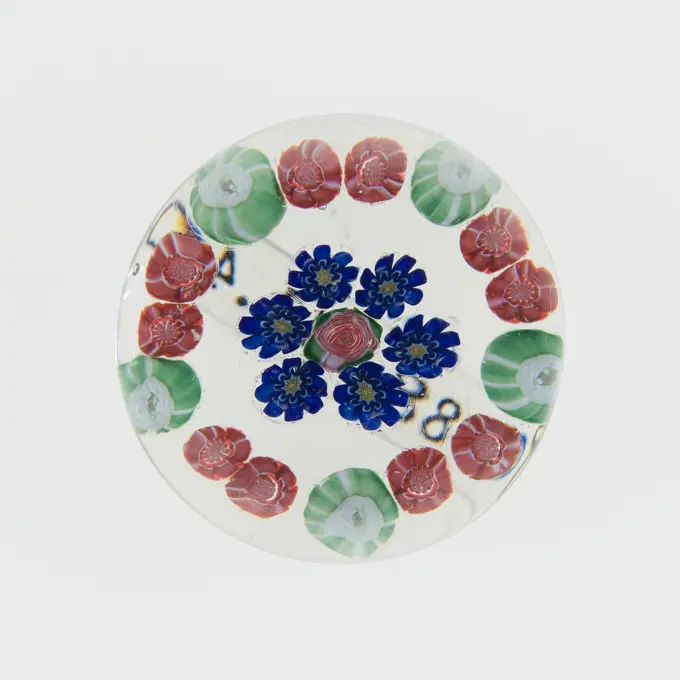
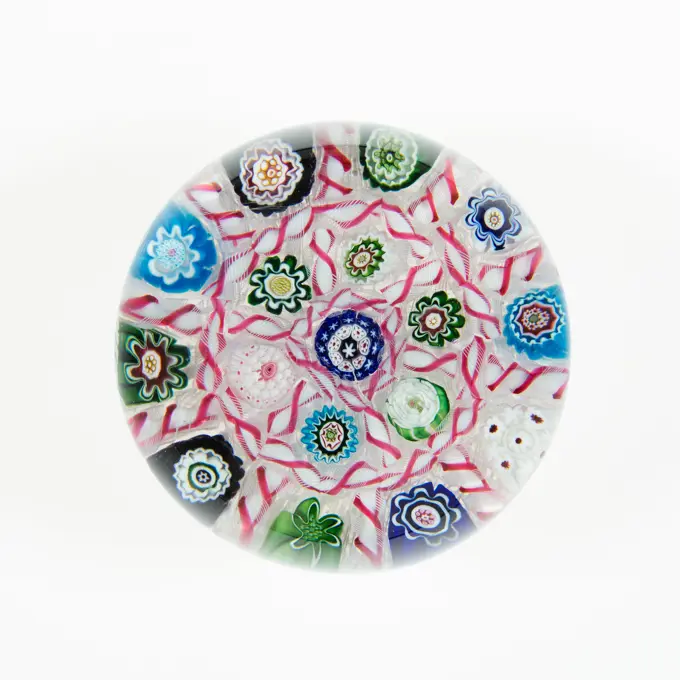
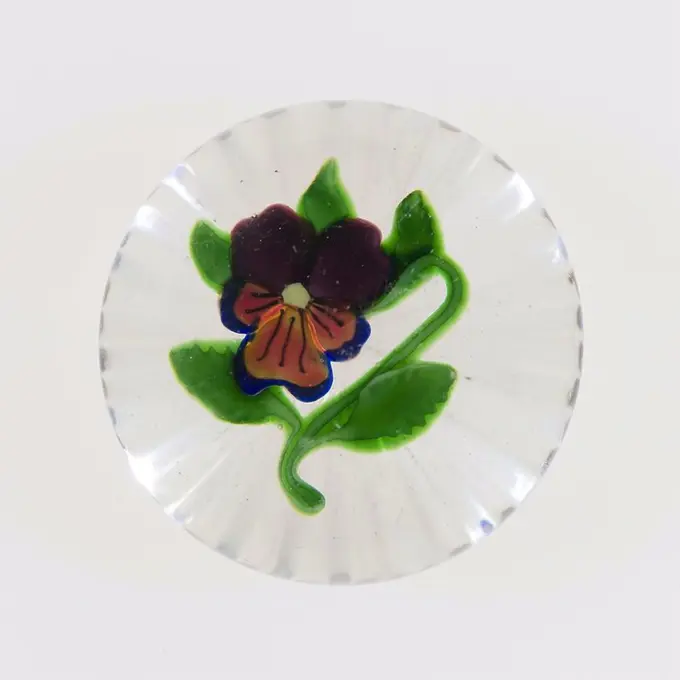
A collection of exquisite millefiori glass paperweights featuring floral designs in vibrant colors, showcasing French and Italian glass-making heritage from the 19th century.
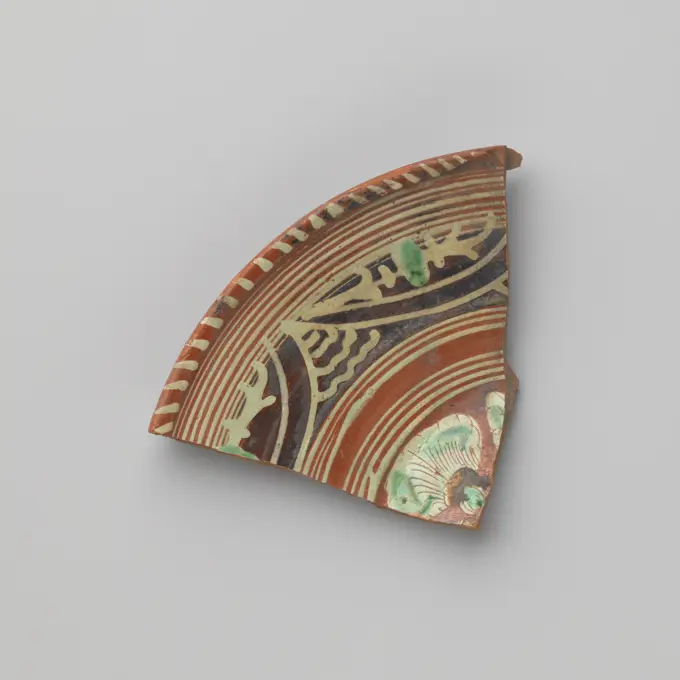
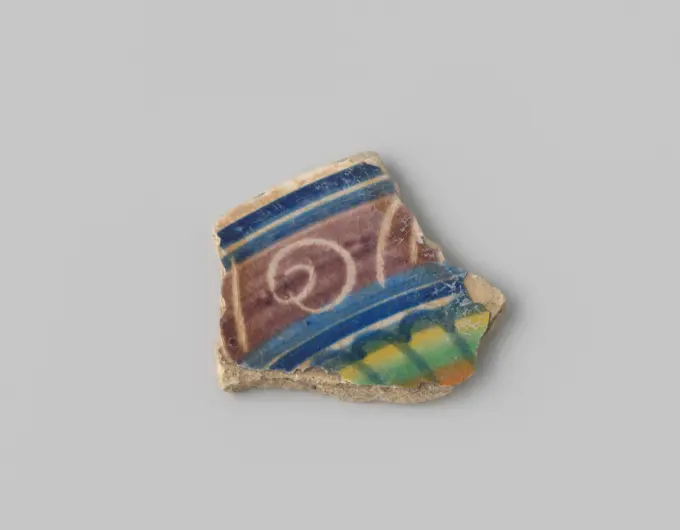
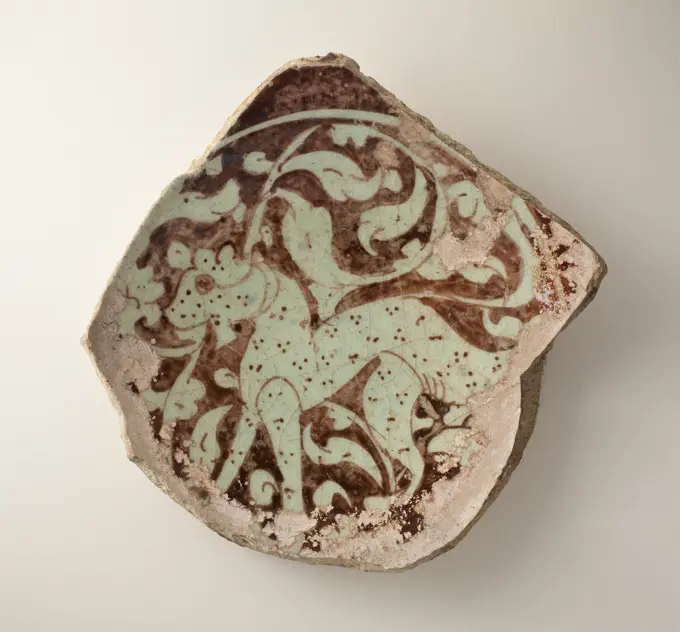
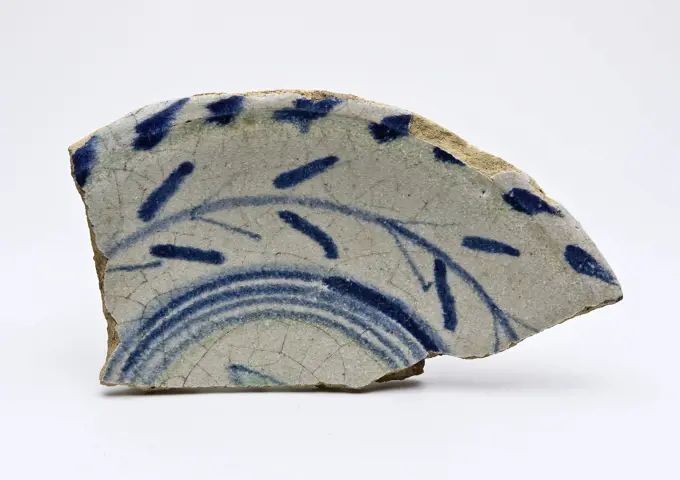
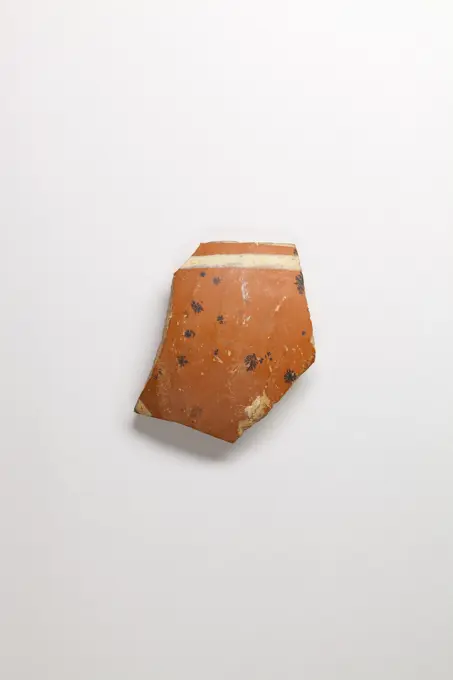
Saucer, fragment, with flower in sludge technology, anonymous, c. 1590 - c. 1620 Fragment of a dish of lead glaze pottery. The fragment is decorated in the middle in sludge technology with a flower chalice. Wanfried earthenware. lead glaze Fragment of a dish of lead glaze pottery. The fragment is decorated in the middle in sludge technology with a flower chalice. Wanfried earthenware. lead glaze
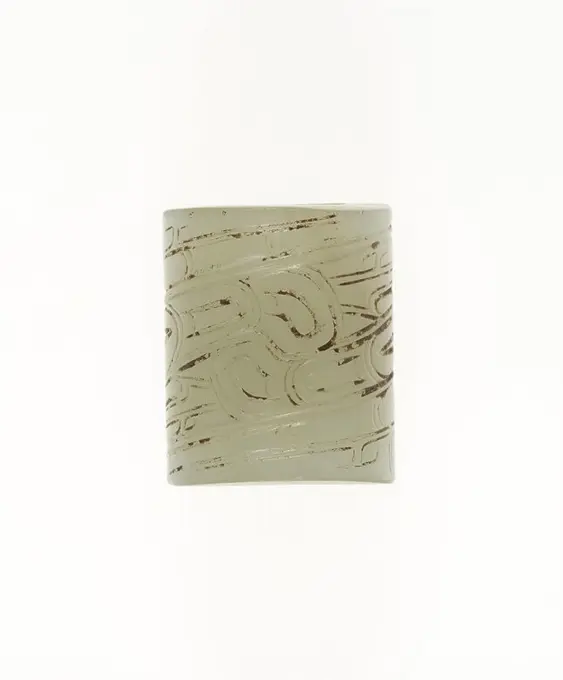
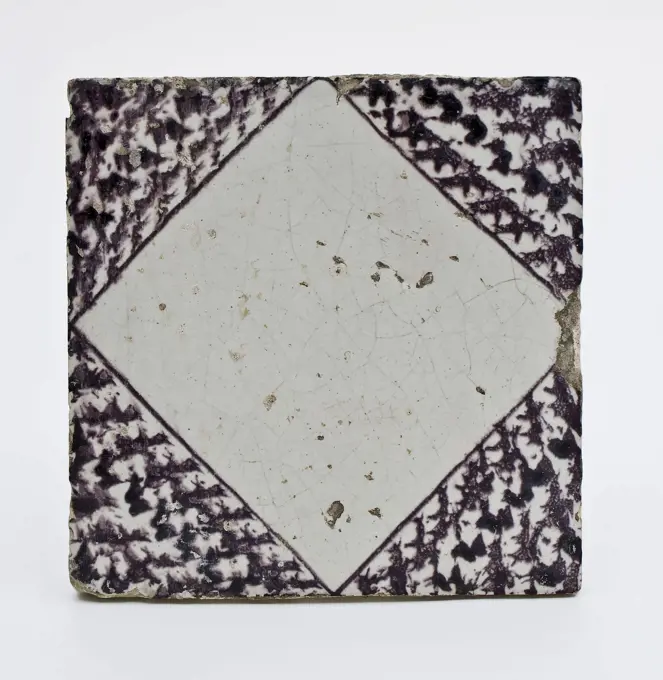
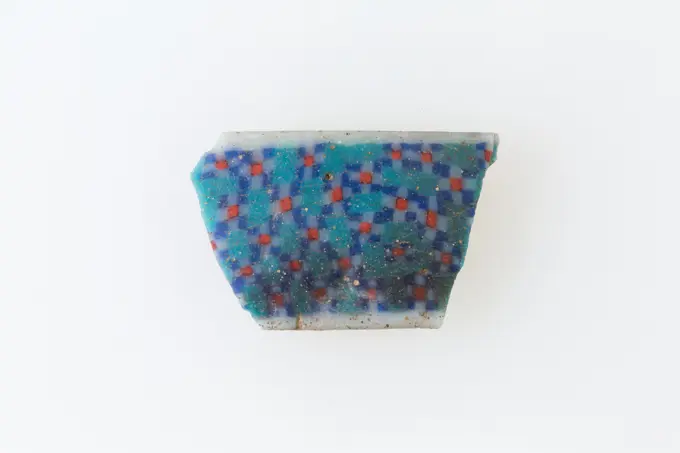
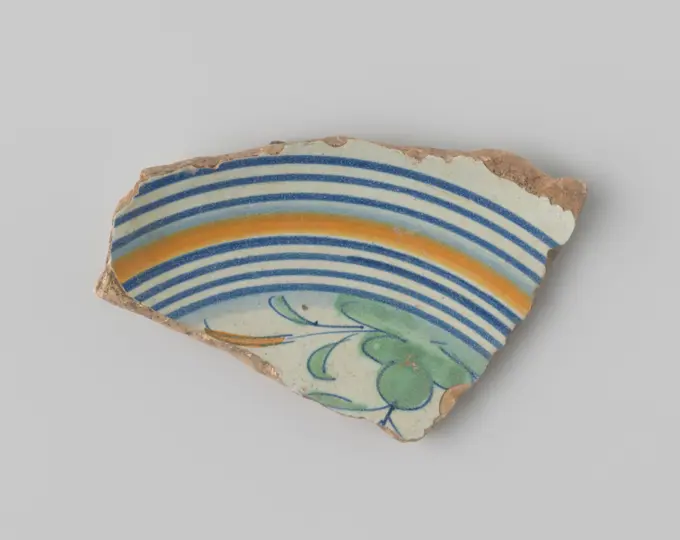
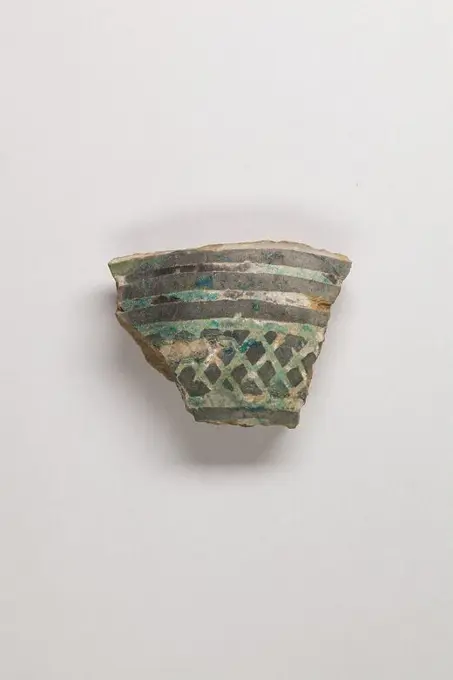
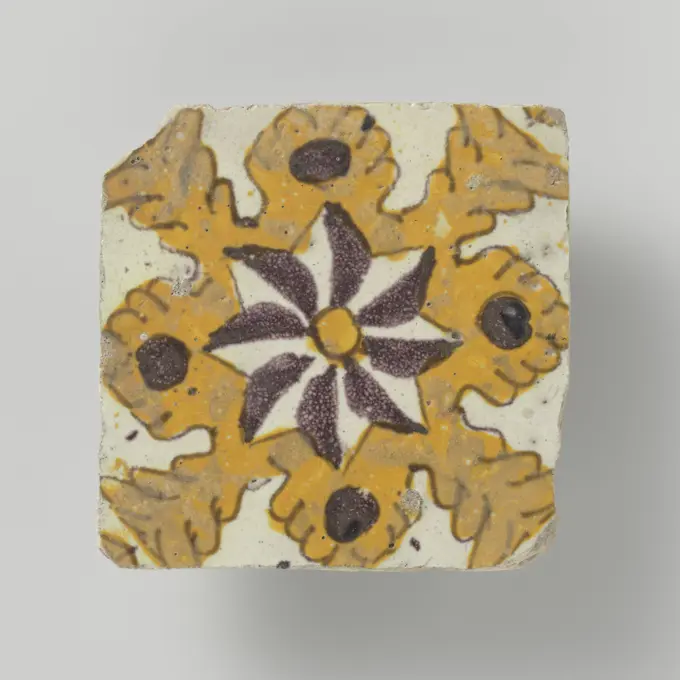
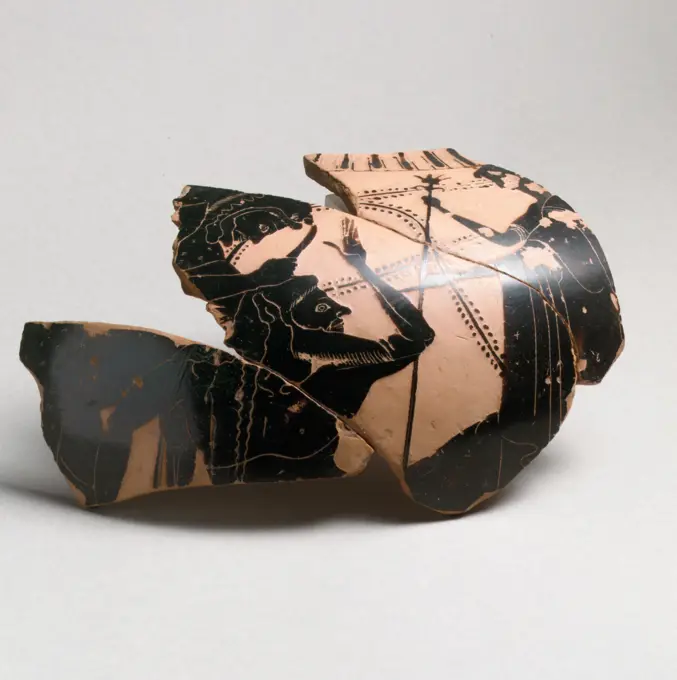
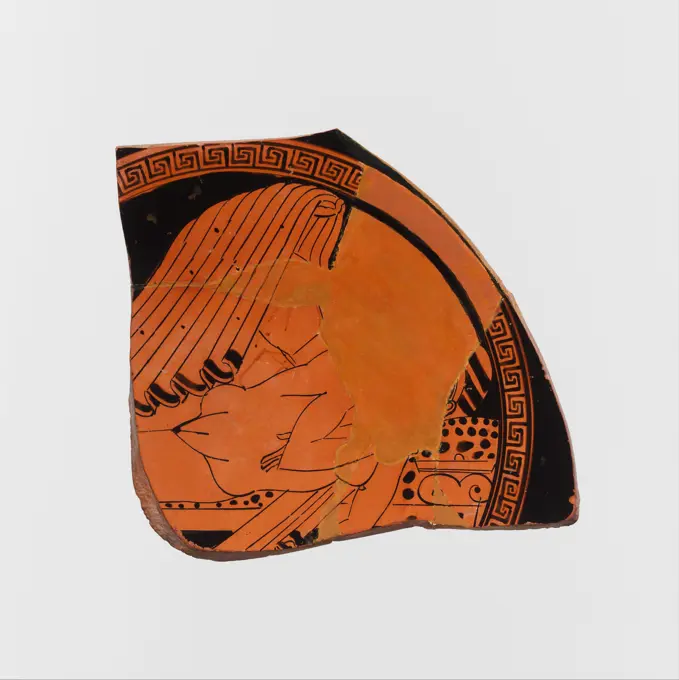
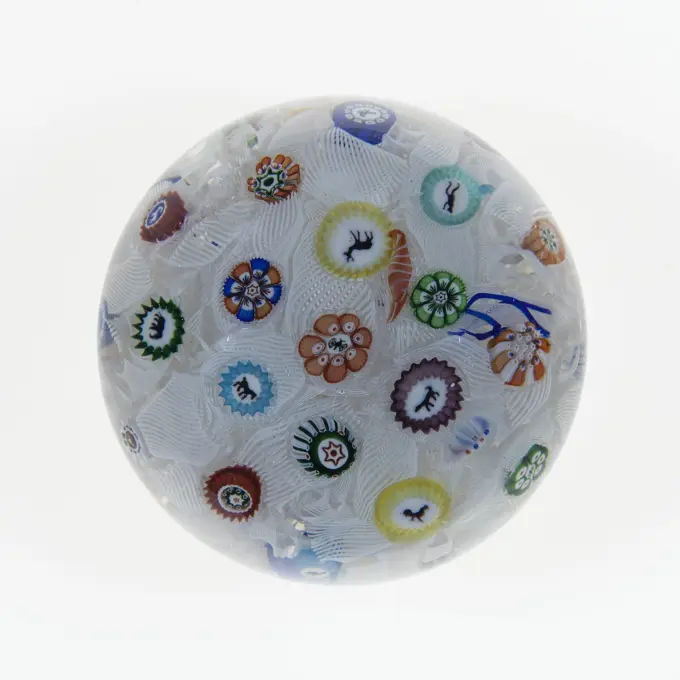
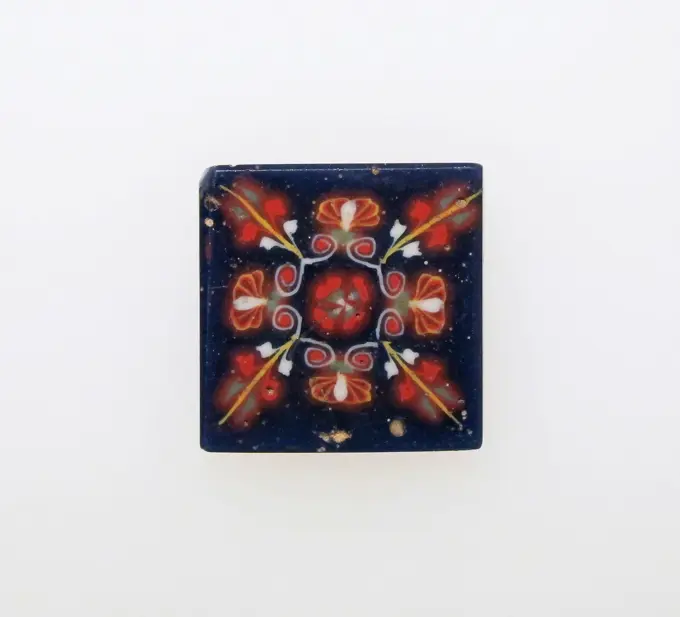
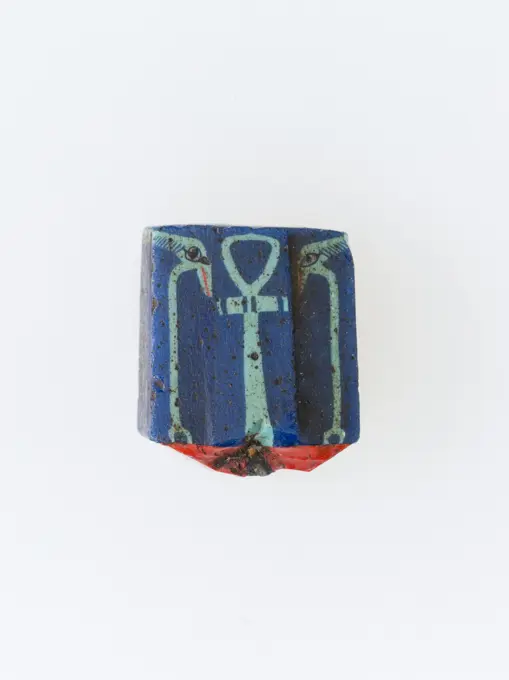
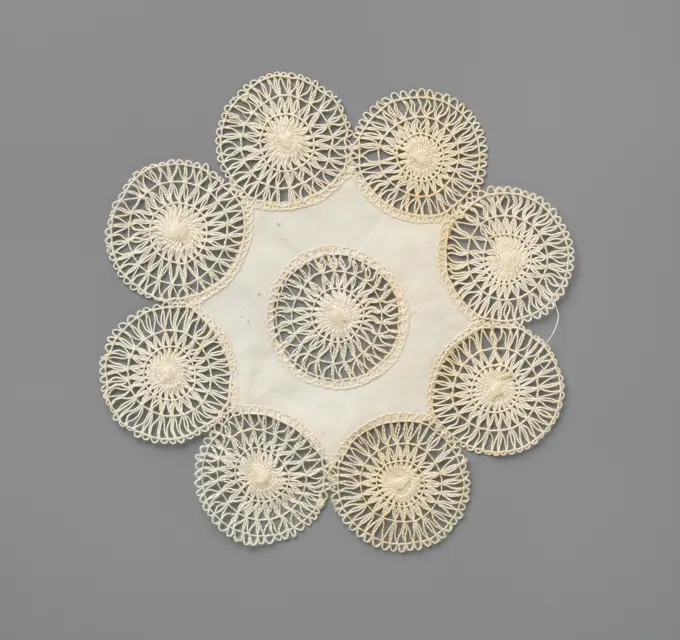
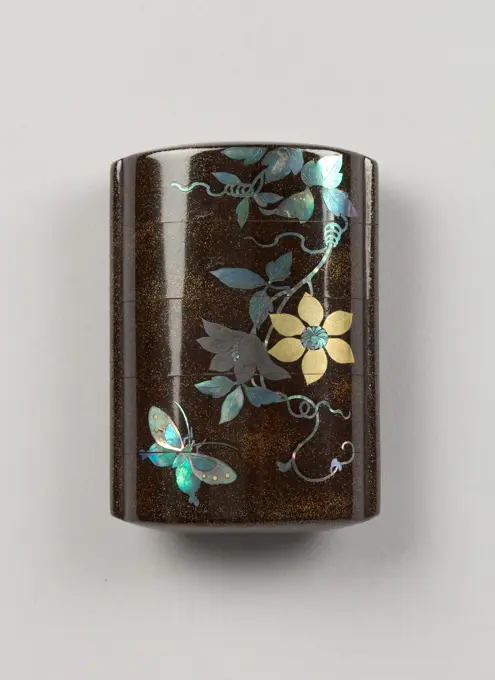
Paperweight 1800-1899 Clichy. This paperweight uses a traditional glass-making technique called millefiori to great effect. Italian for ìone thousand flowers,î millefiori was first developed in fifteenth-century Venice. In the nineteenth century, French glassmakers revived the technique with a cultural twist. Arranged to evoke traditional French gardens such as the Tuileries in Paris, paperweights like this example brought a little of this landscaping magic indoors.From the late 1840s to early 1860s, French manufacturers of fine glass and crystalósuch as Baccarat (Alsace), Clichy (Paris), and Saint-Louis (Lorraine)ócatered to the vast public enthusiasm for beautiful yet functional desk accessories. Paperweights, which were designed to secure loose papers against drafts, were among their most popular products.. Glass . Clichy GlasshouseWall Facing (Holland); tin-glazed earthenware, underglazeTile Wall Facing (Holland); tin-glazed earthenware, underglazeTile Wall Facing (Netherlands); tin-glazed earthenware, underglazeWall Facing (Holland); tin-glazed earthenware, underglazeSharf of white -baking earthenware, with a backdrop of plants in blue at the front, c. 1500 - c. 1899 fragment   earthenware. glazeGlass mosaic fragment late 1st century B.C.-early 1st century A.D. Roman Thin-walled bottom fragment.Translucent purple, opaque white and yellow, and colorless.Flat, curving upward along two edges.Confused pattern of mosaic lengths including a colorless network cane wound spirally with two white threads.Polished exterior; pitting of surface bubbles on exterior; dulling, pitting, and creamy iridescent weathering on interior and edges.. Glass mosaic fragment 257321Bead. China. Date: 1000 BC-800 BC. Dimensions: H. 2.2 cm (7/8 in.); diam. 1.8 cm (11/16 in.). Jade. Origin: China. Museum: The Chicago Art Institute, Chicago, USA.Saucer, fragment, with flower in sludge technology, anonymous, c. 1590 - c. 1620 Fragment of a dish of lead glaze pottery. The fragment is decorated in the middle in sludge technology with a flower chalice. Wanfried earthenware. lead glaze Fragment of a dish of lead glaze pottery. The fragment is decorated in the middle in sludge technology with a flower chalice. Wanfried earthenware. lead glazePaperweight 1840-1865 France. Technological improvements to optical scientific instruments in the mid-nineteenth century spurred a veritable obsession across Europe with identifying and classifying the natural world. Amateur botanists were eager to collect and preserve floral specimens, which they intently researched and catalogued. In response to this broad appeal, French glassmakers made paperweights that portrayed the very botanical subjects that were so enthusiastically sought. Many weights represented specimens with horticultural correctness, but others were entirely fanciful creations. Paperweights like this example speak to the periodís fascination with taxonomic systems.From the late 1840s to early 1860s, French manufacturers of fine glass and crystalósuch as Baccarat (Alsace), Clichy (Paris), and Saint-Louis (Lorraine)ócatered to the vast public enthusiasm for beautiful yet functional desk accessories. Paperweights, which were designed to secure loose papers against drafts, weTile Wall Facing (Netherlands); tin-glazed earthenware, underglazePlate with Horse Decoration ca. 7th-9th century Central Asia or Eastern Iran. Plate with Horse Decoration. Central Asia or Eastern Iran. ca. 7th-9th century. Bronze with high tin content. MetalworkScherven from signs from the wreck of the East Indieschief Hollandia. Porcelain, plate, type 2; Fragm, Fragm or Rim SIM. NG 1980-27H2624H; Fragm or Center.Wall Facing (Holland); tin-glazed earthenware, underglazeTile with white squared and pitched corner fill in manganese, wall tile tile visualization earth discovery ceramics earthenware glaze tin glazing, shaped baked baked glazed painted baked Tile with white squared Corner filling consists of fully tamped or dotted spots in manganese purple archeology City Triangle Rotterdam Laurenskerk indigenous pottery Soil discovery found during the restoration of the Laurenskerk in Rotterdam.Glass mosaic bowl fragment. Culture: Roman. Dimensions: 9/16 × 1 3/4 × 1/8 in. (1.4 × 4.5 × 0.3 cm)Estimated diameter: 7 1/16 in. (18 cm). Date: late 1st century B.C.-early 1st century A.D..Translucent turquoise blue appearing green, opaque yellow, white, and red.Outsplayed rim with beveled edge; vertical side, possibly from a large, deep bowl.Composite mosaic pattern formed from sections of a single cane in a turquoise blue ground dotted with numerous yellow rods and occasional red streaks, surrounding a central rod of uncertain color (blue or purple) outlined by rings in yellow, red, and white.Polished interior; slight pitting of surface bubbles on interior; creamy weathering and iridescence on exterior; some iridescent weathering on jagged edges. Museum: Metropolitan Museum of Art, New York, USA.Carnavalet museum, tokens collectionTile Wall Facing (Netherlands); tin-glazed earthenware, underglazeWall Facing (Netherlands); tin-glazed earthenware, underglaze; 5 tiles tall, various widePaperweight 1840-1865 France. Glass . Compagnie de Saint LouisWall Facing (Holland); tin-glazed earthenware, underglaze; 5 tiles tall, various wideWall Facing (Netherlands); tin-glazed earthenware, underglazeFloor Tile with Bone Pattern 1450-1500 Manises. Tin-glazed earthenware .Inlay fragment, patten of diamonds formed from smaller squares 100 BC-100 AD Ptolemaic Period-Roman Period A mosaic glass technique allowed multiples of an image to be created: a figural or design composition was made by bundling colored glass canes, which were then drawn out into a long bar. The bar was then sectioned at right angles, probably by striking the bar with appropriate tools, to produce small inlay tiles. The tile would then be smoothed and polished on the face intended to appear outwards.. Inlay fragment, patten of diamonds formed from smaller squares. 100 BC-100 AD. Glass. Ptolemaic Period-Roman Period. From Egypt, Upper Egypt, ThebesCylindrical flowerpot on stand. unknown, craftsmanFor a long time; unpredictable Lona Manufaktura; 16th century (1501-00-00-1600-00-00);. Three fragments of the vase of blue painted faience, with the Invnr. BK-1979-22-a. A fragment is part of the foot and the other two fragments are parts of the wall. The fragments are soil finds from Delft.Paperweight 1840-1865 France. Glass . Clichy GlasshouseTile from the castle of Breda, Anonymous, c. 1500 - c. 1550 Floor tile with a multicolored (blue, green and orange) decoration of a radical motif. Antwerp earthenware. earthenware. tin glaze majolica  Breda Floor tile with a multicolored (blue, green and orange) decoration of a radical motif. Antwerp earthenware. earthenware. tin glaze majolica  BredaFragment 14th century. Fragment 445465Wall Facing (Holland); tin-glazed earthenware, underglazeSharf of red -baking earthenware, with a painting of stripes in blue and orange, and a bush in green, c. 1500 - c. 1899 fragment   earthenware. glazeVase fragment. Dimensions: h. 3.3 cm (1 5/16 in); w. 2.7 cm (1 1/16 in). Dynasty: Dynasty 12-13. Date: ca. 1981-1640 B.C.. Museum: Metropolitan Museum of Art, New York, USA.Paperweight 1801-1900 Clichy. Glass . Clichy GlasshouseTile, Anonymous, 1600 - 1800 Tile, painted in yellow, manganese. Lobbed rosette, in which an eight -pointed star. In the corners of a quarter of huge corners, connected to the rosette with a thin line. Tunisia (Possible) Morocco (Possible) earthenware. tin glaze Tile, painted in yellow, manganese. Lobbed rosette, in which an eight -pointed star. In the corners of a quarter of huge corners, connected to the rosette with a thin line. Tunisia (Possible) Morocco (Possible) earthenware. tin glazeBox with lid, square, covered with blue-green silk and trimmed with white tape. Box with lid, square, covered with blue-green silk (satin). The lid is trimmed with a white silk strap. The bottom of the box is covered with blue silk (ribs). In the box there is an orange roset (silk tire) with metal sequence.Corner tileNeck-amphora, fragmentary ca. 525-500 B.C. Attributed to the Leagros Group. Neck-amphora, fragmentary 250811 : Attributed to the Leagros Group, Neck-amphora, fragmentary, ca. 525500 B.C., Terracotta, 4 3/4 x 7 1/4in. (12.1 x 18.4cm) Other (Greatest Width): 7 1/4in. (18.4cm) Other (greatest height): 4 3/4in. (12.1cm). The Metropolitan Museum of Art, New York. Rogers Fund, 1919 (19.192.79af)Fragment of a terracotta kylix (drinking cup) Attributed to the Eucharides Painter ca. 490 BCE Interior, lovemakingThe Eucharides Painter was a particularly versatile artist. He worked in both the red-figure and black-figure techniques, and although he specialized in large vases, he also decorated some cups.Glass network mosaic fragment late 1st century B.C.-early 1st century A.D. Roman Body fragment.Colorless, with opaque white.Convex curving side, sloping in at an acute angle to concave bottom.Nine parallel canes decorated with two spirally twisted threads.Many pinprick bubbles; exterior polished; slight pitting of surface bubbles; creamy iridescent weathering on interior; jagged, weathered edges.. Glass network mosaic fragment 257343Tile Wall Facing (Netherlands); tin-glazed earthenware, underglazeScherf of a pot from the wreck of the East Indians Hollandia, Anonymous, 1700 - in Or Before 1743 pot Stoneware, Rhenish, Westerwald, pot; of body, sim. NG 1980-27H2624r. Westerwald stoneware   SecondHat rosette of pleated ribbon in silver, red and in the center blue, anonymous, c. 1800 - c. 1815 Hat rosette of pleated ribbon in silver, red and in the center blue. Netherlands silk Hat rosette of pleated ribbon in silver, red and in the center blue. Netherlands silkScale, leaf shaped. Scale of porcelain, leaf-shaped scallops, on one side with an acanthus sheet embossed. Edge and leaf with golden trim. Part of a crockery, painted in sepia with landscapes or topographical faces.Button from the wreck of the East Indied Flying Heart. Button from edited mother-of-pearl.Wall Facing (Holland); tin-glazed earthenware, underglazeSpinkaDish With Decoration Yellow Plomp, Royal Porcelain Factory Copenhagen, 1897 Porcelain dish, polychrome painted with the yellow plump, a lily-like flower, in the two colors blue, green, two colors of gray and a little yellow-brown. Marked with: three golf lines, N. 8, followed by a symbol and 6387. In underlaze blue. Copenhagen (city) porcelain Porcelain dish, polychrome painted with the yellow plump, a lily-like flower, in the two colors blue, green, two colors of gray and a little yellow-brown. Marked with: three golf lines, N. 8, followed by a symbol and 6387. In underlaze blue. Copenhagen (city) porcelainPaperweight 1848 Baccarat. The colorful geometric clusters embedded in this paperweight reflect the nineteenth-century European fascination with optical effects. Sir David Brewster invented the kaleidoscope in 1815, and its colorful and changing patterns brought great visual entertainment. Paperweights such as this example reformed this childlike pastime for a sophisticated adult audience. Depicted in glass were tiny glittering flowers, small black and blue cameos of figures, and even miniature bottlecaps. These were delicately arranged within the orb for the observant eye to discover.From the late 1840s to early 1860s, French manufacturers of fine glass and crystalósuch as Baccarat (Alsace), Clichy (Paris), and Saint-Louis (Lorraine)ócatered to the vast public enthusiasm for beautiful yet functional desk accessories. Paperweights, which were designed to secure loose papers against drafts, were among their most popular products.. Glass . Baccarat GlassworksInlay fragment, network pattern with centers. Dimensions: H. 3 × W. 3 cm (1 3/16 × 1 3/16 in.). Date: 100 BC-100 AD.A mosaic glass technique allowed multiples of an image to be created: a figural or design composition was made by bundling colored glass canes, which were then drawn out into a long bar. The bar was then sectioned at right angles, probably by striking the bar with appropriate tools, to produce small inlay tiles. The tile would then be smoothed and polished on the face intended to appear outwards. Museum: Metropolitan Museum of Art, New York, USA.Shards of a bowl from V.O.C. ship De 'Witte Leeuw', Before 1613 bowl Shards of a bowl from V.O.C. ship the 'Witte Leeuw'.  porcelain   Sint-HelenaMosaic glass inlay late 1st century B.C.-1st century A.D. Roman Translucent cobalt blue ground; decoration in opaque white, yellow, red, reddish brown, and greyish green.Square, flat plaque with beveled edges.Symmetrical lotus and palmette motif arranged around a central four-petaled rosette, with a long lotus flower at each corner with spiral volutes below forming a frame to the central rosette, and a short palmette on each side.Intact, with one surface crack running from edge on one side; upper and underside and all edges ground and polished; pitted surface bubbles.. Mosaic glass inlay. Roman. late 1st century B.C.-1st century A.D.. Glass. Early Imperial. GlassScherf Majolica with multicolored decoration, anonymous, 1500 - 1699  Majolic screen. Northern Netherlands earthenware. glaze. Tsuba in the form of Aoi leaves; At the front in Iroe-Taka-Zogan the fishing Taikobo, sheltered by a large empty basket; at the rear a landscape with a stream and pine trees; Signed "Geiyoju Ippodo Akimasa".Shard. Syria, Raqqa, 13th century. Ceramics. Fritware, overglaze luster paintedWall Facing (Holland); tin-glazed earthenware, underglaze; 5 tiles tall, various widePaperweight 1801-1900 Saint-Louis. The colorful geometric clusters embedded in this paperweight reflect the nineteenth-century European fascination with optical effects. Sir David Brewster invented the kaleidoscope in 1815, and its colorful and changing patterns brought great visual entertainment. Paperweights such as this example reformed this childlike pastime for a sophisticated adult audience. Depicted in glass were tiny glittering flowers, small black and blue cameos of figures, and even miniature bottlecaps. These were delicately arranged within the orb for the observant eye to discover.From the late 1840s to early 1860s, French manufacturers of fine glass and crystalósuch as Baccarat (Alsace), Clichy (Paris), and Saint-Louis (Lorraine)ócatered to the vast public enthusiasm for beautiful yet functional desk accessories. Paperweights, which were designed to secure loose papers against drafts, were among their most popular products.. Glass . Compagnie de Saint LouisTile Wall Facing (Holland); tin-glazed earthenware, underglazePaperweight 1801-1900 Clichy. The colorful geometric clusters embedded in this paperweight reflect the nineteenth-century European fascination with optical effects. Sir David Brewster invented the kaleidoscope in 1815, and its colorful and changing patterns brought great visual entertainment. Paperweights such as this example reformed this childlike pastime for a sophisticated adult audience. Depicted in glass were tiny glittering flowers, small black and blue cameos of figures, and even miniature bottlecaps. These were delicately arranged within the orb for the observant eye to discover.From the late 1840s to early 1860s, French manufacturers of fine glass and crystalósuch as Baccarat (Alsace), Clichy (Paris), and Saint-Louis (Lorraine)ócatered to the vast public enthusiasm for beautiful yet functional desk accessories. Paperweights, which were designed to secure loose papers against drafts, were among their most popular products.. Glass . Clichy GlasshouseInlay, ankh, was scepters 100 BC-100 AD Ptolemaic Period-Roman Period A mosaic glass technique allowed multiples of an image to be created: a figural or design composition was made by bundling colored glass canes, which were then drawn out into a long bar. The bar was then sectioned at right angles, probably by striking the bar with appropriate tools, to produce small inlay tiles. The tile would then be smoothed and polished on the face intended to appear outwards.. Inlay, ankh, was scepters. 100 BC-100 AD. Glass. Ptolemaic Period-Roman Period. From EgyptRond kleedje van linnen met zonnen van naaldkant in het centrum en langs de randen.Dress of linen with in the center and along the edge naturallar-colored sunny side (needle side): Tenerife. Round model, star-shaped linen, with round shelter. The outer edge is formed by eight circles with a needle lace filling of blasting wires. An equal circle has been worked in the middle of the dress.Case (Inr) with Design of Butterflies in Flight above Flowering Clematis 19th century Japan. Case (Inr) with Design of Butterflies in Flight above Flowering Clematis. Japan. 19th century. Lacquer, roiro, nashiji, gold foil, aogai inlay; Interior: red lacquer, nashiji and fundame. InrPlate. Culture: British. Dimensions: Diam. 5 in. (12.7 cm). Date: ca. 1885. Museum: Metropolitan Museum of Art, New York, USA.Tile Wall Facing (Holland); tin-glazed earthenware, underglazeApplique. Applique in the form of a taotie in light green with light brown spots tried jadeSea ShellShagreen Matchsafe; probably France; shagreen, plated metal; 4.9 x 4 x 1.2 cm (1 15/16 x 1 9/16 x 1/2 in. )Fragment of majolica dish with wreath decor in the flag, dish plate board plate soil find ceramic earthenware glaze tin glaze lead glaze, majolica baked 2x painted glazed Fragment of small sized majolica dish. Wreath decor over part of the flag and rope decor over the saucer edge Small image unknown in the mirror surrounded by five blue circles. Fried on praars Onderzijde covered with bright lead glaze Poor mixed earthenware archeology Rotterdam City triangle indigenous pottery serving serve serving decorate Schielandshuis Soil discovery: Schielandshuis 1982.Glass pendant in the form of a bull's head. Culture: Greek, Eastern Mediterranean. Dimensions: H.: 13/16 in. (2.1 cm). Date: late 2nd-1st century B.C..Colorless.Solid, vertical pendant, with mold marks running up sides and top of head and over loop; on top of head, a small vertical suspension loop; flat back with tiny central hole.Head of bull, with horns and ears, prominent eyebrows, and bulging eyes; star rosette on forehead.Intact but chipped around edges; some pitting and faint iridescent weathering. Museum: Metropolitan Museum of Art, New York, USA.Brooch -Bird Plaque Ornament. Culture: Vicús. Dimensions: H. 2 x W. 2 in. (5 x 5 cm). Date: 3rd century B.C.-A.D. 2nd century. Museum: Metropolitan Museum of Art, New York, USA.Engraved Lentoid Gem. UnknownPair of Plates for the Back End-Boards of a Saddle probably 18th century Tibetan. Pair of Plates for the Back End-Boards of a Saddle 26662Wall Facing (Holland); tin-glazed earthenware, underglazeScale, in the form of a rocaille, Petrus Regout, 1867 Sale of earthenware, in the form of a rocaille, with blue continuous flower decor, belonging to a children's service. Maastricht . Sale of earthenware, in the form of a rocaille, with blue continuous flower decor, belonging to a children's service. Maastricht .Paperweight 1801-1900 Clichy. Glass . Clichy GlasshouseScale, in the form of a rocaille. Scale of pottery, in the form of a rocaille, with blue-running floral decor, belonging to a children's service.Tile ca. 1882-84 J. and J. G. Low Art Tile Works. Tile 8524Shards of a dish from the wreck of the East India Hollandia.Porcelain, Saucer, type 2; Fragm or base, fragm or rim sim. NG 1979-209H1318.Sharf of a sign from the wreck of the East Indians Hollandia, Anonymous, 1700 - in Or Before 1743 plate (dishes) Porcelain, plate, type 3; fragm of rim, sim. NG 1980-27H3202c. Netherlands porcelain   SecondTerrine of multi -colored FUNUCE, in the form of a grapes, the Greek A, 1765 - 1768 Turen Terrine in the form of a grape vent. With accompanying lid and underpot. Delft .Shard of a plate from the wreck of the East India hollandiaia. Porcelain, plate, type 3; Fragm or base, sim. NG 1980-27H3202C.Paperweight 1840-1865 France. Glass . Clichy GlasshouseBandbox (France); block-printed paper on pasteboard support; 11 x 11 x 8 cm (4 5/16 x 4 5/16 x 3 1/8 in.)Fragment Wijnkan from V.O.C. ship De 'Witte Leeuw', Before 1613  Fragment Wijnkan from V.O.C. ship De 'Witte Leeuw'. Jingdezhen bone china (material)   Sint-HelenaBonbonnière in the Form of a Quince 1780-1800 Bilston. Polychrome enamel on copper with metal mountsBread plate - Quebec Views Robert Cochran & Company, 1846-1896 Robert Cochran & Company, 1846-1896Wing Oyster Pendant with Incised BirdHead.   Maker: UnknownPlanets-manager. Cornalet Collection Sites 2013-2016. Numismatic.Glass inlated enamel plate. 1898, Middle East, Israel and/or PalestineShards of Kommen from V.O.C. ship De 'Witte Leeuw', Before 1613 bowl Shards of Kommen from V.O.C. ship De 'Witte Leeuw'.  porcelain   Sint-HelenaPlate. Culture: British. Dimensions: Diam. 5 in. (12.7 cm). Date: ca. 1885. Museum: Metropolitan Museum of Art, New York, USA.Paperweight 1840-1865 France. This paperweight uses a traditional glass-making technique called millefiori to great effect. Italian for ìone thousand flowers,î millefiori was first developed in fifteenth-century Venice. In the nineteenth century, French glassmakers revived the technique with a cultural twist. Arranged to evoke traditional French gardens such as the Tuileries in Paris, paperweights like this example brought a little of this landscaping magic indoors.From the late 1840s to early 1860s, French manufacturers of fine glass and crystalósuch as Baccarat (Alsace), Clichy (Paris), and Saint-Louis (Lorraine)ócatered to the vast public enthusiasm for beautiful yet functional desk accessories. Paperweights, which were designed to secure loose papers against drafts, were among their most popular products.. Glass . Compagnie de Saint LouisVase fragment Roman Fragment of applied medallion.. Vase fragment 250480Fragment of a Mosaic Glass Vessel. Unknown 1st century B.C.-1st century A.D. Light purple with canes of red, light blue and yellow arranged in a rosette pattern.Minoan body sherd ca. 1981-1640 B.C. Middle Kingdom. Minoan body sherd 556882Textile, Granate; Designed by Carl Krenek; Made for Wiener Werkstätte (Austria); silk; Height: 7.3 cm (2 7/8 in.) Width: 18.7 cm (7 3/8 in.)Paperweight 1840-1865 France. Glass . Compagnie de Saint LouisPaperweight. Saint-Louis; France, founded 1767. Date: 1848. Dimensions: Diam. 6.8 cm (2 11/16 in.). Glass. Origin: France. Museum: The Chicago Art Institute, Chicago, USA. Author: Compagnie de Saint Louis.Sword Guard (Tsuba) dated 1757 Japanese A tsuba is a sword guard and part of a sword mounting. It is mounted between the swords blade and grip to protect the users hands.. Sword Guard (Tsuba) 34977