Musical Instruments Display

Elegant close-up shots of violins and cellos set against dark and colorful backgrounds, showcasing their craftsmanship and beauty.
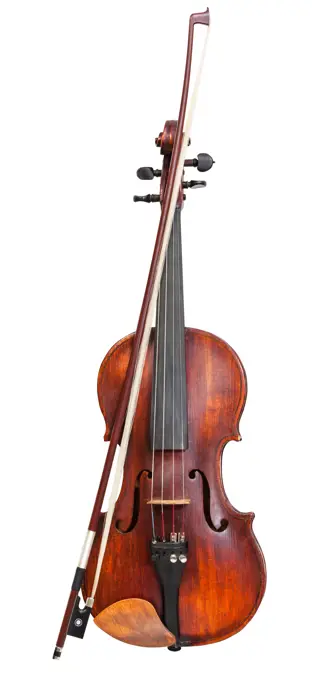
front view of violin with wooden chinrest and bow front view of full size violin with wooden chinrest and bow isolated on white background Copyright: xZoonar.com/ValeryxVoennyyx 8079172
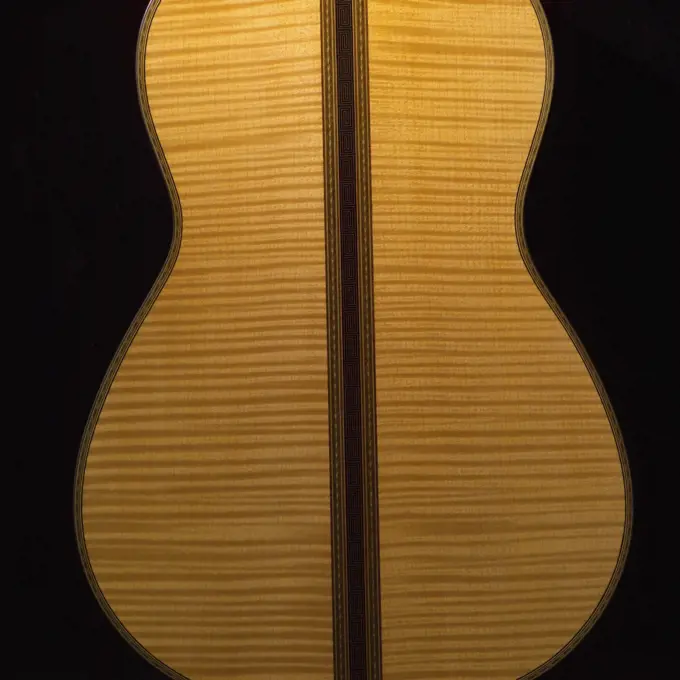
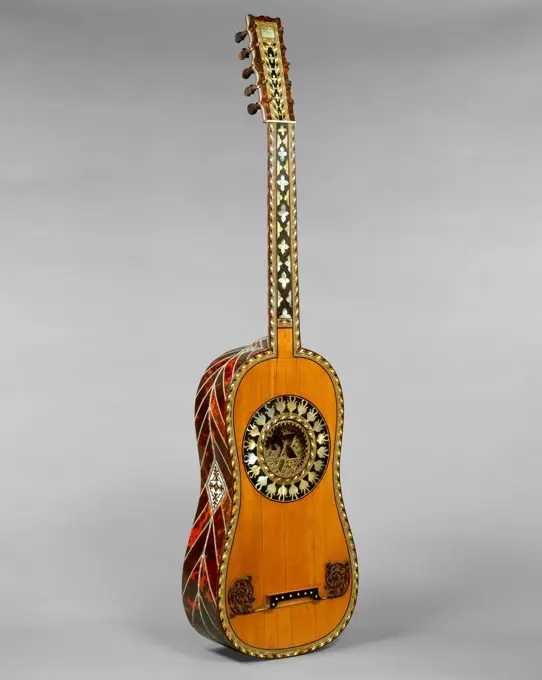
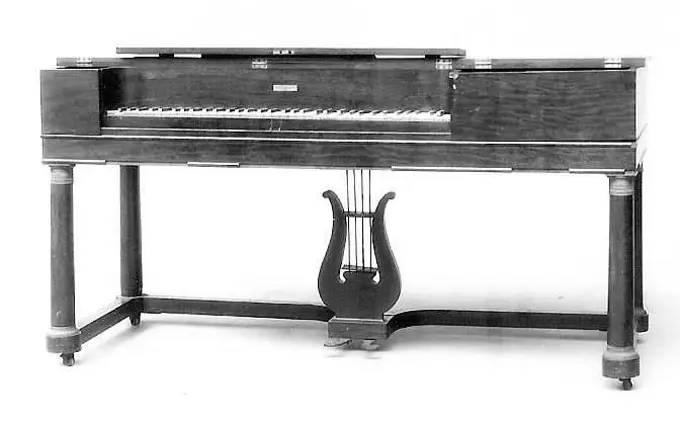
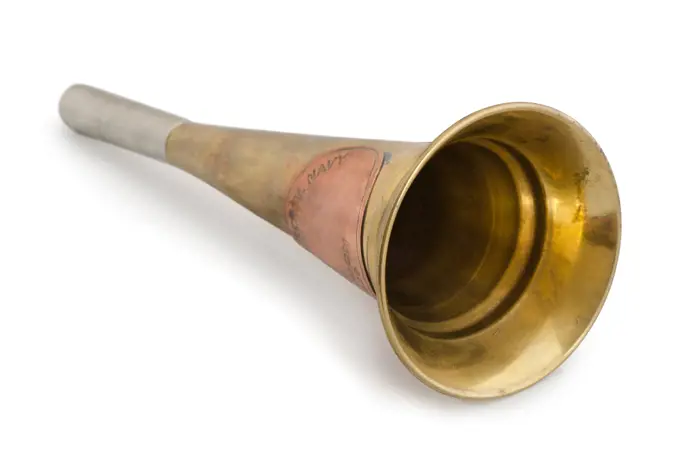
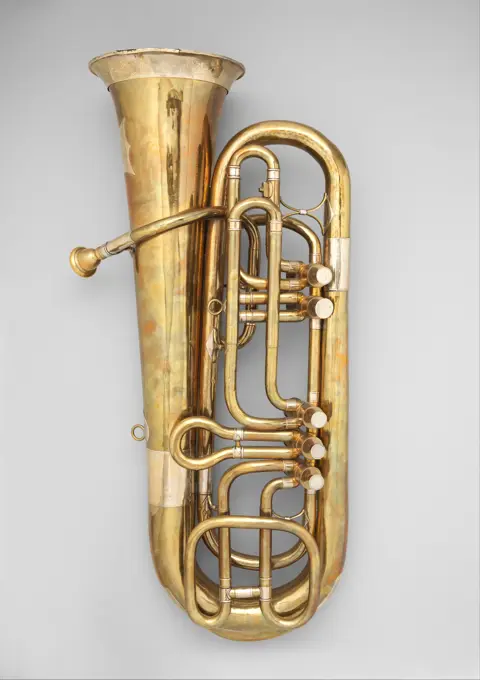
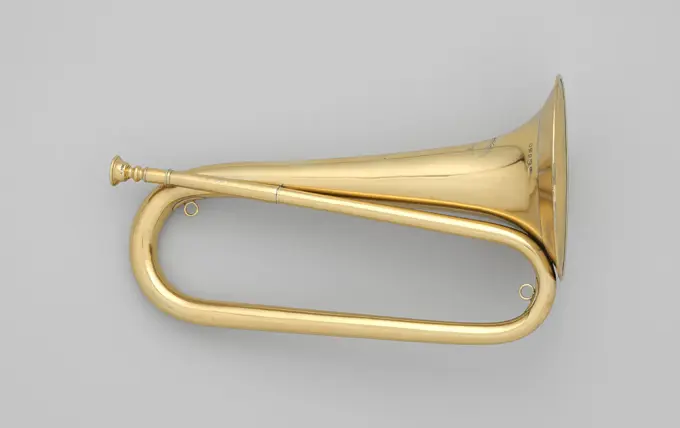
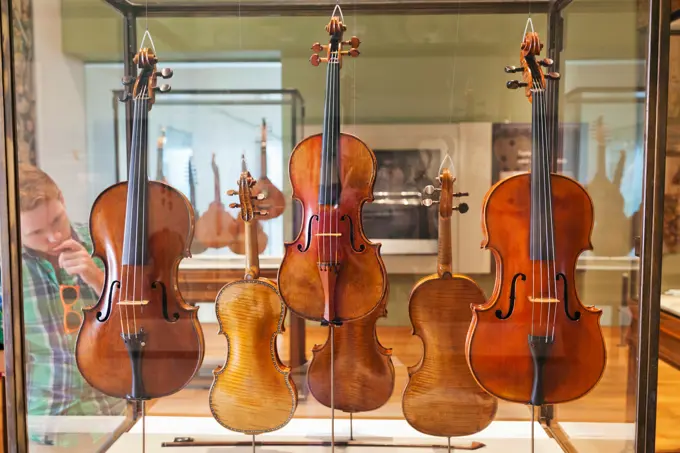
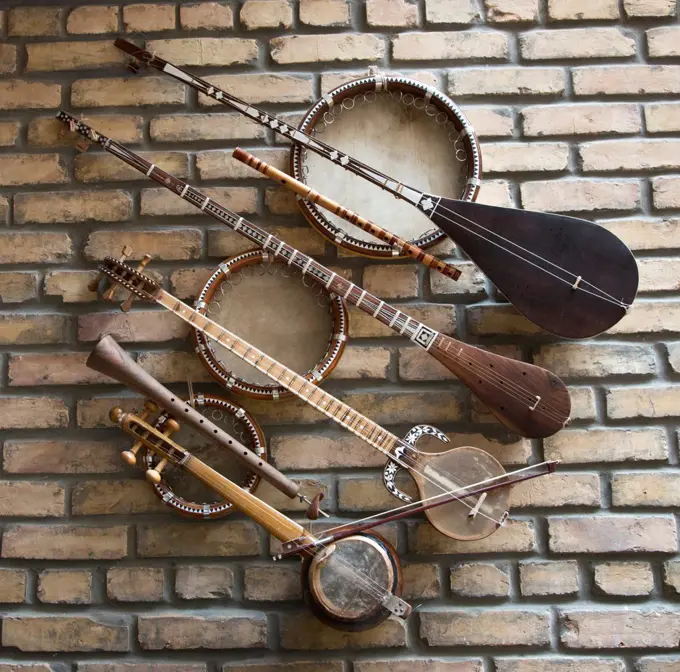
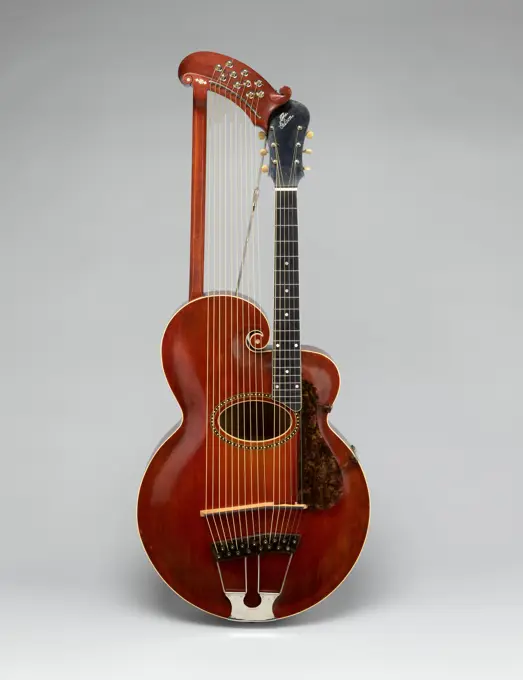
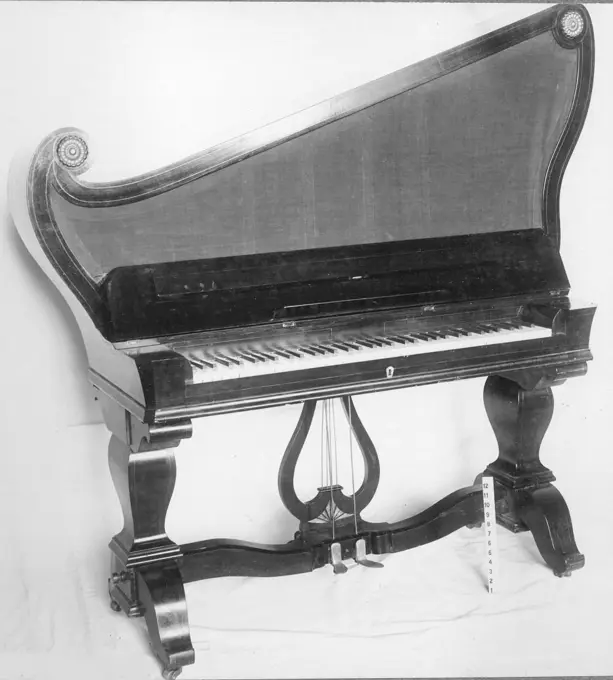
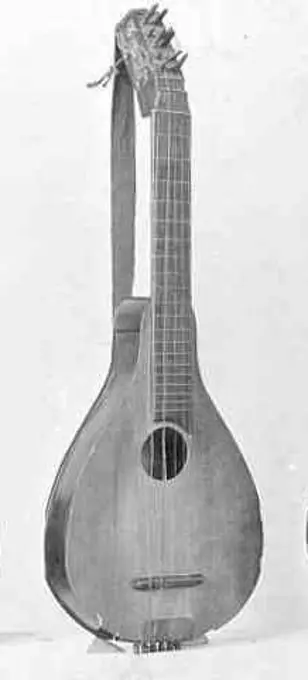
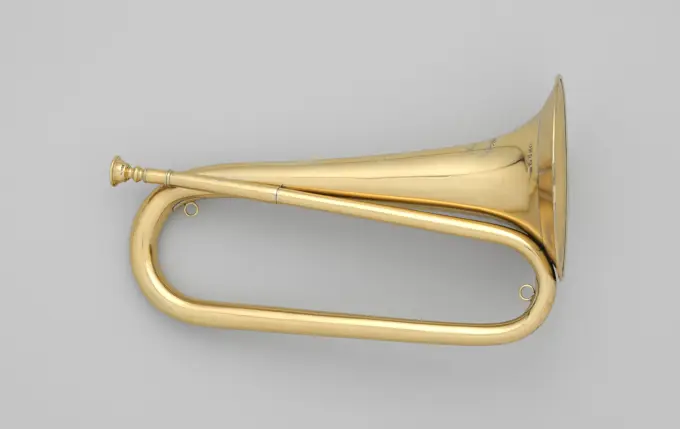
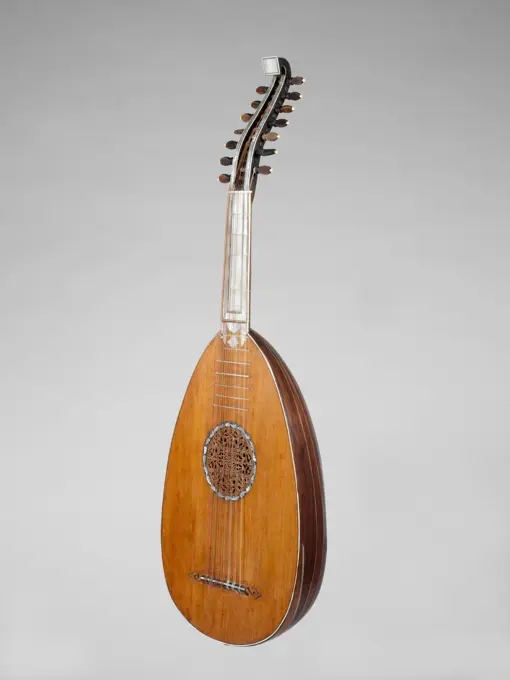
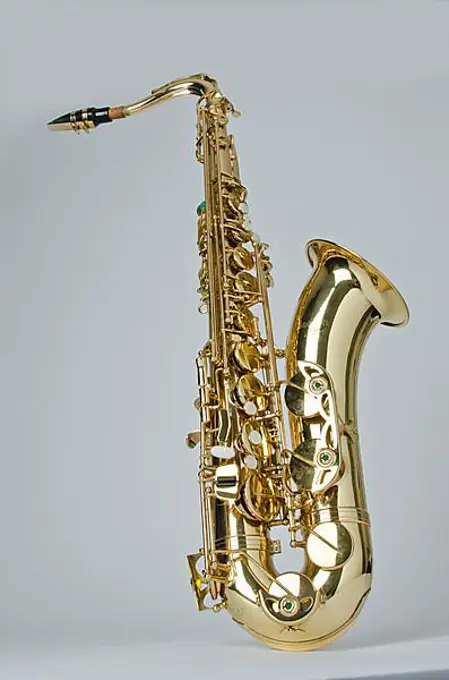
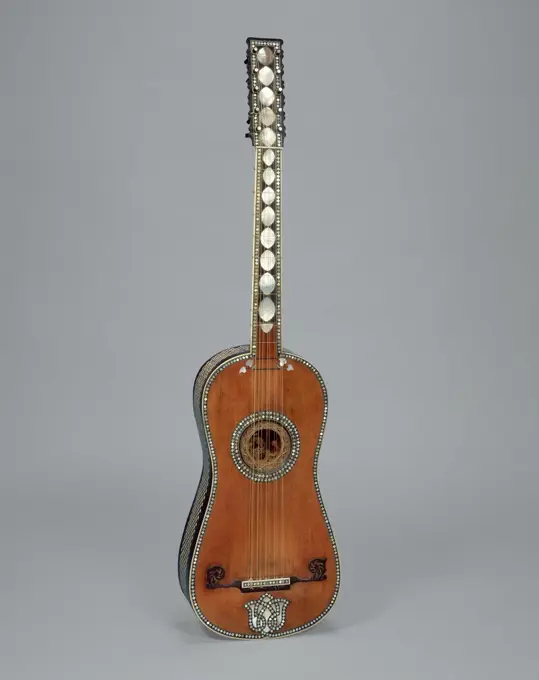
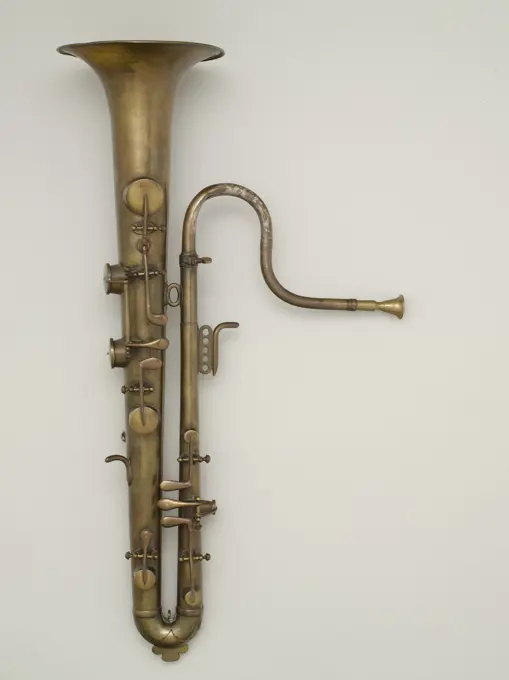
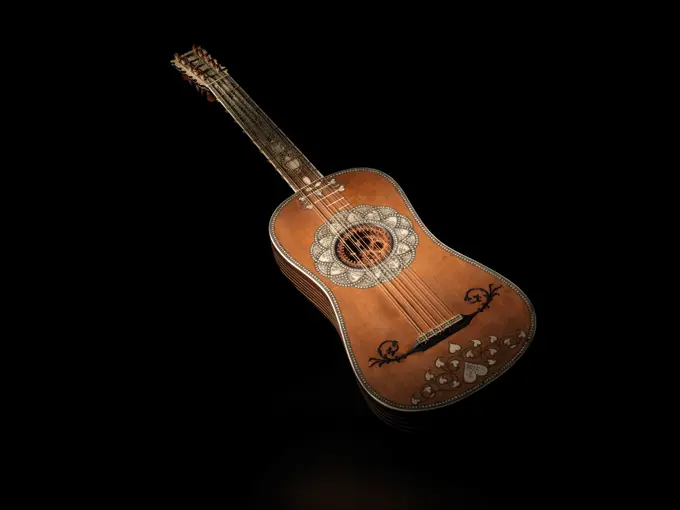
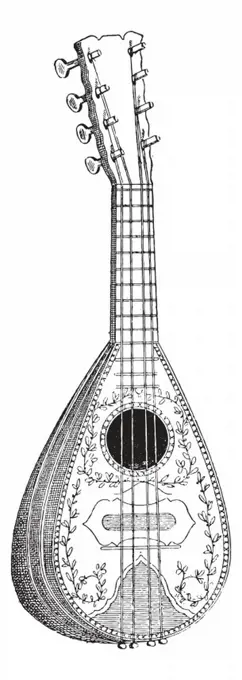
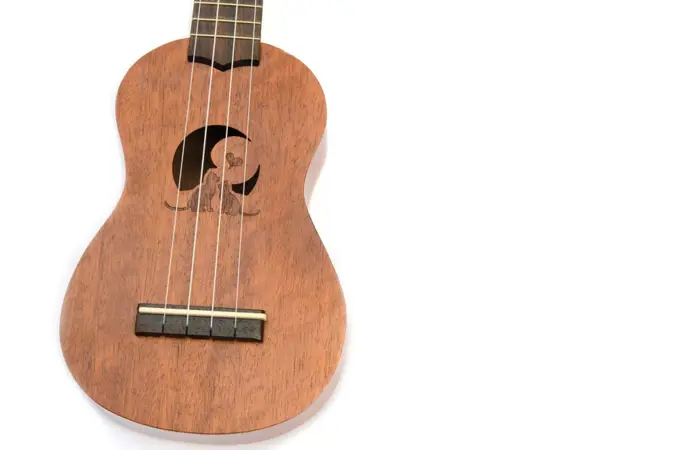
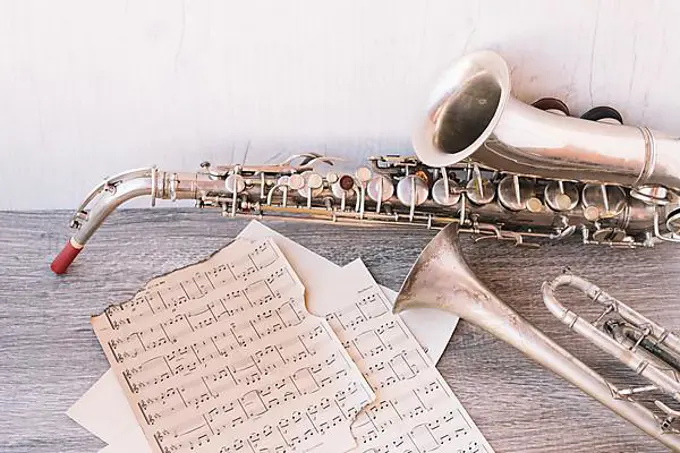
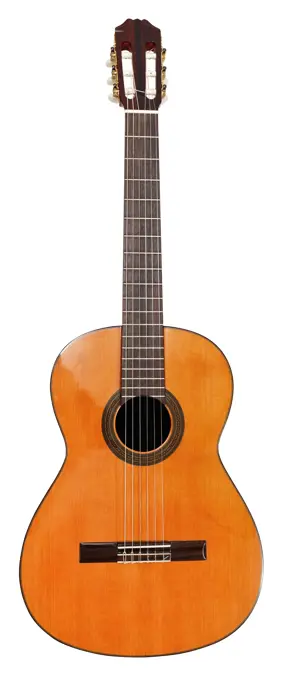
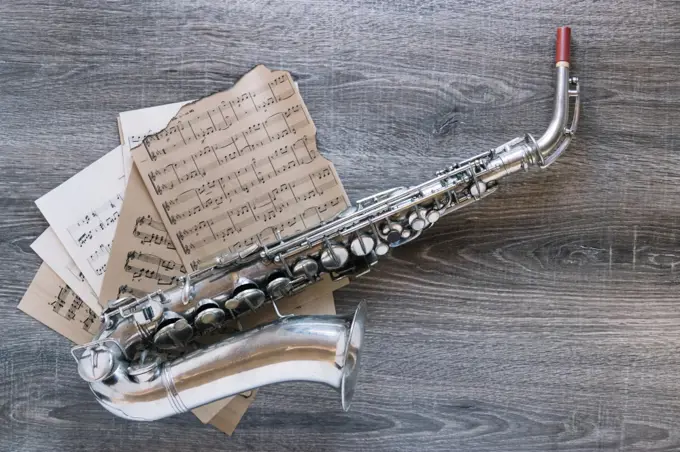
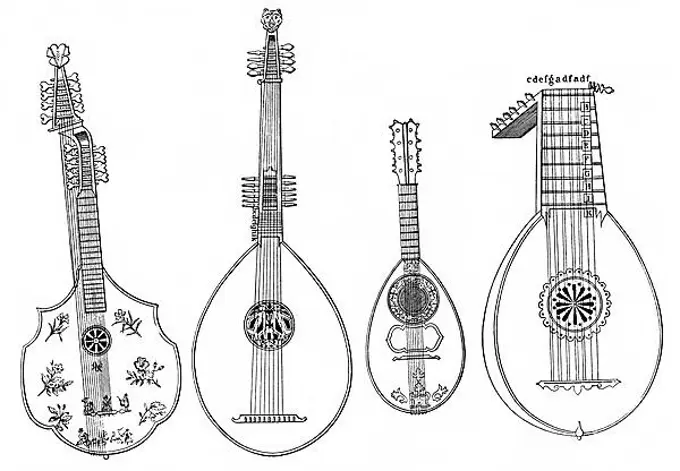
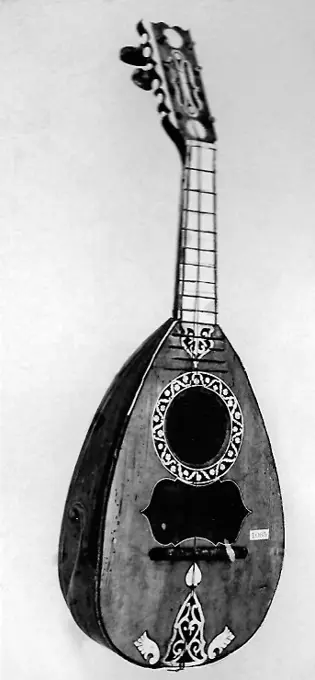
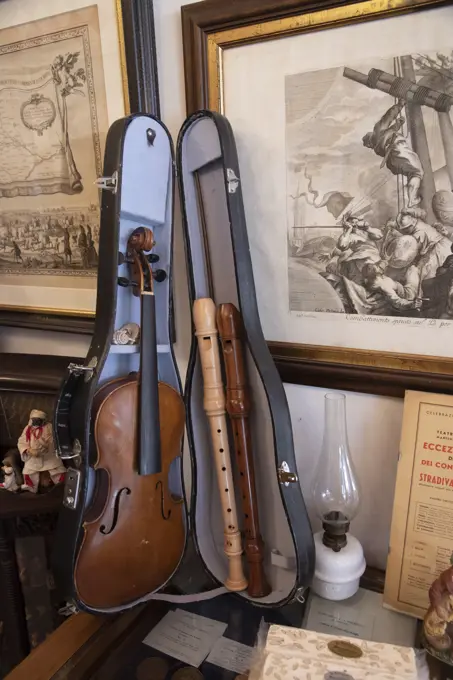
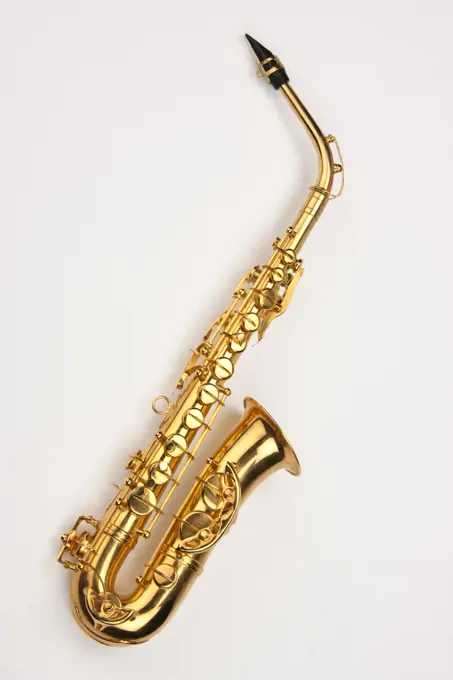
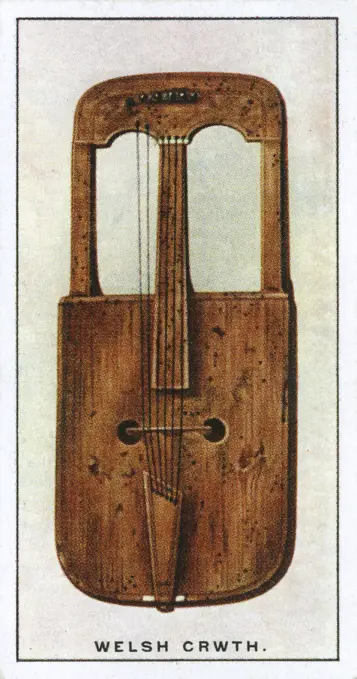
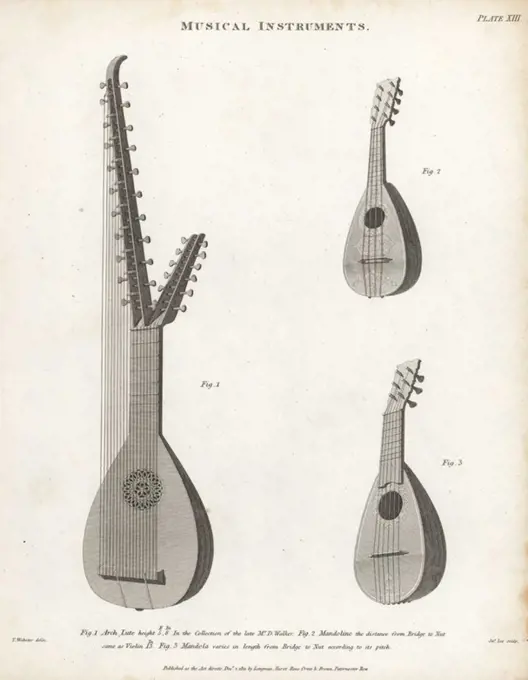
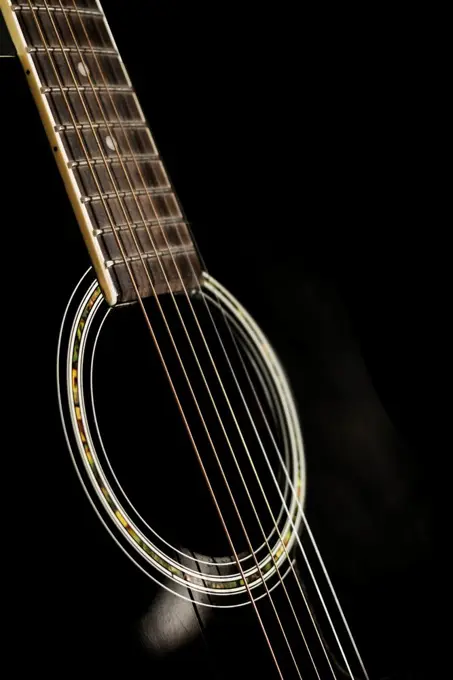
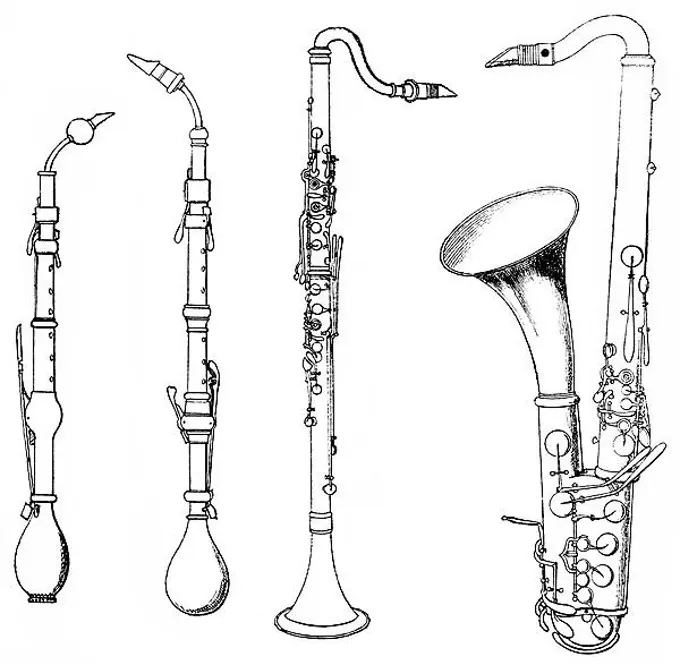
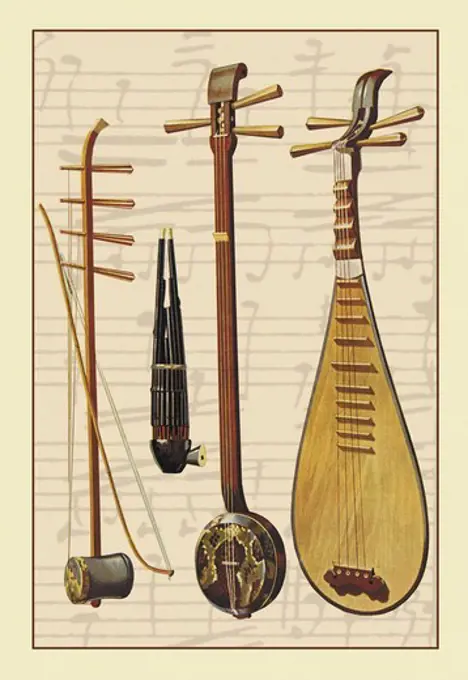
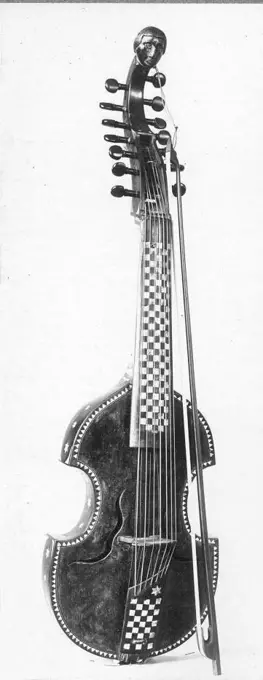
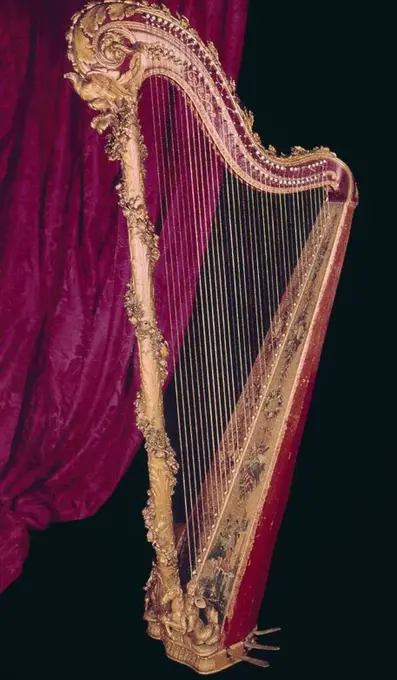
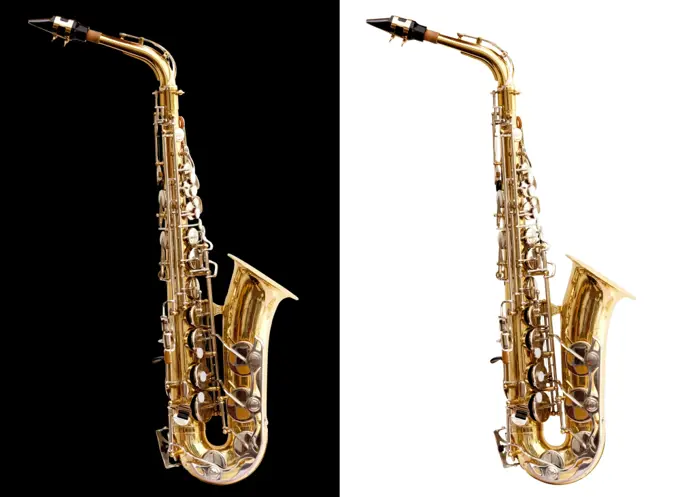
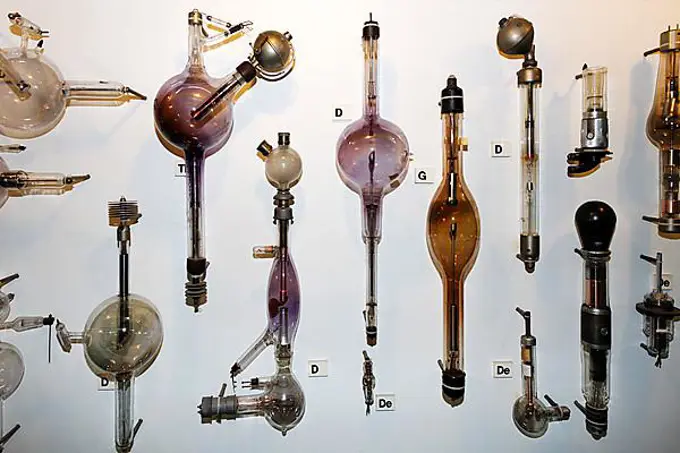
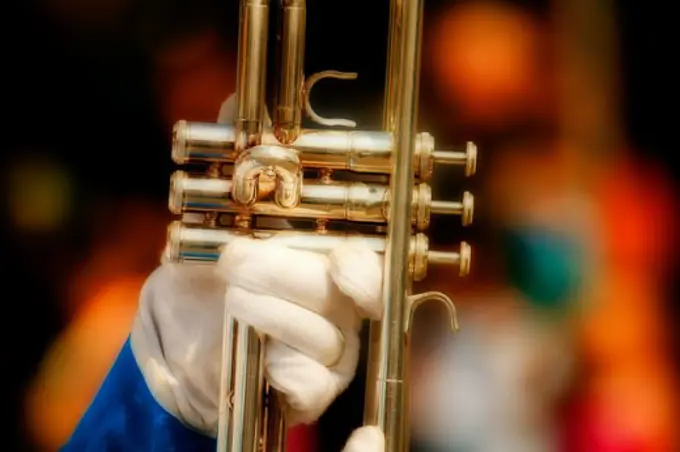
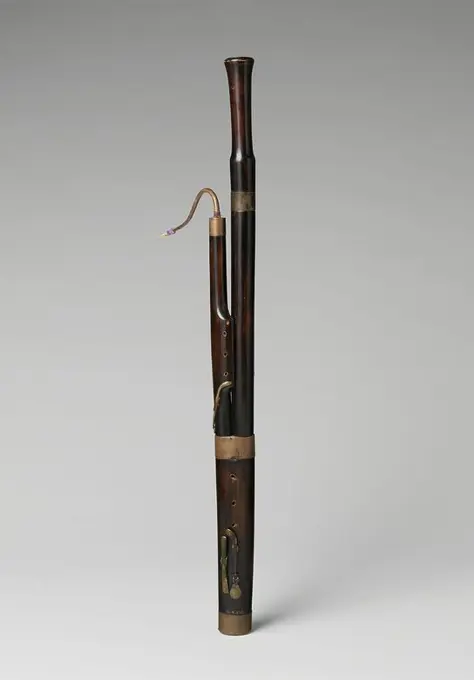
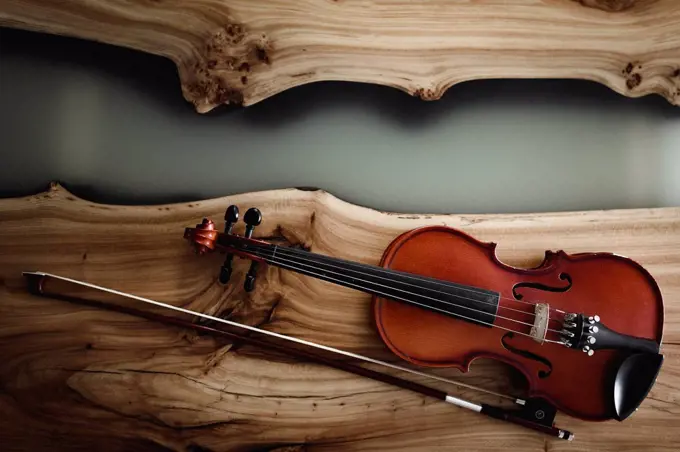
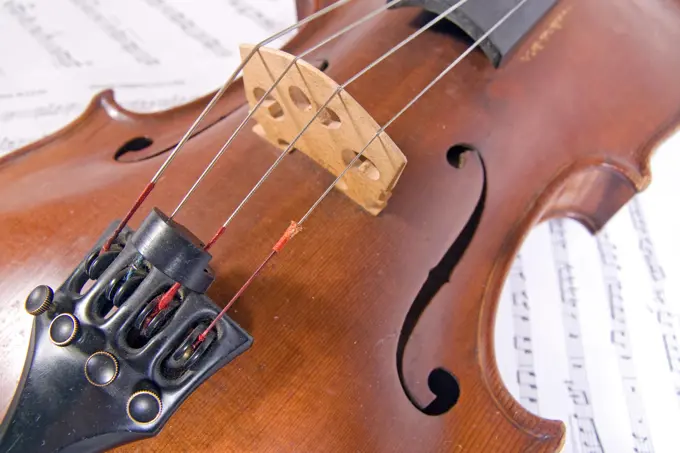
teil einer alten violine part of an old violin LicenseRF Copyright: xZoonar.com/MilanxVasicekx 2445407Classical GuitarBanjo ca. 1884 Hercules McCord American Hercules McCord, a banjo maker from St. Louis, MO, produced this banjo in 1884. The neck design is conventional. However, the rim assembly, which incorporates three of McCords four patent innovations, ingeniously addresses several technical challenges related to rim design and head tightening assemblies. The 1880s saw major innovations in banjo design and technology. 75 patents related to banjos were registered with the U. S. Patent Office during that decade. Many of these patents focused on either the mechanisms used to tighten the skin head or the design of the banjo rim itself. One challenge was to minimize the work it took to tighten the head. The second addressed the design and location of the tightening mechanisms to minimize the likelihood of causing discomfort to the player. This often was accomplished by either enclosing the mechanisms in a specially designed rim or designing the mechanisms as an integral part of the rim. McCords all-mClassical GuitarDetail of an acoustic black guitar with the stringsClarinet, G. Schüster, c. 1825 B Palmhout clarinet with nine valves. Marked: G. Schüster. Neukirchen boxwood (hardwood). ivory. brass (alloy) B Palmhout clarinet with nine valves. Marked: G. Schüster. Neukirchen boxwood (hardwood). ivory. brass (alloy)Guitar 1697 attributed to Jean-Baptiste Voboam The back, sides, neck, and peghead of this guitar are overlaid with tortoiseshell, ebony, and ivory chevrons with framed scrollwork, lozenges, and geometric banding and edging. The top has a gilded rosette bordered by a band of mother-of-pearl ornaments. Originally strung with five pairs of strings, this instrument was converted in the late eighteenth or early nineteenth century to six single courses.. Guitar. French. 1697. Spruce, tortoiseshell, mother-of-pearl, ivory, ebony. France. Chordophone-Lute-plucked-frettedSquare Piano ca. 1825 Alpheus Babcock American Alpheus Babcock was a Boston based piano maker who is mast famous for his invention, and patent, of an iron frame. HIs patent for that innovation, which would be come standard on all types of pianos, was in December of 1825. This instrument predates his introduction of the iron frame.Technical description: Mahogany and mahogany veneer case resting on four cylindrical legs with bronze-gilt mountings at top and bottom, stretchers of square section on three sides, compass FF-f4 (73 keys), ivory naturals with molded fronts, ebony accidentals, lyre-shaped pedal lyre, 2 pedals, left lifting dampers, right lifting a mute from the portion of the strings to the right of the bridge; English double action with intermediate lever and escapement; crank over key lifts wire that passes through eyelet, supporting cloth-lined damper; double string throughout, bottom 14 notes wound. (Description revised by L. Libin 4 Aug 76).. Square Piano 504599Violin and bow over pink, copy space texttured effect backgroundOld brass navy fog horn isolated on whiteViolin vector icon illustration logo template.Tuba ca. 1855 attr. C.W. Moritz The overall design of the instrument and configuration of its valves is similar to the early tubas made by Johann Gottfried Moritz in Berlin. It has five Berlin valves (bottom-sprung with a single guide slot) and each valve loop has a tuning slide. The bell garland is engraved with a flower, oak leaf and acorn motif. The white metal plaque affixed to the bell bears no makers description but is decorated in the same style as the bell garland. The motif and the style of execution is typical of instruments made in Markneukirchen during the mid-nineteenth century.. Tuba. German. ca. 1855. Brass. Berlin, Germany. Aerophone-Lip VibratedHarp Guitar after 1831 Emilius N. Scherr. Harp Guitar 502094Bugle in C. Culture: British. Dimensions: Height (without mouthpiece): 14 3/4 in. (37.5 cm)Diameter (Of bell): 6 3/4 in. (17.1 cm). Maker: Thomas Key (British, active London before 1805-1858); William Trayls (silversmith). Date: 1811.Engravings on the bell indicate that the bugle was made in the year 1811 (represented by the letter Q) by the silversmith William Trayls (initials WT). Other marks represent the sterling standard (lion passant), the London Assay Office (leopard head), and the excise duty mark (sovereign's head). Also engraved on the bell is the name Major Drummond of the 104th Regiment, who presumably was the first owner of the instrument. Museum: Metropolitan Museum of Art, New York, USA.England,Oxfordshire,Oxford,Ashmolean Museum,Violin ExhibitRed violins and bow, seamless musical backgroundUzbekistan, Samarkand, Uzbek musical instruments on displayHarp Guitar 1917 Gibson Mandolin-Guitar Manufacturing Co., Ltd. Gibson U model harp guitar with a light to dark red sunburst finish, serial number 26084. The large body has a scroll on the upper left shoulder, corresponding to the scrolls found on the F series mandolins. The guitar has a carved, arched top and back, a design patented by Orville Gibson in 1898. Five businessmen bought the name and patent from Orville Gibson in 1902 and started The Gibson Mandolin-Guitar Manufacturing Co., Ltd. The model was introduced in 1902 and discontinued in 1939. The instrument has six strings over the fingerboard, and then another ten sub-bass strings tuned chromatically from A-sharp to G-sharp. The oval soundhole has a decorative ring of mother-of-pearl diamonds in black mastic. The front, back, and fingerboard are bound in ivoroid. The guitar neck, the enharmonic curve, and pillar, are made from mahogany. A metal bar reinforced the neck to the body. The fingerboard is made of ebony and ends at tSet of Turkish musical instrument saz in a bazaarSitar mid-19th century Indian Six-stringed sitar with no sympathetic strings. The hexagonal, ivory inlaid wood body has a flat back and frets similar to the surbahar (bass sitar).. Sitar 500750Set of Turkish musical instrument saz in a bazaarThe fluteyoung blond girl stands behind  double bass in studio against white backgroundUpright (Giraffe) Piano ca. 1830 German This small upright piano, is referred to as a modified "giraffe" piano. Like the much taller giraffes, the case is assymetrical, following the shape created by the length of the strings from the longest (bass) to the shortest (treble) strings. Quite unusually, the strings of this piano are placed horizontally instead of vertically. The longest string is at the top of the case, taking advantage of the long angle of the case. The shortest string is at the bottom of the soundboard closest to the keys. Technical description: modified giraffe piano with strings angled toward the treble, rosewood veneer over softwood and oak case, light wood striping, red coth within front panel above keys, sinuous double pedestal legs of square section with beveled, serpentine stretcher supporting lyre-shaped pedal lyre, also veneered and inlaid; Compass FF-g4 (75 keys), ivory naturals, ebony slips over dark-stained accidental blocks; two pedals, right lifting dampersCittern 1824 German. Cittern. German. 1824. Wood and various materials. Germany. Chordophone-Lute-plucked-frettedBugle in C 1811 Thomas Key British Engravings on the bell indicate that the bugle was made in the year 1811 (represented by the letter Q) by the silversmith William Trayls (initials WT). Other marks represent the sterling standard (lion passant), the London Assay Office (leopard head), and the excise duty mark (sovereign's head). Also engraved on the bell is the name Major Drummond of the 104th Regiment, who presumably was the first owner of the instrument.. Bugle in C. British. 1811. Silver-gilt. London, England, United Kingdom. Aerophone-Lip Vibratedtrumpet on a black background, digital photo picture as a background trumpet on a black background, beautiful photo digital picture Copyright: xZoonar.com/albertoxgiacomazzix 12810521Mandola 1797 Giuseppe Presbler German (active Italy) Listen to experts illuminate this artwork's story Listen Play or pause #9463. Mandola Supported by Bloomberg Philanthropies We're sorry, the transcript for this audio track is not available at this time. We are working to make it available as soon as possible.. Mandola. Italian. 1797. Rosewood, spruce, walnut, bone, mother-of-pearl. Milan, Italy. Chordophone-Lute-plucked-frettedAndrea Mosconi maintains the city of Cremona's precious violin collection, many of them Stradivarius violins, by playing them foParis, France. Antique cellosParchment piece of paper with old music melody, song scrapbook sheet isolated on white background, design element, frame. Vector illustrationSilver trumpet on white isolated background. 3dtamborino and flabiol, flute and drum, Mallorca, Balearic Islands, Spain, Europe.Used tenor saxophone, BostonGuitar late 17th century Attributed to Giacomo (Jacob) Ertel German This highly ornate instrument is the product of German craftsmen resident in Rome. The instrument is quite extravagant, having a complex mosaic of bone, ebony and mahogany on the back and sides, whilst the fingerboard is decorated with mother-of-pearl and ebony. This elaborate design featuring costly materials is beautifully executed, indicating that the workshop of Ertel was probably well known and highly esteemed in the first decades of the eighteenth century. The attribution of this guitar is based on a similar instrument at the Ferdinandeum Museum in Innsbruck, Austria. (Daniel Wheeldon, 2016)Technical description: Ten-string guitar (five double courses); Two-piece pine soundboard with artificial ivory binding (originally bone) and purfling (inside binding) of b/w/mother-of-pearl diamonds in mastic/w/b; soundhole diameter of 78.78 mm with binding (from inside out) of ebony/w/b/w/mother-of-pearl diamonds in mastic/wSoprano ophicleide in B-flat mid-19th century Adolphe (Antoine Joseph) Sax Belgian, active France The ophicleide is a low brass instument that was used in bands and orchestras during the nineteenth century. It was replaced by the tuba.In seeking to create a loud, low woodwind instrument, Adolphe Sax experimented with placing a bass clarinet mouthpiece on an ophicleide. This idea spawned the first saxophone.. Soprano ophicleide in B-flat. French. mid-19th century. Brass. France. Aerophone-Lip VibratedViolin.  Music instrument Vector illustration EPS 10. Violin. Vector illustrationBanjo, from the Novelties series (N228, Type 4) issued by Kinney Bros. 1889 Issued by Kinney Brothers Tobacco Company Trade cards from the "Novelties" series (N228), issued in 1889 to promote Kinney Tobacco Company. There are five types of card within the series. Type 1 cards are round. Type 2 cards are round with colored borders. Type 3 cards are die cut to the shape of a novelty item. Type 4 are also die cut with embossing. Type 5 depict novelties on a rectangular card. Finally, Type 6 are die cut in the shape of an egg.. Banjo, from the Novelties series (N228, Type 4) issued by Kinney Bros.. 1889. Commercial color lithograph. Issued by Kinney Brothers Tobacco CompanyPanduri string instrument, Ushguli, Svaneti region, Georgia, AsiaMusical instruments. Piano sax guitar and other handy instruments for music band vector realistic set. Music instrument for jazz concert, trumpet and violin illustration. Musical instruments. Piano sax guitar and other handy instruments for music band vector realistic setOboe in a case, Cabart, c. 1900 Hobo of rosewood with silver and nickel valves. Marked on the upper and middle part: Cabart / Paris. Marked on the lower part: Gallioen / Cabart / A Paris / cross / mole / repair sign / Superior in a roll. The oboe is in a wooden briefcase covered with textiles and leather. The briefcase contains a small box with three alte wicker, a plastic tube with a modern reed and a box with wax. Paris rosewood (wood). nickel (metal). silver (metal). textile materials. leather. plastic (organic material) Hobo of rosewood with silver and nickel valves. Marked on the upper and middle part: Cabart / Paris. Marked on the lower part: Gallioen / Cabart / A Paris / cross / mole / repair sign / Superior in a roll. The oboe is in a wooden briefcase covered with textiles and leather. The briefcase contains a small box with three alte wicker, a plastic tube with a modern reed and a box with wax. Paris rosewood (wood). nickel (metal). silver (metal). textile materials. leather.Pedal Harp. Lyre Guitar ca. 1800 European. Lyre Guitar. European. ca. 1800. Wood, ivory, metal. Chordophone-Lute-plucked-frettedThe CORNET-A-PISTONS - usually  known simply as the Cornet,  has a tube half the length of  the trumpet, and consequently  plays an octave higher.      Date: 1897ancient golden wall clock closeupLazio Roma Rome Museo degli Strumenti Musicali48. Hutzel, Max 1960-1990 German-born photographer and scholar Max Hutzel (1911-1988) photographed in Italy from the early 1960s until his death. The result of this project, referred to by Hutzel as Foto Arte Minore, is thorough documentation of art historical development in Italy up to the 18th century, including objects of the Etruscans and the Romans, as well as early Medieval, Romanesque, Gothic, Renaissance and Baroque monuments. Images are organized by geographic region in Italy, then by province, city, site complex and monument.violin isolated on white backgroundPochette 18th Century German. Pochette. German. 18th Century. wood, ivory. Germany. Chordophone-Lute-bowed-unfrettedGuitar ca. 1630-50 Attributed to Matteo Sellas German (active Italy) During the 17th century, amateurs in Italy, Spain, and southern France used the guitar to accompany songs and arias or to play solo pieces. In Italy, Venice was the guitar-manufacturing center and Matteo Sellas its most eminent luthier. The style of the instrument with scalloped snakewood ribs, bone striping and fanciful arabesques are hallmarks of the Venetian tradition of lute and guitar making. Engraved bone plaques, geometric bone and snakewood inlays further enrich the beauty of this restored guitar. Between the end of the 16th and the end of the 18th century, guitars had five double courses of gut strings, a decorative parchment rose placed in the sound hole, and a back that was often vaulted instead of flat. As musical taste changed during the second half of the 18th century many old guitars were refitted to adjust to contemporary taste. The rose, bridge and pegblock of this instrument were removed and five sinMandolin, vintage engraved illustration. Dictionary of Words and Things - Larive and Fleury - 1895Baryton, Munich, 1745, Viola d'amore, Salzburg, 1701, Viola d'amore, Passau, circa 1720, Bavarian National Museum, Munich, Bavaria, Germany, EuropeMexican vintage guitar with ornaments. National symbol of Mexico. Illustration, sketch for coloringŪd late 19th century possibly Syrian. Ūd 501000Harp ca. 1820 German. Harp 505522Cased Set of a Flintlock Rifle, a Pair of Pistols, and Accessories ca. 1800 Nicolas Noël Boutet French The Revolution of 1789 and the subsequent rise of Napoleon, first as consul (1799-1804) and then as emperor (1804-14), brought about a dramatic change in the design and decoration of French firearms. The principal innovator was Nicholas Noël Boutet (1761-1833), who was named directeur-artiste of the newly formed Versailles Arms Manufactory in 1792. While the Versailles factory was the principal producer of regulation weapons for the French armies, Boutet was also charged with creating richly decorated arms for presentation to military heroes and foreign heads of state.Firearms of this period, like the rifle illustrated, show an unequaled technical perfection and precision of workmanship. The delicate Rococo style associated with the ancien régime was abandoned and replaced by the more masculine classicism of the Empire style with its references to Greco-Roman and Egyptian motifs. GunsTROMPETA 1581. Author: SCHNITZER A. Location: KUNSTHISTORISCHES MUSEUM / MUSEO DE BELLAS ARTES. WIEN. AUSTRIA.Close-up of trumpet on red backgroundTreble Clef Treble clef Copyright: xlindwaxTheorbo. This musical instrument was made in Padua in the 17th century and was built of ivory and delicately engraved.Close-up view of an acoustic guitarukulele guitar on white background.Sheet music near saxophone trumpetspanish classical acoustic guitar isolated spanish classical acoustic guitar isolated on white background Copyright: xZoonar.com/ValeryxVoennyyx 5932980Pianoforte. King Louis Napoleon ordered this sumptuous piano for his musical wife Hortense, who also played the harp and the harpsichord. It was intended for the concert hall at the Royal Palace in Amsterdam. The instrument was also a showpiece, made of many costly materials and decorated with gilt-bronze ornament (ormolu). When Louis Napoleon abdicated in 1810, he left the piano in the blue salon at the palace.from sheet music saxophoneHistorical drawing, various forms of lute, mandolin and theorbo, old stringed instrumentsMandoline 19th century Italian. Mandoline 500549Close-up of a musician´s hand holding a saxophoneItaly, Lombardy, Cremona. Music shop, violin, recorderOboe, anonymous, c. 1830 Hobo of boxwood wood. Germany (possibly) boxwood (hardwood) Hobo of boxwood wood. Germany (possibly) boxwood (hardwood)Vintage Photograph. Detailed view of a Grand Pedal Harp. Frame 5The saxophone (also referred to as the sax) is a conical-bored transposing musical instrument that is a member of the woodwind family. Saxophones are usually made of brass and played with a single-reed mouthpiece similar to that of the clarinet.Welsh Crwth - a very rare musical instrument - this example is held in a private collection on Anglesey. Hollowed out of a single block of wood, with the soundboard glued on. Mounted with six strings, four played with a bow and two as finger strings twanged by the players thumb.     Date: 1929tamborino and flabiol, flute and drum, Mallorca, Balearic Islands, Spain, Europe.Arch lute (1), mandolin (2) and mandola (3). Copperplate engraving by John Lee after a drawing by T. Webster from Abraham Rees' Cyclopedia or Universal Dictionary of Arts, Sciences and Literature, Longman, Hurst, Rees, Orme and Brown, London, 1820.Six string guitar against a dark backgroHistorical drawing, woodwind instruments, old and new forms or shapes of the clarinetQuwaytara late 19th century African (North). Quwaytara 501112Hu-Ch'in and Bow, Sheng, San-Hsien, P'i-P'I, Musical InstrumentsViola d'Amore 18th century French The viola d'amore, or viola "of love," is a bowed stringed instrument which gained great popularity in the eighteenth century. Much of its history, including the derivation of its name, is unknown. It has many characteristics of the viol family such as a flat back, ribs that are flush with the top and back, and a rosette in addition to soundholes. Yet, like a violin, it is unfretted and held under the chin while played. Violas d'amore typically have seven playing strings, though instruments with other numbers of strings are not unusual. Perhaps the most distinguishable characteristic of the eighteenth-century viola d'amore is the presence of sympathetic strings, which are not played but located behind the bowed strings and vibrate "in sympathy." The sympathetic strings contribute to produce a tone that is clear and often described as "silvery," as well as creating a more resonant sound with a longer decay. Sympathetic strings are found on several EuropMandolin, from the Novelties series (N228, Type 5) issued by Kinney Bros. 1889 Issued by Kinney Brothers Tobacco Company Trade cards from the "Novelties" series (N228), issued in 1889 to promote Kinney Tobacco Company. There are five types of card within the series. Type 1 cards are round. Type 2 cards are round with colored borders. Type 3 cards are die cut to the shape of a novelty item. Type 4 are also die cut with embossing. Type 5 depict novelties on a rectangular card. Finally, Type 6 are die cut in the shape of an egg.. Mandolin, from the Novelties series (N228, Type 5) issued by Kinney Bros.. 1889. Commercial color lithograph. Issued by Kinney Brothers Tobacco CompanyOld violin, musical notes and three rosesViolin.  Music instrument Vector illustration EPS 10. Violin. Vector illustrationClassic music Sax tenor saxophone and clarinet in black backgroundAn ornate, wooden pipe organ with an array of metal pipes and keys displayed.Violin And Flowers White decorative violin and flower composition Copyright: xZoonar.com/AndreyxSkatx 7790148Violins and related instruments by Michael Praetorius from Syntagma Musicum,  woodcut,  161420Beautiful tambura kept beside a chair in the living room.Sunglasses, Violin, Ice And Sunglasses Sunglasses, violin, pieces of ice on a glass background Copyright: xZoonar.com/AndreyxSkatx 15553746Musical concept with wooden guitarVintage Photograph. Hand holding baton for composing music. Frame 1ARPA DE PEDAL DE MARIA ANTONIETA. Author: NADERMAN. Location: MUSEO INSTRUMENTAL. France.Isolated saxophone with clipping path on black and white for easy useGolden trumpet isolated over black background, square image, 3d renderingHistoric x-ray tubes, exhibit at German Roentgen Museum, Remscheid-Lennep, Germany, EuropeA gloved hand holds a trumpetGuitar case isolated on the white backgroundtrumpet on a beer deskTenoroon (Tenor Bassoon) in F. Culture: British. Dimensions: Length: 90.2cm (35 1/2in.) Length of tube, approx. 174.5cm (68 11/16in.). Date: ca. 1820. Museum: Metropolitan Museum of Art, New York, USA.Violin and bow on wood