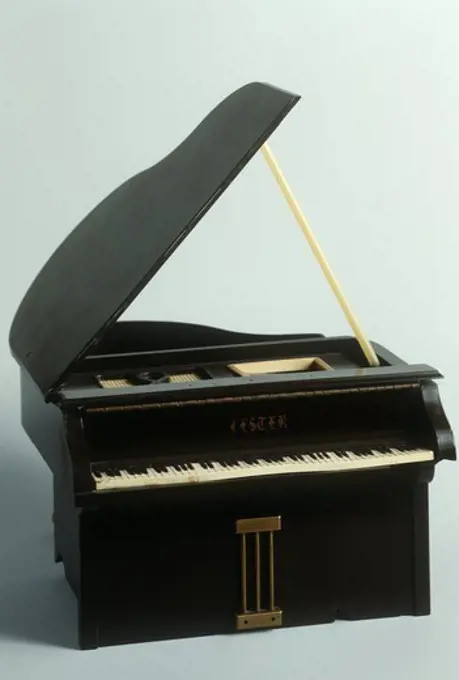
Musical Instruments Display

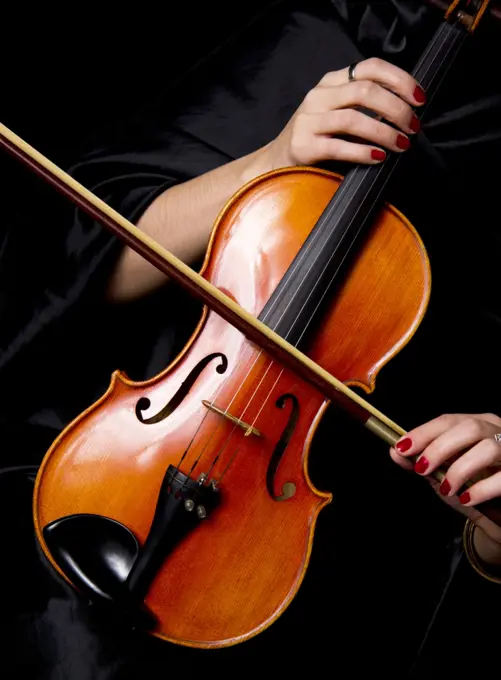
Elegant close-up shots of violins and cellos set against dark and colorful backgrounds, showcasing their craftsmanship and beauty.
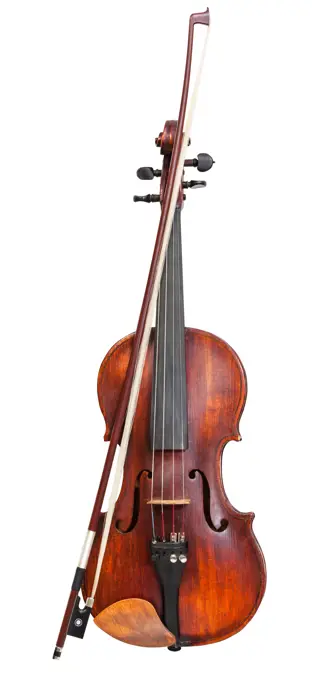
front view of violin with wooden chinrest and bow front view of full size violin with wooden chinrest and bow isolated on white background Copyright: xZoonar.com/ValeryxVoennyyx 8079172
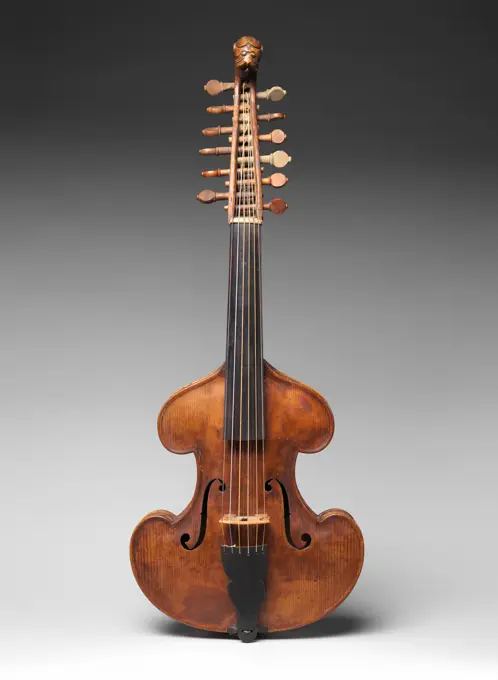
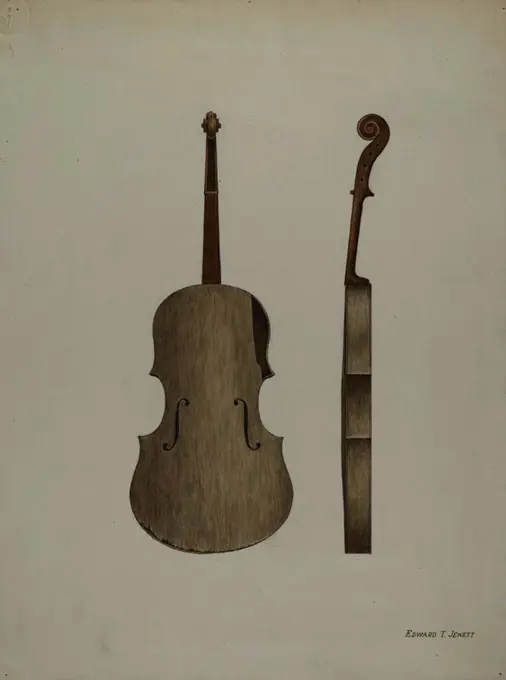
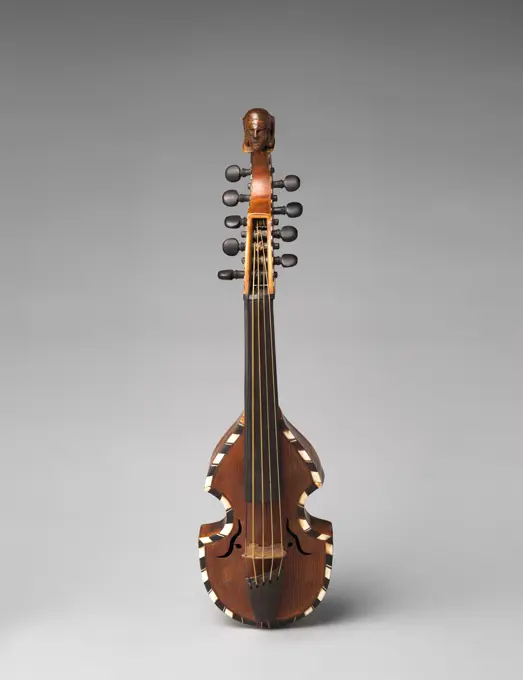
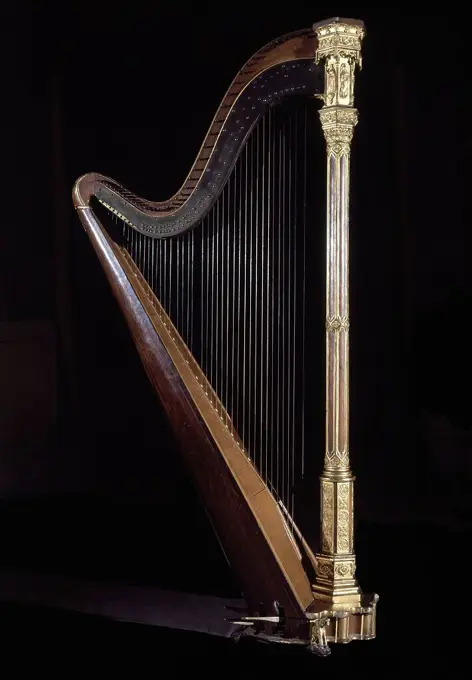
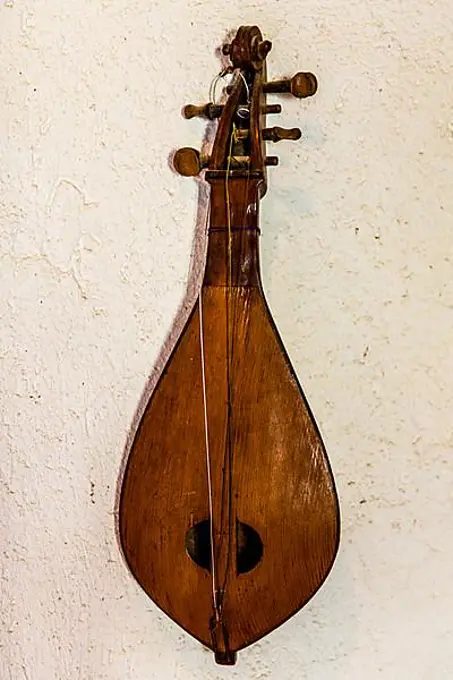
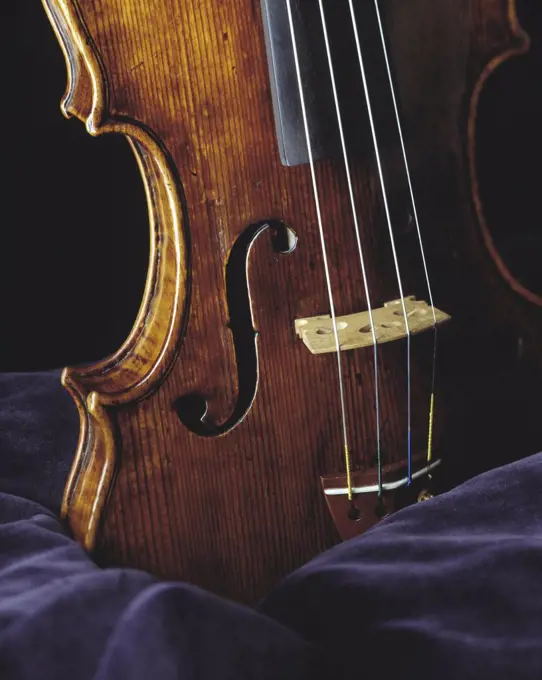
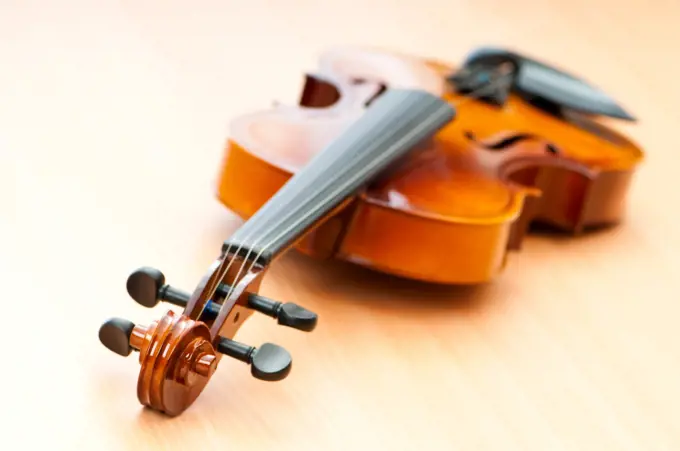
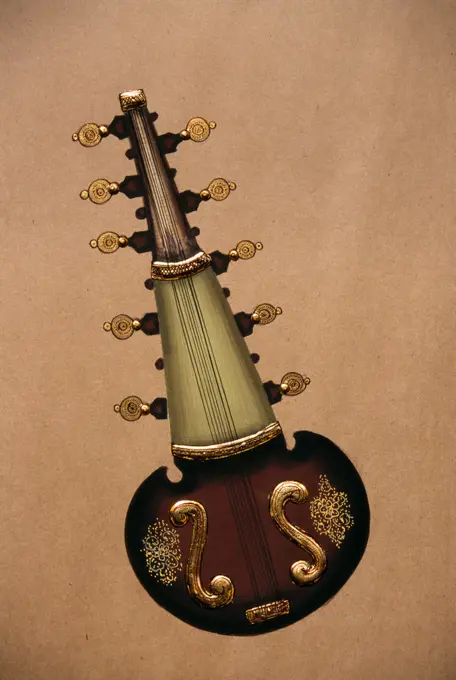
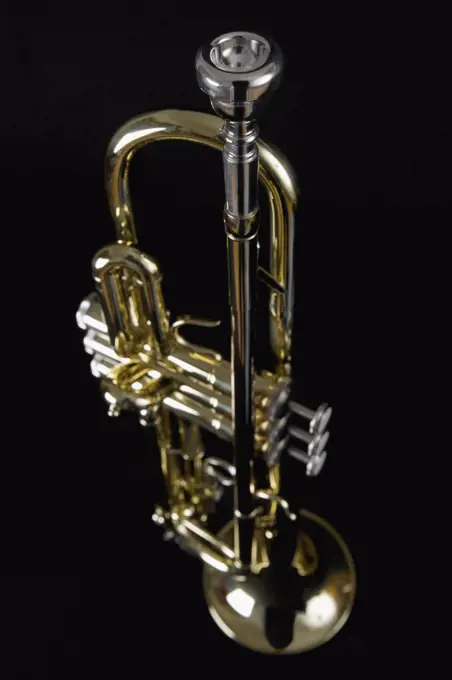
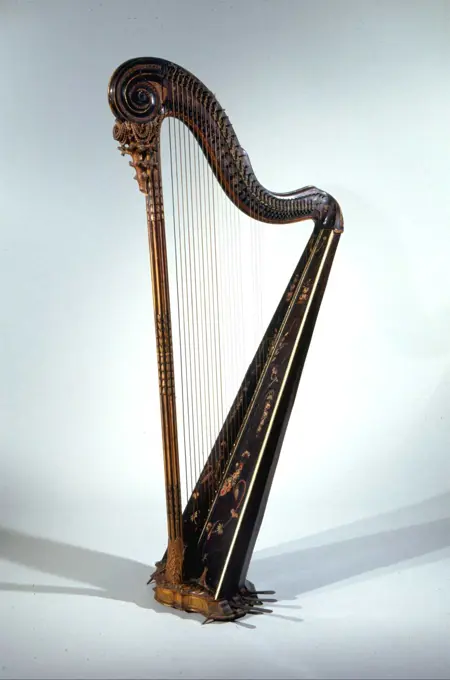
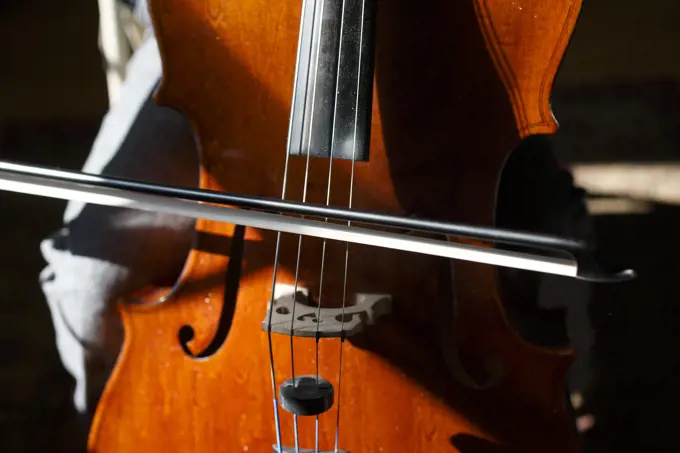
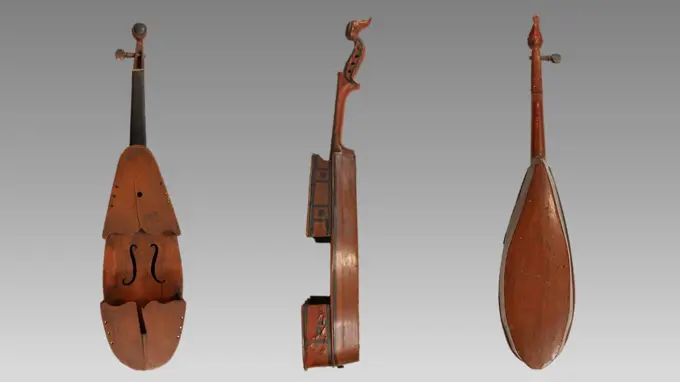
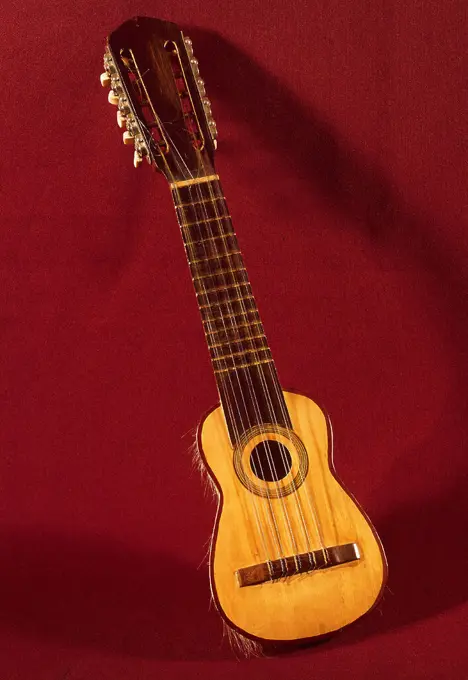
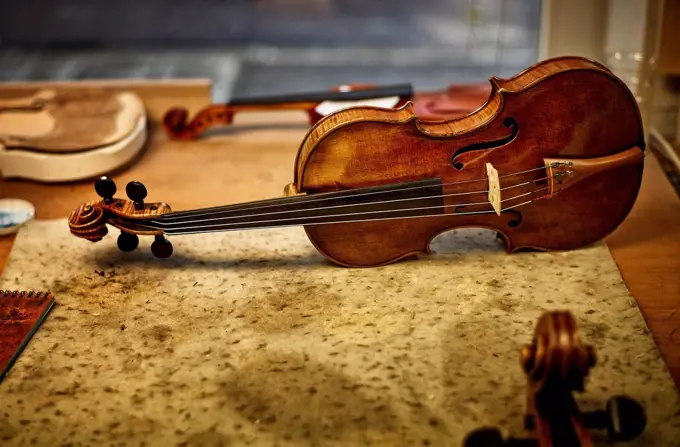
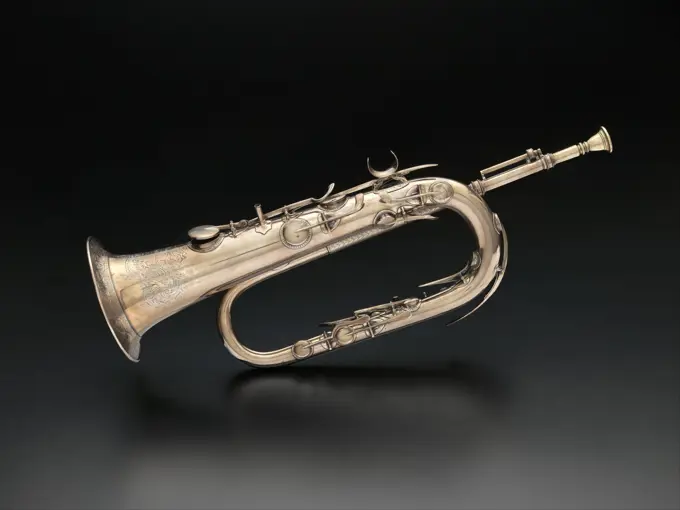
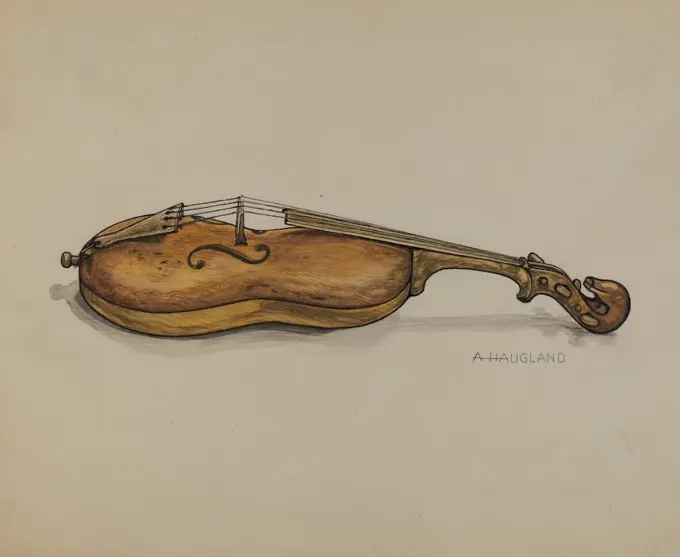
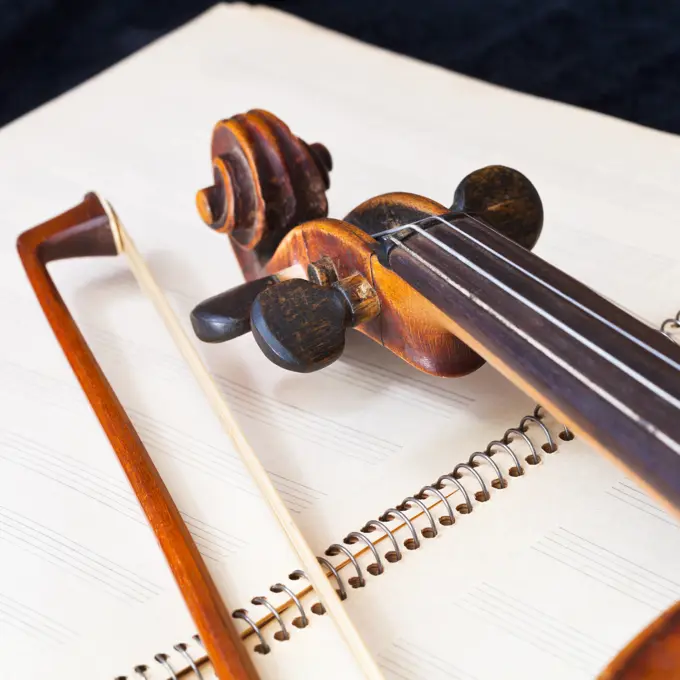
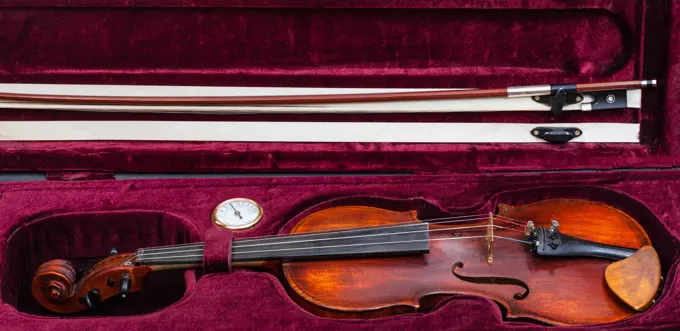
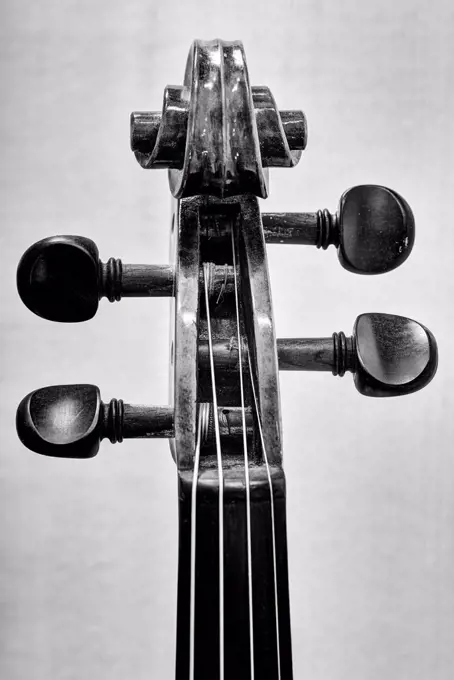
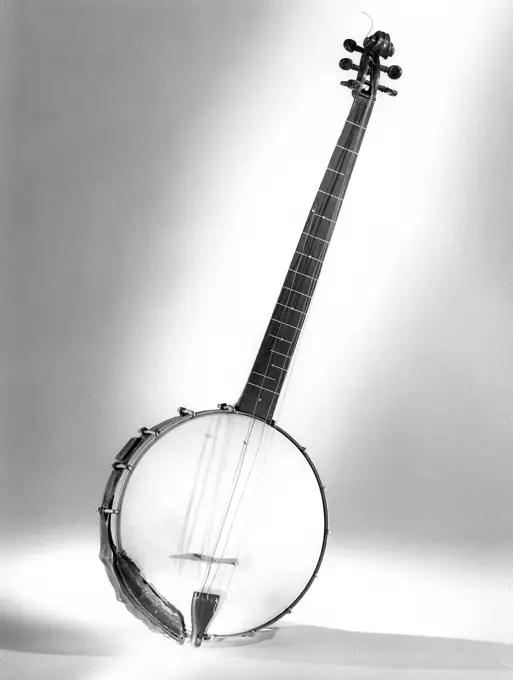
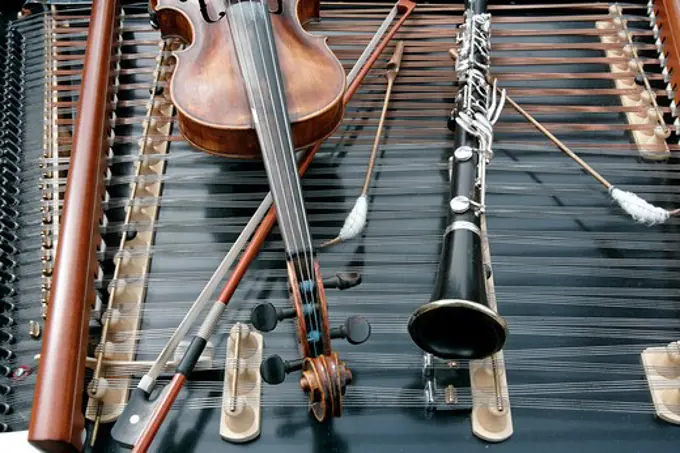
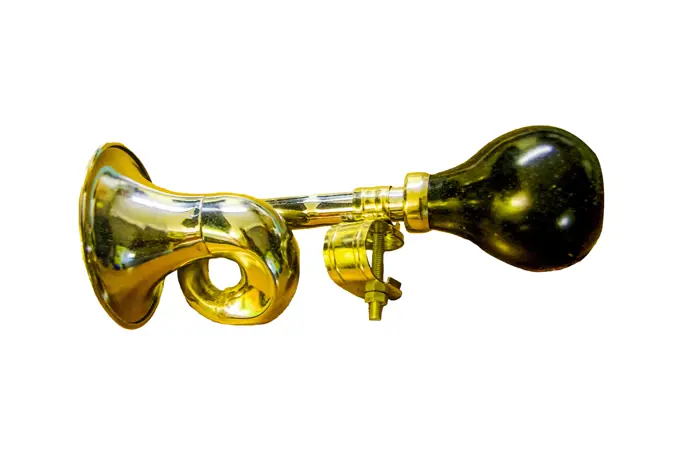
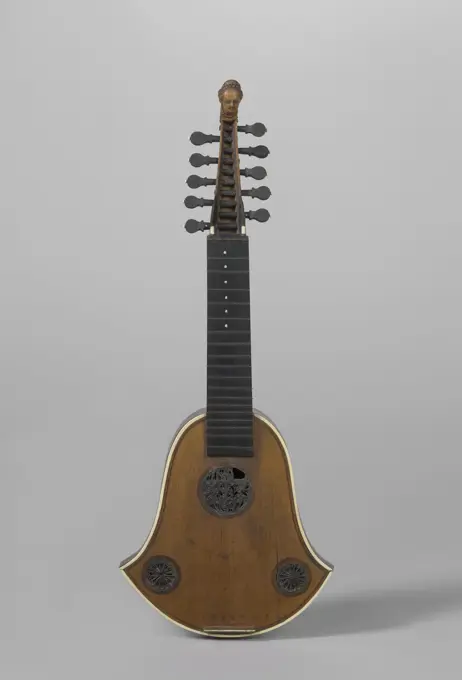
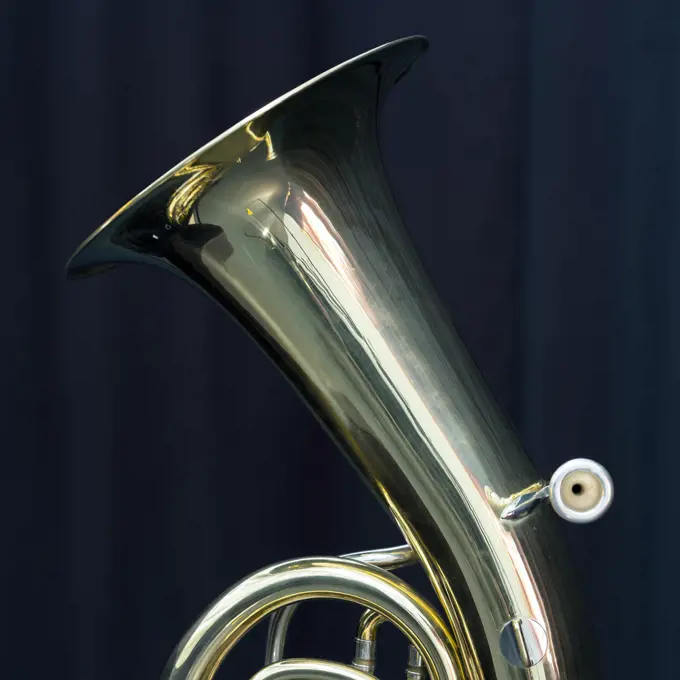
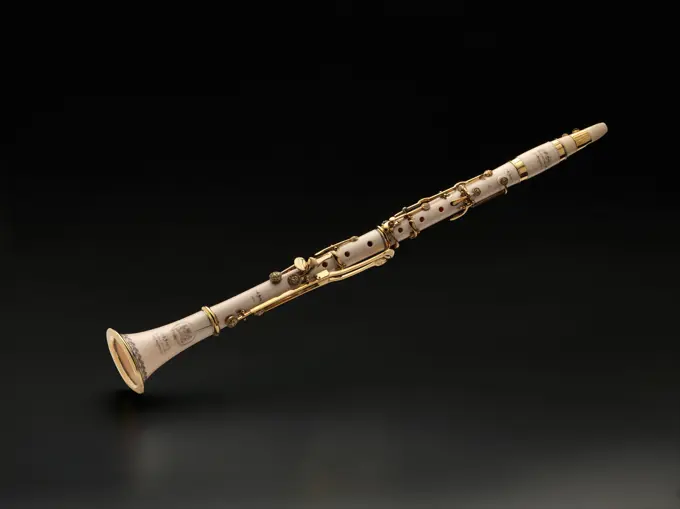
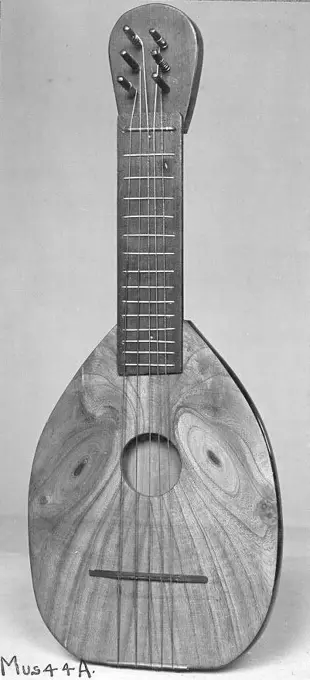
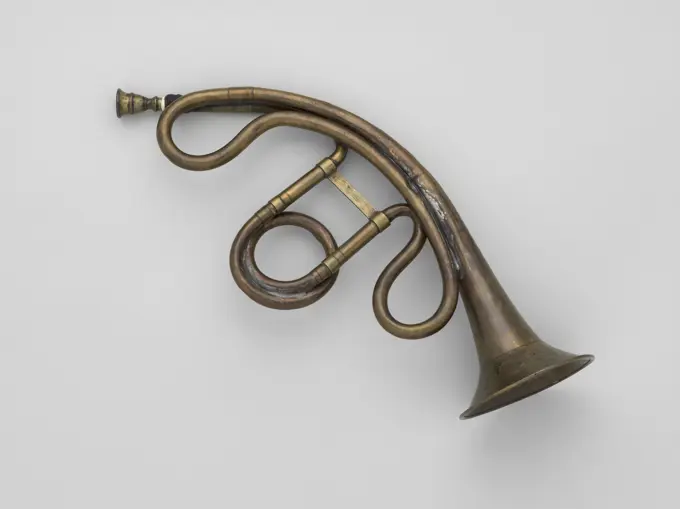
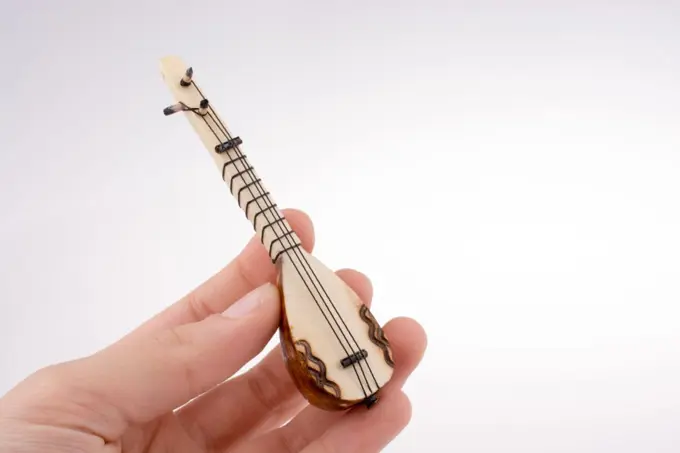
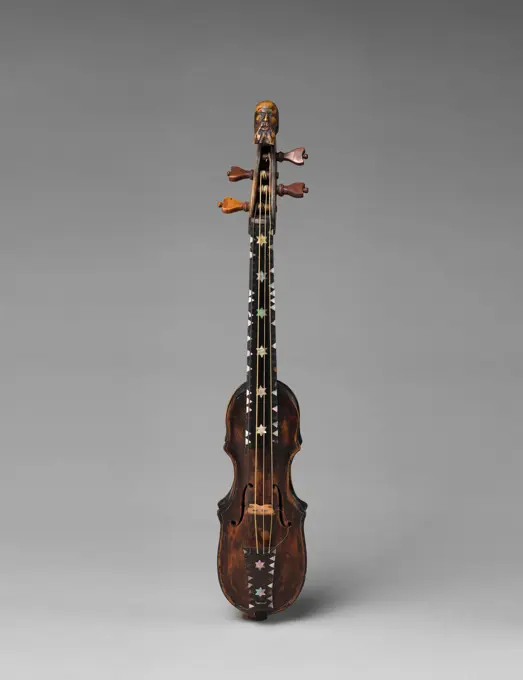
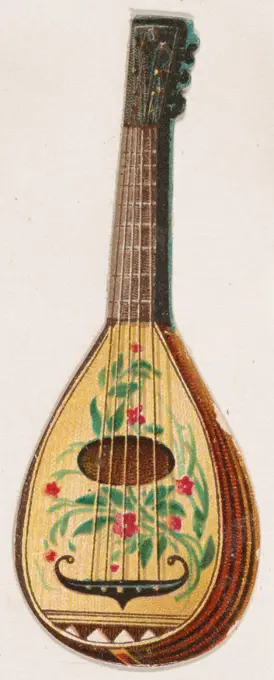
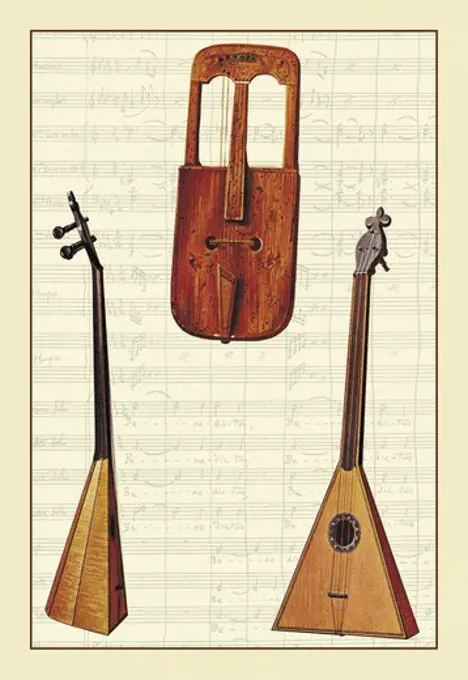
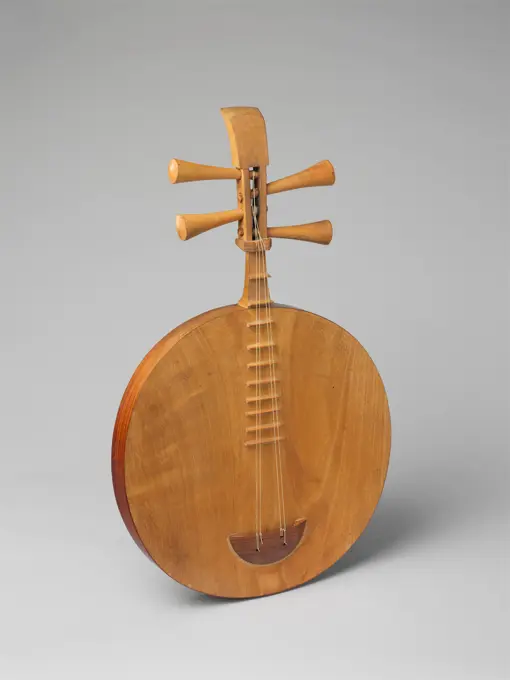
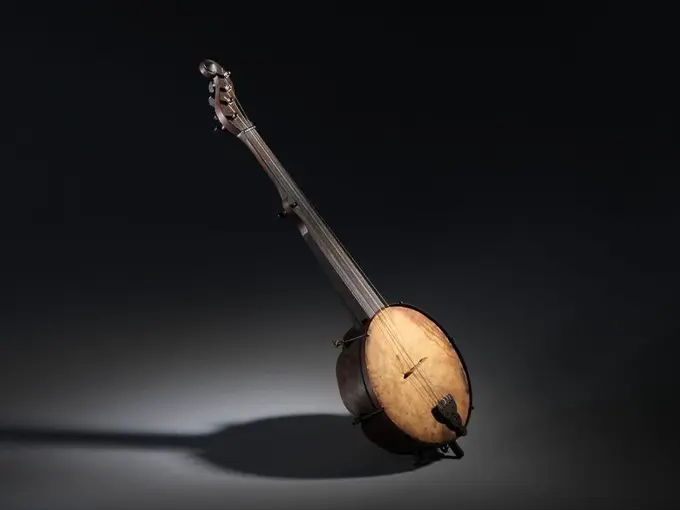
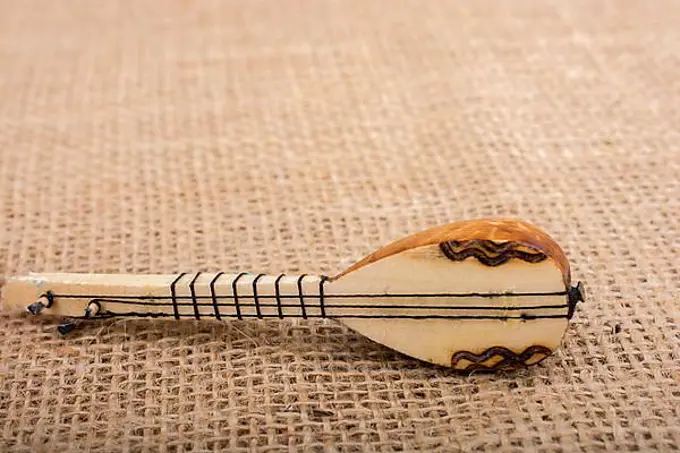
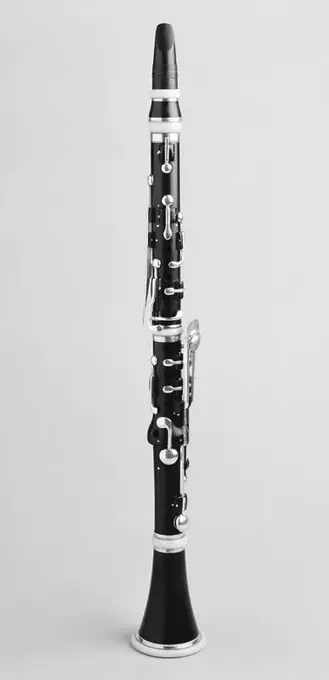
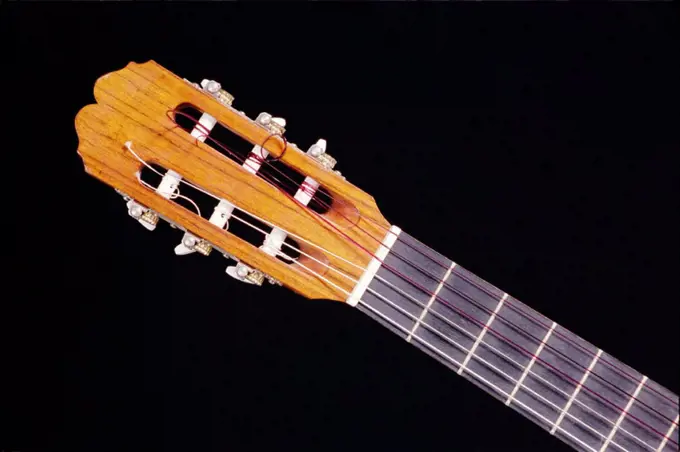
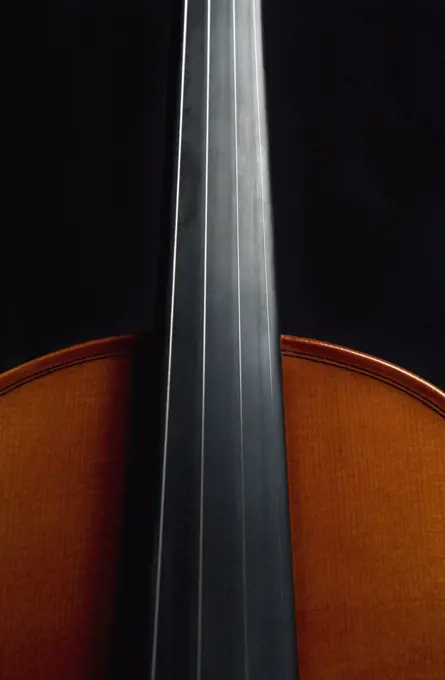
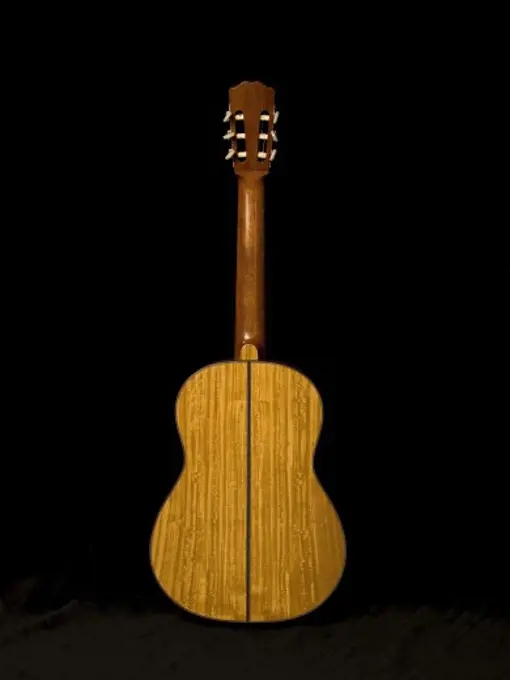
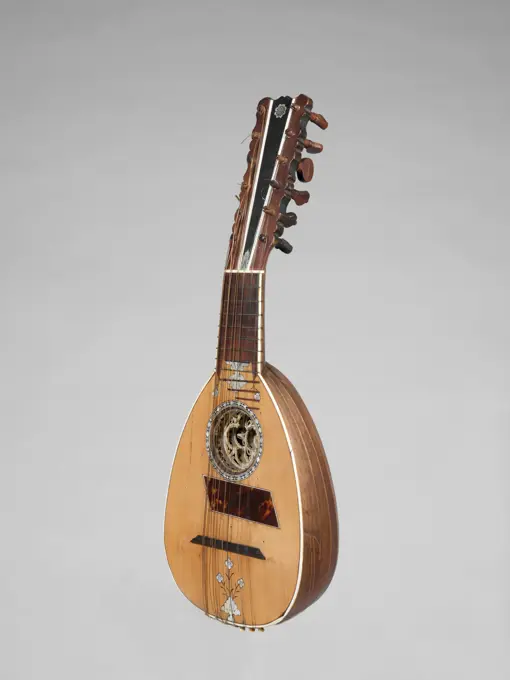
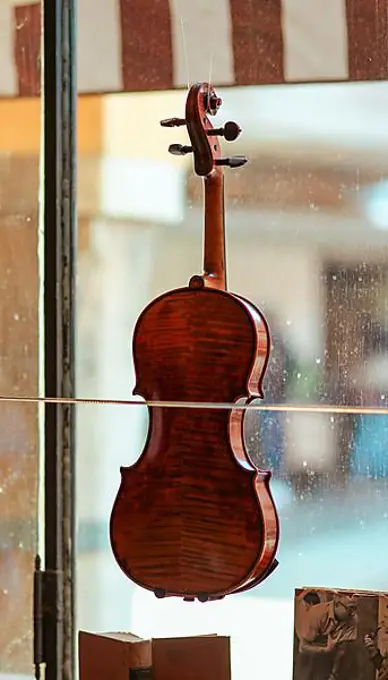
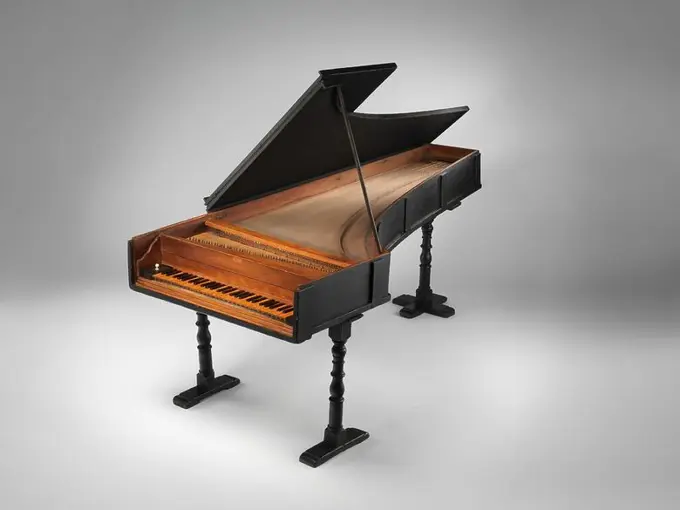
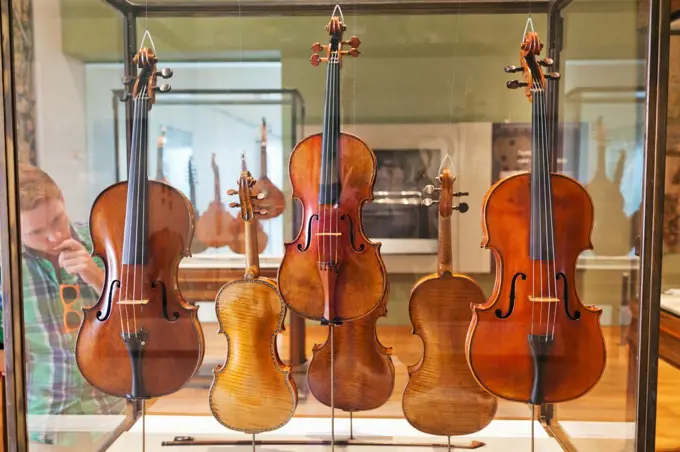
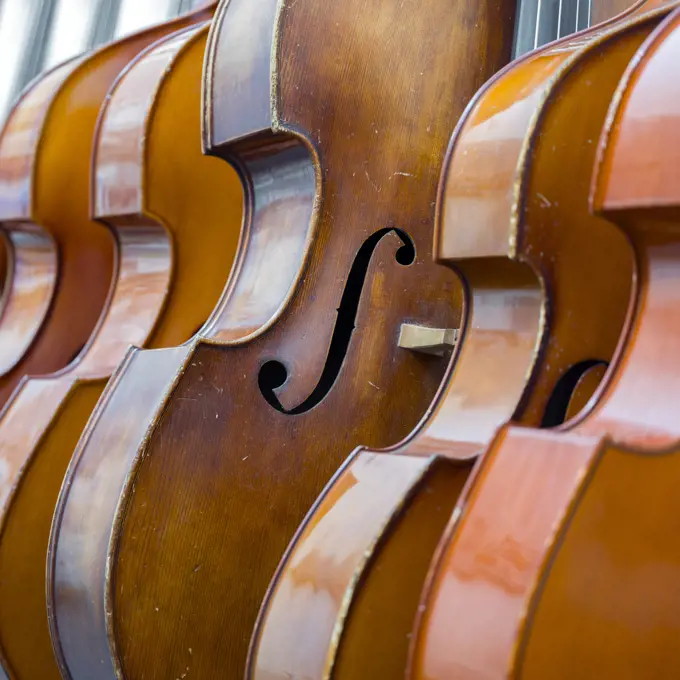
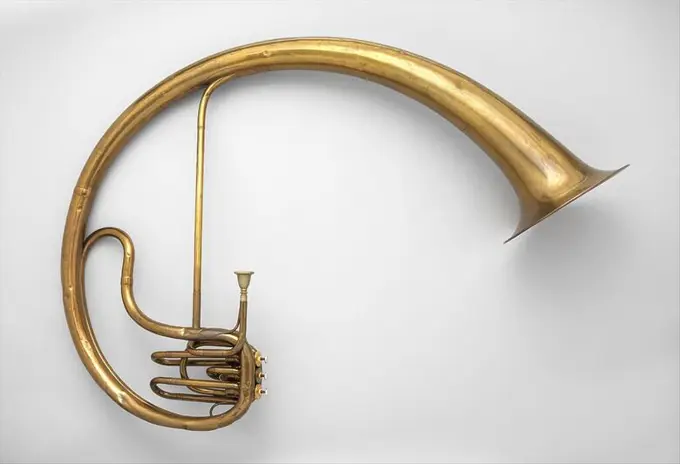
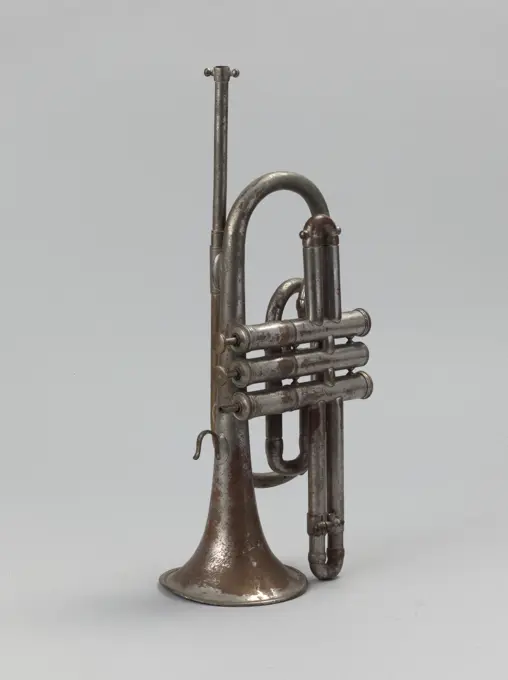
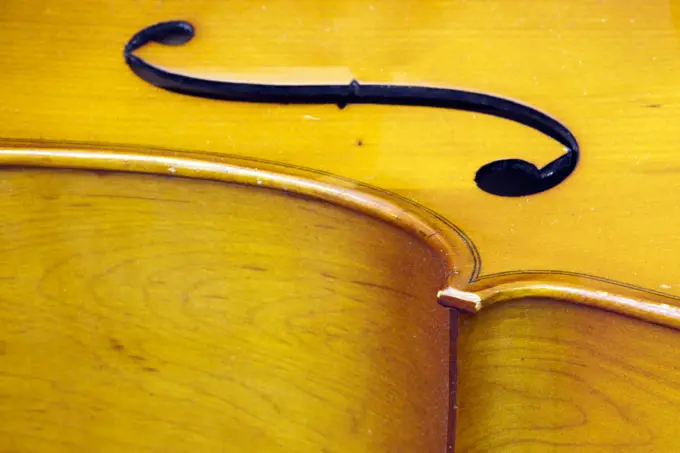
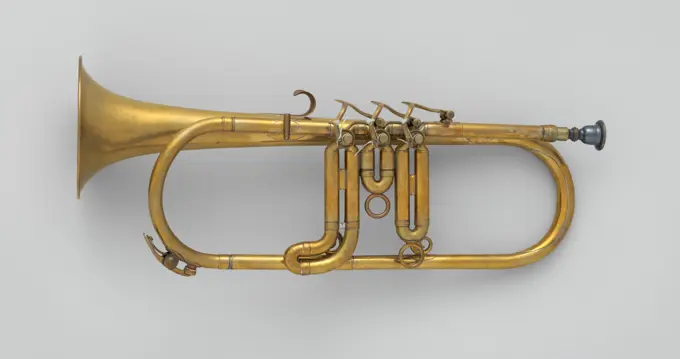
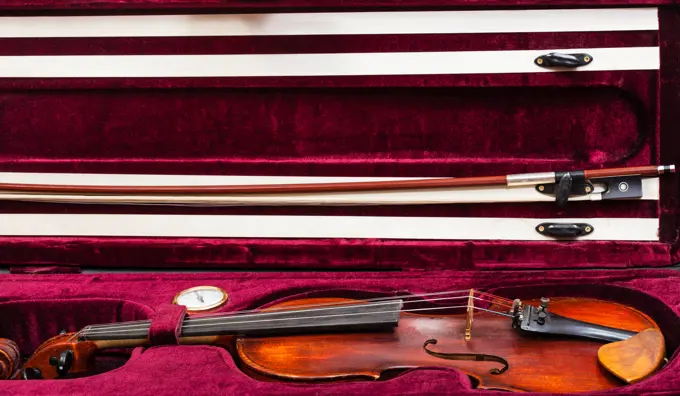
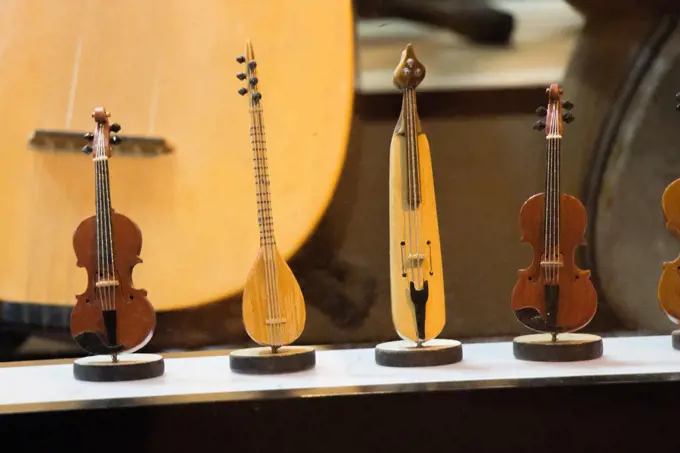
Violin illustration vector flat design eps 10Viola d'Amore German ca. 1900 This very unusual instrument was assembled around 1900 by the musical instrument dealer Leopoldo Franciolini in Florence. The body is from a German bowed zither with its neck removed. Attached instead is an older lion-head viola d'amore scroll and neck. The instrument has six bowed strings and six sympathetic strings. The soundpost and bass-bar are reversed from normal violin positions (necessistated by original zither set up). The body was likely made by Ferdinand Sprenger (1846-1914) in Nuremberg. The viola d'amore is a bowed stringed instrument which gained great popularity in the eighteenth century. This example was made at a time when interest for older music was growing and collectors were interested in owning old instruments. Franciolini was famous for his creations, alterations, and outright fabrications of "old" instruments. View more. Viola d'Amore. German. ca. 1900. Wood. Chordophone-Lute-bowed-unfrettedInoor Berr, AndreasMusic concept with violinClose-up of violinMusic Cello in the dark roomteil einer alten violine part of an old violin LicenseRF Copyright: xZoonar.com/MilanxVasicekx 2526235Violin 1669 Nicolò Amati (Cremona 1596-1684 Cremona) The violins of Nicolò Amati (1596-1684), the preeminent violin maker of the Amati family of instrument builders, were known for their elegant design, responsiveness, and sweet sound, although they lacked the strength of violins by Stradivari and Guarneri "del Gesù." Nicolò Amati single-handedly carried on the Cremonese tradition of fine violin making after famine and disease in the years around 1630 had wiped out virtually all of the top violin makers; not surprisingly, violins from this period are very rare. Amati's many students included Andrea Guarneri, Giovanni Battista Rogeri, and possibly Jacob Stainer and Antonio Stradivari, among others. Listen to experts illuminate this artwork's story Listen Play or pause #Gigue & autre gigue from Suite for solo violin in A major by Johann Paul von Westhoff (1656-1705). Performed by Manfredo Kraemer on the Nicolo Amati violin from 1669 at The Metropolitan Museum of Art for CD "Il Violino," Lyre Guitar, Augustin Claudot, c. 1800 Lier guitar from Augustin Claudot. Mirecourt softwood. maple (wood). ebony (wood). metal. bone (material). Lier guitar from Augustin Claudot. Mirecourt softwood. maple (wood). ebony (wood). metal. bone (material).Viola d'amore or the Love Viol, so called for its soft and tender tone. Chromolithograph from an illustration by William Gibb from A.J. Hipkins' "Musical Instruments, Historic, Rare and Unique," Adam and Charles Black, Edinburgh, 1888. Alfred James Hipkins (1826-1903) was an English musicologist who specialized in the history of the pianoforte and other instruments. William Gibb was a master illustrator and chromolithographer and illustrated "The Royal House of Stuart" (1890), "Naval and Military Trophies" (1896), and others.Music Cello in the dark roomMusic Cello in the dark roomViolin with BowMusical instruments isolated on whiteViolin. Dated: c. 1940. Dimensions: overall: 35.6 x 26.9 cm (14 x 10 9/16 in.). Medium: watercolor and graphite on paper. Museum: National Gallery of Art, Washington DC. Author: Edward Jewett.Violin one line art. Continuous line drawing of musical instrumentPochette d'Amore 18th century French. Pochette d'Amore. French. 18th century. wood, ivory. France. Chordophone-Lute-bowed-unfrettedARPA. Location: MUSEO DEL ROMANTICISMO-OBJETOS VARIOS. MADRID. SPAIN.The violin The violin is very ancient musical instrument Copyright: xZoonar.com/ValeryxxSibrikovx 2548230Zither 19th century German. Zither 501596String instrument, Historical Folklore Museum, Gavalochori village with its original character, Crete, Gavalochori, Crete, Greece, EuropeViolin on blue velvet, close upMusic concept with violinOrange Violin Icon A vibrant orange violin icon in a flat style, perfect for musical themes and applications. A simple and clean representation of a musical instrument. Copyright: xCowplandxMusic concept- close up of celloMiniature Painting On Paper Indian classical Musical InstrumentTrumpetPedal Harp early 19th century Cousineau Père et Fils. Pedal Harp 505304Arrangement of musical instruments in the "House music" exhibition. .Close-up of a cello being played in sunlightStringed Instrument Melanesian (New Guinea) late 19th centuryDetail of a trumpetINSTRUMENTO MUSICAL ARGENTINO-CHARANGO.Repaired instruments in a violin maker's workshopcloseup of vintage string instrument cello with snares and scrollSet of models of musical instruments made of woodModel of Turkish musical instrument saz on paper with musical notesSenior expert violin maker luthier, wrinkled old hand varnish with brush classic handmade violin paint natural ingredient recipe in Cremona Italy home of best artisan of this kind, macro close up, selective focus, bokehsteel door key steel door key isolated on white background Copyright: xZoonar.com/ValeryxVoennyyx 5660546Pochette Bow early 19th century possibly French. Pochette Bow 501577Keyed Bugle 1854 Elbridge G. Wright American. Keyed Bugle 503810Hand holding turkish musical instrument saz on a white backgroundClassical GuitarJíbaro Guitar Puerto Rican late 19th Century This rare guitar and a tiple in a private collection are the only known 19th-century Puerto Rican stringed instruments to survive. This jíbaro (country) guitar reflects the shape of the bordonúa and maintains similar construction. Unlike the bordonúa, small thorns attach the top to the hollowed body like tacks used on earlier Spanish models, and it has only five gut strings. Designs, reminiscent of African textiles, are carved and incised on the guitar's body.Augustine Haugland, Violin, c 1937 ViolinViolin and tulip flowers on whitefiddle bow and scroll on music book fiddle bow and scroll on music book close up Copyright: xZoonar.com/ValeryxVoennyyx 5056311Pedalharfe Computergenerierte 3D Illustration mit einer Pedalharfe Copyright: xZoonar.com/MichaelxRosskothenx 20195074old fiddle with bow in red velvet case old wooden fiddle with bow in red velvet case Copyright: xZoonar.com/ValeryxVoennyyx 8079181Violin head of an old violin in Black and white.Model of Turkish musical instrument saz on paper with musical notesBanjo ca. 1859 Hercules McCord American This banjo was produced by Hercules McCord from St. Louis, MO, around 1859, during the height in popularity of the blackface minstrelsy. Its large size suggests that it was made for the minstrel stage. Prior to the advent of the mass production and marketing of banjos after the Civil War, instruments were custom made or produced in small batches. This example is hand crafted and likely unique. The peghead is finely sculpted in the shape of a scrolled cello peghead. The 5th string enters a tunnel at the 5th fret position and travels through a groove on the top edge of the fingerboard to a violin-style tuning peg that is mounted into a rounded wooden outrigger attached to the bass side of the peghead. The fingerboard is fretless, a feature that would remain popular until the turn of the twentieth century, and thin ivory strips are inlayed into the fingerboard as fret markers in lieu of actual frets. The skin head is tightened over the wood hoop by MUSICAL INSTRUMENTS. FOLK MUSIC. DULCIMER BAND.Bicycle Horn Isolated Photo Side view bicylce horn isolated on white background Copyright: xZoonar.com/DanielxFerreira-LeitesxCiccarinox 13963833Citter, Hinrich Kopp (Possibly), c. 1690 - c. 1700 Cister with three sound holes and sliced women's head. Hamburg wood (plant material) Cister with three sound holes and sliced women's head. Hamburg wood (plant material)pitcher of baritone brass instrument against dark backgroundClarinet in B-flat 1830 Charles Joseph Sax Belgian The ivory body of this clarinet and its ornate gold plated keys suggest that it was a special commission or presentation piece. Its bell proclaims Saxs status as musical instrument maker to the court of the Kingdom of the Netherlands. This instrument is also distinguished by its early use of Ivan Müllers improved thirteen-key system, which became the preferred choice of most clarinet players until the beginning of the twentieth century.. Clarinet in B-flat. Belgian. 1830. Ivory, brass, gold-plated silver. Brussels, Belgium. Aerophone-Reed Vibrated-single reed cylindricalThe brown ukulele guitar isolated on the white background. Blurred conceptCittern 19th century Spanish. Cittern 501620Trompette Demilune ca. 1810 German The curved form of this natural trumpet enabled the player to insert fingers into the bell and, by closing it off to varying degrees, alter the notes of the harmonic series to produce a scale. This stopping technique is similar to that used by hand horn players, but the smaller size of the trumpets bell made it less effective.. Trompette Demilune. German. ca. 1810. Brass. Markneukirchen, Germany. Aerophone-Lip VibratedA beautiful pair of hands holds a great ViolinHand holding the classic turkish instrument SazMusic concept with violinPochette late 18th century possibly Italian. Pochette. possibly Italian. late 18th century. Wood, mother-of-pearl. Italy. Chordophone-Lute-bowed-unfrettedPedal Harp. The first pedal mechanism was introduced in 1720 by Hochbrucker and this green and gold harp once belonged to George IV.Bastrompet. Copper Bastrompet.Lvta (lute) ca. 1870 Turkish. Lvta (lute). Turkish. ca. 1870. wood, metal, tortoise-shell, glass. Turkey. Chordophone-Lute-plucked-frettedTrumpet And Frame Trumpet and golden frame on an isolated studio background Copyright: xZoonar.com/AndreyxSkatx 12616036Mandolin, from the Novelties series (N228, Type 3) issued by Kinney Bros. 1889 Issued by Kinney Brothers Tobacco Company Trade cards from the "Novelties" series (N228), issued in 1889 to promote Kinney Tobacco Company. There are five types of card within the series. Type 1 cards are round. Type 2 cards are round with colored borders. Type 3 cards are die cut to the shape of a novelty item. Type 4 are also die cut with embossing. Type 5 depict novelties on a rectangular card. Finally, Type 6 are die cut in the shape of an egg.. Mandolin, from the Novelties series (N228, Type 3) issued by Kinney Bros.. 1889. Commercial color lithograph. Issued by Kinney Brothers Tobacco CompanyWelsh Creuth, Russian Balalaka, Musical InstrumentsYueqin (琴) 19th century Chinese The resemblance of this round lute to the full moon (yue) gave it its name. The yueqin developed from a much larger long-necked lute that appeared in the Qin and Han dynasties. Its four strings are tuned in pairs, a fifth apart. Like the sanxian, it encloses a vibrating plate. Found in popular ensembles and the Beijing opera and used to accompany song, the yueqin has not been fully embraced by the modern Chinese orchestra. The player presses the strings between the high frets making chord playing difficult but giving increased control over the timbre and intonation. Strings are plucked with fingernails or a pick using up- and down-strokes and tremolo techniques that sustain and give color to a tone. Listen to experts illuminate this artwork's story Listen Play or pause #9354. Yueqin Supported by Bloomberg Philanthropies We're sorry, the transcript for this audio track is not available at this time. We are working to make it available as soon as possibleElectric violinBanjo. Culture: American. Dimensions: 34 1/2 × 11 × 3 1/4 in. (87.6 × 27.9 × 8.3 × 87.6 cm)Diameter: 11 in. (27.9 cm). Maker: William Esperance Boucher, Jr. (Hanover, Germany 1822-1899 Baltimore, Maryland). Date: ca. 1845.BANJOWilliam Esperance Boucher, Jr. (1822-1899), Baltimore, Maryland, ca. 1845The 1840s was a pivotal decade in American music. Even as C. F. Martin was introducing innovations that were changing the guitar, the banjo was becoming an immensely popular instrument. William Boucher is credited with being one of the first professional makers and may have introduced metal tuning brackets to tighten the head. Though unrelated, this instrument has a scroll style headstock that is reminiscent of those found on Viennese guitars. Gift of Peter Szego, 2013 (2013.639). Museum: Metropolitan Museum of Art, New York, USA.Tanburizza 19th century Spanish or Yugoslavian. Tanburizza. Spanish or Yugoslavian. 19th century. wood. Spain or Yugoslavia. Chordophone-Lute-plucked-frettedModel of Turkish musical instrument saz on a linen canvasExtreme close-up of violinClarinet in C. Dimensions: L. 59.3 cm (23-3/8 in.) W. of case 25.8 cm (10-1/4 in.). Maker: Graves & Company. Date: ca. 1845.Grenadilla, ivory, 13 silver keys. A variant of the English-style clarinet with a concealed connecting lever of the highest (speaker-) key. C was the main size used in nineteenth-century bands. Museum: Metropolitan Museum of Art, New York, USA.Flamenco guitar neck photo detail.Detail of a celloBackside of a guitarModern antiques, United States of America, 20th century - Continental Lester radio, model Piano, 1940.Mandolin 18th century Christian Nonnemacker Known as a mandola o mandolino alla Genovese”, this mandoline has six pairs of gut strings, fifteen rosewood ribs, and mother-of-pearl and tortoiseshell inlays. It differs from other gut-strung mandolins in being tuned an octave higher than the modern guitar (e, a, d’, g’ b-natural, e”) and having a guitar-like peg block.. Mandolin. Italian. 18th century. Wood, various materials. Italy. Chordophone-Lute-plucked-frettedViolin maker luthier artisan workshop in Cremona, finished handmade classical violins hanging in display for saleGrand Piano. Culture: Italian (Florence). Dimensions: Height (Total): 34 1/16 (86.5 cm)Width (Parallel to keyboard): 37 5/8 (95.6 cm)Depth (Case length, perpendicular to keyboard): 90 in. (228.6 cm). Maker: Bartolomeo Cristofori (Padua 1655-1731 Florence). Date: 1720.Bartolomeo Cristofori was the first person to create a successful hammer-action keyboard instrument and, accordingly, deserves to be credited as the inventor of the piano. This example is the oldest of the three extant pianos by Cristofori. About 1700 he began to work on an instrument on which the player could achieve changes in loudness solely by changing the force with which the keys were struck. By 1700 he had made at least one successful instrument, which he called "gravicembalo col piano e forte" (harpsichord with soft and loud). His instrument still generally resembles a harpsichord, though its case is thicker and the quill mechanism has been replaced by a hammer mechanism. Cristofori's hammer mechanism is so wellCopper horn.copper horn (relief type)Yueqin (). Culture: Chinese. Dimensions: Height: 22 5/8 in. (57.5 cm)Depth: 1 9/16 in. (3.9 cm)Diameter (Of body): 13 9/16 in. (34.5 cm). Date: 19th century.The resemblance of this round lute to the full moon (yue) gave it its name. The yueqin developed from a much larger long-necked lute that appeared in the Qin and Han dynasties. Its four strings are tuned in pairs, a fifth apart. Like the sanxian, it encloses a vibrating plate. Found in popular ensembles and the Beijing opera and used to accompany song, the yueqin has not been fully embraced by the modern Chinese orchestra. The player presses the strings between the high frets making chord playing difficult but giving increased control over the timbre and intonation. Strings are plucked with fingernails or a pick using up- and down-strokes and tremolo techniques that sustain and give color to a tone. Museum: Metropolitan Museum of Art, New York, USA.Pedal Harp. Culture: American. Dimensions: Height: 70 1/16 in. (178 cm)Depth: 37 in. (94 cm). Maker: Lyon & Healy (American, Chicago, Illinois). Date: 1891-95.The harp is the firm's model 23, which was introduced in 1895 and was produced in this style by about 1913. It is one of the earliest items made of this model and the 115th harp the company had built since 1889. It is a semi-grand harp with seven double action pedals and an eights pedal to control a swell at the back of the soundboard to manipulate the volume. The harp has forty-five strings for a compass from CC to e"" (second position). Later the company resumed the production of model 23 with forty-seven strings and different decoration.The pedals can be set in three positions and the associated double action raises the basic pitch of a string by one or by two half steps by means of a twin forked disk mechanism. If the pedals rest in the top position, no mechanical action takes place and the seven strings per octave deliverEngland, Oxfordshire, Oxford, Ashmolean Museum, Violin Exhibitcloseup of row of double basses resting against a wall close togetherPixel art guitar vector iconBass saxtuba in E-flat. Culture: French. Dimensions: 51 × 36 1/2 × 12 1/2 in. (129.5 × 92.7 × 31.8 cm). Maker: Adolphe (Antoine Joseph) Sax (Belgian, Dinant, Belgium 1814-1894 Paris). Date: 1855.Saxtubas were built as a family with instruments ranging from B-flat sopranino to B-flat contrabass. This bass in E-flat was the second largest size. The striking appearance of the larger sax tubas was inspired by the Roman cornu as depicted on Trajan's Column. Saxtubas were first used in 1852 in the premiere performance of Halevy's opera Le juif errant in the Paris Academie Nationale de Musique, where they featured in a 15-piece stage ensemble. They also appeared in a military and national ceremony in Paris on the Champ de Mars later in 1852. This instrument and a B-flat tenor held in the Trompetenmuseum in Bad Saeckingen, Germany are the only saxtubas known to survive. Museum: Metropolitan Museum of Art, New York, USA.Gautrot Marquet. Cornet with civil piston. Chromed copper, around 1875. General Leclerc Museum of Hauteclocque and the Liberation of Paris, Jean Moulin Museum.red rose and old note notes trumpet love music white backgroundcloseup of part string instrument cello with f holesOboe, Guerin, c. 1860 - c. 1899 Hobo van Ebony with twelve valves. Marked on the cup: Lier / Guerin / * Breveté * / Marseille in an oval. Marseille Ebony (Wood). Nickel (Metal). Keys: Silver (Metal). Tests: Leather Hobo van Ebony with twelve valves. Marked on the cup: Lier / Guerin / * Breveté * / Marseille in an oval. Marseille Ebony (Wood). Nickel (Metal). Keys: Silver (Metal). Tests: LeatherWoman playing violin isolated on white backgroundValve Trumpet in B-flat 1862-65 David C. Hall American. Valve Trumpet in B-flat. American. 1862-65. Brass. Boston, Massachusetts, United States. Aerophone-Lip Vibrated-trumpet / tromboneold violin with bow in red velvet case old wooden violin with bow in red velvet case Copyright: xZoonar.com/ValeryxVoennyyx 8079213Set of  models of musical instruments made of wood