Musical Instruments Illustrations

A collection of acoustic and electric guitars, mandolins, and ukuleles featuring detailed designs, perfect for music-themed graphics.

Close-up portrait of Tanpura, Indian Traditional Classical Music instrument
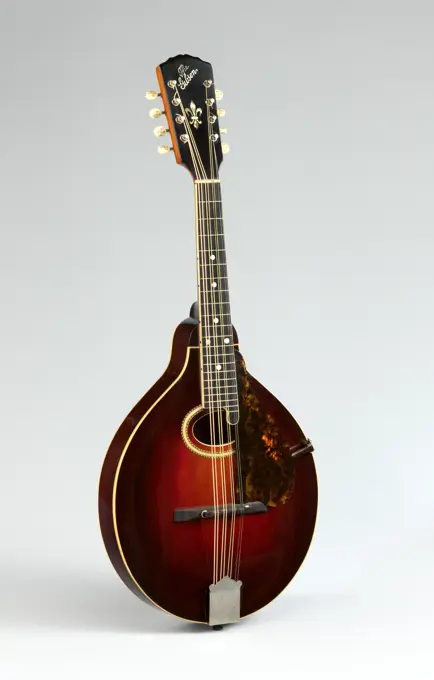
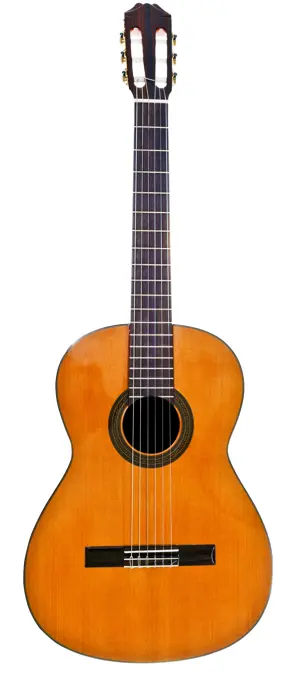
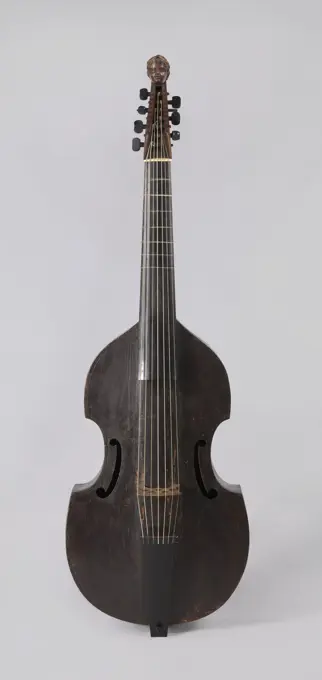
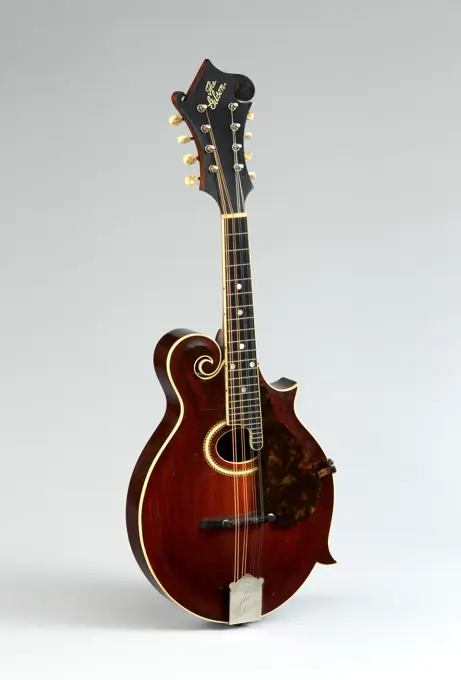
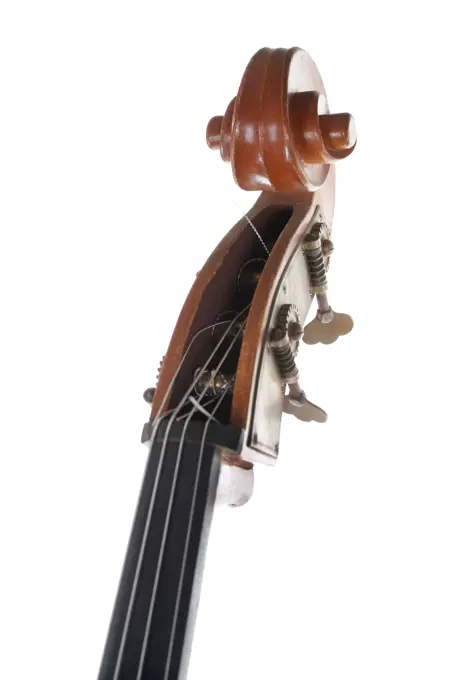
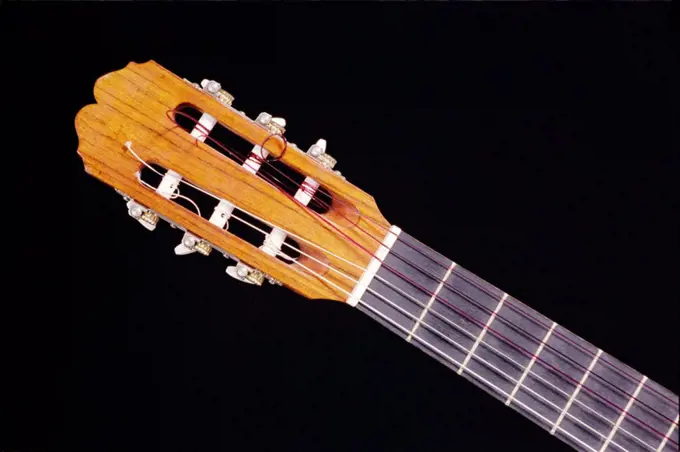
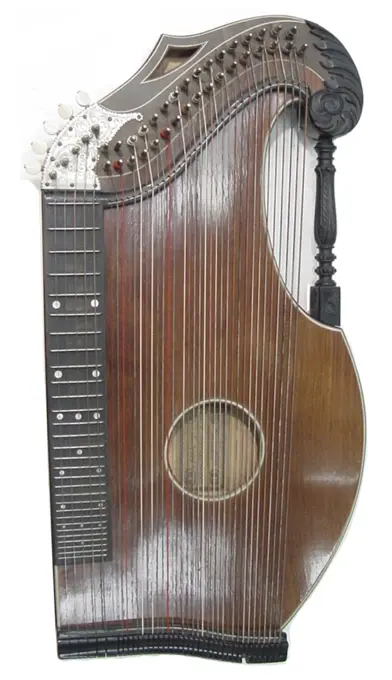
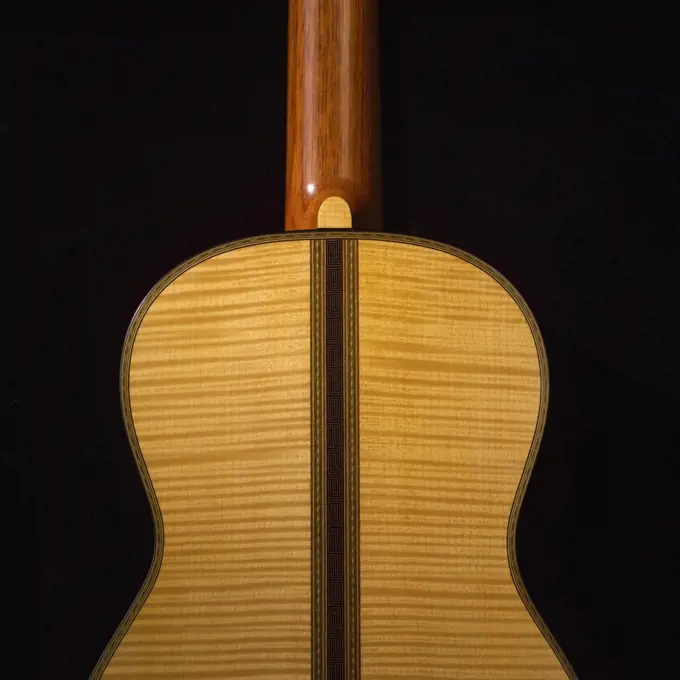
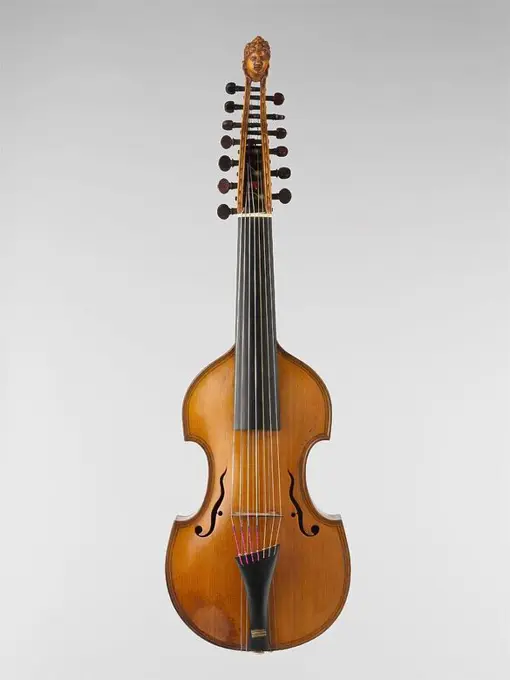
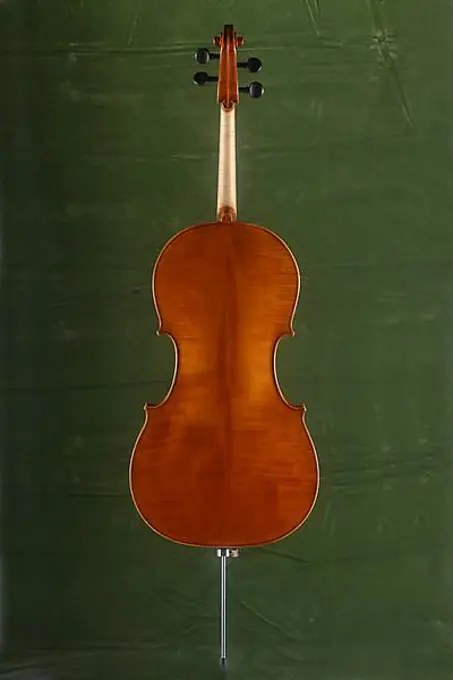
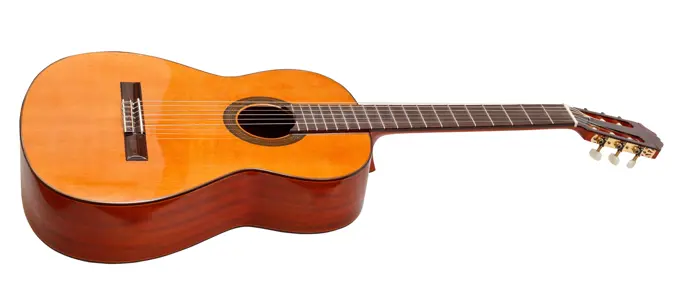
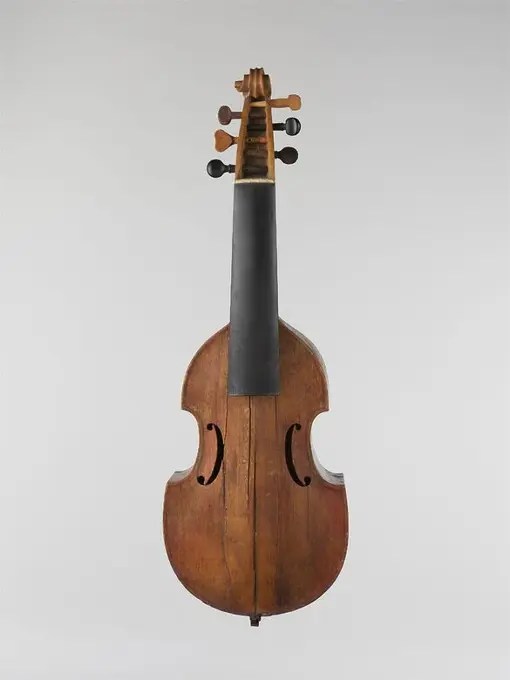
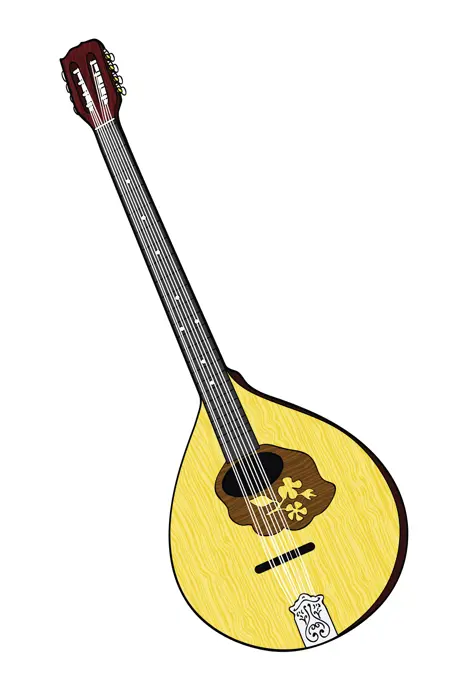
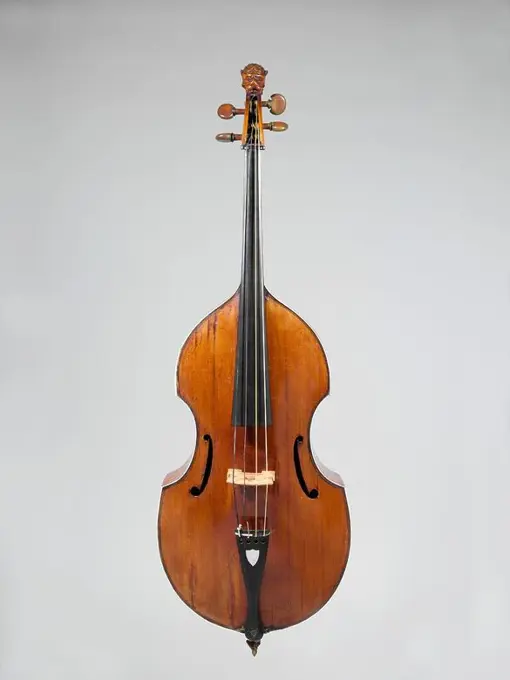
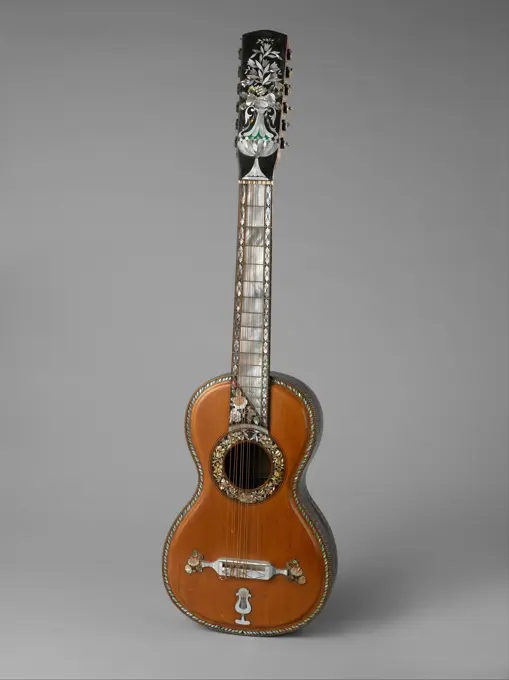
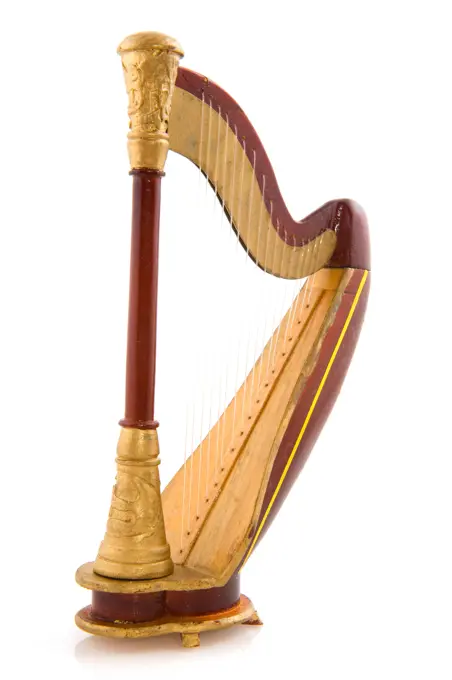
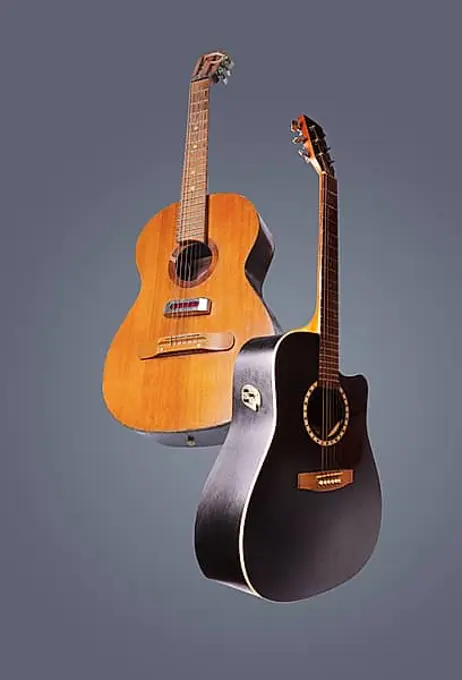
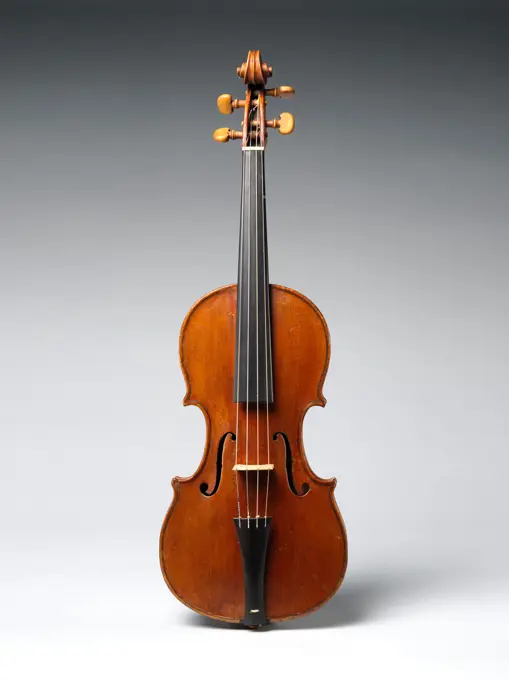
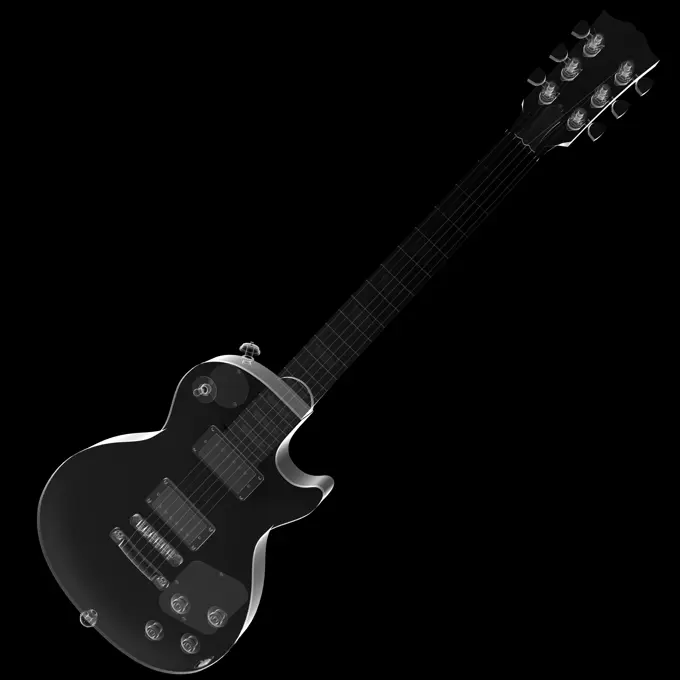
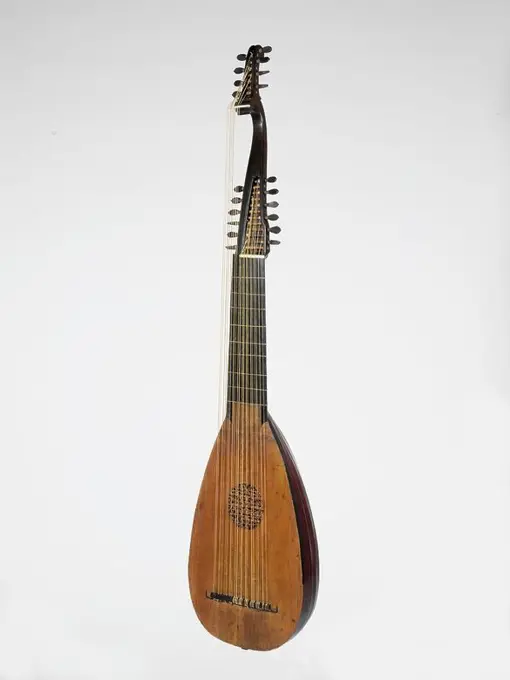
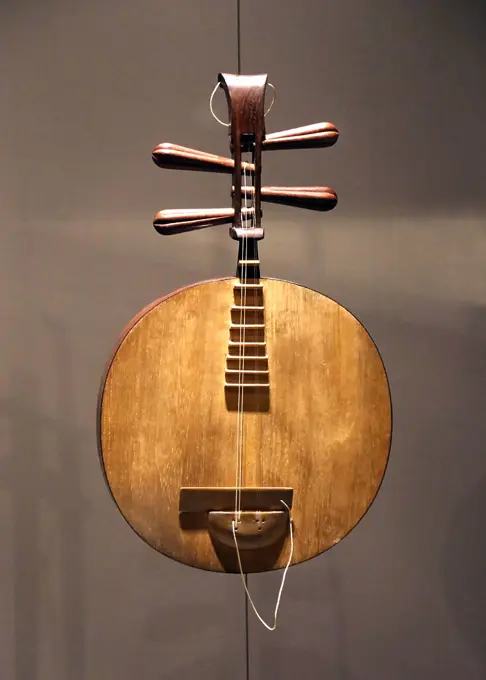
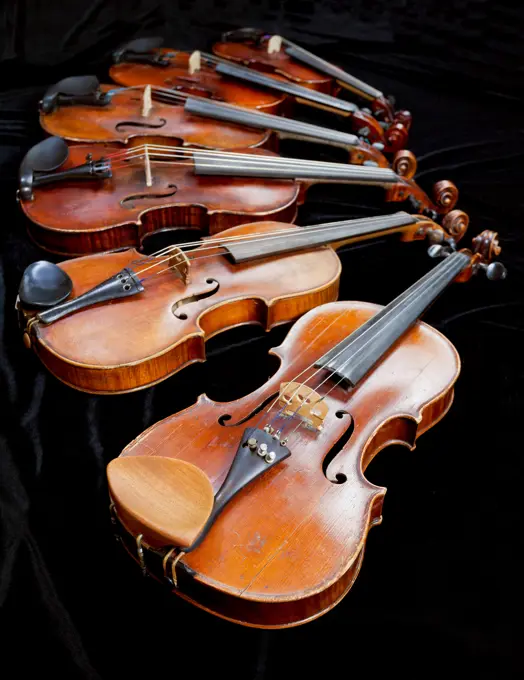
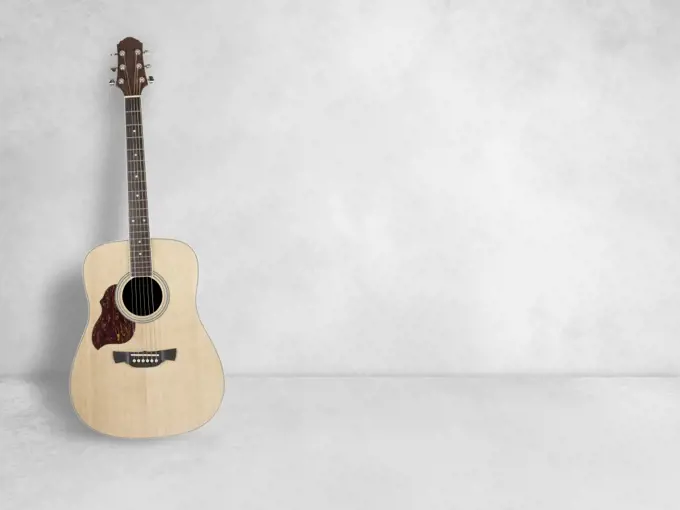
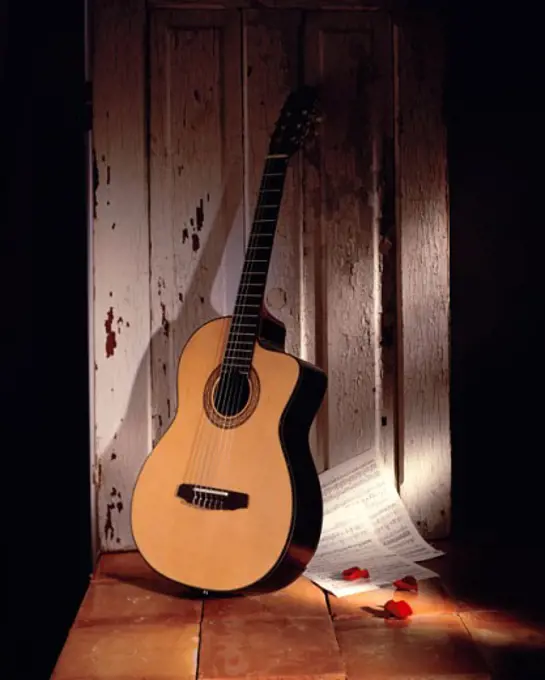
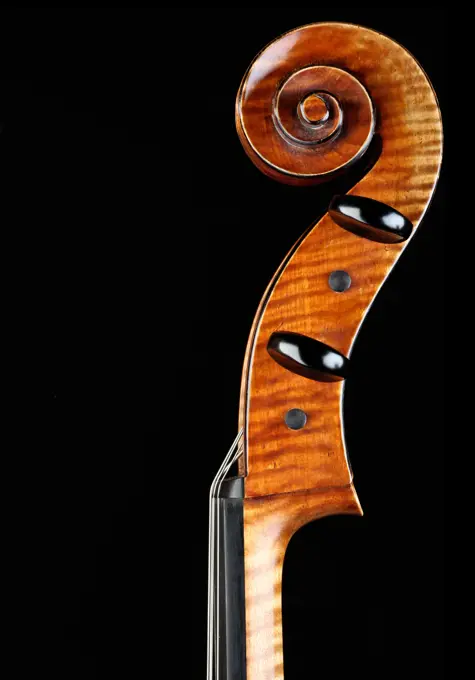
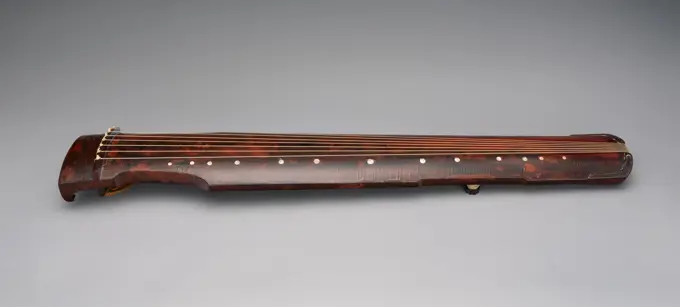
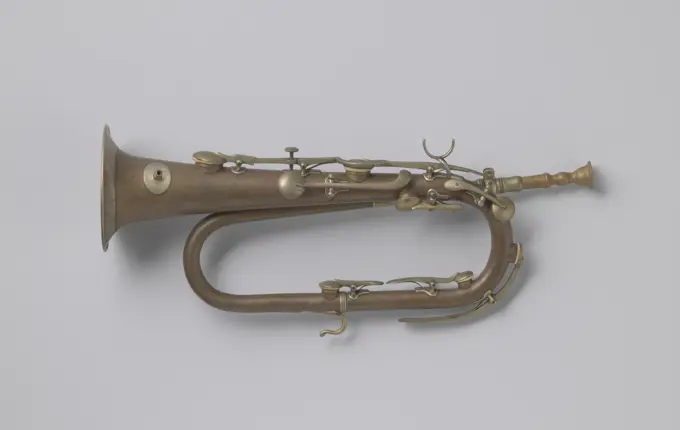
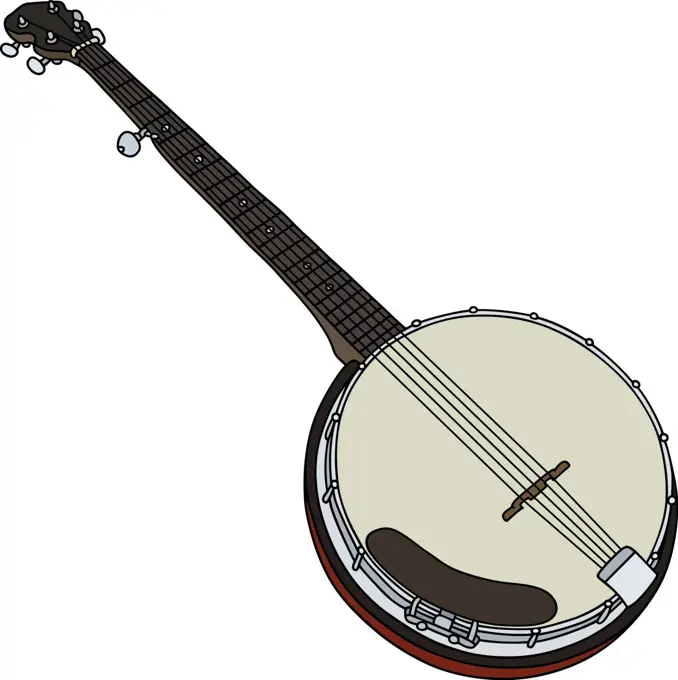
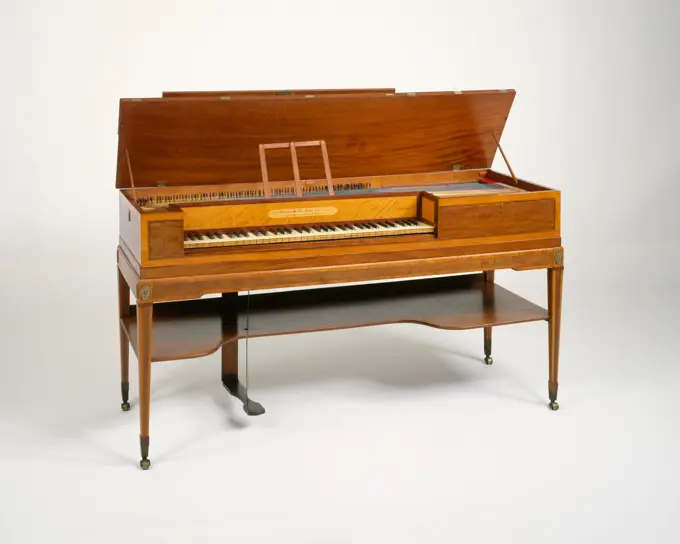
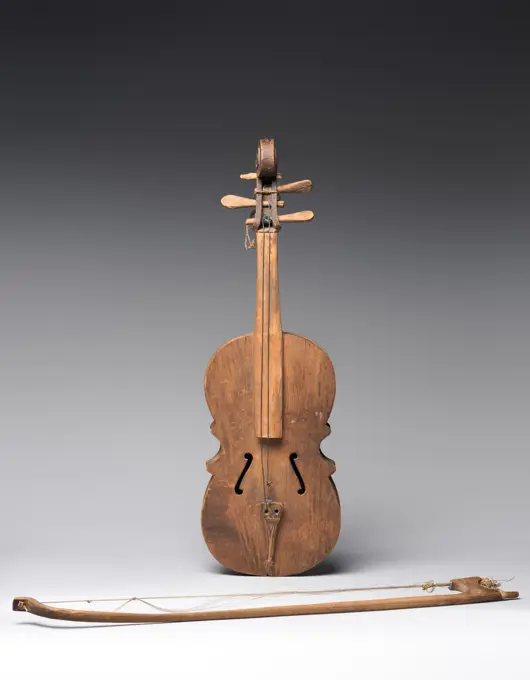
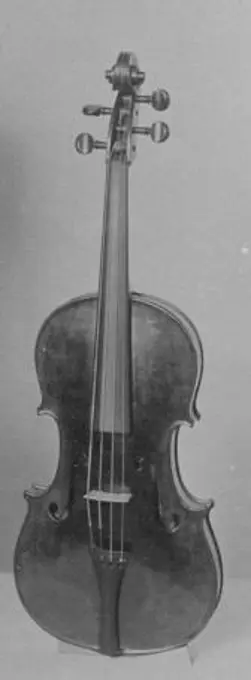
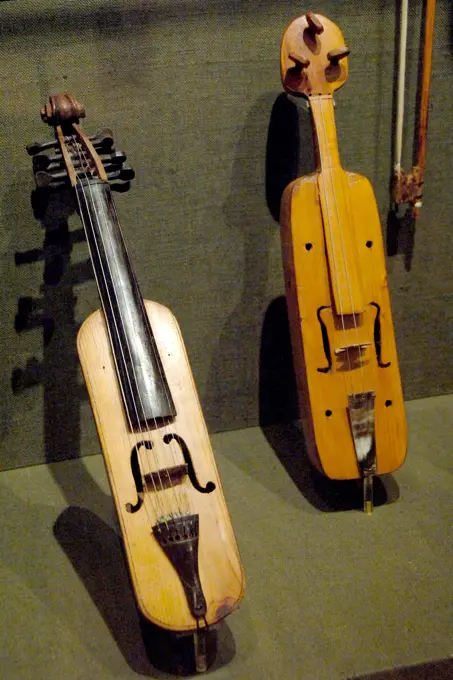
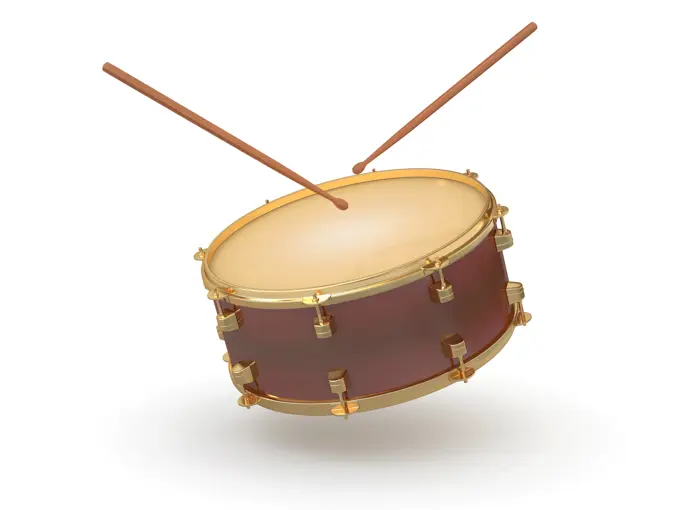
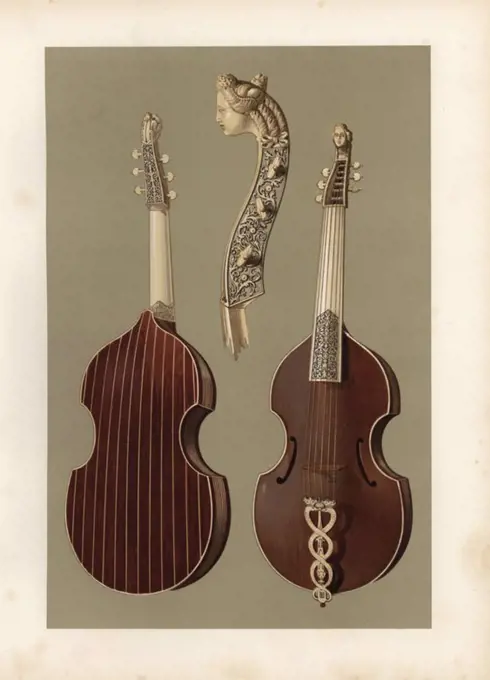
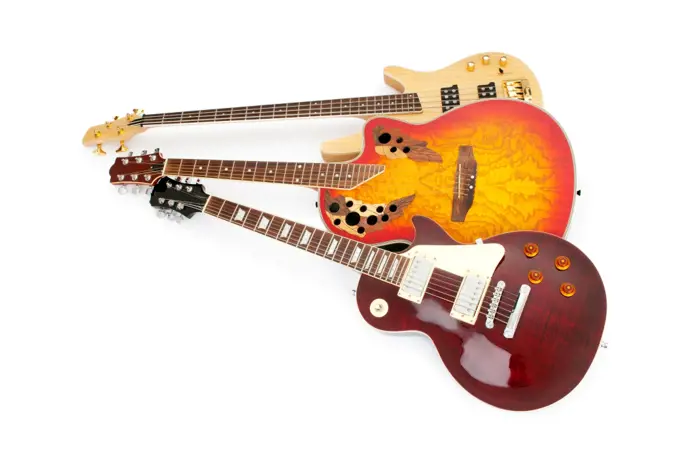
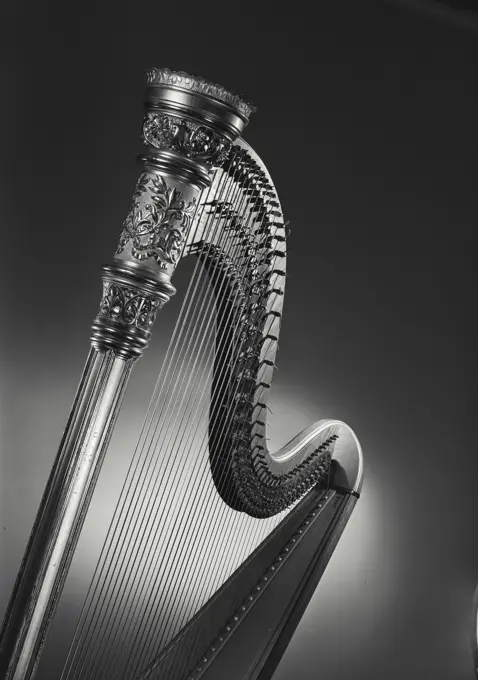
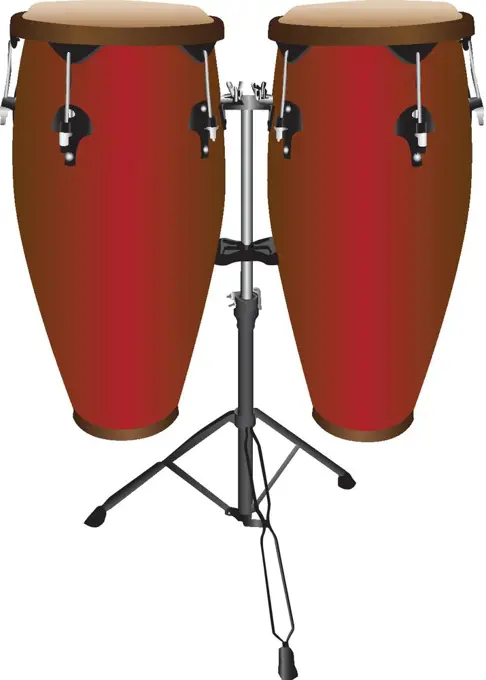
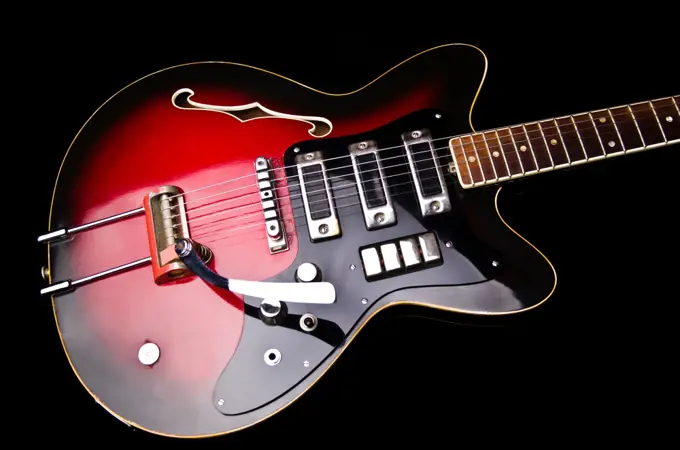
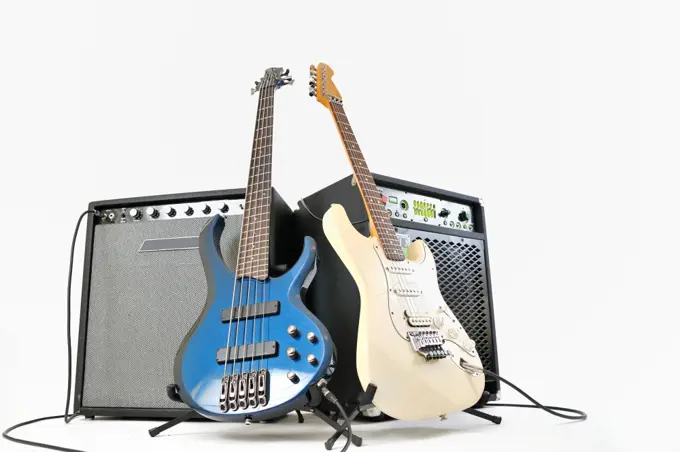
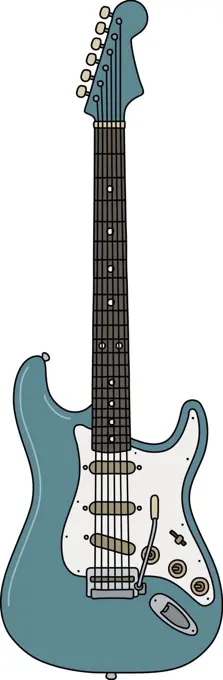
Guitar instrument, illustration, vector on white background.Mandola 1917 Gibson Mandolin-Guitar Manufacturing Co., Ltd. Gibson H-2 model mandola with a light to dark red sunburst finish, serial number 34155. The H-2 model mandola has a teardrop shaped body (like the A model mandolins). The mandola has a carved, arched top and back, a design patented by Orville Gibson in 1898. Five businessmen bought the name and patent from Orville Gibson in 1902 and started The Gibson Mandolin-Guitar Manufacturing Co., Ltd. The H-2 model was introduced in 1902 and discontinued in 1922. It has comparable features to the A-4 mandolin. The oval soundhole has decorative binding of a ring of inlaid wood and a second ring of ivoroid. The binding around the top and back of the instrument as well as the fingerboard is also ivoroid. Mahogany is used for the neck, and the fingerboard is of ebony and extends over the soundhole. There are twenty-one nickel-silver frets with mother-of-pearl position dots on the fingerboard and upper edge of the neck. The floating bridge isUkulele with floral borderfull view of classical acoustic guitar full view of classical acoustic guitar isolated on white background Copyright: xZoonar.com/ValeryxVoennyyx 5936887Electric Guitar, close_upGuitar ca. 1835-40 Johann Anton Stauffer Austrian An engraved paper label in the body states: Nach dem Modell/ des Luigi Legnani 3347 / von Johann Anton Staufer / in WienN-480 / Stauffer [MS signature.” Rinaldo Luigi Legnani (Ferrara,1790-Ravenna, 1877) was a guitar virtuoso as well as amateurviolin and guitar maker who developed a guitar designemulated by Stauffer. This example has a small, narrow waistedbody with a one-piece back, sides of maple, and topof spruce. The neck angle (and thus the height of the strings,or the action”) can be adjusted with a key mechanism. JohannAnton Stauffer was the son of Johann Georg Stauffer.. Guitar 503928Close-up portrait of Tanpura, Indian Traditional Classical Music instrumentBass Viol, c. 1700 Seventy -string bass gamba in coffin. Amsterdam walnut (hardwood). spruce (wood). ebony (wood). Seventy -string bass gamba in coffin. Amsterdam walnut (hardwood). spruce (wood). ebony (wood).Mandolin 1916 Gibson Mandolin-Guitar Manufacturing Co., Ltd. F-2 model mandolin with a light to dark red sunburst finish, serial number 29224. Two-point body, with points on the upper right and lower right corners, and a distinctive scroll on the upper left corner. The mandolin has a carved, arched top and back, a design patented by Orville Gibson in 1898. Five businessmen bought the name and patent from Orville Gibson in 1902 and started The Gibson Mandolin-Guitar Manufacturing Co., Ltd. The F-2 is built to the same specifications as the F-4 model, but is slightly less decorated. It was introduced in 1902 and discontinued in 1934. The instrument has an oval sound hole with decorative inlaid wood and ivoroid binding. The front and fingerboard are bound in ivoroid. The neck is made of mahogany, the fingerboard is ebony and extends over the sound hole. There are twenty-four nickel-silver frets with mother-of-pearl position dots on the fingerboard and upper edge of the neck. The floating Image headstock contrabass. Isolated on white backgroundGuitar. An acoustic six-string guitar isolated by a plot a backgroundDetail photo of a flamenco guitar neck.Harp Zither early 20th century A. F. Kochendorfer German German makers popularized autoharp and other zither-type instruments in the United States as parlor instruments. These instruments reached their greatest popularity between the last quarter of the nineteenth century and the middle of the twentieth century after which they were replaced by other forms of entertainment. A. F. Kochendorfer was a well-known Stuttgart maker whose zithers are favorites of collectors and players.This instrument has a closed asymmetrical trapezoidal wooden sound box. The shape of the body and pillar are meant to evoke the harmonic curve and shape of the harp. The instrument has 38 strings (2 missing) with five used for melody playing the rest for accompaniment. The five melody strings are placed above an ebony fretted fingerboard and these strings have cellulose machine tuners. The instrument survives with its original case that also includes a cleaning brush and a tuning key.. Harp Zither. German. earlyAcoustic guitar silhouette. Black string classical musical instrument logo, electric rock emblem, modern grunge or vintage icon, entertainment tool, vector isolated on white background illustration. Acoustic guitar silhouette. Black string classical musical instrument logo, electric rock emblem, modern grunge or vintage icon, entertainment tool, vector isolated illustrationClassical GuitarIllustration of guitar. Jazz musical instrument. Contemporary and classical music.. Illustration of guitar. Jazz musical instrument.Close-up of a guitarClose-up portrait of Tanpura, Indian Traditional Classical Music instrumentViola d'Amore. Culture: French. Dimensions: Body L. 41 cm (16.14 in.); Total L. 76.5 cm (30.12 in.); Bowed String L. 36.7 cm (34.39 in.). Maker: Attributed to Jean-Nicolas Lambert (French, Saint-Laurent near Epinal 1708-1759 Paris). Date: second half 18th century. Museum: Metropolitan Museum of Art, New York, USA.Rock guitar against colourful backgroundWooden violin with string yellow backgroundStringed musical instrument : classical seven - string guitar A musical instrument is a beautiful classical seven-string guitar on a white background. Copyright: xZoonar.com/GalinaxxTolochkox 19321941Violoncello, celloside view of classical acoustic guitar side view of classical acoustic guitar isolated on white background Copyright: xZoonar.com/ValeryxVoennyyx 5932945Treble Viol. Culture: French. Dimensions: Body length 35.8 cm,Body width:upper bout 17.4 cmcenter bout 13.4 cmlower bout 21.9 cmRib height:top block 5.6 cmcenter bout 7.08 cmbottom block 7.1 cmString length 33.8 cm. Maker: Jean Villiaume. Date: 1743. Museum: Metropolitan Museum of Art, New York, USA.Musical guitar isolated on the white backgroundGibson red guitar on wood grain wallColorful illustration of Irish Bouzouki Colorful illustration of Irish Bouzouki isolated on white background Copyright: xZoonar.com/VeraxVolodkinax 9184098Violin Ornament Upright on Standstring acoustic guitar cartoon. country music, instrument musician string acoustic guitar sign. isolated symbol vector illustration. string acoustic guitar cartoon vector illustrationMusical guitar isolated on the white backgroundDivision Viol. Culture: German. Dimensions: Body length: 64.7 cm.Body width: upper bout 29.1 cm. center bout 22.3 cm. lower bout 36.2 cm.Rib height: top block 7.7 cm. center bout 11.9 cm. bottom block 11.9 cmString length: 61.0 cm.. Maker: School of Tielke. Date: ca. 1720.Slightly smaller than the bass viola da gamba, the division viol is an instrument ideal for playing improvised variations (or "divisions") upon a repeated bassline, or ground. Division viols grew in popularity in England in the seventeenth century alongside publications of methodical treatises, such as Christopher Simpson's The Division Viol of 1665 and The Division-Violist of 1669, as well as John Playford's A Brief Introduction of 1667. Because of its large compass and range of over three octaves, the instrument allowed accomplished performers to play polyphonic compositions and rapid passagework, but was also ideal for informal consort playing.In its original condition, this viol's six strings would haViolin isolated on the whiteviolin isolated on white backgroundMusical guitar isolated on the white backgroundClassic five strings banjoAfrican KoraLyre Guitar. Culture: Italian. Dimensions: Total length 80.7 cm., Max width 37.4 cm., Depth at tail 9.4 cm., Vibrating length 63.5 cm.. Maker: Gennaro Fabricatore (Italian, Naples ca. 1750-1832 Naples). Date: 1807. Museum: Metropolitan Museum of Art, New York, USA.MandolinRed electric guitarGuitarra Séptima (Seven-course guitar) ca. 1880 M. Fernandez Mexican Mariano Fernández, Guitarra Séptima (Seven-course guitar)2012.569The Mexican seven-course guitar reached the height of its popularity during the 19th century. It was used to perform music in a variety of genres, most of it written by Mexican composers. This beautifully crafted instrument by Mariano Fernández epitomizes guitar making in Mexico at its highest level. Inlaid mother-of-pearl, abalone and wood trace intricate geometric patterns and elegant floral motifs on every surface. Just below the bridge, a lyre topped by a Phrygian cap, symbols of music and liberty, connect the guitar to Mexicos Liberal Reform movement and its cultural expression in art and music.. Guitarra Séptima (Seven-course guitar) 506812Bow Norwegian 19th centuryDecachord or harp Harp or decachord in brown and gold Copyright: xZoonar.com/IvonnexWierinkx 7121920Two six-string guitars on a gray backgroundViolino Piccolo attributed to Joseph Hill British ca. 1750 This small-size violin is a rare form of the instrument known as a violino piccolo. Instruments such as this were used to play higher passages in ensemble music written in the seventeenth and eighteenth centuries. Most famously, there is a part for a violino piccolo in J. S. Bach's first Brandenburg Concerto. As playing techniques changed in the second half of the eighteenth century, violinists began to shift their hands higher on the fingerboard, allowing them to play these higher passages on standard instruments. Surviving violinos piccolo are quite rare and significantly, this example retains its original internal bass bar and neck, parts that were often replaced in the nineteenth century. This instrument was in the personal collection of New York City violin dealer Rembert Wurlitzer and is attributed to the London maker Joseph Hill. View more. Violino Piccolo. British. ca. 1750. Spruce, maple, ebony. Musical instrumentsancient Asian stringed musical instrument on black background with backlight. tuning peg . national musical instrument of AsiaViola D'Amour. This instrument is known as the Love Viol thanks to the softness of the tone produced by it when played.isolated transparent guitar image isolated transparent guitar image Copyright: xZoonar.com/StanislavxRishnyakx 9642253Lute. Culture: Italian. Dimensions: Height: 46 9/16 in. (118.2 cm). Maker: Pietro Railich (German, Füssen 1615-ca. 1678 Padua). Date: 1669.Railich built this instrument in a very particular time period when Renaissance tuning was incorporating new Baroque ideas. Therefore, it is difficult to know if it was conceived as a ten-course lute, following the old tradition, or as one of the new, innovative eleven-course lutes. The rather small body has twenty-one ribs made of snakewood.Like most of the lutes built before the eighteenth century, this instrument was modified to follow innovations in music. A repair label indicates that in 1720, Anton Fichtl of Vienna refurbished the instrument as a swan-neck lute. An interesting perforation on the bridge allows the instrument to change between eleven courses (the first two courses single) and ten courses (all double). This is the only known surviving eleven-course, swan-neck lute; the most common configuration is thirteen courses. Museum: MetrMusical guitar isolated on the white background3d icon toy guitar,Funny children's toysYueqin. Aso Yue-Qin, Chinese lute or moon guitar, traditional instrument of the Beijing Opera orchestra. 19th century.violins with black background different sized violins with black background close up Copyright: xZoonar.com/ValeryxVoennyyx 5056447Pochette German 17th century Dancing was an expected aristocratic accomplishment. Instruction was given at home by a visiting dance master, who played a small fiddle to provide music for the lessons. The compact, slender shape of these instruments made them easy to transport and gave them the name pochette, which suggests that they were carried in one's coat pocket. View more. Pochette. German. 17th century. Wood, ivory. Germany. Chordophone-Lute-bowed-unfrettedBlack acoustic guitar on stand, isolated on a white backgroundvintage guitar on old backgroundGuitar and sheet music on a tablewhole violin against gray background seen from aboveCellosGuqin ( ) late 17th-mid 18th century Chinese Endowed with cosmological and metaphysical significance and empowered to communicate the deepest feelings, this zither, beloved of sages and of Confucius, is the most prestigious instrument in China. Han Dynasty (206 B.C.-220 A.D.) writers state that the qin helped to cultivate character, understand morality, supplicate gods and demons, enhance life, and enrich learning. Ming Dynasty (1368-1644) literati who claimed the right to play the qin suggested that it be played outdoors in a mountain setting, a garden or a small pavilion or near an old pine tree (symbol of longevity) while burning incense perfumed the air. A serene moonlit night was considered an appropriate time for performance. Each part of the instrument is identified by an anthropomorphic or zoomorphic name and cosmology is ever present: for example, the upper board of wutong wood symbolizes heaven, the bottom board of zi wood symbolizes earth. Qins over a hundred years old areThe classic big bassSpinet 1540 Italian Still playable after 450 years, this spinetta embodies the spirit of Italian humanism in its sophistication and elegance. The graceful pentagonal shape of the case conforms to the layout of the strings stretched over the soundboard, and the exterior is richly decorated with panels of inlaid wood, mother-of-pearl, and tracery. Layers of pierced parchment recreate a Gothic rose in the sound hole. Dolphins appear in the inlay flanking the keyboard, and carved figures of grotesques bracket the keyboard. Over the keys is a line of poetry meant for the musician's eyes: "I'm rich in gold and rich in tone; if you lack virtue, leave me alone." It embodies a pun on the word "virtue" (del buono); in other words, the musician should have personal goodness as well as musical skill.The musician who commissioned this instrument was Eleanora della Rovere (daughter of Isabella d'Este), who grew up in a cultivated court where both religious and secular music would have been heard andClose-up of an ore on a wooden surfaceBanjo ca. 1870-1910 American This five-string banjo is a homemade copy of an inexpensive, commercially-made banjo. All components are undecorated and functionally simple. The neck is fretless, the peghead and tailpiece are simple rectangular forms, the tuners are violin-type friction pegs, the rim has an open back with no resonator, and the head-tightening system utilizes a minimal number of only six hooks, nuts and brackets. As playing the banjo became more popular and mass-produced banjos became available in the 1870s, such homemade instruments became common and continued to be made through the first half of the twentieth century. (Peter Szego, 2020). Banjo 505348Guitar set. Acoustic guitar and electric bass guitar on white background. Musical string wooden instrument collection for string melody. Rock or jazz equipment accompaniment of musician on stage. Guitar set. Acoustic guitar and electric guitar on white background. String musical instrumentsBlue electric guitar icon flat isolated on white background vector illustration. Blue electric guitar icon isolatedSquare Piano. Culture: British. Dimensions: Case length (perpendicular to keyboard): 57.3 cm (22 5/8 in.)Width (parallel to keyboard): 162.9 cm (64 1/8 in.)Depth (without lid): 22.0 cm (8 3/4 in.)Total height: 86.3 cm (34 in.)3-octave span: 48.9String length FF: 137.1String length c4: 7.3String length c2: 28.6. Maker: John Broadwood & Sons. Date: 1797.Based on the design of Johannes Zumpe for a simple square piano design, this elegant instrument incorporates several innovations. An expanded compass of 5-1/2 octaves is possible by a design that has keys extend under the soundboard. Tuning pins have moved from the right side, where they were crowded and far from the lowest key to a convenient arrangement along the back. This piano has no damper control; the pedal opens the lid flap over the soundboard when the main lid panel is closed. Broadwood replaced hand stops by pedals around 1785. By the 1790s his firm was making about 400 squares and 100 grands annually. Museum: MetropoliCartoon groovy contrabass, double bass musical instrument character with smiling mustached face and bow in hand playing classic music. Vector musician equipment personage ready for orchestra concert. Cartoon groovy contrabass, double bass instrumentClassical wooden guitar. String musical instruments. Flat vector illustrationKleppenhoorn.Kleppenhoorn with Berlin's silver border.Turkish musical instrument kemenche in cartoon style isolated on white backgroundClassic five string banjoSquare Piano 1797 John Broadwood & Sons Based on the design of Johannes Zumpe for a simple square piano design, this elegant instrument incorporates several innovations. An expanded compass of 5-1/2 octaves is possible by a design that has keys extend under the soundboard. Tuning pins have moved from the right side, where they were crowded and far from the lowest key to a convenient arrangement along the back. This piano has no damper control; the pedal opens the lid flap over the soundboard when the main lid panel is closed. Broadwood replaced hand stops with pedals by around 1785. By the 1790s his firm was making about 400 squares and 100 grands annually.Technical description: Rectangular case and lid with mahogany () panels bordered with sycamore or satinwood separated by fine boxwood and ebony striping and a broader line of purple wood; on 4 square, tapered legs supporting a shelf with concave front; FF-c4 (68 note) keyboard with ivory naturals with molded fronts and ebony accidenViolin ca. 1800-1889 Chukchee People This instrument was acquired by Waldemar Bogoras, an exiled Russian revolutionary, from a Chuckchee musician in Siberia. Bogoras and his wife Sofia engaged in ethnographic and linguistic studies with peoples on the western side of the Bering Strait. He was accompanied on his fieldwork expeditions by his wife Sofia Bogoras who acted as a photographer. His collection went to the American Museum of Natural History in New York City, from which Mary Elizabeth Brown acquired this instrument around 1905. Technical description: Folk violin with bow. Flat (slightly bent) one-piece pinewood top. Back, ribs, and neck carved from one piect of wood. Two S-shaped soundholes. Pinewood fingerboard. Bridge missing. Accompanying bow. (Karel Moens, 1991). Violin. Chukchee People. ca. 1800-1889. Pinewood. Bering Strait, Russia. Chordophone-Lute-plucked-unfrettedTenor Violoncello early 19th century German Description: Molded whole-back. Dark brown varnish. Two F sound-holes. Peg-box terminating in a scroll. Four strings.. Tenor Violoncello. German. early 19th century. Wood, string. ChordophoneKEMANS. Museum of Greek Folk Instruments. Athens, Greece.cartoon guitar with thought bubbleMusical Instrument Alto Saxophone (Gold)Drum and drumsticks on white isolated background. 3d Drum and drumsticks on white isolated background. 3d Copyright: xZoonar.com/MaksymxYemelyanovx 2764171Kleppenhoorn. Copper valve horn with Berlin silver border.The classic red electric guitarViola da gamba or bass viol with carved ivory head and neck. Chromolithograph from an illustration by William Gibb from A.J. Hipkins' "Musical Instruments, Historic, Rare and Unique," Adam and Charles Black, Edinburgh, 1888. Alfred James Hipkins (1826-1903) was an English musicologist who specialized in the history of the pianoforte and other instruments. William Gibb was a master illustrator and chromolithographer and illustrated "The Royal House of Stuart" (1890), "Naval and Military Trophies" (1896), and others.Musical guitar isolated on the white backgroundelegant wedding bouquet of fresh natural flowers and greeneryVintage Photograph. Detailed view of a Grand Pedal Harp. Frame 4Saxophone isolated woodwind musical instrument. Vector sax or bass clarinet, orchestra trumpet. Clarinet or saxophone isolated musical instrumentPair of Conga DrumsPianoforte Guittar (Keyed cittern/English guittar) Christian Claus German 1783-89 The English guittar sic was a six-course wire-strung cittern, most popular in Britain in the second half of the eighteenth century. Christian Claus was the first patent holder for the "pianoforte guittar", an invention which integrated a piano hammer mechanism into the body of?the cittern. This novel instrument enjoyed tremendous popularity in the 1780s, but in 1789 Claus left London for New York (fleeing his creditors) and his competitors also ceased making them at around this time. There are a few pianoforte guittars by Claus that were made in New York.This instrument is an excellent example of Claus’s instruments and includes multiple features from his 1783 patent. Namely the "harp stop", built into the bridge, which could slide into contact with the strings immediately next to the saddle and would mute the sound and removed higher partials, making it sound more like a harp.(Daniel Wheeldon, 2023) ViWoman playing violin isolated on white backgroundVintage Banjo Instrument A detailed, isolated illustration of a classic banjo. This vintage musical instrument features a brown wood body and strings, perfect for music-related searches. Ideal for use in music or folk-themed projects. Copyright: xLonely11xMusical guitar isolated on the white backgroundtrumpet wind musical instruments stock vector illustration isolated on white backgroundMini wooden guitar model in hand on a white backgroundClose up of music guitarguitars and amplifiersHarp Lyre mid-19th century French. Harp Lyre 501657trumpet vector illustration isolated on white backgroundThe retro blue electric guitarTaus, c. 1800. East India. overall: 108 x 17.2 cm (42 1/2 x 6 3/4 in.).Traditional Brazilian tambourine, Pandeiro, isolated on white background. Brazilian tambourine isolated on white background