Old Tools and Artifacts

Collection of ancient tools, including wooden spindles and iron implements, reflecting historical craftsmanship and everyday utility.

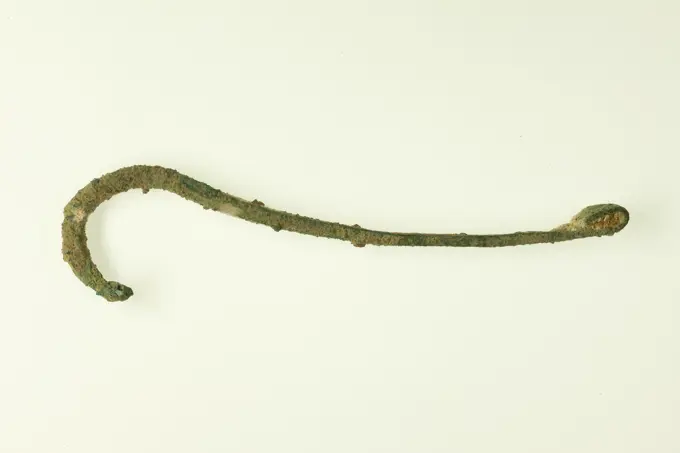
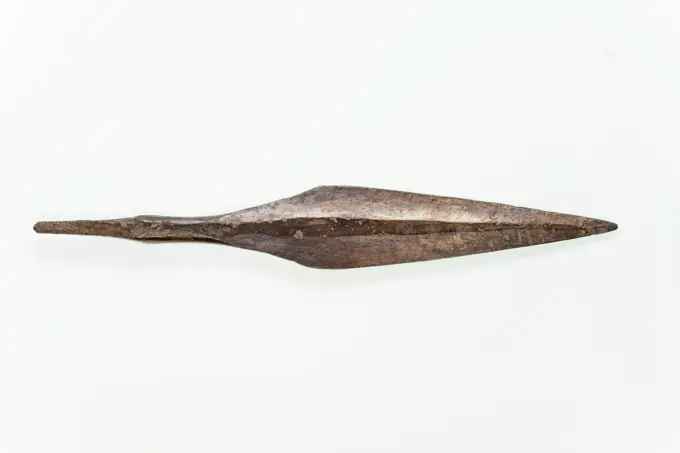
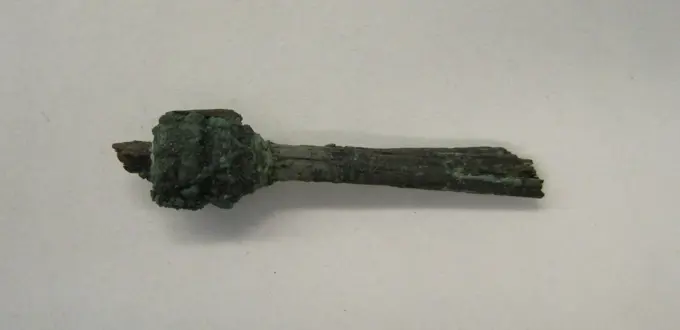
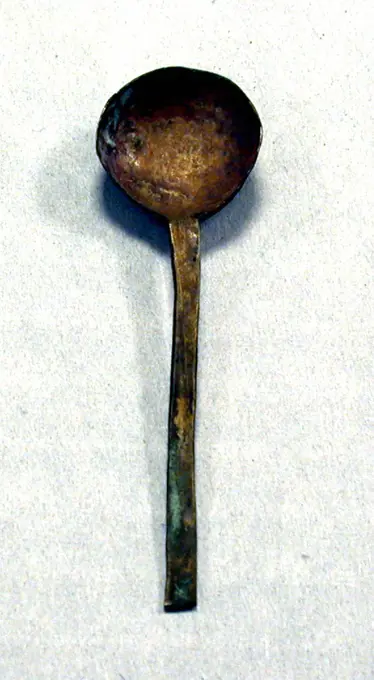
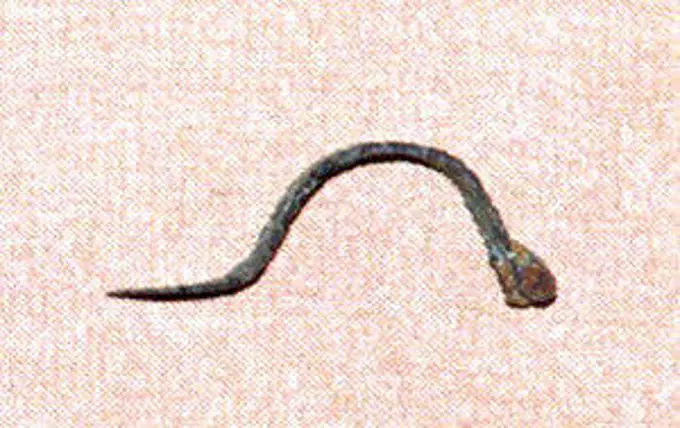
Iron boat hook with straight point, marked, boat hook soil found wrought iron metal, forged Wrought iron boat hook or hook hook. Dagger end. Curled sides for the seat of the wooden handle Four nail holes Oval mark on the blade on the handle side not legible archeology Rotterdam City Triangle Oudehaven shipping transport craft Soil discovery: Oude Haven Rotterdam.
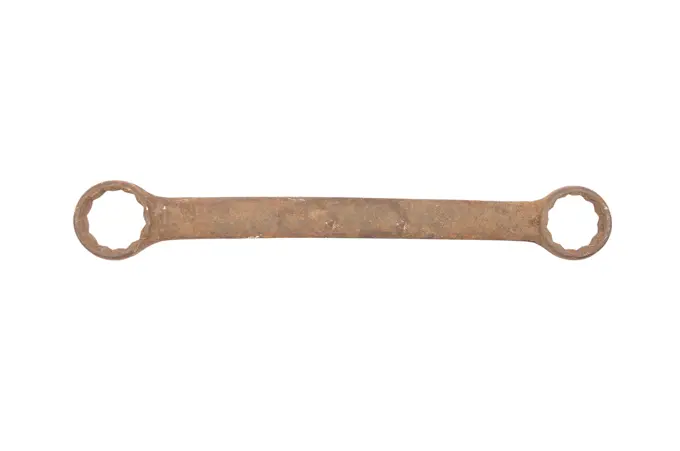
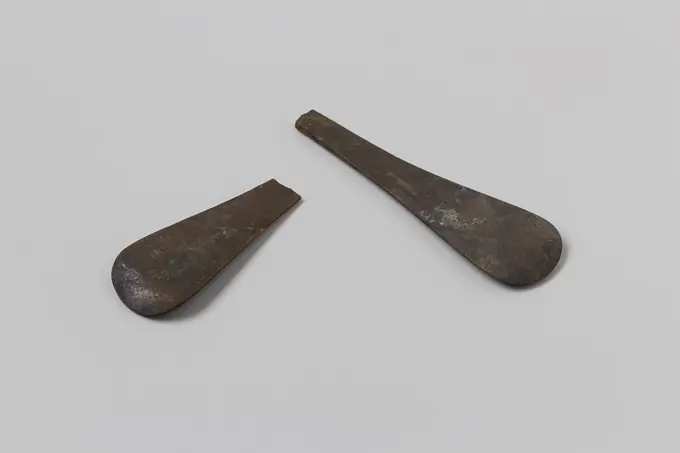
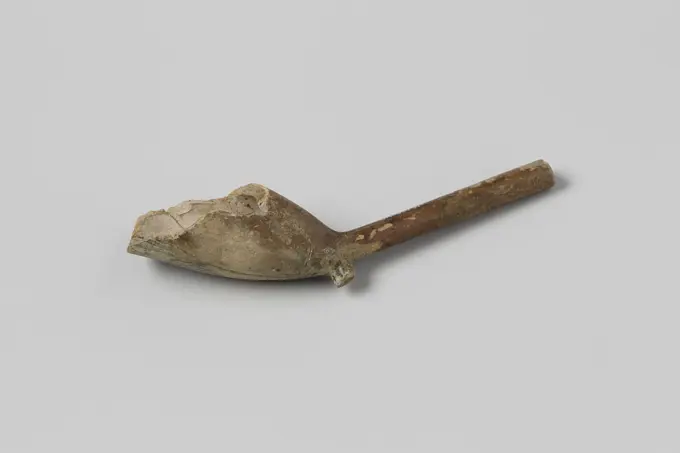
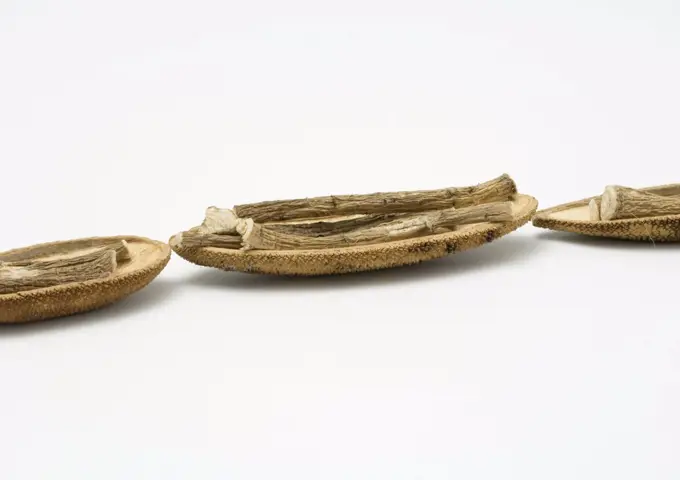
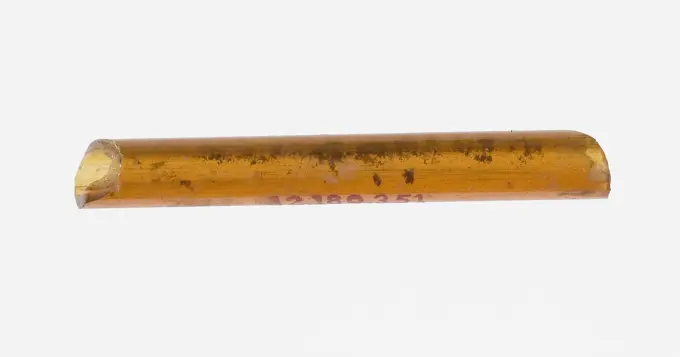
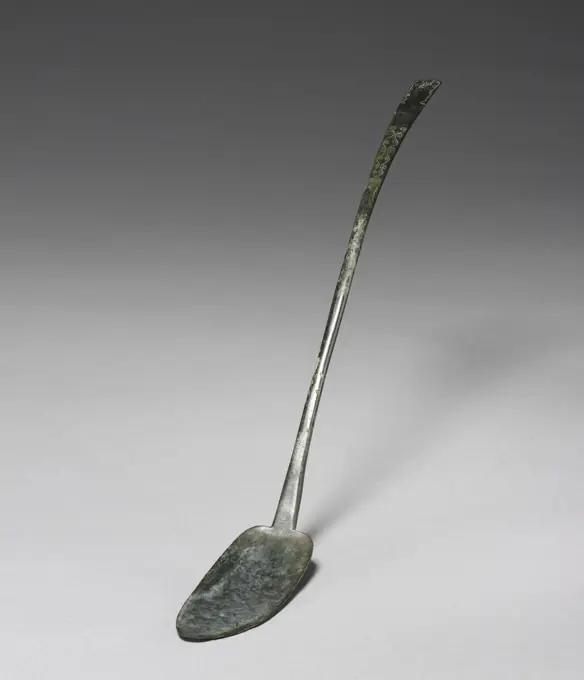
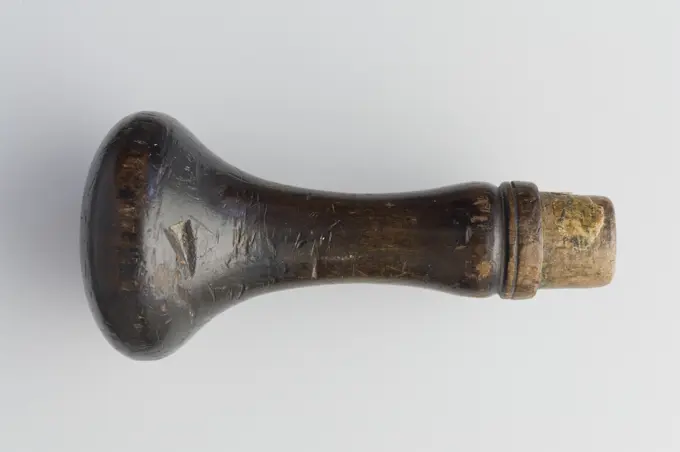
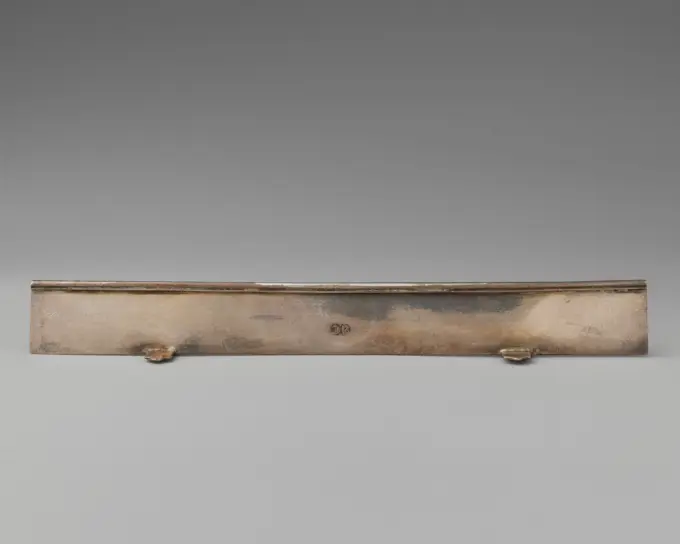
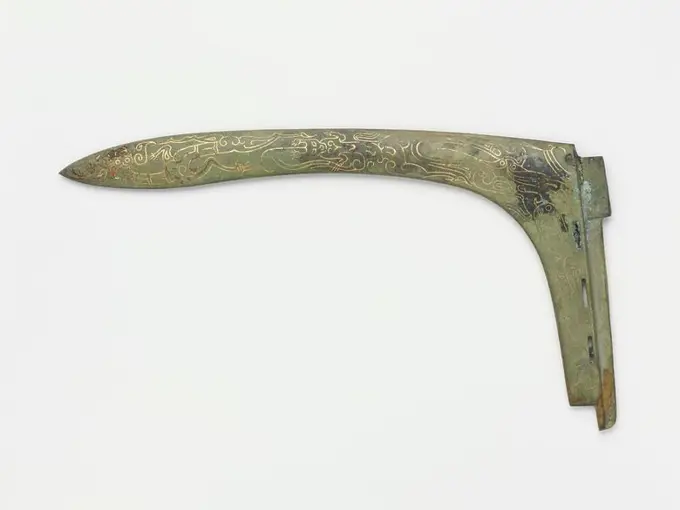
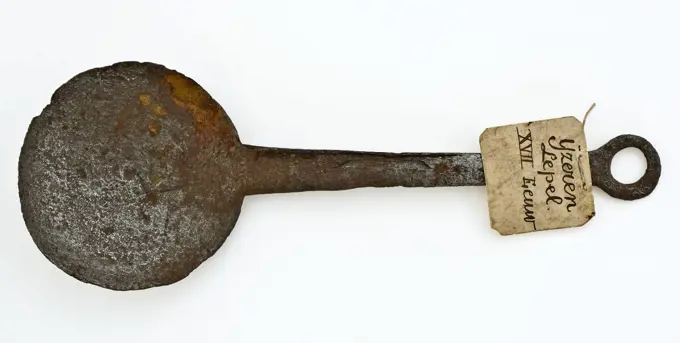
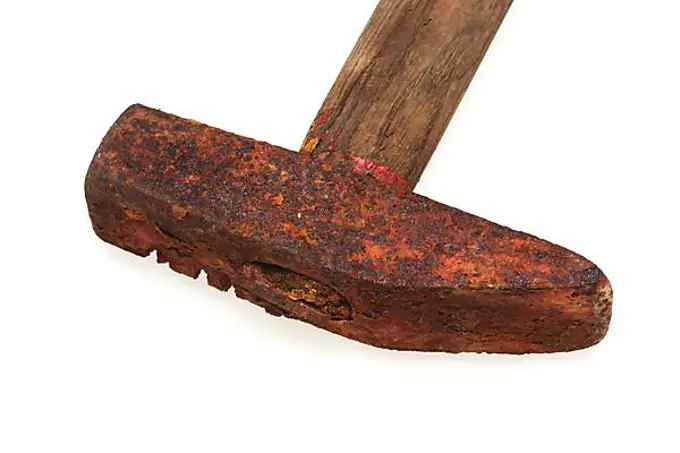
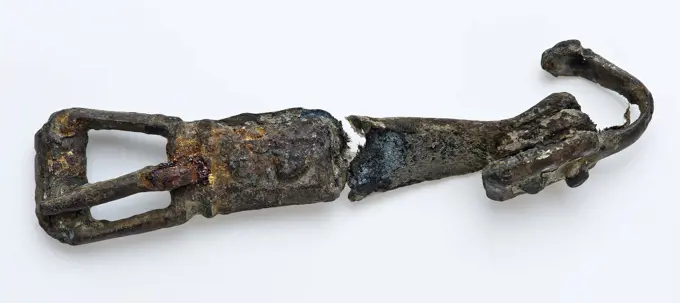
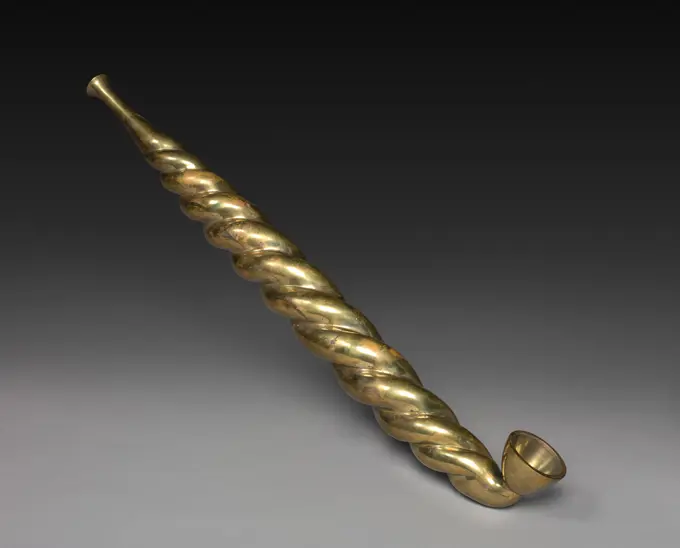
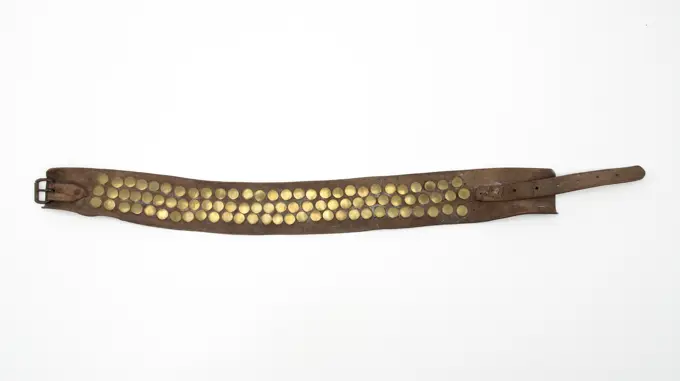
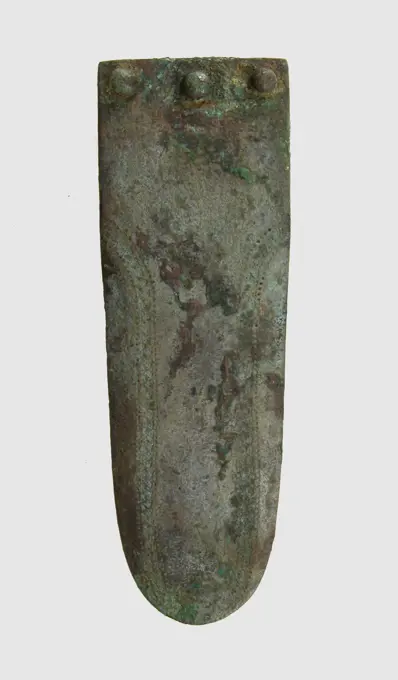
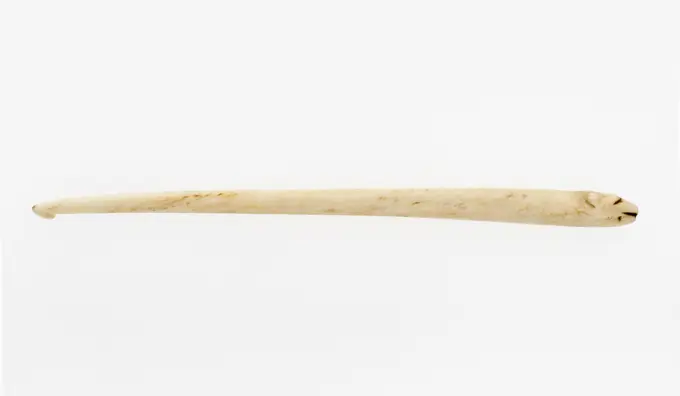
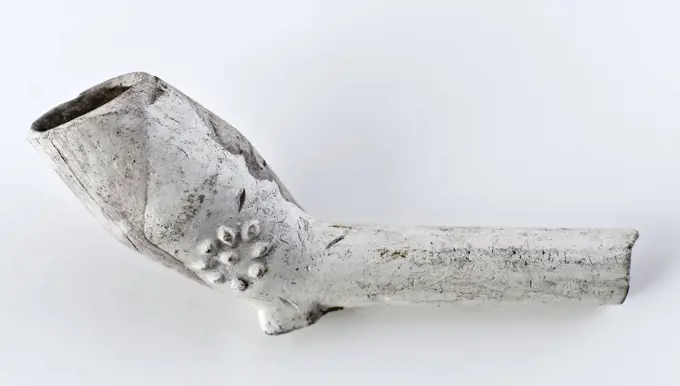
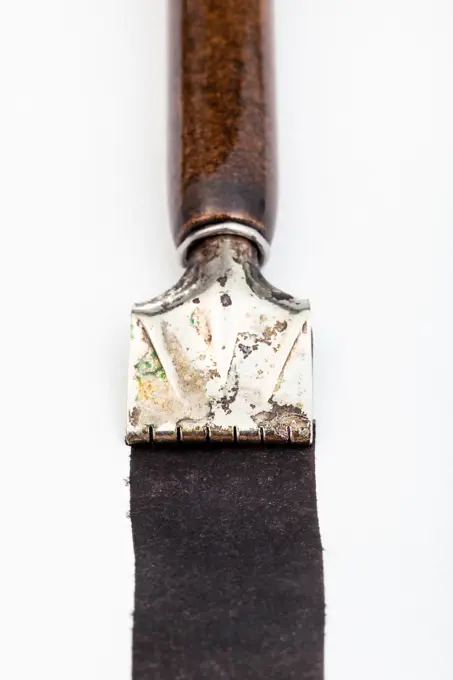
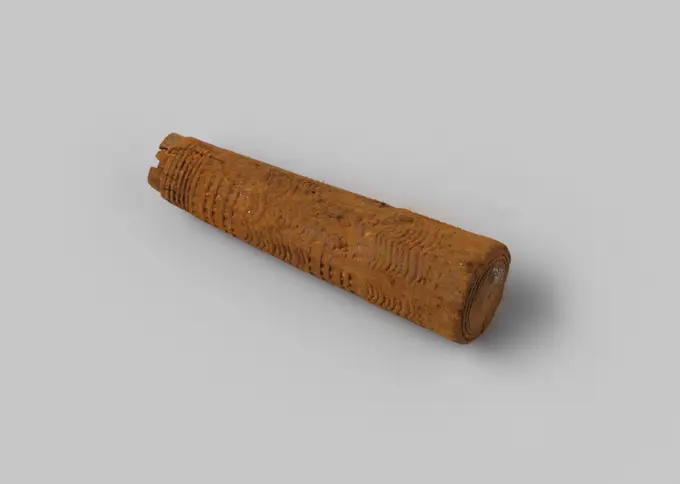
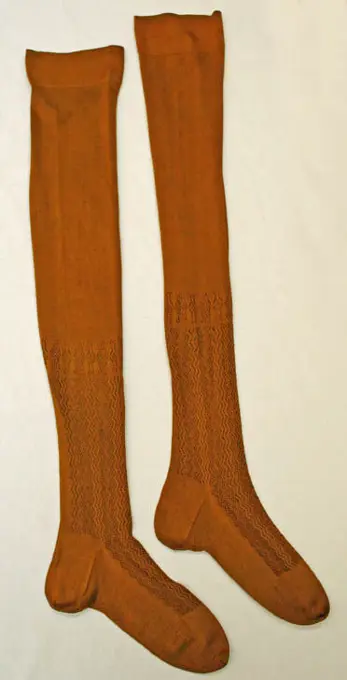
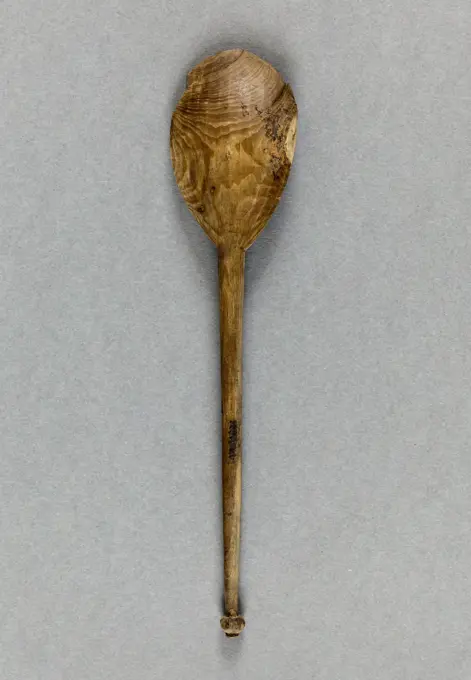
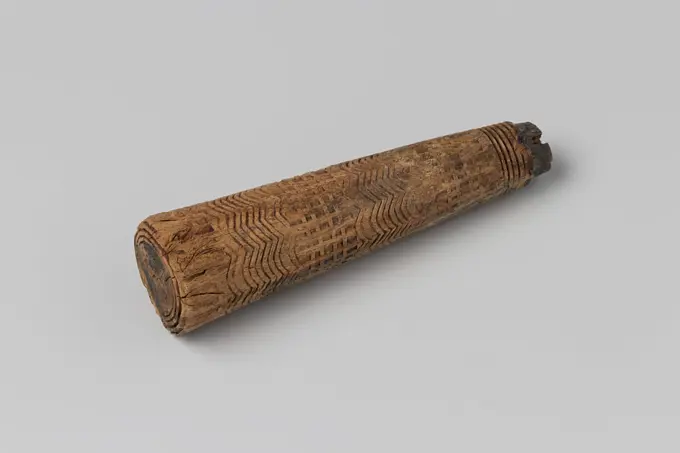
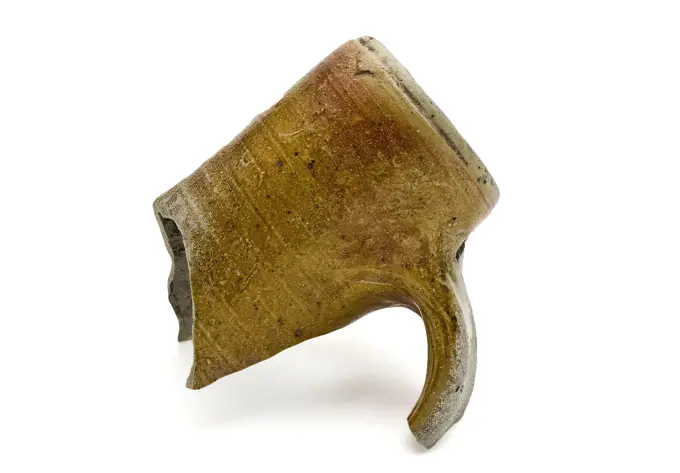
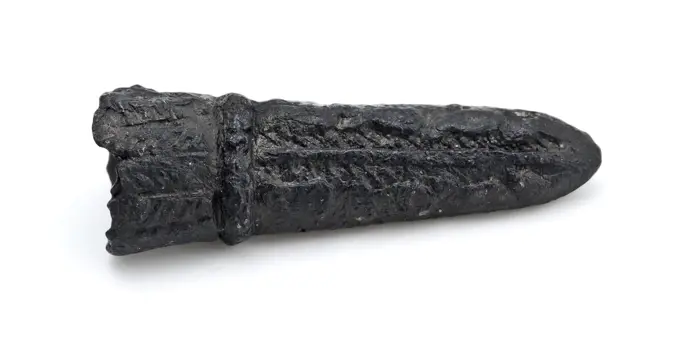
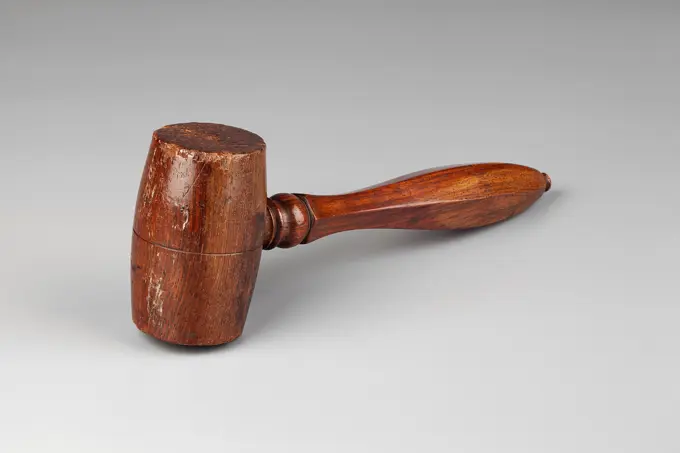
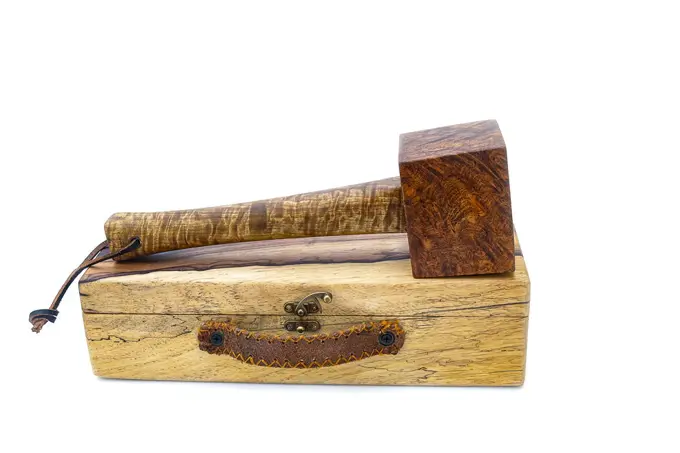
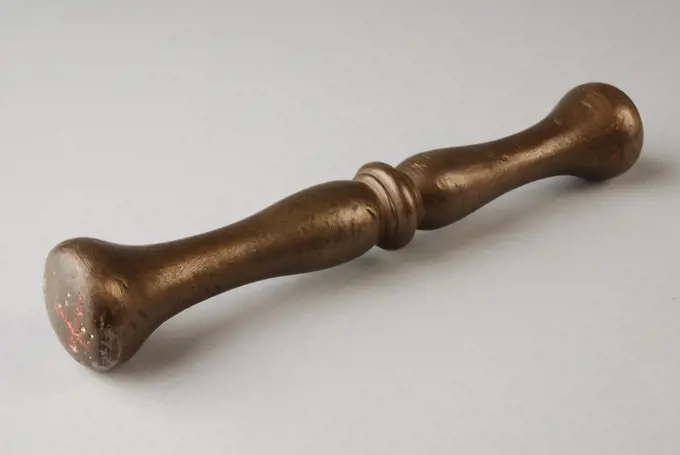
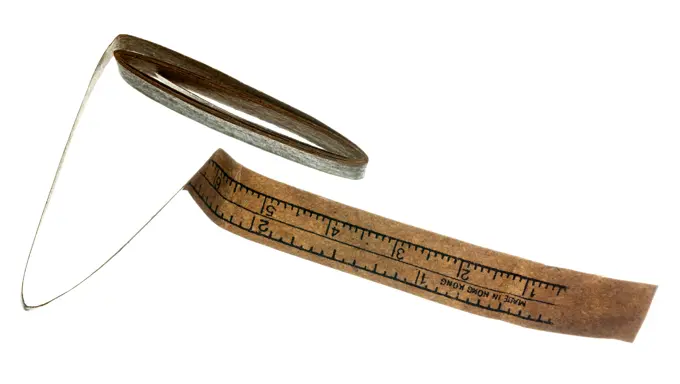
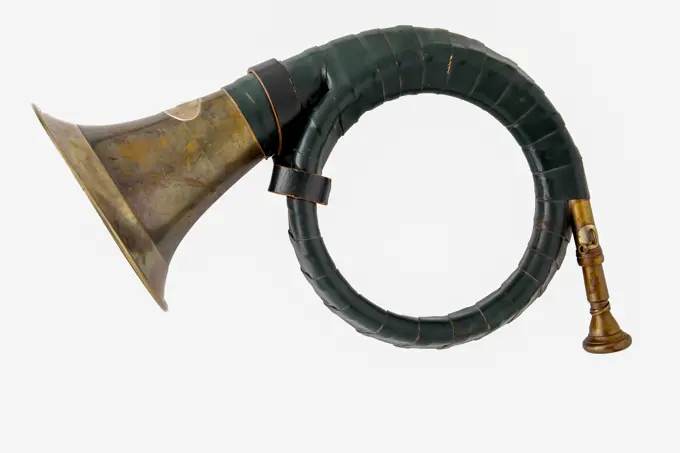
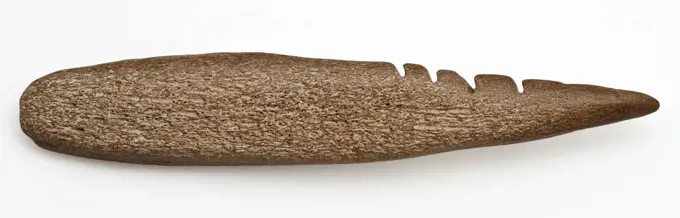
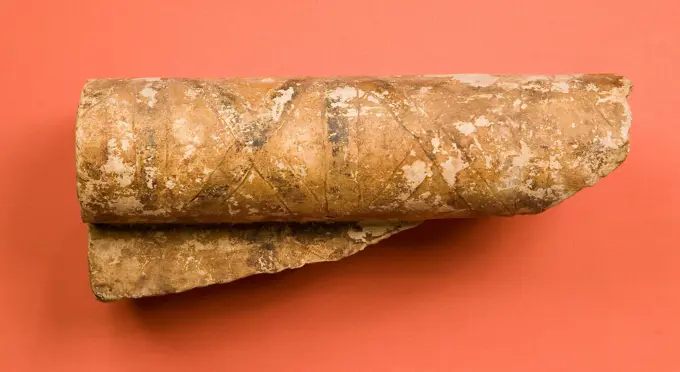
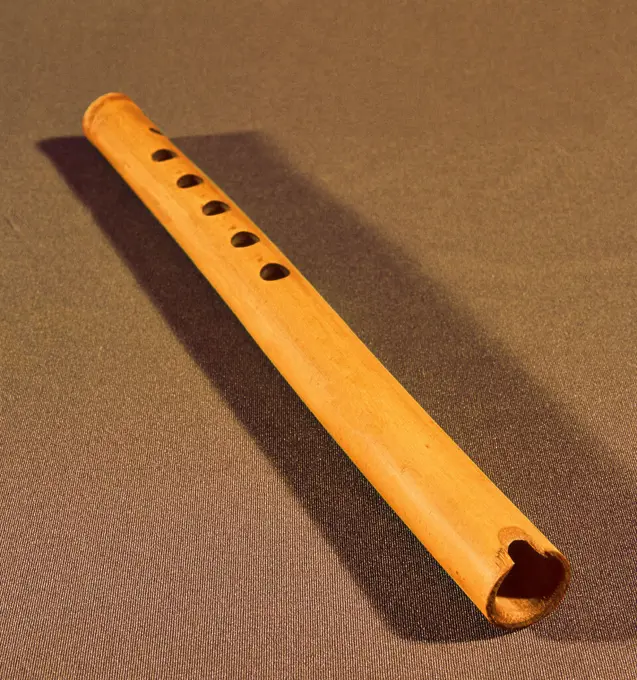
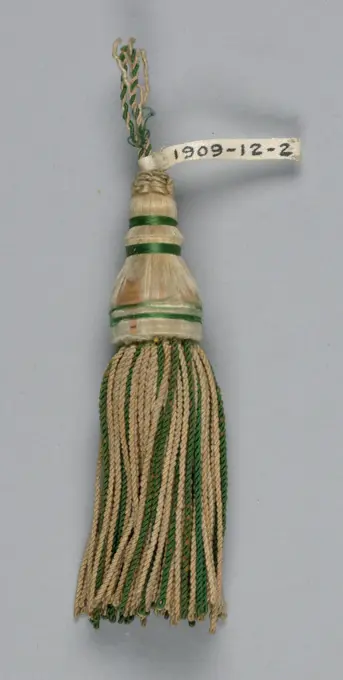
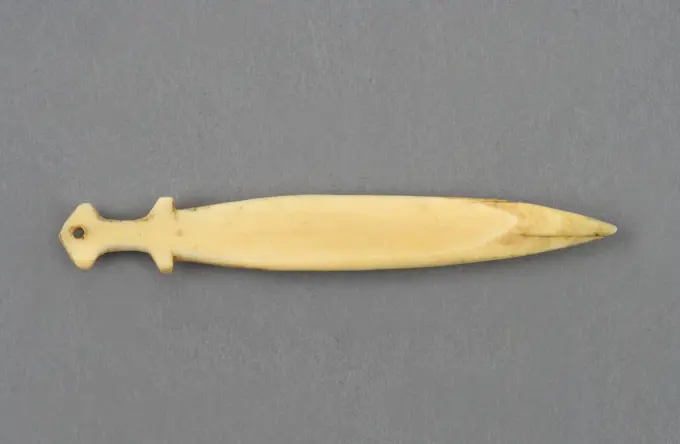
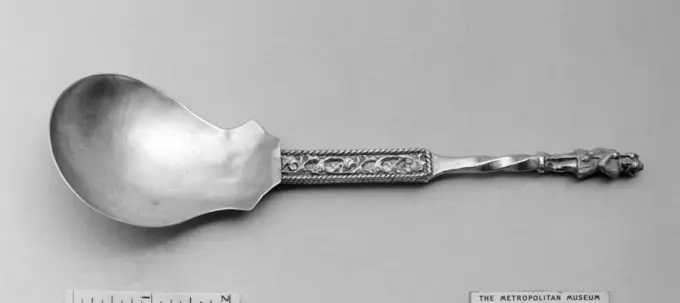
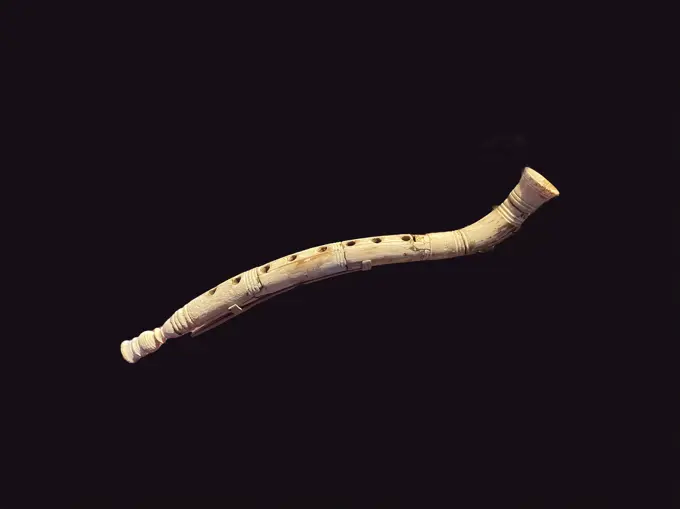
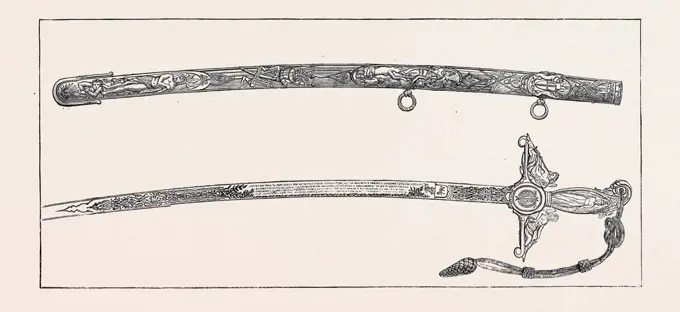
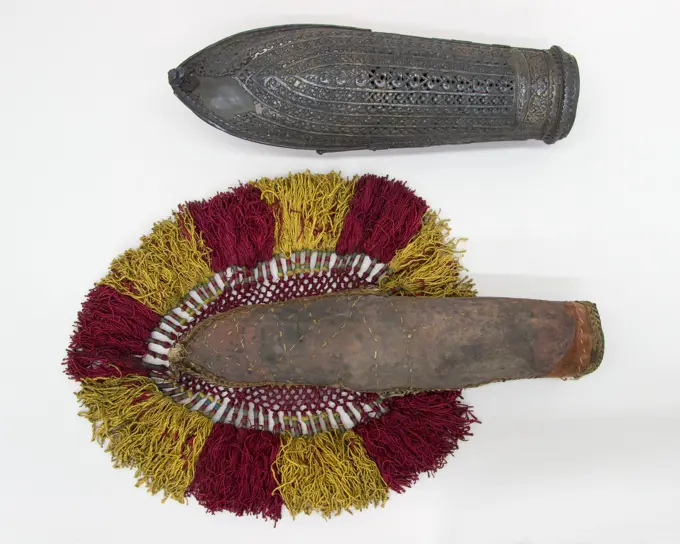
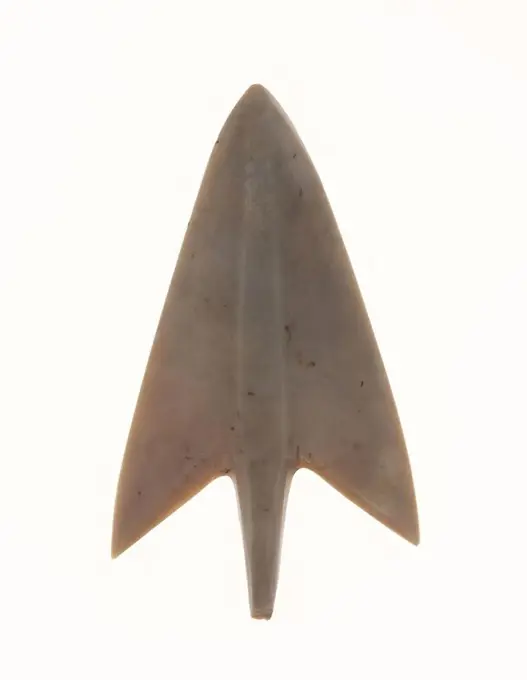
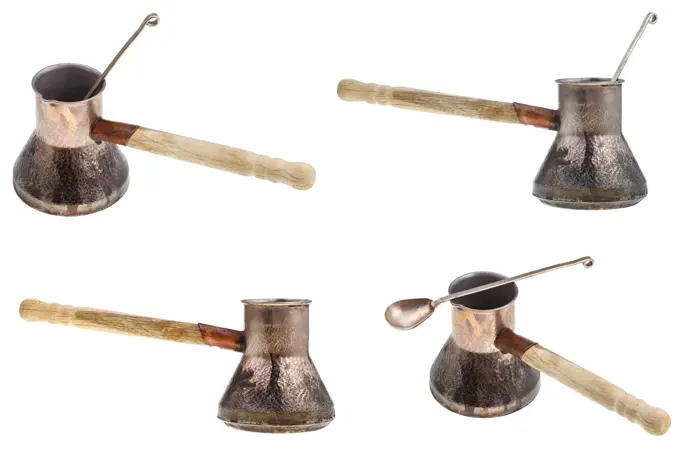
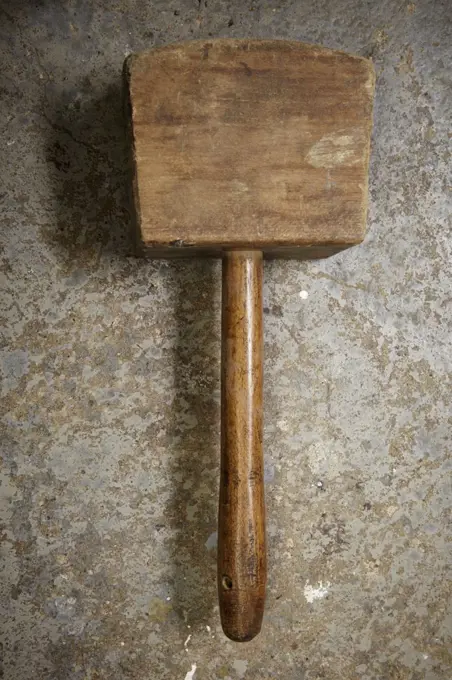
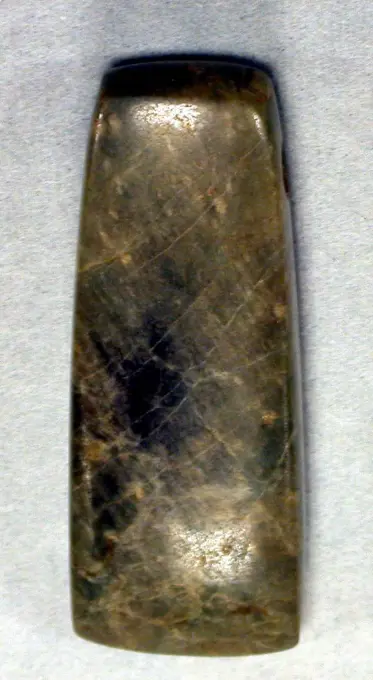
Fragment of a musket size. Musketie, fragment consisting of leather bottom stuck. The cap is missing and the leather has been cracked. Default description musketmaat: brass with leather covered. Equipped with two eyelets on the side to by doing a cord with which the lid was held and the size was hung on the bone core. A muskettle walker had twelve powder buds and a bag with bullets. The powder buds contain a carefully disposed amount of gunpowder for one shot.Ringschluessel - Ring spanner on white Ringschluessel - Ring spanner on white Copyright: xZoonar.com/lantapixx 7204092Stealing of forks or spoons from the wreck of the East Indiesman Hollandia. Cutlery, fragment: voice or fork or spoon; Fragm ends, flat, widening, curved, fragm shows remains or coatings.Arrowhead; Unknown Middle Eastern workshop; IX - VI century BC ; period of Iron (-900-00-00--501-00-00);Weapons, Luristan browns, arrowheads, iron period (approx. 1300-ok. 600 BC), purchase (provenance)Fragment pipe from the wreck of the East Indiesman Hollandia. Pipe, bowl, healermark illegible; Fragm, 1HSM3. Glued.Fish hook ca. 1295-1070 B.C. New Kingdom, Ramesside. Fish hook 568377Sticks of marshmallow root in dried husksWooden object from V.O.C. ship De 'Witte Leeuw', Before 1613 object Wooden object. Possibly button rod button. Consisting of a tapered part and a sphere with a button connected by a ring, everything cut out of one piece. A hole on the bottom and a hole in the sphere.  wood (plant material)   Sint-HelenaRod of Opaque Yellow Glass ca. 1390-1353 B.C. New Kingdom. Rod of Opaque Yellow Glass. ca. 1390-1353 B.C.. Glass. New Kingdom. From Egypt, Upper Egypt, Thebes, Malqata, Palace of Amenhotep III, factories, MMA excavations, 1911-12. Dynasty 18Spoon, 918-1392. Korea, Goryeo period (918-1392). Silver bronze; overall: 31.8 cm (12 1/2 in.).Planets-manager. Cornalet Collection Sites 2013-2016. Numismatic.Dog trace fastener -Quiver 14th-15th century Tibetan or Mongolian. Quiver 27951Section cut from back of cartonnage of Tjaisetemneny ca. 1070-945 B.C. Third Intermediate Period. Section cut from back of cartonnage of Tjaisetemneny. ca. 1070-945 B.C.. Cartonnage. Third Intermediate Period. From Egypt. Dynasty 22-23Miniature fender ca. 1720-30 David Clayton British. Miniature fender. British, London. ca. 1720-30. Silver. Metalwork-Silver-MiniatureDagger-axe blade (ge). Culture: China. Dimensions: W. 4 5/8 in. (11.7 cm); L. 8 3/4 in. (22.2 cm). Date: ca. 3rd century B.C.. Museum: Metropolitan Museum of Art, New York, USA.Arrow or Javelin Point of Neferkhawet ca. 1504-1447 B.C. New Kingdom. Arrow or Javelin Point of Neferkhawet. ca. 1504-1447 B.C.. Bronze or copper alloy. New Kingdom. From Egypt, Upper Egypt, Thebes, Asasif, Tomb of Neferkhawet (MMA 729), west chamber A, Burial of Neferkhawt (I), MMA excavations, 1934-35. Dynasty 18, earlyBone. Culture: Japan. Dimensions: W. 1/2 in. (1.3 cm); L. 3 in. (7.6 cm). Museum: Metropolitan Museum of Art, New York, USA.Iron spoon, round bowl, flat slightly tapered stem with eye at the end, spoon cutlery soil find iron metal, Backside stem: I I I V archeologyOld rusty hammer, toolFragments of copper from the wreck of the East Indians Hollandia, 1700 - in Or Before 1743 fragment Varied parts or fragments, strips and strip-shaped fragments; fragm. Netherlands copper (metal)   Secondsalami . salami isolated on white backgroundSpindle and Whorl Fragment , Undetermined or 1000-1400. Bronze, cotton, wood, 1/2 x 1/2 x 2 1/4 in. (1.3 x 1.3 x 5.7 cm).   Arts of the Americas Undetermined or 1000-1400STOCE FIELLE; unknown eastern workshop; III century (201-00-00-300-00-00);Antical art collection, giftPin Shank 800 BCE-600 BCE Thessaly. This precious bronze object is a votive, or devotional gift, made as an offering to the gods. They come in many forms, such as animals, beads and brooches. Many seem once to have been attached to something else. Votives were hung from sacred trees or placed in sanctuaries around Greece. Once a shrine was full, the votives were ceremonially buried to make room for more offerings.. Bronze . Ancient GreekBuckle with leather belt, attachment and end of hook, buckle fastener component soil find copper leather metal, deformed state) archeology Capelle aan den IJssel Soil discovery of Capelle aan den IJsselSword(Kelewang)Tool, pickaxe (common name). Cervid wood cut, and polished. Carnavalet museum, history of Paris.Tobacco Pipe, early to mid-1800s. Japan, Edo period (1615-1868). Brass; overall: 62.2 cm (24 1/2 in.).Brass instrument fragment from the wreck of the East Indiaman Hollandiaship, anonymous, 1700 - in or before 1743 wind instrument Wind instrument; fragment of trumpet mouthpiece: tube sim. NG 1979-175H565. Netherlands copper (metal)   SecondTotals pen. Totals pen.Belt, double, with buckles, anonymous Belt, double, with buckles. Belt, double, with buckles.Traditional rain stick made of cactus wood isolated on black background. Traditional rain stick made of cactus wood isolated on blackBelt -Hammer. Dated: c. 1939. Dimensions: overall: 35.8 x 25 cm (14 1/8 x 9 13/16 in.). Medium: watercolor, colored pencil, graphite, and pen and ink on paper. Museum: National Gallery of Art, Washington DC. Author: R. J. De Freitas.Ferret 6th-7th centuries Late Roman. Ferret 465559 Late Roman, Ferret, 6th7th centuries, Copper alloy, Overall: 3 5/8 x 1 1/4 x 5/16 in. (9.2 x 3.1 x 0.8 cm). The Metropolitan Museum of Art, New York. Gift of J. Pierpont Morgan, 1917 (17.193.236)Glass Button Hook. Dated: c. 1938. Dimensions: overall: 27.1 x 22.5 cm (10 11/16 x 8 7/8 in.). Medium: watercolor and graphite on paperboard. Museum: National Gallery of Art, Washington DC. Author: Francis Law Durand.Crochet hook -Earth pipe, anonymous, c. 1400 - c. 1950 Earth pipe.  earthenware. pipe clay Earth pipe.  earthenware. pipe clayDigrager Van Embassador Allad Meres, Chalk & Dawson Ltd. Jones, c. 1945 - c. 1976  Degen carrier belonging to the diplomatic official clothing of ambassador Allard Merens. London chamois (animal material)Pijpenkop with a piece of stem from the wreck of the East Indians Hollandia, Anonymous, 1700 - in Or Before 1743  Pipe, bowl, bowlmark: seven dots; no hsm. Netherlands pipe clay   SecondWhite clay pipe, unnoticed, with smooth handle and stylized Tudor rose on the kettle, clay pipe smoking equipment smoke floor pottery ceramic pottery, pressed finished baked White clay pipe unnoticed with smooth handle and stylized Tudor rose on the kettle. Stiping surface of the heel inclined towards the underside of the stalk Decoration consists of eight oval dots around center spot archeology smoking tobaccodip pen draws black line by wide nib close up brown wooden dip pen draws black line on white paper by wide nib close up Copyright: xZoonar.com/ValeryxVoennyyx 13808124Messenheft from the wreck of the East Indians Hollandia, Anonymous, 1700 - in Or Before 1743  Knife, handle, cylindrical: tapering; id. NG 1979-403H, ferrules id. NG 1980-27H426. Netherlands wood (plant material)   SecondPin ca. 9th century B.C. Iran. Pin. Iran. ca. 9th century B.C.. Copper, bronze. Iron Age II, Hasanlu Period IV. Iran, HasanluStockings 1875-99 French. Stockings 84320Tobacco pipe, on which a fisherman and a crowned weapon, anonymous, c. 1400 - c. 1950 Tobacco pipe, on which a fisherman and a crowned weapon with three fish. Roet residues on the inside and outside of the head.  pipe clay Tobacco pipe, on which a fisherman and a crowned weapon with three fish. Roet residues on the inside and outside of the head.  pipe clayWooden dishes found during excavations in the rue de Lutèce (island of the city) in 1986-1987. Medieval spoon n ° 3, with handle finished in button and incomplete edge, back. Around 1300. Paris, Carnavalet museum. 71124-23 Spoon, wooden spoon, back, medieval time, archeological excavations, cite island, rue Lutece, dishesKnife lift from the wreck of the East Indiesman Hollandia.knife, Handle, Cylindrical: tapering; ID. NG 1979-403H, Ferrule, ID. NG 1980-27H426.The neck of stoneware jug partly be flamed and partly glazed, drinking jug tableware holder fragment earthenware ceramic stoneware glaze salt glaze, hand-turned glazed baked Neck of stoneware pot possibly from Jug or jacobakan. Gray shard. Circles around the neck Cylindrical neck Standing ribbon ear brown red flamed and partially covered with salt glaze archeology City triangle Rotterdam Laurens church indigenous earthenware import drinking serve Serving soil found during the restoration of the Laurenskerk in Rotterdam Excavation chapels north of the tower.Messenheften and copper ring from the wreck of the East Indians Hollandia, Anonymous, 1700 - in or before 1743  Knife, handle, cylindrical: tapering; flat upper end, turned decoration of alternating bands of wavy lines and square and rectangular blocks, with concentric circles at lower end (wavy line pattern shows slight variation), ferrules, id. NG 1980-27H426. Netherlands wood (plant material). copper (metal)   SecondMeskhetyu Instrument From Foundation Deposit C, Hatshepsut's Temple ca. 1479-1458 B.C. New Kingdom This "meskhetyu" instrument would have been used at the "opening of the mouth" ritual, which was intended to allow the deceased to come to life. The ceremony would have been performed at the consecration of a temple to enable the sculptures and the images on the walls to function as their living counterparts.. Meskhetyu Instrument From Foundation Deposit C, Hatshepsut's Temple. ca. 1479-1458 B.C.. Wood. New Kingdom. From Egypt, Upper Egypt, Thebes, Deir el-Bahri, Temple of Hatshepsut, forecourt, Foundation Deposit 3 (C), MMA excavations, 1923-24. Dynasty 18Mummy braces bearing the name of Painedjem ca. 1070-889 B.C. Third Intermediate Period This set of leather braces, embossed with the name Painedjem, would have been put around the neck and crossed on the chest of the mummy.. Mummy braces bearing the name of Painedjem 553619Mached tobacco pipe of pipe earth, damaged, anonymous, c. 1400 - c. 1950   pipe clay   pipe clayMakana Rabbit Stick 15th-17th century Diegueño. Makana Rabbit Stick 310499Unicorn. Japan, 19th century. Costumes; Accessories. Wood; sashi typecurry spices on white backgroundPewter point of knife edge or quiver with relief embossed, leather batter, scabbard sheath case bottom tin tin metal, cast Leather fitting in the shape of tin tip for sheath quiver or case Embossed with feathered arrow reverse unclear archeology Rotterdam City center Stadsdriehoek Meent Markt Binnenrotte transport storage reinforce decorate Soil discovery pit corner Meent Markt (Binnenrotte).Manty of the champion of the Palemon in Rosienia ("Mud");  around 1810 (1805-00-00-1815-00-00);Palemon (masonic lodge), Freemasonry, Freemasonry, Freemasonry, ŻmudźBone. Culture: Japan. Dimensions: W. 3/8 in. (1 cm); L. 3 7/8 in. (9.8 cm). Museum: Metropolitan Museum of Art, New York, USA.Mallet hammer made of burl wood tools for used by carpenter in workshop on isolated white blackgroundPin from the wreck of the East Indies' t Vliegend Hart ,, 1700 - 1735  Copper pin with head. Something crooked. Pin. Middelburg copper (metal)wooden souvenir pencil isolated on white backgroundTwo burnt matchesBronze stamper, pestle tools equipment bronze, cast Pestle: round stem with central node. Bolls on both sides of node. At ends pear-shaped widening health care pharmacy grinding auger Rotterdam education Academy of Fine Arts and Technical Sciences Cool Coolvest Dijkzigt G.J. de Jonghweg City Triangle Blaak Academy of Fine Arts and Technical Sciences Rotterdam.Karte von Chile auf rostigem Metall - Map of Chile on rusty metal Karte von Chile auf rostigem Metall - Map of Chile on rusty metal Copyright: xZoonar.com/lantapixx 10407555Cheap paper measuring tape Measuring tape with inches and centimeters made of paper Copyright: xZoonar.com/StevexHeapx 4001336Eccentric Ax Blade 500 B.C.-A.D. 300 Vietnam (North). Eccentric Ax Blade. Vietnam (North). 500 B.C.-A.D. 300. Bronze. Bronze and Iron Age period. MetalworkBundle Pitgarians, Anonymous, 1590 - 1596 yarn Bundle Pitgarians, nine pairs (eighteen pips), still connected to each other. Pits consisted of wax impregnated linen yarn. To pull candles from it, they were folded into a loop, strung on a stick and was immersed in wax or fat. Netherlands (possibly) something. yunn   Nova Zembla. Saving Huysaltes Jagdhorn, isoliert *** Old Jagdhorn%2C isolated 1030401670. Runder horn drinking horn with silver border. Along the lip edge, among other things, an engraved alliance weapon with wedding knot of the genera of Osinga and Aggama.Legs or horns pointed with four barbs, pointed harpoon groundfound horn bone, sawn cut cut Late stone age archeology Maglemose culture Rotterdam Maasvlakte prehistoric stone age late stone age fish catch fish nutrition hunt Soil discovery Maasvlakte Maglemose culture.Fragment of a torus molding from the shrine of a royal woman within the temple of Mentuhotep II ca. 2051-2030 B.C. Middle Kingdom A torus is a half-round or three-quarter round, tube-shaped molding that appears along the outer edges of a building, either horizontally or vertically. The torus may be a depiction of the wood framework of simple houses with the bindings for the attachment of reed mats.. Fragment of a torus molding from the shrine of a royal woman within the temple of Mentuhotep II. ca. 2051-2030 B.C.. Limestone, paint. Middle Kingdom. From Egypt, Upper Egypt, Thebes, Deir el-Bahri, Temple of Mentuhotep II, Shrines of the royal women, Egypt Exploration Fund excavations, 1904-06. Dynasty 11Hammered Silver Spoon 8th-mid-16th century Peru; north coast (). Hammered Silver Spoon 308954Messenheft from the wreck of the East Indians Hollandia, Anonymous, 1700 - in Or Before 1743  Knife, handle, cylindrical: tapering; id. NG 1979-403H, ferrule, NG 1980-27H426. Netherlands wood (plant material). copper (metal)   SecondFragments Pipe stems from the wreck of the East Indians Hollandia, Anonymous, 1700 - in Or Before 1743  Pipe, stem; fragment. Netherlands pipe clay   SecondKeyhole Escutcheonvintage shoemakers or cobblers hammer over white, clipping pathBlade (Kudi tranchang). Culture: Javanese. Dimensions: H. 23 7/8 in. (60.6 cm); W. 3 1/16 in. (7.8 cm); Wt. 15.6 oz. (442.3 g). Date: 16th-19th century. Museum: Metropolitan Museum of Art, New York, USA.Fragments Pipe stems from the wreck of the East Indians Hollandia, Anonymous, 1700 - in Or Before 1743  Pipe, stem; fragments. Netherlands pipe clay   SecondFresh horseradish root isolated on white background. Fresh horseradish root isolated on the white background. Copyright: xZoonar.com/JirixHERAx 21241349Weight 3rd-1st millennium B.C.. Weight 321508QUENA FLAUTA INDIA.Tassel (Spain); 1909-12-2Nutcracker, Anonymous, 1850 - 1904  Nutcracker of brown -purple tinted hardwood; Steel in the form of two tam tams, with the drum side against each other; squat area in the form of a clenched hand in which a note that is open on the thumb side. The handle can be turned in the fist. In the shape of the pipe is made of wood, covered with red leather, the inside on one side covered with green silk, on the other with faded coarse green sheet.  wood (plant material) cutting hand made into a fist South AfricaMiniature knife -Figure-top spoon 19th century Russian or German. Figure-top spoon 188282Shown here is a Phyrgian aulos (flute) dating to the Roman Imperial period, the 1st to 2nd centuries AD.  This flute is one of the more immediately recognizable objects from antiquity, resembling the modern oboe and recorder. This aulos, carved of precious ivory belongs to a category of luxury items, as most auloi were carved from reeds. Phyrgia was a kingdom in the west central part of Anatolia, in what is now Asian Turkey.War club Makah or Nuu-chah-nulth, Native American ca.1820-40 View more. War club. Makah or Nuu-chah-nulth, Native American. ca.1820-40. Whalebone. Possibly made in Washington, United States; Possibly made in British Columbia, CanadaPRESENTATION OF A SWORD TO SIR GARNET WOLSELY BY THE CITY CORPORATIONBracelet ca. 9th century B.C. Iran. Bracelet 325161Arm Guard 18th century Indian, possibly South Indian. Arm Guard 31936Bronze clothing pin ca. 7th-9th century A.D. Alanic. Bronze clothing pin 327571Barbed and Tanged Arrowhead. China. Date: 1600 BC-1045 BC. Dimensions: 2 3/8 × 1 3/8 × 1/8 in. (6.03 × 3.49 × 0.32 cm). Jade. Origin: China. Museum: The Chicago Art Institute, Chicago, USA.set of vintage long-handled copper pot set of vintage long-handled copper pot isolated on white background Copyright: xZoonar.com/ValeryxVoennyyx 5456605Close up of wooden hammerWooden Dipper with Flowing Honey, close up  . Wooden Dipper with Flowing Honey Celt before 16th century Mexico (). Celt 317300Bead in the Shape of a Crocodile, c. 6th-8th century, 1/4 x 15/16 x 1/4 in. (0.6 x 2.4 x 0.6 cm), Stone, Myanmar (Burma), 5th-9th century