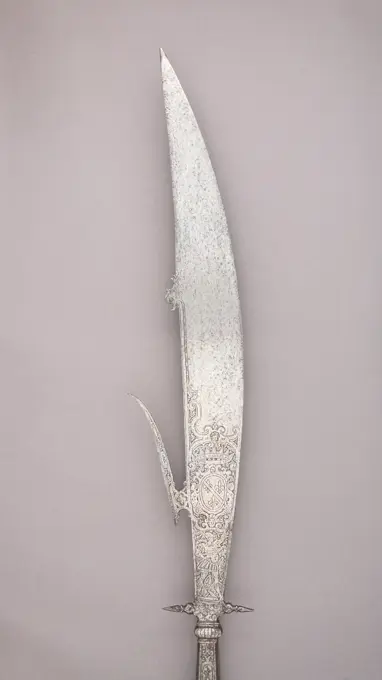
Old Tools and Artifacts

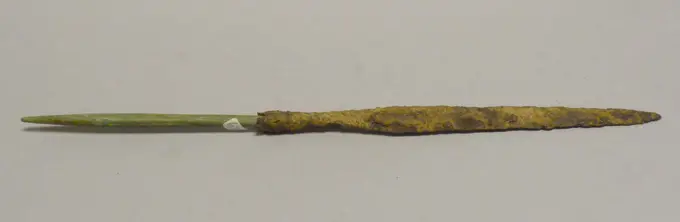
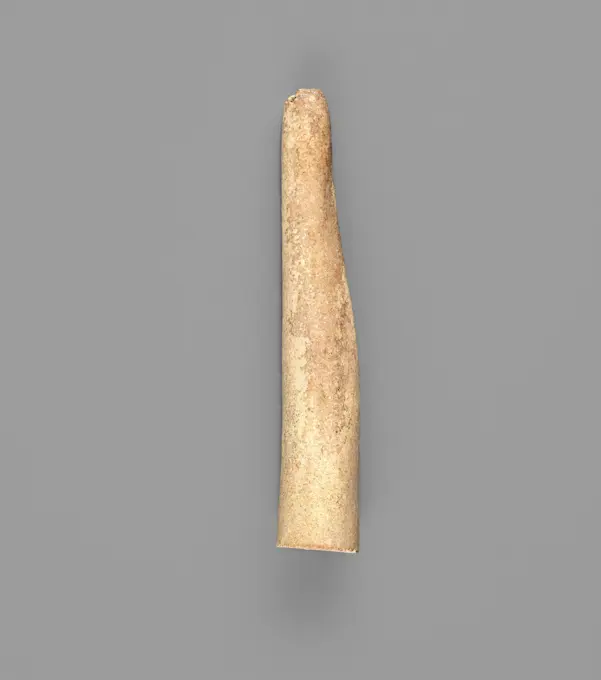
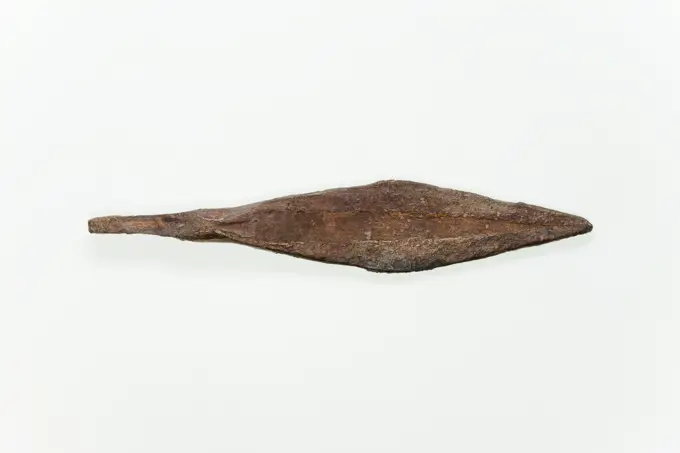
Collection of ancient tools, including wooden spindles and iron implements, reflecting historical craftsmanship and everyday utility.

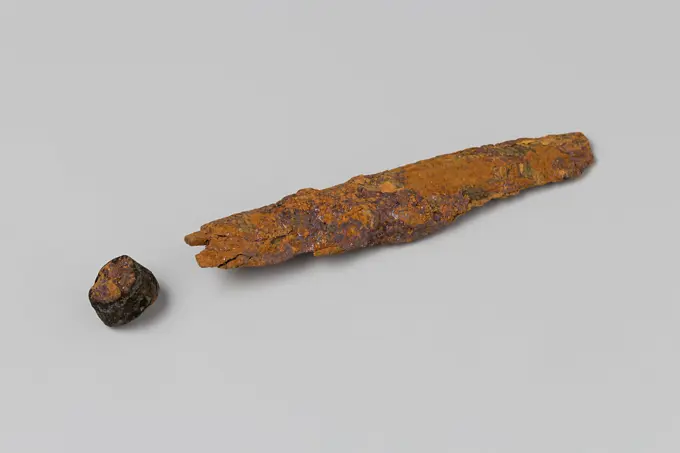
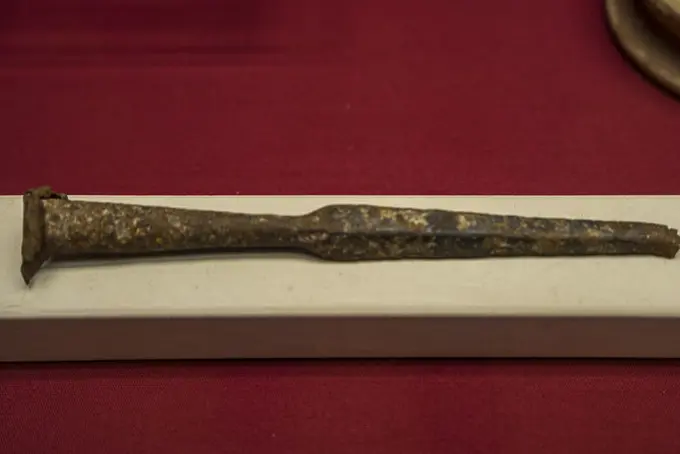
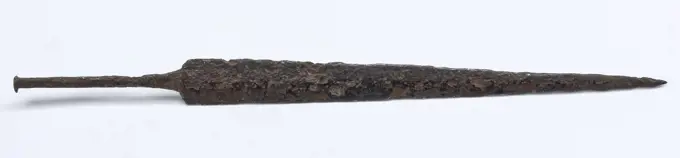
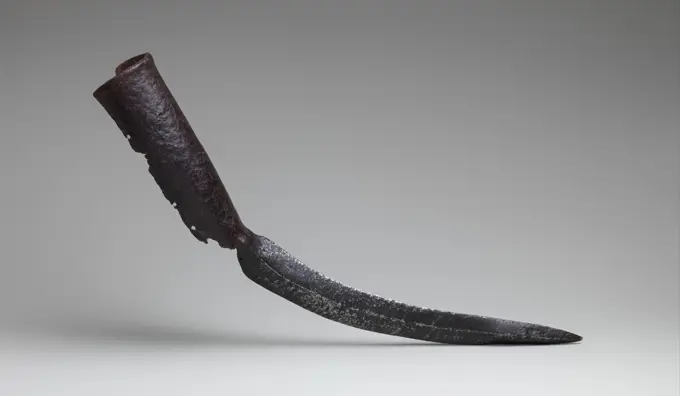
Iron boat hook with straight point, marked, boat hook soil found wrought iron metal, forged Wrought iron boat hook or hook hook. Dagger end. Curled sides for the seat of the wooden handle Four nail holes Oval mark on the blade on the handle side not legible archeology Rotterdam City Triangle Oudehaven shipping transport craft Soil discovery: Oude Haven Rotterdam.
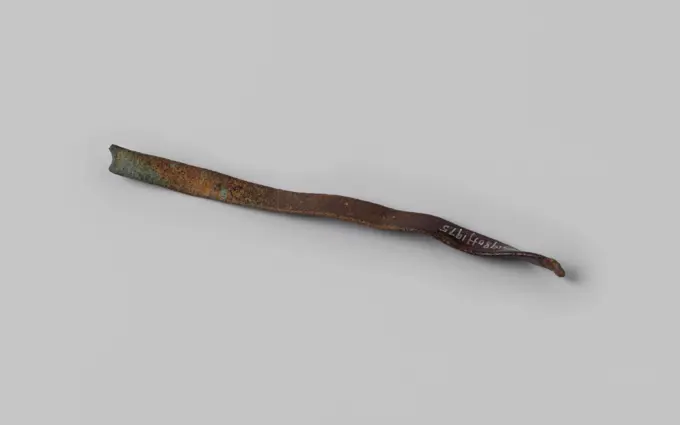
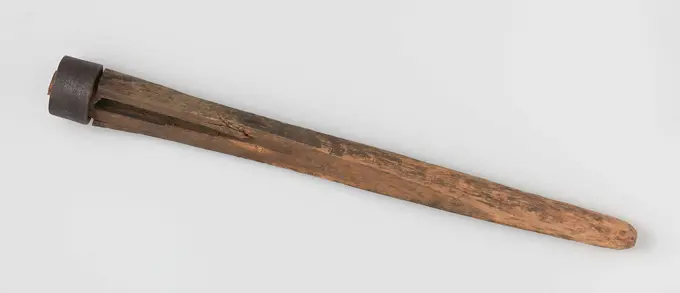
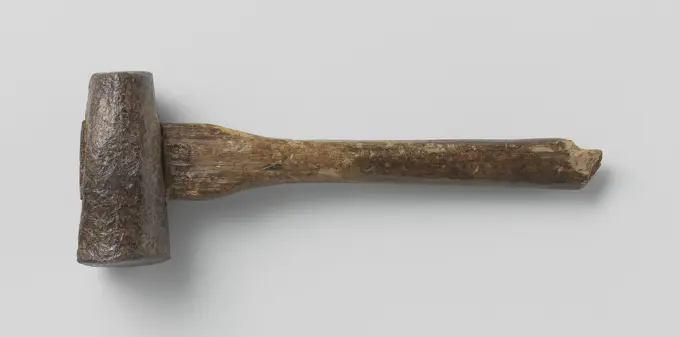
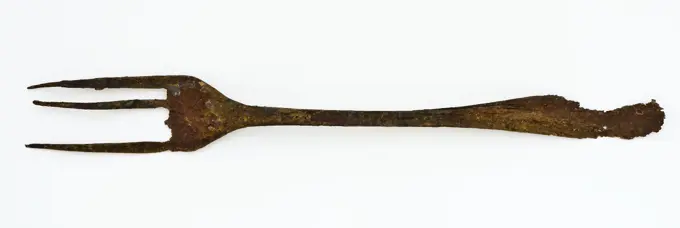
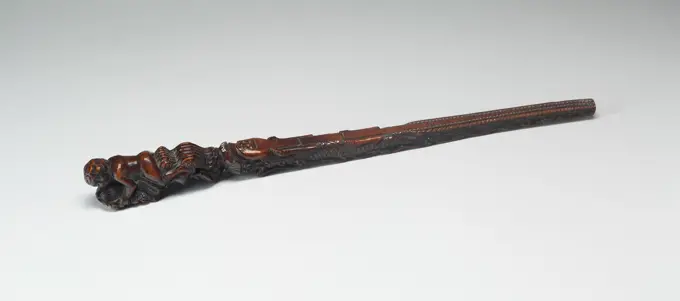
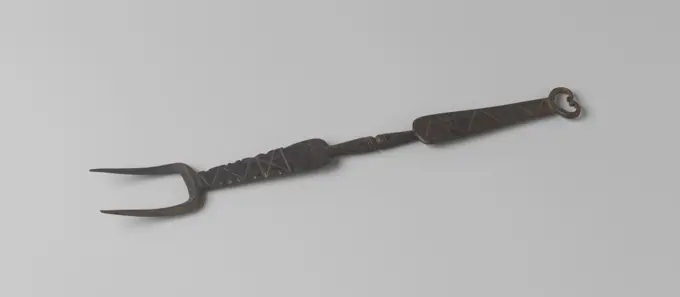
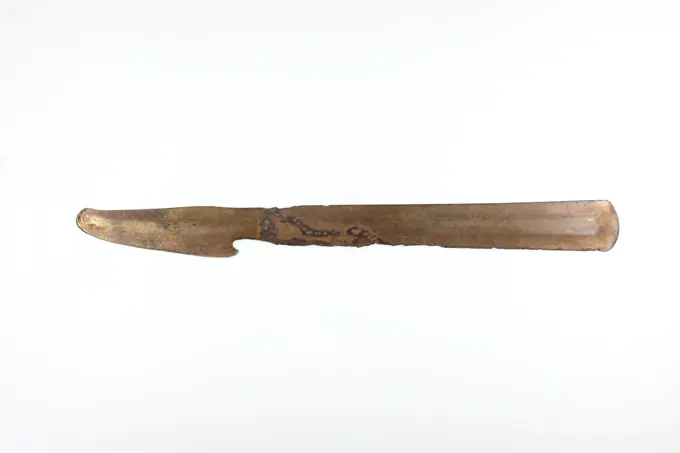
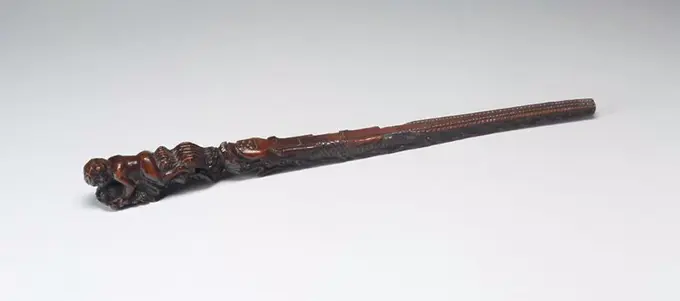
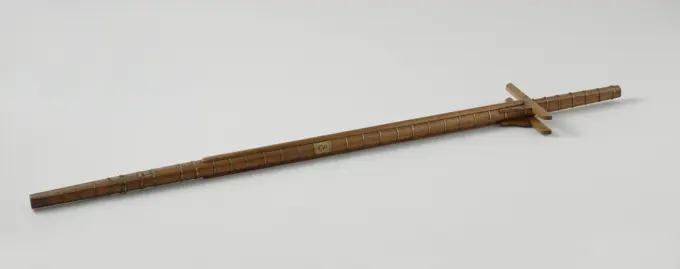
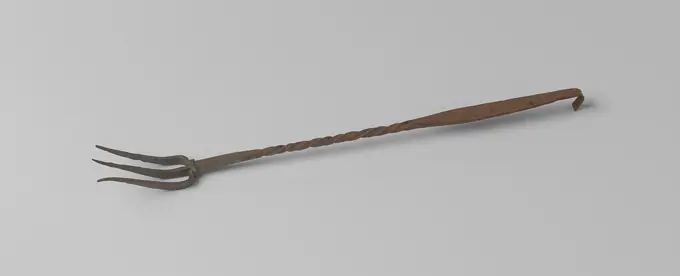
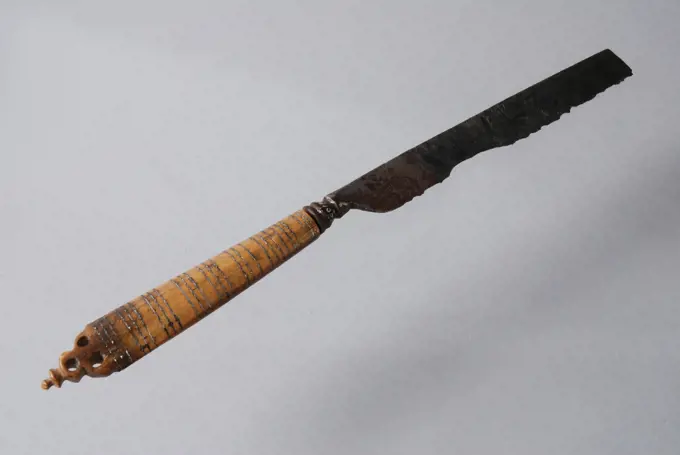
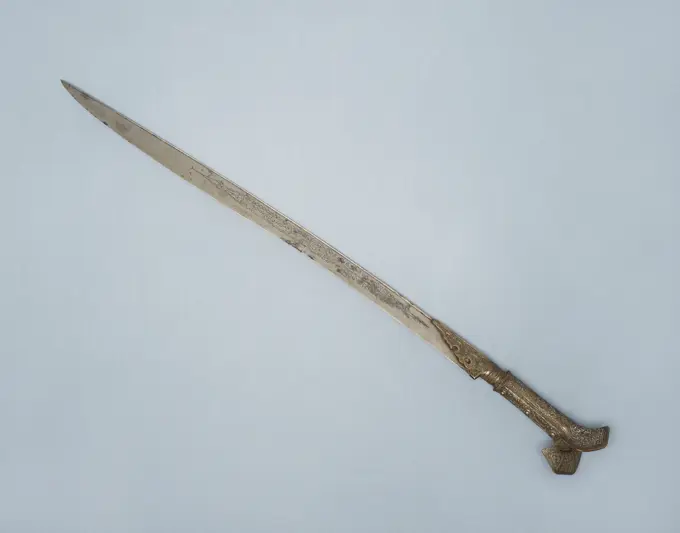
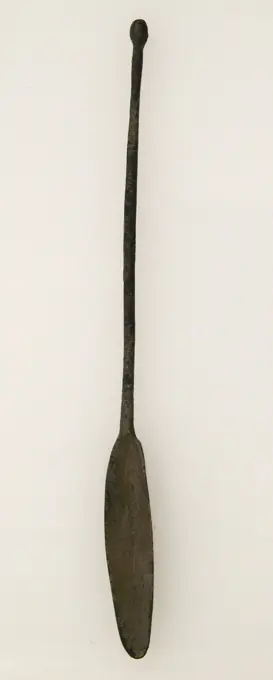
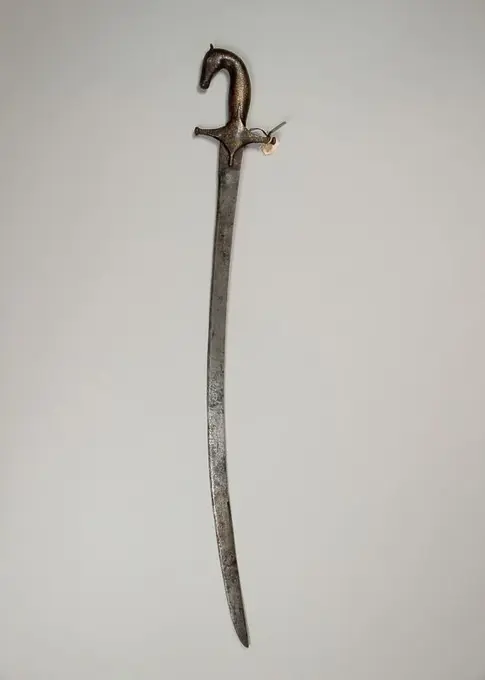
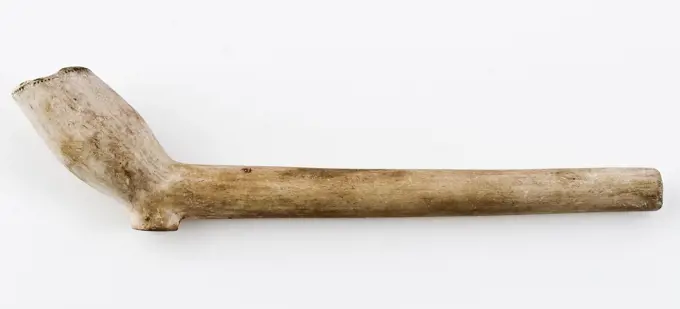
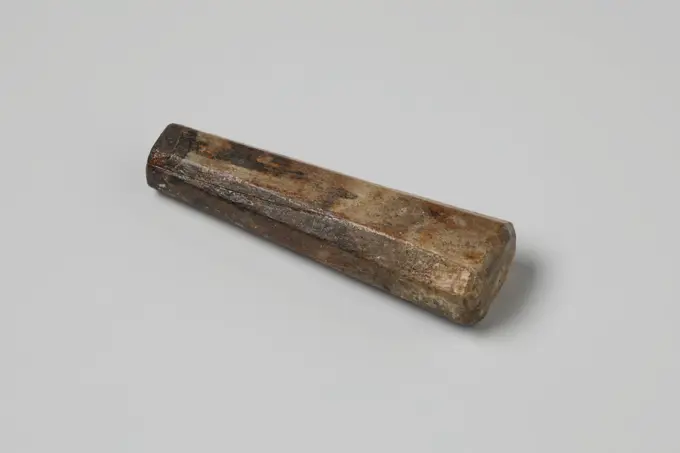
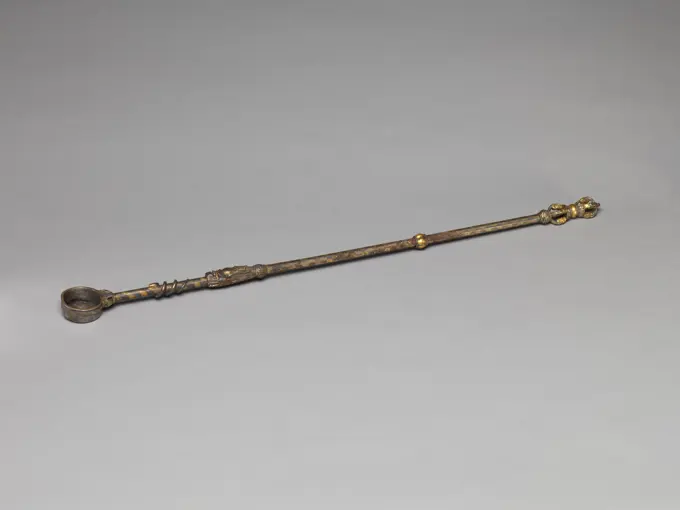
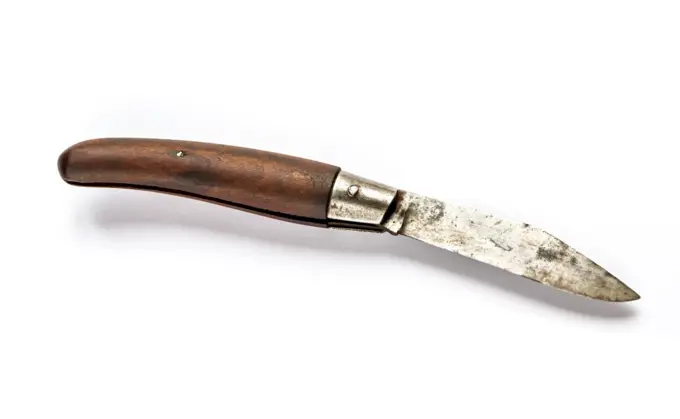
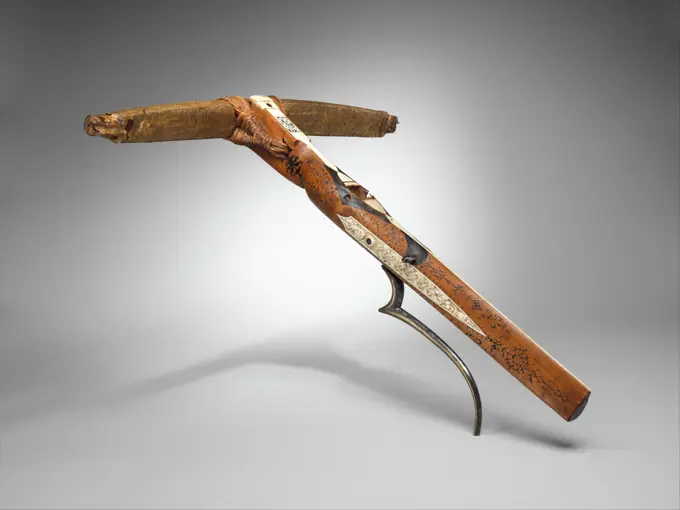
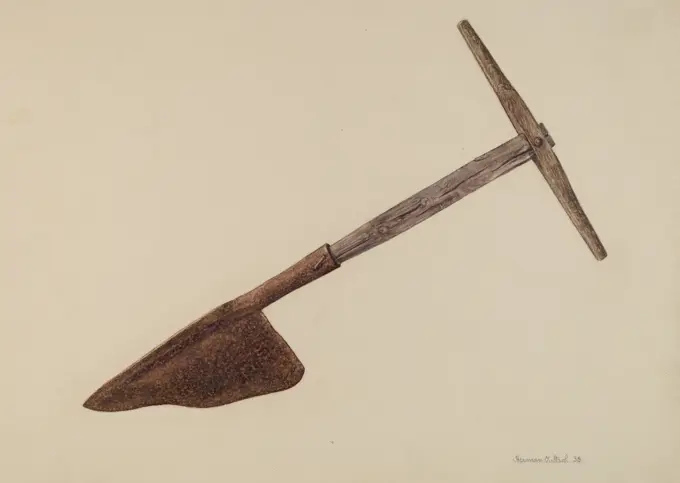
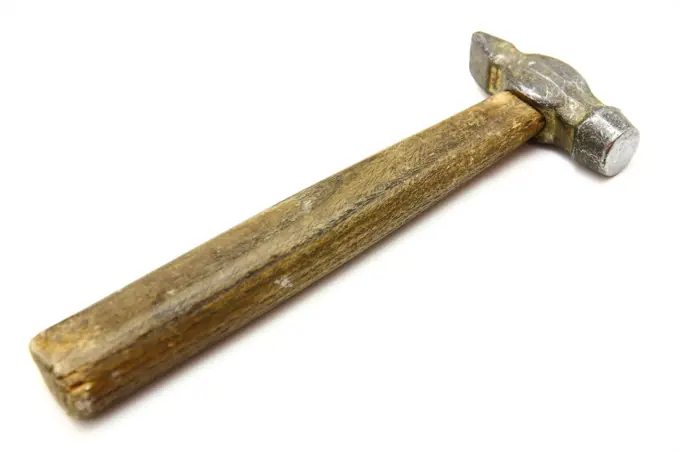
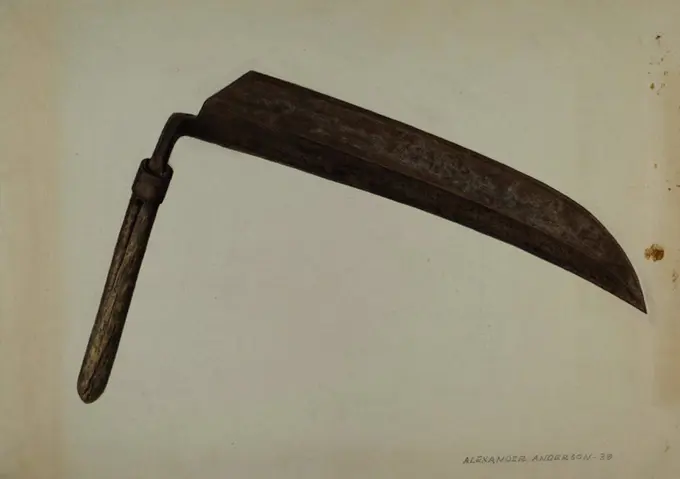
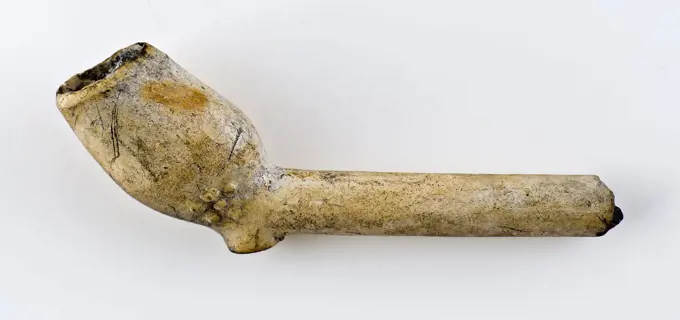
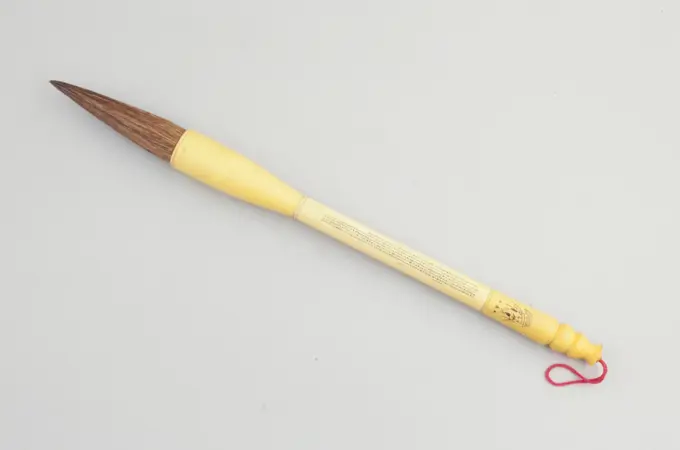
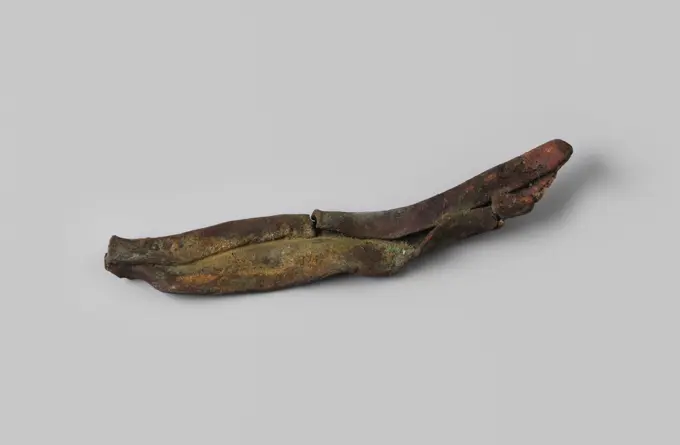
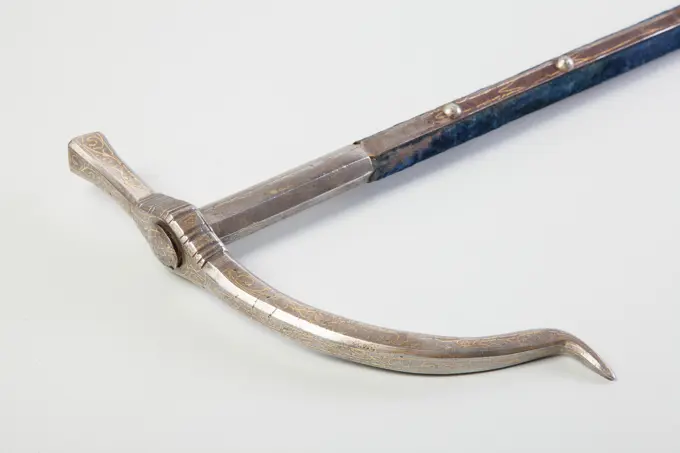
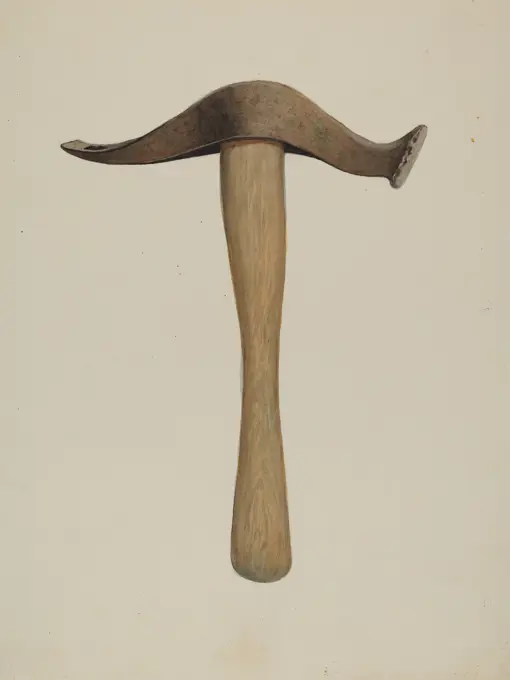
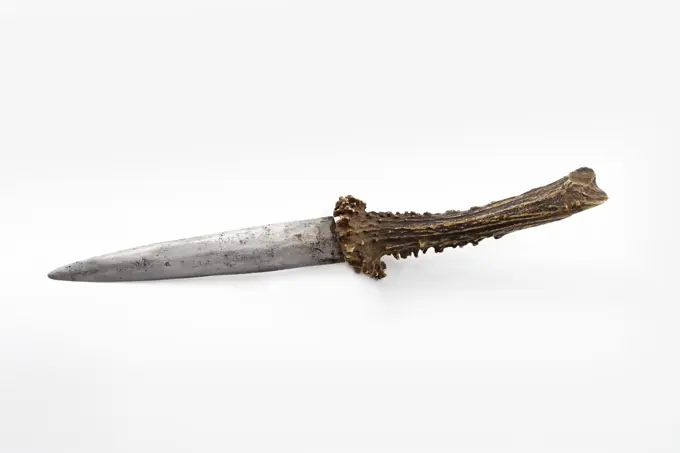
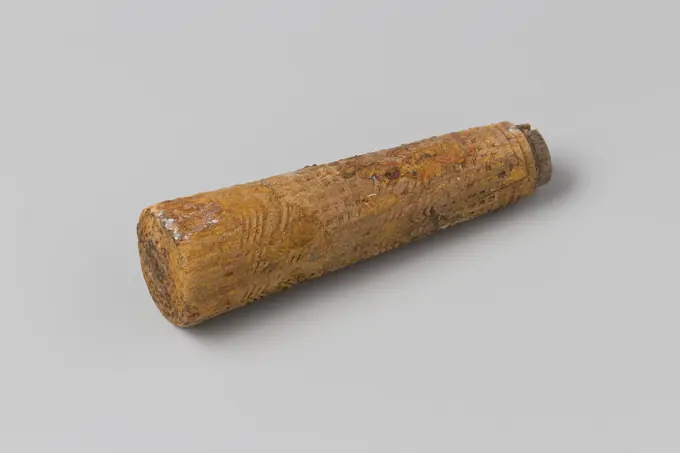
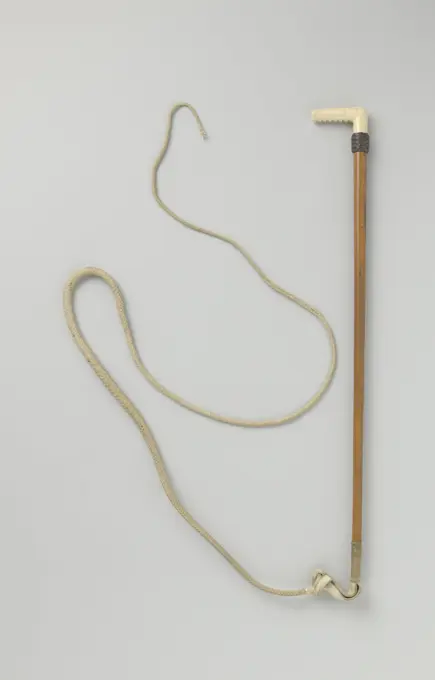
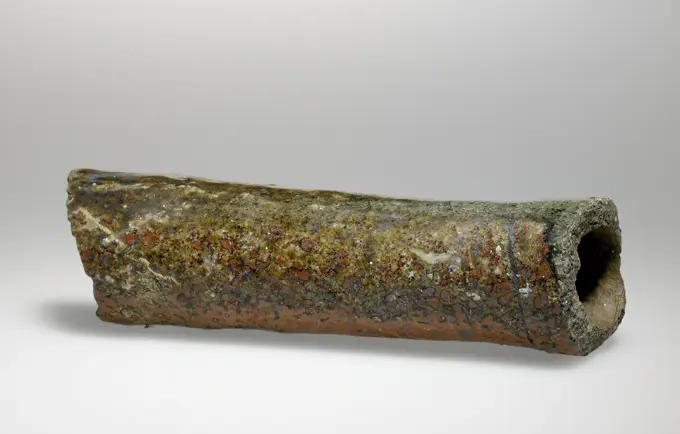
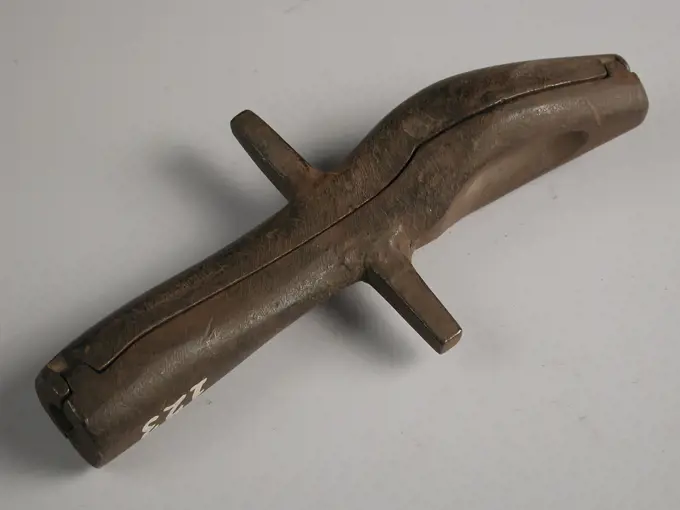
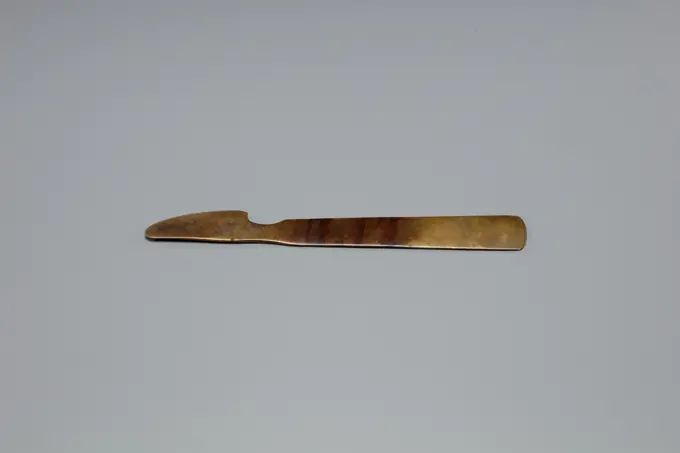
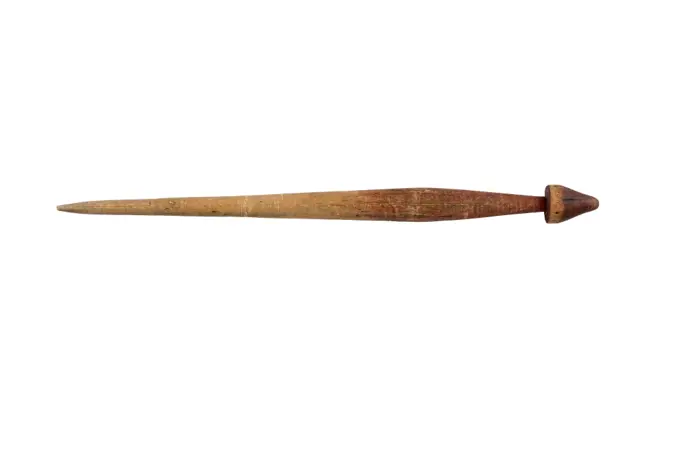
Old wooden spindle isolated on white backgroundExcerpt of copper from the wreck of the East Indians Hollandia, 1700 - in or before 1743 fragment Varied parts or fragments, strips and strip-shaped fragments; fragm. Netherlands copper (metal)   SecondShipmother manner of iron with straight legs and no hinge. Shipmother manner of iron with straight legs and no hinge. The passer has been forged from one piece of ironHandle, peak tapered stick of wood and round iron ring.Handle, part of tool consisting of a wooden stick whose one end ends in a round iron ring (loose) and the other end strike gradually in the ring originally has an iron angel angel Sitting. In the ring is now a small piece of wood (is this original ).Hammer with iron head and wooden steel, anonymous, c. 1590 - c. 1596 hammer Hammer with iron head and wooden stem.  iron (metal). wood (plant material) forging  Nova Zembla. Saving HuysIron boat hook with straight point, marked, boat hook soil found wrought iron metal, forged Wrought iron boat hook or hook hook. Dagger end. Curled sides for the seat of the wooden handle Four nail holes Oval mark on the blade on the handle side not legible archeology Rotterdam City Triangle Oudehaven shipping transport craft Soil discovery: Oude Haven Rotterdam.Awl punch 4th-16th century Tierra del Fuego. Awl punch 313126Leatherworking needle -Iron fork with four teeth and spatula-shaped end, fork cutlery soil find iron metal, w 2.2 forged sawn sanded Iron fork Originally four teeth. Spatulate end Pretty slender handle. Lying almost flat with little relief archeology Rotterdam IJsselmonde ironwork eating pricking serve serving cooking kitchen Soil discovery: IJsselmonde Castle iron landing 1 Rotterdam 1972.Human rib from the wreck of the East India. The flying heart. Human remains, rib.Measuring Stick 1765 France. Wood .Fork with two teeth, anonymous, c. 1400 - c. 1950 A fork with two teeth.  iron (metal) A fork with two teeth.  iron (metal)Copper fish hook with end to end, fishhook Soil discovery copper metal, drawn Yellow copper fishing hook Barb. Curved loop as attachment arch archeology fishing fish fishingBaki's Razor-Knife ca. 1504-1447 B.C. New Kingdom. Baki's Razor-Knife. ca. 1504-1447 B.C.. Bronze or copper alloy. New Kingdom. From Egypt, Upper Egypt, Thebes, Asasif, Tomb of Neferkhawet (MMA 729), east chamber, Burial of Baki (III), in coffin, bundle by feet, MMA excavations, 1935-36. Dynasty 18, earlyMeasuring Stick. France. Date: 1765. Dimensions: 49.9 cm (19 5/8 in.). Wood. Origin: France. Museum: The Chicago Art Institute, Chicago, USA.Knife. Western Inner Mongolia and southern Siberia, 6th-5th century B.C.. Arms and Armor; knives. Bronze, castModel of a Made Mast, anonymous, c. 1821 demonstration model Round mast with square top, ears, driving bed, longitudinal and side bowls. The Mastvoet is quite square and consists of twelve parts, six in the middle and three cheeks on either side. From the Mastgat, four cheeks have been added to the back that run all the way up, while the front four parts stop just above the longitudinal people; From this point the mast consists of twelve parts again and becomes square again. The parts are held together with a large number of tubs. Two side bowls strengthen the whole; They also support the longitudinal people together with the ears, which are not attached to the front of the mast with irons and bolts. At the Mastgat there are two notches in front of the ears and two for the longitudments, if the mast is reversed. model maker: Netherlands (possibly)after design by: United Kingdom wood (plant material). brass (alloy)Trumpet (mouthpiece), before 1613 musical instrument. wind instrument. trumpet. natural trumpet. mouthpiece. elements (of musical instruments) Mouthpiece of a trumpet from V.O.C. ship the 'Witte Leeuw'.  brass (alloy)   Sint-HelenaFork with twisted stem. An iron roasting fork with three teeth and a twisted stem.Tapa Beater, 17 5/16 x 1 15/16 x 1 7/8 in. (43.97 x 4.92 x 4.76 cm), WoodFitting plate of handle with engraved decoration, has knife cutlery soil find copper metal, Fittings of handle. Three holes archeology Rotterdam rail tunnel cutting Soil discovery: trajectory rail tunnel Rotterdam.Clay pipe, marked with fleurs de lis stamps and rings decorated stem, clay pipe smoking equipment smoke floor pottery ceramics pottery h 3,0, pressed finished baked Clay pipe marked with fleurs de lis stamps and rings decorated handle The stamps are placed in block of four on the axis of the stem of the pipe between them rings with radstempel. Heel mark. heel mark: EI in round stamping area with double circle archeology smoking tobaccoTable knife, legs handle, inlaid with silver wire, iron blade, knife cutlery soil find metal iron silver bone, forged cast inlaid carved Iron knife. Vest or handle of leg. Table knife On the handle stripes with inlaid silver wire. Handle with carving in the shape of cloverleaf (three round holes) archeology table knife part couvert cutlery animal materialYataganPick Handle from a Foundation Deposit of Hatshepsut ca. 1479-1458 B.C. New Kingdom This handle of a model hoe is inscribed with Hatshepsut's throne name, Maatkare. It was found in one of the foundation deposits for her temple at Deir el-Bahri.. Pick Handle from a Foundation Deposit of Hatshepsut. ca. 1479-1458 B.C.. Wood. New Kingdom. From Egypt, Upper Egypt, Thebes, Deir el-Bahri, Temple of Hatshepsut, Foundation Deposit 1 (A), Egypt Exploration Fund, 1894-95. Dynasty 18Drumstick -Bone Weaving Bobbin 8th-mid-16th century Peru; north coast (). Bone Weaving Bobbin. Peru; north coast (). 8th-mid-16th century. Bone. Peru. Textiles-ImplementsBurin -Hook of wood. Hook of wood.Strigil Roman, Cypriot Broad blade with long, leaf-shaped attachment riveted on.. Strigil 244344Spoon 580-640 Coptic. Spoon 474925Sword. Culture: Indian. Dimensions: H. 33 1/4 in. (84.5 cm); W. 4 1/2 in. (11.4 cm); Wt. 1 lb. 3.7 oz. (558.5 g). Date: 19th century. Museum: Metropolitan Museum of Art, New York, USA.Old wooden spindle on a blue  backgroundWhite clay pipe, marked with stalk decorated with fleur de lis stamps, clay pipe smoking equipment smoke floor pottery ceramics pottery, hand molded baked White clay pipe marked with fleur de lis stamps decorated handle. Heel mark. Stamps only partially printed in the soft clay and partially present. Pipe has been smoked for long time after breaking the handle. The old fracture surface has been carefully sanded right to the size of tobacco box heel mark: IK above it the letter: V archeology smoking tobaccoEmbalmer's Swab Late Period 664-332 B.C. Discovered in a cache of embalming eqiupment in the Theban necropolis, this swab consists of a palm stick with a wad of linen textile twisted around one end. The rag is oily and caked with natron, and was very likely used during the embalming process. View more. Embalmer's Swab. 664-332 B.C.. Palm wood, linen, natron. Late Period. From Egypt, Upper Egypt, Thebes, Asasif, East of Pabasa, Embalmers' Cache F, MMA excavations, 1918-19. Dynasty 26-30Messenheft from the wreck of the East Indians Hollandia, Anonymous, 1700 - in Or Before 1743  Knife-handle, straight-sided: tapering; hexagonal faceted, straight ends. Netherlands bone (material)   SecondTools, anonymous, c. 1590 - c. 1596  Chisel, heavy, large and flat with octagonal wooden handle. The tail (or angel) Is equipped with a wide edge list.  iron (metal). wood (plant material) forging / cutting  Nova Zembla. Saving HuysAnonymous spearhead (common name). Bronze. Cernuschi Museum, Asia Museum of Asia in the city of Paris.Fire-Offering Ladle Eastern Tibet, Derge, for China This ladle and its companion (1993.477.1.1a, b) were used to make offerings of fuel during a Homa ceremony. The superb gold and silver inlay is characteristic of early fifteenth-century Tibetan workmanship associated with Derge, Kham Province, eastern Tibet.. Fire-Offering Ladle 72671Flask from a musket from the wreck of the East India hollandiaia. Musket, stock with fitting; Fragm, butt and lock section, barrel stock broken off, butt-plate missing; Side Plate ID. NG 1980-27H3068, Trigger Plate ID. NG 1980-27H2541.Hammered Copper Miniature Spear Thrower 8th-mid-16th century Peru; north or central coast (). Hammered Copper Miniature Spear Thrower 309188Silver Products Factory K.F. Malcza (Warsaw; Sreber label; 1828-1864), Malcz, Karol (1797-1867); 1887 (1887-00-00-1887-00-00);Belt hanger or belt hook with bent clip, ending in an eye of hinge, decorated, belt clothing accessory clothing soil find copper metal, Belt hanger Decorated with soldered rod along which embossed decoration in the form of fleur de lis archeologieHasp Cypriot. Hasp 244417Traditional wooden pocket knife isolated on a white background. Traditional wooden pocket knife isolated on white backgroundCrossbow of Count Ulrich V of Württemberg (1413-1480) dated 1460 Attributed to Heinrich Heid von Winterthur probably Swiss Dated 1460 in the carved staghorn decoration, this is the earliest known dated crossbow in existence. The staghorn is inscribed with the coats of arms of Württemberg and Savoy, referring to the owner, Count Ulrich V of Württemberg (1413-1480), and his third wife, Princess Marguerite of Savoy (1420-1479). Above the trigger is a German benediction rendered in Hebrew letters. This is a rare and early instance of Hebraic script on a personal item intended for a Christian patron. It can be translated as "Hold God dear and be high-hearted!" or "Hold God dear, high-hearted one!". Crossbow of Count Ulrich V of Württemberg (1413-1480) 21940Herman O Stroh, Hay Knife, 1938 Hay KnifeSpearhead 500 B.C.-A.D. 300 Indonesia. Spearhead. Indonesia. 500 B.C.-A.D. 300. Bronze. Bronze and Iron Age period. MetalworkBelt hook. The wide portion is decorated with three spirals that are symmetrically placed relative to the length axis.Cubit measuring rod ca. 1981-1640 B.C. Middle Kingdom. Cubit measuring rod. ca. 1981-1640 B.C.. Wood, zizyphus. Middle Kingdom. From Egypt, Memphite Region, Lisht North, Cemetery, MMA excavations, 1915-16. Dynasty 12-13Stick of a thick branch in turning abrasion with a copper bump sum, in which 'Samadi, Waspada Garoet' is engraved.Stick from a thick branch in Turning Abrasion with a Copper Bump Cap, in Which 'Samadi, Waspada Garoet' is engraved. Mountain stick.A fine of the ax like, so called Lesser Poland; IX  half of the 10th centuryBronze tweezers ca. 2900-1050 B.C. Minoan This tweezer type occurred first in the Early Minoan II period and became the standard type used on Crete in the Late Bronze Age.. Bronze tweezers 247618Uvete Melanesian (Nggela Islands, Solomon Islands) late 19th centuryPrzeszo Przyszoci unknownRkan-Dung Chinese (Tibetan) late 19th century View more. Rkan-Dung. Chinese (Tibetan). late 19th century. Copper. China. Aerophone-Lip Vibrated-trumpet / tromboneStożek mozaikowy. unknown, authorContainer with IncisedScriptScoop;Needle. UnknownSheath for a Kris. Culture: Philippine. Dimensions: L. 25 1/8 in. (63.8 cm); W. 4 1/2 in. (11.4 cm); Wt. 8.8 oz. (249.5 g). Date: 18th-19th century. Museum: Metropolitan Museum of Art, New York, USA.Stylus. Stylus 250602 Stylus, Bronze, bone, Other: 3 15/16 in. (10 cm). The Metropolitan Museum of Art, New York. Rogers Fund, 1917 (17.230.69)Messenheft from the wreck of the East Indians Hollandia, Anonymous, 1700 - in Or Before 1743  Knife, handle, cylindrical: tapering; id. NG 1979-403H, ferrules id. NG 1980-27H426. Netherlands wood (plant material)   SecondNeedle tube, silver, c. 1400 - c. 1950 Needle case, silver. With empty coat of arms and relief decoration.  silver (metal) Needle case, silver. With empty coat of arms and relief decoration.  silver (metal)Spindle 580-640 Coptic. Spindle 474943Fragment stem from fork or spoon from the wreck of the East Indiesman Hollandia. Cutlery, fragment: voice or fork or spoon; Fragm, Sim. NG 1980-27H536A.Messenheft from the wreck of the East Indians Hollandia, Anonymous, 1700 - in Or Before 1743  Knife, handle, cylindrical: tapering; id. NG 1979-403H, ferrule, id. NG 1980-27H426. Netherlands wood (plant material). copper (metal)   SecondSheath for a Kris. Culture: Philippine. Dimensions: L. 30 in. (76.2 cm); W. 7 in. (17.8 cm); Wt. 13.5 oz. (382.7 g). Date: 18th-19th century. Museum: Metropolitan Museum of Art, New York, USA.Arrow or Javelin Point of Neferkhawet ca. 1504-1447 B.C. New Kingdom. Arrow or Javelin Point of Neferkhawet. ca. 1504-1447 B.C.. Bronze or copper alloy. New Kingdom. From Egypt, Upper Egypt, Thebes, Asasif, Tomb of Neferkhawet (MMA 729), west chamber A, Burial of Neferkhawt (I), MMA excavations, 1934-35. Dynasty 18, earlyArrowheads, needles, hooks and harpoons. Culture: Japan. Dimensions: W. 1/2 in. (1.3 cm); L. 4 1/8 in. (10.5 cm). Museum: Metropolitan Museum of Art, New York, USA.The old metal hammer with the wooden handle lies on a white backgroundStraw Knife. Dated: 1939. Dimensions: overall: 24.6 x 35.8 cm (9 11/16 x 14 1/8 in.). Medium: watercolor, graphite, and colored pencil on paperboard. Museum: National Gallery of Art, Washington DC. Author: Alexander Anderson.Small legs pointed with three barbs, pointed harpoon soil found leg, sawn cut cut Late stone age archeology Maglemose culture Rotterdam Maasvlakte prehistoric stone age late stone age fishing fishing catch feeding hunt Soil discovery Maasvlakte Maglemose culture.White clay pipe, unnoticed, with smooth handle and stylized Tudor rose on the kettle, clay pipe smoking equipment smoke floor pottery ceramics pottery, pressed finished baked White clay pipe unnoticed with smooth handle and stylized Tudor rose on kettle Rose consists of circle of five dots around center spot archeology smoking tobaccoEVENTAIL. "Young girl and love". Black silk, black wood. Paris, Carnavalet museum. Eventail: young girl and love Fashion accessory, EventailKnife (Yatagan) with Sheath 18th century Turkish. Knife (Yatagan) with Sheath. Turkish. 18th century. Steel, gold, ivory, silver, wood. KnivesArt Brush, 20th century, 10 x 1/2 in. (25.4 x 1.27 cm), Bamboo, horse hair, China, 20th centuryExcerpt of copper from the wreck of the East Indians Hollandia, 1700 - in or before 1743 fragment Varied parts or fragments, strips and strip-shaped fragments; fragm. Netherlands copper (metal)   SecondAdze head 2nd millennium B.C.. Adze head 325125Fragment Messenheft and copper from the wreck of the East India Hollandia.knife, Handle, Cylindrical: tapering; Fragm, ID. NG 1979-403H, Ferrule, ID. NG 1980-27H426.Turkish ice axWooden Loom Bar before 16th century Peruvian. Wooden Loom Bar 309277Dana Bartlett, Adze, c 1940 AdzeBlood bag pin -pilum tip, Iberian culture, Archeological Museum. Úbeda, Jaén province, Andalusia, Spain.Knife -Blade of kidney dagger with double-edged blade, kidney dagger dagger knife stab weapon weapon fragment soil finding iron metal, forged Kling The blade is double-edged and flat diamond-shaped. Kling suitable for general carving archeology cave hunter kloot dagger kliodolk ballad decoration status symbol personal equipment defense clothing accessory militariaKnife lift from the wreck of the East Indiesman Hollandia.knife, Handle, Cylindrical: tapering; ID. NG 1979-403H, Ferrules, ID. NG 1980-27H426.Spout of copper tap, spout part soil find copper metal, molded filed Gray spout of tap in the shape of stylized animal head Curved spout with flat sides. Curvature only at the bottom. Small projecting lip at the top of the front archaeology Rotterdam rail tunnel crane tap holder component barrel of wine beer Soil discovery: trajectory rail tunnel Rotterdam.Elephant Sword 15th-17th century Indian Elephants were used in warfare in India for approximately a thousand years. In addition to armor, war elephants sometimes were equipped with swords, also called tusk swords, which are pairs of blades specially designed to be attached to their tusks. Although hundreds, possibly thousands of elephant swords may have existed in the past, only four pairs and this single example are known to survive today.. Elephant Sword. Indian. 15th-17th century. Iron or steel. SwordsWhip belonging to French hunting suit of Prince Alexander, Anonymous, 1851 - 1884  Hunting whip made of brown wood with ivory hook. Pet up a silver knot of braid tire work. The battle is of braided white leather, swelling in the middle and decreasing until the end. At the start tied to a flat leather loop. Whip belonging to French hunting suit of Prince Alexander worn in hunting parties given by Emperor Napoleon III.  wood (plant material). ivory. silver (metal). leather   France. NetherlandsKiln furniture, 1st century BCE - 1st century CE, 5 1/8 x 1 7/16 x 1 7/16 in. (13.02 x 3.65 x 3.65 cm), Glazed ceramic, Thailand, 1st century BCE - 1st century CEPipe and fragment pipe stem from the wreck of the East Indians' t Vliegend Hart, WS, 1700 - 1735 pipe An intact earthen Goudse pipe with the heel brand crowned WS and decorations on the stem. A piece of stem from an earthen Goudse pipe. Fragments of Bowls and Stems. Gouda pipe clayTwo-piece bronze mold for spoon with oval bowl and double praise, mold casting tools tool kit base metal bronze, cast Two-piece bronze mold for pouring spoon with an oval bowl and double praise as transition from tray to stem with round end Rotterdam tin tinker tin tin Meeuws Druy artisan Shapes are from the originally 18th century Rotterdam tin jugger J Druy. The large molds that were not signed or dated were the property of the tinker guild and were rented to the small tin caster.Gusle ca. 1825-89 Eastern European. Gusle. Eastern European. ca. 1825-89. Wood, goat skin. Balkan Peninsula, former Yugoslavia. Chordophone-Lute-bowed-unfrettedCarpenter's scribe, bone, 18th century, appliances & tools, Decorative Arts, Carpenter's scribeNeedle n.d.a.. Needle. n.d.a.. Bronze. Mesopotamia, NippurKnife Razor ca. 1550-1295 B.C. New Kingdom. Knife Razor. ca. 1550-1295 B.C.. Stone, cloth, bronze or copper alloy. New Kingdom. From Egypt, Upper Egypt, Thebes. Dynasty 18Necklace Clasp 4th century Coptic. Necklace Clasp. Coptic. 4th century. Copper alloy. Made in Kharga Oasis, Byzantine Egypt. Metalwork-CopperGlaive of the Bodyguard of Giovanni Battista Bourbon del Monte (1541-1615) ca. 1590-1600 Italian, Brescia. Glaive of the Bodyguard of Giovanni Battista Bourbon del Monte (1541-1615) 25093