Ornate Cultural Artifacts

Exquisite traditional items like decorative tiles and sword guards, showcasing intricate patterns and craftsmanship, reflecting historical cultural artistry.

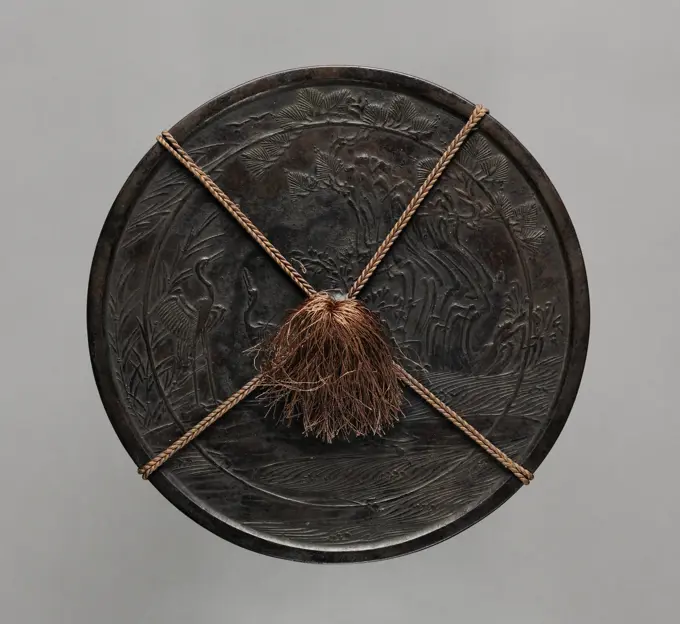
Mirror;  19th century (1801-00-00-1900-00-00);
Mirror; 19th century (1801-00-00-1900-00-00);
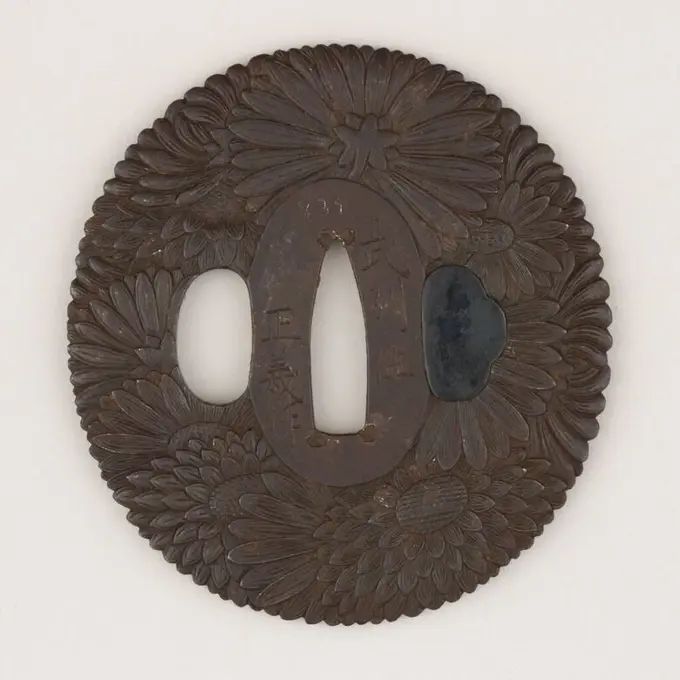
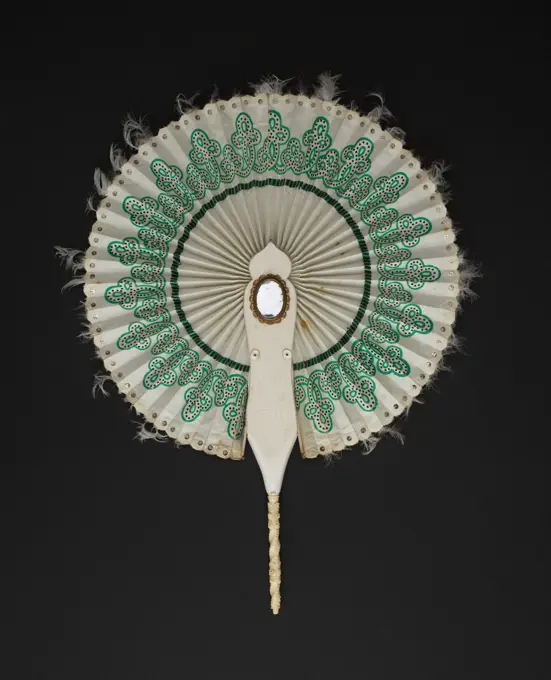
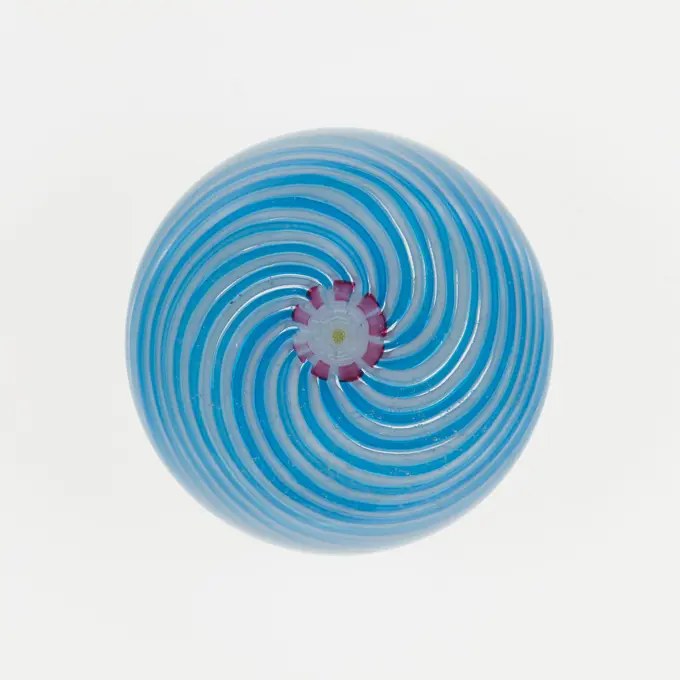
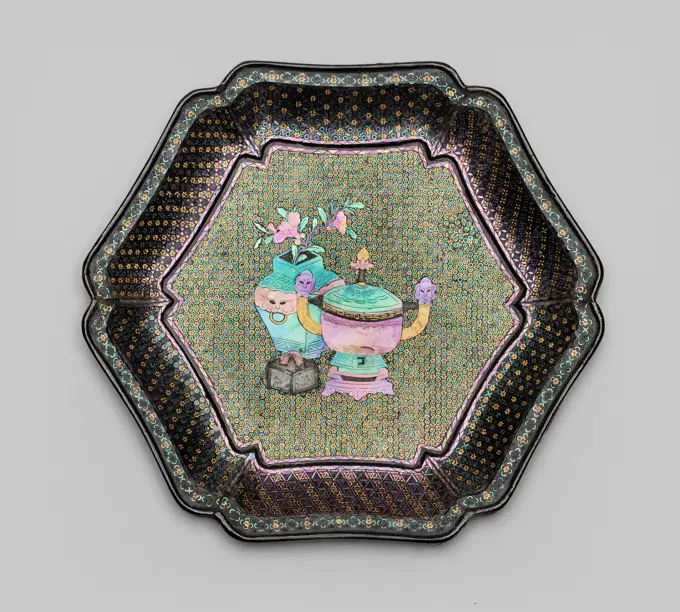
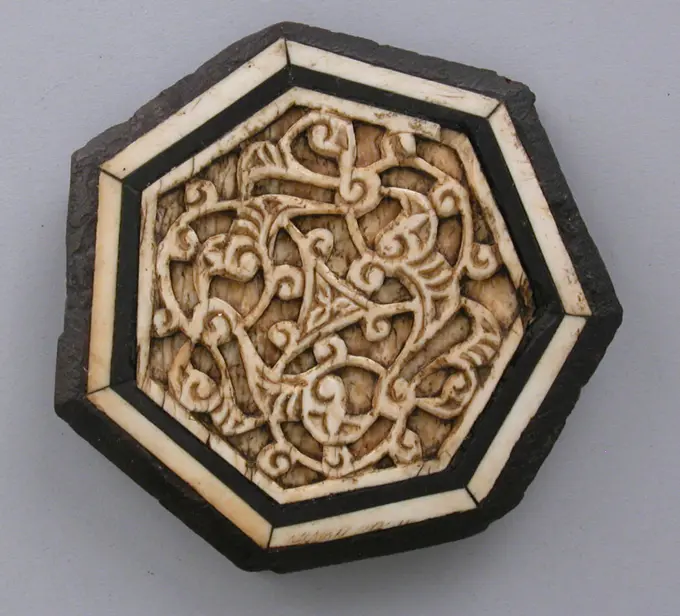
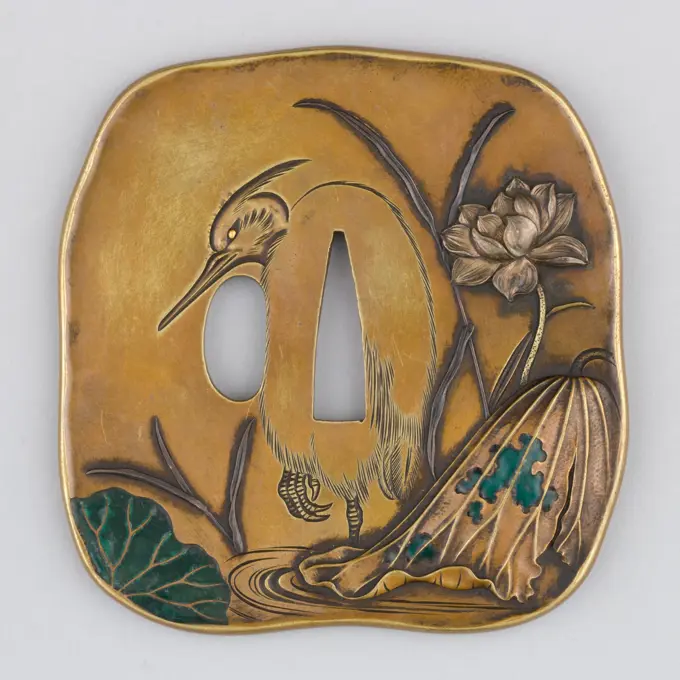
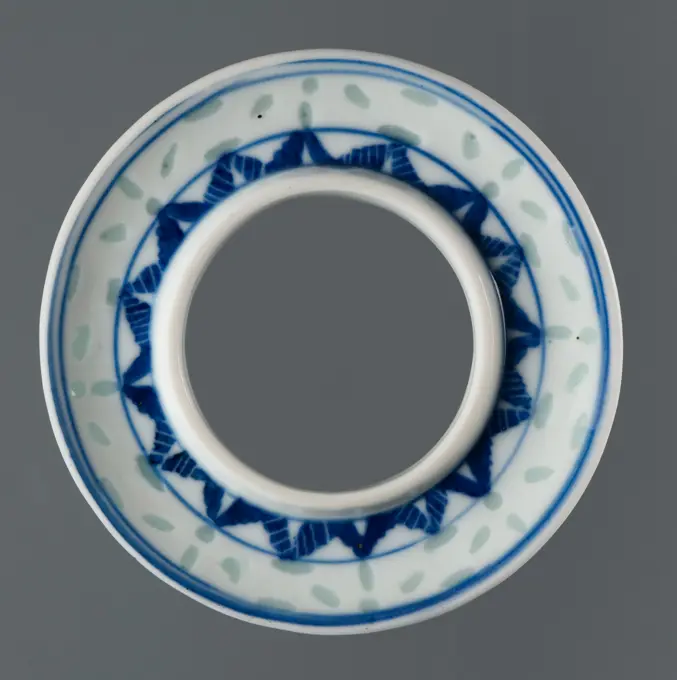
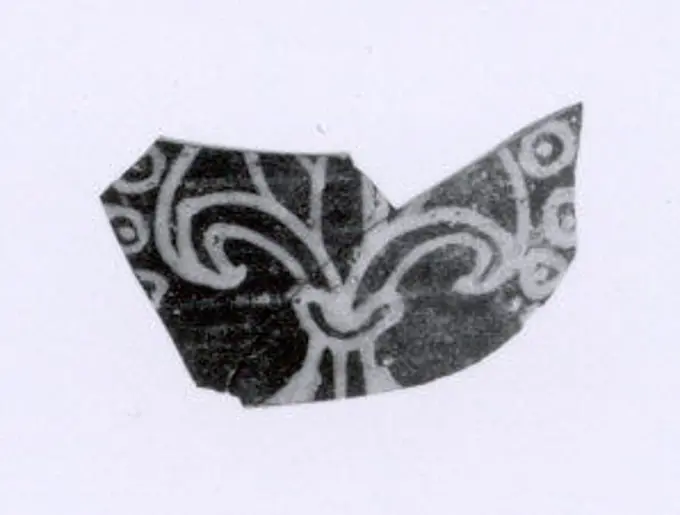
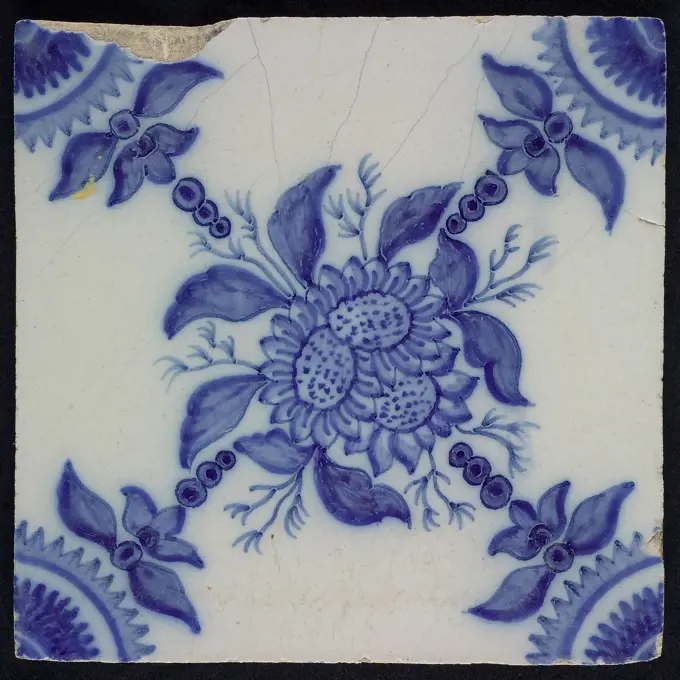
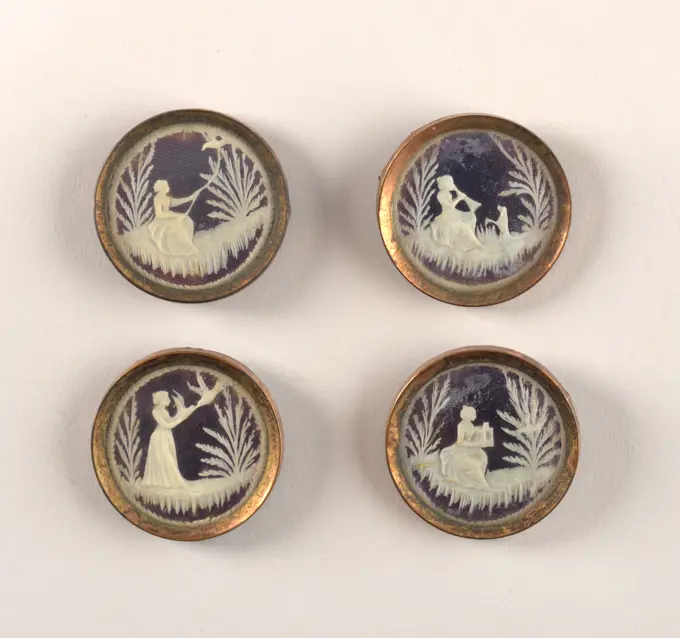
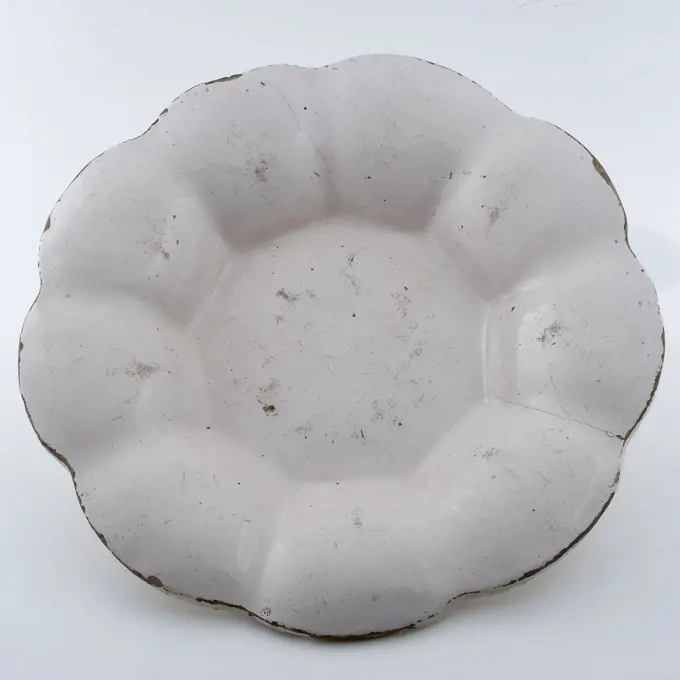
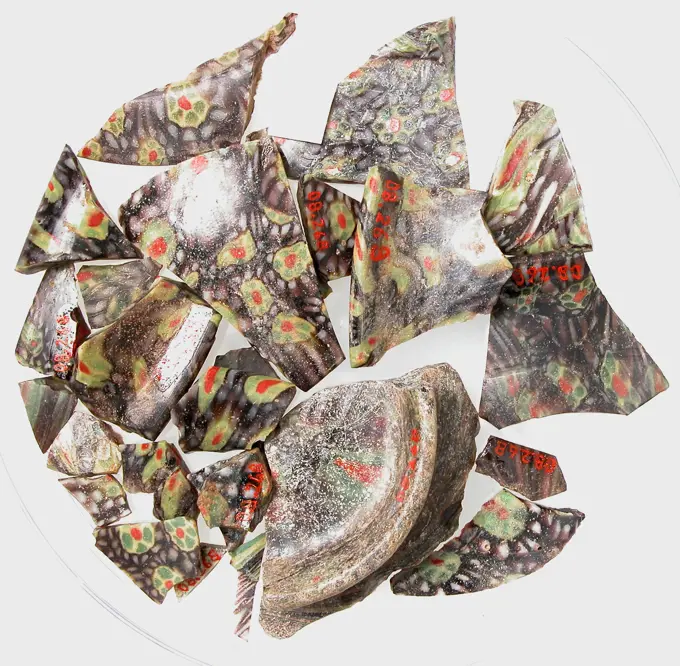
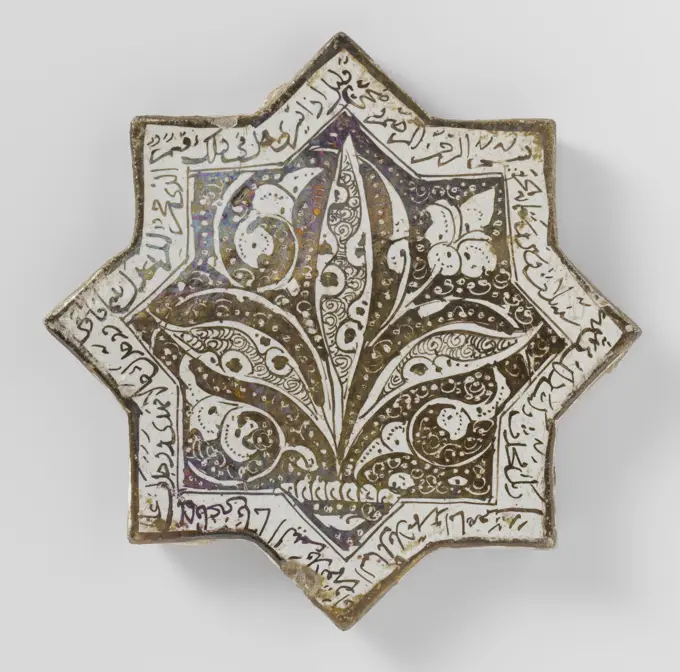
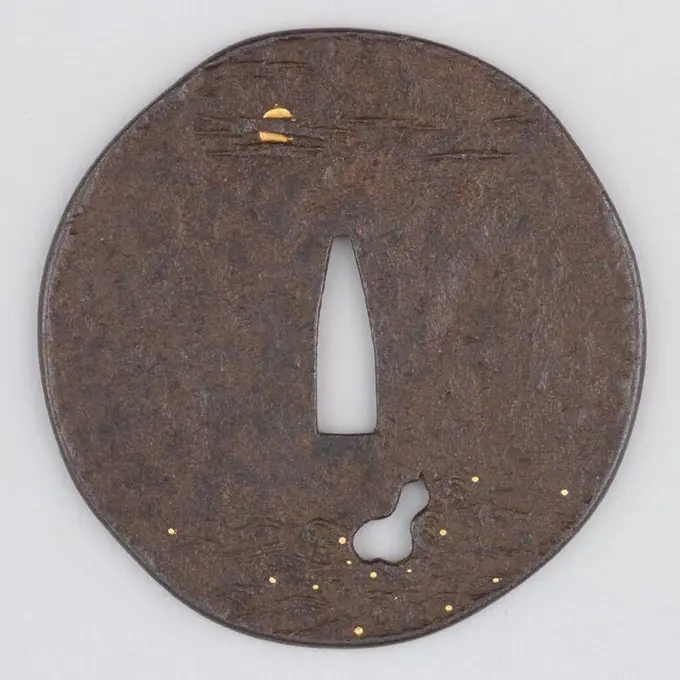
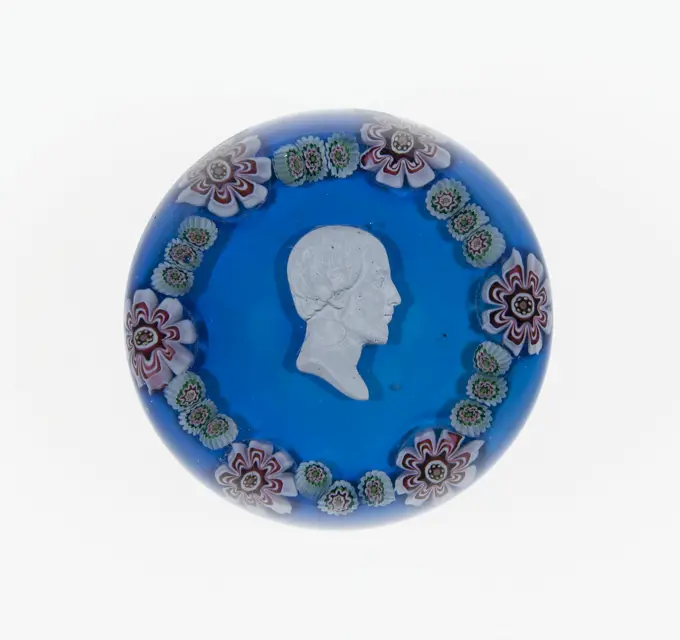
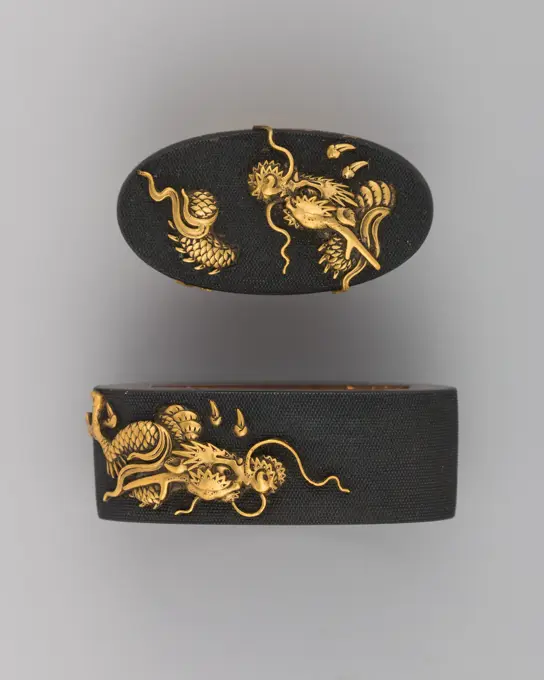
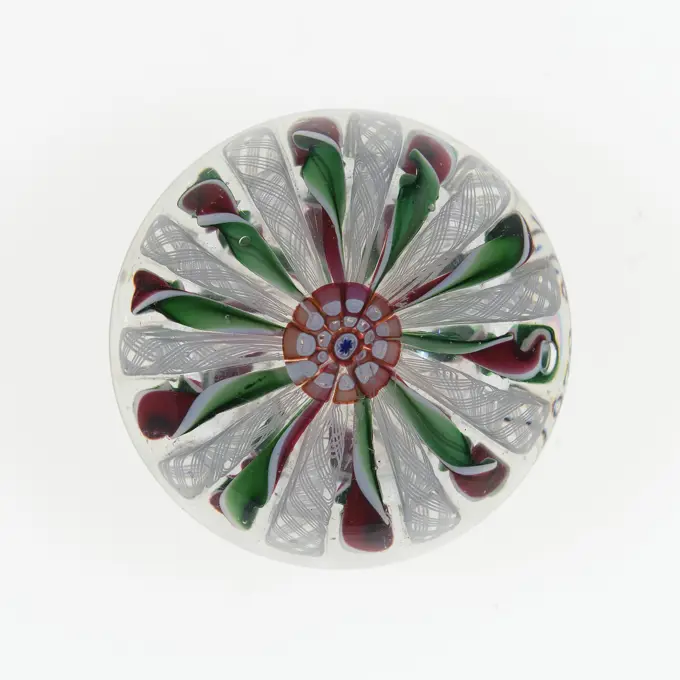
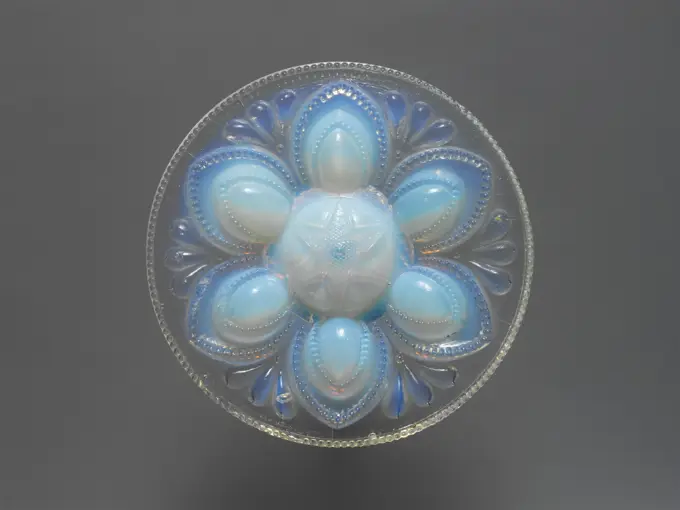
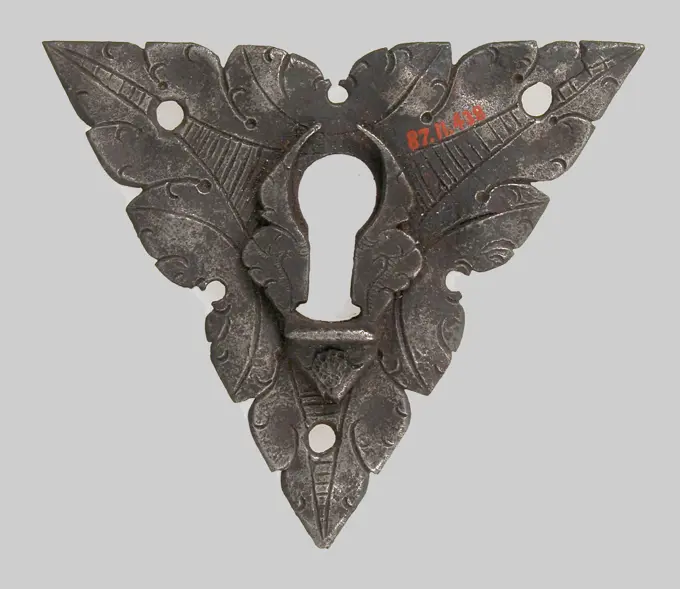
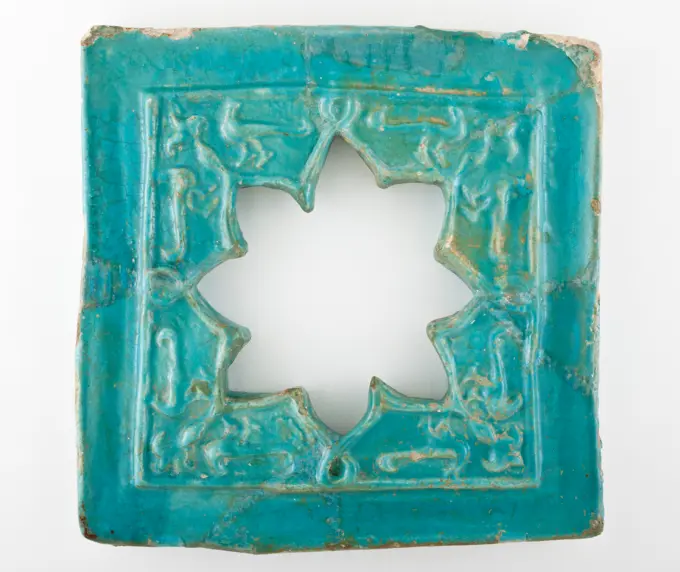
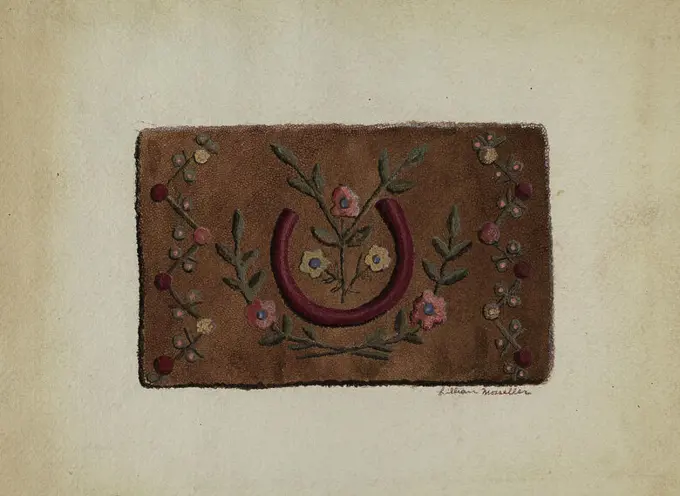
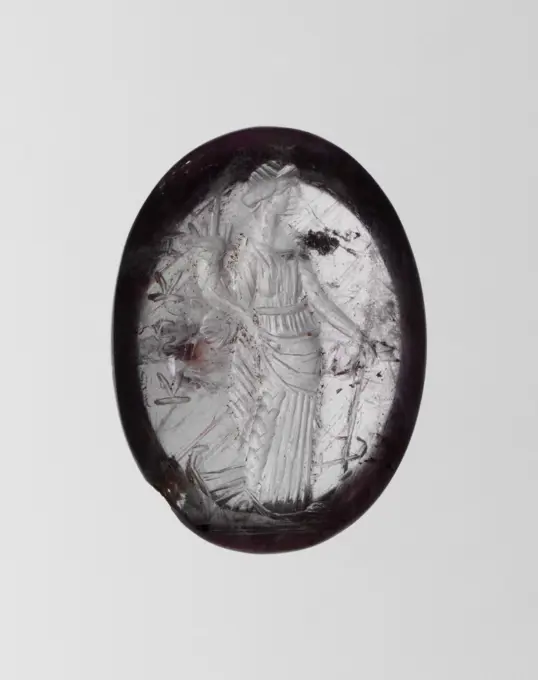
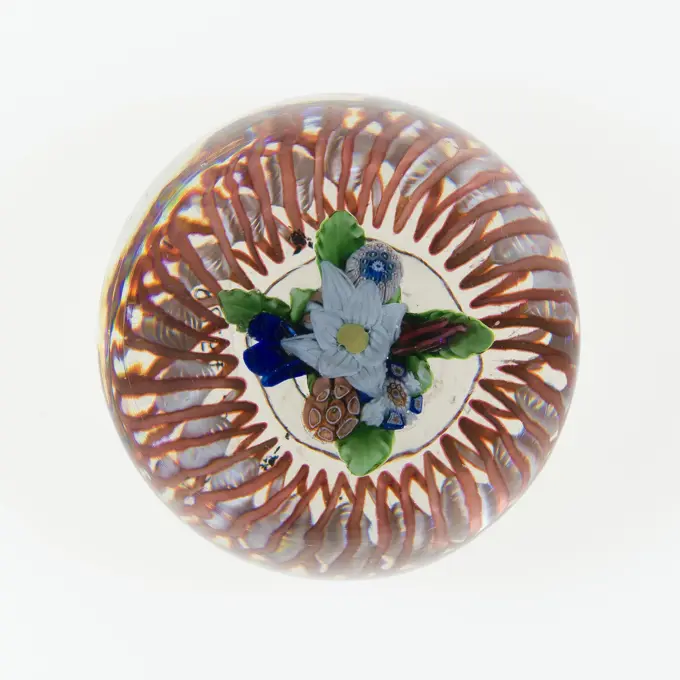
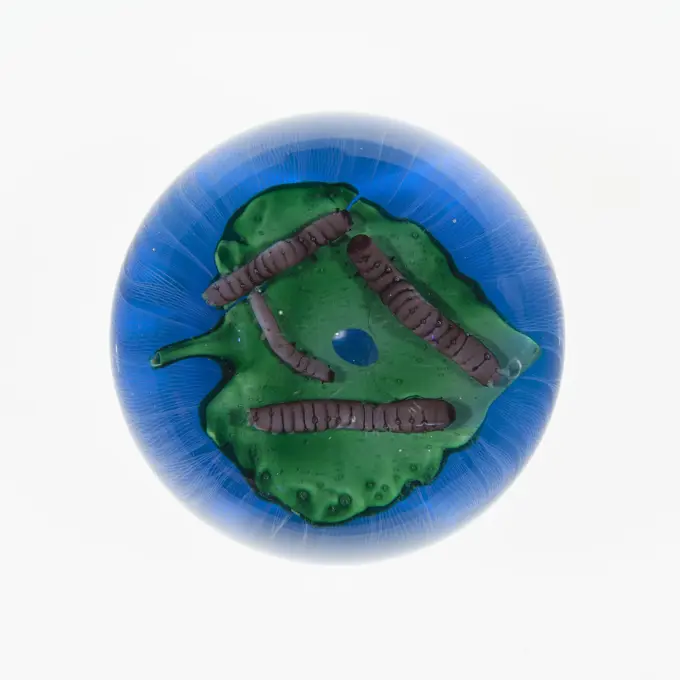
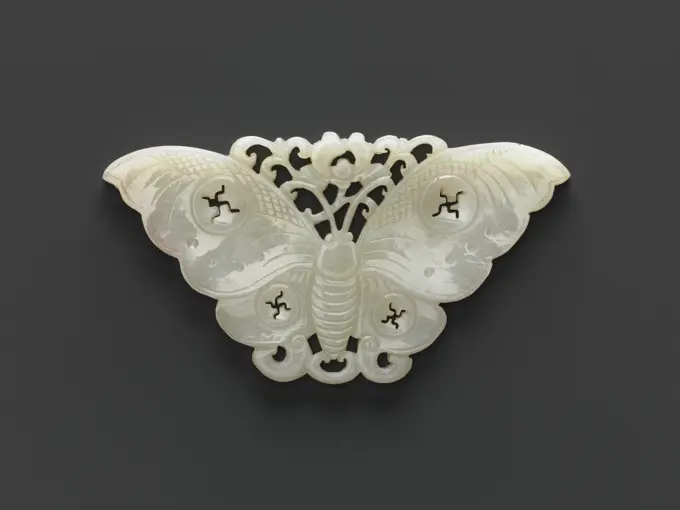
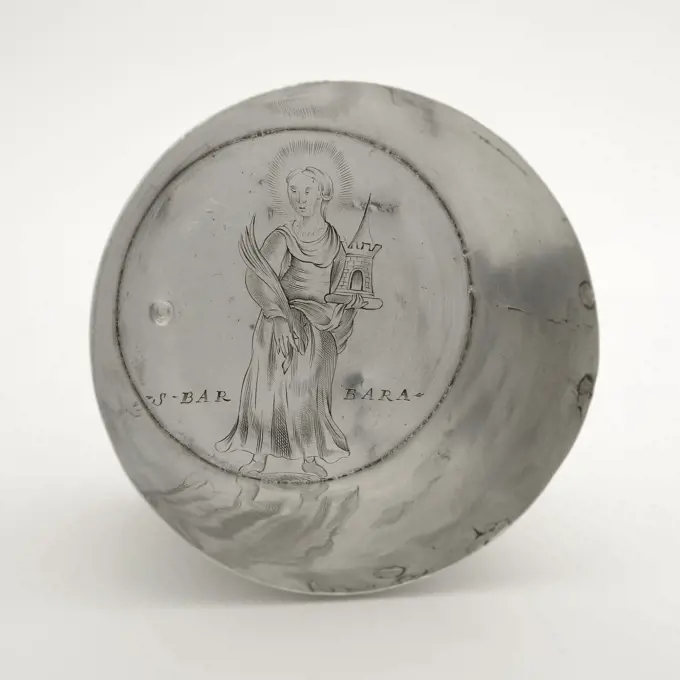
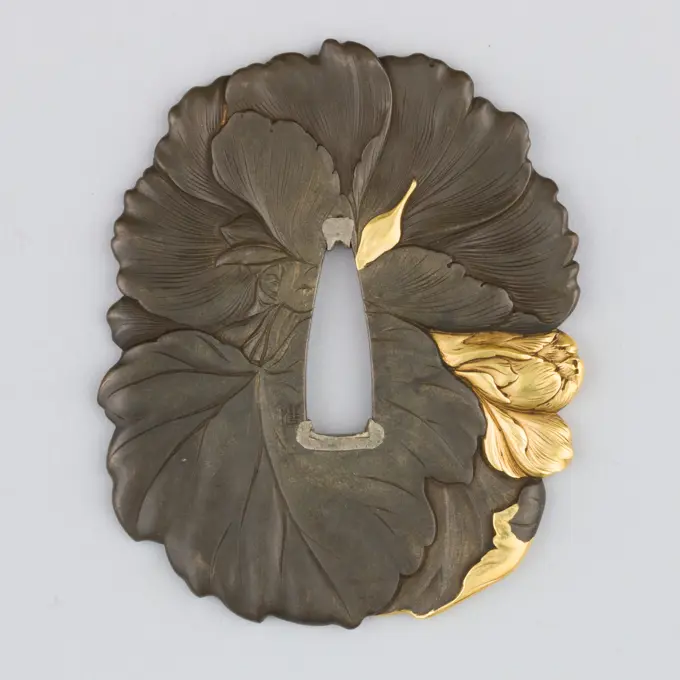
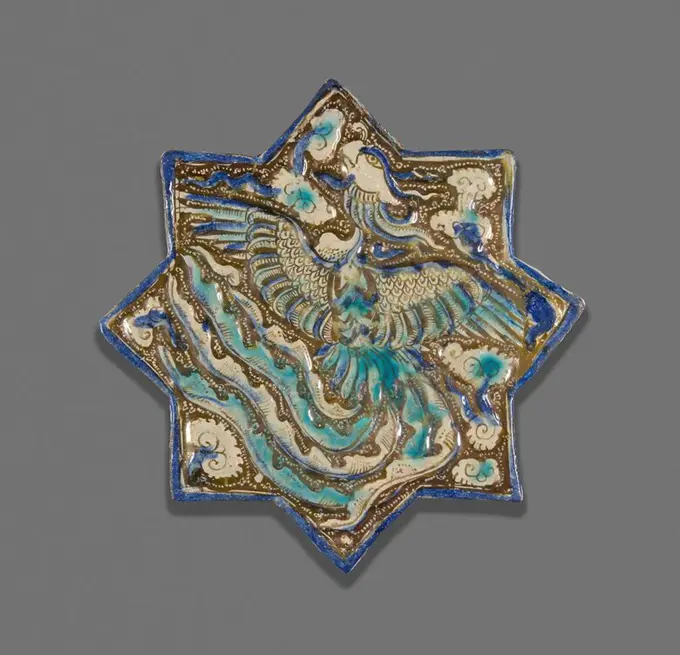
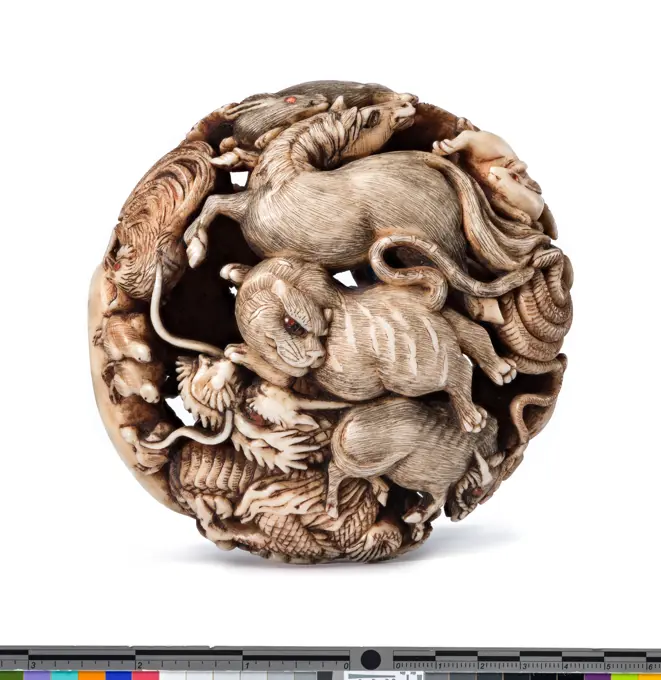
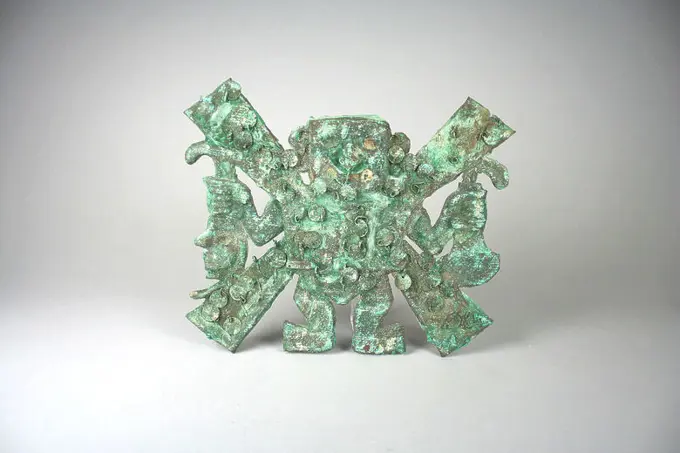
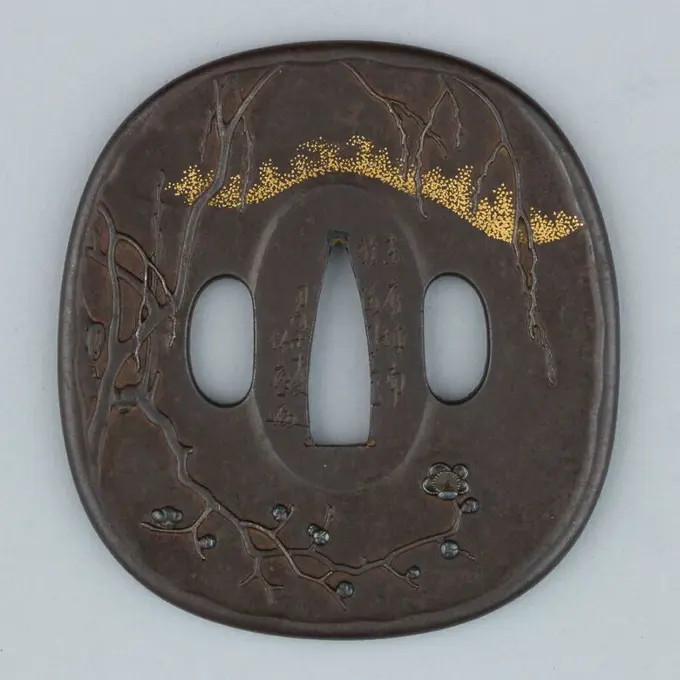
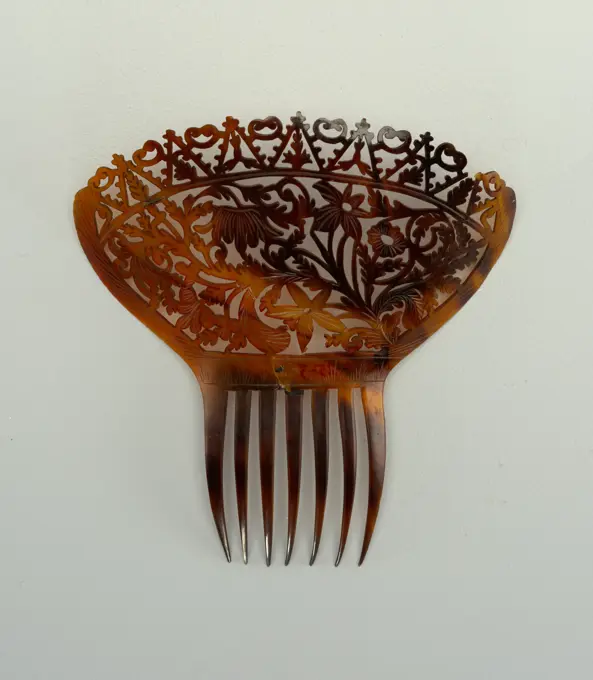
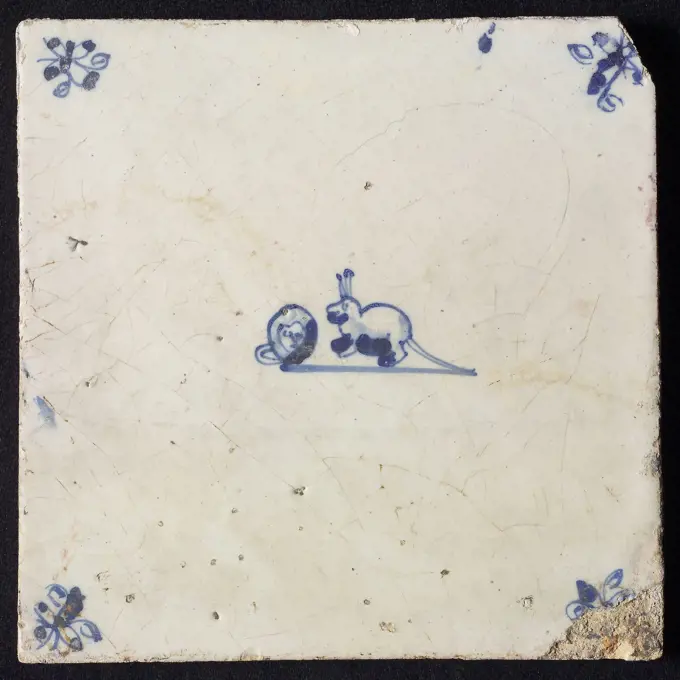
Grille. Culture: Italian. Dimensions: Overall: 14 1/8 x 14 1/4 x 5/8 in. (35.9 x 36.2 x 1.6 cm). Date: 15th-16th century. Museum: Metropolitan Museum of Art, New York, USA.Sword Guard (Tsuba). Culture: Japanese. Dimensions: H. 3 in. (7.6 cm); W. 2 13/16 in. (7.1 cm); thickness 3/16 in. (0.5 cm); Wt. 3.9 oz. (110.6 g). Date: ca. 1615-1868. Museum: Metropolitan Museum of Art, New York, USA.Fan unknownTile, Anonymous, 1650 - 1700 Tile, painted in blue, turquoise, orange, yellow and manganese. Planted flour. Half leaf in the corner of rosette parts, in the middle from two sides. Spain earthenware. tin glaze Tile, painted in blue, turquoise, orange, yellow and manganese. Planted flour. Half leaf in the corner of rosette parts, in the middle from two sides. Spain earthenware. tin glazePaperweight 1840-1865 France. Glass . Clichy GlasshouseDish with Peonies and Leaves. China. Date: 960 AD-1279. Dimensions: H. 3.5 cm (1 3/8 in.); diam. 17.7 cm (7 in.). Porcelain with underglaze molded decoration. Origin: China. Museum: The Chicago Art Institute, Chicago, USA.Half-lobed bowl ca. 6th century A.D. Sasanian. Half-lobed bowl. Sasanian. ca. 6th century A.D.. Silver. Sasanian. IranMirror with Pair of Cranes by Pine, 1392-1573. Japan, Muromachi period (1392-1573). Bronze; diameter: 19.4 cm (7 5/8 in.).Example of Ottoman art patterns applied on metalsDressing Table Mirror, c. 1900-1902. Tiffany Glass & Decorating Company (American, New York, 1892-1902). Bronze and Favrile glass mosaic; overall: 32.1 x 33 x 18.6 cm (12 5/8 x 13 x 7 5/16 in.).Dish with Images of Ancient Bronzes Made 1644-1911 China. Lacquer with inlay .Thread Spool (Scotland for export); woodPlate 1800 Japan. Plate. Japan. 1800. Porcelain decorated in blue under the glaze (Arita ware, Imari type). Edo period (1615-1868). CeramicsPanel 13th-14th century There are three identical octagons with carved ivory inlay in the collection (07.236.72, 07.236.73 and 07.236.70), suggesting that they were originally part of a larger wooden ensemble. Vines emerge from the central triangular decorative element, breaking off with characteristic leaf designs and spiral buds. The design seems to push at the edges of the carved border adding to its vitality.. Panel 445090Sword Guard (Tsuba) ca. 1615-1868 Japanese A tsuba is a sword guard and part of a sword mounting. It is mounted between the swords blade and grip to protect the users hands.. Sword Guard (Tsuba) 34419Podstawka pod czarkę. unknown, craftsmanTray;  19th/20th century (1890-00-00-1909-00-00);Nuzi ware sherd ca. 15th-13th century B.C. Mitanni. Nuzi ware sherd. Mitanni. ca. 15th-13th century B.C.. Ceramic, paint. Mitanni. Mesopotamia, Tell al-RimahOrnament tile, flowers, round leaf work, corner motif quarter rosette, wall tile tile sculpture ceramic earthenware glaze, baked 2x painted glazed Square yellow shard two nail holes Blue on white fond tile bakery Piet HeijnBox 18th-19th century. Box 444618Button (France); ivory, metal foil, gilt metal, pewter; Diam.: 3.8 cm (1 1/2 in.); Bequest of Julia Hutchins Wolcott; 1959-66-248-a/dDish 15th-16th century. Dish. 15th-16th century. Earthenware; tin-glazed and luster-painted. Made in Spain. CeramicsEarthenware folding dish, entirely white glazed, on stand, folding dish bowl holder ceramic earthenware glaze tinglaze, fried glazed fried Nine lobbly double-sided white glazed dish on standring Bottom of wells in glaze where the glaze is applied too thin. Top scratches from spoons or other cutlery; use traces of indigenous pottery food serving table serveTile Wall Facing (Netherlands); tin-glazed earthenware, underglazeGlass Fragments from a Vessel 4th-early 5th century Coptic. Glass Fragments from a Vessel 477070Button, Paper, metal foil, thread, paillettes, Folding envelope of paper with tie closure; used as a case for ten circular buttons., On card 14, France, late 18th century, costume & accessories, Decorative Arts, ButtonStar-shaped tile with an inscription and floral scrolls, anonymous, c. 1262 - c. 1265 Star -shaped tile of earthenware, painted in Luster with a text in Persian or Arabic script and flower vines. is the earthenware. glaze. luster (textile) painting / vitrification Star -shaped tile of earthenware, painted in Luster with a text in Persian or Arabic script and flower vines. is the earthenware. glaze. luster (textile) painting / vitrificationPlate 1600-1625 Germany. Blue glass .Planets-manager. Cornalet Collection Sites 2013-2016. Numismatic.Bowl. Culture: Mimbres. Dimensions: H. 4 3/4 x Diam. 10 1/2 in. (12.1 x 26.7 cm). Date: 8th-10th century. Museum: Metropolitan Museum of Art, New York, USA.Sword Guard (Tsuba). Culture: Japanese. Dimensions: H. 3 1/2 in. (8.9 cm); W. 3 3/8 in. (8.6 cm); thickness 1/8 in. (0.3 cm); Wt. 5 oz. (141.7 g). Date: 17th century. Museum: Metropolitan Museum of Art, New York, USA.Panel Made 1730-1750 England. Silk and gilt-metal-strip-wrapped silk, plain weave with twill interlacings of secondary binding warps and brocading wefts .Wall Facing (Netherlands); tin-glazed earthenware, underglaze; 5 tiles tall, various wideHatDecel van Theebus, Meissener Porcelain Manufaktur, 1725 - 1730  Float porcelain. gilding (material)  Float porcelain. gilding (material)letter S - vintage wood letterpress printing block, scratched, stained by ink, isolated on whiteGlass bowl with painted decoration 3rd century B.C. Greek Colorless; gilding and red enamel paint.Ground vertical rim; side of body sloping in and rounded at bottom; flat bottom.Painted and gilded decoration on interior: a pointed monument, clearly identifiable as a betyl (a type of cult object common in the Near East), flanked by a wall and trees.Broken and repaired with areas of fill; some pinprick bubbles; rotary grinding marks; black, enamel-like weathering and iridescence.. Glass bowl with painted decoration. Greek. 3rd century B.C.. glass; cast and painted. Hellenistic. GlassBeautiful hand painted mandala rock on black backgroundmetal    gray  morocco in    africa the old wood  facade home and rusty safe padlock Paperweight 1841-1860 Clichy. Glass . Clichy GlasshouseSaucer; Baranówka (Porcelain Manufaktura; 1804-2012); 1820 (1820-00-00-1820-00-00);Tile (USA); Manufactured by J. & J. G. Low Art Tile Works; molded glazed earthenwareSword-Hilt Collar and Pommel (Fuchigashira) 18th century Japanese A fuchigashira is a pair of matching sword fittings comprising the fuchi (collar at the base of the grip of the sword hilt) and kashira (pommel cap at the end of a sword hilt).. Sword-Hilt Collar and Pommel (Fuchigashira). Japanese. 18th century. Copper-gold alloy (shakud), gold. Sword Furniture-Fuchi-KashiraPaperweight 1840-1860 Saint-Louis. Glass . Compagnie de Saint LouisFragment of a Mosaic Glass Vessel. Unknown 1st century A.D.Drapery Tieback 1810-60. Drapery Tieback 14247Escutcheon plate 16th century German. Escutcheon plate 468815De Jubilaeum Roset, Johannes Mattheus van Kempen, 1863  Silver apple with a few leaves over which Banderole with text on orange rosette. Inscription: Orange above 1813/1863. Dated. Front: 1863. Voorschoten silver (metal). silk   NetherlandsTile. Probably Iran, 13th century. Ceramics. Fritware, molded and glazedSquare with Gideon and his soldiers. A round stained glass diamond with the show of Gideon and his soldiers. In the foreground the fountain of Harod with four soldiers. Gideon is shown in speaking attitude with saber. In the background tents and warriors.Hooked Rug. Dated: c. 1936. Dimensions: overall: 22.9 x 29.8 cm (9 x 11 3/4 in.) Original IAD Object: 27" long; 17 1/2" wide. Medium: watercolor, gouache, and graphite on paper. Museum: National Gallery of Art, Washington DC. Author: Lillian M. Mosseller.Glass Fragment 13th century French. Glass Fragment. French. 13th century. Glass. Made in Bourges, France. Glass-StainedAmethyst ring stone ca. 1st-2nd century A.D. Roman Fortuna (Tyche) wearing a diadem and holding a cornucopia and rudder. Inscribed in field, KWKH, possibly a personal name.. Amethyst ring stone 245058A rectangular tray with decoration in the form of plant flagellas and medallions unknownfemale hand holding empty copper round vintage plate on white background, fruit dish. View from aboveShards Kraakporcelain from V.O.C. ship De 'Witte Leeuw', Anonymous, Before 1613  Shards Kraakporcelain from V.O.C. ship De 'Witte Leeuw'. Jingdezhen bone china (material)   Sint-HelenaSword Guard (Tsuba) with Fans, c. 1615-1868. Japan, possibly Edo period (1615-1868). Iron; diameter: 7.7 cm (3 1/16 in.).Paperweight 1840-1865 Baccarat. Technological improvements to optical scientific instruments in the mid-nineteenth century spurred a veritable obsession across Europe with identifying and classifying the natural world. Amateur botanists were eager to collect and preserve floral specimens, which they intently researched and catalogued. In response to this broad appeal, French glassmakers made paperweights that portrayed the very botanical subjects that were so enthusiastically sought. Many weights represented specimens with horticultural correctness, but others were entirely fanciful creations. Paperweights like this example speak to the periodís fascination with taxonomic systems.From the late 1840s to early 1860s, French manufacturers of fine glass and crystalósuch as Baccarat (Alsace), Clichy (Paris), and Saint-Louis (Lorraine)ócatered to the vast public enthusiasm for beautiful yet functional desk accessories. Paperweights, which were designed to secure loose papers against drafts, Attic Red-Figure Cup Type B Fragment; Attributed to Onesimos (Greek (Attic), active 500 - 480 B.C.); Athens, Greece; about 490 B.C; Terracotta; 15.9 × 14 × 5.1 cm (6 1,4 × 5 1,2 × 2 in.)Paperweight 1840-1865 France. Technological improvements to optical scientific instruments in the mid-nineteenth century spurred a veritable obsession across Europe with identifying and classifying the natural world. Amateur botanists were eager to collect and preserve floral specimens, which they intently researched and catalogued. In response to this broad appeal, French glassmakers made paperweights that portrayed the very botanical subjects that were so enthusiastically sought. Many weights represented specimens with horticultural correctness, but others were entirely fanciful creations. Paperweights like this example speak to the periodís fascination with taxonomic systems.From the late 1840s to early 1860s, French manufacturers of fine glass and crystalósuch as Baccarat (Alsace), Clichy (Paris), and Saint-Louis (Lorraine)ócatered to the vast public enthusiasm for beautiful yet functional desk accessories. Paperweights, which were designed to secure loose papers against drafts, weGlass Fragment ca.1400 European. Glass Fragment. European. ca.1400. Colorless glass. Glass-StainedCollar 1700-1945 American or European. Collar 119258Shards of a sign from V.O.C. ship De 'Witte Leeuw', Anonymous, Before 1613 plate (dishes) Shards of a sign from V.O.C. ship the 'Witte Leeuw', 75 present; Parts of the wall and the flat are missing. The shard is glassy white and has little ingrained dirt. The glaze is blue tinted and peels over parts of the lip edge. The glaze has pinholes and small baking schaves on the corners of the lip edge. The bottom is glazed. The foot ring is inside, is V-shaped and faceted. More than 20 grains of oven sand have been found. Jingdezhen bone china (material). glaze   Sint-HelenaPurse. unknown, authorAttic Black-Figure Neck Amphora Fragment (comprised of 6 Joined Fragments). Unknown about 510 B.C.Paperweight 1873-1893 France. Glass .Butterfly 18th century China. Butterfly 43809Silver kalktobbe or mason trap with image H. Barbara, tub bowl model, hammered drawn engraved Round layer and slightly conical bowl wall outside (suggestive) capped bottom underside (stamped): saint Barbara Sint Barbaragilde Mason Guild Guild 1689 Abraham Plemp Jan van der Call Abraham Ketelaar Goosse van der Graaft bricklayerYellow frame Decorative yellow wooden frame isolated with clipping path included Copyright: xZoonar.com/Baloncicix 7143159Tiles and ornaments from the palace of Ramesses II. Dimensions: Diam. 3.2 cm (1 1/4 in.); Th. 0.4 cm (3/16 in.). Dynasty: Dynasty 19. Reign: reign of Ramesses II. Date: ca. 1279-1213 B.C.. Museum: Metropolitan Museum of Art, New York, USA.Sword Guard (Tsuba) ca. 1615-1868 Japanese A tsuba is a sword guard and part of a sword mounting. It is mounted between the swords blade and grip to protect the users hands.. Sword Guard (Tsuba) 34416Art Cooking Composition: Pasta Wheel Cut Tools on Wall in Circular ArrangementGolden sun frame Sun shape golden frame at grunge wall Copyright: xZoonar.com/Baloncicix 14246065Openwork Belt Fitting 7th century Frankish Openwork plaques were hung from a belt by a strap. Such useful objects as combs, keys, or amulets would then be suspended from the plaque by chains or strings. The patterns on these belt fittings ranged from architectural motifs to human figures to abstract designs.. Openwork Belt Fitting 464956 Frankish, Openwork Belt Fitting, 7th century, Copper alloy, Overall: 3 1/4 x 1/16 in. (8.3 x 0.2 cm). The Metropolitan Museum of Art, New York. Gift of J. Pierpont Morgan, 1917 (17.191.251)belt brooch plate decorated with silver damascening, 3rd century BC, Cerro Maquiz, Mengibar, Iberian culture, Iberian Museum of Jaén, Andalusia, Spain.Stained glass component isolated on grey backgroundStar-Shaped Tile with Phoenix. Iran; possibly Takht-i Sulayman. Date: 1250-1290. Dimensions: 21.2 × 21.8 × 1.2 cm (8 5/16 × 8 9/16 × 1/2 in.). Fritware with molded decoration, in-glaze painting in blue and turquoise, and overglaze painting in luster. Origin: Iran. Museum: The Chicago Art Institute, Chicago, USA. Author: Islamic.Sidewall - Fragment (France); block-printed on handmade paper; 21 x 17 cm (8 1/4 x 6 11/16 in.)Zodiac Animals. Kaigyokusai Masatsugu (Japan, 1813-1892). Japan, mid- to late 19th century. Costumes; Accessories. Ivory with staining, sumi, inlays; ryūsa typeProbably Boston and Sandwich Glass Works, Salt, c. 1835-c. 1845, sapphire blue lead glass.Medallion China. Medallion. China. Nephrite. Qing dynasty (1644-1911), Qianlong period (1736-95). JadeA Double-Sided MourningLocket.  Artist: UnknownSword Guard (Tsuba) late 17th century Japanese A tsuba is a sword guard and part of a sword mounting. It is mounted between the swords blade and grip to protect the users hands.. Sword Guard (Tsuba) 35141Figure Ornament. Culture: Moche (Loma Negra). Dimensions: H x W: 9 7/16 x 11in. (24 x 28cm). Date: 390-450. Museum: Metropolitan Museum of Art, New York, USA.Sword Guard (Tsuba). Culture: Japanese. Dimensions: H. 3 1/8 in. (7.9 cm); W. 2 7/8 in. (7.3 cm); thickness 3/16 in. (0.5 cm); Wt. 4.8 oz. (136.1 g). Date: ca. 1860. Museum: Metropolitan Museum of Art, New York, USA.little planet - spherical planet with yellow autumn forest and urban houses isolated on white backgroundLluís Masriera / Broche cen forma de flor, 1906. Colección privada. Author: LLUÍS MASRIERA I ROSÉS.little planet - urban spherical view of Facade Palais Garnier (Paris Opera House) in Paris isolated on white backgroundgolden ornament on wood made in 3DComb; tortoiseshellAnimal tile, jumping hare to the left and sitting hare seen from the front, in blue on white, corner pattern spider, wall tile tile sculpture ceramic earthenware glaze, baked 2x glazed paintedLime (Tilia platyphyllos), shoot t.s., colouring Wacker 3AParasol mid-19th century French. Parasol 102266Silversmith's Art, Italy 20th century. Chiselled silver presentation plate. Made by Le Argenterie d'Italia on a drawing by Francesco Sossai, approximately 1937.Hair comb of dark turtle or horn with narrow, hinged back, inlaid with mother -of -pearl and gilding, six teeth, anonymous, c. 1800 - c. 1825 Hair comb of dark turtle or horn with narrow, hinged back, inlaid with a gilded frame and mother -of -pearl together like a chain. Six teeth. Copper hinge. Netherlands (possibly) Decoration: Mother of Pearl. Decoration: Gilding (Material). Hinge: Copper (Metal) sawing / filing / polishing / inlay (process) / gilding Hair comb of dark turtle or horn with narrow, hinged back, inlaid with a gilded frame and mother -of -pearl together like a chain. Six teeth. Copper hinge. Netherlands (possibly) Decoration: Mother of Pearl. Decoration: Gilding (Material). Hinge: Copper (Metal) sawing / filing / polishing / inlay (process) / gildingBust of a MusIImVector illustration with hand drawn dream catcher isolated on a black background. Luxury golden feathers and beads.Nested Boxes with Chrysanthemums (outer box lid), early 1900s. Japan, Meiji period (1868-1912). Lacquer; overall: 2 x 11.5 x 8.7 cm (13/16 x 4 1/2 x 3 7/16 in.).