Ornate Cultural Artifacts

Exquisite traditional items like decorative tiles and sword guards, showcasing intricate patterns and craftsmanship, reflecting historical cultural artistry.

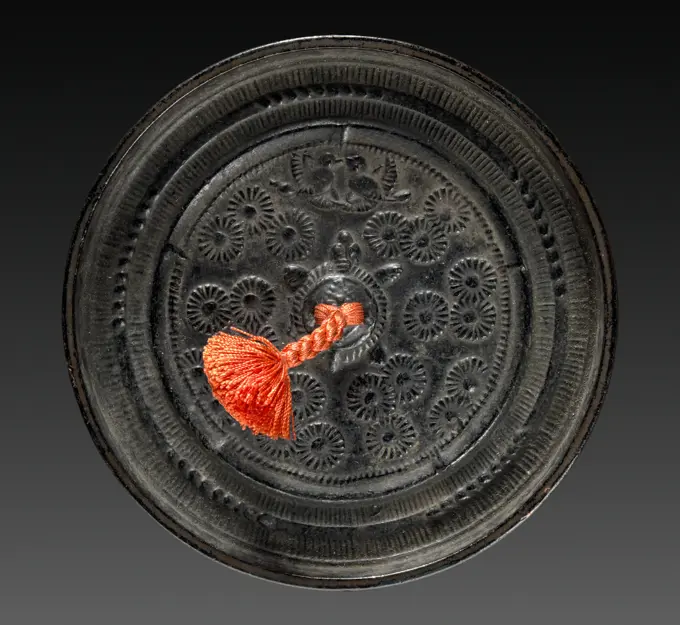
Mirror;  19th century (1801-00-00-1900-00-00);
Mirror; 19th century (1801-00-00-1900-00-00);
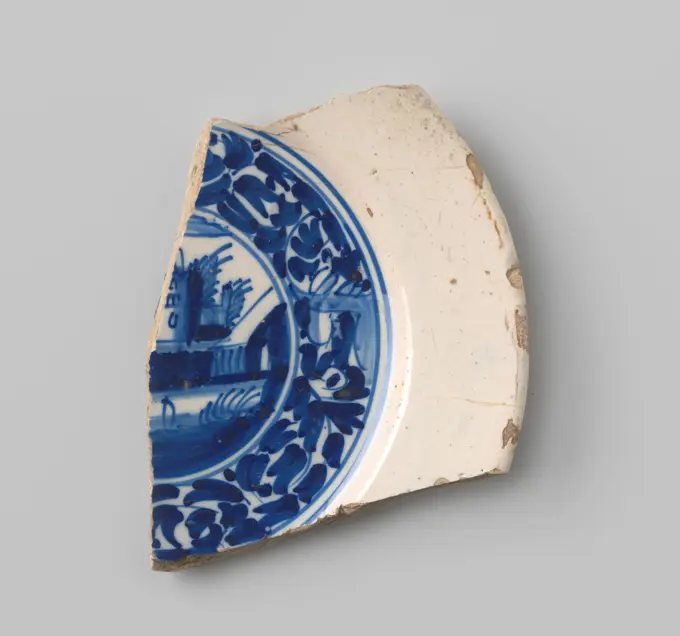
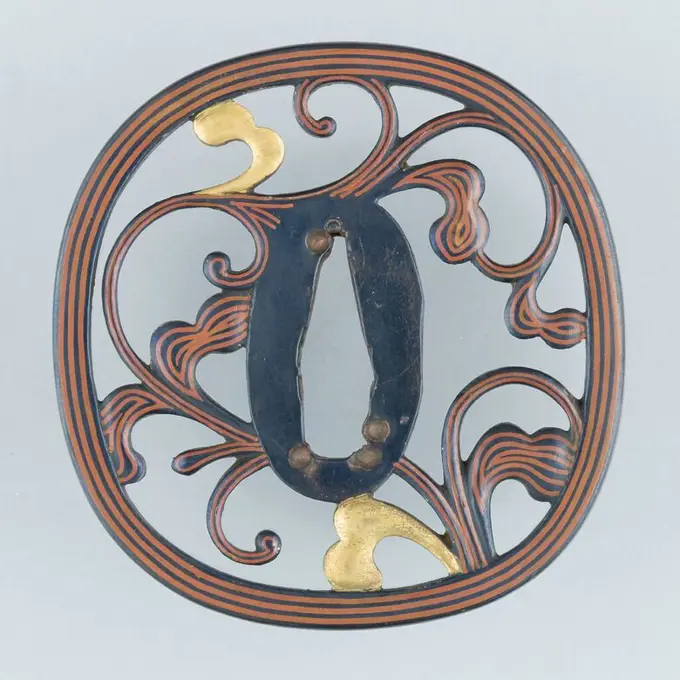
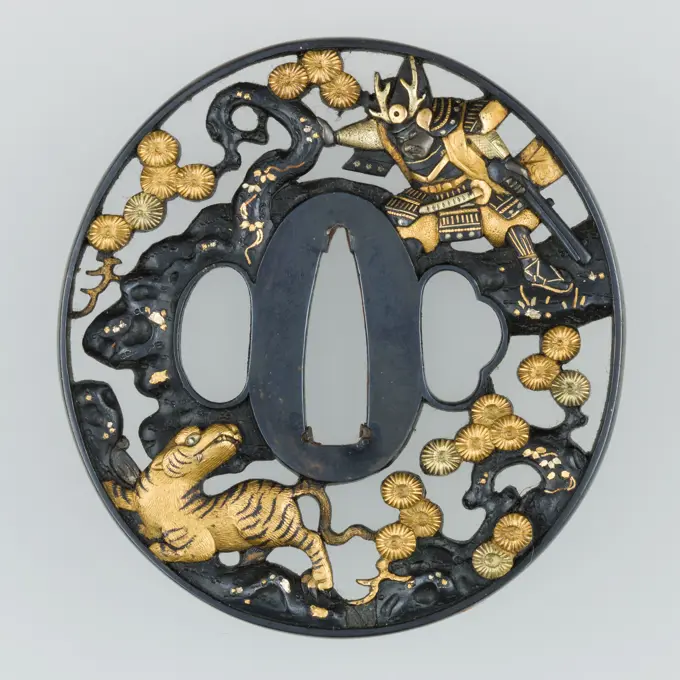
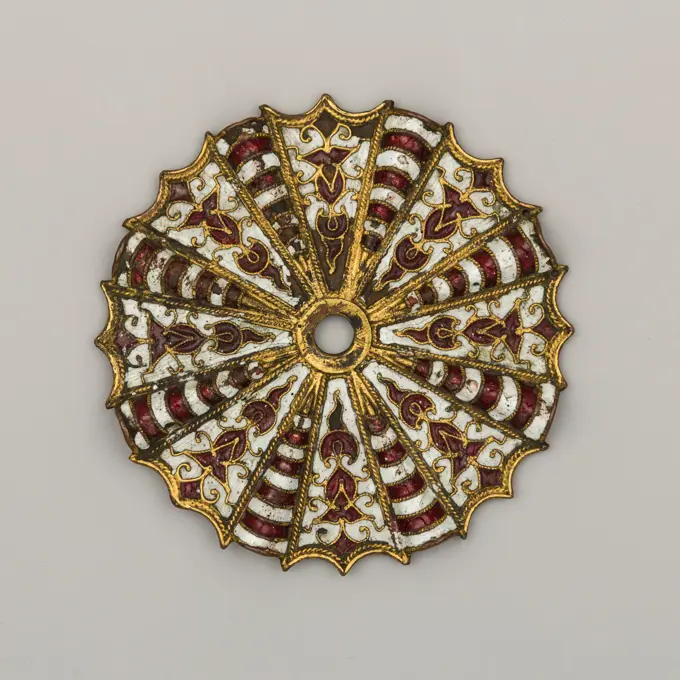
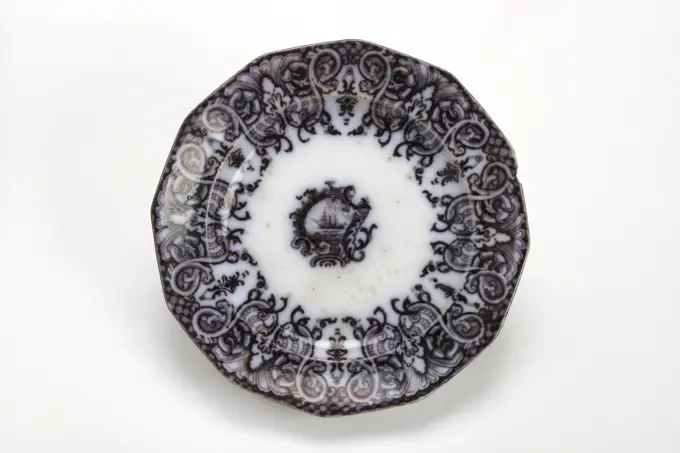
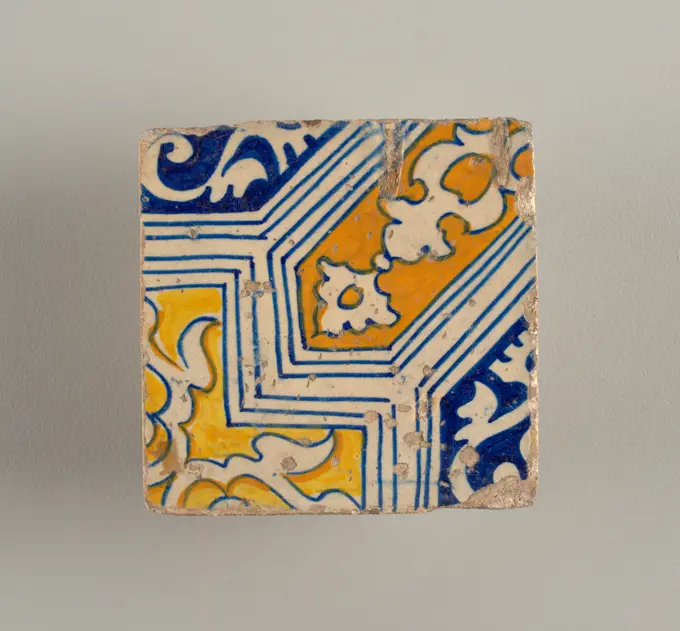
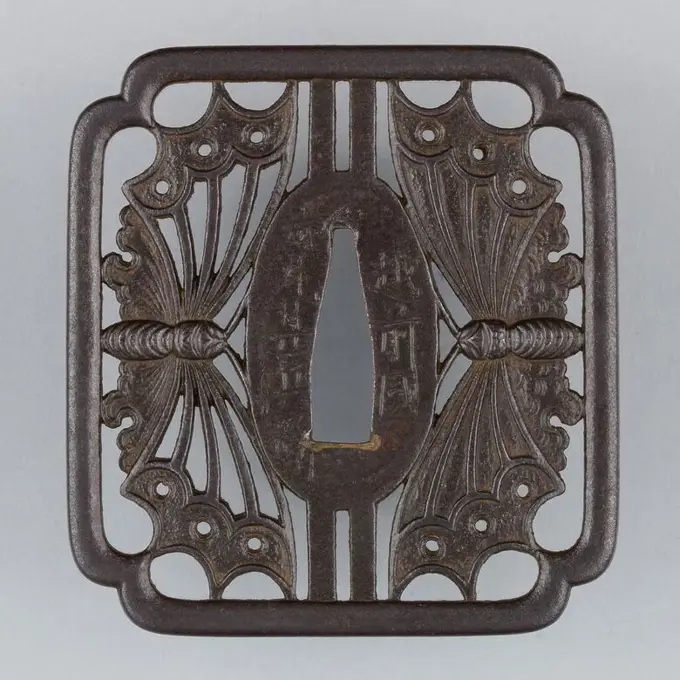
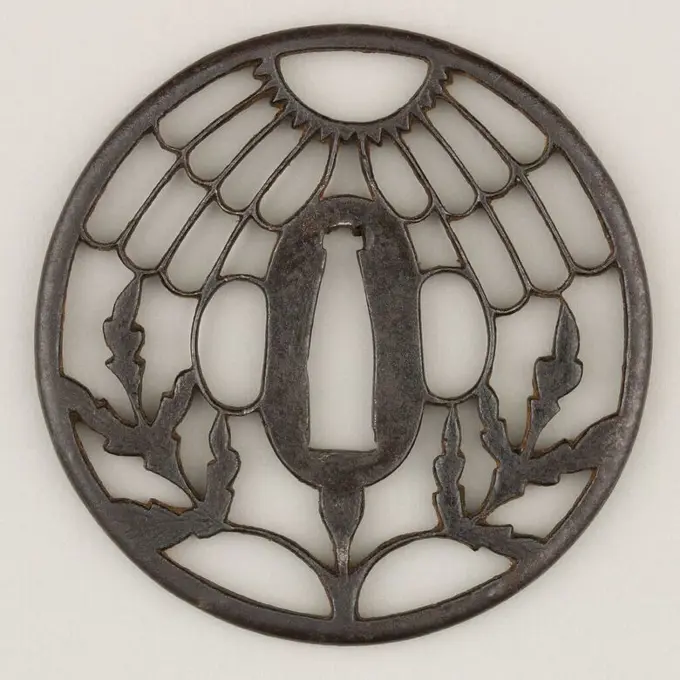
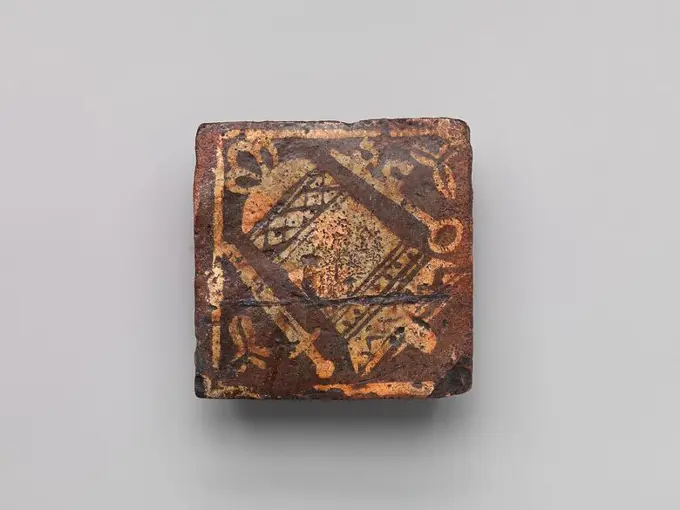
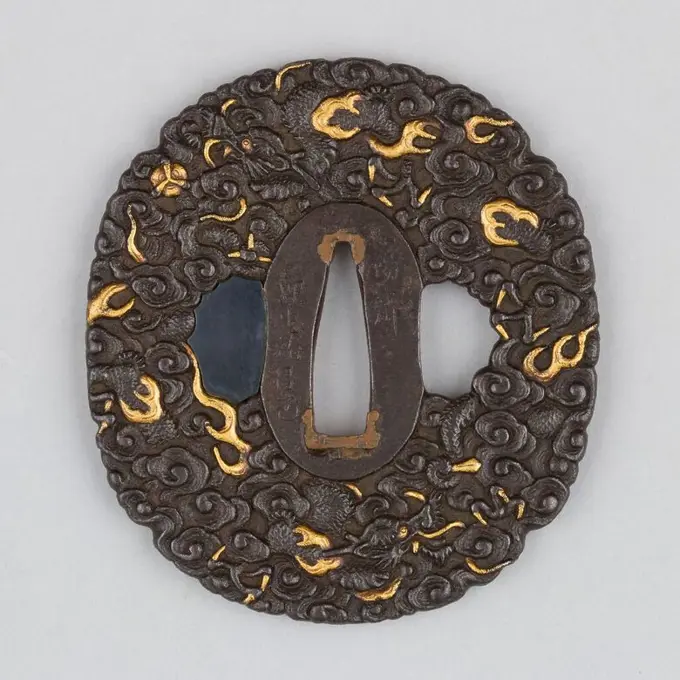
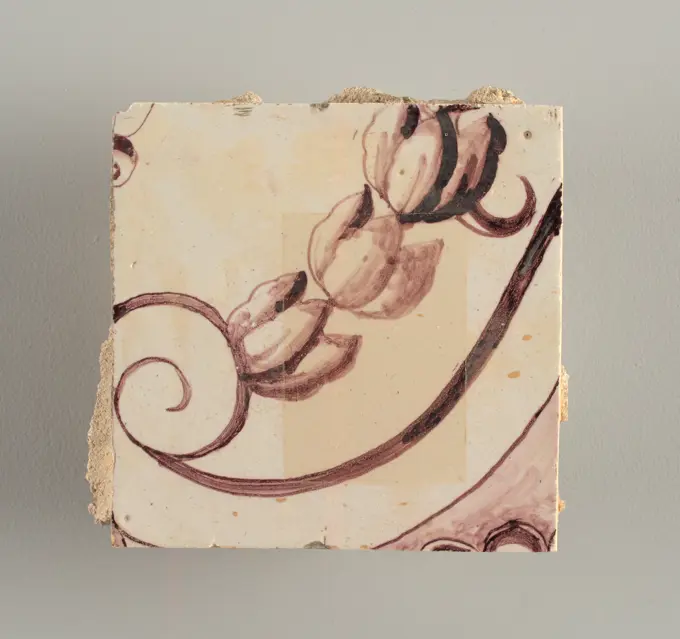
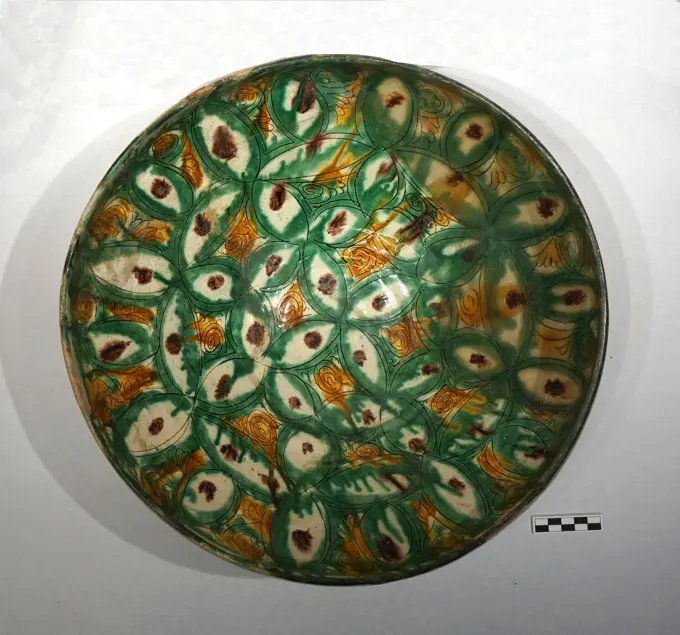
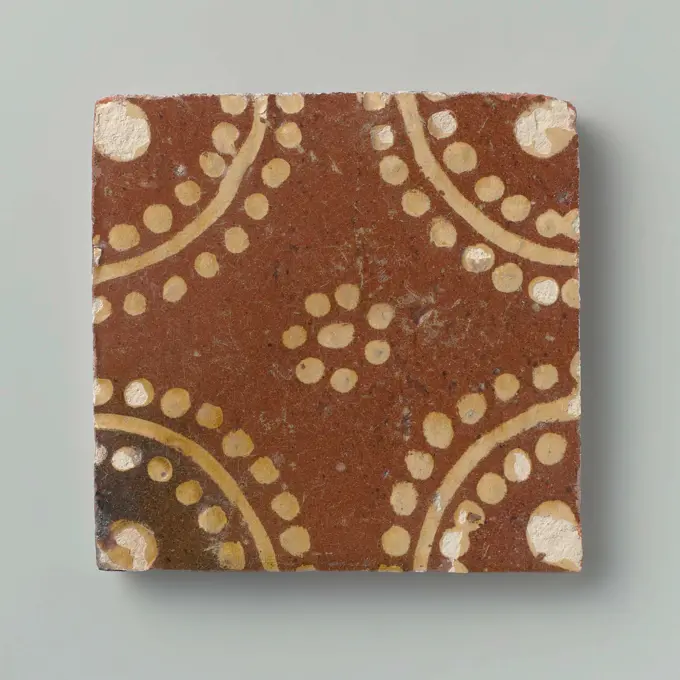
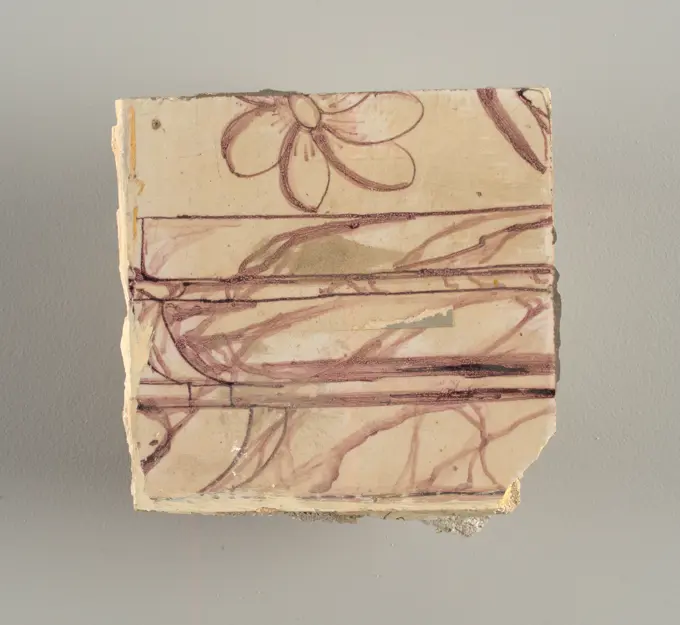
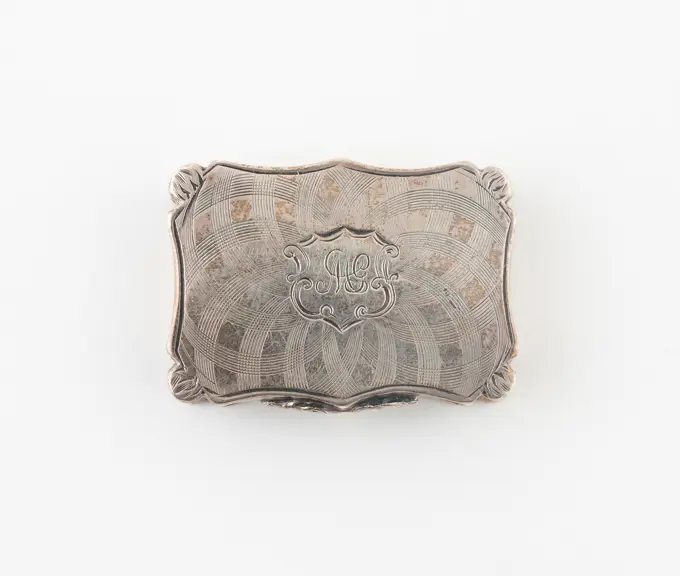
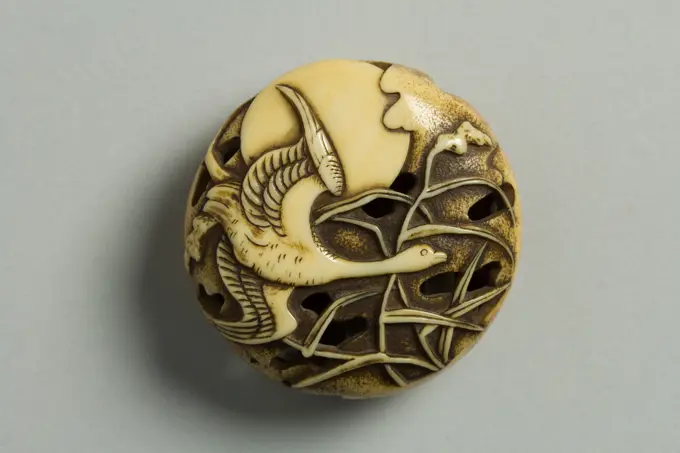
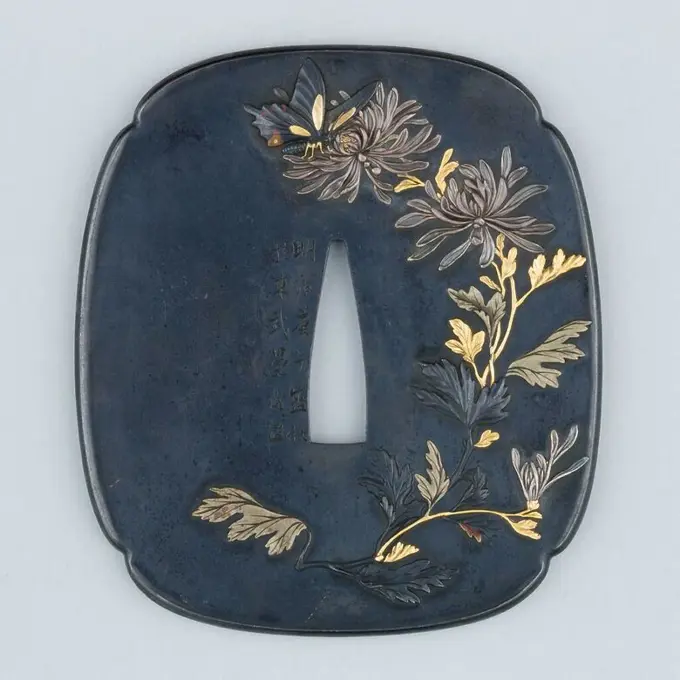
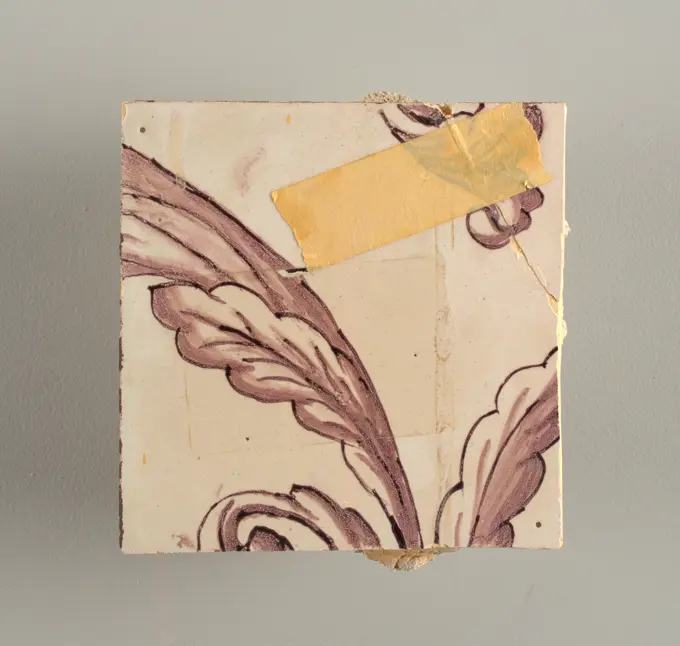
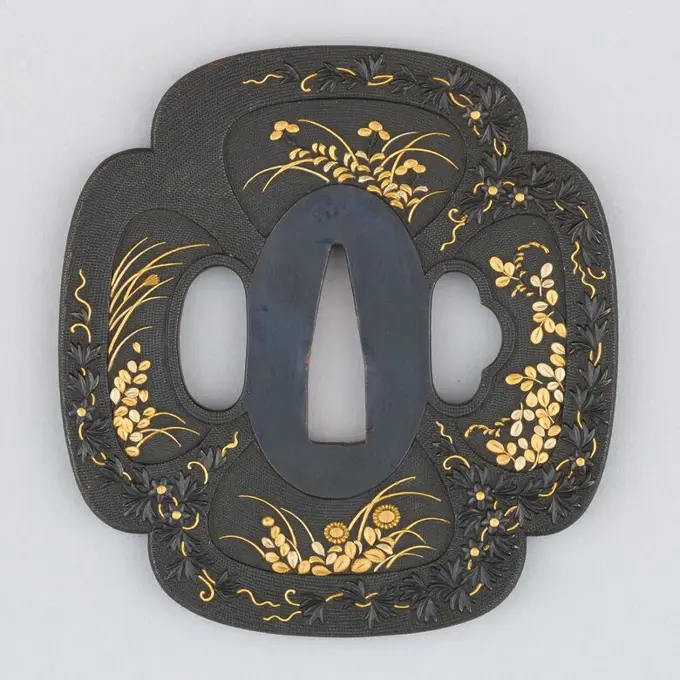
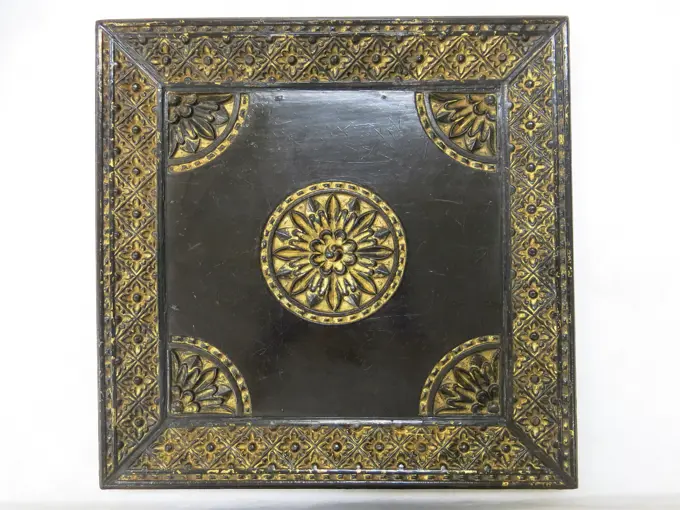
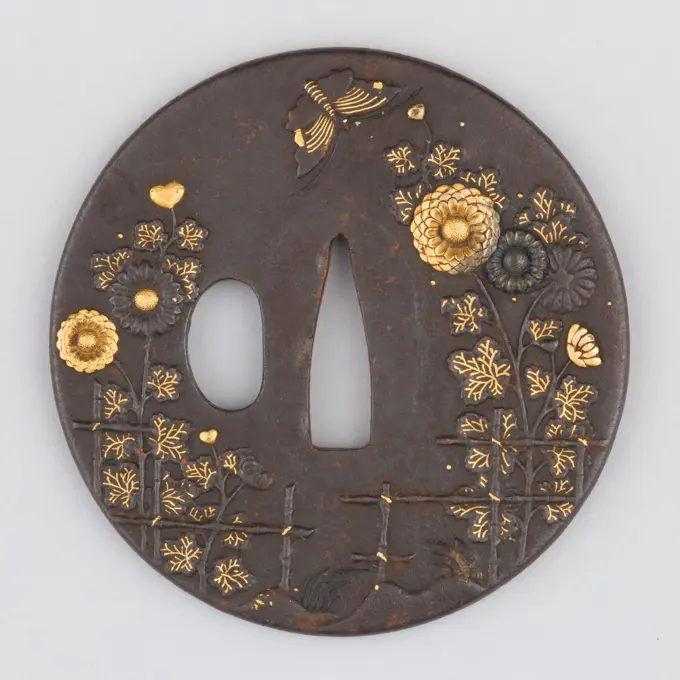
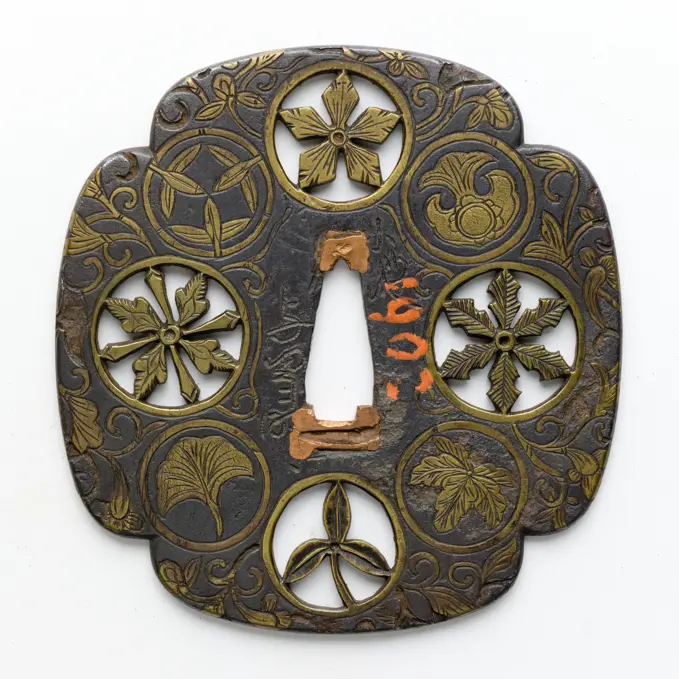
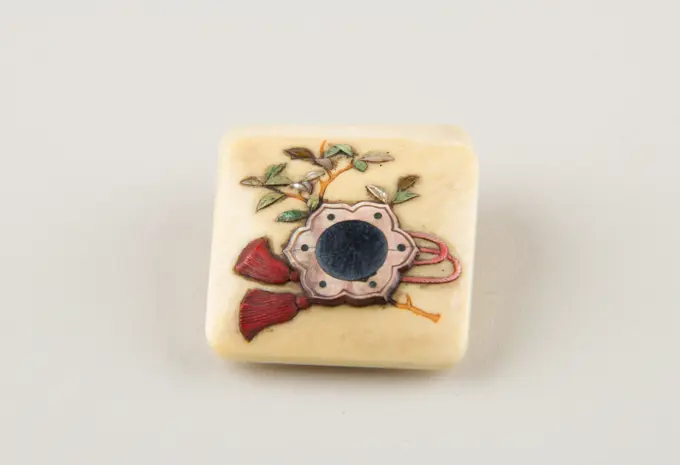
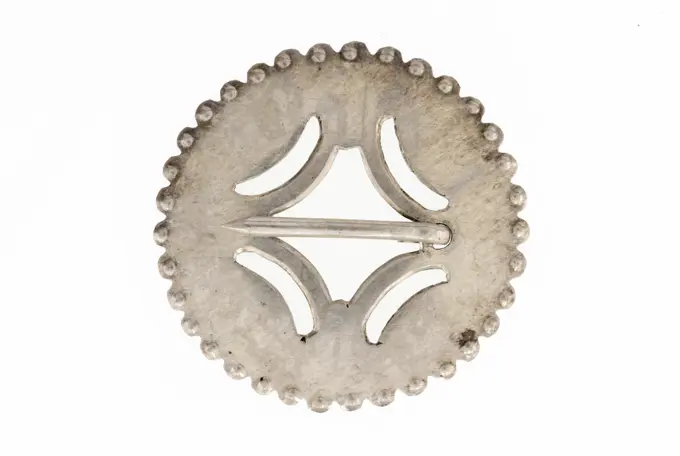
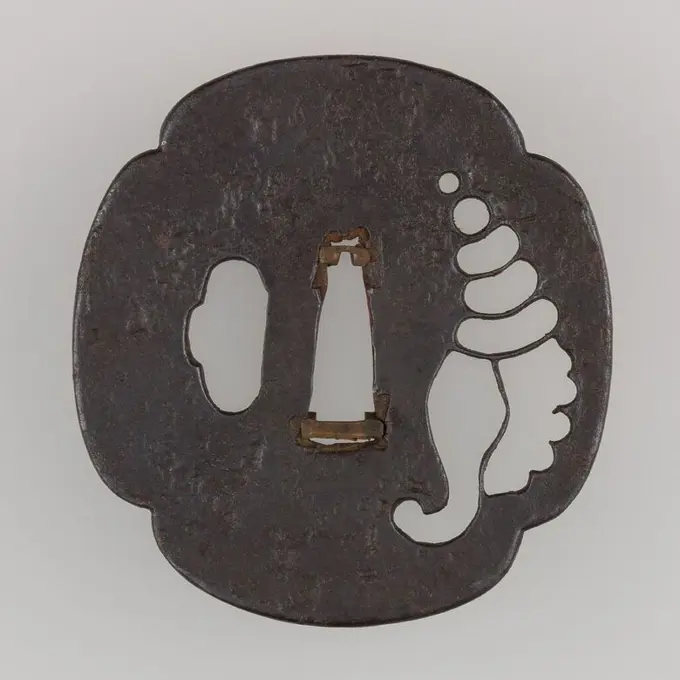
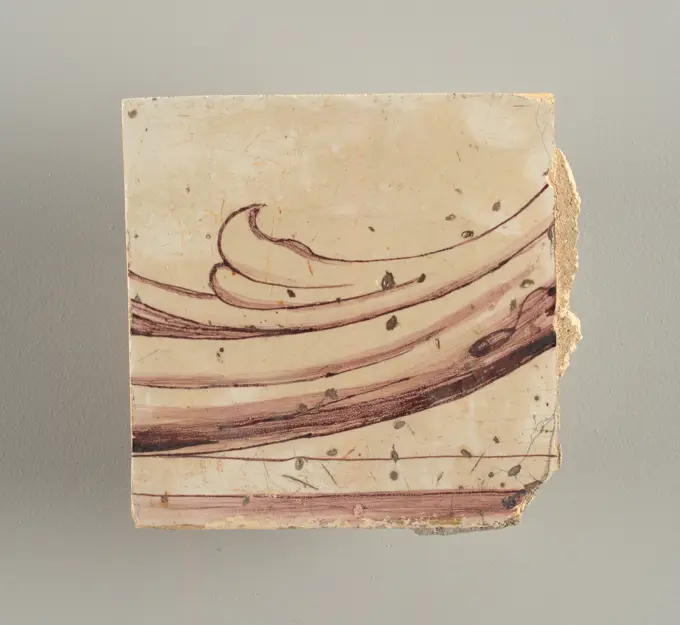
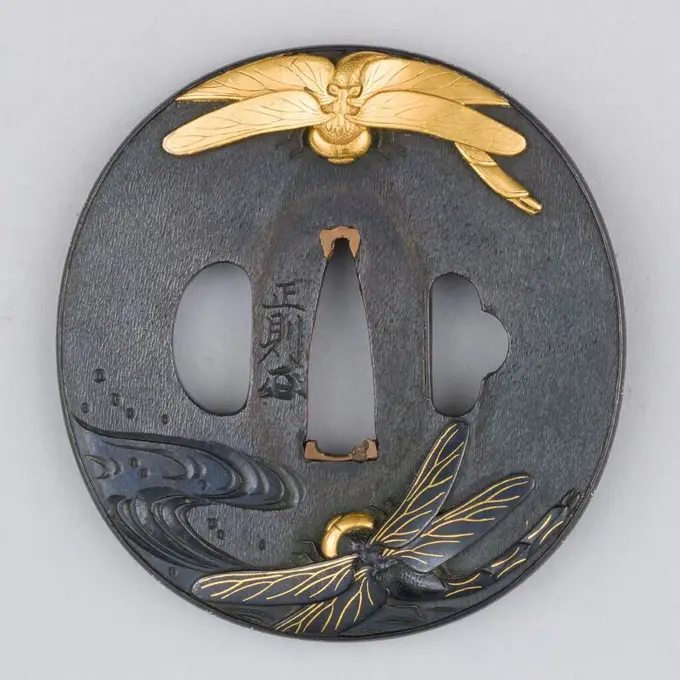
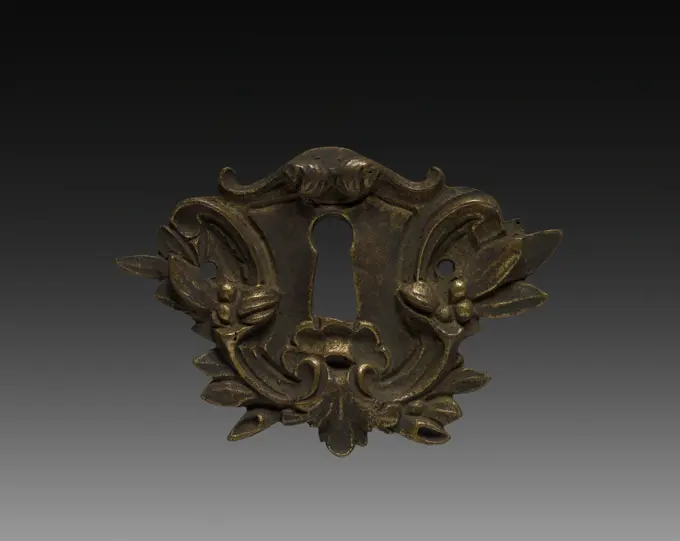
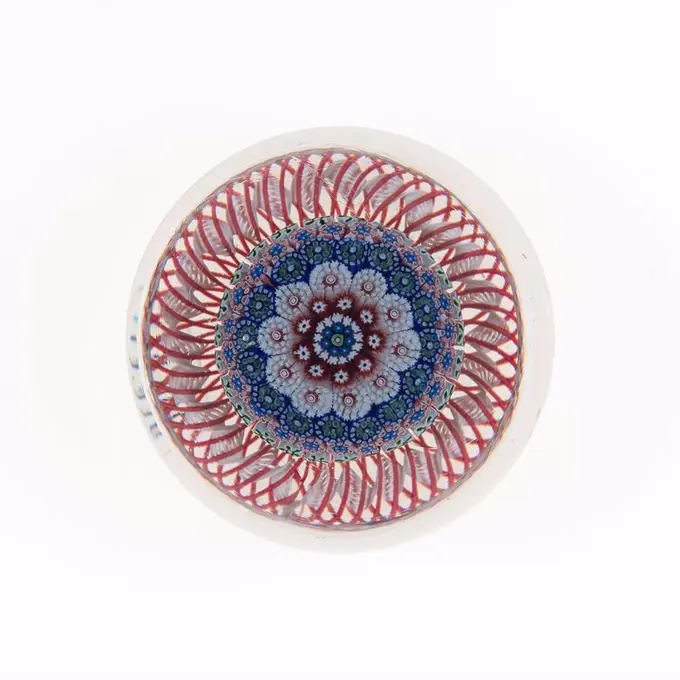
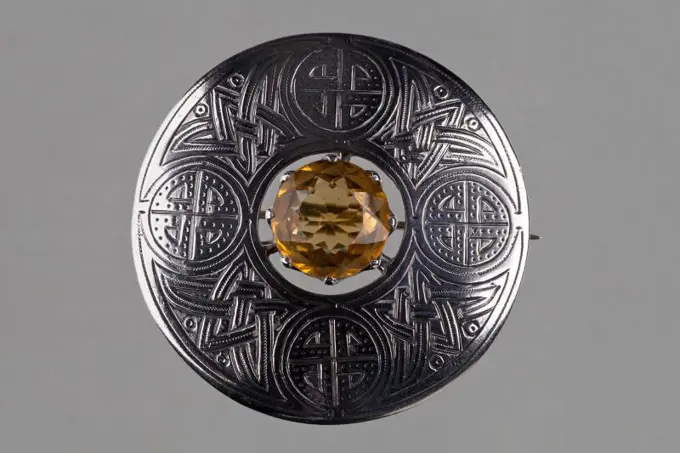
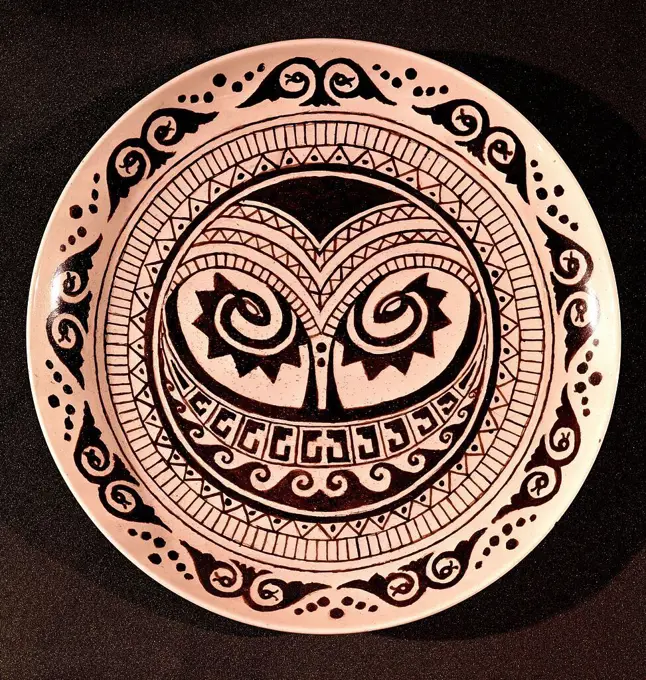
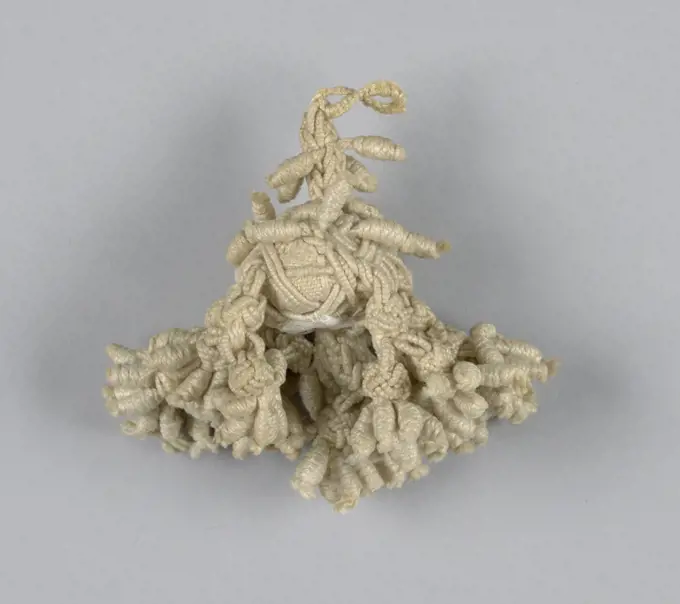
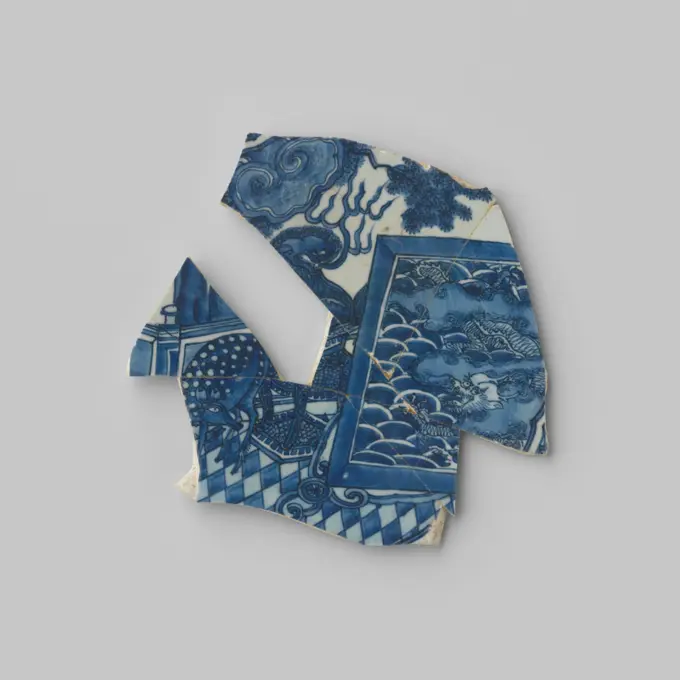
Wall Facing (Holland); tin-glazed earthenware, underglazeSword Guard (Tsuba). Culture: Japanese. Dimensions: H. 3 1/16 in. (7.8 cm); W. 2 7/8 in. (7.3 cm); thickness 1/4 in. (0.6 cm); Wt. 5.1 oz. (144.6 g). Date: ca. 1615-1868. Museum: Metropolitan Museum of Art, New York, USA.White-baking earthenware saucer, with white enamel on the top and bottom, where the remains of a framed presentation of a landscape with buildings can be seen on the top, anonymous, c. 1500 - c. 1699 fragment   earthenware. glazeSword Guard (Tsuba). Culture: Japanese. Dimensions: H. 3 1/16 in. (7.8 cm); W. 2 7/8 in. (7.3 cm); thickness 3/16 in. (0.5 cm); Wt. 4.6 oz. (130.4 g). Date: ca. 1615-1868. Museum: Metropolitan Museum of Art, New York, USA.Mirror;  19th century (1801-00-00-1900-00-00);Sword Guard (Tsuba). Culture: Japanese. Dimensions: H. 2 15/16 in. (7.5 cm); W. 2 7/8 in. (7.3 cm); thickness 3/16 in. (0.5 cm); Wt. 3.9 oz. (110.6 g). Date: ca. 1615-1868. Museum: Metropolitan Museum of Art, New York, USA.Wall Facing (Netherlands); tin-glazed earthenware, underglaze; 5 tiles tall, various wideSaucer (USA); porcelainSword Guard (Tsuba) ca. 1615-1868 Japanese A tsuba is a sword guard and part of a sword mounting. It is mounted between the swords blade and grip to protect the users hands.. Sword Guard (Tsuba). Japanese. ca. 1615-1868. Iron, gold, copper. Sword Furniture-TsubaTile Wall Facing (Netherlands); tin-glazed earthenware, underglazeSword Guard (Tsuba) ca. 1615-1868 Japanese A tsuba is a sword guard and part of a sword mounting. It is mounted between the swords blade and grip to protect the users hands.. Sword Guard (Tsuba) 25761Boston, 40 Beacon Street, interior detail, ceiling medallion, front parlor, second floor, Daniel P. Parker house , Houses, Interiors, Ceilings, Medallions Ornament areas, Parker, Daniel, 1781-. Frank Cousins Glass Plate Negatives CollectionTile Wall Facing (Netherlands); tin-glazed earthenware, underglazeDish. India, Mughal empire, circa 1750-1800. Furnishings; Serviceware. Colorless glass with wheel-cut decoration and partial gildingSword Guard (Tsuba) 18th century Japanese A tsuba is a sword guard and part of a sword mounting. It is mounted between the swords blade and grip to protect the users hands.. Sword Guard (Tsuba) 26334Tile 18th century. Tile 447253Harness Ornament late 16th-early 17th century Italian This large circular copper alloy plaque, cast with scrolls in faux-filigree and enameled, would have probably adorned a horse harness. A central rivet fixed it to the leather or textile while the two small holes, pierced on the top border, would be used for sewing it to its support so it could stay flat despite its weight.. Harness Ornament. Italian. late 16th-early 17th century. Copper alloy, gold, enamel. Equestrian Equipment-Horse TrappingsWall Facing (Holland); tin-glazed earthenware, underglazePlate - Acadia Inconnu / UnknownTile (Netherlands); glazed earthenwareSword Guard (Tsuba). Culture: Japanese. Dimensions: H. 3 1/16 in. (7.8 cm); W. 2 7/8 in. (7.3 cm); thickness 3/16 in. (0.5 cm); Wt. 3.7 oz. (104.9 g). Date: 18th century. Museum: Metropolitan Museum of Art, New York, USA.Sword Guard (Tsuba). Culture: Japanese. Dimensions: Diam. 3 1/8 in. (7.9 cm); thickness 3/16 in. (0.5 cm); Wt. 2.6 oz. (73.7 g). Date: 16th century. Museum: Metropolitan Museum of Art, New York, USA.Lid from V.O.C.-ship De 'Witte Leeuw', Anonymous, Before 1613 lid Cover from V.O.C. ship De 'Witte Leeuw', 40  present. Jingdezhen porcelain   Sint-HelenaTile with Bell between a Key and a Sword. Culture: British. Dimensions: 4 1/2 × 4 1/2 × 1 1/8 in. (11.5 × 11.5 × 2.8 cm). Date: 14th century.This square tile is decorated in encaustic with a bell flanked by a sword and a key, all on the diagonal, and the whole of the design enclosed with a line border. Museum: Metropolitan Museum of Art, New York, USA.Furniture Mounts; brassDish 9th century. Dish 449124Hair comb of bent horn with six teeth and symmetrical ajour back, anonymous, c. 1800 - c. 1850 Hair comb of bent horn, with six teeth and symmetrical ajour back, heart -shaped with a central center leaf with three sides on both sides. Netherlands (possibly) horn (animal material) sawing / bending / filing / polishing Hair comb of bent horn, with six teeth and symmetrical ajour back, heart -shaped with a central center leaf with three sides on both sides. Netherlands (possibly) horn (animal material) sawing / bending / filing / polishingSword Guard (Tsuba). Culture: Japanese. Dimensions: H. 3 1/4 in. (8.3 cm); W. 2 7/8 in. (7.3 cm); thickness 1/4 in. (0.6 cm); Wt. 6 oz. (170.1 g). Date: probably 18th century. Museum: Metropolitan Museum of Art, New York, USA.Mount; bronze (gilt)Pa. German Plate. Dated: c. 1937. Dimensions: overall: 45.8 x 40.7 cm (18 1/16 x 16 in.) Original IAD Object: 12" in diameter. Medium: oil paint on paperboard. Museum: National Gallery of Art, Washington DC. Author: William L. Antrim.Wall Facing (Netherlands); tin-glazed earthenware, underglaze; 5 tiles tall, various wideSword Guard (Tsuba) ca. 1615-1868 Japanese A tsuba is a sword guard and part of a sword mounting. It is mounted between the swords blade and grip to protect the users hands.. Sword Guard (Tsuba) 25752MountWhite-baking earthenware saucer, with white glaze on the top and bottom, where on the top a decoration in geometric shapes in blue and on the underside stripes are painted in blue, anonymous, c. 1500 - c. 1699 fragment   earthenware. glazeBowl 9th-10th century. Bowl. 9th-10th century. Earthenware; white slip, incised and splashed with polychrome glazes under transparent glaze (sgraffito ware). Excavated in Iran, Nishapur. CeramicsFloor tile. Tile with a rosette consisting of dots and in the corners, quarter circles.Man at a tea ceremony, late 19th century, Unknown Japanese, 9/16 x 1 3/4 in. (1.4 x 4.45 cm), Ivory, horn, shibuichi, Japan, 19th centuryCup cover. unknown, authorButton with Signs of the Zodiac 1775-1799 Burslem. Stoneware (jasperware) . Wedgwood Manufactory (Manufacturer)Bowl 9th-10th century. Bowl 449815Wall Facing (Netherlands); tin-glazed earthenware, underglaze; 5 tiles tall, various wideWall Facing (Holland); tin-glazed earthenware, underglazeTile; tin-glazed earthenware, underglaze manganese decorationEscutcheon; 1906-24-2Vinaigrette 1840-1860 Birmingham. Silver and silver gilt .Textile Fragment 3rd-4th century. Textile Fragment 443278Wall Facing (Netherlands); tin-glazed earthenware, underglazeNetsuke of Goose in Flight against Moon 19th century Rysa Japanese. Netsuke of Goose in Flight against Moon. Rysa (Japanese, active late 18th century). Japan. 19th century. Ivory. Edo (1615-1868) or Meiji period (1868-1912). NetsukeCup and saucer. Meissener Porzellan ManufakturMeissen, c. 1720hard-paste porcelainSword Guard (Tsuba). Culture: Japanese. Dimensions: H. 3 1/16 in. (7.8 cm); W. 2 7/8 in. (7.3 cm); thickness 3/16 in. (0.5 cm); Wt. 5.8 oz. (164.4 g). Date: ca. 1615-1868. Museum: Metropolitan Museum of Art, New York, USA.Kohl jar lid ca. 1981-1640 B.C. Middle Kingdom. Kohl jar lid 556894Lid from toilet container; Mayerhofer, Stephan (1772-1852); 1830 (1830-00-00-1830-00-00);Tile with diamond shape and fenced decoration .. tile with a multicolored (blue, purple and orange) painted diamond surrounded by a flamed decoration.Sword Guard (Tsuba) ca. 1615-1868 Japanese A tsuba is a sword guard and part of a sword mounting. It is mounted between the swords blade and grip to protect the users hands.. Sword Guard (Tsuba) 25773Tile Wall Facing (Netherlands); tin-glazed earthenware, underglazeTile, Anonymous, 1600 - 1800 Tile, painted in yellow, manganese. Lobbed rosette, in which an eight -pointed star. In the corners of a quarter of huge corners, connected to the rosette with a thin line. Tunisia (Possible) Morocco (Possible) earthenware. tin glaze Tile, painted in yellow, manganese. Lobbed rosette, in which an eight -pointed star. In the corners of a quarter of huge corners, connected to the rosette with a thin line. Tunisia (Possible) Morocco (Possible) earthenware. tin glazeTile Wall Facing (Holland); tin-glazed earthenware, underglazePlate, painted with the Flügelmuster decor. Painted porcelain plate. The plate is painted in green and blue with the flügelmuster. The sign belongs to a tableware (BK-1976-65-1 to BK-1976-65-34) and has been marked.Sword Guard (Tsuba). Culture: Japanese. Dimensions: H. 2 7/8 in. (7.3 cm); W. 2 3/4 in. (7 cm); thickness 3/16 in. (0.5 cm); Wt. 4.7 oz. (133.2 g). Date: 18th century. Museum: Metropolitan Museum of Art, New York, USA.Stand, De Bloempot, 1731 Blad van earthenware Rotterdamrotterdamdelftdelft . Blad van earthenware Rotterdamrotterdamdelftdelft .Square Tray 13th-14th century Japan. Square Tray. Japan. 13th-14th century. Black and gold lacquer; Kamakura bori. Kamakura period (1185-1333). LacquerTriangular brooch 'squid' of silver and blood coral, c. 1935 - c. 1936 Triangular brooch 'squid' of silver and centrally a round cabochon cut blood coral with a hook closure. Schoonhoven silver (metal). red coral (material) grinding Triangular brooch 'squid' of silver and centrally a round cabochon cut blood coral with a hook closure. Schoonhoven silver (metal). red coral (material) grindingPrinting block, Medium: wood, metal Label: carved wood block with copper inserts, Block for printing textiles with five-ply wood backing. Design in copper strips laid with fine edge up. Adaptation of Persian cone pattern for a corner design., USA, 19th century, appliances & tools, Printing blockSword Guard (Tsuba) ca. 1615-1868 Japanese A tsuba is a sword guard and part of a sword mounting. It is mounted between the swords blade and grip to protect the users hands.. Sword Guard (Tsuba) 34439Carnavalet museum, medal collectionFragment (Japan); silk, gilt paperOne of a pair of epaulettes of a uniform of Division General in the Corps of the Duchy of Warsaw unknownTsuba. Signed: Koike yoshirô izumi no kami naomasa, school koike yoshirô. Japan. Brass inlaid, copper, 17th century. Paris, Cernuschi museum. Blank weapon, armament, Asian art, Japanese art, weapon custody, art object, metal object, armament piece, tsuba, 17th 17th XVII 17th 17th 17th centuryBust of a woman early 16th century German. Bust of a woman. German. early 16th century. Boxwood. Sculpture-MiniatureIona Silver Foliate Design Brooch,  c. 1920Sword Guard (Tsuba) 18th century Attributed to the Akasaka school Japanese This tsuba features an openwork design of a willow tree and a katydid.. Sword Guard (Tsuba) 29953Sword Guard (Tsuba) 18th century Japanese A tsuba is a sword guard and part of a sword mounting. It is mounted between the swords blade and grip to protect the users hands.. Sword Guard (Tsuba) 29527Shards Swatow-Porcelain from V.O.C. ship De 'Witte Leeuw', Before 1613 plate (dishes) Shards of one or different plates from V.O.C. ship the 'Witte Leeuw'. Shatou bone china (material). porcelain   Sint-HelenaSquare shaped Collar, 19th century, H. 26 ½ x W. 27 in. (66.04 x 68.58 cm), Silk, China, 19th centuryNetsuke 19th century Japan. Netsuke 59832Scaraboid ca. 1492-1479 B.C. New Kingdom. Scaraboid 552425Plate, painted with the Flügelmuster decor. Painted porcelain plate. The plate is painted in green and blue with the flügelmuster. The sign belongs to a tableware (BK-1976-65-1 to BK-1976-65-34) and has been marked.Brooch -Dragon Pendant, 1027-775 BCE, 2 1/4 x 2 in. (5.72 x 5.08 cm), White jade with traces of red pigment, China, 11th-8th century BCEMirror with Pair of Birds in Chrysanthemum Pattern, 1392-1573. Japan, Muromachi period (1392-1573). Bronze; diameter: 9.9 cm (3 7/8 in.).Sword Guard (Tsuba). Culture: Japanese. Dimensions: H. 3 3/8 in. (8.6 m); W. 3 1/4 in. (8.3 cm); thickness 3/16 in. (0.5 cm); Wt. 3.5 oz. (99.2 g). Date: early 17th century. Museum: Metropolitan Museum of Art, New York, USA.Ornamental plaque 11th-12th century China. Ornamental plaque 60656Wall Facing (Netherlands); tin-glazed earthenware, underglaze; 5 tiles tall, various wideSword Guard (Tsuba). Culture: Japanese. Dimensions: H. 3 in. (7.6 cm); W. 2 13/16 in. (7.1 cm); thickness 3/8 in. (1 cm); Wt. 5.5 oz. (155.9 g). Date: 18th century. Museum: Metropolitan Museum of Art, New York, USA.Ornamental Detail for a Keyhole, mid-1700s. France, 18th century, period of Louis XV. Gilt bronze; overall: 7.7 x 5.8 cm (3 1/16 x 2 5/16 in.).Sign, decorated with birds ending in bird heads. Send. Mannheimer., 1760 An iron sign consisting of square bars that are formed into C and broken S-Voluten, on the arm that ends in a bird head, hangs a shield with a gilded sun. The volutes of the arm wear some leaf work and a large blinded slank. In the shield, C-Voluten enclosing the face of the sun, around which rays are applied. Some of these volutes have a scalloped leaf edge. Coming from the collection of Dr. F. Mannheimer. Austria iron (metal) gilding An iron sign consisting of square bars that are formed into C and broken S-Voluten, on the arm that ends in a bird head, hangs a shield with a gilded sun. The volutes of the arm wear some leaf work and a large blinded slank. In the shield, C-Voluten enclosing the face of the sun, around which rays are applied. Some of these volutes have a scalloped leaf edge. Coming from the collection of Dr. F. Mannheimer. Austria iron (metal) gildingWall Facing (Holland); tin-glazed earthenware, underglazeTile; tin-glazed earthenware, underglaze manganese decorationPaperweight. Saint-Louis; France, founded 1767. Date: 1848. Dimensions: Diam. 7.9 cm (3 1/8 in.). Glass. Origin: Saint-Louis. Museum: The Chicago Art Institute, Chicago, USA. Author: Compagnie de Saint Louis.Annular Brooch,  c.1860Eagle CupPlateCERAMICA POPULAR ARGENTINA. Location: MUSEO DE AMERICA-COLECCION. MADRID. SPAIN.Tassel, Medium: linen Technique: braided and knotted, Tiny tassel of linen, braided and knotted. Single loop, attached to short stem and terminating in a round center from which hang clusters of knotted elements., Italy, Europe, 17th century, trimmings, TasselPlate, painted with the Flügelmuster decor. Painted porcelain plate. The plate is painted in green and blue with the flügelmuster. The sign belongs to a tableware (BK-1976-65-1 to BK-1976-65-34) and has been marked.Tile Wall Facing (Netherlands); tin-glazed earthenware, underglazePhoto album (empty). Photo album with two paint panels. On the front panel a bird on a branch with flowers, from ivory and mother-of-pearl; The rear panel is solid black. The album contains five cardboard sheets covered with silk. Every page has recesses for two cabinet photos. They have been painted decorations arranged: flowers, birds and landscapes.Brooch And Box (USA), ca. 1880; (brooch) gold (box) red leather, blue velvet, white satinMedallion of Remembrance of Fallen Legionnaires Raszka, Jan (1871 1945), BSW (Brüder Schneider Wien), Central Office of Publishing of the Supreme National CommitteeFragment dish from v.o.c.-ship De 'Witte Leeuw', Anonymous, Before 1613  Fragment dish from v.o.c. ship De 'Witte Leeuw', 15 present, only a part of the flat is stored. The shard is glassy white and has little ingrained dirt. The glaze is blue tinted. Lampet dish. Seven glued together. Jingdezhen bone china (material). glaze   Sint-HelenaFluent Schuitersgilde van Amsterdam, Gildepenning of Christoffel Casperts, Anonymous, 1760 medal Brass medal. Front: barge; Above that a bird diving down. Reverse: under ribbon: inscription above year Amsterdam brass (alloy) engraving  Amsterdam