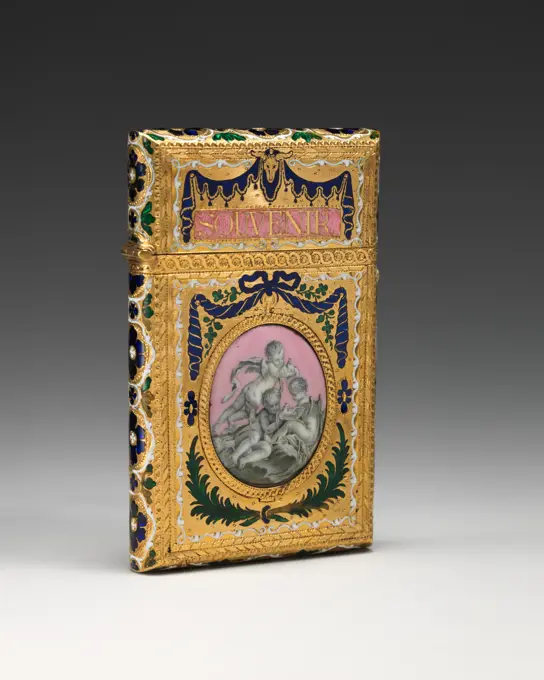
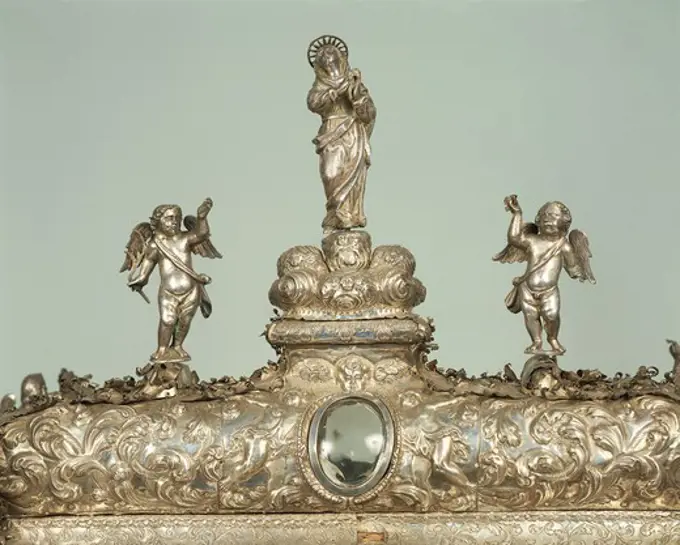
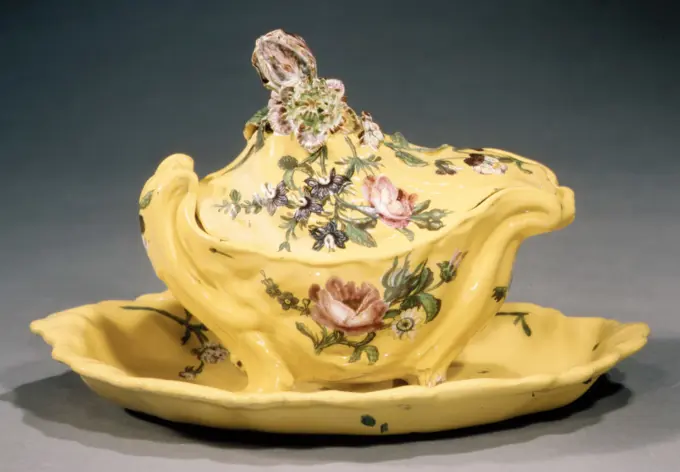
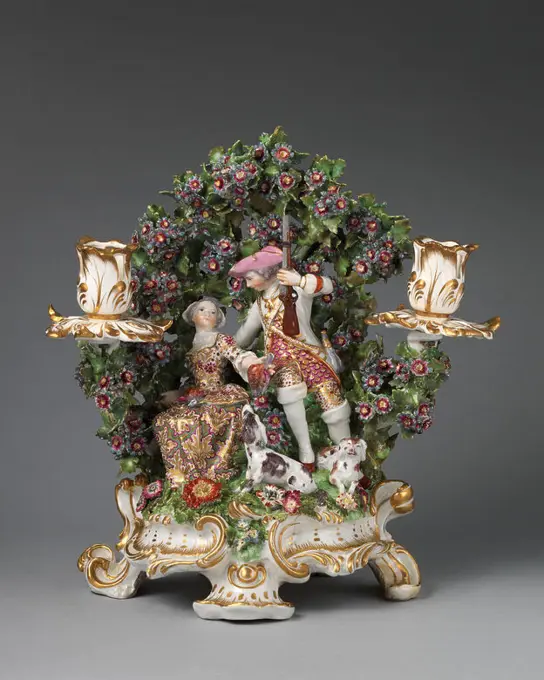
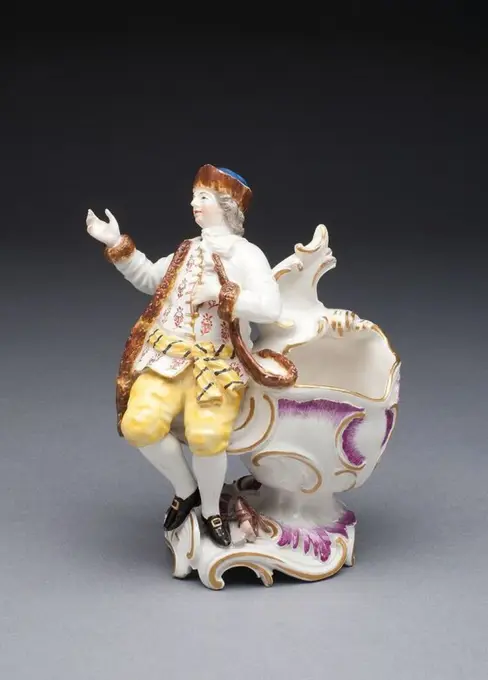
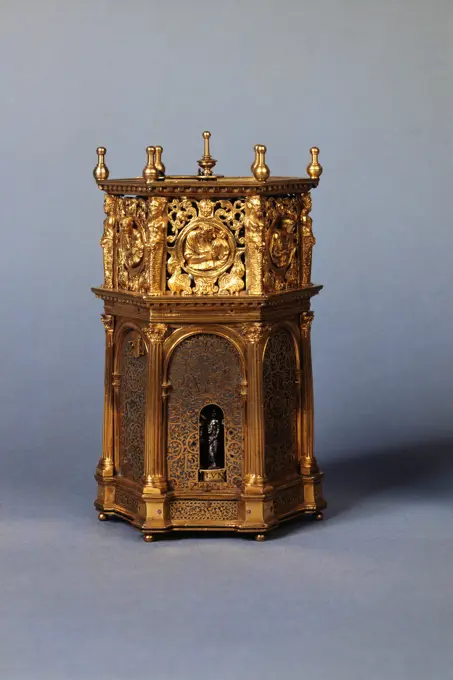
Ornate Decorative Objects

A variety of intricate decorative porcelain and metal items, featuring detailed designs and historical artistry from different cultures and eras.

Unknown, covered fountain with imari decor (common name). Ceramics, porcelain, polychrome enamels: cobalt blue under cover, iron and gilding on covered. Petit Palais, Museum of Fine Arts of the City of Paris.
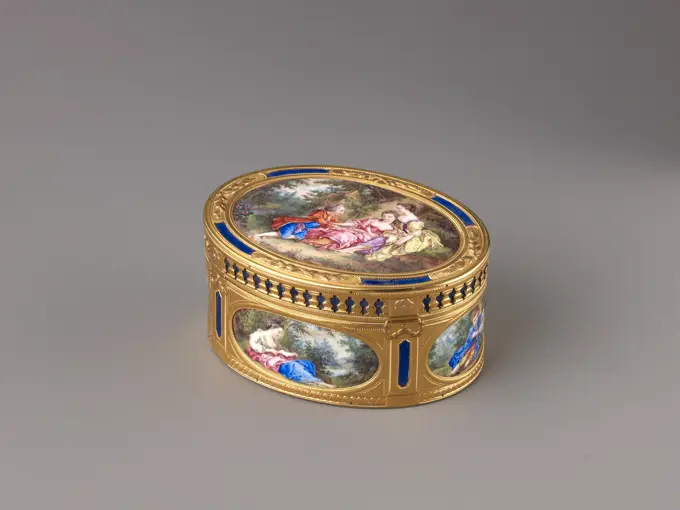
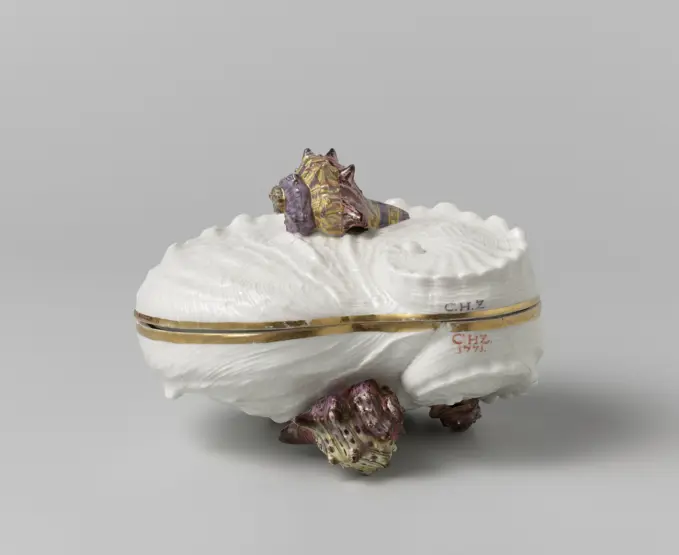
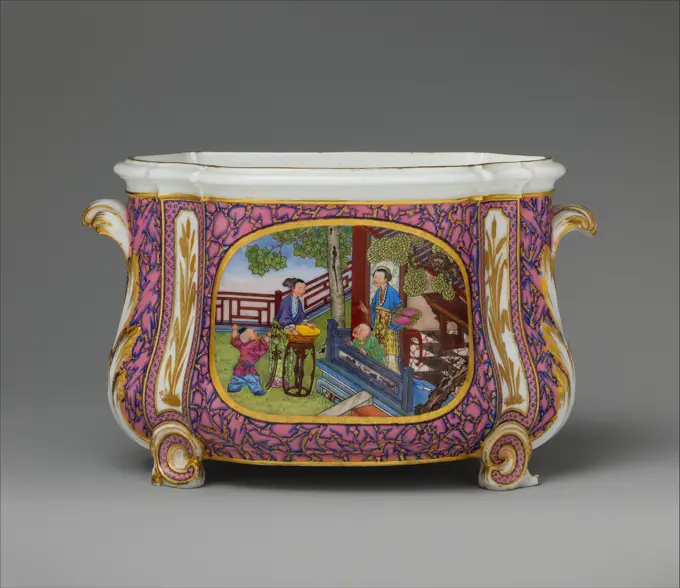
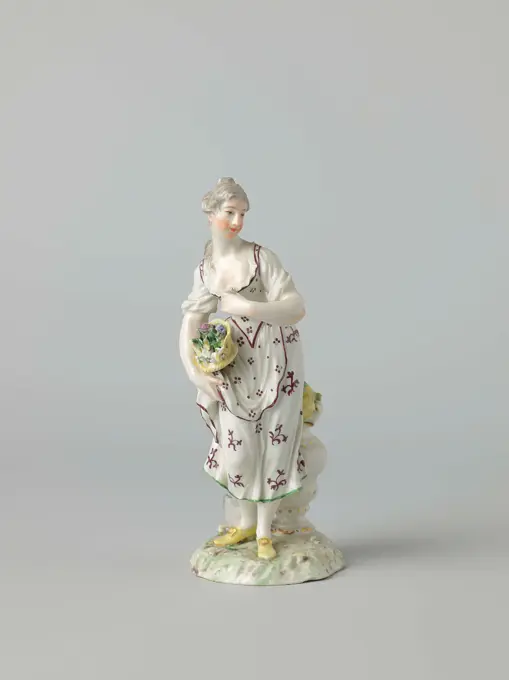
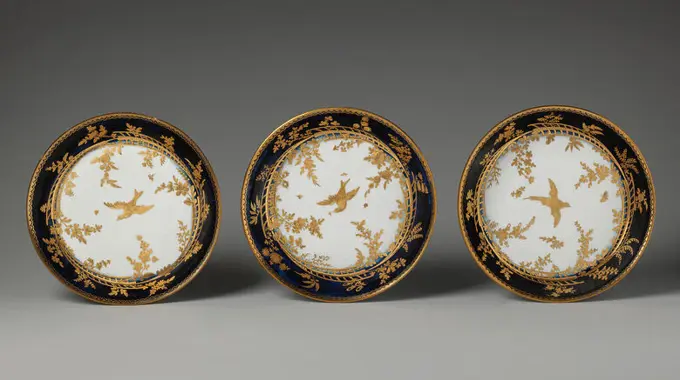
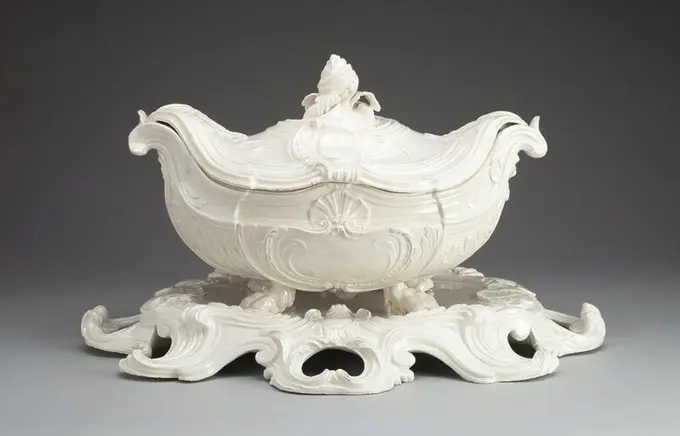
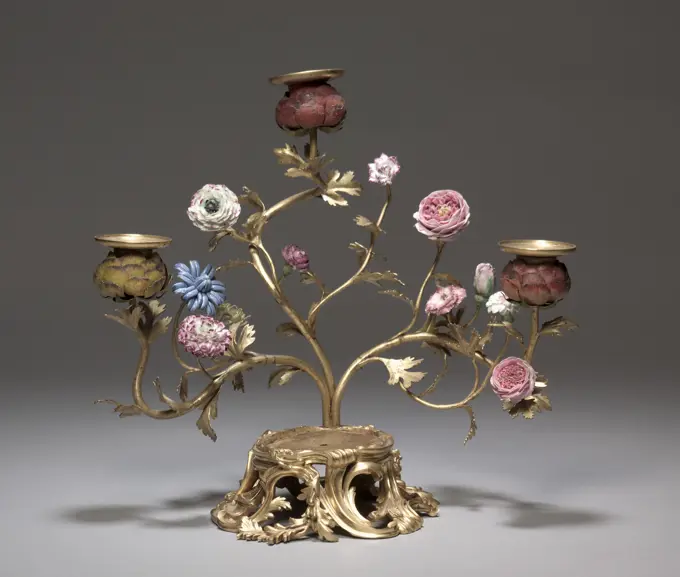
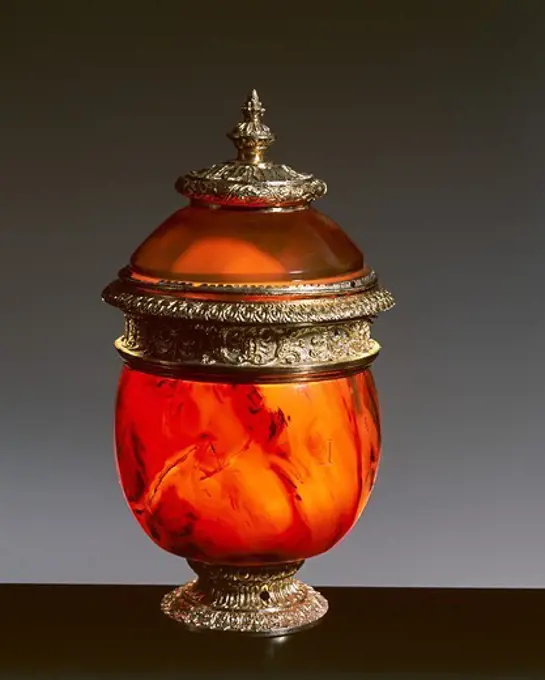
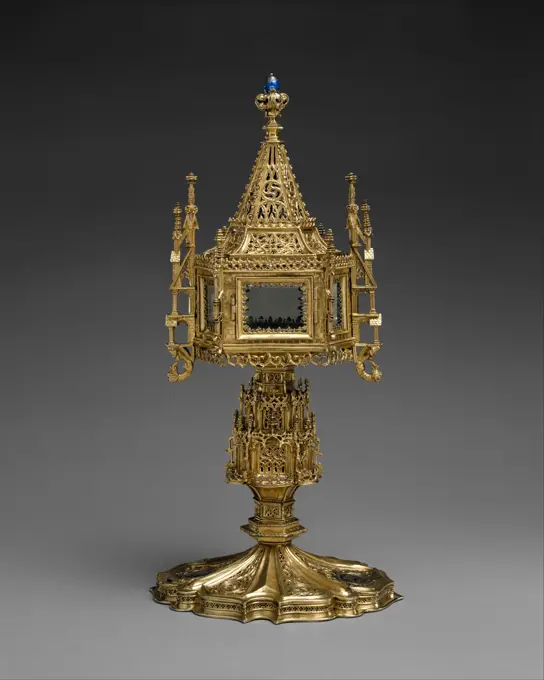
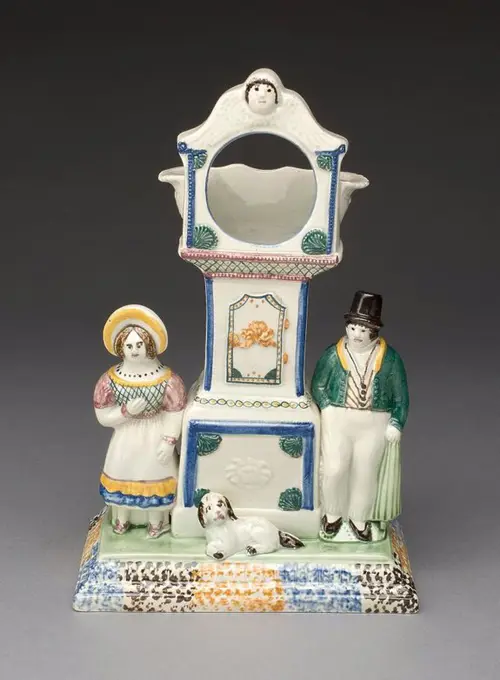
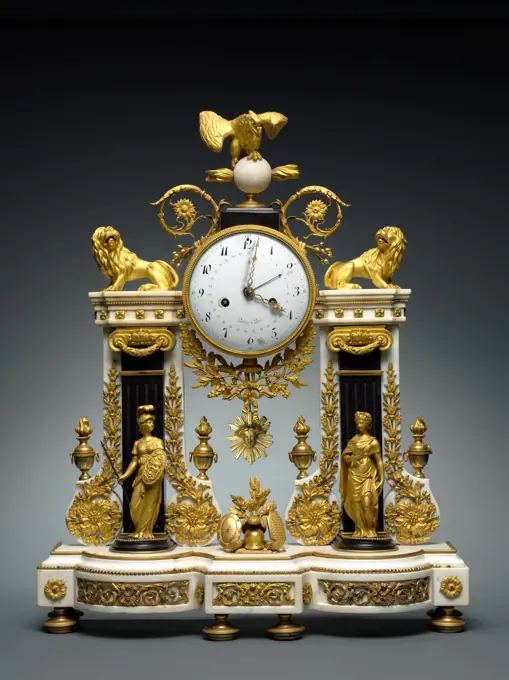
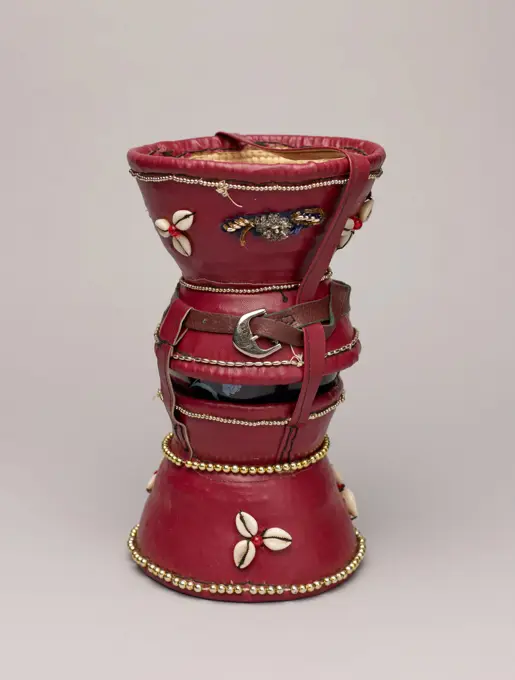
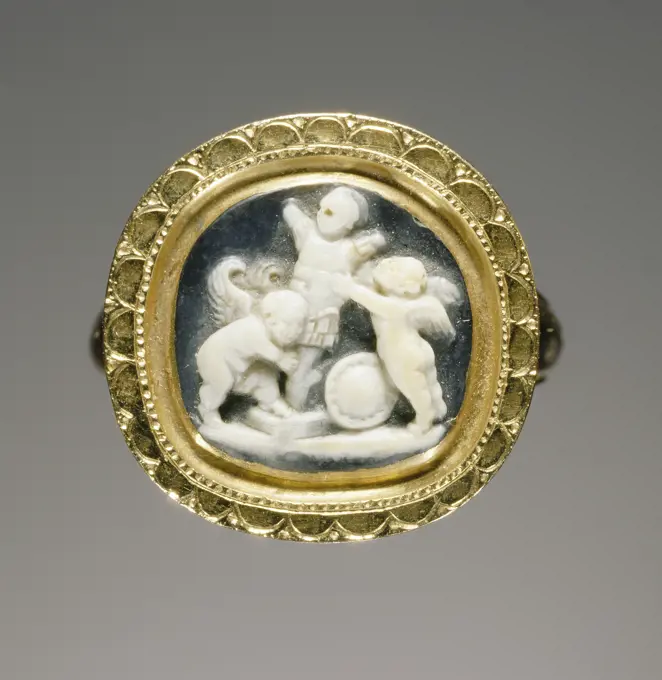
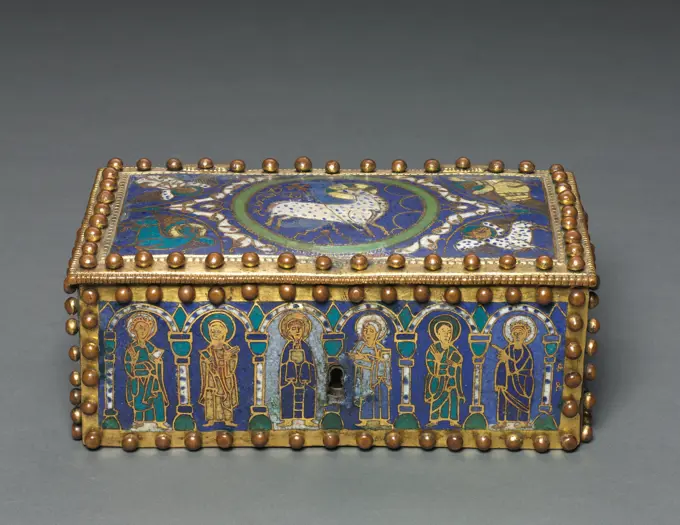
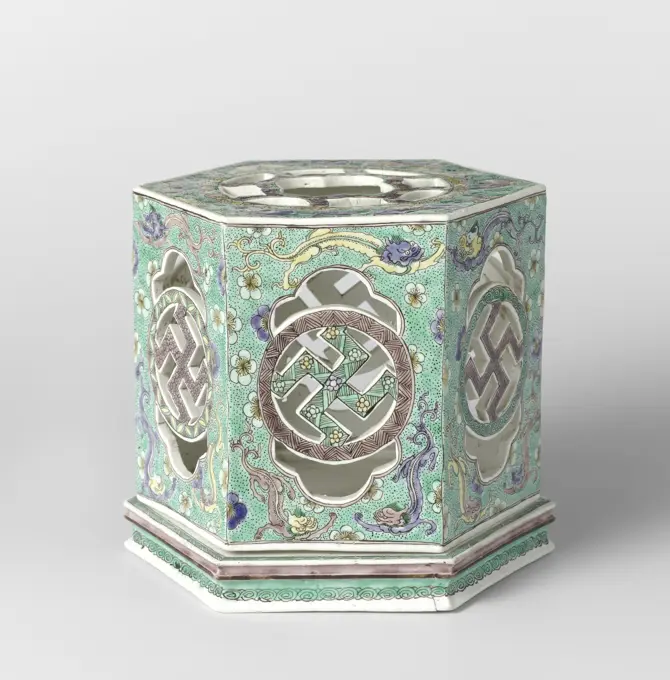
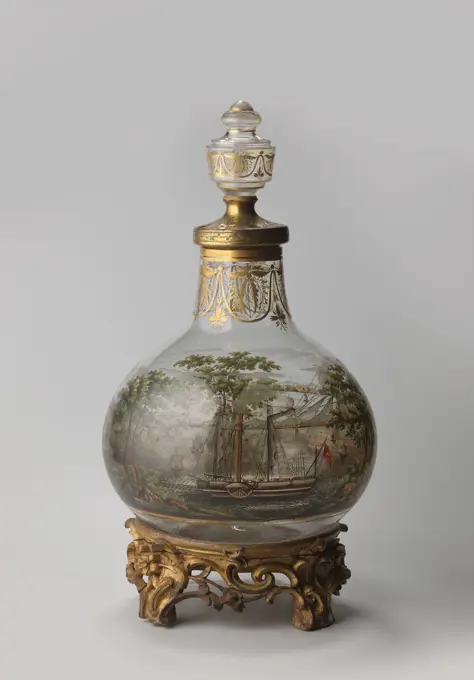
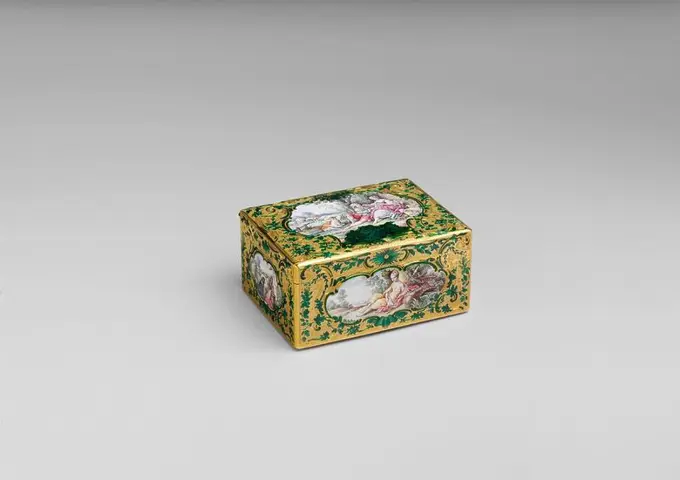
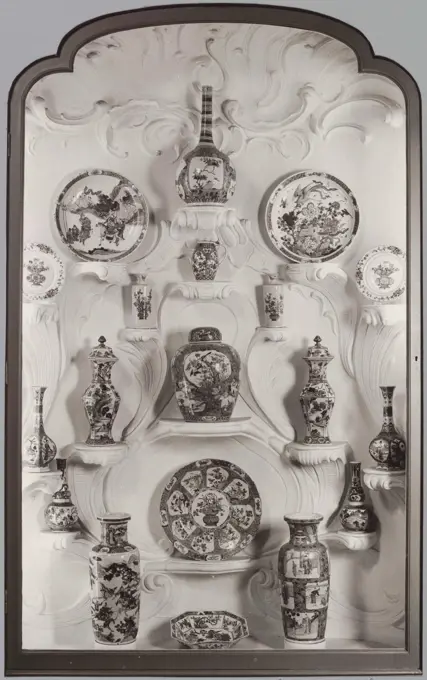
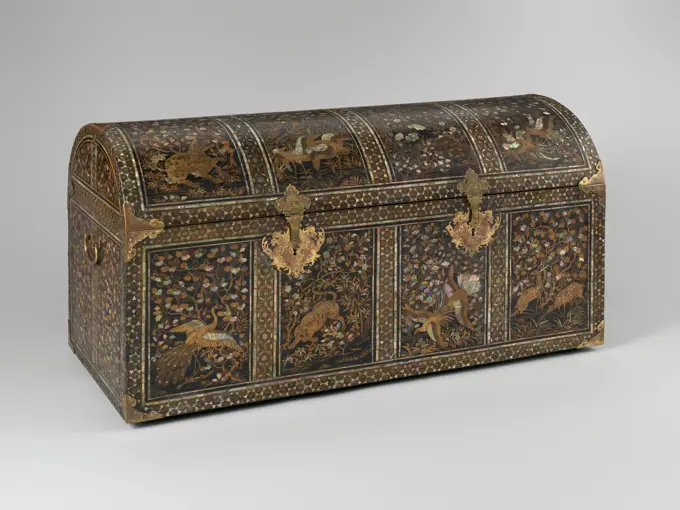
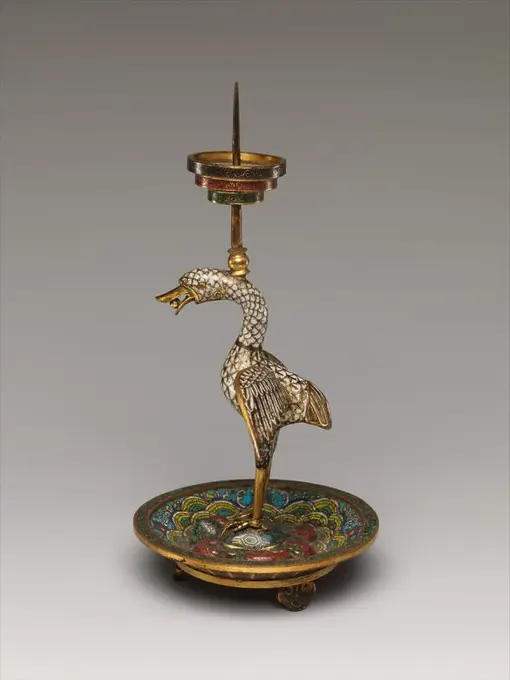
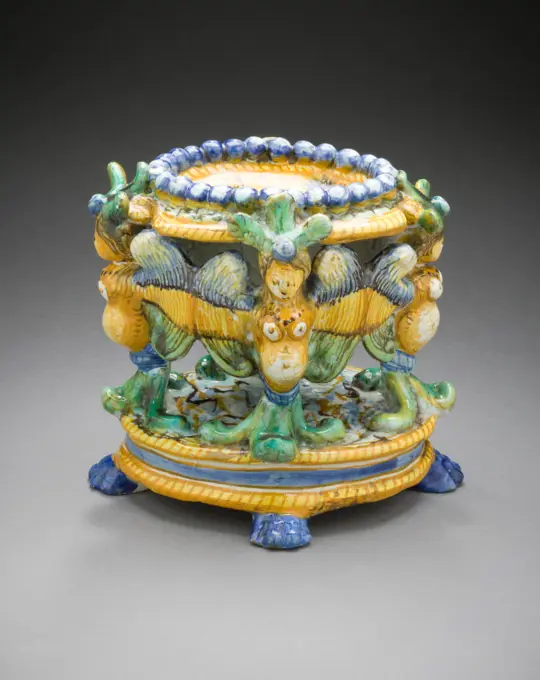
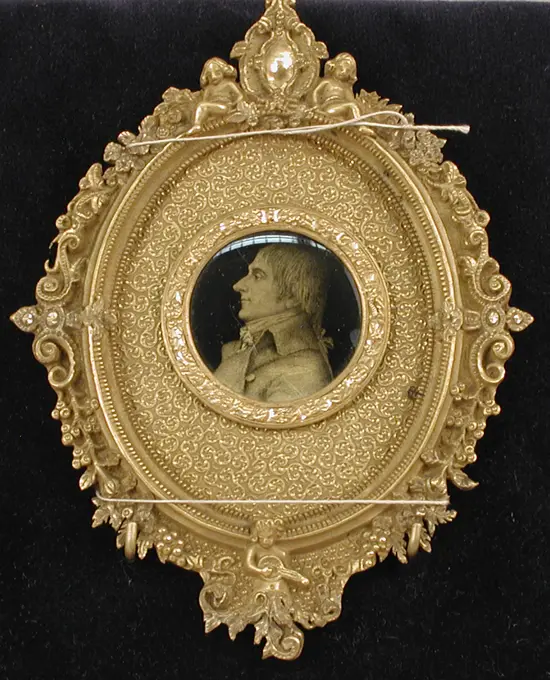
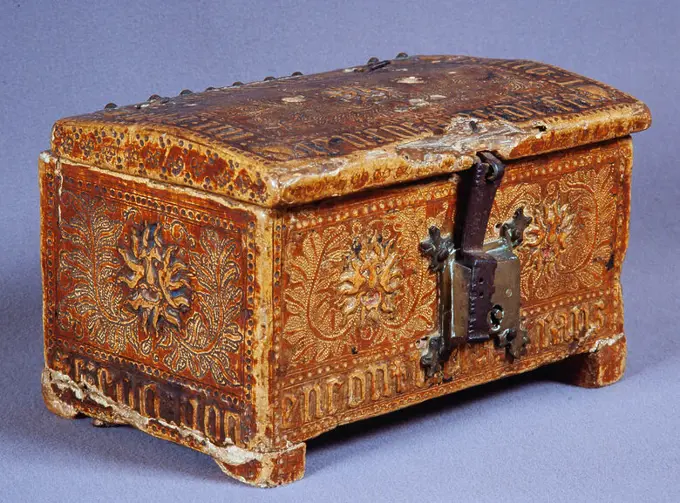
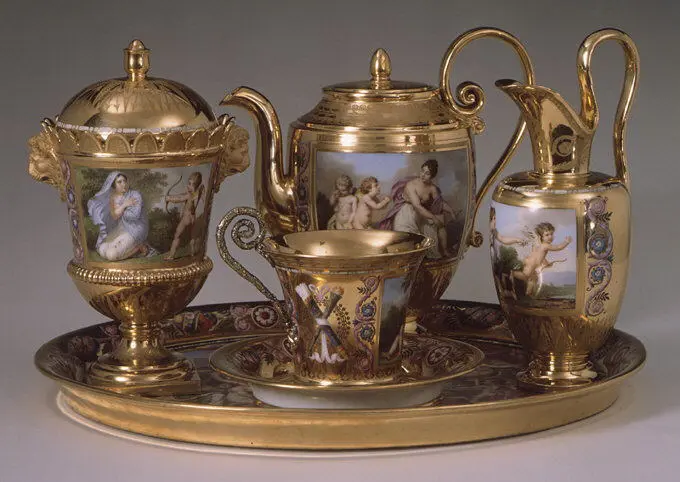
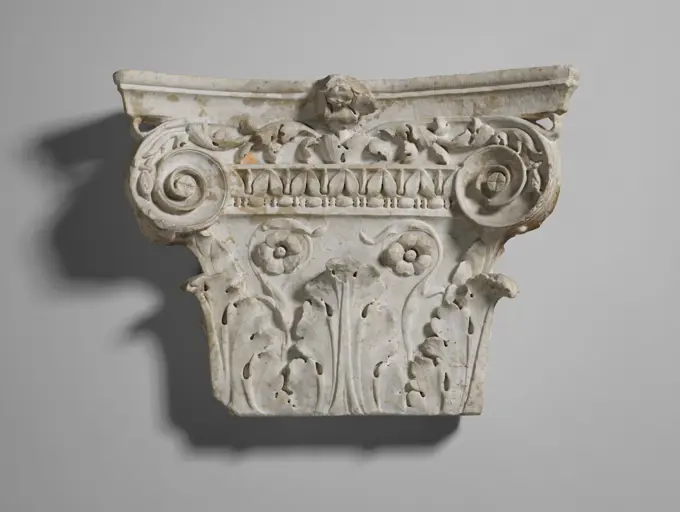
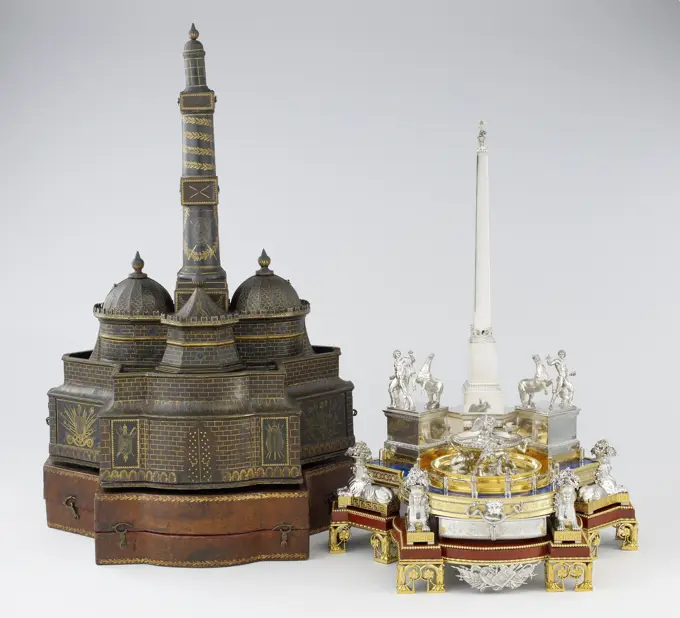
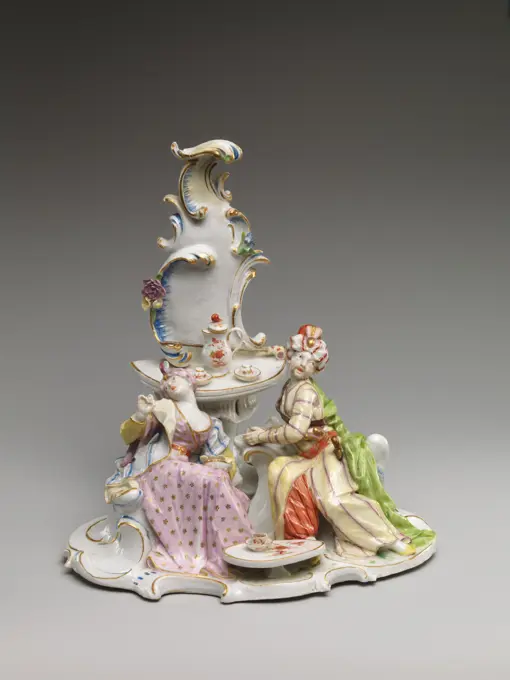
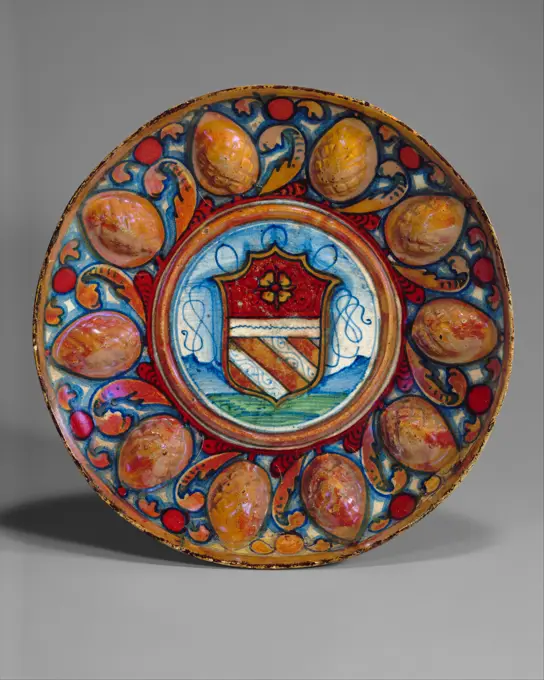
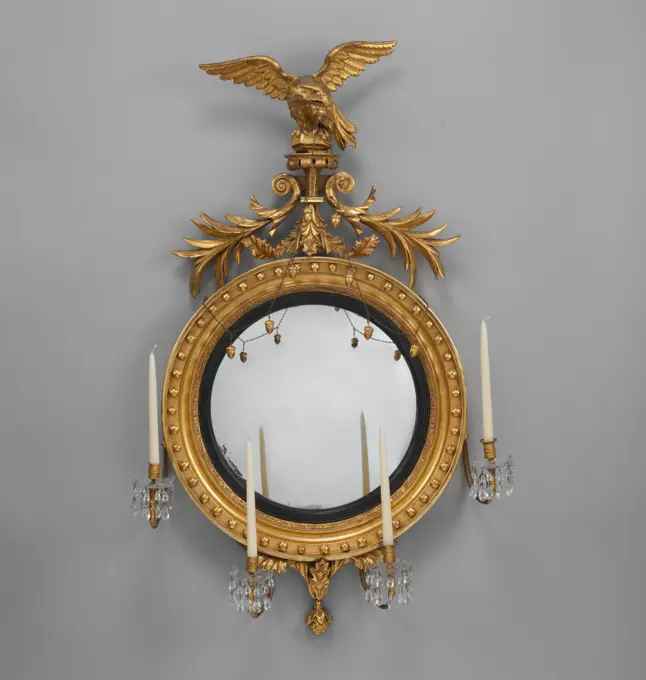
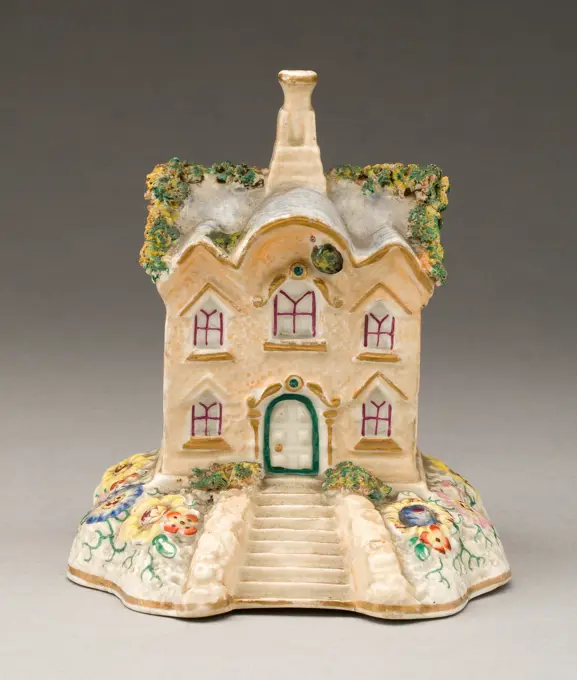
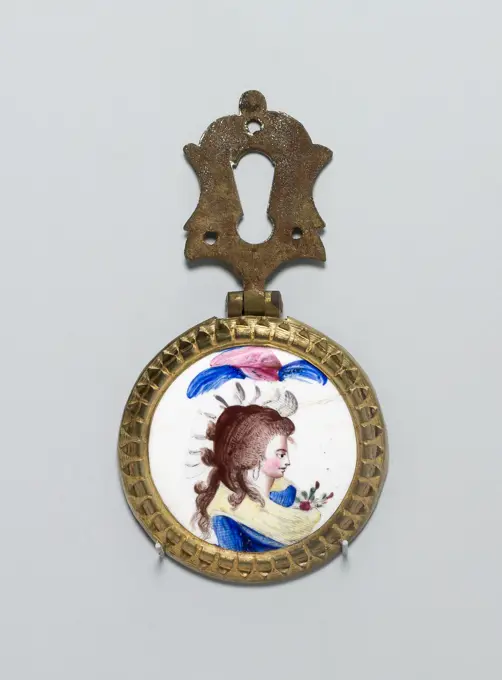
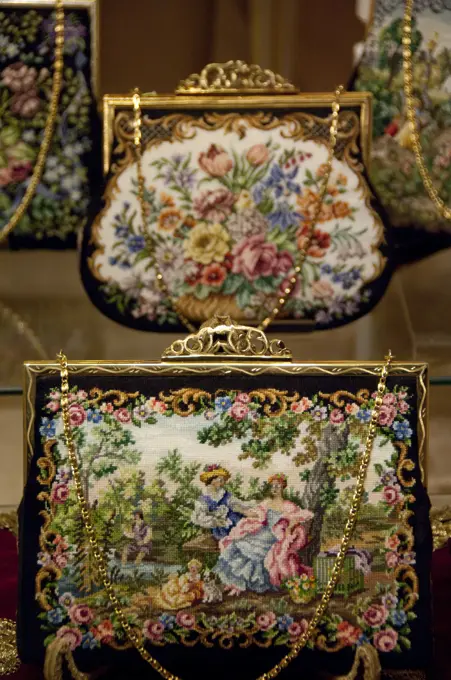
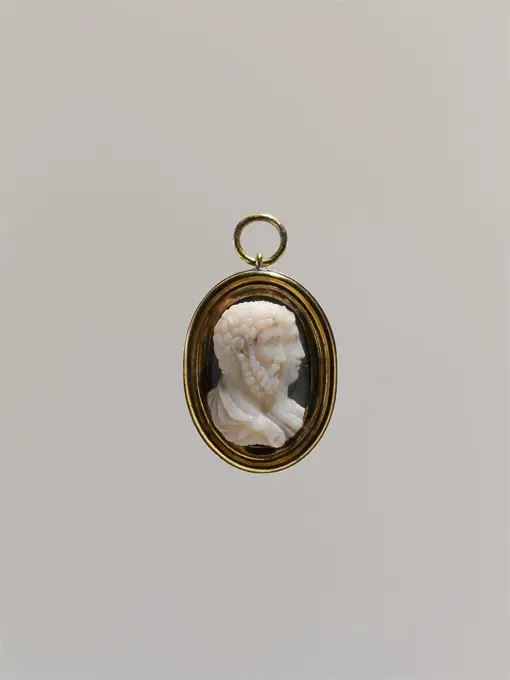
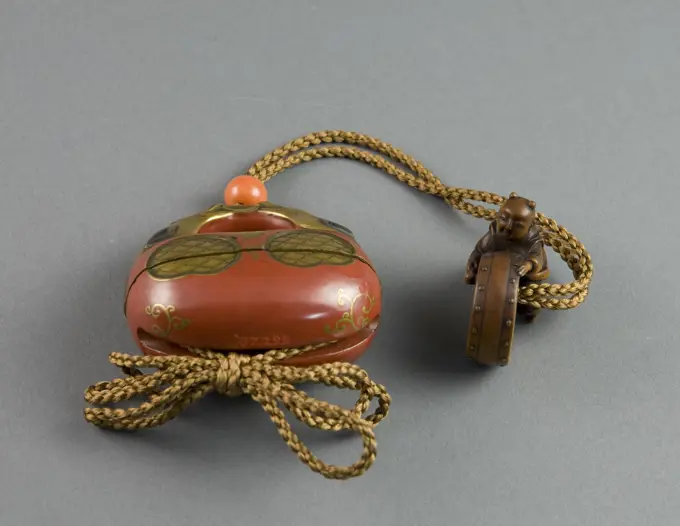
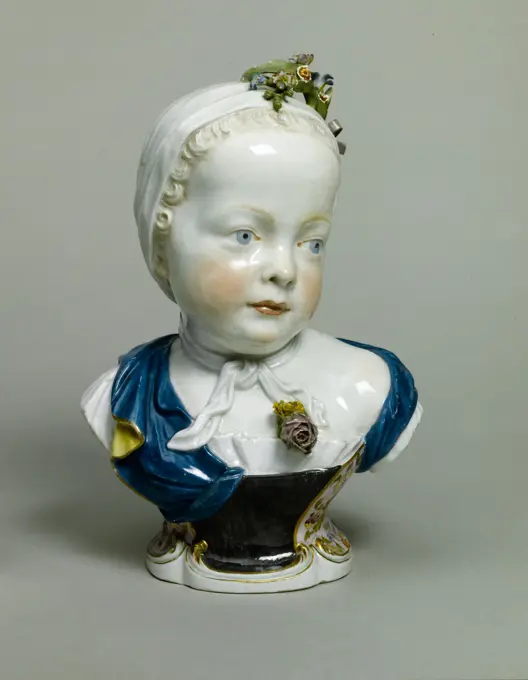
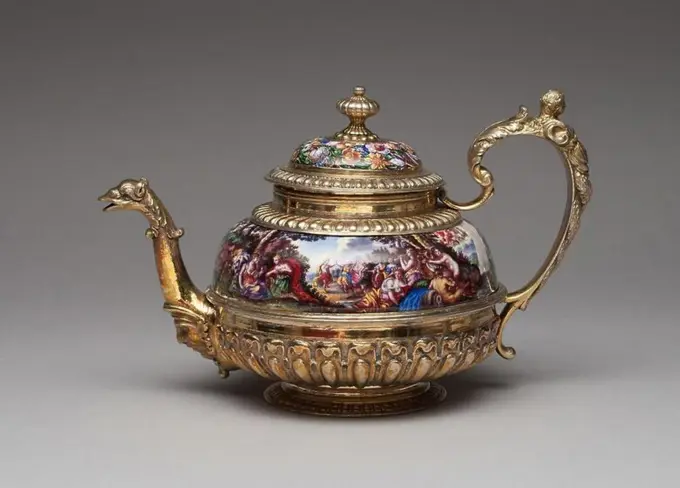
Teapot. Matthäus Baur II; German, active 1681-1728. Date: 1695-1705. Dimensions: H. 14.5 cm (5 11/16 in.). Silver-gilt, cast, embossed, and chased and enamels on copper. Origin: Augsburg. Museum: The Chicago Art Institute, Chicago, USA.. Round box of stoneware on three short legs, painted on the glaze in blue, red, green, purple, brown, black and gold. Three boxes on the wall: a group of sitting Japanese ladies on a terrace for a pavilion, a group sitting Japanese gentlemen on a terrace for a pavilion, four men and a lady sitting in a landscape. The legs are gilt and modeled from the wall; To the legs a box with napkin. The lid with a modeled, lobd cartouche with a gentlemen's procession with a caretaker, walking for a pavilion. To the cartouche and on the edge napkin work. A seated couple on the bottom. Marked on the underside with an unidentified brand. Satsuma.Vinaigrette (England); enamel, metalSnuffbox with Pastoral Scenes 1764-65 Jean Marie Tiron (called Tiron de Nanteuil) French. Snuffbox with Pastoral Scenes. Jean Marie Tiron (called Tiron de Nanteuil) (French, active 1748-73, died 1793 ()). 1764-65. Gold and enamel. SnuffboxesAndiron, c. 1790-1800. France, 18th century. Bronze and gilded bronze; overall: 38.1 x 42.6 x 9.6 cm (15 x 16 3/4 x 3 3/4 in.).Incense Burner, 1st half 1200s. Syria, Ayyubid Period, 13th Century. Brass inlaid with silver; overall: 10.6 cm (4 3/16 in.); diameter of ridge at base: 8.8 cm (3 7/16 in.); diameter of ridge at rim: 8.2 cm (3 1/4 in.).Tureen in the shape of a conch or shell, Porzellanmanufaktur Nymphenburg, c. 1765 - c. 1770 Terrine of porcelain, painted on the glaze in red, pink, yellow, purple, brown and gold. The terrine is in the form of a large, white shell, with the three feet and the lid button formed by smaller, colored shells. Golden Rand. Marked with the coat of arms, I and 'C.H.Z. 1771 '. Nymphenburg porcelain. glaze. gold (metal) painting / gilding / vitrification Terrine of porcelain, painted on the glaze in red, pink, yellow, purple, brown and gold. The terrine is in the form of a large, white shell, with the three feet and the lid button formed by smaller, colored shells. Golden Rand. Marked with the coat of arms, I and 'C.H.Z. 1771 '. Nymphenburg porcelain. glaze. gold (metal) painting / gilding / vitrificationVase (cuvette à fleurs Courteille) 1762 Sèvres Manufactory French This flower vase belongs to a small group of objects made at Sèvres, which share a very particular type of chinoiserie decoration that distinguishes them from other Sèvres porcelain executed in the chinoiserie taste. All of these works are either marked by the painter Charles-Nicolas Dodin (French, 1734-1803) or securely attributable to him due to the highly distinctive style of painting. Dodins chinoiserie scenes are executed with a remarkable precision and painterly skill that are unlike any of the work practiced by his contemporaries at the factory, and the singular quality of these objects has made them the study of numerous articles.[1 Dodins chinoiseries appear to have been painted during a four-year period (1760-63) only, and twenty-seven works by him in this style have been identified.[2 Factory sales records indicate that fifteen of these pieces were acquired by Madame de Pompadour (1721-1764) and five by KiBox with lid, with a frieze with amazons. Four ball shaped legs, flat bottom, low cylindrical body, lid with curved edge. On the body, in oroplasty, a frieze with amazons. In the middle of the lid a medallion, on the edge a tire with palmets and tendrils. Moser Karlsbad labeled on the bottom, on one of the figure 14.Chandelier. UnknownMiniature Tea Set ca. 1825-35 French, Paris. Miniature Tea Set 460950Court cellar en monogram Fac, Anonymous, c. 1704 - c. 1709 Insented soil, smooth, set stand ring, cylindrical body. On the body the Hermelines Elector Mantel stopped by Weapons and Standard, the Monogram Fac for Friedrich August Churfürst, a sword and Lauertak, above that a judge hat. The position ring decorated with stripes; Along the lower and upper edge a narrow yellow piping wounded with climbing profits. Dresden glass glassblowing Insented soil, smooth, set stand ring, cylindrical body. On the body the Hermelines Elector Mantel stopped by Weapons and Standard, the Monogram Fac for Friedrich August Churfürst, a sword and Lauertak, above that a judge hat. The position ring decorated with stripes; Along the lower and upper edge a narrow yellow piping wounded with climbing profits. Dresden glass glassblowingStanding female garden help from Ludwigsburg porcelain. Standing female garden help from porcelain on a ground, with a basket with flowers in her right arm clamped and supporting her slightly drawn apron. Behind her a garden vase with melons () And coal () And a pointed cabbage at which a shovel stands and to which it is stuck. The hair is gray, the eyes black, the cheeks pink, the dress and the dark purple apron with green bottom edge, the shoes yellow as well as the basket, the floral fur painted. Ludwigsburg, ca. 1765/1767. Model attributed to Joseph Nees. Mounted: crowned monogram cc in underglaze blue and reimbursement i, fg and 3l.Box. Culture: French, Paris. Dimensions: 1 3/8 x 3 x 2 1/4 in. (3.5 x 7.6 x 5.7cm). Maker: Jean Ducrollay (French, born 1709, master 1734, recorded 1760); and Jacques-Toussaint Lemire (master 1714, recorded 1757). Date: 1739-40. Museum: Metropolitan Museum of Art, New York, USA.Box with cover 18th-19th century India. Box with cover. India. 18th-19th century. Jade (nephrite) with gold, silver, and stone inlays. Mughal period (1526-1858). JadeSaucers (12) (part of a service). Culture: British, Chelsea. Dimensions: Diameter (.23, .24, .27, .32): 5 1/4 in. (13.3 cm);Diameter (.25, .25, .31, .34): 5 5/16 in. (13.5 cm);Diameter (.26, .30): 5 3/16 in. (13.2 cm);Diameter (.28, .33): 5 3/8 in. (13.7 cm). Factory: Chelsea Porcelain Manufactory (British, 1745-1784, Gold Anchor Period, 1759-69). Date: ca. 1758-69.The gilding on these pieces (see 54.163.7a, b-.34) is of a very high order, with tooled work on a thick application of honey gilding selectively matte and burnished for a lively design of pheasants, peacocks, and swallows in a landscape. The deep bowl was for little cakes. Museum: Metropolitan Museum of Art, New York, USA.Triple gourd vase (one of a pair) 18th century Chinese with French mounts. Triple gourd vase (one of a pair). Chinese with French mounts. 18th century. Hard-paste porcelain, gilt-bronze mounts. Metalwork-Gilt BronzeBeaker 1700-1740 T. K.. Beaker. Russian. 1700-1740. Silver. Metalwork-SilverTureen and Stand. Pont-aux-Choux Manufactory; French, founded 1743; France, Paris. Date: 1750. Dimensions: 33 × 58.4 × 42.5 cm (13 × 23 × 16 3/4 in.). Lead-glazed earthenware. Origin: Paris. Museum: The Chicago Art Institute, Chicago, USA.Candelabrum with Parrot (Candelabrum), c. 1750. France, style of Louis XV, 18th century. Gilt bronze; part 1: 18.9 cm (7 7/16 in.); part 2: 31 x 32.8 cm (12 3/16 x 12 15/16 in.).Silversmith's art, Germany, 17th century. Silver models of tower and pyramids with busts of Moors, enamels, cameos and precious stones.Silversmith's art, Italy, 15th century. Sardonyx vase with lid mounted in silver gilt. Height 10.2 cm. Signed LAV.R.MED.Monstrance ca. 1500 Spanish This monstrance is constructed largely of silver sheets that have been decorated with elaborate pierced work, a technique favored by Spanish goldsmiths in the early sixteenth century. The enamel and niello medallions represent a lioness breathing life into its cubs and a pelican feeding its fledglings with the blood of its breast. Both subjects allude to the redemption of humankind through Christ's sacrifice, suggesting that the vessel originally displayed a Eucharistic wafer.. Monstrance. Spanish. ca. 1500. Silver, silver gilt, translucent and opaque enamels, rock crystal. Made in Saragossa or Valladolid, Spain. Metalwork-SilverWatch Holder. England, Staffordshire. Date: 1825-1835. Dimensions: 14.3 x 8.1 x 22.2 cm (5 5/8 x 3 3/16 x 8 3/4 in.). Glazed earthenware with polychrome enamel decoration. Origin: Staffordshire. Museum: The Chicago Art Institute, Chicago, USA. Author: Staffordshire Potteries.Luxembourg Knighthood (Ordre du Merite Civil et Militaire d'Adolphe de Nassau), received by Willem Drees, Y. Fouson, After 1858 - Before 1956  The order sign is a white geemillated gold cross hanging on a crown. The middle medallion shows a crowned (gothic) letter A (for Adolph) in gold on a white surface, with the display 'Virtute' and bay leaves in gold on a blue surface. The reverse side shows in gold on a white surface the dates 1292 (year in which Adolf van Nassau became German king) and 1858 (Sitching year of the Order). The shoulder strap is deep blue with an orange edge on either side.  textile materials. gold (metal)   Netherlands. Luxemburg (land)Mantel Clock, c. 1780-90. France, Paris. Marble, gilt-bronze, glass; overall: 70.5 x 58 x 20.5 cm (27 3/4 x 22 13/16 x 8 1/16 in.).Pièce de Milieu, Johannes Mattheus van Kempen, 1900 table piece Table piece representing a woman with, among other things, Schild and Lauwerkrans (SRI-BILLITON) and attributes derived from the work in the tin mines. Around the pedestal 4 medallions with performances of labor in the tin mines (to photos). On the pedestal a medallion with text and one with the engraved portrait of Ermeling. At the top behind the woman two palms; A candle arm on both sides of the pedestal. Table piece was offered by officials and miners from the Billiton Maatschappij to their chef J.Ph. Ermeling on his 70th birthday at a party on Billiton. Voorschoten silver (metal) engraving  Dutch East Indies, The. Billiton2018.4.. Xeedho Somali Ceremonial ObjectTwo Cupids Erecting a Military Trophy; Roman Empire; 1st century; Onyx set in modern gold ring; 1.2 cm (1,2 in.)Charles Hugo (1826-1871). "Flowers". Oil on wood. Paris, house of Victor Hugo. 100148-3 Flower, oil on canvas, still lifeCasket, 1100-1150. Northern Germany, Romanesque period, 12th century. Gilded copper, champlevé enamel, wood core (modern); overall: 9.3 x 23.4 x 13.5 cm (3 11/16 x 9 3/16 x 5 5/16 in.).Dish on a high foot with the stem in the shape of a kneeling Amor, anonymous, c. 1800 - c. 1810  Porcelain coupe or drinking bowl, painted on the glaze in blue and gold. The outside wall of the bowl is covered with gold with a golden decorative tire on the edge on a blue background. The stem is in the form of a kneeling amor with its arrow sleeve in biscuit. It kneels on a round plateau on a square, blue with a golden pedestal, the walls of which are decorated with flower vines and stars against a blue background. The edge of the dish is contained in a metal frame. France porcelain. glaze. gold (metal) painting / gilding / vitrificationPair of Saltcellars, c. 1570-90. Circle of the Patanazzi Family (Italian). Tin-glazed earthenware (maiolica); overall: 20.3 x 21 x 12.8 cm (8 x 8 1/4 x 5 1/16 in.). During the Italian Renaissance of the 1400s and 1500s, nobles and merchants eager to express their wealth and sophistication ordered ceramics for dining, display, and storage. Known as maiolica, because it resembled the brightly colored ceramics from the Mediterranean island of Majorca, these ceramic vessels were covered with a tin glaze that provided an opaque white surface on which colorful decoration could be painted.Snuff Box, 1800s. Germany , 19th century. Enamel on copper with metal mounts; overall: 3.4 x 8.3 x 5.5 cm (1 5/16 x 3 1/4 x 2 3/16 in.).Base of a hexagonal lantern with pierced sides, anonymous, c. 1700 - c. 1724 Pedigate of porcelain lantern, painted on biscuit in blue, green, yellow, eggplant and black. The foot with a tire zigzag work and curl. Email sur biscuit with family distance colors. China porcelain. glaze. painting / vitrification Pedigate of porcelain lantern, painted on biscuit in blue, green, yellow, eggplant and black. The foot with a tire zigzag work and curl. Email sur biscuit with family distance colors. China porcelain. glaze. painting / vitrificationGoldfish bowl with Stop, with three ships, Friedrich Egermann (workshop or), c. 1830 Flat bottom, spherical body, transfer in a short neck. Hollow, profiled, baluster -shaped stop with a gilded metal lower part and air holes. The bowl painted with a road boat and two warships in a bay; In the foreground rocks and tree groups, in the background a hilly coast with houses. Along the top edge a garland in white and gold, which is repeated on the lid. Made for the Dutch market. Glassblower: Haidaglassblower: Bohemen (Possibly) glass. metal glassblowing / gilding Flat bottom, spherical body, transfer in a short neck. Hollow, profiled, baluster -shaped stop with a gilded metal lower part and air holes. The bowl painted with a road boat and two warships in a bay; In the foreground rocks and tree groups, in the background a hilly coast with houses. Along the top edge a garland in white and gold, which is repeated on the lid. Made for the Dutch market. Glassblower: Haidaglassblower: Bohemen (PosBadge of the District of the 10th Citizens' Guard of the Capital City of WarsawMap of the Iberian Peninsula, Augustin Hirschvogel (attributed to), c. 1553 Round table piece with a map of the Iberian peninsula. The card is painted on the back of the cover glass, that rests on slate plate. The whole is caught in a gilded silver frame, which is decorated on the outside with a meander and lion heads, and is supported by six gilded bronze sphinxes. Nuremberg silver (metal). bronze (metal). slate (rock). gold (metal). lapis lazuli (rock). brass (alloy) gilding Round table piece with a map of the Iberian peninsula. The card is painted on the back of the cover glass, that rests on slate plate. The whole is caught in a gilded silver frame, which is decorated on the outside with a meander and lion heads, and is supported by six gilded bronze sphinxes. Nuremberg silver (metal). bronze (metal). slate (rock). gold (metal). lapis lazuli (rock). brass (alloy) gildingPair of candlestands. Culture: French. Dimensions: H. 64-1/2 in. (163.8 cm); Greatest depth 22 1/2 in. (57.2 cm); Diam. top shelf 14 1/4 in. (36.2 cm). Date: ca. 1700. Museum: Metropolitan Museum of Art, New York, USA.RELICARIO - SIGLO XVII. Location: CONVENTO DE LAS CLARISAS / MUSEO DE ARTE SACRO. MONFORTE DE LEMOS. LUGO. SPANIEN.Souvenir 1770-80 British. Souvenir. British. 1770-80. Gold, enamel; ivory. Metalwork-Gold and PlatinumSnuffbox. Artist: Scenes after paintings by François Boucher (French, Paris 1703-1770 Paris). Culture: French, Paris. Dimensions: 1 1/2 × 3 1/16 × 2 5/16 in. (3.8 × 7.8 × 5.9 cm). Maker: Noël Hardivillers (French, master 1729, died 1779). Date: 1753-54.This box is a brilliant example of enamel decoration on gold. The oval scenes on the lid, sides, and base are created by enameling directly on the flat gold surface, the process known as en plein. In contrast, much of the translucent green enamel that surrounds the scenes is applied to small areas of the gold that have been engraved or carved away, the technique referred to as basse taille. The quality of both types of enameling is extremely high and is likely the work of a specialist. Frequently the goldsmith who produced a box turned to another artisan when a highly specialized type of decoration, such as enameling or the incorporation of lacquer, was required.The scenes decorating the lid and the underside of this box are based on wDisplay cabinet in Louis XV style with Chinese porcelain standing on volutes; Stairwell Drucker extension, before restoration, October 1981 ..Nanban Coffer with Animals and Landscapes late 16th-early 17th century Japan The coffera rectangular, deep box with a half-cylindrical lid hinged at the backis one of the earliest shapes of Japanese lacquer to have been exported to Europe in the second half of the sixteenth century. They vary considerably in size; the present example is one of the largest. Many were made in Kyoto using production techniques closely related to the K?daiji maki-e style.The maki-e and mother-of-pearl decoration of the front and on the lid consist of rectangular panels that each contain an “animal in a landscape.” These panels are divided by strips that appear to imitate the metal bands of European coffers but are filled with geometric patterns inspired by textile designs. The plants, trees, and flowers depicted are all Japanese, but the tiger, peacock, and cattle are exotic animals that the lacquer craftsmen had never seen alive. Probably, the inclusion of “foreign” animals seemed appropriate for the exGoldsmith's art, Italy, 17th century. Urn reliquary of Saint Albert and Titus, 1693. Detail.Pair of Candlesticks. UnknownARMARIO BARROCO. Location: MUSEO ARQUEOLOGICO NACIONAL-COLECCION. MADRID. SPAIN.Fireplace clock RoqueSugar bowl and tray ca. 1760 Veuve Perrin Factory Faience, or tin-glazed and enameled earthenware, first emerged in France during the sixteenth century, reaching widespread usage among elite patrons during the seventeenth and early eighteenth centuries, prior to the establishment of soft-paste porcelain factories. Although characterized as more provincial in style than porcelain, French faience was used at the court of Louis XIV as part of elaborate meals and displays, with large-scale vessels incorporated into the Baroque garden designs of Versailles. Earlier examples of French faience attest to the strong influence of maiolica artists from Italy. Later works demonstrate the ways in which cities such as Nevers, Rouen, Lyon, Moustiers, and Marseille developed innovative vessel shapes and decorative motifs prized among collectors throughout Europe. While faience can be created from a wide mixture of clays, it is foremost distinguished by the milky opaque white color achieved by the addiAnonymous, pair of three -pointed candelabra (title of the whole). Golden bronze. Petit Palais, Museum of Fine Arts of the City of Paris.Candelabrum (one of a pair). Culture: British, Chelsea. Dimensions: Overall: 10 7/8 × 10 1/2 in. (27.6 × 26.7 cm). Factory: Chelsea Porcelain Manufactory (British, 1745-1784, Gold Anchor Period, 1759-69). Date: ca. 1765. Museum: Metropolitan Museum of Art, New York, USA.Salt Cellar. Johann Fredrich Lück; German, d. 1797. Date: 1762-1770. Dimensions: H. 14.1 cm (5 9/16 in.). Hard-paste porcelain, polychrome enamels, and gilding. Origin: Frankenthal. Museum: The Chicago Art Institute, Chicago, USA.Candlestick (one of a pair). Culture: China. Dimensions: H. 9 3/4 in. (24.8 cm); W. 4 3/4 in. (12.1 cm). Museum: Metropolitan Museum of Art, New York, USA.Exchange of light blue taffeta decorated with multi-colored embroidered flowers, between which 'IHS' on the one hand and the crowned initials 'MR' on the other. Exhibition of light blue taffeta decorated with multicolored embroidery and in the middle 'IHS'. Multicolor embroidery in flat stitch on light blue taffeta. On four pattes, in the middle of flowers on two thin branches, an endovering from Hoorn and shrub four emblems were applied: 'IHS', duiventros, 'Mr' and Korenaren. A yellow shine cross on the bottom piece. Finish with silver galon, lining of light pink taffy side. Cord closure.Standing Salt. Italy, Urbino, 16th century. Furnishings; Serviceware. Tin-glazed earthenware (maiolica)Box in the shape of a duck. Box of painted porcelain, belly of the duck, with golden edge. The duck is partially painted in blue, green, brownish and black. The box is unnoticed.Snuff Box with Portrait of Anna of Barnevelt (1725-1789), Nicolas-Augustin Delions, Anonymous, c. 1773 - c. 1774Silver lodger box with sponge, lodder box box holder silver sponge, forced die cut Base: straight back with 34 circle. Hinged lid Contents: sponge Stored bottom bottom: storeCasket 1550 France. This small casket or strongbox with its handle and locking mechanism was well designed for the restless, mobile nature of French court life in the sixteenth century. The casketís intimate scale was suitable for housing jewelry, devotional aids, and other precious objects that the owner wished to transport when following a prince from one palace or castle to another.Here, the intricate interlace of bright gold wire is a counterpoint to the blackened steel that forms the body of the casket. These designs are executed in the labor-intensive technique called false damascening, whereby soft gold wire is burnished or rubbed into a crosshatched steel surface. This technique was practiced mostly by sword cutlers or furbishers, who diversified their usual bladed products with caskets like this that might appeal to ladies as well as gentleman of the court. The monogram of intertwined Dís over an H ornamenting the front and also under the base of the casket may reference DianeCasket 1495-1505 Italy. Gilded wood and molded white lead (pastiglia) .Fountain lid in the form of a head, the Klaauw, c. 1760 - c. 1775 Fountain lid in the form of a head of multicolored painted Faïence. Delft earthenware. tin glaze. Fountain lid in the form of a head of multicolored painted Faïence. Delft earthenware. tin glaze.Dish with two boys 16th century China Scenes of boys at play, which originated in the Song period (960-1279), are common in Chinese decorative arts. They express the wish for offspring and the joy of having them. One of the two lively fellows at the center of this small plate is riding a hobbyhorse, a toy that may have originated in China; the other plays a drum. Sprigs of bamboo, plum, orchid, and chrysanthemum decorate the borders.. Dish with two boys 72809Part Bloempyramid of Delft pottery, Anonymous, c. 1700 Articles of flower pyramid from Faience. Decorated with flower branches and with four streams. Delft . Articles of flower pyramid from Faience. Decorated with flower branches and with four streams. Delft .Medallion late 18th century French. Medallion. French. late 18th century. Verre églomisé. Glass-PaintedArqueta, siglo XV. Fundación Juan March.Rider on horseback. Image of unforded faience. On a rectangular pedestal with beveled corners is a rider on horseback. The pedestal is painted multi-colored but is not associated. The horse has bent its left front leg and has two rosettes on its neck. The rider carries a three-pointed stitch and hold an object in his right hand.Breakfast Service (déjeuner) 1813 Sèvres Manufactory This breakfast service (56.29.1-.8) was presented by Napoleon I to Princess Auguste-Amélie, wife of his stepson Eugène Beauharnais, on New Year's Day of 1814. The overall theme of the decoration was described in the factory records as the "loves of amors and nymphs," and the title given to the scene on the tray was "Accused Nymphs Appearing before the Tribunal of Love.". Breakfast Service (déjeuner). French, Sèvres. 1813. Hard-paste porcelain. Ceramics-PorcelainRound box with figures on a terras or in a landscape, anonymous, c. 1800 - c. 1899 Round box of stoneware on three short legs, painted on the glaze in blue, red, green, purple, brown, black and gold. On the wall three compartments with: a group of women sitting on a terrace in front of a pavilion, a group of men on a terrace in front of a pavilion, four men and a woman sitting in a landscape. The legs are gilded and modeled from the wall; Around the legs a compartment with service. Satsuma. Japan stoneware. glaze. gold (metal) painting / gilding / vitrification Round box of stoneware on three short legs, painted on the glaze in blue, red, green, purple, brown, black and gold. On the wall three compartments with: a group of women sitting on a terrace in front of a pavilion, a group of men on a terrace in front of a pavilion, four men and a woman sitting in a landscape. The legs are gilded and modeled from the wall; Around the legs a compartment with service. Satsuma. Japan stoneware. glDOBLE MACERINA. Location: MUSEO ARQUEOLOGICO NACIONAL-COLECCION, MADRID, SPAIN.Burgermeister's wife with dogs, 18th century, Johann Joachim Kändler; Manufacturer: Meissen Porcelain Factory, German, 1706-1775, 11 1/2 x 9 1/2in. (29.2 x 24.1cm), Hard paste porcelain, Germany, 18th centuryTwo cupboards, Anonymous, After Victor Joseph Quétin, 1832 - 1877 print Two low cupboards, in the styles of Louis XV and Louis XIV. Print from 25th Livraison.  paper  furniture for storageMarble pilaster capital 1st half of 1st century A.D. Roman The capital was once set against a wall, crowning a rectangular semi-detached pilaster. In Roman architecture three major orders of capitals were usedDoric, Ionic, and Corinthian. This pilaster capital is a fine example of the most elaborate, the Corinthian order. Three acanthus leaves rise from the base and two flowers on delicately carved stems curl upward between them. A classical molding with stylized lotus flowers over a band of bead and reel separates the lower part of the capital from the two volutes around which a leafy vine entwines. At the top, a single flower decorates the center of the straight abacus.. Marble pilaster capital. Roman. 1st half of 1st century A.D.. Marble. Early Imperial, Julio-Claudian. Stone SculptureGoldsmith's art, Italy, 19th century. Gold demi parure with cameos attributed to Fortunato Pio Castellani (1794-1865), 1820-1825. Detail.Flakon with cork; Horodnica (faience and porcelain factory; 1807-2012); 1844 (1844-00-00-1844-00-00);Pendant with an Intaglio of the Judgment of Paris 1500-1599 Europe. Gold, chalcedony, enamel, rubies, diamond, and pearls .Frederick Agustus Duke of York, Bishop of Osnabrück, Fürstenberg, c. 1781 Porcelain medallion, painted on the biscuit in gold. The medallion shows in relief the portrait of Duke of York, bishop of Osnabrück. The list is decorated with a wreath with a bow. Marked on the back with a galloping horse, W and N02. Fürstenberg porcelain. gold (metal) painting / gilding / vitrification  England Porcelain medallion, painted on the biscuit in gold. The medallion shows in relief the portrait of Duke of York, bishop of Osnabrück. The list is decorated with a wreath with a bow. Marked on the back with a galloping horse, W and N02. Fürstenberg porcelain. gold (metal) painting / gilding / vitrification  EnglandFire Bink of Gilded Bronze in the form of a lying lion on a base, Anonymous, 1800 Gilded bronze Vuurbok, consisting of a lying lion on a base. The head wears wide modeled moons and the mouth is slightly open. The tail runs with a curl under a leg and ends on the back. The scraps on the corners of the basement wear rosettes; The Frisian in between shows a chalice frieze on a dark patinated stock. Above the plinth is a profiled list of standing leaf motif and an egg and leaf list at the top. See also: BK-1960-26-A. France bronze (metal) gilding Gilded bronze Vuurbok, consisting of a lying lion on a base. The head wears wide modeled moons and the mouth is slightly open. The tail runs with a curl under a leg and ends on the back. The scraps on the corners of the basement wear rosettes; The Frisian in between shows a chalice frieze on a dark patinated stock. Above the plinth is a profiled list of standing leaf motif and an egg and leaf list at the top. See also: BK-1960-26-A. France bronze The Coaci Inkstand, 1792, Vincenzo Coaci, Italian, (Rome), 1756-1794, 28 1/2 x 20 1/2 x 14 3/4 in. (72.39 x 52.07 x 37.47 cm), Silver, silver gilt, lapis lazuli, and rosso antico marble, Italy, 18th century, This ingeniously complex inkstand may have been presented to Pope Pius VI to commemorate completion, in 1786, of the Quirinal Monument in Rome, just across from the popes summer palace. As seen in the inkstand, the monument incorporates an Egyptian obelisk, which was unearthed about a mile away, and two ancient Roman sculptures of horse tamers. The horse tamers on the inkstand swing out with the press of a lever, revealing an inkwell and sander (a shaker for sprinkling fine sand or powdered talc over wet ink to speed its drying). The sphinxes headdresses conceal candleholders, and the center drawer contains an assortment of illusionistic engravings, including Coacis trade card. The two doves can be made to kiss by means of a lever located under the fountain.Turkish couple at coffee ca. 1775-80 Nymphenburg Porcelain Manufactory The popularity of tea, coffee, and hot chocolate in eighteenth-century Europe is reflected in the prominence with which these beverages are depicted in porcelain figural groups. In this example, a couple wearing "Turkish dress" is seated in front of a table on which a coffeepot, two cups and saucers, and a pipe are arranged at the center. The Turkish costumes allude to the strong identification of coffee with the Near East, though the miniature coffee vessels used by the couple are European in form and decoration.. Turkish couple at coffee. After two separate models by Franz Anton Bustelli (Swiss, Locarno ca. 1720-1763 Munich). German, Nymphenburg. ca. 1775-80. Hard-paste porcelain. Ceramics-PorcelainHand Warmer 18th century China. Hand Warmer 42070Candelabra with Chinoiserie Figurine, Mennecy Porcelain Manufactory, French, active 1735 - 1773, porcelain, vitreous enamel, bronze, gold, Porcelain Chinoiserie figure of a young boy dressed in a lavender robe with flowered shawl, wearing a leaf cap and yellow slippers, prancing beneath an ormolu bell-hung canopy on rustic supports; the base fitted with two scrolling enleafed candle arms bearing porcelain flowers., France, 18th or 19th century, ceramics, Decorative Arts, candelabra, candelabraGlass bottle, one of eight, c. 1745, Glass bottle with gold stopper and top, Germany, 18th century, The box is decorated with scenes from the life of St. Nicholas of Myra. This fourth century Greek bishop, who was the patron saint of children, sailors and travelers and the guardian of young women, was the forerunner of St. Nicholas or Father Christmas.Snuff Bottle with Pavilions in a Bamboo Grove and Garden Japan. Ivory with incised decoration .Dish (coppa) ca. 1530-35 Italian, Gubbio. Dish (coppa). Italian, Gubbio. ca. 1530-35. Maiolica (tin-glazed earthenware). Ceramics-PotteryGirandole 1817 American This girandole mirror and its mate (1974.363.2) were made for the Albany townhouse of Stephen Van Rensselaer IV (1786-1868). Popular during the Federal period, girandole mirrors were often surmounted by eagle finials. Their name derives from the candle arms that extend from the frame, allowing the candlelight to reflect off the convex mirror and illuminate an entire room.. Girandole. American. 1817. Gilded gesso, mirror glass with white pine. Possibly made in Albany, New York, United States; Possibly made in New York, New York, United StatesIncense Burner 1825-1835 Staffordshire. Glazed earthenware with polychrome enamel decoration . Staffordshire PotteriesGoldsmith's art, France, 18th century. Gold snuffbox with blue enamel on guilloche pattern and miniature depicting a female face, Paris, 1771-1772.Russian Folk Container Wooden traditional Russian handmade container on isolated background Copyright: xZoonar.com/AndreyxSkatx 8079776The Royal Family ca. 1761 Chelsea Porcelain Manufactory This group was probably made to commemorate the 1761 marriage of George III of England and Princess Charlotte of Mecklenburg-Strelitz.. The Royal Family 203361Embroidered Cap, 1700s. Germany, Mecklenburg. Embroidery; satin ground embroidered with gold thread and decorated with gold lace; overall: 25.4 x 36.9 cm (10 x 14 1/2 in.).Bliżej KulturyCloak Pin (Knob or Tieback) 1810-1830 England. Copper, transfer printed and polychrome enamel, gilt bronze, and iron .Austria, Vienna. Viennese specialty, famous detailed petit point needlework.Jugate heads of Marcus Aurelius (Marcus Aurelius Antoninus, 121-180) and Faustina (Anna Galeria Faustina, d. 175 or 176). Culture: Italian. Dimensions: Overall: 7/8in. (2.2cm); 22.3 x 15.3 mm. Date: probably 17th century.Subjects from Roman history preoccupied collectors in the Baroque era. The twinned countenances of these famous couples, mounted as pendants, were in the Arundel collection in the seventeenth century and the Marlborough collection in the eighteenth. As is often the case with portrait cameos, the stones were manipulated so that their warmer gradations further a suggestion of flesh. Museum: Metropolitan Museum of Art, New York, USA.Netsuke 1615-1868 Japan. InrÙ and netsuke were usually designed as paired sets, echoing and reinforcing a single theme. In this set, the gold-lacquered inrÙ is in the shape of a hollowed wooden block of the sort struck in Buddhist rituals to keep time for chanting. It is decorated with dragon faces and dragon scale patterns to situate it squarely in a Chinese otherworld. The accompanying netsuke replicates both the Chinese and percussion themes of the inrÙ, portraying a figure with a stereotypical Chinese hairstyle marching to the beat of a drum as large as himself. Though in modern times, sets have often been broken up to cater to the separate markets of inrÙ and netsuke collecting, this set fortunately remains intact.. Carved wood .Wine Ewer 1785-1790 Burslem. Stoneware (jasperware) . Wedgwood Manufactory (Manufacturer)Anonymous after Johann-Joachim Kaendler. "Bust of a little boy", around 1753. German porcelain from Meissen. Museum of Fine Arts of the City of Paris, Petit Palais. Germany, German, bust, Meissen Manufacture, little boy, porcelainPair or incense stands in the form or table screens. Cooker of porcelain on pedestal, painted on biscuit in green, yellow and eggplant. For the flat, rectangular holder two rows of three people, one row on an increase, for a screen or interior. The bottom row with three gentlemen, the upper with three warriors. Holder has been broken. Email sur biscuit.Jean NAZE. Table clock, without case. Museum of Fine Arts of the City of Paris, Petit Palais. Dial, clock, table clock, watchmaking