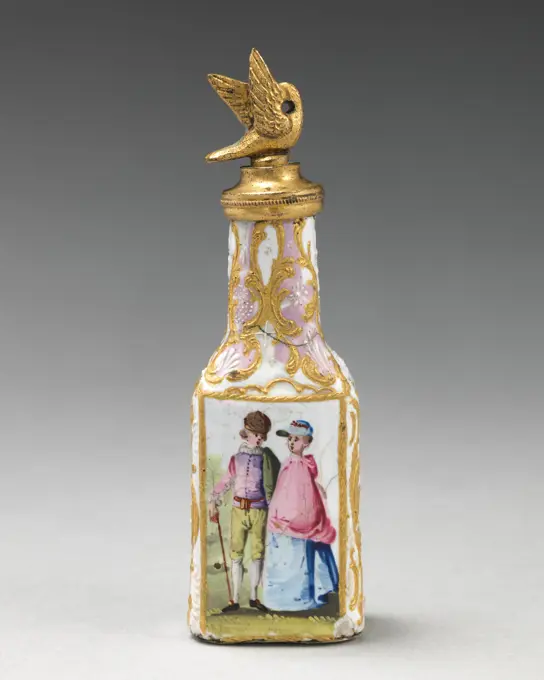
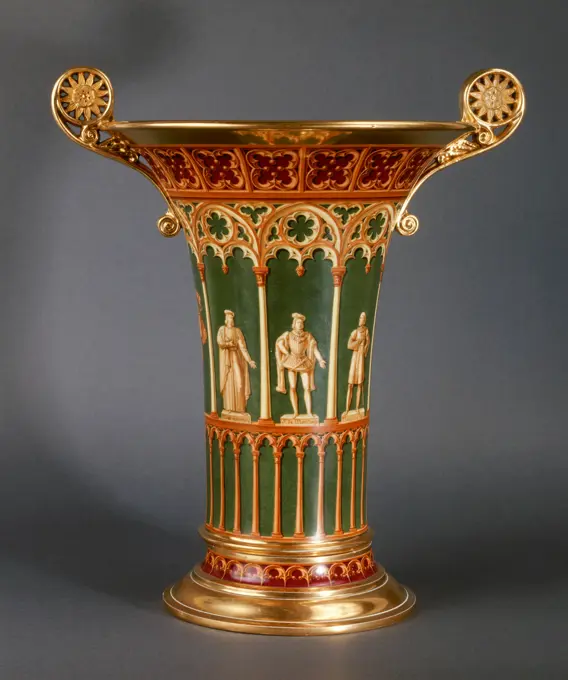
Ornate Decorative Objects

A variety of intricate decorative porcelain and metal items, featuring detailed designs and historical artistry from different cultures and eras.

Unknown, covered fountain with imari decor (common name). Ceramics, porcelain, polychrome enamels: cobalt blue under cover, iron and gilding on covered. Petit Palais, Museum of Fine Arts of the City of Paris.
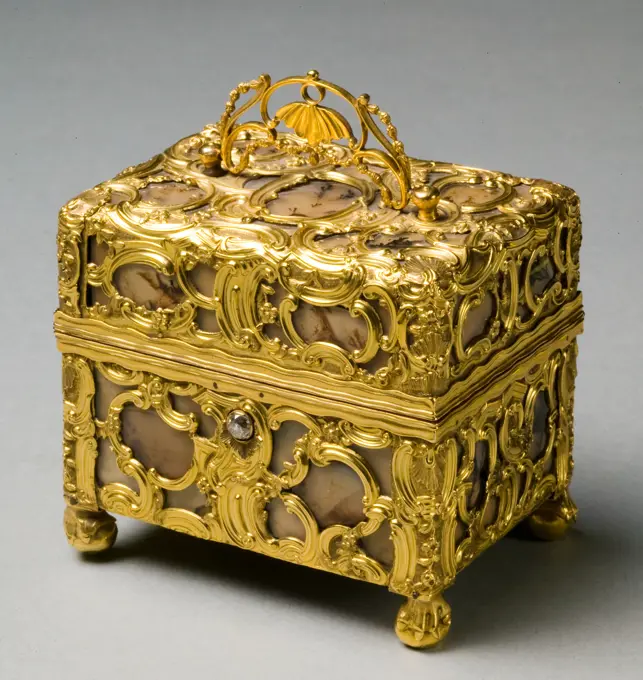
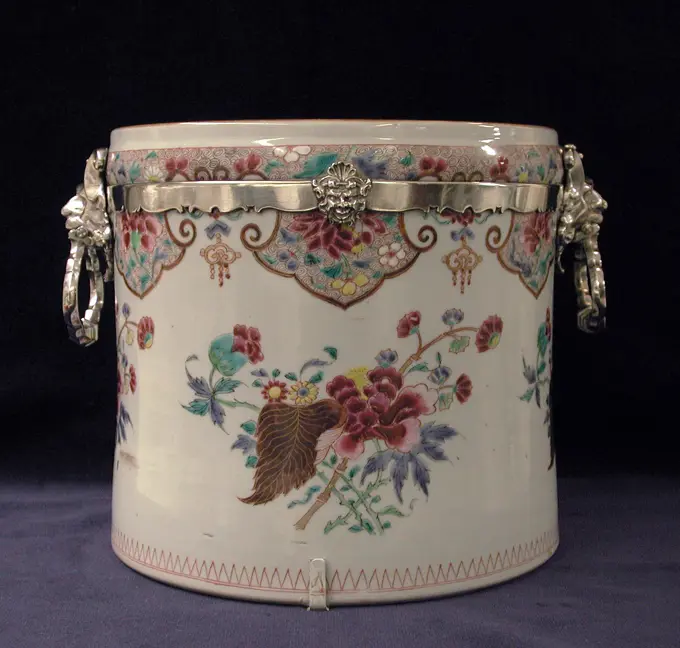
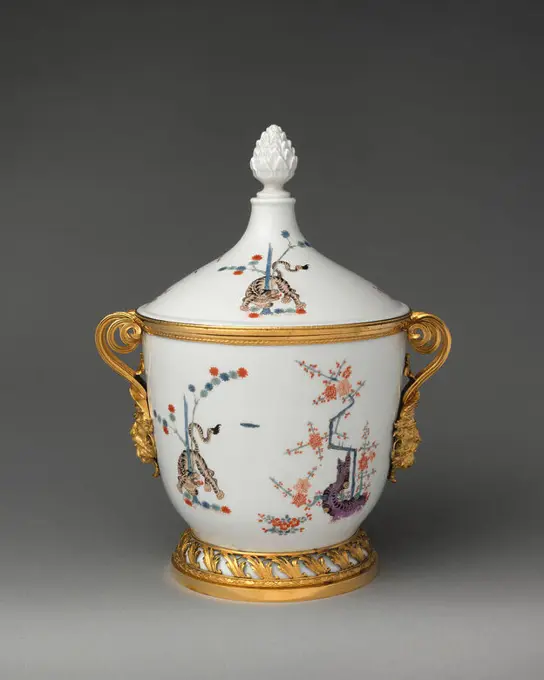
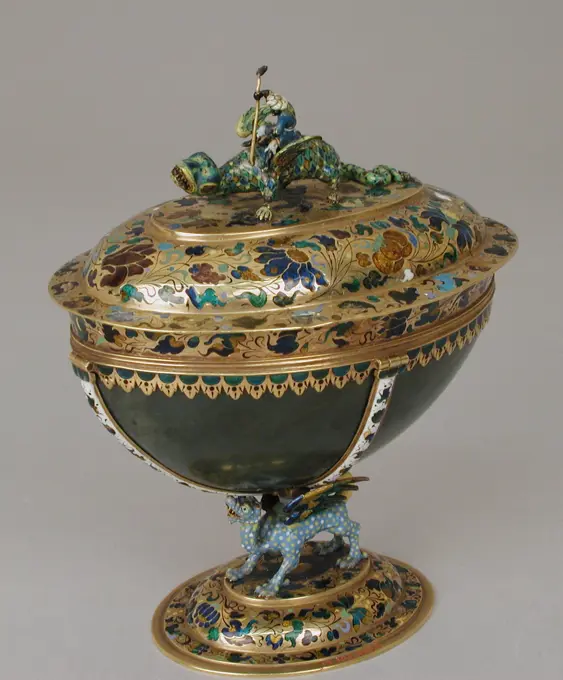
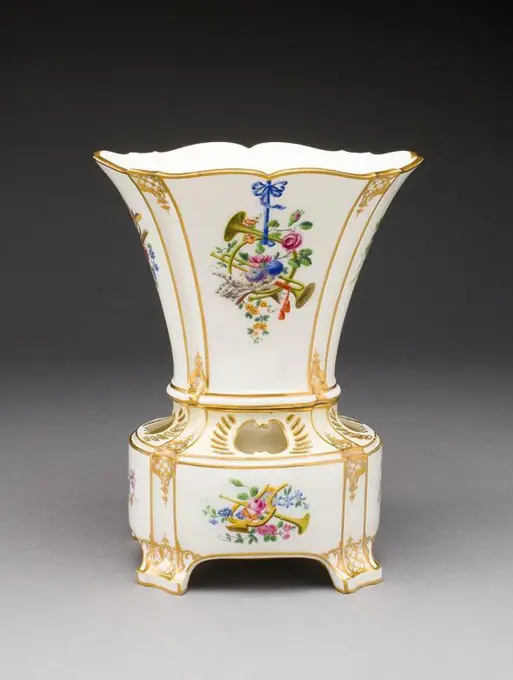
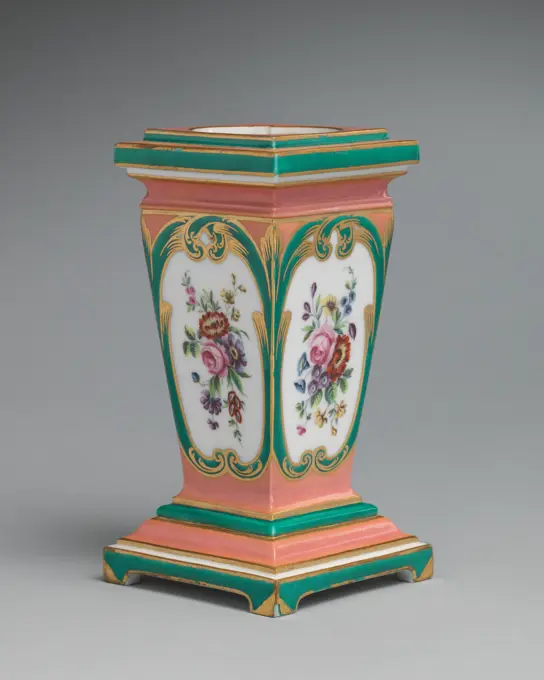
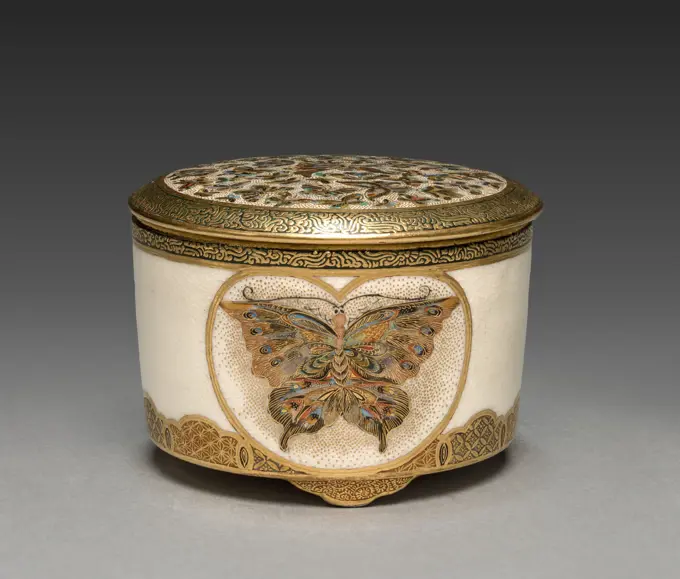
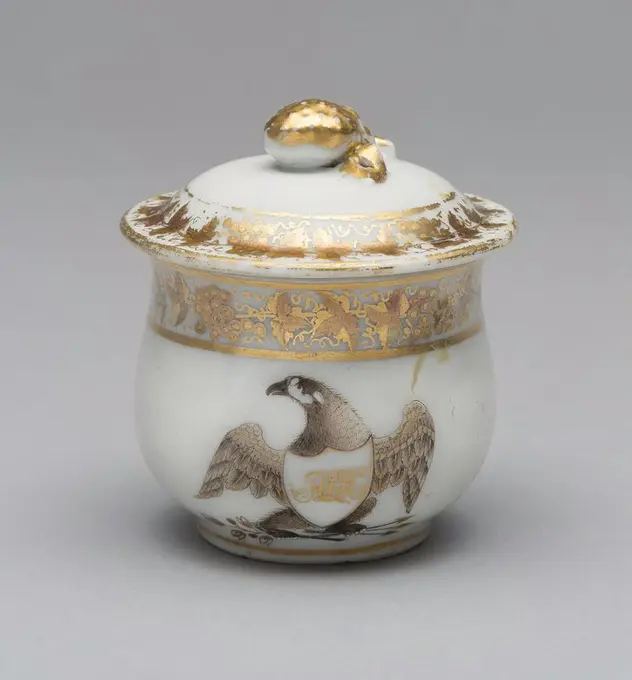
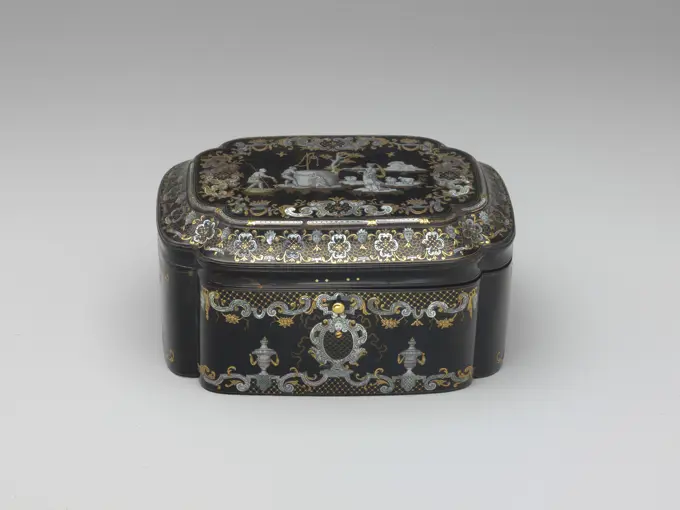
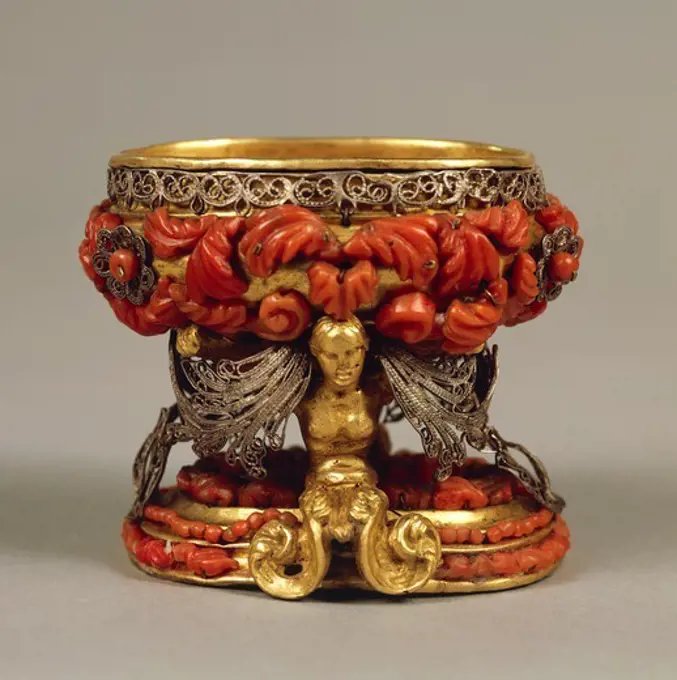
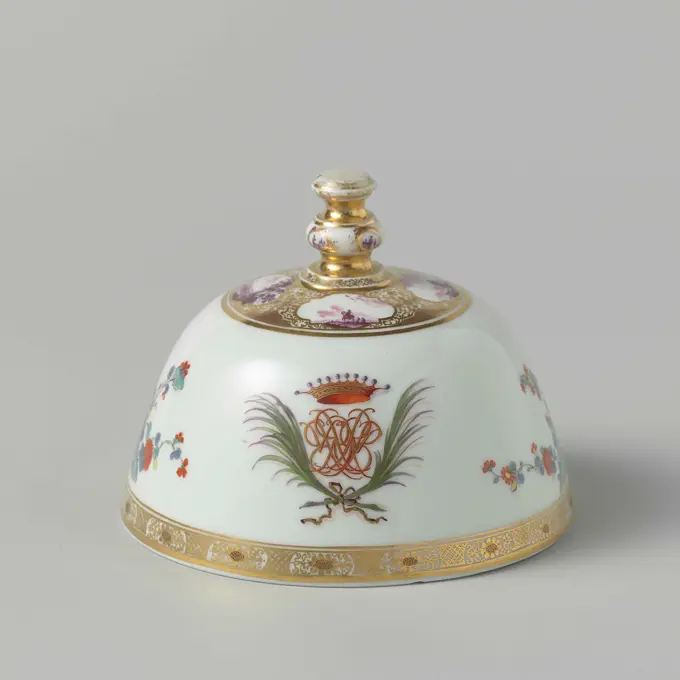
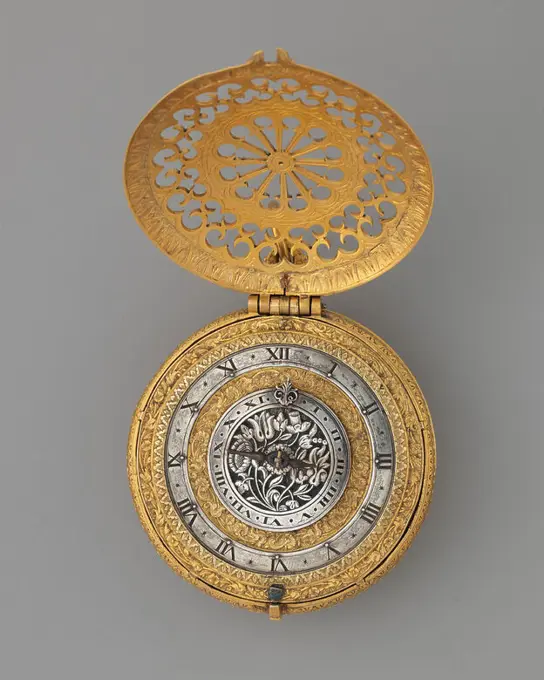
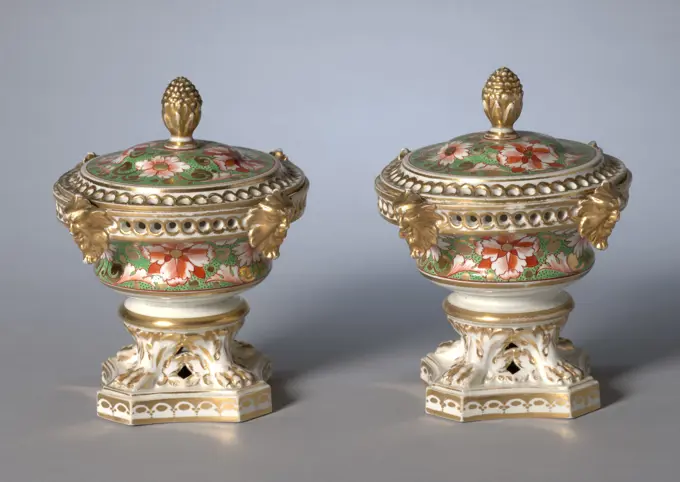
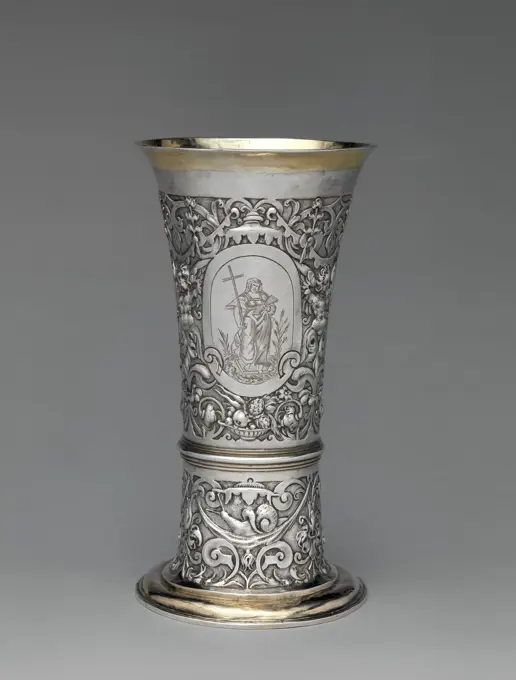
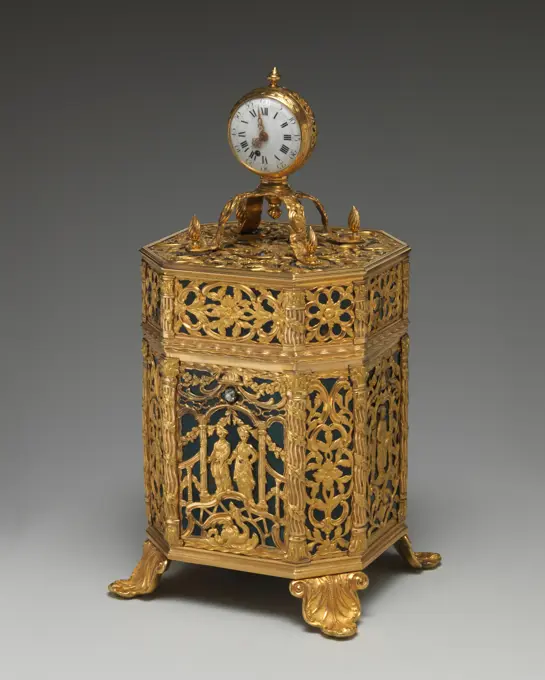
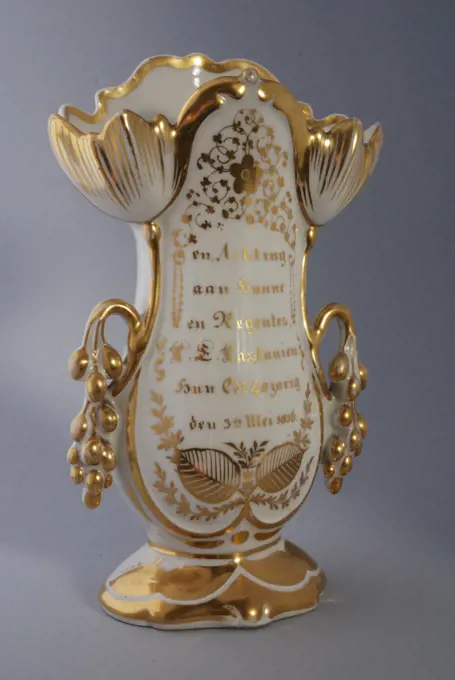
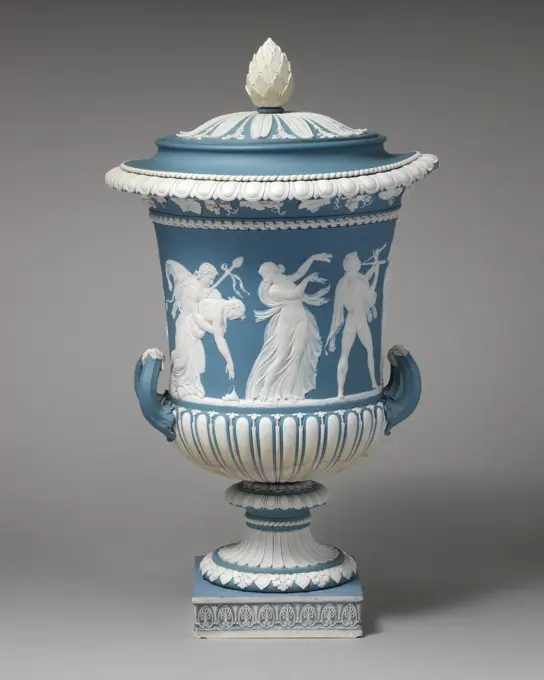
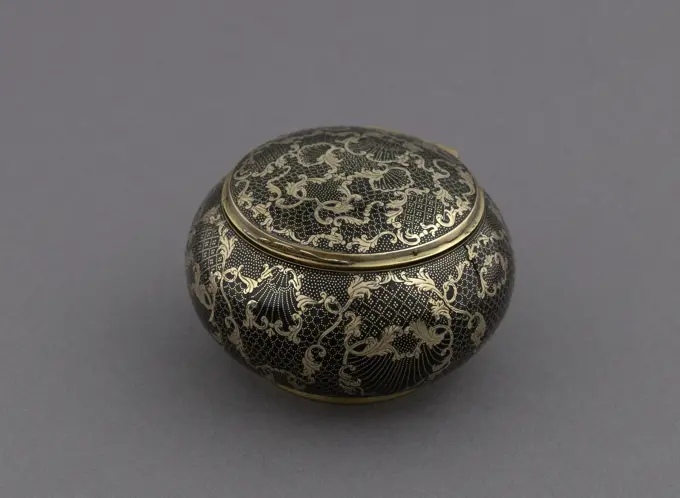
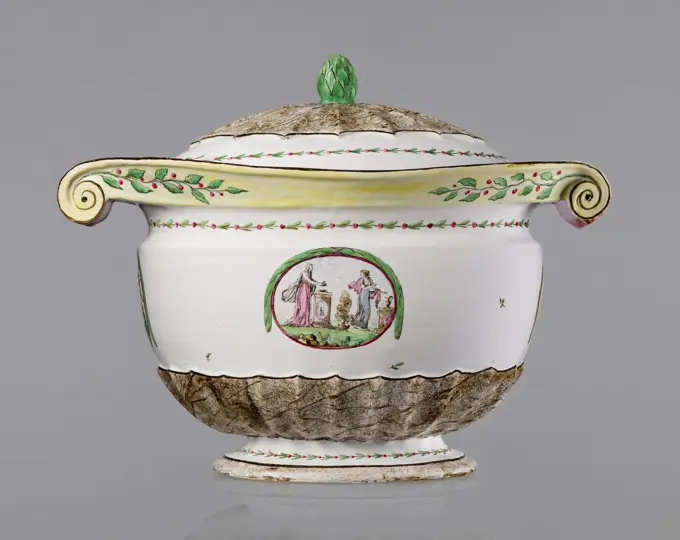
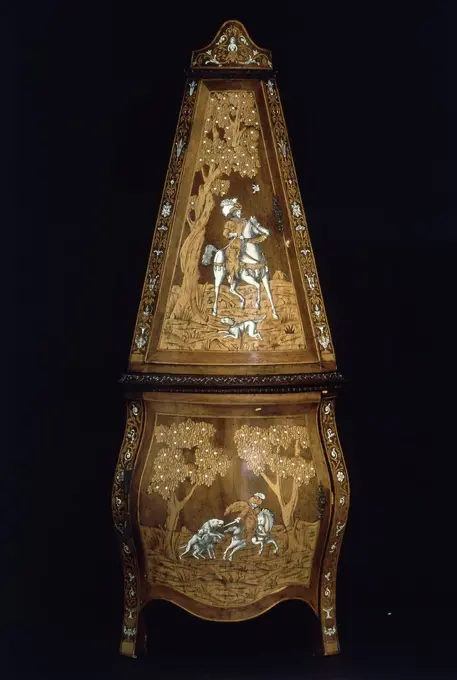
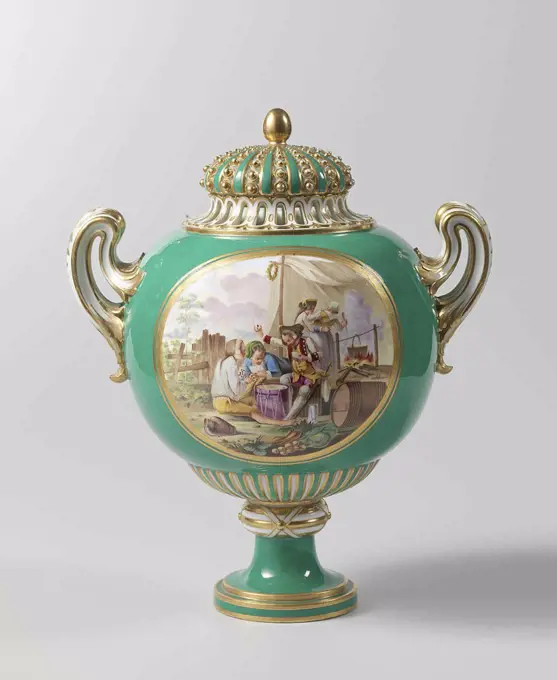
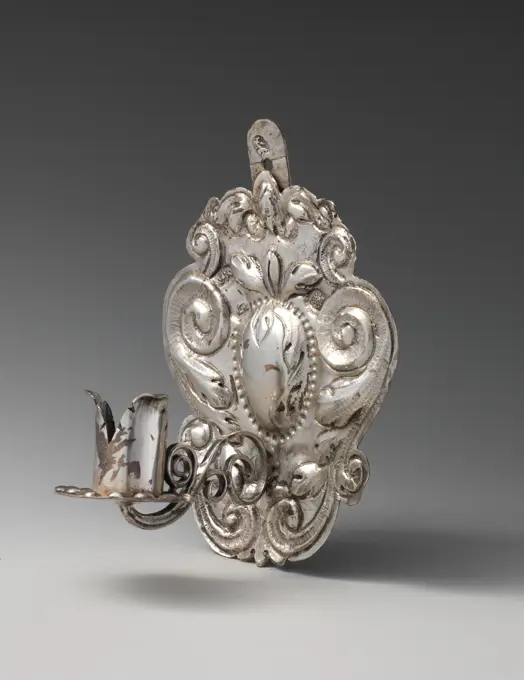
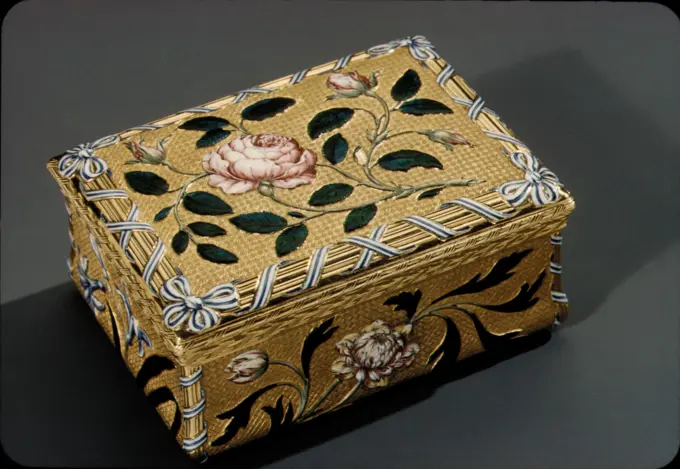
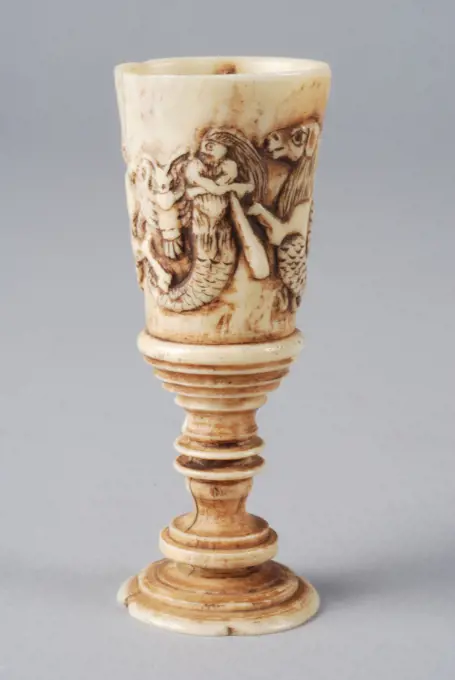
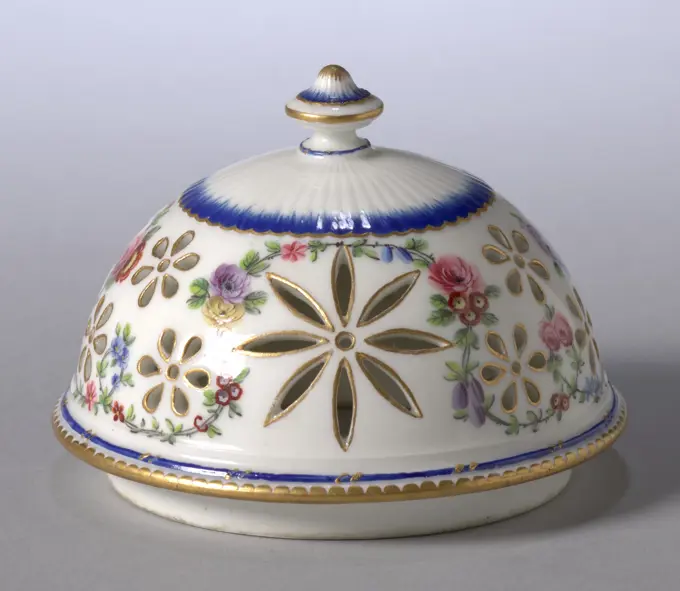
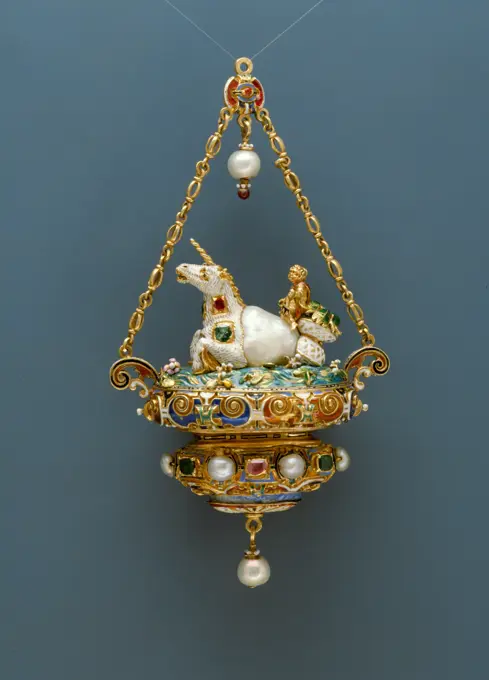
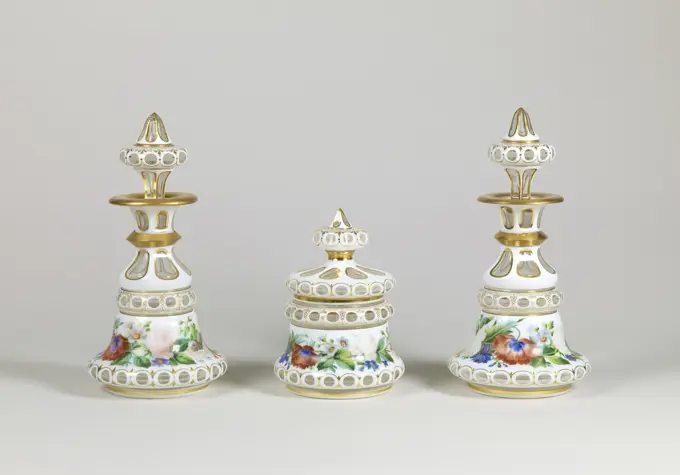
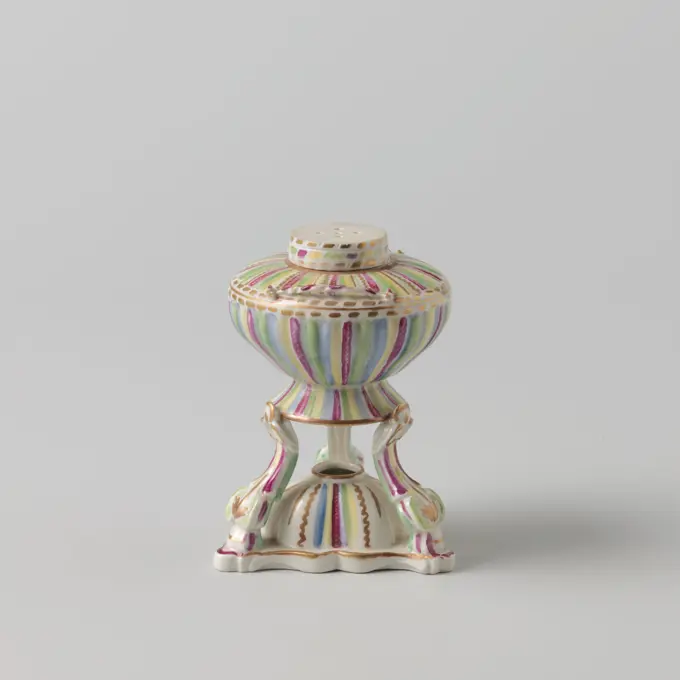
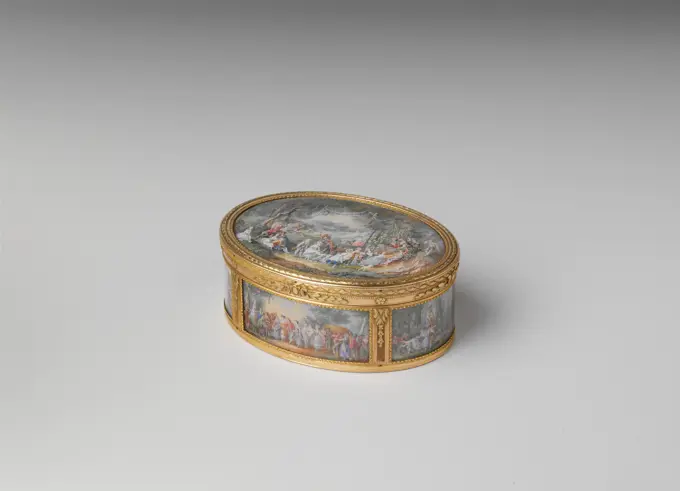
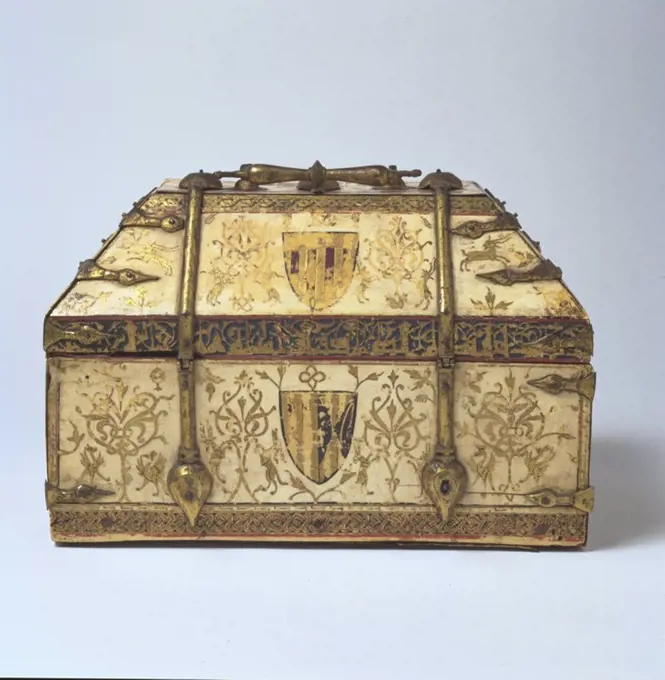
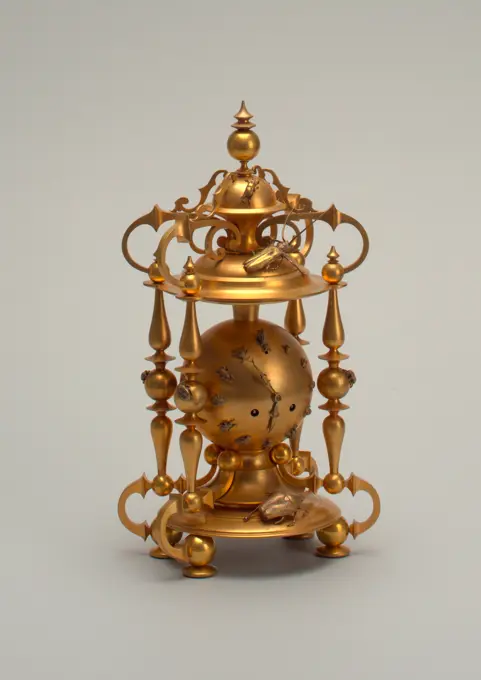
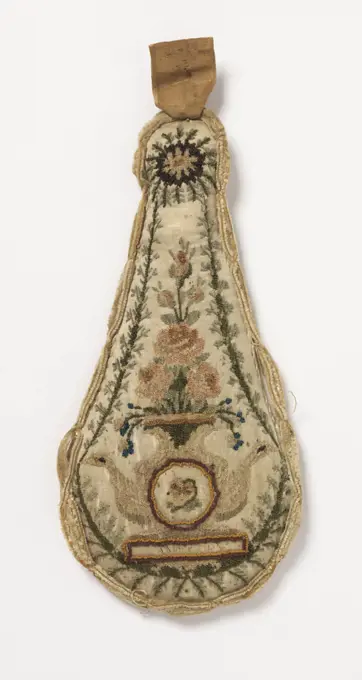
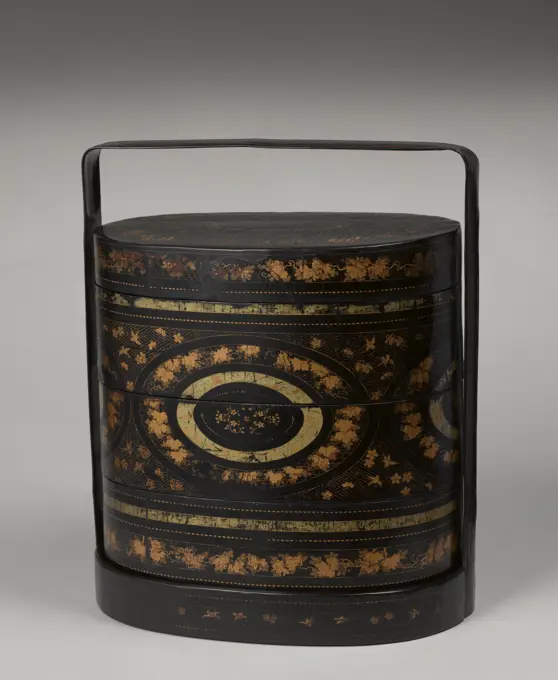
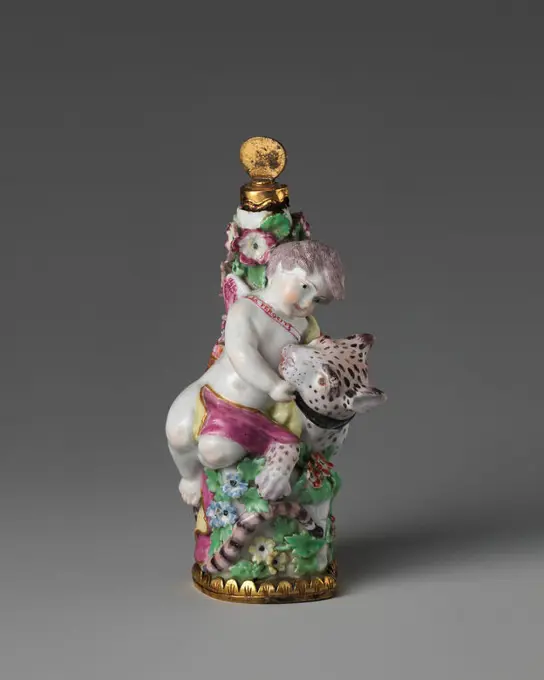
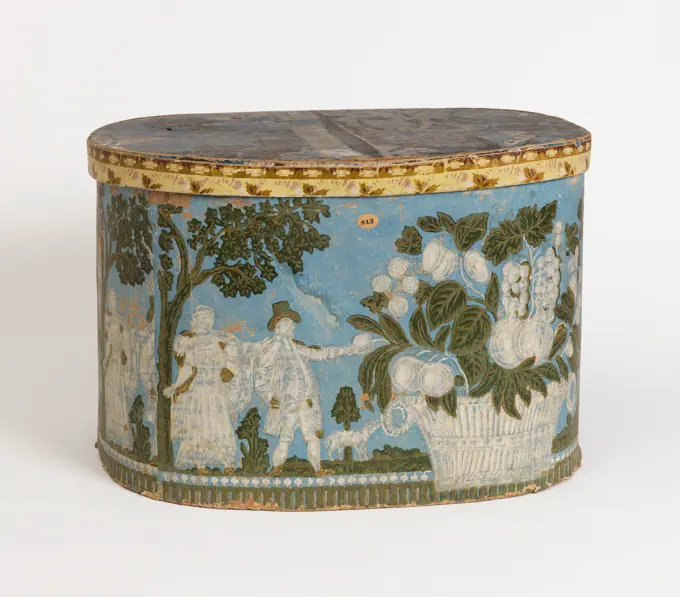
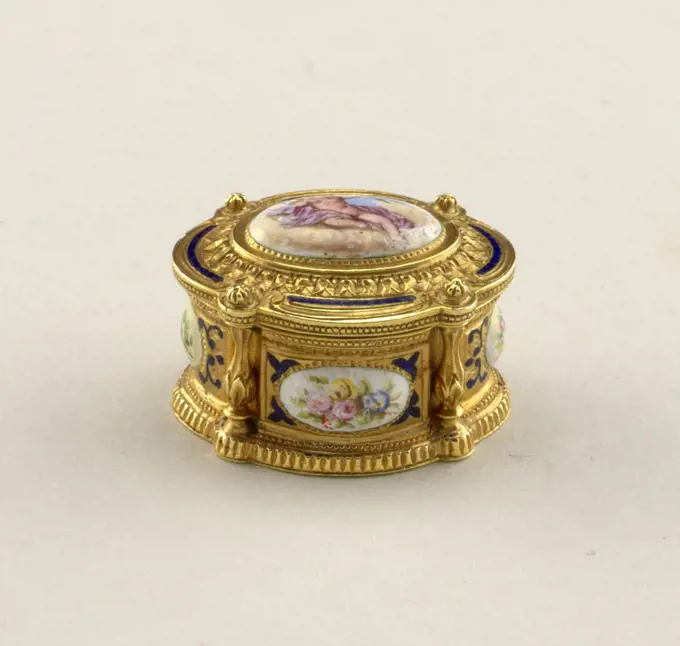
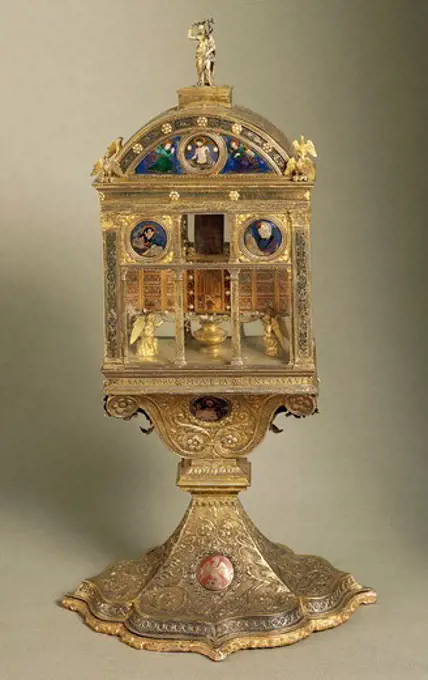
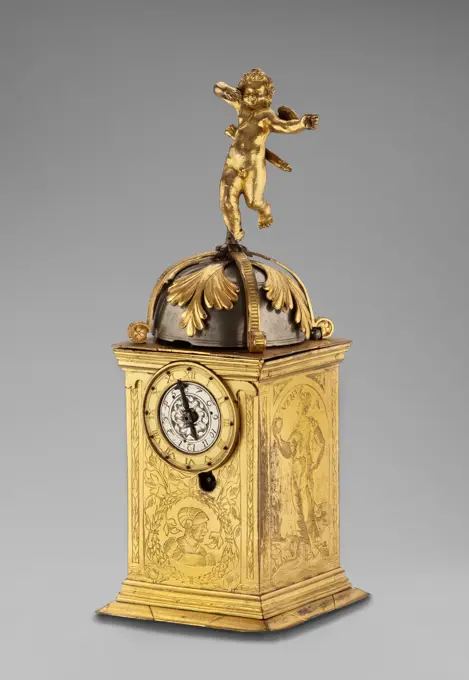
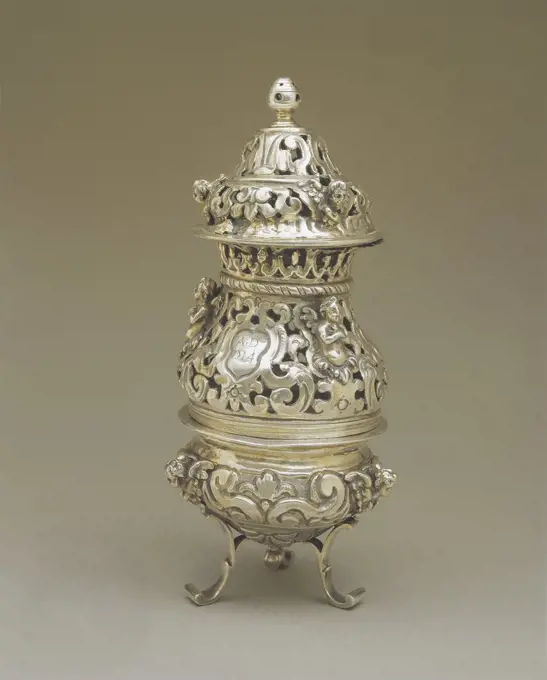
Close-up of an incenser, ItalyLidded Beaker, Meissener Porcelain Manufaktur, c. 1725 Cup with lid, made of multicolored painted porcelain. The profiled and constricted foot has gold piping between which a bond in relief of acanthus leaves. The mouth rim is profiled and has golden piping with a band kelken in relief. On the wall there is a long -stretched four pass in which a river landscape with Chinese figures and on the other side of Indianic blums. The lid has acanthus leaves in relief, two river landscapes and a profiled button. The cup is unnoticed. Float porcelain Cup with lid, made of multicolored painted porcelain. The profiled and constricted foot has gold piping between which a bond in relief of acanthus leaves. The mouth rim is profiled and has golden piping with a band kelken in relief. On the wall there is a long -stretched four pass in which a river landscape with Chinese figures and on the other side of Indianic blums. The lid has acanthus leaves in relief, two river landscapes and a profiled button.Ice cream pail (one of a pair). Culture: German, Meissen with Italian, Rome mounts. Dimensions: Overall (confirmed): 12 11/16 × 9 7/8 × 8 3/4 in. (32.2 × 25.1 × 22.2 cm). Maker: Meissen Manufactory (German, 1710-present). Date: porcelain ca. 1730, mounts ca. 1780-90.Originally made to contain ice cream, these tall covered jars were produced at the Meissen factory in about 1730. Incised inventory marks indicate that they were originally part of the Saxon royal collections housed in the Japanese Palace in Dresden, where the enormous holdings of both Asian and Meissen porcelain owned by Augustus the Strong were displayed. Archival documents suggest that these jars were removed from the Japanese Palace and combined with similarly decorated Meissen porcelain to form a dinner service that was presented as a gift to Sir Thomas Robinson (1695-1770), a British diplomat who visited Dresden in 1737.Towards the end of the 18th century, the jars were fitted with gilt-bronze mounts which necessitaESTANTERIA CON CERAMICA-SOPERA DE PASAJES-SALSERA DE SARGADELOS-JARRITA DE TALAVERA. Location: MUSEO DEL ROMANTICISMO-OBJETOS VARIOS. MADRID. SPAIN.Cover of a vase with flowers, scrolls and birds, anonymous, c. 1800 - c. 1899 Cover of a four -sided vase of porcelain, painted on the glaze in blue, salmon color and gold. On the removable upper part of the vase a tire with tendrils and window motifs, five holes and a ten -angled head shape decorated with garlands and flower heads and with an open bottom. France porcelain. glaze. gold (metal) painting / gilding / vitrification Cover of a four -sided vase of porcelain, painted on the glaze in blue, salmon color and gold. On the removable upper part of the vase a tire with tendrils and window motifs, five holes and a ten -angled head shape decorated with garlands and flower heads and with an open bottom. France porcelain. glaze. gold (metal) painting / gilding / vitrificationGoldsmith's art, France, 14th century. Tournament cup or Coupe du Tournoi, in gold, enamel, rock crystal. Height cm. 25.Beaker with Cover. Jacob Pfaff (Germany, 1646-1706). Germany, Nuremberg, circa 1680. Furnishings; Serviceware. Silver giltUnknown, covered fountain with imari decor (common name). Ceramics, porcelain, polychrome enamels: cobalt blue under cover, iron and gilding on covered. Petit Palais, Museum of Fine Arts of the City of Paris.Cup with cover early 17th century Bohemian, Prague. Cup with cover. Bohemian, Prague. early 17th century. Gold, enamel, Silesian jade. Metalwork-Gold and PlatinumVase 1815-1825 Leeds. Earthenware with silver lustre decoration, monochrome brown, and yellow ground . Adam Buck (Decorator)Beaker. Culture: British, after Russian original. Dimensions: Overall: 9 × 6 1/8 × 6 1/8 in. (22.9 × 15.6 × 15.6 cm). Date: 19th century, after 16th century original.This electrotype is after a sixteenth-century original a treasure of the Kremlin, Moscow, at the time of reproduction. Museum: Metropolitan Museum of Art, New York, USA.. Meissen porcelain manufactory ice cream, c. 1725-1730Hard Paste PorcelainVase lid with three ears, multi -colored painted with pointed soils, anonymous, c. 1510 - c. 1525 Lid of spherical vase of multicolored painted majolica, on a high base. Painted in yellow luster and in blue (outlines) on white. Confuse earthenware. tin glaze. lead glaze majolica Lid of spherical vase of multicolored painted majolica, on a high base. Painted in yellow luster and in blue (outlines) on white. Confuse earthenware. tin glaze. lead glaze majolicaFlower Vase. Sèvres Porcelain Manufactory; French, founded 1740; Painted by Charles Buteux; French, active 1756-1782. Date: 1759. Dimensions: 22.5 x 17.7 x 14.3 cm (8 3/4 x 7 x 5 5/8 in.). Soft-paste porcelain, polychrome enamels and gilding. Origin: Sèvres. Museum: The Chicago Art Institute, Chicago, USA. Author: Manufacture nationale de Sevres.Pedestal vase and bulb pot (piédestal en gaine) (one of a pair) 1760 Sèvres Manufactory French. Pedestal vase and bulb pot (piédestal en gaine) (one of a pair). French, Sèvres. 1760. Soft-paste porcelain. Ceramics-PorcelainJar with Butterflies, late 1800s. Japan, Meiji period (1868-1912). Porcelain (Satsuma ware); diameter: 5.8 cm (2 5/16 in.); overall: 3.9 cm (1 9/16 in.).Vase painted with portrait of Ds. Mol back, manufacture Oud-Loosdrecht, c. 1774 - c. 1784 Vase of porcelain. On the square pedestal rests the high, round base that the vase carries. On the vase, lion masks as ears. is completely open. Painted with the portrait of Ds. Mole in a garden next to an amphorous. Loosdrecht porcelain Vase of porcelain. On the square pedestal rests the high, round base that the vase carries. On the vase, lion masks as ears. is completely open. Painted with the portrait of Ds. Mole in a garden next to an amphorous. Loosdrecht porcelainCustard Pot with Cover. China; Chinese, made for the American market. Date: 1785-1795. Dimensions: 8.3 × 8.9 × 7 cm (3 1/4 × 3 1/2 × 2 3/4 in.). Porcelain. Origin: United States. Museum: The Chicago Art Institute, Chicago, USA.Sponge Box. Denmark. Date: 1815-1825. Dimensions: H. 7.6 cm (3 in.). Silver and silver gilt. Origin: Denmark. Museum: The Chicago Art Institute, Chicago, USA.Box with Rachel Meeting Jacob at the Well ca. 1730-50 Italian, Naples The techniques of piqué incrusté (mother-of-pearl inlay) and piqué point-dor (encrusted with miniscule gold nails) used to embellish this box originated in Naples during the late sixteenth century and reached their peak during the first half of the eighteenth century.. Box with Rachel Meeting Jacob at the Well 236584Chair of partially gilded walnut, anonymous, 1550 - 1600 Chair of partially gilded walnut, placed in spread position, front and rear board. The front board shows, among other things, in low relief a devil mask, flanked by S-Voluten, ending in animal claws with Acanthus leaf. The back has the shape of an inverted similar triangle, with two panels decorated with leaf vines. Against the corners are female figures such as Caryatids, whose abdomen in Acanthusblad and Volute ends. For a crown, a sawn -out attachment with a cobbler and volutes. Italy wood (plant material). walnut (hardwood). gilding (material) gilding Chair of partially gilded walnut, placed in spread position, front and rear board. The front board shows, among other things, in low relief a devil mask, flanked by S-Voluten, ending in animal claws with Acanthus leaf. The back has the shape of an inverted similar triangle, with two panels decorated with leaf vines. Against the corners are female figures such as Caryatids, whoseGoldsmith's art, Italy, 17th century. Silver, coral and gilded copper salt cellar. Trapani (Sicily) manufacture, late 1600.Perfume bottle second half 16th century Workshop of Paul Preuning. Perfume bottle. German, Nuremberg or Austrian. second half 16th century. Maiolica (tin-glazed earthenware) with yellow metal mounts. Ceramics-PotteryTable bubble, painted multicolored with an equestrian fight and the arm of Ernst Johann Graaf van Biron (1690-1772) and the mirror monogram of his wife Benigne Gottlieba Trotha. Table bubble of porcelain, multi-colored painted with landscapes and the arm of Ernst Johann Graaf van Biron (1690-1772) and the mirror monogram BGVT of his wife Benigne Gottlieba Trotha, called Von Treyden. The bell has not been marked.Toilet set containing three smaller boxes. Culture: British, Chelsea. Dimensions: Overall (confirmed): 2 1/8 × 5 × 4 in. (5.4 × 12.7 × 10.2 cm). Factory: Chelsea Porcelain Manufactory (British, 1745-1784). Date: ca. 1761. Museum: Metropolitan Museum of Art, New York, USA.Watch with alarm. Culture: British, London. Dimensions: Diameter: 2 1/2 in. (6.4 cm). Maker: Movement by Nicholas Vallin (recorded ca. 1590, died 1603). Date: ca. 1600.The son of the Flemish clockmaker John Vallin (ca. 1535-1603), Nicolas became the leading clock- and watchmaker in London. Both John and Nicolas emigrated to England, probably shortly before 1590 and undoubtedly as the result of political troubles in The Netherlands. Both father and son died in the London plague epidemic of 1603. The watch, which has a verge escapement, runs a little more than twenty-four hours per each winding, and originally it struck the hours in passing (a single blow on the bell at each hour). Museum: Metropolitan Museum of Art, New York, USA.Pair of Potpourri Vases with Covers, c. 1810. Derby (Crown Derby Period) (British). Porcelain; diameter of mouth: 11.5 cm (4 1/2 in.); overall: 15.1 cm (5 15/16 in.); container: 10 cm (3 15/16 in.).Snuffbox ca. 1770-75 Maker known by his initials A. P. C., Switzerland Works of art by the French artist François Boucher (1703-1770), who held the prestigious title of first painter to the king, served as a highly popular source of inspiration for artists working in a variety of media in the middle decades of the eighteenth century. Prints made after paintings by Boucher were widely circulated and provided artists with compositions that could be faithfully reproduced in smaller scale or adapted to three-dimensional porcelain sculpture. Works by Boucher served as the source not only for the painted scenes on vases and snuffboxes, but also for the porcelain figures which were listed as "Enfants Boucher" (Boucher Children) in the factorys sales ledgers.. Snuffbox. Paintings after a design by François Boucher (French, Paris 1703-1770 Paris). Swiss. ca. 1770-75. Gold, enamelFlower vase (cuvette à tombeau) 1760 Sèvres Manufactory French. Flower vase (cuvette à tombeau). French, Sèvres. 1760. Soft-paste porcelain. Ceramics-PorcelainFooted beaker ca. 1600 Jeremias Jekel This beaker documents the adaptation of styles and motifs created thousands of miles apart. The vessel is covered in a sophisticated ornamental system of dense scrollwork with abundant fruit clusters, and suspended baldachinsthe ultimate symbol of royal or ecclesiastical power-surmount the three oval reserves. The three figures engraved in separate ovals represent the theological virtues Faith, Hope, and Charity. They derive from prints by Jacob Matham (Dutch, 1571-1631), who engraved drawings by Henrick Goltzius (Dutch, 1558-1617).LiteratureTihamér Gyárfás. A brassai ötvösség története. Brassó, 1912, p. 103, no. 148.Gold Boxes, Objects of Vertu and European Silver. Sale cat., Sotheby’s, London, July 6, 1981, p. 42, no. 161.Judit H. Kolba. Hungarian Silver: The Nicolas M. Salgo Collection. London, 1996, p. 71, no. 49.ReferencesA beaker by the same maker was sold at auction by Dr. Fischer Kunstauktionen in Heilbronn.Elemér Kőszeghy. Magyarországi öNécessaire mid-18th century Clockmaker: John Best. Nécessaire. British. mid-18th century. Gold, heliotrope, diamond. Metalwork-Gold and PlatinumScent Bottle, mid-1800s. France, mid-19th century. Glass with gold and enamel; overall: 12.1 x 4.4 x 2.5 cm (4 3/4 x 1 3/4 x 1 in.).Brühl, Augustusburg Castle/ Salt shakerBox, 1771. Thomas Heming (British, 1722/23-1801). Silver gilt; overall: 12.4 x 18 x 14.4 cm (4 7/8 x 7 1/16 x 5 11/16 in.). Produced by King George IIIs principal goldsmith, Thomas Heming, this silver gilt box closely resembles those he produced for the Queen of Denmark and the ladies of the British court in the 1760s. Adorning the hinged lid is an unidentified scene along with four scallop shells and acanthus leaves. Similarly, the curvilinear sides are ornamented with an array of swirling flora and serpentine lines.Dish (one of a pair) ca. 1770-75 Worcester factory. Dish (one of a pair). British, Worcester. ca. 1770-75. Soft-paste porcelain. Worcester factory (British, 1751-2008). Ceramics-PorcelainUrn; Manufactured by Coalport Porcelain Factory; porcelain, overglaze enameling and gilding; a: 24 x 16.5 x 12 cm (9 7/16 x 6 1/2 x 4 3/4 in.) b: 24.3 x 17.3 x 12 cm (9 9/16 x 6 13/16 x 4 3/4 in.)Tea Caddy with Cover c 1750 China. Porcelain, enamel, and gilding .Galvanoplastic reproduction of a lamp foot, triangular, worn by three female figures, fa. Elkington & Co., after 1854 - Before 1878 Galvanoplastic reproduction of a lamp foot, triangular, worn by three female figures. Gilded. London bronze (metal). silver (metal) gilding Galvanoplastic reproduction of a lamp foot, triangular, worn by three female figures. Gilded. London bronze (metal). silver (metal) gildingVanity Case (Nécessaire), c. 1750. Or James Barbot (British), manner of James Cox (British). Agate and gold; overall: 7.3 x 8.3 x 6 cm (2 7/8 x 3 1/4 x 2 3/8 in.).Lidded Tripod Jar with Flowers, Birds, and Clouds. China, Early or middle Tang dynasty, about 618-800. Furnishings; Serviceware. Hammered silver with chased and partially gilded decorationIncense Burner with Dragon, Phoenix, and Sea Creatures. Culture: China. Dimensions: H. 5 1/2 in. (14 cm); W. 5 in. (12.7 cm); D. 3 3/4 in. (9.5 cm). Date: 16th-17th century. Museum: Metropolitan Museum of Art, New York, USA.Spanish 14th Century, Ciborium, c 1330 1350 Spanish 14th Century, Ciborium, c. 1330/1350, gilded copper and champlevé enamel, Widener Collection 1942.9.279Albarello second half 16th century Possibly by Vincenzo di Marco Storage vessels were among the most frequently produced maiolica wares in late medieval and Renaissance Italy. Made in fairly standard shapes, they were designed to fit with dozens of others on a shelf, often in a pharmacy or shop. Their handles therefore tend to fit within the vessels profile, and the cylindrical albarello type is generally narrower at the middle than at the top or bottom, making it easy to grip. Other common features include inscriptions indicating contents and flanged lips to help secure cloth or paper seals. The decoration, usually more elaborate on one side than the other, can sometimes link pieces to a known dispensary or specific workshop or artist.. Albarello. Italian, Sicily or Faenza. second half 16th century. Maiolica (tin-glazed earthenware). Ceramics-PotteryOvoid casket with lid. unknown, craftsmanPilgrim Vase 1880-85 Chesapeake Pottery. Pilgrim Vase. American. 1880-85. Earthenware. Made in Baltimore, Maryland, United StatesVase with gold-colored decoration, vase crockery holder ceramic porcelain paint enamel paint, mold cast baked painted Two identical vases (1-2) Out of Love and Regards from the Weezen to their dear Regent and Regentes Bakker and CE Castanien on the occasion of their Eds 40 years (painted front in Gothic letters on both vases) Rotterdam City Triangle Goudsewagenstraat Gereformeerd Burgerweeshuis Gereformeerd Burger Orphanage marriage caste setUrn with cover ca. 1780-1800, with later base Jan (or Jean) de Vaere (or Devaere) This urn reflects Wedgwood's adaptation of the Borghese Vase, a monumental marble vase produced in Greece in the 1st century B.C. Discovered in Rome in 1566, it became a source of inspiration for European artists.. Urn with cover. British, Etruria, Staffordshire. ca. 1780-1800, with later base. Jasperware. Josiah Wedgwood (British, Burslem, Stoke-on-Trent 1730-1795 Burslem, Stoke-on-Trent). Ceramics-PotteryDish Cover. China, Qianlong period, 1760-1770. Furnishings; Serviceware. Enamel on brass or copperFoot, with gold -plated landscapes on black soil, anonymous, 1700 - 1800 Loose base with bent legs. Black lacquer with decorations in hiramakia with water landscapes, butterflies and flowers. Leaves on the legs. Japan whole: Wood (plant material). whole: Gold (metal). whole: Lacquer (coating) lacquering Loose base with bent legs. Black lacquer with decorations in hiramakia with water landscapes, butterflies and flowers. Leaves on the legs. Japan whole: Wood (plant material). whole: Gold (metal). whole: Lacquer (coating) lacqueringFlattened spherical box, in gold embroidered scales. On the reverse of the lid, a miniature: portrait of a man, 1730-1750. Anonymous French or German. Paris, Cognacq-Jay museum. 35589-2 Flattened, spherical box, gold embroidered, squailleVase-butter with lid; Imperial Porcelain Factory in St. Petersburg (1744-1917), Spiess, August Kar Sowow (1817-1904); 1869 (1869-00-00-1869-00-00);Pitcher, H. Baggeley, hard paste porcelain, vitreous enamel, gold, A parian ware pitcher featuring the coats of arms of the nations that participated in the Exposition Universelle held in Paris in 1855 in relief, with strapwork ornament., England, ca. 1855, ceramics, Decorative Arts, pitcher, pitcherWaza from the cover; Prószków L Ski (Factory of the Fajans; 1763-1853); 1770-1783 (1770-00-00-1770-00-00);MUEBLE O RINCONERA CON INCRUSTACIONES. Location: PRIVATE COLLECTION. MADRID. SPAIN.Pyxis with Geometric and PlantMotifsVanity case ca. 1760-1800 British, Staffordshire. Vanity case. British, Staffordshire. ca. 1760-1800. Enameled copper. EnamelsLew Fo (fragment of the lamp);  19th century (1800-00-00-1900-00-00);Tea chest. Culture: British. Dimensions: Overall: 6 × 11 1/2 × 6 1/2 in. (15.2 × 29.2 × 16.5 cm). Date: ca. 1760.The English satirist Jonathan Swift (1667-1745) wrote in his Directions to Servants (1729) about "small chests and trunks with lock and key, wherein they keep the tea and sugar." Executed in a late Rococo style, this example, with its serpentine sides, scroll feet, and crisp carving on front and sides, displays some similarities to designs in the first and third editions of Thomas Chippendale's Gentleman and Cabinetmaker's Director (1754, 1762). Museum: Metropolitan Museum of Art, New York, USA.. Decoration of bamboo and peonies in gold against black fond, fine and coarse speckled in gold. Six boxes kept together by a cord.Vase (vase ballon), Manufacture de Sèvres, 1771. The rectangular coffin has a broofed, hinged lid and rest on four baluster-shaped feet. Profiled edges run along the top and bottom of the coffin, and along the underside of the lid. The walls and lid are open and then embossed with a decoration of flowers and leaves. There are two dancing putti in this on the lid. On their shoulders they wear a branch to which a grape trace is hanging. At the front is a keyhole with a round hole on either side. Probably there was originally a lock plate. At the bottom of the smooth inner bin is engraved Augt "5th" 1820. This New Lining Weighing 7 oz: 17DWZ: For An Old Tea Chest, or Unknown Assay is allowed to be added to the Same Without Solder.Rock crystal box, Rock crystal, gold, France, 18th century, containers, Decorative Arts, Box, BoxMiniature wall sconce 1693-94 British, London. Miniature wall sconce. British, London. 1693-94. Silver. Metalwork-Silver-MiniatureSnuffbox second half 18th century British, South Staffordshire. Snuffbox. British, South Staffordshire. second half 18th century. Copper, enamel. Enamels-PaintedBasin, c. 1725-40. England or Germany, 18th century. Gilt bronze; overall: 31.9 x 38.5 cm (12 9/16 x 15 3/16 in.).Snuffbox 1747-49 Jean Moynat In eighteenth-century Europe, Paris led the production of high-quality luxury goods. Parisian goldsmiths made a wide range of small, personal articles such as snuffboxes; étuis to hold sealing wax, tweezers, or utensils for sewing; souvenirs, which contained thin ivory tablets for note taking; and shuttles for knotting lace. Gold snuffboxes and boxes decorated with portrait miniatures were prized and frequently given as royal gifts, often to ambassadors or members of the court in lieu of cash payments for their services. Coveted and admired, these boxes were produced from a variety of materials. The best were skillfully made of gold and embellished with diamonds, enameled decoration, lacquer, and other luxurious materials. By the middle of the century, the taking of snuff had become an entrenched social ritual, and the snuffbox, too, had become an important social prop. Snuffboxes were considered highly fashionable accessories, with some merchants advertisiCarved ivory or legs of chalice decorated with sea creatures, cup drinking utensils tableware holder ivory leg, cut carved ivory or legs cup on stand foot. Conical chalice with decorated side wall Twisted foot with disc shaped node in the trunk. Decoration consists of sea creatures including human figure with club and sea horse. lobster has been cut out in between. Remains of the original material on the inside of the calyx whaling to serve home liquorSponge Box (cover), c. 1769. Sèvres Porcelain Factory (French, est. 1756). Soft-paste porcelain; overall: 11.2 x 8.6 cm (4 7/16 x 3 3/8 in.).Pendant with a Triton Riding a Unicorn-like Sea Creature ca. 1870-95 Reinhold Vasters German With the exception of the links of the chain, an additional molding separating the two bands of decoration on the base, and the unicorns horn, this jewel is identical to one in a design in the Victoria and Albert Museum, London (inv. No. E 2818-1919), by Reinhold Vasters of Aachen. The design was included among the nineteenth-century Renaissance-style jewels and jewelry designs in that museums exhibition Princely Magnificence: Court Jewels of the Renaissance, 1500-1630. It is illustrated in the exhibition catalogue,[1 where it was noted that the base of a jewel in the same exhibition lent by Lord Astor of Hever was made from the design for the lower part of the base of the jewel in the drawing.[2 The same jewel was illustrated in the catalogue of the collection of Frederick Spitzer, where it was identified as an Italian work of the sixteenth century.[3The variation in quality and variety oGold snuff box, rectangular, with enamelled decorations of dancing nymphs with amors, anonymous, c. 1890 - c. 1910 Rectangular gold box. On the lid in an enamelled oval a dancing nymph with amor in grisaille. The other sides are decorated in accordance with. goldsmith: unknowngoldsmith: Paris gold (metal). Rectangular gold box. On the lid in an enamelled oval a dancing nymph with amor in grisaille. The other sides are decorated in accordance with. goldsmith: unknowngoldsmith: Paris gold (metal).Pilgrim Flask 1587 Raeren. Salt-glazed stoneware and lead . Workshop of Jan Baldems MennikenVase 1805-1815 Paris. Hard-paste porcelain with polychrome enamels and gilding . Neppel Porcelain FactoryScent Bottle And Lid; enameled and gilt glassVase with in the handles; Manufaktura Majoliki in Nieborów (Nieborów; label; 1881-1899), Szewczyk, Feliks (1863-1932); 1881-1886 (1881-00-00-1886-00-00);Cover of incense burner, porcelain factory The Hague, 1777 - 1790 Lid of incense burner with five holes. Not marked. The Hague porcelain Lid of incense burner with five holes. Not marked. The Hague porcelainTerracotta pyxis (box). Culture: Greek, Attic. Dimensions: H. 4 3/4 in. (12.1 cm)H. with cover 6 3/4 in. (17.2 cm). Date: ca. 465-460 B.C..The Judgement of ParisDuring the middle of the fifth century B.C., the white-ground technique was commonly used for lekythoi, oil flasks placed on graves, and for fine vases of other shapes. As classical painters sought to achieve ever more complex effects with the limited possibilities of red-figure, the white background gave new prominence to the glaze lines and polychromy. The decoration of this pyxis reflects the delight with which an accomplished artist like the Penthesilea Painter depicted a traditional subject. Museum: Metropolitan Museum of Art, New York, USA.Snuffbox with six scenes of country pastimes 1774-75 Box by Pierre François Drais French There are six marks on the oval box, including the Paris mark for 1774-75, and the mark of Pierre-François Drais, a master in 1763, working to 1788. The top shows a delicate fête champêtre, signed and dated (at the bottom) van Blarenberghe / 1744: attended by revelers, a peasant couple, a young man with a violin and a young woman gathering flowers in her overskirt, stand in a country landscape under overarching trees hung with garlands of flowers and caged birds. The composition is elegantly shaped to fit the field. The scenes around the sides of the box are An Archery Match, A Youth Spurting Water from a Fountain, A Round Dance, and Couples on a Seesaw.This object has no recorded history prior to the death in 1914 of Pierpont Morgan, and since then, the vignette on the base has been described as a country fair near a chteau. It seems likely that the miniature represents The Fair at Bezons, which Vase painted with guinea fowls in landscape. Vase with porcelain lid. On the square pedestal rests the high, round foot that the vase bears. On the vase, lion masks such as ears. completely open. Painted with a river landscape with guinea fowls and a church tower and portrait.ARQUETA: DE SAN MARTIN I EL HUMANO. (DEPOSITO: MUSEO ARQUEOLOGICO NACIONAL).Clock (France); Produced by Alphonse Giroux & Cie; gilt bronze; 46.6 x 25.5 x 19.5 cm (18 3/8 x 10 1/16 x 7 11/16 in.)Cover of a vase with flowers and insects, Fürstenberg, c. 1785 - c. 1790 Cover of a porcelain vase, painted on the glaze in blue, red, pink, green, yellow, purple, black and gold. Decorated with flowers and insects and on the edge modeled leaf vines; Lid button in the form of a pine cone with a modeled rosette as the basis. Fürstenberg porcelain. glaze. gold (metal) painting / gilding / vitrification Cover of a porcelain vase, painted on the glaze in blue, red, pink, green, yellow, purple, black and gold. Decorated with flowers and insects and on the edge modeled leaf vines; Lid button in the form of a pine cone with a modeled rosette as the basis. Fürstenberg porcelain. glaze. gold (metal) painting / gilding / vitrificationCAJA CON ADORNOS VALENCIANOS. Location: MUSEE D'ARTS DECORATIFS. MADRID. SPANIEN.Pin cushion, Medium: silk, glass beads Technique: chenille and bead embroidery on satin, Pin cushion in the shape of a triangle and made to hang. Embroidery shows a design of a vase and flowers with a worn inscription., France, late 18th century, embroidery & stitching, Pin cushionScent bottle ca. 1750-80 British, Staffordshire. Scent bottle. British, Staffordshire. ca. 1750-80. Enameled copper. EnamelsManufacture of Sèvres. Jasmin-Percier vase. Porcelain, gilding. Museum of Fine Arts of the City of Paris, Petit Palais. Gilding, jasmine-percier, Manufacture de Sevres, object of decoration, porcelain, vaseStack box with black lacquer and decorations in gold from the Braam Houckgeest collection, 1795 Oval box, consisting of three standing trays, a flat lid and a carrier; A standing, straight handle is attached to the wearer that runs along the narrow sides of the boxes. The whole is covered with black lacquer with decorations in different shades of gold. The sides of the boxes are fully interpreted and provided with large oval medallions with flower vines; Outside of geometric patterns with sprinkling flowers and birds. Under the medallions and on the lid edge with teases and geometric patterns. The decoration on the top of the lid has almost completely disappeared. Canton whole: Wood (plant material). whole: Lacquer (coating) lacquering Oval box, consisting of three standing trays, a flat lid and a carrier; A standing, straight handle is attached to the wearer that runs along the narrow sides of the boxes. The whole is covered with black lacquer with decorations in different shades of gManufacture of Sèvres, flower bowl with a pink tomb (common name), 1760, tender artificial fried porcelain, pink background, gilding, polychrome enamels, gilded bronze. Petit Palais, Museum of Fine Arts of the City of Paris.Cupid with panther. Culture: British, Chelsea. Dimensions: 3 5/8 × 2 in. (9.2 × 5.1 cm). Factory: Chelsea Porcelain Manufactory (British, 1745-1784, Gold Anchor Period, 1759-69). Date: ca. 1765. Museum: Metropolitan Museum of Art, New York, USA.. Miniature portraits of rulers played an important role in 17th-century diplomacy. An unusual variant arose around 1670 in which the miniatures were set in diamonds. This breast ornament was a gift from Queen Mary, consort of King-Stadtholder William III, to a confidante. It was later mounted on the lid of a gold snuffbox.Goldsmith's art, France, 18th century. Joseph Etienne Blezzy, gold and enamel snuffbox with miniature, Paris, 1782.Bandbox (USA); block-printed on paper, pasteboard support; 49 x 39 x 32 cm (19 5/16 x 15 3/8 x 12 5/8 in.)Table lamp under the glass lampshade with flower pattern isolatedBox, Gold, enamel, Austria, Switzerland, 19th century, containers, Decorative Arts, BoxSilversmith's art, Italy, 16th century. Paolo di Giovanni Sogliani, Reliquary of the Libretto in enamelled silver gilt, Parisian manufacture, 1500-1501.Clock clock; S.P. (watchmaker; fl. Ca 1650); after. 17th century (1650-00-00-1650-00-00);Amor (mitol.), Zgorzelec (Kaiser Friedrich Museum) - collections, planets, zodiac signsAnonymous. Vase mounted. Marble, gilded bronze, 1775-1785. Paris, Cognacq-Jay museum. 79923-7 Dore bronze, cover, gilding, vine leaf, marble, vase monte, 18th 18th 18th 18th 18th 18th centurySnuffbox 18th century British, Staffordshire. Snuffbox. British, Staffordshire. 18th century. Enameled copper. Enamels-PaintedWine cooler (one of a pair) ca. 1735-36 Elias Adam German These wine coolers (see also 2002.238.2) were produced in China for export to Europe. While the decoration is Chinese in origin, the form is western and is probably based on a silver example. The mounts by the Augsburg silversmith Elias Adam enhance the luxurious nature of the coolers and reflect the continuing appreciation for Chinese porcelain in the eighteenth century.. Wine cooler (one of a pair) 231085Snuffbox 1755-60 Attributed to Daniel Baudesson Baudesson worked in Berlin at the court of Frederick the Greak, whose own collection of snuff boxes was extragavant both in size and taste. Although neither marked nor signed, this box has all the features of others inscribed with the names of Baudesson and Chodowiecki.. Snuffbox. German, Berlin. 1755-60. Gold, enamel, diamonds. Metalwork-Gold and PlatinumMusic Box ca. 1820 Swiss Oblong gold and enamel music box. The borders enamelled blue and yellow, the cover bearing an enamelled classical miniature bordered by half pearls.. Music Box. Swiss. ca. 1820. Various materials. Switzerland. Idiophone