Ornate Decorative Vases

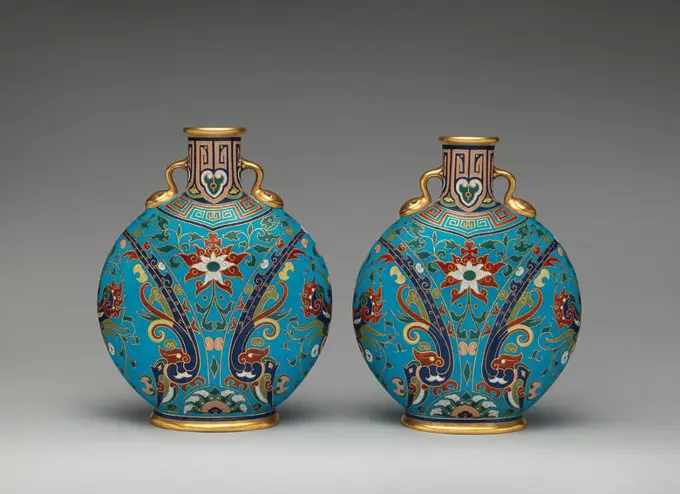
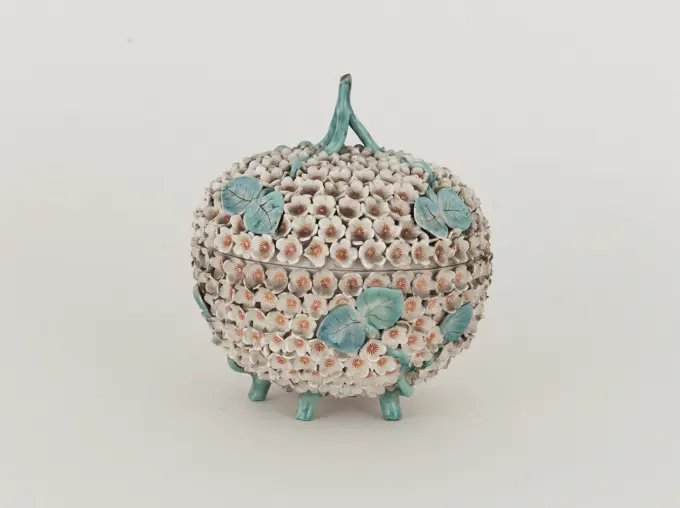
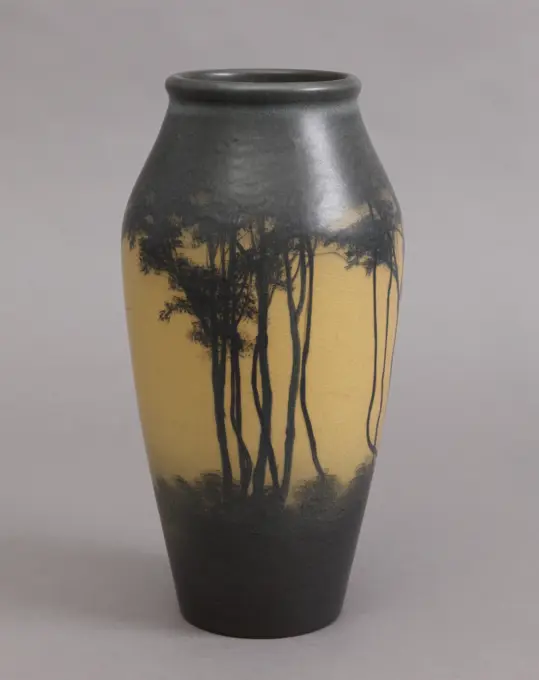
Elegant porcelain vases with intricate designs, showcasing rich colors and artistic craftsmanship, suitable for decor.

Lidded tea caddy, Meissener porcelain manufactory, c. 1735 Tea lid with lid, made of painted porcelain. The bus is hexagonal and completely covered with a brown glaze. The six fields are alternately painted with scenes with Chinese style figures and with two birds on a branch, both in gold. The bus is marked. porcelain company: MeissenAugsburg porcelain Tea lid with lid, made of painted porcelain. The bus is hexagonal and completely covered with a brown glaze. The six fields are alternately painted with scenes with Chinese style figures and with two birds on a branch, both in gold. The bus is marked. porcelain company: MeissenAugsburg porcelain
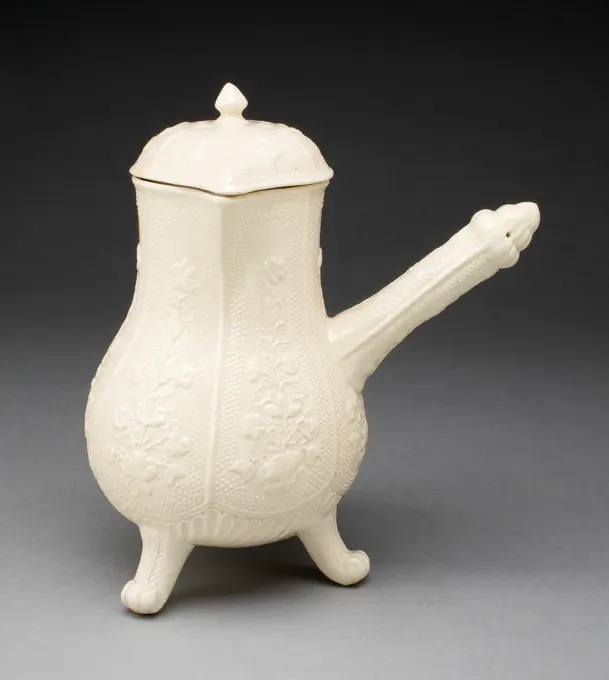
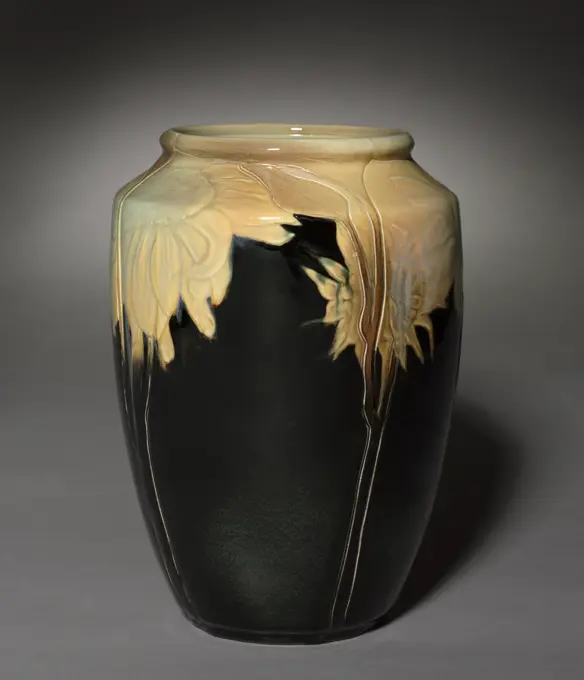
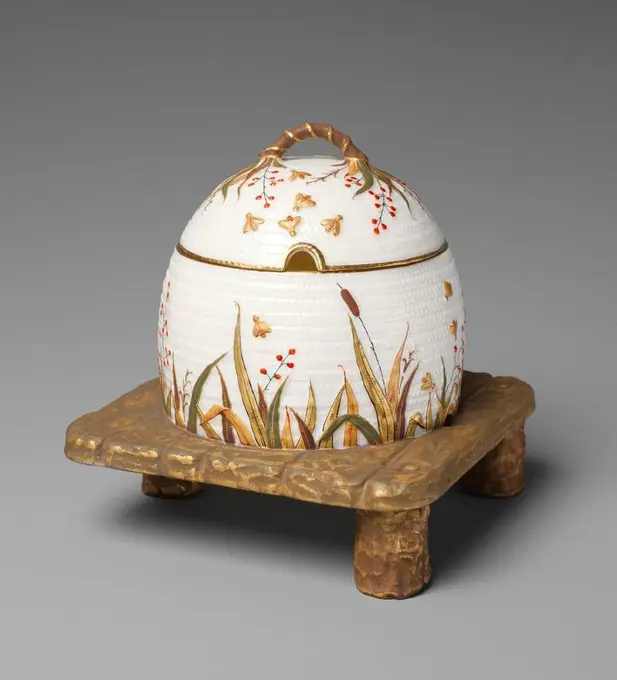
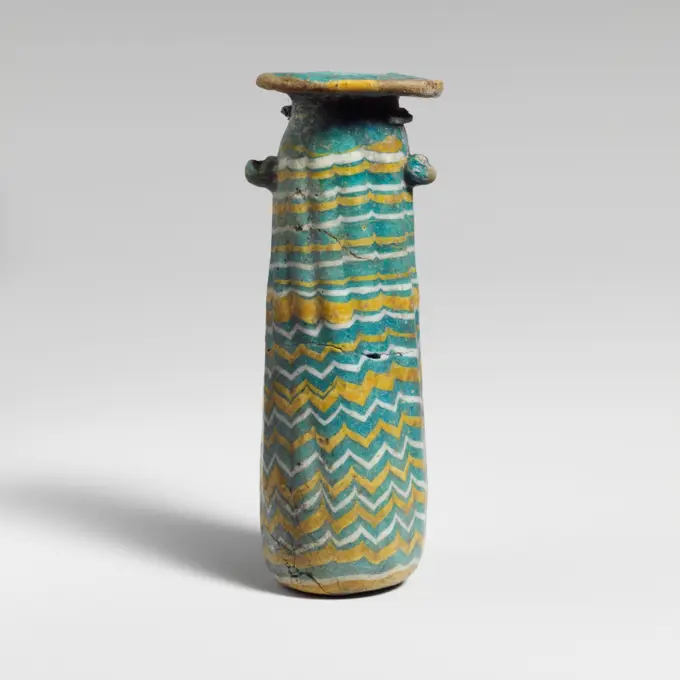
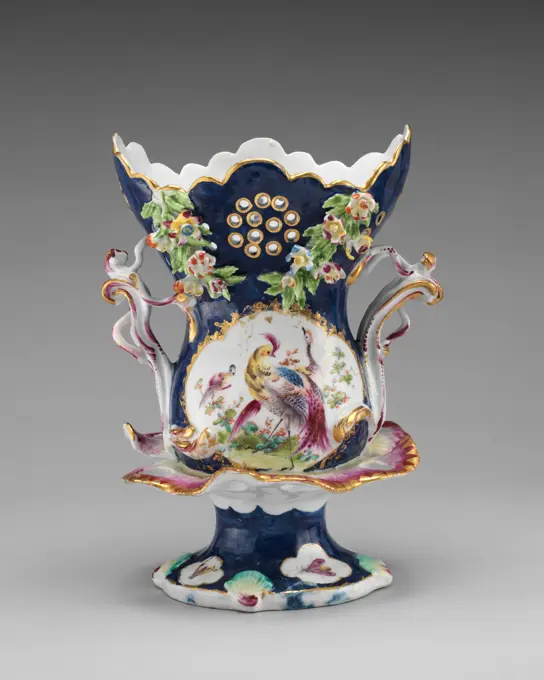
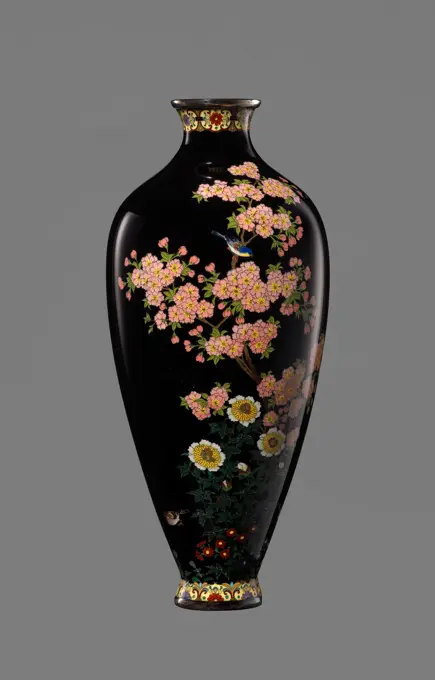
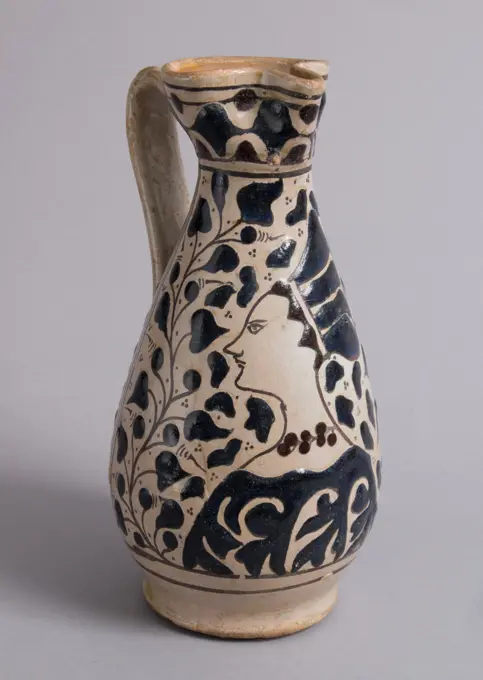
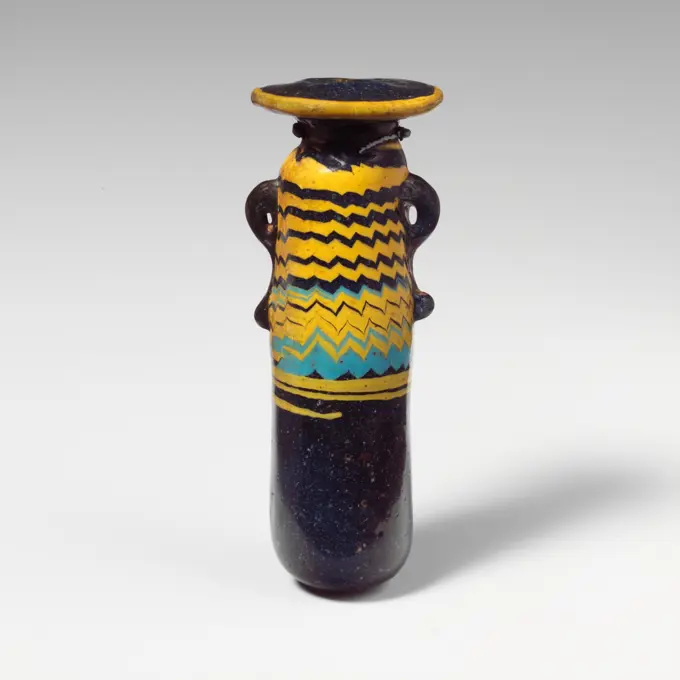
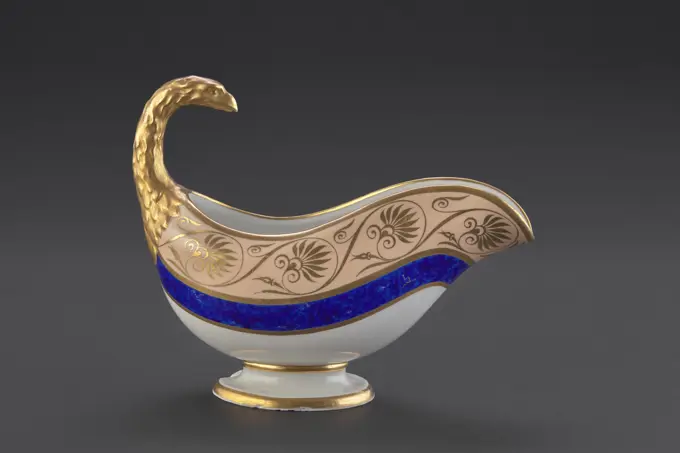
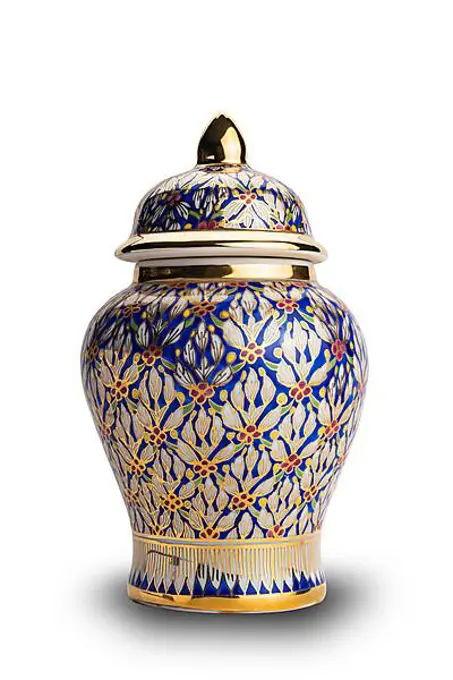
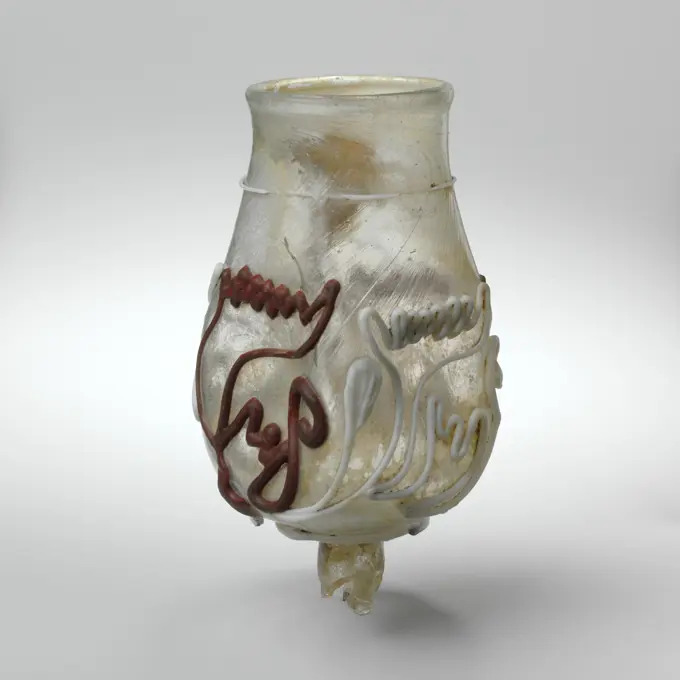
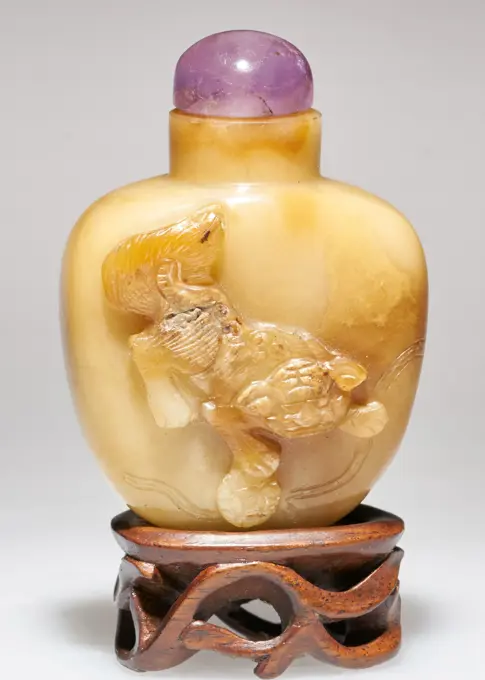
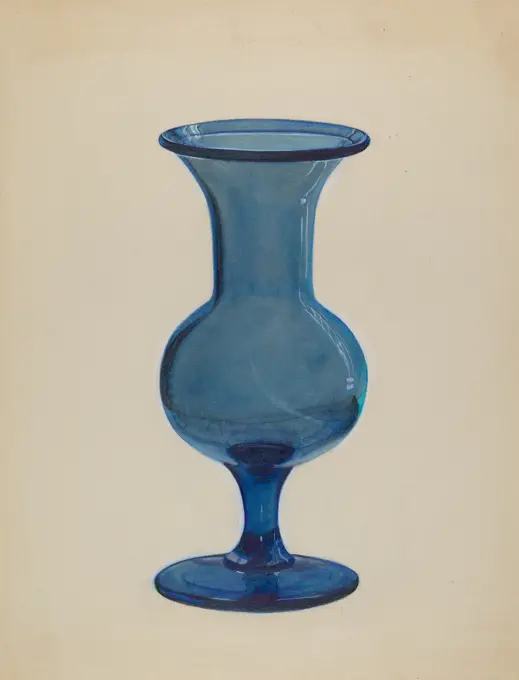
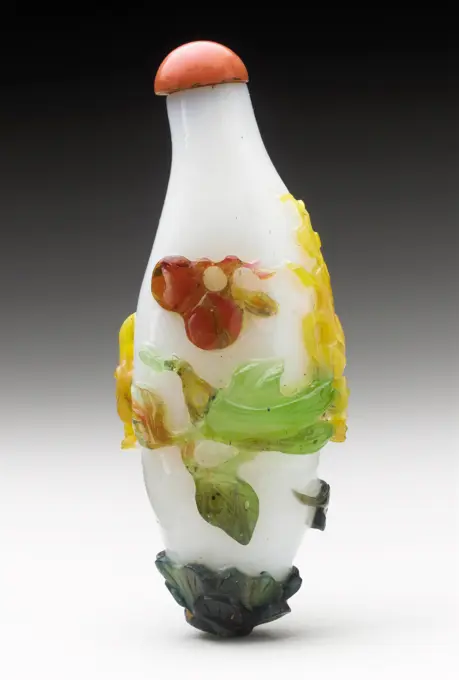
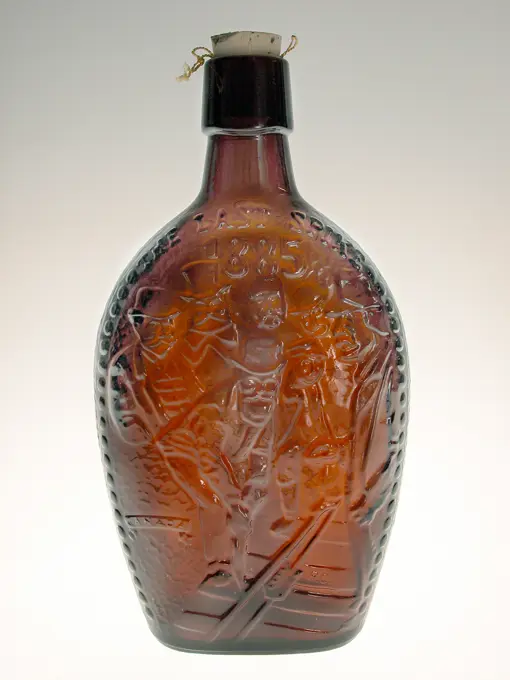
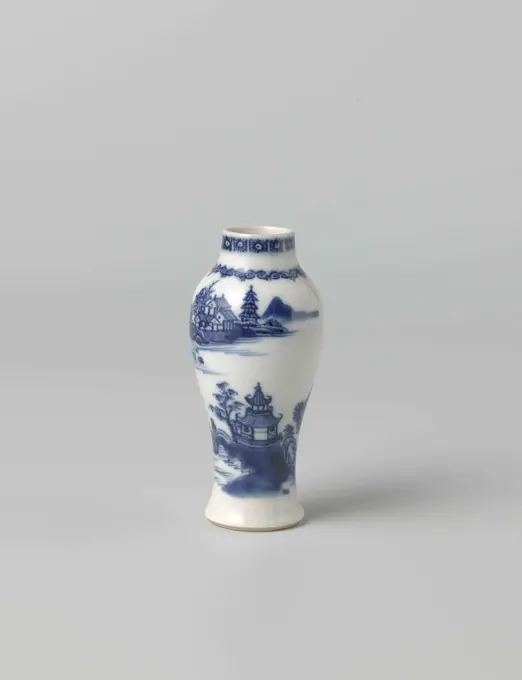
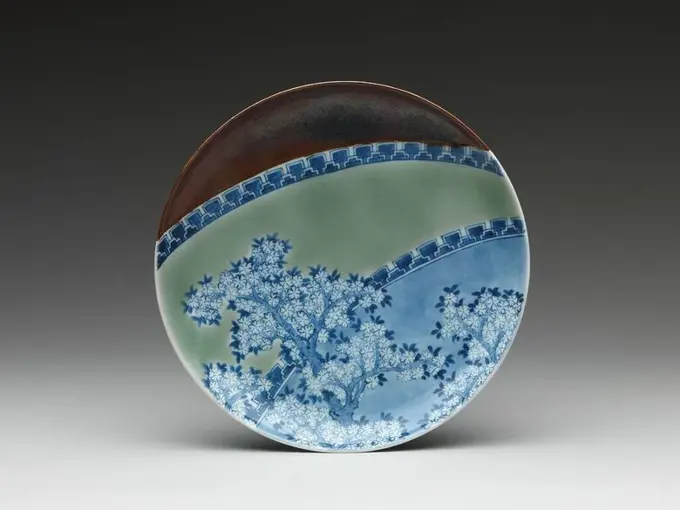
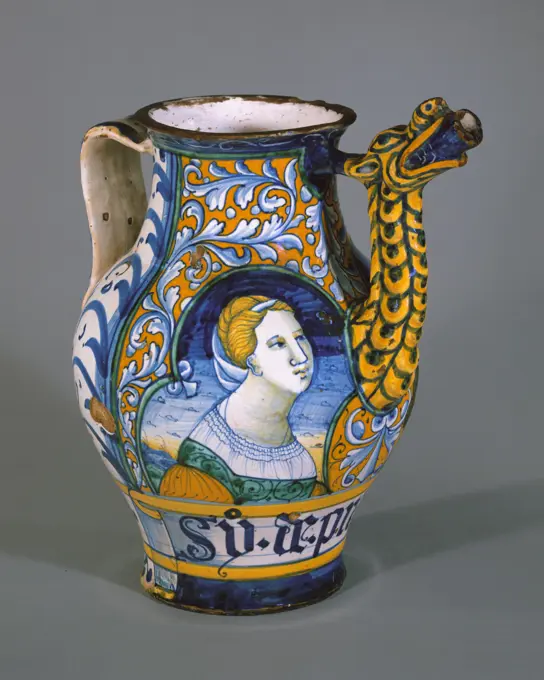
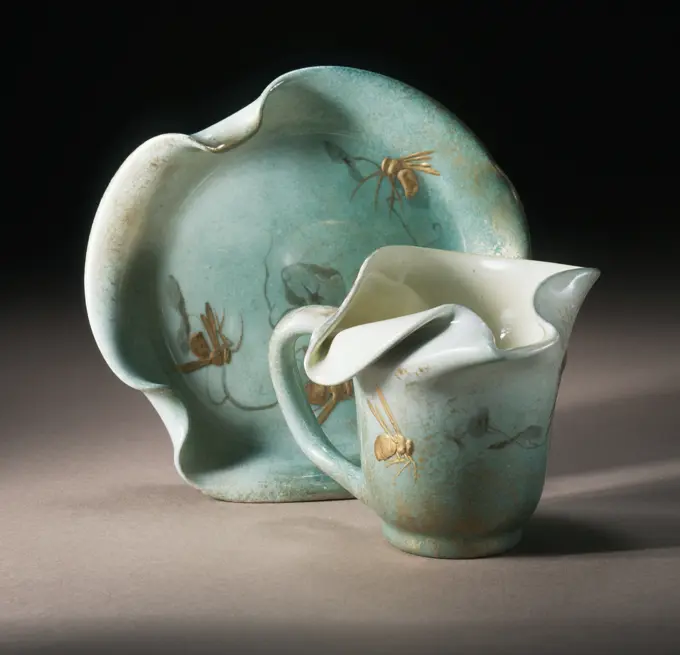
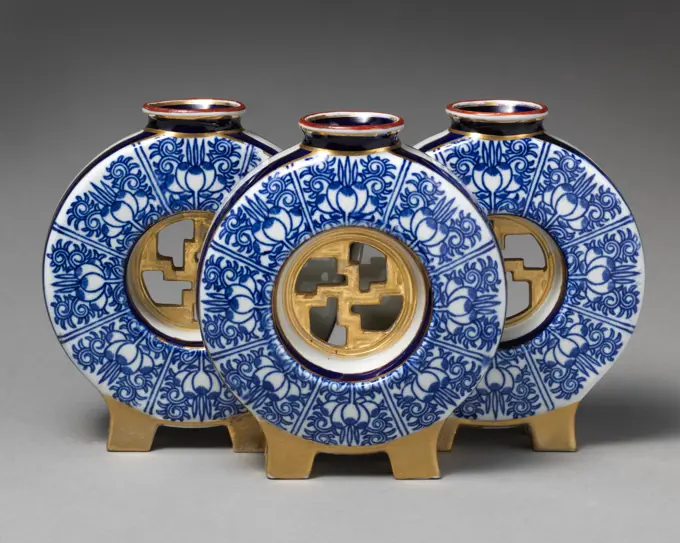
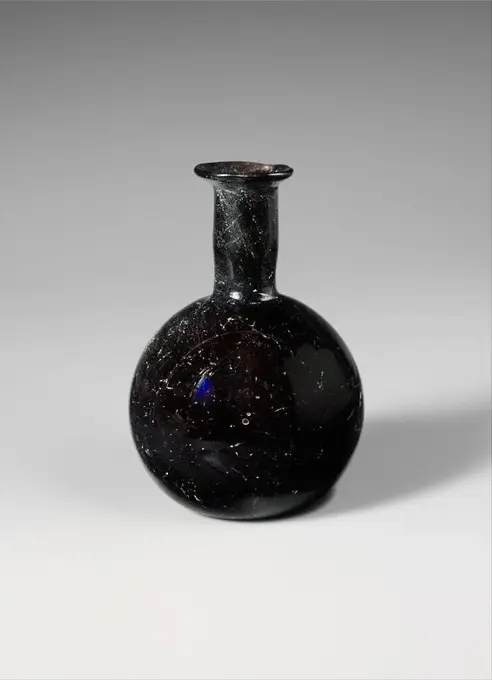
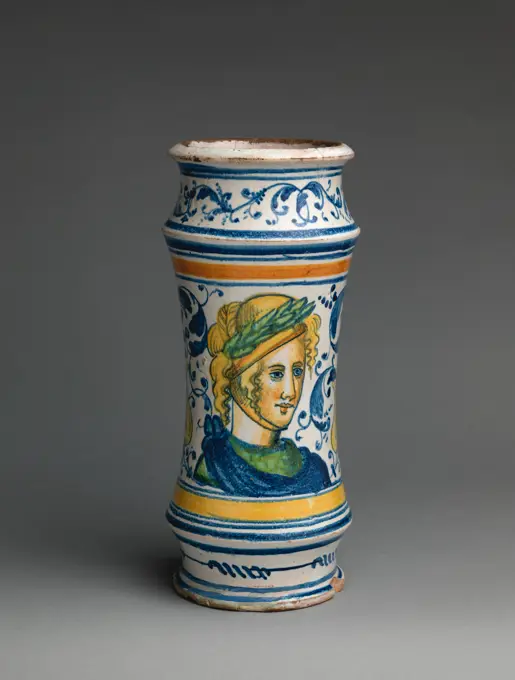
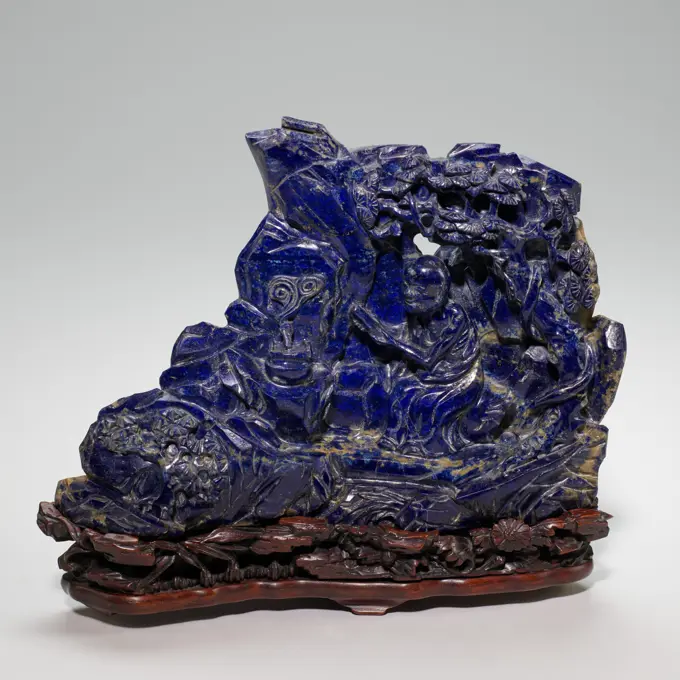
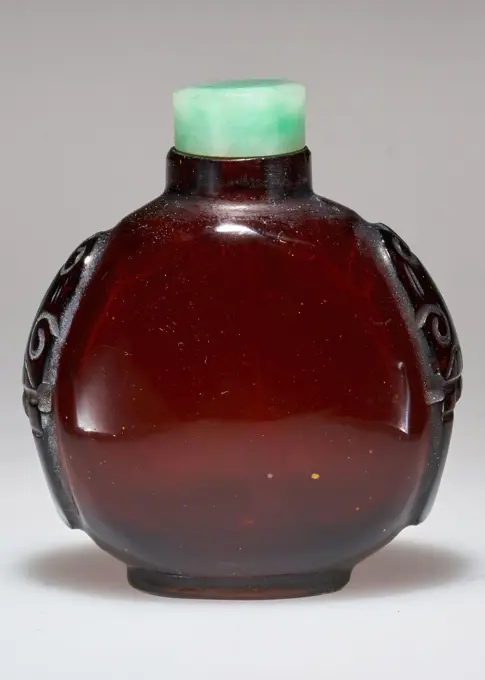
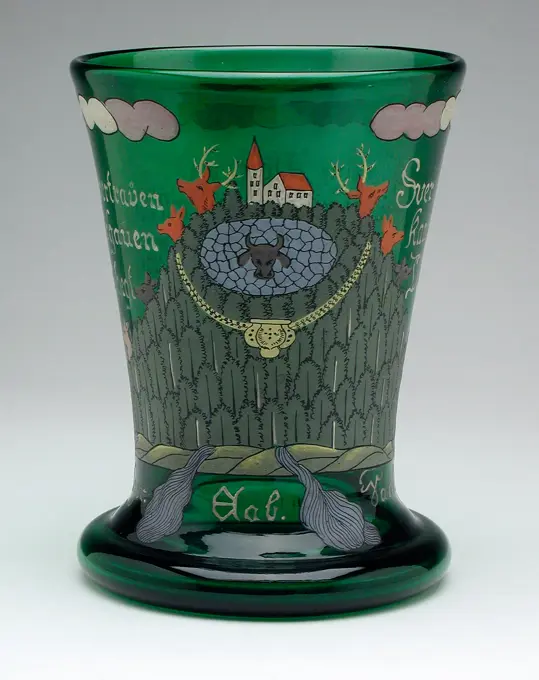
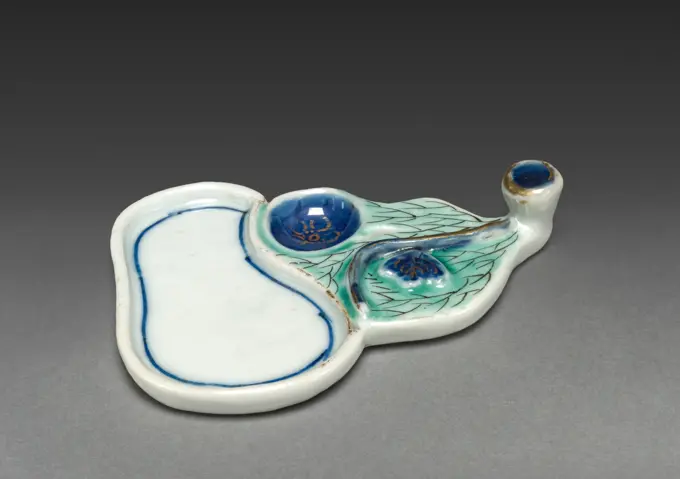
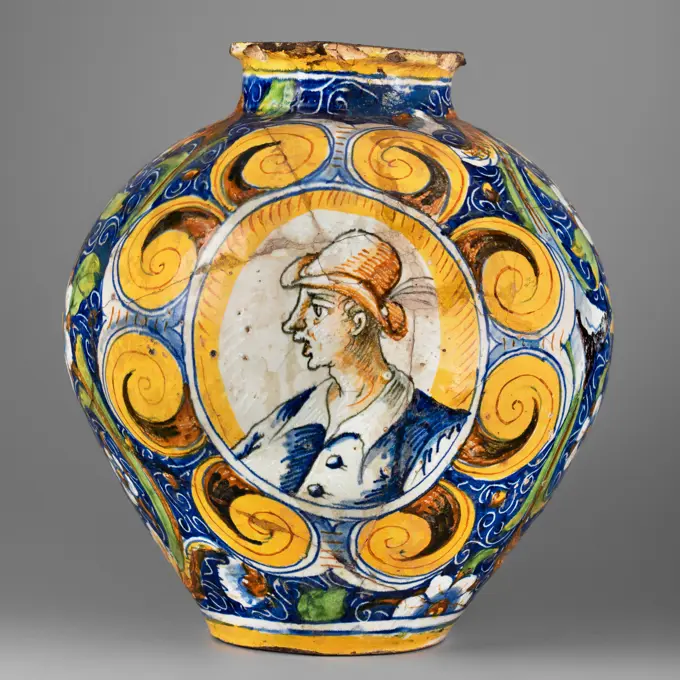
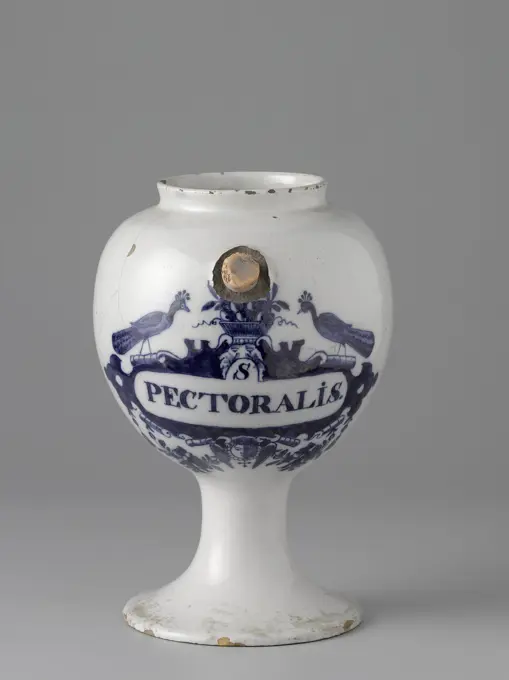
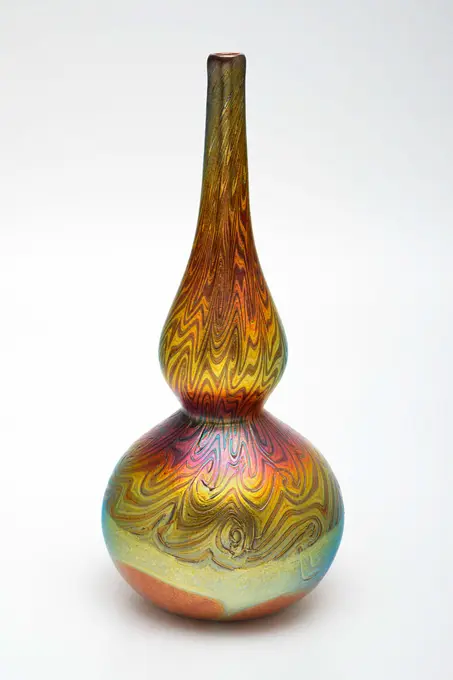
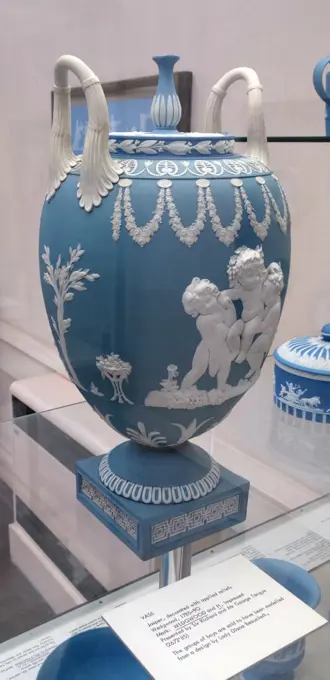
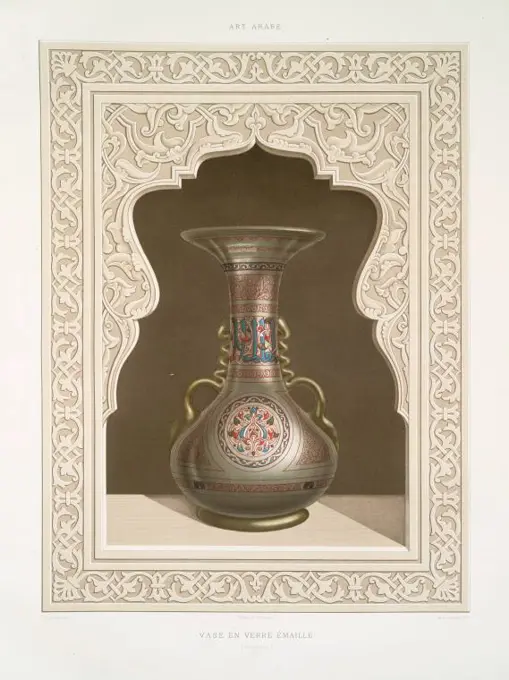
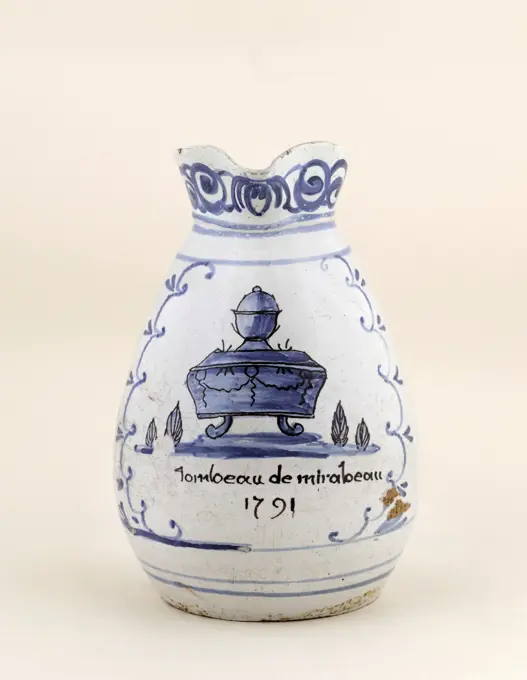
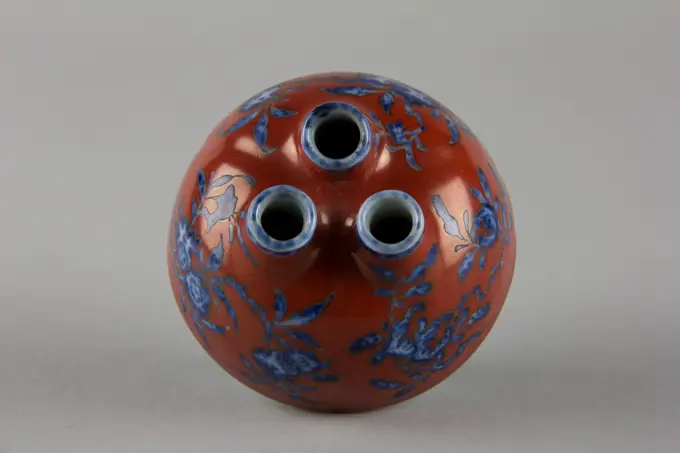
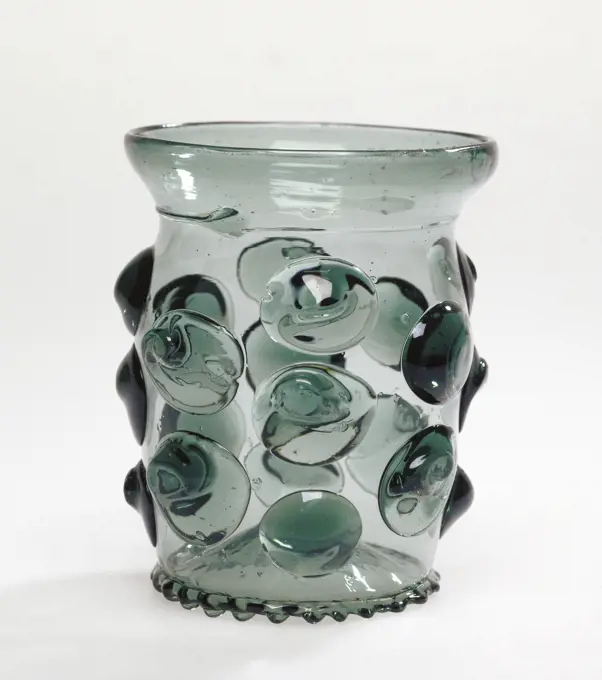
Prunted Beaker (Krautstrunk); Southern Germany, Germany; 1490 - 1530; Free-blown blue-green glass with applied decoration; 10.5 x 8.7 cm (4 1,8 x 3 7,16 in.)Quart Bottle Depicting JennyLind.  Manufacturer: Whitney and Brothers Glassworks  Subject: Johanna Maria Lind, Swedish, 1820-1887. Can of porcelain, painted in underglaze blue. The can be in the form of two swimming ducks, the opened beak of the female forms the spout. Ming porcelain in blue and white.Jar And Cover (Denmark); Produced by Copenhagen Porcelain Manufactory; stoneware, copper, pewterVase from 1628 AD (Ming Dynasty) in an exhibit at the Shanghai Museum, a museum of ancient Chinese art, situated on the Peoples Square in the Huangpu District of Shanghai, China.Faentine 16th Century, Drug jar with the head of a warrior, c 1540 1550 Faentine 16th Century (Central Italian), Drug jar with the head of a warrior, c. 1540/1550, tin-glazed earthenware (maiolica), Corcoran Collection (William A. Clark Collection) 2014.136.32718th century, Mughal Powder bowl from Kashmir, India.Lid of milk jug in the form of a monkey, anonymous, c. 1760 - c. 1780 Faïence's milk jug, in the form of a drinking monkey. On his stomach the inscription: Kees is good he gives milk in overfloet if you do his belly full. Delft . Faïence's milk jug, in the form of a drinking monkey. On his stomach the inscription: Kees is good he gives milk in overfloet if you do his belly full. Delft .Ralph Atkinson, Pinch Vase, c 1936 Pinch VaseSnuff Bottle, 1800-1900, 2 1/2 x 1 7/8in. (6.4 x 4.8cm), Cinnabar lacquer, ivory, ChinaChocolate Pot 1770-1805 France. Lead-glazed earthenware (faience) .Vase Decorated with Sunflowers, 1899. John D. Wareham (American, 1871-1954), Rookwood Pottery Company (American, established 1880). Earthenware; overall: 27 x 19.3 cm (10 5/8 x 7 5/8 in.).Flask late 18th-early 19th century British, possibly Nailsea. Flask. British, possibly Nailsea. late 18th-early 19th century. Glass. GlassCovered honey pot. Culture: American. Dimensions: H. 5 1/2 in. (14 cm); Diam. 5 in. (12.7 cm). Manufacturer: Manufactured by Ott and Brewer (1871-1893). Date: 1882-90. Museum: Metropolitan Museum of Art, New York, USA.Glass alabastron (perfume bottle) late 4th-early 3rd century B.C. Greek, Eastern Mediterranean Opaque light turquoise green, with handles in same color; trails in opaque white and opaque yellow.Broad, flat rim-disk, slanting to one side; short cylindrical neck; almost imperceptible sloping shoulder; straight-sided cylindrical body, tapering upward; uneven pushed-in bottom; at top of body, two lug handles, applied over trail pattern, both with tooled upward indents.A yellow trail attached to edge of rim-disk; another yellow trail and a white trail, applied after the yellow, wound spirally from top of body in alternate lines down to edge of bottom; both tooled, forming almost vertical indents in sides of body, with alternating upward and downward strokes, making a close-set zigzag pattern on lower half of body.Broken and repaired around middle of body, with cracks and some small holes; dulling and small patches of iridescent milky weathering and encrustation mainly around neck and rim-diVaseAlbarello, painted multi-colored with two cartouches in which a man's portrait; The one with hat and beard, the other with a keen profile .. Pot of multi-colored painted majolica, with stenced neck and foot. Two cartouches are painted on the pot in which a man's portrait and profile. One man carries a hat and has a sharp profile and a beard. The other man carries a hat and has a keen profile. Blears, spirals and large serrated leaves are painted between the cartouches.Beaker (part of a garniture) ca. 1765-70 Bow Porcelain Factory British. Beaker (part of a garniture). British, Bow, London. ca. 1765-70. Soft-paste porcelain. Bow Porcelain Factory (British, 1747-1776). Ceramics-PorcelainSmall vase. Inaba Nanaho (commercial name of Kin'unken) (1871-1991), workshopJug with Finely-Dressed Woman 1430s Central Italian This elongated jug displays a bust-length image of a woman in profile set against sprays of foliage. She wears a high headdress, beaded choker, and brocaded dress typical of 1430s Italian court fashions, which are well documented in the paintings and drawings of Pisanello. Columns of stacked bell-shapes flank the handle. A pattern of dots and diamonds embellish the spout. A stylish witness to the elegant court culture in which such jugs were used, this work is decorated with a deep blue pigment of cobalt oxide, known as zaffera, developed by late medieval potters in central Italy.. Jug with Finely-Dressed Woman. Central Italian. 1430s. Tin-glazed earthenware. Made in Viterbo, Lazio, Italy. Ceramics-PotteryGlass alabastron (perfume bottle) late 6th-5th century B.C. Greek, Eastern Mediterranean Translucent blue, streaked with reddish purple, with handles in same color; trails in opaque yellow and opaque turquoise blue.Broad, uneven horizontal rim-disk, with slightly raised edge around mouth, extending down over top of neck and trail decoration; short cylindrical neck; uneven rounded shoulder; straight-sided cylindrical body; convex bottom; two vertical ring handles with knobbed tails, applied over trail decoration.Yellow trail attached at edge of rim-disk; a second yellow trail applied on neck and wound unevenly down in a spiral, then tooled into a close-set zigzag pattern; halfway down pattern a turquoise blue trail is added, mingling with yellow; immediately below this, a third fine yellow trail wound horizontally three and a half times around body.Intact; slight dulling and some pitting holes.Glass vessels such as these first appeared in the Greek world late in the sixth century B.C. TSmall, cylindrical bottle vase with flower sprays and precious objects, anonymous, c. 1680 - c. 1720 Small cylindrical, bottle -shaped vase of porcelain with straight neck and a flat edge, painted in under -glaze blue. The wall is modeled in six compartments filled with a flower branch; On the shoulder valuables (pearl, window, artemisia leaf), on the neck a band with curly motif and dots. Marked on the underside with a Chinese character. Craqueled glaze. Blue White. China porcelain. cobalt (mineral). glaze painting / vitrification Small cylindrical, bottle -shaped vase of porcelain with straight neck and a flat edge, painted in under -glaze blue. The wall is modeled in six compartments filled with a flower branch; On the shoulder valuables (pearl, window, artemisia leaf), on the neck a band with curly motif and dots. Marked on the underside with a Chinese character. Craqueled glaze. Blue White. China porcelain. cobalt (mineral). glaze painting / vitrificationBowl with Lid second half 13th century Marvered glass, a technique practiced in antiquity, regained popularity in the Ayyubid and Mamluk periods. The glassmaker applied a spiraling trail of white glass to an inflated darkglass bubble, then dragged a tool across the trails creating a feathered pattern, and finally rolled the piece over a slab (marver), pressing the trail into the body.. Bowl with Lid 447912Pair of round, flat bodied bottles. Culture: British. Designer: Christopher Dresser (British, Glasgow, Scotland 1834-1904 Mulhouse). Dimensions: Overall (.1, confirmed): 10 3/8 × 8 1/4 × 4 3/16 in. (26.4 × 21 × 10.6 cm);Overall (.2, confirmed): 10 1/8 × 7 15/16 × 4 in. (25.7 × 20.2 × 10.2 cm). Manufactory: Minton(s) (British, Stoke-on-Trent, 1793-present). Date: ca. 1870-80.These flask vases are examples of Christopher Dresser's Asian-inspired Minton "cloisonné" ware. Museum: Metropolitan Museum of Art, New York, USA.Garden Seat 16th century China. Garden Seat 50483Sauceboat; Koenigliche Porzellan Manufaktur (KPM; Berlin; 1763-1918); approx. 1800 (1832-00-00-1850-00-00);Colorful Thai style porcelain, Benjarong, isolated on white background with clipping path. The precious souvenir of Thailand, design in five colorsGlass goblet with snake-thread decoration 3rd century A.D. Roman Colorless; trails in opaque white and opaque brownish red, with one red trail starting in translucent greyish green.Slightly everted rim, folded over and in; body expanding downwards, then curving in sharply; solid, cylindrical stem.On body, four indents in side, making squarish shape; one horizontal white trail wound once around upper body; another horizontal white trail wound once around stem on undercurve; over indents on side, four separate snake-thread trails, alternately in white and red, but all in a similar abstract design, starting at left with a horizontal squiggle at top and ending in a long hooked loop at right.Broken with part of stem and all of foot missing, parts of top trail missing, and two internal cracks in side; many pinprick bubbles and blowing striations; slight dulling and iridescence on exterior, patches of thick creamy brown weathering on interior.Snake thread vase with foot; opaque threads.. GlasMeissen Manufacture. Sucrier with decor called snowball. Hard porcelain, polychrome enamels. 2nd quarter of the 18th century. Museum of Fine Arts of the City of Paris, Petit Palais. Faience, table service, sugar room, dishes, 18th 18th 18th 18th 18th 18th 18th centuryVase Vase; Manufactured by Rookwood Pottery (United States); Decorated by Edward Timothy Hurley (American, 1869-1950); USA; stonewareMilk jug in the form of a monkey. Milkus from Faïence, in the form of a drinking monkey. On his belly The inscription: Kees is Goet He gives milk into overflower if your stomach is doing.Lid of milk jug in the form of a monkey. Lid of milk jug from Faïence, in the form of a drinking monkey. On his belly The inscription: Kees is Goet He gives milk into overflower if your stomach is doing.Snuff Bottle, 19th century, 2 1/4 x 1 3/4in. (5.7 x 4.4cm), Agate, amethyst, China, 19th centuryBow Porcelain Manufactory, Frill-Vase and Cover, c. 1760-65, soft-paste porcelain.American 20th Century, Vase, 1935 1942 VaseThe Herend porcelain manufactory, here a small selection of the porcelain products on 26.10.1993 in Iserlohn, is one of the most important manufactories in Europe, DEU, Germany, EuropeFunnel with a Brown Glaze and Ruyi Border. Funnel of porcelain with a round-walled cup, thickening and cylindrical stem, painted in underglaze blue and brown. The cup with a ruyi motif band with curlwork; around the handle a decorative pattern; The handle with dark brown glaze. Monochrome brown with blue and white.Bottle-Shaped Vase. China. Date: 1723-1735. Dimensions: H. 14.7 cm (5 13/16 in.); diam. 7.5 cm (2 15/16 in.). Ge-type ware; porcelain with crackled grey glaze. Origin: China. Museum: The Chicago Art Institute, Chicago, USA.Porcelain candlestick painted with birds and flowers, N.V. Haagsche Plateel Factory Rozenburg, 1903 Candlestick of square shape, with walls rejuvenating upwards that turn into a wider and around part with opening for the candle. Something excellent mouth rim. Multicolored painted with birds and flowers in a decorative diagram. The Hague porcelain Candlestick of square shape, with walls rejuvenating upwards that turn into a wider and around part with opening for the candle. Something excellent mouth rim. Multicolored painted with birds and flowers in a decorative diagram. The Hague porcelainVase with a display of antiques late 17th-early 18th century China. Vase with a display of antiques 47587Snuff Bottle, 1750-1850, 3 5/8 x 1 1/2in. (9.2 x 3.8cm), Glass, ChinaSnuff Bottle (Biyanhu) with Praying Mantis, Bats and Fruit. China, middle Qing dynasty, about 1700-1800. Tools and Equipment; bottles. Five-color overlay glass with carved decoration, coral stopperCommemorative bottle - The Last Spike / Le Dernier Tronçon Dominion Glass Company Dominion Glass CompanyGlass cylindrical bottle Roman late 1st-2nd century CE Colorless.Rim folded out, down, round, and in, flattened on top surface and forming a slight constriction to mouth with off-center oval opening; short cylindrical neck with tooling marks around base; slanting shoulder with rounded lower edge; cylindrical body, tapering downwards; pushed-in bottom.Intact; severe weathering and pitting, with areas of creamy white weathering and brilliant iridescence. View more. Glass cylindrical bottle. Roman. late 1st-2nd century CE. Glass; blown. Early to Mid Imperial. Glass. Faience lid pot. Blue painted with floral decorations. Part of cabinet set, consisting of three lid pots and two trolleys.Baluster Jar With River Landscape. Baluster-shaped pot (lid missing) of porcelain, painted in underglaze blue. On the wall a river landscape with people, rocks, trees, pavilions and a boat; On the shoulder a bond with curl work, around the neck a decorative band. Cracked glaze. Blue White.Vase ca. 1700 Chinese, for Dutch market The design of the handles is derived from Dutch versions of 16th-18th century "winged" glasses.. Vase. Chinese, for Dutch market. ca. 1700. Hard-paste porcelain. Ceramics-Porcelain-ExportDish with Cherry Blossoms and Textile Curtains. Culture: Japan. Dimensions: H. 1 5/8 in. (4.1 cm); Diam. 7 3/4 in. (19.7 cm). Date: ca. 1670-90.The design on this dish is painted in the classic tricolor palette of polychrome Nabeshima ware: cobalt blue, light green celadon, and a rust-red iron glaze. This almost abstract image shows a spray of cherry blossoms, a flower closely associated with Japan, against the backdrop of a multicolored curtain. Nabeshima ware was a specialty product reserved for the military rulers and nobles of Japan, so it was expected to be distinct from the porcelain sold to the general public, as well as more sophisticated. Therefore, the production of this type of porcelain was carried out at a separate kiln from those making commercial porcelain, in order to keep the techniques and designs secret. Museum: Metropolitan Museum of Art, New York, USA.Close-up of a decorative pottery vase in unique patternEwer in the shape of two ducks with a lotuspetal-shaped cover, anonymous, c. 1500 Can of porcelain, painted in under -glaze blue. The jug is in the form of two swimming ducks, the open beak of the female forms the spout; The lid is in the form of an inverted Lotus leaf with a slightly raised, lobed edge. Ming porcelain in blue and white. China porcelain. glaze. cobalt (mineral) painting / vitrification Can of porcelain, painted in under -glaze blue. The jug is in the form of two swimming ducks, the open beak of the female forms the spout; The lid is in the form of an inverted Lotus leaf with a slightly raised, lobed edge. Ming porcelain in blue and white. China porcelain. glaze. cobalt (mineral) painting / vitrificationBottle 1835-1855 Bohemia. Amber glass .Vase (USA); Produced by Tiffany Glass and Decorating Company; Design Director: Louis Comfort Tiffany (American, 1848-1933); mold-blown favrile glassSnuff bottle with Buddhist emblems. Culture: China. Dimensions: H. 2 7/8 in. (7.3 cm).The parasol and flaming jewel carved deeply into the surface of this object are two of eight auspicious emblems introduced to China with Buddhism. Museum: Metropolitan Museum of Art, New York, USA.Bottle-shaped Vase, 1662-1722. China, Qing dynasty (1644-1911), Kangxi reign (1661-1722). Porcelain with underglaze decoration; diameter: 21 cm (8 1/4 in.).Pair of flacons Kunckel, J.Tea Canister, the Greek A, c. 1715 - c. 1725 Rectangular tea bus with lid multicolored (blue, red, gold and black) painted with a bird in a ring, lambrequins and flower branches. Marked in red. Delft . Rectangular tea bus with lid multicolored (blue, red, gold and black) painted with a bird in a ring, lambrequins and flower branches. Marked in red. Delft .American Flint Glass Works, Pocket Bottle, c. 1770, amethyst glass.Gourd-Shaped Vase. Adrien-Pierre Dalpayrat; French, 1844-1910. Date: 1893-1900. Dimensions: 36.8 × 10.8 cm (14 1/2 × 4 1/2 in.) (at base). Glazed stoneware. Origin: France. Museum: The Chicago Art Institute, Chicago, USA. Author: Adrien Pierre Dalpayrat.Cylindrical vase with powder blue and a chinese lady on a terrace. Trolley vase of porcelain with flat shoulder, straight neck and flared edge, painted in underglaze blue and on the glaze blue, red, green, yellow, eggplant, black and gold. The wall is covered with bleu poudré (powder blue) with two rectangular reserves with squeezed corners, the one filled with a Chinese lady with broom on a terrace with a sofa, surrounded by rocks and plants, the other with a Chinese lady with a twig and a range in a fenced garden with a sofa and stool surrounded by rocks, plants and a tree; Around the courses a decoration in gold, between the boxes a flower vase, around the foot curling, on the shoulder a Swastika pattern interspersed with boxes filled with antiques, on the neck flower branches. The edge is broken. Bleu poudré with famille verte.Snuff bottle in the shape of a butterfly. Culture: China. Dimensions: H. 2 1/2 in. (6.4 cm). Date: 19th century.The butterfly is cherished for its beauty and is a common theme, associated with joy and delight, in Chinese art. Fashioning an object such as this snuff bottle into the shape of a butterfly exemplifies the skill and imagination of the designer. Museum: Metropolitan Museum of Art, New York, USA.Vase first half of the 19th century China. Vase. China. first half of the 19th century. Porcelain with turqoise-blue glaze (Jingdezhen ware). Qing dynasty (1644-1911). CeramicsVase in the form of a mosque lamp, c. 1870, Joseph-Théodore Deck, French, 1823-1891, 14 1/4 x 10 x 10 in. (36.2 x 25.4 x 25.4 cm), Tin-glazed earthenware, France, 19th century, Théodore Deck's interest and skill in reproducing traditional Persian designs and colors is seen with this vase. It is decorated in arabic lettering and the vivid turquoise blue color often associated with Isnik wares. In fact, the form of this vase is inspired by Islamic mosque lamps made in Syria and Egypt during the 14th century. Ancient objects and motifs from the Middle East proved to be popular sources for decorative objects during the Aesthetic Movement.Bottle 17th-18th century Italian, Venice (Murano). Bottle. Italian, Venice (Murano). 17th-18th century. Glass, metal. GlassApothecary jar (orciuolo) ca. 1520 Italian, Castelli. Apothecary jar (orciuolo). Italian, Castelli. ca. 1520. Maiolica (tin-glazed earthenware). Ceramics-PotteryGarden hundred;  19th century (1900-00-00-1900-00-00);Far Eastern decorations, flowers, birdsImperial Eagle Beaker (Reichsadlerhumpen). UnknownVessel in the shape of a bird with archaic designs. Culture: China. Dimensions: H. 4 1/4 in. (10.8 cm); H. incl. base 5 5/8 in. (14.3 cm). Date: 18th-19th century. Museum: Metropolitan Museum of Art, New York, USA.Dagger Hilt for a Young Prince. India, Mughal empire, late 17th century. Arms and Armor; hilts. White nephrite jadeAlcohol pourse. Porcelain dressed in polychrome glazes. Cernuschi Museum, Asia Museum of Asia in the city of Paris.Maker, attributed to: Henry William Stiegel, American, 1729-1785, Perfume or toiletbottle, Amethyst blown flint glass, 4 13/16 × 3 13/16 × 2 7/8 in. (12.3 × 9.7 × 7.3cm), Probably made in Pennsylvania, American, 18thcentury, Containers -GlassDecanter, 18th-19th century, 6 3/8 x 2 3/4 in. (16.2 x 6.99 cm), Half pint blown moulded with stopper, blue glass, United States, 18th-19th centuryTriple moon flask with fretwork center (one of a pair) Worcester factory British ca. 1880 After the end of the Flight, Barr & Barr ownership of the Worcester factory in 1840, the firm went through a succession of owners and mergers before falling under the ownership of Kerr & Binns in 1852. During the partnership, the factory sought to rebuild its former eighteenth-century reputation in porcelain and known for Renaissance-inspired designs. With the establishment of the Royal Worcester Porcelain Company in 1862, the company gradually gained recognition for its Japanese-inspired designs, which formed part of Japonisme, a collective fascination with Japan that took place in Europe and the United States following the opening of Japanese markets to the West by Commodore Perry in 1853. View more. Triple moon flask with fretwork center (one of a pair). British, Worcester. ca. 1880. Bone china. Ceramics-PorcelainDistorted Form with Bees Teacup and Saucer. Clément Massier (France, Vallauris, 1844-1917)Faïences d'Art (France, Golfe-Juan). France, circa 1890. Furnishings; Serviceware. Earthenware with hand painted and gilt decorationTriple moon flask with fretwork center (one of a pair) ca. 1880 Worcester factory After the end of the Flight, Barr & Barr ownership of the Worcester factory in 1840, the firm went through a succession of owners and mergers before falling under the ownership of Kerr & Binns in 1852. During the partnership, the factory sought to rebuild its former eighteenth-century reputation in porcelain and known for Renaissance-inspired designs. With the establishment of the Royal Worcester Porcelain Company in 1862, the company gradually gained recognition for its Japanese-inspired designs, which formed part of Japonisme, a collective fascination with Japan that took place in Europe and the United States following the opening of Japanese markets to the West by Commodore Perry in 1853. Listen to experts illuminate this artwork's story Listen Play or pause #418. Christopher Dresser and the Birth of Industrial Design Supported by Bloomberg Philanthropies We're sorry, the transcript for this audio tracVase China. Vase 47432Glass perfume bottle. Culture: Roman, Cypriot. Dimensions: 3 × 2 1/16 in. (7.7 × 5.3 cm)Diameter: 7/8 in. (2.2 cm)Diam. of rim: 7/8 in. (2.2 cm). Date: 1st century A.D..Translucent deep purple.Plain, rounded rim; small, flaring, funnel-shaped mouth; cylindrical neck, with slight tooling around base; globular body; small, pushed-in bottom.Intact; some bubbles; slight pitting, areas of iridescent weathering, and soil encrustation inside neck. Museum: Metropolitan Museum of Art, New York, USA.Pharmacy jar (albarello) probably ca. 1542 Workshop of Masséot Abaquesne Sporting a laurel wreath and classical drapery, the female figure portrayed on this jar amid scrolling foliage is more detailed than the profile head on the example exhibited nearby, suggesting that this one may not have been part of the very large and more sketchily executed order for pharmaceutical containers placed with Masséot Abaquesne in 1545.. Pharmacy jar (albarello). French, Rouen. probably ca. 1542. Tin-glazed earthenware. Ceramics-PotteryBlue Mountain with Man and Base, 1763-1795, 7 7/8 × 7 7/8 in. (20 × 20 cm), Lapis lazuli, China, 18th centurySnuff Bottle, 17th-19th century, 2 1/2 x 2 1/8in. (6.4 x 5.4cm), Glass, China, 17th-19th centuryOxhead Beaker (Ochsenkopfhumpen). Bohemia, Karlsbad (now Czech Republic), circa 1590-1600. Furnishings; Serviceware. Green glass, enamelInk Palette in the Shape of a Gourd, 1700s to mid-1800s. Japan, Edo period (1615-1868). Porcelain, molded and carved, with underglaze blue and overglaze green and gold enamels;Vase; Venice (ceramic family; Ca 1530-); around 1560 (1555-00-00-1565-00-00);Szwarc, Szymon (1884-197.) - collection, Fiori E frutta (ornament), flowers, portraits, volutes, purchase (provenance), Saint. Francis of Assisi, saintsPorcelain oil bug, anonymous, c. 1665  Diabolov -shaped porcelain jug with narrow neck, light blue -green in color. On the belly in deep blue the letters kpo (= kaja poeti oil) in round frame formed by two bent branches, tied at the bottom with a bow. The foot is finished in a Chinese way. Japan porcelain vitrification  JapanApookers support 'Singeraler', a burn lampet, c. 17000 k. 18000 Pharmacist's pharmacy. Painted with ear and spout and blue with inscription: S / pectoralis Delft . Pharmacist's pharmacy. Painted with ear and spout and blue with inscription: S / pectoralis Delft .Vase model "E 1895". Acquired by S. Bing, Gallery "L'Art Nouveau", at the World's Fair 1900 in ParisSnuff Bottle, 17th-19th century, 2 7/8 x 2 1/8in. (7.3 x 5.4cm), Glass, China, 17th-19th centuryCylindrical vase with powder blue and a woman on a terrace, anonymous, c. 1700 - c. 1720 Porcelain roller wagon with flat shoulder, straight neck and flat edge, painted in underly glaze blue and on the glaze blue, red, green, yellow, eggplant, black and gold. The wall is covered with bleu poudré (powder blue) with two rectangular fields with squeezed corners, one filled with a woman with a twig and fan next to a stool on a terrace with rocks and plants, the other with a woman with a twigje Next to a table in a fenced garden with rocks, plants and a tree; Around the compartments a decoration in gold, between the compartments a flower vase, around the foot curry, on the shoulder a swastika pattern interspersed with compartments filled with antiques, on the neck flower areas. Bleu Poudré with Famle Verte. China porcelain. glaze. cobalt (mineral). gold (metal) painting / vitrification / vitrification Porcelain roller wagon with flat shoulder, straight neck and flat edge, painted in underlyCandlestick. Dimensions: Dimensions unavailable. Date: 1880-90. Museum: Metropolitan Museum of Art, New York, USA.Large Beaker (Humpen). UnknownMoroccan handmade decorated tagine on white backgroundRectangular tea caddy covered with a light blue glaze and antiquities in panels, anonymous, c. 1760 - c. 1770 Rectangular porcelain tea, covered with a light blue/ turquoise glaze and painted on the glaze in blue, red, green, yellow, purple and black. On the wide sides a saved lotus-shaped cartouche with antiques (vases, peacock feathers, ruyi skeptic, scrolls, mushroom (lingzhi), fan, etc.), the narrow sides with beautiful, leaf-shaped cartouche; On the shoulder two medallions saved with stylized flower. The lid with a saved medallion with stylized flower on the top. A crack in the wall. European forms with email colors. China porcelain. glaze. painting / vitrification Rectangular porcelain tea, covered with a light blue/ turquoise glaze and painted on the glaze in blue, red, green, yellow, purple and black. On the wide sides a saved lotus-shaped cartouche with antiques (vases, peacock feathers, ruyi skeptic, scrolls, mushroom (lingzhi), fan, etc.), the narrow sides with beautiful, lePilgrim Flask with Marine Scenes.Bottle (England); Made by John Morriset; gold, enamel; Overall: 3.5 x 1.7 x 1 cm (1 3/8 x 11/16 x 3/8 in.)Vase; Jasper stoneware; decorated with applied reliefs. By Mark Wedgewood; 1785-90. The groups of boys are said to have been modelled from a design by Lady Diana Beauclerk.Contemporary ceramic vases, modern jugs, pots. Home decoration, porcelain pottery with colorful paintings. Decorative elements, collection for interior design, Cartoon vector illustration, icons set. Contemporary ceramic vases, modern jugs, potsVase en verre émaillé (XVIe. siècle). Prisse d'Avennes, 1807-1879. Prisse d'Avennes, 1807-1879. Prints, Drawings. 1877. The Miriam and Ira D. Wallach Division of Art, Prints and Photographs: Art & Architecture Collection. Architecture, Islamic, Architecture , Egypt , Cairo, Art , Egypt , Cairo, Art, Islamic, Islamic decoration and ornament, Decoration and ornament, Islamic, Enameled glass lamps, Islamic. Earring of blue jasperware. The earring is decorated in white with Greek women's figures.Modern vases Modern colorful striped vases isolated over white background Copyright: xZoonar.com/IvonnexWierinkx 7547077Anonymous. Pitcher at the tomb of Mirabeau. Earthenware. 1791. Paris, Carnavalet museum. 72429-52 Phrygian hat, faience, beam, French politician, revolutionary period, pitcher, reunion, French revolution, tomb, three ordersThree-tubed vessel with peaches, pommegranades, and fingered citrons 18th century China. Three-tubed vessel with peaches, pommegranades, and fingered citrons 46708