Ornate Decorative Vases

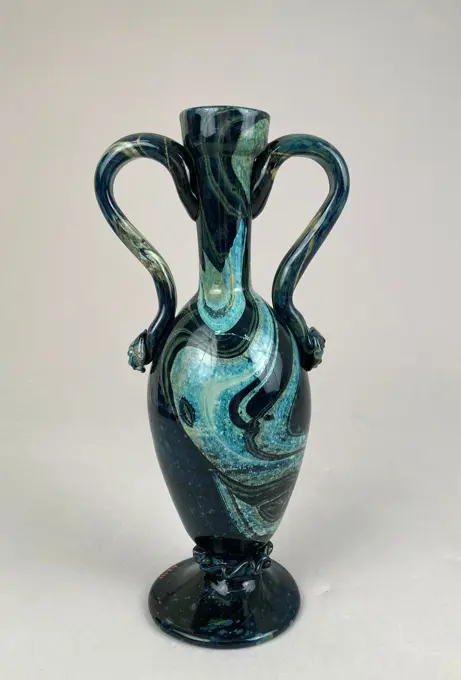
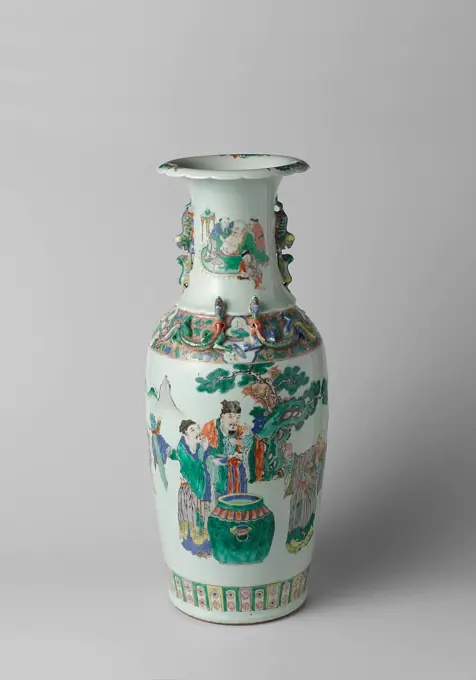
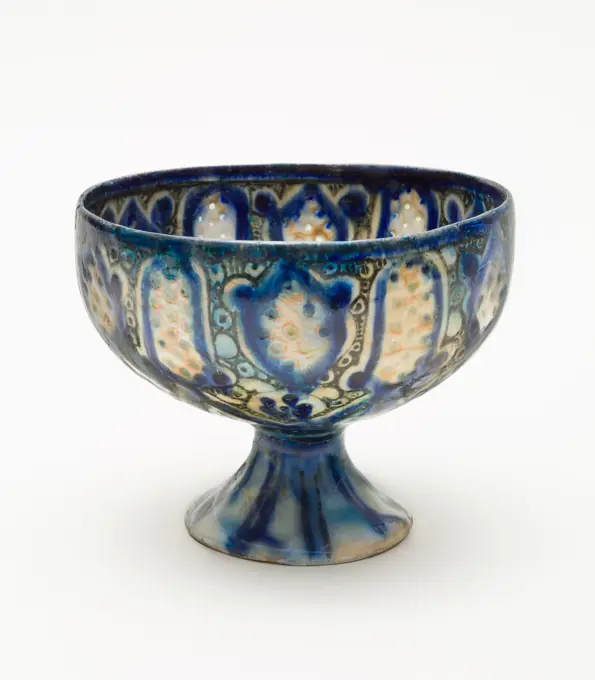
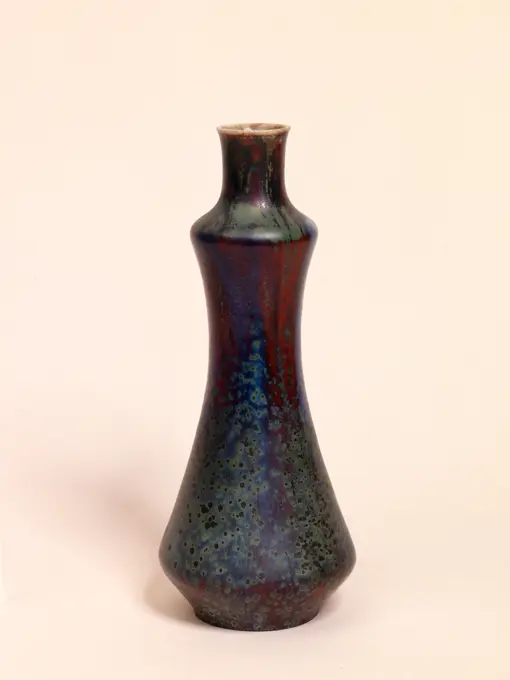
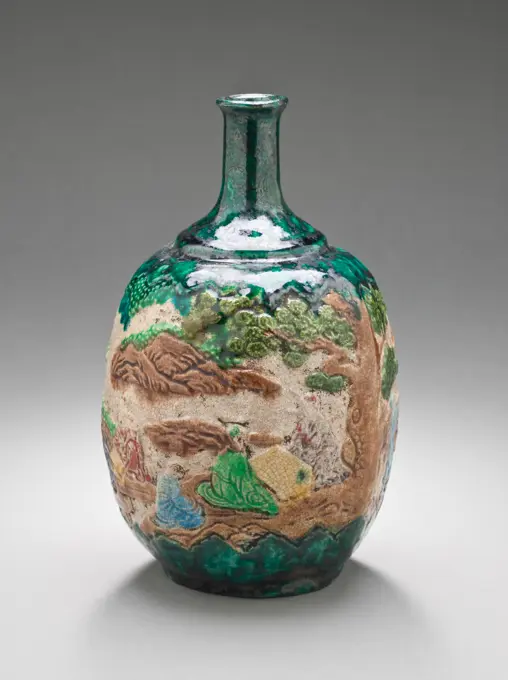
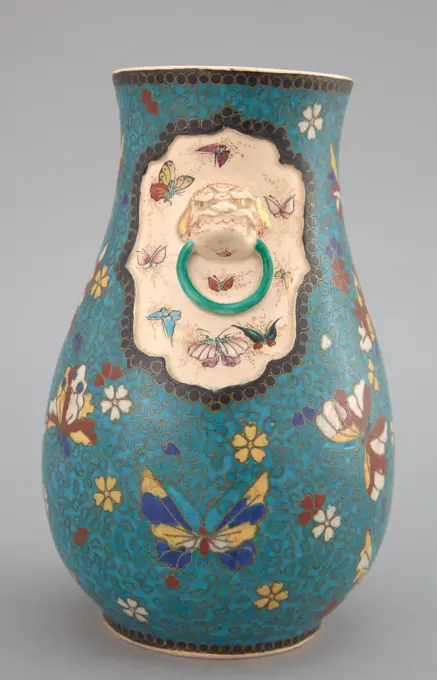
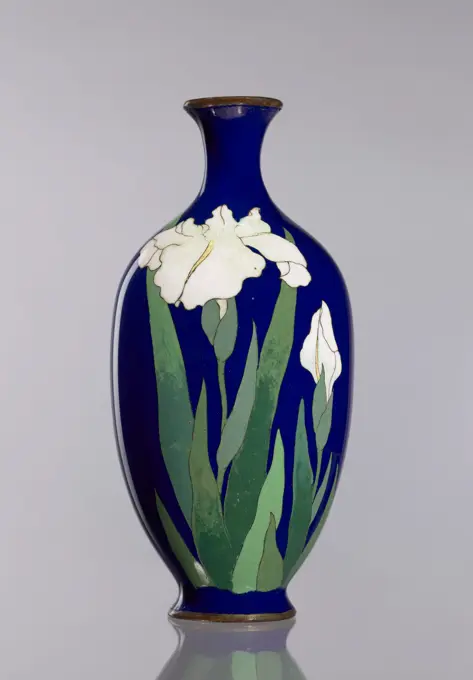
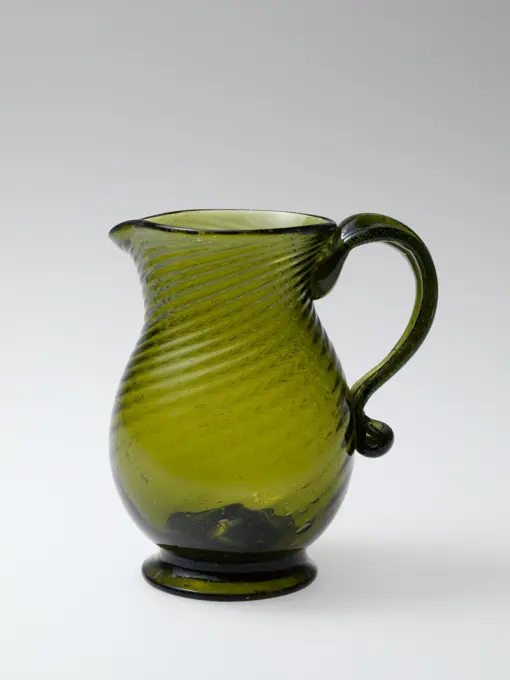
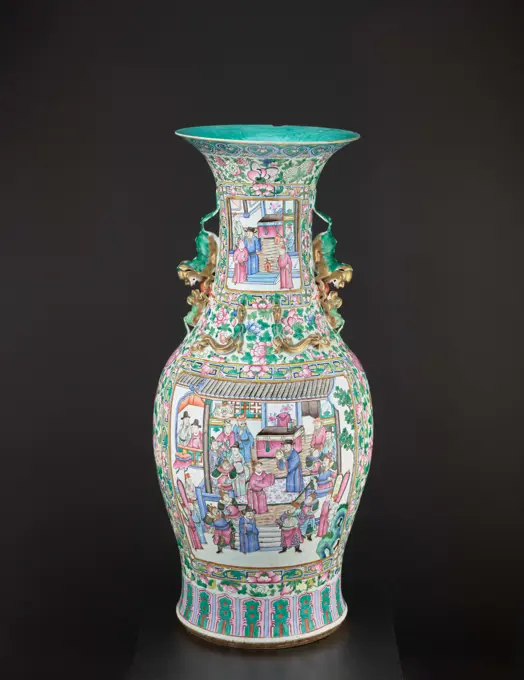
Elegant porcelain vases with intricate designs, showcasing rich colors and artistic craftsmanship, suitable for decor.

Lidded tea caddy, Meissener porcelain manufactory, c. 1735 Tea lid with lid, made of painted porcelain. The bus is hexagonal and completely covered with a brown glaze. The six fields are alternately painted with scenes with Chinese style figures and with two birds on a branch, both in gold. The bus is marked. porcelain company: MeissenAugsburg porcelain Tea lid with lid, made of painted porcelain. The bus is hexagonal and completely covered with a brown glaze. The six fields are alternately painted with scenes with Chinese style figures and with two birds on a branch, both in gold. The bus is marked. porcelain company: MeissenAugsburg porcelain
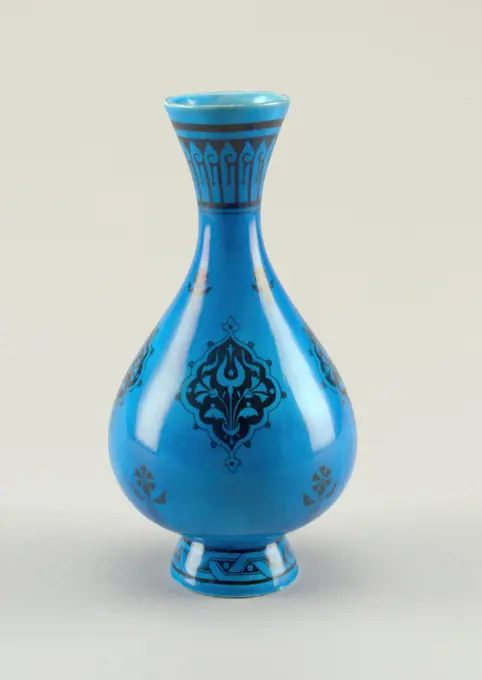
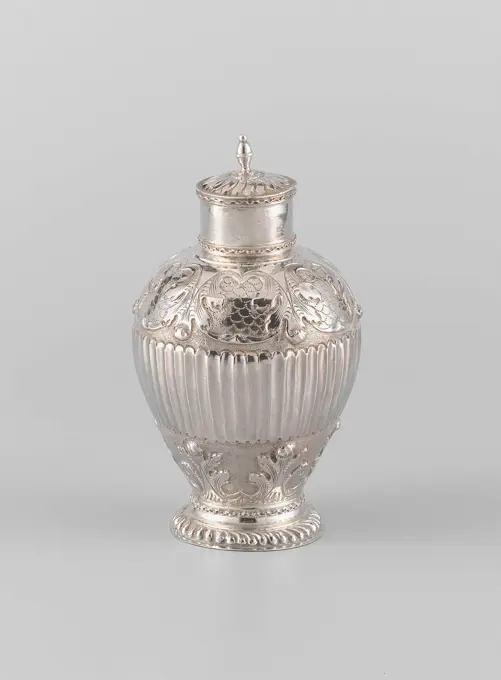
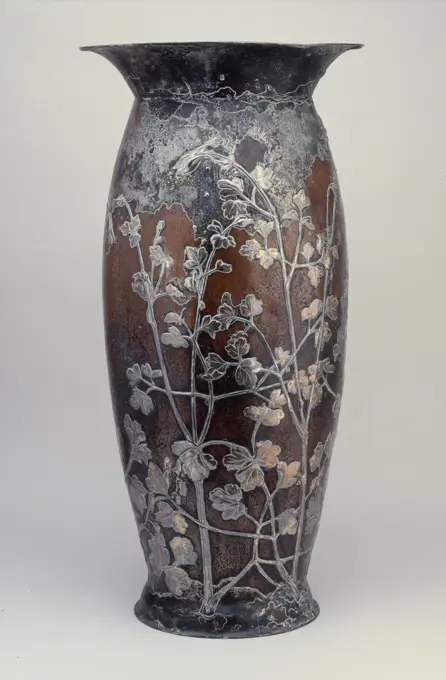
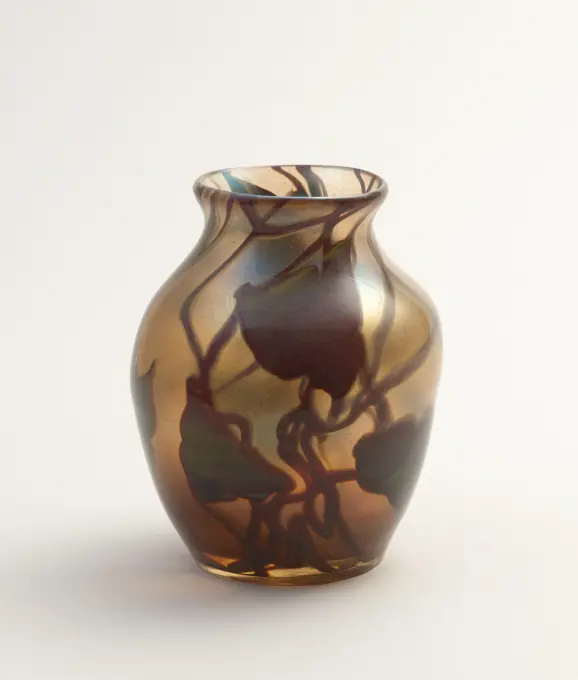
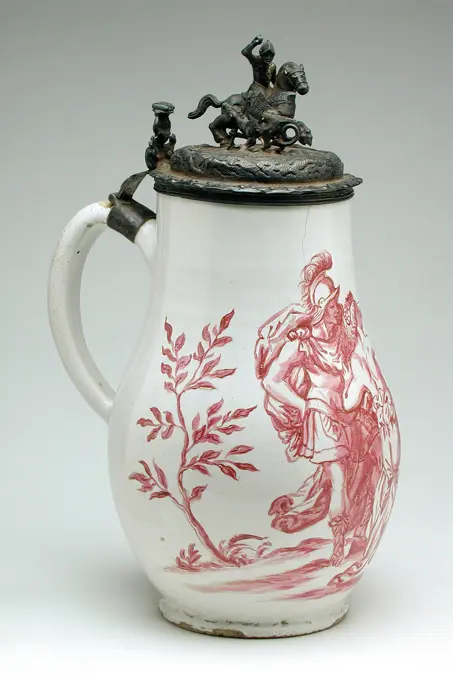
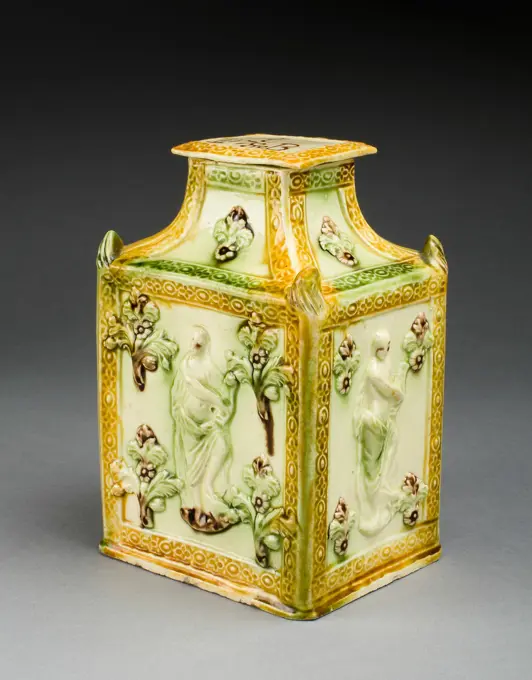
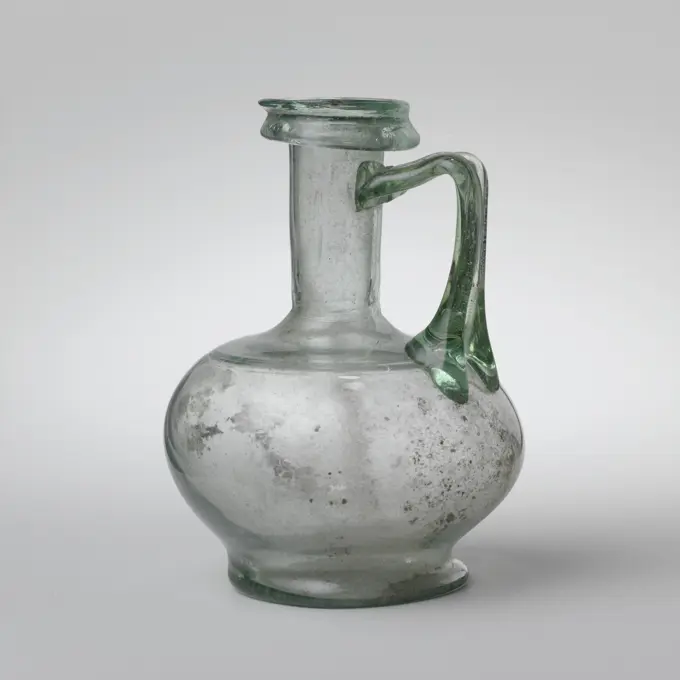
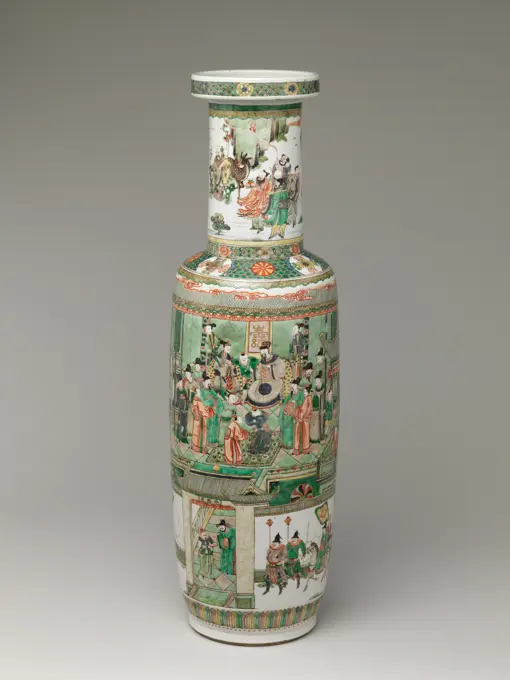
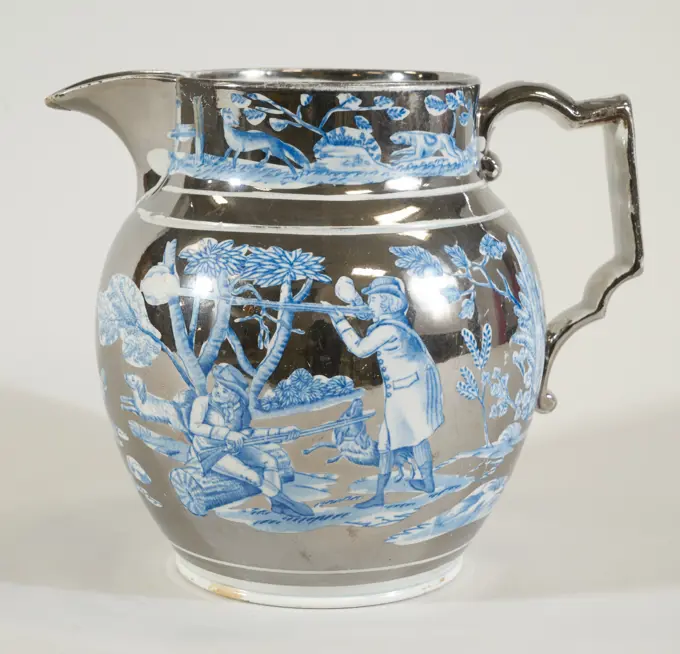
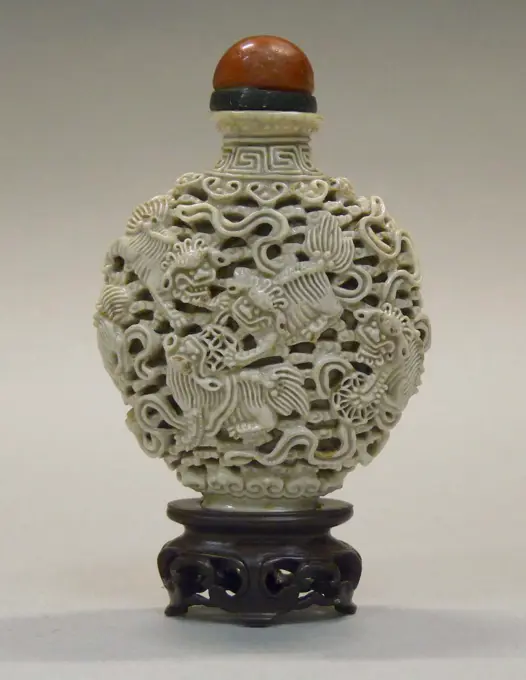
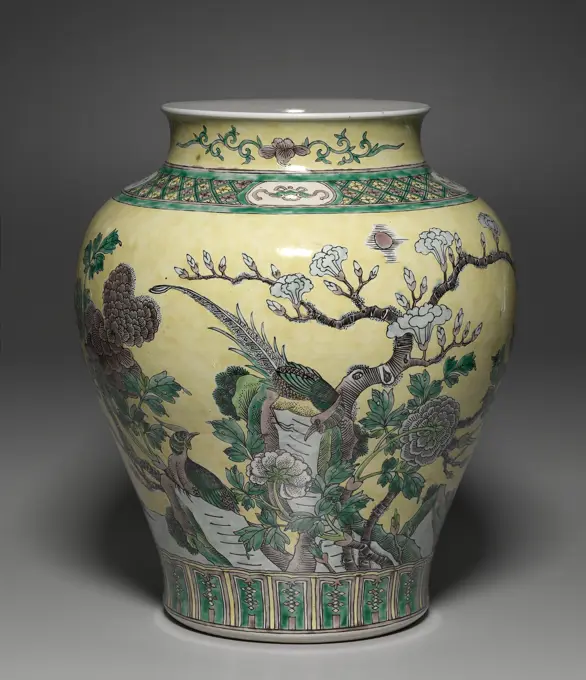
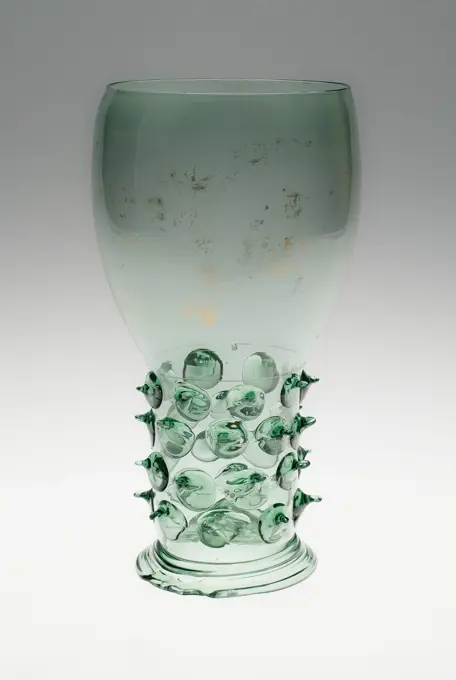
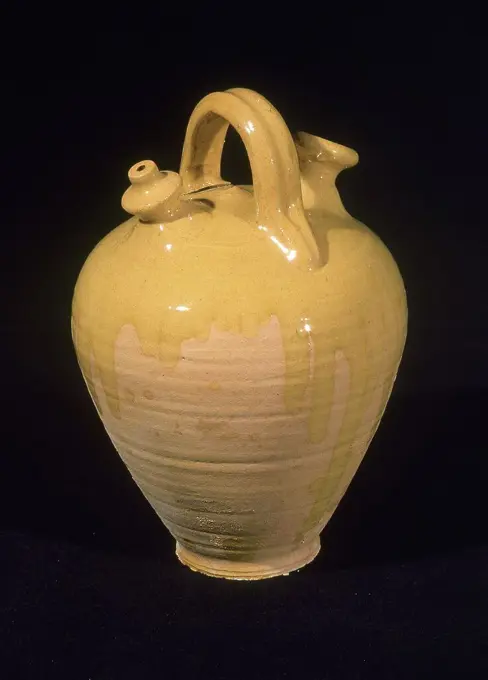
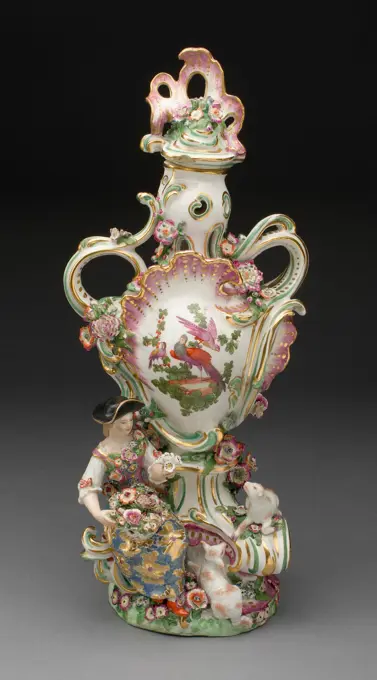
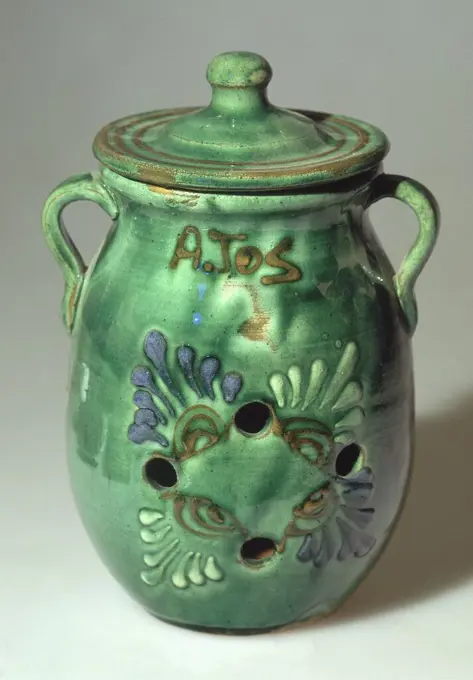
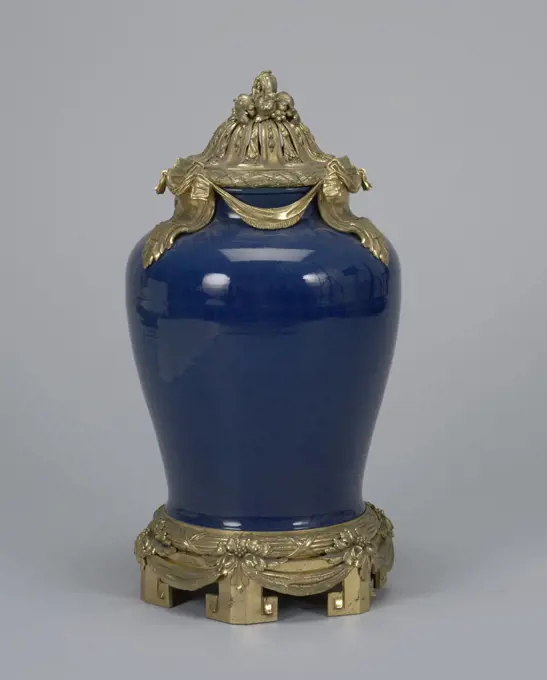
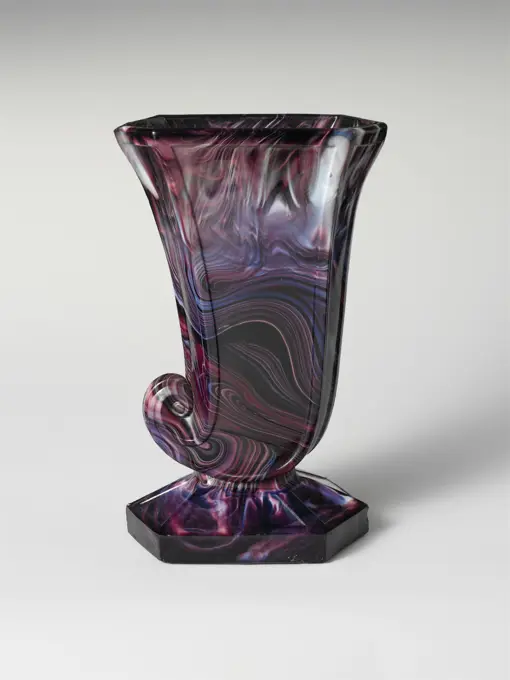
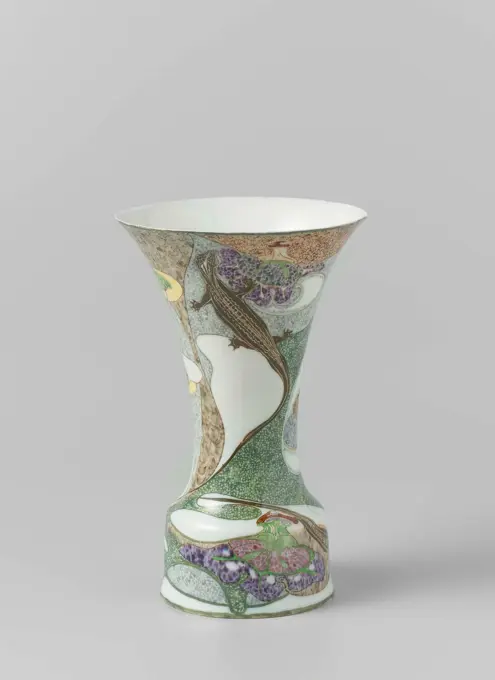
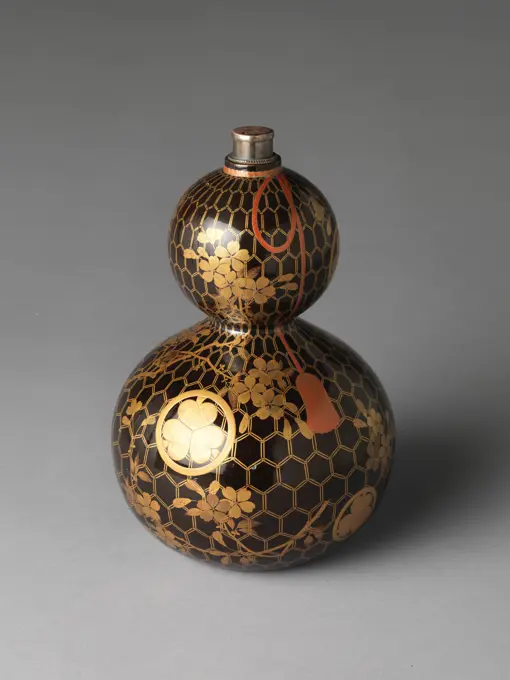
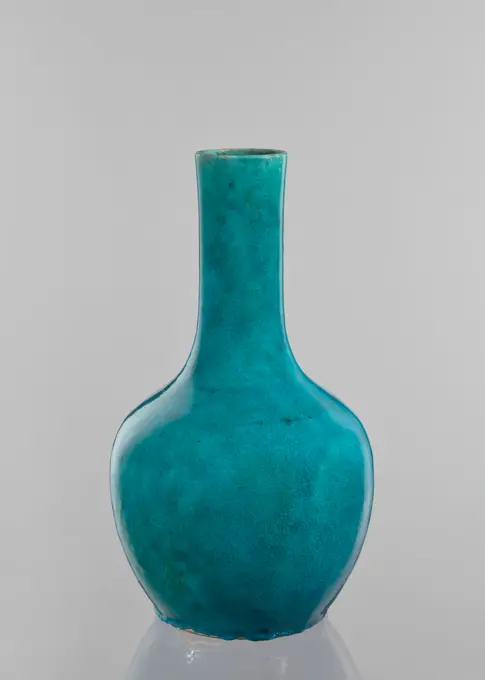
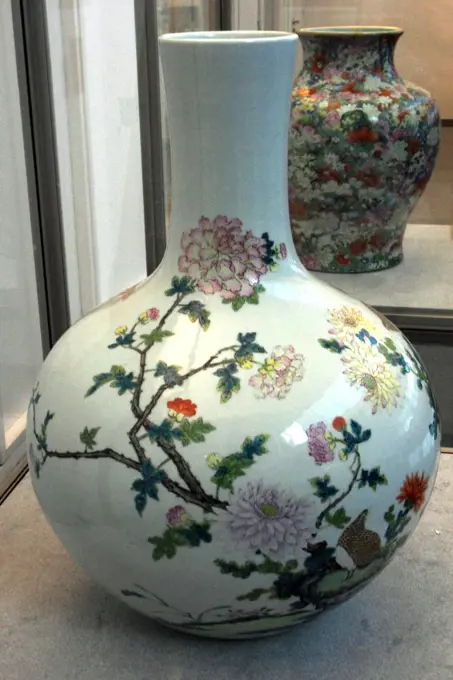
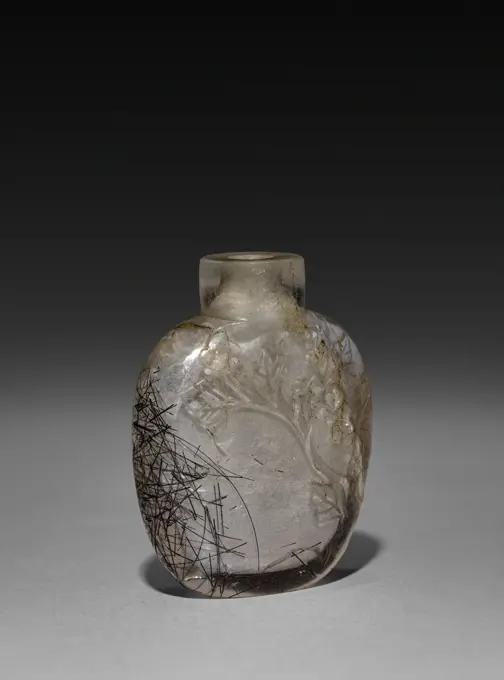
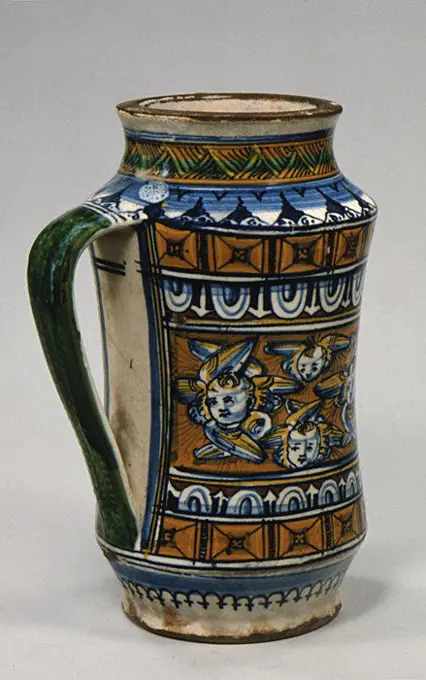
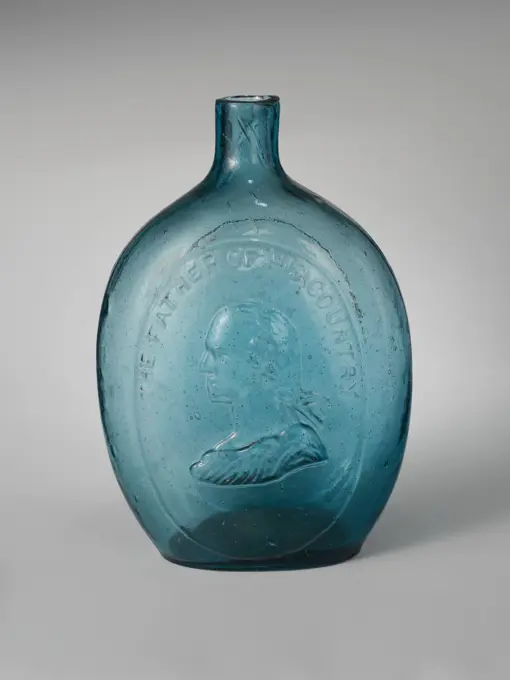
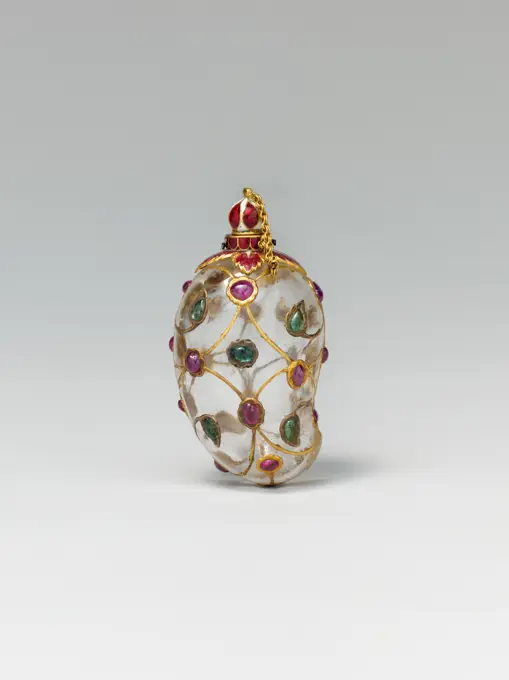
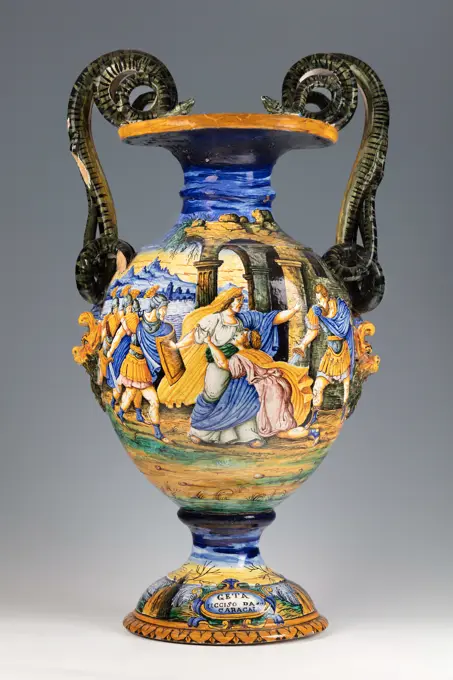
Waza (Tsubo) with the cover;  around 1870-1880 (1870-00-00-1880-00-00);Bottle with the inscription: Quae Wennis Growing violation, anonymous, c. 1675 - In or Before 1692 Smooth stand ring. Soul inserted. Flattered spherical body, long slender neck with imposed ring around the neck. Calanced inscription on body: "quae wennis cultivation.". glassblower: Low CountriesLeiden glass glassblowing Smooth stand ring. Soul inserted. Flattered spherical body, long slender neck with imposed ring around the neck. Calanced inscription on body: "quae wennis cultivation.". glassblower: Low CountriesLeiden glass glassblowingVase Italian 19th century View more. Vase. Italian. 19th century. Glass. GlassGlass flask. Culture: Roman, Syrian. Dimensions: H. 8 1/16 in. (20.5 cm). Date: 4th-6th century A.D..Translucent pale green; trails and pontil pad in translucent turquoise blue.Slightly thickened, rounded, vertical rim; slender funnel-shaped neck; elongated piriform body; splayed, tubular foot, made by folding; small, convex bottom with central hollow containing pontil pad; four handles applied as long vertical trails, evenly spaced around body, drawn up to top of body, then tooled out into three vertical loops, and trailed off on neck towards rim.On neck, single trail applied as a round pad below rim and wound round in an irregular spiral ten times; handles applied over spiral trail, with long trails decorated with tooled notches.Intact; few bubbles; dulling, soil encrusted root marks covering body, and patches of iridescent weathering on handles. Museum: Metropolitan Museum of Art, New York, USA.Vase With a Continuous Landscape With Figures and Molded Dragons and Shishi. Large vase of porcelain with a somewhat sphere body, long, trumpet-shaped neck and turned, lobed edge. Barrow on the glaze in blue, red, green, yellow, eggplant, black and gold. On the wall a continuous landscape with different people: a portrayal of 'the three combined religions' with three figures to a large vase, one has a bowl in his hand, the other makes a folding gesture, opposite a clerk with a bowl. The other side of the vase with Zhang Guolao, one of the eight immortals, with a lady on his ass next to him; Behind them a man with books, rolls and a sword to a stick on his shoulders. Two scenes on the neck: three boys playing with Budai and one of the eight immortal lie tieguai with a servant; Twice a modeled shishi (lion dog) with a young. The shoulder with a bond with floral drinks on red frog. Interrupted by lobby cartouches with lucky objects. On the band four times a modeled, corneless dragon (ChilGoblet. Iran, 14th century. Ceramics. Fritware, pierced and underglaze-paintedMeiping-type vase. unknown, craftsmanJar with Wild Flower Design in Underglaze Cobalt - blue. Korea, Joseon (1392-1910), 18th century. Furnishings; Serviceware. Wheel-thrown porcelain with blue painted decoration under clear glazeSmall bag vase. Acquired by S. Bing, Gallery "L'Art Nouveau", at the World's Fair 1900 in ParisSmall vase. unknown, craftsmanVase ca. 1898-1918 William J. Walley. Vase. William J. Walley (1852-1919). American. ca. 1898-1918. Stoneware. Made in West Sterling, Massachusetts, United StatesBlue vase  yellow tiger and red dragon unknown. Dust tea bus or chair of porcelain with a printed, egg-shaped body and ivory lid, painted in underglaze blue. On the abdomen twice a flying hay bird between trees and clouds. On the neck a band with arrearing. The flat lid has a recessed button. Blue White.Spice jar with lid. unknown, craftsmanPierre-Adrien Dalpayrat (1844-1910). Bottle. Flammed sandstone. Museum of Fine Arts of the City of Paris, Petit Palais. Art Menager, bottle, flame, dishes, 19th 19th 19th 19 19th 19th centuryBottle-Shaped Vase, Minton Ceramics Manufactory, English, established 1796, hard paste porcelain, vitreous enamel, Circular mouth tapering into slender neck flaring to oval body on slightly flaring circular foot. Glazed deep turquoise with black arabesque decoration., England, 1870s, ceramics, Decorative Arts, vase, vaseOvoid covered jar with flowering plants and birds near a rock in panels, c. 1800 - c. 1899  Egg -shaped lid pot of porcelain, painted in underly glaze blue and on the glaze blue, red, green, black and gold. On the abdomen a swastika pattern interrupted by differently shaped small compartments with flowering plants, insects or butterflies. It saved three large, scalloped cartouches with a flying Hoo-Vogel above a flowering plant (peony) above rocks, a bird of prey above a flowering plant (peony) in rocks on the edge of a pond with two mandarin ducks or two cranes next to rocks, pine And Prunus. On the shoulder a band with pearls between clouds. The neck with peony ranks interrupted by three lobed cartouches with a cloudy. Around the foot a band with stylized chrysanthnums interrupted by three lobed cartouches with a stylized lotus drink. The lid with the same decoration; Lid button in the form of a shishi (lion dog) on a rock. Lid has been broken; The neck has been broken, restored withCordial 1850-55 Brooklyn Flint Glass Company American New York City was an important center for machine-cut luxury glass in the middle of the nineteenth century. This partial group (2014.626.1a,b -.7) of blue-cut-to-clear glass is extraordinarily rare and perhaps even experimental when it was made in the 1850s. This is the only known blue plated cut glass attributed to the Brooklyn Flint Glass Works. The diamond pattern is thought to have been executed by Joseph Stouvenel, a highly skilled glass cutter whose works were exhibited at the New York Exhibition of 1853-54 and published during the period.. Cordial 675757Square bottle with flowering plants, birds and insects, anonymous, c. 1700 - c. 1724 Square bottle of porcelain, covered with a turquoise glaze and painted on the glaze in blue, red, pink, green, yellow, black and gold. On the wall twice flowering plants with a butterfly and twice a bird on a flower branch with flowering plants and a rock. On the shoulder and the top of the wall lambrequins with servetwork interrupted by a flower, with a lobed cartouche with a flower on the corners. On the shoulder around the neck a tire with leaf motifs. Some chips in the edge. Old label on the bottom with 'Collection Westendorp/ 113'. Brown edge. Arita, decorated in the Japanese Kakiemon style in Europe. Japanpainter: Europe porcelain. glaze. gold (metal) painting / gilding / vitrification Square bottle of porcelain, covered with a turquoise glaze and painted on the glaze in blue, red, pink, green, yellow, black and gold. On the wall twice flowering plants with a butterfly and twice a bird on a flowe. The round of tea bus has a foot with an outstanding edge, a springed body and a loose lid. A knerr edge runs along the foot edge. The decoration on the body is divided into horizontal tires. The middle band shows cannelures, the lower and the upper tire showing standing or hanging acanthus leaf. The leaves on the top edge are interconnected by canvases, creating fields. In these fields, scub-shaped patterns are applied with the punch, out there is matte with the punch. Along the edges of the lid are corrugated wires, the top is decorated with a flower rosette. There is a vase-shaped button in the middle. The tea can consist of different hampled parts - foot, body, collar and neck - that are soldered to each other. The lid consists of a wall and a cap. The lid knob is poured. Along the lower edge of the lid and thread is soldered. The decoration is driven, the contours are indicated by engraving.Henri Husson. "Large vase in Aristoloches (wild herbs)". Museum of Fine Arts of the City of Paris, Petit Palais. 26976-13 Aristoloche, decoration, large vase, wild grassUNGUENTARIUM; Egyptian workshop, unknown Italian workshop; 1 PO. 1st century BC (-50-00-00--1-00-00);Jug 1 CE-300 CE Eastern Mediterranean Region. Glass, blown technique . Ancient RomanSalt Cellar, De Greek A, c. 1680 - c. 1690 Salt vessel made of faience, pulley -shaped, on three legs; underpiece eight -lobbig; The overhanging top is formed by a deepened round part and a sixteen -lobe edge. On the lobes of the lower piece alternately large and smaller Chinese in a landscape; On the lobes of the top alternately twice a flower motif and once Chinese characters. A sitting Chinese by a tree in the deepened part. On the neck a tire with flowers and leaves, above which and including a flower pattern. This painting in blue with black trek on the white tinglaze. Marked. Delft . Salt vessel made of faience, pulley -shaped, on three legs; underpiece eight -lobbig; The overhanging top is formed by a deepened round part and a sixteen -lobe edge. On the lobes of the lower piece alternately large and smaller Chinese in a landscape; On the lobes of the top alternately twice a flower motif and once Chinese characters. A sitting Chinese by a tree in the deepened part. On the neck a Vase 1725-1735 Vienna. The principal face of this vase is adorned with two conjoined coats of arms surmounted by a crown. The armorials represent the German families von Er and von Tzˆchaw. The molded and applied decoration at the shoulder and lower portion of the vase was probably inspired by relief decoration on contemporary silver. This vase was originally part of a garniture or ensemble of similarly decorated vases meant to be displayed on top of tall cabinets or on mantels.. Hard-paste porcelain, polychrome enamels, and gilding . Du Paquier Porcelain Manufactory (Manufacturer)Vase (USA); Manufactured by Tiffany and Co. (United States); Design Director: Louis Comfort Tiffany (American, 1848-1933); favrile glass; 13.1 x 10 cm (5 3/16 x 3 15/16 in.). Bottle of porcelain, square with rounded shoulder, round low neck and round lid with button. Painted in blue, red, green, yellow, brown, black and gold with on the walls respectively two storks on rocky bottom at pine and prunus, two birds on the branch of a prunus at rocks, two birds on bamboo at rocks and two birds On a prunuble tree at rock. On the shoulder symmetrical flower drinks and birds. On the neck ornaments. Rosette in red and gold on button. Between shoulder and walls a curved red trim. Kakiemon decor.Sake Bottle with Design of Daoist Immortals and a Kirin in a Landscape. Japan, Edo period (1615-1868), 18th century. Ceramics. Gennai (Shido) ware; earthenware with clear glaze and colored enamelsJugJARRA CERAMICA. Location: MUSEO RUIZ DE LUNA. TALAVERA DE LA REINA. Toledo. SPAIN.Bottle with Flowers. Korea, Korean, Joseon dynasty (1392-1910), 19th century. Furnishings; Accessories. Wheel-thrown porcelain with blue painted decoration under clear glazePrzeszo Przyszoci KinkozanVase;  End of the 19th century (1891-00-00-1900-00-00);Block, Julius Henry (1858-1934) - collection, cloisonné, gift (provenance), irises, Japanese (culture), Japanese artKantharos. UnknownVase with decoration of lily-like flower, N.V. Haagsche Plateel factory Rozenburg, 1902 Vase of porcelain, multi-colored painted on a partial stock of rye façade with a lily-like flower in red, green, yellow and brown. Model 153. The Hague whole: Porcelain Vase of porcelain, multi-colored painted on a partial stock of rye façade with a lily-like flower in red, green, yellow and brown. Model 153. The Hague whole: PorcelainPitcher 1815-40 American. Pitcher. American. 1815-40. Blown-molded glass. Probably made in Ohio, United StatesSmall vase. unknown, craftsmanSnuff Bottle, 1644-1911. China, Qing dynasty (1644-1911). Glass; overall: 5.4 cm (2 1/8 in.).Vase. unknown, craftsmanCreamer (from a tea service) 1770 Sèvres. Soft-paste porcelain, polychrome enamels, and gilding . Manufacture nationale de Sèvres (Manufacturer)Snuff Bottle with Li Tieguai Leaning against a Rock 1820-1880 China. Porcelain painted in overglaze enamels .Vase;  19th/20th century (1891-00-00-1910-00-00);Meiping vase 13th century China. Meiping vase. China. 13th century. Stoneware with celadon glaze (Longquan ware). Southern Song dynasty (1127-1279). CeramicsSprinkler of blue glass. Sprinkler with flat foot with hollow, folded edge. Stem constructed from three hollow nodi. Pear-shaped body, blown in the form with graces and ribs, overtorning in a ribbed, challenge and curved neck, which runs into a wide mouth with a narrow spout.Vase 1895-1907 France. Hard-paste porcelain with stenciled, pate sur pate with incised decoration . Edward Colonna (Designer)Ring Beaker (Ringbecher). UnknownPitcher 1830-70 American. Pitcher. American. 1830-70. Parian porcelain. Probably made in Bennington, Vermont, United StatesGoblet. Unknown. Egg-shaped teabus from porcelain with ribbed wall, painted on the glaze in blue, red, black and gold. On the belly The coat of arms of the Neufville family. The weapon consists of four towers and a golden Sint Andreaskruis with an anchor in the middle. The shape of the shield is in Louis XIV style with the Griffin as a helmet sign on top. The weapon is surrounded by a coverage of leaf raft. Around the foot a bond with curl works in relief. On the shoulder a band lotus drinks and a Spearhead border. The lid with a button in the shape of a peach and a decorative tire. Do not lid match. Weapon porcelain with email colors.Milk Jug (Pot à lait Hébert) 1755 Vincennes. Soft-paste porcelain, underglaze blue ground, polychrome enamels, and gilding . Manufacture de porcelaine de Vincennes (Manufacturer)Pear-Shaped Jug with Medea and Jason. Germany, Frankfurt, circa 1680-1690. Furnishings; Serviceware. Earthenware with tin glaze, enamel, and pewter mountsSitula (bucket) with representation of a women. nieznany warsztat kampański, workshopVase. unknown, craftsmanFigured flask. Culture: American. Dimensions: H. 8 7/8 in. (22.5 cm). Manufacturer: Louisville Glass Works (1855-73). Date: 1855-73. Museum: Metropolitan Museum of Art, New York, USA.Bottle, multi-colored painted with a kakiemon decor, Meissener Porzellan Manufaktur, c. 1730 Fless of painted porcelain. The bottle has a long square neck and is painted with chrysanthemums, alternating on the four sides behind two bound hedges and behind rocks. The bottle is marked. Float porcelain Fless of painted porcelain. The bottle has a long square neck and is painted with chrysanthemums, alternating on the four sides behind two bound hedges and behind rocks. The bottle is marked. Float porcelainTea Canister 1780 Staffordshire. Lead-glazed earthenware (creamware)Vase (rolwagen) with a scholar-official and his servants in a landscape, anonymous, c. 1645 - c. 1660 Small cylindrical vase (roller wagon) of porcelain with a spreading neck, painted in underly glaze blue and on the glaze red, green, yellow, eggplant and black. On the wall a dignitaries in a landscape with plants, a banana plant, rocks and mountains. Behind him a servant with a fan; A second servant wears a packaged object (book). A plant twice on the neck. The underside is unglazed. Transition porcelain with email colors. China porcelain. glaze. cobalt (mineral) painting / vitrification Small cylindrical vase (roller wagon) of porcelain with a spreading neck, painted in underly glaze blue and on the glaze red, green, yellow, eggplant and black. On the wall a dignitaries in a landscape with plants, a banana plant, rocks and mountains. Behind him a servant with a fan; A second servant wears a packaged object (book). A plant twice on the neck. The underside is unglazed. Transition porceGlass jug 1st-2nd century A.D. Roman, Cypriot Translucent green with bluish tinge; handle in same color.Collared rim with large splayed downward fold and everted upward lip, then turned in and smoothed into slightly flaring mouth; cylindrical neck, tapering slightly downwards, with tooled indent around base; short shoulder, curving outward to join bulbous body, with two thickened concentric ridges near top; splayed, integral base ring; pushed-in bottom; handle with two prominent ribs at sides, attached to upper body with downward fins, drawn up and slightly out, turned in at acute angle and pressed on to upper neck.Intact, except for minor chip in rim; some bubbles, elongated in neck and handle; faint iridescence and weathering, with slight soil encrustaion on interior.Colorless jug with handle.. Glass jug. Roman, Cypriot. 1st-2nd century A.D.. Glass; blown. Early to Mid Imperial. GlassCovered Vase. Culture: Chinese. Dimensions: H. 13 in. (33 cm). Date: ca. 1800. Museum: Metropolitan Museum of Art, New York, USA.Vase with Birthday Reception for General Guo Ziyi China This vase shows the birthday celebration for the Tang dynasty general Guo Ziyi (697-781). The scene at the foot of the vase shows the arrival of guests bearing gifts, among them a court robe and hat. The body of the vase features a joyful reception where the general and his wife receive congratulatory wishes from family members and guests. At the top of the vase, none other than Shoulao himself, the god of longevity, presides over the festivities, flanked by the eight Daoist immortals. The identity of Guo Ziyi, who achieved the rank of prince of Fenyang after suppressing the An Lushan rebellion, is confirmed by the inscription "Fenyang Manor" (Fenyang fu) above the entrance to the residence.. Vase with Birthday Reception for General Guo Ziyi 48767JARRA DE CERAMICA DE TALAVERA DE LA REINA. Location: MUSEE D'ARTS DECORATIFS. MADRID. SPAIN.Pitcher, 19th century, 6 5/8 in. (16.8 cm), Pottery, lustre glaze, England, 19th centurySnuff Bottle China. Snuff Bottle. China. White porcelain in openwork design, red glass stopper. Modern. Snuff BottlesVinegar Jug. United States, 1820-1850. Furnishings; Serviceware. GlassJar with Flowers, Rocks and Pheasants, 1662-1722. China, Qing dynasty (1644-1911), Kangxi mark and reign (1662-1722). Enameled porcelain, with susancai (plain three-color) decoration; diameter: 35.5 cm (14 in.); diameter of mouth: 21.8 cm (8 9/16 in.); overall: 42.3 cm (16 5/8 in.).Jar. Culture: China. Dimensions: H. 4 in. (10.2 cm). Museum: Metropolitan Museum of Art, New York, USA.REMATE CERAMICO AZUL Y BLANCO VIDRIADO - SIGLO XX - ARTE POPULAR. Location: ALFARERIA. TRIGUEROS. Huelva. SPAIN.Beaker (one of a pair) 1730-40 Workshop of Charles Fromery Geman. Beaker (one of a pair). German, probably Berlin. 1730-40. Painted enamel on copper, partly gilt; silver gilt. Enamels-PaintedPrunted Beaker (Roemer) 1600-1615 Netherlands. Green glass, gilding .BOTIJO DE INVIERNO PARCIALMENTE VIDRIADO - CERAMICA PARA AGUA. Location: ALFARERIA. SPAIN.Vase for a Pillar. Artist: Rakutozan (Japanese,). Culture: Japan. Dimensions: H. 6 1/4 in. (15.9 cm). Date: 1820. Museum: Metropolitan Museum of Art, New York, USA.Vaan van Faience decorated with flowers. Vase of faience. Many color painted with flowers.Potpourri Vase with Shepherdess Made 1760-1765 Chelsea. Soft-paste porcelain, polychrome enamels and gilding . Chelsea Porcelain FactoryCenser. unknown, craftsmanScent bottle ca. 1750-55 Saint James's Factory. Scent bottle. British, London. ca. 1750-55. Soft-paste porcelain. Ceramics-PorcelainConch Shell with a Figure of Hevajra, 1100s. Cambodia, Khmer, Angkor Period, 12th-13th Century. Shell and bronze; overall: 35 cm (13 3/4 in.).Vase; Yabu, Meizan (1853-1934); around 1900 (1891-00-00-1900-00-00);VASIJA DEL PUENTE DEL ARZOBISPO - SIGLO XVI - PAJARO Y FLORES - AZUL. Location: INSTITUTO VALENCIA DE DON JUAN-COLECCION. MADRID. SPAIN.Vase of multicolored painted faïence, anonymous, c. 1730 - c. 1760 Vase of Faïence. Multicolored painted with flower decorations. The vase is part of a cupboard set. Delft . Vase of Faïence. Multicolored painted with flower decorations. The vase is part of a cupboard set. Delft .TARRO PARA AJOS VIDRIADO EN VERDE-ARTE POPULAR S XX. Location: ALFARERIA. JAEN. SPAIN.Mounted Vase, porcelain, bronze, gold, Large deep blue jar with high shoulders and a short neck. Base set in gilt bronze mount with six feet, decorated with ribbon-bound reeds and swags. Set in mouth is shallow gilt-bronze container with ribbon-bound leaf band, from which are suspended lambrequins and swags., China, 18th century, ceramics, Decorative Arts, vase, vaseMiniature vase. unknown, craftsmanVase 1880-90. Vase 9523Ovoid jar and domed cover with spiralling bands of flower sprays, anonymous, c. 1700 - c. 1724 Egg -shaped pot with lid made of porcelain, painted in underlaze blue. On the wall of the pot of tires with flower branches with flower branches with above and under a double row of petal shaped compartments with flower branches; On the foot three decorative tires; On the neck two rows with petal -shaped compartments filled with flower branch with a decorative band above it; A band with Ruyi motif around the edge; A double circle on the bottom. The lid with a button, scalloped edge and twisted courses with flower areas. A crack in the foot; The edge of the lid with small damage. Blue White. China porcelain. glaze. cobalt (mineral) painting / vitrification Egg -shaped pot with lid made of porcelain, painted in underlaze blue. On the wall of the pot of tires with flower branches with flower branches with above and under a double row of petal shaped compartments with flower branches; On the footEwer (Iran); dark amber glass. Vase of bone porcelain, painted multi-colored with lizards and plants.Sake Bottle. Japan, Edo period, late 18th-early 19th century. Ceramics. Koishiwara ware; stoneware with iron glaze and rice straw ash dripJar with EightLobesGourd-shaped Sake Bottle with Cherry Branches, Net, and Tokugawa Family Crests 18th century Japan. Gourd-shaped Sake Bottle with Cherry Branches, Net, and Tokugawa Family Crests. Japan. 18th century. Lacquered wood with gold and silver hiramaki-e, and red lacquer. Edo period (1615-1868). LacquerVase - cylinder;  19th century (1801-00-00-1900-00-00);Bottle Vase called a Tianqiuping. Chinese (Jiangzhi), Qing Dynasty porcelain. 1736-1795Seif Yohei III (1851-1914) was a son of the Maruyama school painter Okada Ryhei (dates unknown). Though he studied painting, he ultimately succeeded his ceramics mentor, Seif Yohei II (1845-1878), in Kyoto. He distinguished himself as a remarkable porcelain artist, taking Qing dynasty Chinese wares as his inspiration. He experimented widely with new glazing techniques. In 1893, he became the first ceramicist to be appointed as an Imperial Household Artist under a system introduced by the Japanese government in 1890. He produced many works for use in Chinese-style tea gatherings called sencha. Water Container with Shell and Seaweed, c. 1914. Seifū Yohei IV (Japanese, 1872-1951). Porcelain with underglaze blue, blue glaze and molded design and lacquered wood lid; height: 16.5 cm (6 1/2 in.); diameter: 14 cm (5 1/2 in.).Bottle China. Bottle. China. Porcelain. Qing dynasty (1644-1911), Kangxi period (1662-1722). Ceramics. Lid of egg-shaped porcelain tea bus with ribbed wall, painted on the glaze in blue, red, black and gold. The lid with a button in the form of a peach and a decorative tire. Do not lid match. Weapon porcelain with email colors.Snuff Bottle, 1644-1911. China, Qing dynasty (1644-1911). Glass; overall: 6.8 cm (2 11/16 in.).One-handled storage jar (albarello) ca. 1510-30 Italian, Siena The single-handled form is uncommon, and each of the dozen known examples is decorated with the same palette and winged cherub design. This suggests that they were commissioned together as a single pharmacy series.. One-handled storage jar (albarello) 210750Cut down bottle with underglaze from Iznik, Turkey. Dated 16th CenturyFlask 1840-60 Dyottville Glass Works. Flask 3728Mango-Shaped Flask mid-17th century In spite of its modest size, this flask in the shape of a mango, adorned with gold, gems, and enameling, eloquently demonstrates the artistic standards and tastes of seventeenth-century Mughal India. Likely to have been created during the reign of Shah Jahan, the emperor who built the famous Taj Mahal, the flask expresses the Mughal love of natural forms and precious materials. The finely balanced, elegantly drawn, and relatively spacious network of scrolling vines in gold, inset with gemstones, recalls the Mughal debt to Safavid Iran, where similar networks of scrolling vines with palmettes, blossoms, and leaves were in vogue in the sixteenth century. Listen to experts illuminate this artwork's story Listen Play or pause #6618. Mango-Shaped Flask Supported by Bloomberg Philanthropies We're sorry, the transcript for this audio track is not available at this time. We are working to make it available as soon as possible.. Mango-Shaped Flask. mid-17th cFlower vase. Urbino (ośrodek ceramiczny ; 1550-1600), factory, Pesaro (ośrodek ceramiczny ; ca 1500-ca 1900), factory