Ornate Porcelain Dishes

A variety of intricately designed porcelain dishes, featuring vibrant floral patterns and historical decorations, suitable for collectors or table settings.

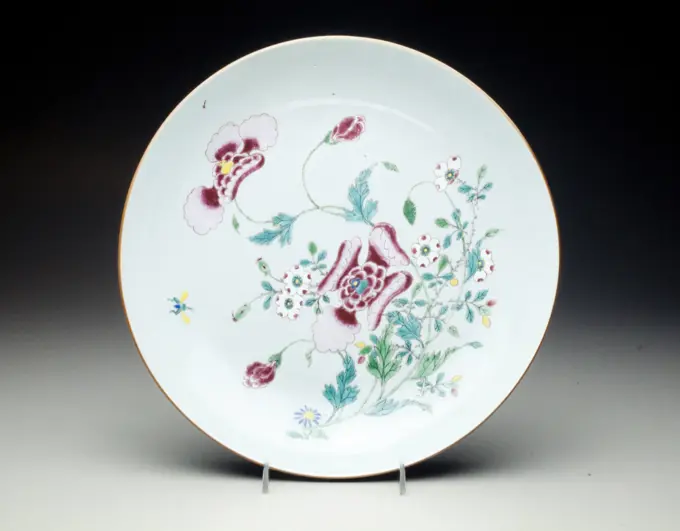
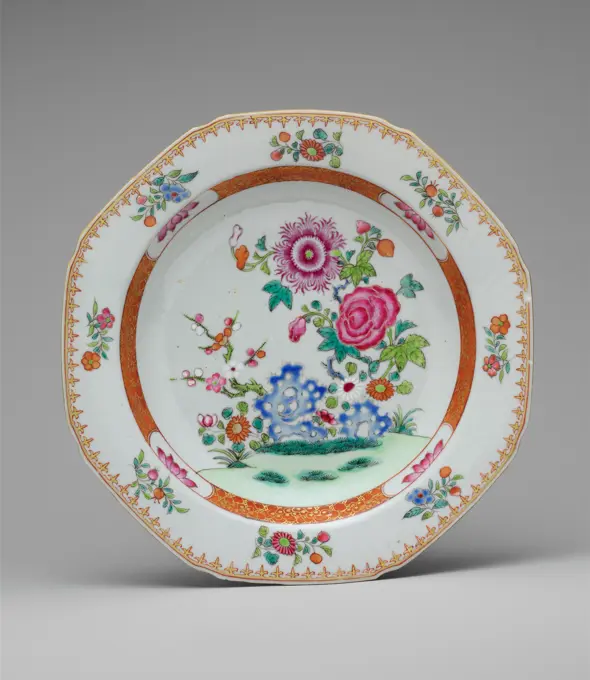
Saucer with moulded flower sprays, anonymous, c. 1750 - c. 1774 Porcelain saucer, painted in underly glaze blue and on the glaze red, pink, green, purple and gold. A flower branch on the flat of the dish; the wall with two modeled flower branches in high-relief; A decorative pattern on the edge; The edge is brown glazed. Famle Rose. China porcelain. glaze. gold (metal) painting / gilding / vitrification Porcelain saucer, painted in underly glaze blue and on the glaze red, pink, green, purple and gold. A flower branch on the flat of the dish; the wall with two modeled flower branches in high-relief; A decorative pattern on the edge; The edge is brown glazed. Famle Rose. China porcelain. glaze. gold (metal) painting / gilding / vitrification
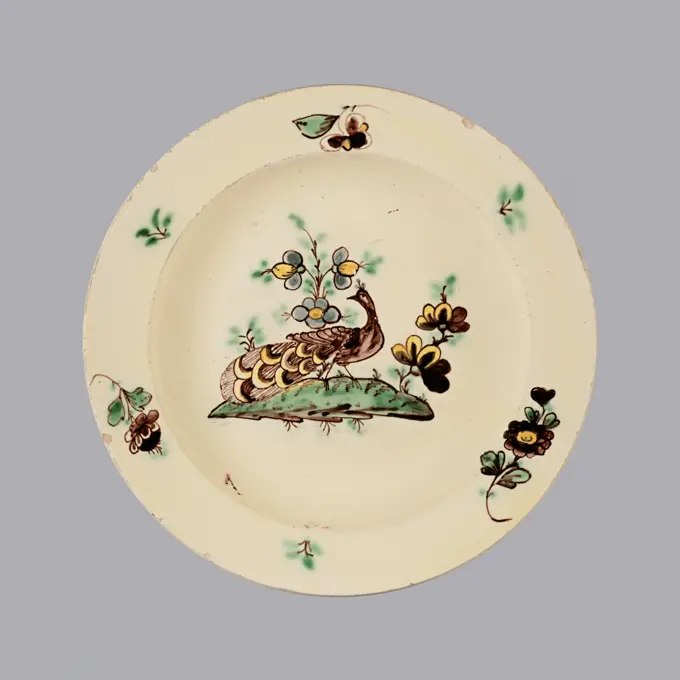
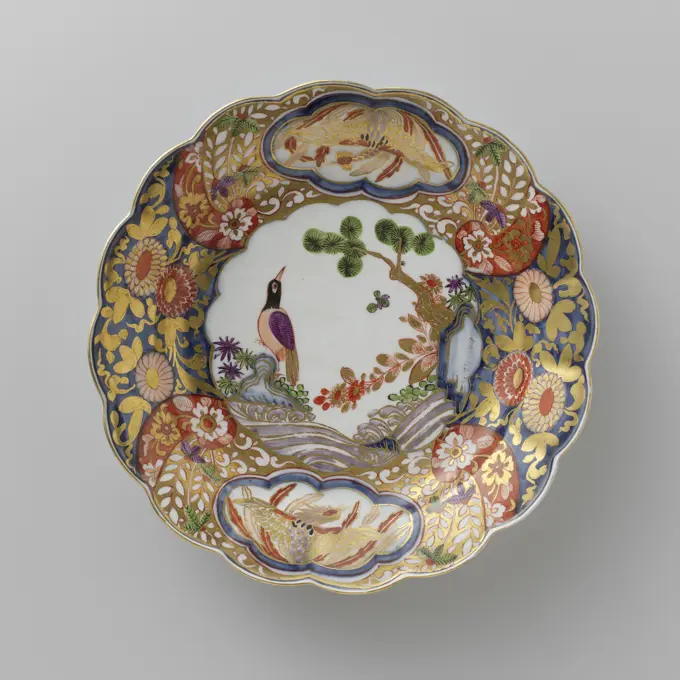
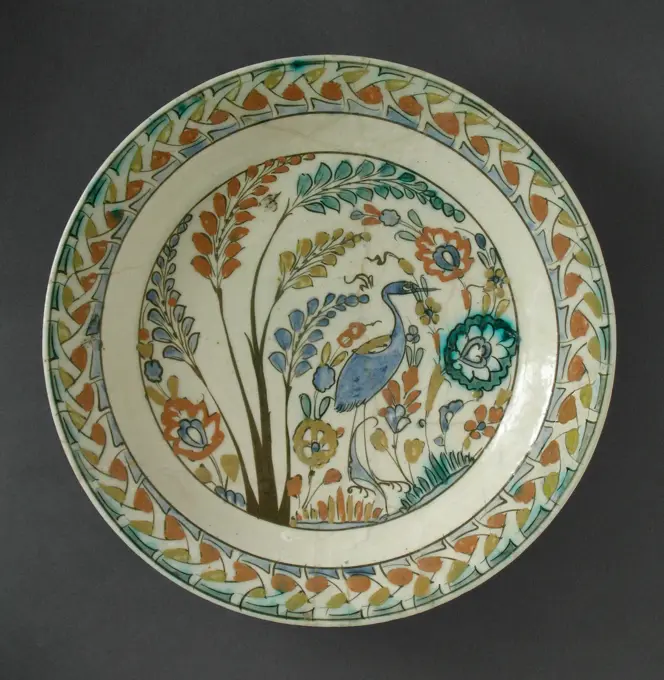
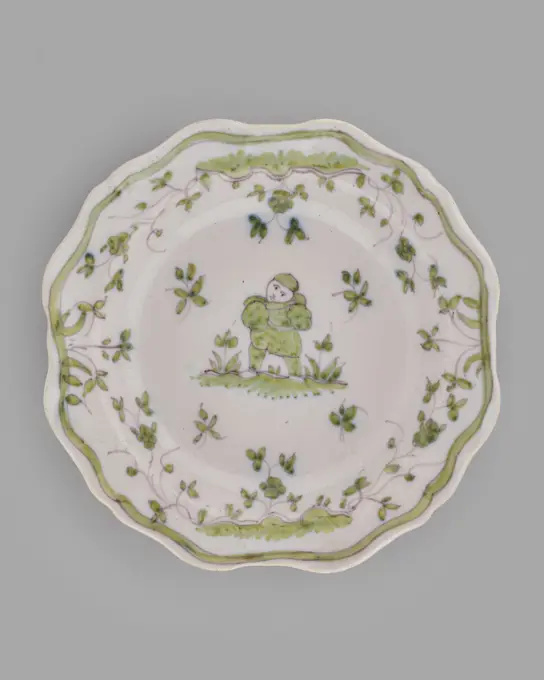
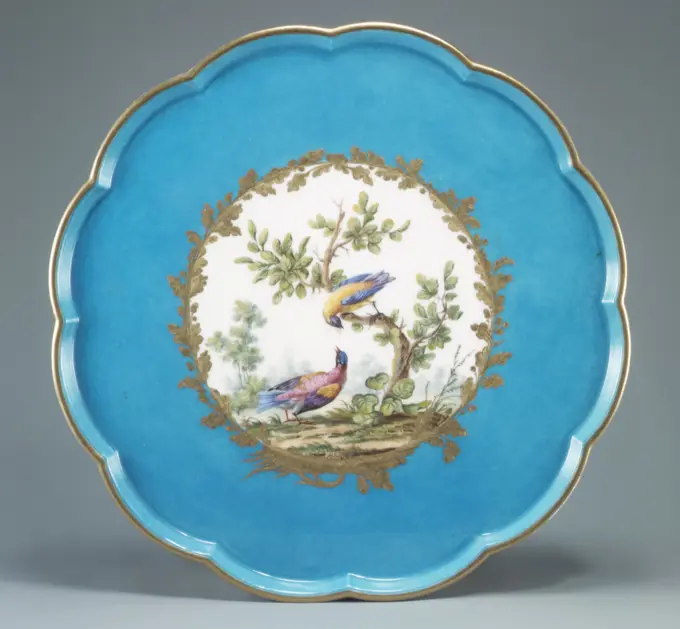
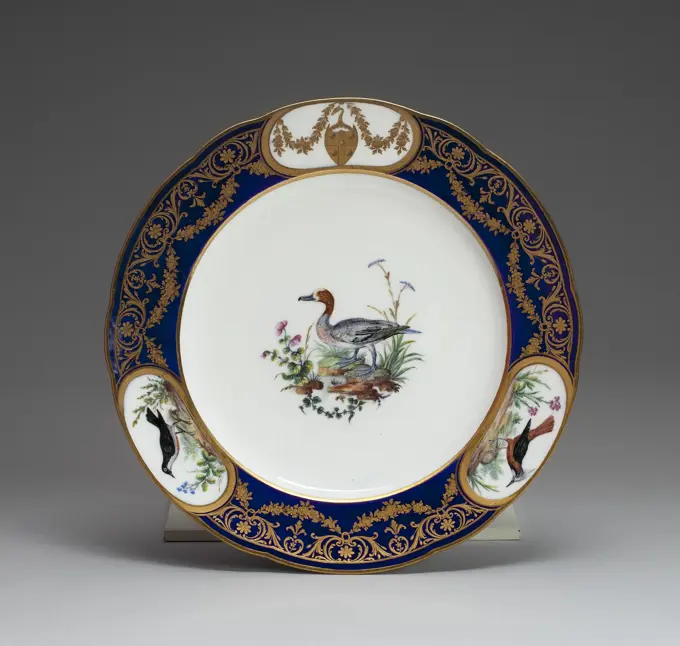
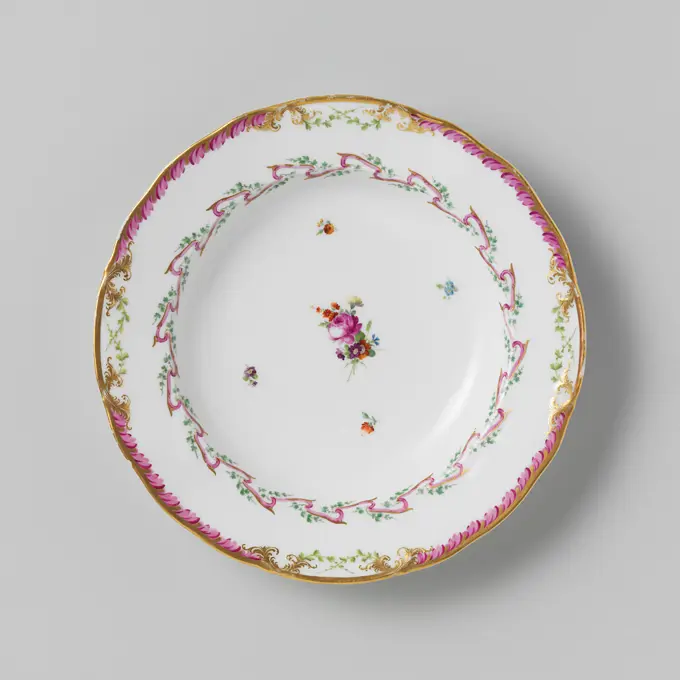
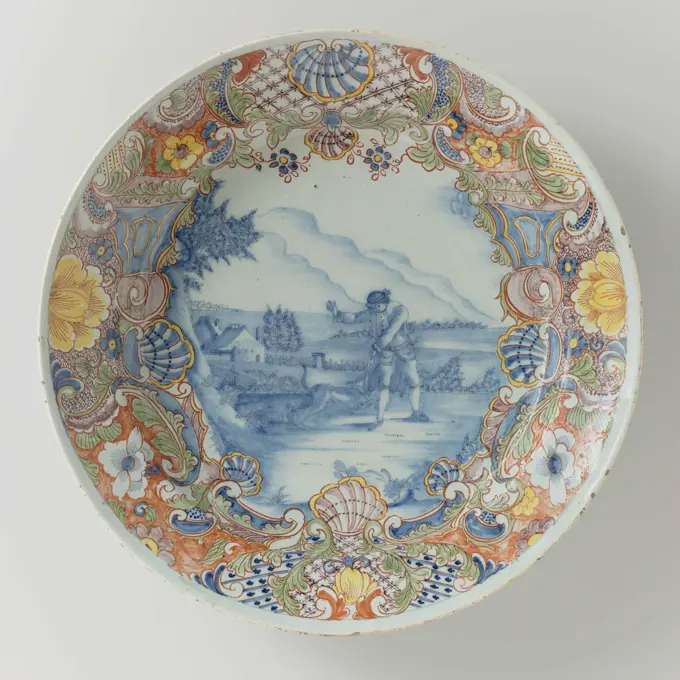
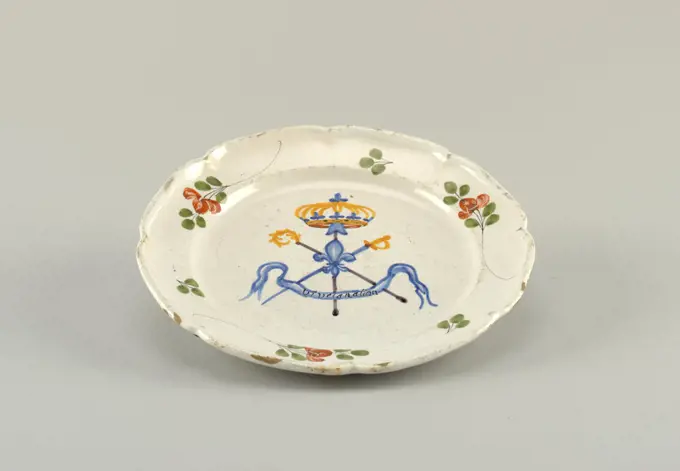
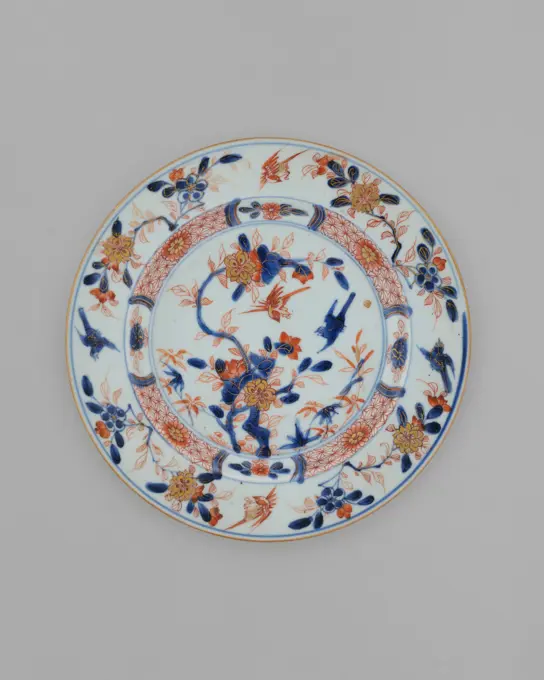
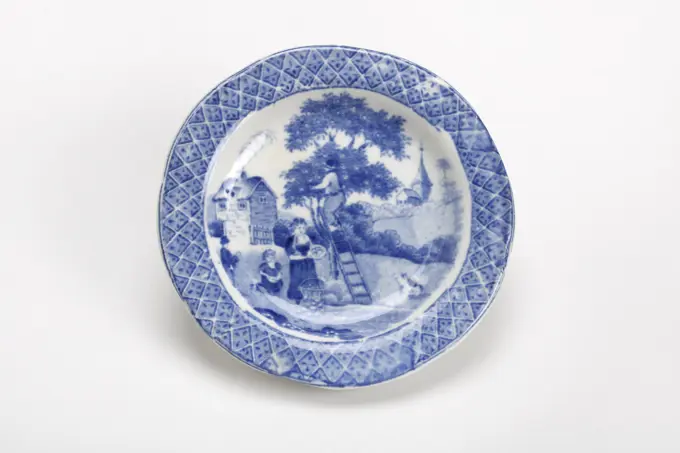
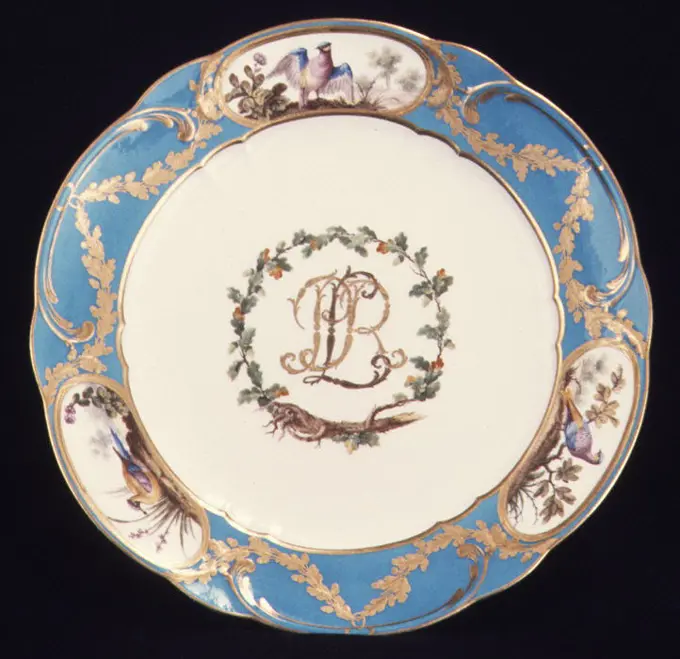
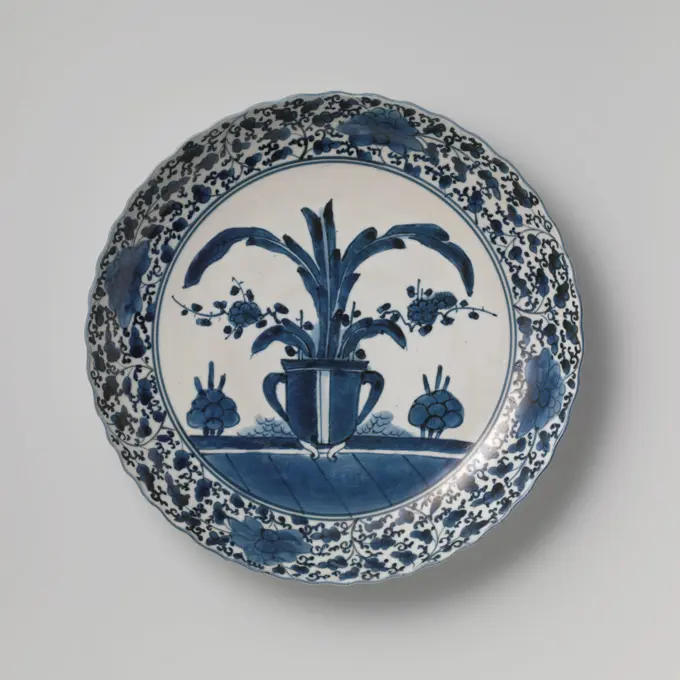
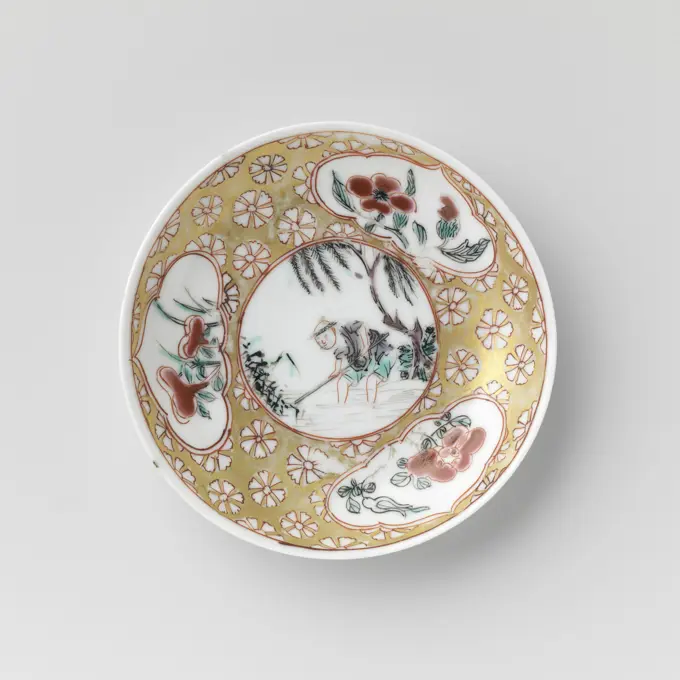
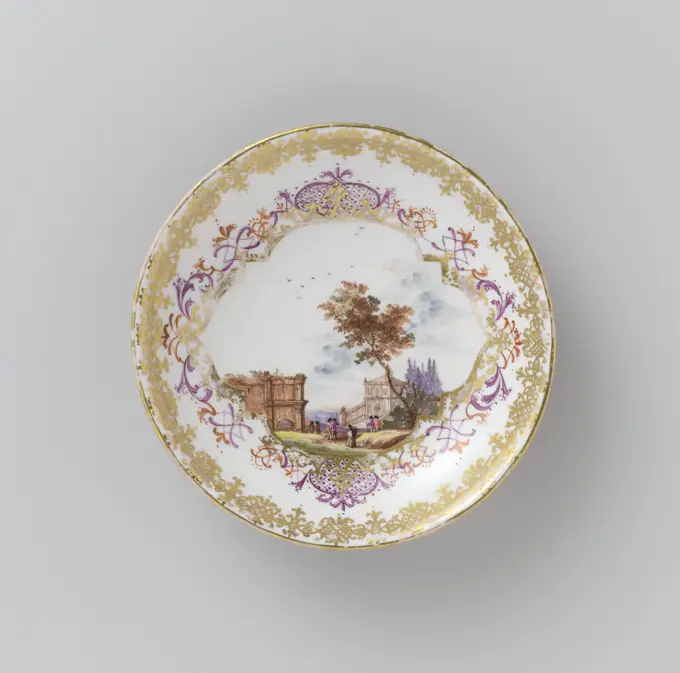
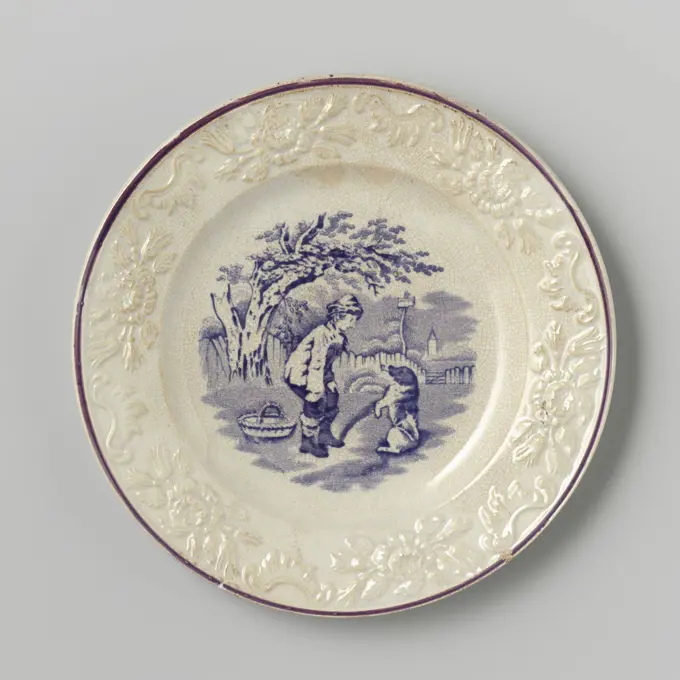
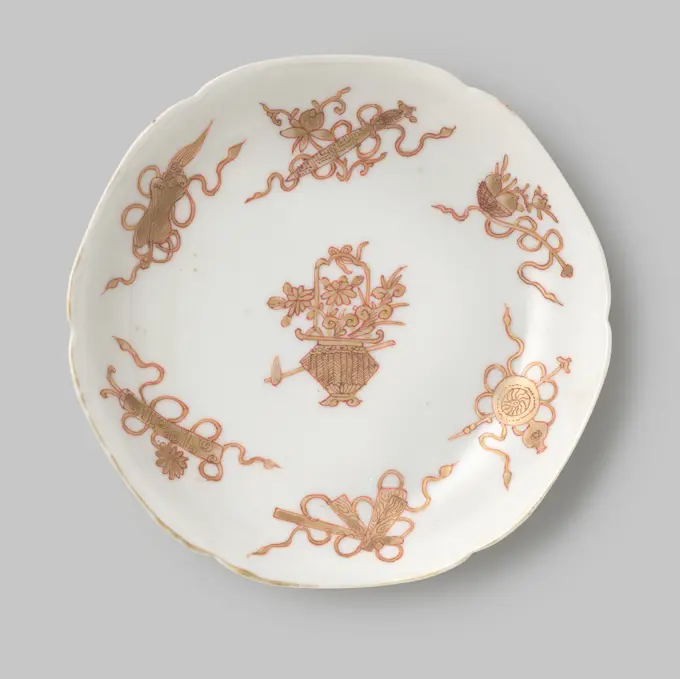
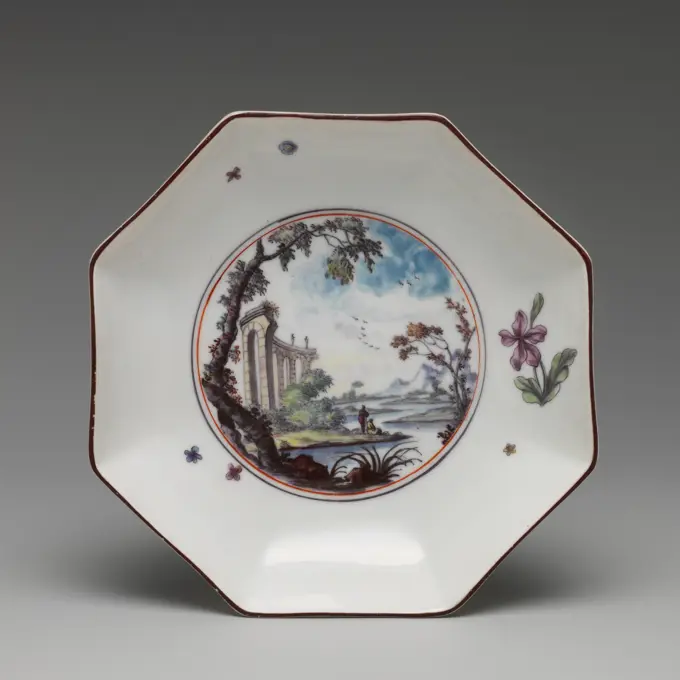
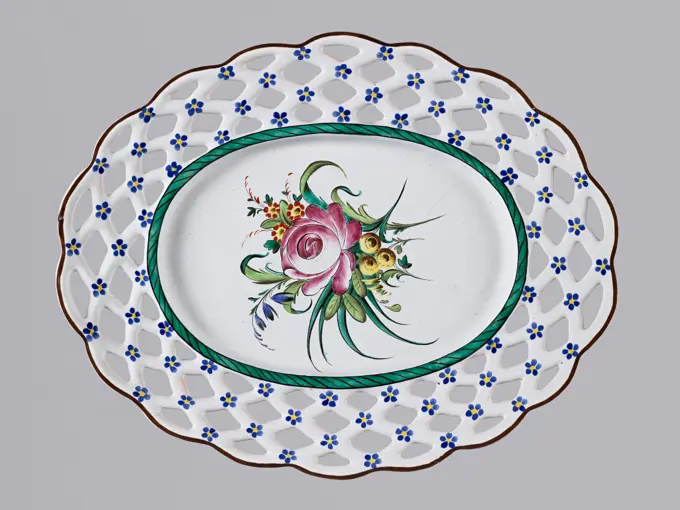
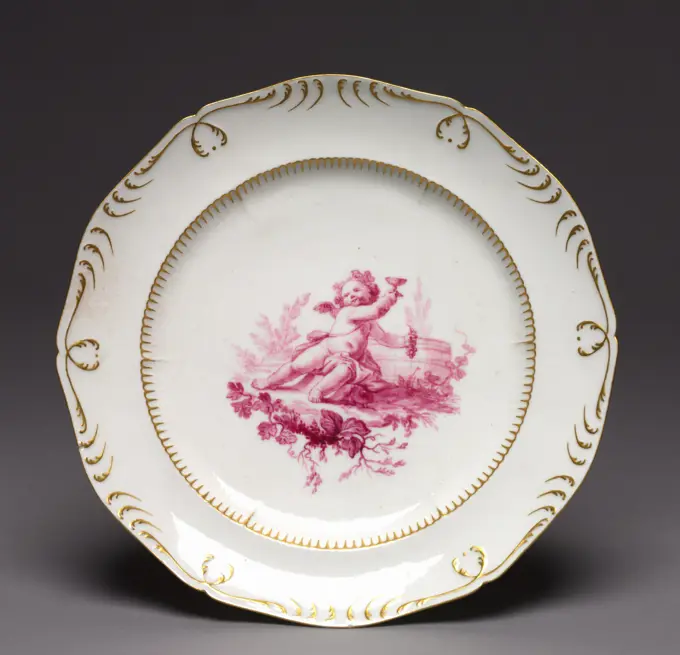
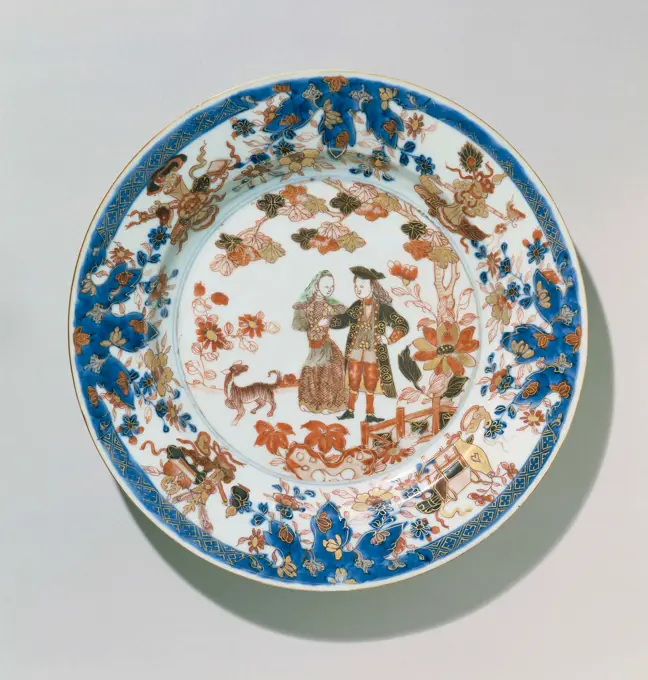
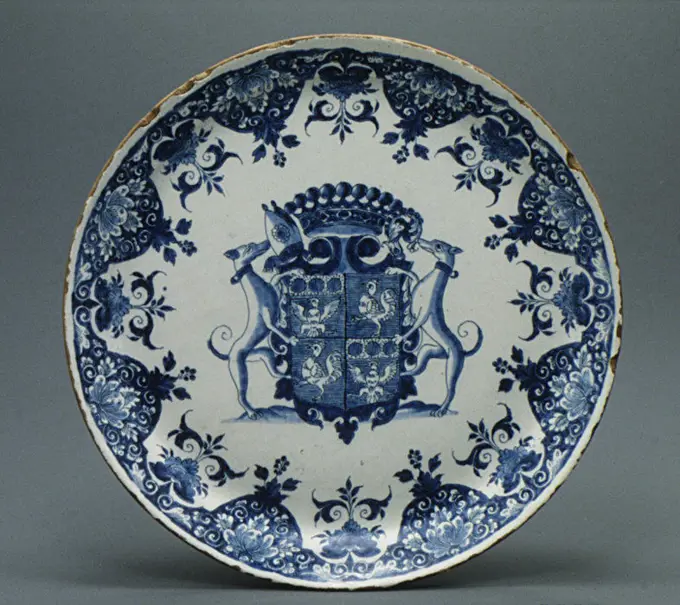
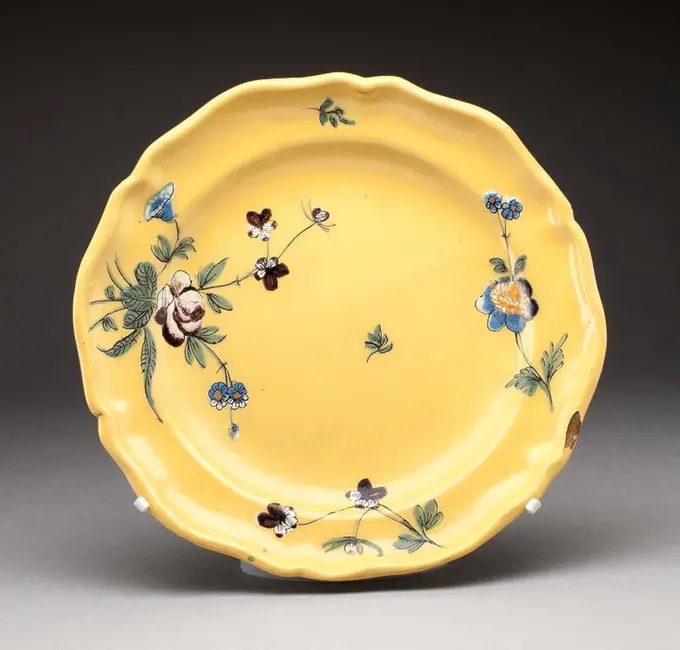
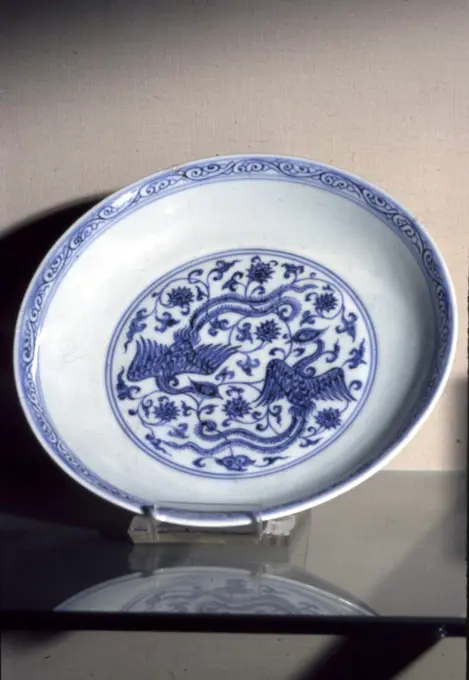
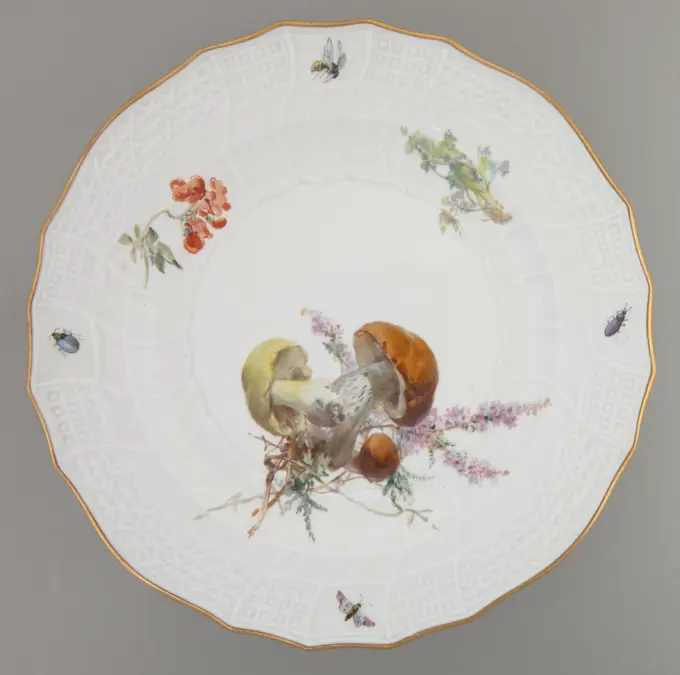
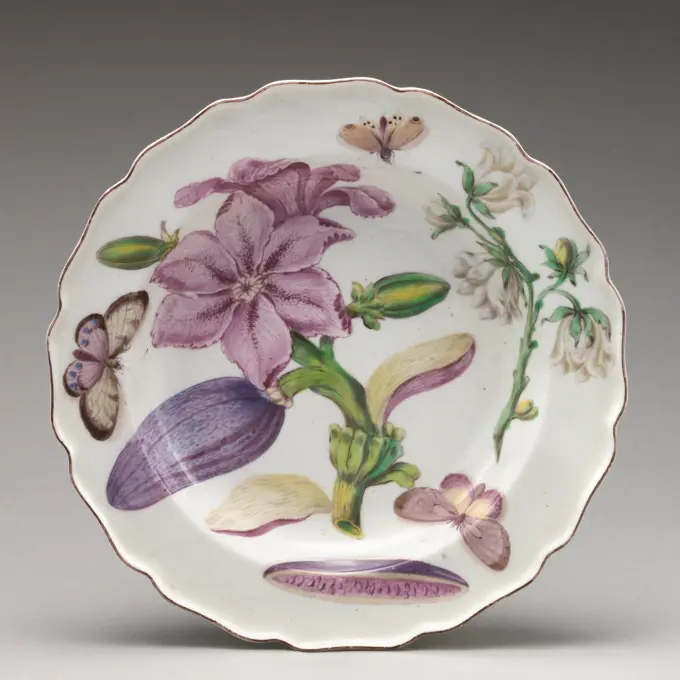
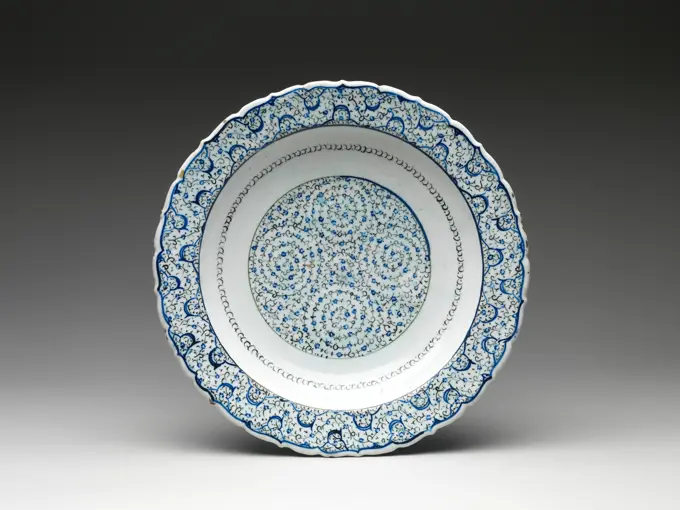
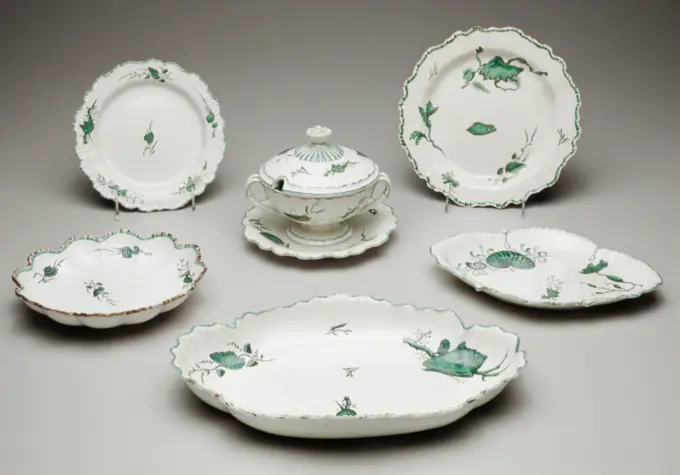
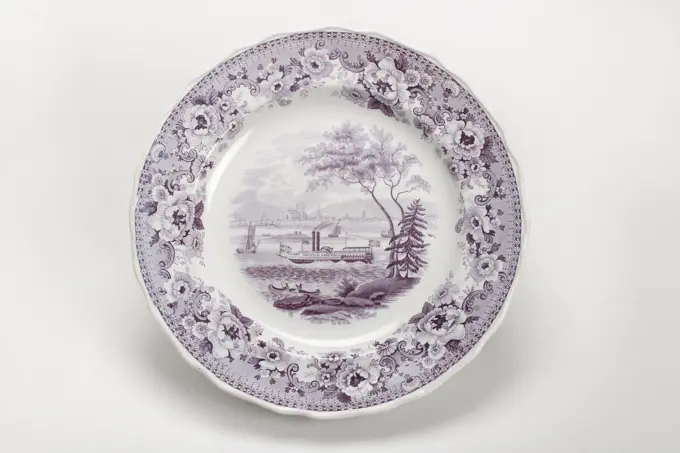
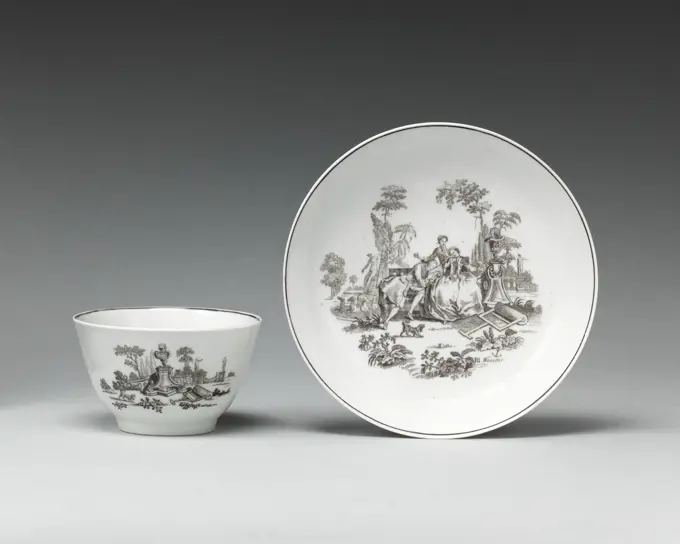
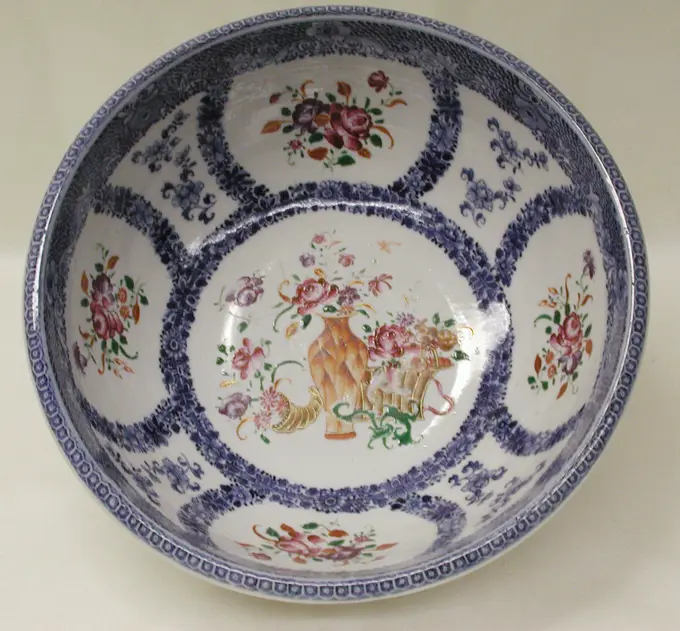
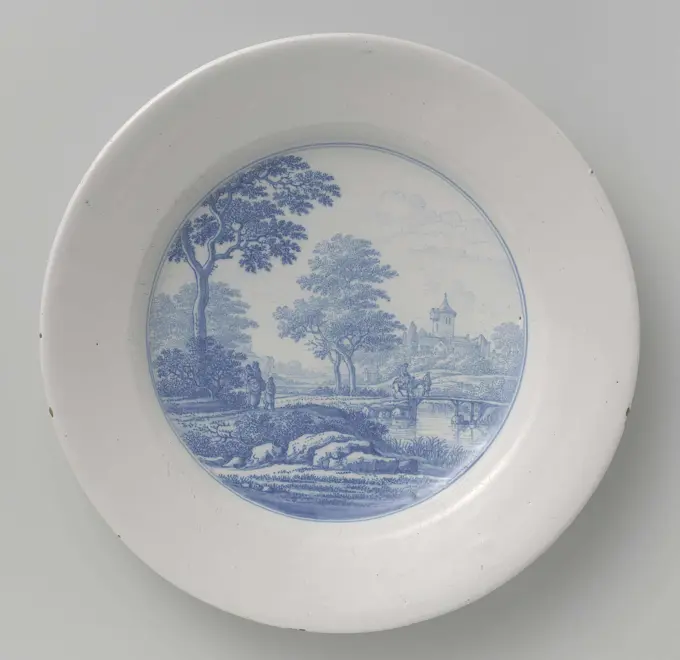
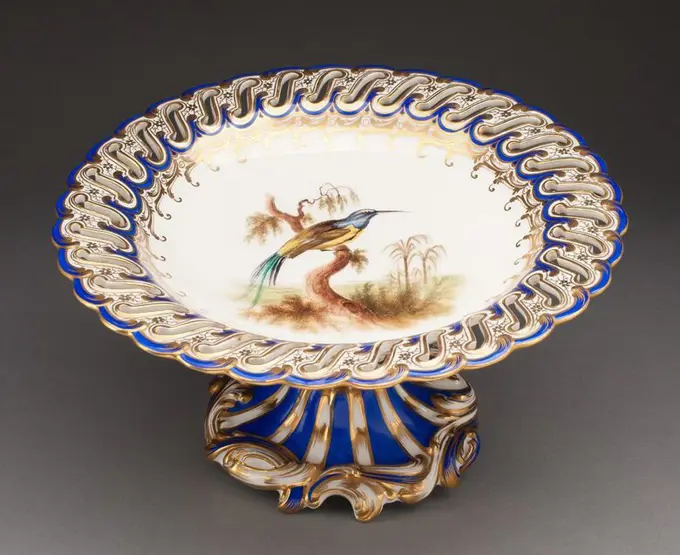
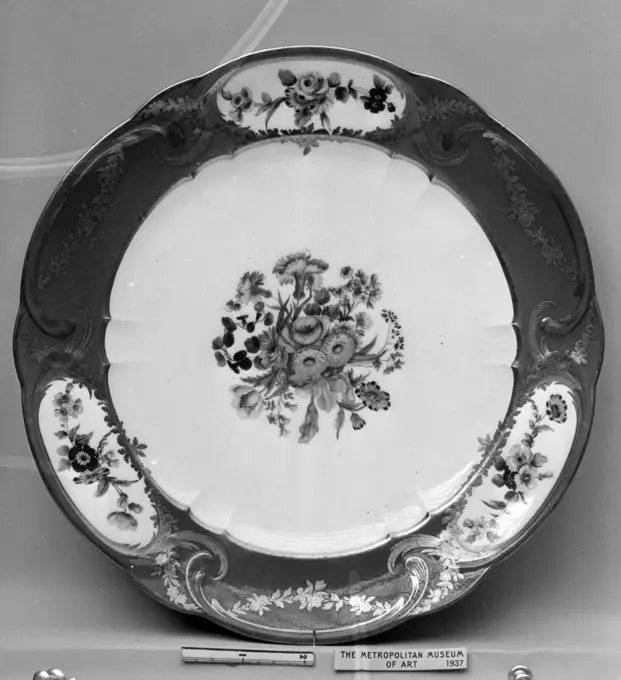
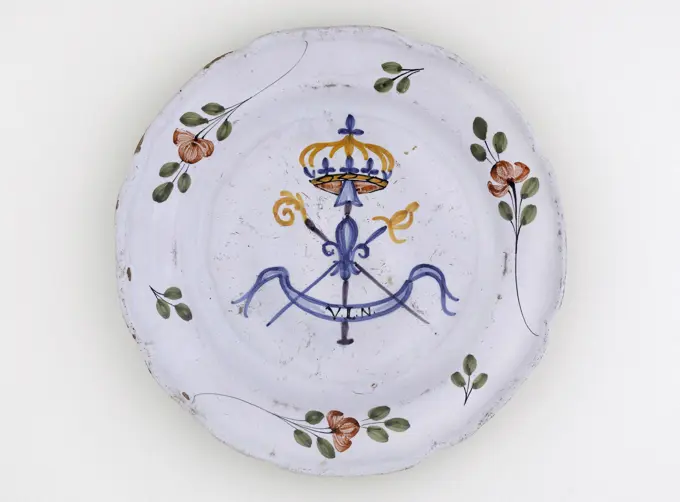
Plate; Rosenthal (Selb; Porcelain Factory; 1879-); 1925-41 (1920-00-00-1930-00-00);Sèvres Porcelain Manufactory, Plate from the service de la Reíne, 1784, soft-paste porcelain.Plate Mi Nia (Meissen)Serving Dish, Cozzi Porcelain Factory, Italian, 1763 - 1812, hard paste porcelain, vitreous enamel, gold, A white oval scalloped dish with a blue ribbon border and a floral pattern within., Italy, ca. 1765, ceramics, Decorative Arts, dish, dishPlate - William & Edward Corn, 1854-1904 William & Edward Corn, 1854-1904Plate, painted multi-colored with Deutsche Blumen, insects and fruits. Round plate from painted porcelain. The plate is painted with Deutsche Blumen, insects and fruits. The edge is embossed with the Neuozier pattern. The sign has been marked and belongs to a service (BK-17474-1 to BK-17474-253).Plate; Glinica (Fiansu Factory; 1771-Ca 1870); after 1826 (1830-00-00-1870-00-00);Small plate. Ćmielów (fabryka fajansu i porcelany ; 1804-), factoryPlate, painted with an Imari decor, Meissener Porzellan Manufaktur, c. 1740 Round dish of painted porcelain. The dish is a faithful copy of an Imari example. On the flat, a bird on a rock is painted on the edge, a pressure backdrop of flowers painted, in which two asle -lobe fields have been saved, each with a bird in it. The dish is marked. Float porcelain Round dish of painted porcelain. The dish is a faithful copy of an Imari example. On the flat, a bird on a rock is painted on the edge, a pressure backdrop of flowers painted, in which two asle -lobe fields have been saved, each with a bird in it. The dish is marked. Float porcelain. Plate of faience. Blue painted with a Dutch landscape with water.Dish. Northwest Iran, early 17th century. Ceramics. Fritware, underglaze-paintedSauce Dish. Culture: American. Dimensions: H. 1 1/16 in. (2.7 cm); Diam. 5 in. (12.7 cm). Maker: Union Porcelain Works (1863-ca. 1922). Date: 1885-87.Union Porcelain Works was one of the most important and inventive American porcelain manufacturers in the second-half of the nineteenth century. In addition to their imaginative works designed by the German-born artistic director, Karl H. L. Müller, the firm's mainstay was the production of heavy porcelain hotel dinnerware. This extensive service was made by Thomas Carll Smith, head of the Union Porcelain Works, as a gift to his daughter, Pastora Forest Smith Chace. The neoclassical decoration of the gilt bellflower and basket motif is complimented by turquoise enamel. Unlike the firm's more eccentric and lavish designs created for their display at the Philadelphia Centennial Exposition in 1876, the pottery favored a more restrained classical style for their dinner services. This service descended in the Chace family. Museum: Metropolita. Ear head and saucer of porcelain, painted on the glaze in blue, red, pink, green, black and gold. On the flat of the dish a bouquet with flowers and three flower branches (and camaïeu) and an unidentified family crest. On the weapon a ram on a rock against a gold speckled background. The helmet sign is a crown with two horns. The cover consists of leaf raft. A decorative band on the inner edge. The head with the same decoration. A chip in the edge of the dish. Weapon porcelain with email colors.Plate, anonymous, c. 1750 Porcelain plate, painted on the glaze in red, black and gold. On the flat a weapon with the pelican that feeds her boy from her chest. The helmet sign is a bird. The weapon is surrounded by acanthus leaves. To the weapon the inscription: 'In memory of Hermannus Laurents Discher Hooft from commissioners and prauw-sailors on Batavia AO. 1749 '. On the edge four flower branches (peony, chrysanthemum, iris) and a Spearhead border. Weapon porcelain with email colors. China porcelain. glaze. gold (metal) painting / gilding / vitrification  Batavia Porcelain plate, painted on the glaze in red, black and gold. On the flat a weapon with the pelican that feeds her boy from her chest. The helmet sign is a bird. The weapon is surrounded by acanthus leaves. To the weapon the inscription: 'In memory of Hermannus Laurents Discher Hooft from commissioners and prauw-sailors on Batavia AO. 1749 '. On the edge four flower branches (peony, chrysanthemum, iris) and a Spearhead borUnknown, plate, 1750, great fire earthenware, polychrome enamels, green shades and manganese, pinkish earth, white enamel. Petit Palais, Museum of Fine Arts of the City of Paris.Plate with a bouquet and flower sprays, imperial porcelain factory, c. 1800 - c. 1849 Porcelain plate with a lobed edge, painted on the glaze in red, green, yellow and purple. On the flat a bouquet of different flowers (including peony) surrounded by loose twigs and five flower branches on the edge. Marked on the underside with the shield, the letter P and the numbers 30, 22 and 25. Vienna porcelain. glaze. painting / vitrification Porcelain plate with a lobed edge, painted on the glaze in red, green, yellow and purple. On the flat a bouquet of different flowers (including peony) surrounded by loose twigs and five flower branches on the edge. Marked on the underside with the shield, the letter P and the numbers 30, 22 and 25. Vienna porcelain. glaze. painting / vitrification. Dish of Faïence, painted multi-colored with four Chinese. The edge with lambrequins and shells.Bord van faience, anonymous, c. 1725 - c. 1760 Round plate of blue painted faience, with a table with flowers on the flat. The edge is divided into ten courses with a plant on a soil in each section. Delft earthenware. tin glaze. Round plate of blue painted faience, with a table with flowers on the flat. The edge is divided into ten courses with a plant on a soil in each section. Delft earthenware. tin glaze.Fruit stand (soucoupe à pied) (one of four) (part of a service) 1771-72 Sèvres Manufactory French The table services produced at Sèvres in the eighteenth century were highly prized and extremely expensive. They were not only purchased by the Crown and members of the aristocracy but also given by the king as diplomatic gifts to foreign courts and visiting dignitaries, and the esteem in which they were held did much to enhance the factorys prestige and fortunes. Because the number of pieces composing a service was very large, the cost was enormous, but this did not deter many courtiers from ordering a dinner or dessert service, or both.One of the most celebrated services produced at Sèvres was delivered to Louis-René-Édouard, prince de Rohan-Guémenée (1734-1803), on September 7, 1772. All of the pieces were decorated with the rich turquoise ground color known as bleu céleste and with birds encircled by an elaborate gilt wreath of oak leaves and acorns. Many of the components of the servPlate 18th-19th century Possibly Phillips and Co.. Plate. British. 18th-19th century. Dark blue printed ware. Possibly Phillips and Co.. Ceramics-PotteryPlate 1792 Sèvres. Soft-paste porcelain, dark blue ground, polychrome enamels, and gilding . Manufacture nationale de Sèvres (Manufacturer)Plate, deep model, belonging to a tableware with swapped ribbon motif with leaf branches, flower bouquets and sprinkled flower branches. Plate, deep model, belonging to a porcelain crockery with swatch motif in purple and gold with green leaf branches, flower bouquets and scattered flower branches. Edges lightly waved with decoration in gold with purple leaf motif. Since green crossed leaf motif. Signature: MF. The Dihl et guerhard à paris. Series of eleven pieces.Saucer-dish with hunting scene, lotus scrolls and auspicious symbols, anonymous, c. 1700 - c. 1724 Porcelain bowl with round, ribbed wall and scalloped edge, painted in underlaze blue. On the flat a hunting scene with two armed riders with a dog in a landscape, hunting an animal; the edge with a connected band of Lotusranken with Ruyi motif, between which the eight lucky symbols (chakra, shell, parasol, canopy, lotus, vase, fishing, infinite knot); The back with sixteen loose flower branches. Marked on the underside with the six-character brand of Keizer Chenghua in a double circle. Blue White. China porcelain. glaze. cobalt (mineral) painting / vitrification Porcelain bowl with round, ribbed wall and scalloped edge, painted in underlaze blue. On the flat a hunting scene with two armed riders with a dog in a landscape, hunting an animal; the edge with a connected band of Lotusranken with Ruyi motif, between which the eight lucky symbols (chakra, shell, parasol, canopy, lotus, vase, fisPlate or Stand, porcelain, vitreous enamel, gold, Round with four quadrant protrusions in sides. Decorated with floral sprays. Slim blue band on inside edge. Top edge gilded., France, ca. 1768, ceramics, Decorative Arts, plate or stand, plate or stand. Dish of Faïence. Blue painted with a landscape. The wide edge is painted multi-colored.Dinner plate - Herculaneum Pottery Herculaneum PotterySaucer Dish, c. 1725, 12 1/4 in. (31.12 cm), Porcelain with enamel decoration, China, 18th centuryPlate, Tin-glazed earthenware, Octagonal scalloped marly, decorated with alternating large and small sprays of foliage. In center, crossed crosier, sword and spade with fleur-de-lis at point of crossing; above, royal crown; below, banderole inscribed: Viva la nation. Blue, yellow and violet in center; green and red on marly., France, 19th century, ceramics, Decorative Arts, PlateUnknown, plate, imitation imitation decor (common name). Porcelain, polychrome enamels. Petit Palais, Museum of Fine Arts of the City of Paris.Saucer with a Landscape and Flower Sprays, royal porcelain manufactory, c. 1780 Porcelain dish, painted in email colors and gold. On the flat a medallion of flower branches with a landscape in it. The inner wall with three flower branches of flower branches. Marked on the underside with the scepter, a red Z., Letter I and O. Berlin porcelain. glaze. gold (metal) painting / gilding / vitrification Porcelain dish, painted in email colors and gold. On the flat a medallion of flower branches with a landscape in it. The inner wall with three flower branches of flower branches. Marked on the underside with the scepter, a red Z., Letter I and O. Berlin porcelain. glaze. gold (metal) painting / gilding / vitrificationToy plate - William Ridgway & Company, 1830-1854 William Ridgway & Company, 1830-1854Plate with a coat of arms and floral scrolls, anonymous, c. 1710 - c. 1730 Plate of porcelain with a scalloped edge, painted on the glaze in red, green, black and gold. On the flat a family crest (possibly from the Portuguese family Brandao or the Dutch Van der Meij family from Dordrecht) surrounded by leaf ranks. The weapon is divided into four subjects with a snake; 2. a tower; 3. An oak tree and 4. Two tires with tilting against a red background. Two chryssant branches on the back. Two cracks in the edge. Weapon porcelain in Imari. Japan porcelain. glaze. gold (metal) painting / gilding / vitrification Plate of porcelain with a scalloped edge, painted on the glaze in red, green, black and gold. On the flat a family crest (possibly from the Portuguese family Brandao or the Dutch Van der Meij family from Dordrecht) surrounded by leaf ranks. The weapon is divided into four subjects with a snake; 2. a tower; 3. An oak tree and 4. Two tires with tilting against a red background. Two chryDinner plate - L. Bernardaud & Company L. Bernardaud & CompanySoup Plate 1736-95 Chinese Chinese export porcelain was one of the luxuries deemed essential to a well-appointed eighteenth-century house. Until 1784, when direct trade began between China and America, Chinese porcelain came to the colonies by way of Europe. This soup plate was part of a large service that descended in the Verplanck family of New York.. Soup Plate 7688Salad bowl; Chamberlain & Co (England; Porcelain Factory; 1788-1852); 1811-40 (1835-00-00-1845-00-00);Plate, Veuve Perrin Factory, France, 1748 - 1803, Tin-glazed earthenware, overglaze muffle colors, Circular cavetto, scalloped rim irregularly ten-sided. Chinoiserie decoration: seated man and boy holding parasol under double-roofed shelter supporting a bell and a bird, the whole surrounded by foliage. Border of alternating birds and green latticed panels., Marseille, France, late 18th century, ceramics, Decorative Arts, PlatePlate (assiette à palmes) (one of four) (part of a service) 1771 Sèvres Manufactory French The table services produced at Sèvres in the eighteenth century were highly prized and extremely expensive. They were not only purchased by the Crown and members of the aristocracy but also given by the king as diplomatic gifts to foreign courts and visiting dignitaries, and the esteem in which they were held did much to enhance the factorys prestige and fortunes. Because the number of pieces composing a service was very large, the cost was enormous, but this did not deter many courtiers from ordering a dinner or dessert service, or both.One of the most celebrated services produced at Sèvres was delivered to Louis-René-Édouard, prince de Rohan-Guémenée (1734-1803), on September 7, 1772. All of the pieces were decorated with the rich turquoise ground color known as bleu céleste and with birds encircled by an elaborate gilt wreath of oak leaves and acorns. Many of the components of the service beaSuacer-dish with a flower vase and floral scrolls, anonymous, c. 1700 Porcelain saucer with a lobed edge, painted in underlaze blue. On the flat in a double medallion a flower vase with a banana plant and two prunus branches. The inner wall with four peony flowers and flower vines. The outer wall with a continuous edge. Four pronen on the bottom. Arita, Blauw-Wit. Japan porcelain. glaze. cobalt (mineral) painting / vitrification Porcelain saucer with a lobed edge, painted in underlaze blue. On the flat in a double medallion a flower vase with a banana plant and two prunus branches. The inner wall with four peony flowers and flower vines. The outer wall with a continuous edge. Four pronen on the bottom. Arita, Blauw-Wit. Japan porcelain. glaze. cobalt (mineral) painting / vitrificationBowl, 16th-17th century, 3 5/8 x 18 in. (9.2 x 45.72 cm), Swaton ware, glaze, China, 16th-17th centuryPlate;  19th century () (1801-00-00-1900-00-00);Saucer with a farmer and flowering plants in panels, anonymous, c. 1725 - c. 1749 Porcelain dish with spreading wall, painted on the glaze in red, pink, green, black and gold. On the flat of the dish a medallion with a working farmer with a stick in the water in a pine and bushes; Around the medallion, stylized flowers and three cartouches with flowering plants against a golden soil. Famle Rose. China porcelain. glaze. gold (metal) painting / gilding / vitrification Porcelain dish with spreading wall, painted on the glaze in red, pink, green, black and gold. On the flat of the dish a medallion with a working farmer with a stick in the water in a pine and bushes; Around the medallion, stylized flowers and three cartouches with flowering plants against a golden soil. Famle Rose. China porcelain. glaze. gold (metal) painting / gilding / vitrificationSaucer With Flower Sprays Behind a Rock and Fence. Dish of porcelain, painted in underglaze blue and on the glaze red and gold. On the flat of the dish large, blooming plants (peony, chrysanthemum, aster) behind a rock and a fence; The edge with napkin interspersed with a flower branch in a cartouche. Chinese Imari.Plate, eight -lobbig, painted with vase with flowers, anonymous, c. 1720 - c. 1740 Eight -lobe dish of blue painted faience. On the flat, a soil with flowers is painted with a vase with flowers. Stylized leaves are painted along the edge. The dish is marked. Bayreuth earthenware. tin glaze. Eight -lobe dish of blue painted faience. On the flat, a soil with flowers is painted with a vase with flowers. Stylized leaves are painted along the edge. The dish is marked. Bayreuth earthenware. tin glaze.. Scalloped dish of porcelain, painted on the glaze in blue, red, green, yellow, black and gold with a pair of hay birds, one in the air and one on a rock with a flower branch. Kakiemon style.Dish, multi -colored painted with a water landscape in a saved four pass in an Oranjerode fond, Meissener Porzellan Manufaktur, c. 1735 Subtotel of painted porcelain. The dish is covered with an Oranjerode Fond, in which accolade -shaped four -passes are saved with (water) landscapes with European figures, sometimes with bales and ships. The dish is marked. Float porcelain Subtotel of painted porcelain. The dish is covered with an Oranjerode Fond, in which accolade -shaped four -passes are saved with (water) landscapes with European figures, sometimes with bales and ships. The dish is marked. Float porcelainPlate with a boy on the platform and a piping dog, anonymous, c. 1400 - c. 1950 Plate of pottery with purple transfer decor. On the flat a representation of a boy and a fiddling dog for a fence and a plate with the text: Notice. The edge of the plate with flowers and rocailles in relief and a purple piping. England earthenware Plate of pottery with purple transfer decor. On the flat a representation of a boy and a fiddling dog for a fence and a plate with the text: Notice. The edge of the plate with flowers and rocailles in relief and a purple piping. England earthenwareDish, painted on the flat in blue with a landscape with a tree and two Chinese figures. Rand decorated with four ovals in which performances, on checkered soil, anonymous, c. 1650 - c. 1665 Round dish of blue painted faience. A landscape with a tree and two figures (Chinese) is painted on the flat. The edge has a checkered surface and four oval subjects. In two of the courses, a sitting figure (Chinese) is painted in a landscape and in the other two courses two figures (Chinese) in a landscape. Delft earthenware. tin glaze. Round dish of blue painted faience. A landscape with a tree and two figures (Chinese) is painted on the flat. The edge has a checkered surface and four oval subjects. In two of the courses, a sitting figure (Chinese) is painted in a landscape and in the other two courses two figures (Chinese) in a landscape. Delft earthenware. tin glaze.Saucer with taoist symbols, anonymous, c. 1700 - c. 1724 Porcelain saucer with six times lobed edge, painted on the glaze in red and gold. On the flat of the dish a flower basket with mushrooms (Lingzhi), around it the eight Taoist symbols (gourd, flute, castagnets, battle instrument, lotus, fan, sword, fruit basket). Milk and blood. China porcelain. glaze. gilding (material) painting / gilding / vitrification Porcelain saucer with six times lobed edge, painted on the glaze in red and gold. On the flat of the dish a flower basket with mushrooms (Lingzhi), around it the eight Taoist symbols (gourd, flute, castagnets, battle instrument, lotus, fan, sword, fruit basket). Milk and blood. China porcelain. glaze. gilding (material) painting / gilding / vitrificationSaucer With Flowering Plants in Shaped Panels. Dish of porcelain, covered with a turquoise glaze and stained in blue, red, pink, green, black and gold. The dish is covered at the front with a turquoise glaze with a scalloped medallion in the center in the center, around it three saved cartouches with flowering plants and a bird on a branch. Family Rose.Plate, 1575-1587. Italy, 16th century. Soft-paste porcelain (called Medici porcelain); diameter: 28 cm (11 in.).Oval Plate With A Small Flower Group and Ornamental Border. Oval plate of porcelain, painted on the glaze in blue, red and gold. On the flat a small flower group; the wall with a decorative tire; On the edge two decorative tires. Porcelain with email colors.Saucer-dish with two Ladies Beneath a Prunus in a Fenced Garden. Dish of porcelain, with landscaped tulip motif in the wall and scalloped edge, painted on the glaze in red and gold. On the flat a medallion with two ladies (long likes) under a prunus tree in a fenced garden with rocks, plants and bamboo. On the wall tulip-shaped compartments with flower branches, also flour branches between the compartments; The border with a geometric pattern with flowers. A crack in the edge. Milk and blood.Saucer ca. 1755 Chelsea Porcelain Manufactory. Saucer. British, Chelsea. ca. 1755. Soft-paste porcelain. Chelsea Porcelain Manufactory (British, 1744-1784). Ceramics-PorcelainOval platter. Wolff, Karol (wytwórnia fajansu ; 1783-ca. 1800), factoryPlate (Assiette à cordonnet), 1752. Sèvres Porcelain Factory (French, est. 1756). Soft-paste porcelain with enamel and gilt decoration; diameter: 24.8 cm (9 3/4 in.).. Porcelain sugar bowl, painted on the glaze in blue, red, pink, green, yellow, black and gold. On the wall the weapon of the Romswinckel family. The weapon has a red background with three concentric gold rings. The helmet sign is a crown with three rings and plumes above above. The cover consists of leaf raft. On the inner edge a decorative band with railing and leaf drinks with stylized flowers. A crack and a chip in the edge of the pot. Weapon porcelain with email colors.Saucer with a crane near a peony plant and rock, anonymous, c. 1725 - c. 1749 Porcelain dish, painted on the glaze in blue, red, pink, green, black and gold. On the flat a leaf -shaped cartouche with a crane in a landscape in a flourishing peoning plant and a rock; the wall with flower vines in Bianco Sopra Bianco; The edge with a decorative pattern. Part of a service. European forms with Famle Rose. China porcelain. glaze. gold (metal) painting / gilding / vitrification Porcelain dish, painted on the glaze in blue, red, pink, green, black and gold. On the flat a leaf -shaped cartouche with a crane in a landscape in a flourishing peoning plant and a rock; the wall with flower vines in Bianco Sopra Bianco; The edge with a decorative pattern. Part of a service. European forms with Famle Rose. China porcelain. glaze. gold (metal) painting / gilding / vitrification. Porcelain plate, painted in underglaze blue and on the glaze red, green, black and gold. On the front a representation of a walking dutch couple with a dog in a fenced garden with a tree, rock and flowering plants; On the wall and edge four groups of lucky symbols (O.A. vase with flowers, coral or peacock feathers, ruyi scepter, fruit basket, roll, diamond, artemisiablad); The edge with a tire with napkin interspersed with lotus flowers in leaf-shaped compartments. The back with two flower branches. European performance in email colors.. Porcelain lid with ribbed wall, painted on the glaze in blue, red, pink, turquoise, yellow, black and gold. On the lid a portrait of Charles III of Spain in a medallion; to the medallion into the inscription 'Carolus III dei Grata 1802'; to the edge a decorative band; to the outer edge a decorative band; On the inside of the lid a yellow flower. Possibly a 19th-century European copy (Samson, Paris). European performance in email colors.. Box with lid of porcelain with ribbed wall, painted on the glaze in blue, red, pink, turquoise, yellow, black and gold. On the outer wall the incomplete inscription 'Hispan et IND Rex A 8 Reho'; to the outer edge a decorative band; a yellow flower on the bottom of the box; Inside the foot ring of the Box of Karel III. Possibly a 19th-century European copy (Samson, Paris). European performance in email colors.Scale, painted with flower bouquets. Scale with scalloped edge painted multicolored with flower bouquets. Signature in blue J.H.Bord van faience, anonymous, c. 1760 - c. 1790 plate (dishes) Fowence board. Blue painted with, among other things, the words: siet what is of aging here. On the back: pray before you go to 't Eeten. Delft .Saucer with Flowers, Meissen Porcelain Manufactory, German, active from 1710 to the present, porcelain, vitreous enamel, Smooth, surface with wide marly. Scattered naturalistic European floral sprays., Germany, 1774-1814, ceramics, Decorative Arts, saucer, saucer. Painted porcelain plate. The board is a faithful copy of an Imari example. On the flat is a bird on a rock, painted on the edge a busy decor of flowers, in which two six-spectant fields are saved with a bird in it. The plate has been marked.Dish; Possibly by Capodimonte Porcelain Manufactory (Italy); porcelain, overglaze enamels and gildingPlate ca. 1776 Chinese, for Portuguese market. Plate 201248Plate 18th century French, Rouen Faience, or tin-glazed and enameled earthenware, first emerged in France during the sixteenth century, reaching widespread usage among elite patrons during the seventeenth and early eighteenth centuries, prior to the establishment of soft-paste porcelain factories. Although characterized as more provincial in style than porcelain, French faience was used at the court of Louis XIV as part of elaborate meals and displays, with large-scale vessels incorporated into the Baroque garden designs of Versailles. Earlier examples of French faience attest to the strong influence of maiolica artists from Italy. Later works demonstrate the ways in which cities such as Nevers, Rouen, Lyon, Moustiers, and Marseille developed innovative vessel shapes and decorative motifs prized among collectors throughout Europe. While faience can be created from a wide mixture of clays, it is foremost distinguished by the milky opaque white color achieved by the addition of tin oxidePlate. unknown, craftsmanBoard with decor "Montagne". Plate of pottery, decorated with "Montagne" in purple printed decor. Rich rococoand with napkin and flowers.Faïence board with flower decoration, anonymous, c. 1685 - c. 1710 Faïence board. Blue painted with a flower decoration inspired by Chinese porcelain. Delft . Faïence board. Blue painted with a flower decoration inspired by Chinese porcelain. Delft .Bread plate - Georgeville D'après Ridgway, Morley, Wear & CompanyDish, multi -colored painted with chinoiseries, Meissener Porzellan Manufaktur, c. 1725 - c. 1730 Round dish of painted porcelain. The gilt mouth edge is decorated with a lace ornament in gold. A four-pass is painted on the flat within which a Höroldt chinoiserie. The dish is marked and belongs to a tea set (BK-17420-A to BK-17420-O). The service is on a chassis or scaffolding (BK-17017). Float porcelain Round dish of painted porcelain. The gilt mouth edge is decorated with a lace ornament in gold. A four-pass is painted on the flat within which a Höroldt chinoiserie. The dish is marked and belongs to a tea set (BK-17420-A to BK-17420-O). The service is on a chassis or scaffolding (BK-17017). Float porcelainPlatter 1785-90 Chinese, for American market This object belongs to a large dinner service (10.149.1-.248) bearing the Townley family coat-of-arms. The service, probably ordered by Justice Samuel Chase (1741-1811) of Annapolis, Maryland, displays the enamel-painted arms of Margaret Townley, Chase's aunt.. Platter 6596Plate ca. 1700-1720 French, Rouen Faience, or tin-glazed and enameled earthenware, first emerged in France during the sixteenth century, reaching widespread usage among elite patrons during the seventeenth and early eighteenth centuries, prior to the establishment of soft-paste porcelain factories. Although characterized as more provincial in style than porcelain, French faience was used at the court of Louis XIV as part of elaborate meals and displays, with large-scale vessels incorporated into the Baroque garden designs of Versailles. Earlier examples of French faience attest to the strong influence of maiolica artists from Italy. Later works demonstrate the ways in which cities such as Nevers, Rouen, Lyon, Moustiers, and Marseille developed innovative vessel shapes and decorative motifs prized among collectors throughout Europe. While faience can be created from a wide mixture of clays, it is foremost distinguished by the milky opaque white color achieved by the addition of tin oxidDish, painted with poultry in a landscape, manufacture Oud-Loosdrecht, c. 1782 - c. 1784 Porcelain dish. Multicolored painted with birds on a landscape ground, and sprinkling flowers. Loosdrecht porcelain Porcelain dish. Multicolored painted with birds on a landscape ground, and sprinkling flowers. Loosdrecht porcelainPlate China. Plate 47554White dish with blue Oriental figure and flowers, dish plate tableware holder ceramic porcelain glaze, baked painted glazed Round saucer with almost straight flat outer edge flat is slightly convex no stand ring but slightly hollow unglazed bottom serving. Bell-shaped head of porcelain with ribbed wall and scalloped edge, painted on the glaze in blue, red, pink, green, yellow and black. On the bottom a lady and a gentleman on a terrace for a table and a room screen, the Lord is kneeling and embraces the lady; The wall with a continuous floral. On the inner wall with ingrangled lines. European performance in email colors.Plate. France, Montpellier. Date: 1775-1785. Dimensions: Diam. 25.1 cm (9 15/16 in.). Tin-glazed earthenware (faience). Origin: France. Museum: The Chicago Art Institute, Chicago, USA.Ming Dynasty dish with phoenixes, 15th cent. CHINA.Dinner service, incomplete  plate plate Mi Nia (Meissen)Botanical plate with a flowering eggplant ca. 1755 Chelsea Porcelain Manufactory These botanical plates (2016.217-.226) were produced by the Chelsea factory around 1755 and are often referred to as Chelsea "Hans Sloane" wares, in reference to the royal physician, traveler, and natural historian who helped transform the Chelsea Physik Garden into a center of botanical knowledge during the British Enlightenment. Several subjects depicted on these plates were taken from botanical illustrations published by Philip Miller, curator of Chelsea Physik Garden. Although flowers and fruits could typically be found on earlier porcelain wares from Meissen, the lively naturalism of the Chelsea botanical plates reflects a broadening public interest in the natural world, and evidence the forms of global commerce that brought exotic species from the Caribbean, the Americas, and Asia to England.. Botanical plate with a flowering eggplant. British, Chelsea. ca. 1755. Soft-paste porcelain with enamel decoSquare dish with a bouquet, flower sprays and foliate scrolls, Königliche Porzellan Manufaktur, c. 1780 - c. 1820 Square bowl of porcelain with pinched corners, painted on the glaze in blue, red, pink, green, yellow, purple, black and gold. On the flat a bouquet of different flowers and four small flower branches. On the wall a continuous leaf vank. The edge on the inside with a decorative band with curl and crossed branches. The outer wall with a flower branch. An extra foot in the center of the underside. Marked on the underside with the scepter and number 31 and II. Berlin porcelain. glaze. gold (metal) painting / vitrification / gilding Square bowl of porcelain with pinched corners, painted on the glaze in blue, red, pink, green, yellow, purple, black and gold. On the flat a bouquet of different flowers and four small flower branches. On the wall a continuous leaf vank. The edge on the inside with a decorative band with curl and crossed branches. The outer wall with a flower branchToy dessert plate - Inconnu / UnknownPlate first half 16th century Interchanges between Chinese ceramics and those produced in Turkey continued throughout the sixteenth century: while this dish was made to imitate Chinese porcelain, the decoration is uniquely Ottoman Turk. Tiny rosettes and leaves are rendered in tightly coiled vines that derive from calligraphy and, in particular, the tughras, or royal monograms, of the sultans.. Plate 451842Round, flat plate of hard-baked pottery. Round, flat plate of hard-baked pottery with on the flat a decoration in blue of a landscape with buildings, a tree and a man with an animal. The edge is decorated with flower branches. The sign is marked: Hackwood. The sign belongs to three equal signs (BK-NM-14091-A to BK-NM-14091-D).Dessert Plate, c. 1800, Wedgwood, Staffordshire, England, est. 1759, 8 3/4 x 8 3/4 in. (22.23 x 22.23 cm), Porcelain, England, 18th-19th centurySide plate, c. 1800, Wedgwood, Staffordshire, England, est. 1759, 7 1/2 x 7 1/2 in. (19.05 x 19.05 cm), Porcelain, England, 18th-19th centuryPlate - Steamboat "British America" William Davenport & Company, 1835-1881 William Davenport & Company, 1835-1881Cup and saucer (part of a set of four) ca. 1765 Worcester factory. Cup and saucer (part of a set of four). British, Worcester. ca. 1765. Soft-paste porcelain. Worcester factory (British, 1751-2008). Engraved by Robert Hancock (British, Burslem 1730-1817 Bristol). Ceramics-PorcelainBasin ca. 1765 Chinese, for British market. Basin 209010Dish with Scrolling Flowers and Breaking Waves 1403-1424 China. Porcelain painted in underglaze blue .. The decoration of Delft tin-glazed earthenware was almost all done by anonymous craftsmen. An exception to this is Frederik van Frytom, who worked in Delft as an independent pottery painter. The superior quality of his painted decorations betrays his training as a fine art painter.. The octagonal porcelain dish is polychrome painted with a bird and violets (purple, light and dark blue and yellow) within an ornamental decor. Labeled with: Kroon, Rozenburg, Stork, The Hague (upper each other); On the left the brand before 1913, on the right the work order number 332; under the painting mark of c.w.j. 't heart.Tile plate  two caps with grapes unknownCompote. Chamberlain and Company; Worcester, England, 1840-1852. Date: 1849. Dimensions: 14.1 × 24.3 × 24.3 cm (5 1/2 × 9 9/16 × 9 9/16 in.). Soft-paste porcelain with polychrome enamels and gilding. Origin: England. Museum: The Chicago Art Institute, Chicago, USA.Tray. France, Rouen or Lille. Date: 1695-1725. Dimensions: 5.1 × 37.5 × 22.4 cm (2 × 14 3/4 × 8 13/16 in.). Tin-glazed earthenware (faience). Origin: Rouen. Museum: The Chicago Art Institute, USA. Author: Rouen Potteries.Saucer With Flower Sprays and Feng Huangs. Dish of porcelain with a six-spectant edge, painted on the glaze in red and gold. On the flat of the dish three feng hues and three flower branches around a flower branch in the center; Three flowers on the back. Milk and blood.Plate (Assiette à palmes) (1 of 102) (part of a service) 1772 Sèvres Manufactory French. Plate (Assiette à palmes) (1 of 102) (part of a service). French, Sèvres. 1772. Soft-paste porcelain. Ceramics-PorcelainAnonymous. Plate. Earthenware. 1789-1790. Paris, Carnavalet museum. 70955-19 Weapon, Crown, Epee, Faience, Decorative Reading, Revolutionary Periode, Crockery, Plate