Ornate Porcelain Dishes

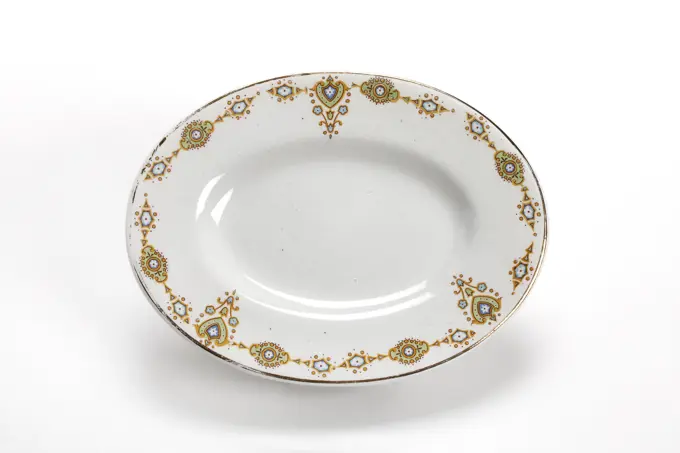
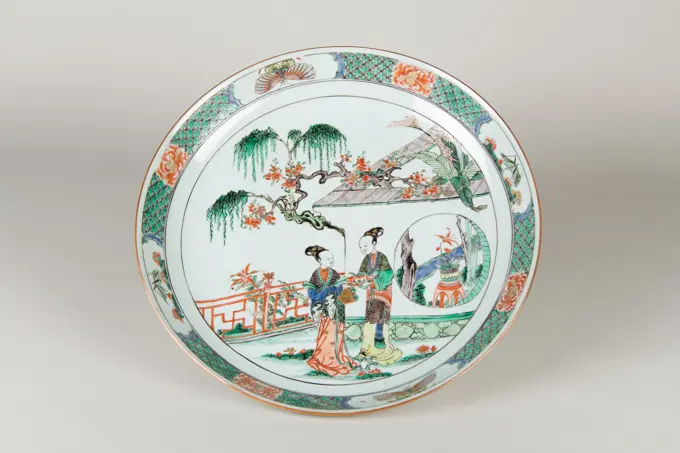
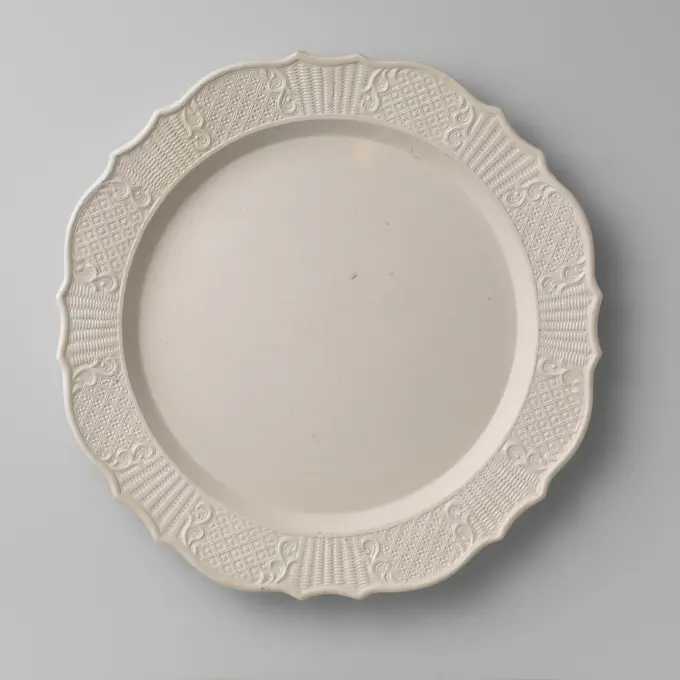
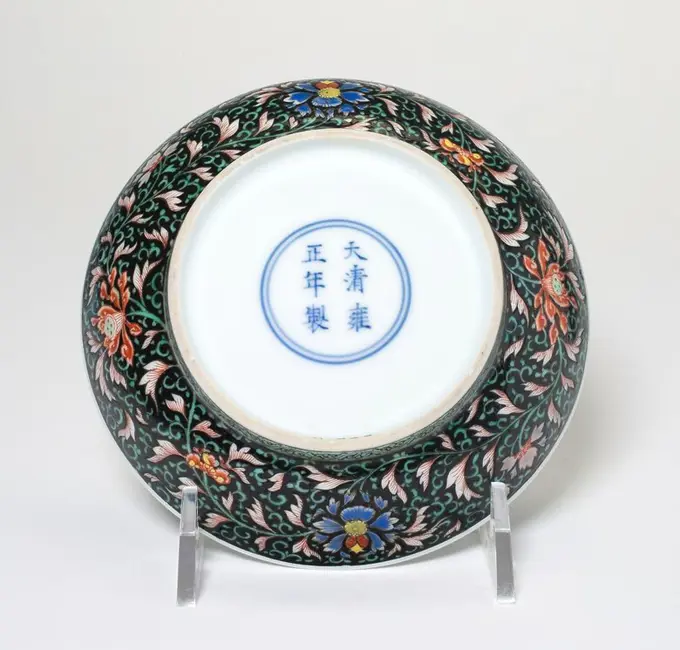
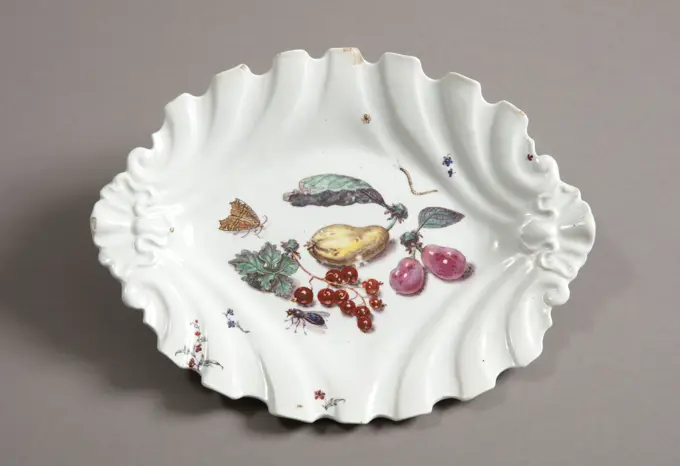
A variety of intricately designed porcelain dishes, featuring vibrant floral patterns and historical decorations, suitable for collectors or table settings.

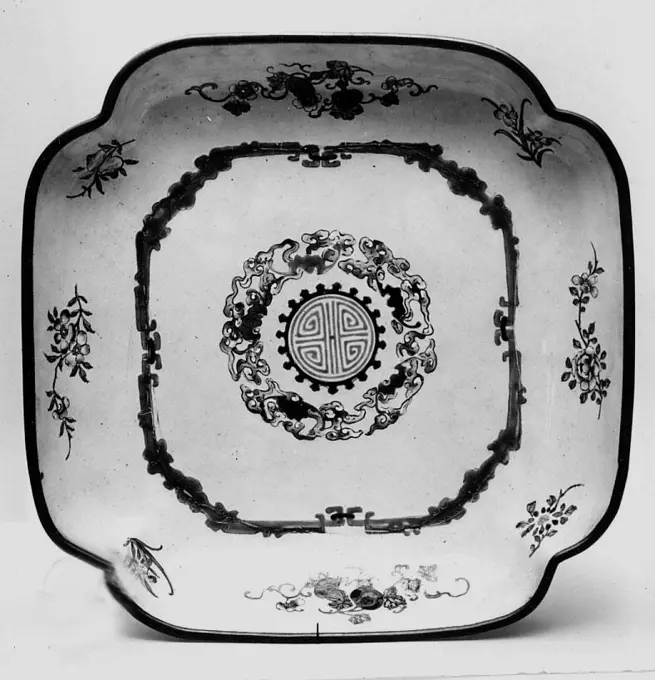
Saucer with moulded flower sprays, anonymous, c. 1750 - c. 1774 Porcelain saucer, painted in underly glaze blue and on the glaze red, pink, green, purple and gold. A flower branch on the flat of the dish; the wall with two modeled flower branches in high-relief; A decorative pattern on the edge; The edge is brown glazed. Famle Rose. China porcelain. glaze. gold (metal) painting / gilding / vitrification Porcelain saucer, painted in underly glaze blue and on the glaze red, pink, green, purple and gold. A flower branch on the flat of the dish; the wall with two modeled flower branches in high-relief; A decorative pattern on the edge; The edge is brown glazed. Famle Rose. China porcelain. glaze. gold (metal) painting / gilding / vitrification
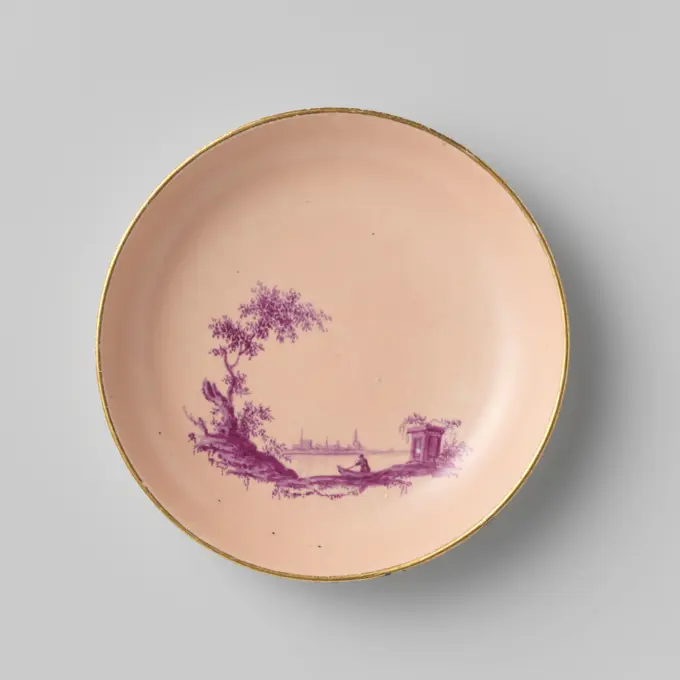
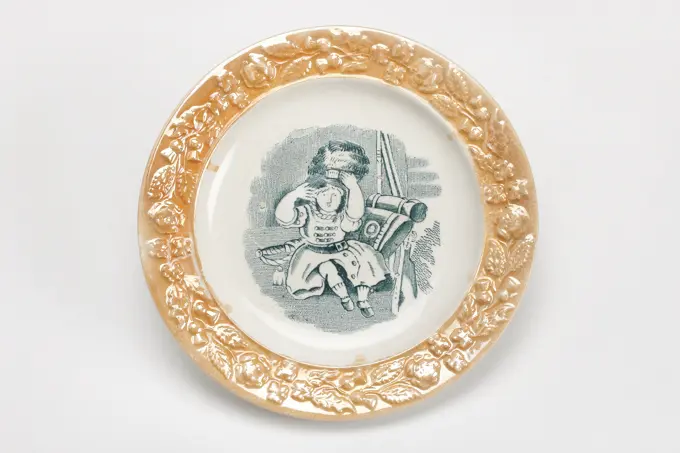
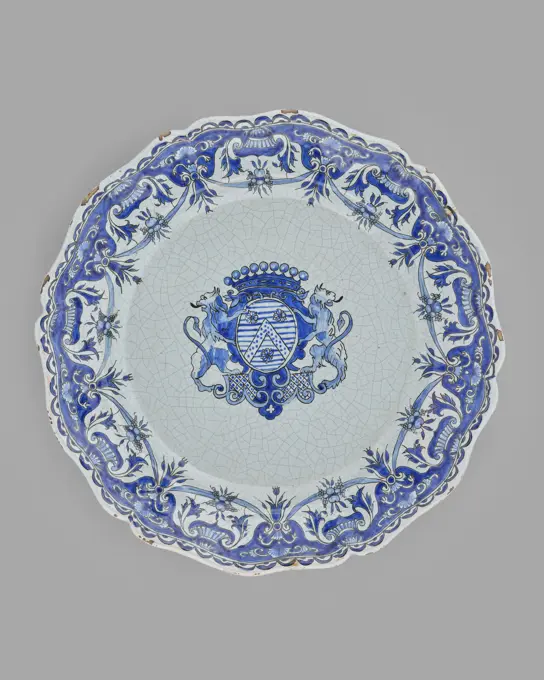
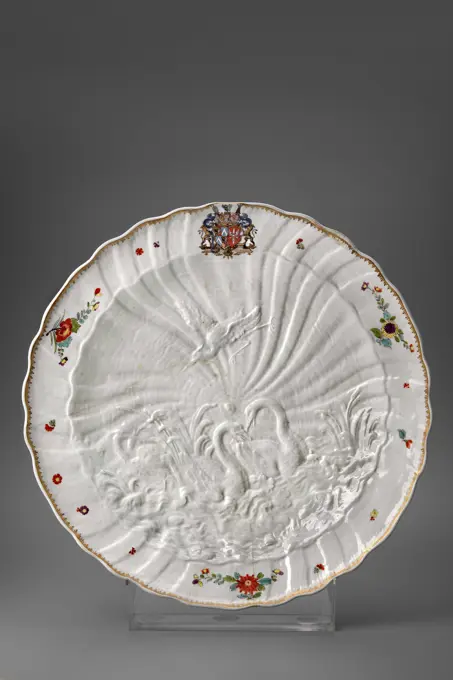
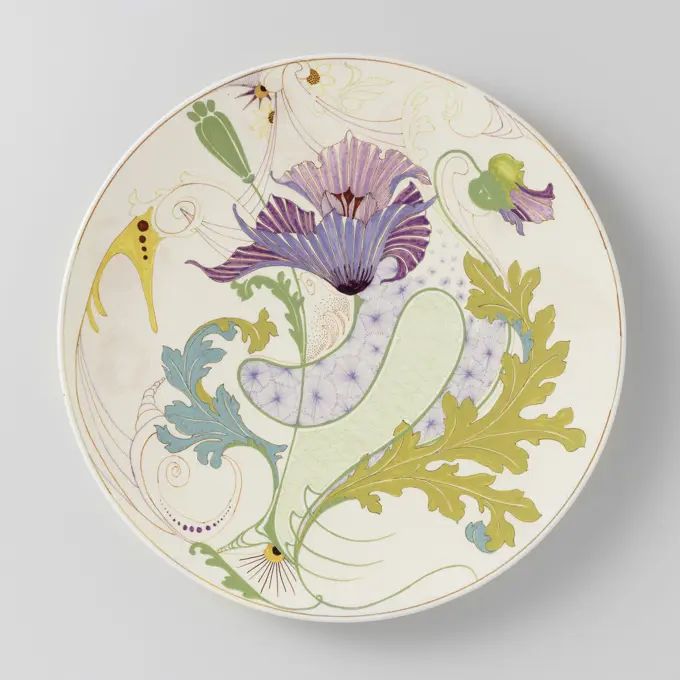
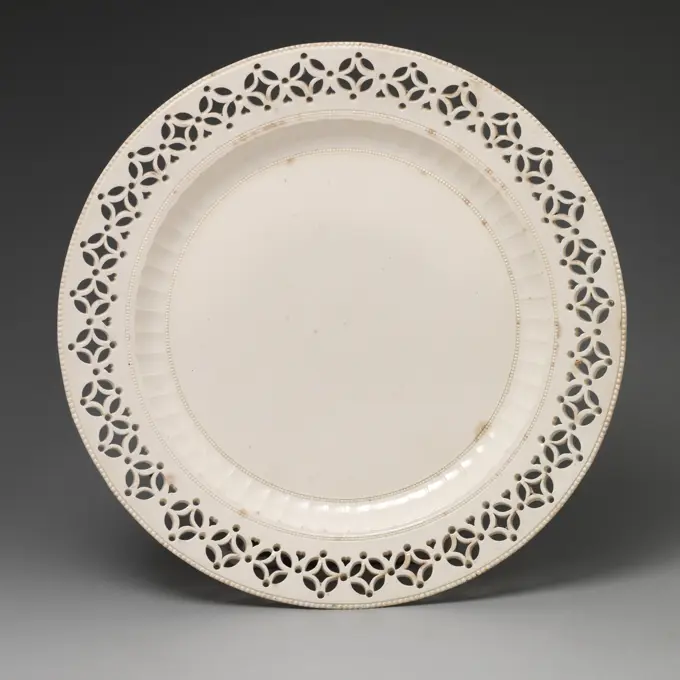
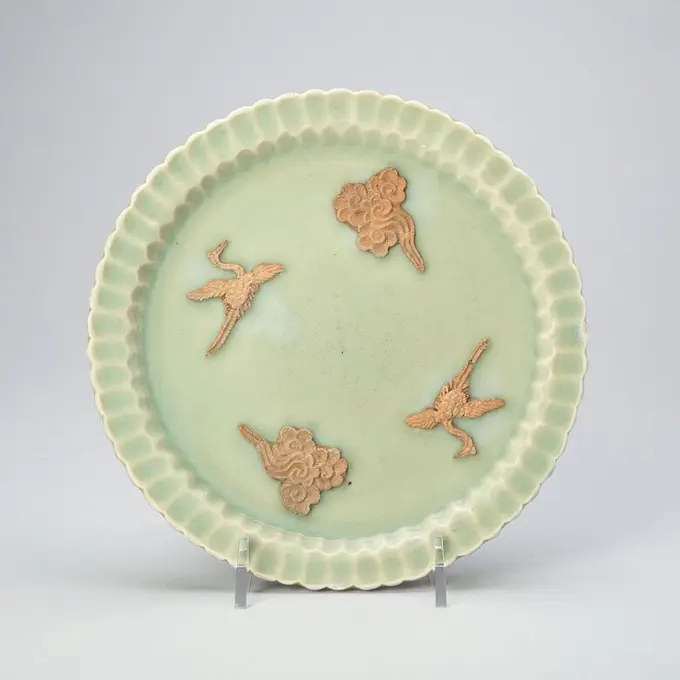
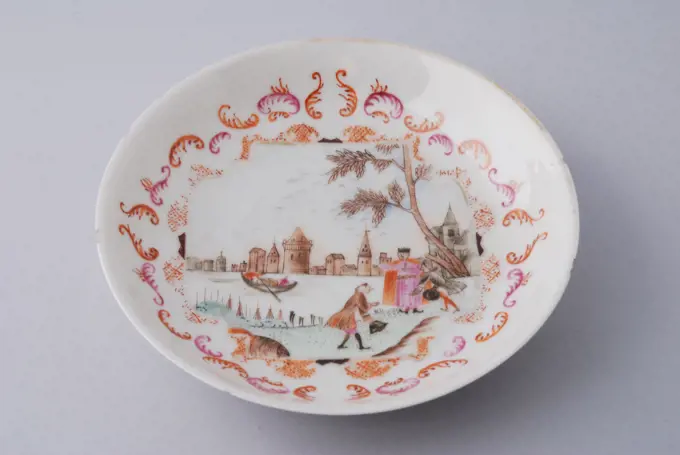
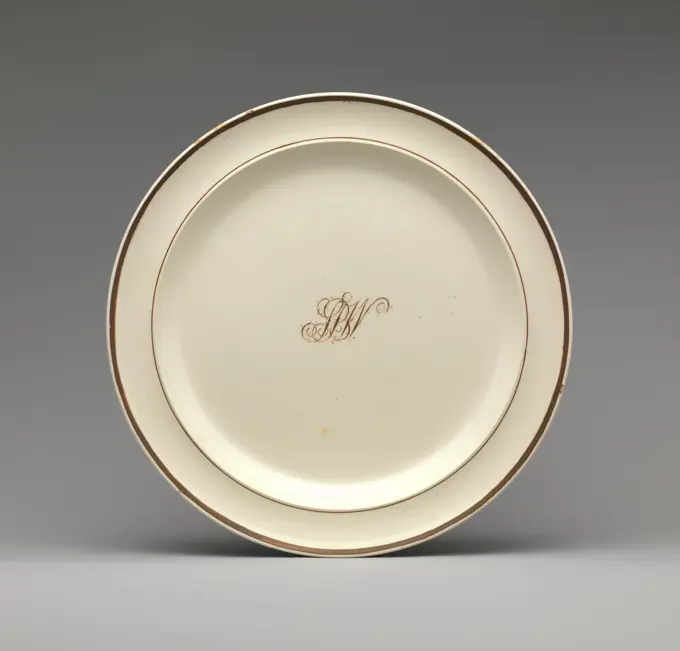
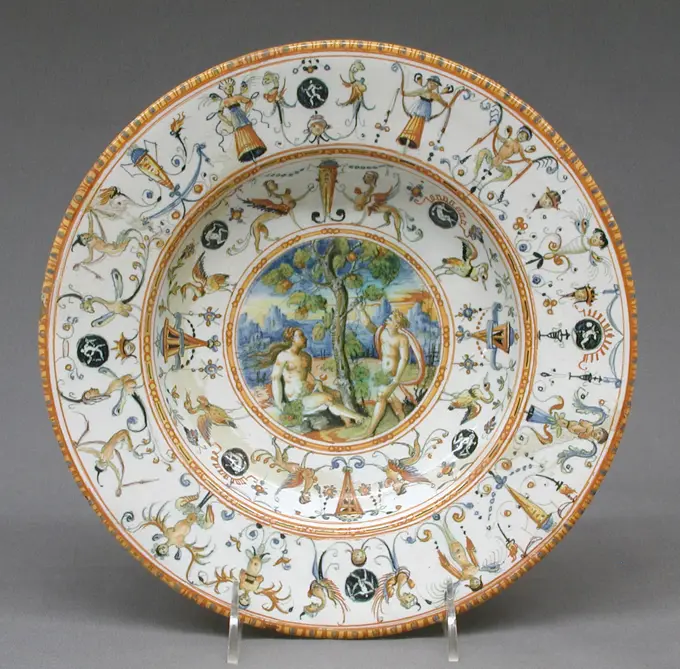
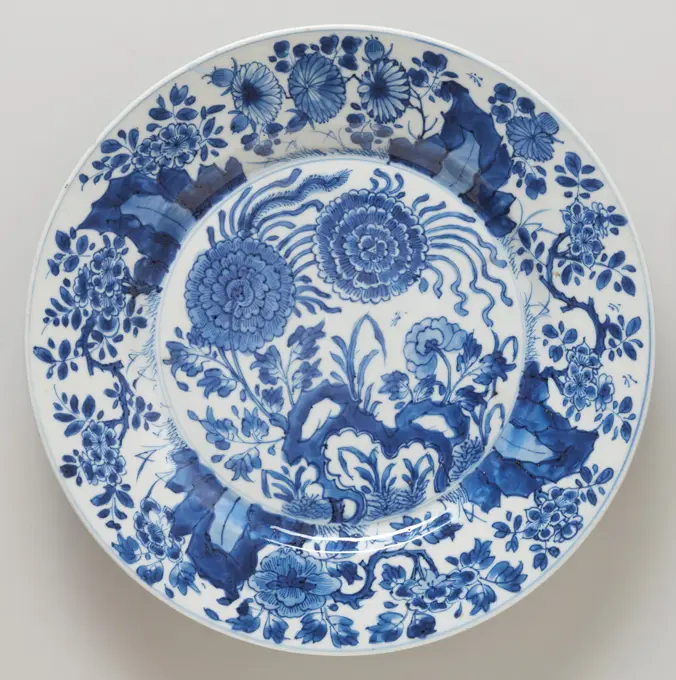
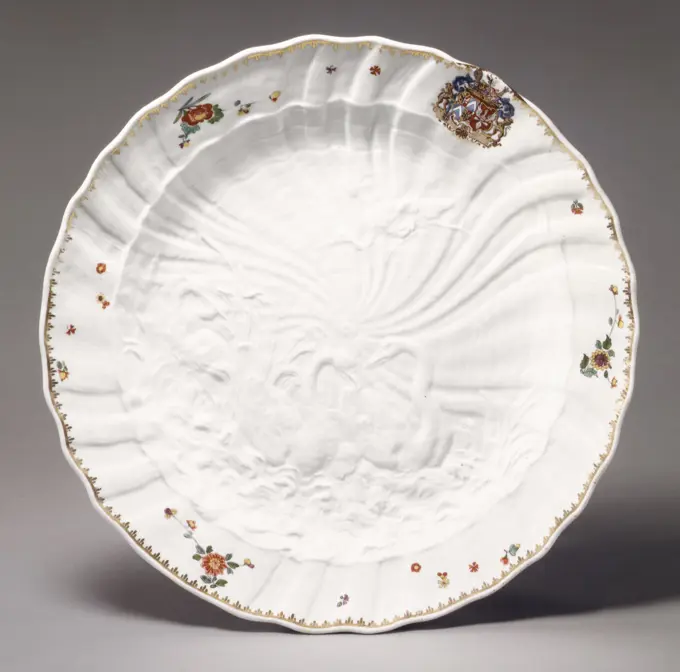
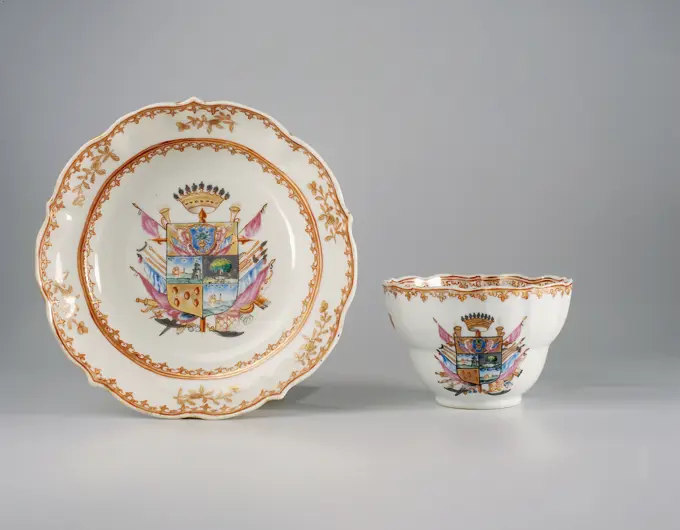
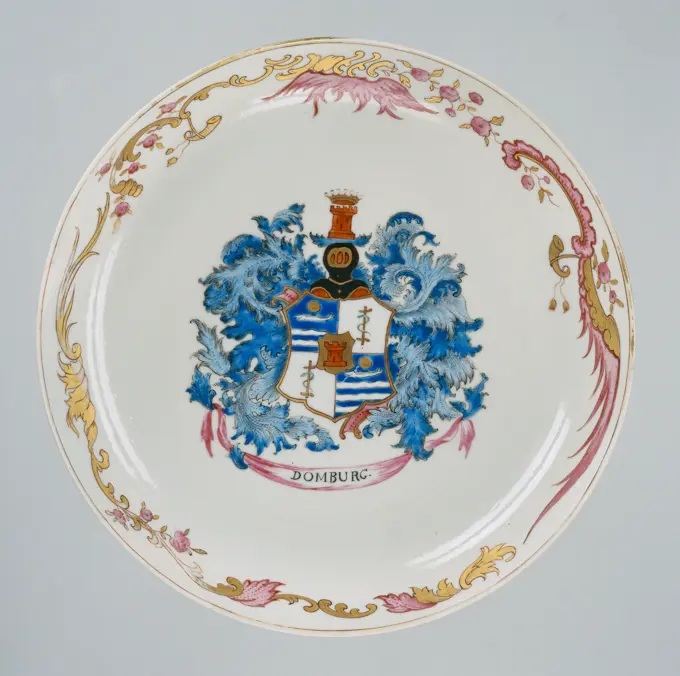
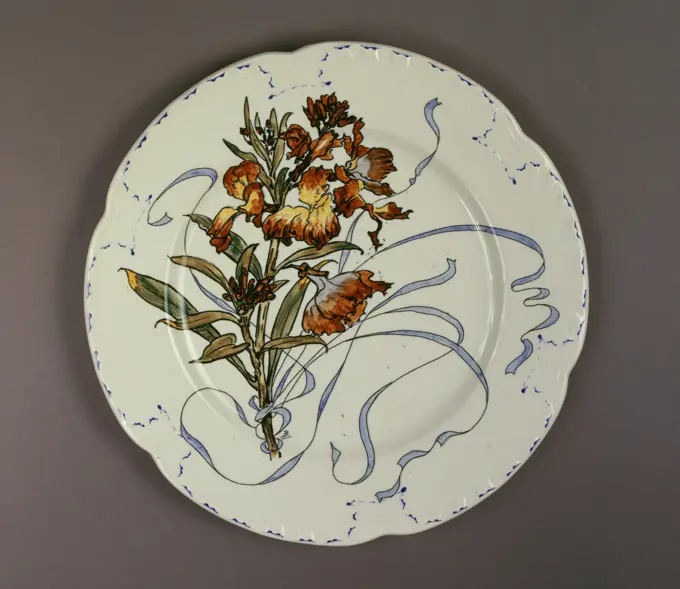
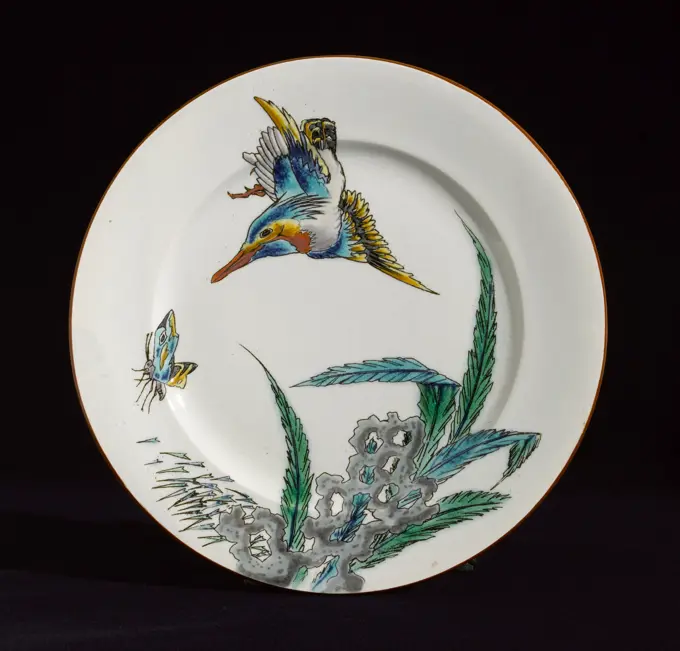
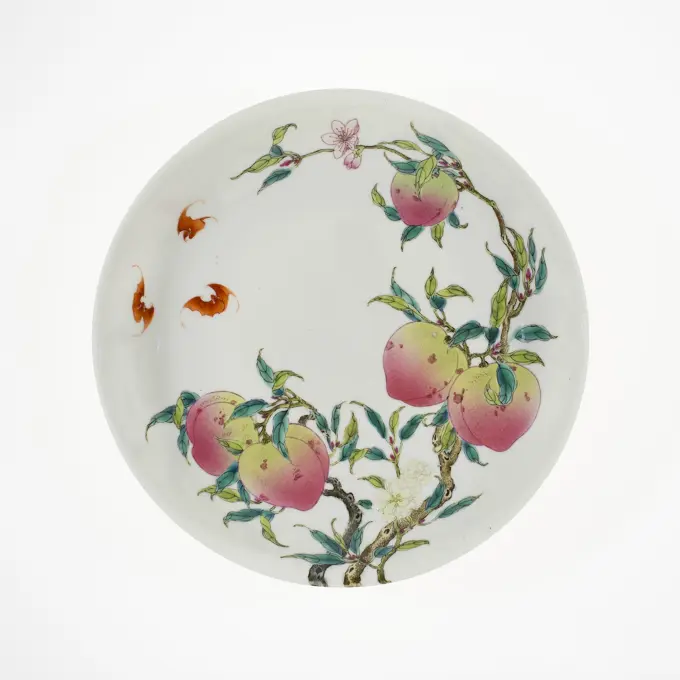
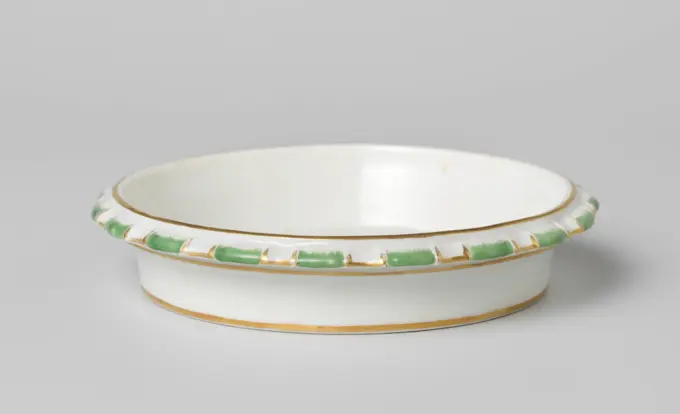
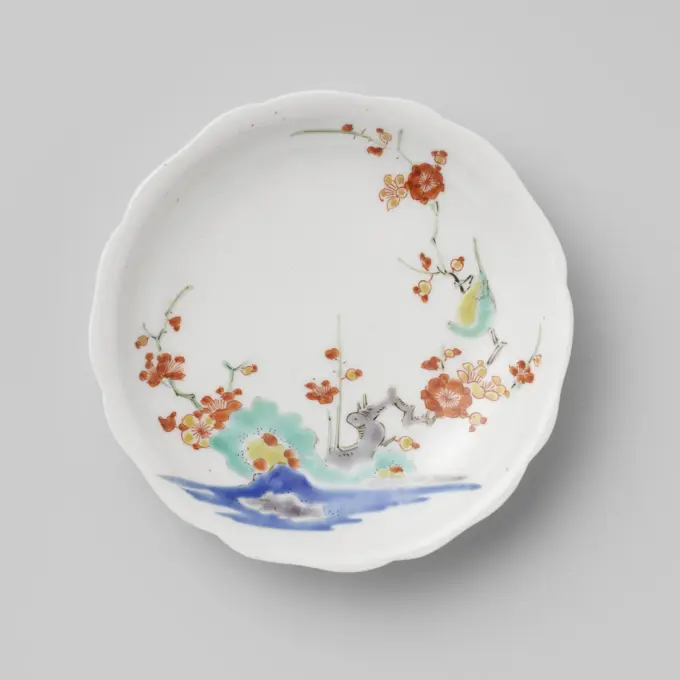
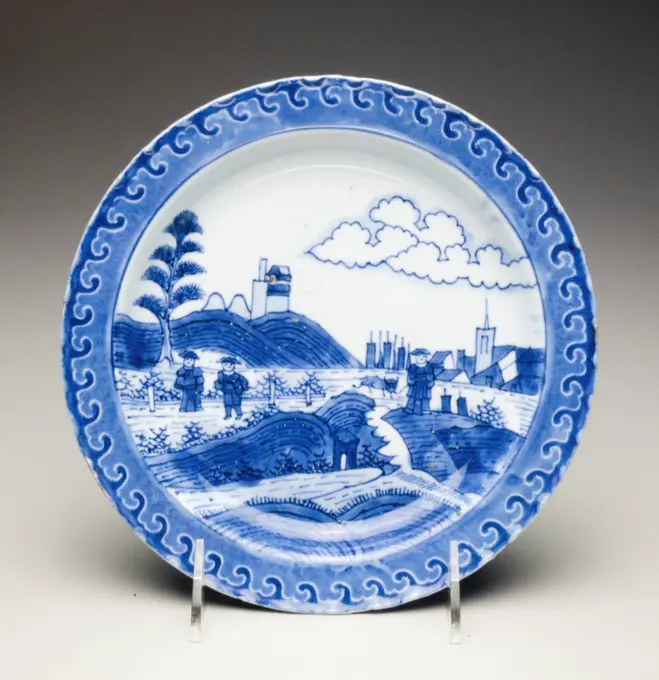
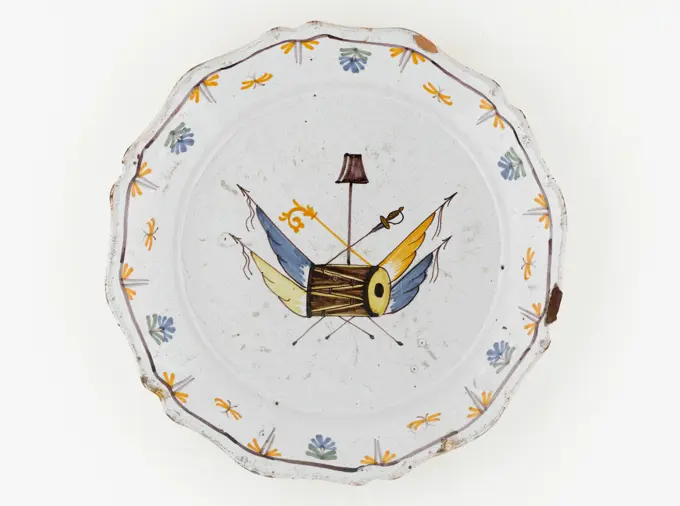
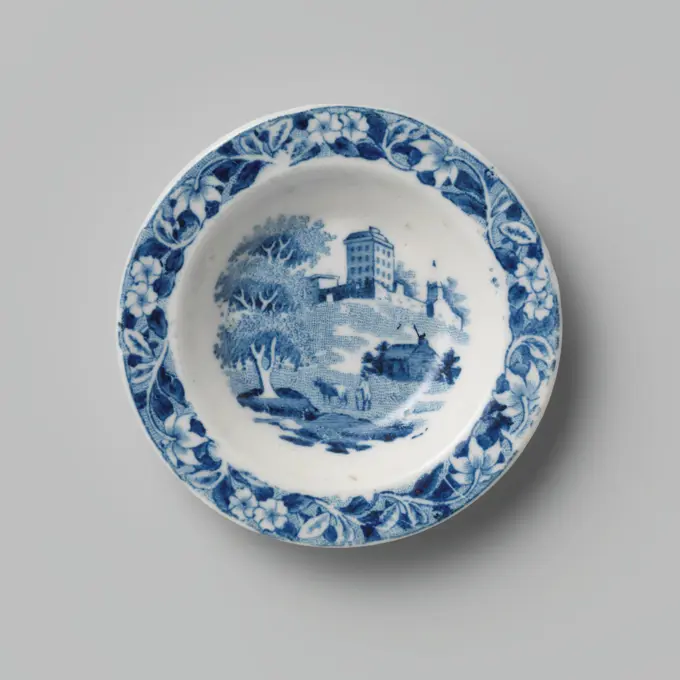
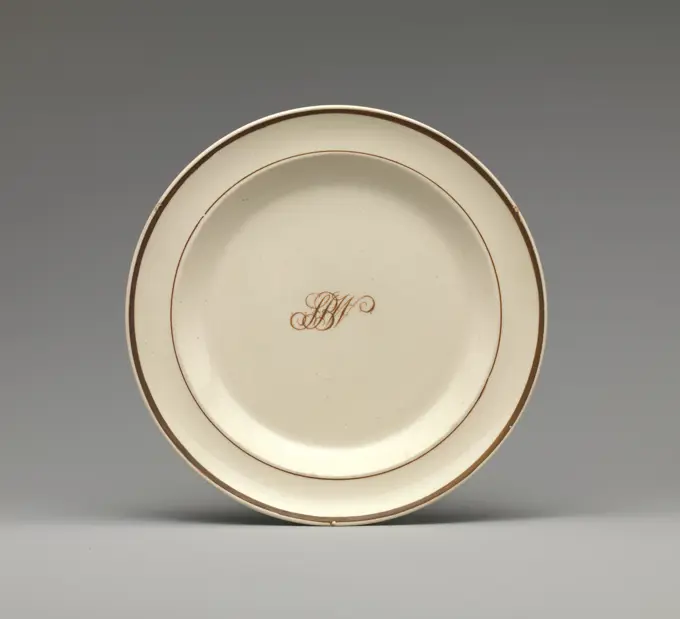
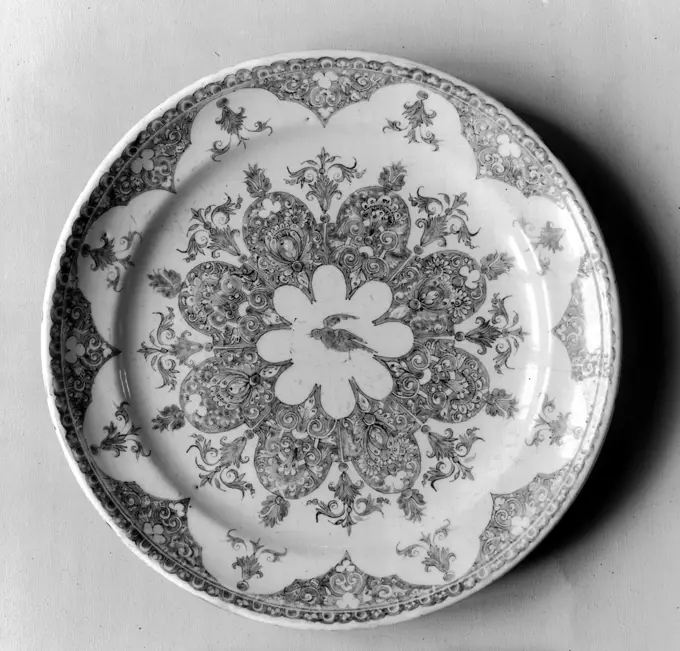
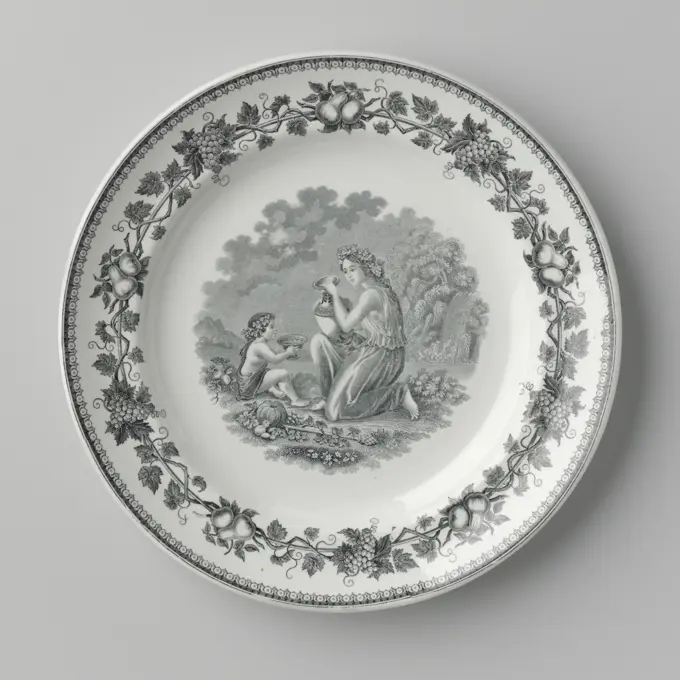
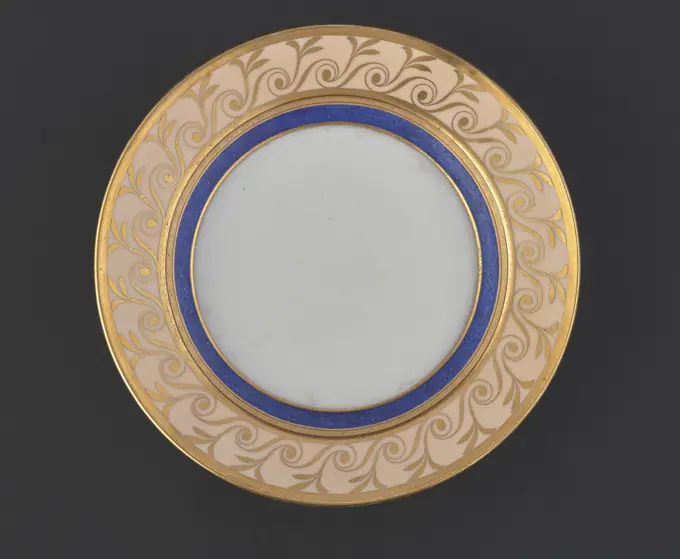
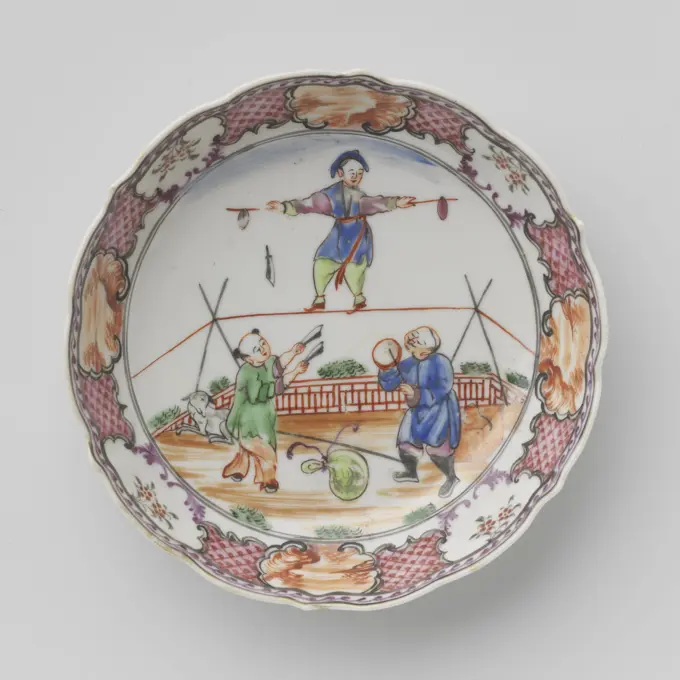
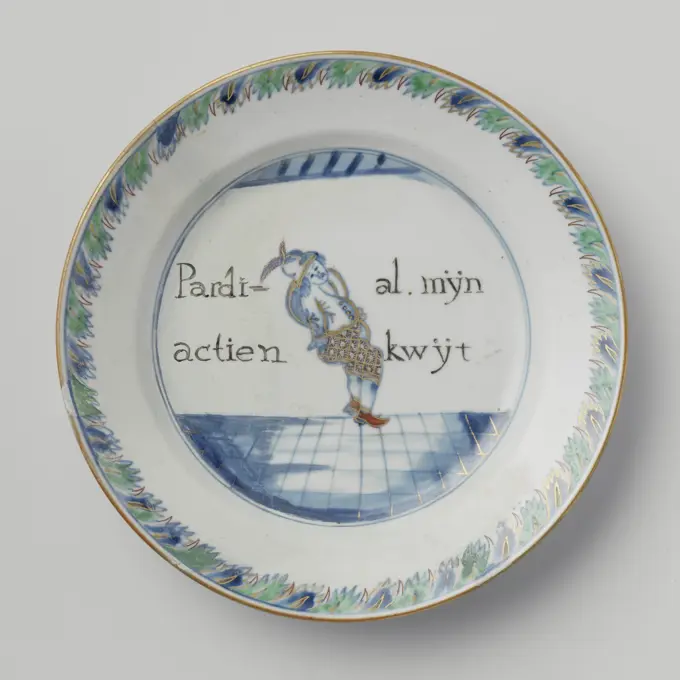
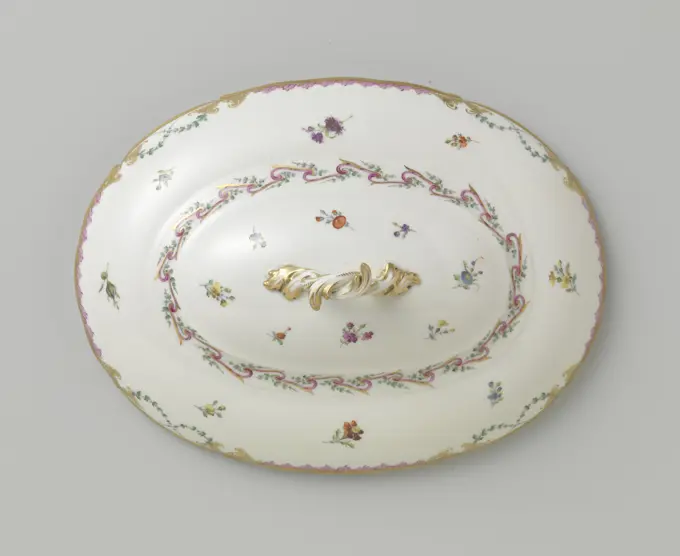
Lid with button, oval in shape, belonging to a crockery with a flung ribbon motif with leaf branches, flower bouquets and stripped flower branches, manufacture Oud -Loosdrecht, 1780 - in or before 1820 Lid with button, oval in shape, belonging to a porcelain service with a thrown motif in purple and gold with green leaf branches, flower bouquets and sprinkled flower branches. Borders light golf with decoration in gold with purple leaf motif between which green crossed leaf motif. Marked: M.O.L. and Amstel. Loosdrecht Amsterdam porcelain Lid with button, oval in shape, belonging to a porcelain service with a thrown motif in purple and gold with green leaf branches, flower bouquets and sprinkled flower branches. Borders light golf with decoration in gold with purple leaf motif between which green crossed leaf motif. Marked: M.O.L. and Amstel. Loosdrecht Amsterdam porcelainDish of a coffee and tea set, painted with figures in a river landscape in beet red, Manufactuur Oud-Loosdrecht (attributed to), 1774- in Or Before 1778 Porcelain dish. Part of a coffee and tea set, painted in beet red in a light pink fond, with figures in a river landscape, with buildings and ruins. Porcelain Company: Loosdrechtweedp porcelain Porcelain dish. Part of a coffee and tea set, painted in beet red in a light pink fond, with figures in a river landscape, with buildings and ruins. Porcelain Company: Loosdrechtweedp porcelainSoup plate, c. 1765, 1 7/16 x 9 in. (3.65 x 22.86 cm), Porcelain with enamel and gilded decoration, China, 18th centurySaucer with a crowned, illegible monogram surrounded by two flower sprays, anonymous, c. 1750 - c. 1774 Porcelain dish, painted on the glaze in blue, red, pink, green, yellow, black and gold. On the flat a crowned, illegible monogram surrounded by two flower branches; The wall with flower vines with four cartouches with a landscape and four medallions with plants. European performance in email colors. China porcelain. glaze. gold (metal) painting / gilding / vitrification Porcelain dish, painted on the glaze in blue, red, pink, green, yellow, black and gold. On the flat a crowned, illegible monogram surrounded by two flower branches; The wall with flower vines with four cartouches with a landscape and four medallions with plants. European performance in email colors. China porcelain. glaze. gold (metal) painting / gilding / vitrificationPlate Depicting Lady with a Parasol ca. 1734-37 Design attributed to Cornelis Pronk Dutch. Plate Depicting Lady with a Parasol 49421Child's plate -Plate. Culture: Chinese, for British market. Dimensions: Diameter: 9 in. (22.9 cm). Date: 1739-43.A pattern for this plate survives, the only complete design for an armorial service to be recorded. It was made for Leake Okeover, whose arms are impaled with those of his wife, Mary Nichol; their conjoined monogram, LMO, appears in cartouches on the rim. The service was shipped from Canton in two installments in 1740 and 1743. Invoices refer only to plates and dishes, and this limitation, together with the richness of the decoration, suggests that they were intended more for display than for use.The unattributed design is identified on the reverse as a "Pattern for China"; clumsily, however, it is painted on buff-toned paper, so that the white flowers in the drawing had to be colored in the porcelain to be effective on the white ground. Museum: Metropolitan Museum of Art, New York, USA.Serving plate - Inconnu / UnknownSaucer, c. 1775. Sceaux Factory (French, active 1748-66). Soft-paste porcelain; overall: 3.3 x 12.3 cm (1 5/16 x 4 13/16 in.).. Dish of faience, painted in blue with the text: "I have Slaa that // edel green what sal // I do for that // u Creator before // Loove It comes tog // al van boove" and "got hears and sieves a little bit wise that does the good enticePlate Plate; Manufactured by Copeland & Garrett (United Kingdom), Spode Ceramic Works; England; hard paste porcelain, vitreous enamel, goldChing Dynasty, Saucer, 18th century, hard-paste porcelain.Quatrefoil Dish. Derby Porcelain Works (England, 1756-1848)Edward Withers (attributed to) (England, active 18th century). England, circa 1790-1800. Furnishings; Serviceware. Porcelain, gildingUnknown, armorized dish. Great fire earthenware, polychrome enamels, pink earth, bluish enamel. Petit Palais, Museum of Fine Arts of the City of Paris.Round platter. Kaendler, Johann Joachim (1706-1775), sculptor, Koenigliche Porcellain Fabrique, Meissen (1710-1763), factorySaucer with a putto on clouds, Ansbach, 1785 Porcelain saucer, painted on the glaze in pink (Camaïeu) and gold. On the flat a putto with a shield and arrow cooker on a cloud. The inner edge with a twisted band, on which garlands and flower branches hang. Golden Rand. Marked on the underside with the stork. porcelain company: GermanyThe Hague porcelain. glaze. gold (metal) painting / gilding / vitrification Porcelain saucer, painted on the glaze in pink (Camaïeu) and gold. On the flat a putto with a shield and arrow cooker on a cloud. The inner edge with a twisted band, on which garlands and flower branches hang. Golden Rand. Marked on the underside with the stork. porcelain company: GermanyThe Hague porcelain. glaze. gold (metal) painting / gilding / vitrificationPottery wall plate with decor of flowers and leaves and scaly fields, n.v. Plateelbakkerij Zuid-Holland, c. 1910 Pottery wall plate, painted in green, yellow, turquoise, purple, wine red, blue, pink and red with large flowers and leaves and scaly fields. Two hanging holes in the foot ring. Gouda earthenware Pottery wall plate, painted in green, yellow, turquoise, purple, wine red, blue, pink and red with large flowers and leaves and scaly fields. Two hanging holes in the foot ring. Gouda earthenwarePlate (one of a pair) ca. 1740 Meissen Manufactory German. Plate (one of a pair). German, Meissen. ca. 1740. Hard-paste porcelain. Ceramics-PorcelainAnonymous. Imari decor plate. Porcelain. 1st half of the 18th century. Museum of Fine Arts of the City of Paris, Petit Palais. 122748-25Saucer with a Chinese junk and the arms of Amsterdam, anonymous, c. 1800 - c. 1899 Porcelain dish, painted on the glaze in blue, red, pink, green, yellow, black and gold. On the front of the dish, a flower entered with a Chinese jonk with crew on the waves on it, above it the weapon of Amsterdam. Scherf missing from the edge. Weapon porcelain with email colors. China porcelain. glaze. gold (metal) gilding / painting / gilding / vitrification Porcelain dish, painted on the glaze in blue, red, pink, green, yellow, black and gold. On the front of the dish, a flower entered with a Chinese jonk with crew on the waves on it, above it the weapon of Amsterdam. Scherf missing from the edge. Weapon porcelain with email colors. China porcelain. glaze. gold (metal) gilding / painting / gilding / vitrificationScalloped Saucer With Rocks, Prunus and Bird. Scalloped dish of porcelain, painted on the glaze in blue, red, green, yellow, eggplant and black with a bird on blooming prunus branches on rocks with water. Kakiemon style.Dish Made 1794 Longport. Soft-paste porcelain with polychrome enamels and gilding . Davenport Potteries and Porcelain FactoriesPlate, multicolored painted with a kakiemon decor, meissener porzellan manufaktur, c. 1800 - c. 1900 plate (dishes) Round plate of painted porcelain, made to a model from around 1735. The plate has a scalloped edge and is painted with a dragon, a flying bird and flower branches. The board is marked. Float porcelainDish 18th century British, Leeds, Yorkshire. Dish. British, Leeds, Yorkshire. 18th century. Creamware. Ceramics-PotteryDish. Dish painted multily painted with a bird on a branch. Signature: Amstel in black and reduction A and K.Scalloped-Rim Dish with Cranes and Clouds. China. Date: 1279-1368. Dimensions: H. 2.4 cm (15/16 in.); diam. 17.1 cm (6 3/4 in.). Longquan ware; glazed stoneware with molded decoration and biscuit reserve. Origin: China. Museum: The Chicago Art Institute, Chicago, USA.Dish with image boat on river and meeting Westerners with crowned man, cup and saucer drinking utensils tableware holder tableware ceramics porcelain glaze, baked glazed painted enamelled, cup-shaped on stand., round saucer on stand ring chine the commandant czar Peter the Great Zaandam drinkPlate; Chamberlain & Co (England; Porcelain Factory; 1788-1852); 1811-40 (1840-00-00-1845-00-00);Dish 1750-75 British Creamware, so-called for its cream-colored body, is a refined earthenware with a lead-based glaze that was developed in Staffordshire, England around 1750. Due to its light color and glossy glaze, it was ideal for dinnerware. Economically affordable to produce, creamware was imported to America in large quantities. Although much creamware was used in America, it is rare to find pieces associated with a particular family. This dinner service (36.22.1 -.38) bears the initials SBW” for Samuel Blachley Webb. The set was imported from England in 1774 by Webb, who was an aide-de-camp and military secretary to General George Washington.. Dish 6395Dish second half 16th-first half 17th century Italian, Urbino or French, Nevers. Dish. Italian, Urbino or French, Nevers. second half 16th-first half 17th century. Maiolica (tin-glazed earthenware). Ceramics-PotteryPlate, one of a pair, 1736-1796, 1 1/16 x 9 7/8 in. (2.7 x 25.04 cm), White porcelain painted with blue underglaze, China, 18th centuryDish (part of a service) model introduced 1738 Meissen Manufactory German The design of swans swimming amid reeds is based on an etching by Wenceslaus Hollar after Francis Barlow (ca. 1626-1702).. Dish (part of a service). After a print by Wenceslaus Hollar (Bohemian, Prague 1607-1677 London). German, Meissen. model introduced 1738. Hard-paste porcelain. Ceramics-PorcelainCup with handle with a coat of arms, flower sprays and spearhead-borders, anonymous, c. 1750 - c. 1774 Porcelain ear head with a stepped wall and scalloped edge, painted on the glaze in blue, red, pink, green, black and gold. An unidentified family crest on the wall. The weapon is divided into five compartments with a weapon with a flowerpot and four stars on a blue soil surrounded by banners; 2. and 5. A half -naked figure with a spear in the water; 3. A boar for a tree; 4. Five red jugs against a golden background. The helmet sign is a crown with pearls. For the weapon military attributes and two trumpets. The edge with loose flower branches and a Spearhead border. Weapon porcelain with email colors. China porcelain. glaze. gold (metal) painting / gilding / vitrification Porcelain ear head with a stepped wall and scalloped edge, painted on the glaze in blue, red, pink, green, black and gold. An unidentified family crest on the wall. The weapon is divided into five compartments with aBlackboard with a war scene on the flat. Pottery plate with black transfer decor. On the flat a war scene. The edge with Kruisbrodé and golden fillets.Paris, Cup and Saucer, 19th century, hard-paste porcelain.Cover of sugar bowl, painted with a river landscape with farms and figures, Royal Porcelain Factory Dommer & Co., 1809 - in Or Before 1814 Porcelain sugar bowl. On the lid, with octagonal button, a landscape and three scatter flowers. The edges are deposited with gold. Nieuwer-Amstel porcelain Porcelain sugar bowl. On the lid, with octagonal button, a landscape and three scatter flowers. The edges are deposited with gold. Nieuwer-Amstel porcelainPlate with the Domburg family coat of arms, anonymous, c. 1750 - c. 1758 Porcelain dish, painted on the glaze in blue, red, pink, black and gold. On the flat the coat of arms of the Domburg family. The weapon is divided into four fields: 1. and 4. On a blue background white waves that represent running water with a fish, dolphin or porpoise, and a golden ball; 2. And 3. A snake that is a stick. A heart shield is depicted in the middle with the coat of arms of the town of Domburg in Zeeland. The helmet sign has the same image with a golden crown and pearls above it. The cover consists of leaf vines in two colors of blue. Under the whole is a pink banderol with the text "Domburg." On the edge a rocaille band with feathers, tendrils, blossoms and horns in pink and gold. The wall has been broken. Weapon porcelain with email colors. China porcelain. glaze. gold (metal) painting / gilding / vitrification Porcelain dish, painted on the glaze in blue, red, pink, black and gold. On the flat theFélix Bracquemond (1833-1914). Service with "flowers and ribbons". Flat plate. Ceramics, earthenware. Museum of Fine Arts of the City of Paris, Petit Palais. ART MENAGER, PLAT, CERAMIC PATTER, FAIENCE, FLOWER, FLOWERS AND RIBLS, RIBBAN, SERVICE, CROSTS, PATPlate. Earthenware. JULES Old and Cie Manufacture. The 2nd half of the 19th century. Museum of Fine Arts of the City of Paris, Petit Palais. PLATE Crockery, Earthenware, Faience, Insect, Insect, Jules Vie Mois and Cie Manufacture, Bird, Crockery, Putch, Bird,Dish with Fruiting Peaches, Tree Peony, Flowering Plum, and Bats 1723-1735 China. Porcelain painted in overglaze famille rose enamels .. Dish of porcelain. Part of a series of Twaafl pieces. Painted with figures in a landscape in beet red and golden piping.Subtotel, Manufactuur Oud-Loosdrecht, c. 1784 Dish with a flowerpot. Loosdrecht porcelain Dish with a flowerpot. Loosdrecht porcelainScalloped saucer with rocks, prunus and bird, anonymous, c. 1670 - c. 1700 Sculpted porcelain dish, painted on the glaze in blue, red, green, yellow, eggplant and black with a bird on flowering prunus branches on rocks with water. Kakiemon style. Japan porcelain. glaze. painting / vitrification Sculpted porcelain dish, painted on the glaze in blue, red, green, yellow, eggplant and black with a bird on flowering prunus branches on rocks with water. Kakiemon style. Japan porcelain. glaze. painting / vitrificationPlate with figures in landscape, c. 1700-1720, 1 x 7 13/16 in. (2.54 x 19.84 cm), Porcelain, China, 17th-18th centuryDish 19th century China. Dish. China. 19th century. Painted enamel. Qing dynasty (1644-1911). EnamelsGalvanoplastic reproduction of a dish with a coat of arms on the flat and on the edge hornness. Galvanoplastic reproduction of a dish with a coat of arms on the flat and driven horns of plenty and fruits.Anonymous. Plate. Earthenware. Paris, Carnavalet museum. 71478-40 Attribut, Beche, Crosse, Flag, Emblem, Epee, Revolutionary Epoque, Faience, French Revolution, Drum, Three Orders, Croties, PattleRound, deep plate of hard baked earthenware, hackwood, c. 1840 - c. 1860 plate (dishes) Round, deep plate of hard baked pottery with a decoration in blue of a landscape with buildings, a tree and a man with an animal on the flat. The edge is decorated with flower branches. The board is marked: Hackwood. Shelton earthenwarePlatter with a view of the Catskill on the River Hudson, ViewNear.  Manufacturer: Andrew Stevenson, British, 1780-after 1845Plate 1750-75 British Creamware, so-called for its cream-colored body, is a refined earthenware with a lead-based glaze that was developed in Staffordshire, England around 1750. Due to its light color and glossy glaze, it was ideal for dinnerware. Economically affordable to produce, creamware was imported to America in large quantities. Although much creamware was used in America, it is rare to find pieces associated with a particular family. This dinner service (36.22.1 -.38) bears the initials SBW” for Samuel Blachley Webb. The set was imported from England in 1774 by Webb, who was an aide-de-camp and military secretary to General George Washington.. Plate 6384Plate ca. 1730 French, possibly Lille Faience, or tin-glazed and enameled earthenware, first emerged in France during the sixteenth century, reaching widespread usage among elite patrons during the seventeenth and early eighteenth centuries, prior to the establishment of soft-paste porcelain factories. Although characterized as more provincial in style than porcelain, French faience was used at the court of Louis XIV as part of elaborate meals and displays, with large-scale vessels incorporated into the Baroque garden designs of Versailles. Earlier examples of French faience attest to the strong influence of maiolica artists from Italy. Later works demonstrate the ways in which cities such as Nevers, Rouen, Lyon, Moustiers, and Marseille developed innovative vessel shapes and decorative motifs prized among collectors throughout Europe. While faience can be created from a wide mixture of clays, it is foremost distinguished by the milky opaque white color achieved by the addition of tin Plate. Korzec (manufaktura porcelany ; 1790-1832), manufacturePlate, with a woman with jug and a child for a waterfall. Pottery plate with black transfer decor. On the flat a woman with jug and a child with drinking bowl for a waterfall. The edge with vines, grape roses and pears.Scallop-shell-shaped bowl with antiquities, anonymous, c. 1700 - c. 1724 Shell -shaped bowl of porcelain with ribbed wall, painted on the glaze in blue, red, green, yellow, eggplant, black and gold. On the soil antiques (flower vase, ruyi-skept, incense burner etc.); On the handle two lucky symbols (parasol, fishing); Lotus drinks stylized on the edge against a black speckled green soil. Back of the back; Handle restored with five staples. Famle Verte. China porcelain. glaze. cobalt (mineral). gold (metal) painting / gilding / vitrification Shell -shaped bowl of porcelain with ribbed wall, painted on the glaze in blue, red, green, yellow, eggplant, black and gold. On the soil antiques (flower vase, ruyi-skept, incense burner etc.); On the handle two lucky symbols (parasol, fishing); Lotus drinks stylized on the edge against a black speckled green soil. Back of the back; Handle restored with five staples. Famle Verte. China porcelain. glaze. cobalt (mineral). gold (metal) painting / gilPlate of sides; Koenigliche Porzellan Manufaktur (KPM; Berlin; 1763-1918); 1803-10 (1823-00-00-1832-00-00);Platter () ca. 1775-80 Sèvres Manufactory French. Platter (). French, Sèvres. ca. 1775-80. Soft-paste porcelain. Ceramics-PorcelainDish, painted with a landscape with houses, c. 1809 - c. 1814 Porcelain dish, painted with a landscape with houses. Marked in black: Amstel. Nieuwer-Amstel porcelain Porcelain dish, painted with a landscape with houses. Marked in black: Amstel. Nieuwer-Amstel porcelainSaucer with twisted panels and flower sprays, anonymous, c. 1680 - c. 1720 Porcelain saucer with round wall modeled in ten twisted courses, painted in underlaze blue. On the flat a rock with a flower branch, plants and butterfly; A flower branch on the wall in each box; the edge with a flower drink; On the back also a flower branch in each box. Marked on the underside with the Chinese character 'Fú' in a double circle. Blue White. China porcelain. glaze. cobalt (mineral) painting / vitrification Porcelain saucer with round wall modeled in ten twisted courses, painted in underlaze blue. On the flat a rock with a flower branch, plants and butterfly; A flower branch on the wall in each box; the edge with a flower drink; On the back also a flower branch in each box. Marked on the underside with the Chinese character 'Fú' in a double circle. Blue White. China porcelain. glaze. cobalt (mineral) painting / vitrificationDessert plate - King EdwardCup and saucer, Meissener porcelain manufactory, c. 1730 Dish of painted porcelain. The dish is painted with a Höroldt chinoiserie. An ornament edge runs in gold along the inside of the edge. The dish is marked. Float porcelain Dish of painted porcelain. The dish is painted with a Höroldt chinoiserie. An ornament edge runs in gold along the inside of the edge. The dish is marked. Float porcelainScale, Ovaal, Petrus Regout, 1867 Call of earthenware, oval, with blue continuous floral decor, belonging to a children's service. Maastricht . Call of earthenware, oval, with blue continuous floral decor, belonging to a children's service. Maastricht .Large saucer, from a tea service, 18th century, Worcester Porcelain Works (a.k.a. Royal Worcester Porcelain Company), Worcester, England, est. 1751, Porcelain, England, 18th centuryDish 17th century Japan. Dish 44931Bell-shaped cup with a crowned monogram with putto and a bamboo border with floral scrolls, anonymous, c. 1750 - c. 1774 Bell -shaped head, painted on the glaze in blue, red, pink, green, yellow, black and gold. On the wall a crown monogram with 'I.E.'. The weapon is worn by a flying putto. On the wall a bamboo band with flower vines. Weapon porcelain with email colors. China porcelain. glaze. gold (metal) painting / gilding / vitrification Bell -shaped head, painted on the glaze in blue, red, pink, green, yellow, black and gold. On the wall a crown monogram with 'I.E.'. The weapon is worn by a flying putto. On the wall a bamboo band with flower vines. Weapon porcelain with email colors. China porcelain. glaze. gold (metal) painting / gilding / vitrificationToy serving plate - Inconnu / UnknownSaucer with three Chinese acrobats and landscapes in panels, anonymous, c. 1775 - c. 1799 Porcelain dish with straight, ribbed wall and scalloped edge, painted on the glaze in blue, red, pink, green, black and gold. On the flat of the dish three Chinese acrobats in a fenced garden, one of which is on the weak cord, the second young with knives and the last with a turntable on a stick; A horizontal dog next to them, in the foreground a knotted bag; The wall with servetwork interspersed with cartouches with landscapes or flower branches. A crack in the bottom. Famle Rose/Mandarin. China porcelain. glaze. gold (metal) painting / gilding / vitrification Porcelain dish with straight, ribbed wall and scalloped edge, painted on the glaze in blue, red, pink, green, black and gold. On the flat of the dish three Chinese acrobats in a fenced garden, one of which is on the weak cord, the second young with knives and the last with a turntable on a stick; A horizontal dog next to them, in the foregrPlate BerlinSaucer (1 of 6) (part of a service) Manufactory Meissen Manufactory German ca. 1720Hot water plate ca. 1840 () Chinese, for Indian market. Hot water plate 201285Saucer (part of a service) late 18th-early 19th century Chinese, for American market. Saucer (part of a service) 201124Maker Unknown, Oval Dish from the George Washington Memorial Service, c. 1800, porcelain, enamel, and gilding.Anonymous / "Lebrillo", 19th century, Ceramics (painted terracotta), 56 x 16 cm.Plate with Dutch Ships Anchored at the Table Bay. Porcelain plate, painted on the glaze in blue, red, pink, green, black and gold. On the flat a representation of different Dutch ships for anchor in the South African table bay, at the Dutch location; On the wall a bond with leaf raft; The edge with two decorative tires. European performance in email colors.Dish ca. 1879 Design attributed to Albert-Louis Dammouse French. Dish 207998Plate with a caricatural figure and inscription, anonymous, c. 1725 - c. 1749 plate (dishes) Porcelain plate, painted in underly glaze blue and on the glaze green, black and gold. On the flat a harlequin and the text: 'Pardi all my actions'; The edge with a decorative pattern. Action board. European performance in blue and white with email colors. painter: Kanton (possibly)China porcelain. glaze. cobalt (mineral). gold (metal) painting / gilding / vitrification types in 'commedia dell'arte': Harlequin. clownToy dinner plate - Georgeville D'après Francis Morley, 1845-1850Plate (Assiette à palmes) (1 of 102) (part of a service) 1772 Sèvres Manufactory French. Plate (Assiette à palmes) (1 of 102) (part of a service) 197973Fili Anka Litron, horse saucer; Korzec (Porcelain and faience manufacture; 1790-1832); 1790-1796 (1790-00-00-1796-00-00), 1790-1796 (1790-00-00-1790-00-00);Plate with ladies in a garden late 17th-early 18th century China. Plate with ladies in a garden. China. late 17th-early 18th century. Porcelain painted in overglaze polychrome enamels (Jingdezhen ware). Qing dynasty (1644-1911), Kangxi period (1662-1722). CeramicsPlate. Pottery plate, with blue continuous floral decor, belonging to a children's service.Rinse bowl, painted with a river landscape with two men on a bridge. Speelbowl of porcelain, painted with a river landscape with two men on a bridge, among others. Also decorated with a bouquet and four loose flower branches. Inside the bowl eight loose flower branches. The edges have been deposited with gold. Signed under the glaze in blue: Amstel.Dish of stoneware with salt glaze; Staffordshire, Aaron Wood .. Dish of stoneware with salt glaze; Staffordshire, Aaron Wood. The dish has an embossed, scalloped edge.Small Saucer with Red, Blue, Green, Yellow Scroll of Camellias. China. Date: 1723-1735. Dimensions: H. 2.6 cm (1 in.); diam. 11.4 cm (4 1/2 in.). Porcelain painted in overglaze enamels. Origin: China. Museum: The Chicago Art Institute, Chicago, USA.Plate with a ship, the Porceleyne Byl, 1753 Plate of earthenware blue painted on white tinglaze, within an edge of flower and leaf work a representation of a ship loaded with earthenware that sails through a channel. In the background the Nieuwe Kerk, the Oude Kerk Het Stadhuis van Delft. In a cartouche the text: D: Rees/ Delfs Porceleleijn/ Vaarder on Amsterdam/ 1753 Delft . Plate of earthenware blue painted on white tinglaze, within an edge of flower and leaf work a representation of a ship loaded with earthenware that sails through a channel. In the background the Nieuwe Kerk, the Oude Kerk Het Stadhuis van Delft. In a cartouche the text: D: Rees/ Delfs Porceleleijn/ Vaarder on Amsterdam/ 1753 Delft .Dish in Shape of a Silver Sauceboat Stand (One of a Pair) Dish; Designed by Nicholas Sprimont (Flemish, active in England, baptized 1716, died 1771); Manufactured by Chelsea Porcelain Manufactory (United Kingdom); England; soft paste porcelain, vitreous enamelBord, Petrus Regout, 1867 Plate of earthenware, with blue continuous flower decor, belonging to a children's service. Maastricht . Plate of earthenware, with blue continuous flower decor, belonging to a children's service. Maastricht .Nappy - D'après George L. Ashworth & Brothers, 1862-1968Eight saucers (part of a service) ca. 1760 Doccia Porcelain Manufactory Italian. Eight saucers (part of a service). Italian, Florence. ca. 1760. Hard-paste porcelain. Ceramics-PorcelainDish with Design of Waves and Water Plants early 18th century Japan. Dish with Design of Waves and Water Plants. Japan. early 18th century. Porcelain with underglaze blue decoration and overglaze enamels (Hizen ware, Nabeshima type). Edo period (1615-1868). Ceramics9 Plates of Americanviews.  After: William Henry Bartlett, British, 1809-1854Dessert plate - Chardonneret Davenport DavenportSaucer with a whaling scene. Dish of porcelain, painted on the glaze in blue, red, yellow, black and gold. On the front a representation of the whaling hunt with a sloop with three men, one of which fires on a polar bear; behind it two sloops with crew, which have healed two whales, between icebergs; In the background a large ship, left the bow of a ship behind an iceberg, right the stern of another ship with red-white-blue flag. Welige, gray sea a white sky with birds. A crack in the edge. Decorated in Europe.Saucer with a Chinese junk and the arms or amsterdam. Dish of porcelain, painted on the glaze in blue, red, pink, green, yellow, black and gold. On the front of the dish a Chinese jonk with crew on the waves, above the arms of Amsterdam. Weapon porcelain.Plate 18th century I. A. S. II. Plate. German, Rokitzan. 18th century. Pewter. Metalwork-PewterFruit or Dessert Plate with 'Disheveled Birds', Chelsea Porcelain Manufactory, English, established ca. 1743/45, soft paste porcelain, vitreous enamel, Scalloped edge with green feather motif. Fluted cavetto. At center, a tropical bird., England, ca. 1758-1769, ceramics, Decorative Arts, plate, plateToy dessert plate - Children at Play Inconnu / Unknown. Porcelain plate, painted on the glaze in blue, red, green, black and gold. On the flat a representation of different Dutch ships for anchor in the South African table bay, at the Dutch location; The edge with two decorative tires. European performance in email colors.Bowl (one of a pair). Culture: China. Dimensions: H. 2 1/16 in. (5.2 cm); Diam. 4 5/8 in. (11.7 cm). Museum: Metropolitan Museum of Art, New York, USA.Saucer. Culture: Belgian, Tournai. Dimensions: Diameter: 4 5/8 in. (11.7 cm). Factory: Tournai (Belgian, established ca. 1750). Date: ca. 1763-71. Museum: Metropolitan Museum of Art, New York, USA.Plate early 18th century French, Lille Faience, or tin-glazed and enameled earthenware, first emerged in France during the sixteenth century, reaching widespread usage among elite patrons during the seventeenth and early eighteenth centuries, prior to the establishment of soft-paste porcelain factories. Although characterized as more provincial in style than porcelain, French faience was used at the court of Louis XIV as part of elaborate meals and displays, with large-scale vessels incorporated into the Baroque garden designs of Versailles. Earlier examples of French faience attest to the strong influence of maiolica artists from Italy. Later works demonstrate the ways in which cities such as Nevers, Rouen, Lyon, Moustiers, and Marseille developed innovative vessel shapes and decorative motifs prized among collectors throughout Europe. While faience can be created from a wide mixture of clays, it is foremost distinguished by the milky opaque white color achieved by the addition of tin