Ornate Porcelain Dishes

A variety of intricately designed porcelain dishes, featuring vibrant floral patterns and historical decorations, suitable for collectors or table settings.

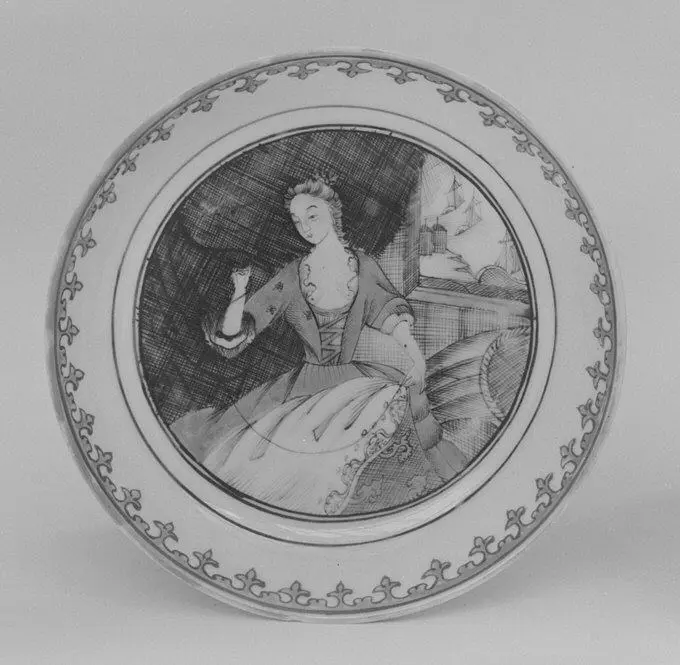
Saucer with moulded flower sprays, anonymous, c. 1750 - c. 1774 Porcelain saucer, painted in underly glaze blue and on the glaze red, pink, green, purple and gold. A flower branch on the flat of the dish; the wall with two modeled flower branches in high-relief; A decorative pattern on the edge; The edge is brown glazed. Famle Rose. China porcelain. glaze. gold (metal) painting / gilding / vitrification Porcelain saucer, painted in underly glaze blue and on the glaze red, pink, green, purple and gold. A flower branch on the flat of the dish; the wall with two modeled flower branches in high-relief; A decorative pattern on the edge; The edge is brown glazed. Famle Rose. China porcelain. glaze. gold (metal) painting / gilding / vitrification
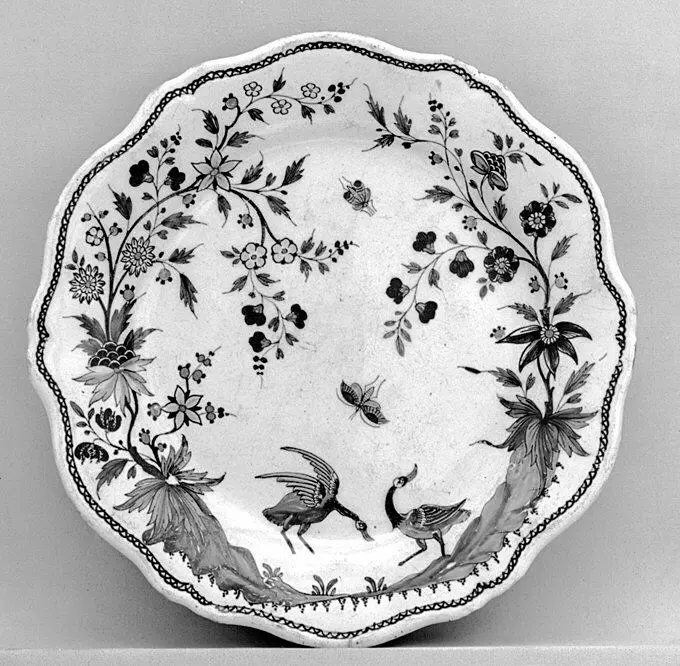
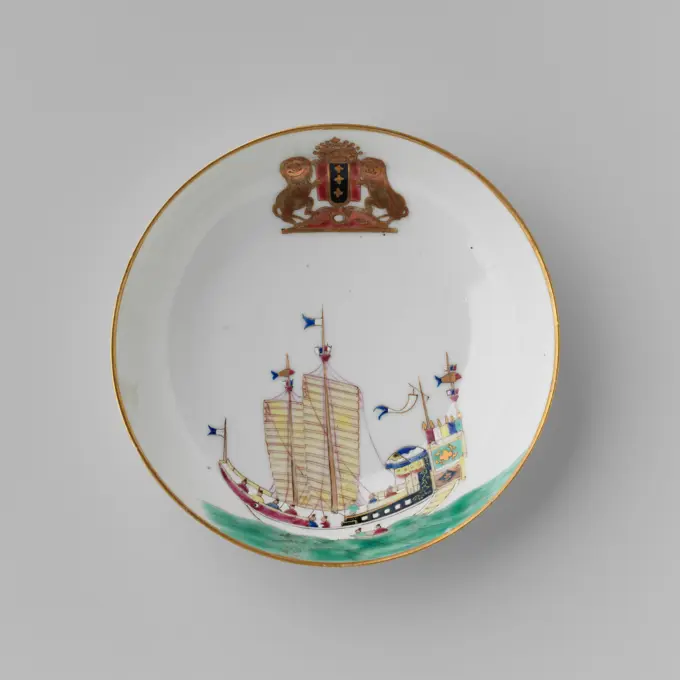
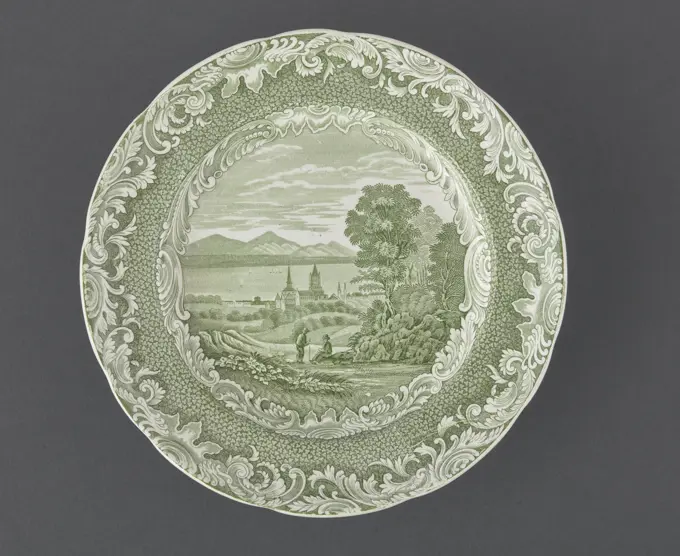
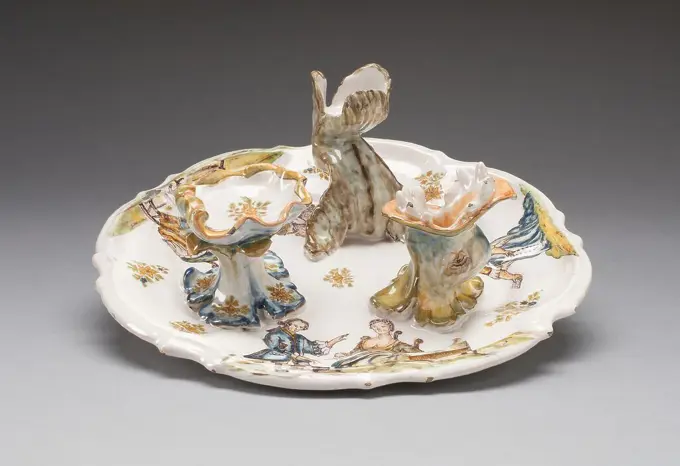
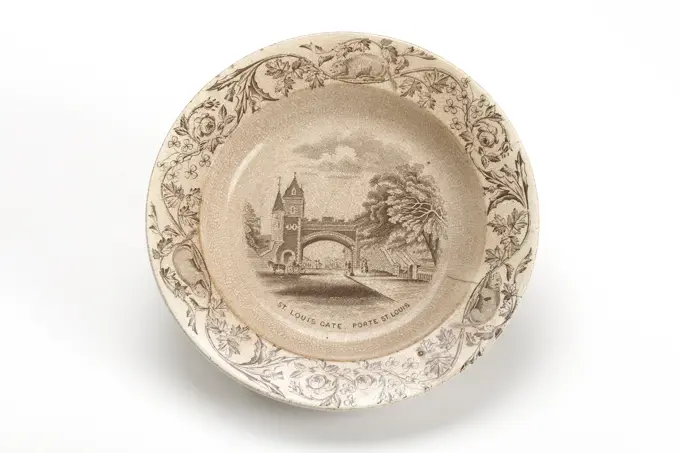
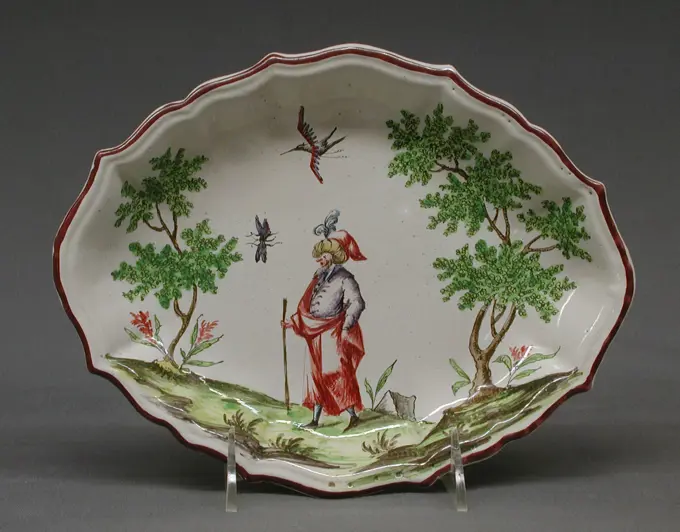
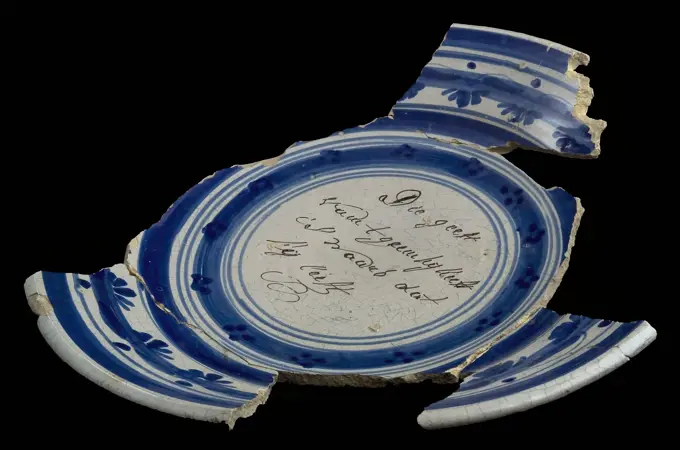
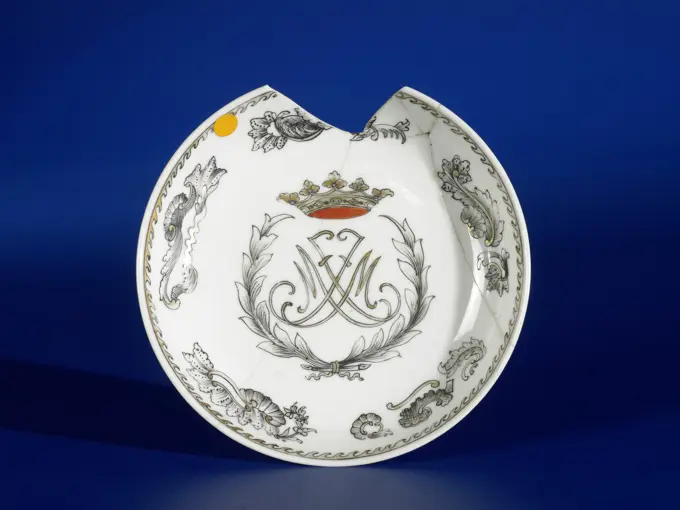
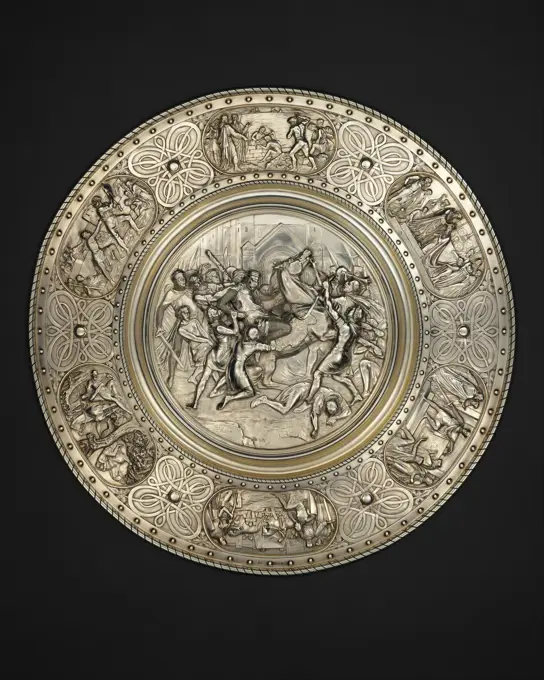
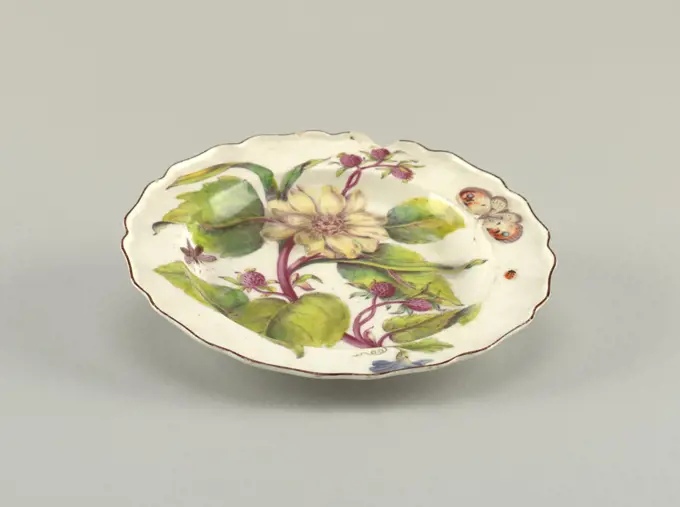
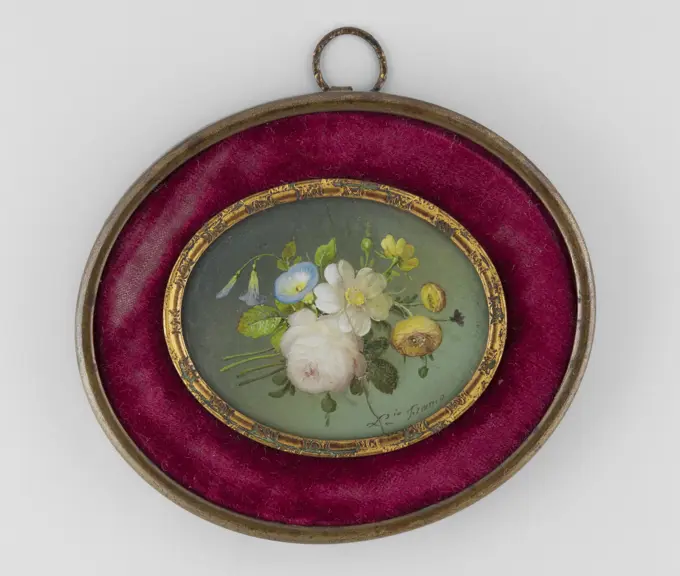
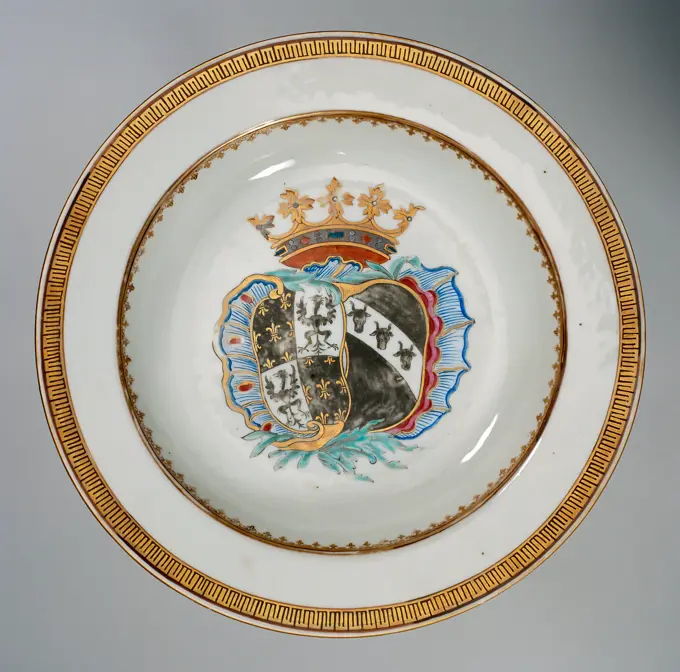
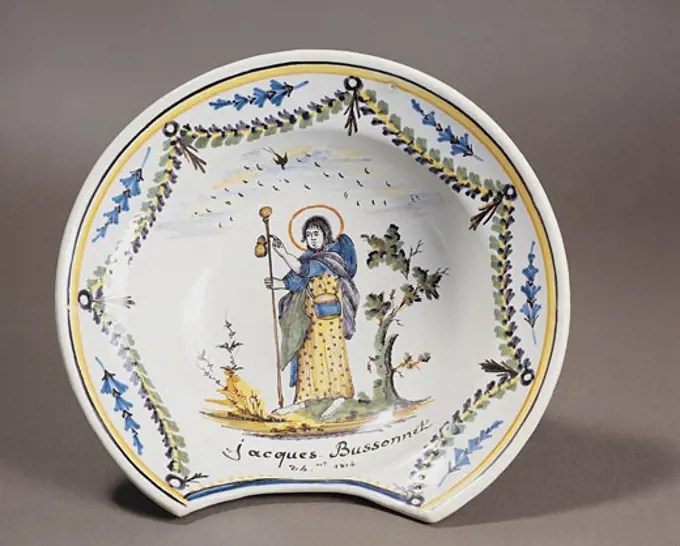
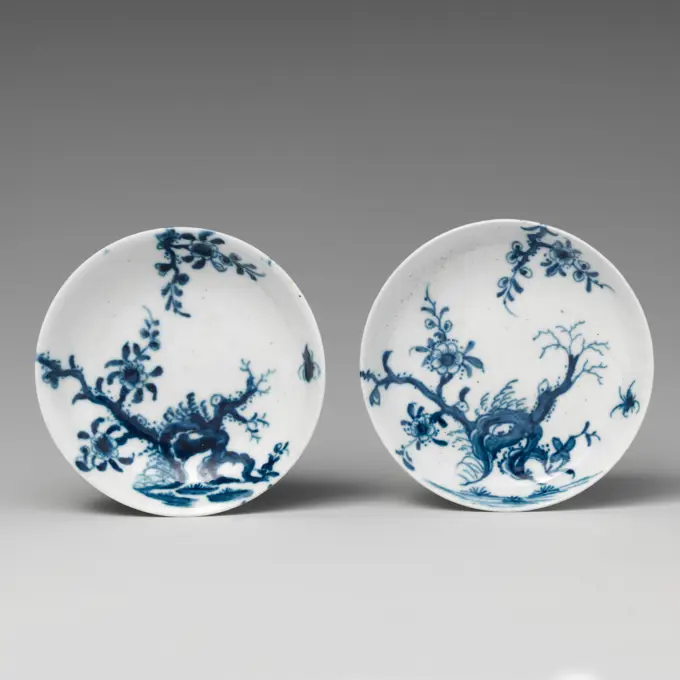
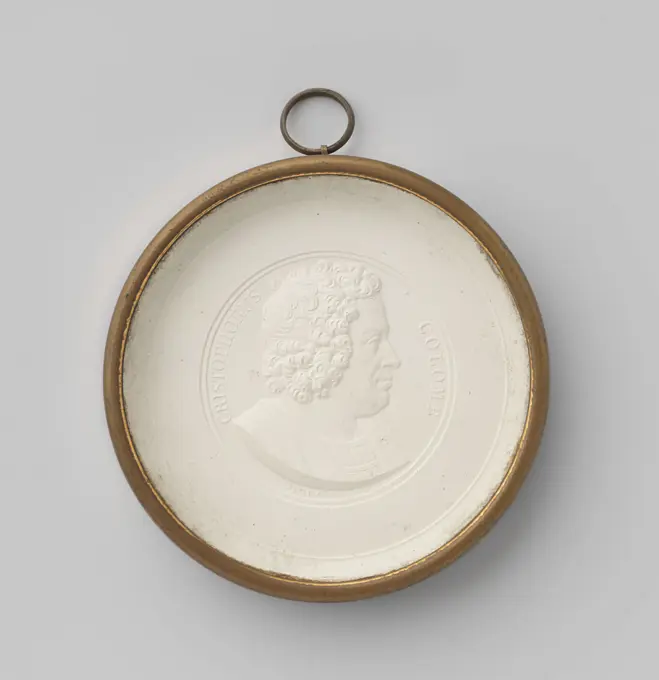
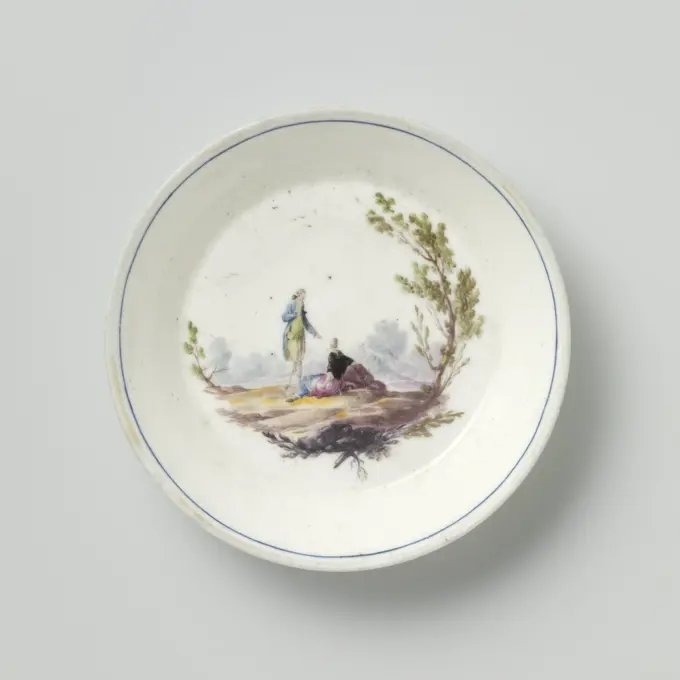
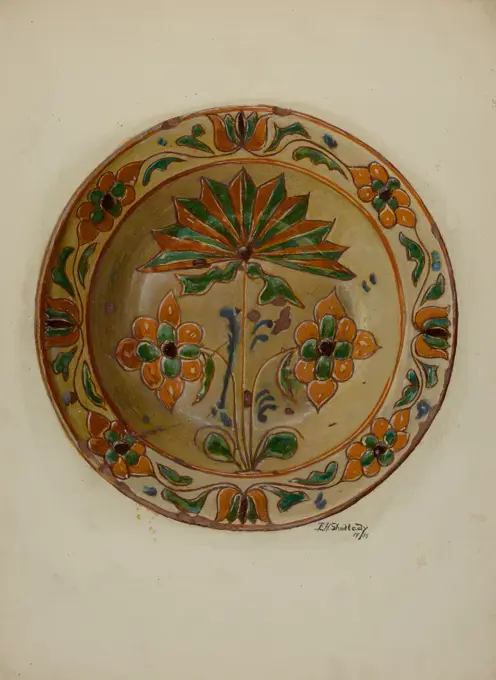
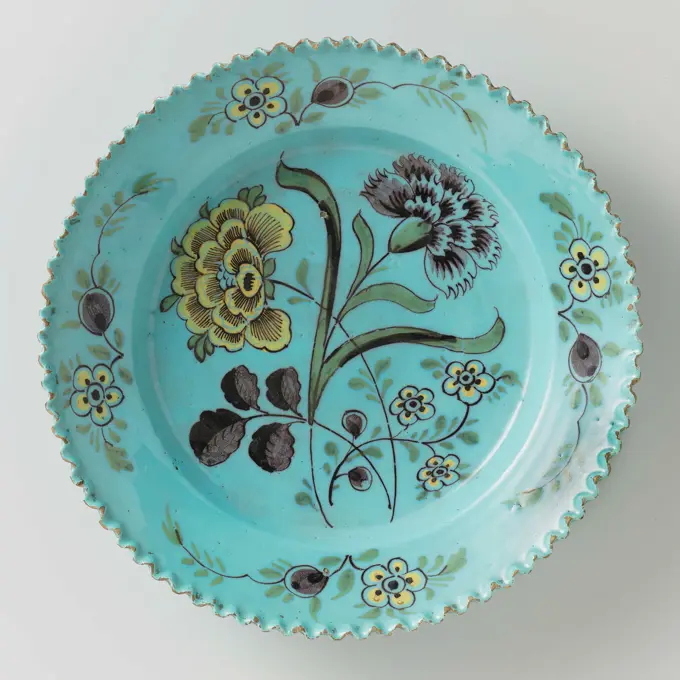
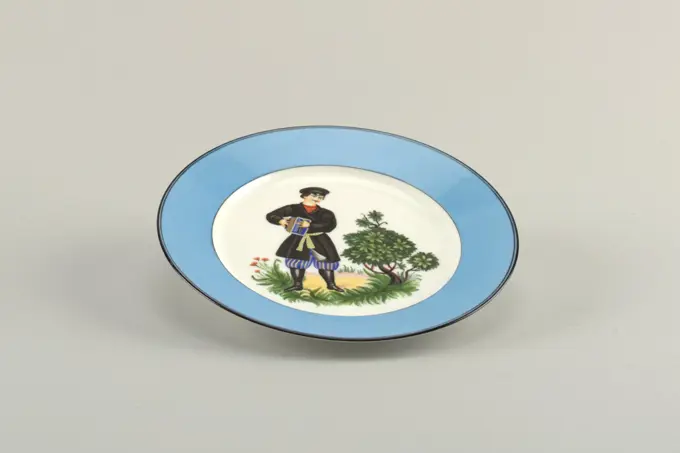
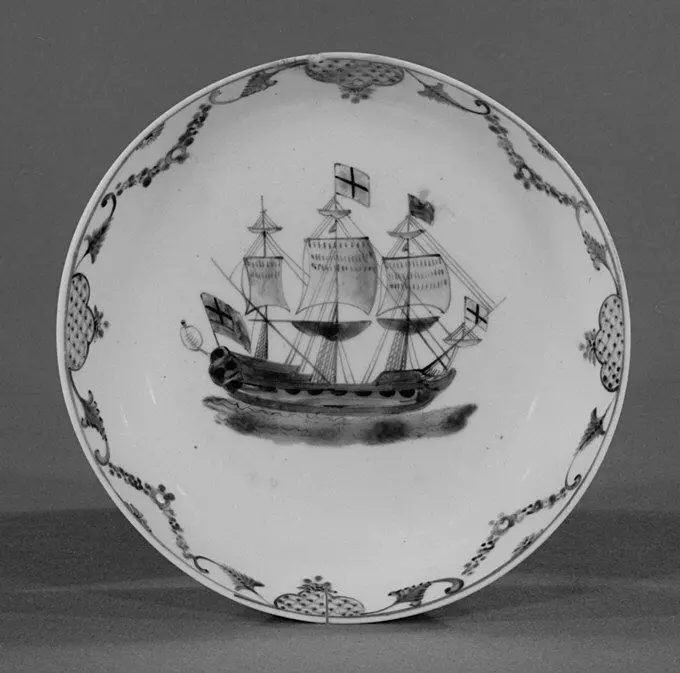
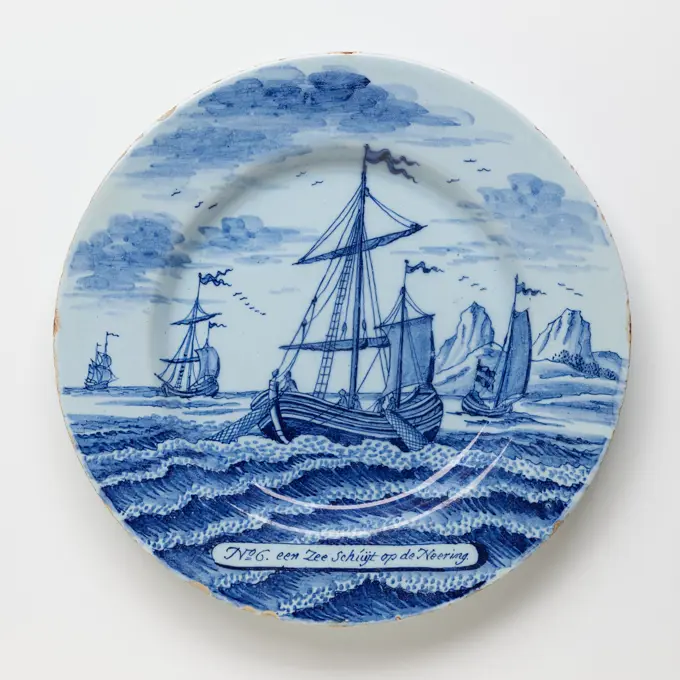
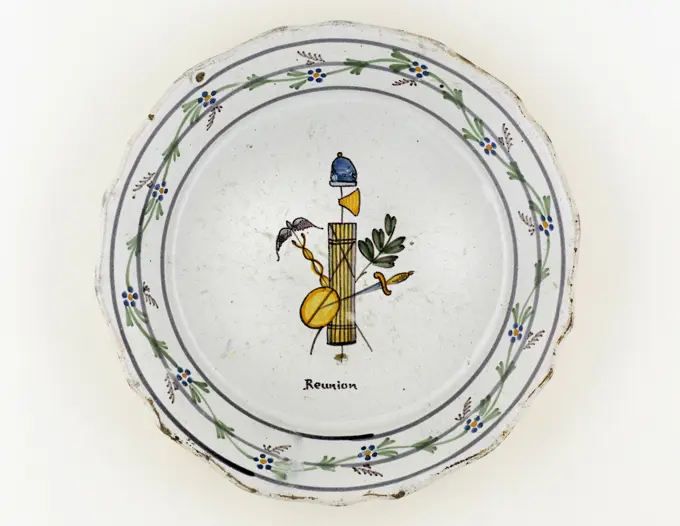
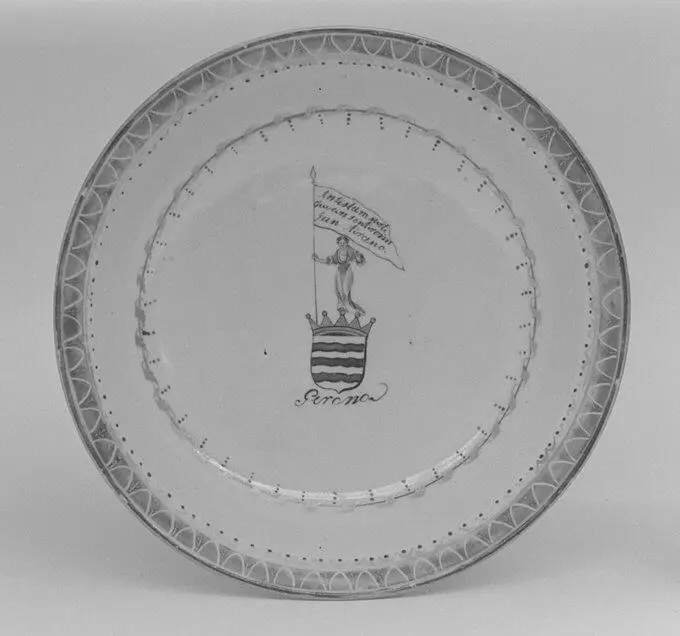
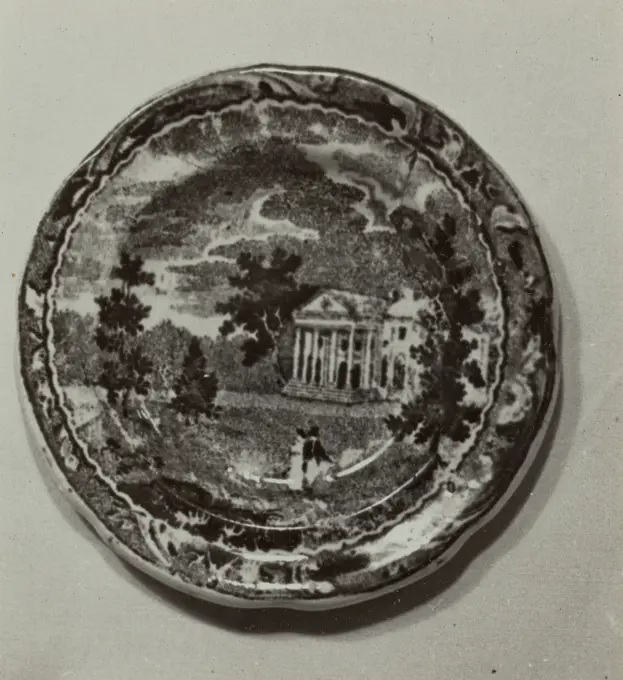
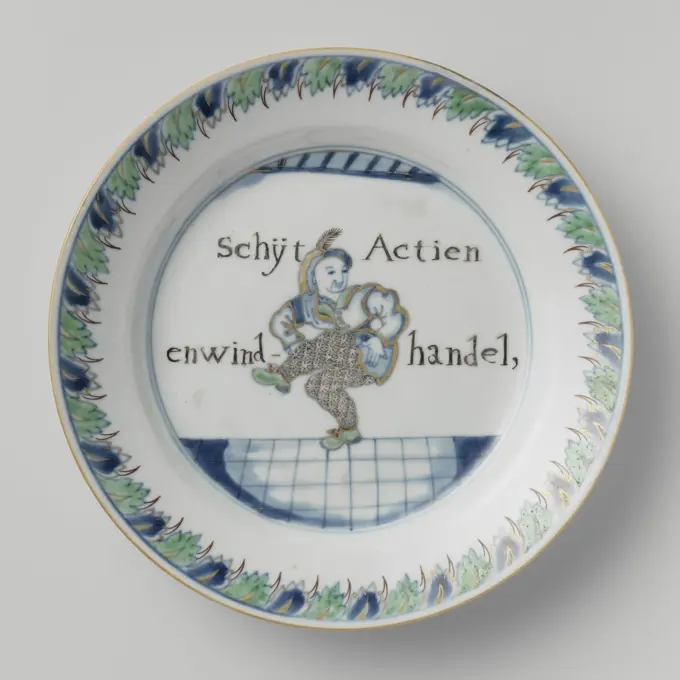
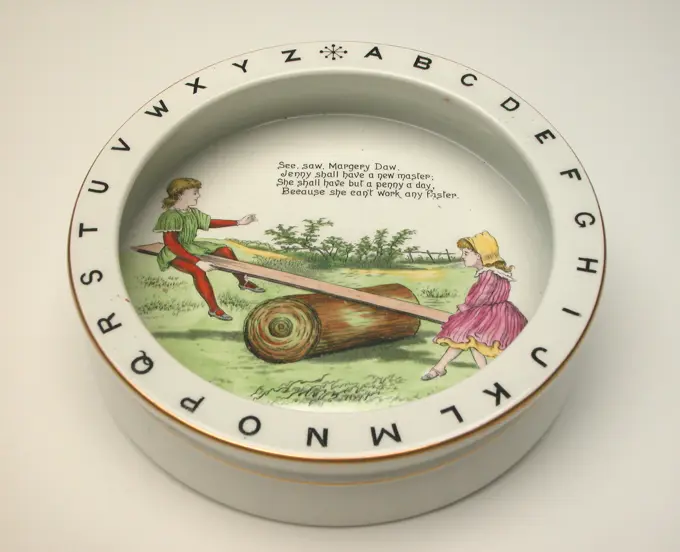
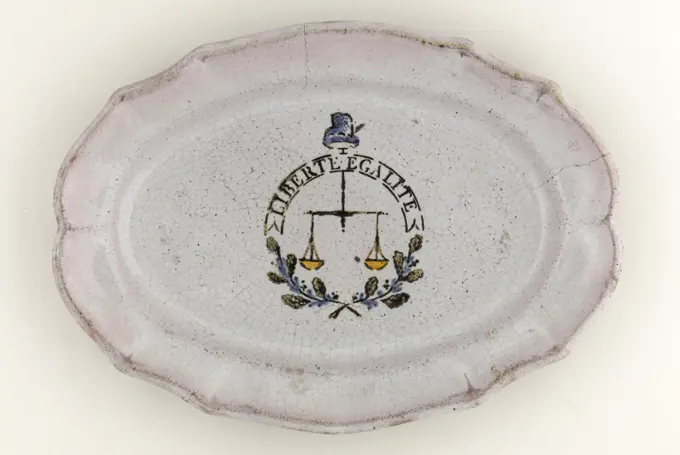
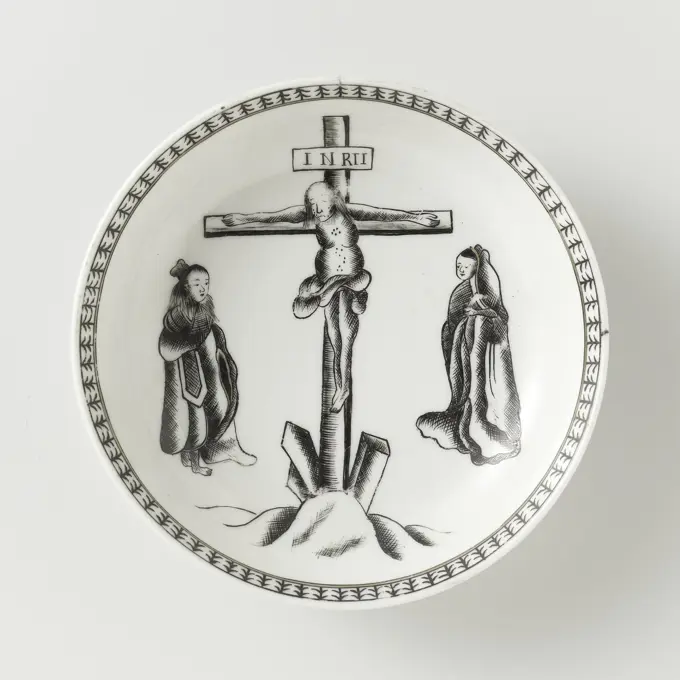
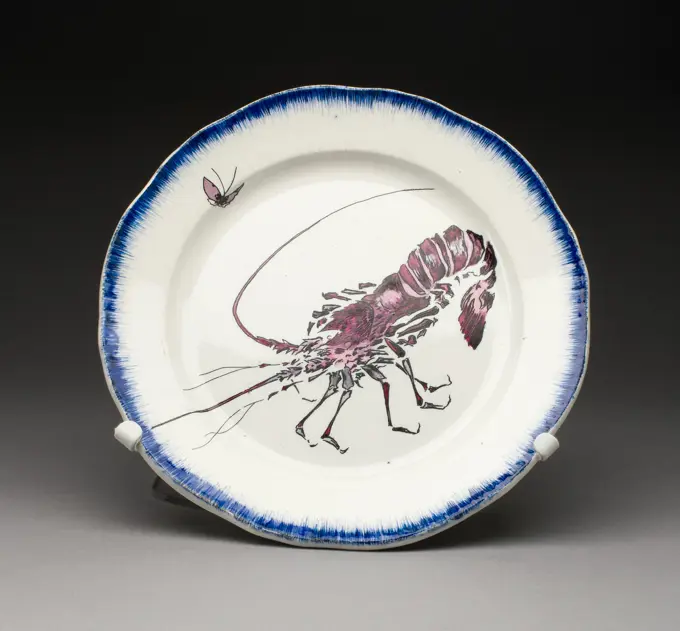
Memorial sign Boer War: Soldiers. Souvenir board Boer War: White sign with decoration in black and gold edges. Group of running soldiers with left and right a man with a beard, pipe, hat and rifle. In the background hills on which some men and waved. Amajubahe hill. Sign up to the underside: Manufacturer brand, including farmers. Belody a series of 6 plates: NG-1982-19-A to F. performances and edges slightly faded.Plate ca. 1750 French, Rouen or possibly Sinceny Faience, or tin-glazed and enameled earthenware, first emerged in France during the sixteenth century, reaching widespread usage among elite patrons during the seventeenth and early eighteenth centuries, prior to the establishment of soft-paste porcelain factories. Although characterized as more provincial in style than porcelain, French faience was used at the court of Louis XIV as part of elaborate meals and displays, with large-scale vessels incorporated into the Baroque garden designs of Versailles. Earlier examples of French faience attest to the strong influence of maiolica artists from Italy. Later works demonstrate the ways in which cities such as Nevers, Rouen, Lyon, Moustiers, and Marseille developed innovative vessel shapes and decorative motifs prized among collectors throughout Europe. While faience can be created from a wide mixture of clays, it is foremost distinguished by the milky opaque white color achieved by the additAnonymous. Oblong dish at the altar of the fatherland. Earthenware. 1790. Paris, Carnavalet museum. 72430-53 Altar, french flag, faience, homeland, revolutionary period, oblong dish, French revolutionBowl (part of a service) ca. 1810 Chinese, for Portuguese market. Bowl (part of a service). Chinese, for Portuguese market. ca. 1810. Hard-paste porcelain. Ceramics-Porcelain-ExportSaucer with a Chinese junk and the arms or amsterdam. Dish of porcelain, painted on the glaze in blue, red, pink, green, yellow, black and gold. On the front of the dish a Chinese jonk with crew on the waves, above the arms of Amsterdam. Weapon porcelain.Plate; Chamberlain & Co (England; Porcelain Factory; 1788-1852); 1811-40 (1840-00-00-1845-00-00);. Scale of porcelain, painted in underglaze blue. On the flat probably the alliance weapon of the Greven and Gonard (t) families. The arm right is an asymmetrical shield with three stars. The arm on the left is an oval shield with a bear. The cover consists of an adornment in Louis XV or Rococo style. On the wall a bond with floral drinks on 'frying wheel' and a bond with a honeycomb pattern. Weapon porcelain in blue and white.Plate (assiette à palmes) (1 of 102) (part of a service) 1767 Sèvres Manufactory French. Plate (assiette à palmes) (1 of 102) (part of a service). French, Sèvres. 1767. Soft-paste porcelain. Ceramics-PorcelainIrene M Burge, Saucer, 1936 SaucerTray 1700-1799 England. Glass .Plate ca. 1725-30 Meissen Manufactory German. Plate 199196Plate. Manufacturing former loose ruderecht, c. 1778-1782Hard-Paste PorcelainPlate. Korzec (manufaktura porcelany ; 1790-1832), factoryPlate; Copeland & Garret (England; Ceramics; 1833-1847); 1833-46 (1833-00-00-1846-00-00);Physician's Tray. Alcora Pottery; Spanish, 1727-1895. Date: 1755-1765. Dimensions: H. 9.2 cm (10 1/2 in.); diam. 26.7cm (3 5/8 in.). Tin-glazed earthenware (faience). Origin: Alcora. Museum: The Chicago Art Institute, FLORENCIA, USA. Author: Alcora Pottery.Plate (assiette à palmes) (1 of 102) (part of a service) 1777 Sèvres Manufactory French. Plate (assiette à palmes) (1 of 102) (part of a service) 197889Salver (piring). This salver or tray was made to commemorate Anthony Huijsman, a member of the Council of the Indies and Director-General of the Dutch East India Company (VOC) in Batavia. The inscription gives his dates of birth and death.Soup plate - St. Louis Gate. Porte St. Louis, Quebec Views D'après Robert Cochran & Company, 1846-1896Helmut Hiatt, Platter  Bridge over Skuykill, c 1936 Platter - Bridge over SkuykillDinner service, incomplete  plate plate Mi Nia (Meissen)Dish (one of a pair) ca. 1750 Felice Clerici. Dish (one of a pair). Italian, Milan. ca. 1750. White-enameled earthenware. Ceramics-PotterySaucer ca. 1740 Meissen Manufactory German. Saucer 188746 Factory: Meissen Manufactory, German, 1710present, Saucer, ca. 1740, Hard-paste porcelain, Diameter: 5 1/8 in. (13 cm). The Metropolitan Museum of Art, New York. Gift of Alfred Duane Pell, 1902 (02.6.246)Saucer. Dated: 1936. Dimensions: overall: 35.6 x 25.2 cm (14 x 9 15/16 in.) Original IAD Object: 5 3/16" Dia 1 3/16" High. Medium: watercolor, graphite, heightening, and pen and inkon paper. Museum: National Gallery of Art, Washington DC. Author: Irene M. Burge.Plate ca. 1735-40 Chinese, for British market. Plate. Chinese, for British market. ca. 1735-40. Hard-paste porcelain. Ceramics-Porcelain-ExportFragments of majolica scale, manganese and blue on white, painted with spell, dish dish crockery holder soil find ceramic earthenware glaze , baked underside covered with lead glaze soft green where it is thickly applied Polychrome text in manganese running script Two loose edge fragments had previously been glued (BC) spell on the mirror: Which gives of the no he has Worthy of living archeology Rotterdam Feijenoord Afrikaanderwijk Parallelweg underground pit adorning serving food Beekemvondst Rotterdam. Metro works Parallel road.Dish, c. 1750. Meissen Porcelain Factory (German). Porcelain; overall: 3.4 x 16.2 x 12.8 cm (1 5/16 x 6 3/8 x 5 1/16 in.).Saucer from a tea service for twelve, 1807-08, Christophe-Ferdinand Caron; Manufacturer: Sèvres Porcelain Factory, French (Sèvres), French, 1774-1831, 1 1/4 x 6 x 6 in. (3.18 x 15.24 x 15.24 cm), Hardpaste porcelain, gilt, France, 19th centuryPlatter 1750-70 British (American market). Platter. British (American market). 1750-70. Stoneware. Made in Staffordshire, EnglandSaucer ca. 1735 Meissen Manufactory German. Saucer. German, Meissen. ca. 1735. Hard-paste porcelain. Ceramics-PorcelainSaucer with a crowned monogram and foliate scrolls, anonymous, c. 1725 - c. 1749 Porcelain dish, painted on the glaze in red, black and gold. On the flat a crowned monogram with 'J.M.' Includes by two bound palm branches. Five groups with leaf vines and shell motifs on the wall. The inner edge with a wavy band. Dish has been broken; Scherf missing. European performance in Encre de Chine. China porcelain. glaze. gold (metal) painting / gilding / vitrification Porcelain dish, painted on the glaze in red, black and gold. On the flat a crowned monogram with 'J.M.' Includes by two bound palm branches. Five groups with leaf vines and shell motifs on the wall. The inner edge with a wavy band. Dish has been broken; Scherf missing. European performance in Encre de Chine. China porcelain. glaze. gold (metal) painting / gilding / vitrificationThe Stockbridge Cup 1870 Designed by Henry Hugh Armstead British This large dish was the prize winner of the Stockbridge race, run every year, with a silver "cup" for the owner of the winning horse. The value of the silver being the monetary value of the prize, in 1870 the value of the prize was 280 poundsa considerable sum then. The name of the winning horse was Mortimer and the owner was a T. French. The length of the course was seven furlongs (1.75 miles).The scenes around the border and in the center of the plate recall the days of the early Norman kings William I, William II, and Henry I, whose seat was at Winchester, not far from Stockbridge. Scenes from their eventful lives are pictured in the six ovals on the border of the dish. The central scene shows the near fatal ambush of Henry I in Dives, a town on the Channel coast of Normandy, the harbor from where his father William, duke of Normandy, had launched his successful invasion of Britain in 1066. The trophy is in the style Bowl plate. Koenigliche Porcellain Fabrique, Meissen (1710-1763), factoryFruit scale of hard baked earthenware, with openwork edge, creamware., Anonymous, c. 1780 - c. 1820 Round fruit bowl of hard baked pottery, with an openwork edge. Garandes and festons run in relief between the openwork medallions. England earthenware Round fruit bowl of hard baked pottery, with an openwork edge. Garandes and festons run in relief between the openwork medallions. England earthenwarepicture of antique plate in front of a white backgroundDish China. Dish. China. Porcelain with underglaze blue and overglaze red enamel. Qing dynasty (1644-1911). CeramicsPlate Depicting the Sèvres Porcelain Manufactory, Sèvres Porcelain Manufactory, French, established 1756 to the present, Achille Etna Michallon, French, 1796 - 1822, hard paste porcelain, vitreous enamel, gold, Flat marli. Concentric bands, in gold: plain, advancing wave motif, and scattered stars; enclosing view of the Sèvres porcelain factory in colors after an 1817 drawing by Achille Etna Michallon., France, 1822, ceramics, Decorative Arts, plate, plateCoffee Cup and Saucer 1798-1808 Vienna. Hard-paste porcelain, green ground, and gilding . Vienna State Porcelain Manufactory (Manufacturer)Bell-shaped cup with a port scene of Amsterdam, anonymous, c. 1765 Bell -shaped head of porcelain, painted on the glaze in blue, red, pink, green, brown, black and gold. On the wall a harbor face on the Nieuwe Stadsherberg in Amsterdam from the River Het IJ, a few boats and ships on the river manned by European men in eighteenth -century clothing. Above the cityscape a cartouche in the form of two angels who hold a crown and a garland. The cartouche is filled with an unidentified monogram. Two cracks in the wall of the head. European performance in email colors. China porcelain. glaze. gold (metal) painting / gilding / vitrification  Amsterdam Bell -shaped head of porcelain, painted on the glaze in blue, red, pink, green, brown, black and gold. On the wall a harbor face on the Nieuwe Stadsherberg in Amsterdam from the River Het IJ, a few boats and ships on the river manned by European men in eighteenth -century clothing. Above the cityscape a cartouche in the form of two angels who holBeaker and saucer. Culture: Austrian, Vienna. Dimensions: Height (Beaker .307): 3 1/16 in. (7.8 cm);Diameter (Saucer .308): 5 1/8 in. (13 cm). Factory: Vienna. Factory director: Du Paquier period (1718-1744). Date: ca. 1725-35.The gift of the Hans Syz Collection in 1995 endowed the Museum with nearly three hundred examples of European and Asian ceramics meticulously acquired by Swiss-born collector Dr. Syz (1894-1991) to chart the migration of models and patterns from East to West. Documenting a continuous process of influence and adaptation, these pieces provide a discriminating review of the nuances of stylistic change resulting from three centuries of trade. Museum: Metropolitan Museum of Art, New York, USA.'Hans Sloane' Plate, Chelsea Porcelain Manufactory, English, established ca. 1743/45, Georg Dionysius Ehret, German, 1708 - 1770, soft paste porcelain, vitreous enamel, A plate with wavy, brown-edged rim painted with a large spray of sunflower (Helianthus atrorubens), showing a blossom, buds, and leaves, with various insects., England, 1753-1756, ceramics, Decorative Arts, plate, plateKwiaty. Franco L. io (fl. 1800-1900), painterThree Flowerpot Containers (cache pots) and stands. Manufacturing former loose ruderecht, c. 1778-1782Hard-Paste PorcelainPlate - Figuier Etranger  Davenport DavenportDish (part of a service) ca. 1737 Chinese, for Scottish market The arms on this dish are those of James, fifth duke of Hamilton (1702/3-1743), and it is possible that this dish is part of a large service created for him at the time of his marriage to his third wife in 1737.. Dish (part of a service) 206764. Scale of porcelain, painted on the glaze in blue, pink, green, brown, black and gold. On the front one, possibly European, river landscape with a tree, mountains a fort and ships, two of which are staffed; a few European people on the quay; The inner edge with a bond with leaf raft. A crack in the wall; Some chips in the edge. European performance in email colors.Luncheon plate - St. Louis Gate. Porte St. Louis, Quebec Views D'après Cochran & Fleming, 1896-1920Cover; Copeland & Garret (England; Ceramics; 1833-1847); 1833-46 (1833-00-00-1846-00-00);Soup plate with the arms of the De Famars and Vriesen family, anonymous, c. 1752 Porcelain soup plate, painted on the glaze in blue, red, pink, green, black and gold. On the flat the alliance weapon of the De Famars and Vriesen families in Rococo style. The weapon to the right of the De Famars family is divided into four parts: 1. and 4. On a black background seven golden fleur-de-lis, 2. and 3. A black eagle. The weapon to the left of the Vriesen family has a black background and slanting bar with three cow heads on it. A crown is depicted above the weapons and the cover consists of shells and (leaf) branches. On the wall a Spearhead border and a meander pattern on the edge. A chip in the edge. Weapon porcelain with email colors. China porcelain. glaze. gold (metal) painting / gilding / vitrification Porcelain soup plate, painted on the glaze in blue, red, pink, green, black and gold. On the flat the alliance weapon of the De Famars and Vriesen families in Rococo style. The weapon to Toy serving plate - Indian Scene D'après Francis Morley, 1845-1850Plate (part of a set) ca. 1660-90 Dutch, Delft The legends inscribed in the well of these plates (1977.22.5-.10) make one continuous verse. When read in numerical sequence, the inscription is: "Clean plates and napkins/ tablecloths without stains/ full glasses and fine flutes/ make the stomach open/ but the mistress of the house who is joyful/ makes the real happiness of the table".. Plate (part of a set) 208884Close-up of a barber's bowl, FranceTwo miniature dishes (part of a service) ca. 1760-62 Worcester factory Listen to experts illuminate this artwork's story Listen Play or pause #407. Teapots Supported by Bloomberg Philanthropies We're sorry, the transcript for this audio track is not available at this time. We are working to make it available as soon as possible.. Two miniature dishes (part of a service). British, Worcester. ca. 1760-62. Soft-paste porcelain with underglaze blue. Worcester factory (British, 1751-2008). Ceramics-PorcelainChristoffel Columbus, discoverer of America, Gottfried Eichler, 1819 locket One -sided medallion in brass ring rear glass on bearing eye and carrying ring. Front: breastpiece man to the right inside. Reverse: label with inscription. Berlin gypsum. brass (alloy). glass castingPorcelain plate with multicolored botanical decor. Porcelain plate with multicolored painting in green, purple and yellow on salmon-colored fond: Rhexia Muricata / Popijan (inscription on the back in black). The edge is painted in brown on beige fond with a branch with leaves. Between the edge and the flat is a chain with leafwork in gold between two golden piping. Along the outer edge also a golden trim. Brands: Scepter in underglazing blue; KPM under eagle in Violet; 32 Inserted.Saucer with a lady, gentlemen and two panels with characters. Dish of porcelain with straight wall, painted on the glaze in blue, red, pink, green, yellow, black and gold. On the flat of the dish a lady, gentleman and two cartouches with characters; A fan-shaped with 'crackled ice' and a cartouche formed by a bamboo roof. Family Rose.Plate with fairies, deer, and bats China. Plate with fairies, deer, and bats. China. Porcelain painted with overglaze polychrome enamels (Jingdezhen ware). Qing dynasty (1644-1911), Kangxi period (1662-1722). CeramicsSèvres Porcelain Manufactory, Cup and Saucer, c. 1810, hard-paste porcelain.Soup plate 1740-50 Chinese, for Dutch market. Soup plate. Chinese, for Dutch market. 1740-50. Hard-paste porcelain. Ceramics-Porcelain-ExportPlate (part of a set) ca. 1785 Chinese, for British market. Plate (part of a set) 201070Saucer with a Chinese junk and the arms or amsterdam. Dish of porcelain, painted on the glaze in blue, red, pink, green, yellow, black and gold. On the front of the dish a Chinese jonk with crew on the waves, above the arms of Amsterdam. A crack in the wall of the dish. Weapon porcelain.Maker Unknown, Octagonal Plate from the George Washington Memorial Service, c. 1800, porcelain, enamel, and gilding.Dish, multi -colored painted with chinoiseries and the coat of arms of the Venetian Morosini family, Meissener Porzellan Manufaktur, 1731 Round dish of painted porcelain. The dish is painted with Höroldt chinoiseries and the coat of arms of the Venetian Morosini family. The dish is marked. Float porcelain Round dish of painted porcelain. The dish is painted with Höroldt chinoiseries and the coat of arms of the Venetian Morosini family. The dish is marked. Float porcelainPlate - "State House, Boston". Dated: c. 1936. Dimensions: overall: 20.3 x 25.4 cm (8 x 10 in.) Original IAD Object: 9 7/8" in diameter. Medium: black and white photograph. Museum: National Gallery of Art, Washington DC. Author: Helmut Hiatt.Saucer with a couple in a landscape, Mennecy-Villeroy, c. 1770  Soft-Paste porcelain dish (Pâte Tendre) with a straight wall, painted in email colors and gold. On the flat a landscape with a few. The woman sits on the floor, leaning against a rock and looks up to the standing man in front of her. Blue line on the wall. Worn out golden edge. Marked on the underside with SX. Mennecy porcelain. glaze. gold (metal) painting / gilding / vitrificationSpodek, with Dudek; Porzellanmanufaktur Hoechst (1746-1796); 1763-1798 (1763-00-00-1800-00-00);birds, purchase (provenance)Saucer (part of a set) ca. 1735-40 Meissen Manufactory German. Saucer (part of a set) 199175. Meissen porcelain manufactory ice cream, c. 1725-1730Hard Paste PorcelainSaucer, with a hoopoe bird figure. Porzellanmanufaktur Hoechst (1746-1796), manufactureHandscreen, Les Solitaires de Normandie; engraved, hand-colored and painted paper leaf, turned wood handle; 1927-17-11Plate - "Boston State House". Dated: c. 1936. Dimensions: overall: 20.3 x 25.6 cm (8 x 10 1/16 in.) Original IAD Object: 10" in diameter. Medium: black and white photograph. Museum: National Gallery of Art, Washington DC. Author: Helmut Hiatt.Plate ca. 1821-ca. 1834 James and Ralph Clews British. Plate. British (American market). ca. 1821-ca. 1834. Earthenware, transfer-printed. Made in Staffordshire, EnglandFlowers in a Vase. Dating: 1780 - 1799. Place: Holland. Measurements: h 118 cm × w 105 cm × t 2.5 cm; h 126.6 cm × w 113.6 cm × d 9.8 cm. Museum: Rijksmuseum, Amsterdam.Eugene Shellady, Pa German Dish, 1938 Pa. German DishCup and saucer ca. 1799 Austrian, Vienna. Cup and saucer 461178. Round dish of multi-colored padded faience, with a scalloped edge and a blue-green fond. On the flat, two flowers and on the edge are four floral drinks in the colors yellow, purple, and green painted.Accordion Player Plate; Manufactured by State Porcelain Factory (Russia); porcelain, enamel; Diameter: 21.6 cm (8 1/2 in.); The Henry and Ludmilla Shapiro Collection; Partial gift and partial purchase through the Decorative Arts Association Acquisition and Smithsonian Collections Acquisition Program Funds; 1989-41-7Saucer ca. 1780 Chinese, for British market. Saucer 202488Comm. MacDougal's Victory Plate. Dated: c. 1936. Dimensions: overall: 20.3 x 25.4 cm (8 x 10 in.) Original IAD Object: 10 3/16" in diameter. Medium: black and white photograph. Museum: National Gallery of Art, Washington DC. Author: Helmut Hiatt.No. 6, een Zee Schiujt op de Neering (A sea ship over the fishing grounds), from 'The Herring Catch', c. 1780, Porcelain Axe (Porceleyne Bijl) Factory, 1 × 9 × 9 in. (2.54 × 22.86 × 22.86 cm), Tin-glazed earthenware, Netherlands, 18th century, The 17th century has been called the Golden Age of the Dutch Republic, its prosperity built by a new and expanding merchant class which had become wealthy through industry and international trade, its tolerance of religious and intellectual diversity, and its patronage of home grown and international traders, craftsmen and artists. This radiance was in large part supported by the Dutch mastery of fishing for herring and by preserving this otherwise undistinguished silver fish. So much of the national wealth was accumulated through this industry that Amsterdam was said to have been built on herring bones. What could be a more appropriate subject to be celebrated by the potteries in Delft'Porcelain plate with multicolored botanical decor. Porcelain plate with multicolored painting in green, purple and yellow on cream Fond: Antirrhinum Triornithophorum / Amérique Méridionale (inscription on the back in black). The edge is painted in brown on beige fond with a branch with leaves. Between edge and flat is a chain with leafwork in gold between two golden piping. Along the outer edge also a golden trim. Brands: Scepter in underglazing blue; KPM under eagle in Violet; 32 Inserted.Saucer (part of a service) 1750-70 Chinese, possibly for Dutch market. Saucer (part of a service) 201223Anonymous. Trophy plate. Earthenware. Paris, Carnavalet museum. 71683-58 Weapon, Phrygian Bonnet, Decoration, Faience, Beam, Revolutionary Voiode, French Revolution, Trophee, PlateSaucer Chinese, for Spanish market ca. 1810Box And Cover; ivory; Bequest of Katherine Strong Welman; 1908-23-22-a/c. Herring scale of faience. Blue painted with a herring.Snuff box, Painted tôle, probably England, early 19th century, containers, Decorative Arts, Snuff boxHelmut Hiatt, Plate  New York from Brooklyn Heights, c 1936 Plate - New York from Brooklyn HeightsPlate with a caricatural figure and inscription, anonymous, c. 1725 - c. 1749 Porcelain plate, painted in underly glaze blue and on the glaze green, black and gold. On the flat a dancing harlequin with the text: 'Shakes Actien and Windhandel'; The edge with a decorative pattern. Action board. European performance in blue and white with email colors. China porcelain. glaze. cobalt (mineral). gold (metal) painting / gilding / vitrification Porcelain plate, painted in underly glaze blue and on the glaze green, black and gold. On the flat a dancing harlequin with the text: 'Shakes Actien and Windhandel'; The edge with a decorative pattern. Action board. European performance in blue and white with email colors. China porcelain. glaze. cobalt (mineral). gold (metal) painting / gilding / vitrificationSoup Plate. English for the American market; Leeds. Date: 1785-1795. Dimensions: Diam. 24.3 cm (9 9/16 in.). Creamware. Origin: England. Museum: The Chicago Art Institute, Chicago, USA.Cups and Saucers with View of Yale College (State House and New HavenGreen).  Manufacturer: Thomas Godwin, British, active ca. 1834-54Engraver Source material by: James Sands, British, active ca. 1832 - 1861After drawing by: William Henry Bartlett, British, 1809-1854Publisher Source material by: George Virtue, British, 1793-1868Plate with the Wieniawa coat of arms. Horodnica (1807-1914), manufactureChild's plate - Bridgwood & Son  , Excello  Bridgwood & Son  , ExcelloSaucer with a man and woman playing 'go', c. 1725 - c. 1735 Porcelain dish, painted on the glaze in blue, red, pink, green, yellow, purple, brown, black and gold. On the flat two women and a man in an interior around a table. The man and one of the women play 'go', the other woman watches. Marked on the underside with a brush, Ruyi-SCEPTER and Ink rod in a double circle. Famle Rose. China porcelain. glaze. gold (metal) painting / gilding / vitrification Porcelain dish, painted on the glaze in blue, red, pink, green, yellow, purple, brown, black and gold. On the flat two women and a man in an interior around a table. The man and one of the women play 'go', the other woman watches. Marked on the underside with a brush, Ruyi-SCEPTER and Ink rod in a double circle. Famle Rose. China porcelain. glaze. gold (metal) painting / gilding / vitrificationPlate. Culture: British (American market). Dimensions: Diam. 9 in. (22.9 cm). Maker: Possibly Thomas Dimmock & Co. (active 1828-59). Date: ca. 1835-59.This black and white transfer-printed earthenware plate possibly made by the Staffordshire firm of Thomas Dimmock & Co. features a view of the ruins of the New York Merchant's Exchange following the "Great Fire of New York.". Museum: Metropolitan Museum of Art, New York, USA.18 plates, each decorated with a Netherlandish province. These plates reflect the period when the Netherlands and Belgium together formed the United Kingdom of the Netherlands (1815-1830). The kingdom consisted of 17 provinces plus the grand duchy of Luxembourg. The gold decoration is in the Neoclassical style. On the upper edge are the arms of the kingdom, on the lower border those of each province. Today the Netherlands consists of 12 provinces.Anonymous. Oblong dish "Liberty Equality". Earthenware. 1791-1793. Paris, Carnavalet museum. 72430-52 Balance, Phrygian cap, equalitis, faience, freedom, revolutionary period, oblong dish, French revolutionSaucer with a crucifixion scene, anonymous, c. 1780 Porcelain dish, painted on the glaze in black and gold. On the flat of the dish a representation of the crucifixion with the two Maria's; A band with a decorative pattern on the edge. Part of a tea set. European performance in Encre de Chine. China porcelain. glaze. gold (metal) painting / gilding / vitrification Porcelain dish, painted on the glaze in black and gold. On the flat of the dish a representation of the crucifixion with the two Maria's; A band with a decorative pattern on the edge. Part of a tea set. European performance in Encre de Chine. China porcelain. glaze. gold (metal) painting / gilding / vitrificationPlate, c. 1890-1894, Escalier de Cristal, France, 7/8 × 9 1/2 × 9 1/2 in. (2.22 × 24.13 × 24.13 cm), Lead-glazed earthenware, transfer printing, France, 19th centuryPlate 1866-1875 France. Tin-glazed earthenware, stenciled and enameled . Félix Henri Bracquemond (Designer)Plate 1764 Delft. Tin-glazed earthenware (Delftware) .