Painted Porcelain Dishes

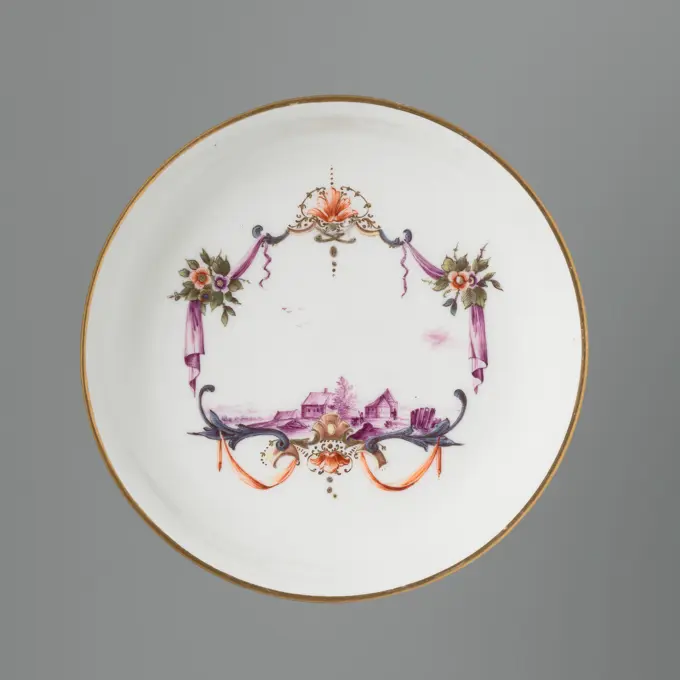
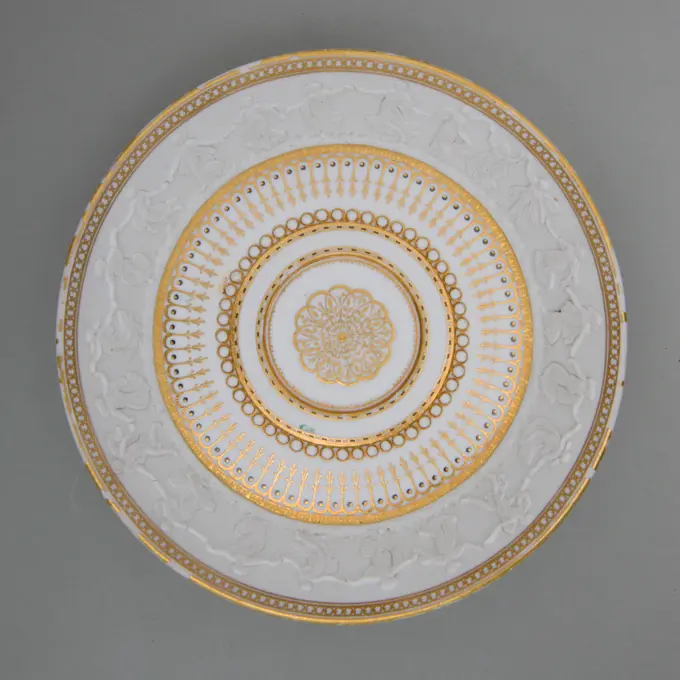
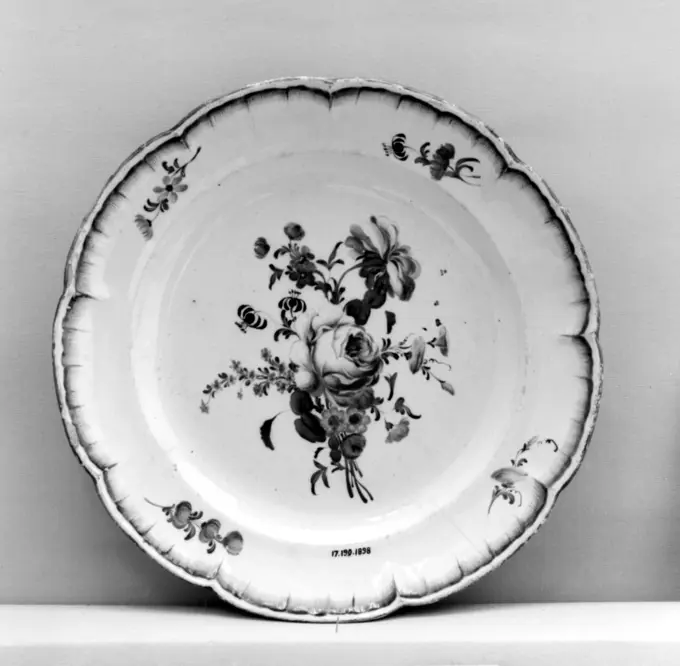
Elegant round porcelain dishes decorated with floral patterns and relief edges, showcasing craftsmanship from the Meissen porcelain manufactory.

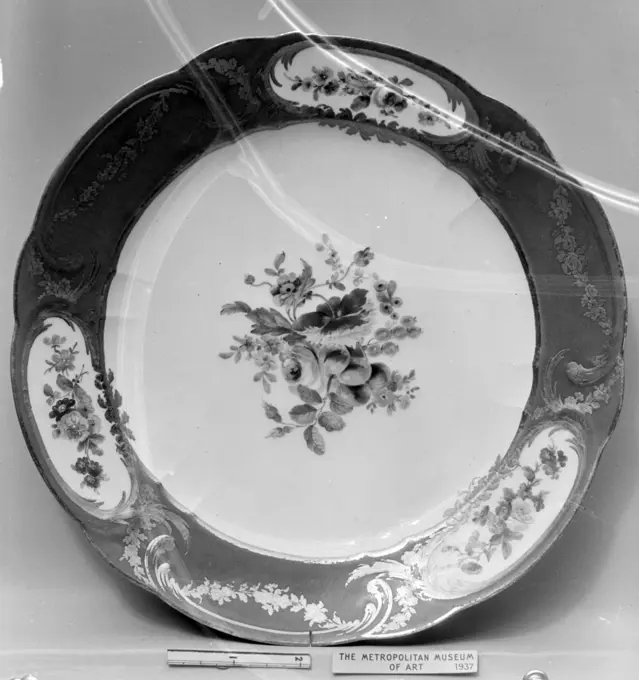
Plate, multi -colored painted with Deutsche Blumen, Insekten and Fruits, Meissener Porzellan Manufaktur, c. 1750 - c. 1760 Round plate of painted porcelain. The board is painted with Deutsche Blumen, Insekten and Fruits. The edge is decorated in relief with the Neuozier pattern. The board is marked and belongs to a service (BK-17474-1 to BK-17474-253). Float porcelain Round plate of painted porcelain. The board is painted with Deutsche Blumen, Insekten and Fruits. The edge is decorated in relief with the Neuozier pattern. The board is marked and belongs to a service (BK-17474-1 to BK-17474-253). Float porcelain
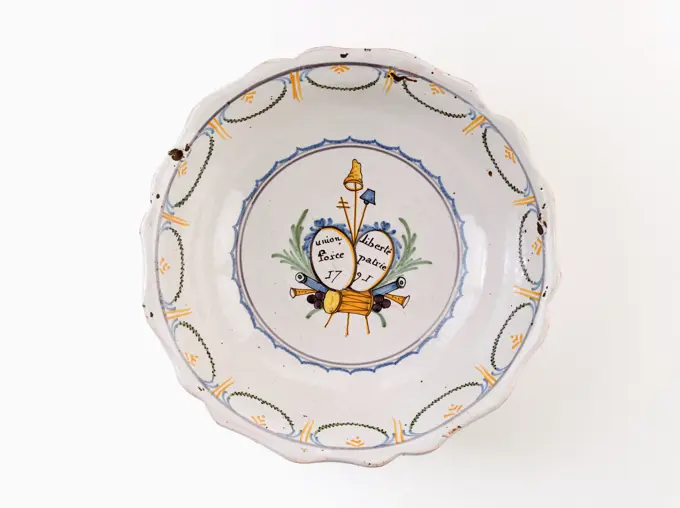
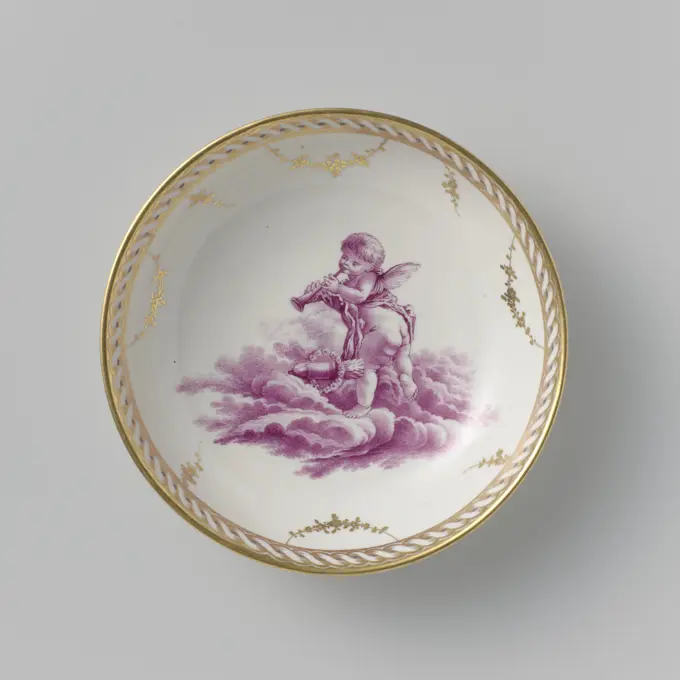
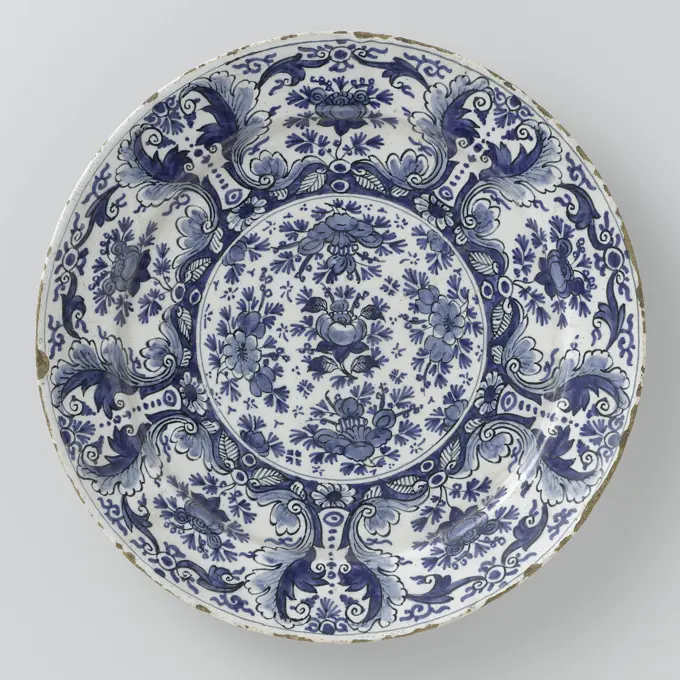
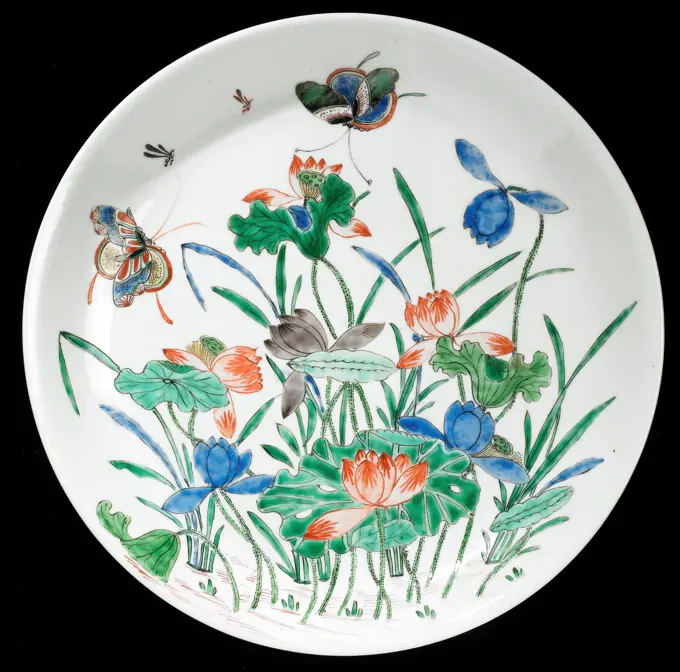
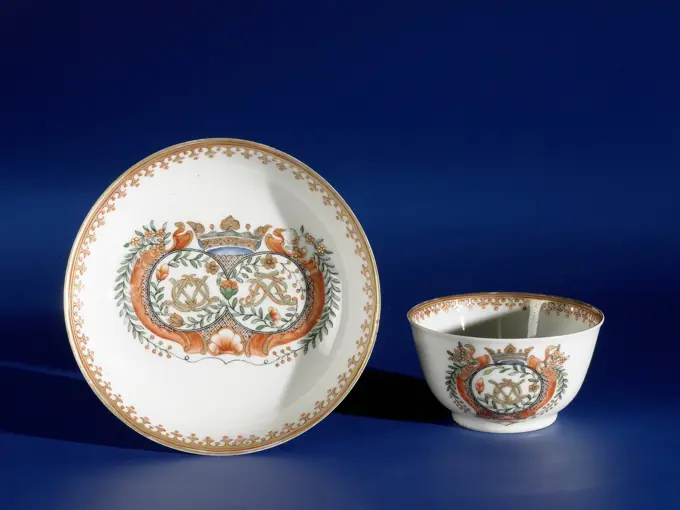
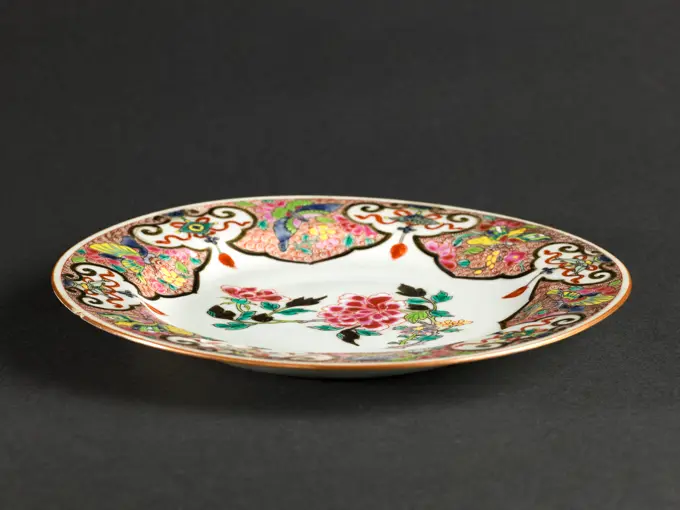
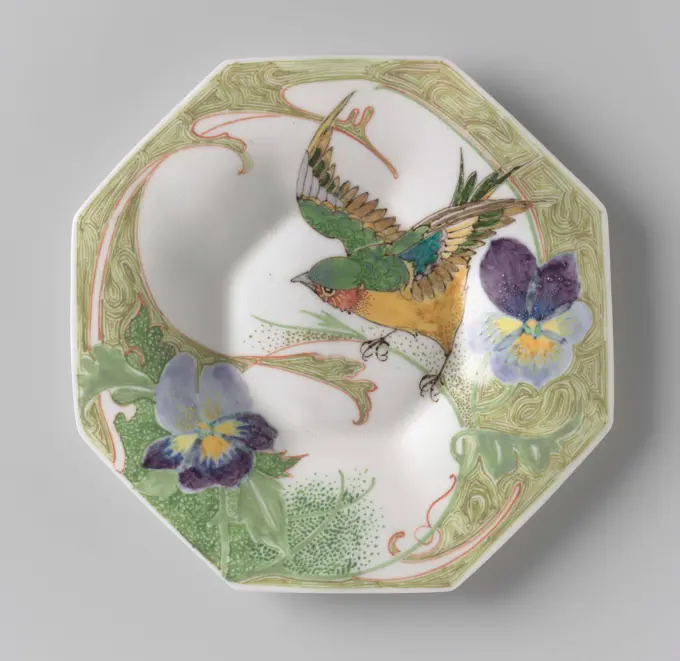
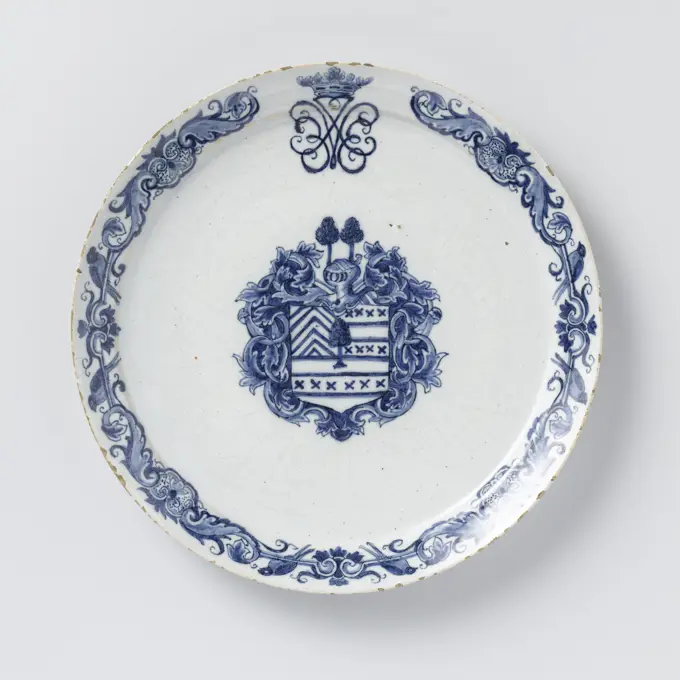
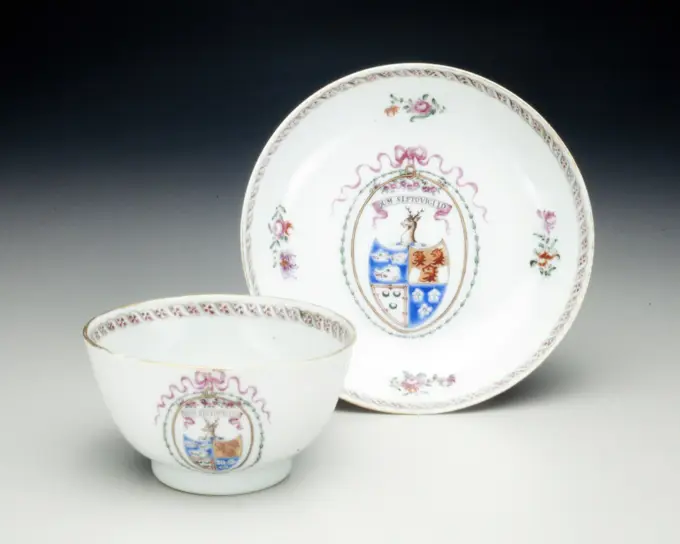
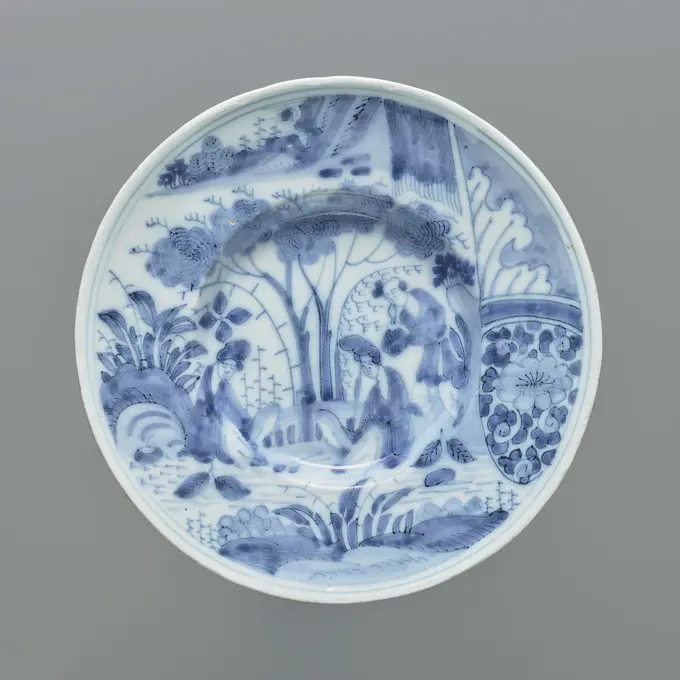
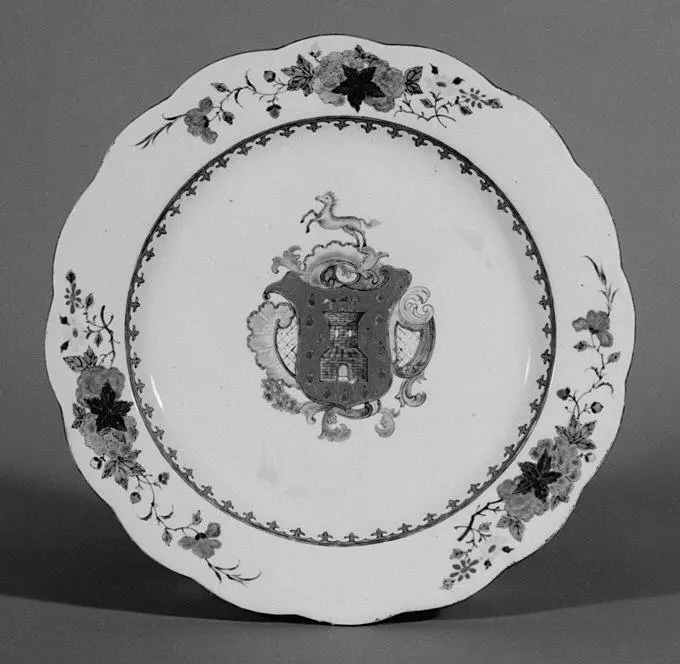
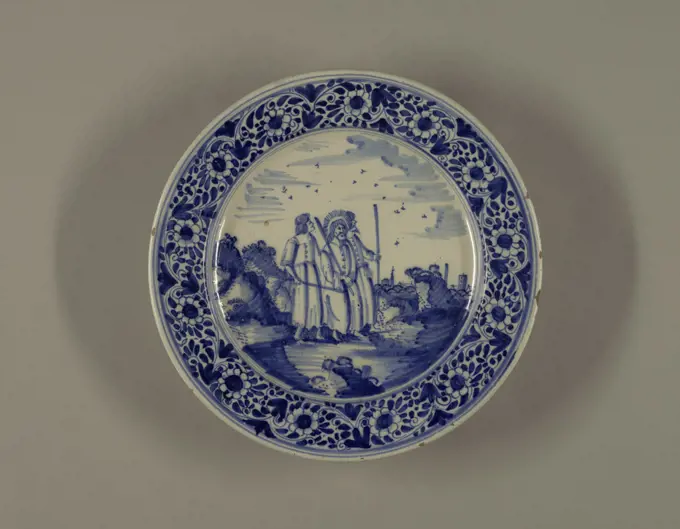
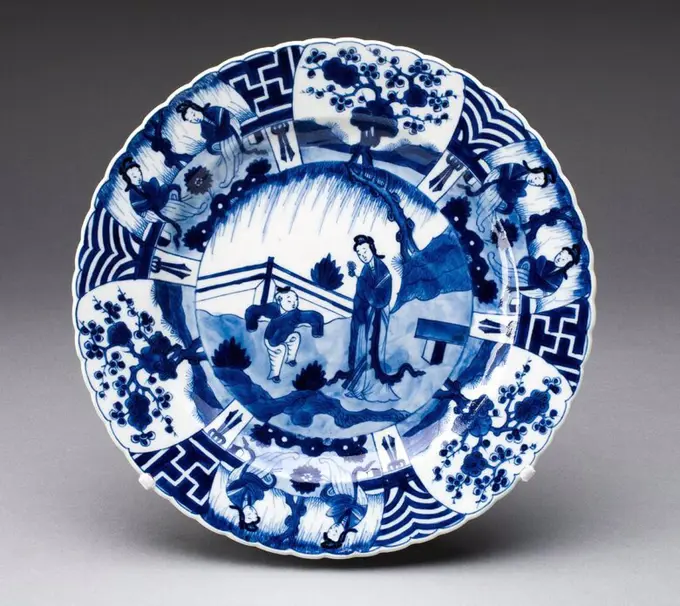
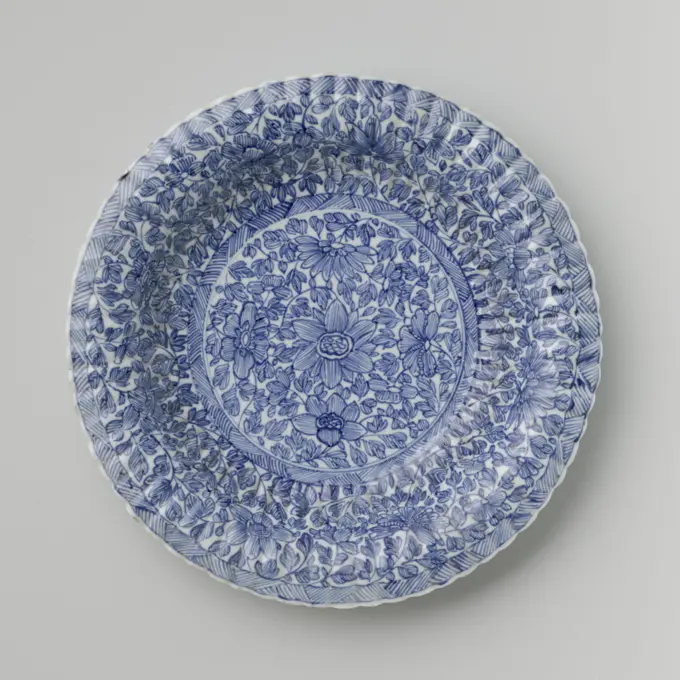
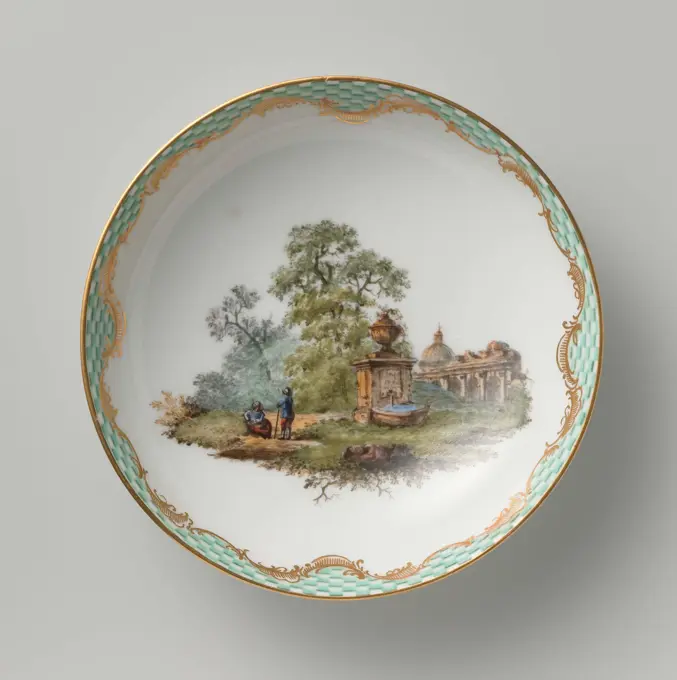
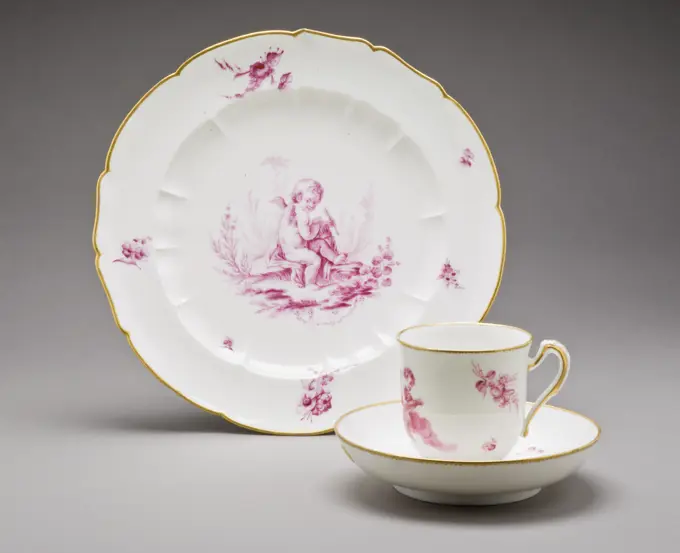
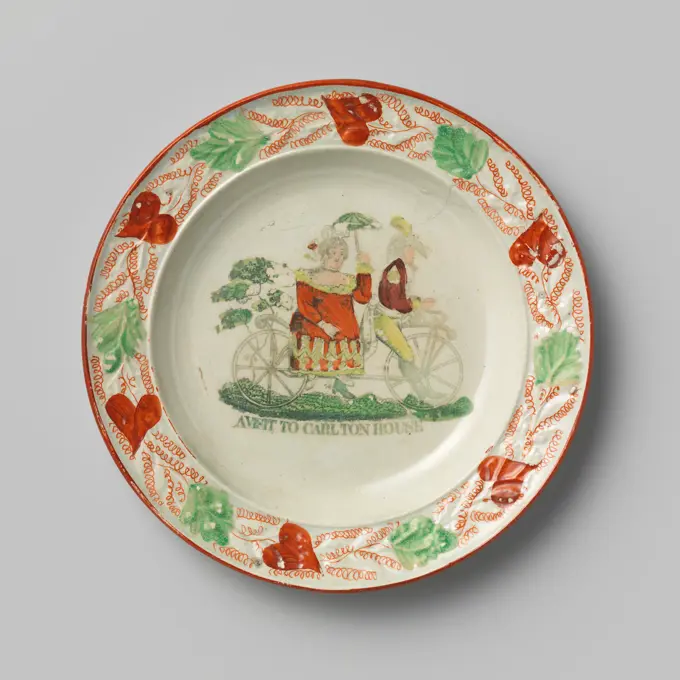
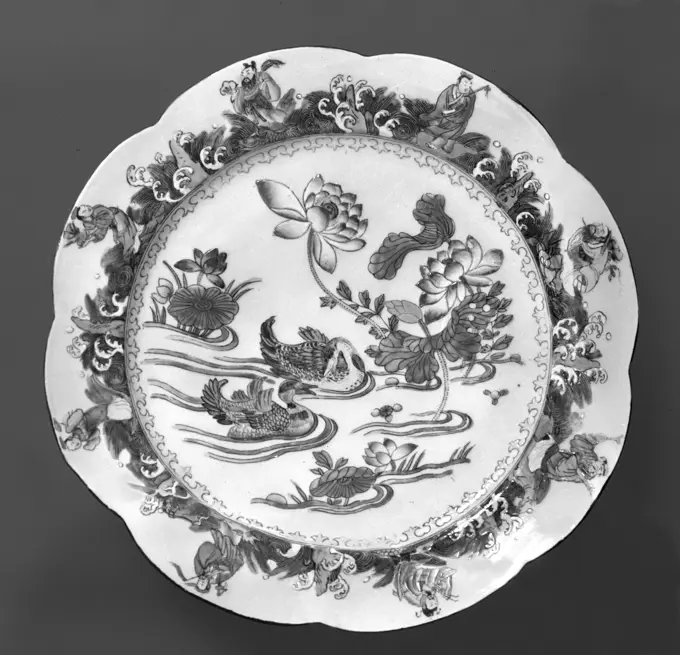
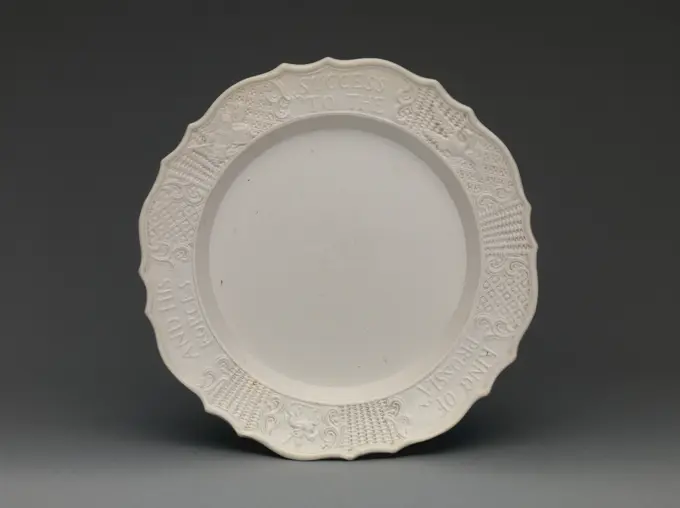
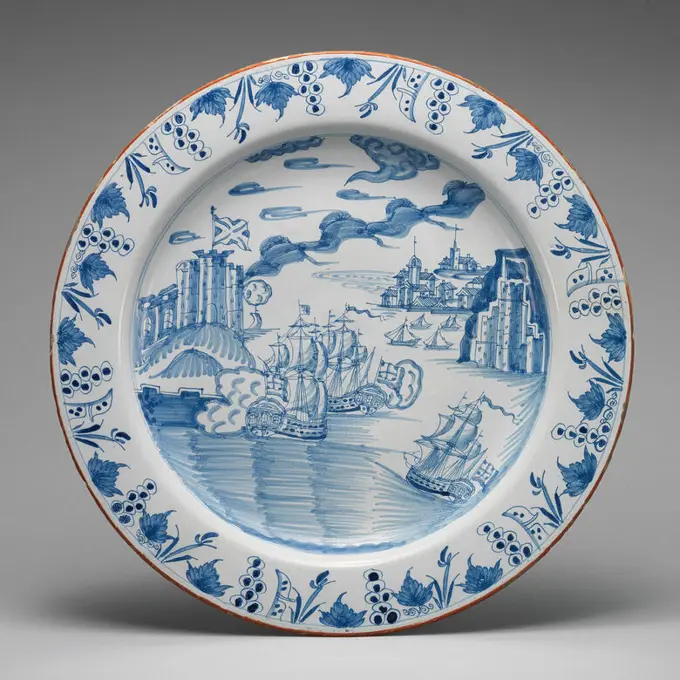
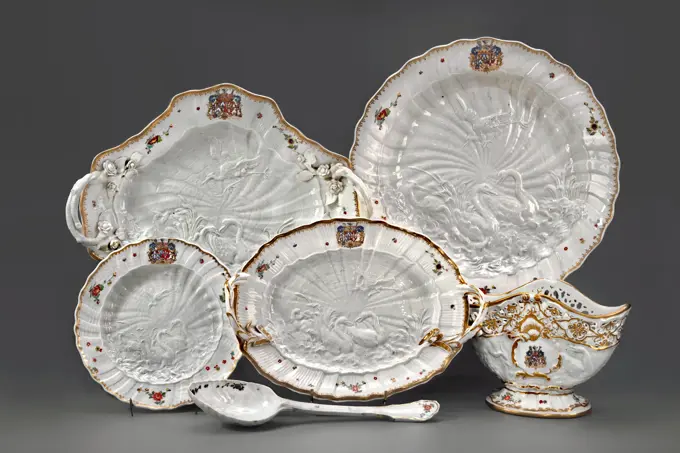
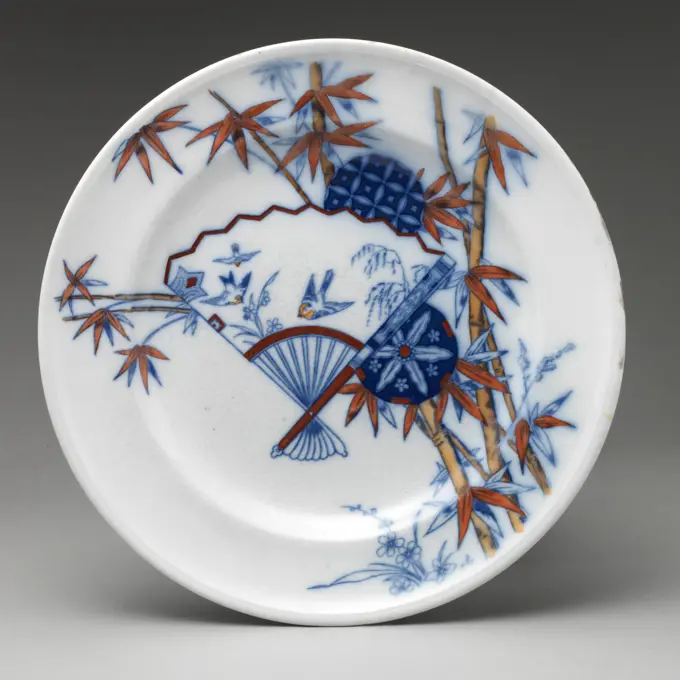
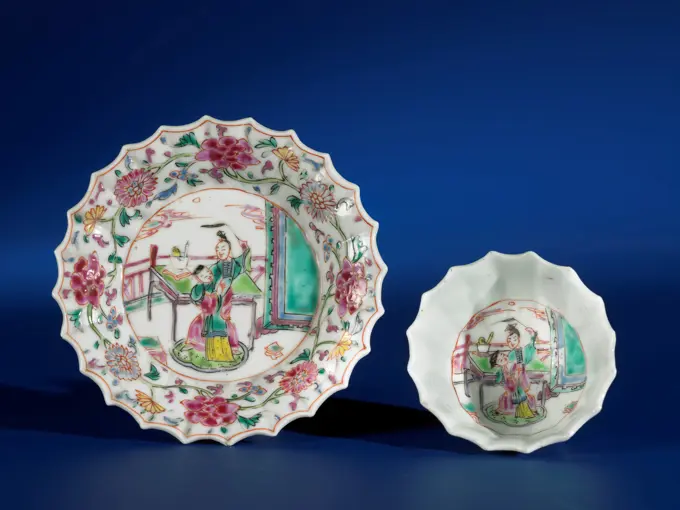
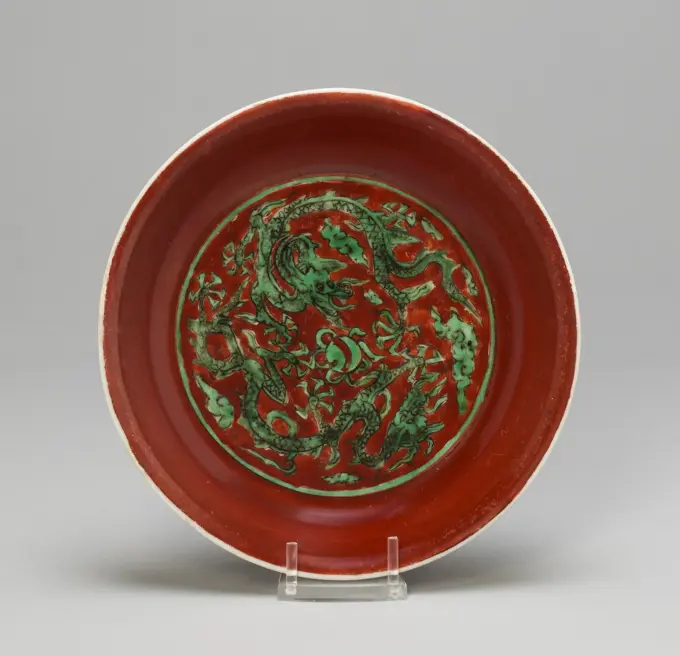
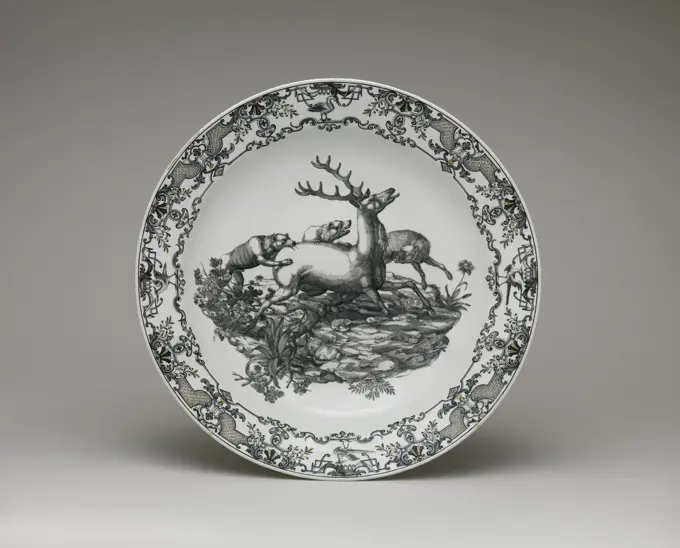
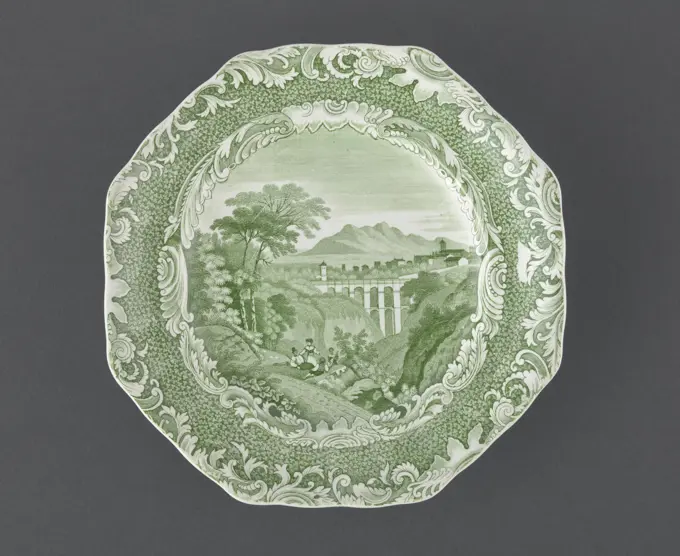
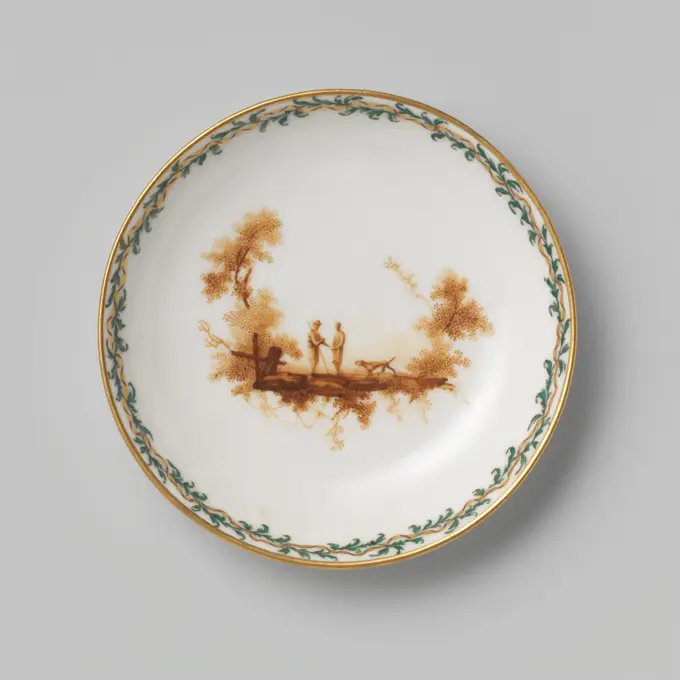
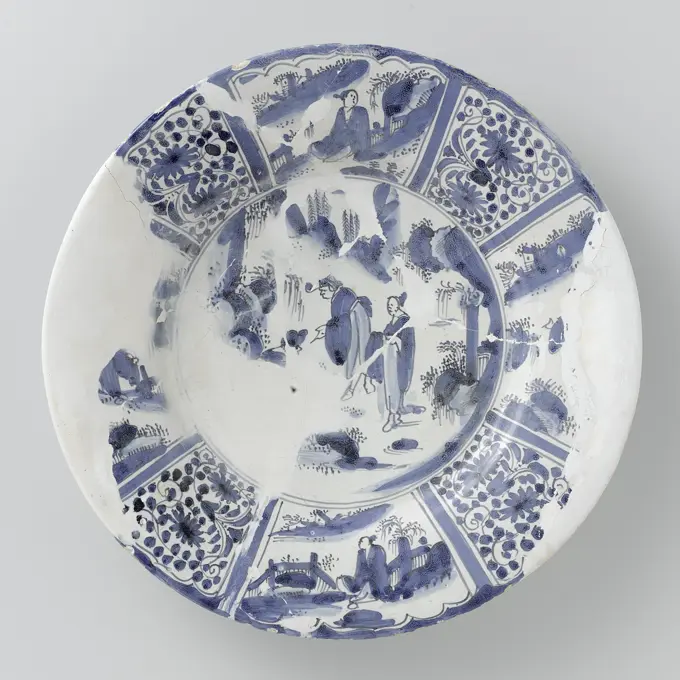
Dish, painted with figures in landscapes. Part of a crockery. Dish of porcelain, painted multi-colored with figures in landscapes. Part of a crockery. Marked with two crossed swords and rebel: MHS.Plate with Chinese landscape. Plate of pottery with liquefy transfer decor. The flat decorated with Chinese landscape with buildings, a fence, a bridge, some figures and two birds. The edge with a pearl table, geometric motifs and leaf motifs.Scalloped saucer with hoo birds, anonymous, c. 1670 - c. 1700 Sculpted porcelain dish, painted on the glaze in blue, red, green, yellow, black and gold with a pair of Hoo birds, one in the air and one on a rock with a flower branch. Hairline Tear in enamel. Kakiemon style. Japan porcelain. glaze. gold (metal) painting / gilding / vitrification Sculpted porcelain dish, painted on the glaze in blue, red, green, yellow, black and gold with a pair of Hoo birds, one in the air and one on a rock with a flower branch. Hairline Tear in enamel. Kakiemon style. Japan porcelain. glaze. gold (metal) painting / gilding / vitrification. Two bowls of pottery, painted multi-colored with the decor 'B. Trailing '. The outside and a wide band around the bottom in green. Marked with: Circular stamp, shape. No 34. AP. Patriter "B. TAKING" in black, rebel 34.Saladier, "Union Force Liberty Fatherland 1791". Faïence in the big fire, polychrome decor. Nivernais, Nevers, 1791. Paris, Carnavalet museum. Saladier, Union Force Liberte Fatherland 1791 Phrygian hat, polychrome decor, great fire, Nivernais, French Revolution, Saladier, Union Force Liberte Fatherland, dishes. Scale of porcelain, painted on the glaze in blue, red, pink, green, yellow, brown, black and gold. On the flat of the scale a symbolic representation with three putti, of which a soap bubbles blows through a pipe; Behind them a wicker basket, pyramid, skull, mask, crown, globe, books and other objects; The edge with a tire leaf refrences, ribbons, branches and two radiant suns with a face. Presentation to a drawing of Jacob de Wit (1695-1754), 'Allegory on transience'. Wall has been broken. European performance in email colors.Plate.Serving plate - Brameld & Company, 1806-1842 Brameld & Company, 1806-1842Saucer with a putto on clouds, Ansbach, 1785 Porcelain saucer, painted on the glaze in pink (Camaïeu) and gold. Playing a putto on a trumpet on a cloud on the flat. The inner edge with a twisted band, on which garlands and flower branches hang. Golden Rand. Marked on the underside with the stork. porcelain company: GermanyThe Hague porcelain. glaze. gold (metal) painting / gilding / vitrification Porcelain saucer, painted on the glaze in pink (Camaïeu) and gold. Playing a putto on a trumpet on a cloud on the flat. The inner edge with a twisted band, on which garlands and flower branches hang. Golden Rand. Marked on the underside with the stork. porcelain company: GermanyThe Hague porcelain. glaze. gold (metal) painting / gilding / vitrificationBord, anonymous, c. 1700 - c. 1730 plate (dishes) Round plate of blue painted faience. Flowers are painted on the flat. The edge is divided by leaf motifs into courses in which flowers. The board was marked and was handed over to the Historisch Museum in Venlo in 1967, since then returned. Delft earthenware. tin glaze.Plate with the catch of a tiger, N.V. Société Céramique, c. 1863 - c. 1958 Plate of earthenware with red transfer decor. On the flat the catch of a tiger. Circles with flowering branches on the edge. Maastricht earthenware Plate of earthenware with red transfer decor. On the flat the catch of a tiger. Circles with flowering branches on the edge. Maastricht earthenwareBowl saucer; Koenigliche Porcellain Fabrique, Meissen (1710-1763); around 1750 (1745-00-00-1755-00-00);Platter. Belweder (manufaktura fajansu ; 1770-1780), factoryDish, one of a pair, Kangxi period, 1662-1722, 1 3/8 x 10 13/16 x 10 13/16 in. (3.49 x 27.46 x 27.46 cm), Famille verte ware Porcelain with overglaze enamel decoration, China, 17th-18th century, The Ching-te-chen factories were rebuilt in 1677 and among their new products was famille verte, a palette of overglaze enamels of which the principal color is green. This palette is most distinguished however by the use of overglaze blue enamel of a type seen here, a very difficult color to perfect. As with the green, brown, grey, and aubergine famille verte colors, the newly created blue enamel was translucent. All these colors flowed readily when melted. The black and red colors however were opaque and useful for fine outlines and textural detail.Dish, octagonal, with polychrome decoration with man, child cooking pot, wife and two bamboo stems and garlands along the edgePlate, Andalusia” Pattern.   Maker: William Adams and Sons, British, 1819-1863Bell-shaped cup and saucer with a crowned double monogram, anonymous, c. 1750 - c. 1774 Klock -shaped head and dish of porcelain, painted on the glaze in blue, red, green, black and gold. On the flat a crown double monogram with left 'C.V.L.' and on the right 'F.S.A.' With flower branches around the letters. A shell motif and leaf vines for the monogram. A decorative band on the inner edge. Weapon porcelain with email colors. China porcelain. glaze. gold (metal) painting / gilding / vitrification Klock -shaped head and dish of porcelain, painted on the glaze in blue, red, green, black and gold. On the flat a crown double monogram with left 'C.V.L.' and on the right 'F.S.A.' With flower branches around the letters. A shell motif and leaf vines for the monogram. A decorative band on the inner edge. Weapon porcelain with email colors. China porcelain. glaze. gold (metal) painting / gilding / vitrificationAnonymous. Flat plate. Porcelain. 18th century. Museum of Fine Arts of the City of Paris, Petit Palais. 112502-13Soup plate. Baranówka (manufaktura porcelany ; 1804-post 1900 ), factoryPlate with the Scott coat of arms, c. 1770, 9 1/2 in. (24.13 cm), Porcelain, China, 18th centuryFor a long time; Delft (ceramic family; Ca 1600-); 1790 (1790-00-00-1790-00-00);Saucer with objects and insects on a red ground, anonymous, c. 1800  Porcelain dish, painted on the glaze in red and gold. The front of the dish is covered with red, on which branches and arrows in a gold medallion on the flat. The inner wall with three times different objects (including trumpet, spear, sword, drum, arrow and arrow) with leaf vines interspersed with three times an insect. Golden Rand. Brussels porcelain. glaze. gold (metal) painting / gilding / vitrificationPlate with peaches and bat mice. The plate is part of the pink palette, which becomes fashion in the 18th century. The branches with eight peaches and five bats are symbols of immortality.Plate. Saint Jean du Désert Factory. Date: 1675-1725. Dimensions: 2.9 × 21.6 cm (1 1/8 × 8 1/2 in.). Tin-glazed earthenware (faience) in blue and maganese. Origin: Marseille. Museum: The Chicago Art Institute, Chicago, USA.Dish, part of a service, painted with bird and violins, N.V. Haagsche Plateel Factory Rozenburg, 1913 The octagonal porcelain dish is polychrome painted with a bird and violets (purple, light and dark blue and yellow) inside an ornamental decor. Marked with: Kroon, Rozenburg, Ooievaar, The Hague (above each other); On the left the brand for 1913, on the right the work order number 332; Under the painting brand of C.W.J. Hart. The Hague porcelain The octagonal porcelain dish is polychrome painted with a bird and violets (purple, light and dark blue and yellow) inside an ornamental decor. Marked with: Kroon, Rozenburg, Ooievaar, The Hague (above each other); On the left the brand for 1913, on the right the work order number 332; Under the painting brand of C.W.J. Hart. The Hague porcelainStand (part of a service) ca. 1765-70 Worcester factory. Stand (part of a service) 198445Stand for a Covered Broth Bowl, 1730-40. Meissen Porcelain Factory (German). Gilt porcelain; overall: 2.9 x 17 cm (1 1/8 x 6 11/16 in.).Bowl (Italy); Manufactured by Doccia Porcelain Factory (Italy); gilt and glazed porcelainToy luncheon plate - Hampton Ridgways, 1879-1920 Ridgways, 1879-1920Saucer with stylized flower and ornamental border, anonymous, c. 1700 - c. 1724 Porcelain dish, painted on the glaze in red and gold. On the flat of the dish a medallion with flour, around two rows with petal-shaped compartments with slightly breached, wavy lines; The edge with a decorative band. Milk and blood. China porcelain. glaze. gold (metal) painting / gilding / vitrification Porcelain dish, painted on the glaze in red and gold. On the flat of the dish a medallion with flour, around two rows with petal-shaped compartments with slightly breached, wavy lines; The edge with a decorative band. Milk and blood. China porcelain. glaze. gold (metal) painting / gilding / vitrificationBliżej Kultury ĆmielówPlate, 1825-1855. St. Petersburg Imperial Porcelain Factory (Russian). Porcelain; diameter: 3.3 x 26.1 cm (1 5/16 x 10 1/4 in.).Plate. Culture: French, Rouen. Dimensions: Diameter: 9 5/8 in. (24.4 cm). Date: ca. 1720-30.Faience, or tin-glazed and enameled earthenware, first emerged in France during the sixteenth century, reaching widespread usage among elite patrons during the seventeenth and early eighteenth centuries, prior to the establishment of soft-paste porcelain factories. Although characterized as more provincial in style than porcelain, French faience was used at the court of Louis XIV as part of elaborate meals and displays, with large-scale vessels incorporated into the Baroque garden designs of Versailles. Earlier examples of French faience attest to the strong influence of maiolica artists from Italy. Later works demonstrate the ways in which cities such as Nevers, Rouen, Lyon, Moustiers, and Marseille developed innovative vessel shapes and decorative motifs prized among collectors throughout Europe.While faience can be created from a wide mixture of clays, it is foremost distinguished by the miDish ca. 1760-70 Doccia Porcelain Manufactory Italian. Dish 205517Dish, painted with cornflowers, manufacture Oud-Loosdrecht, c. 1784 Dish, decorated with cornflowers. Marked Amstel in blue under the enamel and Ingrift L1. Loosdrecht porcelain Dish, decorated with cornflowers. Marked Amstel in blue under the enamel and Ingrift L1. Loosdrecht porcelain. The octagonal porcelain dish is polychrome painted with a bird and violets (purple, light and dark blue and yellow) within an ornamental decor. Labeled with: Kroon, Rozenburg, Stork, The Hague (upper each other); On the left the brand before 1913, on the right the work order number 332; under the painting mark of c.w.j. 't heart.Cover of Punchkom, porcelain factory The Hague, c. 1777 - c. 1790 The lid of the punchbom is multicolored painted with vegetables, fruits and flowers. The Hail Hate Company: Ansbach porcelain The lid of the punchbom is multicolored painted with vegetables, fruits and flowers. The Hail Hate Company: Ansbach porcelainPlate; Koenigliche Porzellan Manufaktur (KPM; Berlin; 1763-1918); approx. 1800 (1823-00-00-1832-00-00);Plate, painted with an unknown weapon, possibly from Egmond, Anonymous, 1718 Plate of earthenware painted in blue on tinglaze with an unknown weapon in the platelet, possibly of a member of an unknown family of Egmond. In addition, a crowned mirror monogram J.V.E. The edge decorated with leaf work. Delft . Plate of earthenware painted in blue on tinglaze with an unknown weapon in the platelet, possibly of a member of an unknown family of Egmond. In addition, a crowned mirror monogram J.V.E. The edge decorated with leaf work. Delft .Dish ca. 1650 Italian. Dish. Italian. ca. 1650. Tin-glazed earthenware. Ceramics-PotteryPlatter (ôzara); Hichôzan, Fukagawa; around 1868-1870 (1868-00-00-1870-00-00);Cup, 18th century, 2 1/4 x 3 1/2 in. (5.7 x 8.89 cm), Porcelain, China, 18th centuryCircular Chair Seat Made 1770-1790 Lyon. Silk, warp-float faced 7 1 satin weave with supplementary brocading wefts tied in twill interlacings . Philippe de La Salle (Designer)Saucer with flowering plants in shaped panels, anonymous, c. 1760 - c. 1780 Porcelain dish, covered with a turquoise glaze and bolted in blue, red, pink, green, black and gold. The dish is covered at the front with a turquoise glaze with a scalloped medallion with a plant in the center, around three -saved cartouches with flowering plants and a bird on a branch. Famle Rose. China porcelain. glaze. gold (metal) painting / gilding / vitrification Porcelain dish, covered with a turquoise glaze and bolted in blue, red, pink, green, black and gold. The dish is covered at the front with a turquoise glaze with a scalloped medallion with a plant in the center, around three -saved cartouches with flowering plants and a bird on a branch. Famle Rose. China porcelain. glaze. gold (metal) painting / gilding / vitrificationCup and Saucer 1772 Sèvres. Soft-paste porcelain, dark blue ground, polychrome enamels, and gilding . Manufacture nationale de Sèvres (Manufacturer)Spetsmönstret (Lace pattern) Plate; Manufactured by Rorstrand (Sweden); Sweden; earthenware, transfer-printed decorationDish of Faience, Anonymous, c. 1730 - c. 1770  Dish of Faience. Blue painted with two branches between which the words: pay attention to you saaking it is a bandt. Delft .Dish of Faïence, Johannes Verhagen, 1728 Saïence dish with a performance of a party in the countryside. Delft . Saïence dish with a performance of a party in the countryside. Delft .Plate. Kam - rodzina (1679-1705), company owner, De Drye Vergulde Astonnekens (wytwórnia fajansu ; 1655-1803), factoryDinner service, incomplete  plate plate Mi Nia (Meissen)CERAMICA POPULAR DE VALENCIA S XIX-PLATO.Plate ca. 1765 Chinese, for European market. Plate 205234Nativity' plate, c. 1745, After Jan Luyken, Dutch, 1649-1712, 1 x 9 1/16 x 9 1/16 in. (2.54 x 23.02 x 23.02 cm), Porcelain, China, 18th century, This scene of Christ's birth comes from a New Testament illustration by Dutch artist Jan Luyken. Most likely an engraving of the design was sent by ship to China, where this plate was made for the Dutch market. In addition to the Nativity, Chinese painters adapted Luyken's illustrations of the Crucifixion, Resurrection, and Ascension for various export goods.Plate with the coat of arms of Hendrik Peter Godfried Quack and Isabella Gertraud von Carnap, Etienne Blancheron, c. 1790 - c. 1800 Deep plate of porcelain, painted on the glaze with gold. On the flat the alliance weapon of Hendrik Peter Godfried Quack and Isabella Gertraud von Carnap. The edge with a flower drink and a golden band. Three prenes on the bottom. Marked on the underside with N. porcelain company: Paris (possibly)Netherlands (possibly) porcelain. glaze. gold (metal) painting / gilding / vitrification Deep plate of porcelain, painted on the glaze with gold. On the flat the alliance weapon of Hendrik Peter Godfried Quack and Isabella Gertraud von Carnap. The edge with a flower drink and a golden band. Three prenes on the bottom. Marked on the underside with N. porcelain company: Paris (possibly)Netherlands (possibly) porcelain. glaze. gold (metal) painting / gilding / vitrificationDish, anonymous, c. 1700 - c. 1720 Bell of porcelain with round wall, painted in underly glaze blue and on the glaze blue, red, green, yellow, eggplant, black and gold. On the front three people in a fenced garden: a man stands next to a tree in which a boy has climbed, a second boy stands under the tree next to a pot with a rope in his hands. The rope is attached to a bucket that has been beaten over a branch. Next to the tree are the shoes and broom of the boy in the tree. The subject is an anecdote about the master painter Ni Zan (1301-1374) from the Yuan Dynasty (1279-1368). In his garden, a Wutong tree grew exuberantly (<firmiana simplex> or parasol tree). He was very attached to cleanliness and developed the habit to rinse the leaves together with his servant and wash the trunk. A seal brand above the fence. Marked on the underside with an artemisia leaf in a double circle. Famle Verte. China porcelain. glaze. cobalt (mineral). gold (metal) painting / gilding / vitrification BellDish with a fruiting and blossoming peach trea and five bats, anonymous, c. 1875 - c. 1899 Porcelain saucer, painted in underly glaze blue and on the glaze blue, red, pink, green, yellow and black. On the dish a peach tree with blossom and fruits. The tree starts on the outside wall just above the foot ring and continues over the inner wall and the flat. Two bats on the front, on the back three. Marked on the underside with the six-character brand of Keizer Yongzheng in a double circle. The wall has been broken. Famle Rose. China porcelain. glaze. cobalt (mineral) painting / vitrification Porcelain saucer, painted in underly glaze blue and on the glaze blue, red, pink, green, yellow and black. On the dish a peach tree with blossom and fruits. The tree starts on the outside wall just above the foot ring and continues over the inner wall and the flat. Two bats on the front, on the back three. Marked on the underside with the six-character brand of Keizer Yongzheng in a double circle. ThePlate, Tin-glazed earthenware, Circular plate with wide rim, resting on short foot ridge; painted in underglaze blue on white with a scrolled floral border on rim and in center withscene of 3 men with staffs in landscape (Christ and disciples on road to Emmaus)., Delft, Netherlands, 1675-1725, ceramics, Decorative Arts, PlatePlate. China. Date: 1695-1705. Dimensions: H. 2.9 cm (1 1/8 in.); diam. 24.1 cm (9 1/2 in.). Hard-paste porcelain with underglaze blue decoration. Origin: Jingdezhen. Museum: The Chicago Art Institute, Chicago, USA.Plate with fluted sides and continuous flower pattern, anonymous, c. 1700 - c. 1724 Plate of porcelain with ribbed wall and scalloped edge, painted in underlaze blue. On the flat flower vines in a medallion with a tire archive work; the wall with flower vines and a band with shadowing; The back with four lotus plants. Marked on the bottom with a window in a double circle. A crack in the edge. Blue White. China porcelain. glaze. cobalt (mineral) painting / vitrification Plate of porcelain with ribbed wall and scalloped edge, painted in underlaze blue. On the flat flower vines in a medallion with a tire archive work; the wall with flower vines and a band with shadowing; The back with four lotus plants. Marked on the bottom with a window in a double circle. A crack in the edge. Blue White. China porcelain. glaze. cobalt (mineral) painting / vitrificationPlate - Edward Walley, 1845-1865 Edward Walley, 1845-1865Dessert plate - Jean Pouyat Jean PouyatDish of glass with painting in gold. Dish with a wide border, painted with stylized flowers and band work.. Round dish of painted porcelain. The dish is painted with landscapes in which figures and along the edge a wide strip of green braid. The dish has been marked.. Plate, oval with scaled out edge, from faïence. Multicolor decorated with a vase with flowers.Pack dish decorated with block motif and dots in yellow and black, Chris van der Hoef, c. 1900 - c. 1925 Pastry dish of earthenware. The edges of the dish are decorated with a block motif with dots in yellow and black in between three yellow piping on either side. Designer: Netherlandsmaker: Oegstgeest earthenware Pastry dish of earthenware. The edges of the dish are decorated with a block motif with dots in yellow and black in between three yellow piping on either side. Designer: Netherlandsmaker: Oegstgeest earthenwareCup and Saucer. Vincennes Porcelain Manufactory (France, Vincennes, circa 1740-1756). circa 1753-54. Furnishings; Serviceware. Soft-paste porcelain with glaze, enamel, and gildingChantilly Porcelain Manufactory, Dish, c. 1770-75, soft-paste porcelain.Saucer-dish with horses in a landscape, anonymous, c. 1680 - c. 1720 Scale of porcelain with round wall, painted in under -glaze blue. On the flat four horses in a landscape with rocks and a tree; The rear with four galloping horses in a landscape with rocks and a tree. Marked on the underside with the six-character brand of Keizer Chenghua in a double circle. Blue White. China porcelain. glaze. cobalt (mineral) painting / vitrification Scale of porcelain with round wall, painted in under -glaze blue. On the flat four horses in a landscape with rocks and a tree; The rear with four galloping horses in a landscape with rocks and a tree. Marked on the underside with the six-character brand of Keizer Chenghua in a double circle. Blue White. China porcelain. glaze. cobalt (mineral) painting / vitrificationDish of multicolored painted majolica, anonymous, c. 1575 - c. 1610 Round dish of multi -colored painted majolica. On the flat, a dog is painted on a ground within a double circle. The edge is painted with a blue and white window (chessboard motif). Netherlands earthenware. tin glaze. lead glaze majolica Round dish of multi -colored painted majolica. On the flat, a dog is painted on a ground within a double circle. The edge is painted with a blue and white window (chessboard motif). Netherlands earthenware. tin glaze. lead glaze majolicaDish. China. Date: 1720-1730. Dimensions: Diam. 21.6 cm (8 1/2 in.). Hard-paste porcelain and polychrome enamels. Origin: China. Museum: The Chicago Art Institute, Chicago, USA.Plate of hard-baked earthenware .. around plate of hard-baked pottery. Creamware with an overpressure of a man and woman on a bicycle, with the caption A visit to Carlton House, in the colors black, green, red, yellow and purple. The edge has leaves and spiral forms.Platter with a view of MendenhallFerry.  Manufacturer: Joseph Stubbs, British, 1790-1829Plate with symbols of the Eight Immortals late 18th century China. Plate with symbols of the Eight Immortals. China. late 18th century. Porcelain painted in overglaze polychrome enamels (Jingdezhen ware). Qing dynasty (1644-1911), Qianlong period (1736-95). CeramicsServing plate - Derby Nottingham Works Derby Nottingham WorksToy dessert plate - Inconnu / UnknownDish with King of Prussia inscription ca. 1756 British, Staffordshire The Success to the King of Prussia” plates (see also 2014.712.7) can be dated to the time of Frederick the Great’s successes against the French in the Seven Years’ War, after an alliance was formed between Britain and Prussia in 1756. In this context, the two plates offer insight into the political and military history of the time, as well as providing an interesting comparison between two styles of decoration.[Elizabeth Sullivan, 2014. Dish with King of Prussia inscription. British, Staffordshire. ca. 1756. Salt-glazed stoneware. Ceramics-PotteryDish with Capture of Portobello by Admiral Vernon, November 20-21, 1739. Culture: British, Bristol. Dimensions: Diameter: 9 1/8 in. (23.2 cm). Date: ca. 1740-50. Museum: Metropolitan Museum of Art, New York, USA.Dessert plate -Dessert plate - W. T. Copeland & Sons, 1868-1931 W. T. Copeland & Sons, 1868-1931Oval platter, plate plate, basket - bottle stand, round platter, rhomboidal platter, platter spoon; Koenigliche Porcellain Fabrique, Meissen (1710-1763), Eberlein, Johann Friedrich (1695-1749), Kaendler, Johann Joachim (1706-1775); 1742 (1742-00-00-1742-00-00), 1738-1739 (1738-00-00-1739-00-00), 1737-1741 (1737-00-00-1737-00-00), 1737 -1740 (1737-00-00-1740-00-00), 1738 (1738-00-00-1738-00-00);Bruehl, Edmund (1888-1962)-collection, Henryk (1700-1763), Męrtlewicz, swan service, coats of arms, message (provenance), platters, purchase (provenance)Plate with "Bamboo and Fan" pattern 1877 Minton(s) British. Plate with "Bamboo and Fan" pattern. British, Stoke-on-Trent, Staffordshire. 1877. Earthenware. Minton(s) (British, Stoke-on-Trent, 1793-present). Ceramics-PotteryPlate ca. 1750-75 Southern French, possibly Montpellier Faience, or tin-glazed and enameled earthenware, first emerged in France during the sixteenth century, reaching widespread usage among elite patrons during the seventeenth and early eighteenth centuries, prior to the establishment of soft-paste porcelain factories. Although characterized as more provincial in style than porcelain, French faience was used at the court of Louis XIV as part of elaborate meals and displays, with large-scale vessels incorporated into the Baroque garden designs of Versailles. Earlier examples of French faience attest to the strong influence of maiolica artists from Italy. Later works demonstrate the ways in which cities such as Nevers, Rouen, Lyon, Moustiers, and Marseille developed innovative vessel shapes and decorative motifs prized among collectors throughout Europe. While faience can be created from a wide mixture of clays, it is foremost distinguished by the milky opaque white color achieved by thPlate - Wolfe's Monument. Monument de Wolfe D'après Robert Cochran & Company, 1846-1896Saucer Mi Nia (Meissen)Bell-shaped cup with a man and woman on a terrace, anonymous, c. 1725 - c. 1749 Bell -shaped head of porcelain with ribbed wall and scalloped edge, painted on the glaze in blue, red, pink, green, yellow and black. On the bottom a man and woman on a terrace in front of a table and a space screen, the man is kneeling and embraces the woman; The wall with a continuous flower drink. On the inner wall with lines. European performance in email colors. China porcelain. glaze. gold (metal) painting / gilding / vitrification Bell -shaped head of porcelain with ribbed wall and scalloped edge, painted on the glaze in blue, red, pink, green, yellow and black. On the bottom a man and woman on a terrace in front of a table and a space screen, the man is kneeling and embraces the woman; The wall with a continuous flower drink. On the inner wall with lines. European performance in email colors. China porcelain. glaze. gold (metal) painting / gilding / vitrificationPlate ca. 1720 French, Lille Faience, or tin-glazed and enameled earthenware, first emerged in France during the sixteenth century, reaching widespread usage among elite patrons during the seventeenth and early eighteenth centuries, prior to the establishment of soft-paste porcelain factories. Although characterized as more provincial in style than porcelain, French faience was used at the court of Louis XIV as part of elaborate meals and displays, with large-scale vessels incorporated into the Baroque garden designs of Versailles. Earlier examples of French faience attest to the strong influence of maiolica artists from Italy. Later works demonstrate the ways in which cities such as Nevers, Rouen, Lyon, Moustiers, and Marseille developed innovative vessel shapes and decorative motifs prized among collectors throughout Europe. While faience can be created from a wide mixture of clays, it is foremost distinguished by the milky opaque white color achieved by the addition of tin oxide to Plate plate; Chamberlain & Co (England; Porcelain Factory; 1788-1852); 1811-40 (1840-00-00-1845-00-00);Dish with Paired Dragons, Cloudscrolls, and Flaiming Pearl 1522-1566 China. Porcelain painted in overglaze green and red enamels .Dessert plate - Davenport DavenportPlate, rectangular, with two shells and two fool heads, the flowerpot (attributed to), c. 1725 - c. 1750 Plate of Faïence, rectangular, with two shells and two fool heads in relief. In the middle of blue a cow herd star Rotterdam . Plate of Faïence, rectangular, with two shells and two fool heads in relief. In the middle of blue a cow herd star Rotterdam .Charger ca. 1735 Vienna Black monochrome decoration called Schwarzlot is a signature feature of Du Paquier porcelain. It reflects the Baroque fondness for austere, understated grandeur. On this charger, the Schwarzlot was subtly highlighted with gold, making it extraordinarily luxurious. The artists use of a quill pen to draw fine lines and hatchings imitates copperplate engravings. The technique is associated with Jakob Helchis, a gifted employee of the manufactory.. Charger 198648Plate of sides; Koenigliche Porzellan Manufaktur (KPM; Berlin; 1763-1918); 1803-10 (1823-00-00-1832-00-00);Blackboard of English Hardy Pottery, Faience Fine from Creil .. Round plate of hard-baked pottery. The plate is creamy and is decorated with an overpressure. On the flat is a representation of the history of Fabius Dorsus, the edge has lions and centaurs.Plate; Copeland & Garret (England; Ceramics; 1833-1847); 1833-46 (1833-00-00-1846-00-00);Plate (Assiette à palmes) (1 of 102) (part of a service) 1786 Sèvres Manufactory French. Plate (Assiette à palmes) (1 of 102) (part of a service). French, Sèvres. 1786. Soft-paste porcelain. Ceramics-PorcelainDish, painted with figures in a landscape, manufacture Oud-Loosdrecht, c. 1778 - c. 1782 Porcelain dish, painted in sepia with figures in a landscape. Along the edges a winding ribbon in gold and brown, around which a green leaf branch winds itself. The back of the dish edge is decorated with two rows of staggered ribs. Golden piping along the dish edge. Loosdrecht porcelain Porcelain dish, painted in sepia with figures in a landscape. Along the edges a winding ribbon in gold and brown, around which a green leaf branch winds itself. The back of the dish edge is decorated with two rows of staggered ribs. Golden piping along the dish edge. Loosdrecht porcelainFragmentary dish, the flat in blue painted with chinoiseries. Rand with Wan Li Decor, Anonymous, c. 1650 - c. 1675 Fragmentary dish of blue painted faience. The dish is painted with chinoiseries on the flat. The edge is divided into courses, alternately painted with a chinoiserie and with a flower drink. The dish is a composite soil find. Delft earthenware. tin glaze. Fragmentary dish of blue painted faience. The dish is painted with chinoiseries on the flat. The edge is divided into courses, alternately painted with a chinoiserie and with a flower drink. The dish is a composite soil find. Delft earthenware. tin glaze.Plate ca. 1735-95 French, Sceaux Faience, or tin-glazed and enameled earthenware, first emerged in France during the sixteenth century, reaching widespread usage among elite patrons during the seventeenth and early eighteenth centuries, prior to the establishment of soft-paste porcelain factories. Although characterized as more provincial in style than porcelain, French faience was used at the court of Louis XIV as part of elaborate meals and displays, with large-scale vessels incorporated into the Baroque garden designs of Versailles. Earlier examples of French faience attest to the strong influence of maiolica artists from Italy. Later works demonstrate the ways in which cities such as Nevers, Rouen, Lyon, Moustiers, and Marseille developed innovative vessel shapes and decorative motifs prized among collectors throughout Europe. While faience can be created from a wide mixture of clays, it is foremost distinguished by the milky opaque white color achieved by the addition of tin oxidePlatter, mid-1700s. Staffordshire Factory (British). Salt-glazed stoneware; overall: 35.6 x 26.7 cm (14 x 10 1/2 in.).Toy dessert plate - W. T. Copeland & Sons, 1868-1931 W. T. Copeland & Sons, 1868-1931