Porcelain Bowls and Vases

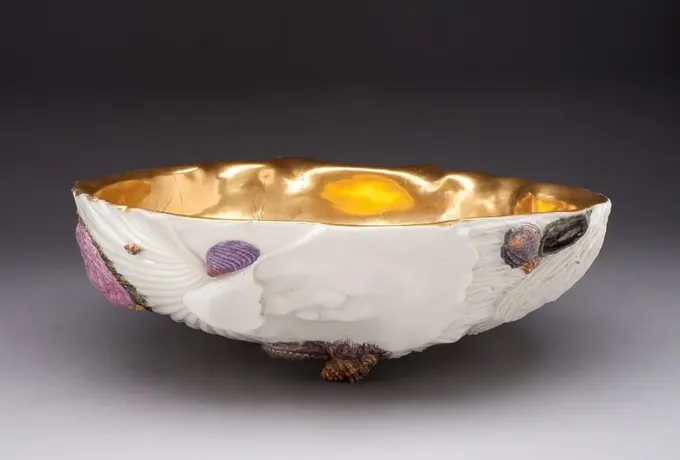
Collection of porcelain items including bowls and vases, showcasing various styles and historical details, predominantly in white with subtle decorations.

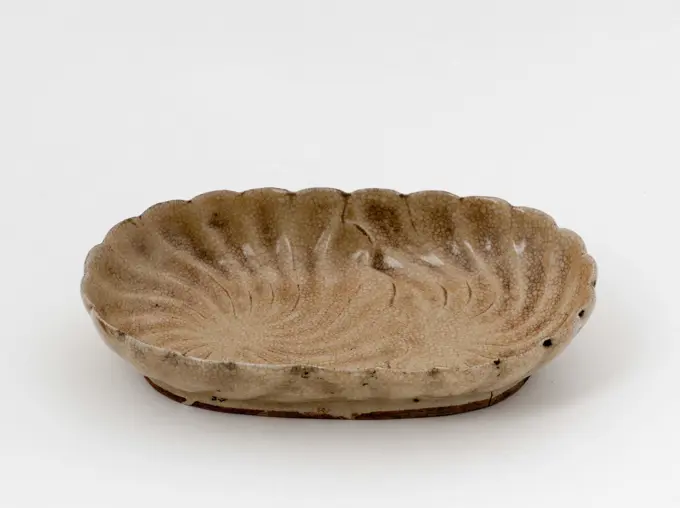
Bol (usual name), 618. Porcelain sandstone with almost colorless transparent cover. Cernuschi Museum, Asia Museum of Asia in the city of Paris.
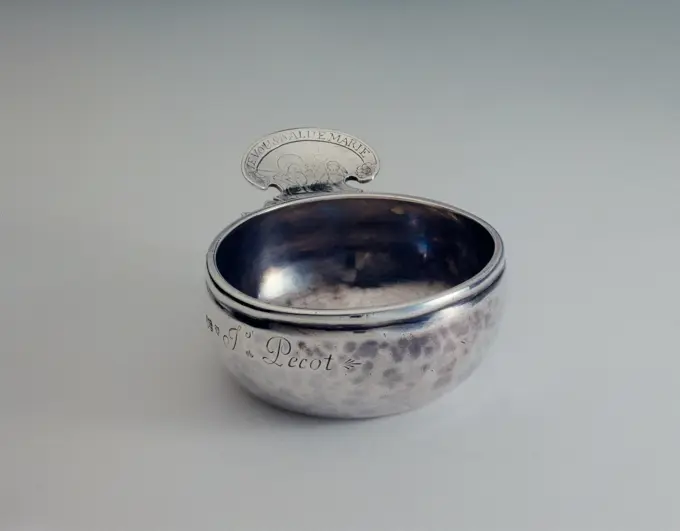
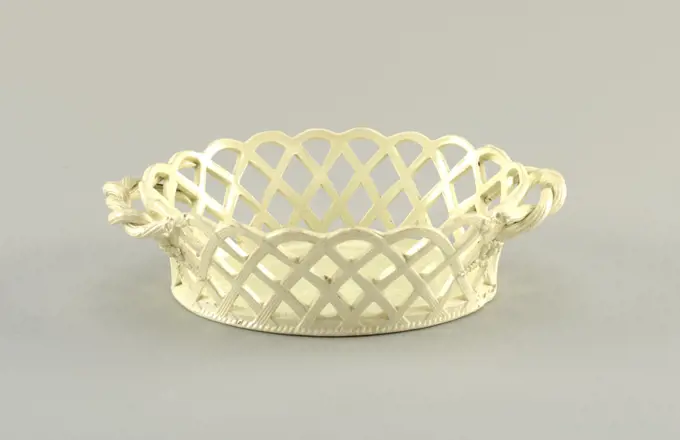
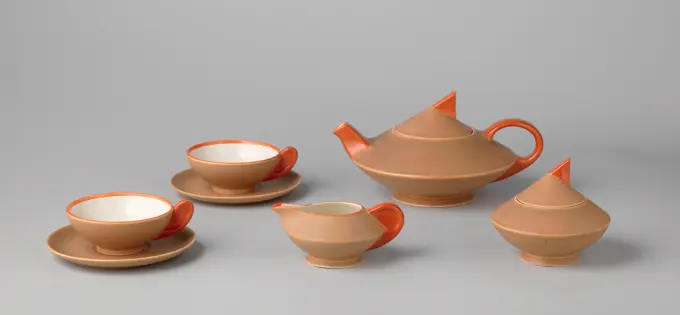
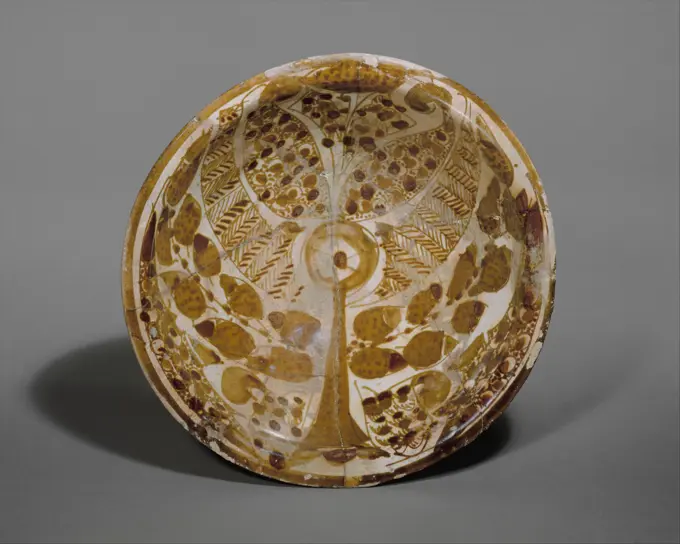
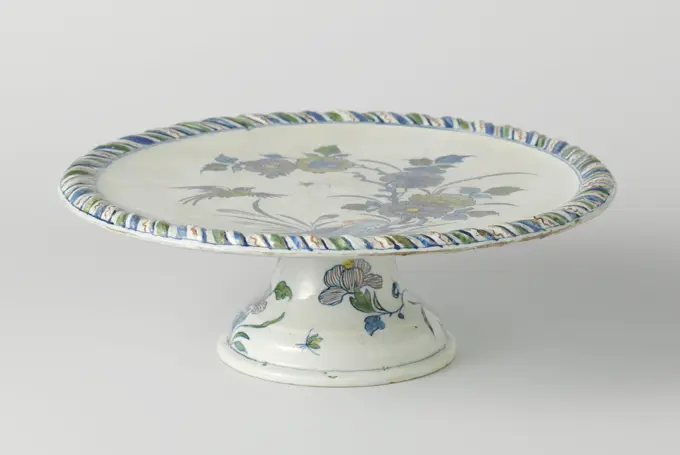
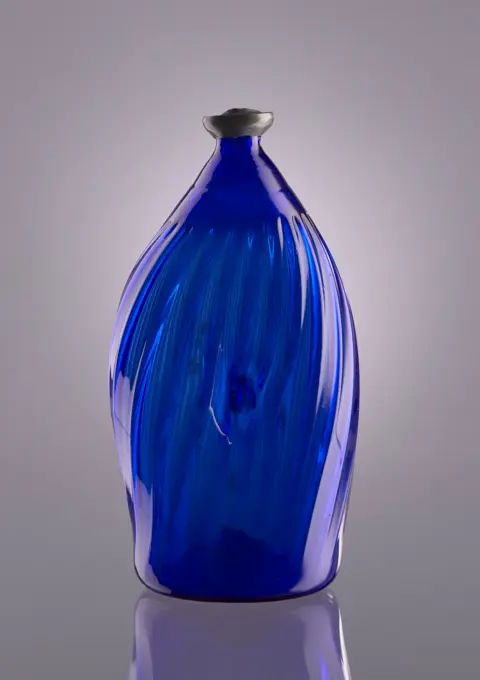
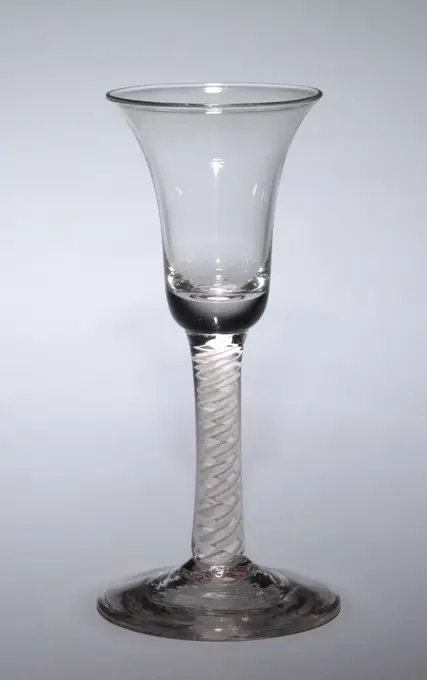
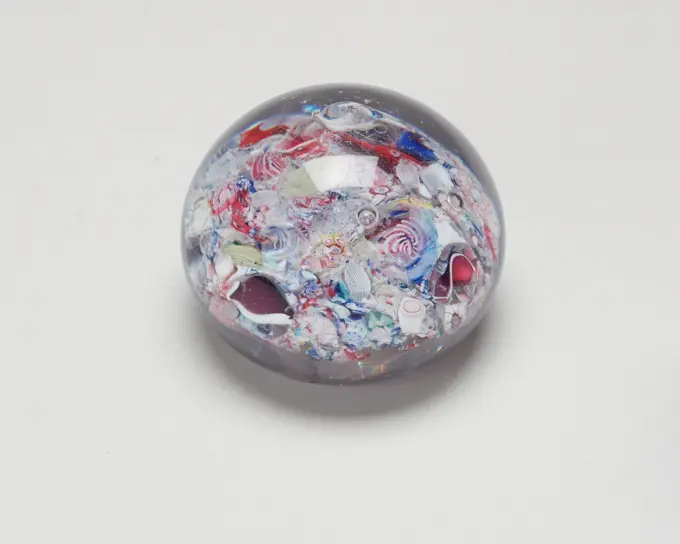
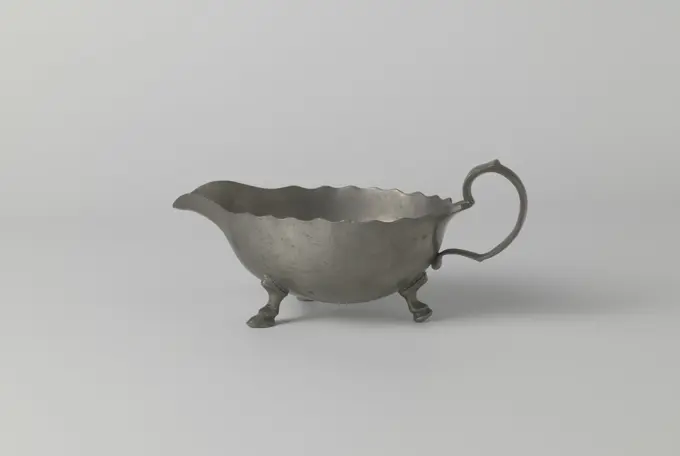
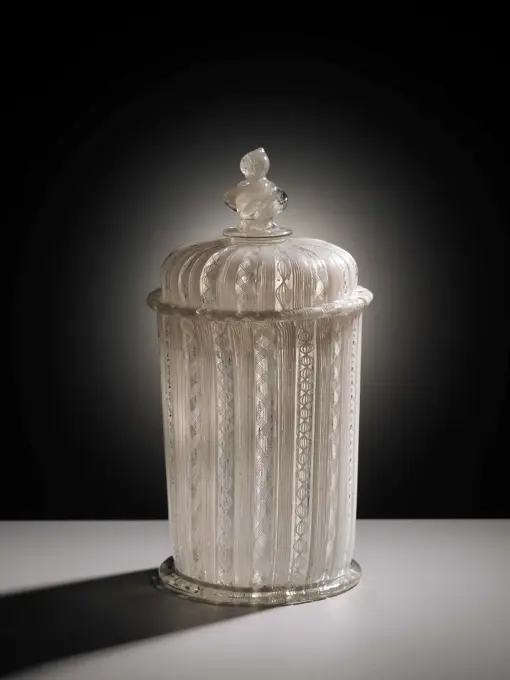
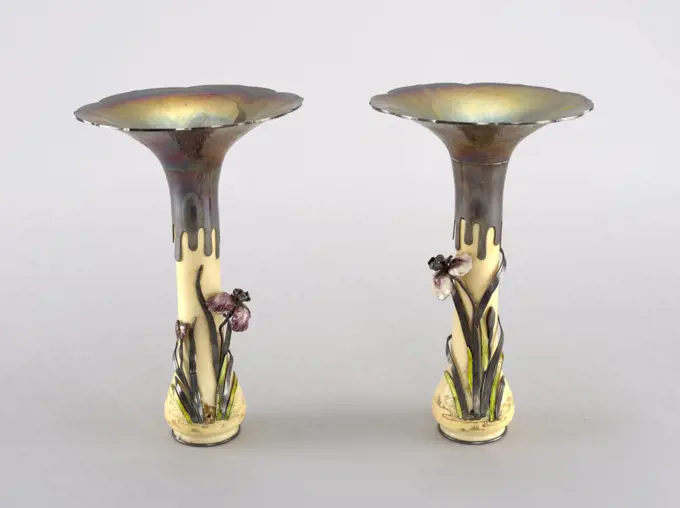
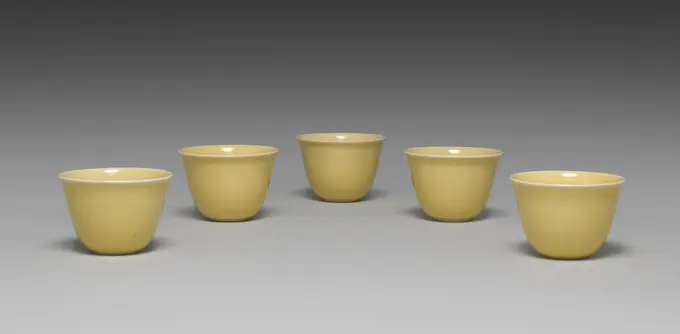
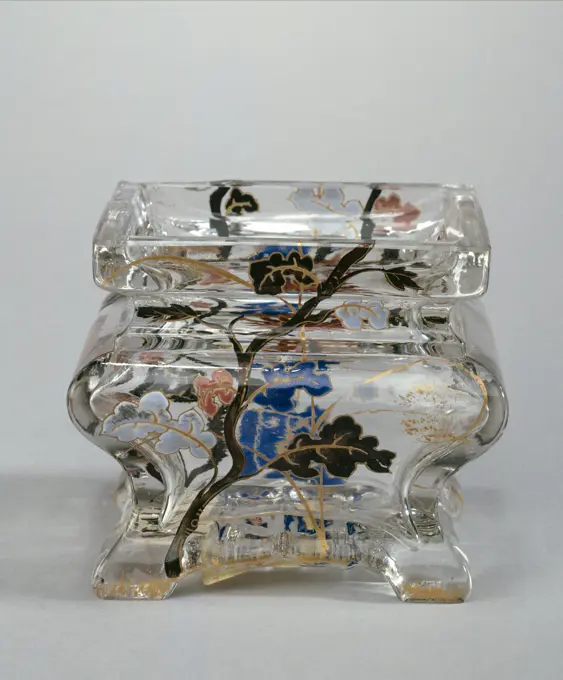
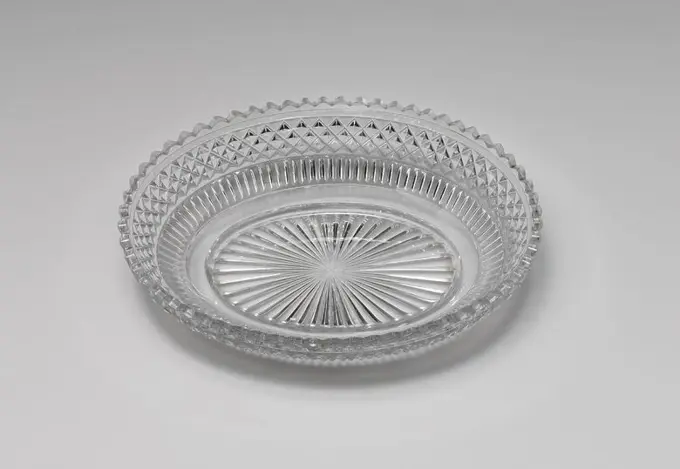
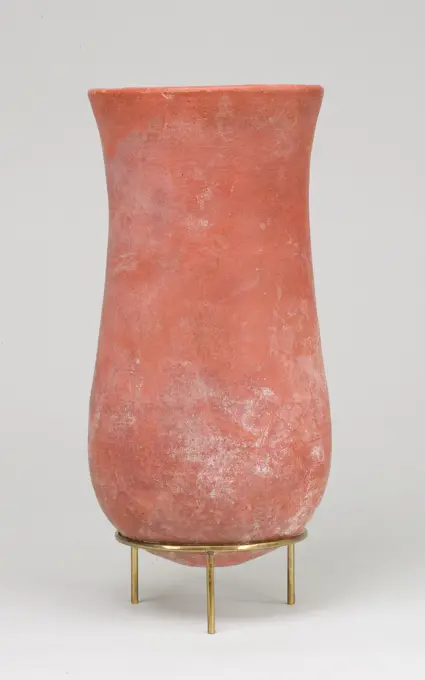
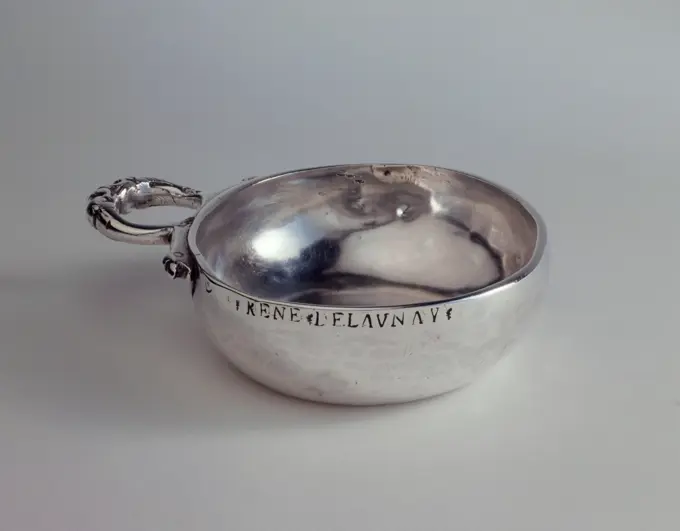
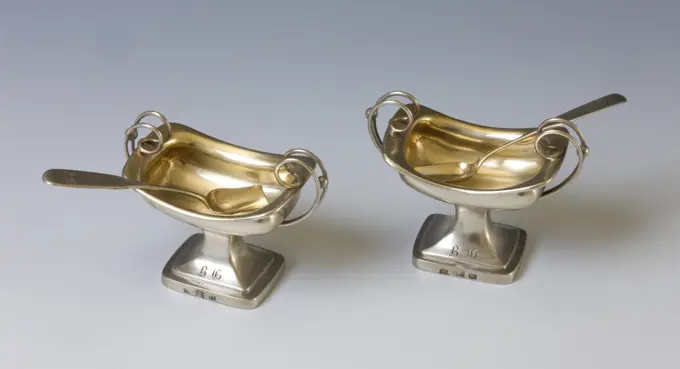
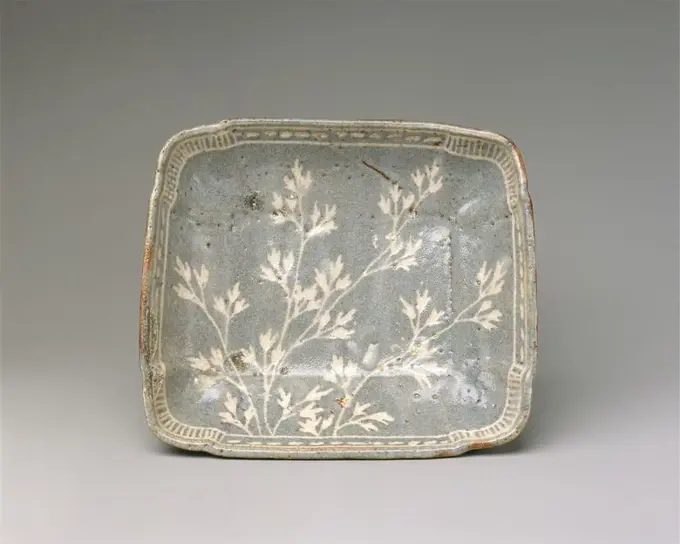
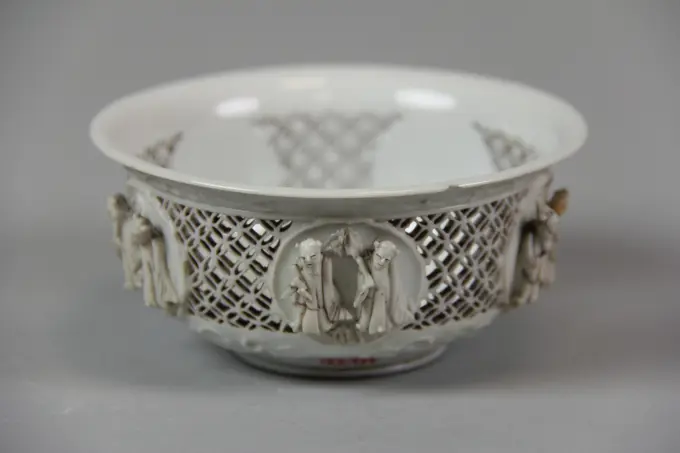
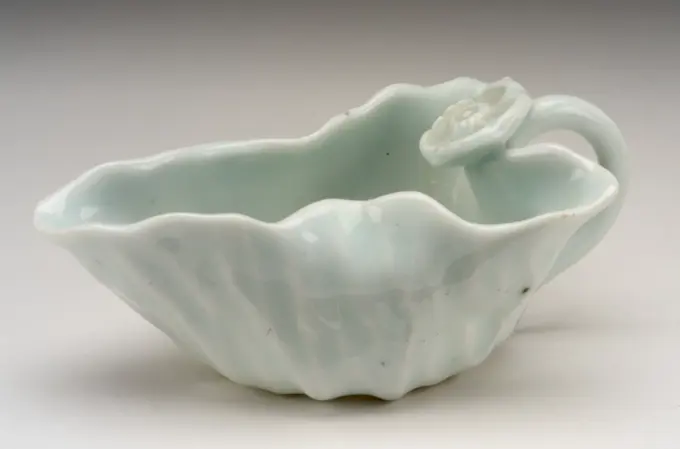
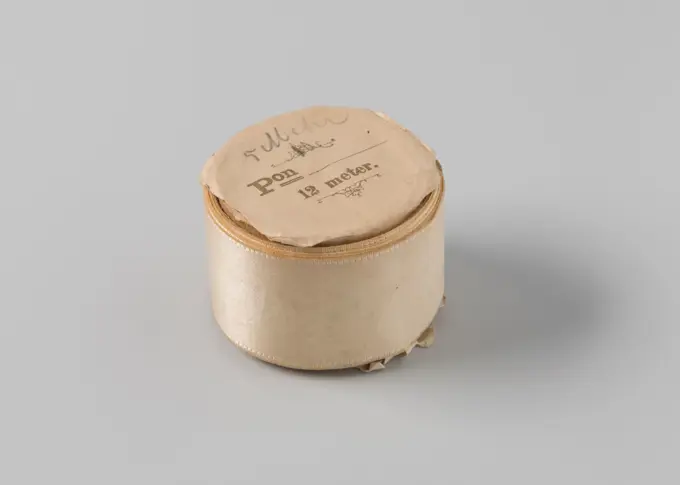
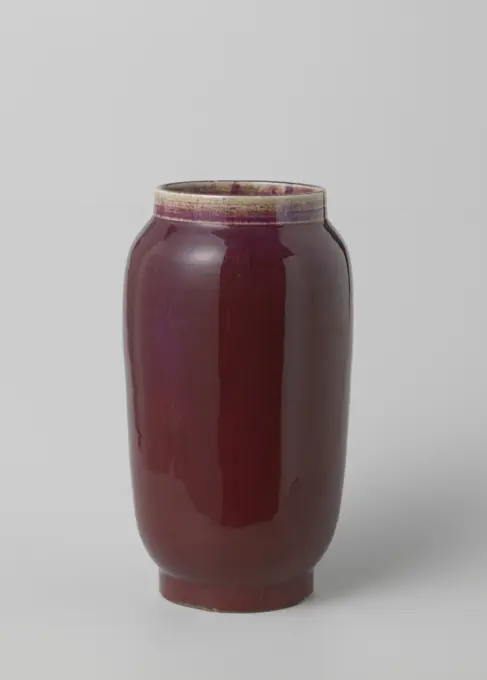
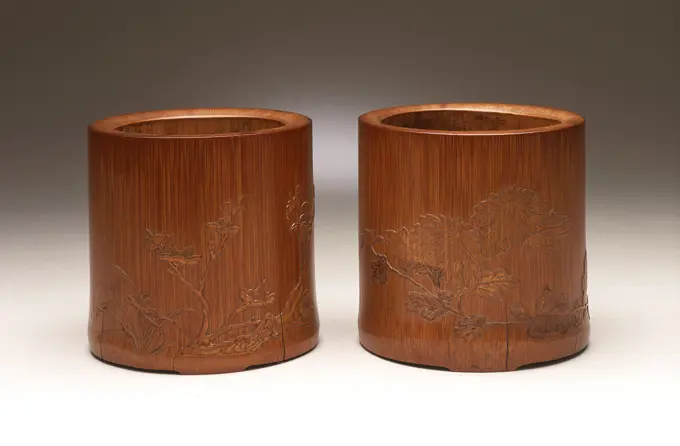
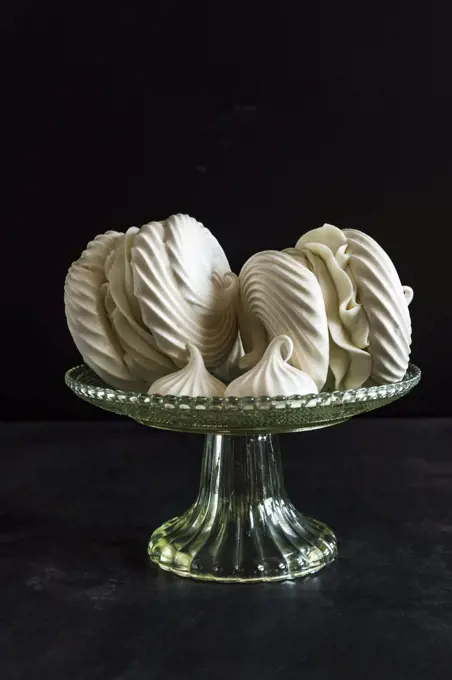
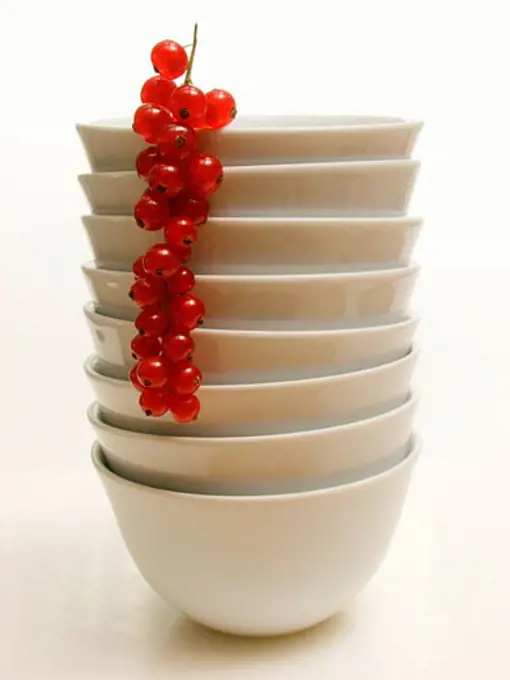
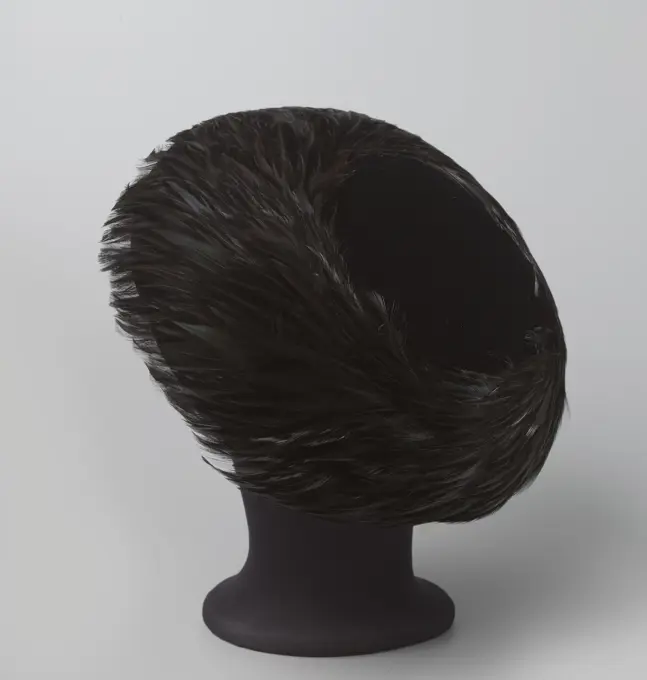
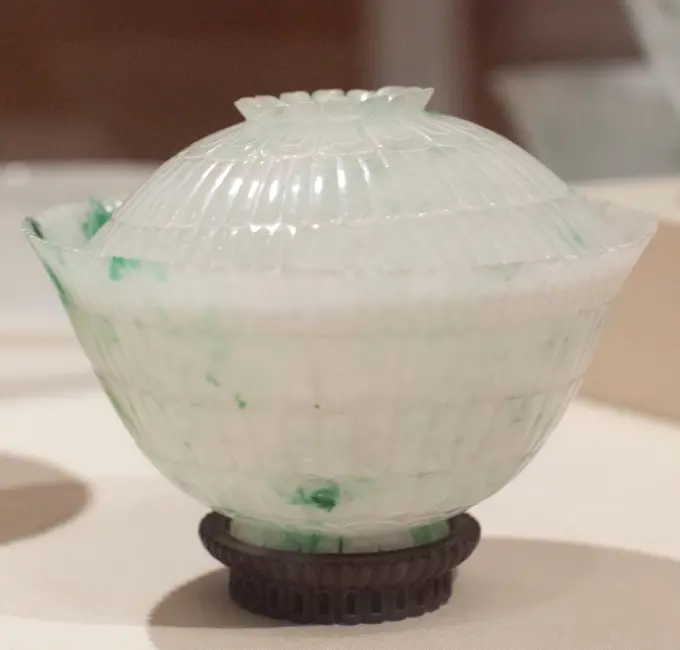
Vial with shell-shaped body. Vial on flat foot with beaten edge above which a hollow, ribbed and teared nod between two discs. Body in the form of a St. Jacobs-shell. Funnel-shaped neck, around which a colorless corrugated wire is laid. On both sides a flat S-shaped pinched ear of blue glassJean I keyboard. "Taste-vin". Money. 1751. Museum of Fine Arts of the City of Paris, Petit Palais. 74384-16 Silver, silverware, bottleneck, TastevinVase decorated with leaves and flowers, partly in relief, Rörstrand, c. 1900 - c. 1910 Vase of porcelain, downstairs strongly rejuvenating and decorated in green and purple, partly in relief with leaves and flowers at the top. Rörstrand porcelain Vase of porcelain, downstairs strongly rejuvenating and decorated in green and purple, partly in relief with leaves and flowers at the top. Rörstrand porcelainGlanssteen, anonymous, c. 1600 - c. 1825 Glazing stone whose underside of the body is flattened and inserted; the top flattened cone -shaped. Northwest Europe glass glassblowing Glazing stone whose underside of the body is flattened and inserted; the top flattened cone -shaped. Northwest Europe glass glassblowingBasket, Pierced and glazed earthenware (creamware), A white earthenware basket with woven handles. Mold marks visible, and marks of supports in kiln., Leeds or Staffordshire, England, ca. 1770, embroidery & stitching, Decorative Arts, BasketLid for a Teapot with Bamboo, c. 1915-40. Seifū Yohei IV (Japanese, 1872-1951). Porcelain with underglaze blue, molded decoration and metal handle;Tea set consisting of teapot, milk jug, sugar bowl and twelve cups and dishes, Petrus Regout & Co., 1934 Tea set of earthenware, consisting of teapot, milk jug, sugar bowl and twelve cups and saucers. Brown distance on the outside, with red buttons, spouts, ears and edges. Marked with sphinx stamp; Petrus Regout & Co Maastricht in a lying rectangle; Made in Holland; Dishes: Insented AR and waxing moon. Maastricht earthenware Tea set of earthenware, consisting of teapot, milk jug, sugar bowl and twelve cups and saucers. Brown distance on the outside, with red buttons, spouts, ears and edges. Marked with sphinx stamp; Petrus Regout & Co Maastricht in a lying rectangle; Made in Holland; Dishes: Insented AR and waxing moon. Maastricht earthenwareCup of Wrocław Riflemens Society. unknown, goldsmith, Hiller, Joachim (fl. 1573-1610), engraverSalt. Maker, probably by: Boston and Sandwich Glass Works, American, 1826-88BOTIJA VIDRIADA Y PINTADA EN VERDE-ARTE POPULAR S XX. Location: ALFARERIA. CORDOBA. SPAIN.BowlBowl 9th century Abbasid artists experimented in figural and geometric ornament in a number of media, including woodwork, glass, stucco, and ceramics. This bowl shows the artists interest in the complexities of abstraction and rhythmic patterning. The motifs here include wings, a tree-like central divide, and floral elements, all set against a white background that makes it possible for the eye to read the patterns more easily. Bowl 450417Pastry scale, round on foot, multicolored painted with flowers and flying birds., The metal pot, c. 1700 - c. 1725 Round cake bowl on a foot, of multi -colored fowence. On the flat, a plant with flowers on a soil and a flying bird is painted. The edge is striped and in relief. Two branches were painted on the foot. The colors used are: blue, red and green. The scale is marked with the letters CK. Delft earthenware. tin glaze. Round cake bowl on a foot, of multi -colored fowence. On the flat, a plant with flowers on a soil and a flying bird is painted. The edge is striped and in relief. Two branches were painted on the foot. The colors used are: blue, red and green. The scale is marked with the letters CK. Delft earthenware. tin glaze.Flash; German germany, tyrol; 1. PO. 18th century (1700-00-00-1750-00-00);Wine Glass, 1750-1799. England, 18th century. Glass; diameter: 6.1 cm (2 3/8 in.); overall: 15.6 x 7.5 cm (6 1/8 x 2 15/16 in.).Glass domeMasonic and EagleFlask.  Maker: Keene-Marlboro-Street Glass Works, American, 1815-1841Strainer 8th-1st century B.C. Italic The bowl has four holes and the handle is bent twice at right angles.. Strainer 246386Paperweight, 19th century, New England Glass Company, 1 7/8 x 2 1/2 x 2 1/2 in. (4.76 x 6.35 x 6.35 cm), Glass, United States, 19th centurySauce bowl with scalloped edge, c. 1700 - c. 1800 Sausom of tin on four legs. The bowl runs out in a pour on one side. The other side is channeled. The handle is turned on there. The edge of the bowl is sculpted. Low Countries tin (metal) Sausom of tin on four legs. The bowl runs out in a pour on one side. The other side is channeled. The handle is turned on there. The edge of the bowl is sculpted. Low Countries tin (metal). Cup with lid on flat stand ring. Cylindrical body with a flat bottom. Vaulted lid with overrunning edge and teared button with one disc. Body, lid and button of filigraanglas a fili and a retortoli, straight ring and colorless glass diskVase, Ivory , silver, a& b: Vase and top, c&d: Vase and top, Japan, 1885, Decorative Arts, VaseCups, c. 1915-51. Seifū Yohei IV (Japanese, 1872-1951). Set of five cups; porcelain with yellow glaze; height (each): 6.5 cm (2 9/16 in.); diameter: 9 cm (3 9/16 in.).Pitcher 1884-86 Reading Artistic Glass Works. Pitcher 5841Daumenglas. Niemcy, creatorEmile Gallé. "Base in console decorated with flowers, in thick transparent white glass, polychrome and gilding enamels, around 1880 (view of the base alone without the vase face A)". Glass and enamel. Museum of Fine Arts of the City of Paris, Petit Palais. 26989-17 China, console, decor, gilding, flower, decorative object, polychrome, base, transparent thick, white glassCup and saucer ca. 1720-25, decorated ca. 1725-30 Meissen Manufactory German. Cup and saucer 199146Saucer with a crowned monogram and floral scrolls, anonymous, c. 1725 - c. 1749 Porcelain saucer, painted in underly glaze blue and on the glaze red, black and gold. On the flat a flower -shaped cartouche with a crowned monogram with 'J.W.'. The monogram is surrounded by a shell motif and flower branches. Blue on the wall lotus ranks. The inner edge with a switch pattern. Some chips in the edge. European performance in Blauw-Wit and Encre de Chine. China porcelain. glaze. gold (metal) painting / gilding / vitrification Porcelain saucer, painted in underly glaze blue and on the glaze red, black and gold. On the flat a flower -shaped cartouche with a crowned monogram with 'J.W.'. The monogram is surrounded by a shell motif and flower branches. Blue on the wall lotus ranks. The inner edge with a switch pattern. Some chips in the edge. European performance in Blauw-Wit and Encre de Chine. China porcelain. glaze. gold (metal) painting / gilding / vitrificationWriter's Water Bottle China. Writer's Water Bottle 46964Ravier. GRS, covered crme cracks. Paris, Muse Cernuschi. Japanese art, Japanese ceramic, gres, character, statuetteBeaker, Footed (England); treenCup - Goblet, 1700-1800. Made in England. Pinto Collection - Purchased from Edward H Pinto, 1965.. This laburnum wood goblet is one of a pair, probably dating from the eighteenth century. We can tell that it was made on a pole lathe because the point where the goblet was held in place on the lathe leaves a characteristic mark on the base. It is very difficult to date these plain wooden goblets accurately as styles and patterns changed very slowly over the years. Laburnum wood was an interesting choice for this goblet as its warm tones and contrasting dark heart and yellow sapwood help to add a certain beauty and finesse to an otherwise everyday object.Oval Dish. Culture: American. Dimensions: 2 13/16 x 8 9/16 in. (7.1 x 21.7 cm). Maker: Pellatt & Green. Date: 1818.William Bayard (1761-1826) commissioned this table service (2008.594.1-.53) in 1818 for his daughter Harriet (1799-1875) and her husband Stephen Van Rensselaer IV (1789-1868) from Pellatt & Green, London's premier glasshouse. The fine lead glass and deep Regency cutting would have created a brilliant sparkle in their candlelit dining room, in Albany, New York. The set originally included dozens of drinking glasses, for claret, ale, and champagne, as well as decanters, wine coolers, tumblers, and finger glasses, all "elegantly cut in diamonds & Rings" according to the surviving bill of sale (2008.594.54a,b). In addition to its elegance and quality, the service is extremely rare in it's documentation to the specific American family who owned it and to the English glasshouse that made it. Museum: Metropolitan Museum of Art, New York, USA.Basin. Capodimonte Porcelain Manufactory; Italy, founded 1743; Modeled by Giuseppe Gricci; Italian, c. 1700-1770; Naples, Italy. Date: 1740-1750. Dimensions: 16.5 × 38.7 × 34.3 cm (6 1/2 × 15 1/4 × 13 1/2 in.). Soft-paste porcelain, polychrome enamels and gilding. Origin: Capodimonte. Museum: The Chicago Art Institute, Chicago, USA.Red Ware Situla-shaped Jar from Malqata ca. 1390-1353 B.C. New Kingdom. Red Ware Situla-shaped Jar from Malqata. ca. 1390-1353 B.C.. Pottery, hematite wash. New Kingdom. From Egypt, Upper Egypt, Thebes, Malqata, Palace of Amenhotep III, Houses G-K, MMA excavations, 1910-11. Dynasty 18Colourful diyas Cup with ear, the body cylindrical with vertical ridges, anonymous, c. 1675 - c. 1699 Cup of clear colorless glass, cylindrical in shape, vertically ribbed, with widened soil stabbed in, and turned on ending in curl. Amsterdam (possibly) glass Cup of clear colorless glass, cylindrical in shape, vertically ribbed, with widened soil stabbed in, and turned on ending in curl. Amsterdam (possibly) glassPierre Joubert. "Taste-vin". Money. 1745. Museum of Fine Arts of the City of Paris, Petit Palais. 74385-15 Silver, silverware, bottleneck, Tastevin zinced bucket fill with water  isolated on white         Dish (Pan) with Garden Landscape. China, Hebei Province, Quyang County, late Jin dynasty or early Yuan dynasty, about 1200-1300. Furnishings; Serviceware. Ding ware, molded stoneware with impressed decoration, white glaze, and banded metal rimBlue Glass Bowl   Speelhuisensning from Thailand worth a Salung, 1760-1871 ,, 1760 - 1871 coin Round porcelain playing house pencil, which is also used as a mint. Front: two Chinese characters. Rail side: a Chinese character.  porcelainMug, House (pink lustre), England, 18th-mid-19th century, ceramics, Decorative Arts, MugLog Cabin pattern spooner c 1875 Wheeling. Pressed blue glass . Central Glass Company (Manufacturer)Vase Japanese, for European market late 19th century The gift of the Hans Syz Collection in 1995 endowed the Museum with nearly three hundred examples of European and Asian ceramics meticulously acquired by Swiss-born collector Dr. Syz (1894-1991) to chart the migration of models and patterns from East to West. Documenting a continuous process of influence and adaptation, these pieces provide a discriminating review of the nuances of stylistic change resulting from three centuries of trade.Cup 1800-1830 British. Cup. British. 1800-1830. Earthenware, spatterware. Possibly made in Staffordshire, EnglandVaseCovered Box. Culture: Japan. Dimensions: H. (with cover) 1 1/4 in. (3.2 cm). Date: 19th century. Museum: Metropolitan Museum of Art, New York, USA.A pair of salt shakers with teaspoons Nitsch, Leonard (1835 1866)Bottle with shell -shaped body, anonymous, c. 1600 - c. 1700 Flacon on a flat base with overflowed edge above which a hollow, ribbed and twisted nodus between two discs. Body in the form of a St. Jacob's shell. Funnel -shaped neck, around which a colorless corrugated thread is laid. On both sides a flat S-shaped pinched ear of blue glass Venice glass glassblowing Flacon on a flat base with overflowed edge above which a hollow, ribbed and twisted nodus between two discs. Body in the form of a St. Jacob's shell. Funnel -shaped neck, around which a colorless corrugated thread is laid. On both sides a flat S-shaped pinched ear of blue glass Venice glass glassblowingBeaker (France); Designed by Joseph Théodore Deck (French, 1823 - 1891); earthenwareSilver sauce, Valentine Caspar Bömcke (attributed to), 1764 Shell -shaped sauce bowl with one ear on three legs. Each leg is made up of volutes, and decorated on the shoulder with a rocaille. The ear consists of volutes. The sauce bowl is marked. Amsterdam silver (metal) casting / hammering Shell -shaped sauce bowl with one ear on three legs. Each leg is made up of volutes, and decorated on the shoulder with a rocaille. The ear consists of volutes. The sauce bowl is marked. Amsterdam silver (metal) casting / hammeringDish with Grasses. Culture: Japan. Dimensions: H. 2 3/8 in. (6 cm); W. 8 3/8 in. (21.3 cm); D. 7 1/4 in. (18.4 cm). Date: late 16th-early 17th century.Sprays of autumn grasses are depicted on the square surface of this dish. The outer rim, decorated with bands of abstract patterns--short vertical bars around the corners and horizontal dashes at the sides--is like a frame for a painting. The piece was initially formed not by using a wheel, but by pressing a clay slab over a kind of mold. The sides of the dish were curved gently upward and its corners rounded and shaped with indentations. Four looped feet were attached to the base. The marks left by several spurs, used to stack vessels in the kiln, are visible on the bottom.Decoration on the dish is in white against a gray background, a particular color combination in Shino ware known as Gray (nezumi, literally "mouse") Shino. To produce it, an iron-rich red clay slip was first applied onto the white clay body. The designs were scratchCup late 16th or 17th century China. Cup. China. late 16th or 17th century. Porcelain with low- and high-relief and pierced decoration, in the biscuit and under a clear glaze. Ming dynasty (1368-1644). CeramicsGlass in the shape of a hunting horn. Smooth curved tube, flared in a wide sound cup; A tightened nozzle on the narrow side. A ribbed glass thread around the body.Mortar and Pestle 1985 BCE-1773 BCE Egypt. Stone . Ancient EgyptianFooted bowl, c. 1500, 3 x 11 1/16 x 11 1/16 in. (7.62 x 28.1 x 28.1 cm), Glass, enamel, gold pigment, Italy, 15th-16th century, Footed bowls (tazze) made in silver, glass or ceramics were prestigious objects on the Renaissance dining table. Elegantly decorated examples such as the present tazza may also have been displayed separately on a credenza in order to showcase the hosts status and wealth. The present dish is notable for its harmonious proportions and for the well-thought-out way in which the structural, blown shapes and the enamel-painted and gilt decoration are coordinated. Framed by a series of circular elements at the rim, a blast of forty radial ribs leads to the abstract fantasy blossom at the center. The flower is rendered in the dotted style, which was characteristic of Venetian glass painting around 1500.Lavabo, anonymous, c. 1450 - c. 1500 The object is composed of the following cast parts: the boiler (the streams and the handle of ones are attached), the handle, the hook, the ring. The boiler has a flat -ball shape and a somewhat holy round collar, which thus makes a sharp angle. The two curved in diameter hexagonal spots are placed in each other's extended. The ends have the shape of animal heads. Perpendicular to that are the collar, at the height of the sharp edge, the two handle in the form of women's heads. The round, in diameter, rectangular handle -decorated handle has a widening with an eye in the middle part, in which the hook with the hanging ring are applied. Rhine region copper alloy casting The object is composed of the following cast parts: the boiler (the streams and the handle of ones are attached), the handle, the hook, the ring. The boiler has a flat -ball shape and a somewhat holy round collar, which thus makes a sharp angle. The two curved in diameter hexagonal spWater Chiller for Sencha in the Form of a Lotus Leaf. Japan, mid-19th century. Ceramics. Hirado Mikawachi ware; porcelain with clear glazeRoll with cream silk satin ribbon, c. 1925 Roll with cream silk satin ribbon. Nijmegenmaker: France silk Roll with cream silk satin ribbon. Nijmegenmaker: France silk3d rendering of an asian japanese teapot isolated in studio backgroud 3d rendering of an asian japanese teapot isolated in a studio backgroud Copyright: xZoonar.com/HugoxKurkx 14682522Porcelain bowl covered inside and out with turquoise enamel. Ming dynasty, mid-15th century AD.Elongated, ovoid vase with a red glaze, anonymous, c. 1800 - c. 1899 Long, egg -shaped vase of porcelain with a short, wide neck, covered with a monochrome, slightly trampled red (sang the boeuf) enamel. White glazed within the foot ring. Monochrome. China porcelain. glaze vitrification Long, egg -shaped vase of porcelain with a short, wide neck, covered with a monochrome, slightly trampled red (sang the boeuf) enamel. White glazed within the foot ring. Monochrome. China porcelain. glaze vitrificationWhite ceramic pitcher on grey background, stock photoJardiniere, one of a pair, c. 1800, 5 3/4 x 10 x 7 1/2 in. (14.61 x 25.4 x 19.05 cm), Porcelain, England, 18th-19th centuryPuzzleMug.   Maker: Thomas Haig, American, 1812-ca. 1893Senwosret (), Oil jar ca. 1950-1850 B.C. Middle Kingdom. Senwosret (), Oil jar. ca. 1950-1850 B.C.. Travertine (Egyptian alabaster). Middle Kingdom. From Egypt, Memphite Region, Lisht South, tomb west of the tomb of Senwosretankh, Pit 3, Burial chamber of owner, MMA excavations, 1933-34. Dynasty 12, early - midBottle. Czechy, creatorSilversmith: Rudolph Sondag, Spitsoval snuff box with monogram AJVC, snuff box holder metal silver, engraved Spitsoval snuff box flat three-quarter hinged lid inside bottom box (smashed) sniffing save tobacco tobacco boxPair of Chess Piece Containers (Qizi Cheng) with Orchids, Magnolia Chrysanthemums. China, Middle Qing dynasty, about 1700-1800. Furnishings; Accessories. Carved bambooGoblet 9th-10th century View more. Goblet. 9th-10th century. Glass, colorless; blown, added stem and foot, applied decoration. Excavated in Iran, Nishapur. GlassCurtain Knob ca. 1850 American. Curtain Knob 2978Meringue cookie sandwiches with vanilla creamStacked White Bowls with Red CurrantsBowl 9th-2nd century B.C. Chorrera. Bowl 315997Roomkan, Gustav Beran, 1965 Melkkan belonging to a four -part mochave. The milk can have a kinked geometric ear.  silver (metal). Melkkan belonging to a four -part mochave. The milk can have a kinked geometric ear.  silver (metal).Ceramic neti pot on a black background. Metal lid of porcelain incense burner. The lid is open and has a circle with a stylized flower at the top. Hirado.Exhibition Arita Porcelain from now. .Close-up of gold-striped wine-glassesPair of Candlesticks. Bilston, England. Date: 1775-1799. Dimensions: H. 27.9 cm (11 in.). Copper, enameled and gilded. Origin: England. Museum: The Chicago Art Institute, Chicago, USA.DishTea bus from hard-baked pottery; Whellow ware, cauliflower true .. cylindrical tea bus from hard-baked pottery. The bus has a rounded top. The tea bus has the appearance of a cauliflower through the decoration embossed and the colors green and white. The wall of the bus is lobby.Cup with powder blue and cranes, c. 1700 - c. 1724 Tea head of porcelain, painted in under -glaze blue. With a dish (AK-RBK-15855-a-2). Bleu Poudré. China porcelain. glaze. cobalt (mineral) painting / vitrification Tea head of porcelain, painted in under -glaze blue. With a dish (AK-RBK-15855-a-2). Bleu Poudré. China porcelain. glaze. cobalt (mineral) painting / vitrificationSamuel Williamson, Creampot, c. 1796, silver.Dry flowers and twigs branch in brown ceramic vase on white marble table with gray wall behind. Copy space.Goblet glass. 1897 acquired by the artistWing glass, anonymous, c. 1800 - c. 1900 Conical foot. Hollow, baluster -shaped trunk with two wings of blue and colorless glass with a pinched comb on both sides. High, Robijnrode, funnel -shaped, rounded chalice at the bottom. Venice glass glassblowing Conical foot. Hollow, baluster -shaped trunk with two wings of blue and colorless glass with a pinched comb on both sides. High, Robijnrode, funnel -shaped, rounded chalice at the bottom. Venice glass glassblowingGolden leaves styled stock scene, product podium stand with copy space. Golden leaves styled stock sceneCrab and Fern on Boar Tusk. Kakusen (Japan, active early 19th century). Japan, early 19th century. Costumes; Accessories. Boar tuskToyTankardFlat hat of black velvet with black, iridescent roosters () Feathers, Elysee Modes, c. 1950 - c. 1959 Hat of black velvet with black, iridescent roosters () Feathers. Flat ball and hanging cone -shaped edge. Inner hat with two ear valves and laiton reinforced. Silk lining. The edge is covered all around with small green/purple iridescent rooster or pheasant feathers. In a box of cream paper (BK-1978-346-B). Hilversum whole: velvet (fabric weave). Decoration:. strengthening:. Lining: Silk Hat of black velvet with black, iridescent roosters () Feathers. Flat ball and hanging cone -shaped edge. Inner hat with two ear valves and laiton reinforced. Silk lining. The edge is covered all around with small green/purple iridescent rooster or pheasant feathers. In a box of cream paper (BK-1978-346-B). Hilversum whole: velvet (fabric weave). Decoration:. strengthening:. Lining: SilkOne butternut pumpkin Large cut topaz crystal which is 2,982 carats from Brazil. Dated 20th CenturyHobnail Finger Bowl. Culture: American. Dimensions: H. 2 3/4 in. (7 cm); Diam. 5 in. (12.7 cm). Maker: Probably Hobbs, Brockunier and Company (1863-1891). Date: after 1886. Museum: Metropolitan Museum of Art, New York, USA.A squeeze tube for applying creams or cosmetics on white backgroundA Little Devil by Pablo Picasso, painted ceramic, 1881-1973Lidded Bowl, 18th century, 2 3/8 x 4 1/2 x 4 1/2 in. (6.03 x 11.43 x 11.43 cm) (bowl only), Jadeite, China, 18th centuryTraditional souvenir porcelain handmade colorful plate and bowl on a gray concrete background with place under text. Flat lay. Handcrafted clay empty bowls and plates covered with glazed on a gray concrete background.Tourmaline. minerals. North America; USA; California; San Diego County; Pala