Porcelain Bowls and Vases

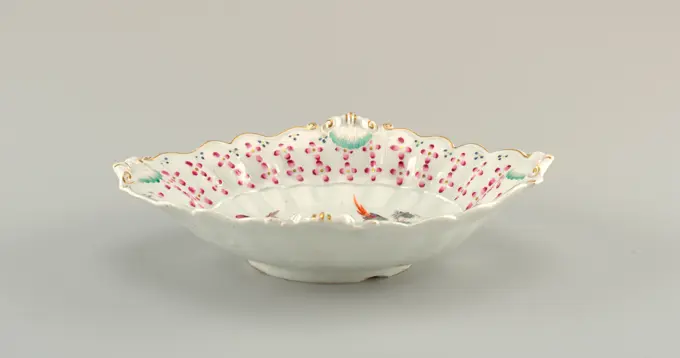
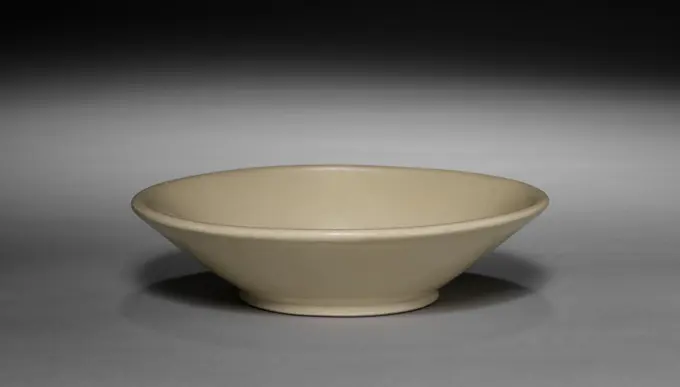
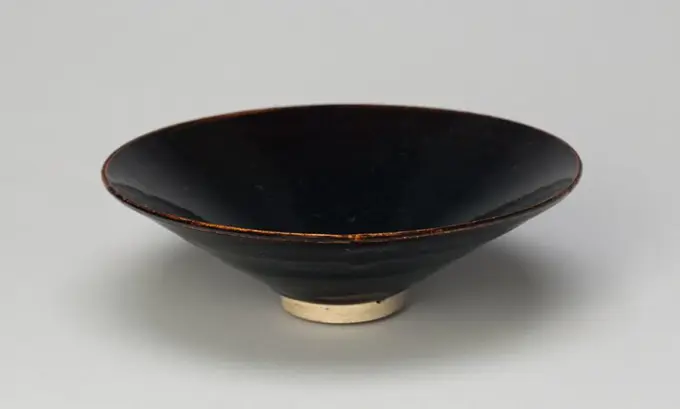
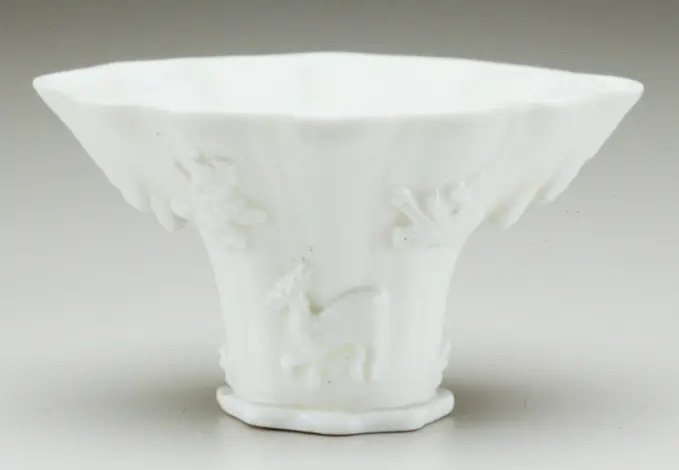
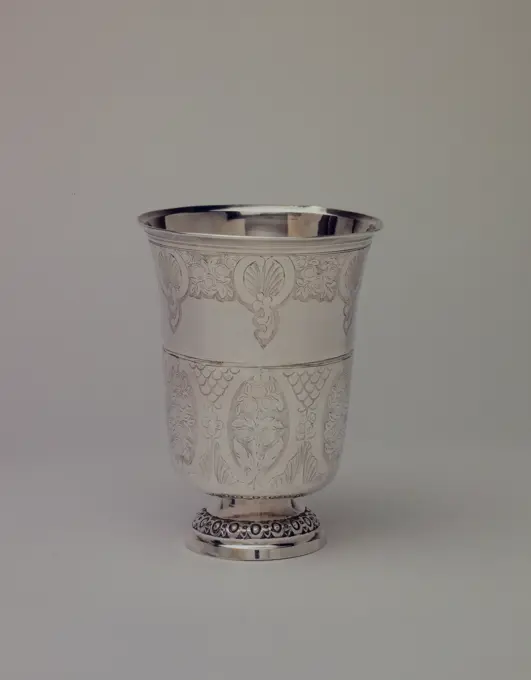
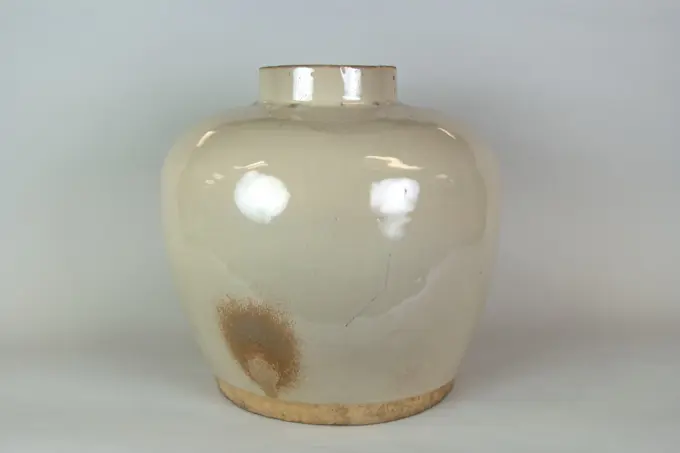
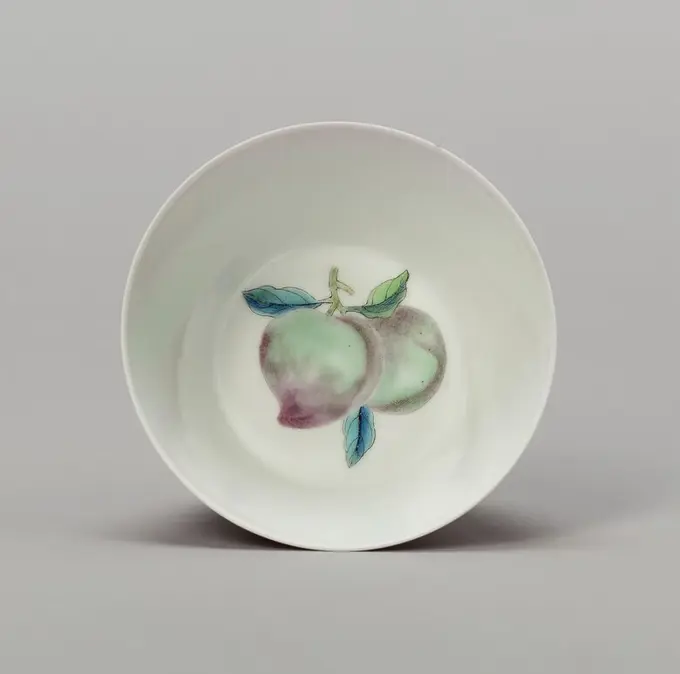
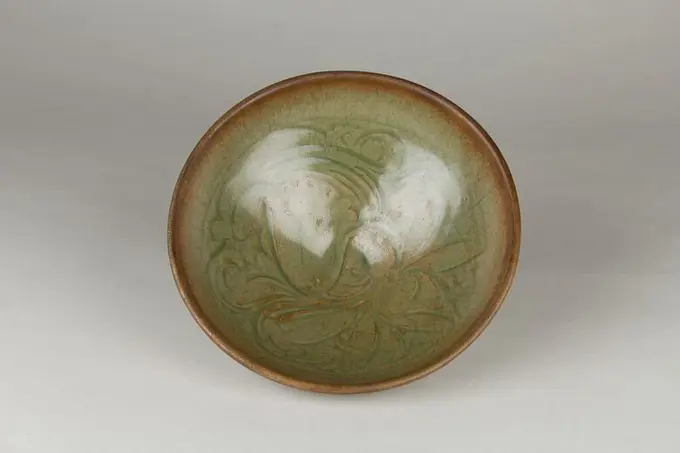
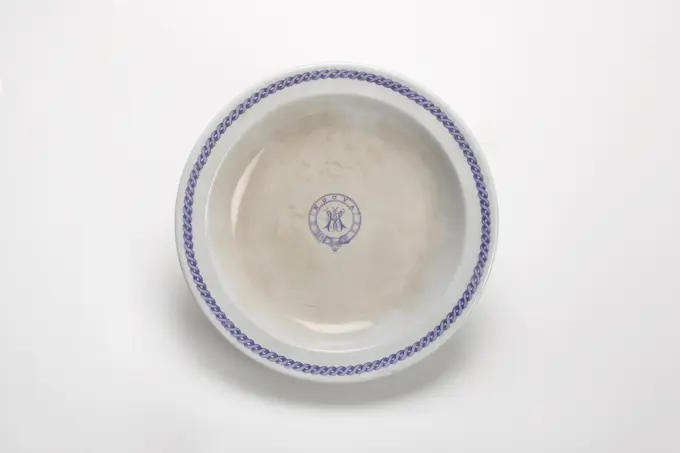
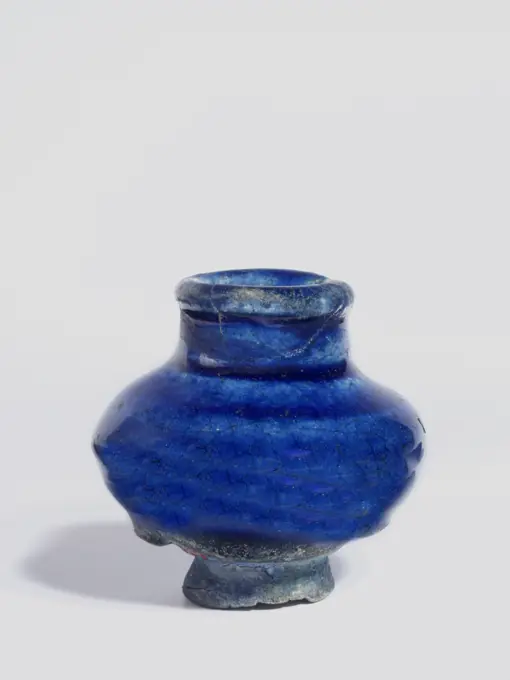
Collection of porcelain items including bowls and vases, showcasing various styles and historical details, predominantly in white with subtle decorations.

Bol (usual name), 618. Porcelain sandstone with almost colorless transparent cover. Cernuschi Museum, Asia Museum of Asia in the city of Paris.
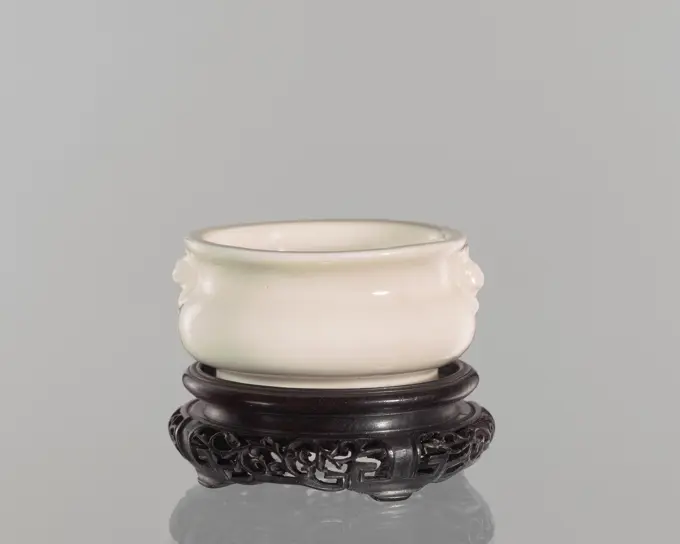
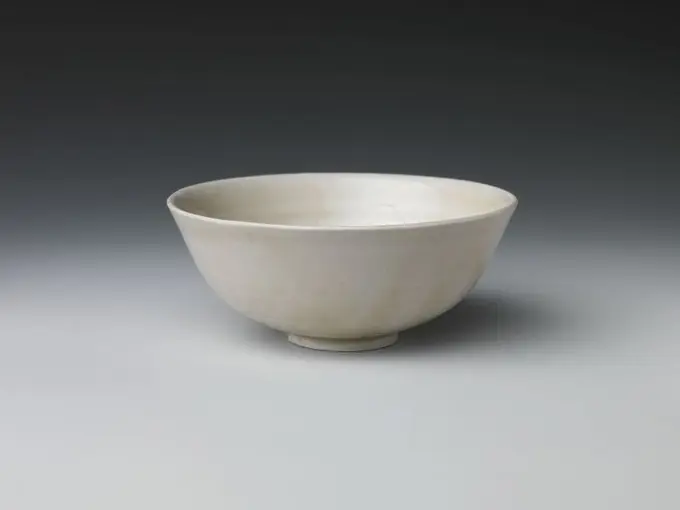
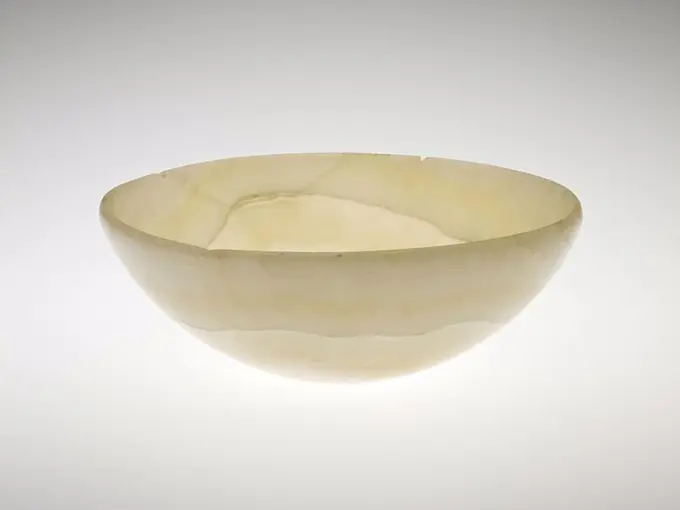
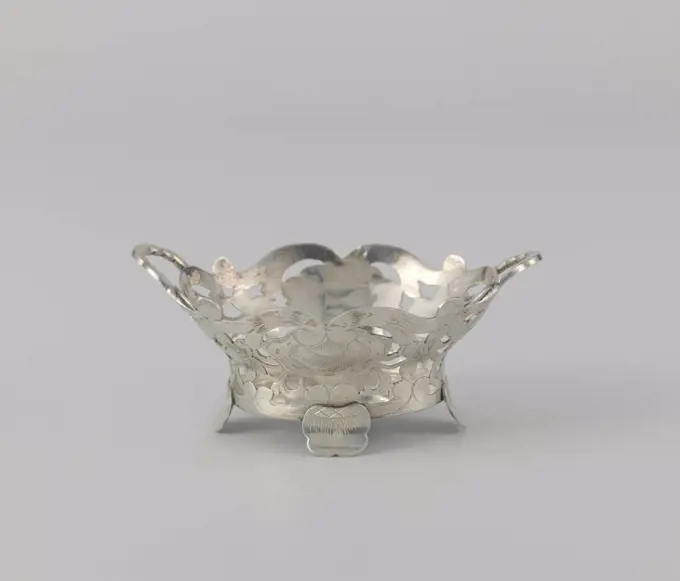
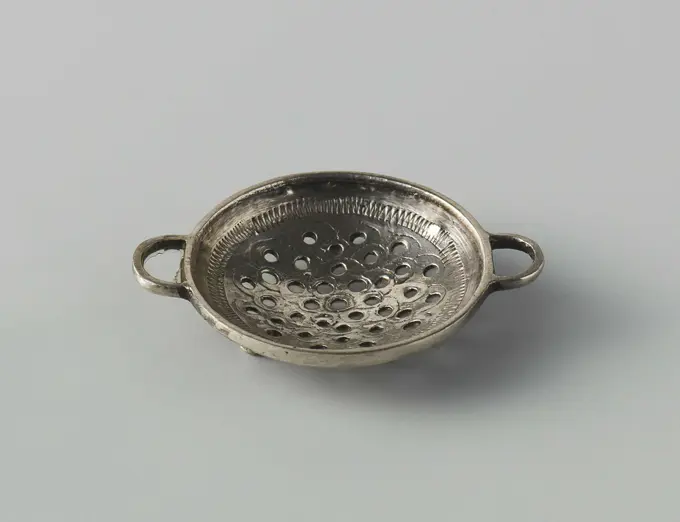
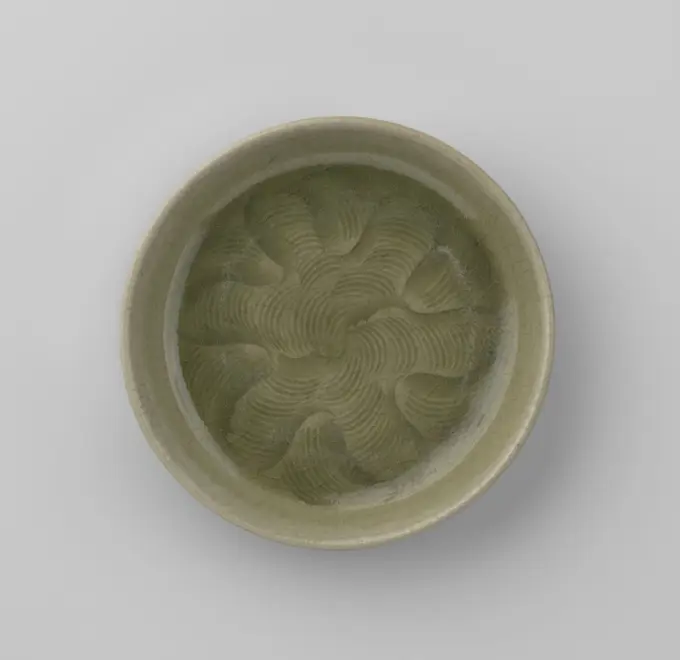
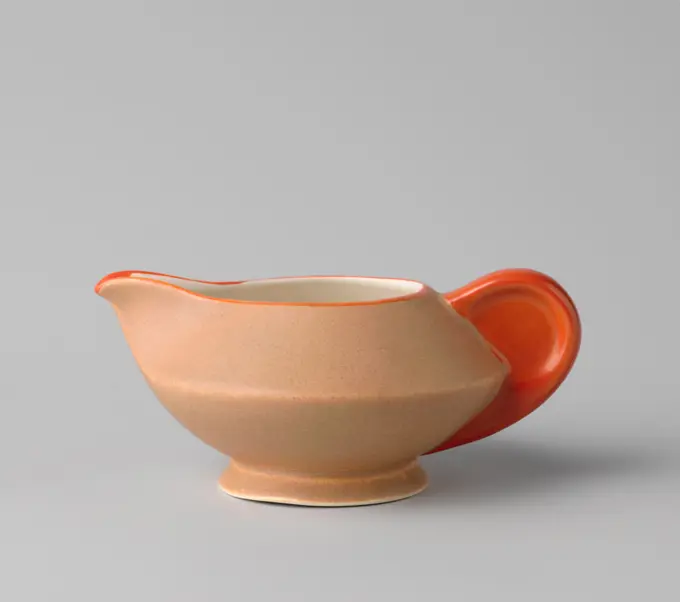
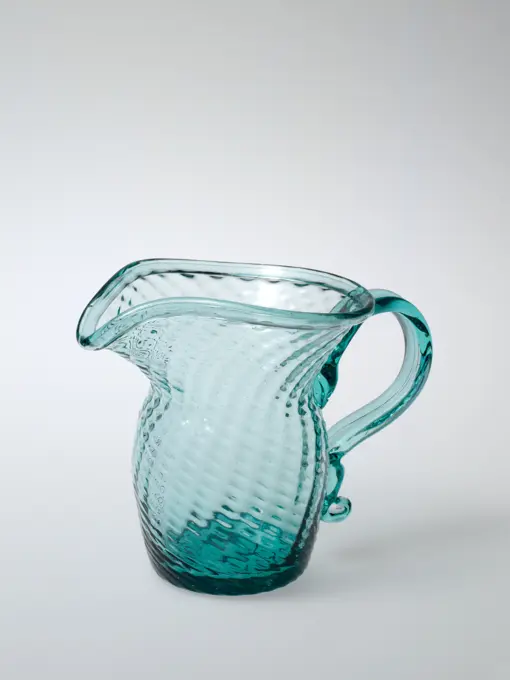
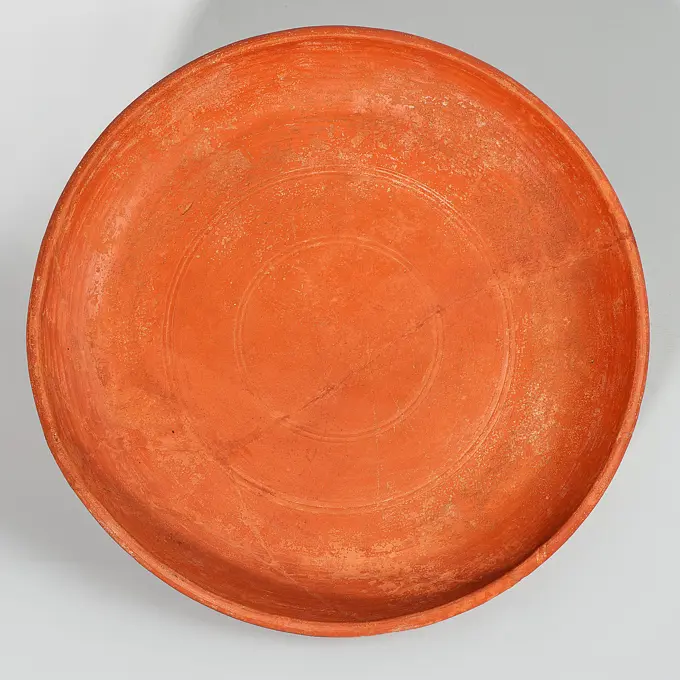
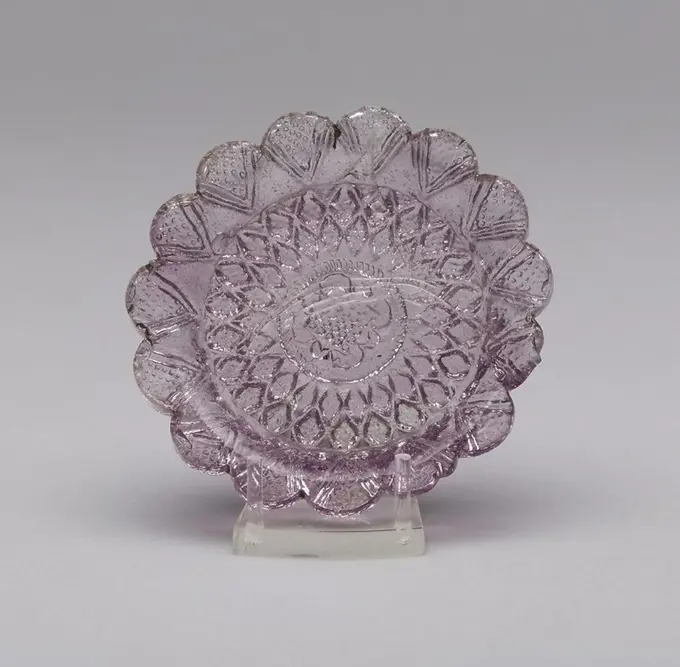
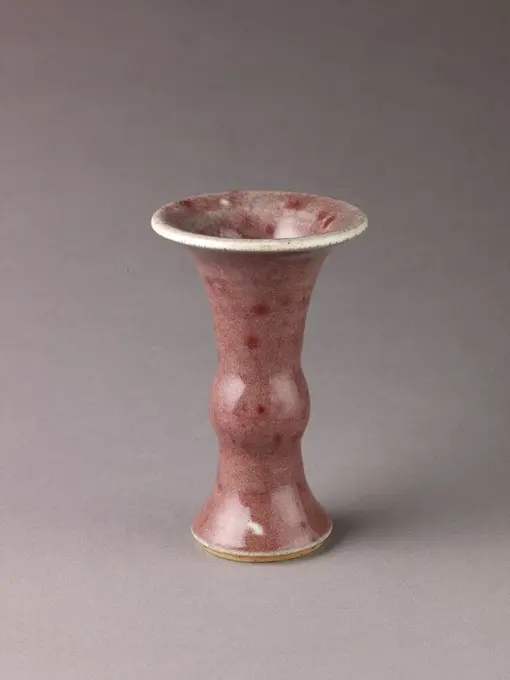
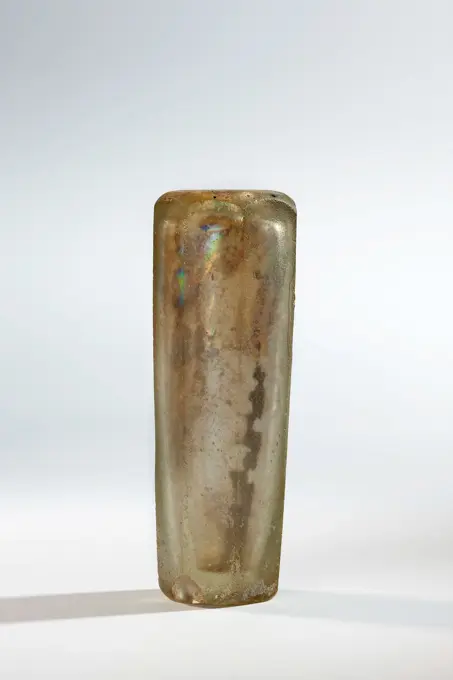
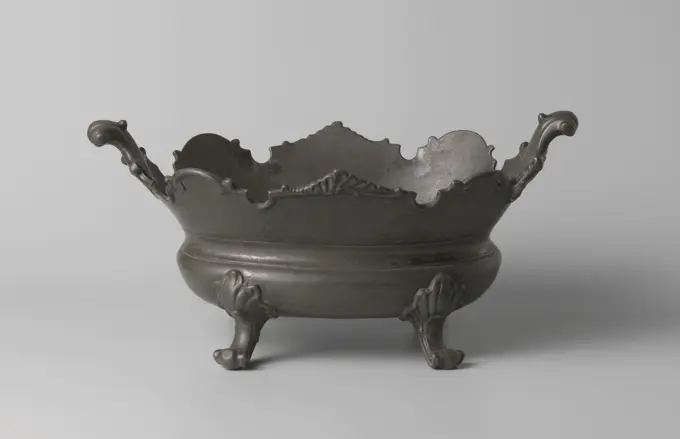
. Scale of porcelain, covered with a translucent white glaze. An unidentified seal brand on the underside. A crack in the edge; A chip in the foot ring.Bowl with Peonies. Culture: China. Dimensions: Diam. 8 in. (20.3 cm). Date: 12th-13th century.Although Ding ware was first produced in north China under the patronage of the Northern Song (960-1127) court, this bowl was made in the twelfth or thirteenth century when northeast China was under the rule of the Jurchen Jin dynasty. The Jurchen were nomads from the northeast who had controlled north China from the twelfth to the thirteenth century, until they were, in turn, overtaken by the Mongol Yuan dynasty (1271-1368). Museum: Metropolitan Museum of Art, New York, USA.Vase with from shoulder dependent flower cell. Vase of porcelain, decorated in Pte-sur-Pte in pink and green with one of the whole green shoulder on either side, dependent flower cell.Bol (usual name), 618. Porcelain sandstone with almost colorless transparent cover. Cernuschi Museum, Asia Museum of Asia in the city of Paris.Cup and Saucer with Bird and Boat Scenes Cup And Saucer; Possibly by Meissen Porcelain Manufactory (Germany); porcelain, vitreous enamel, goldSaucer-dish with a translucent white glaze, anonymous, c. 1600 - c. 1699 Porcelain bowl, covered with a translucent white enamel. On the bottom an unidentified seal brand. A crack in the edge; A chip in the foot ring. China porcelain. glaze vitrification Porcelain bowl, covered with a translucent white enamel. On the bottom an unidentified seal brand. A crack in the edge; A chip in the foot ring. China porcelain. glaze vitrificationGuardian shocks, a round stand with a bulging side;  XVII/18th century (1691-00-00-1710-00-00), 19th century (1801-00-00-1900-00-00);Vase, University City Pottery, Glazed porcelain, Thrown, porcelain spherical body with crystalline glaze shading from ivory to light green, on background shading from a light to dark beige color. Semi-glossy finish., 1913, ceramics, Decorative Arts, VaseBowl. Culture: China. Dimensions: Diam. 3 1/2 in. (8.9 cm). Date: ca. 12th century. Museum: Metropolitan Museum of Art, New York, USA.Vessel. Egyptian. Date: 3050 BC-2630 BC. Dimensions: 7.8 × 21.5 × 20.3 cm (3 1/8 × 8 1/2 × 8 in.). Egyptian alabaster. Origin: Egypt. Museum: The Chicago Art Institute, Chicago, USA. Author: Ancient Egyptian.Breadbasket, Jan Bonket, 1771Gwicht;  k. XVIII W (1701-00-00-1800-00-00);Cup with flower and bird 18th century China. Cup with flower and bird. China. 18th century. Porcelain painted in underglaze cobalt blue, overglaze red and gild, with coffee glaze on exterior (Jingdezhen ware). Qing dynasty (1644-1911). CeramicsQuadrangular Platter with Birds (One of a Pair) Platter; Manufactured by Derby Porcelain Factory (England, GB, United Kingdom); England; soft paste porcelain, vitreous enamel, goldTazza. Possibly by William Hough; English, active after 1641; London, England. Date: 1659-1660. Dimensions: 9.5 x 43.2 cm (3 3/4 x 17 in.). Silver. Origin: London. Museum: The Chicago Art Institute, Chicago, USA.Bowl with bi-disc foot, 907-60. China, Henan province, Gongxian kilns, Five dynasties (907-60). White stoneware with ivory white glaze, Xing ware; overall: 4.7 x 18.5 cm (1 7/8 x 7 5/16 in.).Chinese, Dish, 1723-1735, Yongzheng Period, Hard-paste porcelain; yellow glaze.Glass cup. Culture: Roman. Dimensions: Height: 1 9/16 in. (4 cm)Diameter: 2 5/16 x 1 15/16 in. (5.9 x 4.9 cm). Date: 3rd century A.D..Translucent pale yellow green.Knocked-off, uneven rim; slightly bulging collar below rim; sides expanding downward, then angled in to join rounded bottom, slightly concave at center.Intact; many bubbles and glassy inclusions; slight, patchy weathering. Museum: Metropolitan Museum of Art, New York, USA.Conical Bowl. China. Date: 1101-1150. Dimensions: H. 5.6 cm (2 3/16 in.); diam. 18.0 cm (7 1/16 in.). Cizhou type ware; stoneware with brownish-black glaze. Origin: China. Museum: The Chicago Art Institute, Chicago, USA.Conical Bowl with Floral Scroll, 1100s. China, Jiangxi province, Jingdezhen kilns, Southern Song dynasty (1127-1279). Glazed porcelain with incised decoration, qingbai ("blue-white") ware; diameter: 14.4 cm (5 11/16 in.); overall: 5.8 cm (2 5/16 in.).Dish (usual name). Sandstone, Céladon. Cernuschi Museum, Asia Museum of Asia in the city of Paris.Libation Cup (Cup in the shape of a rhinoceros horn), c. 1700, 3 x 5 3/8 x 4 1/8 in. (7.62 x 13.65 x 10.48 cm), Porcelain, China, 17th-18th centuryLouis-Joseph Thomas. "Cup". Money. 1801-1809. Museum of Fine Arts of the City of Paris, Petit Palais. 74382-5 Money, silverware, gobletProbably Hsi Kang period or Chueh-chi-Yung-Cheng, Vase, 1662-1722, hard-paste porcelain.Cream pitcher 1830-50 American. Cream pitcher. American. 1830-50. Glass, blown. Mint United StatesPharmacist spot with inscription "s.de.ros.sic.". Bulbous can be in a high foot, from blue painted faience. The can (or pot) has a C-shaped ear and a short spout. On the can, a cartouche is painted on which a basket with fruits and two birds between branches. In the cartouche the inscription: s.de.ros.sic.Cup and Saucer with a Dark Brown Glaze, anonymous, c. 1730 - c. 1770 Bell -shaped head of porcelain, covered with a monochrome dark brown glaze. Monochrome. China porcelain. glaze vitrification Bell -shaped head of porcelain, covered with a monochrome dark brown glaze. Monochrome. China porcelain. glaze vitrificationKroes van het Klooster Marienhorst, c. 1400 - c. 1950 Kroes van Serpentijnsteen from the Marienhorst monastery (Missstift ter Hunnepe).  serpentine (mineral) Kroes van Serpentijnsteen from the Marienhorst monastery (Missstift ter Hunnepe).  serpentine (mineral)Five miniature cups ca. 1720-30 David Clayton British The production of miniature silver furniture and tea, coffee, and chocolate equipment was a specialty of goldsmiths known as "toy men." The miniatures were probably intended for dollhouses. From the mid-eighteenth century in England until the present, porcelain and fine earthenware miniatures have been made as well.. Five miniature cups. David Clayton (British, active 1689). British, London. ca. 1720-30. Silver. Metalwork-Silver-MiniatureJar China. Jar 46129Colander. Colander with two handles and three legs. The colander has been marked, but the brands are unreadable.Dish with Wavy Border Dish; Manufactured by Meissen Porcelain Manufactory (Germany); porcelain, vitreous enamel, goldDish, anonymous, c. 1000 - c. 1199 Green dish decorated with waves pattern (Yaozhou goods). China . Green dish decorated with waves pattern (Yaozhou goods). China .Small BowlMelkkan, part of a tea set, Petrus Regout & Co., 1934 Milkkan of earthenware, part of a tea set. Brown distance on the outside, with red buttons, spouts, ears and edges. Marked with sphinx stamp; Petrus Regout & Co Maastricht in a lying rectangle; Made in Holland. Maastricht earthenware Milkkan of earthenware, part of a tea set. Brown distance on the outside, with red buttons, spouts, ears and edges. Marked with sphinx stamp; Petrus Regout & Co Maastricht in a lying rectangle; Made in Holland. Maastricht earthenwareFlask 1840-60 Possibly Kentucky Glass Works. Flask 3738Hexagonal Bowl, 1723-1735, 4 x 8 1/2 x 8 1/2 in. (10.16 x 21.59 x 21.59 cm), Porcelain with peach and bat motif in famille rose overglaze enamel, China, 18th centuryCream pitcher 1815-40 American. Cream pitcher. American. 1815-40. Blown-molded glass. Possibly made in Pennsylvania, United States; Possibly made in Ohio, United StatesPorringer 1726-50 Samuel Edwards. Porringer 6685Cup with Stylized Fruit: Peaches. China. Date: 1662-1722. Dimensions: H. 5.0 cm (2 in.); diam. 9.7 cm (3 13/16 in.). Porcelain painted with overglaze enamels. Origin: China. Museum: The Chicago Art Institute, Chicago, USA.Vase with the sun behind the clouds unknownVase, 1736-1795, 5 1/2 in. (13.97 cm) (diameter), Porcelain, China, 18th centuryBowl. Culture: China. Dimensions: H. 2 3/4 in. (7 cm); Diam. 7 1/2 in. (19.1 cm). Museum: Metropolitan Museum of Art, New York, USA.Soup plate - Nooya William Davenport & Company, 1835-1881 William Davenport & Company, 1835-1881Cup first half of the 19th century China. Cup 46839Vase 15th-16th century Vietnam. Vase. Vietnam. 15th-16th century. White stoneware with translucent glaze. CeramicsFlask - snuff bottle in the shape of pilgrim bottle. unknown, craftsmanCommode.  Maker: Frederick Bassett, American, 1740-1800Bottle. unknown, craftsmanVase covered with plain green, N.V. Plateelbakkerij Ram, c. 1925 - c. 1930 Vase of pottery with outstanding mouth edge, the bottom half of the body ribbed. Covered with solid green. Luxor pottery. Arnhem earthenware marbled paper Vase of pottery with outstanding mouth edge, the bottom half of the body ribbed. Covered with solid green. Luxor pottery. Arnhem earthenware marbled paperTerra Sigillata plate;  325-400/420 (325-00-00-420-00-00);Daszewski, Wiktor A. (1936-), Daszewski, Wiktor A. (1936-)-collection, gift (provenance)Celery VaseGoblet with Incised Designs. Dimensions: H. 4 5/8 in. (11.7 cm)Diam. of rim: 3 9/16 in. (9 cm). Date: 8th-9th century.This goblet belongs to a distinctive group of glass vessels with scratch-engraved decoration that share stylistic and decorative similarities. Some objects bear inscriptions, such as the kufic calligraphy on this goblet that reads, "Drink! Blessings from God to the owner of the goblet". Formulas including good wishes were commonly found on eating and drinking vessels in both pottery and glass. Museum: Metropolitan Museum of Art, New York, USA.Vase 'gourdes'. Light concave soil, pear-shaped body with a short neck with a flat, cut border; Embossed with a decor of gray-green gourds on a gray-green surface. The surface partly splashed with silver. Lalique labeled on the soil.Double box, anonymous, c. 1725 - c. 1750 Double box of clear, colorless glass with a common thread decoration in trunk and nodi. The foot is trumpet -shaped, the trunk faceted. The chalice runs out wider and is decorated with blak -sharpened Elyssen and matte sharpened amors, palmets, etc. Bohemia glass grinding / glassblowing Double box of clear, colorless glass with a common thread decoration in trunk and nodi. The foot is trumpet -shaped, the trunk faceted. The chalice runs out wider and is decorated with blak -sharpened Elyssen and matte sharpened amors, palmets, etc. Bohemia glass grinding / glassblowingCup plate. American; New England or Eastern Pennsylvania. Date: 1826-1830. Dimensions: diam. 8.9 cm (3 1/2 in.). Pressed glass. Origin: New England. Museum: The Chicago Art Institute, Chicago, USA.Small vase. Artist: Chinese , Qing Dynasty. Culture: Chinese. Dimensions: Height: 4 5/16 in. (11 cm.). Date: 18th century. Museum: Metropolitan Museum of Art, New York, USA.Bottle. unknown, craftsmanArmorial plate from the 'Swan service', one of a pair, 1737-1741, Johann Joachim Kändler, German, 1706-1775, 2 1/4 x 11 7/8 in. (5.7 x 30.16 cm), Hard paste porcelain with enamel and gilded decoration, Germany, 18th centuryOval wine cooler from Tin on four legs, c. 1700 - c. 1800 Oval wine cooler from Tin on four curved legs. The barrel consists of a convex belly, a smooth wall and a vaulted, widening upper part. On the top edge two slanting ears ends in a volute. The rest of the top edge is thick and decorated. Low Countries tin (metal) Oval wine cooler from Tin on four curved legs. The barrel consists of a convex belly, a smooth wall and a vaulted, widening upper part. On the top edge two slanting ears ends in a volute. The rest of the top edge is thick and decorated. Low Countries tin (metal)Snuff Bottle China. Snuff Bottle 41448Plate. Italy, Umbria. Date: 1495-1550. Dimensions: 24.5 cmn mnjm. Majolica, ceramic, with "golden" lustre glaze, overall design in "golden" lustre. Origin: Gubbio. Museum: The Chicago Art Institute, Chicago, USA. Author: Italian school.Scale on foot with flower branches. Flat foot, baluster-shaped, faceted stem, quadruped, oval chalice with four flour branches in red, blue, white and gold-plated, along the top edge a gilt piping.Silver phiale (libation bowl) 6th century B.C. East Greek Offset lip, shallow omphalos, carination on shoulder and ninety-five chased tongues on the outside.. Silver phiale (libation bowl). East Greek. 6th century B.C.. Silver. Archaic. Gold and SilverBowl ca. late 8th-7th century B.C. Israelite. Bowl 323167Taperstick, c. 1720, 2 1/16 x 1 7/8 x 1 7/8 in. (5.24 x 4.76 x 4.76 cm) (without wire), Glazed ceramic, England, 18th centuryGourd-Shaped Vase late 18th-first half of the 19th century China. Gourd-Shaped Vase 50963Tea cup from a coffee and tea set, painted with figures in a river landscape in beet red. Tea cup from porcelain. Painted in beet red on a light pink fond, with figures in a river landscape, with buildings and ruins.. Head without ear, painted porcelain. The head is covered with an orange-red fond, in which brace-shaped four passes are saved with (water) landscapes with European figures, sometimes with bales and ships. The head is noticed.Dish. Designed by René Lalique (French, 1860-1945); Manufactured by Lalique et Cie (French, founded 1885). Date: 1933. Dimensions: 7.3 x 35.9 cm (2 7/8 x 14 1/8 in.). Glass. Origin: Paris. Museum: The Chicago Art Institute, Chicago, USA.Fluted Saucer-Dish With Two Figures in a Landscape with Livestock. Scale of porcelain with ribbed wall, painted on the glaze in red, pink, green, brown and black. On the front a landscape with a seated person under a tree, behind which a beef; In the background a person sitting on a beef with an arm raised. Family Rose.Vase, 1893. Rookwood Pottery Company (American, established 1880), Olga Geneva Reed (American, 1873-1955). Earthenware; diameter: 18.3 cm (7 3/16 in.); overall: 17.5 cm (6 7/8 in.).Bowl;  around 2686- 2181 BC ; Old state (-2686-00-00--2181-00-00);Imported Cobalt-on-White Bowl. Dimensions: H. 2 7/16 in. (6.2 cm)Diam. 8 7/16 in. (21.5 cm)Diam. Base: 3 11/16 in. (9.4 cm). Date: 9th-10th century.Cobalt blue was popular on certain types of ninth-century Iraqi pottery, but never on early Nishapur ceramics, and so this bowl has been attributed to Iraq or perhaps western Iran. Interestingly, the cobalt wares of Iraq, with their stark white, tin-opacified grounds, were made in imitation of Chinese porcelains with blue designs. Museum: Metropolitan Museum of Art, New York, USA.Silversmith: Hendrik van Beest, Round silver tray, bake crockery holder silver, hammered Serving around smooth container on stand ring bottom bottom (debossed)Foliated Dish with Peonies and Vertical Ribs. China, Zhejiang Province, Longquan County, Chinese, early Ming dynasty, circa 1368-1450. Furnishings; Serviceware. Wheel-thrown stoneware with molded, carved, and impressed decoration and green glazeSaucer (1 of 6) (part of a service) ca. 1720 Meissen Manufactory German. Saucer (1 of 6) (part of a service) 231644Bottle probably 18th-19th century. Bottle 443144Hemispherical bowl. unknown, craftsmanSponge, anonymous, c. 1775 - c. 1800 Sponge bin with blue Saxon pattern, unnoticed.  . Sponge bin with blue Saxon pattern, unnoticed.  .Plateau ". Red terracotta with Céladon covered. China, six dynasties (311-589). Paris, Cernuschi museum. Chinese art, Chinese ceramic, six dynasty, tray, terracottaHead and saucer with a multi -colored landscape in a medallion saved in a geometric pattern, Weesper Porcelain factory, c. 1759 - c. 1771 Cup and saucer with a multi -colored landscape in a medallion spared in a purple geometric pattern. Marked with two crossed swords and three bulbs in underlaze blue, Ingrift 2. Weesp porcelain Cup and saucer with a multi -colored landscape in a medallion spared in a purple geometric pattern. Marked with two crossed swords and three bulbs in underlaze blue, Ingrift 2. Weesp porcelainPaperweight in the shape of peach. unknown, craftsmanPair of basket-shaped salt cellars. Schwartz, Jan Maciej (1772-1828), goldsmithKom, anonymous, c. 1675 - c. 1700 Come with inserted soil. Spherical body with a flared edge. On both sides a blue C-shaped, pinched ear Venice glass glassblowing Come with inserted soil. Spherical body with a flared edge. On both sides a blue C-shaped, pinched ear Venice glass glassblowingJar 16th century China. Jar 48172Dish in the shape of a leaf ca. 3100-2900 B.C. Early Dynastic Period. Dish in the shape of a leaf. ca. 3100-2900 B.C.. Greywacke. Early Dynastic Period. From Egypt. Dynasty 1Dish. Egypt, early Dynastic, 3050 - 2850 BCE. Furnishings; Serviceware. CalciteSherbet Dish. Culture: British. Dimensions: H. 2 1/4 in. (5.7 cm). Date: ca. 1885. Museum: Metropolitan Museum of Art, New York, USA.Bread plate - St. Johns Stone Chinaware Company (founded 1873) St. Johns Stone Chinaware Company (founded 1873)Jar (England); Pipsshank; molded earthenware; 15.2 x 13.5 cm (6 x 5 5/16 in. )Pendant. UnknownBrandewijnkom of silver on low, round, unadorned cuppa with two horizontal sawn ears. Vals., Jan Verdoes, 1746 Brandy bowl of silver. Low, round unadorned cuppa with two horizontal ears, consisting of sawn, symmetrical band ornament. Haarlem silver (metal) Brandy bowl of silver. Low, round unadorned cuppa with two horizontal ears, consisting of sawn, symmetrical band ornament. Haarlem silver (metal)Mei Ping Vase with Cover, 960-1280, 8 x 4 3/4 x 4 3/4 in. (20.32 x 12.07 x 12.07 cm), Qingbai ware Porcelain with molded décor under a pale blue glaze, China, 10th-13th century, The varied and inventive methods of decoration found in qing bai wares of Song and Yuan (11th-14th century) testify to the ingenuity of the potters. This lidded mei ping vase is entirely decorated with molded décor. The shoulder register is comprised of a continuous lotus blossom and leaf motif in low relief set against a wave pattern. The lower register displays only the stylized wave pattern. A horizontal meander band around the middle of the vessel separates the two registers. It is here where the top and bottom sections, which were separately made, are luted together. The lid is molded with a simple chrysanthemum blossom motif. Mold decoration was more quickly executed than hand carved décor and it greatly facilitated the mass manufacture of qing bai ware.Visor for a Bascinet. Culture: Italian. Dimensions: H. 6 in. (15.2 cm); W. 7 1/4 in. (18.4 cm); D. 7 1/4 in. (18.4 cm); Wt. 11 oz. (311.8 g). Date: ca. 1430-50. Museum: Metropolitan Museum of Art, New York, USA.Saucer-dish with incised pearl chasing dragons between clouds and flames, anonymous, c. 1680 - c. 1720 Scale of porcelain, covered with a monochrome dark blue glaze. The bowl is covered at the front and back with entered pearl, five-clawy dragons between clouds and flames. Within the foot ring a transparent enamel with the six-character brand of Keizer Kangxi in a double circle in underly glaze blue. Monochrome. China porcelain. glaze engraving / vitrification Scale of porcelain, covered with a monochrome dark blue glaze. The bowl is covered at the front and back with entered pearl, five-clawy dragons between clouds and flames. Within the foot ring a transparent enamel with the six-character brand of Keizer Kangxi in a double circle in underly glaze blue. Monochrome. China porcelain. glaze engraving / vitrificationgift (provenance), Japanese (culture), Japanese art. These two plain containers are decorated only with a beaded edge. Their form is determined by their function. During dessert, biscuits were served from the round container, and oublies (small rolled-up waffles) from the rectangular one. Such silver biscuit containers almost always come in pairs and are a typically Dutch phenomenon. Their shape may have been derived from simpler models made of tin.. A silver baptismal basin with an engraved monogram of ECA and comprehensive, engraved inscriptions.Fragment Come from V.O.C. ship De 'Witte Leeuw', Anonymous, Before 1613 bowl Fragment Come from V.O.C. ship De 'Witte Leeuw', 60 present. Jingdezhen porcelain   Sint-Helena