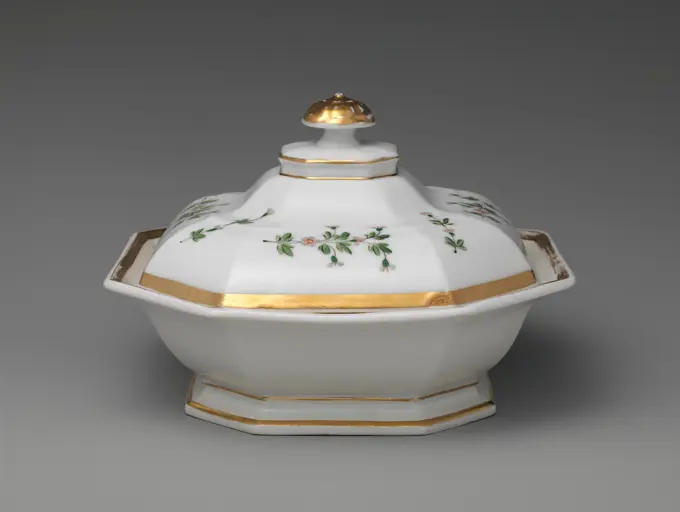
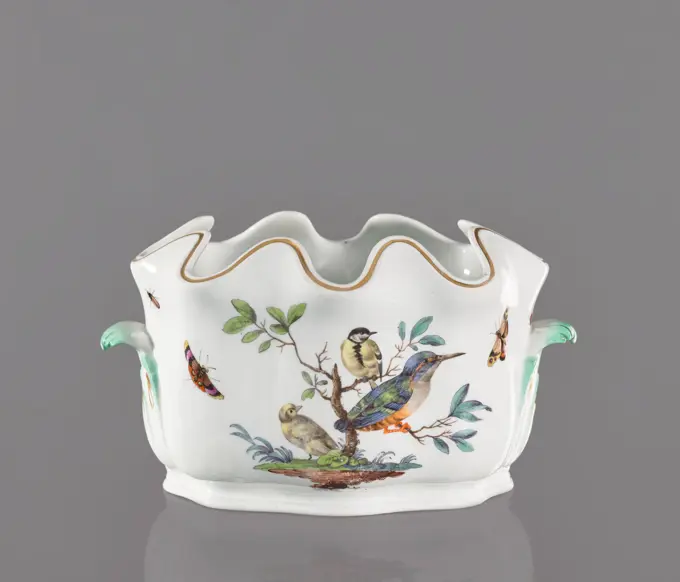
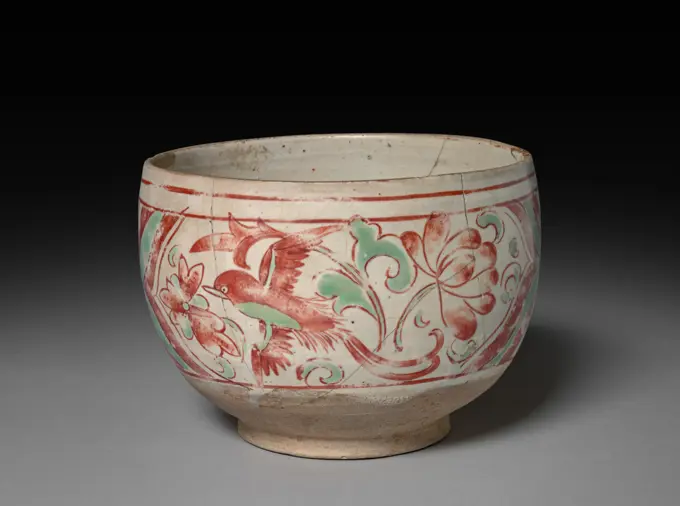
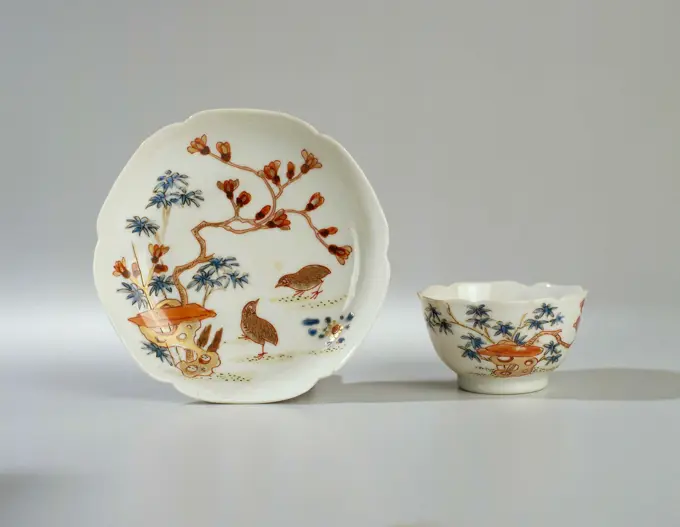
Porcelain Bowls

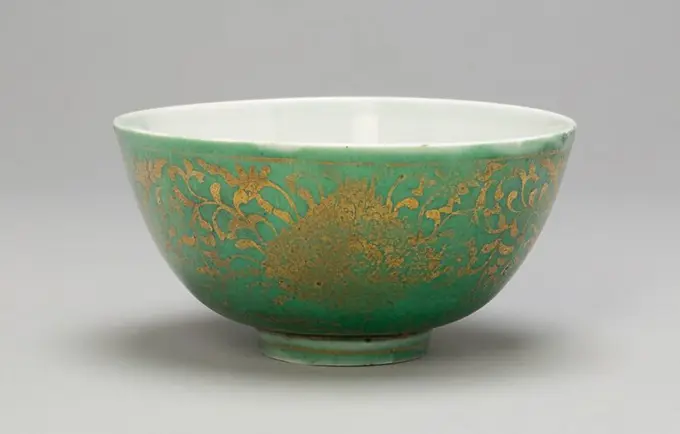
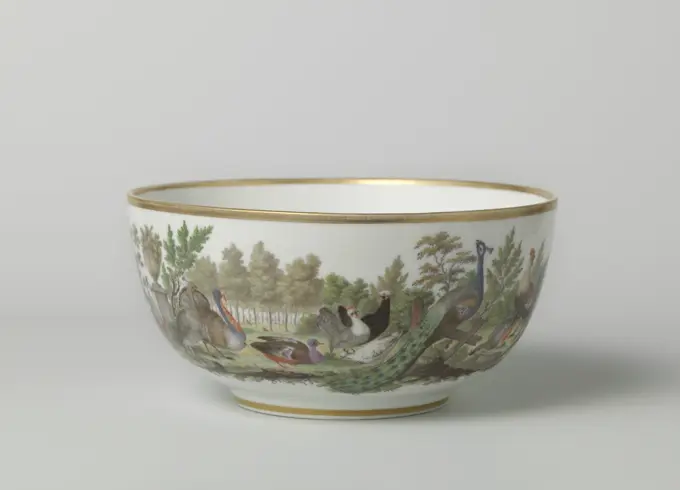
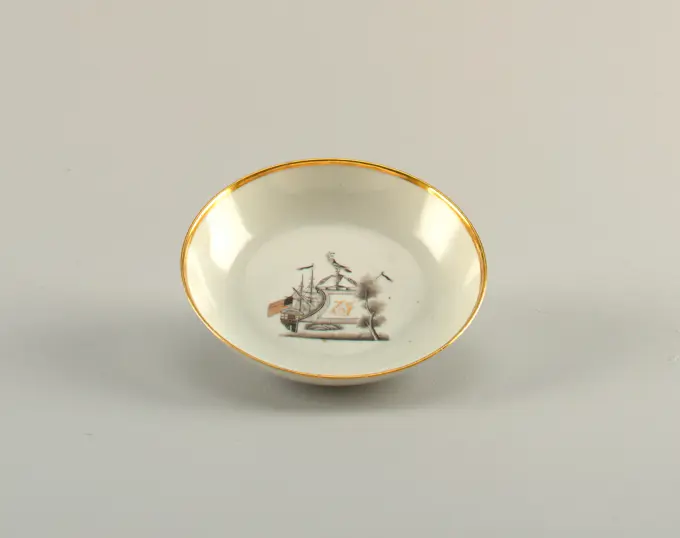
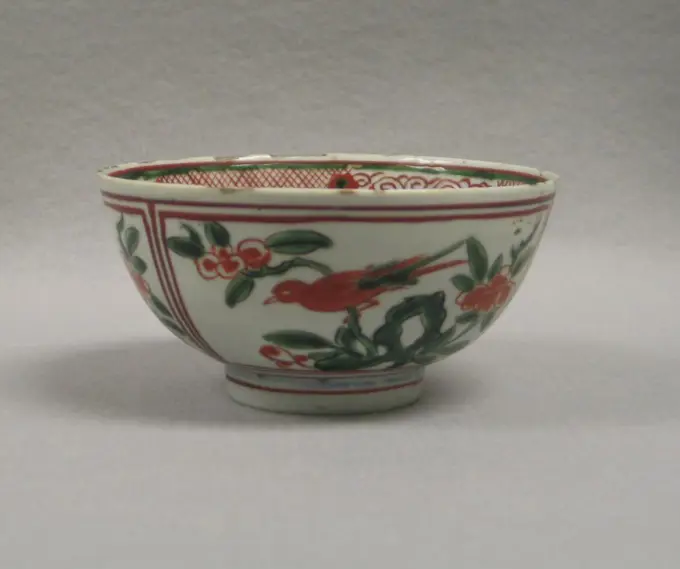
Elegant porcelain bowls with detailed underglaze paintings, reflecting craftsmanship and intricate designs from ancient Chinese pottery.
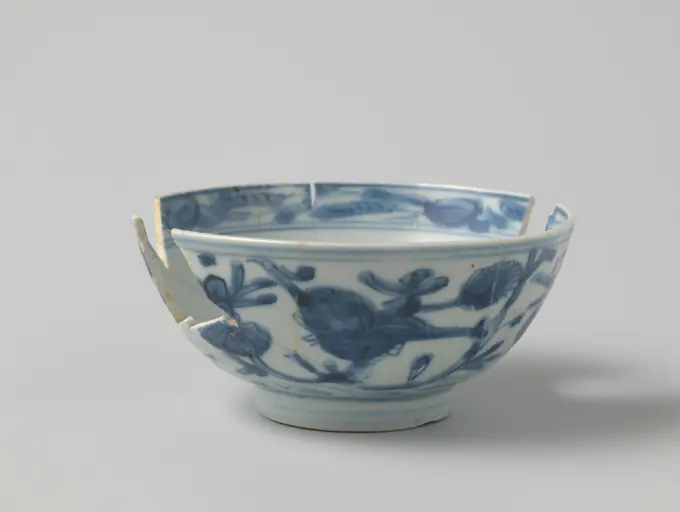
Fragment Come from V.O.C. ship De 'Witte Leeuw', Anonymous, Before 1613 bowl Fragment Come from V.O.C. ship De 'Witte Leeuw', 80 present. Jingdezhen porcelain   Sint-Helena
Fragment Come from V.O.C. ship De 'Witte Leeuw', Anonymous, Before 1613 bowl Fragment Come from V.O.C. ship De 'Witte Leeuw', 80 present. Jingdezhen porcelain Sint-Helena
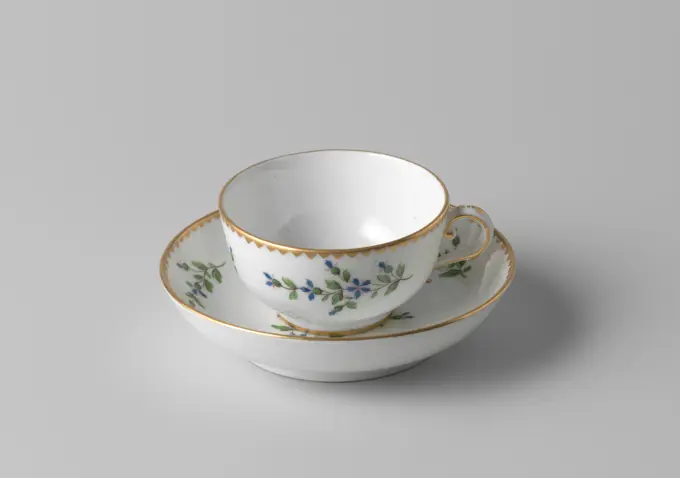
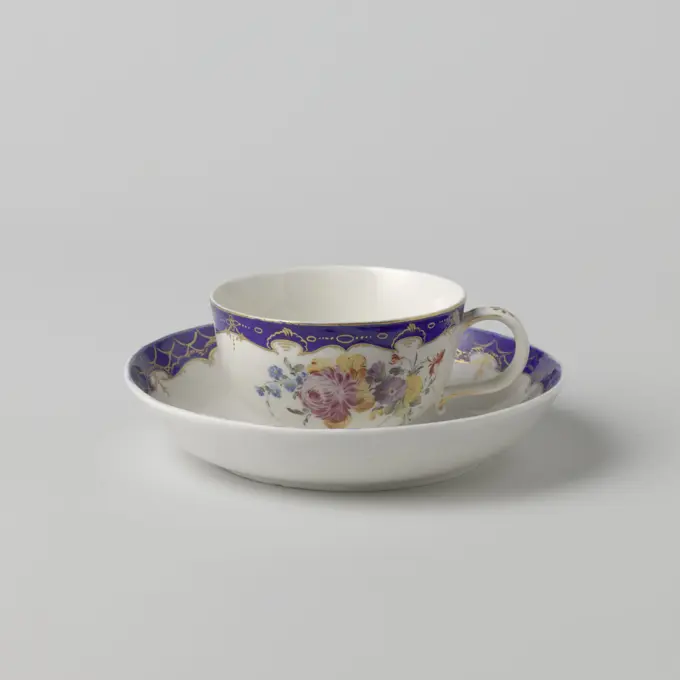
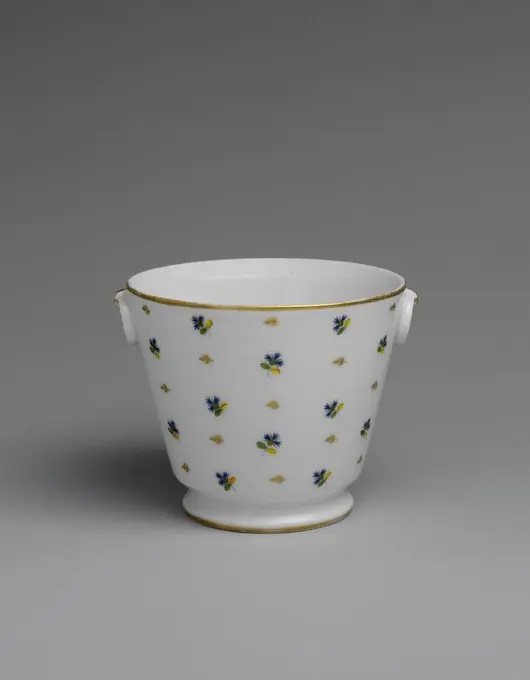
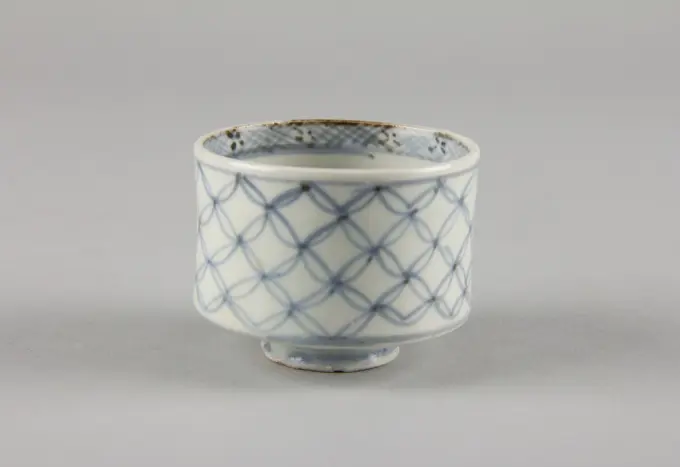
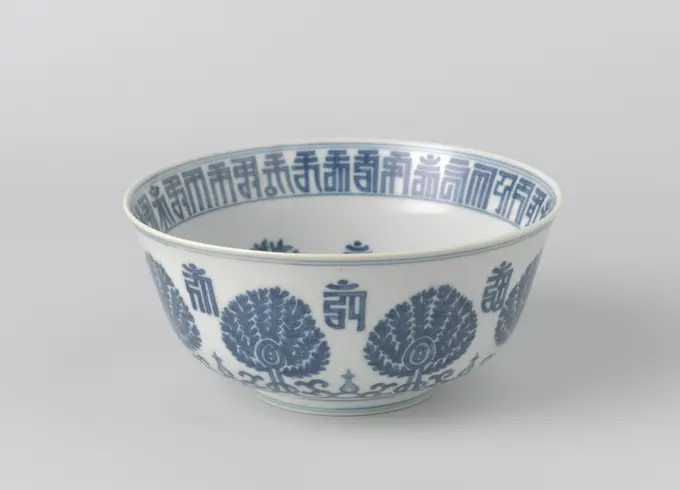
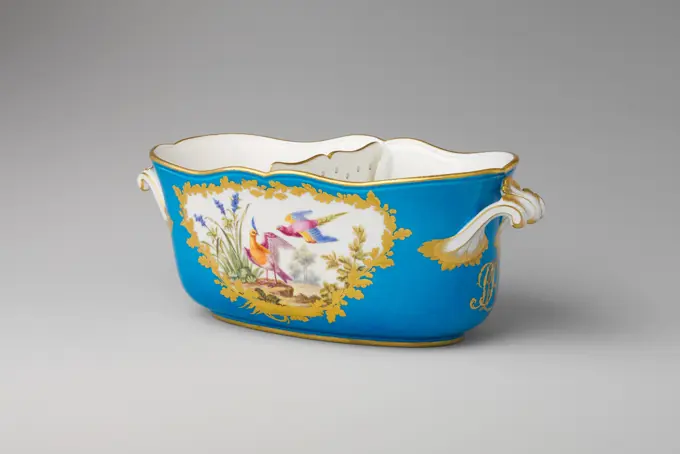
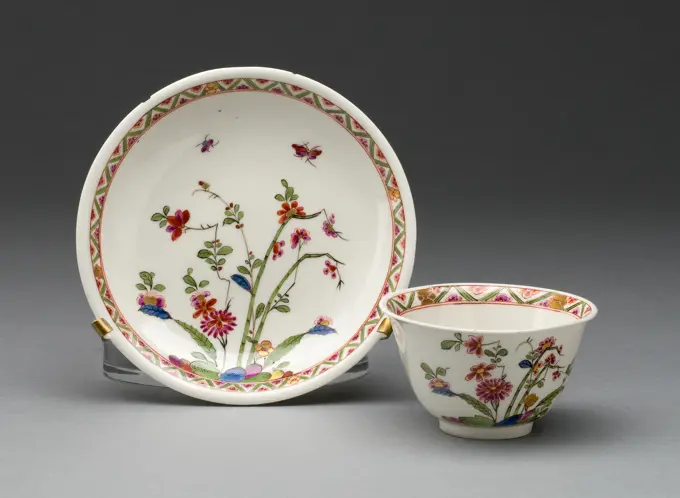
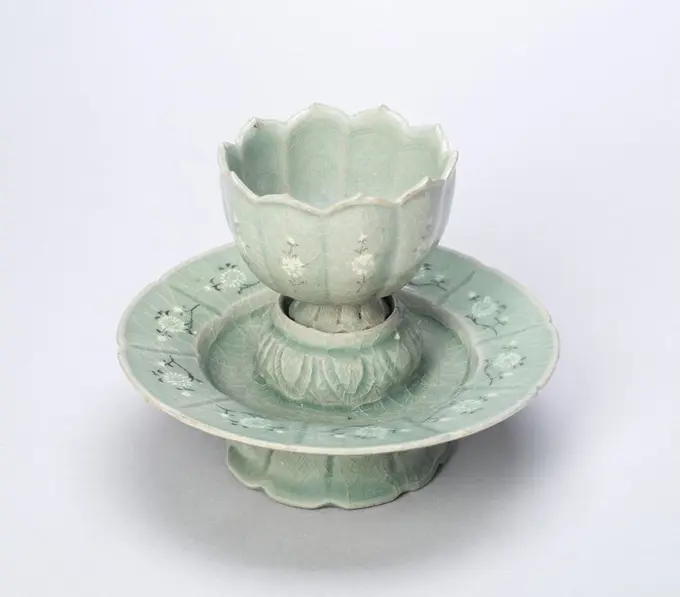
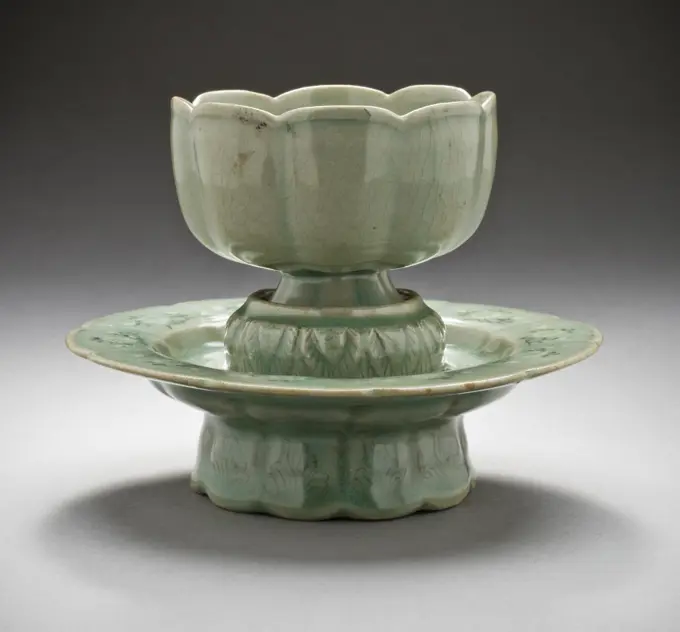
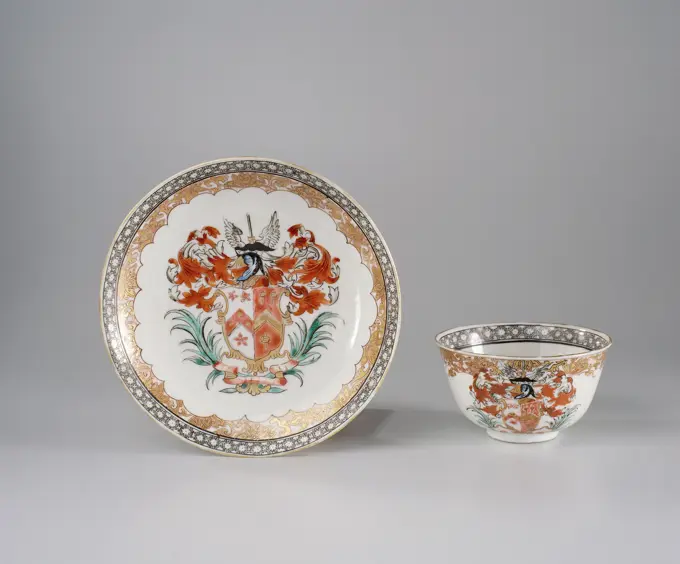
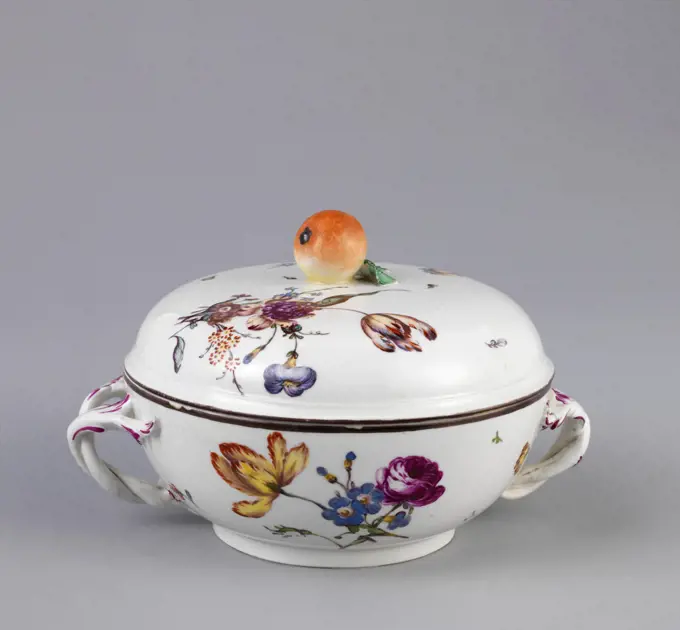
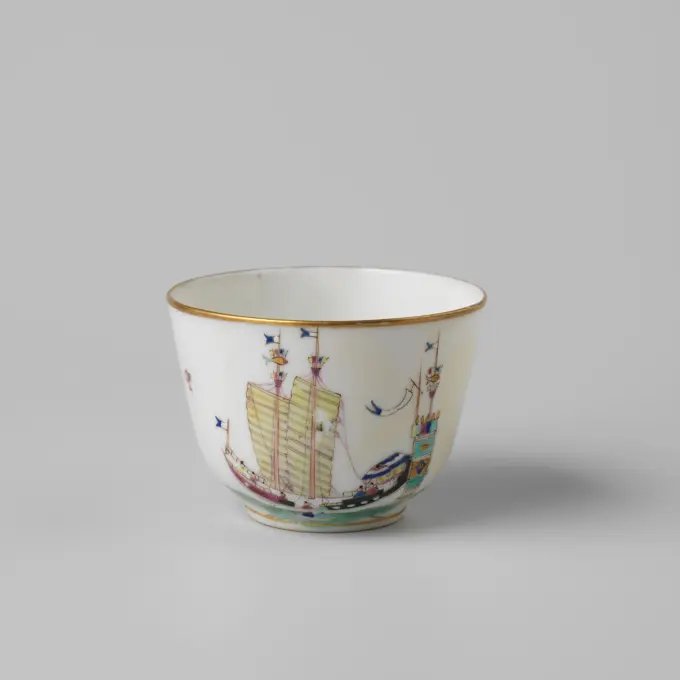
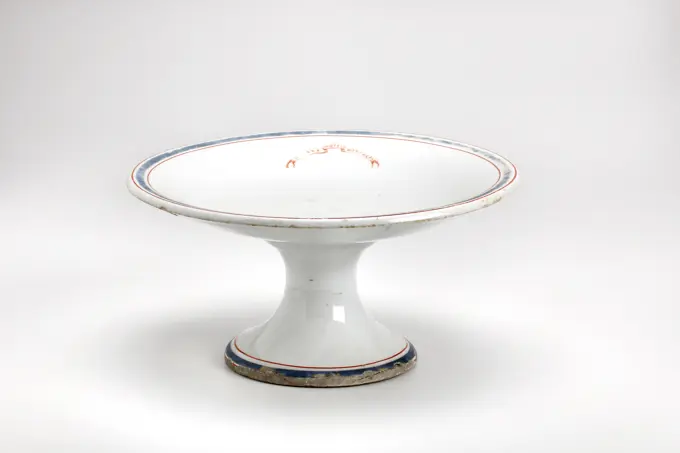
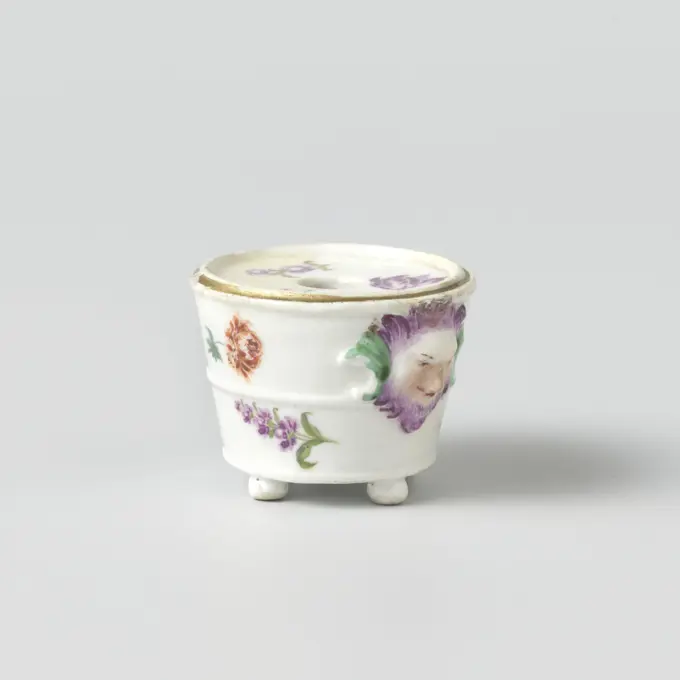
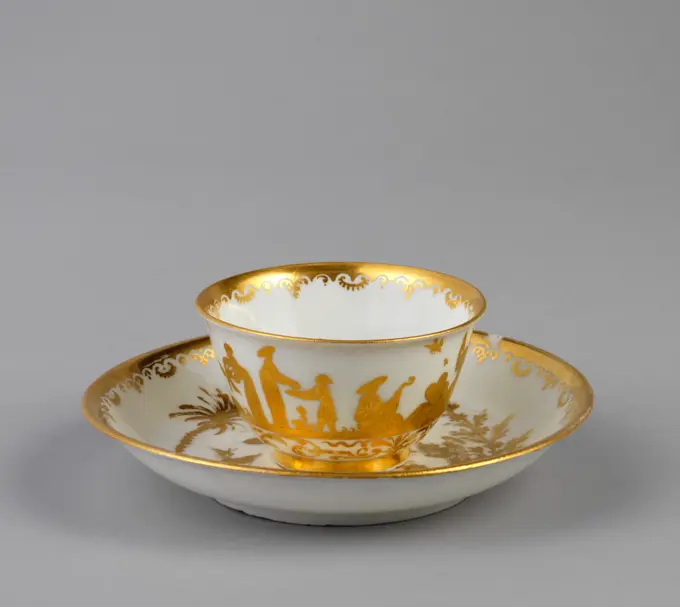
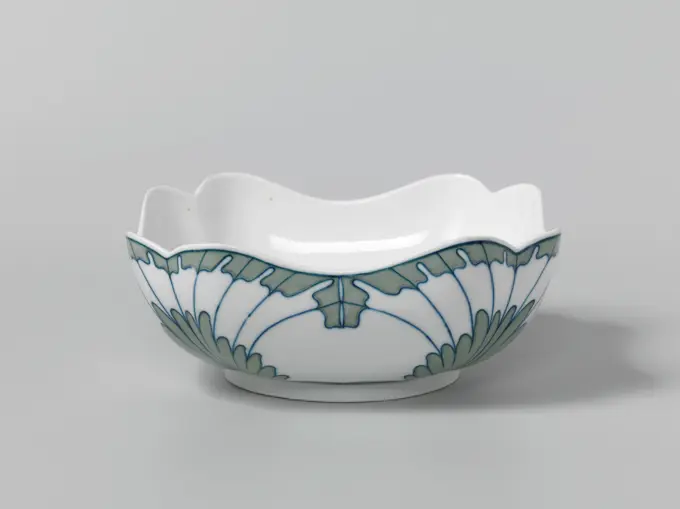
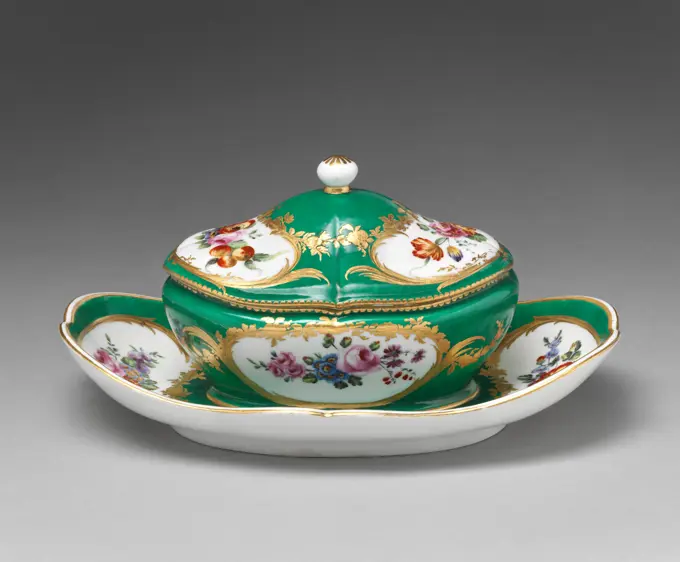
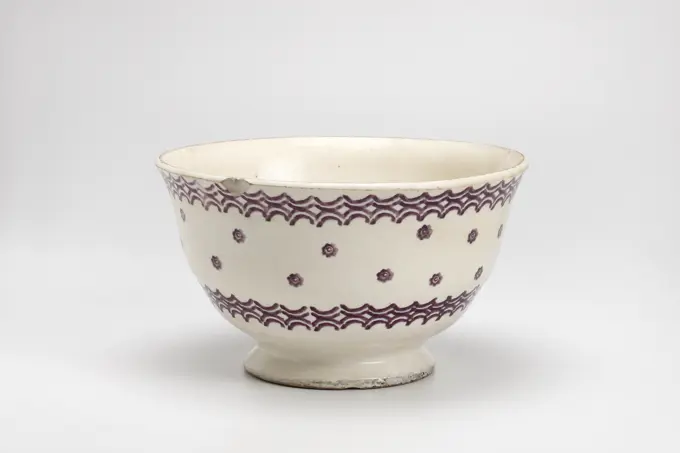
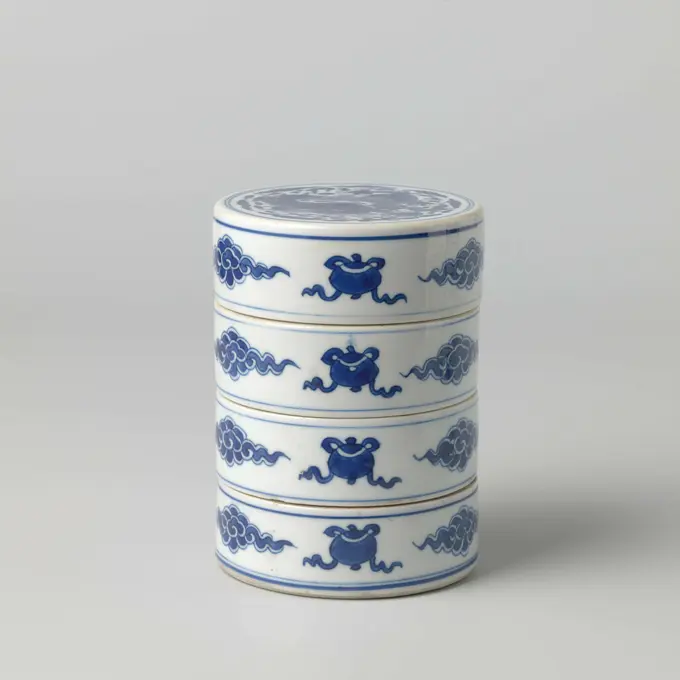
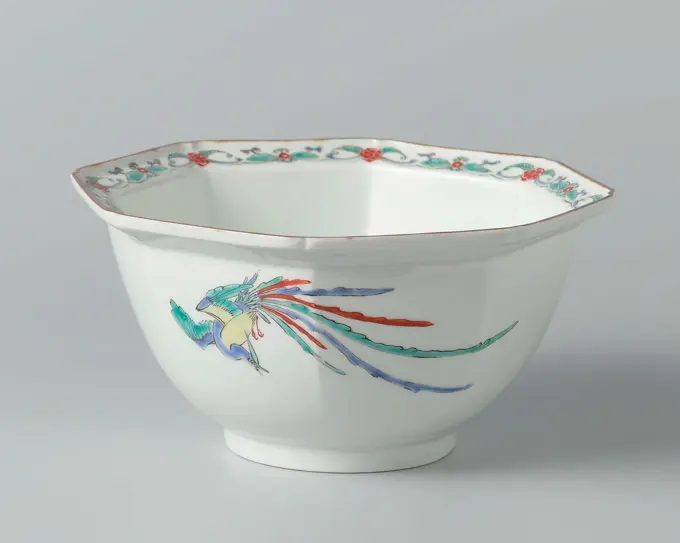
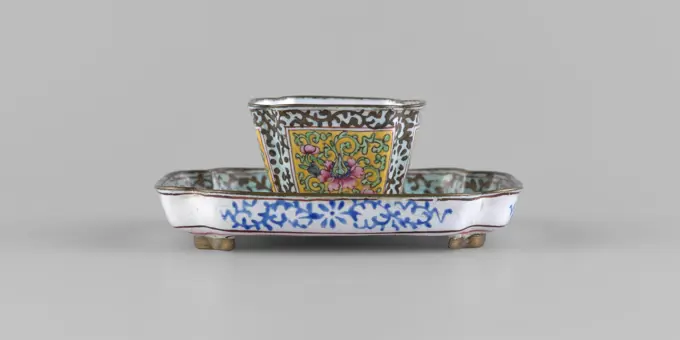
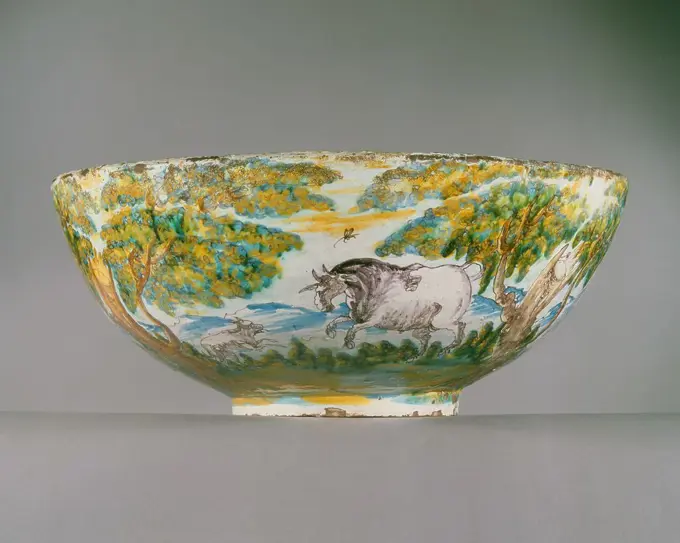
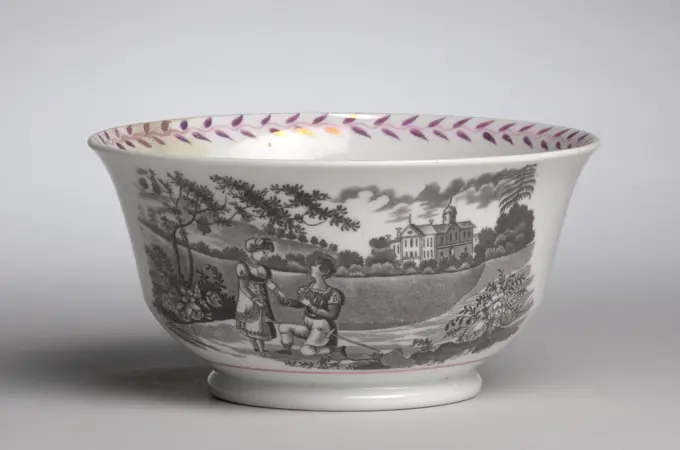
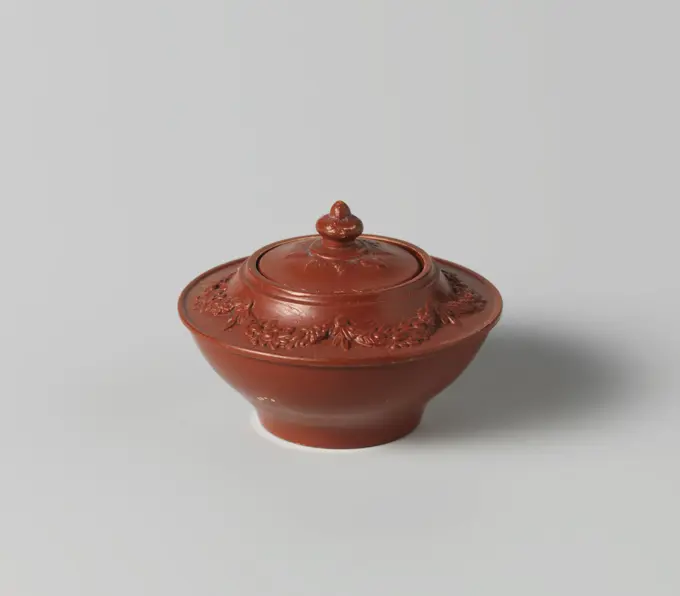
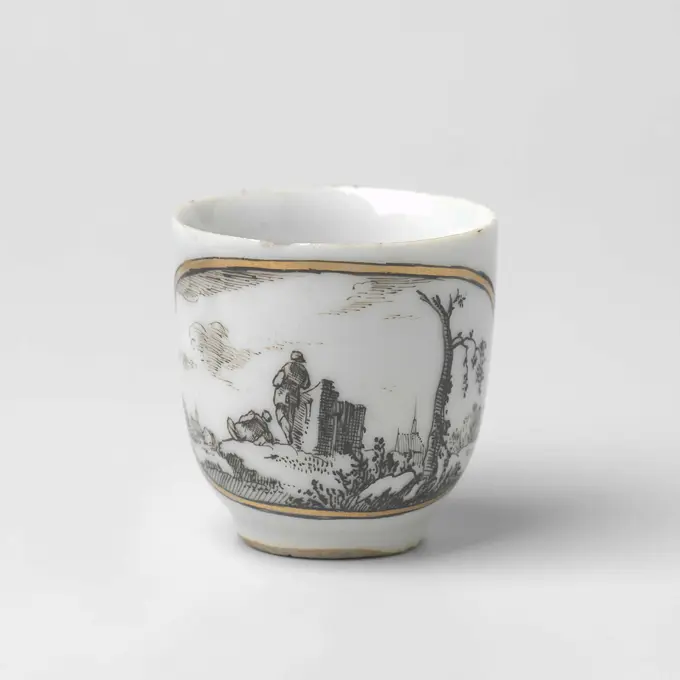
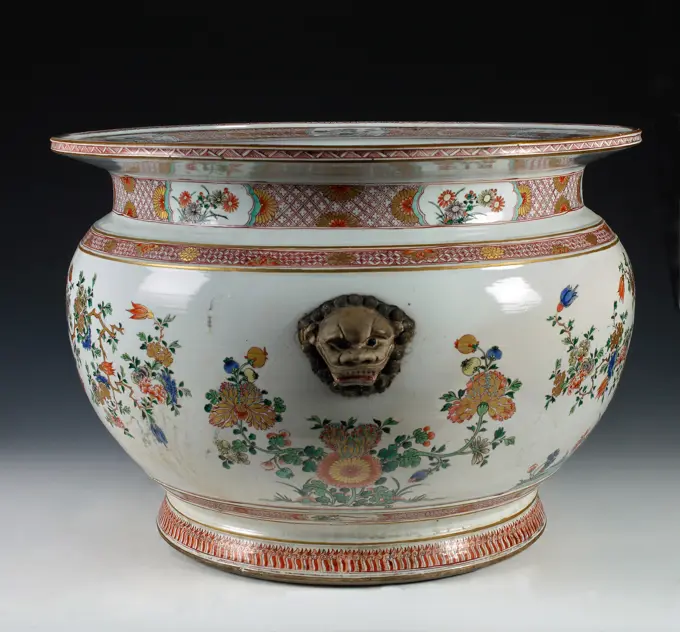
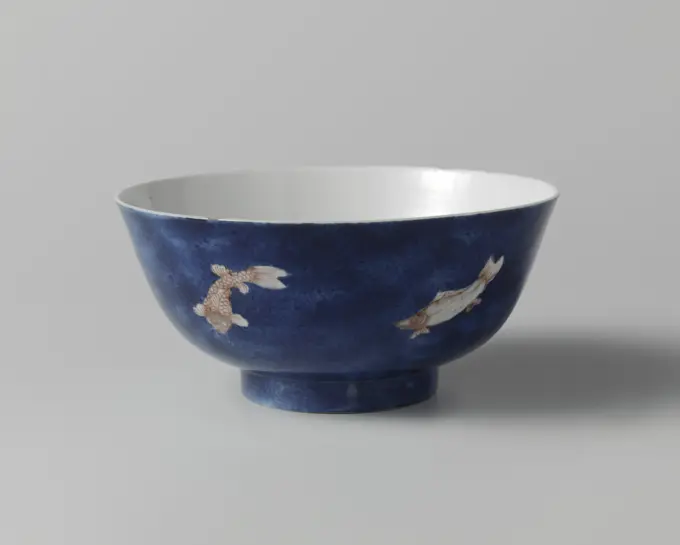
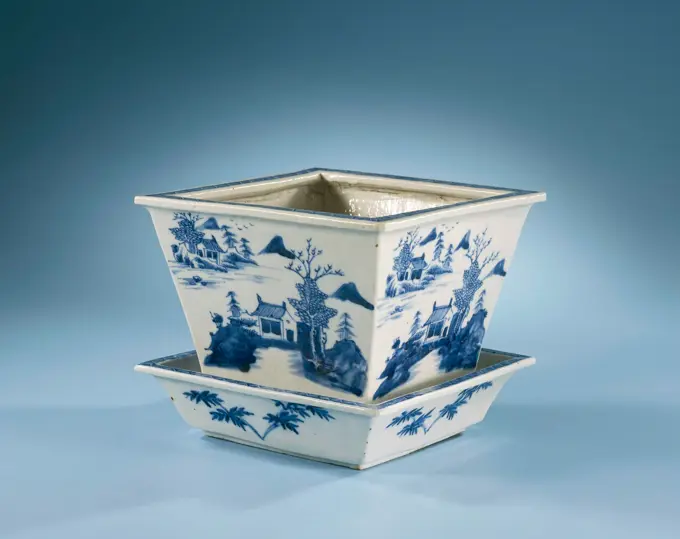
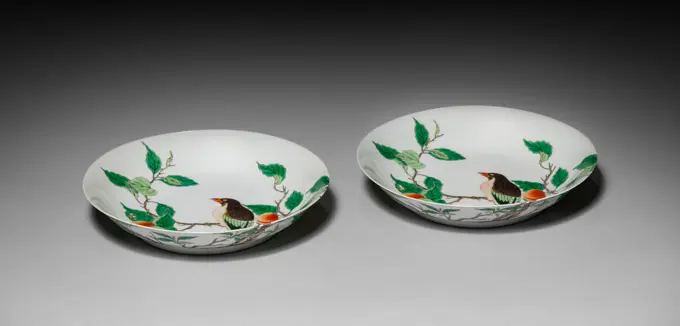
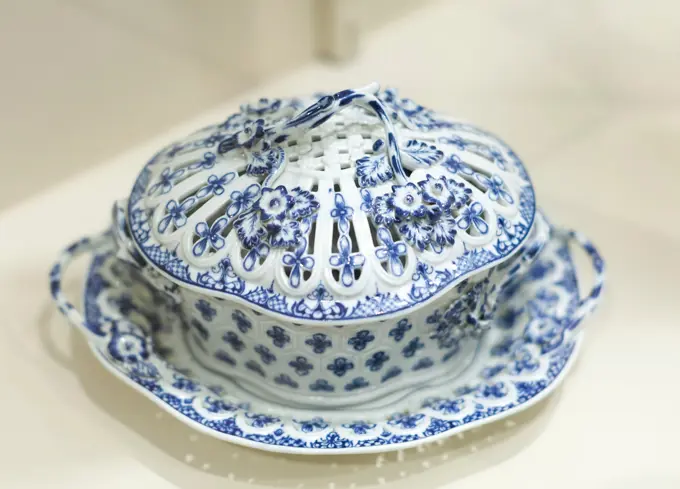
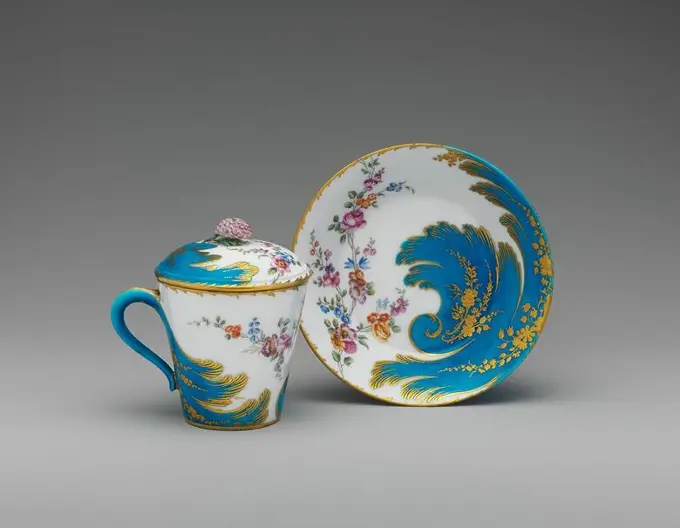
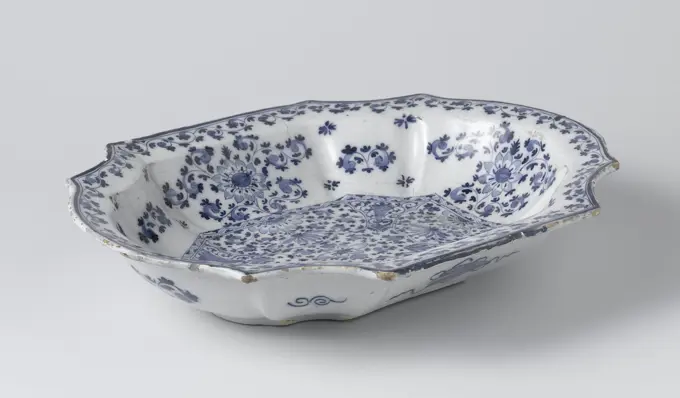
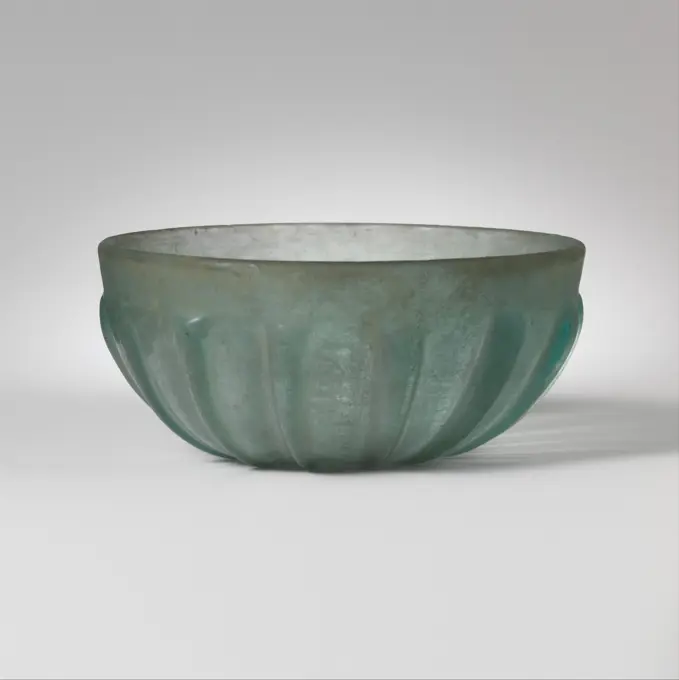
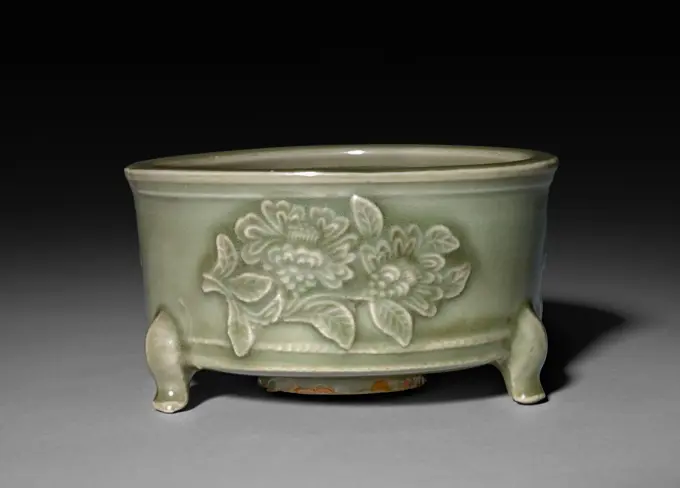
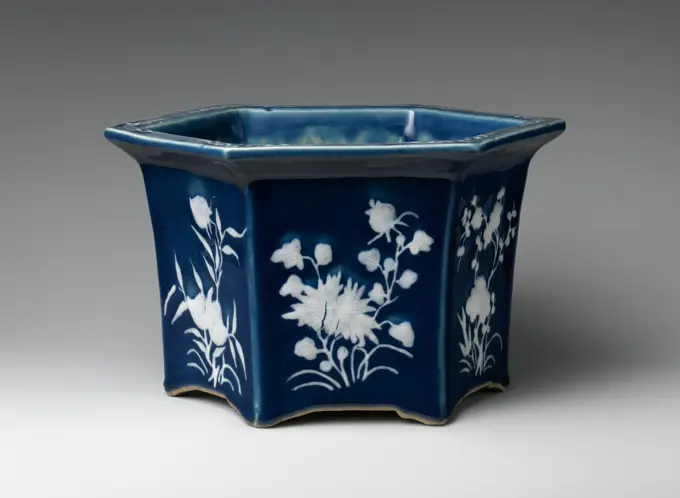
Dish (one of a pair) ca. 1753-54 British, Worcester. Dish (one of a pair). British, Worcester. ca. 1753-54. Soft-paste porcelain. Ceramics-PorcelainTwo Wine Coolers and stands, Manufactuur Oud-Loosdrecht, c. 1778 - c. 1782 Subtotel of porcelain. The raised edge of the underpoter is decorated in gold with an ornament band, in which, among other things, rosettes. Golden piping along the edges. Loosdrecht porcelain Subtotel of porcelain. The raised edge of the underpoter is decorated in gold with an ornament band, in which, among other things, rosettes. Golden piping along the edges. Loosdrecht porcelainThis tea set with idyllic lakeside Chinese landscapes has a side-handled pot called a kysu, used for steeping, straining, and serving tea. Unlike some others, this set also has a yuzamashi, a container used to cool boiled water to just the right temperature for the best flavor when steeping. Seif Yohei III’s painting teacher, Tanomura Chokuny (1814-1907), made a visual record of famous sencha events that shows how these kinds of porcelains fit with objects such as a stove and kettle to form a complete set of utensils for tea preparation, and with ensembles of decorative objects meant to inspire creativity Teacup from Tea Set with Chinese Landscape, c. 1893-1914. Seifū Yohei III (Japanese, 1851-1914). Porcelain with underglaze blue; 5 x 8.2 cm (1 15/16 x 3 1/4 in.).Cup and Saucer 1770-1780 Worcester. Soft-paste porcelain with underglaze blue decoration . Worcester Royal Porcelain Company (Manufacturer)Dish, painted with cornflowers. Dish of porcelain, painted in blue, green, lilac and black with cornflowers. Along the edge of the dish a zigzag piping in gold. Marked with a crowned dolphin in red on the glaze.Bowl, 18th century, 3 x 6 3/8 x 6 3/8 in. (7.62 x 16.19 x 16.19 cm), Porcelain with underglaze blue decor, China, 18th centuryDish, Porcelain Factory The Hague, 1777 - 1790 Dish, part of tea set. On the edge a blue band with rocaille ornament. The main motif consists of a flower bouquet surrounded by sprinkling flowers. Marked with a stork in upper glaze blue. N.B. Doornik's soft porcelain painted in The Hague. The Hague porcelain Dish, part of tea set. On the edge a blue band with rocaille ornament. The main motif consists of a flower bouquet surrounded by sprinkling flowers. Marked with a stork in upper glaze blue. N.B. Doornik's soft porcelain painted in The Hague. The Hague porcelainSugar Bowl. Culture: French, possibly. Dimensions: H. 3 3/8 in. (8.6 cm); Diam. 4 in. (10.2 cm). Date: ca. 1780. Museum: Metropolitan Museum of Art, New York, USA.Come with everted mouth rim, decorated with marbled mud layer. Excavated Alkmaar The NetherlandsCome from v.o.c.-ship the 'white lion'. Come from v.o.c.-ship the 'white lion'.Footed Bowl. Turkey, Iznik, first quarter of the 16th century. Ceramics. Fritware, underglaze-paintedSoba cup 1700-1750 Japan. Soba cup 63758Butter fleet on underfish, aquated with a lid by a button in the shape of a snail. Octagonal butter dish of multicolored painted faience, with kakiemon decor. The fleet (BK-1968-198-B) has a lid (BK-1968-198-C) and stands on a dish (BK-1968-198-a). All parts are painted in the muffle colors of blue, red, green, black and gold with two bound hedges, flowering trees, a bird on a branch and loose birds. The lid has a snail as a button. The fleet and the lid are marked.Bowl with scrolls, bushes and Siddham characters, anonymous, c. 1821 - c. 1851 Come from porcelain with slightly flared wall, painted in underlaze blue. On the wall a tire with curly weak from which a stylized bush comes from eight times, each time a character between the bushes; On the bottom a flower in a medallion surrounded by a band curl with five stylized bushes, a character in between; On the inner edge of the bowl a band characters in Siddham writing. Marked on the underside with the six-character seal of Emperor Dawoguang. Blue White. China porcelain. glaze. cobalt (mineral) painting / vitrification Come from porcelain with slightly flared wall, painted in underlaze blue. On the wall a tire with curly weak from which a stylized bush comes from eight times, each time a character between the bushes; On the bottom a flower in a medallion surrounded by a band curl with five stylized bushes, a character in between; On the inner edge of the bowl a band characters in Siddham writing.White, faience bowl with blue representation, flowers, bowl crockery holder soil find ceramic earthenware glaze tin glaze, hand-turned decorated glazed baked Round deep bowl on stand ring edge bent outwards. Completely white glazed with blue decoration. White shard On edge: zigzag line with blue squares Inside of the bottom: two concentric rings in which floral pattern archeology Rotterdam railway tunnel native earthenware serve room food drink Soil discovery: railway tunnel Rotterdam.André Metthey (1871-1920). Bowl. Earthenware. Museum of Fine Arts of the City of Paris, Petit Palais. 79583-25 Threatening art, faience, woman, metallic chandelier, dishesLiqueur bottle cooler (seau ovale à liqueur) (one of a pair) (part of a service) 1771 Sèvres Manufactory French The table services produced at Sèvres in the eighteenth century were highly prized and extremely expensive. They were not only purchased by the Crown and members of the aristocracy but also given by the king as diplomatic gifts to foreign courts and visiting dignitaries, and the esteem in which they were held did much to enhance the factorys prestige and fortunes. Because the number of pieces composing a service was very large, the cost was enormous, but this did not deter many courtiers from ordering a dinner or dessert service, or both.One of the most celebrated services produced at Sèvres was delivered to Louis-René-Édouard, prince de Rohan-Guémenée (1734-1803), on September 7, 1772. All of the pieces were decorated with the rich turquoise ground color known as bleu céleste and with birds encircled by an elaborate gilt wreath of oak leaves and acorns. Many of the componenCup and Saucer 1720-1730 Vienna. Hard-paste porcelain with polychrome enamels and gilding . Du Paquier Porcelain ManufactoryBowl; Manufacture Nationale de Porcelaine de Sevres (1756-), Sevres; 1804-1805 (1804-00-00-1805-00-00);plant decorations, bay leafLobed Cup and Stand with Chrysanthemum Flower Heads, Floral Sprays, and Fish Amid Waves. Korean. Date: 1100-1299. Dimensions: H. 11.3 cm (4 1/2 in.); diam. (5 3/4 in.). Stoneware with underglaze inlaid decoration of black and white clays (cup): underglaze incised and carved decoration (stand). Origin: South Korea. Museum: The Chicago Art Institute, Chicago, USA.Flower - shaped Cup and Stand with Inlaid Chrysanthemum Spray Designs. Korea, Goryeo dynasty (918-1392), 12th century. Furnishings; Serviceware. Wheel-thrown and cut stoneware with incised and slip-filled decoration and green glazeBell-shaped cup with the arms of the Yaldwin and Soame family, anonymous, c. 1740 - c. 1760 Bell -shaped head of porcelain, painted on the glaze in blue, red, pink, green, black and gold. On the wall the weapon of the Yaldwin and Soame families. On the left Yaldwin with three flowers against a white background and in the middle a red twill with two yellow bulbs and a lion's head; On the right socen with three hammers on a red background and a golden twill in the middle. The helmet sign is a winged sword surrounded by acanthus leaves. A palm branch on either side of the weapon. On the edge a bond with lotus vends and the inner edge one with servetwork. A crack in the edge of the head. Weapon porcelain with email colors. China porcelain. glaze. gold (metal) painting / gilding / vitrification Bell -shaped head of porcelain, painted on the glaze in blue, red, pink, green, black and gold. On the wall the weapon of the Yaldwin and Soame families. On the left Yaldwin with three flowers againsCovered bell-shaped bowl with a monogram in a richly adorned panel, anonymous, 1778 Bell -shaped lid bowl of porcelain, painted on the glaze in black and gold. On the wall of the bowl two richly decorated cartouches with curls, garlands, a crown, collapsed hands and two angels. In one cartouche the initials 'el', in the other 'cs' with the date '1778' in both. Two flower branches between the monograms; The inner edge with servetwork and tendrils with brushes. Two chips in the edge of the bowl. European performance in Encre de Chine. China porcelain. glaze. gold (metal) painting / gilding / painting Bell -shaped lid bowl of porcelain, painted on the glaze in black and gold. On the wall of the bowl two richly decorated cartouches with curls, garlands, a crown, collapsed hands and two angels. In one cartouche the initials 'el', in the other 'cs' with the date '1778' in both. Two flower branches between the monograms; The inner edge with servetwork and tendrils with brushes. Two chips in tCovered Écuelle with Apple Finial, Frankenthal Porcelain Factory, German, active mid- to late 18th century, hard paste porcelain, vitreous enamel, Two-handled bowl and cover; handles made up of twisted pieces; decorated with various flowers on white ground; orange-shaped finial., Germany, mid- 18th- late 18th century, ceramics, Decorative Arts, écuelle, écuelleCome with turned mouth edge, decorated with marbled sludge layer, anonymous, c. 1575 - c. 1625 Come of earthenware with lead glaze. The bowl is decorated with a marbled sludge layer in brown, manganese and white and covered with a green lead glaze. The mouth edge has turned. Soil find from Alkmaar. Italy earthenware. lead glaze   Alkmaar Come of earthenware with lead glaze. The bowl is decorated with a marbled sludge layer in brown, manganese and white and covered with a green lead glaze. The mouth edge has turned. Soil find from Alkmaar. Italy earthenware. lead glaze   AlkmaarCup with a Chinese junk and the arms of Amsterdam, anonymous, c. 1800 - c. 1899 Porcelain head, painted on the glaze in blue, red, pink, green, yellow, black and gold. On the wall a Chinese youngsters with crew on the waves, above that the Wapen van Amsterdam. Weapon porcelain. China porcelain. glaze. gold (metal) painting / gilding / vitrification Porcelain head, painted on the glaze in blue, red, pink, green, yellow, black and gold. On the wall a Chinese youngsters with crew on the waves, above that the Wapen van Amsterdam. Weapon porcelain. China porcelain. glaze. gold (metal) painting / gilding / vitrificationCup with Peonies. China. Date: 1522-1566. Dimensions: H. 6.1 cm (2 3/8 in.); diam. 11.8 cm (4 5/8 in.). Porcelain painted in overglaze enamels and gold. Origin: China. Museum: The Chicago Art Institute, Chicago, USA.Bowl - Portneuf potteryBowl;  19th century (1801-00-00-1900-00-00);Rinse, Elder -Ampel, 1784 - 1809  Rinse bowl multicolored decorated with birds in a landscape. Along the edge a golden trim. Marked: Amstel. Ouder-Amstel porcelainCup And Saucer (China (for export)); porcelainBowl China. Bowl. China. White porcelain decorated with green enamel and iron red. Ming dynasty (1368-1644), Xuande period (1426-35). CeramicsCovered Dish 1815-30 French. Covered Dish 2387Snail bowl. Square porcelain slab. Along the top edge Golden Rocaille motifs. On the outside and inner walls, multicolored spreading flowers. A flower bouquet on the bottom.Teabowl from Teabowls with Peony and Crabapple, c. 1893-1914. Seifū Yohei III (Japanese, 1851-1914). One from a set of five teabowls; porcelain with underglaze and overglaze color enamels and gold; overall: 5 x 8 cm (1 15/16 x 3 1/8 in.).Head, painted with figures in landscapes. Cup of porcelain. Cup without ear. Painted in sepia with figures in a landscape. On the back of the cup a soil. Along the edges a winding ribbon in gold and brown, around which a green leaf branch winds. The outer wall of the head and the back of the satellure edge is decorated with two rows of staggered ribs. Golden piping along the foot and mouth edge of the cup and along the satellure edge.Verier with birds and insects; ChurfuerStliche Porcellain Fabrique, Meissen (1763/74-1814); approx. 1775 (1770-00-00-1780-00-00);Covered cup and saucer with three panels with two seated figures, anonymous, c. 1800 - c. 1899 Click -shaped lid head and porcelain dish with a ring -shaped button, painted on the glaze in red and gold. On the front of the dish three cartouches with two sitting people surrounded by a band curl; A geometric pattern between the cartouches. Marked on the underside with three unidentified characters. Japan porcelain. glaze. gold (metal) painting / gilding / vitrification Click -shaped lid head and porcelain dish with a ring -shaped button, painted on the glaze in red and gold. On the front of the dish three cartouches with two sitting people surrounded by a band curl; A geometric pattern between the cartouches. Marked on the underside with three unidentified characters. Japan porcelain. glaze. gold (metal) painting / gilding / vitrificationCup with Three Chinese Acrobats and Landscapes in Panels. Cup of porcelain with straight, ribbed wall and scalloped edge, painted on the glaze in blue, red, pink, green, black and gold. Three Chinese acrobats shown in a fenced garden, one of which is on the weak cord, the second jonglearing with knives and the last with a turntable on a stick; In addition to them a horizontal dog, in the foreground a closed bag; The wall with napkin interspersed with cartouches with landscapes or flower branches. Famille Rose / Mandarin.Bowl, Cizhou ware, 13th-14th Century. China, Jin dynasty (1115-1234) - Yuan dynasty (1271-1368). Buff stoneware with underglaze slip application and overglaze enamel decoration; diameter: 16.2 cm (6 3/8 in.); overall: 10.2 cm (4 in.).. Bell-shaped cup and saucer of porcelain with a six times squeezed edge, painted on the glaze in blue, red, green, black and gold. On the flat two quail at a rock with a magnolia and bamboo. The head with the same decoration. A crack in the edge of the head. Porcelain with email colors.Cake stand - Ottawa Hotel Montreal  Clementson Brothers, 1865-1916 Clementson Brothers, 1865-1916Cup And Saucer (France); Probably Sèvres Porcelain Manufactory (France); Decorated by Vieillard; glazed and gilt porcelainFlowerpot, multicolored painted with flowers, Meissener Porzellan Manufaktur, c. 1750  Flowerpot made of painted porcelain. The pot is cup -shaped and stands on four spherical legs. The pot is decorated with two masks in relief and is painted with multicolored flowers. The flowerpot is marked. Float porcelainTea Bowl and Saucer with "Hausmaler" Decor Tea Bowl And Saucer; Manufactured by Meissen Porcelain Manufactory (Germany); Workshop of Bartholomäus Seuter (German, 1676 - 1754); Germany; hard paste porcelain, goldBell-shaped bowl with a bird on a tree and wisteria on a yellow ground, anonymous, c. 1875 - c. 1894 Bell -shaped bowl of porcelain, covered with a yellow glaze and painted in red and black. The outside of the bowl is covered with a yellow enamel with a bird on a branch with flowering blue rain in shades of gray; On the edge The seal brand of Empress Regent Cixi with the inscription 'Tiandi Yijia Chun', 'Heaven and Earth celebrate spring as a family', besides the seal three characters reading 'Daya Zhai', 'The studio of High Culture'. Marked on the bottom with a four-character brand 'Yongqing Changchun', 'Eternal Happiness and Continuous Spring'. Porcelain with email colors. China porcelain. glaze. painting / vitrification Bell -shaped bowl of porcelain, covered with a yellow glaze and painted in red and black. The outside of the bowl is covered with a yellow enamel with a bird on a branch with flowering blue rain in shades of gray; On the edge The seal brand of Empress Regent Cixi witSpoon tray with the arms of the Van Reede van Oudtshoorn and Boesses family, anonymous, c. 1765 Pattipan with an oval, eight -time lobed wall of porcelain, painted on the glaze in blue, red, pink, green, yellow, tuquoise, black and gold. On the flat the coat of arms of the Reede van Oudtshoorn and Boesses families. In the center the weapon whose shield is divided in two. On the left the weapon of Van Reede van Oudtshoorn in Gray, on the right the weapon of Boesses in red and blue. There is a griffin on either side of the weapon. The helmet sign consists of a crown and wings. A decorative band for the co -weapon loose flower branches in European style and on the inner edge. Weapon porcelain with email colors. China porcelain. glaze. gold (metal) painting / gilding / vitrification Pattipan with an oval, eight -time lobed wall of porcelain, painted on the glaze in blue, red, pink, green, yellow, tuquoise, black and gold. On the flat the coat of arms of the Reede van Oudtshoorn and BoessesScotel, Tag Met Het wing pattern decor, Meissener porcelain manufactory, 1901 Round dish of painted porcelain. The dish is painted in green and blue with the Flügelmuster. The dish is marked and belongs to a service (BK-1976-65-1 to BK-1976-65-34). Float porcelain Round dish of painted porcelain. The dish is painted in green and blue with the Flügelmuster. The dish is marked and belongs to a service (BK-1976-65-1 to BK-1976-65-34). Float porcelainBloempot, Manufactuur Oud -Loosdrecht, 1774 - 1784 On the straight pot a river landscape is painted with a ruin. Loosdrecht porcelain On the straight pot a river landscape is painted with a ruin. Loosdrecht porcelainSugar Bowl ca. 1780 French, possibly. Sugar Bowl 7984Cup and saucer with flower sprays on a black ground, anonymous, c. 1700 - c. 1724 Porcelain head and saucer, painted on the glaze in red, eggplant, black and gold. On the outside of the head and the saucer flower branches against a black soil. The black possibly added in Europe. A crack in the edge of the dish. Famle Noire. China porcelain. glaze. cobalt (mineral) painting / vitrification Porcelain head and saucer, painted on the glaze in red, eggplant, black and gold. On the outside of the head and the saucer flower branches against a black soil. The black possibly added in Europe. A crack in the edge of the dish. Famle Noire. China porcelain. glaze. cobalt (mineral) painting / vitrificationHexagonal saucer-dish with landscapes and figures, anonymous, c. 1750 - c. 1774 Hexagonal porcelain dish, painted in underly glaze blue. On the flat a river landscape with pavilions, trees and a person; The wall is divided into six subjects with alternating a person by a fence and a river landscape with a pavilion and trees. A crack and a chip in the edge. Blue White. China porcelain. glaze. cobalt (mineral) painting / vitrification Hexagonal porcelain dish, painted in underly glaze blue. On the flat a river landscape with pavilions, trees and a person; The wall is divided into six subjects with alternating a person by a fence and a river landscape with a pavilion and trees. A crack and a chip in the edge. Blue White. China porcelain. glaze. cobalt (mineral) painting / vitrificationSèvres Porcelain Manufactory, Small Cup and Saucer, 1781, soft-paste porcelain.Sugar bowl (one of four) (part of a service) ca. 1767 Sèvres Manufactory French. Sugar bowl (one of four) (part of a service). French, Sèvres. ca. 1767. Soft-paste porcelain. Ceramics-PorcelainWaszek from the lid; Kaiserliche Porzellanmanufaktur in Wien (1744-1864); 1812 (1812-00-00-1812-00-00);Bronisław Krystall. Testament (Warsaw - Exhibition - 2015/2016), Krystall, Bronisław (1887-1983) - collection, flower decorations, forget -me -nots, purchase (provenance)Sauceboat mid-18th century British, Staffordshire. Sauceboat. British, Staffordshire. mid-18th century. Salt-glazed stoneware. Ceramics-PotteryBowl - Portneuf potteryFaïence ink set of multicolored painted faïence. Faïence ink set. Painted multi-colored.Saucer late 18th century China. Saucer. China. late 18th century. Porcelain painted in underglaze cobalt blue and overglaze polychrome enamels (Jingdezhen ware). Qing dynasty (1644-1911), Qianlong period (1736-95). CeramicsTiered Box Composed of Three Layers with Dragons and Precious Objects. Round stack box made of porcelain consisting of three layers and a lid, painted in underglaze blue. The walls of the boxes and the lid with cloud motifs and valuables (pearl, diamond, music stone); the top of the lid with a four-chewed dragon and a pearl surrounded by clouds; A double circle on the bottom. Blue White.. Octagonal bowl of porcelain with outstanding mouth edge, painted on the glaze in blue, red, green, yellow and black with a hôô on the outside on the outside and a prunus branch on the other, on the inside on the bottom two pumpkins with leaves, On the edge Symmetrical flower and leaf refines. Brown edge. Old label on the bottom with 'Collection Westendorp / 116'. Kakiemon.Punch bowl, c. 1770, 5 1/8 x 12 in. (13.02 x 30.48 cm), Porcelain, China, 18th centuryBotersloot lid. Botersloot lid with raised ears painted multi-colored with an oriental landscape with buildings inside cartouches.Writing Stand, 1746. Sinceny Factory (French). Tin- glazed earthenware (faience) wth enamel decoration; overall: 17.2 x 26.9 x 17.8 cm (6 3/4 x 10 9/16 x 7 in.).This tea set with idyllic lakeside Chinese landscapes has a side-handled pot called a kysu, used for steeping, straining, and serving tea. Unlike some others, this set also has a yuzamashi, a container used to cool boiled water to just the right temperature for the best flavor when steeping. Seif Yohei III’s painting teacher, Tanomura Chokuny (1814-1907), made a visual record of famous sencha events that shows how these kinds of porcelains fit with objects such as a stove and kettle to form a complete set of utensils for tea preparation, and with ensembles of decorative objects meant to inspire creativity Teacup from Tea Set with Chinese Landscape, c. 1893-1914. Seifū Yohei III (Japanese, 1851-1914). Porcelain with underglaze blue; 5 x 8.2 cm (1 15/16 x 3 1/4 in.).Czarek with Spodek;  18th century (1701-00-00-1800-00-00);Bowl. Culture: Spanish, Talavera de la Reina. Dimensions: Diameter: 21 1/4 in. (54 cm). Date: ca. 1625-50.During the course of the sixteenth century a number of potteries making tin-enameled earthenware came into existence in Talavera de la Reina, a small town some sixty miles southwest of Madrid. The town supplied plain wares that were greatly admired for the beauty of their white surface--the "bianco"--and others that were decorated in a subdued palette of high-temperature greens, yellows, browns, blues, and purples.This jar and bowl (1983.469.1, .2) come from a pottery, so far unidentified by name, that seems to have obtained important orders over a fairly long period in the late sixteenth and the seventeenth centuries. The characteristics of the factory are well exemplified in these objects: a fine bianco; a very beautiful blue--skillfully modulated from light to deep shades--that predominated in the early and mid-16oos; and an energetic freedom in the use of the brush point to draWijnkom from v.O.c.-ship the 'white lion'. Wine bowl from v.o.c.-ship the 'white lion', complete.Waste Bowl, c. 1800-1825. England. Earthenware; diameter: 15.6 cm (6 1/8 in.); overall: 8 cm (3 1/8 in.).Bell-shaped cup and spoon tray with the arms of the Van Reede van Oudtshoorn and Boesses family, anonymous, c. 1765 Bell -shaped head and pattipan of porcelain, painted on the glaze in blue, red, pink, green, yellow, tuquoise, black and gold. On the outside wall the coat of arms of the Reede van Oudtshoorn and Boesses families. In the center the weapon whose shield is divided in two. On the left the weapon of Van Reede van Oudtshoorn in Gray, on the right the weapon of Boesses in red and blue. There is a griffin on either side of the weapon. The helmet sign consists of a crown and wings. On the wall loose flower branches in European style and a decorative tire on the inner edge. The Pattipan has an oval, eight -time wall and the same decoration as the head. Weapon porcelain with email colors. China porcelain. glaze. gold (metal) painting / gilding / vitrification Bell -shaped head and pattipan of porcelain, painted on the glaze in blue, red, pink, green, yellow, tuquoise, black and golBeaker cup Japanese, for European market 19th centuryLid Red hard baked pottery, children's toys., Anonymous, c. 1830 - c. 1860 Vaulted lid with a fruit as a button. Bohemia earthenware Vaulted lid with a fruit as a button. Bohemia earthenwareTeacup, Coffee Cup, and Saucer. Worcester Porcelain Factory; Worcester, England, founded 1751. Date: 1770-1780. Dimensions: Teacup H. 4.7 cm (2 in.); Coffee cup H. 6.5 cm (2 1/2 in.); Saucer diam. 13.6 cm (5 1/3 in.). Soft-paste porcelain with polychrome enamels and gilding. Origin: Worcester. Museum: The Chicago Art Institute, Chicago, USA. Author: Worcester Royal Porcelain Company.Octagonal covered jar with plants, bundles or bamboo and ornamental borders. Porcelain octagonal lid lid, painted in underglaze blue. Two boxes with beams bamboo, two with plants and four with a swastika pattern in relief. Around the button a band with a meander pattern. Cracked glaze. Blue White.Cup with handle with European landscape in a medallion. Porcelain earhead painted on the glaze in black and gold. On the outside wall a European landscape with a person, buildings and trees in an oval medallion. Decorated in Europe in Encre Chine.Basket of multicolored painted faïence, anonymous, c. 1755 - c. 1780 Basket of Faïence. Multicolored painted with a landscape on the bottom. Delft . Basket of Faïence. Multicolored painted with a landscape on the bottom. Delft .Basket - Davenport DavenportA cup with a saucer Vienna (Pałowowa Manufaktura)Swimming pool of sides, p Katy with two handles (mascarons);  18th century (1701-00-00-1800-00-00);Kalinowski, Lucjan - collection, pools, ceramics, Chinese (culture), gift (provenance), pink family, mascarons, Chinese art, vasesWilliam Kerby, Soup Bowl, c 1936 Soup BowlBowl with powder blue and six fish in underglaze red, anonymous, c. 1700 Come with a spreading wall of porcelain, painted in under -glaze blue and red. The wall is covered with bleu poudré (powder blue) in which six fish in underlaze have been redeemed. On the bottom the six-character brand of Keizer Chenghua in a double circle. Two chips in the edge. Underglaze blue with copper red. China porcelain. glaze. cobalt (mineral). copper (metal) painting / vitrification Come with a spreading wall of porcelain, painted in under -glaze blue and red. The wall is covered with bleu poudré (powder blue) in which six fish in underlaze have been redeemed. On the bottom the six-character brand of Keizer Chenghua in a double circle. Two chips in the edge. Underglaze blue with copper red. China porcelain. glaze. cobalt (mineral). copper (metal) painting / vitrificationFruit Basket and Stand. Leeds Pottery; English, founded 1756. Date: 1780-1800. Dimensions: Basket: 9.2 x 27 x 20.3 cm (3 5/8 x 10 5/8 x 8 in. )Stand: 2.9 x 27.6 x 23.5 cm ( 1 1/8 x 10 7/8 x 9 1/4 in.). Lead-glazed earthenware (creamware). Origin: Yorkshire. Museum: The Chicago Art Institute, Chicago, USA.. Square Jardinière and bottom dish of porcelain with spreading wall and flat edge, painted in underglaze blue. On the walls of the pot of river landscapes with houses, trees, mountains and a figure on the waterfront; on the wall of the dish bamboo branches; The edges with arrearing. The pot has been broken; Two angles missing out of the foot. Blue White.Dish with Bird on Peach Branch, 1662-1722. China, Jiangxi province, Jingdezhen kilns, Qing dynasty (1644-1911), Kangxi mark and reign (1662-1722). Porcelain with famille-verte overglaze enamel decoration; diameter: 20.7 cm (8 1/8 in.); vessel: 2.5 cm (1 in.). Among the greatest achievements of early Qing porcelain are table wares and display objects decorated with polychrome painting like this pair of dishes. Featuring birds perched in peach trees, the dishes are related to the famous birthday set commissioned for the Kangxi emperors sixtieth birthday in 1713. These pieces are more inventive than those in the 1713 set, however, since the unframed ornament is allowed to continue unbroken from the outer to inner surfaces and back out again, thus transforming each vessel into a three-dimensional canvas.Porcelain decorators in the Qing dynasty broadened the palette of naturalistic colors available to their predecessors with the technique of overglaze painting. They carefully painted desiCup And Saucer (Russia); Manufactured by Kuznetsoff Pottery (Russia); porcelain, enamel, gildingBowl;  2. PO. 19th century (1851-00-00-1900-00-00);Come from v.o.c.-ship the 'white lion'. Come from v.o.c.-ship the 'white lion', 100%% present.Tumbler 1889-90 Dalzell, Gilmore and Leighton. Tumbler 9043Covered dish and tray, late 18th century, Coughley or Worcester Factory, 10 3/4 x 8 3/4 x 6 1/2in. (27.3 x 22.2 x 16.5cm), Porcelain, England, 18th centuryBowl with cover 1796-1850 China. Bowl with cover. China. 1796-1850. Nephrite, spinach-green. Qing dynasty (1644-1911). JadeWall Pocket (one of a pair). Worcester Porcelain Factory; Worcester, England, founded 1751. Date: 1755-1760. Dimensions: L. 22.1 cm (8 5/8 in.). Soft-paste porcelain, underglaze blue decoration. Origin: Worcester. Museum: The Chicago Art Institute, Chicago, USA. Author: Worcester Royal Porcelain Company.Earthware container, decorated with stylized floral motifs, Theo Colenbrander, c. 1925 Pap and pottery, decorated with stylized floral motifs. Marked: stamp; 12/g; 1070; A.P. and 'LOS'. To design Th.A.C. Colen burner. Arnhem earthenware Pap and pottery, decorated with stylized floral motifs. Marked: stamp; 12/g; 1070; A.P. and 'LOS'. To design Th.A.C. Colen burner. Arnhem earthenwareScale, porcelain factory The Hague, 1777 - 1790 Fruit scale in leaf shape with the ear a branch. Marked with a stork in blue. The Hague porcelain Fruit scale in leaf shape with the ear a branch. Marked with a stork in blue. The Hague porcelainFragment Come from V.O.C. ship De 'Witte Leeuw', Anonymous, Before 1613 bowl Come from V.O.C. ship the 'Witte Leeuw'. Fragment of a high bowl decorated in under -glaze blue. The wall is divided into fields, separated by a narrow vertical line. In the fields a stylized deer, saved in white against a background of blue leaves and mint motifs. Jingdezhen porcelain. bone china (material)   Sint-HelenaBowl 20th century China. Bowl 44622Cup with cover and saucer (gobelet à lait et soucoupe). Culture: French, Vincennes. Decorator: Louis-Jean Thévenet (père) (French, 1707-after 1778, active 1741-78). Dimensions: Height (cup with cover .174a, b): 4 7/8 in. (12.4 cm);Diameter (saucer .175): 6 3/4 in. (17.1 cm). Factory: Vincennes Manufactory (French, ca. 1740-1756). Date: 1756.When this design was introduced at Vincennes in 1752, it was described as a "milk cup and saucer," and it may have been intended only for hot milk drinks. The presence of a cover, however, would have made it appropriate for serving hot chocolate as well. The swirling, asymmetrical use of the turquoise ground color must have appeared startlingly original when this cup and saucer were made. Museum: Metropolitan Museum of Art, New York, USA.Slabs of blue painted faience, the three porceleyne flessions, c. 1750 - c. 1775 FaiMence slabs. Blue painted. Delft . FaiMence slabs. Blue painted. Delft .Glass ribbed bowl 1st century A.D. Roman Translucent blue green.Plain rounded rim; sides curving in to slightly concave bottom.On exterior, fifteen prominent, almost vertical ribs with angular tops and tapering towards bottom, almost touching at center, with vertical tooling indents flanking some of ribs.Intact; a few pinprick bubbles; dulling, slight pitting, and very faint weathering.Rotary grinding marks on interior.Greenish-blue bowl with heavy ribs.. Glass ribbed bowl. Roman. 1st century A.D.. Glass; cast, tooled, and cut. Early Imperial. GlassIncense Burner in Form of Archaic Lian with Peonies in Refief: Longquan Ware, 14th Century. China, Zhejiang province, Yuan dynasty (1271-1368). Glazed porcelain with molded decoration; diameter: 12.6 cm (4 15/16 in.); overall: 7.1 cm (2 13/16 in.).Jardiniere 1700-1800 Chinese. Jardiniere 4515