Porcelain Bowls

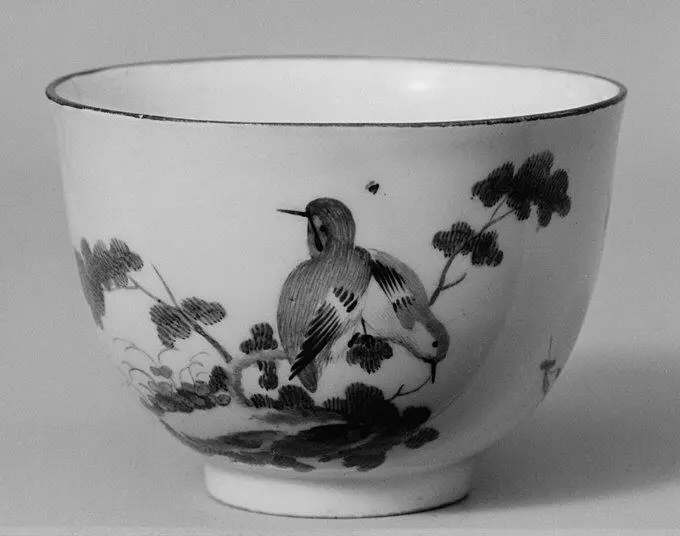
Elegant porcelain bowls with detailed underglaze paintings, reflecting craftsmanship and intricate designs from ancient Chinese pottery.
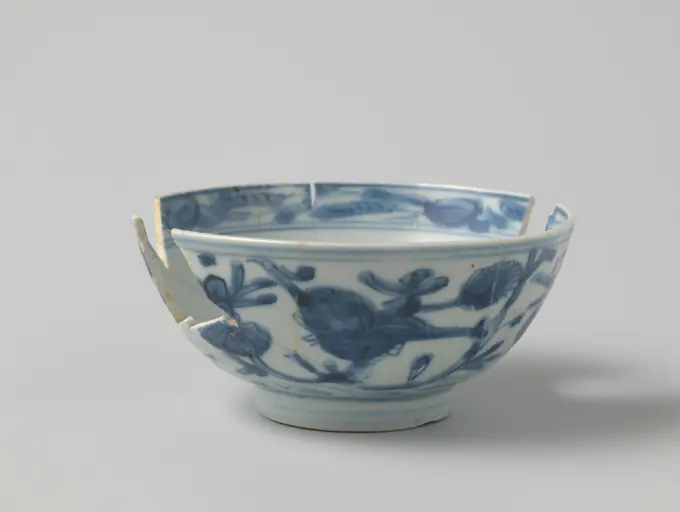
Fragment Come from V.O.C. ship De 'Witte Leeuw', Anonymous, Before 1613 bowl Fragment Come from V.O.C. ship De 'Witte Leeuw', 80 present. Jingdezhen porcelain   Sint-Helena
Fragment Come from V.O.C. ship De 'Witte Leeuw', Anonymous, Before 1613 bowl Fragment Come from V.O.C. ship De 'Witte Leeuw', 80 present. Jingdezhen porcelain Sint-Helena
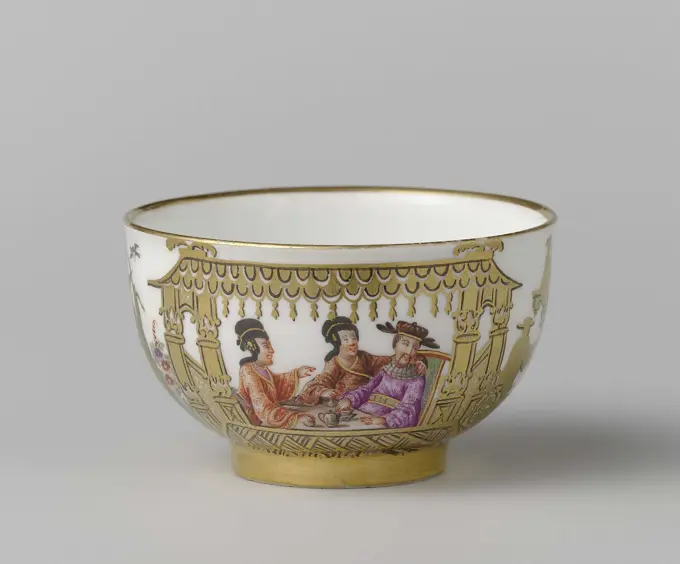
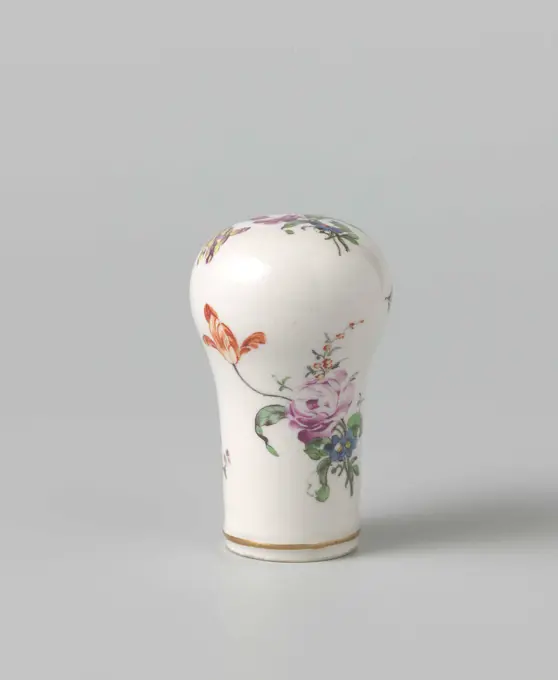
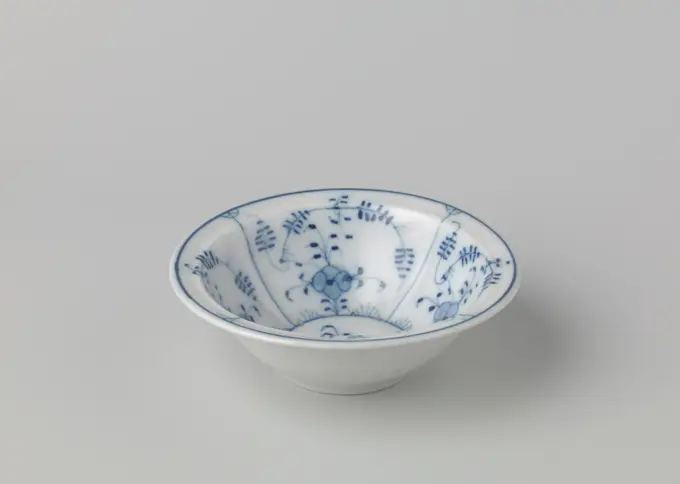
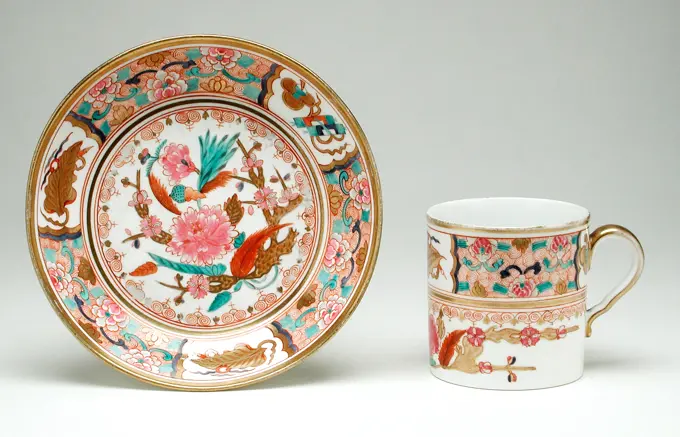
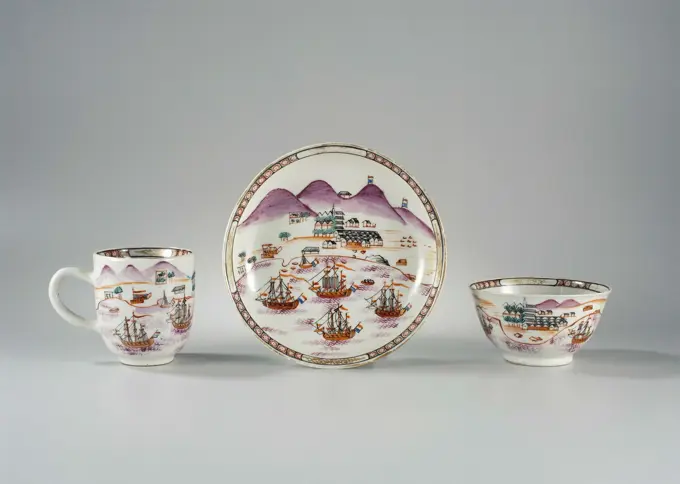
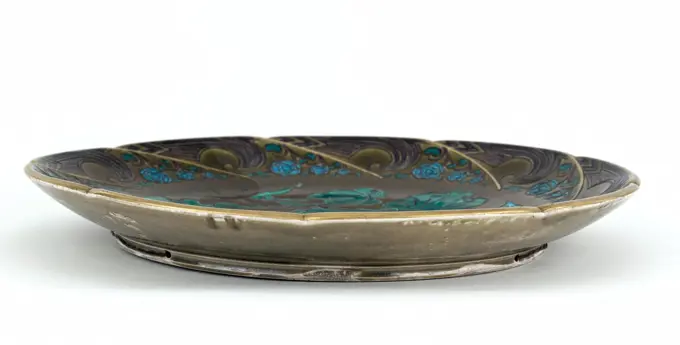
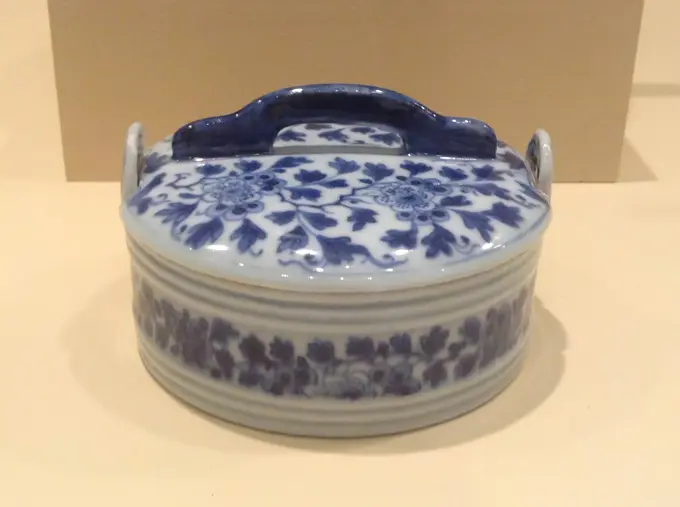
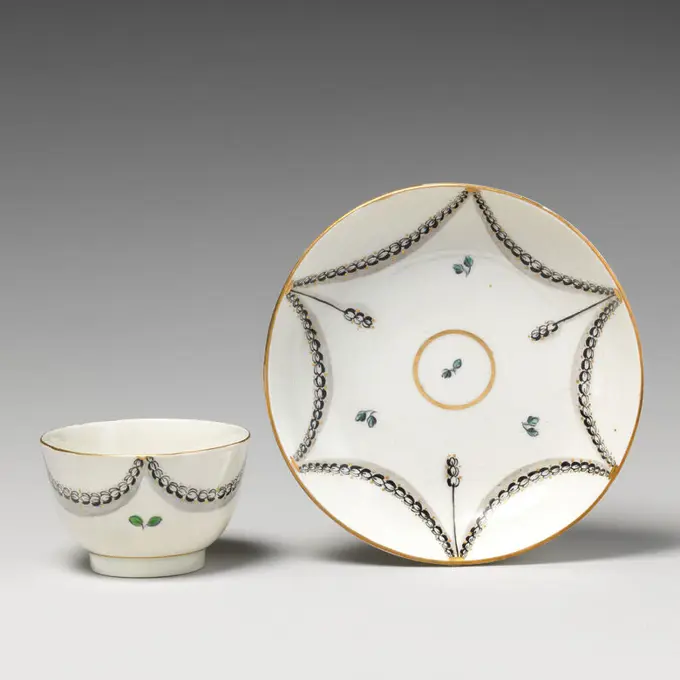
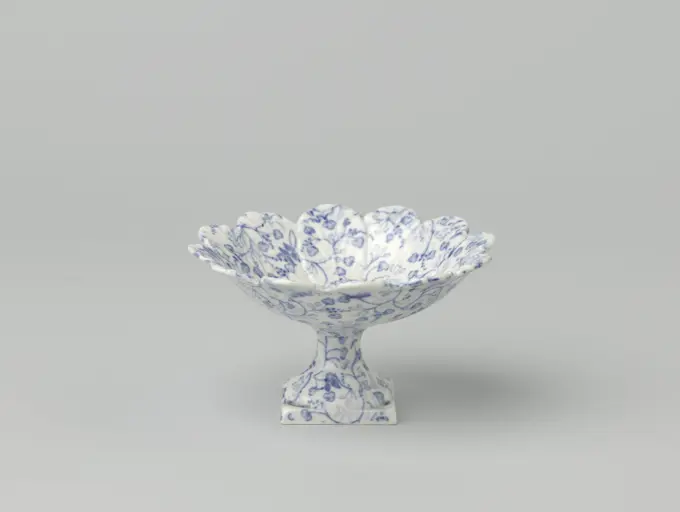
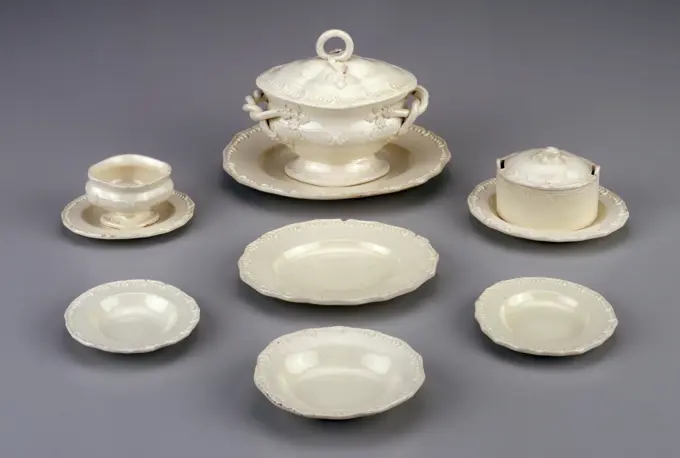
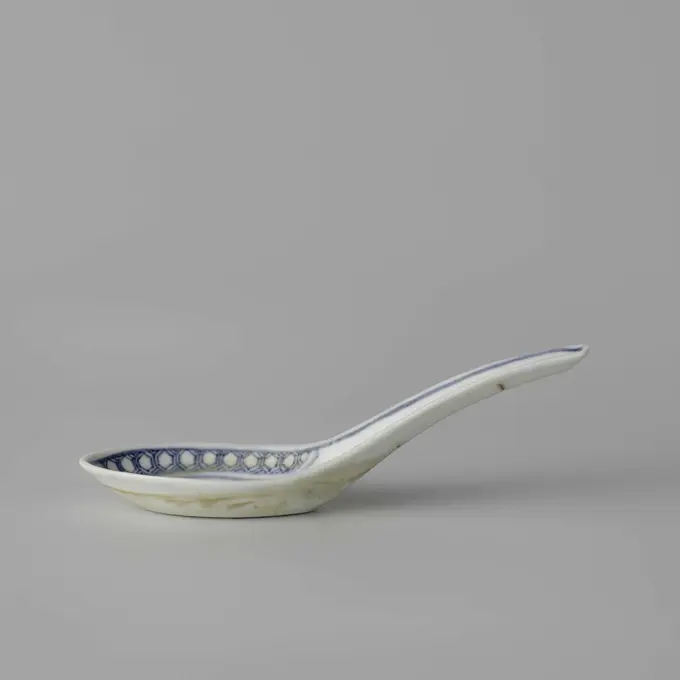
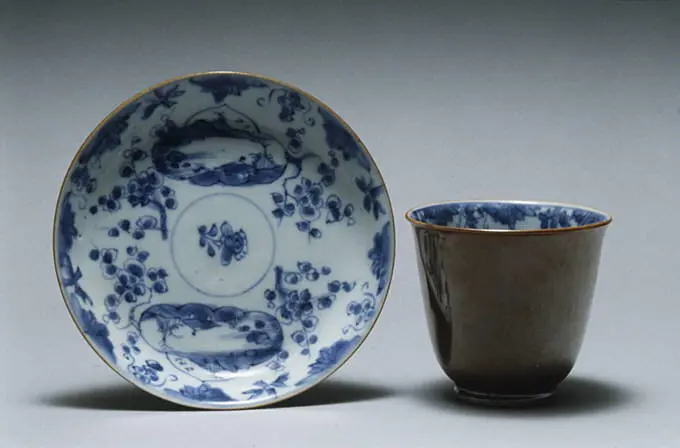
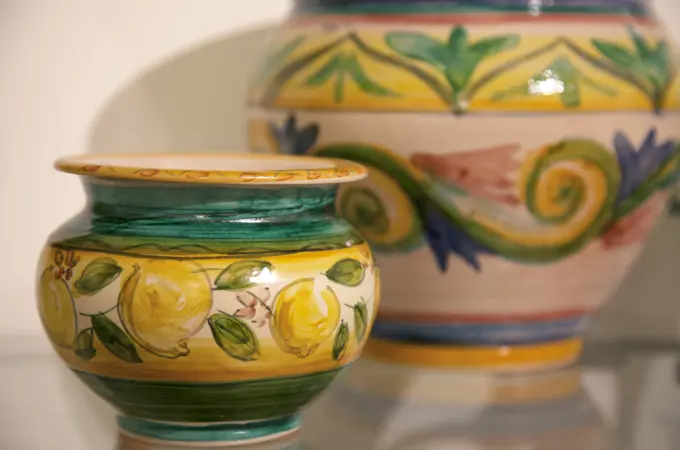
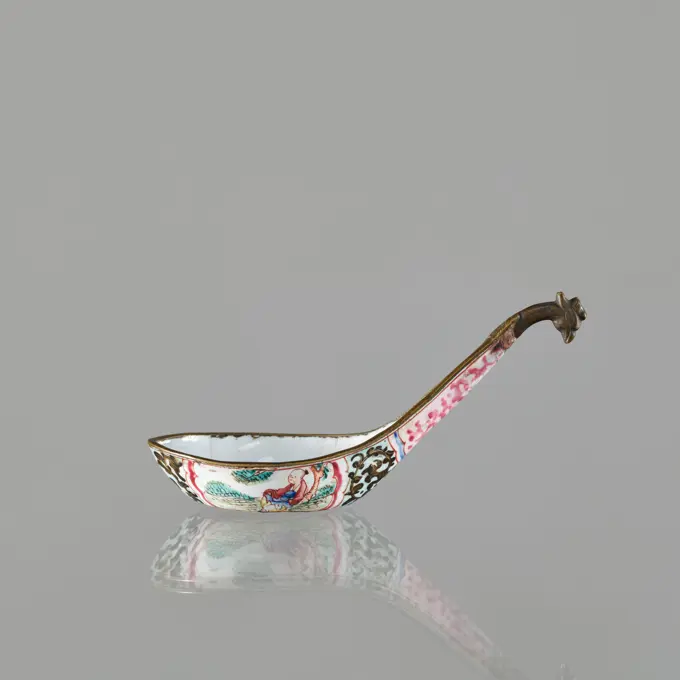
Anonymous. Aiguière basin in the shape of a shell. Porcelain. 2nd quarter of the 18th century. Museum of Fine Arts of the City of Paris, Petit Palais. 122742-18Cup China. Cup. China. Porcelain. Qing dynasty (1644-1911), Kangxi period (1662-1722). Ceramics. Meissen porcelain manufactory ice cream, c. 1735-1740Hard Paste Porcelain (Handle Missing)Bell-shaped cup and saucer with a courting couple in a garden near a pavilion, anonymous, c. 1725 - c. 1749 Klock -shaped head and dish of porcelain, painted on the glaze in blue, red, pink, green, yellow and black. On the flat of the dish a couple in a garden with rocks and flowering plants at a pavilion; In the pavilion a third person who looks at the couple through the window; On the edge of servetwork interspersed with a flower branch in a cartouche. Famle Rose. China porcelain. glaze. painting / vitrification Klock -shaped head and dish of porcelain, painted on the glaze in blue, red, pink, green, yellow and black. On the flat of the dish a couple in a garden with rocks and flowering plants at a pavilion; In the pavilion a third person who looks at the couple through the window; On the edge of servetwork interspersed with a flower branch in a cartouche. Famle Rose. China porcelain. glaze. painting / vitrificationBowl late 15th century Italian, Venice (Murano). Bowl 193615Bowl with chi dragons early 18th century China. Bowl with chi dragons. China. early 18th century. Porcelain painted in underglaze cobalt blue (Jingdezhen ware). Qing dynasty (1644-1911), Yongzheng period (1723-35). CeramicsBowl Made 1740-1760 London. Tin-glazed earthenware .Walking stick button, painted multily with flowers bouquets. Walking stick button from painted porcelain. The button is painted with flower bouquets. The button is not noticed.Pink-Ground Famille-Rose Bowl 1644-1911 China. Porcelain painted in overglaze enamels .Teacup and saucer. Korzec (manufaktura porcelany ; 1790-1832), factoryHexagonal salt cellar with two cocks near flowering plants and pierced sides, anonymous, c. 1700 - c. 1724 Hexagonal salt barrel made of porcelain on three modeled feet, painted in underlaze blue. On the top two roosters with flowering plants; Bloemen interrupted on the edge. The wall is open in a honeycomb pattern with flower branches and servetwork around it. On the edge and the legs, the glaze has released in a few places. Blue White. China porcelain. glaze. cobalt (mineral) painting / vitrification Hexagonal salt barrel made of porcelain on three modeled feet, painted in underlaze blue. On the top two roosters with flowering plants; Bloemen interrupted on the edge. The wall is open in a honeycomb pattern with flower branches and servetwork around it. On the edge and the legs, the glaze has released in a few places. Blue White. China porcelain. glaze. cobalt (mineral) painting / vitrification. Come from stoneware, painted on the glaze in green. On the outside wall three times a weapon (mon, possibly tokugawa) with three hoodroock leaves. Kyoyaki.This tea set with idyllic lakeside Chinese landscapes has a side-handled pot called a kysu, used for steeping, straining, and serving tea. Unlike some others, this set also has a yuzamashi, a container used to cool boiled water to just the right temperature for the best flavor when steeping. Seif Yohei III’s painting teacher, Tanomura Chokuny (1814-1907), made a visual record of famous sencha events that shows how these kinds of porcelains fit with objects such as a stove and kettle to form a complete set of utensils for tea preparation, and with ensembles of decorative objects meant to inspire creativity Lid for a Teapot from Tea Set with Chinese Landscape, c. 1893-1914. Seifū Yohei III (Japanese, 1851-1914). Porcelain with underglaze blue; lid: 2.5 x 4.5 cm (1 x 1 3/4 in.).Salt ca. 1835 Andrew Ellicott Warner. Salt 7094Cup on stand. unknown, craftsmanWine Cup, 1662-1722, 1 3/4 x 2 1/2 in. (4.4 x 6.35 cm), Porcelain with blue decoration under clear glaze, China, 17th-18th centuryWaskom, anonymous, c. 1775 - c. 1800 Washbasin with blue Saxon pattern, unnoticed.  . Washbasin with blue Saxon pattern, unnoticed.  .. Cup and saucer of porcelain with straight wall, painted on the glaze in black and gold. On the flat of the dish a cartouche with three people in a landscape with trees at a village. The head with two cartouches with European landscapes and on the bottom a building behind a covered hill. Decorated in Europe in Encre Chine.Child's hot-water dish - Bridgwood & Son  , Excello  Bridgwood & Son  , ExcelloCup and Saucer. Josiah Spode II (England, 1754-1827). England, circa 1800. Furnishings; Serviceware. Porcelain. Porcelain earhead, painted on the glaze in blue, red, green, purple, black and gold. On the outer wall a representation of various Dutch ships for anchor in the South African table bay, at the Hollandse branch; The inner edge with decorative strap interspersed with flower drinks in cartouches. European performance in email colors.Félix Bracquemond (1833-1914). Flat. Sandstone. Around 1879. Museum of Fine Arts of the City of Paris, Petit Palais. Art of the table, ceramic, gres, dishes, 19th 19th 19th 19th 19th 19th 19 CenterButter dish, c. 1752, 2 3/4 x 4 1/2 in. (6.99 x 11.43 cm), Porcelain, China, 18th centuryCup with Buddhas-Hand Citron 1662-1722 China. Porcelain painted in overglaze enamels .. Basket of faienceCup and Saucer With Deer in a Water Landscape on a Black Ground. Cup and saucer of porcelain, painted on biscuit in blue, red, pink, green, yellow and black. The flat of the dish is covered with a black glaze with three deer in a river landscape with trees, mountains and mushrooms (Lingzhi). The head with the same decoration. Two cracks in the edge of the head; Wall of the dish has been broken. Decorated in Europe. Famille Noire with famille rose colors.Teabowl (part of a service). Culture: British, Caughley. Dimensions: Diameter (each): 2 1/8 in. (5.4 cm). Factory: Caughley Factory (British, ca. 1772-1799). Date: ca. 1780-90. Museum: Metropolitan Museum of Art, New York, USA.Tea bowl - Barr  BarrBowl with Medallions of Flowers. China. Date: 1665-1735. Dimensions: H. 4.6 cm (1 13/16 in.); diam. 8.7 cm (3 7/16 in.). Porcelain painted in underglaze blue, red, and green. Origin: China. Museum: The Chicago Art Institute, Chicago, USA.Hexagonal Salt Cellar With Two Cocks near Flowering Plants And Pierced Sides. Hexagonal salt barrel of porcelain on three modeled feet, painted in underglaze blue. On the top two roosters in flowering plants; On the edge Arcerwerk interrupted by flowers. The wall is opened in a honeycomb pattern with surrounding flour branches and napkin. On the edge and legs, the glaze has released in a few places. Blue White.Fruit scale on foot, Petrus Regout, 1867 Fruit bowl on foot of earthenware with blue continuous flower decor, belonging to a children's service. The scale has the shape of an open flower. The round trunk is on a square plinth. Maastricht . Fruit bowl on foot of earthenware with blue continuous flower decor, belonging to a children's service. The scale has the shape of an open flower. The round trunk is on a square plinth. Maastricht .Come. Come on earthenware, with blue-running floral decor, belonging to a children's service.Tumbler cup. Culture: British, London. Dimensions: Overall (confirmed): 3 15/16 x 4 5/8 in., 13 oz. 8 dwt. (10 x 11.7 cm, 0.4165kg). Maker: Joseph Ward (active 1689-1734). Date: 1708-9. Museum: Metropolitan Museum of Art, New York, USA.Cup andSaucerSeif Yohei I made both blue and white porcelains after Ming dynasty (1368-1644) Chinese wares fired in the kilns at Jingdezhen for export. He also made colorful stoneware in the style of his teacher, Nin’ami Dhachi (Takahashi Dhachi II) (1783-1855). Box with Butterfly, c. 1855. Seifū Yohei I (Japanese, 1801-1861). Porcelain with underglaze blue;Plate, from a Child's Dinner Service, c. 1775, 3/8 x 2 11/16 in. (1 x 6.83 cm), Creamware, England, 18th centuryBeaker Cup, Kangxi period, 1662-1722, 3 1/8 x 3 3/16 x 3 3/16 in. (7.94 x 8.1 x 8.1 cm), Porcelain with underglaze blue decoration, China, 17th-18th century, This diminutive imperial cup is exquisitely painted with a continuous landscape scene. Inspired by the orthodox painting styles of the day, the porcelain artisan responsible for this fine work has exercised exceptional control of the underglaze blue in creating an amazingly detailed miniature landscape. Foreground and distant mountains are depicted with heavy texture strokes and light washes respectively in a manner similar to ink painting on paper or silk. Willow trees, a small village, a mountain temple, a scholar's hut and a broad river with a band of mist rising above it complete the scene.Cup and Saucer with Seaport Scenes Cup And Saucer; Manufactured by Meissen Porcelain Manufactory (Germany); Style of Christian Frederich Herold (German, 1700-1779); Germany; porcelain, vitreous enamel, goldSpoon With Ornamental Border and Translucent Rice-Grain Decoration. Spoon of porcelain, painted in underglaze blue. The edge of the spoon with a decorative band with hexagons and glazed rice grain Ajourwerk. Six preen on the bottom. Blue White.Laquered painted Russian khokhloma bowl  isolatedBowl, 1723-35. China, Jiangxi province, Jingdezhen kilns, Qing dynasty (1644-1911), Yongzheng mark and reign (1723-35). Porcelain with overglaze enamel decoration; diameter: 6.5 cm (2 9/16 in.); overall: 14.7 cm (5 13/16 in.).. Pot of porcelain, cylindrical, painted in blue, red, green, yellow and black with bamboo and prunus and two loose flower branches. Kakiemon decor. With lid (B)Cup (part of a service) ca. 1770 Frankenthal Porcelain Manufactory. Cup (part of a service) 196948Beaker and saucer ca. 1700 Chinese, for European market Cups of various forms decorated with a solid brown glaze on the exterior and cobalt-blue designs on the interior were a common type of export porcelain. The tall beaker form was for coffee or possibly hot chocolate. This type of export porcelain was known as Batavian ware, after the trading station at Batavia used by the Dutch East India Company, the most important trading firm in the late seventeenth century.. Beaker and saucer 208238Bowl ca. 1785-90 Chinese. Bowl 699Imari wareTaormina, Sicily, Italy, Majolica vasesempty gray ceramic soup plate and empty cup on a orange background, utensils, top view18th century (1701-00-00-1800-00-00);Spice Bowl, c. 1775-80. France, Montpellier, 18th century. Faience; overall: 8.9 x 12.7 x 8.3 cm (3 1/2 x 5 x 3 1/4 in.).Utensil. unknown, craftsmanTray 17th century China. Tray 60946