Porcelain Cups and Bowls

Antique porcelain cups and bowls featuring intricate blue and gold floral designs, highlighting traditional craftsmanship from Japan and China.
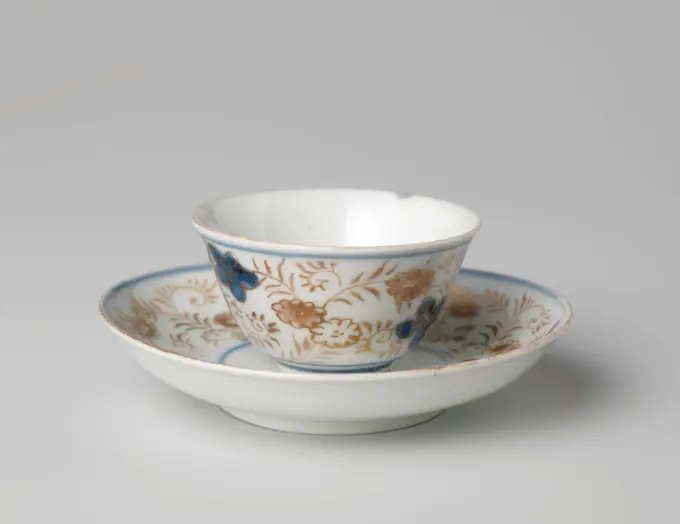
Bell-shaped cup and saucer with a flower basket and floral scrolls, anonymous, c. 1775 - c. 1799 Klock -shaped head and saucer of porcelain, painted in underly glaze blue and on the glaze gold. A flowerpot on the flat in a medallion; The wall is divided into three fan -shaped courses separated by a wide stripe with a flower. In the courses flower vessels. The head with the same decoration. Imari. Japan porcelain. glaze. cobalt (mineral). gold (metal) painting / gilding / vitrification Klock -shaped head and saucer of porcelain, painted in underly glaze blue and on the glaze gold. A flowerpot on the flat in a medallion; The wall is divided into three fan -shaped courses separated by a wide stripe with a flower. In the courses flower vessels. The head with the same decoration. Imari. Japan porcelain. glaze. cobalt (mineral). gold (metal) painting / gilding / vitrification
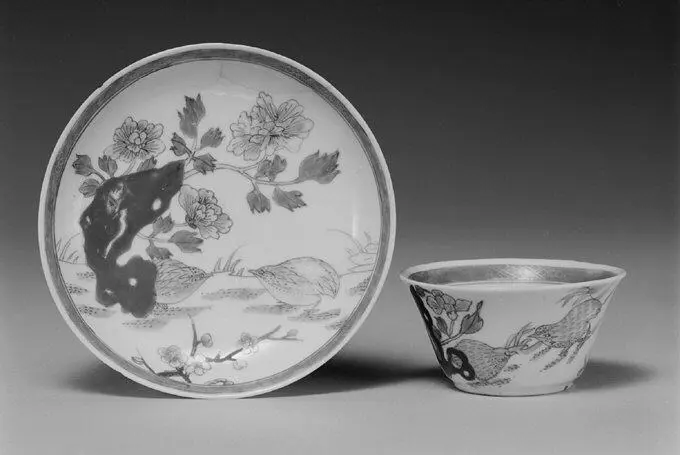
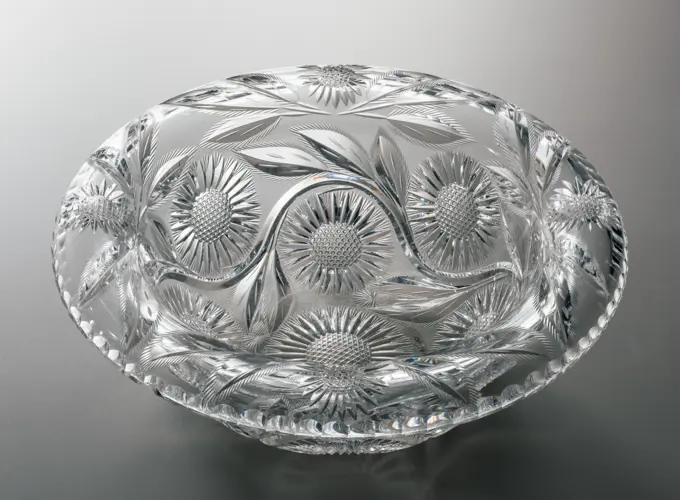
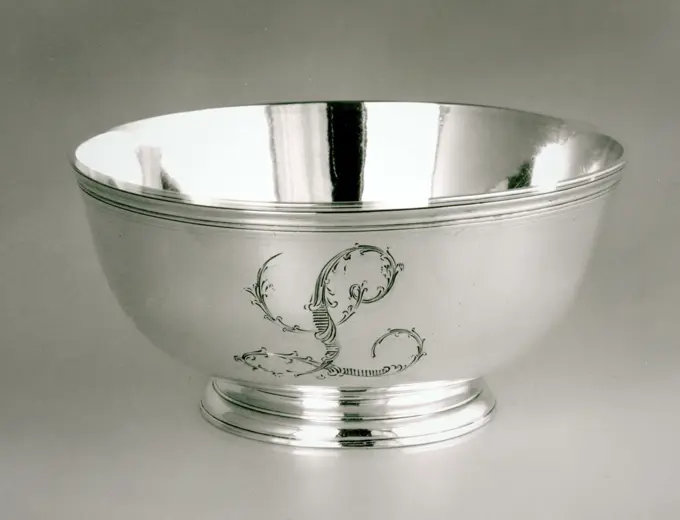
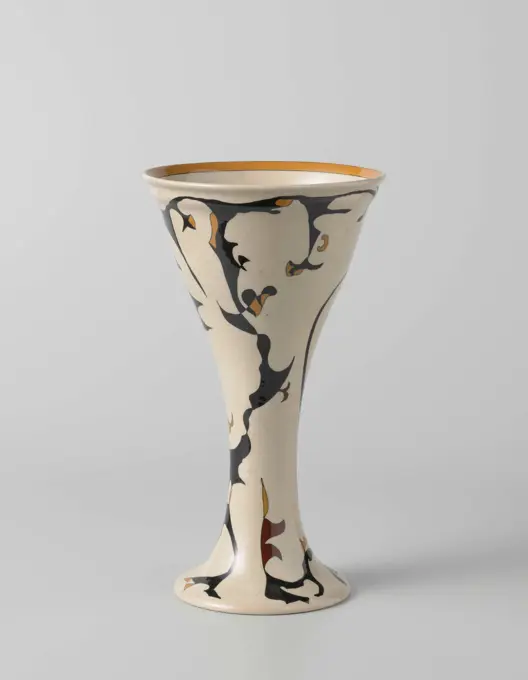
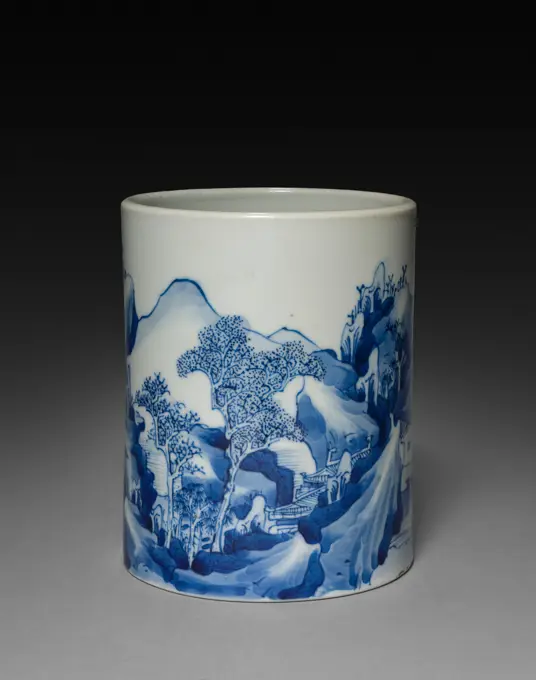
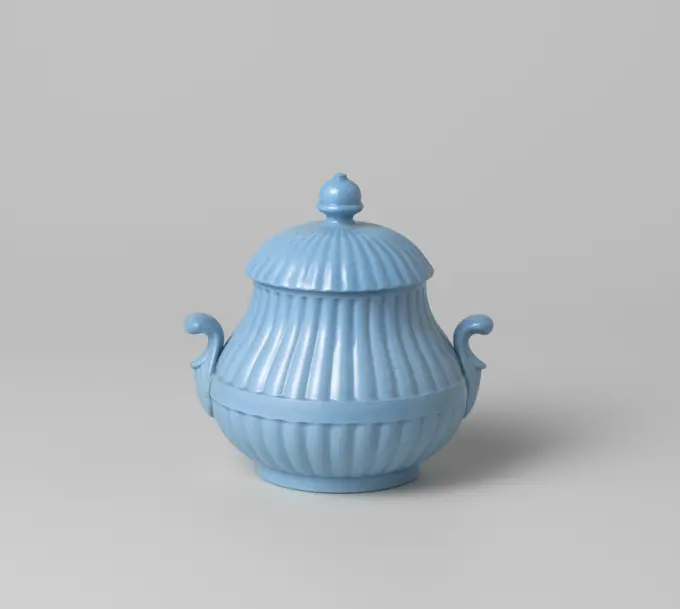
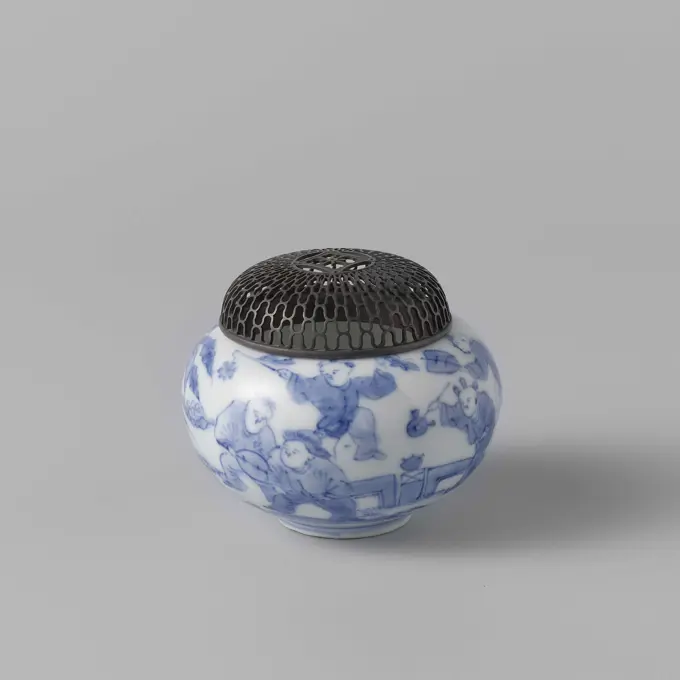
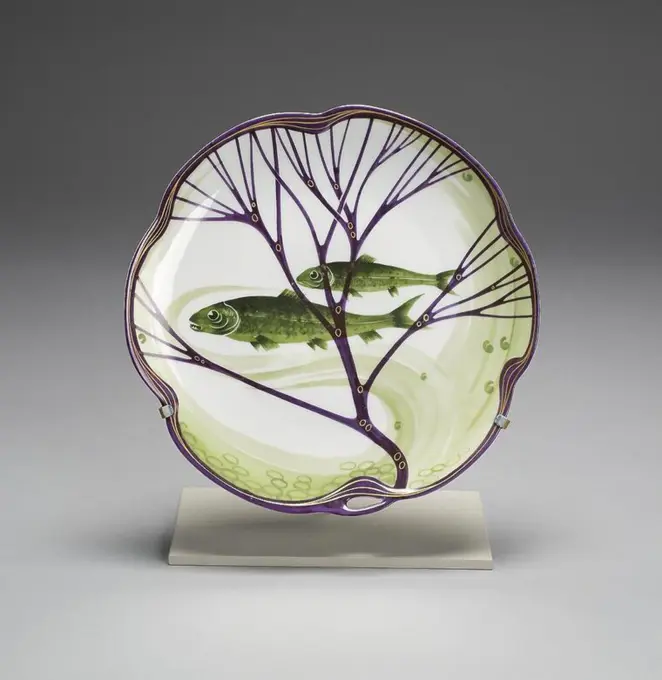
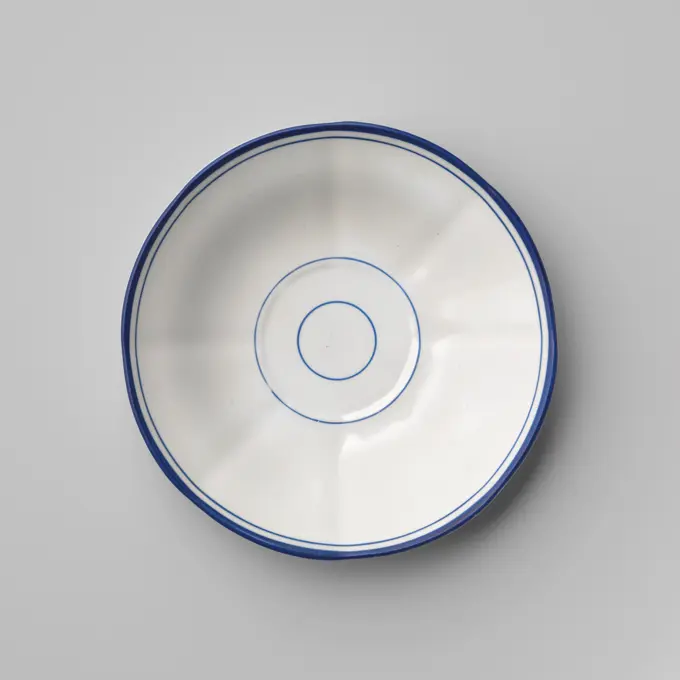
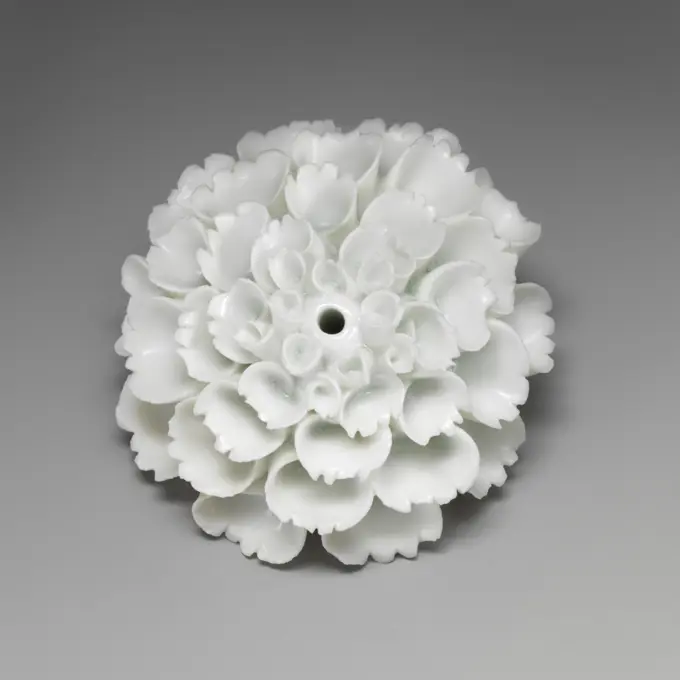
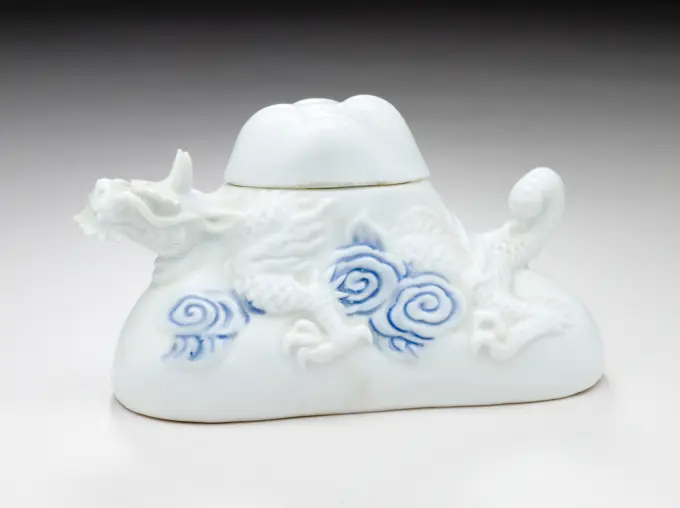
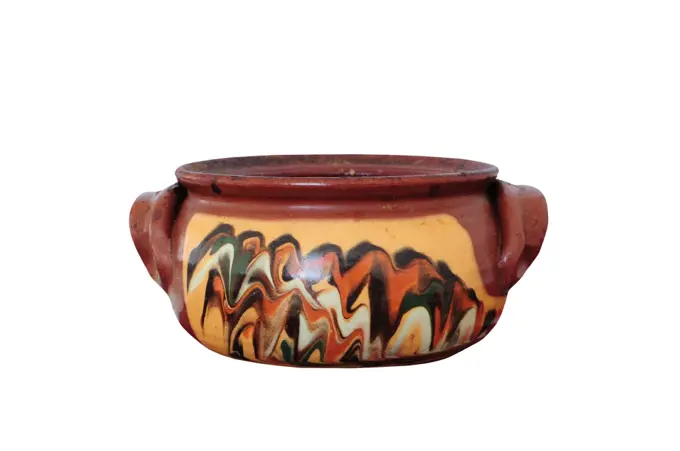
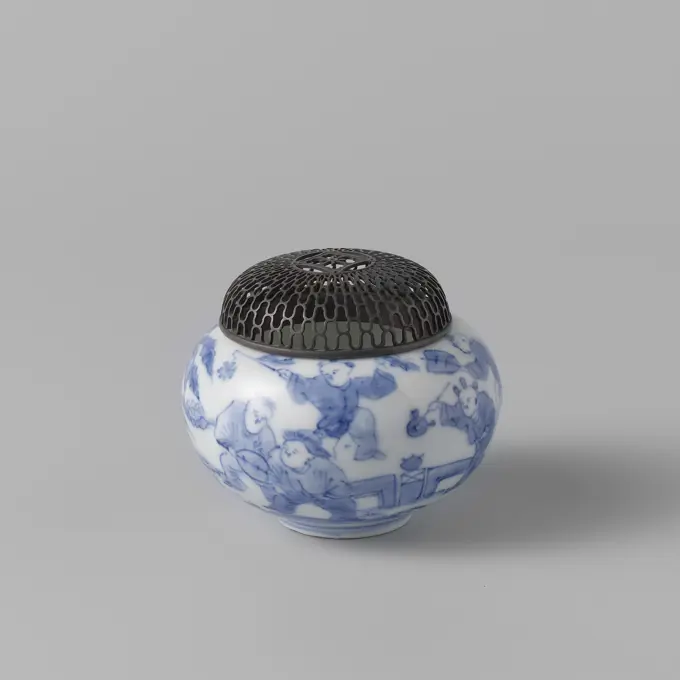
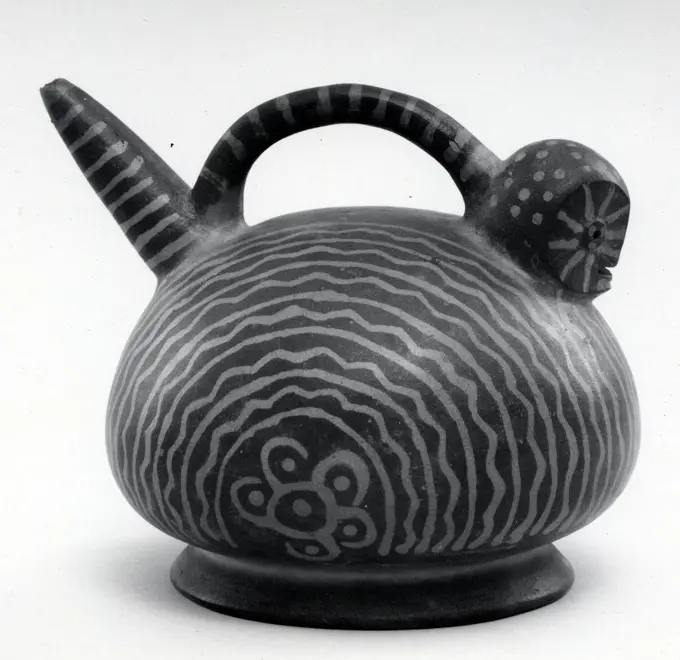
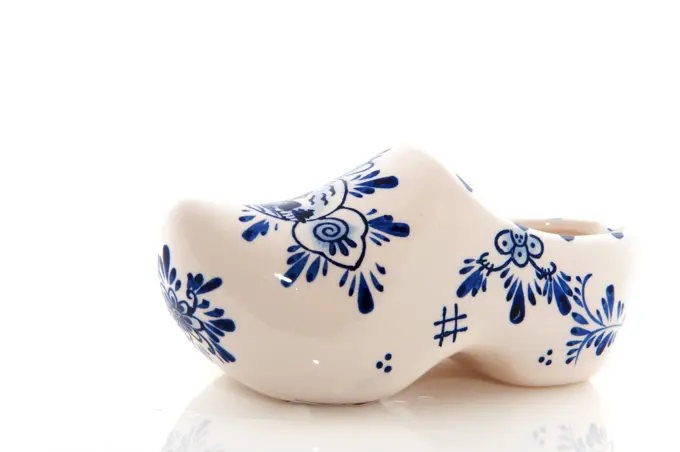
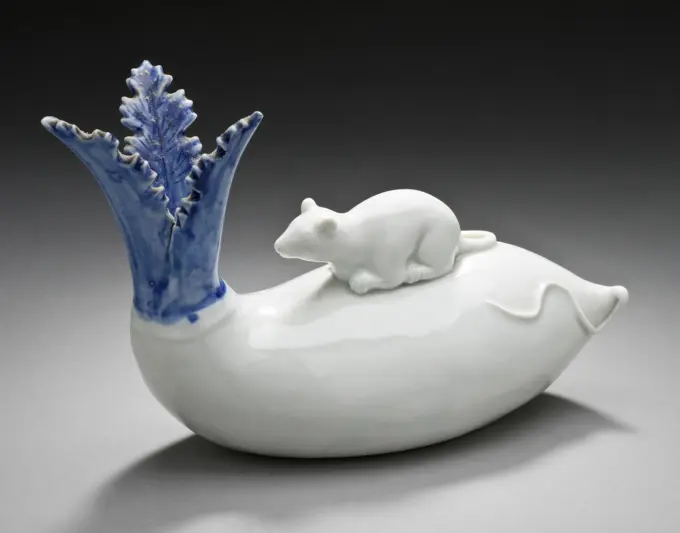
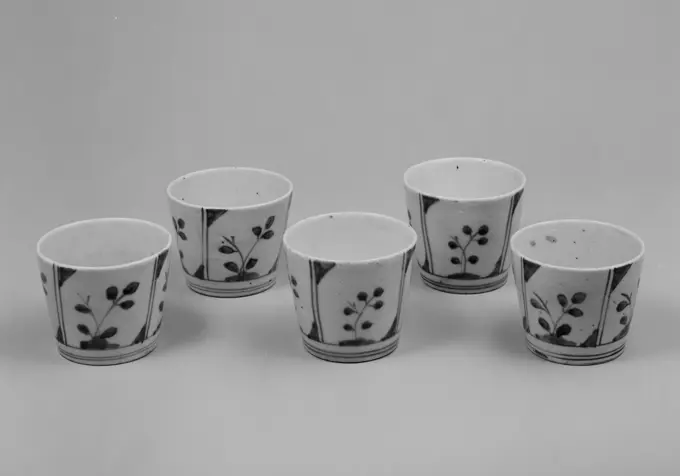
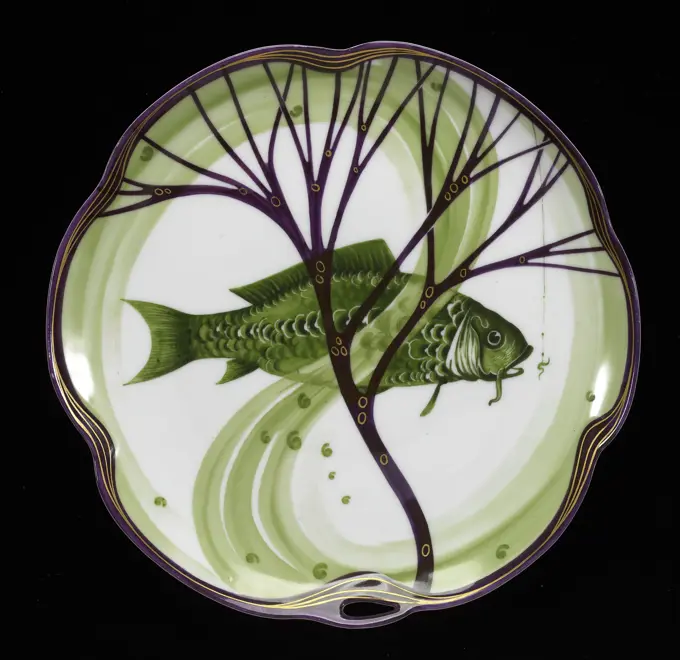
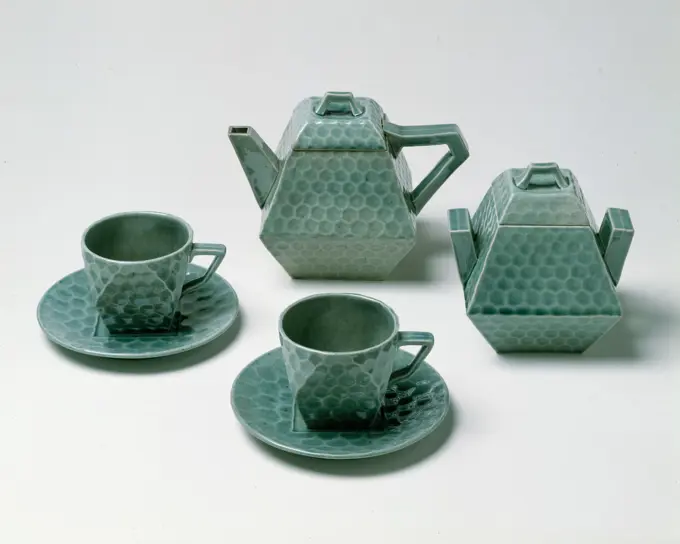
Cup with three fans with flower sprays, anonymous, c. 1725 - c. 1749 Porcelain head with spreading wall, painted on the glaze in blue, pink, green and black. A flower depicted; around the flower three fans with flower branches (including Prunus, Chrysanthemum); Between the faaders servetwork. Famle Rose. China porcelain. glaze. painting / vitrification Porcelain head with spreading wall, painted on the glaze in blue, pink, green and black. A flower depicted; around the flower three fans with flower branches (including Prunus, Chrysanthemum); Between the faaders servetwork. Famle Rose. China porcelain. glaze. painting / vitrificationTeabowl and saucer with quail and peonies ca. 1710-30 Chinese, for European market The age-old Chinese pictorial subject of paired quails and rice stalks (substituted here by peonies) first appears on paintings dating back to the twelfth century, and perhaps earlier. The images functioned symbolically to form a rebus that suggested peace and harmony.. Teabowl and saucer with quail and peonies 208323Maker Unknown, Bowl, early 20th century, colorless lead glass.Joseph Richardson Sr., Bowl, c. 1740-60, silver.Schotel met de bekering van Paulus.Round dish of multi-colored painted majolica, on a foot. Paul's conversion is painted on the dish. In a mountain landscape in the foreground is a falling man in arms equipment. Behind the man stand two leaching horses, a rider on horseback and three men. In the air is a cloud on which God painted. In the background a city has been painted and two men seen on the back.Round box with antiquities and precious objects, anonymous, c. 1680 - c. 1720 Round box made of porcelain with a flat lid, painted in underlaze blue. On the box of valuables (artemisia leaf, windows, books). The lid with antiques (tripod, books, Lotusscepter). Marked on the underside with the six-character brand of Keizer Chenghua. Blue White. China porcelain. glaze Round box made of porcelain with a flat lid, painted in underlaze blue. On the box of valuables (artemisia leaf, windows, books). The lid with antiques (tripod, books, Lotusscepter). Marked on the underside with the six-character brand of Keizer Chenghua. Blue White. China porcelain. glazeSaucer-dish with flower scrolls on a black ground, anonymous, c. 1800 - c. 1899 Porcelain bowl with round wall, painted in under -glaze blue, on the biscuit black and green and red on the glaze. The front of the dish is completely covered with a black glaze with green flower vines in reserve; The back with three bamboo branches. Marked on the underside with the six-character brand in the seal of Keizer Qianlong. Email sur biscuit with family noire colors. China porcelain. glaze. cobalt (mineral) painting / vitrification Porcelain bowl with round wall, painted in under -glaze blue, on the biscuit black and green and red on the glaze. The front of the dish is completely covered with a black glaze with green flower vines in reserve; The back with three bamboo branches. Marked on the underside with the six-character brand in the seal of Keizer Qianlong. Email sur biscuit with family noire colors. China porcelain. glaze. cobalt (mineral) painting / vitrificationInlay Depicting a Bunch of Grapes ca. 1479-1458 B.C. New Kingdom. Inlay Depicting a Bunch of Grapes. ca. 1479-1458 B.C.. Faience. New Kingdom. From Egypt, Upper Egypt, Thebes, Deir el-Bahri, Temple of Hatshepsut, Hathor Chapel, Egypt Exploration Fund excavations. Dynasty 18Pair of Shell-Shaped Dishes. Gorham Manufacturing Company; American, founded 1831; Providence, Rhode Island. Date: 1887. Dimensions: Ea. 3.5 × 12.4 × 6 cm (1 3/8 × 4 3/4 × 2 1/4 in.). Silver. Origin: Providence. Museum: The Chicago Art Institute, Chicago, USA.Nappy - Rayed Heart PatternDish with Five-Jar Design. Anonymous. Japan, 1690-1736. Ceramics. Nabeshima ware; porcelain with blue underglaze and celadon glazeWater Dropper in the Shape of a Chrysanthemum first half 19th century Japan. Water Dropper in the Shape of a Chrysanthemum 49430. Tulip vase of pottery, chaloid-shaped round foot, polychrow painted in the colors yellow-brown, black and brown with the decor "SpanNig". The interior edge has a wide yellow bies between black lines. Labeled with factory stamp in circle shape, including "speechig", 7 / D, painter of Willem Elstrodt (all in black); Reimburse 7.Cover of a box in the form of a grape vent, the Porceleijne dish, after Johannes Pennis, 1724 - 1764 lid Lid of a box from Faience, in the form of half a grape paw. Multicolored painted. The lid belongs on a container (BK-NM-13338-B) on a underpotel (BK-NM-13338-A). Delft .Brush Pot with Landscape, 1662-1722. China, Jiangxi province, Jingdezhen kilns, Qing dynasty (1644-1911), Kangxi reign (1662-1722). Porcelain with underglaze blue decoration; diameter: 12.3 cm (4 13/16 in.); overall: 15.2 cm (6 in.).Sugar bowl with lid, blue, with scalloped wall, interrupted by a smooth horizontal tire. Sugar bowl with lid of pottery, blu stone. The scalloped wall is interrupted by a smooth horizontal tire. The pot has two S-shaped ears. The spherical, scalloped lid is crowned by a glans-shaped button in which an air hole is.34 parts of a service with the Flügelmuster decor, Meisser Porzellan Manufaktur, 1901 34 parts of a Servier with the decor Flügelmuster. All parts are marked. Float porcelain 34 parts of a Servier with the decor Flügelmuster. All parts are marked. Float porcelainUtensil for incense sticks. unknown, craftsman. Incense burner (Koro) of porcelain with a printed, spherical body and a metal lid, painted in underglaze blue. On the wall a group of seven boys in a fenced garden playing with ranges, kites, etc. The scene is closed by a banana plant at a rock. The lid is open and has a circle with a stylized flower at the top. An old label on the underside. Hirado.Plate from the Fish Service. Designed by Hermann Gradl; German, 1869-1934; Made by Königlich-Bayerische Porzellan-Manufaktur; Nymphenburg, Germany. Date: 1899. Dimensions: Diam. 24.2 cm (9 1/2 in.). Hard-paste porcelain with polychrome enamels and gilding. Origin: Germany. Museum: The Chicago Art Institute, Chicago, USA.Tureen and Stand Made 1750 Paris. Lead-glazed earthenwareDish with Chestnuts and Oak Leaves. Culture: Japan. Dimensions: Diam. 7 7/8 in. (20 cm). Date: ca. 1690-1730. Museum: Metropolitan Museum of Art, New York, USA.Dish, white, with blue piping, Peter Regout, c. 1860 - c. 1890 Dishes of earthenware, belonging to a coffee and tea set, white, with blue piping on the flat and the edge. Maastricht . Dishes of earthenware, belonging to a coffee and tea set, white, with blue piping on the flat and the edge. Maastricht .acupuncture needlePlate in Murrina Glass, by Ludovico de Santillana, 1960 - 1962, 20th Century, Unknow. Italy, Veneto, Venice, Private Collection. Whole artwork. Dish murrhine glass transparency red.Porcelain flower (one of a set of nine) mid-18th century French When the Vincennes manufactory opened around 1740, it specialized in making soft-paste porcelain flowers, many of which would have been combined with Meissen porcelain and pieces exported from China to make unique ornamental wares for the mantel. The luxury sellers known as marchand-merciers helped to market this combinatory aesthetic to elite consumers in eighteenth-century Paris.. Porcelain flower (one of a set of nine). French. mid-18th century. Soft-paste porcelain. Ceramics-PorcelainIncense Box in the Form of Mount Fuji with Rain Dragon. Japan, 19th century. Ceramics. Hirado Mikawachi ware; porcelain with underglaze blueTraditional decorated clay pot for cooking isolated on whiteHemispherical bowl. unknown, craftsman. Incense burner (Koro) of porcelain with a printed, spherical body, painted in underglaze blue. On the wall a group of seven boys in a fenced garden playing with ranges, kites, etc. The scene is closed by a banana plant at a rock. An old label on the underside. Hirado.Fruit basket from porcelain. Round, white fruit basket of porcelain. Completely open. Multicolored decorations around the ears.Trinket Box 1830-70 American. Trinket Box 8817Silver's grower on three legs. Vat with six-pointed openwork edge. Binnenbak van Koper., Johannes Christoffel Ouwenhage, c. 1766 - c. 1786 Silver's grower on three legs, with a copper inner box. The container has a six-pointed openwork edge. Master sign: ICO. Middelburg silver (metal). copper (metal) Silver's grower on three legs, with a copper inner box. The container has a six-pointed openwork edge. Master sign: ICO. Middelburg silver (metal). copper (metal)Pot from Cologne with Pansy flowers Pot from Cologne in gray and blue with Pansy flowers Copyright: xZoonar.com/IvonnexWierinkx 7072936Owl-Head Bottle 1st century B.C.-A.D. 1st century Viru. Owl-Head Bottle. Viru. 1st century B.C.-A.D. 1st century. Ceramic, pigment. Peru. Ceramics-ContainersMulticolored painted pipes sled. Pijpslee with curved back and scalloped edges on the sides, multi-colored painted with water landscapes and a shepherd.China, Royal Meissen Dresden Antiques-Housewares Holland Dutch national wooden shoe as souvenir over white Copyright: xZoonar.com/IvonnexWierinkx 6877620Toy cauldron -Okimono in the Form of a Rat on a Daikon. Japan, 19th century. Ceramics. Hirado Mikawachi ware; porcelain with underglaze blueSoba cup 18th century Japan. Soba cup. Japan. 18th century. Porcelain with underglaze blue (Hizen ware). middle Edo period (1615-1868). CeramicsVase (France); Manufactured by Daum (France); glassFish' service plate, c. 1899, Hermann Gradl; Manufacturer: Königlich-Bayerische Porzellan-Manufaktur, German, 1869-1934, 9 1/2 in. (24.13 cm), Porcelain, Germany, Art NouveauCup and Saucer 1879-83 Chelsea Keramic Art Works This rare example of domestic tableware by Chelsea Keramic Art Works exemplifies the taste for Far Eastern motifs during the last quarter of the nineteenth century. Its angular forms and honeycomb surfaces emulate the shape and hand-hammered texture of Japanese metalwork but also reference the designs of Christopher Dresser. The soft celadon glaze is the successful result of the firms extensive experiments to imitate and perfect the monochromatic glazes found on Chinese ceramics.. Cup and Saucer. American. 1879-83. Earthenware. Made in Chelsea, Massachusetts, United States