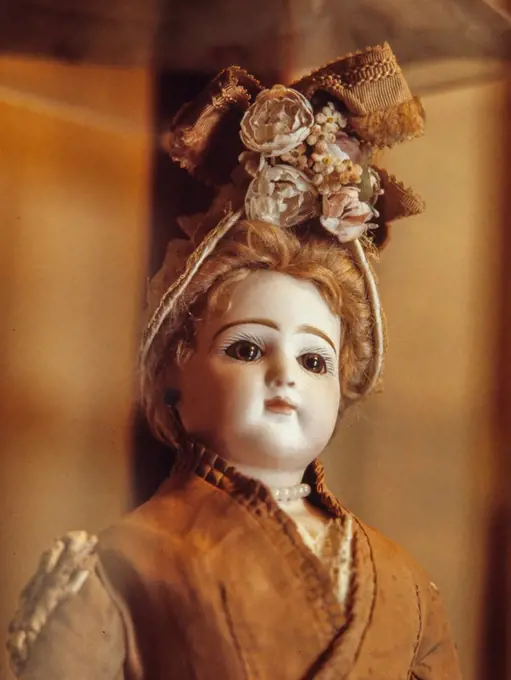
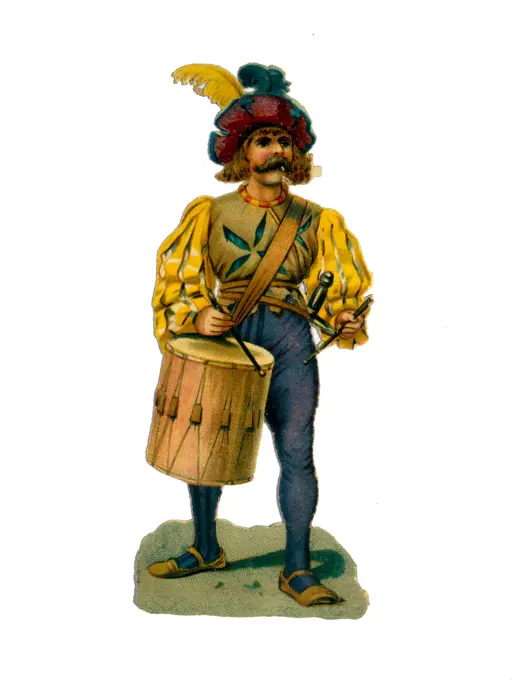
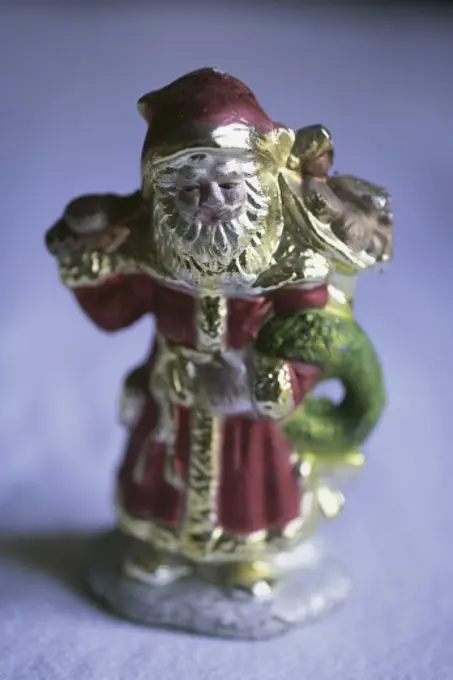
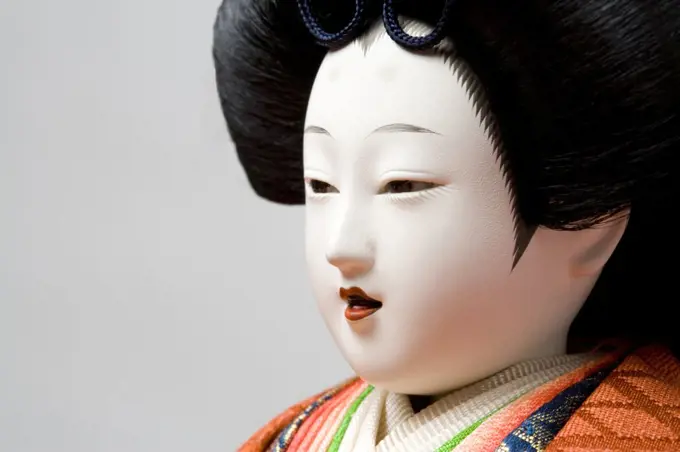
Porcelain Figurines Collection

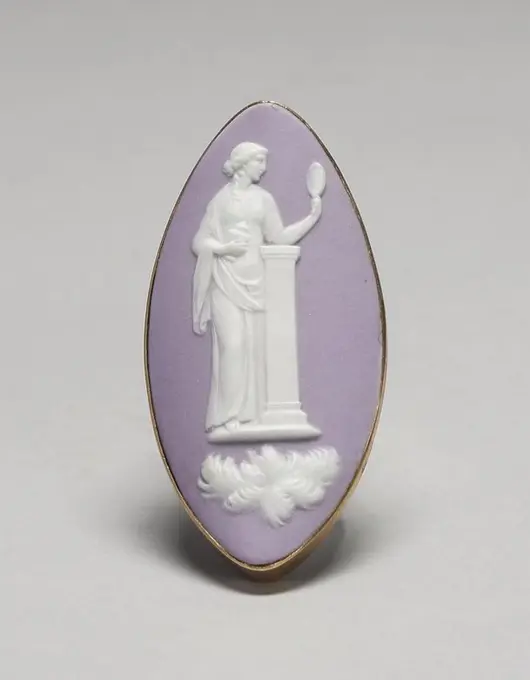
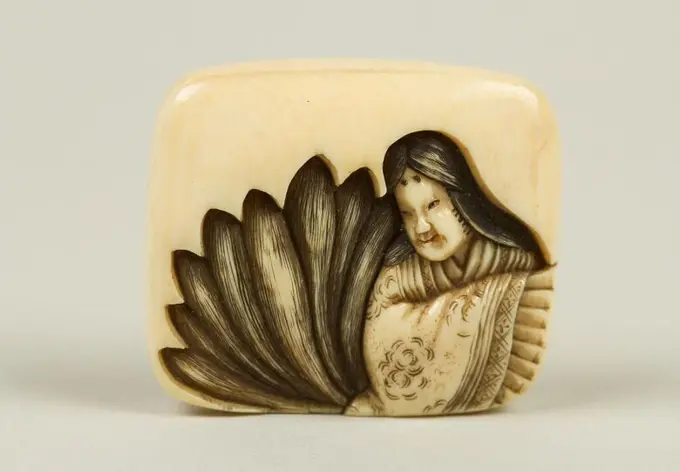
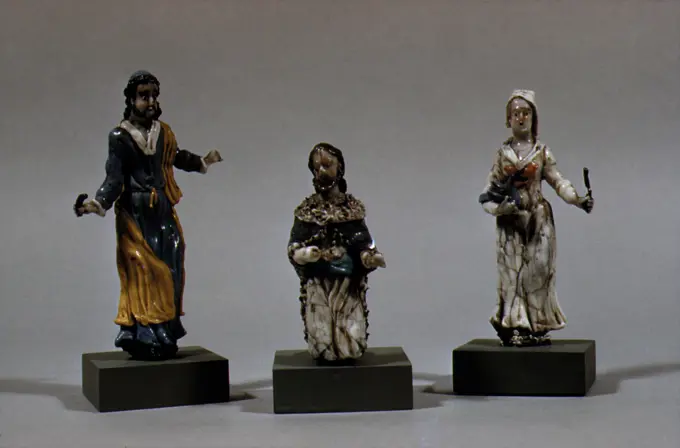
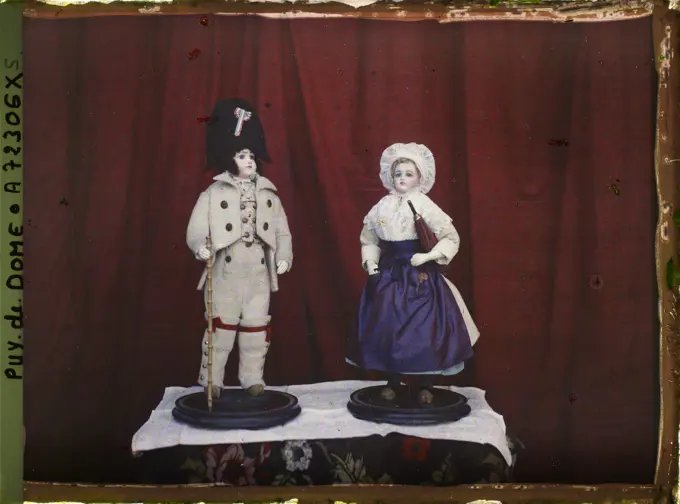
Elegant porcelain figures representing various themes and styles, crafted with intricate details and historical significance, showcasing art and heritage.
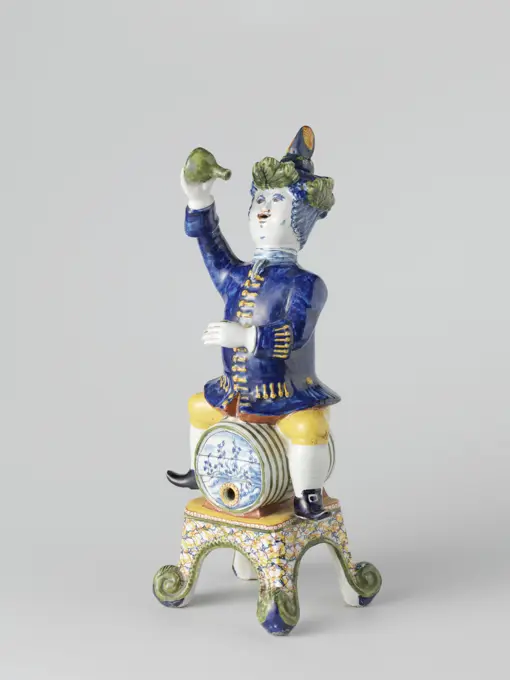
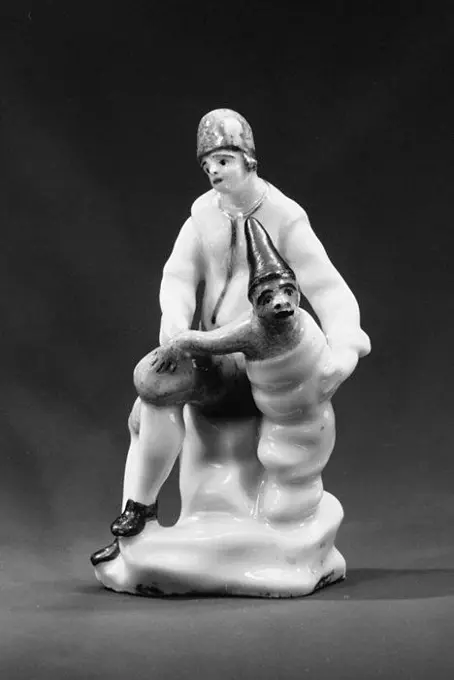
Decorative object lid: man with bottle in hand, on tons, anonymous, c. 1760 - c. 1790 Lid of decorative object of multicolored painted faïence. Delft earthenware. tin glaze. Lid of decorative object of multicolored painted faïence. Delft earthenware. tin glaze.
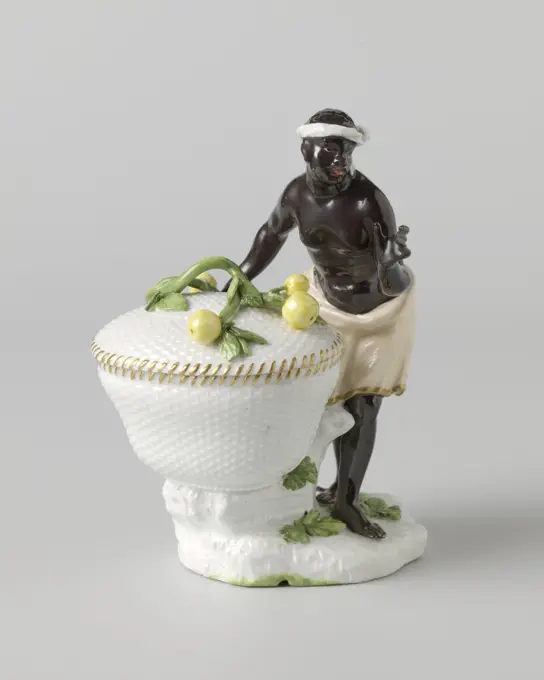
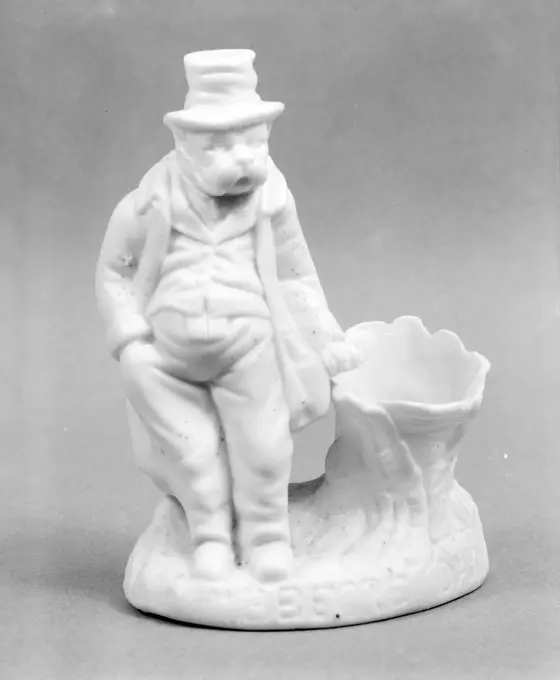
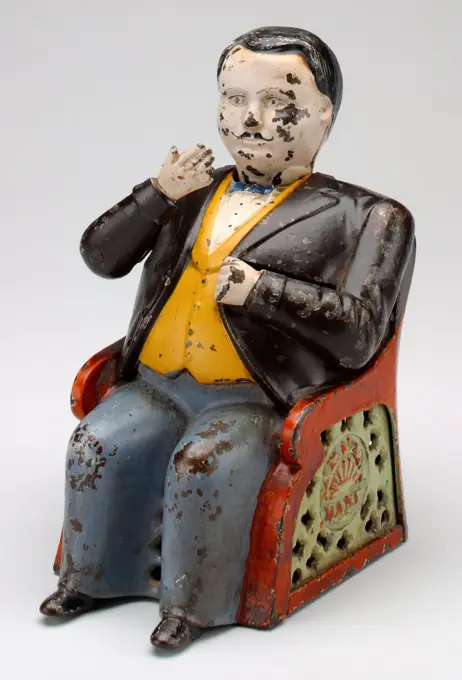
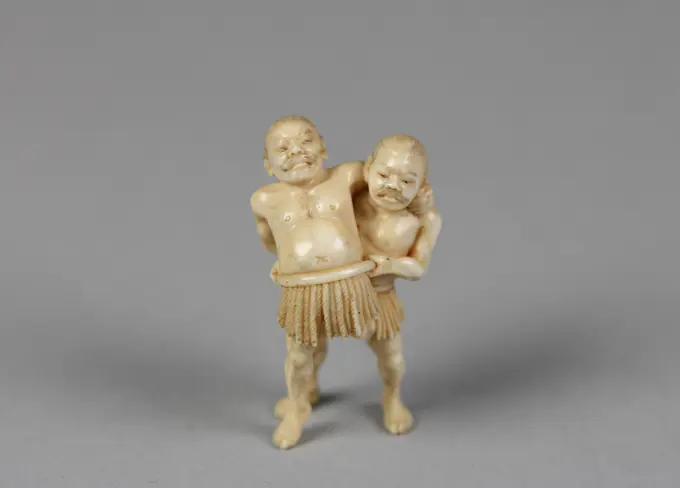
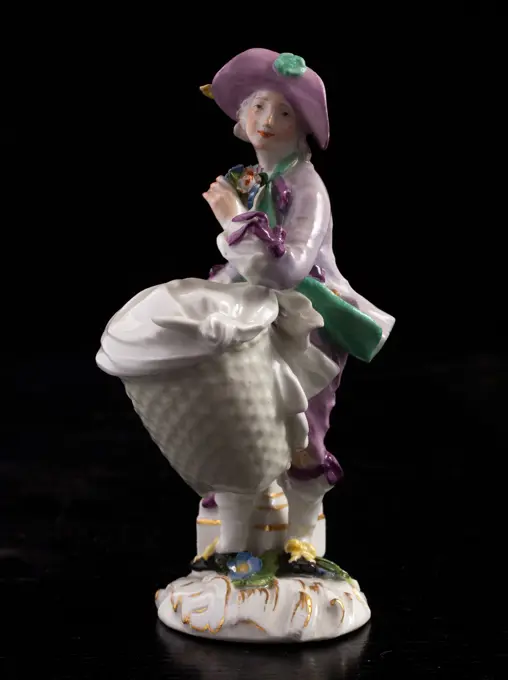
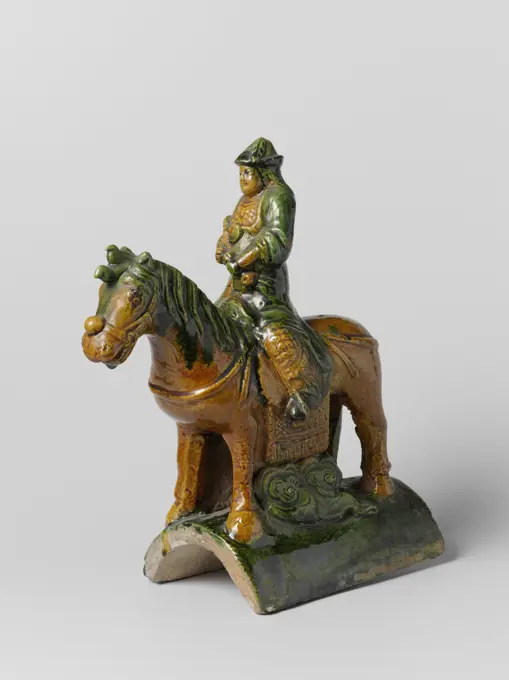
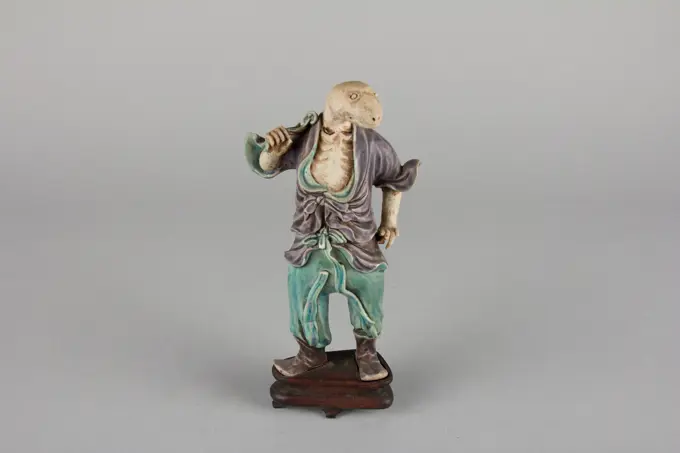
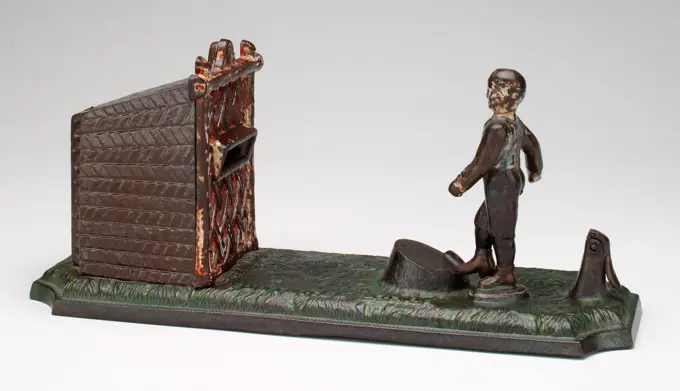
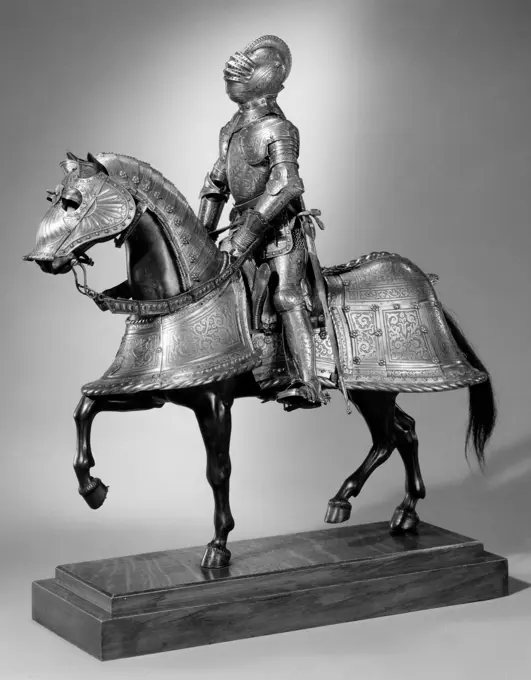
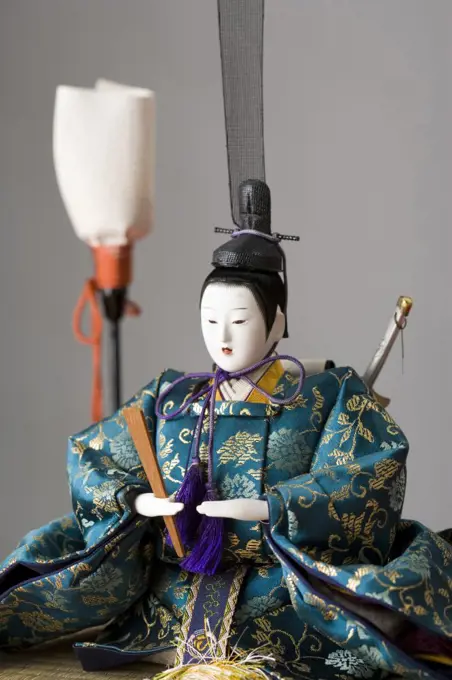
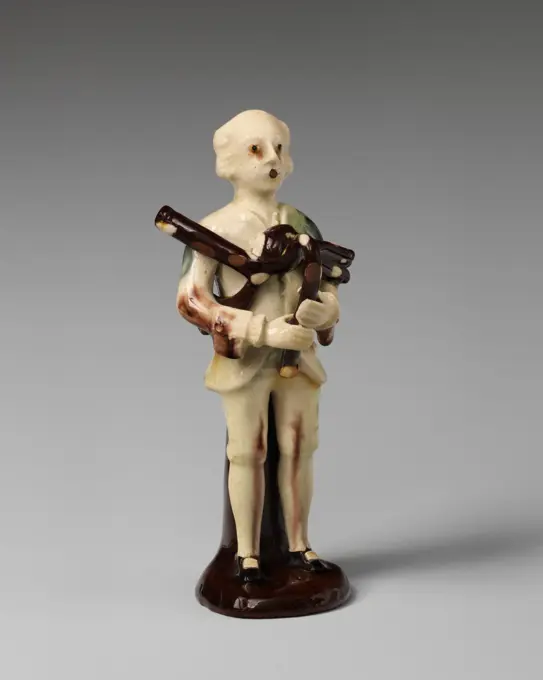
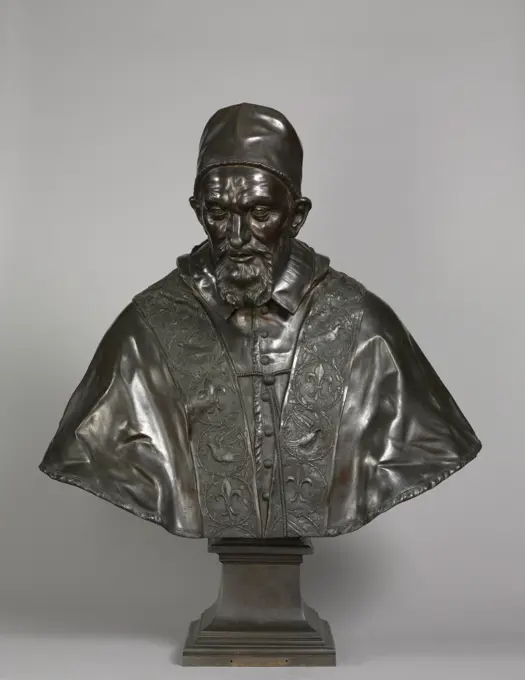
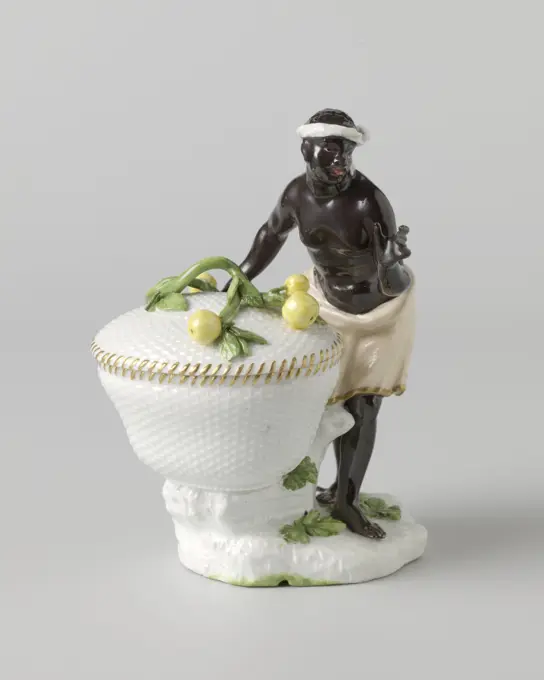
Sugar bowl in the form of a woman in a basket, Meissener Porzellan Manufaktur, 1741 Porcelain sugar bowl, in the form of a woman with a basket with lid on a ground with leaves next to her. The woman wears a rose beige skirt with a golden edge and a white headscarf around the hair. A branch with lemons has been applied to the lid of the basket. The inside of the basket and the lid are completely gilded. The image is marked. Float porcelain Porcelain sugar bowl, in the form of a woman with a basket with lid on a ground with leaves next to her. The woman wears a rose beige skirt with a golden edge and a white headscarf around the hair. A branch with lemons has been applied to the lid of the basket. The inside of the basket and the lid are completely gilded. The image is marked. Float porcelainSugar bowl in the form of a woman in a basket, Meissener Porzellan Manufaktur, 1741 Porcelain sugar bowl, in the form of a woman with a basket with lid on a ground with leaves next to her. The woman wears a rose beige skirt with a golden edge and a white headscarf around the hair. A branch with lemons has been applied to the lid of the basket. The inside of the basket and the lid are completely gilded. The image is marked. Float porcelain Porcelain sugar bowl, in the form of a woman with a basket with lid on a ground with leaves next to her. The woman wears a rose beige skirt with a golden edge and a white headscarf around the hair. A branch with lemons has been applied to the lid of the basket. The inside of the basket and the lid are completely gilded. The image is marked. Float porcelainNazi chess set. This chess set glorifies Nazi Germanys terratorial ambitions during World War II. The pieces are shaped like weapons. The text in the border lists the countries that Germany had attacked in 1939 and 1940. This set may have been presented in 1941 by SS Commander Heinrich Himmler to Anton Mussert, leader of the NationaalsocialistischeBeweging (NSB), the National Socialist Movement in the Netherlands.Matchsafe 1830-70 American. Matchsafe. American. 1830-70. Parian porcelain. Probably made in Bennington, Vermont, United StatesChimney Ornament: Baptism of Mary. England, Staffordshire. Date: 1815-1825. Dimensions: 21 x 22.9 x 12.7 cm (8 1/4 x 9 x 5 in.). Glazed earthenware with polychrome enamel decoration. Origin: Staffordshire. Museum: The Chicago Art Institute, Chicago, USA. Author: Staffordshire Potteries.Shees, Pieter of Summer Wil (i) (attributed to), 1737 SJEES without a hood, pulled by a horse. The horse is on an elongated plate. In the Sjees is a man with a stitch and a whip in his lifted right hand. The image is marked: stk. = Amsterdam, Jrl. = C (1737), Mt. = Attributed to Pieter van Somerwil I and twice a Zwijnskop. Amsterdam silver (metal) SJEES without a hood, pulled by a horse. The horse is on an elongated plate. In the Sjees is a man with a stitch and a whip in his lifted right hand. The image is marked: stk. = Amsterdam, Jrl. = C (1737), Mt. = Attributed to Pieter van Somerwil I and twice a Zwijnskop. Amsterdam silver (metal)Figurine of a Seated Man, anonymous, c. 1700 - c. 1799 Image of porcelain, covered with a translucent white glaze. The image proposes a man sitting on a rock, next to him a high rock point; His shoe pulled out lies in front of him and his bare foot rests on his other leg; In his right hand a stick with which he picks in his ear. Image has been restored. Blanc the Chine. China porcelain. glaze vitrification Image of porcelain, covered with a translucent white glaze. The image proposes a man sitting on a rock, next to him a high rock point; His shoe pulled out lies in front of him and his bare foot rests on his other leg; In his right hand a stick with which he picks in his ear. Image has been restored. Blanc the Chine. China porcelain. glaze vitrificationTammany Bank' or 'Little Fat Man' mechanical bank, c. 1873, John D. Hall; Manufacturer: J. & E. Stevens Company, Cromwell, Connecticut, 1843-1950s, American, 5 3/4 x 3 1/2 x 4 3/8 in. (14.61 x 8.89 x 11.11 cm), Iron, pigment, 19th centuryFigure of a Woman, hard paste porcelain, vitreous enamel, gold, Allegorical figure of Winter in the form of a woman with an ermine muff., Germany, 18th century, ceramics, Decorative Arts, figure, figureFigure of a Beggar Playing the Hurdy-Gurdy, Meissen Porcelain Manufactory, German, active from 1710 to the present, hard paste porcelain, vitreous enamel, Smiling musician wearing torn clothing, seated on a white outcrop, playing a hurdy-gurdy., Germany, 1735-1740, ceramics, Decorative Arts, figure, figureFigure of a Horse and Attendent. Culture: China. Dimensions: H. 7 in. (17.8 cm); W. 6 in. (15.2 cm); L. 10 1/2 in. (26.7 cm). Museum: Metropolitan Museum of Art, New York, USA.Cane handle 1750-52 Chelsea Porcelain Manufactory. Cane handle. British, Chelsea. 1750-52. Soft-paste porcelain. Chelsea Porcelain Manufactory (British, 1744-1784). Ceramics-PorcelainPair of incense stands in the form of table screens, anonymous, c. 1700 Incense holder of porcelain on pedestal, painted on biscuit in green, yellow and eggplant. For the flat, rectangular holder two rows of three people, a row on an elevation, for a screen or interior. The bottom row with three men, the upper one with a table behind which a man, on either side of the table, two sitting men with their hand on their belt. Old label on the bottom with 'Royal Academy of Arts, London/ International Exhibition of Chinese Art, 1935-36/ SER. Nos. 1066/ Owner Rijksmuseum Amsterdam '. Holder has been broken. Email sur Biscuit. China porcelain. glaze. painting / vitrification Incense holder of porcelain on pedestal, painted on biscuit in green, yellow and eggplant. For the flat, rectangular holder two rows of three people, a row on an elevation, for a screen or interior. The bottom row with three men, the upper one with a table behind which a man, on either side of the table, two sitting men wit. Meissen porcelain manufactory modeled by Johann Joachim Trader (1706-1775), with Peter Reinicke (1715-1768) and Friedrich Elias Meyer (1723-1785) Meissen, c. 1750Hard Paste PorcelainNetsuke of Two Wrestlers 19th century Japan. Netsuke of Two Wrestlers. Japan. 19th century. Ivory. Edo (1615-1868) or Meiji period (1868-1912). NetsukeDoll from Malta,  1925-1992Johann Joachim Kändler (1706-1775). "Young man wearing a basket". Polychrome porcelain, around 1755. Paris, Cognacq-Jay museum. Arts Decoratives, 18th 18th 18th 18th 18th 18th 18 CENTURYRoofornament in the shape of a Chinese horsemen, anonymous, c. 1575 - c. 1624 Roof decoration of earthenware, covered with a brown and green glaze, in the form of a semicircular roof tile with a Chinese rider on it. China earthenware. glaze vitrification Roof decoration of earthenware, covered with a brown and green glaze, in the form of a semicircular roof tile with a Chinese rider on it. China earthenware. glaze vitrificationChessmen French, Dieppe 19th centuryBaby, Painted wood, cotton, other materials, Brightly painted head with white net cap and red ribbon. Printed cotton garment with lace at neck and wrists., England, late 19th century, theater, Decorative Arts, Puppet, PuppetHorse and Rider. Hans Ludwig Kienle (German, 1591-1653); Germany, Ulm. Date: 1630. Dimensions: H. 31.5 cm (12 3/8 in.). Silver and silver gilt. Origin: Ulm. Museum: The Chicago Art Institute, Chicago, USA.Elegantly dressed man. Elegantly dressed man.Zodiac Figure: Snake China. Zodiac Figure: Snake 44679Sugar box 1720-25 Vienna Some wares made early in Du Paquiers history reveal that the manufactory struggled to perfect firing and decoration. This sugar box has many firing flaws, including a warped lid and grit in the glaze; its decoration is also tentative, painted in the limited early palette. The casket form, which was produced in several sizes, was likely inspired by a silver model. The recumbent lion with a ragged mane is one of two lion-shaped finials made at Du Paquier.. Sugar box 208470Case containing toilet accessories 16th century Italian, Venice. Case containing toilet accessories 195689Chessmen (32) Italian 19th century View more. Chessmen (32). Italian. 19th century. Ivory. Chess SetsDoll from France,  1925-1992Pair of candlesticks ca. 1780 Factory of Josiah Wedgwood British. Pair of candlesticks. British, Etruria, Staffordshire. ca. 1780. Jasperware. Factory of Josiah Wedgwood (British, Burslem, Stoke-on-Trent 1730-1795 Burslem, Stoke-on-Trent). Ceramics-PotteryPair of Busts: Louis XV and Marie Leczinska.Angel on Ram 1700-1799 France. Glass; lampwork (verre de Nevers), metal armature .Lock;  1896 (1801-00-00-1900-00-00);Pair or incense stands in the form or table screens. Cooker of porcelain on pedestal, painted on biscuit in green, yellow and eggplant. For the flat, rectangular holder two rows of three people, a row on an increase, for a screen or interior. The bottom row with three gentlemen, the top with a table behind which a gentleman, on either side of the table two sitting gentlemen with their hand on their belt. Old label on the bottom with 'Royal Academy of Arts, London / International Exhibition or Chinese Art, 1935-36 / Ser. NOS. 1066 / Owner Rijksmuseum Amsterdam '. Holder has been broken. Email sur biscuit.Figurine: Popow, Aleksander (Porcelain Factory; 1806-1872); 19th century (1801-00-00-1900-00-00);Rhyton (drinking vessel) in the shape of a sphinx, made in Athens. Dated 5th Century BC. Flower holders like these examples are thought to have belonged to Mary Stuart, the consort of William III. An inventory of Queen Marys posessions at Honselaarsdijk Palace describes flower holders in the shape of children with baskets on their heads.Football Bank' mechanical bank, c. 1895, John Harper & Company, Ltd., English, Willenhall, Staffordshire, England, 1790-1980s, 4 3/8 x 10 1/4 x 3 3/8 in. (11.11 x 26.04 x 8.57 cm), Iron, pigment, 19th-20th centuryDoll asleep in rocking chair, bandaged leg on stool with cushion, white backgroundPiedra vestida, Joan Amades, siglo XX. Museu Català de les Arts i Tradicions Populars.Figure; Subject: Benjamin Franklin (American, 1706 - 1790); molded, glazed and gilt earthenwareFour Seasons (Summer) 1753-55 Chelsea Porcelain Manufactory. Four Seasons (Summer). British, Chelsea. 1753-55. Soft-paste porcelain. Chelsea Porcelain Manufactory (British, 1745-1784, Red Anchor Period, ca. 1753-58). Ceramics-PorcelainBoy with Monkey ca. 1755-59 Capodimonte Porcelain Manufactory. Boy with Monkey 207165Reconstruction of the hat and pillage of the first regiment of the cavalry of the Napoleon Guard IStrik, pink, rosette -shaped, for a shoe, anonymous, c. 1740 - c. 1770  Netherlands (possibly) silk  Netherlands (possibly) silkTwo saltcellars mid-18th century British. Two saltcellars 192141Woman with child on knee of red stoneware. Woman's figure of red stoneware with a child on her knee.Role horse of the cannon of the Reygersberg family, Anonymous, 1678  Original oak role horse. The gilded iron fittings is sculpted and shows herons between aquatic plants. Low Countries oak (wood). beslag: iron (metal) cuttingCeramics, Hungary 20th century. Vilmos Zsolnay majolica. Vase with two female dancers. Pecs production about 1900.Virgin and Child, c. 1400. South Netherlands, Brabant, late 14th-early 15th century. Bronze or brass (solid cast); overall: 14.3 cm (5 5/8 in.). The rectangular cast hole in the middle of the back, intended to receive a supporting bar, indicates a probable origin on a brass font or lectern.Seventeen chess pieces in medieval style: a king, a lady, two runners, two horses, two towers, and nine pawns, Saar de Swart, 1923 - 1925  sculptor: Capricaster: Naples bronze (metal). patina: cuprous oxide casting  sculptor: Capricaster: Naples bronze (metal). patina: cuprous oxide castingMantle clock (pendule). These Meissen porcelain figures were incorporated in a clock at the initiative of a Parisian marchand-mercier (dealer in luxury goods), probably around 1755. Soon thereafter the entire object was mounted on a Neoclassical gilt-bronze (ormolu) base.Music Stand for the Monkey Band 1760-1770 Meissen. Hard-paste porcelain, polychrome enamels, and gilding . Meissen Porcelain Manufactory (Manufacturer)Victorian Baby Doll, 19th Century, Applied Arts, Toys, ChildFireplace clock Hemon, Claude, ledure, Pierre VictorPlaque. Henri Cros; French, 1840-1907. Date: 1890-1900. Dimensions: 13.2 × 19.4 cm (5 3/16 × 7 5/8 in.). Pte-de-verre. Origin: France. Museum: The Chicago Art Institute, Chicago, USA. Author: HENRI CROS.antique Santa Claus figurine antique Santa Claus figurinePrzeszo Przyszoci Mi Nia (Meissen)Candlestick Mi Nia (Meissen)Toy horsemanFigure: Seated Portuguese Male 18th century Edo peoples Merchants and explorers from Portugal first made contact with the kingdom of Benin in 1486, initiating an economic relationship that ultimately had a profound impact upon the art and politics of this West African state. Benin's oral histories relate how Oba Esigie, who ruled Benin in the early sixteenth century, skillfully utilized these new trading partners to augment and consolidate his personal power and expand his kingdom's military and economic strength within the Guinea Coast region of Africa. From this period onward, images of Portuguese traders were widely incorporated into royal Benin art forms.This tiny figure of a seated Portuguese man is a type of cast brass sculpture displayed on royal ancestral altars within the palace compound. Given its small size, it may have originally been a component of a larger work, now lost, such as an altar tableau (aseberia) or a brass altar to the hand (ikegobo). Although the Portuguese wFigure, Molded, glazed and gilt earthenware, Statuette of Benjamin Franklin standing before a tree-stump, holding a tricorne hat against his left hip, a document in his right hand. Clothing is white with details in gold; a red scarf at his neck. A round base with the gilded inscription: The old English Gentleman, England, mid- 19th century, ceramics, Decorative Arts, FigureChinese couple as incense containers 1745-50, after models of 1735 Johann Friedrich Eberlein. Chinese couple as incense containers 207199Figurine: policeman; Porcelain Factory Michai A Wasiljewicz Omonosowa (1918-), Danko Nataliya Yakovlevna (Ceramik; 1892-1942); 1920 (1920-00-00-1920-00-00);Square Saké bottle from Arita porcelain. Grayous square bottle on a square base with round punch on the top. On the four sides in blue from (Dutch) merchants: two pipeline, two with a lap dog next to yourself. On the square top of the bottle of two images of landscape. Arita porcelain.Tassels (3) 18th century French. Tassels (3). French. 18th century. Silk and metal thread. Textiles-TrimmingsThai Child ceramic doll with traditional suit while playing game. Thai Child ceramic doll with traditional suit while playing game on White Isolate Background Copyright: xZoonar.com/PENCHANx 8504868Figure of fairy Magu second half 18th century China. Figure of fairy Magu 45956Stone sculpture of a sitting child on a blunt wooden block, in the background a flower pot, borken, münsterland, germanyChoux Anonymous. "Merchant cabbage". Bronze. 1820-1840.Miniature Italian-Style Armor for Man and Horse ca. 1860 Possibly made by Granger LeBlanc. Miniature Italian-Style Armor for Man and Horse. French. ca. 1860. Steel. Armor-MiniaturesBowl, c. 1665. Attributed to Johann Schaper (German, 1635-1670). Wheel engraved glass; enamel; diameter: 7 x 7 cm (2 3/4 x 2 3/4 in.).Emperor dollBagpiper ca. 1760 Style of Whieldon type. Bagpiper. British, Staffordshire. ca. 1760. Lead-glazed earthenware. Ceramics-PotteryPipe MieleówPortrait of Pope Innocent X Pamphili, designed 1647-1648; cast 1650-1700. Alessandro Algardi (Italian, 1598-1654). Bronze; overall: 97 x 81 x 29 cm (38 3/16 x 31 7/8 x 11 7/16 in.); base: 23.5 x 27.1 cm (9 1/4 x 10 11/16 in.); without base: 78.1 x 81.6 cm (30 3/4 x 32 1/8 in.).Head of a standing Chinese Knikpop (Vrouw), 1804 - 1808  Head of a standing kink doll. Together with a body, hand and staff, the wife of a Chinese dignitaries forms. China (possibly) loam. iron (metal). lead (metal). wood (plant material). porcelain. glass   ChinaInkwellSOLDADO DE CERAMICA VIDRIADO Y POLICROMADO - ARTE POPULAR S XX. Location: ALFARERIA. Manises. Valencia. SPAIN.Bell, from a set of ten, 2nd century BCE - 2nd century CE, 8 7/8 x 4 1/4 x 3 3/4 in. (22.54 x 10.8 x 9.53 cm), Ceramic, China, 2nd century BCE - 2nd century CEChimera base for ten-piece bell set, 2nd century BCE - 2nd century CE, 8 5/8 x 17 x 10 1/4 in. (21.91 x 43.18 x 26.04 cm), Ceramic, pigment, China, 2nd century BCE - 2nd century CECupid and Psyche  (Amour et Psyche)  Antonio Canova (1757-1822/Italian)  Marble Sculpture  Musee du Louvre, Paris Flute Player for the Monkey Band 1760-1770 Meissen. In 1733, the sculptor Johann Joachim Kndler became the chief modeler at the Meissen Porcelain Manufactory, a position he held until his death in 1775. Kndler, along with his assistant Peter Reinicke, devised novel and innovative forms and figures for Meissen porcelain. One of the most admired products of the factory were the monkey bands, witty examples of 18th-century singerie subjects in which monkeys literally ìapeî the behavior of supposedly more sophisticated humans.The first version of the monkey band was designed in 1753 and Madame de Pompadour, mistress of King Louis XV of France and a discerning patron of the arts, ordered a set at Christmas of that year. The group was so popular that it was reissued in the early 1760s. The Art Instituteís monkey band comes from this second edition.In addition to a conductor and two female singers, the orchestra consists of musicians playing wind, string, and percussion instruments. There aPantalone - figurine; Koenigliche Porcellain Fabrique, Meissen (1710-1763); 2.Standing man in velvet suit late 18th-early 19th century Italian, Naples. Standing man in velvet suit. Italian, Naples. late 18th-early 19th century. Polychromed terracotta head; wooden limbs; body of wire wrapped in tow; various fabrics including velvet. CrèchePrudence. Wedgwood Manufactory; England, founded 1759; Etruria, Staffordshire, England. Date: 1780-1790. Dimensions: 6.4 × 3.2 × 0.6 cm (2 1/2 × 1 1/4 × 1/4 in.). Stoneware (jasperware). Origin: Burslem. Museum: The Chicago Art Institute, Chicago, USA.Anonymous, figurine of General de Gaulle dating from the Liberation time (title awarded), 1944. Plastic matter/Celluloid (). Museum of the Liberation of Paris - General Leclerc Museum - Jean Moulin Museum.santa claus isolated on whiteNetsuke of Nine-Tailed Fox (Tamamono Mae). Culture: Japan. Dimensions: H. 1 1/2 in. (3.8 cm); W. 1 1/4 in. (3.2 cm). Date: 19th century. Museum: Metropolitan Museum of Art, New York, USA.Female statuette 18th century French, Nevers. Female statuette 186316Issoire, France , 1916-1917 - Auvergne - Stéphane Passet - (September 1916 - February 1917) (French - Issoire , France). Costume, game , toy, black shade , umbrella, embroidery, accessory, hairstyle , headgear, Clothing, entertainmentFiguras de pesebre, Carretela, siglo XX. Museu Català de les Arts i Tradicions Populars.Muñeca, siglo XIX, Museu Romàntic Can Llopis de Sitges, Barcelona.late 19th century, French chromolithograph, depicting a medieval military drummerClose-up of a Santa Claus dollTwo Beers Carryers, Willem van Strant, c. 1727 - c. 1742 There are two men on an elongated plate. Together they wear a stick over their left shoulders. There is a bearing eye in the middle of the stick, so that a chain hangs with a ton about it. A diamond pattern is engraved in the plate. The image is marked: stk. = Amsterdam, Mt. = Willem van Strant, an ax and a Rotterdam reinforest. Amsterdam silver (metal) There are two men on an elongated plate. Together they wear a stick over their left shoulders. There is a bearing eye in the middle of the stick, so that a chain hangs with a ton about it. A diamond pattern is engraved in the plate. The image is marked: stk. = Amsterdam, Mt. = Willem van Strant, an ax and a Rotterdam reinforest. Amsterdam silver (metal)Hand Puppet - Policeman. Dated: c. 1936. Dimensions: overall: 41.9 x 27.3 cm (16 1/2 x 10 3/4 in.) Original IAD Object: 13" high. Medium: watercolor, graphite, and gouache on paperboard. Museum: National Gallery of Art, Washington DC. Author: Elmer Weise.Maarten Harpertsz Tromp (1589-1653). Bust of Loosdrechts porcelain on a pedestal in the form of a column with green cannelures and gilding, representing Maarten Harpertsz. Tromp.Doll from Germany,Figura de pesebre, Germans Vidal, siglo XX. Museu Català de les Arts i Tradicions Populars.Empress doll. Orange-colored pipe with cup in the shape of a head of a man with hat and beard and collar, out of his hat lights a wooden pipe bowl. The handle is from a transparent orange-colored plastic that runs a thin black tube. The case in the shape of the pipe is made of wood, covered with red leather, the inside on one side coated with green silk, on the other side with faded coarse green sheet.