Porcelain Figurines Collection

Elegant porcelain figures representing various themes and styles, crafted with intricate details and historical significance, showcasing art and heritage.
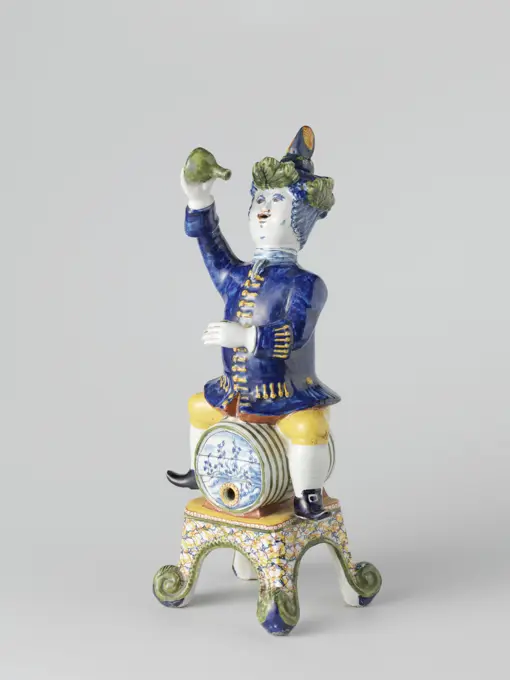
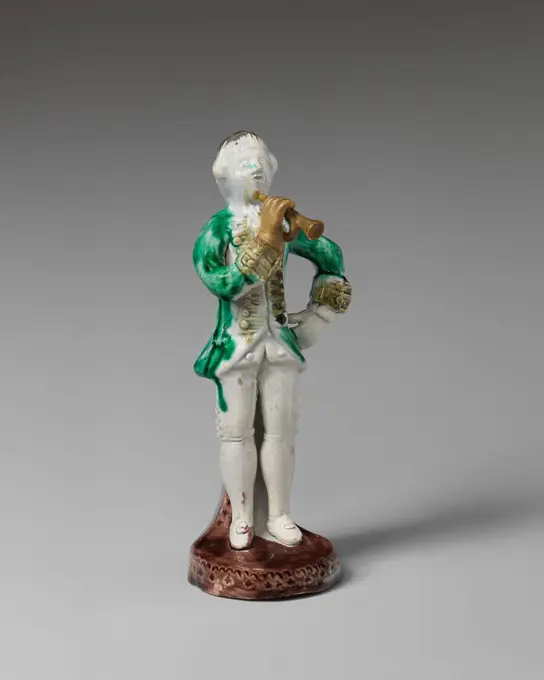
Decorative object lid: man with bottle in hand, on tons, anonymous, c. 1760 - c. 1790 Lid of decorative object of multicolored painted faïence. Delft earthenware. tin glaze. Lid of decorative object of multicolored painted faïence. Delft earthenware. tin glaze.
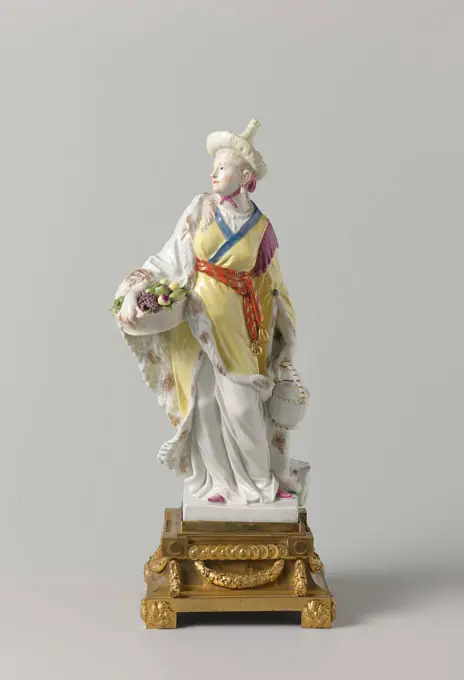
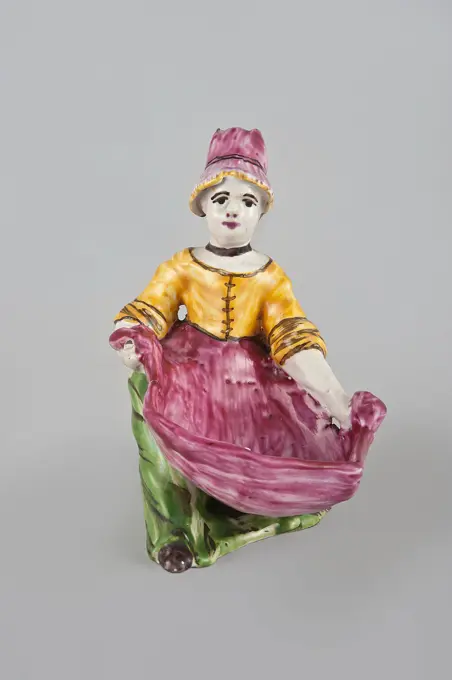
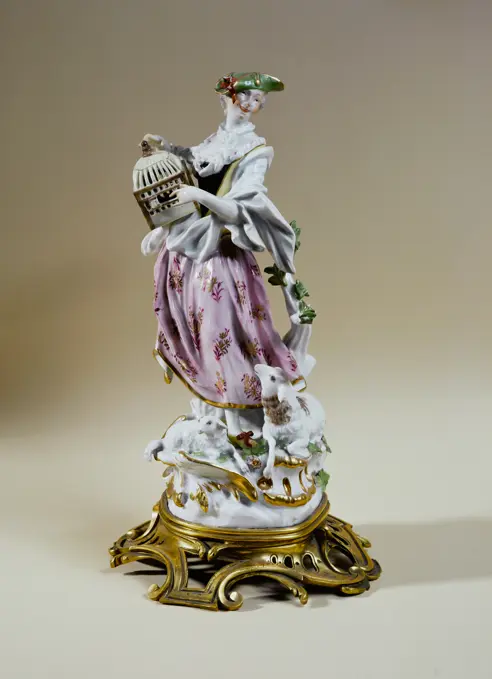
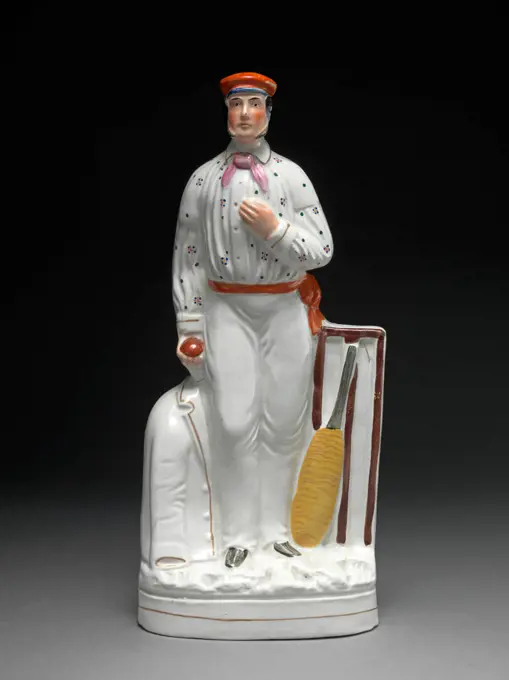
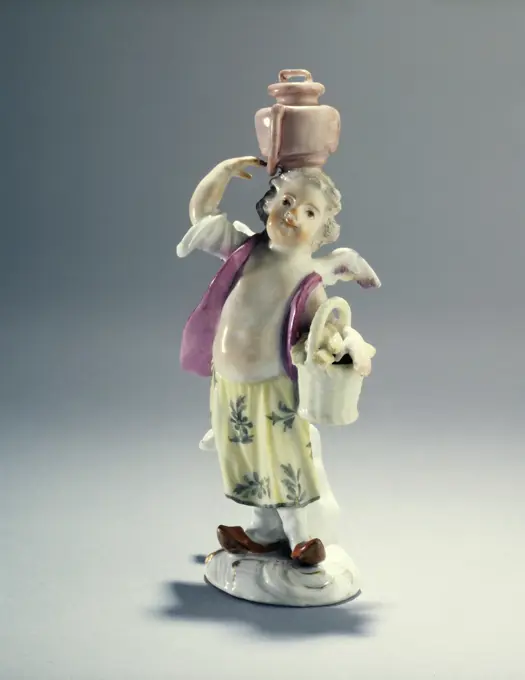
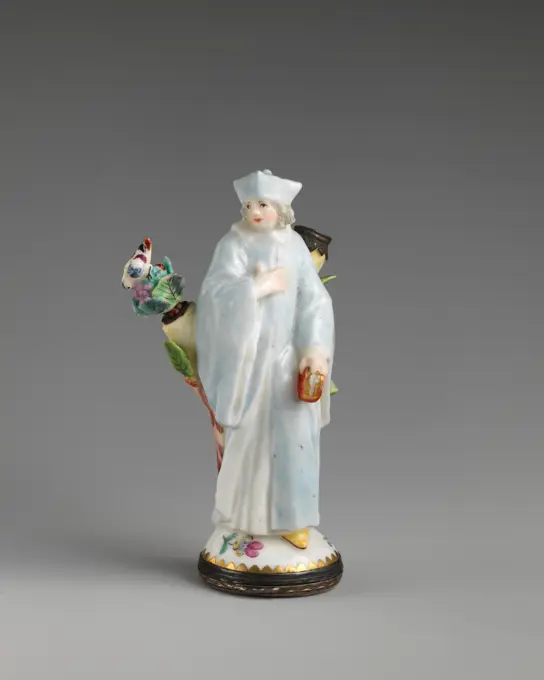
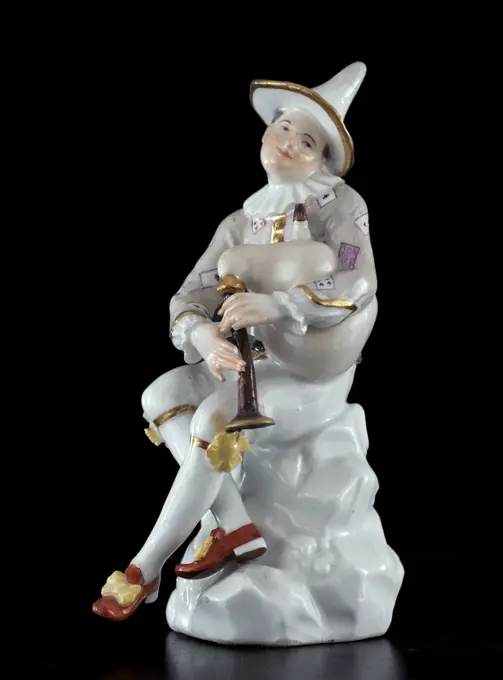
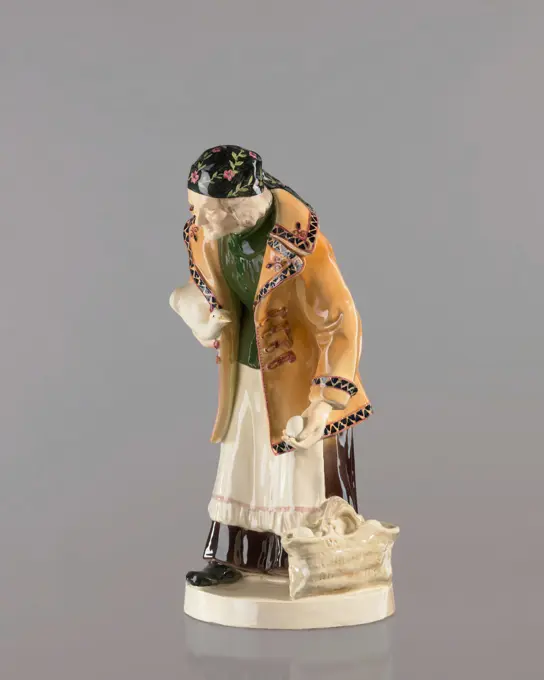
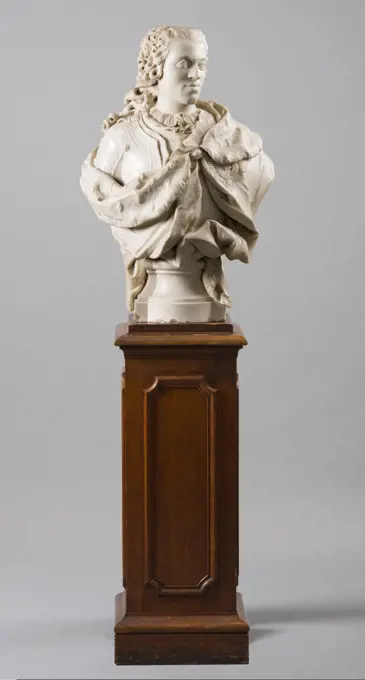
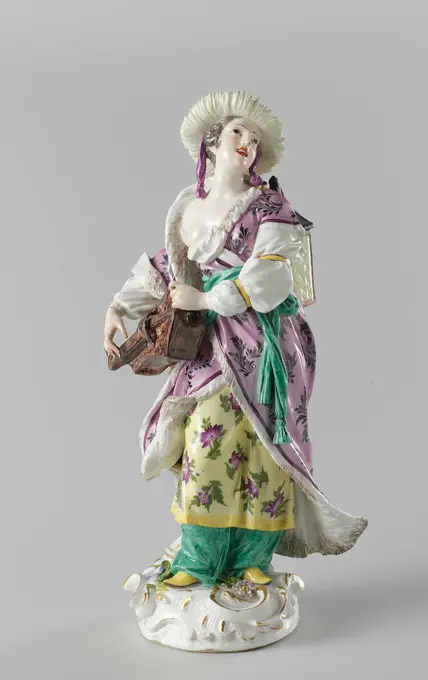
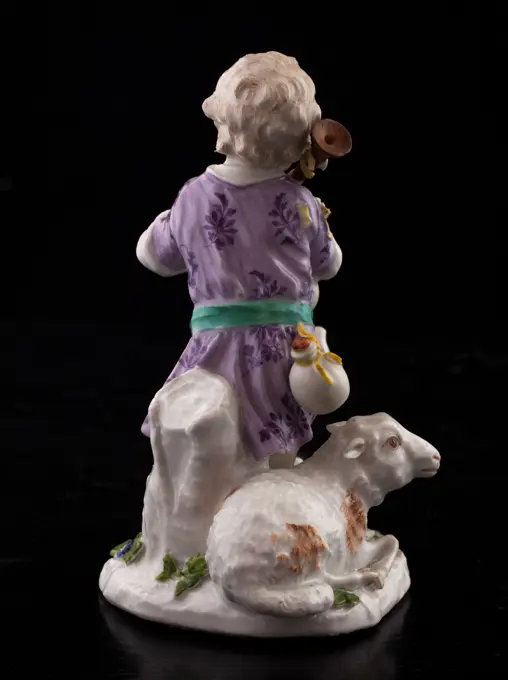
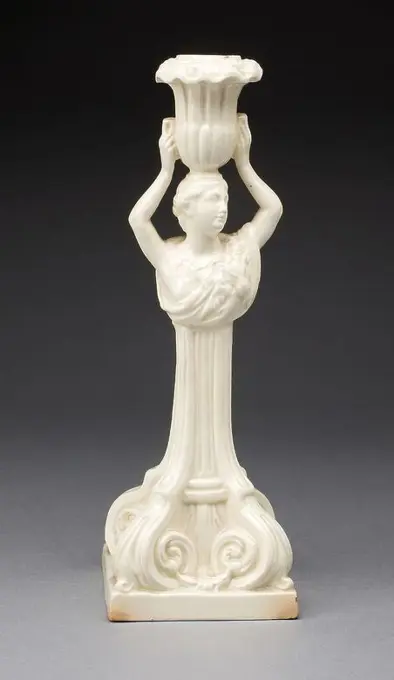
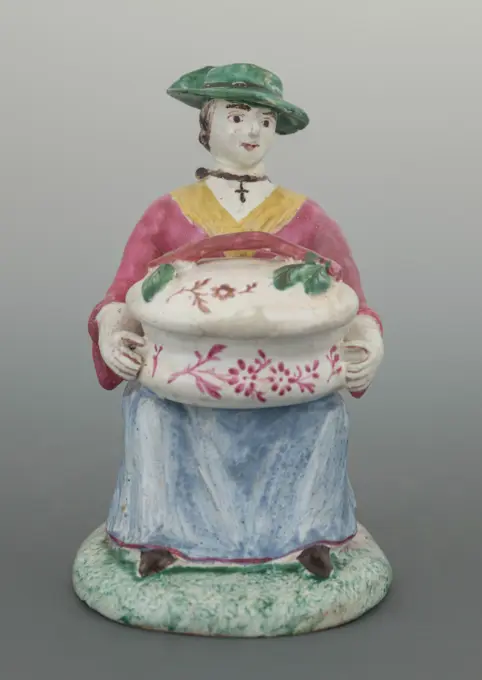
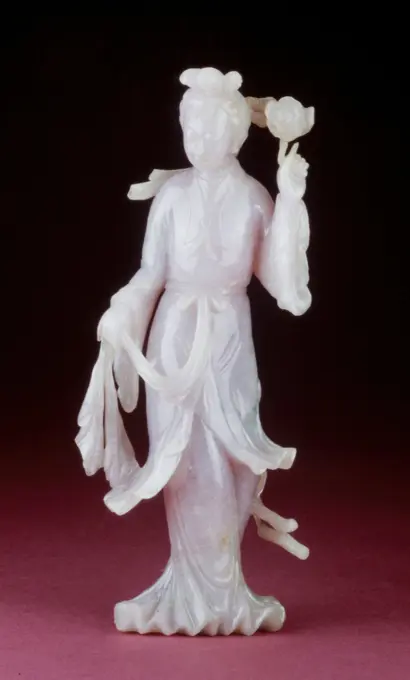
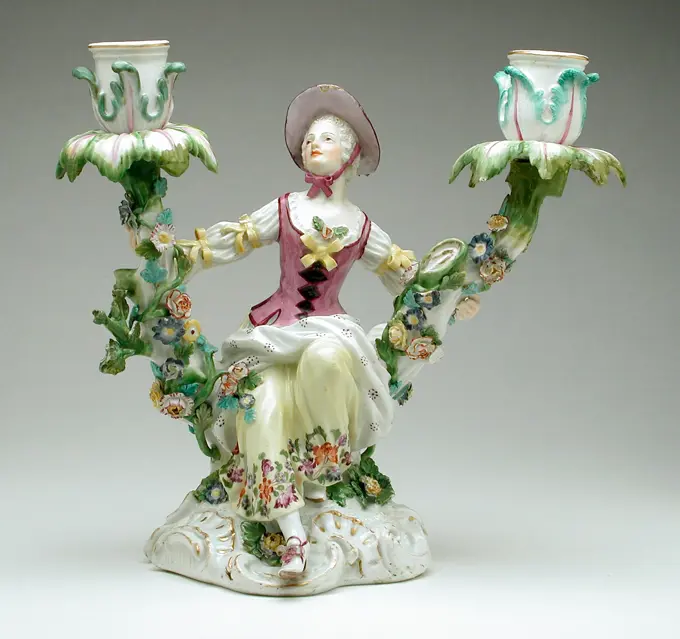
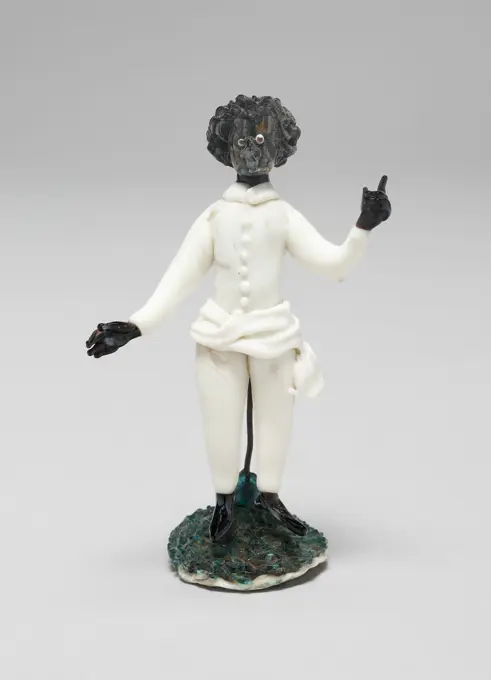
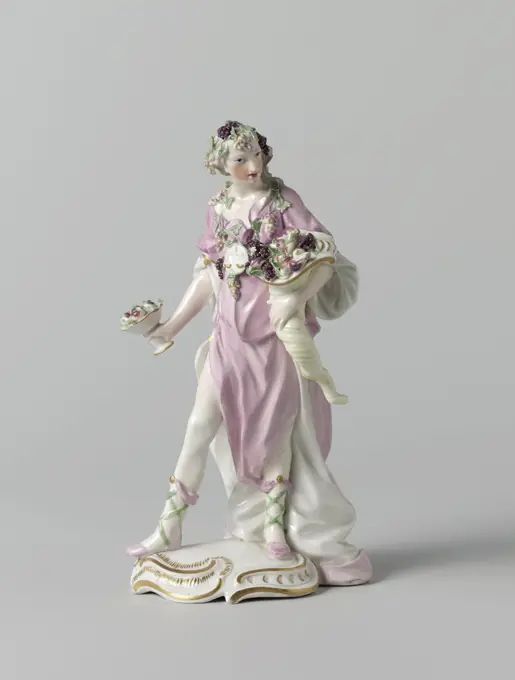
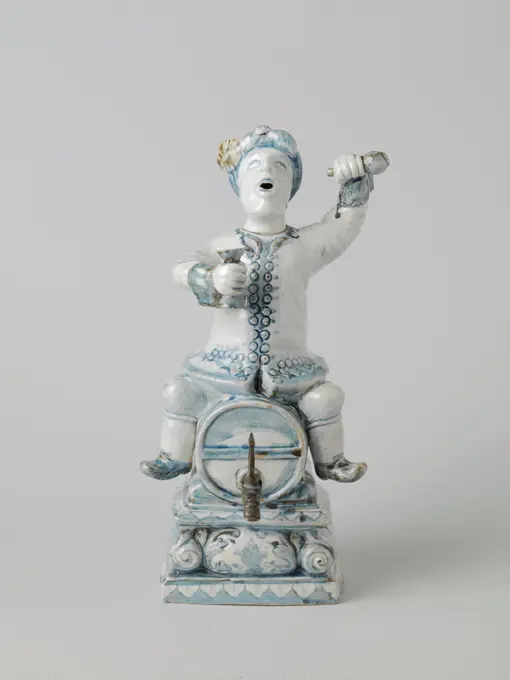
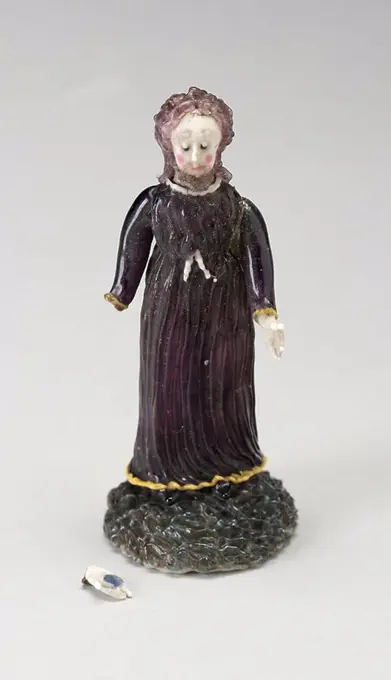
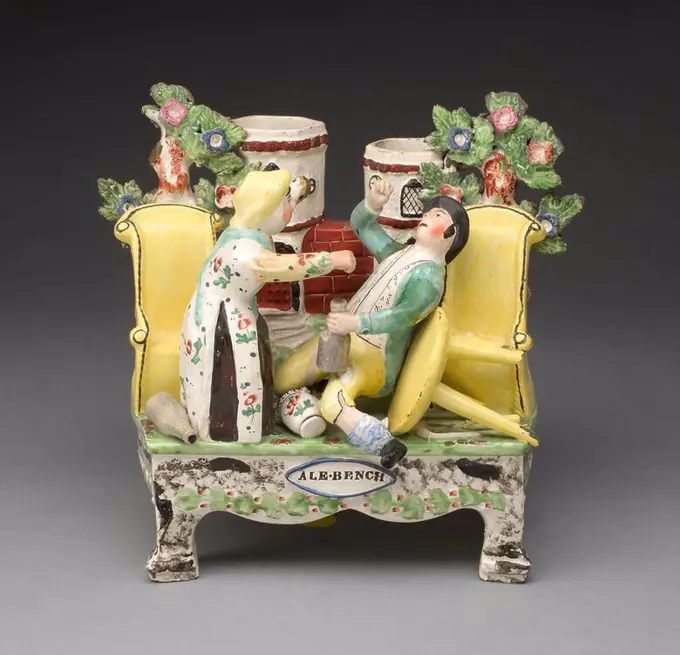
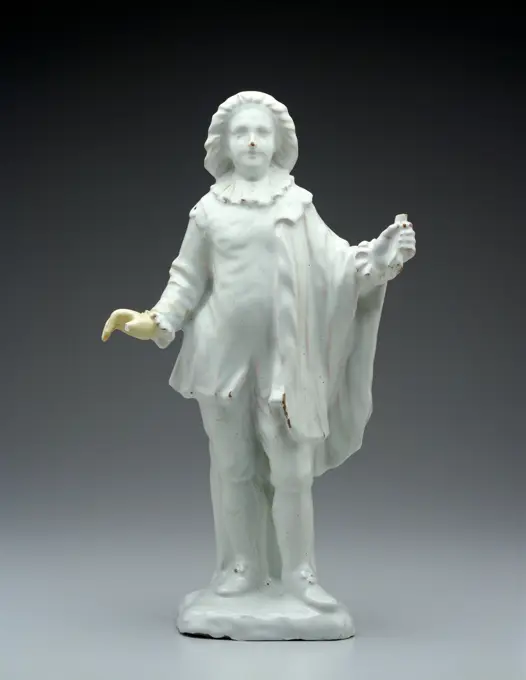
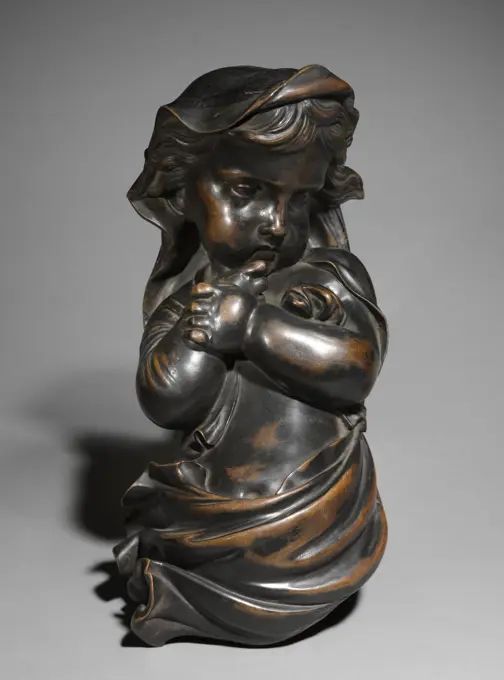
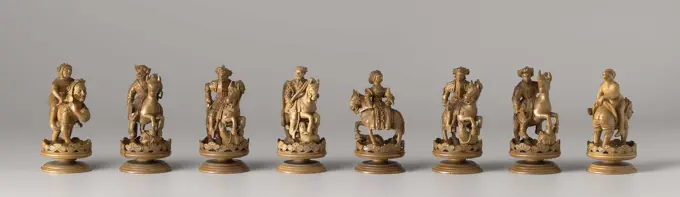
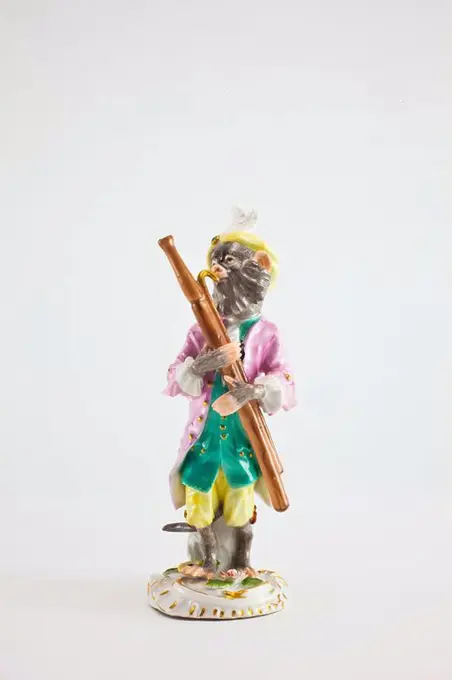
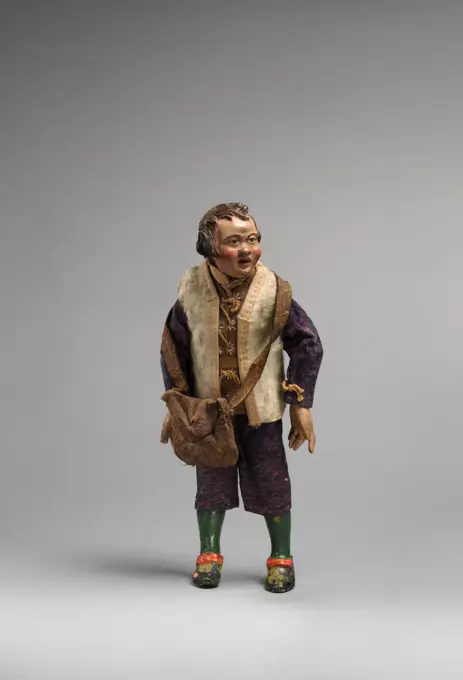
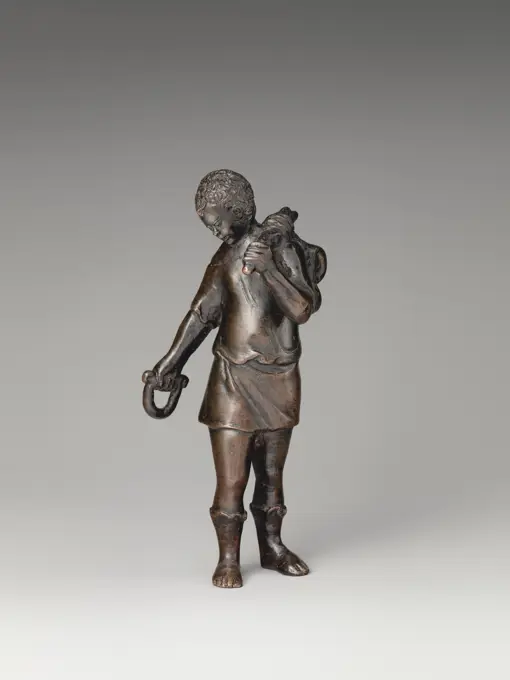
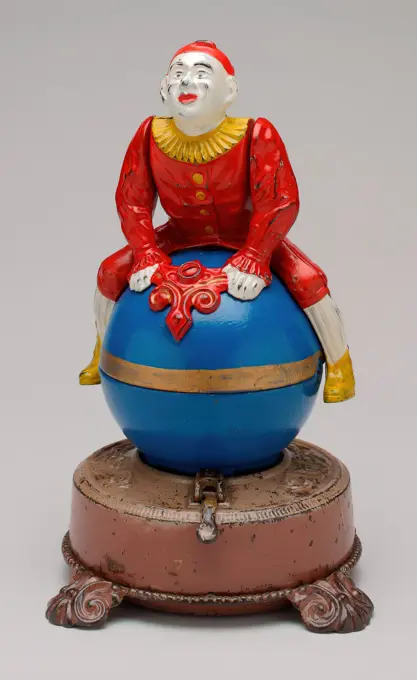
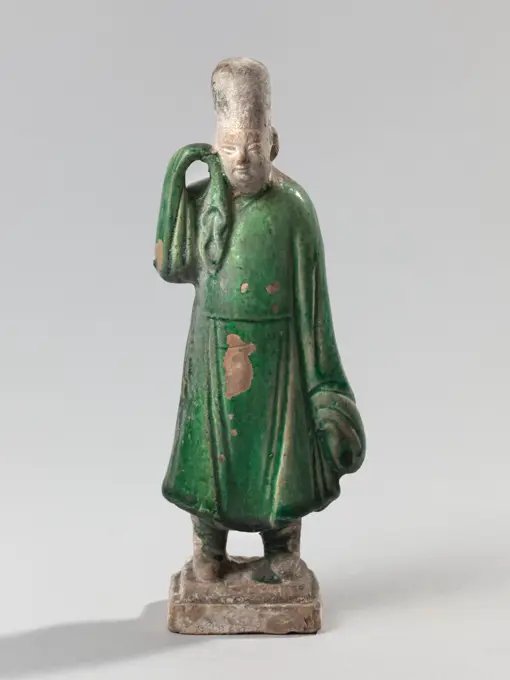
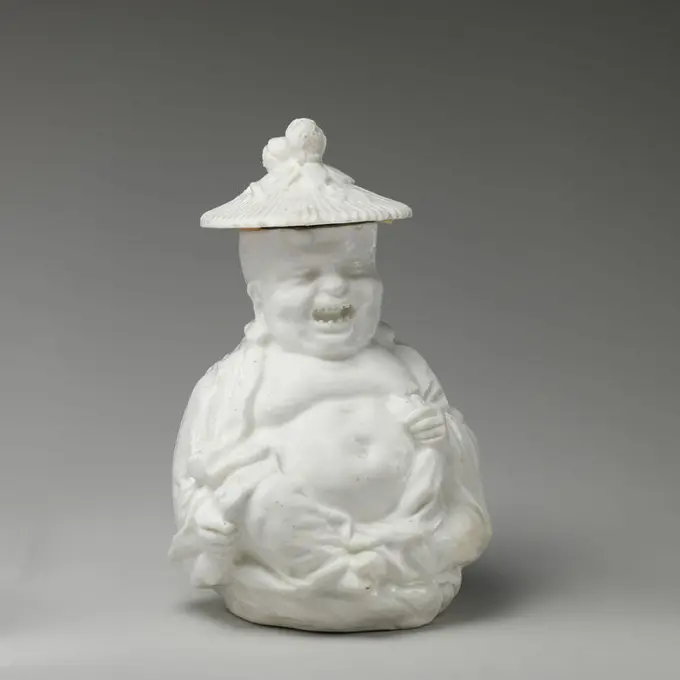
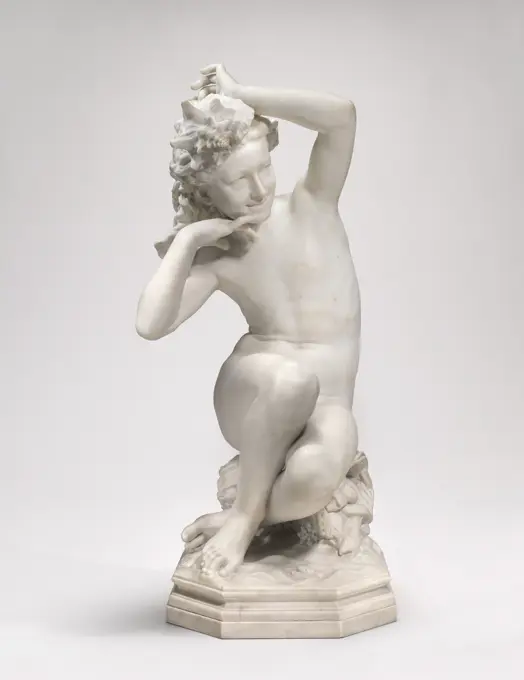
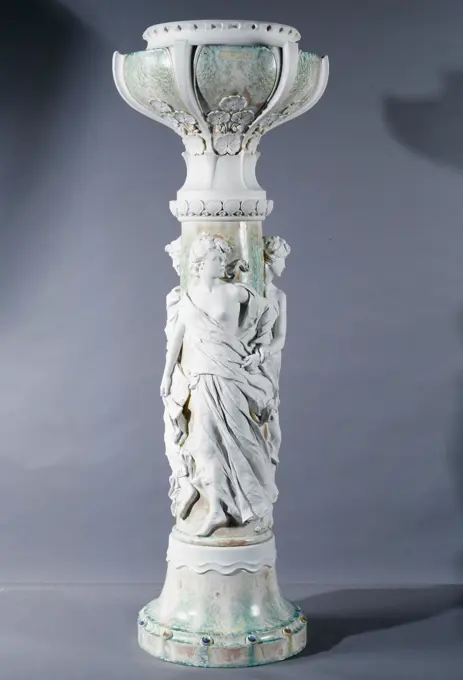
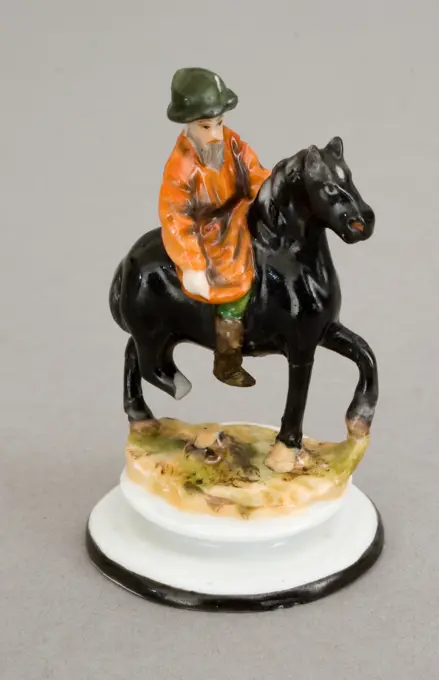
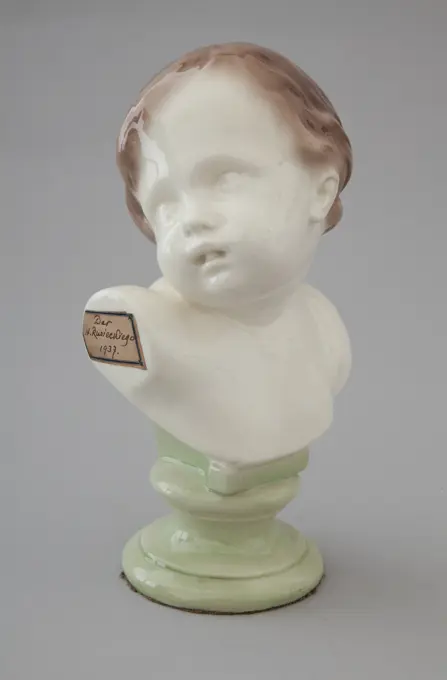
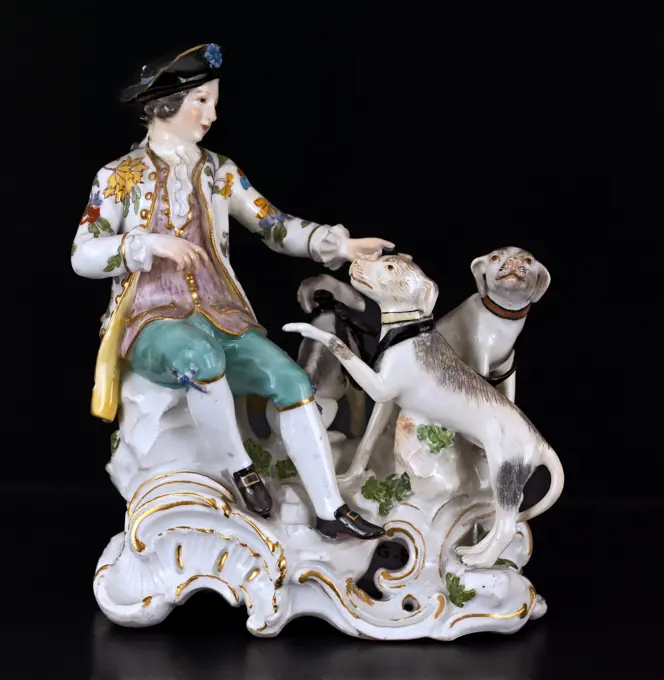
FaaMa and Anonymous chocolate cane, c. 1775 - c. 1820 FaaMence chocolate cane. Delft metal FaaMence chocolate cane. Delft metalTwo Chinese figures. These porcelain figures were made in Meissen and mounted in Paris on gilt-bronze (ormolu) bases. The design of the bases corresponds with that of the base of the clock with the elephant also on display here. This was a way of creating a cohesive ensemble.Figure of a shepherd. Sculpture, figure of a shepherdess, from white unglazed porcelain, z.g. biscuit.Shepherd Girl Holding Sheep 1765-1775 Frankenthal. Hard-paste porcelain with polychrome enamel decoration . Johann Fredrich Lück (Modeler). Glass; lampwork (verre de Nevers), metal armatureChess figurine Mennecy VilleroySalt cellar; Glinica (Fiansu Factory; 1771-Ca 1870); after 1771 (1772-00-00-1781-00-00);girl, character, figurines, salt shakerDecorative object lid: man with bottle in hand, on tons, anonymous, c. 1760 - c. 1790 Lid of decorative object of multicolored painted faïence. Delft earthenware. tin glaze. Lid of decorative object of multicolored painted faïence. Delft earthenware. tin glaze.Johann-Joachim Kaendler (1706-1775). "Shepherdess holding a cage, around 1750". Porcelain. Paris, Cognacq-Jay museum. Bergere, cage, woman, Meissen factory, sheep, porcelain, holdGirl performs two chickens. Group of unpainted porcelain. On a round pedestal with seed beads is a girl that performs two chickens. She is wearing a hat and stands next to a tree stump and a highly profiled square pedestal, on which a column is placed with a round button on a square plinth as a crowning. The group has been marked. The group is manufactured to an 18th-century example.Cricketers - a pair: each in iron-red cap, spotted shirt and red sash, one bowling, one batting, Staffordshire pottery, 19th to mid-19th century, Staffordshire, Sheet: 13 1/2in. (34.3cm), cricket, cricketer, sporting artAnonymous (Johann Johann's way Kändler and Peter Reinicke). Love with milk pot. Polychrome porcelain statuette on terrace decorated with flowers and leaves. Manufacture of Meissen, around 1756. Paris, Cognacq-Jay museum. 79783-11 Wing, love, Meissen Manufacture, basket, polychrome porcelain, wear, milk pot, statuette, head, 18th 18th 18th 18th 18th 18th 18Scent bottle ca. 1755 Chelsea Porcelain Manufactory. Scent bottle. British, Chelsea. ca. 1755. Soft-paste porcelain. Chelsea Porcelain Manufactory (British, 1745-1784, Red Anchor Period, ca. 1753-58). Ceramics-PorcelainBronze statuette of a dancing Lar 1st century A.D. Roman. Bronze statuette of a dancing Lar 246311Joann-Joachim Kaendler (1706-1775). Actor playing the bagpipe. Porcelain, 1740-1745. Paris, Cognacq-Jay museum. 79169-22 Actor, seated, bagpipe, music instrument, playing, musician, porcelain, rock, statuette, 18th 18th 18th 18th 18th 18th centuryScent bottle. Culture: British, Chelsea. Dimensions: Height (with stoppers): 3 1/2 in. (8.9 cm). Factory: Chelsea Porcelain Manufactory (British, 1745-1784, Red Anchor Period, ca. 1753-58). Date: ca. 1755. Museum: Metropolitan Museum of Art, New York, USA.Peacock ca. 1755 Chelsea Porcelain Manufactory. Peacock. British, Chelsea. ca. 1755. Soft-paste porcelain; diamond. Chelsea Porcelain Manufactory (British, 1745-1784, Red Anchor Period, ca. 1753-58). Ceramics-PorcelainGirl conducts two chickens, Meissener Porzellan Manufaktur (Falsification of), c. 1800 - c. 1900 Group of unpainted porcelain. On a round pedestal with rocailles is a girl who feeds two chickens. She wears a hat and stands next to a tree stump and a highly profiled square pedestal, on which a column is placed with a round button on a square plinth as a crown. The group is marked. The group is made for an 18th-century example. Float porcelain Group of unpainted porcelain. On a round pedestal with rocailles is a girl who feeds two chickens. She wears a hat and stands next to a tree stump and a highly profiled square pedestal, on which a column is placed with a round button on a square plinth as a crown. The group is marked. The group is made for an 18th-century example. Float porcelainScent bottle ca. 1755 Chelsea Porcelain Manufactory. Scent bottle. British, Chelsea. ca. 1755. Soft-paste porcelain. Chelsea Porcelain Manufactory (British, 1745-1784, Red Anchor Period, ca. 1753-58). Ceramics-PorcelainFigure of a farmer's wife with a goose and basket. Fabryka fajansów Aleksandra Rogala-Lewickiego w Pacykowie (1912-1939), Popiel, Antoni (1865-1910), sculptorCupid at the Altar of Love ca. 1765 Chelsea Porcelain Manufactory. Cupid at the Altar of Love. British, Chelsea. ca. 1765. Soft-paste porcelain. Chelsea Porcelain Manufactory (British, 1745-1784, Gold Anchor Period, 1759-69). Ceramics-PorcelainGroup presentation spring. Group of porcelain, representing spring.Figure, representing autumn, Anonymous, c. 1700 - c. 1800 Figure, woman whose attributes have been lost. The autumn On opened layer pedestal. Oberammergau wood (plant material) Figure, woman whose attributes have been lost. The autumn On opened layer pedestal. Oberammergau wood (plant material)Miniature seal. Culture: British, Chelsea. Dimensions: Height: 13/16 in. (2.1 cm). Factory: Chelsea Porcelain Manufactory (British, 1745-1784, Transitional (Brown Anchor) Period, ca. 1758-1759). Date: 18th century. Museum: Metropolitan Museum of Art, New York, USA.Chess figurine Mennecy VilleroyBust of Stadtholder William IV 1711-1751, Jan Baptist Xavery, 1733Pair of Malabars. These exotic figures are meant to portray inhabitants of Malabar, a coastal region in India. The Malabars were visited and described by various explorers. In 18th-century Europe they acquired near-mythical status. The statuettes are sheer fantasy: the figures wear a mixture of exotic robes, hats, and accessories.Seated Woman. Women's figure of faience, representing a seated woman. Painted multi-colored.Figure of a woman with wings and a basket, Porzellanmanufaktur Frankenthal, c. 1755 - c. 1769 Image of porcelain, painted on the glaze in email colors. The image represents a woman who has wings on her back and a basket on her arm. Marked on the bottom with the lion and PH3. Frankenthal porcelain. glaze. painting / vitrification Image of porcelain, painted on the glaze in email colors. The image represents a woman who has wings on her back and a basket on her arm. Marked on the bottom with the lion and PH3. Frankenthal porcelain. glaze. painting / vitrificationFigure of a Servant, Meissen Porcelain Manufactory, German, active from 1710 to the present, hard paste porcelain, vitreous enamel, gold, Porcelain figure in decorated hat and jacket serving a drink., Germany, ca. 1745, ceramics, Decorative Arts, figure, figureCourt Dancer 1700-1750 France. Glass; lampwork (verre de Nevers), metal armature .Madonna and Child, c. 1755. Chelsea Porcelain Factory (Britain, London, 1745-84). Porcelain; overall: 21.3 x 18.1 x 18.6 cm (8 3/8 x 7 1/8 x 7 5/16 in.).Seated Chinese ca. 1730-40 Saint-Cloud factory. Seated Chinese 207139Lady with dog ca. 1755 Chelsea Porcelain Manufactory. Lady with dog. British, Chelsea. ca. 1755. Soft-paste porcelain. Chelsea Porcelain Manufactory (British, 1745-1784, Red Anchor Period, ca. 1753-58). Ceramics-PorcelainJohann Joachim Kändler (1706-1775). "Child playing the bagpipe, between a dog and a sheep". Polychrome porcelain, around 1750. Paris, Cognacq-Jay museum. Arts Decoratives, 18th 18th 18th 18th 18th 18th 18 CENTURYBoys and girls with grape fees and flowers. Group of biscuit. On a round pedestal is a cut-away rocaille postament, on which a boy stands with grape fees in the hands and in the hat. Around him, but lower two girls, the one with grape fees in her hand, the other with flowers in her apron and a boy with grape fees in his hand. The image is not noticed.The Itinerant Musician, c. 1756. Chelsea Porcelain Factory (Britain, London, 1745-84). Soft-paste porcelain; overall: 20 cm (7 7/8 in.).Candlestick. Leeds Pottery; English, founded 1756. Date: 1780-1800. Dimensions: 25.6 x 8.9 x 8.9 cm (10 1/16 x 3 1/2 x 3 1/2 in.). Lead-glazed earthenware (creamware). Origin: Yorkshire. Museum: The Chicago Art Institute, Chicago, USA.Madonna and Child 1675-1825 France. Glass; lampwork (verre de Nevers), metal armature .Bugler in military dress. Culture: British, Staffordshire. Dimensions: Height: 6 1/2 in. (16.5 cm). Maker: Style of Astbury-Whieldon. Date: ca. 1750. Museum: Metropolitan Museum of Art, New York, USA.Salt cellar Glinica (Glinitz)Bust of Mars; Koenigliche Porcellain Fabrique, Meissen (1710-1763), Schoenheit, Johann Carl (1745-1794); approx. 1782 (1782-00-00-1800-00-00);Figurine, Purple Lady, 19th century, 9 1/2 x 4 x 2 in. (24.13 x 10.16 x 5.08 cm), Lavender jade, China, 19th centuryPair of Candelabra. Meissen Porcelain Manufactory (Germany, Meissen, founded 1710). Germany, 1760-1770. Furnishings; Lighting. Porcelain with enamelFigure of a Man 1700-1725 France. Glass; lampwork (verre de Nevers), metal armature .Figure Represing September, porcelain manufacturer Frankenthal, c. 1762 - c. 1765 Image of porcelain, painted on the glaze in email colors and gold. The image, representing the month of September, shows a man dressed in a robe with his head and neck grape vines. A medallion with a scale hangs on his chest. In his hands he wears a tazza filled with fruit and the horn of abundance filled with fruit. The pedestal is decorated with rocailles. Marked on the underside with the crowned CT and N.Z.L. Frankenthal porcelain. glaze. gold (metal) painting / gilding / vitrification Image of porcelain, painted on the glaze in email colors and gold. The image, representing the month of September, shows a man dressed in a robe with his head and neck grape vines. A medallion with a scale hangs on his chest. In his hands he wears a tazza filled with fruit and the horn of abundance filled with fruit. The pedestal is decorated with rocailles. Marked on the underside with the crowned CT and N.Z.L. FrankentToby jug -Monkey Automaton Playing Violin on Barrel Organ .Doll from Russia,  1925-1992Foreign Archer with Monkey. Ryūsai (Japan, active late 18th century). Japan, late 18th century. Costumes; Accessories. Wood with inlaysShepherdin with bird cage., Anonymous, 1750 - 1770 Faaience female figure, in the form of a shepherd with a bird cage. White glazed. Delft . Faaience female figure, in the form of a shepherd with a bird cage. White glazed. Delft .Tobacconist's Figure - Turk, 1750-1850. Pinto Collection - Purchased from Edward H Pinto, 1965.. This figure was made to sit on the counter of a tobacconist shop (originally holding a pipe, but this is missing). It was used to advertise Turkish tobacco which became popular in the UK in the mid nineteenth century, as a result of the Crimean war. Sadly, most shop figures are unsigned, but it is widely believed that the craftsmen who made figures like these, were also responsible for large sculptural work such as ships' figureheads and fairground animals.Seal Made 1750-1770 Chelsea. Soft-paste porcelain, polychrome enamels and gilding; hardstone and metal mount . Chelsea Porcelain FactoryFigurine M  20th century (1901-00-00-1940-00-00);Kneeling Boy 1825-1875 France. Glass; lampwork (verre de Nevers), metal armature .Chess figurine Mennecy VilleroySpirit keg in the shape of a Dutchman sitting astride a barrel, anonymous, c. 1750 Cap in the form of a head for jin rods of porcelain, painted in underlaze blue. Blue White. Japan (possibly) porcelain. glaze. cobalt (mineral) painting / vitrification Cap in the form of a head for jin rods of porcelain, painted in underlaze blue. Blue White. Japan (possibly) porcelain. glaze. cobalt (mineral) painting / vitrificationMonkey with a snuffbox. The porcelain factory at Meissen, near Dresden, was founded in 1709. It was the first European factory to produce true’ or hard-paste porcelain, like that known in China and Japan. The manufactory was owned by Augustus the Strong, Elector of Saxony and King of Poland. All the birds and animals in this display case were made for him. They were intended for his so-called Japanese Palace, the walls of which he wished to fill with porcelain.Horse with loose rider, c. 1700 - c. 1800 Rider of undecorated faience. The horse is on a rectangular pedestal and the rider is loose. De Ruiter wears a bear hat and a German uniform from the second half of the 18th century. The horse has lifted its left front leg. The rider includes an identical copy with InvNR. BK-1955-403-B. Delft earthenware. tin glaze. Rider of undecorated faience. The horse is on a rectangular pedestal and the rider is loose. De Ruiter wears a bear hat and a German uniform from the second half of the 18th century. The horse has lifted its left front leg. The rider includes an identical copy with InvNR. BK-1955-403-B. Delft earthenware. tin glaze.Drumsid. On an elongated album there is a tamboer with the drum on its left hip and a stick in both hands. The tamboer is wearing a round hat. A zig-zag line is engraved in the edge of the plate. The image is marked: STK. = Amsterdam, JRL. = R (1751), Mt. = Arnoldus van Geffen and a crowned v in a shield.Ten weepers from the tomb of Isabella of Bourbon, Borman workshop (attributed to), Renier van Thienen (I) (attributed to), c. 1475 - c. 1476 She has used her head to the right; She stares down in front of herself and keeps her hands against the skirt suspended from the front. The upper rug, held together by a belt, shows a flat collar and cuffs of fur. The skirt is visible at the bottom of the undercocking with V-shaped neck cut. Above the neck cut, the shirt is decorated with a rosette. The right foot protrudes under the skirt. Brussels bronze (metal) casting She has used her head to the right; She stares down in front of herself and keeps her hands against the skirt suspended from the front. The upper rug, held together by a belt, shows a flat collar and cuffs of fur. The skirt is visible at the bottom of the undercocking with V-shaped neck cut. Above the neck cut, the shirt is decorated with a rosette. The right foot protrudes under the skirt. Brussels bronze (metal) castingMonk. Nevers, France. Date: 1700-1750. Dimensions: H. 7.3 cm (2 7/8 in.). Glass; lampwork (verre de Nevers), metal armature. Origin: France. Museum: The Chicago Art Institute, Chicago, USA.Female gardener figurine. Payer(Peyer), Anton (fl. 1762-1787), modeller, Kaiserliche Porzellanmanufaktur in Wien (1744-1864), factoryChimney Ornament: Ale-Bench. England, Staffordshire. Date: 1815-1825. Dimensions: 20.3 x 21.6 x 11.4 cm (8 x 8 1/2 x 4 1/2 in.). Glazed earthenware with polychrome enamel decoration. Origin: Staffordshire. Museum: The Chicago Art Institute, Chicago, USA. Author: Staffordshire Potteries.Figurine, c. 1740-1760, 13 5/8 x 8 x 4 7/8 in. (34.6 x 20.3 x 12.4 cm), Tin-glazed earthenware, France, 18th centuryWinter, 1800s. France, 19th century. Bronze; overall: 37.8 x 19.1 x 13.7 cm (14 7/8 x 7 1/2 x 5 3/8 in.).Faux chamber candlestick, Ansbach, c. 1777 - c. 1790 Blaker in the form of a porcelain candle, a candle holder, a bent playing card as a drop catcher, a scissor, a paint stamp and a piece of lacquer. The candle holder is decorated with flowerguirles and at the bottom with cannelures. No brand. porcelain company: AnsbachThe Hague porcelain Blaker in the form of a porcelain candle, a candle holder, a bent playing card as a drop catcher, a scissor, a paint stamp and a piece of lacquer. The candle holder is decorated with flowerguirles and at the bottom with cannelures. No brand. porcelain company: AnsbachThe Hague porcelainHerderin, Meissener Porcelain Manufaktur, c. 1750 - c. 1760 Figure of painted porcelain. On an irregular round pedestal is a woman (shepherdin) at a tree stump on which a shepherd's bag hangs, with a lying sheep on her feet. The figure is marked. Float porcelain Figure of painted porcelain. On an irregular round pedestal is a woman (shepherdin) at a tree stump on which a shepherd's bag hangs, with a lying sheep on her feet. The figure is marked. Float porcelainChess figurine Mennecy VilleroyPedrolino 1743-44 Meissen Manufactory German. Pedrolino 203092Man with triangular stitch and bottle in hand, on tub. Decorative object of multicolored painted faïence. There is a ton on a base. On the ton a man with a bottle in his right hand. The man wears a three-pointed stitch on his head.The black king in this chess set looks like Emperor Charles V. He wears the chain of the Order of the Golden Fleece and is shown on horseback, trampling a dragon, just as the emperor conquered his enemies. The bishops are knights on horseback, the rooks are jeering fools with monkeys, and the pawns resemble pikemen or regular soldiers.Statuette of a man wearing a mantle over head 3rd-1st century B.C. Etruscan The mantle is pulled over his head like a hood. Both hands are held open.. Statuette of a man wearing a mantle over head 246304Bassoon Player for the Monkey Band. Meissen Porcelain Manufactory,; German, founded 1710; After a model of Kändler or Reinicke. Date: 1760-1770. Dimensions: H. 5 1/2 in. (14 cm). Hard-paste porcelain, polychrome enamels, and gilding. Origin: Meissen. Museum: The Chicago Art Institute, Chicago, USA. Author: Meissen Porcelain Manufactory.Small man with white furry vest, blue/purple suit, green painted leggings second half 18th-mid-19th century Italian The practice of using crèche figures to restage religious events reached the height of its complexity and artistic excellence in eighteenth-century Naples, and the Metropolitan Museum of Arts group of Neapolitan crèche is one of the finest and most complete survivals of the art form. The ensemble consists of characters traditional to eighteenth-century Italian Christmas holiday customs. The Nativity, featuring the holy family, shepherds and their flocks, and a host of angels and cherubs is joined by the procession of the three Magi and colorful peasants, townspeople, and animals. The figures have articulated bodies of tow and wire with polychromed terracotta heads, and are all in partially distressed condition.These vibrant characters are further brought to life by a wide-ranging set of cloth, embroidery, leather, wicker, wax, and silver accessories. Many of these, such Flower Seller ca. 1745-50 Chantilly. Flower Seller. French, Chantilly. ca. 1745-50. Tin-glazed soft-paste porcelain. Chantilly (French). Ceramics-PorcelainTobias ca. 1530-40 Workshop of Severo Calzetta da Ravenna Italian The attribution of this modelrepresented by an example on an inkstand in the Bargello, Florencewas made by Bertrand Jestaz.[1 The Severo workshop produced two types of the Tobias: one, a small child, and the other, a slightly older and more elastic boy, as in this and the Bargello examples. The young voyager carries his bedroll on a stick slung over his left shoulder. The object in his right hand is probably a stringer, from which separately cast fish would have been suspended. The identification of the subject is assured by the Bargello inkstand, which shows the boy with fish (integrally cast) as well as with his companion dog.[James D. Draper, 1984Footnotes:[1 B. Jestaz, "Une Statuette de bronze: Le Saint Christophe de Severo de Ravenna," La Revue du Louvre et des Musées de France 22, 5 (1972), pp. 77-78.. Tobias. Workshop of Severo Calzetta da Ravenna (Italian, active by 1496, died before 1543). Italian, probablyFiguras de pesebre, Carretela, siglo XX. Museu Català de les Arts i Tradicions Populars.Bugler. Culture: British, Staffordshire. Dimensions: Height: 6 in. (15.2 cm). Maker: Style of Whieldon type. Date: ca. 1760. Museum: Metropolitan Museum of Art, New York, USA.Clown on Globe' mechanical bank, c. 1890, James H. Bowen; Manufacturer: J. & E. Stevens Company, Cromwell, Connecticut, 1843-1950s, American, active c. 1877-1906, 9 1/8 x 5 1/16 x 5 1/16 in. (23.18 x 12.86 x 12.86 cm), Iron, pigment (repainted), 19th centuryMingqi: offer of offerings. Terracotta with glaze. Paris, Cernuschi museum. Asian art, beyond, belief, figurine, mingqi, funeral object, model character, funeral rite, statuetteWater Dropper (suiteki) with Three Chinese Boys (karako), Snowball, and Blossoming Plum BranchTea caddy. Culture: British, Chelsea. Dimensions: Overall: 6 3/4 × 4 1/2 in. (17.1 × 11.4 cm). Factory: Chelsea Porcelain Manufactory (British, 1745-1784). Date: 1745-50.The figure represents the Chinese god of Happiness, Pu T'ai Ho Shang, known from imported Chinese white Fukien porcelain models. The hat forms a cover for the hollow figure, probably a tea caddy. Museum: Metropolitan Museum of Art, New York, USA.Boy dummy board ca. 1690 British or Dutch. Boy dummy board. British or Dutch. ca. 1690. Painted on softwood, varnish. Woodwork-FurnitureDoll from Scandinavia,Soldier 1700-1799 France. Glass; lampwork (verre de Nevers), metal armature .Fisherman Miśnia (Meissen)Doll from Belgium,Jean Baptiste Carpeaux, Girl with a Shell (Jeune fille à la coquille), 1863 1867 Girl with a Shell (Jeune fille à la coquille)Pop, representing a younger. Pop, representing a younger. Head, hands and lower legs. On Iron Standard.Alfred Boucher (1850-1934). "Column garden - Les Nymphs de la Seine (after catering)". Museum of Fine Arts of the City of Paris, Petit Palais. Allegorie, after restoration, art nouveau, beauty, caryatid, Greek deity, drape, woman, colone garden, nudite, nymph seine, bare breast, support, natureChess figurine Mennecy VilleroyPop, representing a baby in a baptism, anonymous, c. 1676 Pop, representing a baby in a baptismal veil, baked in a cream -colored silk rug with short, tucked in sleeves. The child is lying on a baptism of crème-white side, folded, trimmed with lace.  wax. silk. bobbin lace Pop, representing a baby in a baptismal veil, baked in a cream -colored silk rug with short, tucked in sleeves. The child is lying on a baptism of crème-white side, folded, trimmed with lace.  wax. silk. bobbin laceCupid bust PackersGroup of biscuit, drinking brothers. Group of biscuit, drinking brothers.Carl -Christoph Punct ( - 1765). Young hunter with his three dogs. Porcelain, 1762-1763. Paris, Cognacq-Jay museum. 79169-11 Sitting, young hunter, porcelain, rock, statuette, 18th 18th 18th 18th 18th 18th 18th century, animal, dogFigurine LajkonikChess Figure Baszybuzuk Skirmuntt, Helena (1827 1874)Michiel de Ruyter (1607-1676), Manufactuur Oud-Loosdrecht, After Jacob Houbraken, After Jan Maurits Quinkhard, c. 1782 - c. 1784 Bust van Loosdrecht's porcelain on a pedestal in the form of a column with green cannelures and gilding, representing Michiel Adriaansz. De Ruyter. Loosdrecht Porcelain. Bust: Biscuit (Porcelain, Material). Foot: Glaze. Foot: Gilding (Material) vitrification / gilding Bust van Loosdrecht's porcelain on a pedestal in the form of a column with green cannelures and gilding, representing Michiel Adriaansz. De Ruyter. Loosdrecht Porcelain. Bust: Biscuit (Porcelain, Material). Foot: Glaze. Foot: Gilding (Material) vitrification / gildingRider on horseback. Image of unforded faience. On a rectangular pedestal with beveled corners is a rider on horseback. The horse has lifted his right in front leg and has two rosettes on the neck. The rider carries a three-pointed stitch and has straighted his right arm back.