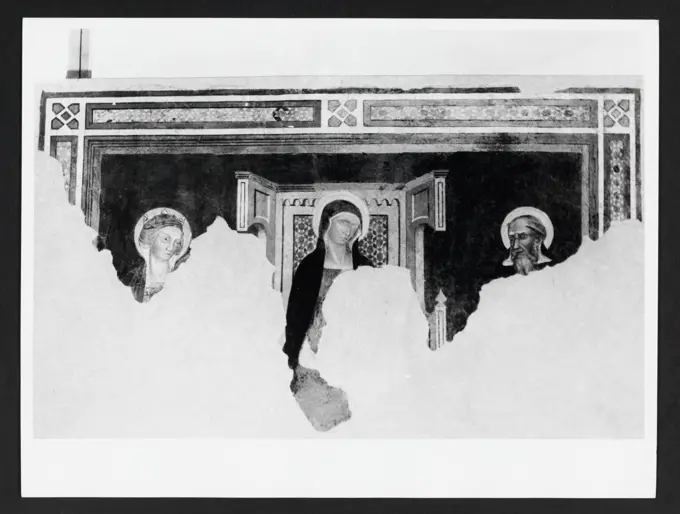
Renaissance Frescoes

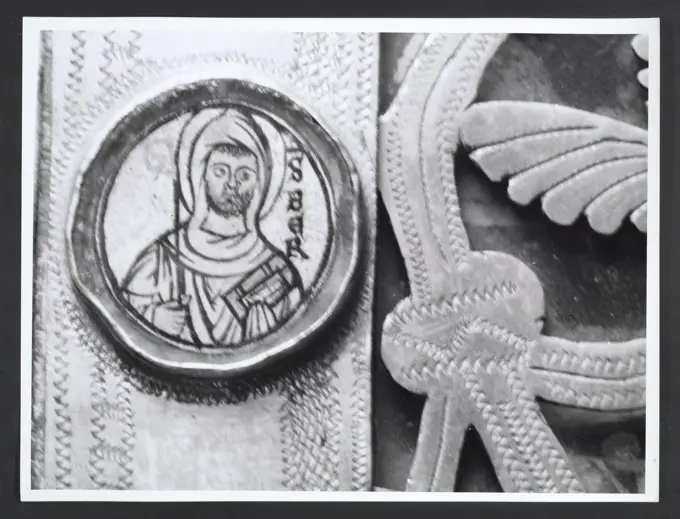
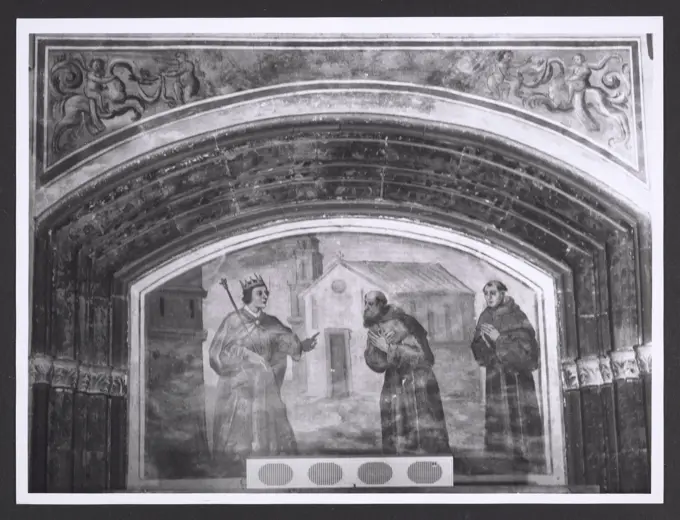
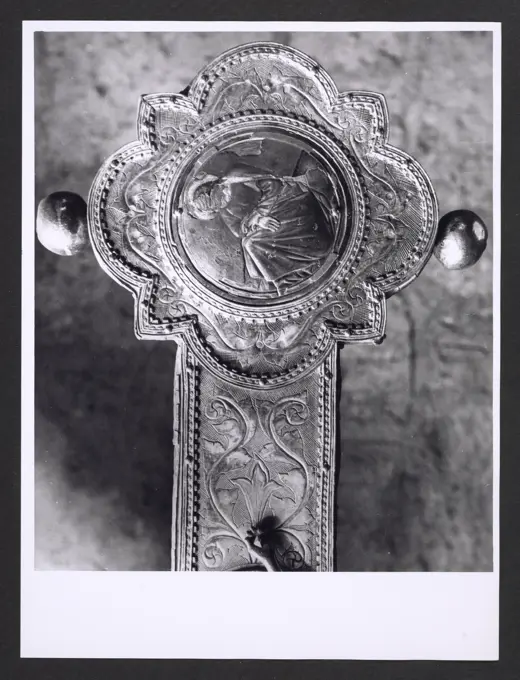
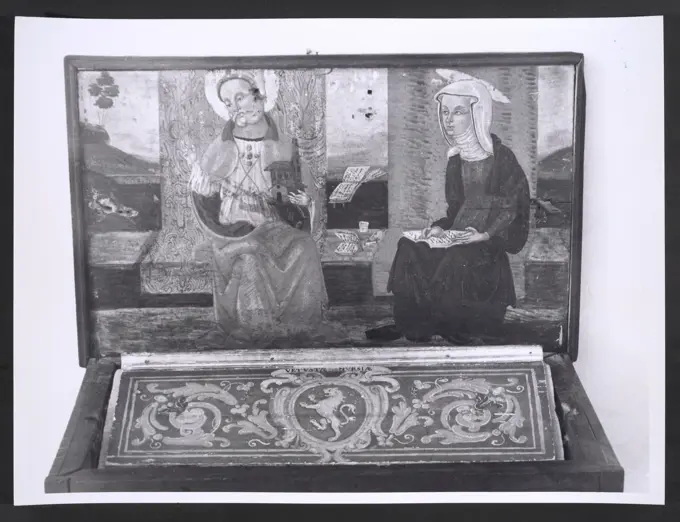
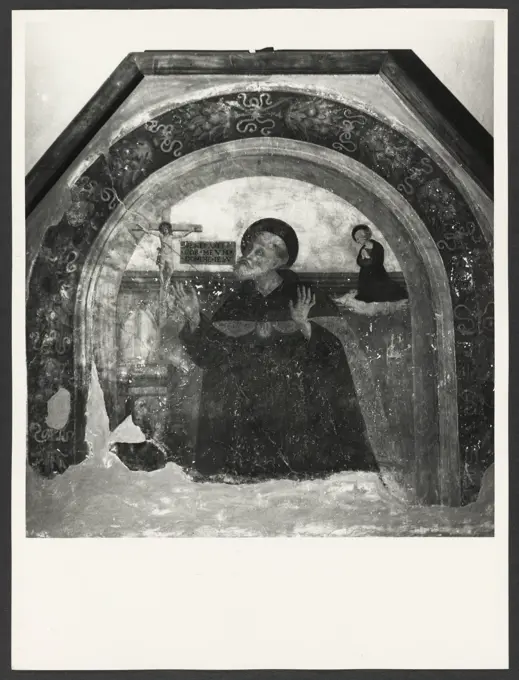
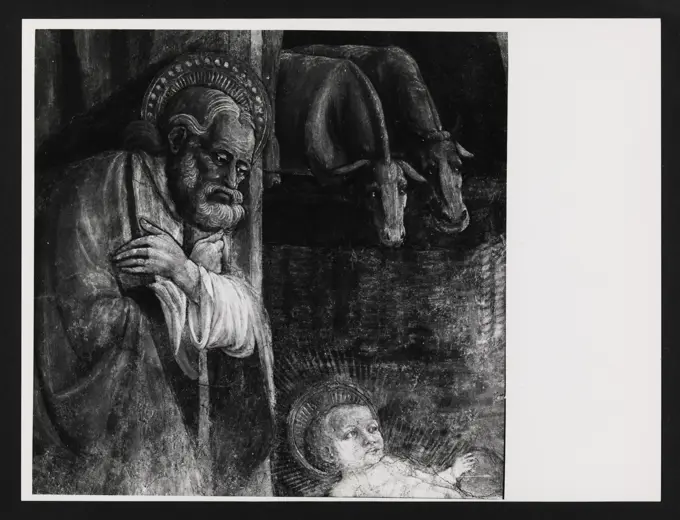
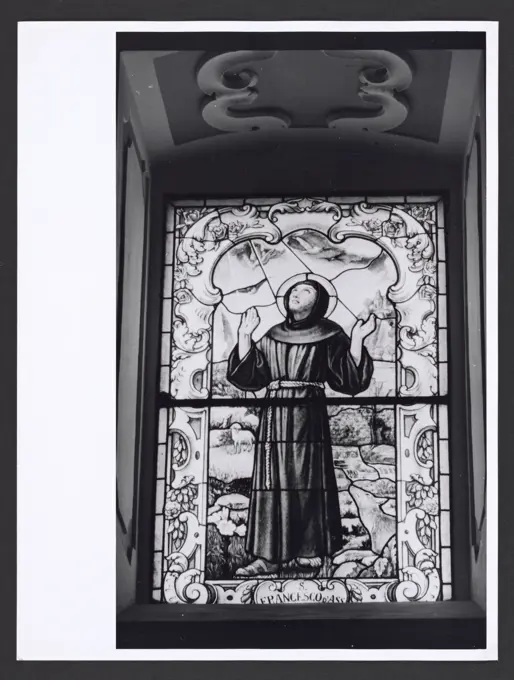
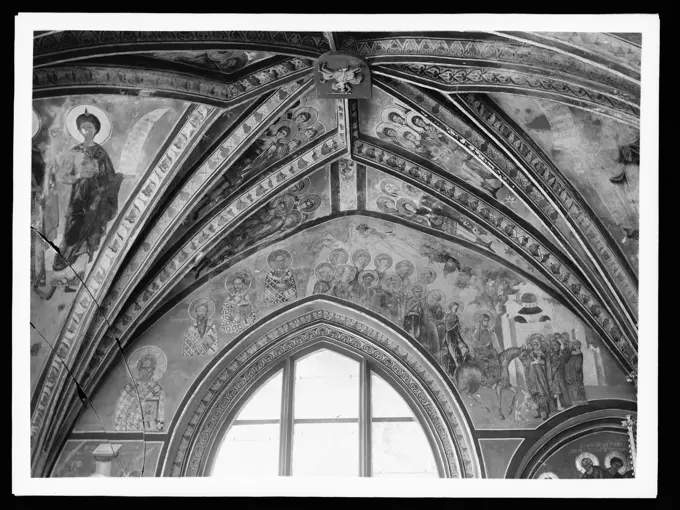
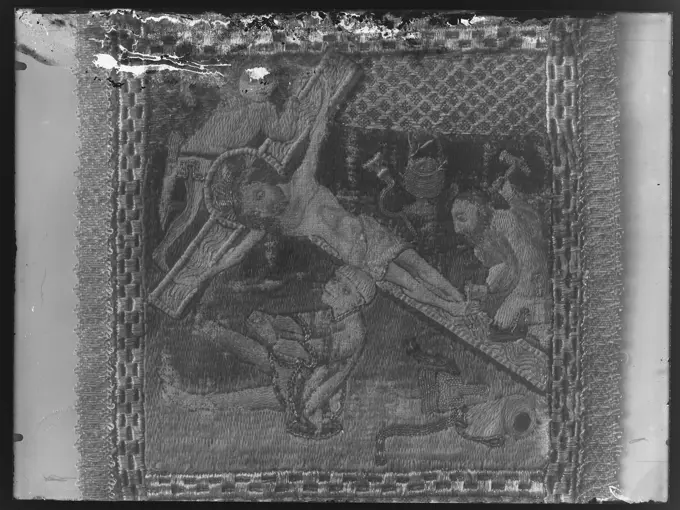
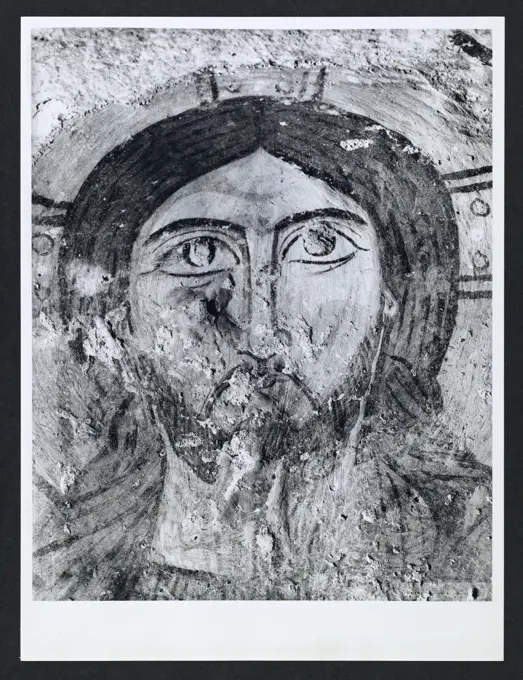
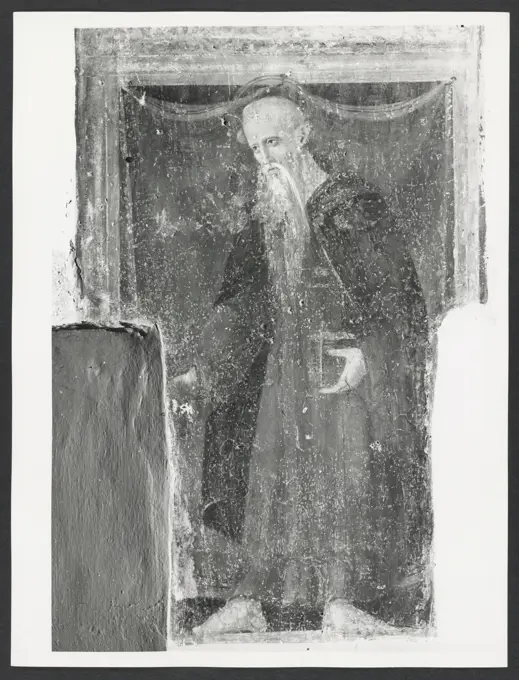
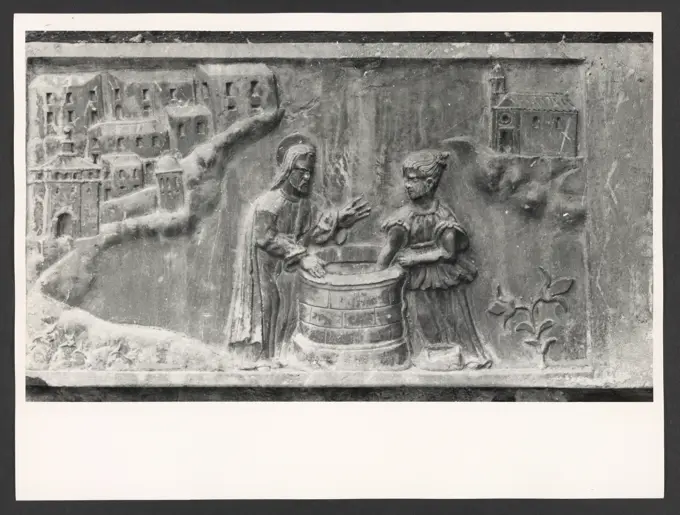
Black and white photographs of frescoes in Italian churches. Scenes from biblical history and saintly figures showcase artistic detail and historical significance.

Lazio Roma Anguillara Sabazia S. Francesco8. Hutzel, Max 1960-1990 Post-medieval: Architecture (15th century) including ruins of cloister. Fresco cycle of Madonna and Child with two angels (13-14th century). Several views of church exterior, and extensive coverage of interior frescoes, both before their restoration in l960, and afterwards, in l983. General Notes: Hutzel sent us two sets of prints (57 in one, 72 in the other) made from the same set of negatives but assigned different numbers. These two have now been synthesized into one sequence. German-born photographer and scholar Max Hutzel (1911-1988) photographed in Italy from the early 1960s until his death. The result of this project, referred to by Hutzel as Foto Arte Minore, is thorough documentation of art historical development in Italy up to the 18th century, including objects of the Etruscans and the Romans, as well as early Medieval, Romanesque, Gothic, Renaissance and Baroque monuments. Images are organized by geographic
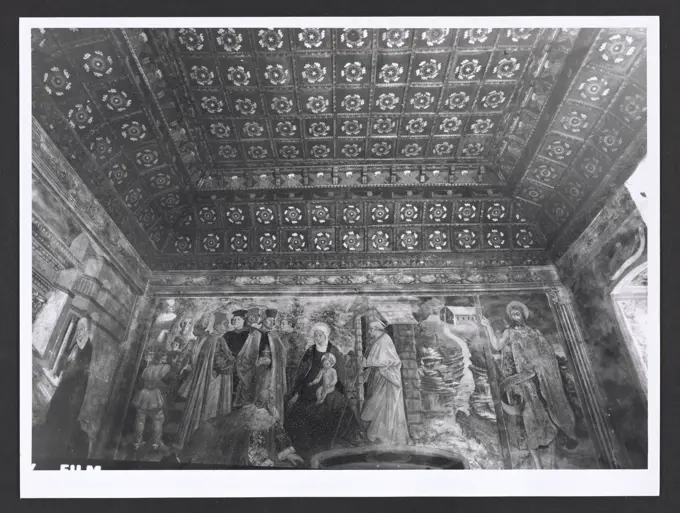
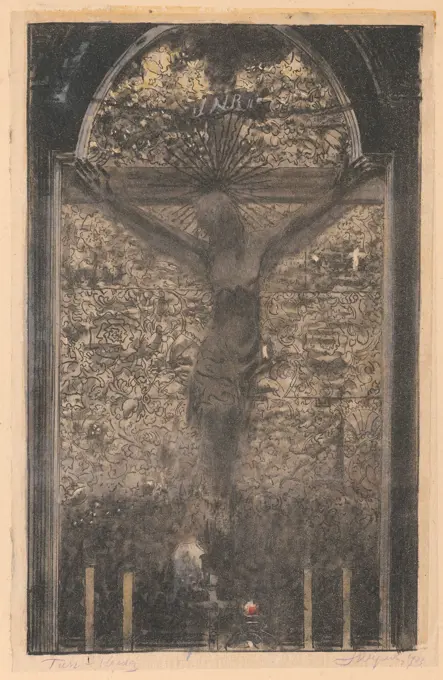
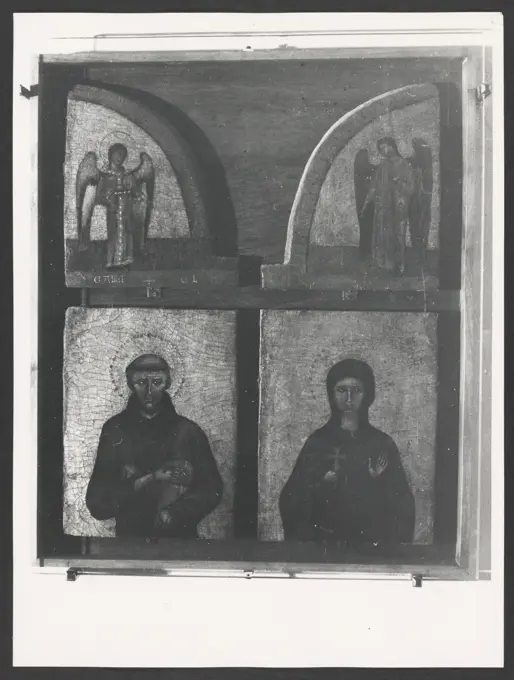
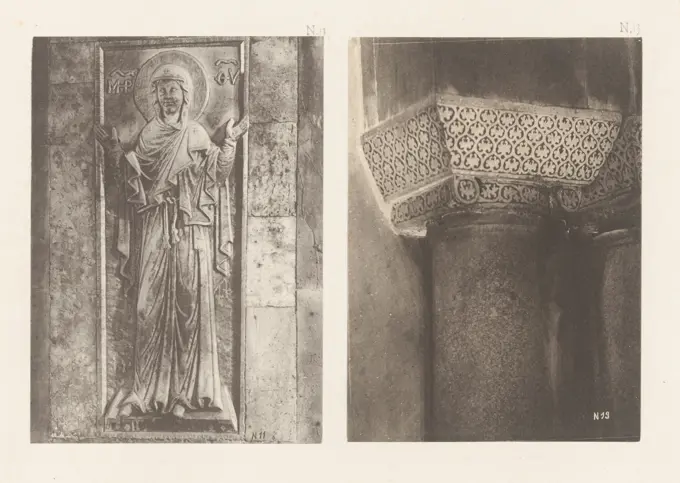
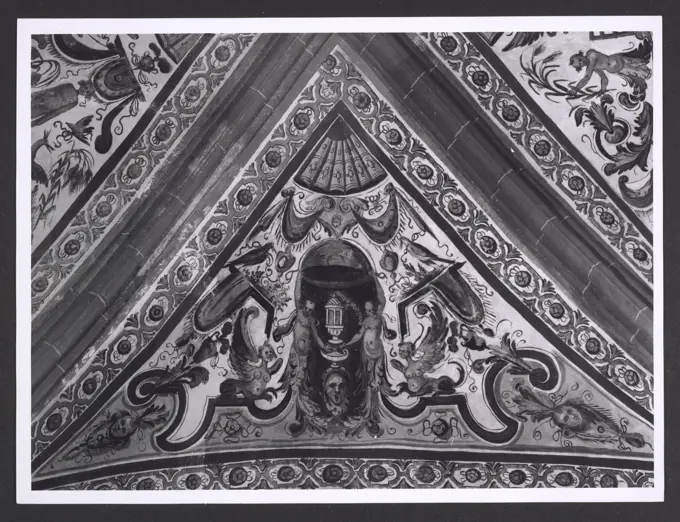
Marches Pesaro e Urbino Urbino Oratorio di S. Giovanni Battista5. Hutzel, Max 1960-1990 Post-medieval: 14th century architecture with a modern, neo-Gothic facade; frescos. German-born photographer and scholar Max Hutzel (1911-1988) photographed in Italy from the early 1960s until his death. The result of this project, referred to by Hutzel as Foto Arte Minore, is thorough documentation of art historical development in Italy up to the 18th century, including objects of the Etruscans and the Romans, as well as early Medieval, Romanesque, Gothic, Renaissance and Baroque monuments. Images are organized by geographic region in Italy, then by province, city, site complex and monument.Basilicata Matera Matera S. Francesco d'Assisi0. Hutzel, Max 1960-1990 Post-medieval: Built 1218, remodelled 1670. Architecture, architectural sculpture, painting, sculptured German-born photographer and scholar Max Hutzel (1911-1988) photographed in Italy from the early 1960s until his death. The result of this project, referred to by Hutzel as Foto Arte Minore, is thorough documentation of art historical development in Italy up to the 18th century, including objects of the Etruscans and the Romans, as well as early Medieval, Romanesque, Gothic, Renaissance and Baroque monuments. Images are organized by geographic region in Italy, then by province, city, site complex and monument.Campania Caserta Ventaroli S. Maria in Foro Claudio5. Hutzel, Max 1960-1990 German-born photographer and scholar Max Hutzel (1911-1988) photographed in Italy from the early 1960s until his death. The result of this project, referred to by Hutzel as Foto Arte Minore, is thorough documentation of art historical development in Italy up to the 18th century, including objects of the Etruscans and the Romans, as well as early Medieval, Romanesque, Gothic, Renaissance and Baroque monuments. Images are organized by geographic region in Italy, then by province, city, site complex and monument.Campania Caserta Casertavecchia (environs) S. Pietro ad Montes14. Hutzel, Max 1960-1990 Medieval: Architecture, frescoes Specific Location: Piedimonte di Casolla Object Notes: No information provided by Hutzel. See TCI, Campania, p. 251. General Notes: This monument is actually found in the village of Piedimonte di Casolla, but has been filed in the Hutzel collection under the city of Casertavecchia (environs). German-born photographer and scholar Max Hutzel (1911-1988) photographed in Italy from the early 1960s until his death. The result of this project, referred to by Hutzel as Foto Arte Minore, is thorough documentation of art historical development in Italy up to the 18th century, including objects of the Etruscans and the Romans, as well as early Medieval, Romanesque, Gothic, Renaissance and Baroque monuments. Images are organized by geographic region in Italy, then by province, city, site complex and monument.Ericsson, Henry, Martyrdom, colored woodcut, graphics, RELIGION, martyr, man, kneeling, halo, rope, trees, plate width 6.6 cm, plate height 10.7 cm, leaf width 22 cm, leaf height 28.3 cm, Carl August Henry Ericsson, 1898 in St. Michel, Finland - 1933 in Borgå, was a Finnish graphic artist and decorative painter of Finland.Lazio Rieti Leonessa S. Pietro6. Hutzel, Max 1960-1990 Medieval: Exterior views of architecture, and architectural sculpture (15th century). Post-medieval: Architecture, architectural sculpture, frescoes (15th century), wall painting (17th century), sculpture German-born photographer and scholar Max Hutzel (1911-1988) photographed in Italy from the early 1960s until his death. The result of this project, referred to by Hutzel as Foto Arte Minore, is thorough documentation of art historical development in Italy up to the 18th century, including objects of the Etruscans and the Romans, as well as early Medieval, Romanesque, Gothic, Renaissance and Baroque monuments. Images are organized by geographic region in Italy, then by province, city, site complex and monument.Christ of the Wawel Castle. Wyczółkowski, Leon (1852-1936), graphic artistUmbria Perugia Perugia Galleria Nazionale dell'Umbria1. Hutzel, Max 1960-1990 Views of Umbrian painting and sculpture. German-born photographer and scholar Max Hutzel (1911-1988) photographed in Italy from the early 1960s until his death. The result of this project, referred to by Hutzel as Foto Arte Minore, is thorough documentation of art historical development in Italy up to the 18th century, including objects of the Etruscans and the Romans, as well as early Medieval, Romanesque, Gothic, Renaissance and Baroque monuments. Images are organized by geographic region in Italy, then by province, city, site complex and monument.Campania Caserta Piedimonte Matese S. Biagio. Hutzel, Max 1960-1990 Post-medieval: Architecture (15th century); frescos (15th century), restored German-born photographer and scholar Max Hutzel (1911-1988) photographed in Italy from the early 1960s until his death. The result of this project, referred to by Hutzel as Foto Arte Minore, is thorough documentation of art historical development in Italy up to the 18th century, including objects of the Etruscans and the Romans, as well as early Medieval, Romanesque, Gothic, Renaissance and Baroque monuments. Images are organized by geographic region in Italy, then by province, city, site complex and monument.Jacobi, CH, Venice, Ongania, Ferdinand, Relief of a saint and a capital of the San Marco in Venice, recto - printed, This print is part of a cover with 58 prints on 50 sheets., photomechanical print, photographs, photographically illustrated books, 258, N.11, N.13, height 312 mm, width 394 mm, photographer, 1880 - 1885, paper, collotype, cliché makerLazio Frosinone Certosa di Trisulti Certosa di Trisulti, Monastery (Pharmacy)0. Hutzel, Max 1960-1990 Views of the pharmacy and two receiving rooms apparently located in the pharmacy complex. German-born photographer and scholar Max Hutzel (1911-1988) photographed in Italy from the early 1960s until his death. The result of this project, referred to by Hutzel as Foto Arte Minore, is thorough documentation of art historical development in Italy up to the 18th century, including objects of the Etruscans and the Romans, as well as early Medieval, Romanesque, Gothic, Renaissance and Baroque monuments. Images are organized by geographic region in Italy, then by province, city, site complex and monument.Abruzzo Civitaretenga S. Egidio1. Hutzel, Max 1960-1990 Post-medieval: Architecture, architectural sculpture (ruins), frescoes German-born photographer and scholar Max Hutzel (1911-1988) photographed in Italy from the early 1960s until his death. The result of this project, referred to by Hutzel as Foto Arte Minore, is thorough documentation of art historical development in Italy up to the 18th century, including objects of the Etruscans and the Romans, as well as early Medieval, Romanesque, Gothic, Renaissance and Baroque monuments. Images are organized by geographic region in Italy, then by province, city, site complex and monument.Campania Napoli Naples S. Lorenzo Maggiore89. Hutzel, Max 1960-1990 Medieval: Sculpture, architecture, architectural sculpture (including Roman spolia) 13-14th century Chapter house; sarcophagi, gravestones; wall painting. Fragment of mosaic; sculptural fragments in the Sala Capitolare. Post-medieval: Architecture, architectural sculpture, ceiling painting fresco cycle; prints depicting Venice c. 1845 (4), sculpture; life-size creche figures dressed in original Neapolitan costume Church restored in 1882, 1926, 1944; excavations under the transept undertaken between 1958-1962, and in the cloister in 1976, have revealed remains of a Roman macellum (market), street, and the paleochristian basilica of the 6th c. AD. Antiquities: Pottery: black-glazed, archaic banded, domestic wares, bucchero; architectural terracottas, statuettes, lamps, sculpture fragments Object Notes: 3 color negatives with no prints at the end. General Notes: Most objects/paintings/frescoes unidentified. Three batches Campania Salerno Padula Monastery of S. Lorenzo15. Hutzel, Max 1960-1990 There are views of a number of antiquities. Their specific location within the monastery is unknown. There are two views of the tomb of Tommaso Sanseverino and one view of a statue. There are views of the altar, the frescoed ceiling and statues in niches. niches. Views are of the ceiling, paintings, and statues in niches. There are views of the loggia and its balustrade. There are two views of the ceiling fresco. There are views of the fountain, portico, columns and capitals. There are views of the votive cross, loggia, and landscaping. There are views of the cloister, the fountain, and the loggia. There are views of the colonnade, the floor, and frescoes. There are general views of the cloister, the fountain, and the columns. There are interior views of the church altar, the valuted, frescoed ceiling, and comprehensive coverage of the two choir stalls. There are exterior views of the carved wooden door. There areAbruzzo L'Aquila Bominaco S. Pellegrino, Oratory5. Hutzel, Max 1960-1990 Medieval: Architecture, sculpture (12-13th century) Post-medieval: Fresco cycle (13th century) (Count: 252) German-born photographer and scholar Max Hutzel (1911-1988) photographed in Italy from the early 1960s until his death. The result of this project, referred to by Hutzel as Foto Arte Minore, is thorough documentation of art historical development in Italy up to the 18th century, including objects of the Etruscans and the Romans, as well as early Medieval, Romanesque, Gothic, Renaissance and Baroque monuments. Images are organized by geographic region in Italy, then by province, city, site complex and monument.Abruzzo Pescara Serramonacesca S. Liberatore a Maiella. Hutzel, Max 1960-1990 German-born photographer and scholar Max Hutzel (1911-1988) photographed in Italy from the early 1960s until his death. The result of this project, referred to by Hutzel as Foto Arte Minore, is thorough documentation of art historical development in Italy up to the 18th century, including objects of the Etruscans and the Romans, as well as early Medieval, Romanesque, Gothic, Renaissance and Baroque monuments. Images are organized by geographic region in Italy, then by province, city, site complex and monument.Lazio Sermoneta S. Francesco4. Hutzel, Max 1960-1990 Medieval: Architecture (13-16th century); fresco (13th century). Post-medieval: Altar, wood (late Baroque), wall painting (15th century), sculpture German-born photographer and scholar Max Hutzel (1911-1988) photographed in Italy from the early 1960s until his death. The result of this project, referred to by Hutzel as Foto Arte Minore, is thorough documentation of art historical development in Italy up to the 18th century, including objects of the Etruscans and the Romans, as well as early Medieval, Romanesque, Gothic, Renaissance and Baroque monuments. Images are organized by geographic region in Italy, then by province, city, site complex and monument.Stamp design for: J.F. Staal, Richard Nicolaüs Roland Holst, 1916 print. stamp A man and a woman give each other a kiss while they hold each other's hands. The man has put his arm around the shoulder of the woman. Around them the text: J.F Staal Jr. / Architect / pulchritudo / necessitas.  paper  couple of loversBrass Plate, unidentified, from Greenford Church, Attributed to Daniel Lysons, 1762-1834, British, between 1796 and 1811, Pen and black ink, watercolor and gouache over graphite on medium, slightly textured, cream wove paper, Sheet: 14 3/4 × 10 3/4 inches (37.5 × 27.3 cm), architectural subject, brass, church, memorial, plate, England, Greater London, Greenford, London, Parish of Greenford Magna, United KingdomUmbria Perugia Vallo di Nera S. Maria1. Hutzel, Max 1960-1990 Medieval: Exterior, architecture and architectural sculpture (12th-13th centuries). Post-medieval: Fresco painting, partially destroyed after 1973 earthquake (12th-17th centuries) General Notes: Hutzel sent sheet from earlier photo campaign of same site, comprising 92 prints. Sheet indicates mainly painting material. Able to locate only 3 prints. German-born photographer and scholar Max Hutzel (1911-1988) photographed in Italy from the early 1960s until his death. The result of this project, referred to by Hutzel as Foto Arte Minore, is thorough documentation of art historical development in Italy up to the 18th century, including objects of the Etruscans and the Romans, as well as early Medieval, Romanesque, Gothic, Renaissance and Baroque monuments. Images are organized by geographic region in Italy, then by province, city, site complex and monument.Lazio Roma Monterotondo Cathedral0. Hutzel, Max 1960-1990 Post-medieval: Architecture 17th century; frescoes 17th century; sculpture. Two views of facade and one of flank; interior views of nave, organ, and altars; many views and details of frescoes, paintings, and Roman sarcophagus that serves as altar. Antiquities: Roman sarcophagus German-born photographer and scholar Max Hutzel (1911-1988) photographed in Italy from the early 1960s until his death. The result of this project, referred to by Hutzel as Foto Arte Minore, is thorough documentation of art historical development in Italy up to the 18th century, including objects of the Etruscans and the Romans, as well as early Medieval, Romanesque, Gothic, Renaissance and Baroque monuments. Images are organized by geographic region in Italy, then by province, city, site complex and monument.Lazio Frosinone Veroli S. Andrea Apostolo, Cathedral0. Hutzel, Max 1960-1990 Views of metalwork objects housed in Treasury of S. Andrea Apostolo, including busts, reliquaries, crosses, polittico, boxes. Antiquities: relief sculpture; busts General Notes: Museum, which contains Treasury, is located in the last chapel of the right nave. Thirteen views of (non-metalwork) sculpture from Museum have been assigned numbers at end of Treasury sequence, but there are no negatives corresponding to these prints, nor is there authoritative evidence that these objects are housed in the Cathedral Museum. German-born photographer and scholar Max Hutzel (1911-1988) photographed in Italy from the early 1960s until his death. The result of this project, referred to by Hutzel as Foto Arte Minore, is thorough documentation of art historical development in Italy up to the 18th century, including objects of the Etruscans and the Romans, as well as early Medieval, Romanesque, Gothic, Renaissance and Baroque Campania Salerno Cava dei Tirreni Museo23. Hutzel, Max 1960-1990 German-born photographer and scholar Max Hutzel (1911-1988) photographed in Italy from the early 1960s until his death. The result of this project, referred to by Hutzel as Foto Arte Minore, is thorough documentation of art historical development in Italy up to the 18th century, including objects of the Etruscans and the Romans, as well as early Medieval, Romanesque, Gothic, Renaissance and Baroque monuments. Images are organized by geographic region in Italy, then by province, city, site complex and monument.Emilia-Romagna Ferrara Ferrara S. Antonio in Polsine3. Hutzel, Max 1960-1990 Medieval: Architecture (15th century). Post-medieval: Frescoes (15th century); Baroque interior, choir loft, sculpture (15th century) German-born photographer and scholar Max Hutzel (1911-1988) photographed in Italy from the early 1960s until his death. The result of this project, referred to by Hutzel as Foto Arte Minore, is thorough documentation of art historical development in Italy up to the 18th century, including objects of the Etruscans and the Romans, as well as early Medieval, Romanesque, Gothic, Renaissance and Baroque monuments. Images are organized by geographic region in Italy, then by province, city, site complex and monument.Bliżej Kultury unknownTuscany Grosseto Seggiano Parish church3. Hutzel, Max 1960-1990 German-born photographer and scholar Max Hutzel (1911-1988) photographed in Italy from the early 1960s until his death. The result of this project, referred to by Hutzel as Foto Arte Minore, is thorough documentation of art historical development in Italy up to the 18th century, including objects of the Etruscans and the Romans, as well as early Medieval, Romanesque, Gothic, Renaissance and Baroque monuments. Images are organized by geographic region in Italy, then by province, city, site complex and monument.La Scala dei Giganti Emma Ciardi (Italian, 1879-1933). , 1911. Oil on beaver board, 14 x 11 1/2 in. (35.6 x 29.2 cm).   European Art 1911Campania Caserta Casertavecchia (environs) S. Pietro ad Montes5. Hutzel, Max 1960-1990 Medieval: Architecture, frescoes Specific Location: Piedimonte di Casolla Object Notes: No information provided by Hutzel. See TCI, Campania, p. 251. General Notes: This monument is actually found in the village of Piedimonte di Casolla, but has been filed in the Hutzel collection under the city of Casertavecchia (environs). German-born photographer and scholar Max Hutzel (1911-1988) photographed in Italy from the early 1960s until his death. The result of this project, referred to by Hutzel as Foto Arte Minore, is thorough documentation of art historical development in Italy up to the 18th century, including objects of the Etruscans and the Romans, as well as early Medieval, Romanesque, Gothic, Renaissance and Baroque monuments. Images are organized by geographic region in Italy, then by province, city, site complex and monument.Abruzzo Pescara Penne Palazzo Vescovile, Museo19. Hutzel, Max 1960-1990 Medieval: Architecture; architectural sculpture (detatched); sculpture. Post-medieval: Sculpture, painting, architectural sculpture (detached), altar cloth: objects from Penne and Loreto Apruntino. German-born photographer and scholar Max Hutzel (1911-1988) photographed in Italy from the early 1960s until his death. The result of this project, referred to by Hutzel as Foto Arte Minore, is thorough documentation of art historical development in Italy up to the 18th century, including objects of the Etruscans and the Romans, as well as early Medieval, Romanesque, Gothic, Renaissance and Baroque monuments. Images are organized by geographic region in Italy, then by province, city, site complex and monument.Lazio Roma Anticoli Corrado S. Pietro1. Hutzel, Max 1960-1990 Medieval: Architecture, architectural sculpture, mosaic floor, frescoes, metal crucifix. The church was built in the 11th century and still preserves fragments of the original floor. Some of the wall and ceiling frescoes date to the 13th century. Post-medieval: Architecture, frescoes, wooden crucifix. Wall and ceiling frescoes from the 16th and 17th centuries. Object Notes: Mistake in numbering; one number left out. German-born photographer and scholar Max Hutzel (1911-1988) photographed in Italy from the early 1960s until his death. The result of this project, referred to by Hutzel as Foto Arte Minore, is thorough documentation of art historical development in Italy up to the 18th century, including objects of the Etruscans and the Romans, as well as early Medieval, Romanesque, Gothic, Renaissance and Baroque monuments. Images are organized by geographic region in Italy, then by province, city, site complex and monument.Lazio Viterbo Orte S. Silvestro Museo Diocesano d'Arte Sacra98. Hutzel, Max 1960-1990 Medieval: Romanesque architecture (12th century), architectural sculpture, 8th century mosaic, paintings on canvas and panel, including 13th century panel with scenes from the life of St. Francis, sculpture, carved wooden coffin, church furnishings. Post-medieval: Paintings on canvas and panel Antiquities: Fragments of sculpture German-born photographer and scholar Max Hutzel (1911-1988) photographed in Italy from the early 1960s until his death. The result of this project, referred to by Hutzel as Foto Arte Minore, is thorough documentation of art historical development in Italy up to the 18th century, including objects of the Etruscans and the Romans, as well as early Medieval, Romanesque, Gothic, Renaissance and Baroque monuments. Images are organized by geographic region in Italy, then by province, city, site complex and monument.Campania Napoli Naples S. Lorenzo Maggiore13. Hutzel, Max 1960-1990 Medieval: Sculpture, architecture, architectural sculpture (including Roman spolia) 13-14th century Chapter house; sarcophagi, gravestones; wall painting. Fragment of mosaic; sculptural fragments in the Sala Capitolare. Post-medieval: Architecture, architectural sculpture, ceiling painting fresco cycle; prints depicting Venice c. 1845 (4), sculpture; life-size creche figures dressed in original Neapolitan costume Church restored in 1882, 1926, 1944; excavations under the transept undertaken between 1958-1962, and in the cloister in 1976, have revealed remains of a Roman macellum (market), street, and the paleochristian basilica of the 6th c. AD. Antiquities: Pottery: black-glazed, archaic banded, domestic wares, bucchero; architectural terracottas, statuettes, lamps, sculpture fragments Object Notes: 3 color negatives with no prints at the end. General Notes: Most objects/paintings/frescoes unidentified. Three batches Lazio Viterbo Orte S. Silvestro Museo Diocesano d'Arte Sacra65. Hutzel, Max 1960-1990 Medieval: Romanesque architecture (12th century), architectural sculpture, 8th century mosaic, paintings on canvas and panel, including 13th century panel with scenes from the life of St. Francis, sculpture, carved wooden coffin, church furnishings. Post-medieval: Paintings on canvas and panel Antiquities: Fragments of sculpture German-born photographer and scholar Max Hutzel (1911-1988) photographed in Italy from the early 1960s until his death. The result of this project, referred to by Hutzel as Foto Arte Minore, is thorough documentation of art historical development in Italy up to the 18th century, including objects of the Etruscans and the Romans, as well as early Medieval, Romanesque, Gothic, Renaissance and Baroque monuments. Images are organized by geographic region in Italy, then by province, city, site complex and monument.Umbria Terni Terni Palazzo Manassei6. Hutzel, Max 1960-1990 Exterior views: facade of the Palazzo Manassei, the stairwell and loggia, along which are niched Roman statues and busts. Interior views: room with a coffered ceiling and marble busts inset in oval recesses along the walls; room displaying paintings, statues, archaeological artifacts in glass cases, and a lunette fresco by Pier Matteo da Amelia; room with ceiling fresco by Luca de la Haye. Most views are of individual paintings and altarpieces found within these rooms, with the exception of one wooden crucifixion. Owner: Pinacoteca Antiquities: Bas-reliefs of Roman emperors in profile from Hutzel's photo campaign of 1982 have been renumbered (views 42 to 78 are now H-142 to H-178). Though they most likely are part of the Museo preistorico, also in the Palazzo Manassei, they have been filed under Pinacoteca following the sequence of Hutzel's 1982 notes. (Negative count: 55) Object Notes: Hutzel made two photo campaigns of the PBliżej Kultury unknownAbruzzo L'Aquila Tagliacozzo Palazzo Ducale2. Hutzel, Max 1960-1990 Exterior views of the renaissance palace built in the 14th and 15th centuries by the Orsini family, with much attention to windows. Interior views of a loggia (15th century) with poorly preserved frescoes by Lorenzo da Viterbo. More impressive is the Orsini chapel with its coffered ceilings and Viterbo's frescoes of the Redemption, Annunciation, Adoration of the Magi, Baptism and Crucifixion. (See view in H-29 for a possible self-portrait among the Magi) German-born photographer and scholar Max Hutzel (1911-1988) photographed in Italy from the early 1960s until his death. The result of this project, referred to by Hutzel as Foto Arte Minore, is thorough documentation of art historical development in Italy up to the 18th century, including objects of the Etruscans and the Romans, as well as early Medieval, Romanesque, Gothic, Renaissance and Baroque monuments. Images are organized by geographic region in Italy, then by Umbria Perugia Norcia Castellina7. Hutzel, Max 1960-1990 Views of exterior and courtyard; views of sculptures, frescoes, and crosses in museum collection (housed in the Castlellina). General Notes: Some of the objects belong in the Palazzo Comunale museum; these have been reassigned numbers in that monument sequence. A number of prints, last noted as stored in Medieval section, are now missing, but we have the negatives which, where possible, have been assigned numbers corresponding to the Hutzel guide. German-born photographer and scholar Max Hutzel (1911-1988) photographed in Italy from the early 1960s until his death. The result of this project, referred to by Hutzel as Foto Arte Minore, is thorough documentation of art historical development in Italy up to the 18th century, including objects of the Etruscans and the Romans, as well as early Medieval, Romanesque, Gothic, Renaissance and Baroque monuments. Images are organized by geographic region in Italy, then by province, city, siLazio Roma Rome SS. Quattro Coronati7. Hutzel, Max 1960-1990 Exterior and cloister views of 12th c. church stored in Medieval section. Interior views of nave, altar, apse fresco, ciborium, holy water font, wall paintings. Many views of 13th c. frescoes in Oratorio di S. Silvestro and several views of the adjoining chapel. General Notes: Views of Oratorio frescoes processed by Paintings section now stored with Hutzel collection. German-born photographer and scholar Max Hutzel (1911-1988) photographed in Italy from the early 1960s until his death. The result of this project, referred to by Hutzel as Foto Arte Minore, is thorough documentation of art historical development in Italy up to the 18th century, including objects of the Etruscans and the Romans, as well as early Medieval, Romanesque, Gothic, Renaissance and Baroque monuments. Images are organized by geographic region in Italy, then by province, city, site complex and monument.Tuscany Grosseto Montemerano S. Giorgio3. Hutzel, Max 1960-1990 Post-medieval: 15th century architecture; baroque additions to interior; wall and ceiling frescos; paintings on canvas and panel; polychrome wooden altar; wooden sculpture; tabernacle. Object Notes: Hutzel photo campaign date: November 29, 1984. There are two sets of notes with different numbering systems, indicating the possibility of two campaigns. However, the photos are virtually identical. The numbered series (undated) was originally matched to the negs. The "A" series (dated 1984) was renumbered, more negs. have been found and the series has been integrated into the undated series. General Notes: Apse and transept date to the 14th century, but they are not illustrated in these photographs. German-born photographer and scholar Max Hutzel (1911-1988) photographed in Italy from the early 1960s until his death. The result of this project, referred to by Hutzel as Foto Arte Minore, is thorough documentation of art historiLazio Roma Rome S. Prassede7. Hutzel, Max 1960-1990 Medieval: Architecture (exterior and interior), architectural sculpture, sculptural fragments, tomb sculpture, frescoes, mosaics. Post-medieval: Architecture (interior), architectural sculpture, frescoes General Notes: No information sheet provided by Hutzel. See TCI, Roma e Dintorni, 360-2. Actual church built in 822 by Pasquale I. Renovated in 15th, 17th, 19th centuries. Mosaics and frescoes of 9th century, frescoes of the 17th century. German-born photographer and scholar Max Hutzel (1911-1988) photographed in Italy from the early 1960s until his death. The result of this project, referred to by Hutzel as Foto Arte Minore, is thorough documentation of art historical development in Italy up to the 18th century, including objects of the Etruscans and the Romans, as well as early Medieval, Romanesque, Gothic, Renaissance and Baroque monuments. Images are organized by geographic region in Italy, then by province, city, site complex andUmbria Perugia Foligno Palazzo Trinci0. Hutzel, Max 1960-1990 Post-medieval: 14th century architecture (1389-1407), 19th century facade (1841-47), paintings on canvas, paintings on panel, frescoes, minor arts Object Notes: pinocoteca is on second floor (no neg.s to date) German-born photographer and scholar Max Hutzel (1911-1988) photographed in Italy from the early 1960s until his death. The result of this project, referred to by Hutzel as Foto Arte Minore, is thorough documentation of art historical development in Italy up to the 18th century, including objects of the Etruscans and the Romans, as well as early Medieval, Romanesque, Gothic, Renaissance and Baroque monuments. Images are organized by geographic region in Italy, then by province, city, site complex and monument.Saint Lawrence Intercedes for the Soul of Emperor Henry II Lorenzo di Niccolò (Italian, Florentine, documented 1393-1412). Saint Lawrence Intercedes for the Soul of Emperor Henry II, ca. 1412. Tempera and tooled gold on poplar panel, 15 x 9 x 7/16 in. (38.1 x 22.9 x 1.1 cm).  A horizontal panel that supports the main altarpiece, a predella often presents narrative scenes from the life of the saint or holy figure who is represented in the main image above it. In this example, Lorenzo illustrates the life of Saint Lawrence, a third-century deacon of the Catholic Church and an early martyr. At an undetermined time and for reasons that remain unclear, this predella was removed from its altarpiece and cut into several pieces. Scholars have reconstructed the approximate sequence, following art-historical precedent, and arranged the scenes according to the devotional function of the predella rather than providing a strict chronology of events. This ordering places the widest panelthe depictiLazio Roma Subiaco S. Francesco6. Hutzel, Max 1960-1990 Exterior views of 14th c. church portals, facade and cloister. Interior views of simple francescan nave, altars, chapels, and refectory, with comprehensive coverage of panel paintings and frescoes. German-born photographer and scholar Max Hutzel (1911-1988) photographed in Italy from the early 1960s until his death. The result of this project, referred to by Hutzel as Foto Arte Minore, is thorough documentation of art historical development in Italy up to the 18th century, including objects of the Etruscans and the Romans, as well as early Medieval, Romanesque, Gothic, Renaissance and Baroque monuments. Images are organized by geographic region in Italy, then by province, city, site complex and monument.Abruzzo L'Aquila L'Aquila Museo Nazionale d'Abruzzo28. Hutzel, Max 1960-1990 Tabernacle from S. Maria delle Grotte in Fossa with scenes of the Presentation at the Temple, the Flagellation, the Annunciation, and the Betrayal by Judas. Museo Nazionale housed in Castle: several exterior views (The Archeological Museum is one gallery (Sala IV) of the Museo). Remaining views of museum collection, including paintings, processional crosses, reliquaries, chalices, ceramics, textiles, manuscripts, and a number of eighth century Abruzzan Madonna sculptures. Works from the church Madonna del Soccorso also stored in Museo. Museo Nazionale d'Abruzzo Roman inscriptions, sculpture and relief German-born photographer and scholar Max Hutzel (1911-1988) photographed in Italy from the early 1960s until his death. The result of this project, referred to by Hutzel as Foto Arte Minore, is thorough documentation of art historical development in Italy up to the 18th century, including objects of the EtruscansBasilicata Matera Matera S. Francesco d'Assisi4. Hutzel, Max 1960-1990 Post-medieval: Built 1218, remodelled 1670. Architecture, architectural sculpture, painting, sculptured German-born photographer and scholar Max Hutzel (1911-1988) photographed in Italy from the early 1960s until his death. The result of this project, referred to by Hutzel as Foto Arte Minore, is thorough documentation of art historical development in Italy up to the 18th century, including objects of the Etruscans and the Romans, as well as early Medieval, Romanesque, Gothic, Renaissance and Baroque monuments. Images are organized by geographic region in Italy, then by province, city, site complex and monument.Tuscany Siena Poggibonsi S. Lucchese54. Hutzel, Max 1960-1990 German-born photographer and scholar Max Hutzel (1911-1988) photographed in Italy from the early 1960s until his death. The result of this project, referred to by Hutzel as Foto Arte Minore, is thorough documentation of art historical development in Italy up to the 18th century, including objects of the Etruscans and the Romans, as well as early Medieval, Romanesque, Gothic, Renaissance and Baroque monuments. Images are organized by geographic region in Italy, then by province, city, site complex and monument.Abruzzo L'Aquila Celano Museum38. Hutzel, Max 1960-1990 Medieval: Manuscripts: Miniature nella Marsica; Trasacco - Antifonario; Tagliacozzo - Messale; Avezzano - L'Ecultet Metalwork--processional crosses Post-medieval: Vestments, metalwork, painting, frescoes, sculpture German-born photographer and scholar Max Hutzel (1911-1988) photographed in Italy from the early 1960s until his death. The result of this project, referred to by Hutzel as Foto Arte Minore, is thorough documentation of art historical development in Italy up to the 18th century, including objects of the Etruscans and the Romans, as well as early Medieval, Romanesque, Gothic, Renaissance and Baroque monuments. Images are organized by geographic region in Italy, then by province, city, site complex and monument.Pen Eberndorf: Gravestone in the right side ship.Bliej Kultury unknownBliżej Kultury unknownLazio Roma Albano Laziale Catacombe di S. Senatore0. Hutzel, Max 1960-1990 Antiquities: Interior views: fragments of architectural sculpture, some with inscriptions; wall painting (4-9th century) Object Notes: Catacombs beneath church church of S. Maria della Stella German-born photographer and scholar Max Hutzel (1911-1988) photographed in Italy from the early 1960s until his death. The result of this project, referred to by Hutzel as Foto Arte Minore, is thorough documentation of art historical development in Italy up to the 18th century, including objects of the Etruscans and the Romans, as well as early Medieval, Romanesque, Gothic, Renaissance and Baroque monuments. Images are organized by geographic region in Italy, then by province, city, site complex and monument.Umbria Terni Porchiano del Monte Parrocchiale2. Hutzel, Max 1960-1990 Medieval: Architecture, architectural sculpture (12th century). Post-medieval: Architectural sculpture, frescoes, sculpture (16th century) German-born photographer and scholar Max Hutzel (1911-1988) photographed in Italy from the early 1960s until his death. The result of this project, referred to by Hutzel as Foto Arte Minore, is thorough documentation of art historical development in Italy up to the 18th century, including objects of the Etruscans and the Romans, as well as early Medieval, Romanesque, Gothic, Renaissance and Baroque monuments. Images are organized by geographic region in Italy, then by province, city, site complex and monument.Lazio Rieti Labro S. Maria1. Hutzel, Max 1960-1990 Medieval: Architectural fragments, sculptural fragments. Post-medieval: Architecture, architectural sculpture, fresco painting, painting, sculpture, sculptural fragments Object Notes: In 1508, the church was built over the remains of a castle, preceding that of the Vitelleschi. No information provided by Hutzel. See TCI, Lazio, p.456. German-born photographer and scholar Max Hutzel (1911-1988) photographed in Italy from the early 1960s until his death. The result of this project, referred to by Hutzel as Foto Arte Minore, is thorough documentation of art historical development in Italy up to the 18th century, including objects of the Etruscans and the Romans, as well as early Medieval, Romanesque, Gothic, Renaissance and Baroque monuments. Images are organized by geographic region in Italy, then by province, city, site complex and monument.Lazio Roma Rome Casal dei Pazzi3. Hutzel, Max 1960-1990 Medieval: Sculptural fragments. Post-medieval: Architecture Antiquities: Sarcophaghi; stele German-born photographer and scholar Max Hutzel (1911-1988) photographed in Italy from the early 1960s until his death. The result of this project, referred to by Hutzel as Foto Arte Minore, is thorough documentation of art historical development in Italy up to the 18th century, including objects of the Etruscans and the Romans, as well as early Medieval, Romanesque, Gothic, Renaissance and Baroque monuments. Images are organized by geographic region in Italy, then by province, city, site complex and monument.Emilia-Romagna Ferrara Ferrara S. Francesco5. Hutzel, Max 1960-1990 Medieval: Sculpture, tomb monuments. Post-medieval: Architecture, architectural sculpture, sculpture, ceramics, frescoes, painting Specific Location: Via Savonarola Object Notes: Ferrarese Franciscan Archive was burned by soldiers in 1494; Founding date today is set at 1227. General Notes: Includes second set of 17 post-med photos with same numbering system. These have been labeled "B". German-born photographer and scholar Max Hutzel (1911-1988) photographed in Italy from the early 1960s until his death. The result of this project, referred to by Hutzel as Foto Arte Minore, is thorough documentation of art historical development in Italy up to the 18th century, including objects of the Etruscans and the Romans, as well as early Medieval, Romanesque, Gothic, Renaissance and Baroque monuments. Images are organized by geographic region in Italy, then by province, city, site complex and monument.Marches Macerata Castelsantangelo sul Nera S. Martino6. Hutzel, Max 1960-1990 Medieval: Romanesque architecture (12th century); campanile with bifora windows; architectural sculpture: capitals, etc.; tabernacle carved with lion heads; gothic altar. Post-medieval: Frescos (15th and 16th centuries); sculpture in wood (16th century); terracotta bust of a bishop (16th century) German-born photographer and scholar Max Hutzel (1911-1988) photographed in Italy from the early 1960s until his death. The result of this project, referred to by Hutzel as Foto Arte Minore, is thorough documentation of art historical development in Italy up to the 18th century, including objects of the Etruscans and the Romans, as well as early Medieval, Romanesque, Gothic, Renaissance and Baroque monuments. Images are organized by geographic region in Italy, then by province, city, site complex and monument.Six Courtiers ca. 1465-80 South Netherlandish. Six Courtiers. South Netherlandish. ca. 1465-80. Wool warp, wool wefts with a few silk wefts. Textiles-TapestriesDETALLE DEL SALON DE PORCELANAS - REALIZADO ENTRE 1763/1765. Author: GIUSEPPE GRICCI (1700-1770). Location: PALACIO REAL-INTERIOR. Aranjuez. MADRID. SPAIN.Lazio Frosinone Sora S. Francesco1. Hutzel, Max 1960-1990 Medieval: Architectural sculpture. The apse of the church is decorated on the exterior by a double-arched gothic window. Post-medieval: Architecture, painting, sculpture. In a side altar is placed a fresco of the Madonna of Misericordia, dating to the 15th century by an artist close to Lattanzio. The walls of the church are decorated by statues of Old Testament figures in niches. German-born photographer and scholar Max Hutzel (1911-1988) photographed in Italy from the early 1960s until his death. The result of this project, referred to by Hutzel as Foto Arte Minore, is thorough documentation of art historical development in Italy up to the 18th century, including objects of the Etruscans and the Romans, as well as early Medieval, Romanesque, Gothic, Renaissance and Baroque monuments. Images are organized by geographic region in Italy, then by province, city, site complex and monument.Bliżej Kultury unknownTuscany Siena Poggibonsi S. Lucchese57. Hutzel, Max 1960-1990 German-born photographer and scholar Max Hutzel (1911-1988) photographed in Italy from the early 1960s until his death. The result of this project, referred to by Hutzel as Foto Arte Minore, is thorough documentation of art historical development in Italy up to the 18th century, including objects of the Etruscans and the Romans, as well as early Medieval, Romanesque, Gothic, Renaissance and Baroque monuments. Images are organized by geographic region in Italy, then by province, city, site complex and monument.Emilia-Romagna Ferrara Ferrara S. Francesco16. Hutzel, Max 1960-1990 Medieval: Sculpture, tomb monuments. Post-medieval: Architecture, architectural sculpture, sculpture, ceramics, frescoes, painting Specific Location: Via Savonarola Object Notes: Ferrarese Franciscan Archive was burned by soldiers in 1494; Founding date today is set at 1227. General Notes: Includes second set of 17 post-med photos with same numbering system. These have been labeled "B". German-born photographer and scholar Max Hutzel (1911-1988) photographed in Italy from the early 1960s until his death. The result of this project, referred to by Hutzel as Foto Arte Minore, is thorough documentation of art historical development in Italy up to the 18th century, including objects of the Etruscans and the Romans, as well as early Medieval, Romanesque, Gothic, Renaissance and Baroque monuments. Images are organized by geographic region in Italy, then by province, city, site complex and monument.Umbria Perugia Perugia Galleria Nazionale dell'Umbria6. Hutzel, Max 1960-1990 Views of Umbrian painting and sculpture. German-born photographer and scholar Max Hutzel (1911-1988) photographed in Italy from the early 1960s until his death. The result of this project, referred to by Hutzel as Foto Arte Minore, is thorough documentation of art historical development in Italy up to the 18th century, including objects of the Etruscans and the Romans, as well as early Medieval, Romanesque, Gothic, Renaissance and Baroque monuments. Images are organized by geographic region in Italy, then by province, city, site complex and monument.Jason and Hercules (Heracles/Herakles) at King Laomedon's court in Troy. unknown c. 1480-1500 Tapestry Dimensions: H 11'10" x W 9'2" Tapestry Materials/Techniques: unknown Culture: Southern Netherlands Ownership History: French & Co. United States, Nebraska, Omaha, Joslyn Art Museum. Inscriptions: Inscription in central field on upper banderole: Jason et hercules /.. in.. portu troiano.. / quod cum.. regi laomedon fuisset.. Inscriptions: Inscription in central field above figure of King Laomedon: laomedon Inscriptions: Inscription in central field above doorway of castle: troiee Inscriptions: Inscription in central field on ship mass: de gresse King Laomedon, surrounded by courtesans, holding scepter with left hand, waving with right hand (L, middle ground), king's officer bringing out unfriendly message, ordering departure of Jason & Hercules (center, foreground) Fragment of tapestry. No French & Co. stock sheet in archive, no stock number Hunter, Practical book of Tapestries (1925), Abruzzo L'Aquila Castelvecchio Subequo S. Francesco, Museum0. Hutzel, Max 1960-1990 Reliquaries, processional cross (15th century) statues- including a silver Madonna and Child with Angels, sculpture-including wooden statue of Christ, and frescoes Roman sculpture fragments, bronze sculpture, bronze plate, iron sword, roman coins German-born photographer and scholar Max Hutzel (1911-1988) photographed in Italy from the early 1960s until his death. The result of this project, referred to by Hutzel as Foto Arte Minore, is thorough documentation of art historical development in Italy up to the 18th century, including objects of the Etruscans and the Romans, as well as early Medieval, Romanesque, Gothic, Renaissance and Baroque monuments. Images are organized by geographic region in Italy, then by province, city, site complex and monument.