My Boards
View Pictures
  • My Boards

Saturn and Celestial Bodies

Stunning visuals of Saturn showcasing its rings and atmospheric colors. Also includes artistic impressions of distant planets.
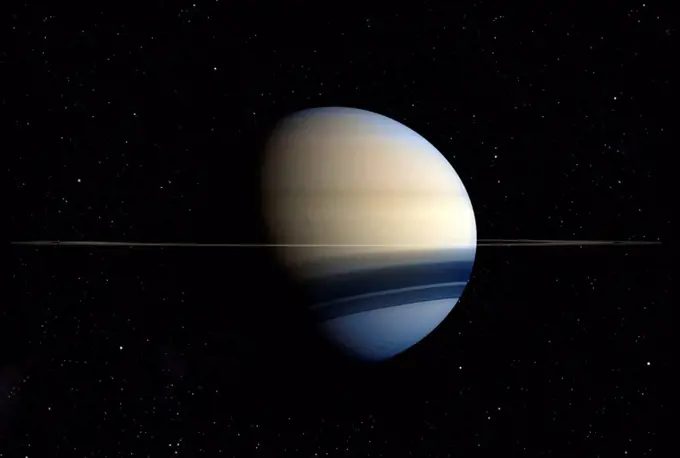
Saturn, artwork
Saturn, artwork
244 assets in this story
6145-45262028
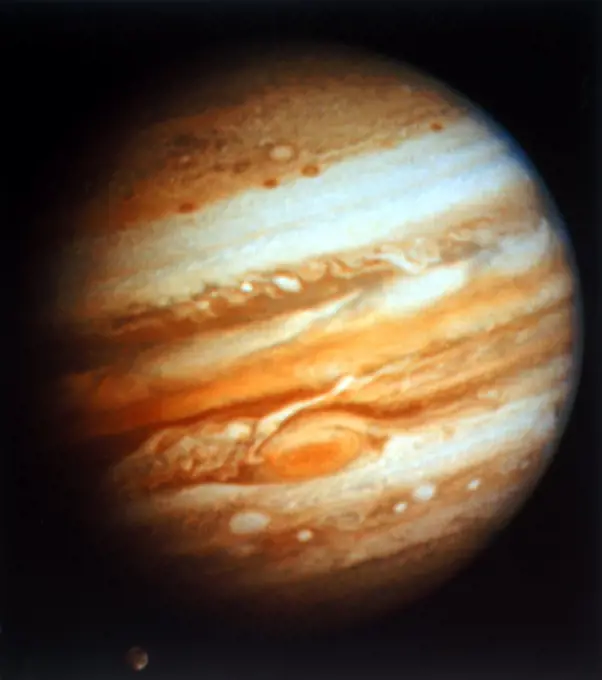
This image of Jupiter's iconic Great Red Spot (GRS) was created by citizen scientist Björn Jónsson using data from the JunoCam imager on NASA's Juno spacecraft. This true-color image offers a natural color rendition of what the Great Red Spot and surrounding areas would look like to human eyes from Juno's position. The tumultuous atmospheric zones in and around the Great Red Spot are clearly visible. The image was taken on July 10, 2017 at 07 10 p.m. PDT (10 10 p.m. EDT), as the Juno spacecraft performed its seventh close flyby of Jupiter. At the time the image was taken, the spacecraft was about 8,648 miles (13,917 kilometers) from the tops of the clouds of the planet at a latitude of -32.6 degrees.
4239-69143464
Kepler-10c dwarf star.
4239R-566
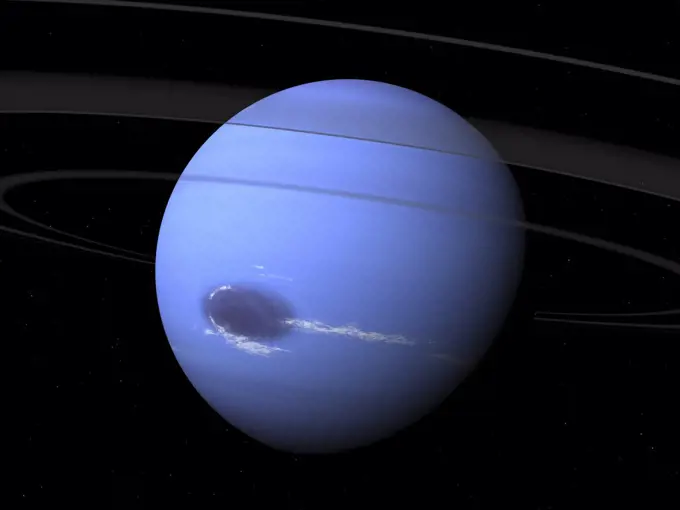
Artist's concept showing how Neptune's Great Dark Spot and rings may have looked in 1989 from a position just beneath Neptune's ring plane
6145-44637160
Speeding toward pale, icy Dione, Cassini's view is enriched by the tranquil gold and blue hues of Saturn in the distance. The horizontal stripes near the bottom of the image are Saturn's rings.
6145-44629319
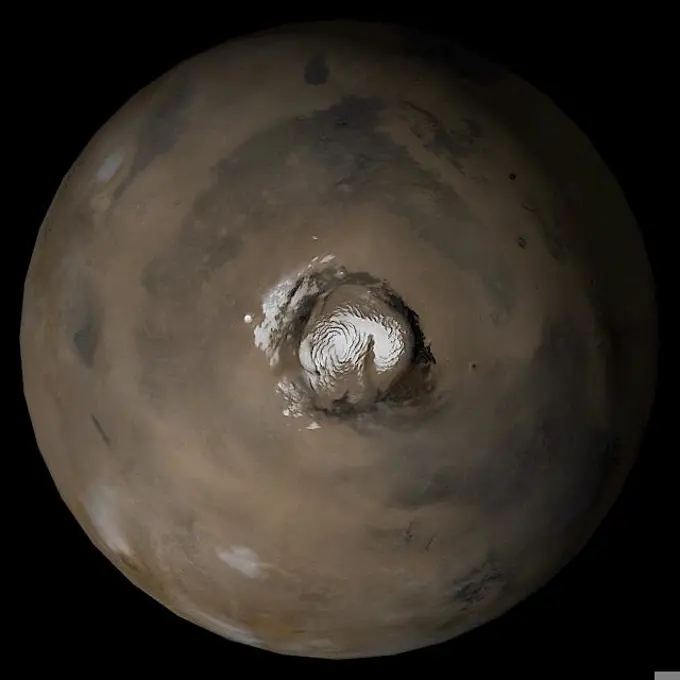
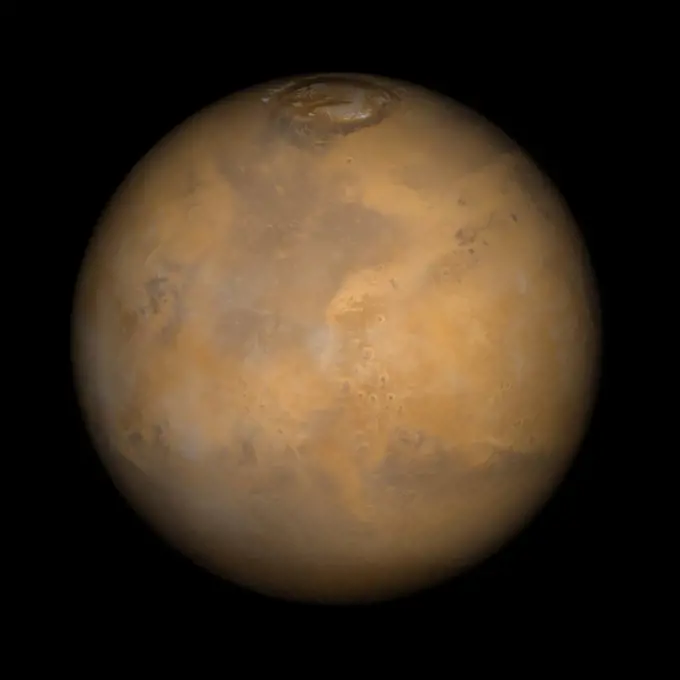
Mars at Ls 176: North Polar Region
1899-61026
View Of The Planet Jupiter And Its Great Red Spot
6145-44671442
Cassini takes in a sweeping view of Saturn's south polar region as the planet's shadow masks the rings and bright, icy Mimas looks on from left
1525-21064851
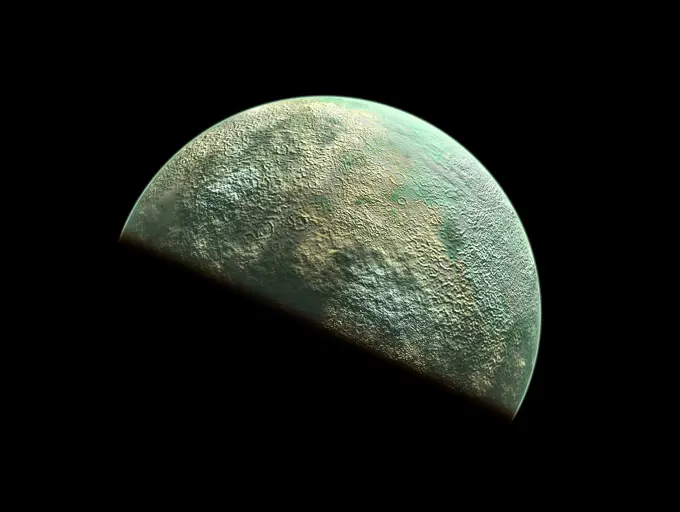
Computer generated planet, isolated over black background
6145-44969067
Caption Glowing a dark magenta, the newly discovered exoplanet GJ 504b weighs in with about four times Jupiter's mass, making it the lowest-mass planet ever directly imaged around a star like the sun.
6145-44493782
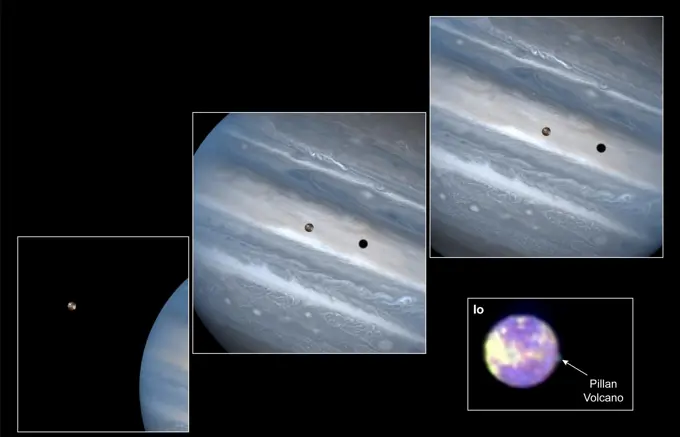
Hubble Clicks Images of Io Sweeping Across Jupiter
1457R-239
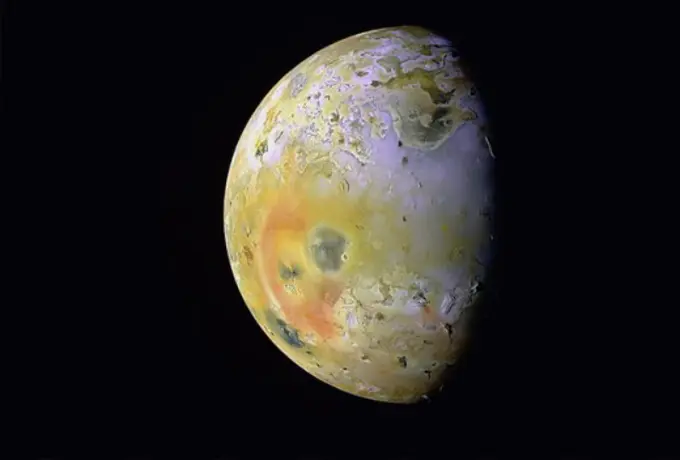
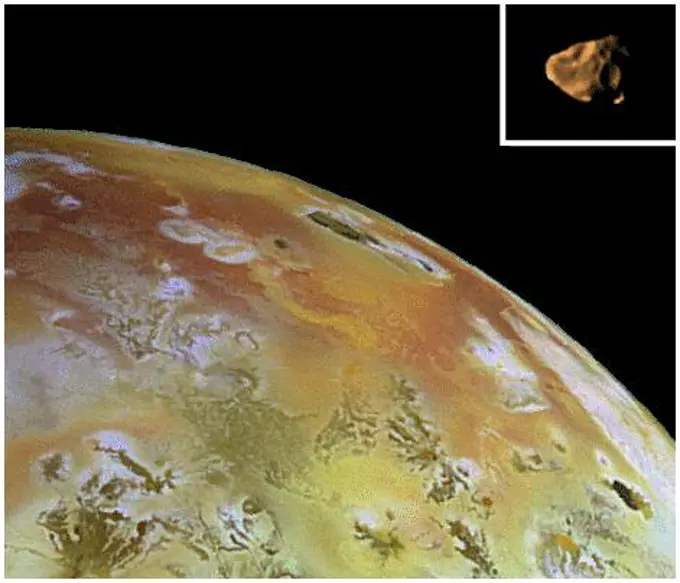
Jupiter's moon, Io
4239R-546
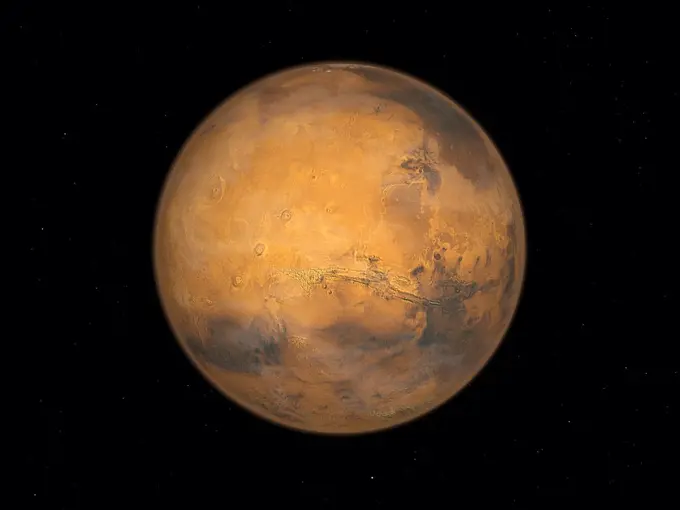
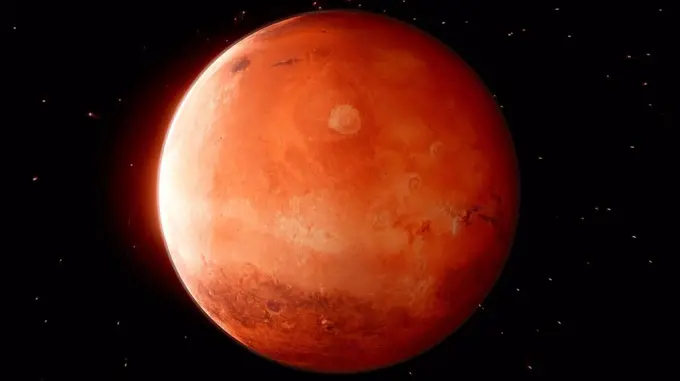
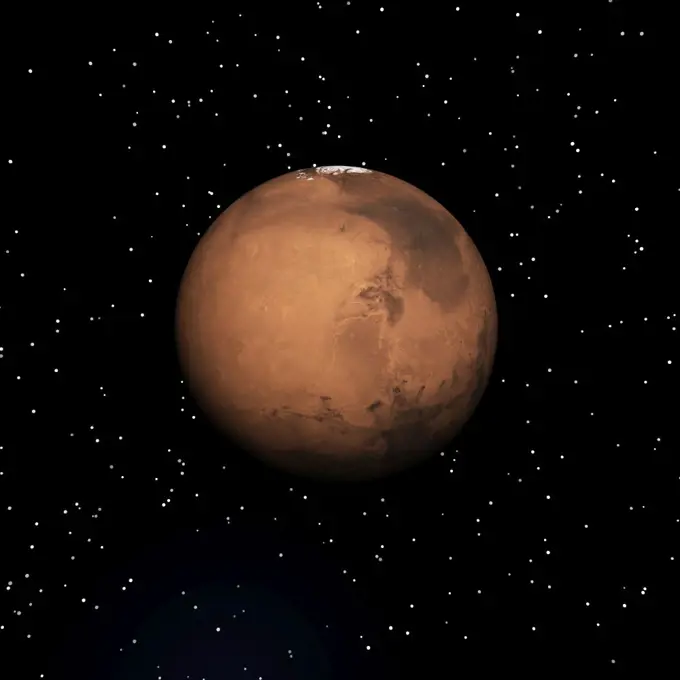
A full Mars
6145-44638810
Mars at Ls 324
4193R-1123
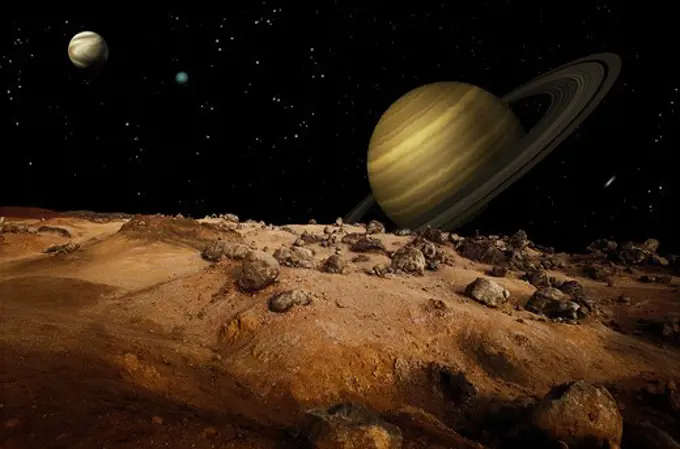
Outerspace shot from one of Saturn's moons showing Saturn in the background
6145-54089242
The moon sits in total lunar eclipse over the Yokota Air Base, Japan, Nov. 8, 2022. A lunar eclipse occurs when the Sun, Earth, and Moon align so that the Moon passes into Earths shadow. In a total lunar eclipse, the entire Moon falls within the darkest part of Earths shadow, called the umbra. When the Moon is within the umbra, it will turn a reddish hue. Lunar eclipses are sometimes called Blood Moons because of this phenomenon.
6145-45260412
Winds around Jupiter's Great Red Spot are simulated in this JunoCam view that has been animated using a model of the winds there. The wind model, called a velocity field, was derived from data collected by NASA's Voyager spacecraft and Earth-based telescopes. NASA's Juno spacecraft acquired the original, static view during passage over the spot on July 10, 2017. Citizen scientists Gerald Eichstädt and Justin Cowart turned the JunoCam data into a color image mosaic. Juno scientists Shawn Ewald and Andrew Ingersoll applied the velocity data to the image to produce a looping animation. An animation is available at
1746-19671680
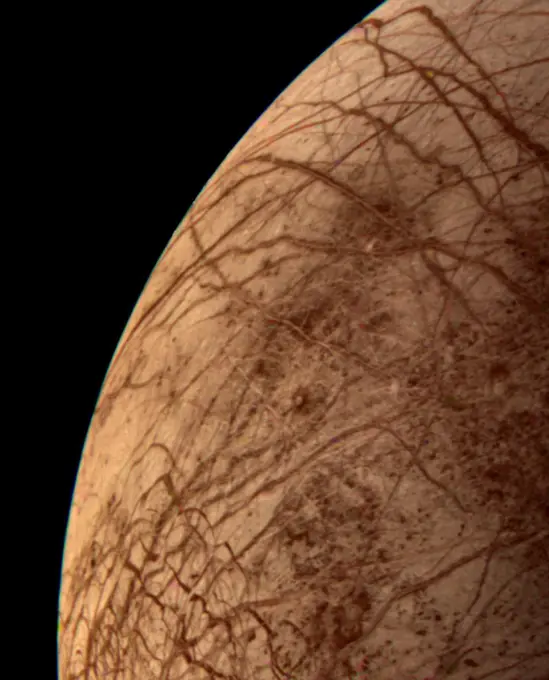
This color image of the Jovian moon Europa was acquired by Voyager 2 during its close encounter on Monday morning, July 9, 1979.
4128R-13575767
Amalthea is a moon of Jupiter, the third closest to the planet at 181365 km away (about 2.6 Jupiter radii from the centre of the planet). At just 250 ...
4353-289
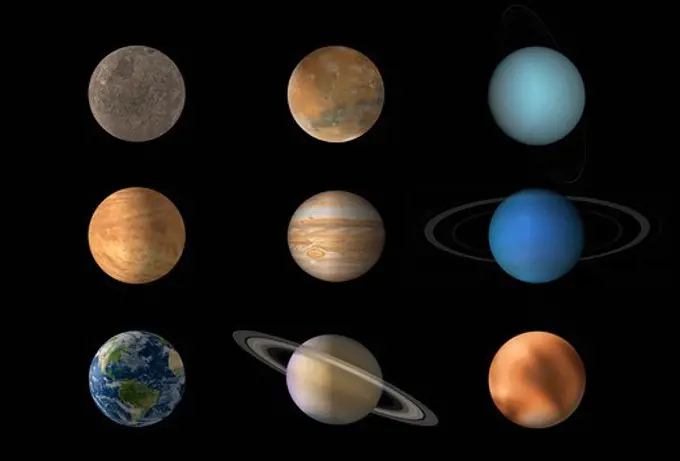
Digital Illustration of the Nine Planets of Our Solar System
6145-44483646
NASA's Juno mission captured this view of Jupiter's southern hemisphere during the spacecraft's 39th close flyby of the planet on Jan. 12, 2022. Zooming in on the right portion of the image (Figure 1) reveals two more worlds in the same frame Jupiter's intriguing moons Io (left) and Europa (right). Io is the solar system's most volcanic body, while Europa's icy surface hides a global ocean of liquid water beneath. Juno will have an opportunity to capture much more detailed observations of Europa - using several scientific instruments - in September 2022, when the spacecraft makes the closest fly-by of the enigmatic moon in decades. The mission will also make close approaches to Io in late 2023 and early 2024. At the time this image was taken, the Juno spacecraft was about 38,000 miles (61,000 kilometers) from Jupiter's cloud tops, at a latitude of about 52 degrees south. Citizen scientist Andrea Luck created the image using raw data from the JunoCam instrument.
4128-18680884
Mars, illustration
4389-213
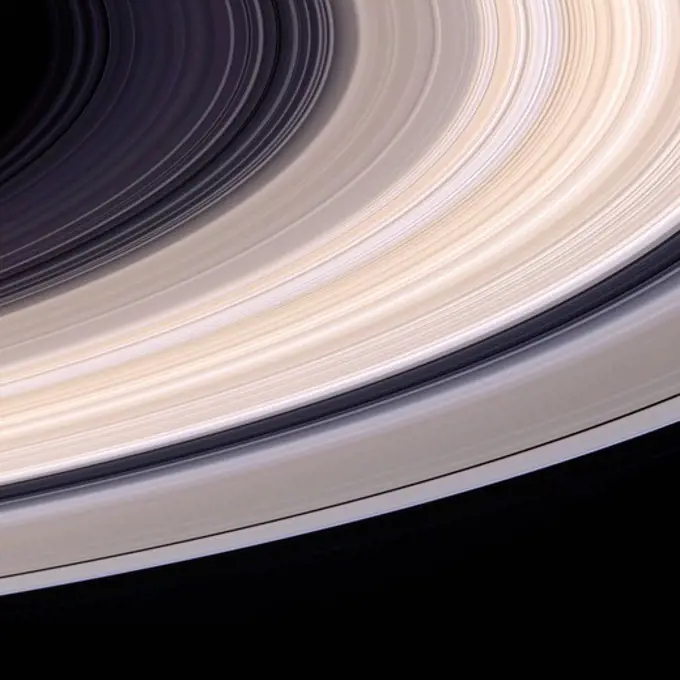
Saturn's Amazing Rings in Natural Color , From Cassini
4128-24796358
Jupiter, illustration
6145-44495659
Io - Jupiter's inner satellite
6145-44655055
This MOC image shows an unconformity in a sequence of layered material in the martian north polar region created by erosion
1746-19671724
The Red Spot is the largest known storm in the Solar System. With a diameter of 15,400 miles, it is almost twice the size of the entire Earth and one-sixth the diameter of Jupiter itself.
1574R-34935
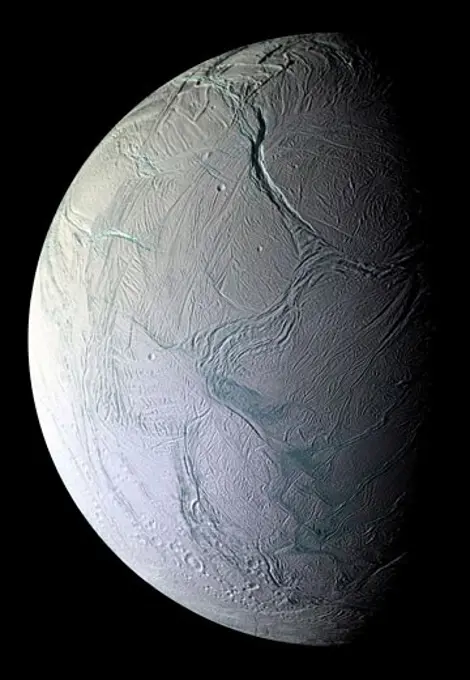
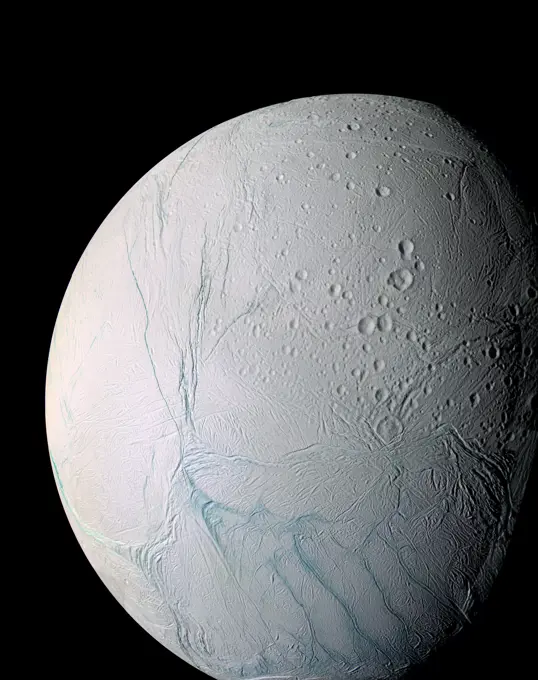
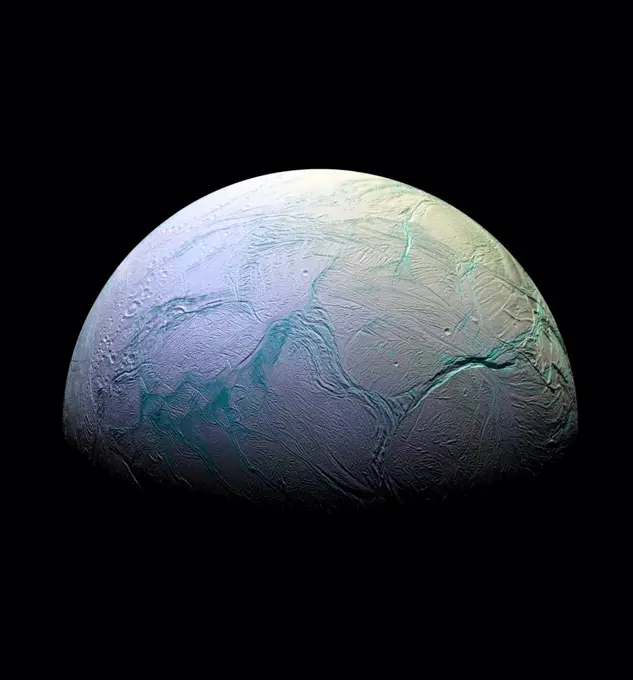
Saturn's moon Enceladus
6145-44643542
A masterpiece of deep time and wrenching gravity, the tortured surface of Saturn's moon Enceladus and its fascinating ongoing geologic activity tell the story of the ancient and present struggles of one tiny world.
6145-45100523
This frame from a movie is composed of the sharpest views of Pluto that NASA's New Horizons spacecraft obtained during its flyby of the distant planet on July 14, 2015.
6145-44556291
Roughly true color image of the Great Red Spot of Jupiter as taken by NASA's Galileo spacecraft on June 26, 1996.
6145-44734538
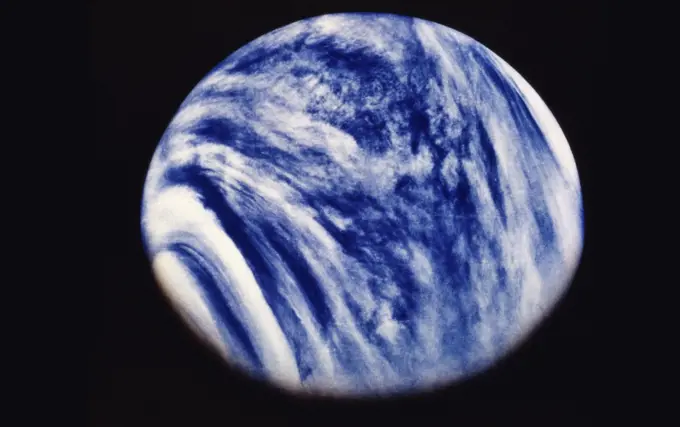
Pioneer-Venus Ocpp. Image 00194 Venus
6145-44484981
As NASA's Juno mission completed its 43rd close flyby of Jupiter on July 5, 2022, its JunoCam instrument captured this striking view of vortices - hurricane-like spiral wind patterns - near the planet's north pole. These powerful storms can be over 30 miles (50 kilometers) in height and hundreds of miles across. Figuring out how they form is key to understanding Jupiter's atmosphere, as well as the fluid dynamics and cloud chemistry that create the planet's other atmospheric features. Scientists are particularly interested in the vortices' varying shapes, sizes, and colors. For example, cyclones, which spin counter-clockwise in the northern hemisphere and clockwise in the southern, and anti-cyclones, which rotate clockwise in the northern hemisphere and counter-clockwise in the southern hemisphere, exhibit very different colors and shapes. A NASA citizen science project, Jovian Vortex Hunter, seeks help from volunteer members of the public to spot and help categorize vortices and other
1525-26582419
Solar system scale. Sun Mercury Venus Moon Earth Mars Jupiter Saturn Uranus Neptune Pluto. Elements of this image furnished by NASA
6145-45052571
This trick that the planet is looking back at you is actually a Hubble treat An eerie, close-up view of Jupiter, the biggest planet in our solar system. Hubble was monitoring changes in Jupiters immense Great Red Spot (GRS) storm on April 21, 2014, when the shadow of the Jovian moon, Ganymede, swept across the center of the storm. This gave the giant planet the uncanny appearance of having a pupil in the center of a 10,000 mile-diameter “eye.” For a moment, Jupiter “stared” back at Hubble like a one-eyed giant Cyclops.
6145-44679142
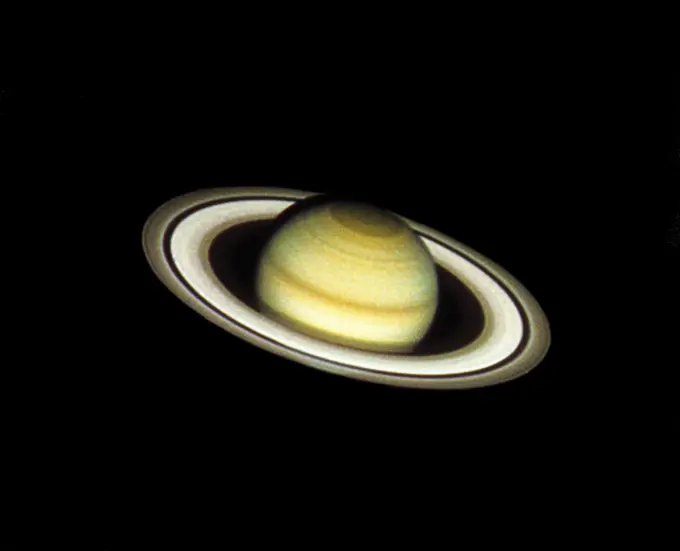
This color image of Saturn was taken with the Hubble Space Telescope's (HST's) Wide Field Camera (WFC) at 3 25 am EDT, August 26, 1990, when the planet was at a distance of 2.39 million km (360 million miles) from Earth. The color in the image is reconstructed by combining three different pictures, taken in blue, green and red light (4390, 5470 and 7180 angstroms). Because Saturn's north pole is currently tilted toward Earth (24 degrees), the HST image reveals unprecedented detail in atmospheric features at the northern polar hood, a region not extensively imaged by the Voyager space probes. The classic features of Saturn's vast ring system are also clearly seen from outer to irner edge; the bright A and B rings, divided by the Cassini division, and the very faint inner C ring. The Enche division, a dark gap near the outer edge of the A ring, has never before been photographed from Earth.
6145-58967610
Modern-day Mars experiences cyclical changes in climate and, consequently, ice distribution. Unlike Earth, the obliquity (or tilt) of Mars changes substantially on timescales of hundreds of thousands to millions of years.
6145-44625116
Titan in False Color
6145-45264647
MarCO-B, one of the experimental Mars Cube One (MarCO) CubeSats, took this image of Mars from about 4,700 miles (6,000 kilometers) away during its flyby of the Red Planet on Nov. 26, 2018. MarCO-B was flying by Mars with its twin, MarCO-A, to attempt to serve as communications relays for NASA's InSight spacecraft as it landed on Mars. This image was taken at about 12 10 p.m. PST (3 10 p.m. EST) while MarCO-B was flying away from the planet after InSight landed.
1848-64912629
Mars planet, Space Background, Elements of this image are furnished by NASA
4128R-22423
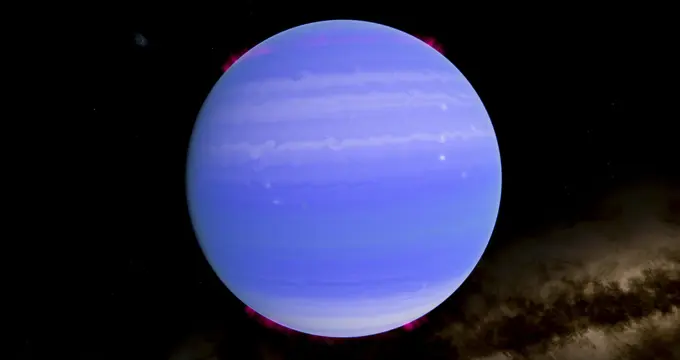
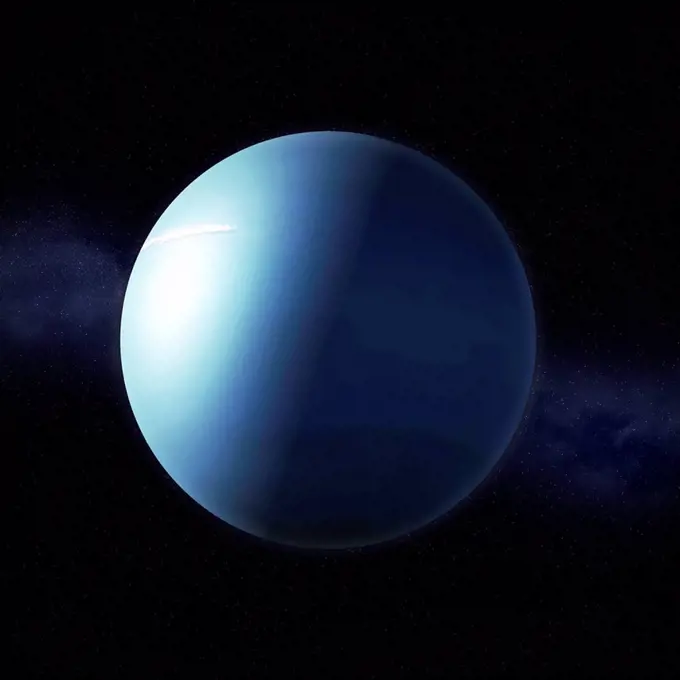
Uranus, computer artwork.
6145-44706001
This image shows an orbital view sweeping upward from Olympus Mons, the tallest volcano in the solar system, to the location of NASA's Phoenix Mars Lander in the northern polar reaches of Mars.
6145-45232128
Images acquired December 21, 2010 - September 20, 2011. To download the high res and learn more go to a href= http //earthobservatory.nasa.gov/IOTD/view.php id=52248 rel= nofollow earthobservatory.nasa.gov/IOTD/view.php id=52248 /a One of the most frequently misunderstood concepts in science is the reason for Earths seasons. As we experience the September equinox today—anyone try to balance an egg yet —we thought wed offer a space-based view of whats going on. Around 6 a.m. local time each day, the Sun, Earth, and any geosynchronous satellite form a right angle, affording a nadir (straight down) view of the terminator, where the shadows of nightfall meet the sunlight of dusk and dawn. The shape of this line between night and day varies with the seasons, which means different lengths of days and differing amounts of warming sunshine. (The line is actually a curve because the Earth is round, but satellite images only show it in two-dimensions.) The Spinning Enhanced Visible and Infrar
6145-45264874
These simulated views of the ultrahot Jupiter WASP-121b show what the planet might look like to the human eye from five different vantage points, illuminated to different degrees by its parent star. The images were created using a computer simulation being used to help scientists understand the atmospheres of these ultra-hot planets. Ultrahot Jupiters reflect almost no light, rather like charcoal. However, the daysides of ultrahot Jupiters have temperatures of between 3600°F and 5400°F (2000°C and 3000°C), so the planets produce their own glow, like a hot ember. The orange color in this simulated image is thus from the planet's own heat. The computer model was based on observations of WASP-121b conducted using NASA's Spitzer and Hubble space telescopes.
4409-17266726
VASIJA GUANIGO. Location: ARCHAEOLOGICAL MUSEUM. SANTA CRUZ DE TENERIFE. TENERIFFA. SPAIN.
1746-111944346
Saturn is the sixth planet from the Sun and the second-largest in the Solar System, after Jupiter. It is a gas giant with an average radius about nine times that of Earth.  It has only one-eighth the average density of Earth. Saturn is named after the Roman god of agriculture; its astronomical symbol () represents the god's sickle.
4239R-532
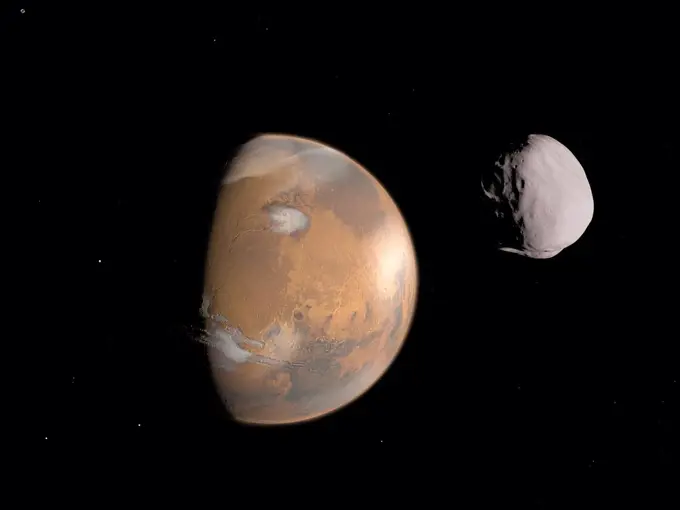
Artist' concept showing Mars and its even smaller satellite Deimos might appear from a distance of about 100 miles from the surface of Deimos
4128R-10767
Giant Planets Compared
6145-45052570
This trick that the planet is looking back at you is actually a Hubble treat An eerie, close-up view of Jupiter, the biggest planet in our solar system. Hubble was monitoring changes in Jupiters immense Great Red Spot (GRS) storm on April 21, 2014, when the shadow of the Jovian moon, Ganymede, swept across the center of the storm. This gave the giant planet the uncanny appearance of having a pupil in the center of a 10,000 mile-diameter “eye.” For a moment, Jupiter “stared” back at Hubble like a one-eyed giant Cyclops.
4239R-20483112
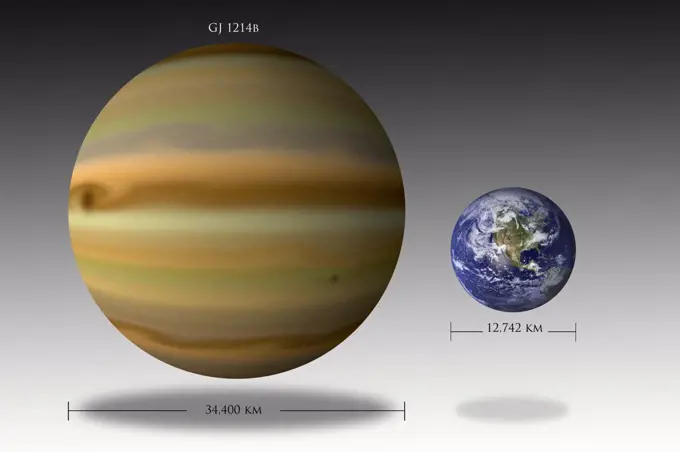
Artist's depiction of the size relationship between Earth and GJ 1214b, also known as Gliese 1214b. Discovered in 2009 in the constellation Ophiuchus, some 40 light-years from earth.
4128-111581432
Mars, computer illustration.
6145-52960812
. NASA's Juno Mission Observes High-Altitude Hazes in Jupiter's atmosphere. On March 1, 2023, NASA's Juno mission completed its 49th close flyby of Jupiter. As the spacecraft flew low over the giant planet's cloud tops, its JunoCam instrument captured this look at bands of high-altitude haze forming above cyclones in an area known at Jet N7. Citizen scientist Björn Jónsson processed a raw image from the JunoCam instrument, enhancing the contrast and sharpness. At the time the image was taken, Juno was about 5,095 miles (8,200 kilometers) above Jupiter's cloud tops, at a latitude of about 66 degrees.
6145-45098968
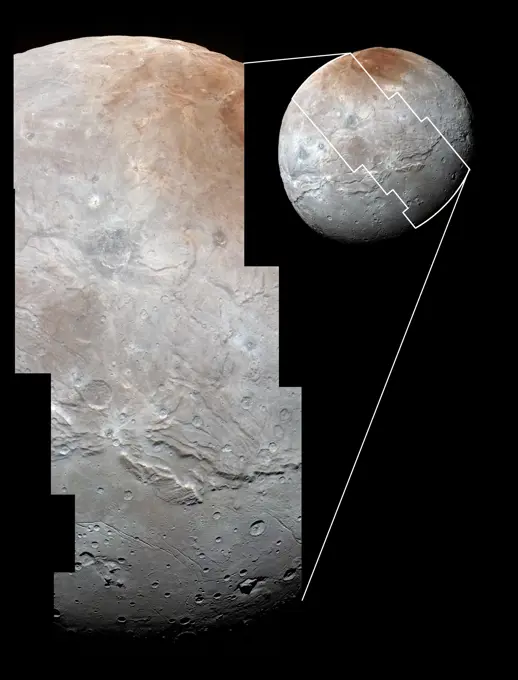
Charon's cratered uplands at the top are broken by series of canyons, and replaced on the bottom by the rolling plains of the informally named Vulcan Planum in this image from NASA's New Horizons.
1746-19671700
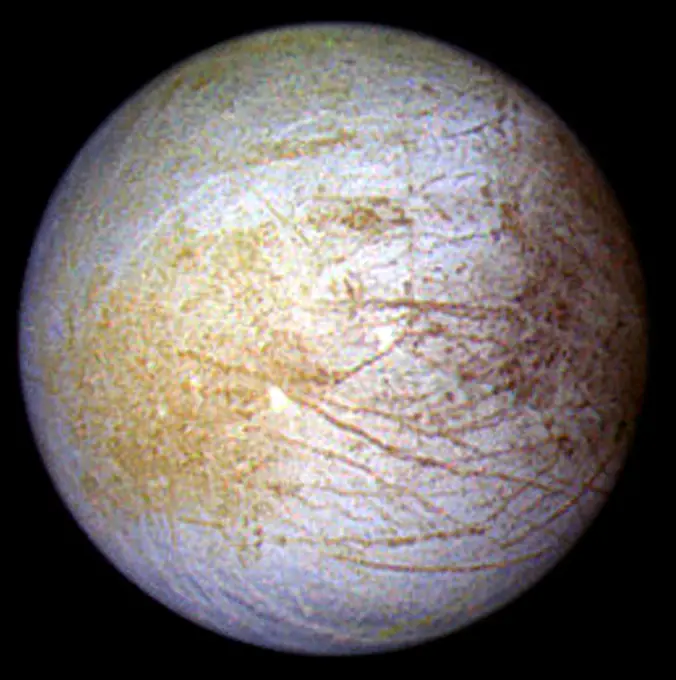
This color composite view combines violet, green, and infrared images of Jupiter's intriguing moon, Europa, for a view of the moon in natural color.
6145-44690942
This artist's concept shows four of the five planets that orbit 55 Cancri, a star much like our own. The most recently discovered planet, and the fourth out from the star, looms large in the foreground.
6145-44563575
Rare Hubble Portrait of Io and Jupiter
6188-55645162
Planet in space with atmospheric and land masses planet in space with atmospheric and land masses
4128R-15545578
Illustration of Venus
6176-66093296
Saturn, stately and resplendent in this natural color view taken by NASA's Cassini spacecraft, dwarfs the icy moon Rhea. Rhea orbits beyond the rings on the right of the image. Tethys shadow is visible on the planet on the left of the image.
6145-44796669
This image taken by NASA's Cassini spacecraft in 2009, shows the first flash of sunlight reflected off a hydrocarbon lake on Saturn's moon Titan. The glint off a mirror-like surface is known as a specular reflection.
6145-45233918
Photograph take Pioneer 10 spacecraft managed by the NASA Ames Research Center, Moffett Field, California Jupiter's Red Spot and a showdow of the Moon, Io are seen in this image taken at a range of 2527063km. This photo has been enhanced from the raw data received from the spacecraft.
4128-24796294
Mars, illustration
4128-15979417
Mars, computer illustration.
6145-44671733
Moons around Jupiter
6145-45246442
This picture of Neptune was produced from the last whole planet images taken through the green and orange filters on NASA's Voyager 2 narrow angle camera. The images were taken at a range of 4.4 million miles from the planet, 4 days and 20 hours before closest approach. The picture shows the Great Dark Spot and its companion bright smudge; on the west limb the fast moving bright feature called Scooter and the little dark spot are visible. These clouds were seen to persist for as long as Voyager's cameras could resolve them. North of these, a bright cloud band similar to the south polar streak may be seen. http //photojournal.jpl.nasa.gov/catalog/PIA01492
6177-V53547180
4389-201
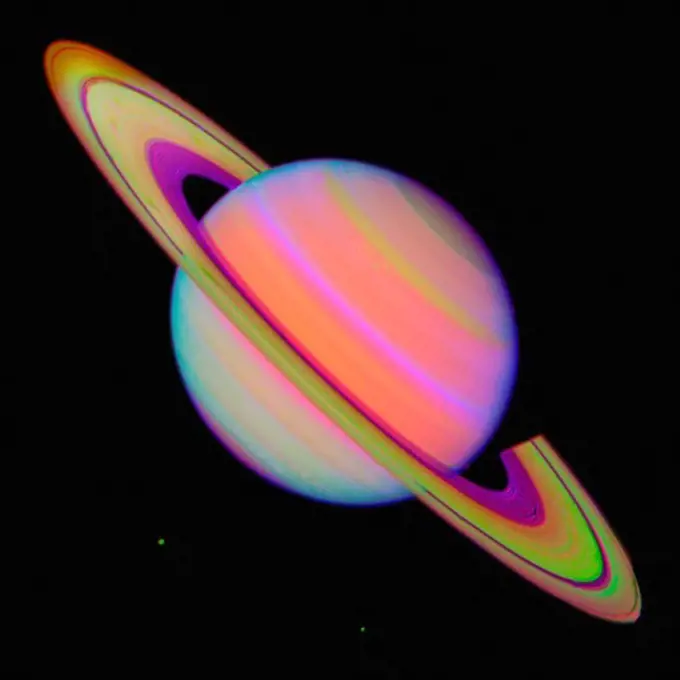
False-Color Image of Saturn by Voyager 2
6145-44565082
Global Color Views of Mars
4239-69143519
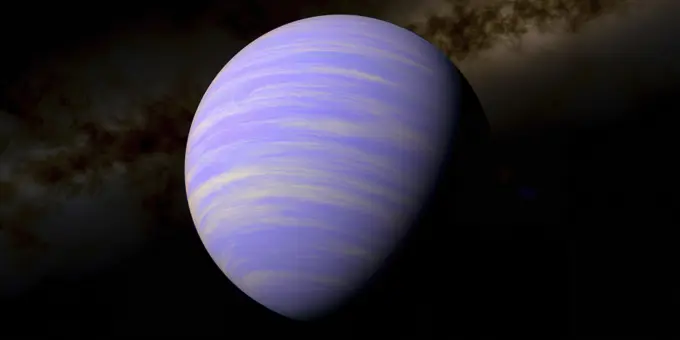
HD 40307 d is a Neptune-like gas giant exoplanet that orbits a K-type star.
4128R-12577098
Planet, computer illustration.
6145-44563569
Hubble Provides Complete View of Jupiter's Auroras
4128-15979428
Valles Marineris, Mars, computer illustration.
6145-44765194
This artist's diagram compares our solar system (below) to the VB 10 star system. Astronomers successfully used the astrometry planet-hunting method for the first time to discover a gas planet, called VB 10b, around a very tiny star, VB 10.
6145-45094898
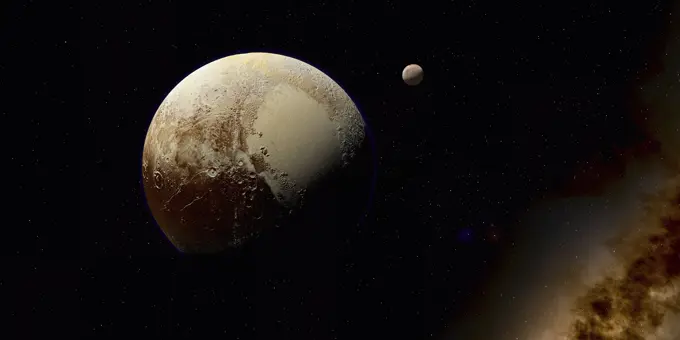
Pluto nearly fills the frame in this image from the Long Range Reconnaissance Imager (LORRI) aboard NASAs New Horizons spacecraft, taken on July 13, 2015, when the spacecraft was 476,000 miles (768,000 kilometers) from the surface. This is the last and most detailed image sent to Earth before the spacecrafts closest approach to Pluto on July 14. The color image has been combined with lower-resolution color information from the Ralph instrument that was acquired earlier on July 13. This view is dominated by the large, bright feature informally named the “heart,” which measures approximately 1,000 miles (1,600 kilometers) across. The heart borders darker equatorial terrains, and the mottled terrain to its east (right) are complex. However, even at this resolution, much of the hearts interior appears remarkably featureless—possibly a sign of ongoing geologic processes.
6145-44671734
Io and Ganymede
4389-599
Near-Infrared View of Titan
6145-44936389
NASA's Kepler mission compares artist's concepts of the planets in the Kepler-37 system to the moon and planets in the solar system. The smallest planet, Kepler-37b, is slightly larger than our moon.
1848-54708446
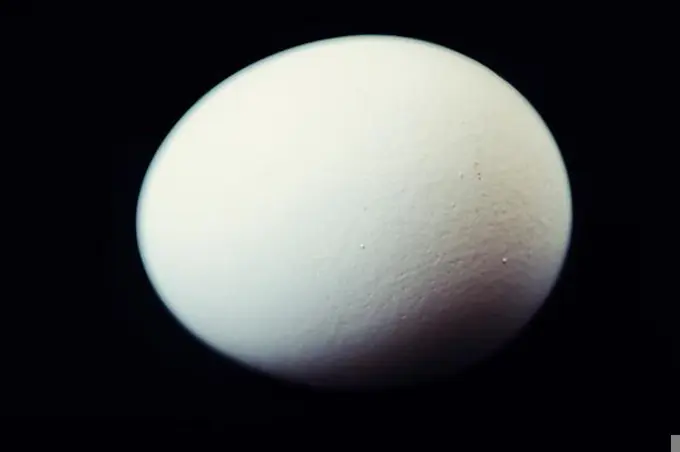
Single, white hen's egg against a black background
1899-18493699
Mars red planet orbiting in space with heavy shadow across the world concept
1746-21118975
Photograph of Enceladus, the sixth-largest moon of Saturn. Dated 2015
6145-44736136
Photograph by Pioneer 10 Jupiter at a range of 2584000km (ref image number sequence A-51 (before) during the 4 days on either side of closest approach) moon seen on upper right on image.
4128-15979416
Mars, computer illustration.
4239-69143492
Artist's concept of the dwarf planet Pluto and its moon Charon.
6145-44502201
Neptune's blue-green atmosphere is shown in greater detail than ever before by NASA's Voyager 2 spacecraft as it rapidly approaches its encounter with the giant planet. This color image shows several complex and puzzling atmospheric features.
6145-45265064
Striking atmospheric features in Jupiter's northern hemisphere are captured in this series of color-enhanced images from NASA's Juno spacecraft. An anticyclonic white oval, called N5-AWO, can be seen at center left of the first image (at far left) and appears slightly higher in the second and third images. A tempest known as the Little Red Spot is visible near the bottom of the second and third images. The reddish-orange band that is prominently displayed in the fourth and fifth images is the North North Temperate Belt. From left to right, this sequence of images was taken between 9 54 p.m. and 10 11 p.m. PDT on July 15 (12 54 a.m. and 1 11 a.m. EDT on July 16), as the spacecraft performed its 14th close flyby of Jupiter. At the time, Juno's altitude ranged from about 15,700 to 3,900 miles (25,300 to 6,200 kilometers) from the planet's cloud tops, above a latitude of approximately 69 to 36 degrees. Citizen scientists Gerald Eichstädt and Seán Doran created this image using data from th
1525-27022669
Digital Illustration of Planet Mars
6145-45135445
Early science results from NASAs Juno mission to Jupiter portray the largest planet in our solar system as a complex, gigantic, turbulent world, with Earth-sized polar cyclones, plunging storm systems that travel deep into the heart of the gas giant, and a mammoth, lumpy magnetic field that may indicate it was generated closer to the planets surface than previously thought. This image shows Jupiters south pole, as seen by NASAs Juno spacecraft from an altitude of 32,000 miles (52,000 kilometers). The oval features are cyclones, up to 600 miles (1,000 kilometers) in diameter. Multiple images taken with the JunoCam instrument on three separate orbits were combined to show all areas in daylight, enhanced color, and stereographic projection. Read more a href=
4128-111581416
Valles Marineris, Mars, computer illustration.
6145-44656366
This MOC image shows layers exposed in a trough in the martian north polar region. At the time the picture was acquired, the entire scene was covered by seasonal carbon dioxide frost
227-565
Venus Taken by Mariner 10 on 2/6/74 En Route to Mercury Mariner 10 was 450,000 miles away
1746-19671063
This Mars Global Surveyor Mars Orbiter Camera view of the red planet shows the region that includes Ares Vallis and the Chryse Plains upon which both Mars Pathfinder and the Viking 1 landed in 1997 and 1976, respectively.
6145-44573358
Callisto's Icy Surface
1746-19671740
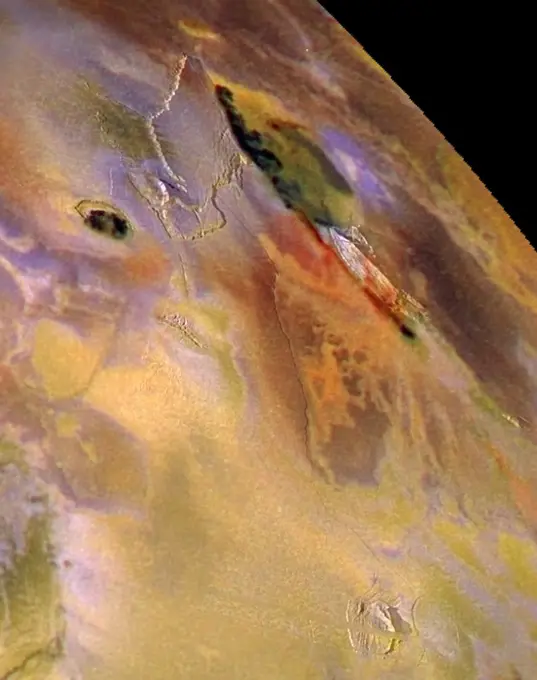
The Zal Patera region of Jupiter's volcanic moon Io is shown in this image. Galileo.
1746-19664712
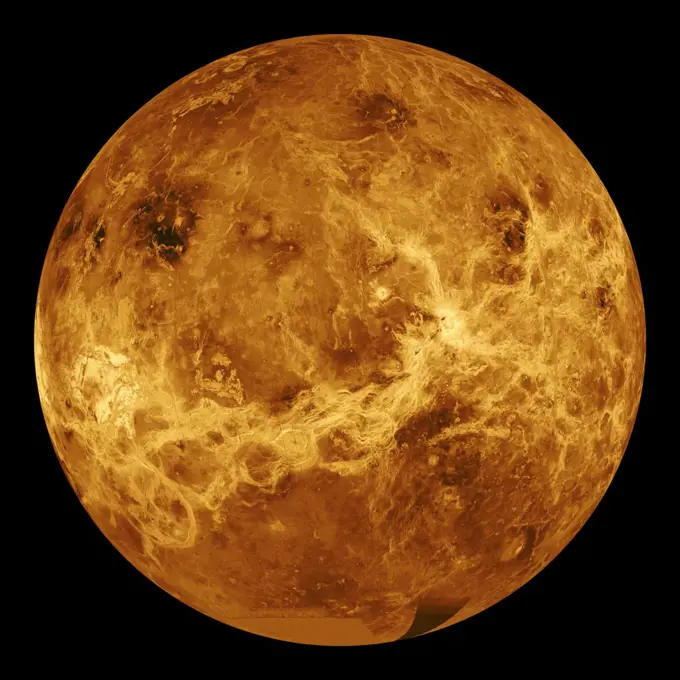
This global view of the surface of Venus is cantered at 180 degrees east longitude. Magellan synthetic aperture radar mosaics from the first cycle of Magellan mapping are mapped onto a computer-simulated globe to create this image. Data gaps are filled with Pioneer Venus Orbiter data, or a constant mid-range value. Simulated colour is used to enhance small-scale structure. The simulated hues are based on colour images recorded by the Soviet Venera 13 and 14 spacecraft. 1991
6176-66912217
Voyager 2 space probe passed 3,000 miles above Neptune's north pole in the Summer of 1989, sending back to earth this photo.
6145-44797425
Saturn, stately and resplendent in this natural color view taken by NASA's Cassini spacecraft, dwarfs the icy moon Rhea. Rhea orbits beyond the rings on the right of the image. Tethys shadow is visible on the planet on the left of the image.
6145-45033589
This chart compares the first Earth-size planets found around a sun-like star to planets in our own solar system, Earth and Venus. NASA's Kepler mission discovered the newfound planets, called Kepler-20e and Kepler-20f.
1746-19670834
This artist's concept shows comet Shoemaker-Levy 9 heading into Jupiter in July 1994, while its dust cloud creates a rippling wake in Jupiter's ring.
6145-44567226
Comparison of Amalthea to Io
6145-45096185
Four images from NASA's New Horizons were combined with color data from the Ralph instrument to create this global view of Pluto. (The lower right edge of Pluto in this view currently lacks high-resolution color coverage.)
6145-44550550
This is a montage of planetary images taken by spacecraft managed by NASAs Jet Propulsion Laboratory in Pasadena, CA. Included are (from top to bottom) images of Mercury, Venus, Earth (and Moon), Mars, Jupiter, Saturn, Uranus and Neptune.
PREVIOUS
of 3
NEXT
2401 S. Ervay, Suite 206
Dallas, Texas 75215
United States
Get Started
Free ResearchMy BoardsMy Cart
For Creators
How To License Your ContentContributor PortalFrame of Mind
Resources
API accessPricing
Contact
+1 866 236 0087help@viewpictures.co.uk Contact form
©2026 View Pictures. All Rights Reserved. -A
This site is protected by reCAPTCHA and Google Privacy Policy and Terms of Service apply.