My Boards
View Pictures
  • My Boards

Scientific Research Techniques

Photos of researchers engaged in detailed work, from archaeology to spacecraft technology repairs, emphasizing meticulous scientific methods.
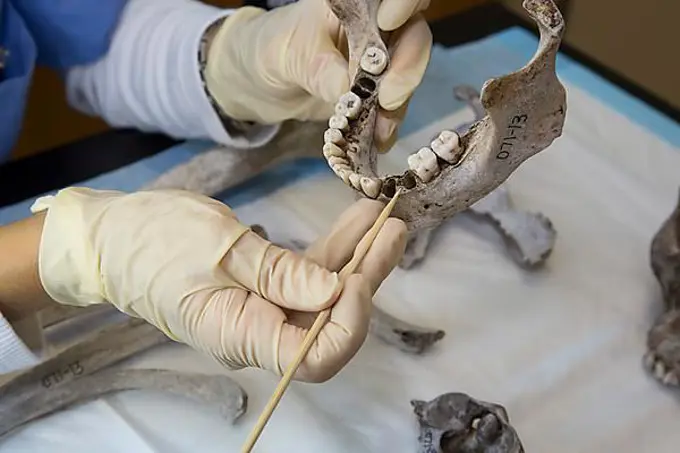
Forensic scientist at Baylor University working to identify the remains of unidentified migrants, Waco, Texas, United States, North America
151 assets in this story
6145-45269862
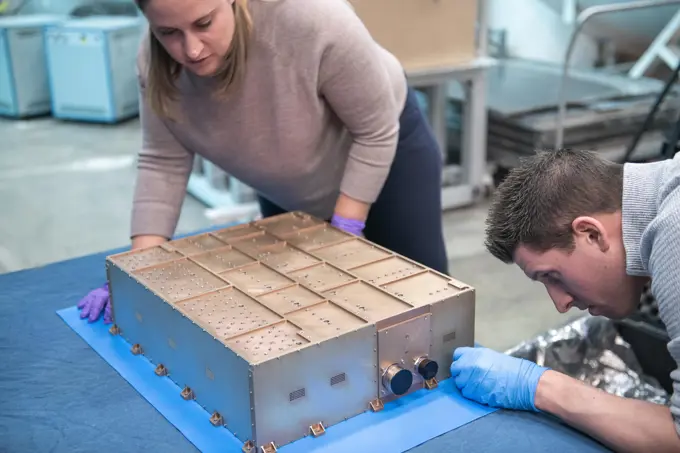
NASA Evolutionary Xenon Thruster - Commercial, NEXT-C Flight Power Processing Unit, PPU
6145-52613657
Port St. Joe, FL: A thermometer is carefully installed atop the first layer of turtle eggs. This device is crucial to ensuring the sea turtle embryos stay healthy and the sex ratio of the turtles is not compromised. Subjects: Deepwater Horizon Oil Spill; Relocation; Reptiles; Volunteers. Location: Florida.
6145-45097219
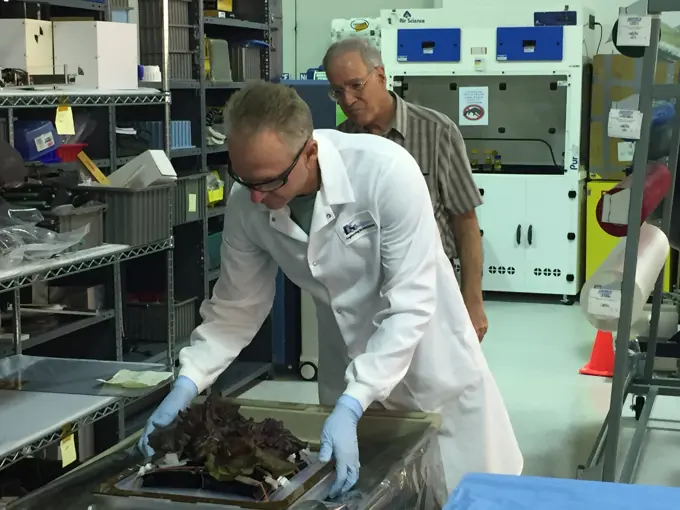
Astronaut Scott Kelly initiated VEG-01 B, the second crop of lettuce, on July, 8, 2015, and both Kelly and Astronaut Kjell Lindgren cared for the plants. The crop grew for 33 days. VEG-01 B included one set of six plant pillows planted with red romaine lettuce seeds. On Aug. 10, 2015, the crew harvested and consumed leaves from each plant. This was the first crop grown and consumed in NASA hardware. They harvested the rest of the plant tissue and froze it in the stations Minus Eighty-Degree Laboratory Freezer for ISS (MELFI) for return to Earth for further study including microbial analysis, antioxidant capacity, mineral analysis and anthocyanin concentration.
4201-21262844
Okarito Kiwi (Apteryx rowi) biologist Catherine Roughton inspecting egg for hatching progress of chick, West Coast Wildlife Centre, New Zealand
6145-45097217
Astronaut Scott Kelly initiated VEG-01 B, the second crop of lettuce, on July, 8, 2015, and both Kelly and Astronaut Kjell Lindgren cared for the plants. The crop grew for 33 days. VEG-01 B included one set of six plant pillows planted with red romaine lettuce seeds. On Aug. 10, 2015, the crew harvested and consumed leaves from each plant. This was the first crop grown and consumed in NASA hardware. They harvested the rest of the plant tissue and froze it in the stations Minus Eighty-Degree Laboratory Freezer for ISS (MELFI) for return to Earth for further study including microbial analysis, antioxidant capacity, mineral analysis and anthocyanin concentration.
6145-44740933
Life Sceince Division Facilities, Labs and Personnel (Code-SL) l-r; LiChun Wu and Merylee Corcoran
6145-51916792
221024-N-LZ409-1085 KEKAHA, HI (Oct. 24, 2022)   Kenny Thompson, an air traffic controller at Pacific Missile Range Facility (PMRF), Barking Sands, smokes a beehive to calm the bees during a volunteer event at PMRF. PMRF is the world’s largest instrumented multi-environment range capable of supporting surface, subsurface, air and space operations simultaneously.
4450R-22121447
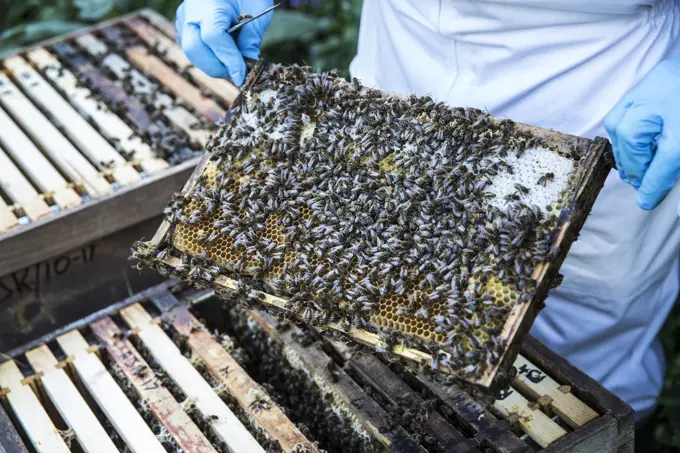
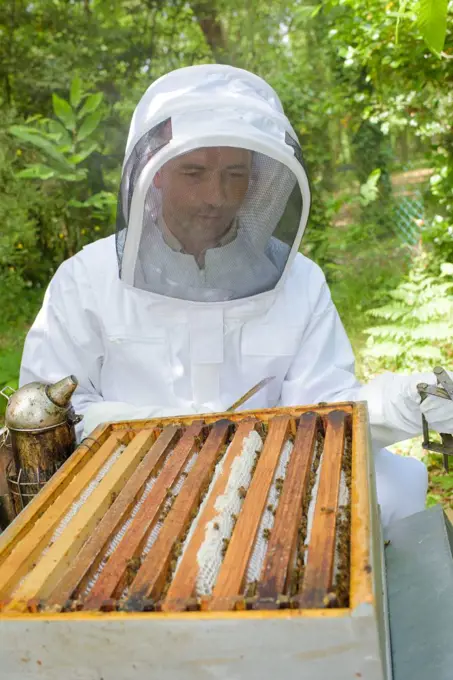
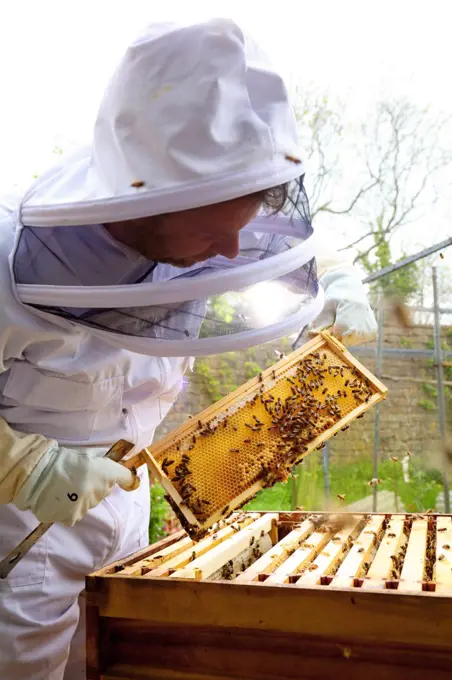
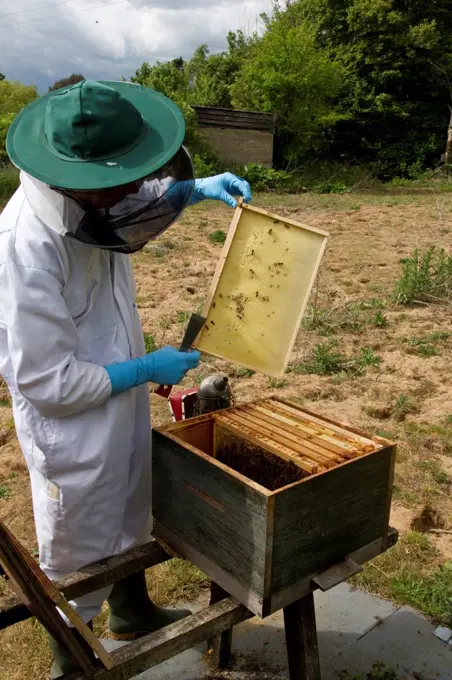
Beekeper wearing protective suit at work, inspecting wooden beehive.
1525-56400929
Forensic Science. Police investigator looking for fingerprints.
1848-55261165
Geologist examines rock samples with magnifying glass, Northwest Territories, magnifying glass, Canada, North America
6145-45097220
Astronaut Scott Kelly initiated VEG-01 B, the second crop of lettuce, on July, 8, 2015, and both Kelly and Astronaut Kjell Lindgren cared for the plants. The crop grew for 33 days. VEG-01 B included one set of six plant pillows planted with red romaine lettuce seeds. On Aug. 10, 2015, the crew harvested and consumed leaves from each plant. This was the first crop grown and consumed in NASA hardware. They harvested the rest of the plant tissue and froze it in the stations Minus Eighty-Degree Laboratory Freezer for ISS (MELFI) for return to Earth for further study including microbial analysis, antioxidant capacity, mineral analysis and anthocyanin concentration.
4413-28971738
Researchers picking up pollen with a brush from the beak of a Rufous-tailed hummingbird as part of a pollination study, rainforest at the "La Selva" research station in Puerto Viejo de Sarapiqui , Costa Rica
4413-87514
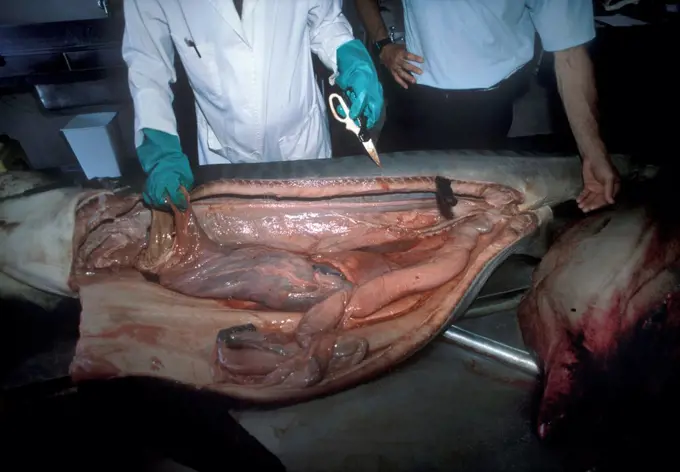
Dissection of a 3 meters Tiger Shark South Africa
1525-22617309
Archeologist working late night in office
6145-58968704
NASA's Mars Exploration Rover team members continued longer-duration test runs this week, driving the test rover forward and uphill in a crab-like position. These long-duration drives will continue through the end of next week.
7048-70050293
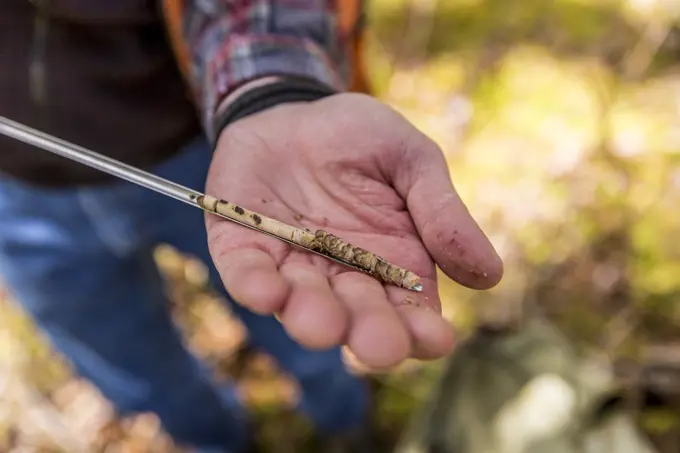
A portion of a core sample from a black gum tree (tupelo), Nyssa sylvatica. The core will be examined under a microscope to estimate the age of the tree. Barrington, New Hampshire. (MR)
5514-67621466
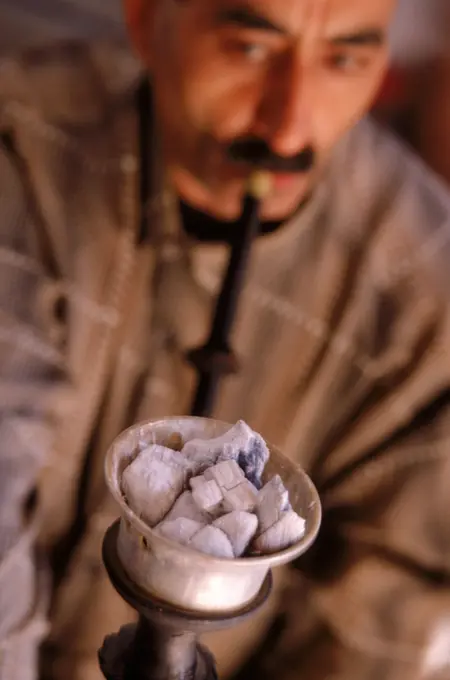
Hubble Bubble Pipes.
1525-27060439
checking the bee hive
1916-111449959
Marine scientist performs a surgery to introduce an internal transmitter into a silky shark (Carcharhinus falciformis) in order to get information of its migratory behavior, Roca Partida, Revillagigedo, Mexico
6145-44671283
Spaceward Bound event in the Mojave Deser , CA (an outreach exercise) with Dr Chris McKay and Ames Education department personnel Brian Day, Barbara Bazar and a accompaning (learning for the the classroom) team of teachers will be studying side-by-side with NASA scientists who search for life in extreme environments, closely approximating what they expect to find on other planets. Why the Mojave -- an inhospitable, sun-drenched spot in the California Desert This natural setting presents scientists with opportunities to study environments that are analogous to what explorers will find on the Moon and Mars. Teachers and scientists will perform scientific fieldwork in lunar geology, Mars astrobiology, Mars geology, and issues of temperature and solar inundation and radiation. for additional information and Outreach projects see http //quest.arc.nasa.gov/
4413-10809
Completion of a sculpture of a triceratops skull
4413-10848
Coloration of a sculpture of Rafflesia full scale
4201-95934
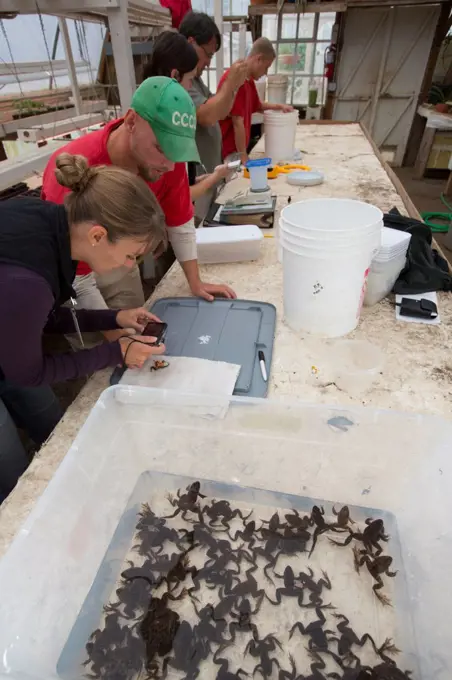
Oregon Spotted Frog (Rana pretiosa) biologists and inmates photographing frogs to be released as part of sustainability in prison program, Cedar Creek Corrections Center, Washington
1848-49568923
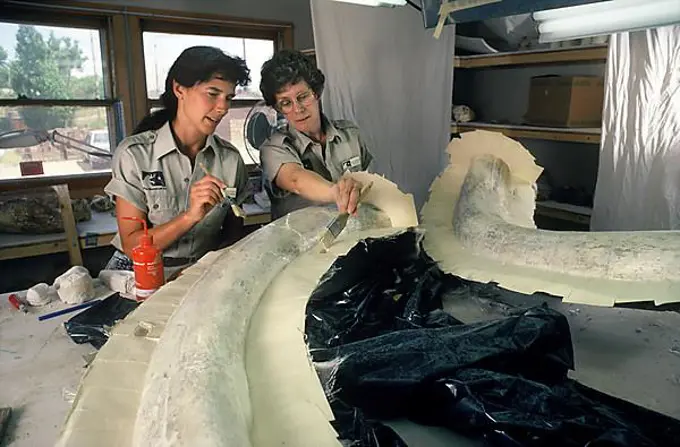
Paleontologists Preparing Colombian Mammoth Tusks for Transport, The Mammoth Site, South Dakota, USA, North America
4413-190994
Ultrasound on a Sandbar shark at the aquarium in Montpellier
4269-1085
The unit 465 of the French National Institute for Health and Medical Research carries research on obesity, especially on the white fatty tissue (structural and storage secondary fatty tissue). Here, an animal model , the rat Zucker, genetically obese in the animal care house.
1606-208077
Vietnam,Nha Trang,National Oceanographic Museum,Speciman Room,Jars of Preserved Marine Life
5514-29989662
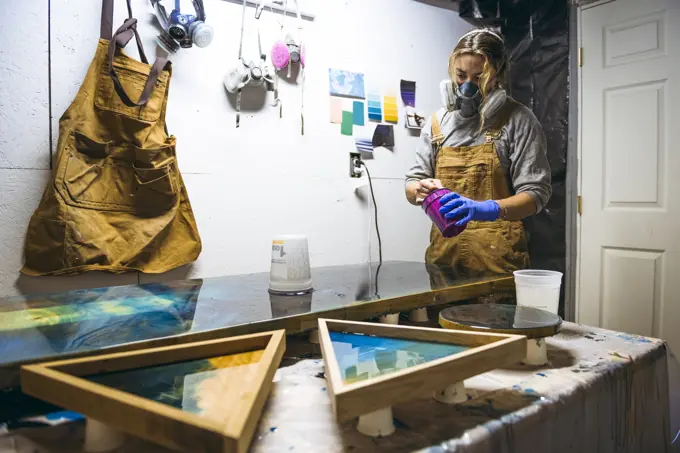
Female resin artist mixing with respirator mask
4413-10149
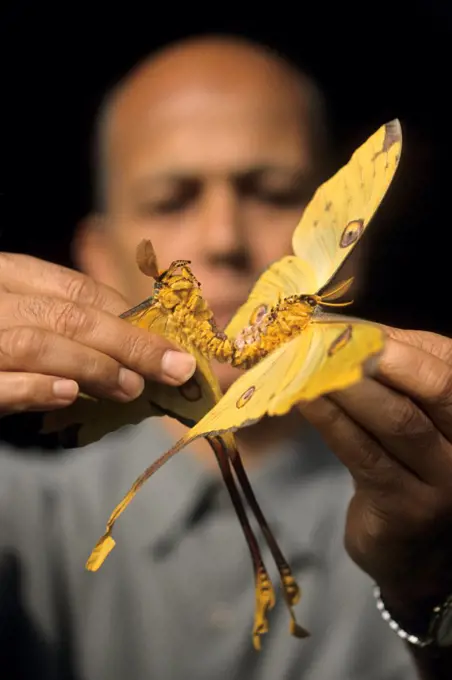
Assisted reproduction of butterfly Comet France
6145-44556553
Pieces of the Huygens probe internal insulating foam await inspection after removal from the probe in the Payload Hazardous Servicing Facility (PHSF) at KSC. The spacecraft was returned to the PHSF after damage to thermal insulation was discovered inside Huygens from an abnormally high flow of conditioned air. Internal inspection, insulation repair and a cleaning of the probe were required. Mission managers are targeting a mid-October launch date after Cassini returns to the pad and is once again placed atop its Titan IVB expendable launch vehicle at Launch Pad 40 at Cape Canaveral Air Station
1525-28486463
The criminologist police chemist looking at crime evidence. Criminologist police chemist looking at crime evidence
4201-15139
Tam Dao Newt (Paramesotriton deloustali) identified by the features of their tails, Tam Dao National Park, Vietnam
4379-1616
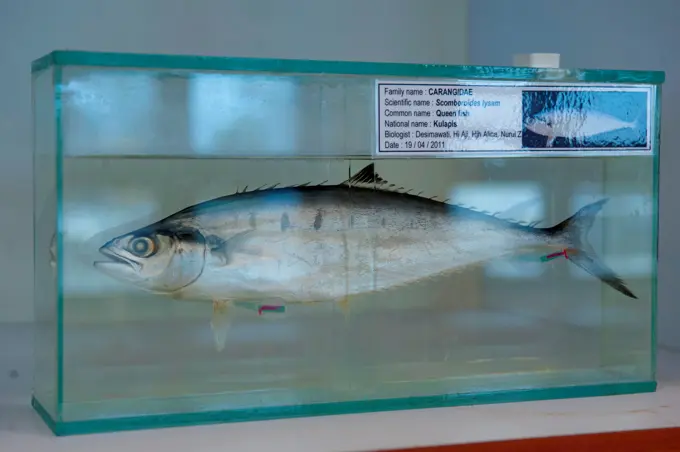
Specimen room in Fisheries Department Headquarters, each species in the region is described, preserved and catalogued, Brunei
6145-44575970
ISS004-E-11625 (10 May 2002) --- Cosmonaut Yury I. Onufrienko, Expedition Four mission commander, holds a stowage bag containing autoclave units in the Destiny laboratory on the International Space Station (ISS). Onufrienko represents Rosaviakosmos.
4413-191004
Ultrasound of a Sandbar shark at the aquarium in Montpellier
1773-111417968
Male beekeeper inspecting honeycomb frame in walled garden
4292-21697280
Guglielmo Locatelli in the laboratory of his dairy pasture, Taleggio valley, Lombardy, Italy
1525-26906061
digging a trench with the aid of a string line
6145-45096967
Astronaut Scott Kelly initiated VEG-01 B, the second crop of lettuce, on July, 8, 2015, and both Kelly and Astronaut Kjell Lindgren cared for the plants. The crop grew for 33 days. VEG-01 B included one set of six plant pillows planted with red romaine lettuce seeds. On Aug. 10, 2015, the crew harvested and consumed leaves from each plant. This was the first crop grown and consumed in NASA hardware. They harvested the rest of the plant tissue and froze it in the stations Minus Eighty-Degree Laboratory Freezer for ISS (MELFI) for return to Earth for further study including microbial analysis, antioxidant capacity, mineral analysis and anthocyanin concentration.
1899-76348276
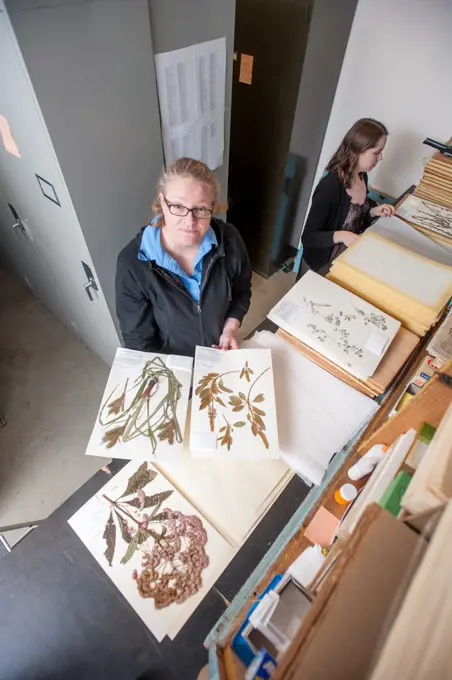
Waco, Texas, Forensic scientist Dr. Lori Baker (center) and her students at Baylor University work to identify the remains of unidentified migrants who died trying to enter the United States without legal documents. Most perished in a long, hot walk as they tried to evade a Border Patrol checkpoint 70 miles north of the border.
4413-148454
Oyster open to insert a spherical mother-of-pearl nucleus
6145-45112666
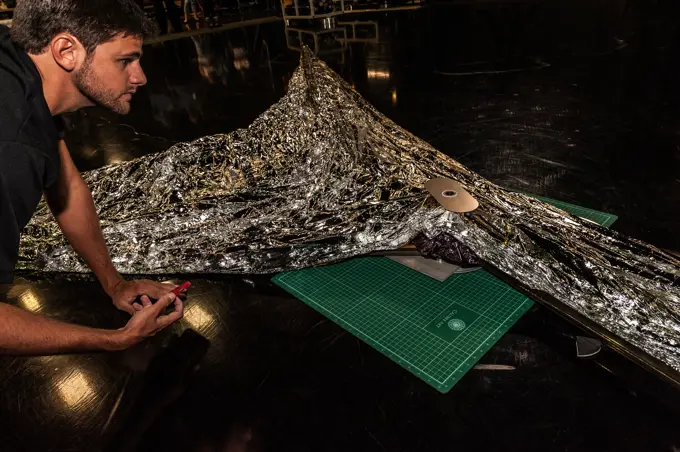
NEAR EARTH ASTEROID (NEA) SAIL TEAM PERFORMING A DEPLOYMENT OF THE FLIGHT-LIKE ENGINEERING DEVELOPMENT UNIT SOLAR SAIL. THE SAIL WAS MANUFACTURED AT NEXOLVE (HSV, AL) AND DEPLOYED FOR THE FIRST TIME AT MSFC ON AUGUST 4TH, 2016
4421-37789
Examining a new wax foundation frame from the brood box part of the hive, bees have already started to make the comb ready for larva or honey. Note the smoker on the side of the hive frame.
7112-70287965
The Mammoth Site, Hot Springs, Black Hills, South Dakota, USA.
6177-V53842880
1916-111278831
Scientist examining a plant sample in a research greenhouse complex
1899-82423
Andrea Bonisoli Alquati, ornitologist and etologist, with computer showing images of swallow nest camera
4292-59901
Lutemaker
6145-44562013
KENNEDY SPACE CENTER, FLA. -- The STS-91 crew participate in the Crew Equipment Interface Test (CEIT) for their upcoming Space Shuttle mission at the SPACEHAB Payload Processing Facility in Cape Canaveral. The CEIT gives astronauts an opportunity to get a hands-on look at the payloads with which they will be working on-orbit. STS-91 will be the ninth and final scheduled Mir docking and will include a single module of SPACEHAB, used mainly as a large pressurized cargo container for science, logistical equipment and supplies to be exchanged between the orbiter Discovery and the Russian Space Station Mir. The nearly 10-day flight of STS-91 also is scheduled to include the return of the last astronaut to live and work aboard the Russian orbiting outpost, Mission Specialist Andy Thomas, Ph.D. Liftoff of Discovery and its six-member crew is targeted for May 28, 1998, at 8:05 p.m. EDT from Launch Pad 39A. Seen here are STS-91 Mission Specialist Valery Ryumin with the Russian Space Agency and
4413-66412
Fertilization of ova by pressing a male trout
1570R-144169
A wooden drawer in pharmacy containing the chemical element Selenium
PREVIOUS
of 2
NEXT
2401 S. Ervay, Suite 206
Dallas, Texas 75215
United States
Get Started
Free ResearchMy BoardsMy Cart
For Creators
How To License Your ContentContributor PortalFrame of Mind
Resources
API accessPricing
Contact
+1 866 236 0087help@viewpictures.co.uk Contact form
©2026 View Pictures. All Rights Reserved. -B
This site is protected by reCAPTCHA and Google Privacy Policy and Terms of Service apply.