Sculptural Artifacts

A selection of unique sculptural artifacts depicting animals and mythical designs, highlighting craftsmanship from various historical periods.

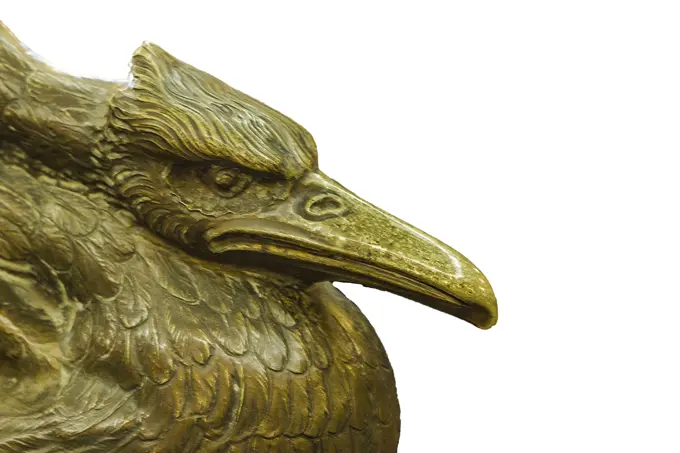
Fragment of a sculpture., C. 1400 - c. 1950 Fragment of a sculpture in the form of a swan.  . Fragment of a sculpture in the form of a swan.  .
Fragment of a sculpture., C. 1400 - c. 1950 Fragment of a sculpture in the form of a swan. . Fragment of a sculpture in the form of a swan. .
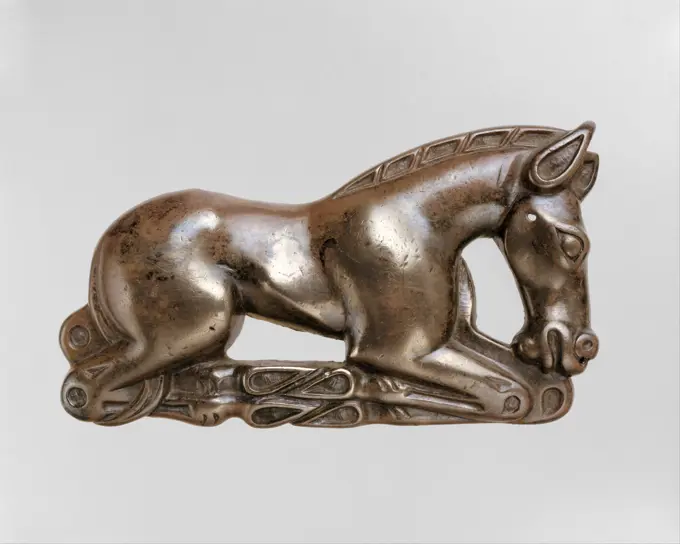
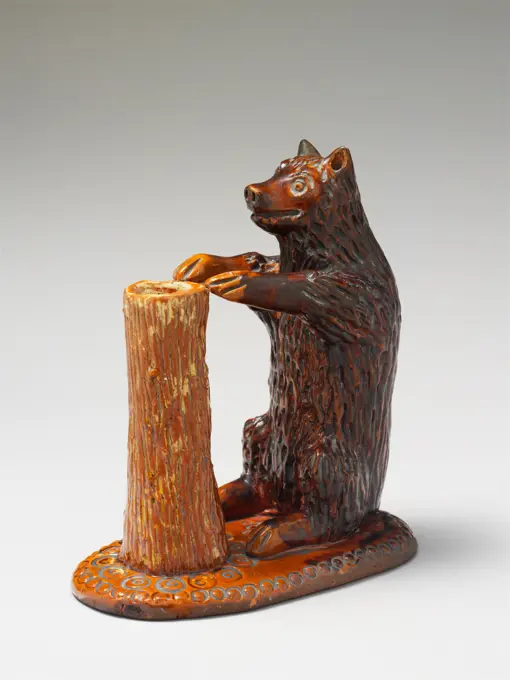
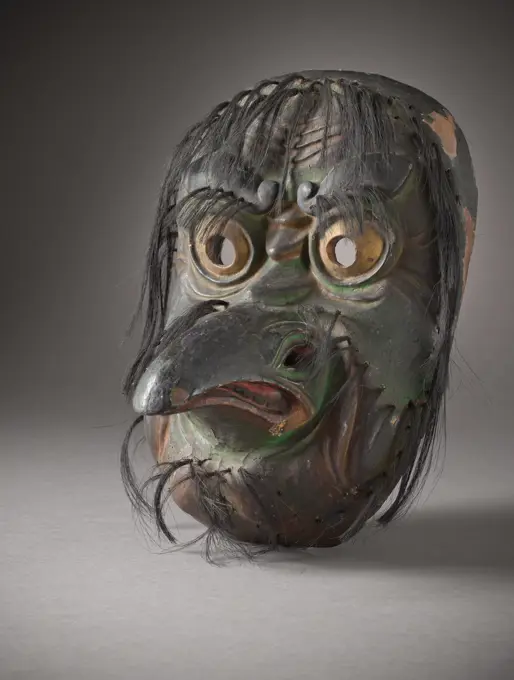
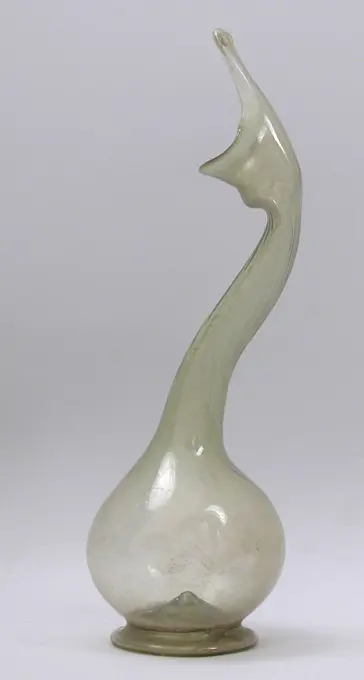
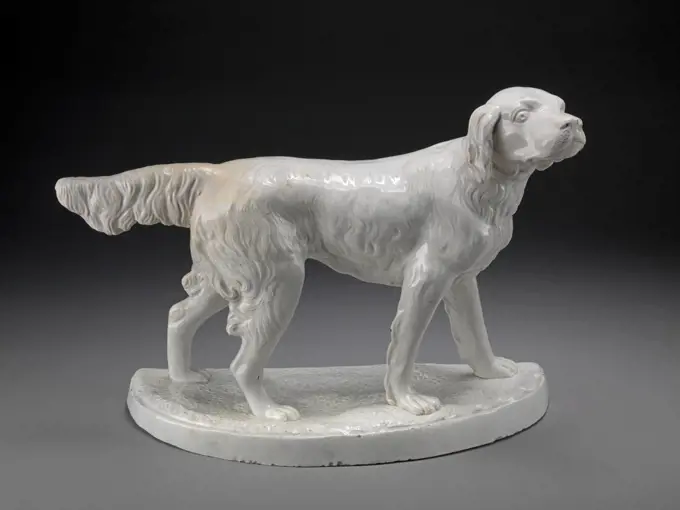
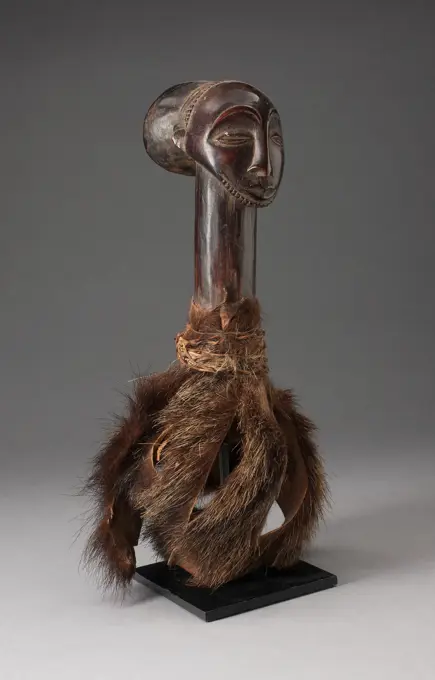
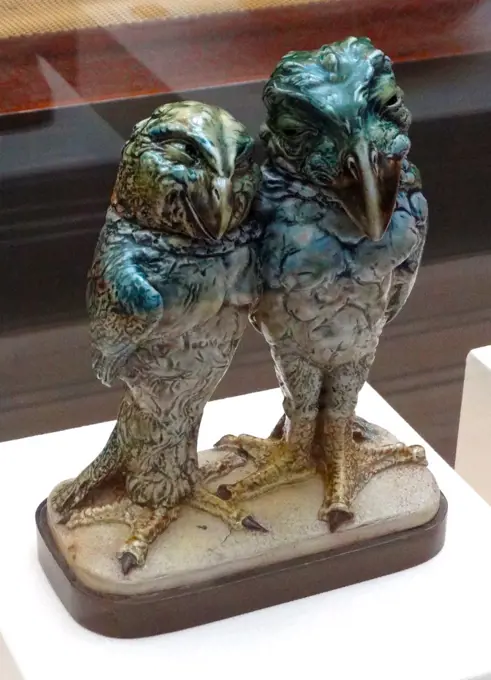
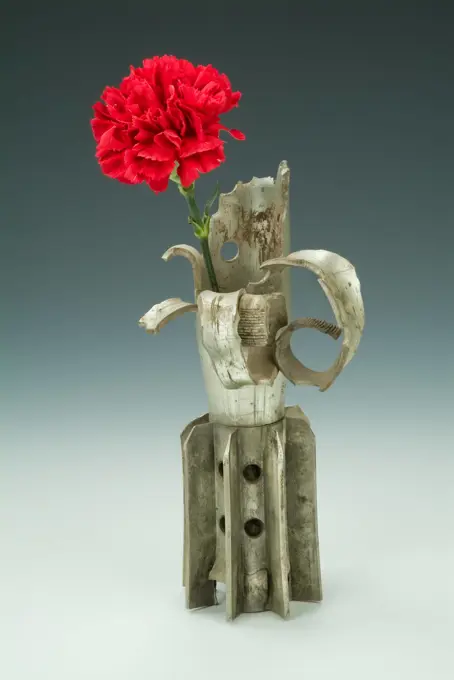
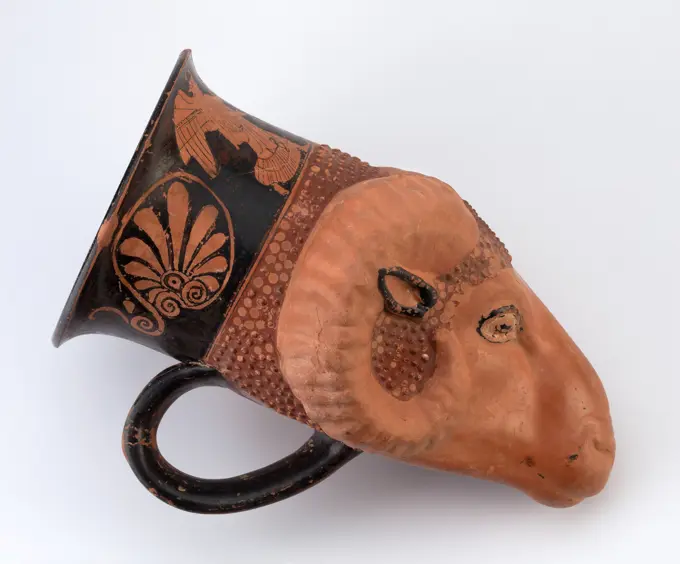
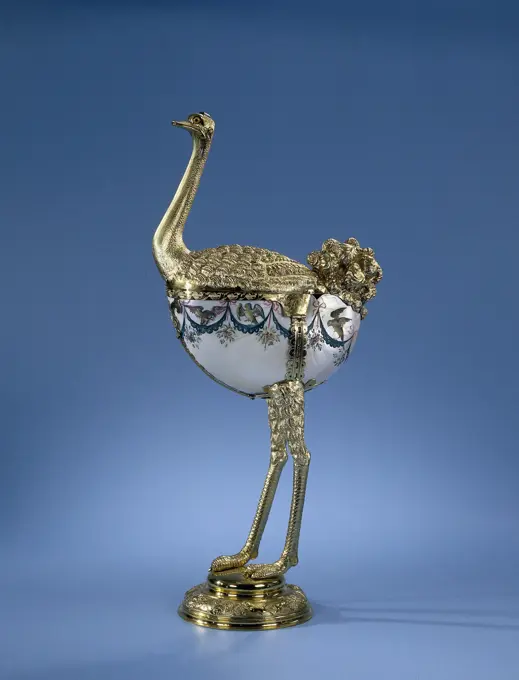
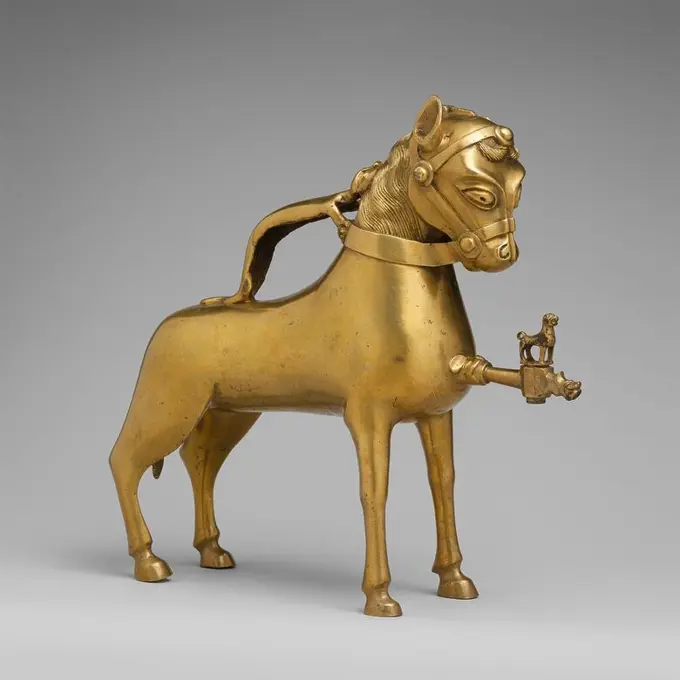
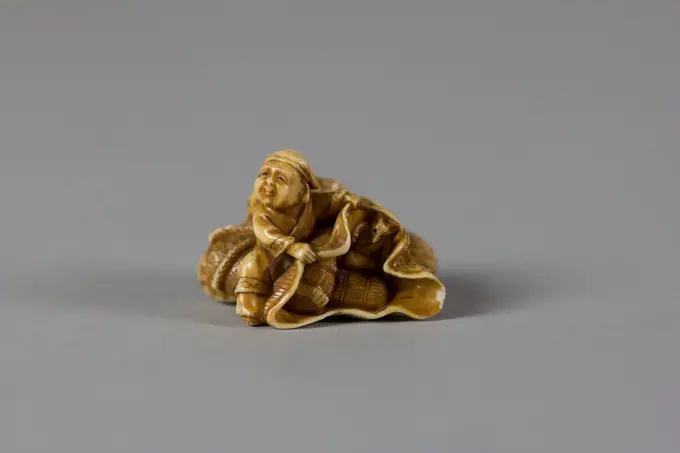
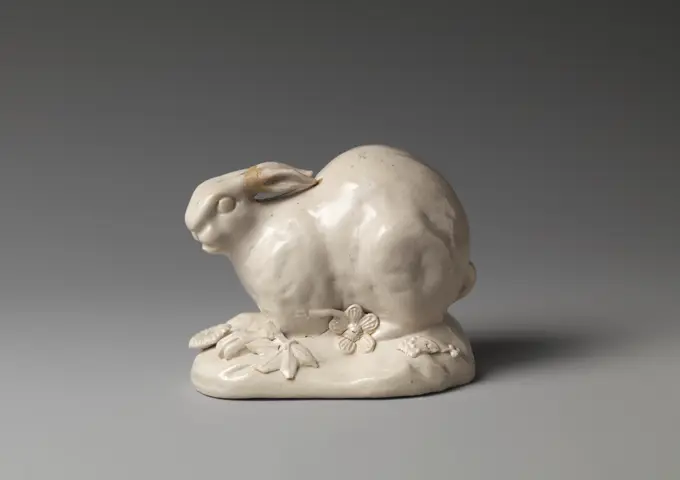
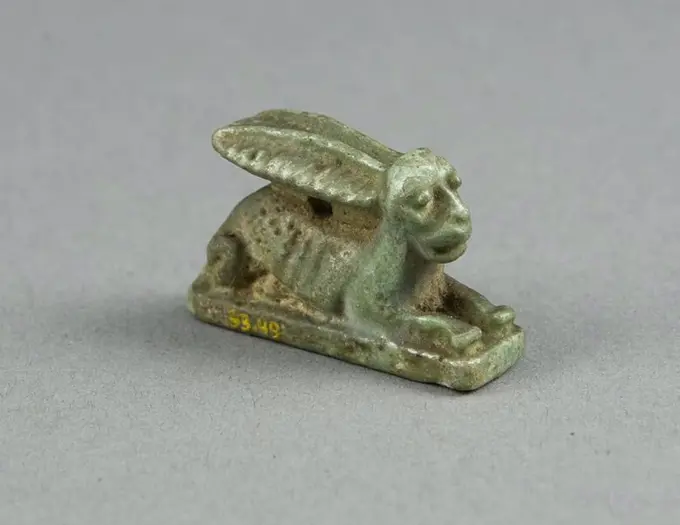
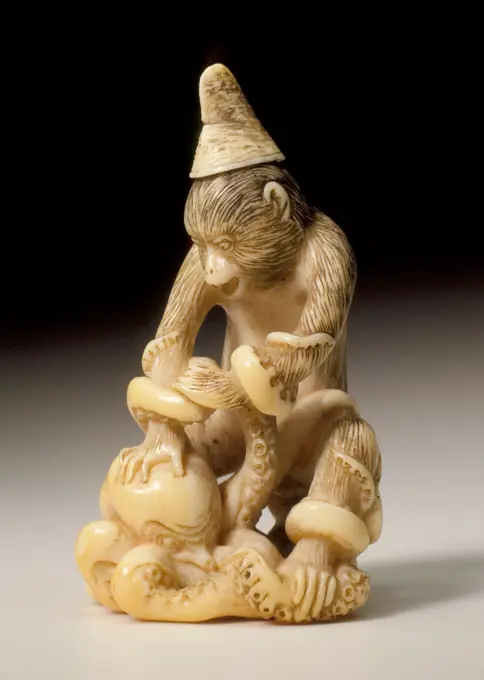
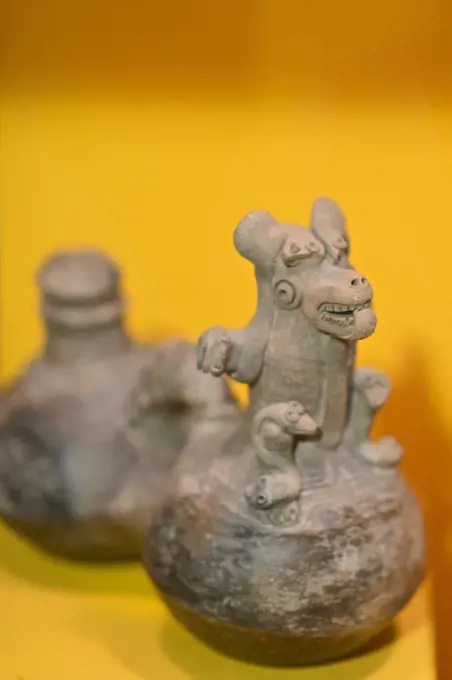
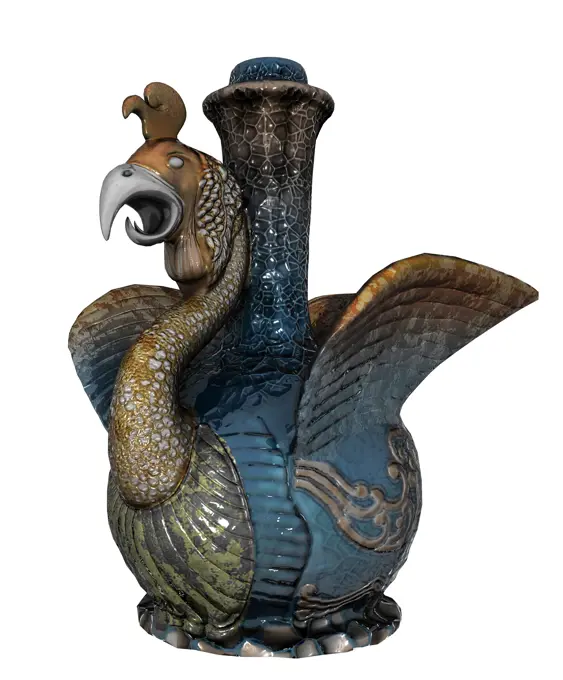
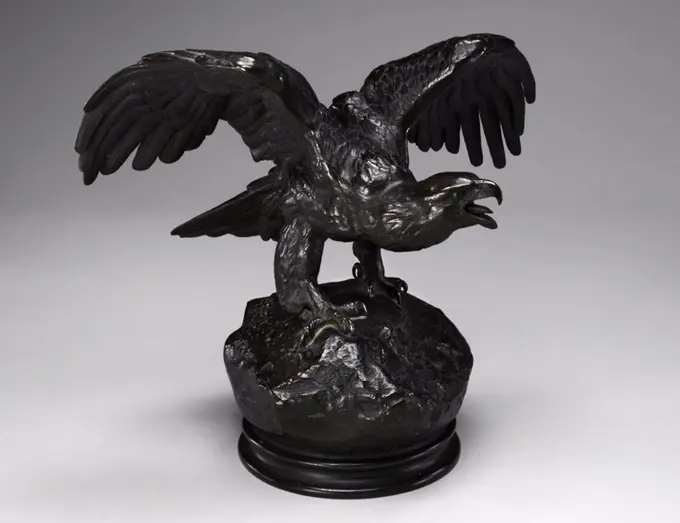
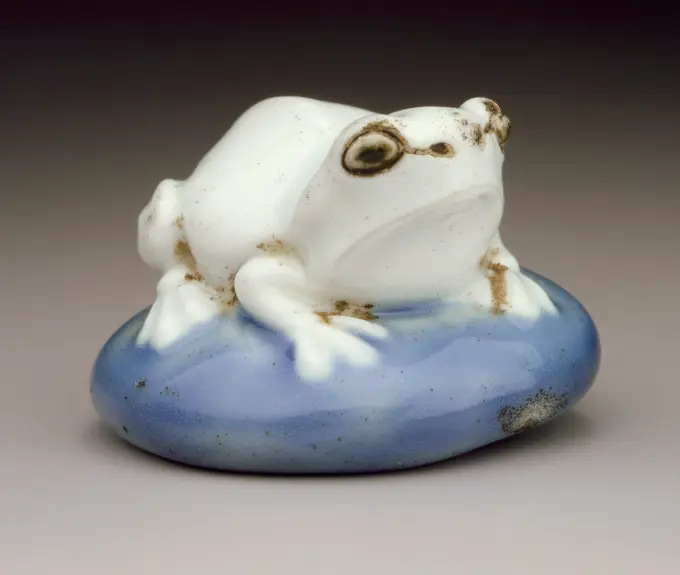
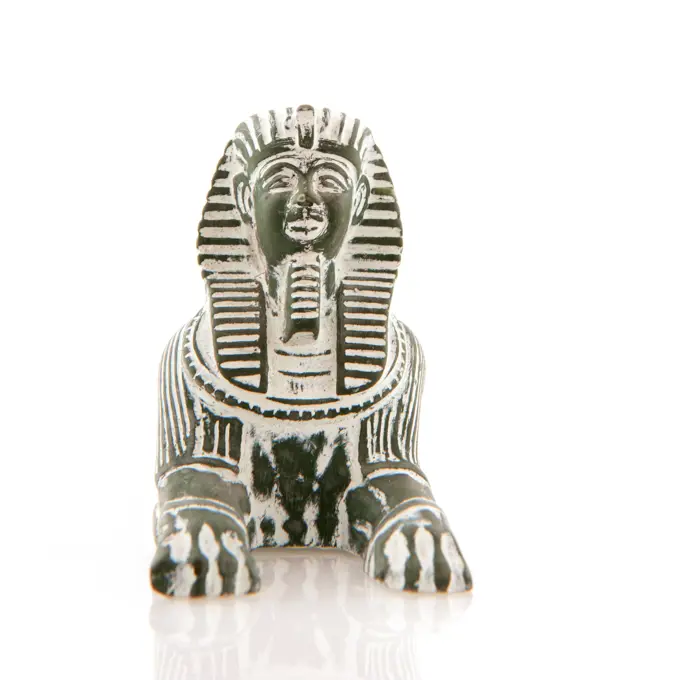
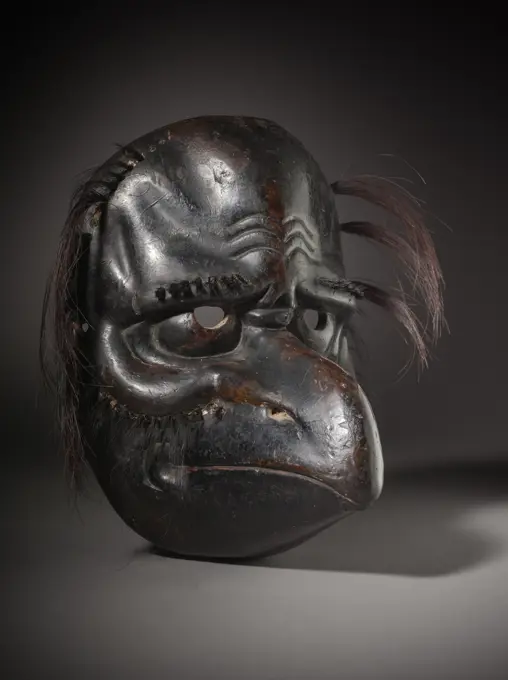
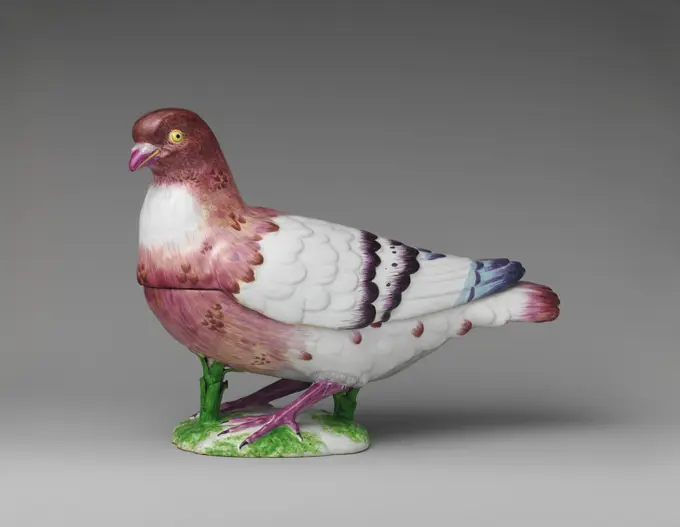
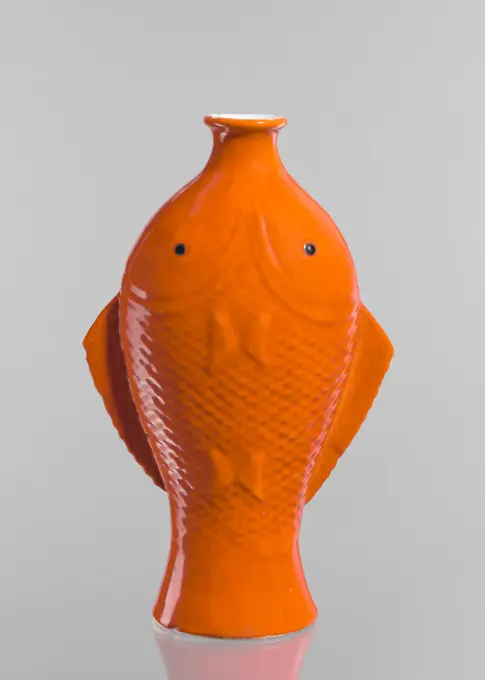
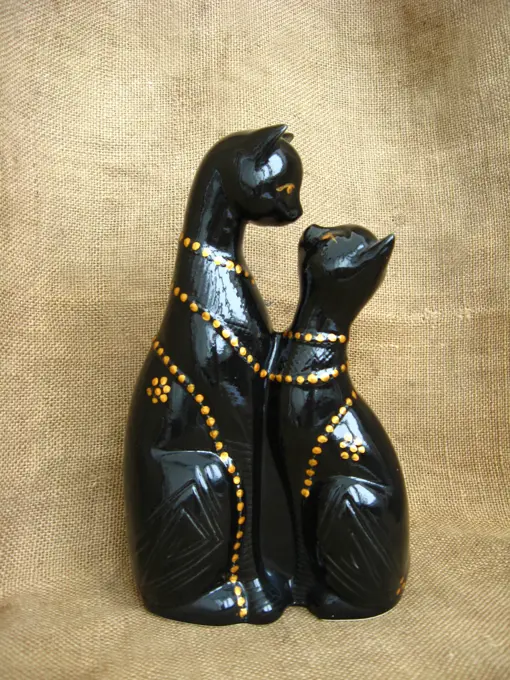
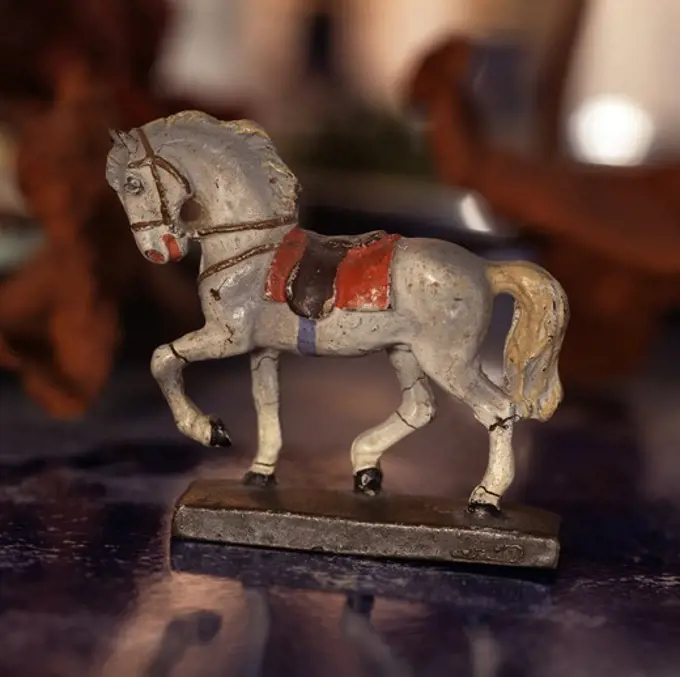
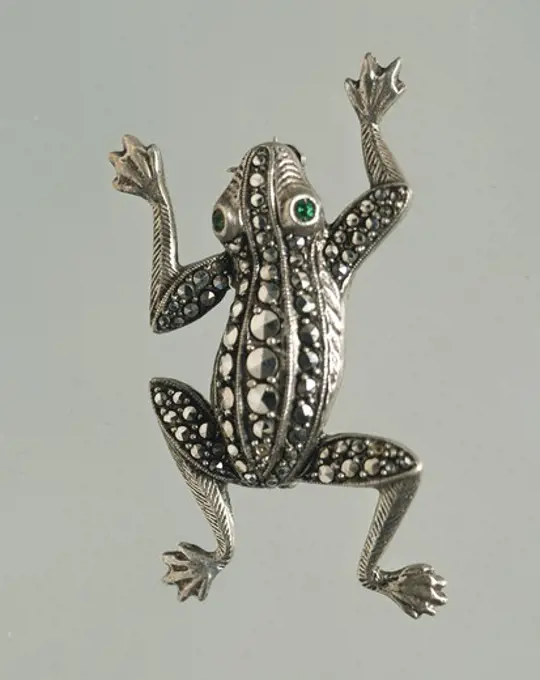
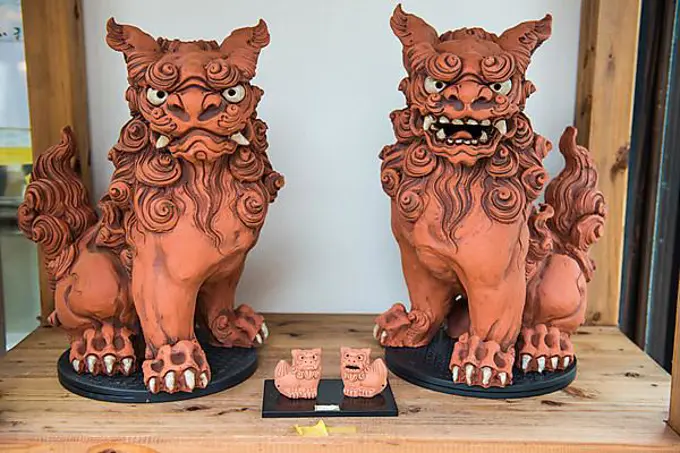
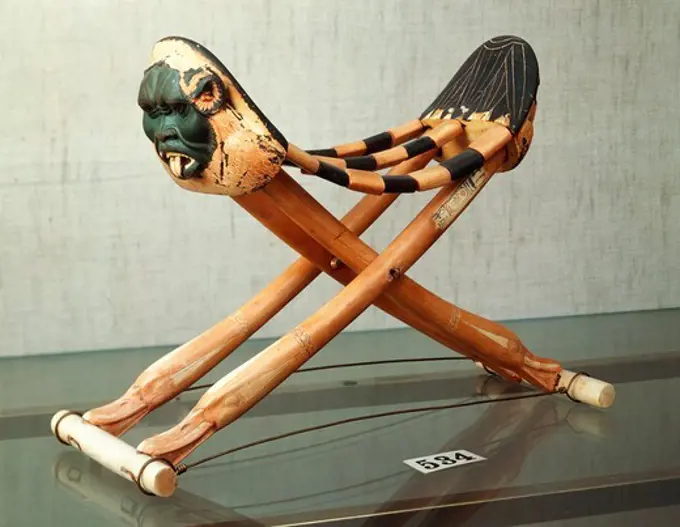
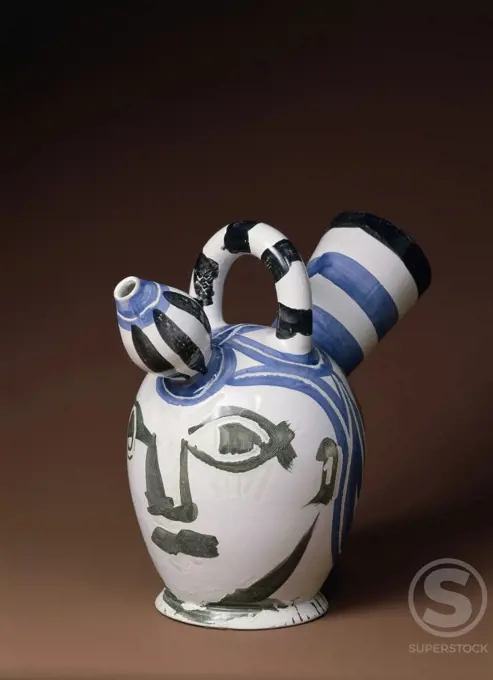
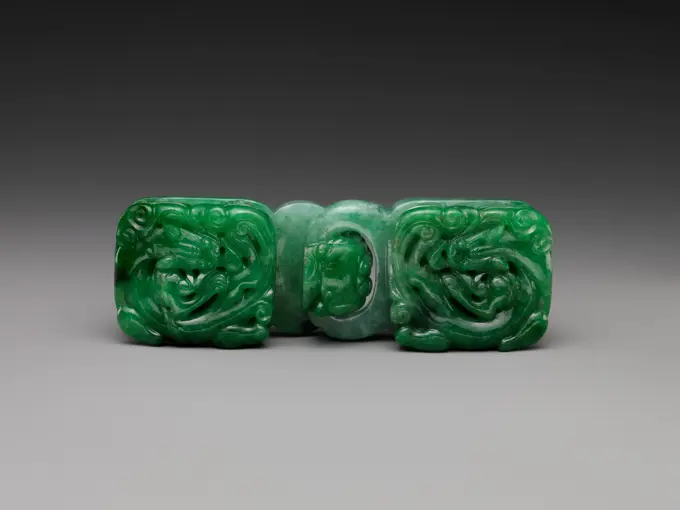
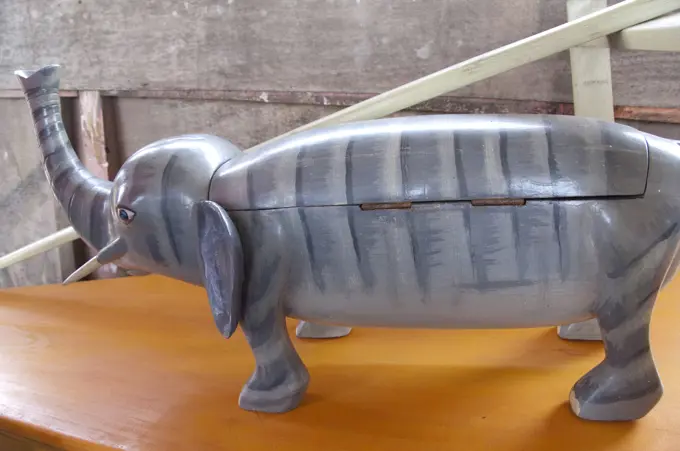
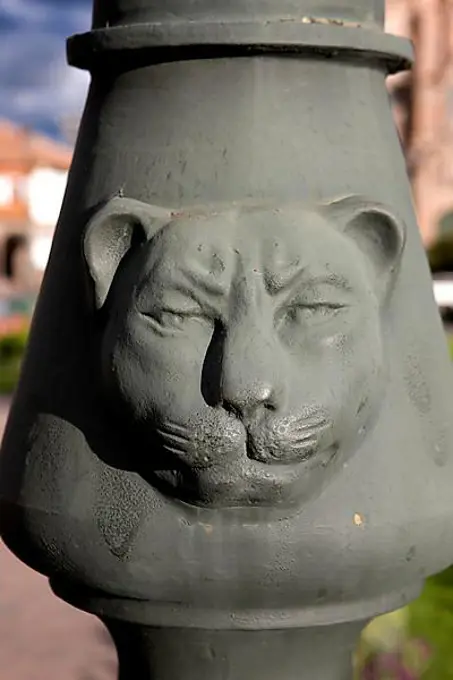
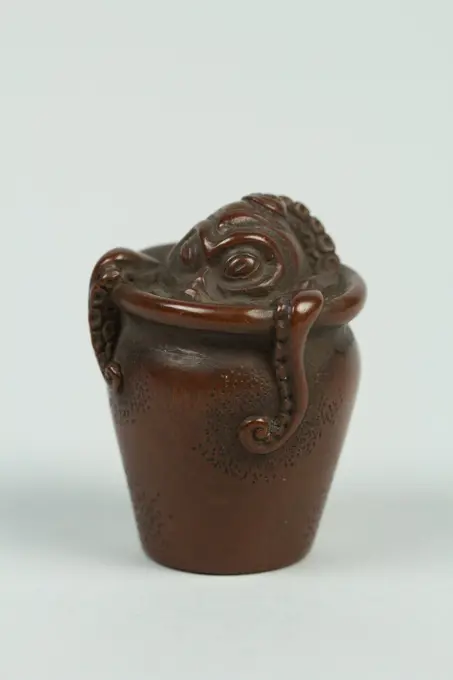
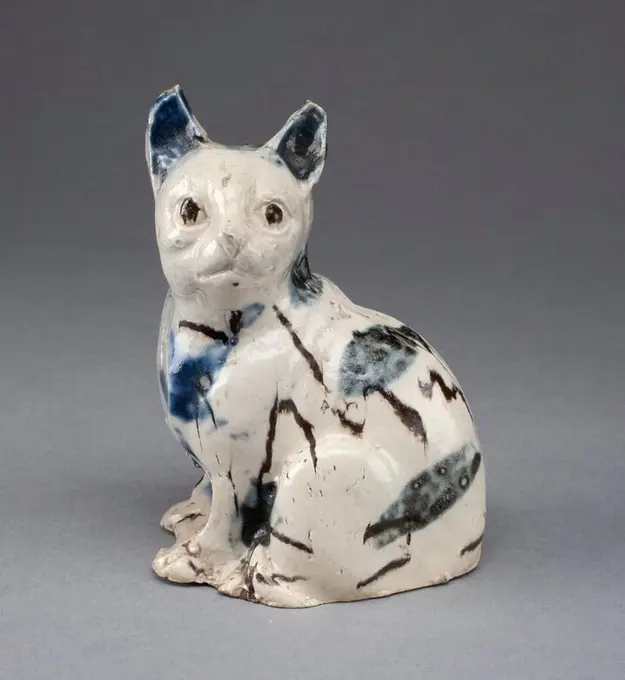
Cat. Staffordshire, England. Date: 1755-1765. Dimensions: 11.4 x 7.9 x 5.7 cm (4 1/2 x 3 1/8 x 2 1/4 in.). Salt-glazed stoneware (agateware). Origin: Staffordshire. Museum: The Chicago Art Institute, Chicago, USA.Europe, Former Yugoslavia. Bronze mount of bull ' s head from Ohrid in Macedonia. 5C. BCSleeping Dog' still bank, late 19th-early 20th century, 2 1/16 x 2 1/8 x 1 7/16 in. (5.24 x 5.4 x 3.65 cm), Ceramic, England (probably), 19th-20th centuryHorse and Rat. Kanō Tomokazu (Japan, active circa 1764/1771-circa 1830/1843). Japan, early 19th century. Costumes; Accessories. Wood with double inlaysLucerna (antigua lámpara romana) de bronce. Asa rematada con cabeza de ánade. S. II. Altura: 7,9 m. Longitud: 16,3 cm. Anchura: 7 cm. Museum: MUSEO ARQUEOLOGICO, MADRID, SPAIN.Chess figure isolated on the white backgroundBelt Plaque in the Shape of a Crouching Horse 3rd-1st century B.C. North China Intriguing metal artifacts such as this silver plaque and scattered references in Chinese and Western histories are our only sources of information about the numerous pastoral, seminomadic, and horse-riding tribes that inhabited the vast reaches of Central Asia traversed by the Silk Road.Most likely used as an adornment on a bridle or other equine accoutrement, this small plaque illustrates the dissemination of artistic motifs across Asia. The beaklike shape of the horse's muzzle, the dramatic twist of its hindquarters, and the lively openwork frame all reflect an imagery and stylistic approach found in objects made earlier by Indo-European Scythian peoples living on the Iranian plateau and in the area around the Black Sea. Comparable motifs appear in tattoos on the body from tomb 2 at Pazyryk, in the Altai mountains of southern Siberia. Eight of the twenty-five burial mounds (kurgan) at that site, currentlyBear figure and spill holder ca. 1850-75 Possibly Parker Pottery Listen to experts illuminate this artwork's story Listen Play or pause #4520. Overview: Pennsylvania Redware Supported by Bloomberg Philanthropies We're sorry, the transcript for this audio track is not available at this time. We are working to make it available as soon as possible.. Bear figure and spill holder 435Sake Ewer in the Form of a Fox on a Bag of Treasures. Japan, first half 19th century. Ceramics. Hirado Mikawachi ware; porcelain with blue over clear glazeRhyton Cup in the Form of a Hair Made 1775-1785 Staffordshire. Lead-glazed earthenware . Staffordshire PotteriesFrog-Shaped Seal. Ōhara Mitsuhiro (Japan, 1810-1875). Japan, mid-19th century. Costumes; Accessories. Ivory with staining, red seal pigmentSnuff Box, c. 1770. Germany, 18th century. Amethystine quartz, diamondsine-quartz, gold; overall: 6.4 x 5.1 x 4.5 cm (2 1/2 x 2 x 1 3/4 in.).Przeszo Przyszoci unknownMask with Bird Beak. Japan, 1698, eighth month. Jewelry and Adornments; masks. Wood, various pigments, brass, plant fibersEgyptian cat statue Egyptian cat statue isolated on white background Copyright: xZoonar.com/AndreyxEreminx 2281664Swan-Neck Bottle (Ashkdan) probably 18th-19th century. Swan-Neck Bottle (Ashkdan) 444736A Setter: Standing, unknown artist, after a model by Ralph Wood, ca. 1775, Pearlware figure, Sheet: 11 1/4in. (28.6cm), animal art, dog (animal)Dried Fish. Japan, 18th century. Costumes; Accessories. Root woodCock 18th century Probably made at Jackfield Pottery, Shropshire, England. Cock. British, Shropshire. 18th century. Glazed earthenware. Ceramics-PotteryElk Fawn Finial, 400-200 BC. Western Asia, Scythian, 5th-3rd Century BC. Gold, solid cast; overall: 1.9 x 0.6 x 1.8 cm (3/4 x 1/4 x 11/16 in.).SWUNG FORM 1937 ACERO FIRMADO. Author: DAVID SMITH. Location: THE ESTATE OF DAVID SMITH. NEW YORK.Waterpuwer in the form of a dragon, part of a fountain, anonymous, c. 1500 - c. 1600 Dragon, who joined with head and scaly neck, rests on its large claws and spread out, vincible wings. Italy bronze (metal) Dragon, who joined with head and scaly neck, rests on its large claws and spread out, vincible wings. Italy bronze (metal)Plaque with a Winged Horse 1st century North China These plaques were created by (or for) the Xianbei, a nomadic people living in the steppes region of what is now Mongolia and northern China, who would later control a large part of northern China as the Northern Wei dynasty (386-534). According to the dynastic history of the Wei, they were led into China by a mysterious animal spirit that was shaped like a horse and that bellowed like an ox.(One of a pair; see 24.174.7). Plaque with a Winged Horse 52164Ritual Head 1850-1900 Democratic Republic of the Congo. This male ritual head bears the crossed coiffure and regal, elongated face with arched brows and almond-shaped eyes that are characteristic of Hemba sculpture. The fur attached to the base of this sculpture is not original. This sculpture was possibly once kept in a basket or gourd and would have been used by the head of the clan to foster communication between the living and the ancestral realm.óPermanent Collection Object Description. Wood, animal fur (contemporary facsimile based on period examples), and twine . Hemba (Creator of work depicted)Pair of Grotesque Bird Jars. Made from a salt-glazed stoneware, carved and incised decoration, underglazed colours and enamels.Netsuke, japanese miniature sculpture. Museum: COLECCION PRIVADA.Monographic Museum of Pollentia, element of domestic religion,, Alcudia, Mallorca, Balearic Islands, Spain.Mine And Carnation Detonated mine and carnation on a studio background Copyright: xZoonar.com/AndreyxSkatx 14093743Green Lion Sculpture lean on the mable floorJade Chinese dragon on display in the Huahui Jade Factory and Showroom, Xian, ChinaCrafts of horseTwo Cows. Faïence animal figure, representing a cow. Many color painted with flowers.Carved and polished Onyx (tecali) vessels with a seated figures. Post-Classic Date900-1521. Found at Isla de Sacrificios, tomb, Veracruz, MexicoNetsuke of Demon 19th century Japan. Netsuke of Demon. Japan. 19th century. Ivory. Edo (1615-1868) or Meiji period (1868-1912). NetsukeAsia, China, Shanghai, Shanghai Museum, gallery of chinese ancient bronze, Cowrie  Container with eight yaks, Western Han period 206 B.C. - A.D. 8Ryton in the shape of a ram; Painter Karlsruhe (around 460 BC); around 460 BC (-465-00-00--455-00-00);Greece, painter Karlsruhe, Baran (iconogr.)Figure Dish 1880-90 McKee and Brothers. Figure Dish. American. 1880-90. Pressed opaque white glass. Made in Pittsburgh, Pennsylvania, United StatesDuck China. Duck. China. Cloisonné enamel. Qing dynasty (1644-1911), Qianlong period (1736-95). CloisonnéAlek; Care, brothers (Warsaw; Foundry Zak 1862-1950); after 1884 (1884-00-00-1909-00-00);Foundation Deposit Plaque in the Form of a Bound Ox ca. 1188-1186 B.C. New Kingdom, Ramesside. Foundation Deposit Plaque in the Form of a Bound Ox. ca. 1188-1186 B.C.. Faience. New Kingdom, Ramesside. From Egypt, Upper Egypt, Thebes, Ramesseum Area, Temple of Tawosret, foundation deposit, Petrie excavations, 1896. Dynasty 19Monographic Museum of Pollentia, Seahorse, Alcudia, Mallorca, Balearic Islands, Spain.Nautilus cup, Joachim Hiller, c. 1600 Nautilus cup with gold -plated silver frame, in the form of an ostrich. The shell is painted with draperies, bouquets and birds. An amethyst is caught in the head of the ostrich. In the passionate foot edge, between volutes and ostriches, twice a children's head, two goats bucked and two horsed horses are depicted. Breslau silver (metal). nautilus shell. amethyst (mineral) gilding / painting Nautilus cup with gold -plated silver frame, in the form of an ostrich. The shell is painted with draperies, bouquets and birds. An amethyst is caught in the head of the ostrich. In the passionate foot edge, between volutes and ostriches, twice a children's head, two goats bucked and two horsed horses are depicted. Breslau silver (metal). nautilus shell. amethyst (mineral) gilding / paintingOrnament, Christmas, Dough, Dog-like animal with black spots, in relief on brown ground with strip of green., USA, 1850-99, Decorative Arts, Ornament, ChristmasAquamanile in the Form of a Horse. Culture: German. Dimensions: Overall: 11 7/16 x 12 7/16 x 3 7/8 in., 5.046lb. (29.1 x 31.6 x 9.8 cm, 2289g)Overall PD: 11 1/4 x 3 7/8 x 12 1/4 in. (28.6 x 9.8 x 31.1 cm)Thickness PD: 2/25-19/100 in. (0.20-0.47 cm). Date: first half 15th century. Museum: Metropolitan Museum of Art, New York, USA.Netsuke of Daikoku and Bag 19th century Japan. Netsuke of Daikoku and Bag 59865Hare ca. 1750-60 British, Staffordshire. Hare. British, Staffordshire. ca. 1750-60. Salt-glazed stoneware. Ceramics-PotteryAmulet of a Hare. Egyptian. Date: 1070 BC-656 BC. Dimensions: 1.9 × 0.3 × 1 cm (3/4 × 1/8 × 3/8 in.). Faience. Origin: Egypt. Museum: The Chicago Art Institute, Chicago, USA. Author: Ancient Egyptian.statue of crawlng baby statue of crawlng baby made from clay isolated on white Copyright: xZoonar.com/chrisxwilllemsenx 6581951Taweret amulet 100 BC-100 AD Ptolemaic or Roman Period. Taweret amulet. 100 BC-100 AD. Mosaic glass. Ptolemaic or Roman Period. From EgyptBattle of the Monkey and Octopus. Minkoku II or Minkoku III (Japan, 19th century-early 20th century). Japan, late 19th century. Costumes; Accessories. Ivory with staining, sumiZoopomorphic Whistle bottle. Agua Blanca. a commune in Machalilla Parish, Puerto López Canton, Manabí Province, Ecuador. It is east of the city of Puerto López.Handle or attachment 5th century B.C. () Achaemenid (). Handle or attachment. Achaemenid (). 5th century B.C. (). Gold. Achaemenid (). IranWater holder 1820 Japan. Water holder 47096Caballitos de cartón. Museu Català de les Arts i Tradicions Populars.Zoomorphic vessel depicting a native animal of America. Chimu-Inca culture. Late Horizon (1470-1532 AD). Peru. Museum of the Americas. Madrid, Spain. Horse 700 CE-750 CE China. Earthenware with three-color (sancai) lead glazes .brown ceramic ram doll isolated on white backgroundChinese bird porcelain or ceramic vase Chines ornate bird with wings ceramic or porcelain vase, with cracked paint, isolated against a white background. Copyright: xZoonar.com/PatrickxGuenettex 10648880Eagle with Wings Outstretched and Open Beak. Dated: model date unknown, cast after 1862. Dimensions: height: 30 cm (11 13/16 in.). Medium: bronze. Museum: National Gallery of Art, Washington DC. Author: Antoine-Louis Barye.Frog on Toadstool. Japan, mid-19th century. Costumes; Accessories. Hirado ware; porcelain with blue and brown glazesBell. Culture: Tairona; Colombian. Dimensions: Height: 1 11/16 in. (4.3 cm)Diameter: 1 3/8 in. (3.5 cm). Date: 1000-1500 A.D.. Museum: Metropolitan Museum of Art, New York, USA.Ojime 19th century Japan. Ojime. Japan. 19th century. Ivory. Edo period (1615-1868). OjimeEgyptian sfinx Egyptian sfinx in black and white isolated over white Copyright: xZoonar.com/IvonnexWierinkx 7121988Pair of Sword-Grip Ornaments (Menuki) 18th century Japanese Menuki are a pair of ornamental sword fittings attached to either side of a sword hilt.. Pair of Sword-Grip Ornaments (Menuki). Japanese. 18th century. Copper-silver alloy (shibuichi), gold, copper-gold alloy (shakud). Sword Furniture-MenukiMask with Bird Beak. Japan, early 19th century. Jewelry and Adornments; masks. Wood, black lacquer, hemp palm fiberTureen with cover in the form of a pigeon ca. 1750-60 Period of Paul Hannong Faience, or tin-glazed and enameled earthenware, first emerged in France during the sixteenth century, reaching widespread usage among elite patrons during the seventeenth and early eighteenth centuries, prior to the establishment of soft-paste porcelain factories. Although characterized as more provincial in style than porcelain, French faience was used at the court of Louis XIV as part of elaborate meals and displays, with large-scale vessels incorporated into the Baroque garden designs of Versailles. Earlier examples of French faience attest to the strong influence of maiolica artists from Italy. Later works demonstrate the ways in which cities such as Nevers, Rouen, Lyon, Moustiers, and Marseille developed innovative vessel shapes and decorative motifs prized among collectors throughout Europe. While faience can be created from a wide mixture of clays, it is foremost distinguished by the milky opaque whiteSung/ Song Dynasty ceramic incense burner in form of a pig, 11c, China.Figurine of pheasant. unknown, craftsmanEagle c 1865-1890 Pennsylvania. Painted and carved tulipwood . Wilhelm Schimmel (Sculptor)Duck (one of a pair) 1760-70 Chinese, for Continental European market. Duck (one of a pair). Chinese, for Continental European market. 1760-70. Hard-paste porcelain. Ceramics-Porcelain-ExportNetsuke of Fish on Bamboo Leaves. Artist: Jugyoku. Culture: Japan. Dimensions: H. 9/16 in. (1.4 cm); W. 2 in. (5.1 cm). Date: late 19th century. Museum: Metropolitan Museum of Art, New York, USA.Vase in the shape of two fish. unknown, craftsmanPeru. An extensive collection of pre-Columbian art in the Rafael Larco Herrera Museum, these were Mochica funerary offerings.Waist clamp;  19th century (1801-00-00-1900-00-00);Cat figurine as plant pot with artificial flowersNetsuke in the Shape of a Deer Japan 19th century View more. Netsuke in the Shape of a Deer. Japan. 19th century. Ivory. Edo period (1615-1868). NetsukeTwo toy enamoured cats on a brown background Two enamoured cats looking against each other on the brown background Copyright: xZoonar.com/alexmakx 3810232Japanese Netsuke of a dog, 19th century. Artist: UnknownClose-up of a figurine of a horseStatuettes of cute dogs  on white marble backgroundSouth Arabia as a general term refers to several regions as currently recognized, in chief the Republic of Yemen; yet it has historically also included Najran, Jizan, and 'Asir which are presently in Saudi Arabia, and Dhofar presently in Oman. The frontiers of South Arabia as linguistically conceived would include the historic peoples speaking the related South Arabian languages as well as neighboring dialects of Arabic, and their descendants. Anciently there was a South Arabian alphabet, which was borrowed by Ethiopia. South Arabia as generally conceived would include the lands inhabited by peoples partaking of its distinctive traditions and culture, which overlap recently demarcated political boundaries. Yemen or al-yaman means 'the south'. One etymology derives Yemen from yamin the 'right side' as the south is on the right when facing the sunrise; yet this etymology is considered suspect. Another derives Yemen from yumn meaning 'felicity' as the region is fertile; indeed the Romans Bell, from a set of ten, 2nd century BCE - 2nd century CE, 7 3/4 x 3 7/8 x 3 1/4 in. (19.69 x 9.84 x 8.26 cm), Ceramic, China, 2nd century BCE - 2nd century CESilversmith's art, 20th century. Frog shaped silver brooch set with marcasite and emeralds, 1950s.Unique pottery for sale, Tsuboya Pottery district, Naha, Okinawa, Japan, AsiaDalecarlian horse on wooden tableTreasure of Tutankhamen, headrest with figure of the god Bes. From the Valley of the Kings, tomb of Tutankhamen (1347-1338 b.C.)The Man's Head by Pablo Picasso, painted ceramic, 1881-1973Teapot ca. 1735 Meissen Manufactory German. Teapot 205635Belt buckle with dragons 19th century China. Belt buckle with dragons. China. 19th century. Jade (jadeite). Qing dynasty (1644-1911). JadeAfrica, Ghana, Tema. Trendy designer coffin workshop with caskets in modern forms. Miniature sample sized coffin in the shape of elephant.Dog figurine on table against white backgroundWooden Lion Toy on White BackgroundHEAD OF COUGAR ON A STREET LAMP, PLAZA DE ARMAS IN CUZCO, PERUIsolated Demon Tribal Mask Tribal wood mask with diabolic expression isolated in white background Copyright: xZoonar.com/DanielxFerreira-LeitesxCiccarinox 9204016Clay figurines of cat isolated on white background                                    Netsuke of Octopus in a Pail 18th century Japan. Netsuke of Octopus in a Pail. Japan. 18th century. Wood. Edo period (1615-1868). NetsukeFish terracotta clay, maharashtra, india, asia Copyright: xSatishxParashar/DinodiaxPhotoxBird Sculpture Detail Isolated Over White Background Isolated creepy bird bronze sculpture against white background Copyright: xZoonar.com/DanielxFerreira-LeitesxCiccarinox 13363918Garden decor Decor in the garden Copyright: xZoonar.com/GalynaxAndrushkox 4666264