Sculptural Artifacts

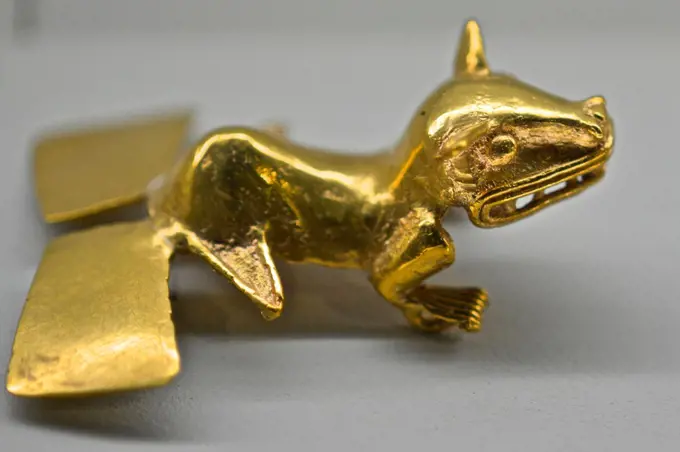
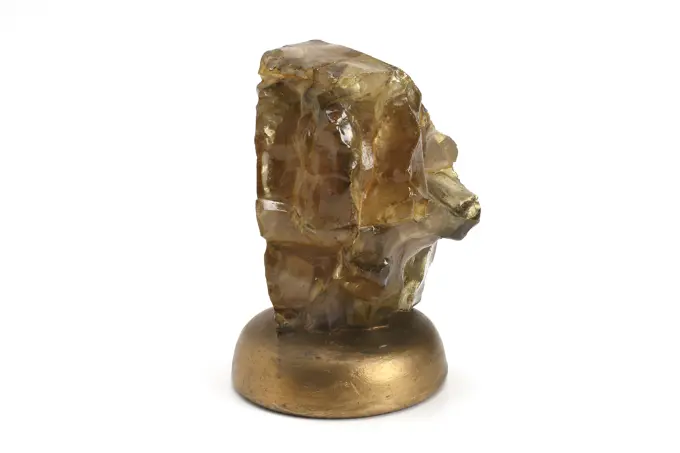
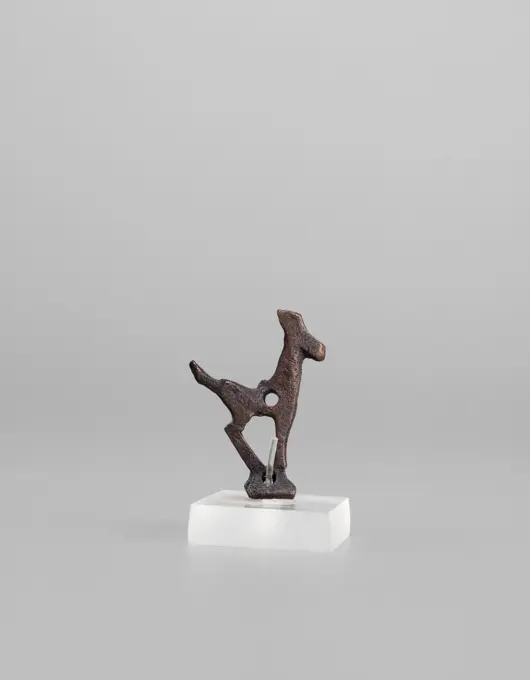
A selection of unique sculptural artifacts depicting animals and mythical designs, highlighting craftsmanship from various historical periods.

Fragment of a sculpture., C. 1400 - c. 1950 Fragment of a sculpture in the form of a swan.  . Fragment of a sculpture in the form of a swan.  .
Fragment of a sculpture., C. 1400 - c. 1950 Fragment of a sculpture in the form of a swan. . Fragment of a sculpture in the form of a swan. .
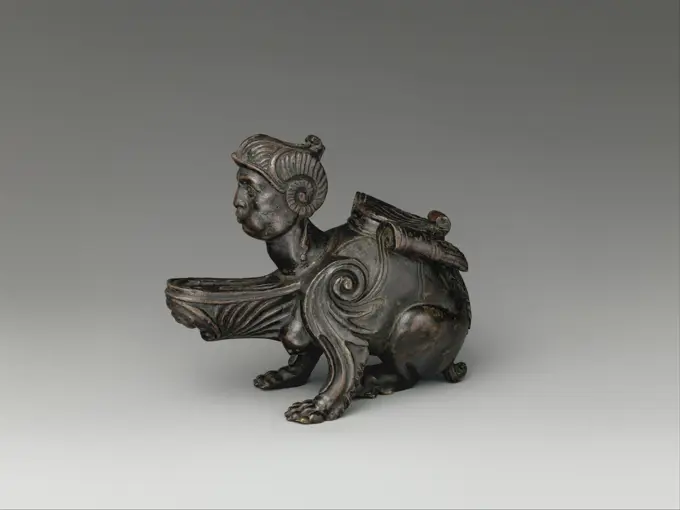
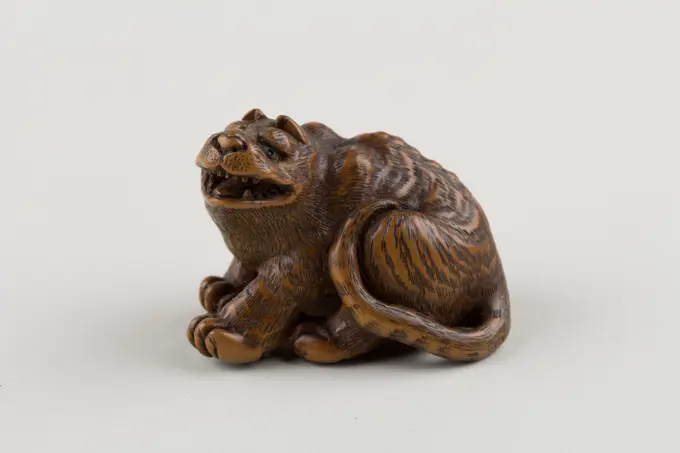
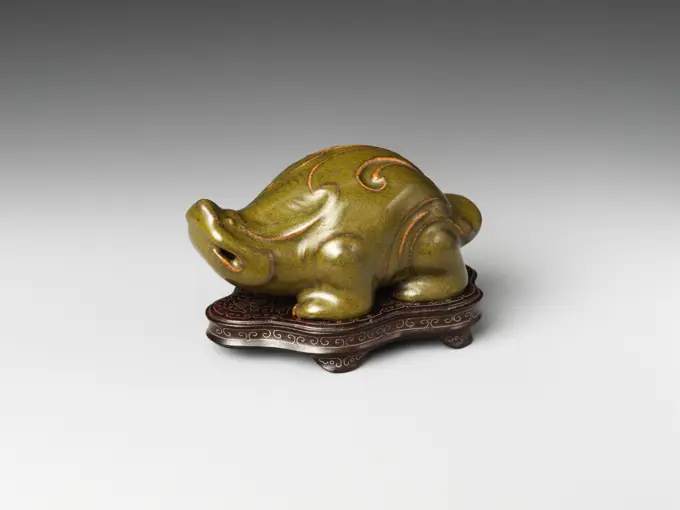
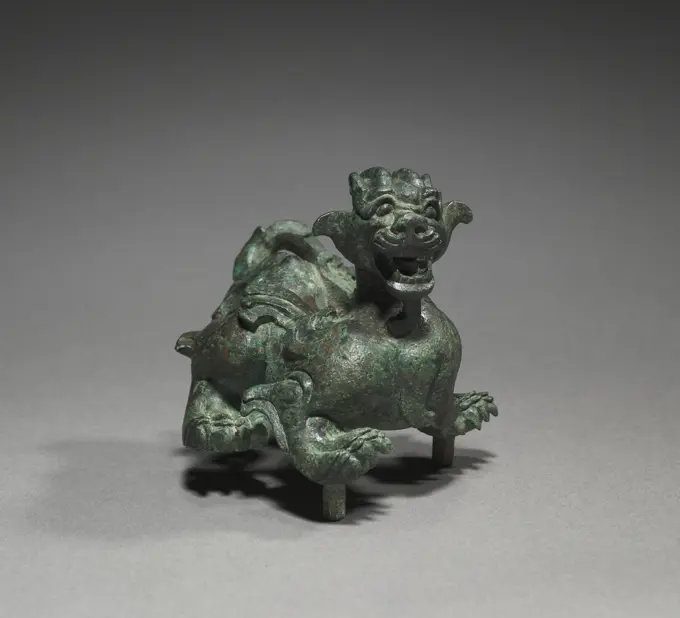
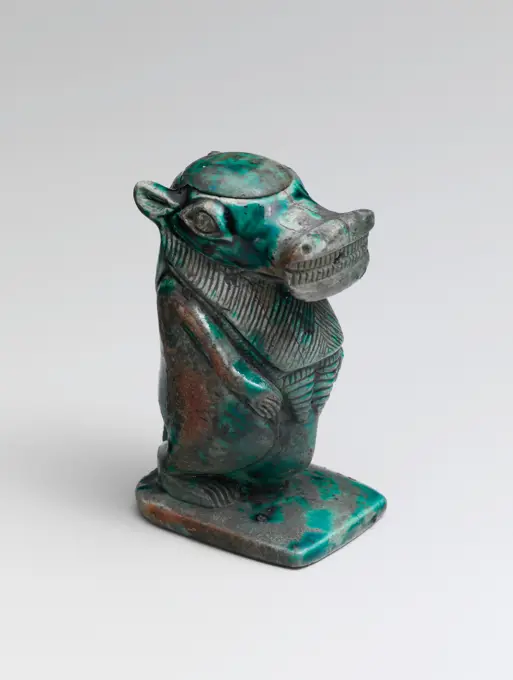
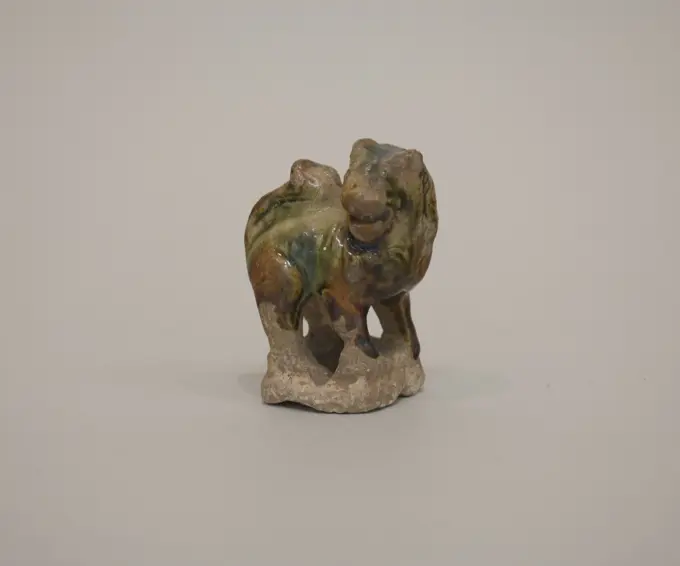
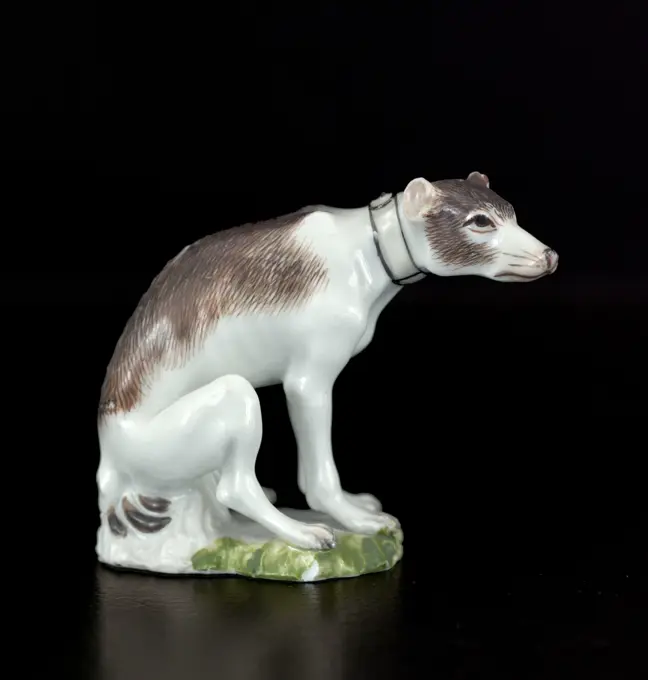
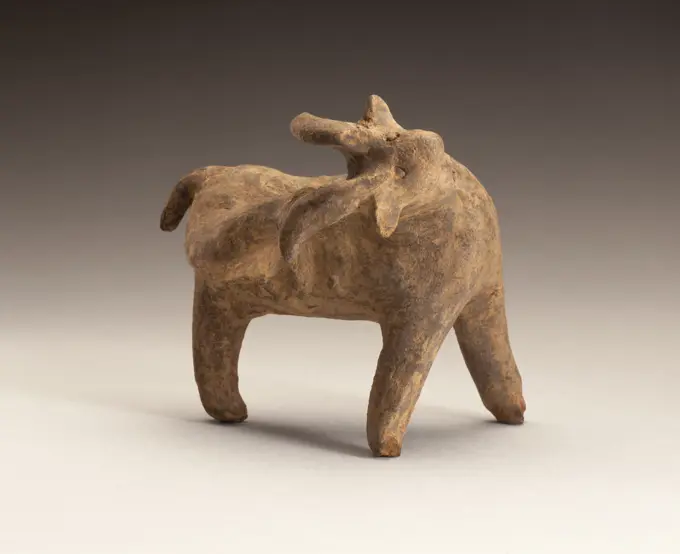
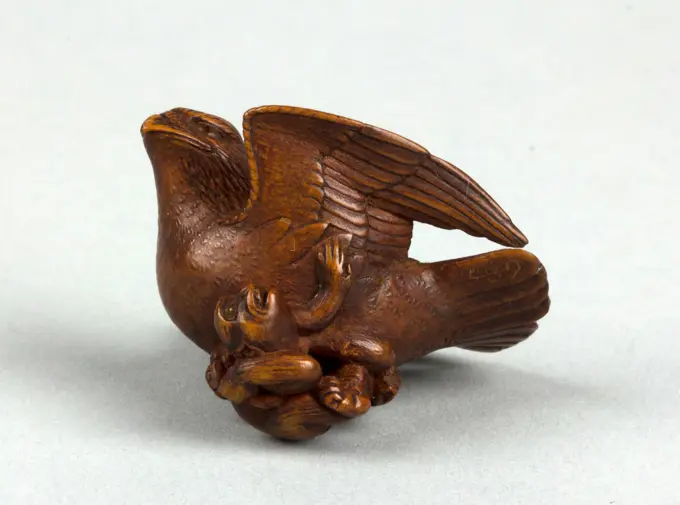
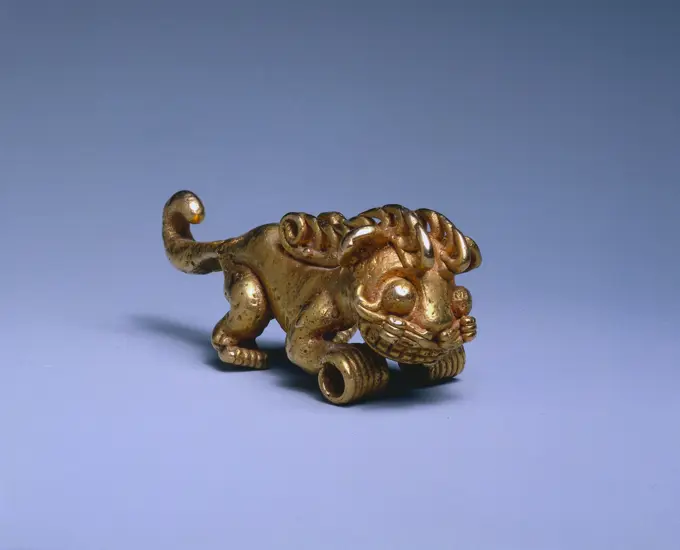
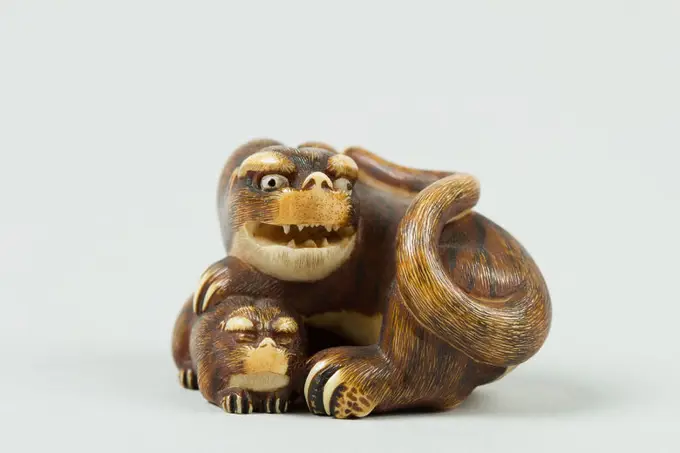
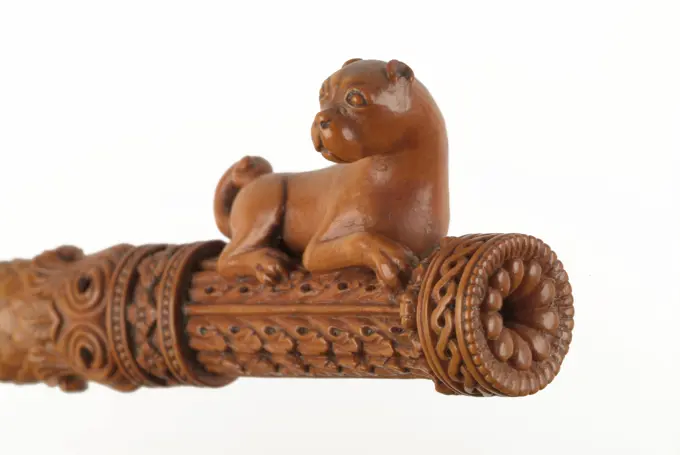
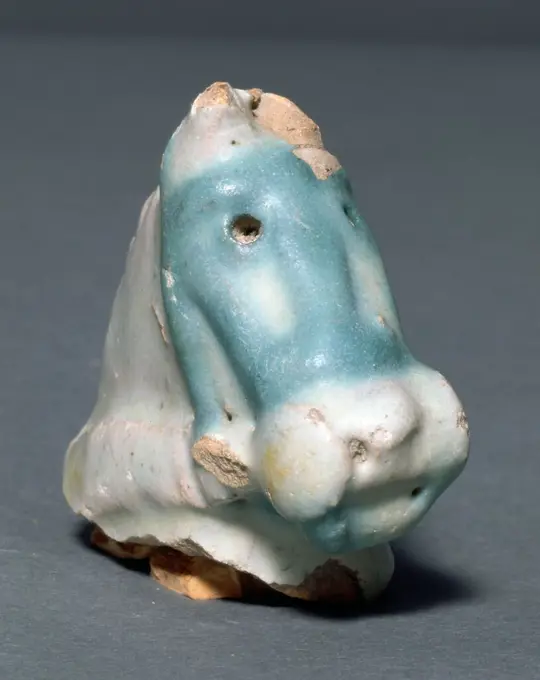
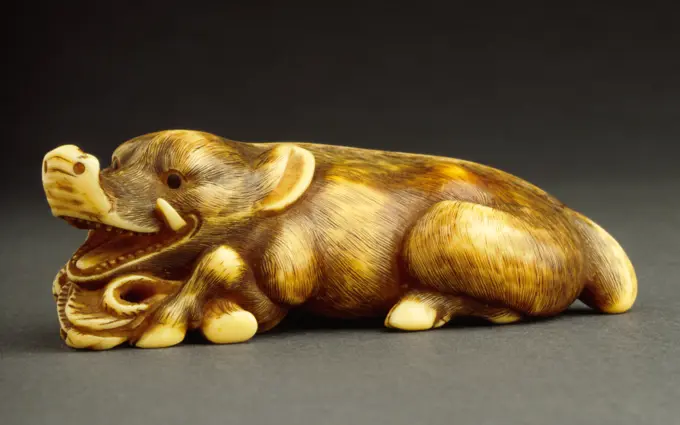
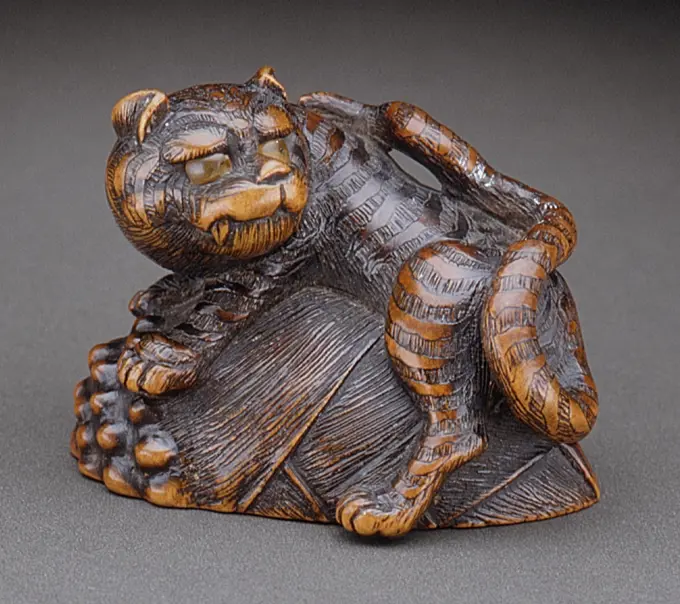
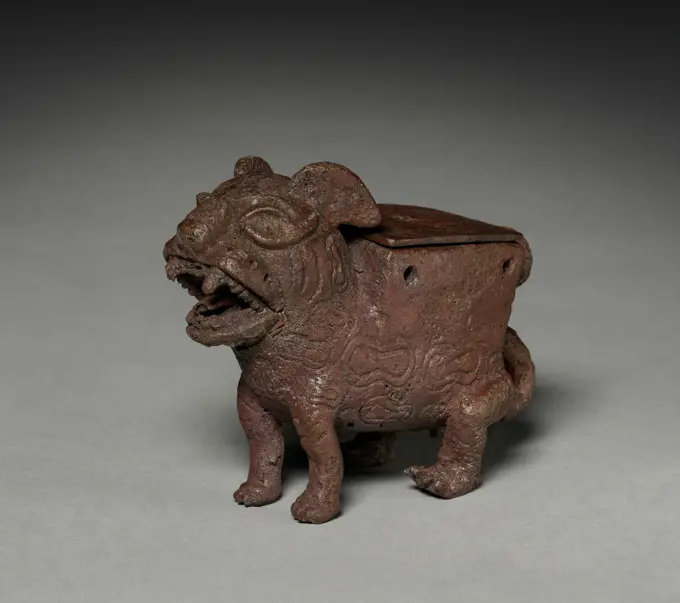
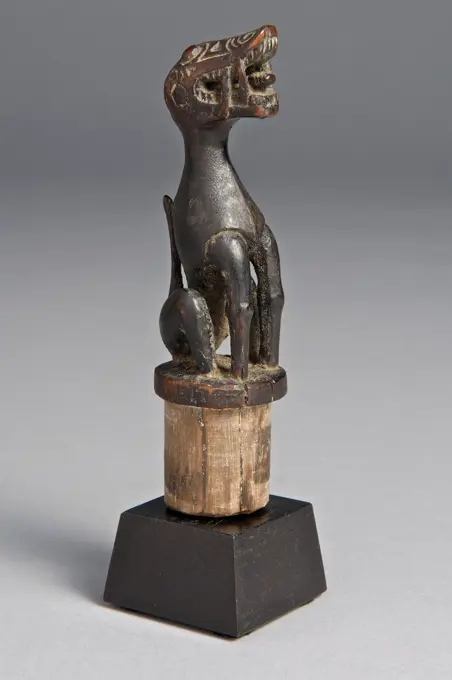
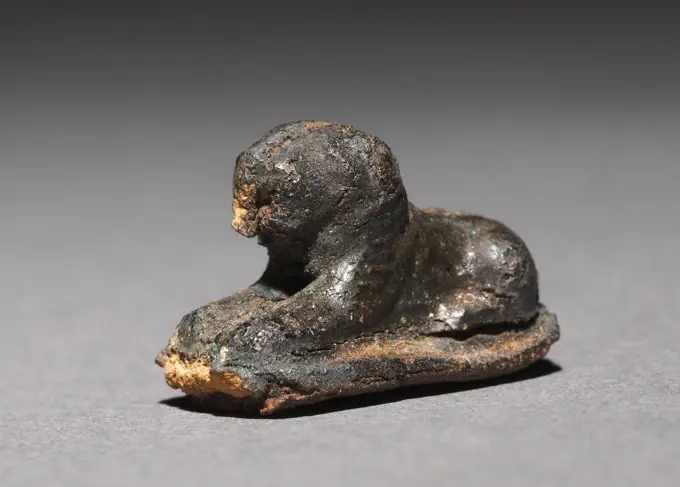
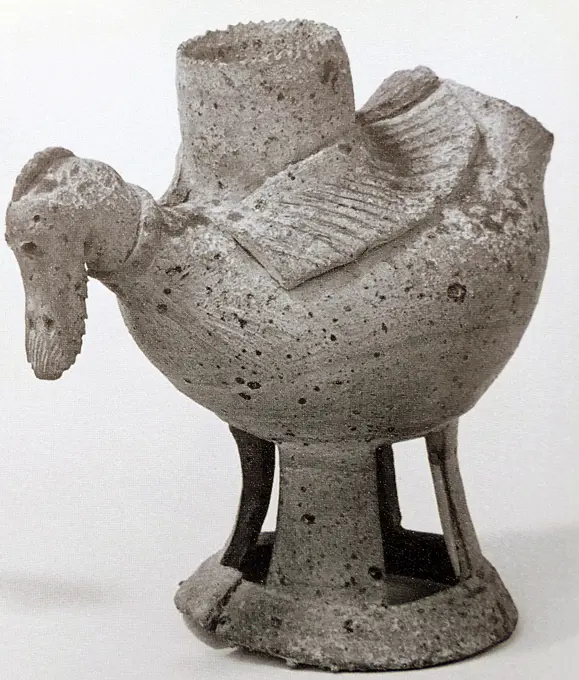
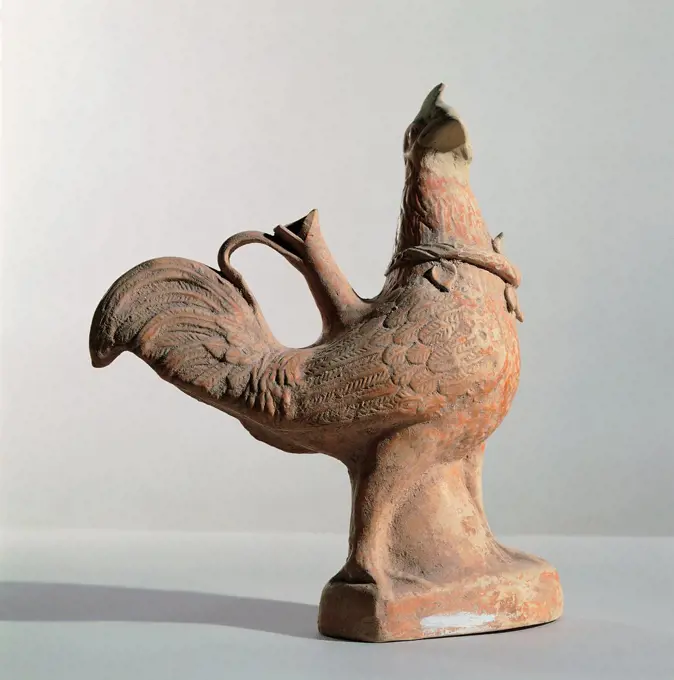
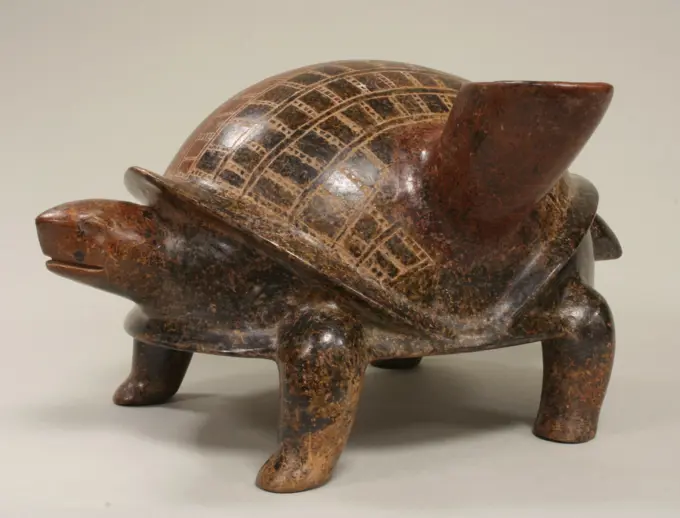
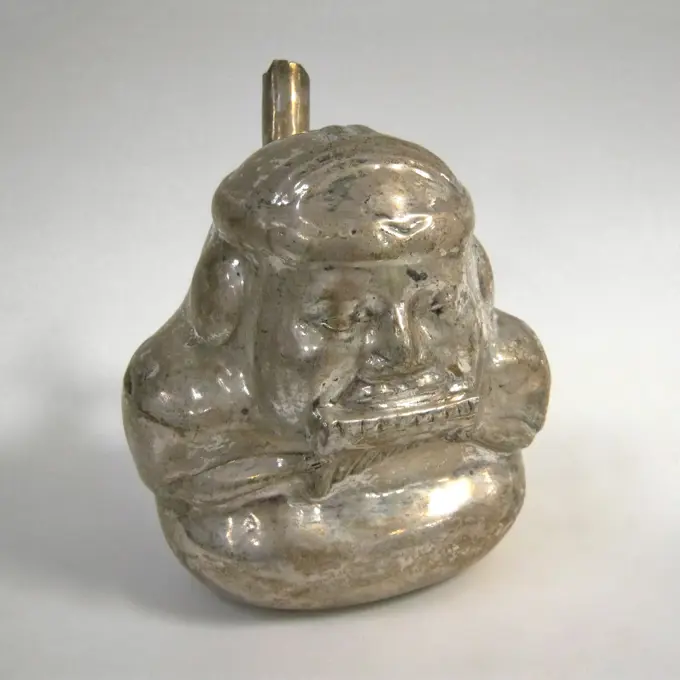
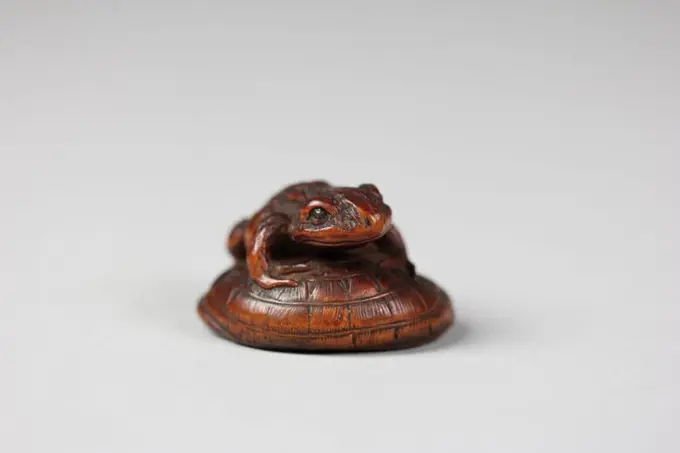
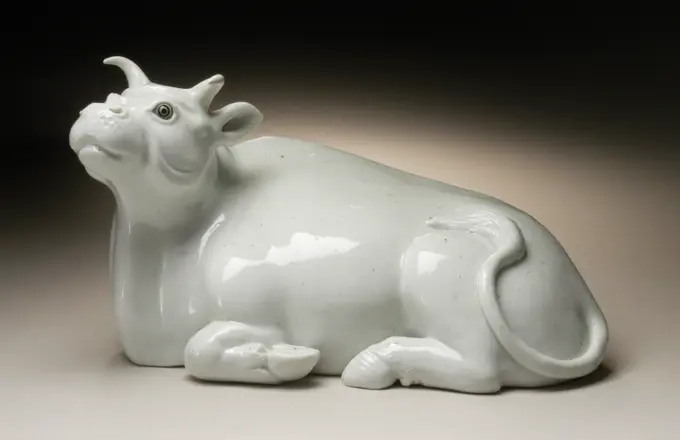
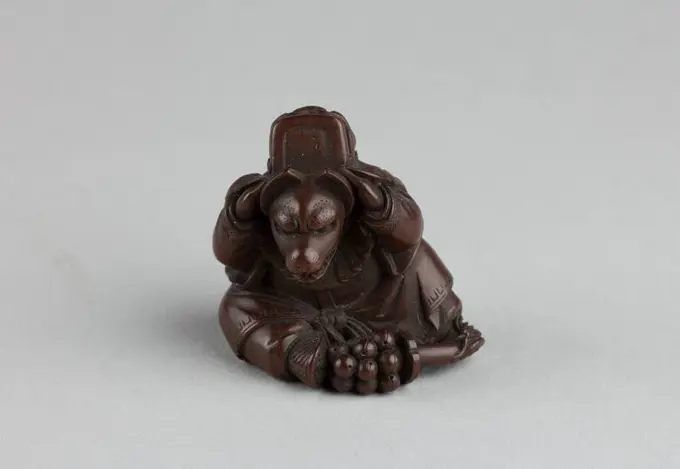
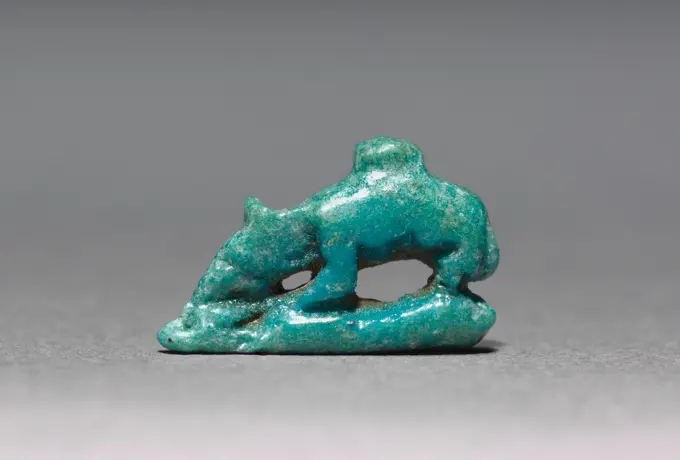
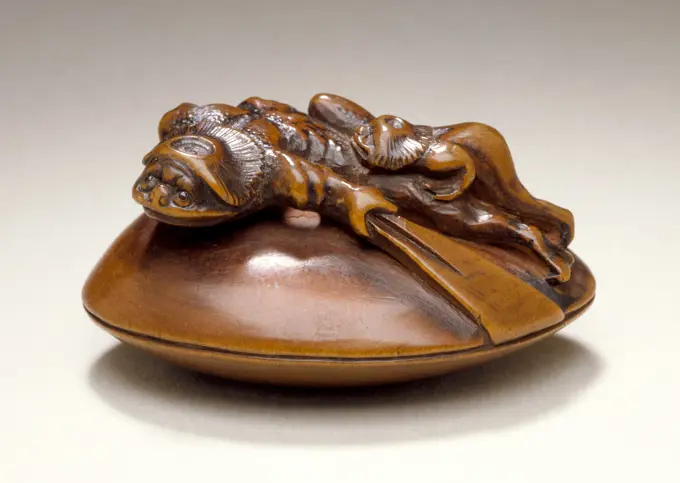
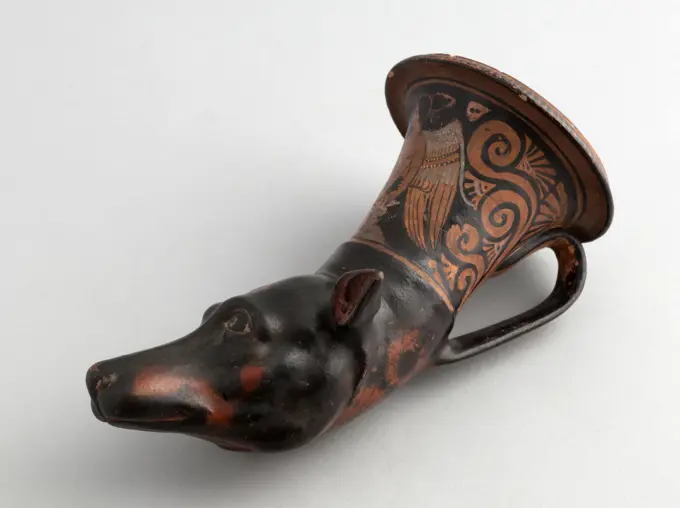
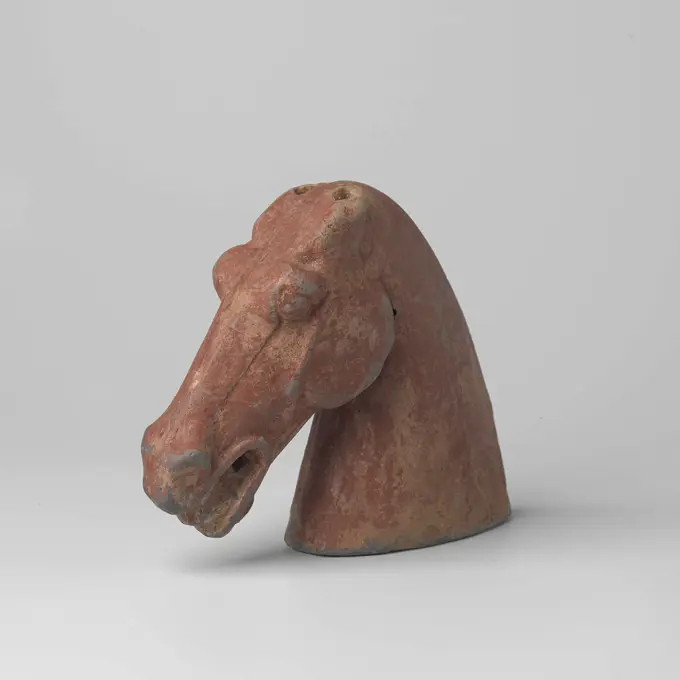
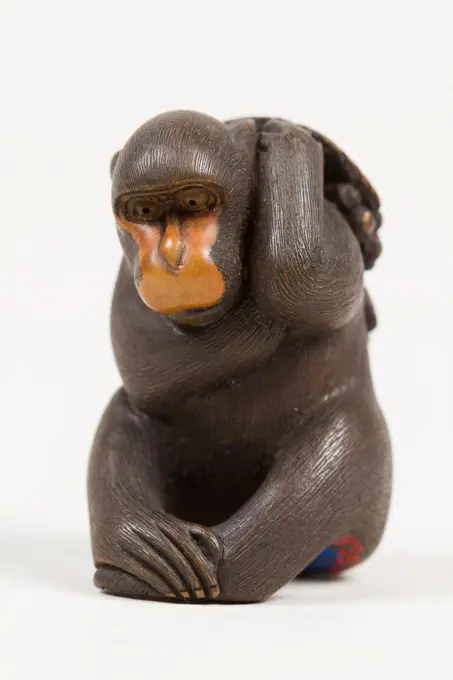
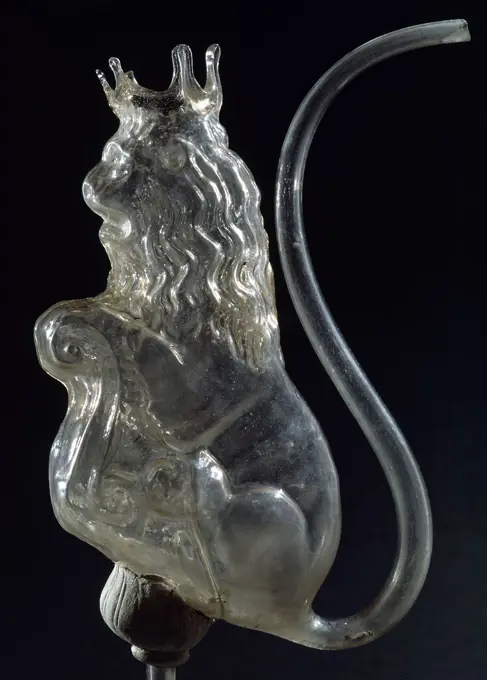
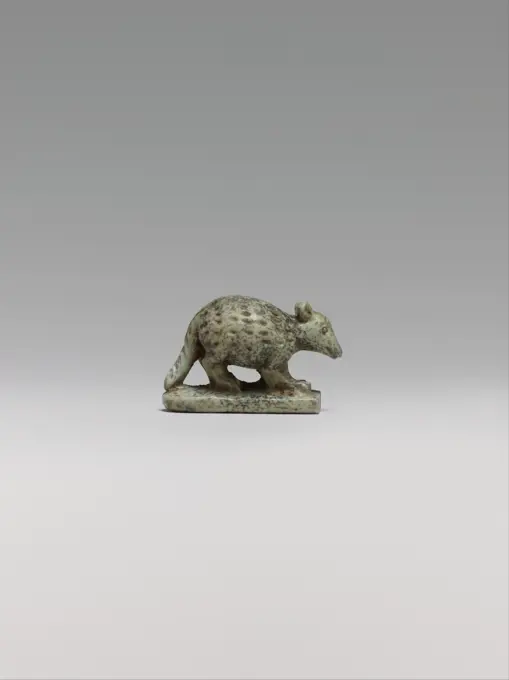
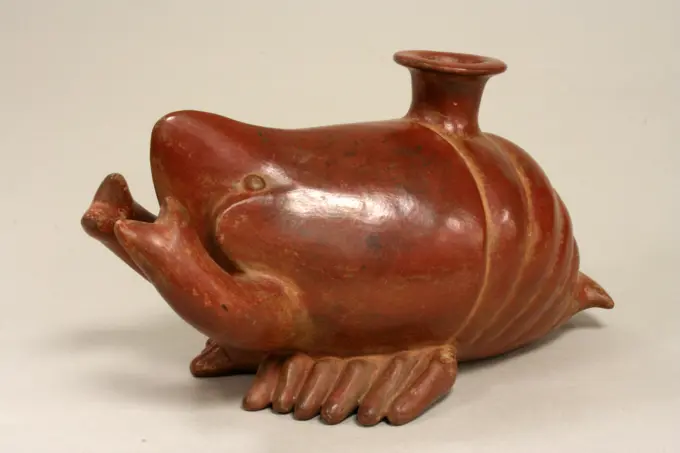
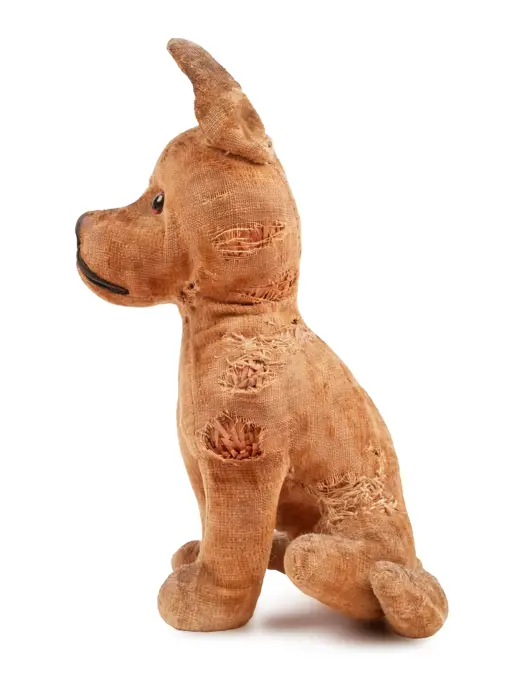
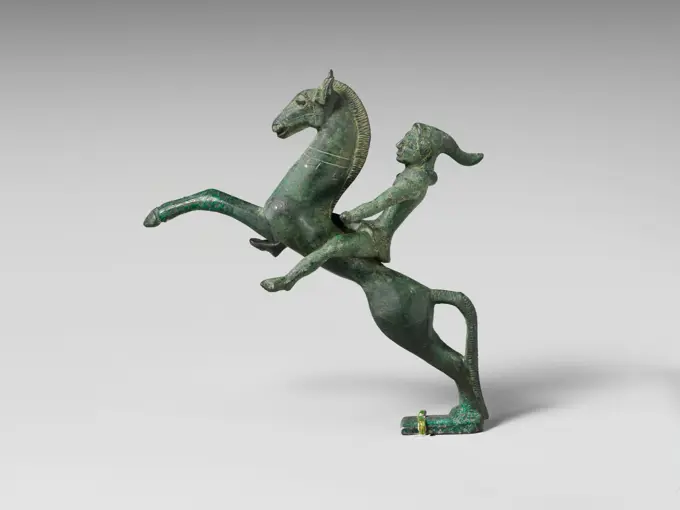
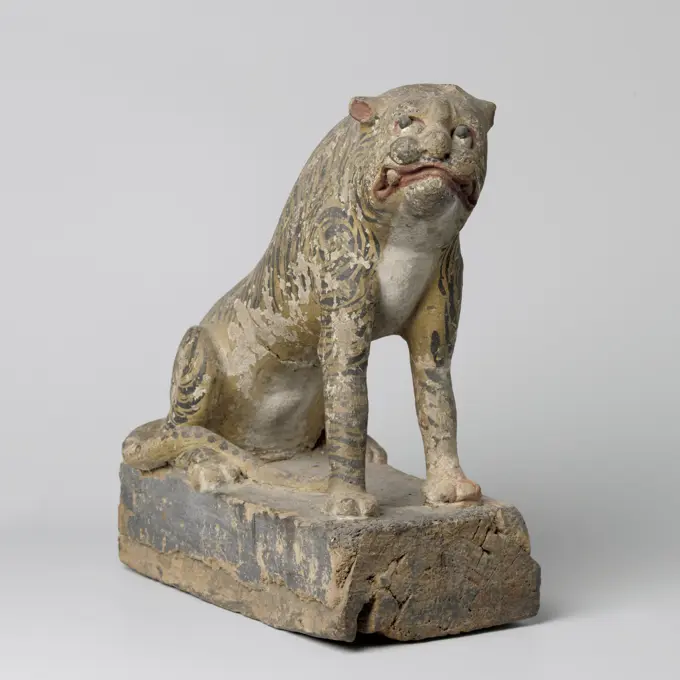
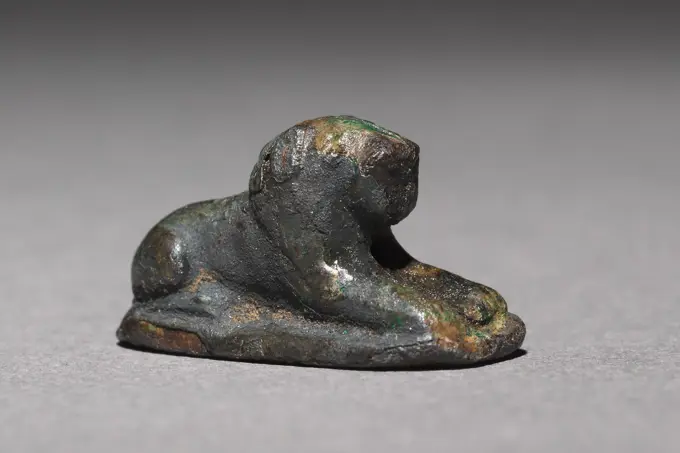
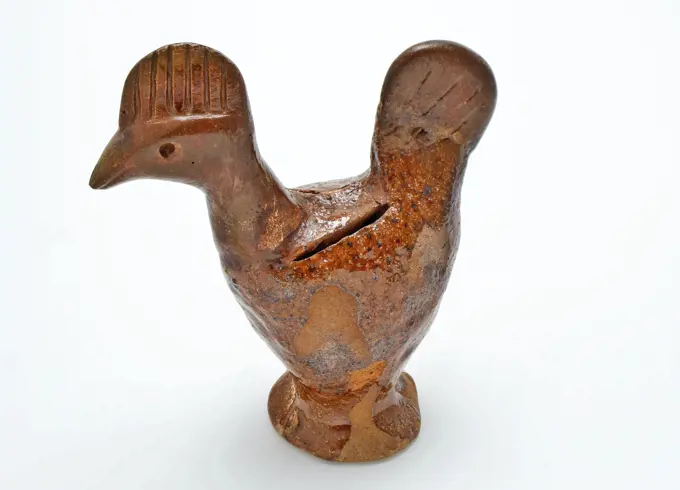
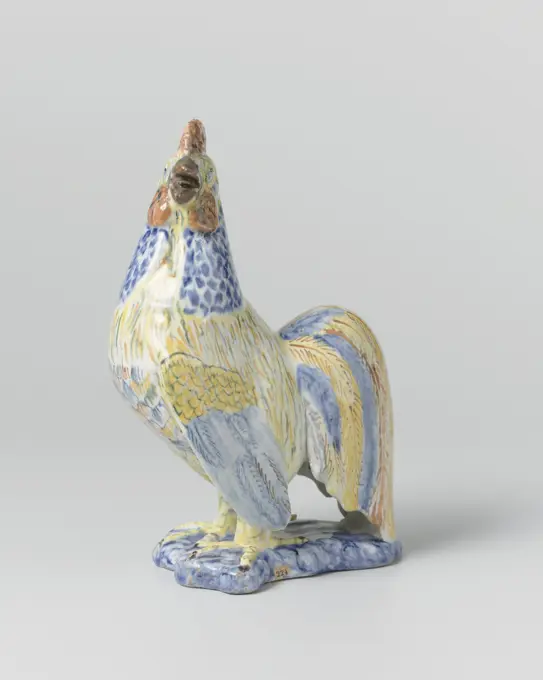
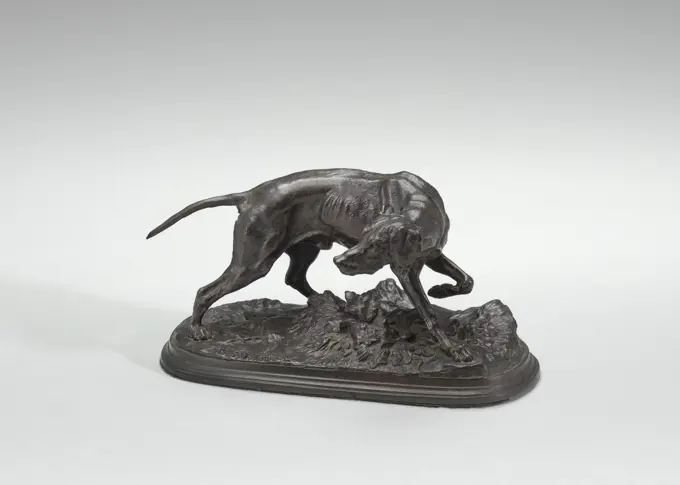
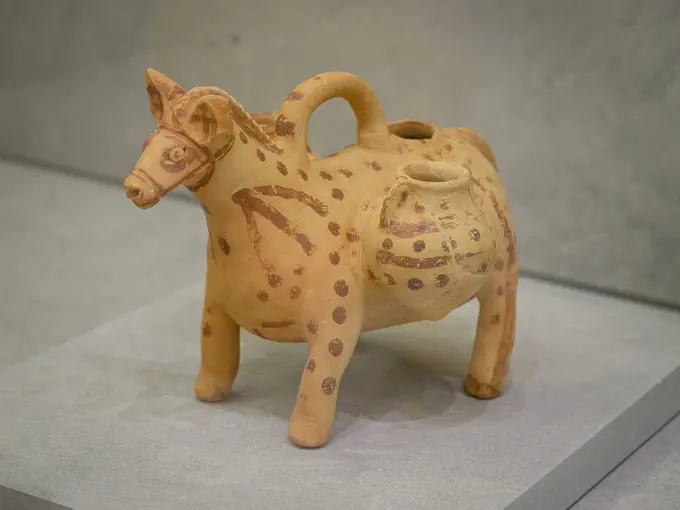
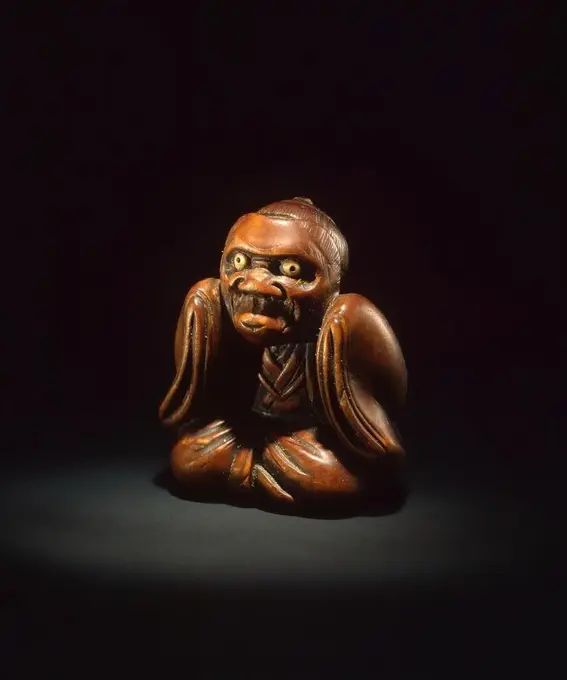
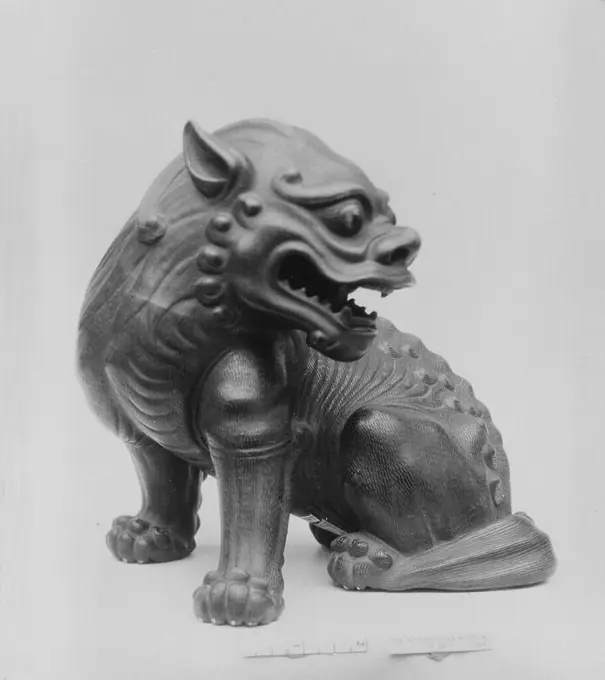
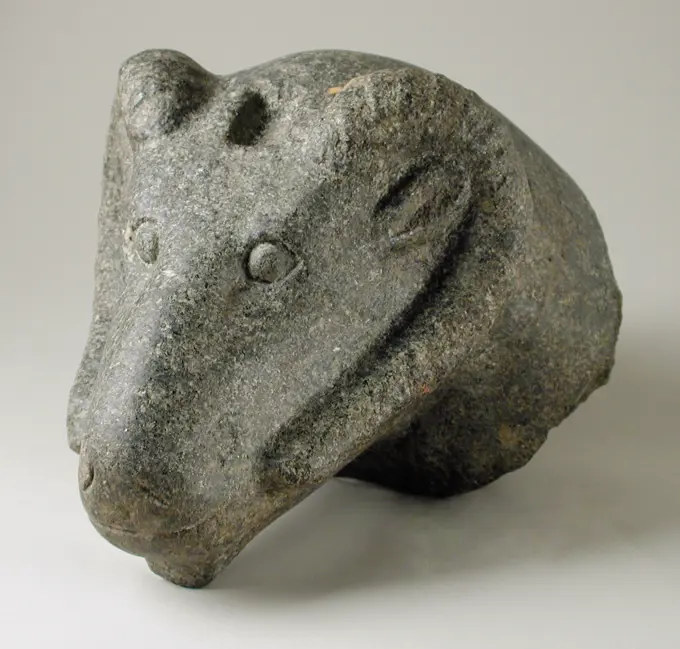
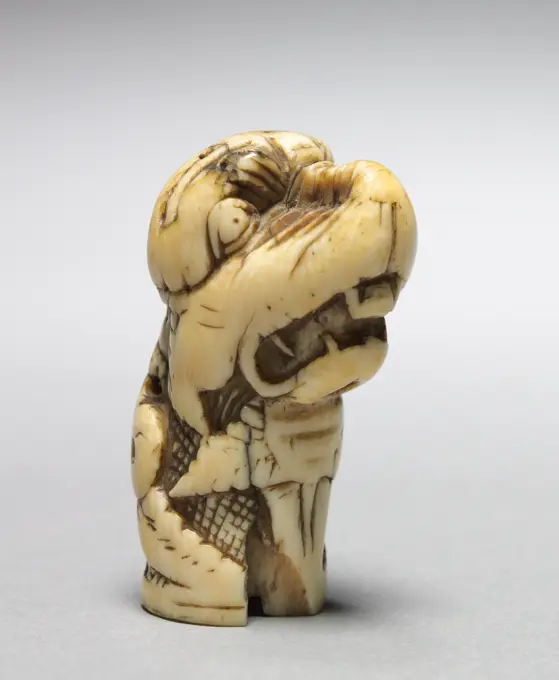
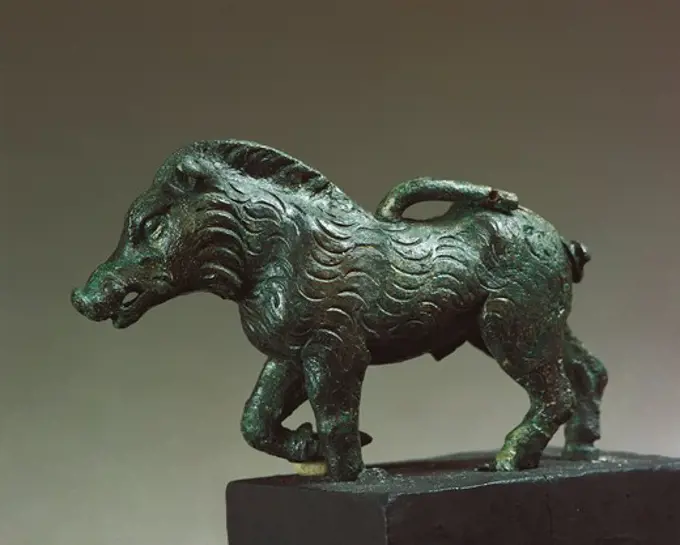
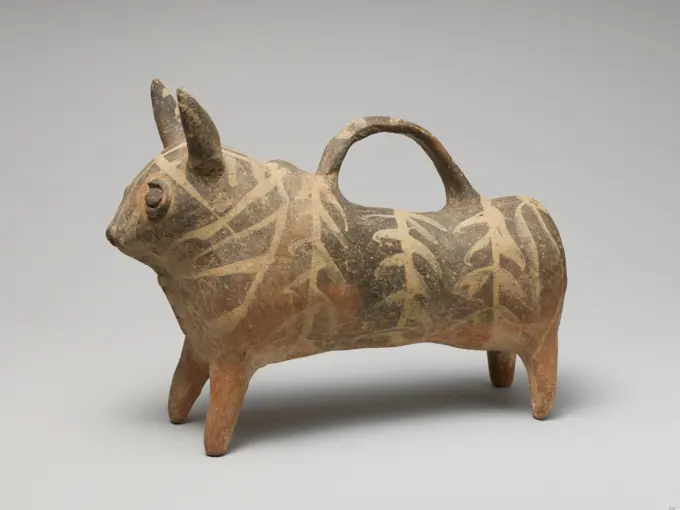
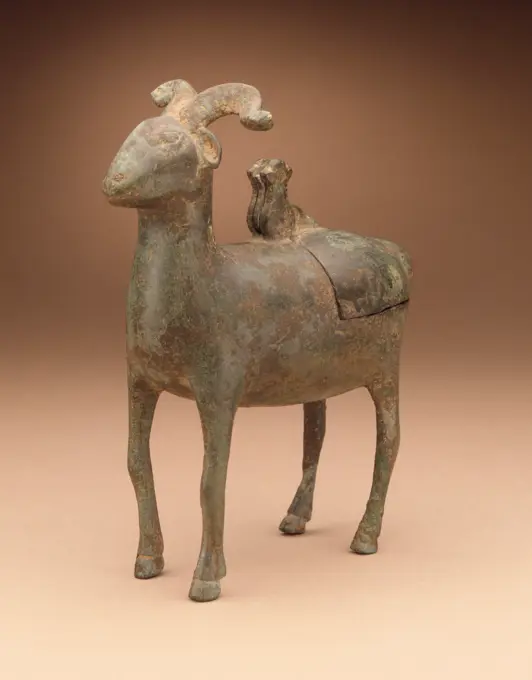
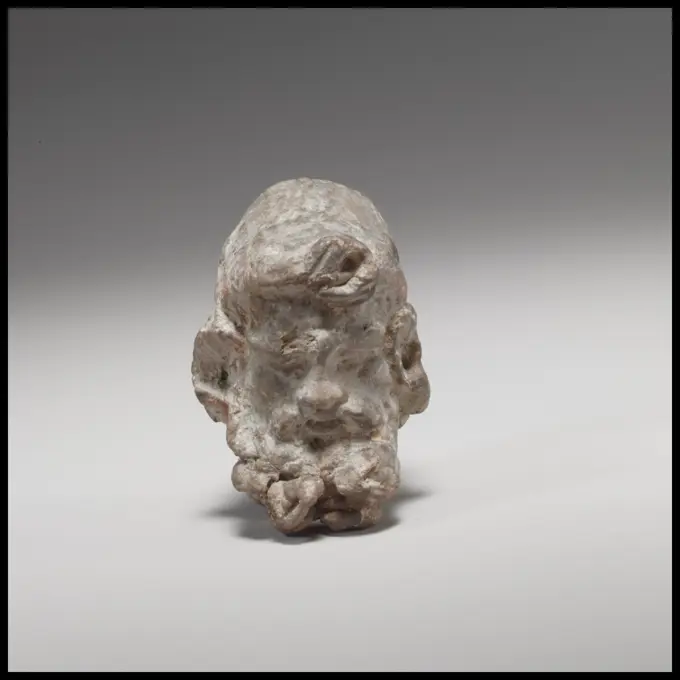
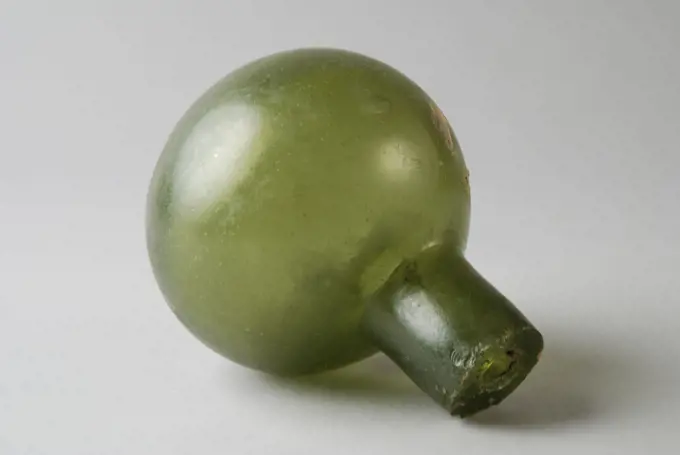
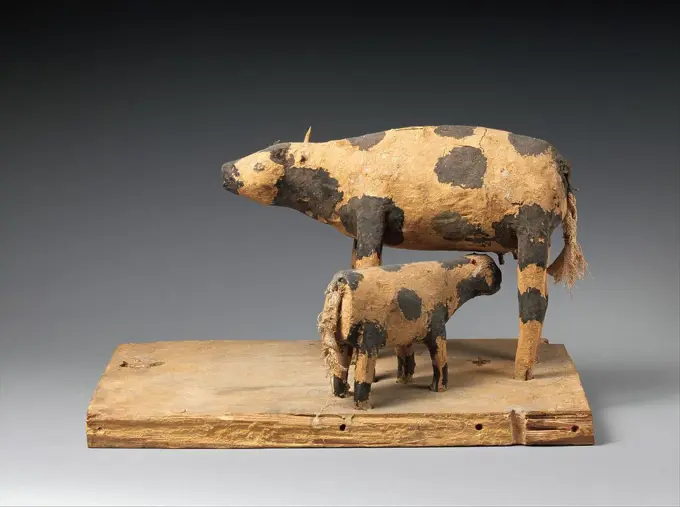
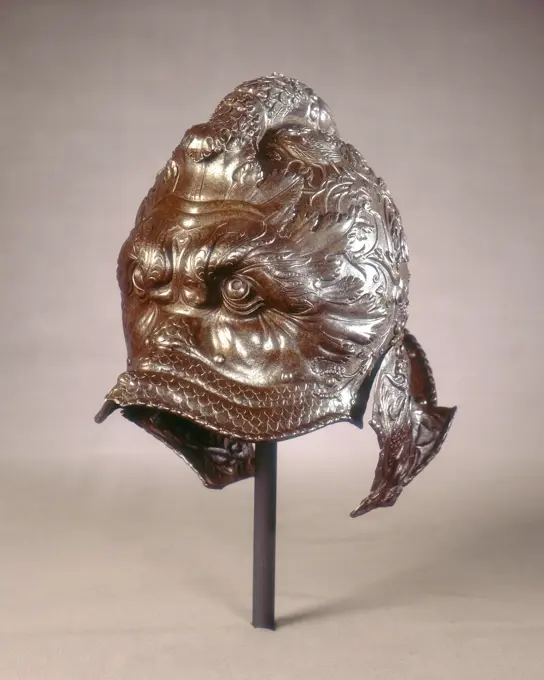
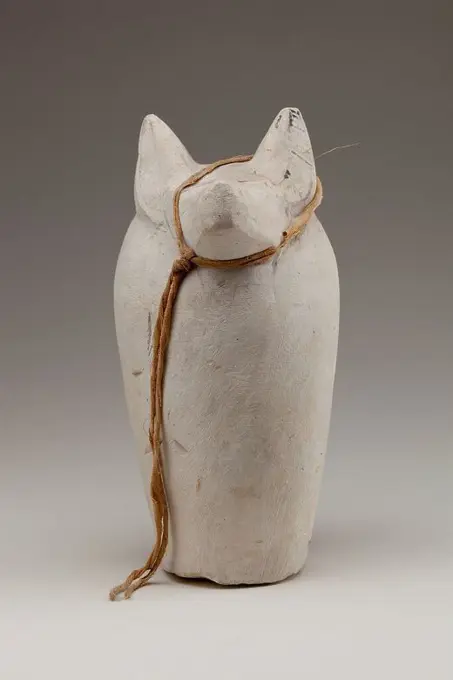
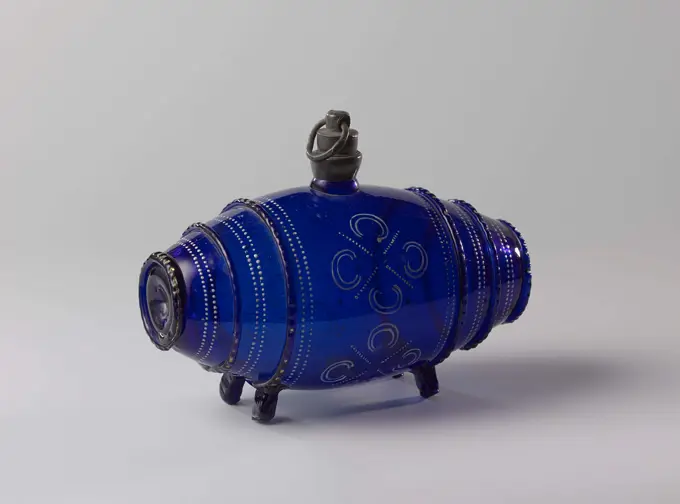
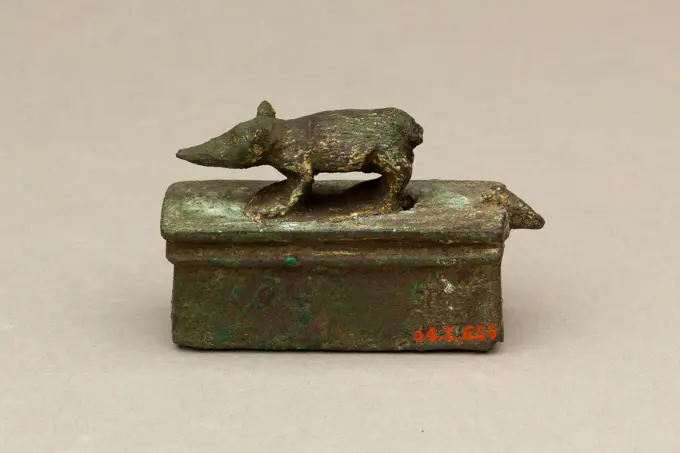
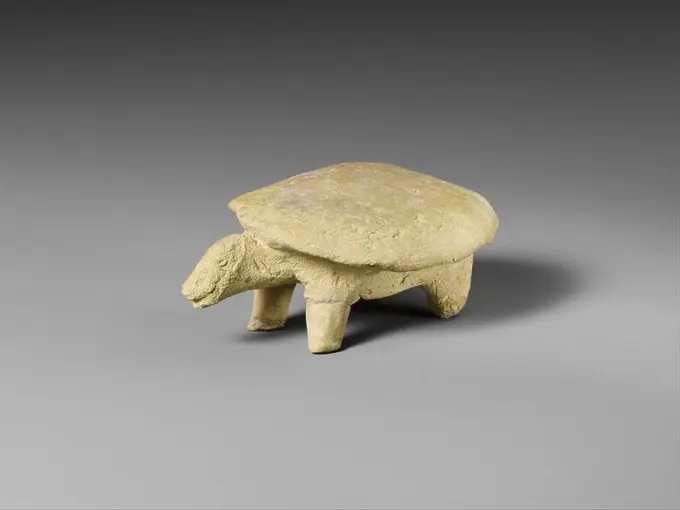
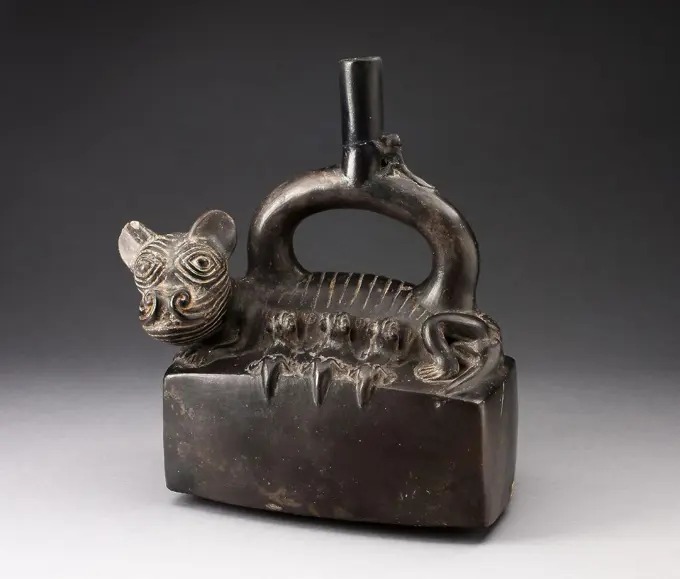
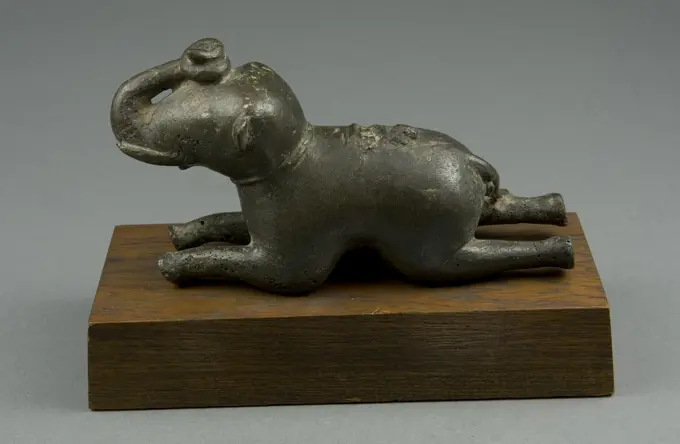
Fragment of a sculpture., C. 1400 - c. 1950 Fragment of a sculpture in the form of a swan.  . Fragment of a sculpture in the form of a swan.  .Seated Elephant 1301-1400 Thailand. Bronze .Oil Lamp in the Form of a Sphinx mid-16th century Probably workshop of Andrea Briosco, called Riccio Italian. Oil Lamp in the Form of a Sphinx. Probably workshop of Andrea Briosco, called Riccio (Italian, Trent 1470-1532 Padua). Italian, Padua. mid-16th century. Bronze. Sculpture-BronzeNetsuke of Seated Tiger with Tail Curled beside Him early 19th century Mink Japanese. Netsuke of Seated Tiger with Tail Curled beside Him. Mink (Japanese, ca. 1735-1816). Japan. early 19th century. Wood; brass and horn inlay. NetsukeWater dropper in the form of a mythical creature 18th century China This playful water dropperan essential utensil for a scholar’s tableis an artful evocation of a bronze example from the Six Dynasties period (220-589). Reflecting the eighteenth-century’s taste for archaistic recreations of objects from high antiquityoften in a different mediumthe water dropper also draws attention to the technical virtuosity of the artist, whose use of a greenish brown glaze successfully mimics the patina of an ancient bronze.. Water dropper in the form of a mythical creature. China. 18th century. Porcelain with tea-dust glaze (Jingdezhen ware). Qing dynasty (1644-1911). CeramicsMonkey Vessel. Culture: Moche. Dimensions: H. 10 3/16 x W. 10 x D. 6 1/2 in. (26 x 25.4 x 16.5 cm). Date: 1st century B.C.-A.D. 7th century. Museum: Metropolitan Museum of Art, New York, USA.Winged Chimera (Bixie), 400s. China, Southern and Northern Dynasties period (386-589). Bronze; overall: 6.7 x 7 cm (2 5/8 x 2 3/4 in.).Magical Container in the Shape of a Hippopotamus Deity ca. 1700-1500 B.C. Second Intermediate Period-early Dynasty 18 The hybrid hippopotamus goddess that is known as Taweret or Ipet functions here as magical jar. As usual she stands upright and is shown as a fusion of a hippopotamus, lion, crocodile, and human. The cavity inside the figure was accessible through a small rounded lid at the very top. Three openings that are situated between her teeth, at the back of her head, and at the lid might have functioned to insert a wire that depicted a tongue or snake protruding from her mouth. At the same time this wire could have secured the lid. On the underside of the base is a design that shows convoluted coils and that is known from seals. Intertwined coils, loops, and knots were all magically powerful objects that were connected to protection and the creation of life. The hippopotamus goddess protected women in childbirth and it is possible that a small magic papyrus, maybe a spell for mMinature figure of a lion 8th century China. Minature figure of a lion. China. 8th century. Earthenware with three color (sancai) glaze. Tang dynasty (618-907). Tomb PotteryMusaarane. Bronze. Par musée musée malée. Asian antique, Japanese antiquity, metalJoann-Joachim Kaendler (1706-1775). Greyhound seated. Porcelain, 1755. Paris, Cognacq-Jay museum. 79170-19 Sitting, levrier, porcelain, profile, statuette, 18th 18th 18th 18th 18th 18th 18th century, animal, dogFunerary Sculpture of a Goat. China, Six Dynasties period, Northern Wei dynasty, 386-534. Sculpture. Modeled earthenwareNetuske of Eagle Carrying Away a Small Monkey 19th century Japan. Netuske of Eagle Carrying Away a Small Monkey. Japan. 19th century. Wood. Edo (1615-1868) or Meiji period (1868-1912). NetsukeAmulet - CatFeline Pendant, c. 1000-1550. Panama, Veraguas() style, 10th-16th century. Cast gold; overall: 2.1 x 1.9 cm (13/16 x 3/4 in.).Netsuke of Tiger and Cub. Culture: Japan. Dimensions: H. 1 in. (2.5 cm); W. 1 1/2 in. (3.8 cm). Date: 19th century. Museum: Metropolitan Museum of Art, New York, USA.Knitting Sheath, 1600-1750. Knitting sheaths supported the weight of the knitting and stopped stitches slipping off the bottom of a double-ended needle. They were generally worn in the belt, on the right side, in a sloping position.They ranged from crudely whittled affairs to masterpieces of 'fine art', and were usually individually made and decorated by their makers to give as love tokens. This 18th century, boxwood, knitting sheath is widely acknowledged as a masterpiece of carving. It was probably made in France or Italy. The sheath does not appear to have been used and it has doubtless always been cherished as a work of art rather than as a functional object... Purchased from Edward H Pinto, 1965... .CABECITA DE CABALLO - CERAMICA TOLEDANA - SIGLO XIII. Location: PRIVATE COLLECTION. MADRID. SPAIN.Resting Boar. Yoshinaga (Japan, active before 1781). Japan, 18th century. Costumes; Accessories. Ivory with staining, sumi, inlaysGoat Made 1760-1770 Staffordshire. Lead-glazed earthenware (creamware) .Tiger on Bamboo Shoot. Naitō Toyomasa (Japan, 1773-1856). Japan, first half of 19th century. Costumes; Accessories. Wood with inlaysMale Feline-Shaped Container, 50-800. Peru, North Coast, Moche style() (50-800). Cast copper alloy; overall: 7.7 x 10.2 cm (3 1/16 x 4 in.).Pig 6th century China. Pig. China. 6th century. Earthenware with pigment. Northern Wei (386-534)-Northern Qi (550-577) period. Tomb PotteryBottle 18th century Spanish or Italian, Venice (Murano). Bottle. Spanish or Italian, Venice (Murano). 18th century. Glass. GlassBottle Stopper with a Figure of aDogRecumbent Lion Bead, 1980-1801 BC. Egypt, Middle Kingdom, Dynasty 12. Silver foil over a clay-bulked resin core (); overall: 1.2 x 0.7 cm (1/2 x 1/4 in.).Stoneware. Duck-Shaped Vessels from Three Kingdoms of Korea (57 BCE - 668)Cockerel-shaped vase (Rytion), ceramic,Pepper Peddler. Jobun (Japan, active late 18th-early 19th century). Japan, late 18th-early 19th century. Costumes; Accessories. Wood with inlaysFantastic animal. Culture: China. Dimensions: H. 2 in. (5.1 cm); W. 3 3/8 in. (8.6 cm). Date: 18th century.The form of this tapir-like animal and the abstract curvilinear patterns on its body can both be traced to vessels produced during China's Bronze Age. Museum: Metropolitan Museum of Art, New York, USA.Turtle Vessel 200 B.C.-A.D. 300 Colima. Turtle Vessel 319065Portrait Jar, 20th century, Unknown, 7 1/2 x 7 1/2 x 6 1/2 in. (19 x 19 x 16.5 cm), Silver, Peru, 20th centuryNetsuke of Frog on a Straw Hat. Culture: Japan. Dimensions: H. 1 in. (2.5 cm); W. 1 3/8 in. (3.5 cm); D. 1 1/2 in. (3.8 cm). Date: 18th century. Museum: Metropolitan Museum of Art, New York, USA.Netsuke skeleton and Mokugyo, late 19th century, Unknown Japanese, 1 3/8 x 1 1/8 x 13/16in. (3.5 x 2.9 x 2.1cm), Ivory, Japan, 19th centuryReclining Ox Figurine. Japan, 19th century. Ceramics. Hirado Mikawachi ware; porcelain with clear glaze and inked detailNetsuke of Fox Disguised as Shishimai Dancer. Culture: Japan. Dimensions: H. 1 3/8 in. (3.5 cm); W. 1 3/8 in. (3.5 cm). Date: 19th century. Museum: Metropolitan Museum of Art, New York, USA.Figural group and vase, based on; Comolera, Paul (1818-1897), couples; after 1818 (1851-00-00-1900-00-00);Amulet of a Shrew, 715-332 BC. Egypt, Late Period. Turquoise green faience; overall: 1 cm (3/8 in.).Netsuke 19th century Japan. Netsuke 59128Kappa Water Imp Caught by Clam. Shōtō (Japan, active 1830-1843). Japan, mid-19th century. Costumes; Accessories. Wood with inlaysDarius painter or hell painter. Rhyton in the shape of a greyhound head. Red figures. Taranto, around 330 BC. AD Museum of Fine Arts of the City of Paris, Petit Palais. 59535-14 Antiquite, Greek-Roman antiquity, ancient art, ceramic, red figure, large Greece, 4th 4th 4th 4th 4th 4th century AV.JC, levier, decorative motif, molding, palmte, ancient period, wing character, pottery, container, rhyton, Funeral rite, ritual, terracotta, head, drinking vase, ancient vase, funeral vase, black varnish, wine, animal, ancient, dogAmulet of the God Anubis 700 BCE-1 BCE Egypt. Faience . Ancient EgyptianFuneral Figure of A Horse's Head. Pottery graffon, painted in red-brown. The image is in the form of a horse head and is a fragment of a complete horse.Netsuke of Seated Monkey Carrying a Bunch of Grapes and Leaves 19th century Koichi Japanese. Netsuke of Seated Monkey Carrying a Bunch of Grapes and Leaves 59630Netsuke of Hand and Forearm of a Demon with Small Demon on the Side. Culture: Japan. Dimensions: H. 2 1/4 in. (5.7 cm). Date: 19th century. Museum: Metropolitan Museum of Art, New York, USA.Netsuke Sato No Tadanobu, early 20th century, Unknown Japanese, 1 3/8 x 1 1/2 x 1 1/2in. (3.5 x 3.8 x 3.8cm), Ivory, Japan, 20th centuryVIDRIO DE CADALSO DE LOS VIDRIOS LEON REAL. Location: MUSEO ARQUEOLOGICO NACIONAL-COLECCION. MADRID. SPAIN.Dish, Carved volcanic stone, Metate in the form of a jaguar., Costa Rica, 1000-1500, tableware designs, Decorative Arts, DishHandle Spout Vessel in Form of a Toucan Made 100 BCE-500 CE North Coast. Ceramic and pigment . MocheGenet Amulet 664-380 B.C. Late Period. Genet Amulet 544083Horse, 9th century, 3 x 4 in. (7.6 x 10.16 cm), Gilt bronze, China, 9th centuryCrayfish Vessel 200 B.C.-A.D. 300 Colima. Crayfish Vessel. Colima. 200 B.C.-A.D. 300. Ceramic. Mexico, Mesoamerica, Colima. Ceramics-ContainersHippopotamus figurine ca. 1850-1750 B.C. Middle Kingdom. Hippopotamus figurine. ca. 1850-1750 B.C.. Blue faience. Middle Kingdom. From Egypt, Memphite Region, Lisht North, cemetery south of the tomb of Senwosret (758), Pit 724, MMA excavations, 1907-08. Dynasty 12, late-early 13Twin Whistling Pot Vessel; Peru; earthenware, slipCreamer and cover, earthenware, Probably Jersey City, New Jersey, USA, mid-19th century, ceramics, Decorative Arts, Creamer and covervintage toy dog, stuffed with straw, side view, isolated on white backgroundBronze statuette of a Scythian mounted archer early 5th century B.C. Etruscan, Campanian This statuette, consisting of a separately made archer and his horse, undoubtedly belongs to the lid ornament of a Campanian bronze cinerary urn. The archer wears the distinctive Phrygian cap and fitted jacket of a Scythian. A complete cinerary urn with four similar archers on the lid (40.11.3) is on view in this case.. Bronze statuette of a Scythian mounted archer. Etruscan, Campanian. early 5th century B.C.. Bronze. Classical. BronzesPadlock in the form of a horse Russian 18th century View more. Padlock in the form of a horse. Russian. 18th century. Iron, brass. Metalwork-IronTiger, Anonymous, 700 - 900 Tiger modeled in clay on a wooden pedestal. East-Turkestan (Possible) loam. wood (plant material). dye Tiger modeled in clay on a wooden pedestal. East-Turkestan (Possible) loam. wood (plant material). dyeChinese child with musical instrument late 18th century Japan. Chinese child with musical instrument 45827Recumbent Lion Beads, 1980-1801 BC. Egypt, Middle Kingdom, Dynasty 12. Silver foil over a clay-bulked resin core (); overall: 1.2 x 0.7 cm (1/2 x 1/4 in.).Earthenware money-saving pot of red earthenware, glazed, slot for coins, money saver piggy bank holder earth discovery ceramic earthenware glaze lead glaze, hand molded molded glazed baked Pottery saver. Stylized shape with clear comb and tail Small foot. Slit for coins on the back Red earthenware lead glaze brown mottled glaze under the tail gray spot archeology Rotterdam City Triangle Groenendaal underground pit indigenous pottery save child play money store archaeological find in the soil Rotterdam underground pit Groenendaal (canal dredger) September 20, 1976.Switzerland, Jura, Statuette representing Goddess Arduinna riding a wild boar, bronzeHaan of multi -colored Faïence, Anonymous, c. 1740 - c. 1770 Haan of multicolored painted Faïence. The Haan belongs to an identical copy. Both roosters were on loan to J.H. in 1958. Loudon (Aerdenhout), returned March 1969. Delft earthenware. tin glaze. Haan of multicolored painted Faïence. The Haan belongs to an identical copy. Both roosters were on loan to J.H. in 1958. Loudon (Aerdenhout), returned March 1969. Delft earthenware. tin glaze.Pierre Jules Mêne, Pointer, model c 1860s PointerStylized Swimming Duck. Masanobu (Japan, born 1838). Japan, second half of 19th century. Costumes; Accessories. Ivory with staining, sumiPanther (or Lioness) late 18th century Italian, Rome. Panther (or Lioness). Italian, Rome. late 18th century. Reddish bronze with remains of black lacquer. Sculpture-BronzeStirrup Spout Bottle with Owl 2nd-5th century Moche. Stirrup Spout Bottle with Owl 308525Dragon Guarding the Jewel of the Buddha. Mitsukiyo (Japan, active 19th century). Japan, 19th century. Costumes; Accessories. Iron, gilt, diamondPendant. Northwestern Iran, Iron Age I-II, about 1350-800 B.C.. Jewelry and Adornments; pendants. Bronze, castFitting in the shape of a mythical bird 8th century China. Fitting in the shape of a mythical bird 39832vaso ritual con forma de asno llevando anforas, 425-400 antes de Cristo, Museo arqueológico de Ibiza y Formentera, Patrimonio de la Humanidad «Ibiza, biodiversidad y cultura», Ibiza, balearic islands, Spain.'Netsuke: Actor in Usofuki Mask'. Japan, Second half of the 19th century. Dimensions: 3,5x3 cm. Museum: State Hermitage, St. Petersburg. Author: Ryuzan.. Crown in the form of a Makara with curl tail with a lion in its mouth.Bird ornamentFigure (Shishi). Culture: Japan. Dimensions: H. 8 1/2 in. (21.6 cm); W. 10 1/8 in. (25.7 cm). Date: 1800. Museum: Metropolitan Museum of Art, New York, USA.Head of a Cryosphinx. Egypt, Late Period (724 - 333 BCE). Sculpture. GraniteWild Boar late 17th century Probably after Giovanni Francesco Susini This statuette is a reduction of the famous antique marble given by Pope Pius IV to Cosimo I.. Wild Boar. Probably after Giovanni Francesco Susini (Italian, Florence 1585-1653 Florence). Italian, Florence. late 17th century. Bronze. Sculpture-BronzeDragon's Head, 1100-1150. Anglo-Norman, Romanesque period, 12th century. Walrus ivory; overall: 6.4 cm (2 1/2 in.).Dog. Porzellanmanufaktur Nymphenburgmodel attributed to Franz Anton Bustelli (1723-1763)Nymphenburg, c. 1760hard-paste porcelainItaly, Emilia-Romagna, Velleia, Statuette representing a wild boar, bronzeTerracotta vase in the form of a bull ca. 1450-1200 B.C. Cypriot The quality of Base Ring Ware deteriorated in the Late Cypriot II period but new shapes were introduced, especially vessels in the form of animals, of which the bull was most common.. Terracotta vase in the form of a bull. Cypriot. ca. 1450-1200 B.C.. Terracotta; Base-Ring ware. Late Cypriot II. VasesLamp (Deng) in the Form of a Ram. Western Inner Mongolia, 5th-3rd century B.C.. Furnishings; Lighting. BronzeHead of a satyr 2nd century B.C. Cypriot The head is mold-made and hollow. The back is probably handmade. The head and neck are preserved, broken from a background; it was originally designed to be seen three-quarters to the viewer's left.. Head of a satyr 241052Fire grenade, fragmentation grenade, grenade weapon ground find glass, cast Green glass ball with attached short cylindrical pipe S shape at bottom but possibly produced by casting archeology militaria Piet Heyn Piet Hein silver fleet Matanzas Bahia All Saints Bay Hollandia ship gun cannon garnet Rotterdam Soil discovery: surfaced from Admiral ship Hollandia Bahia All Saints Bay Brazil.Swiss Cow bell Swiss cow bell with Edelweiss isolated over white background Copyright: xZoonar.com/IvonnexWierinkx 15058477Jumbo on Wheels, Small' mechanical bank, c. 1883, Attributed to J. & E. Stevens Company, Cromwell, Connecticut, 1843-1950s OR;; Manufacturer: Kyser & Rex Company, Philadelphia, c. 1879-1898, 3 7/16 x 4 3/8 x 2 in. (8.73 x 11.11 x 5.08 cm), Iron, pigment, 19th centuryMarble shell. Culture: Greek. Dimensions: Overall: 9 1/2 x 6 in. (24.1 x 15.2 cm). Date: ca. 400 B.C..This work imitates a pelican's foot shell, which is common to the Mediterranean. Only a handful of marble shells are known. They must have been manufactured in the same Greek workshops that produced elegant marble vessels intended as grave offerings for the dead. Museum: Metropolitan Museum of Art, New York, USA.Costa Rica, San Jose, Pre-Columbian Gold Museum, Gold metalworking with shape of frogs and toadsWhimsey - Humphreys Glass Company Humphreys Glass CompanyFigurka koziołka. nieznany warsztat bliskowschodni, workshopModel of a Cow and Her Calf. Dimensions: h. 24 cm (9 7/16 in); w. 38.5 cm (15 3/16 in). Dynasty: Dynasty 11-mid 12. Date: ca. 2030-1850 B.C.. Museum: Metropolitan Museum of Art, New York, USA.Giovanni Paolo Negroli, Helmet (burgonet) in the Form of a Dolphin Mask, 1540 1545 Giovanni Paolo Negroli (Milanese, active 1525/1565), Helmet (burgonet) in the Form of a Dolphin Mask, 1540/1545, iron or steel, repoussé, embossed, and chiseled, Widener Collection 1942.9.355Dummy Canopic Jar with the Head of Duamutef. Dimensions: H. 25 × W. 11.5 × D. 13.5 cm, 3.4 kg (9 13/16 × 4 1/2 × 5 5/16 in., 7.5 lb.). Dynasty: Dynasty 25. Date: ca. 712-664 B.C..see 25.3.205a. Museum: Metropolitan Museum of Art, New York, USA.Figure of a seated boy, anonymous, c. 1573 - c. 1619 Image of porcelain, painted in under -glaze blue. A sitting boy (crazy). Blue White. China porcelain. glaze. cobalt (mineral) painting / vitrification Image of porcelain, painted in under -glaze blue. A sitting boy (crazy). Blue White. China porcelain. glaze. cobalt (mineral) painting / vitrificationBottle in the shape of a tub. Four rectangular legs, barrel-shaped body around which as hoops twice three ribbed wires. At the widest point a short neck, caught in a tin frame with thread. Pewter screw cap with ring. On the middle coaster four white ornamental motifs, on either side and between the hoops double piped white piping. On the hoops remain from gilding.Epichysis ca. 325-300 B.C. Greek, South Italian, Apulian. Epichysis 255315Shrew-mouse surmounting shrine-shaped box for an animal mummy 664-30 B.C. Late Period-Ptolemaic Period The shrew mouse was an animal sacred to the solar deity Horus of Letopolis, but was honored all over Egypt, particularly in the Delta. The mouse was considered to be the blind eye of Horus, which was miraculously healed, thereby symbolizing resurrection and rebirth. The shrew has a long narrow snout, rounded ears, and a thin body. It stands in a slightly crouched position on a shrine-shaped box that is open at the back for the insertion of an animal mummy; the tail is broken but the tip is preserved and extends slightly past the edge of the box, an uncommon feature. These types of shrew boxes were offered together with other statuettes and animal mummies in temples and catacombs, not just to Horus of Letopolis, but more broadly in contexts related to solar cult. More detailed examples, such as 04.2.465, have solar symbols inscribed on the back that testify to the regenerative power ofTortoise figurine. Dimensions: 0.91 x 1.3 x 2.01 in. (2.31 x 3.3 x 5.11 cm). Date: ca. late 3rd millennium B.C.. Museum: Metropolitan Museum of Art, New York, USA.Stirrup-Spout Vessel Depicting a Puma with Suckling Cubs. Chimú; North coast, Peru. Date: 1100-1470. Dimensions: 25.1 x 21.6 cm (9 7/8 x 8 1/2 in.). Ceramic. Origin: North Coast. Museum: The Chicago Art Institute, USA.