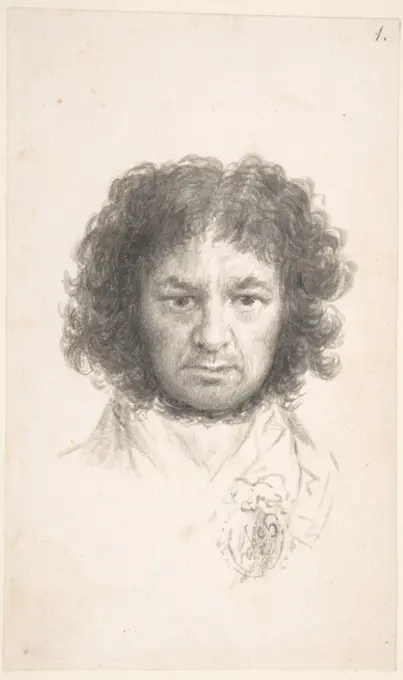
Self-Portraits of Artists

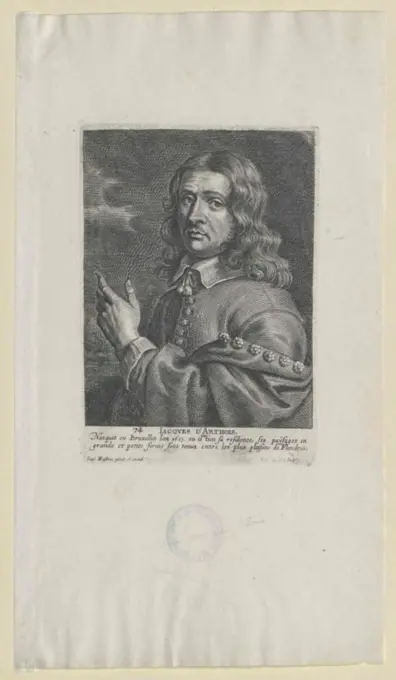
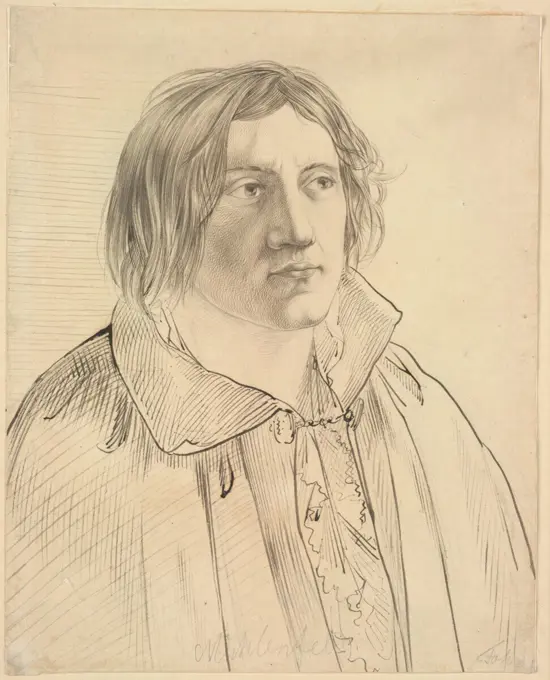
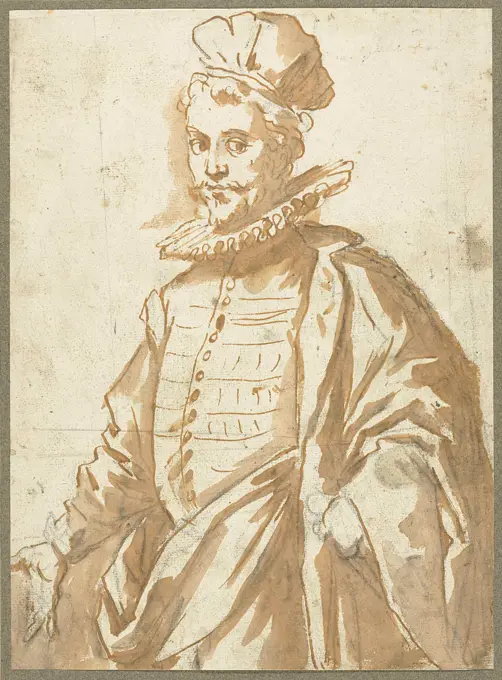
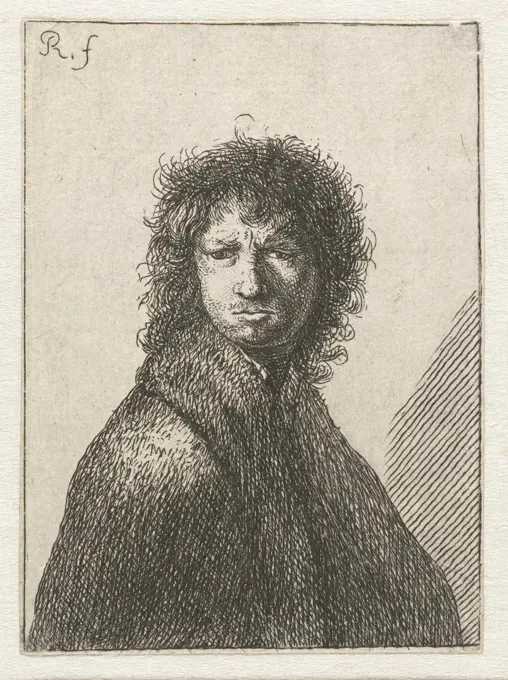
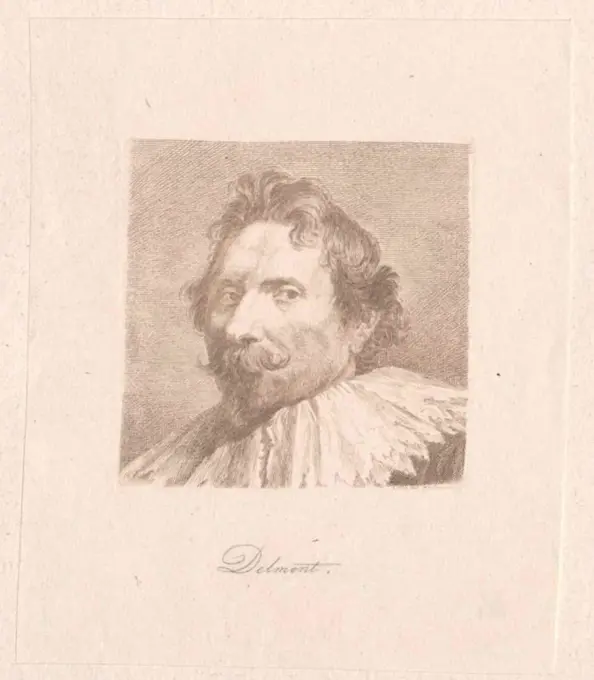
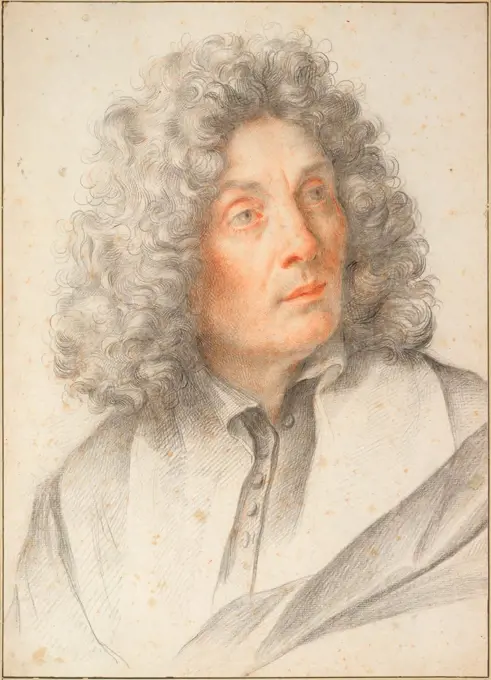
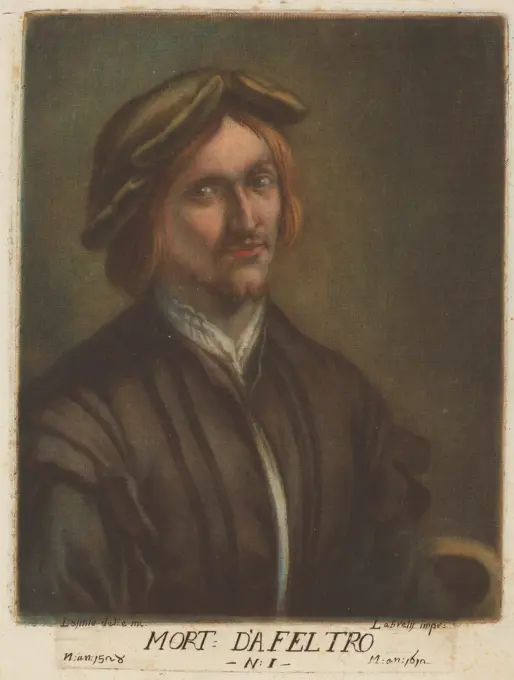
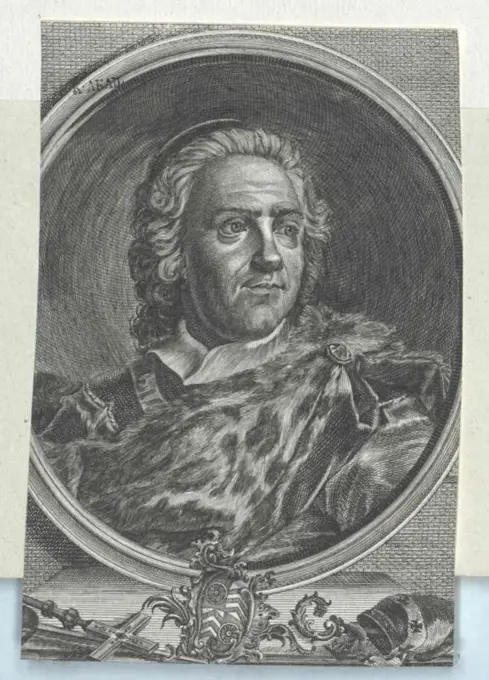
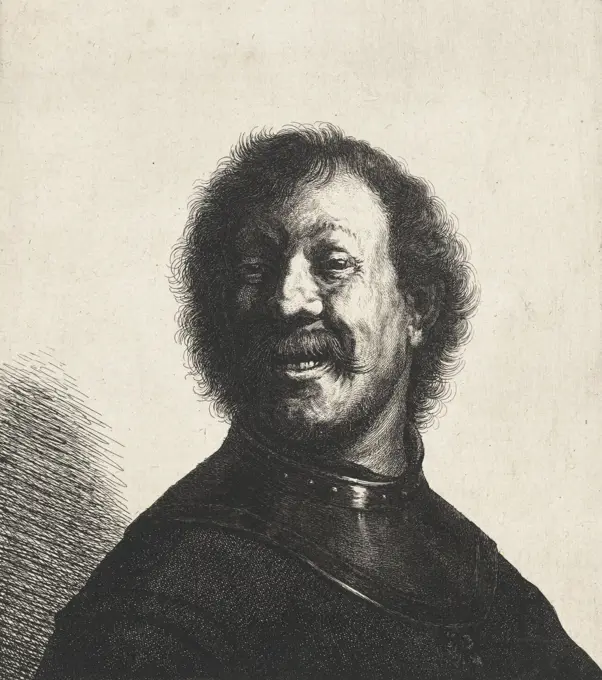
A series of self-portraits and portraits of painters, characterized by detailed line work and varied styles, reflecting personal identity and artistry.
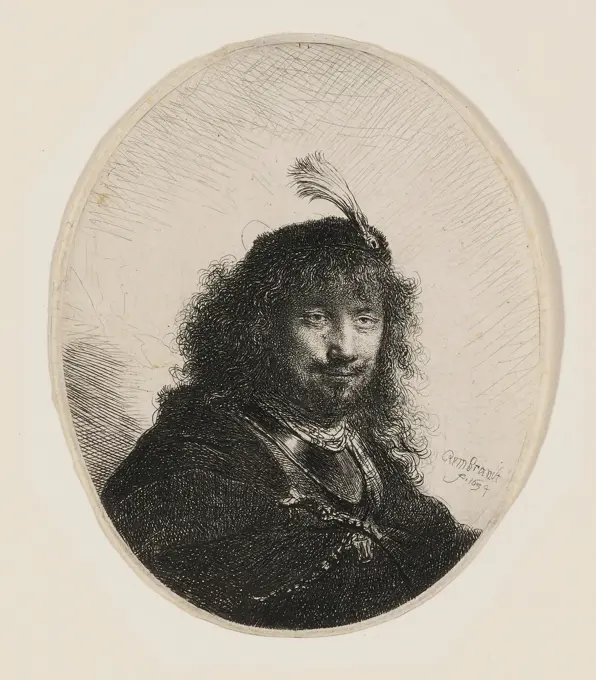
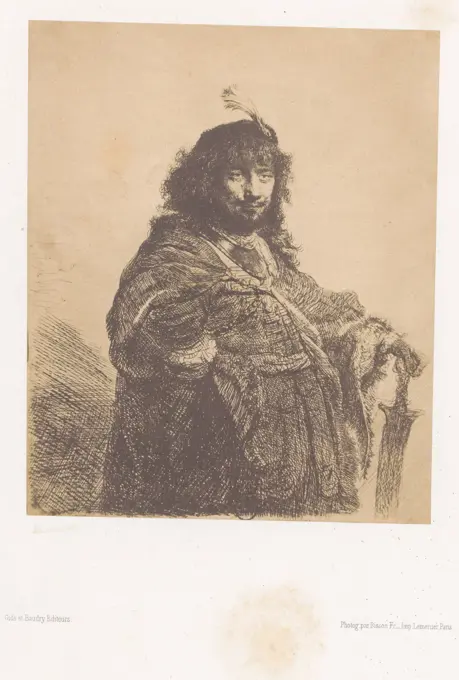
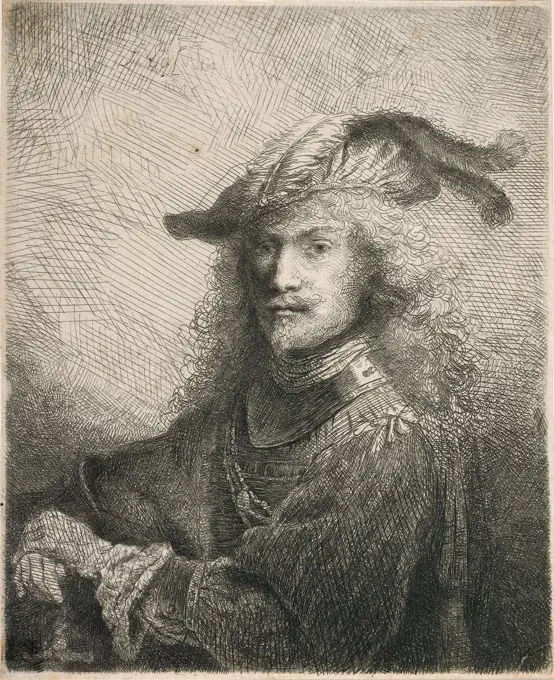
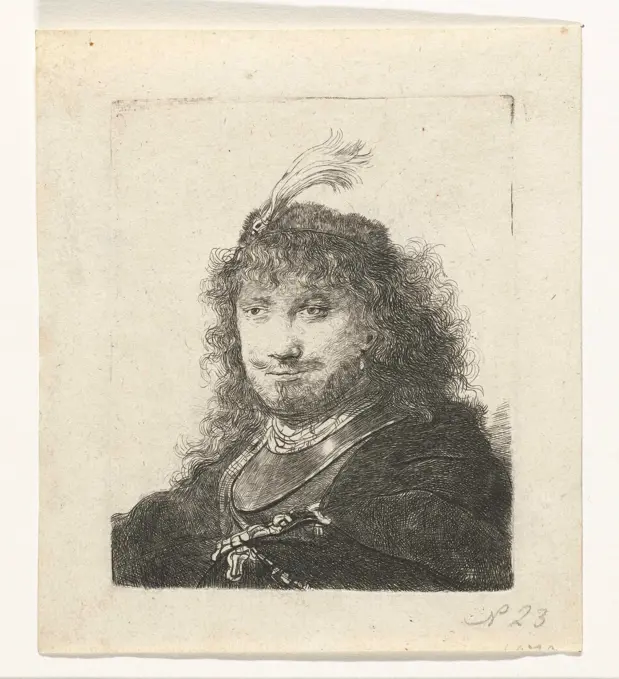
Rembrandt with Plumed Cap and Lowered Sabre, 1634, Rembrandt Harmensz. van Rijn, Dutch, 1606-1669, 5 1/8 x 4 1/4 in. (13 x 10.8 cm) (plate, oval), Etching and engraving, The Netherlands, 17th century, Several things could have inspired Rembrandt's vast program of self-portraiture. There was the urge for self-promotion, the need to satisfy collectors who wanted images of the famous artist, and the interest in self-discovery-the seventeenth-century Dutch idea that one could shape one's character by trying on different 'selves.' To help him act out his various roles, Rembrandt kept a supply of old-fashioned weapons and costumes for props. The 'saber' mentioned in the title existed until he trimmed the knee-length figure down to a small oval. Rembrandt used his own image as the basis for this print but added a wart to his face.