Silver Brooches and Bracelets

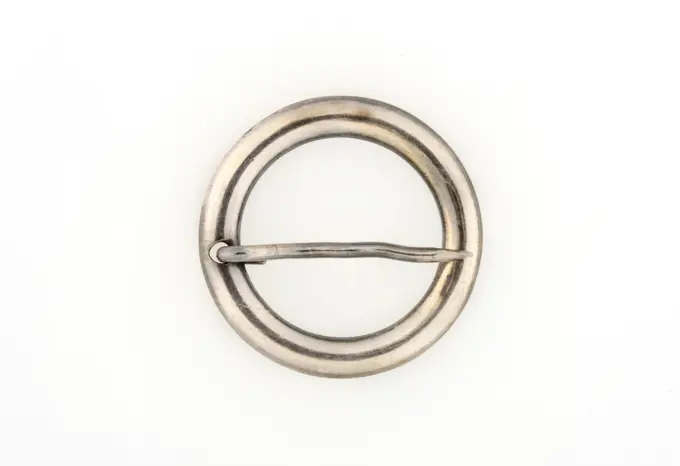
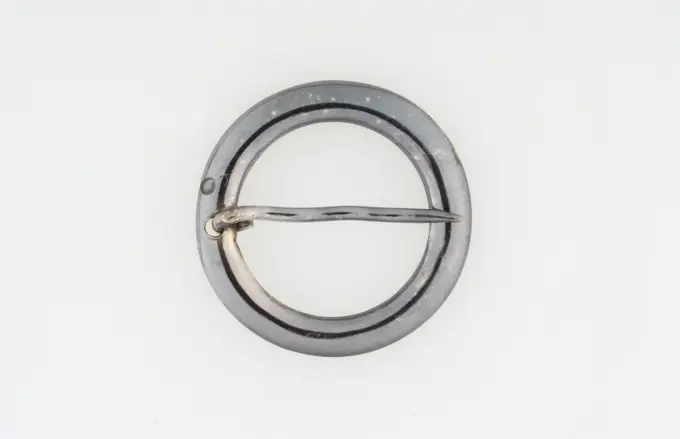
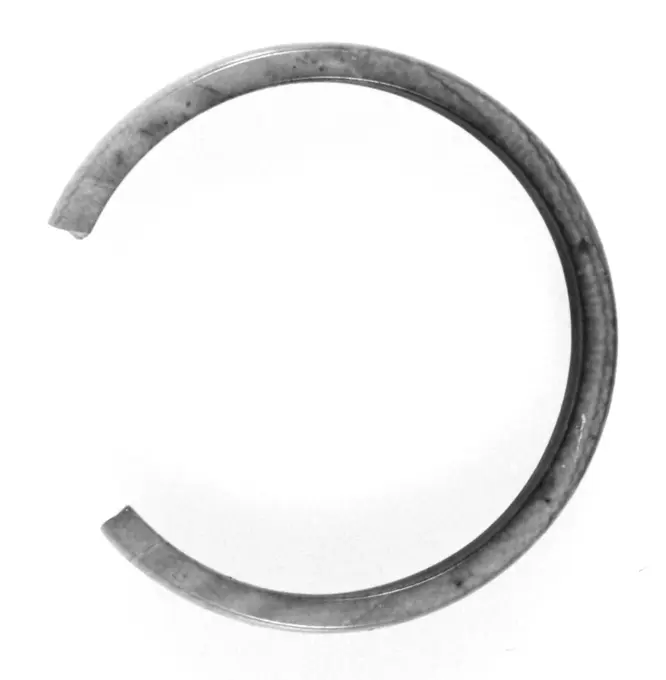
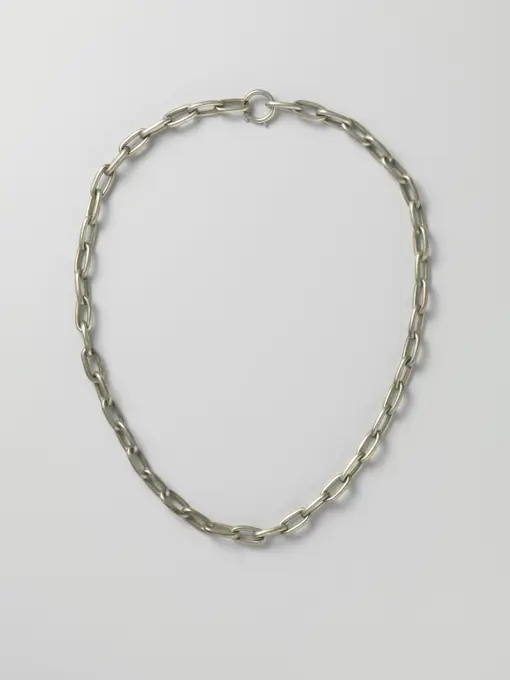
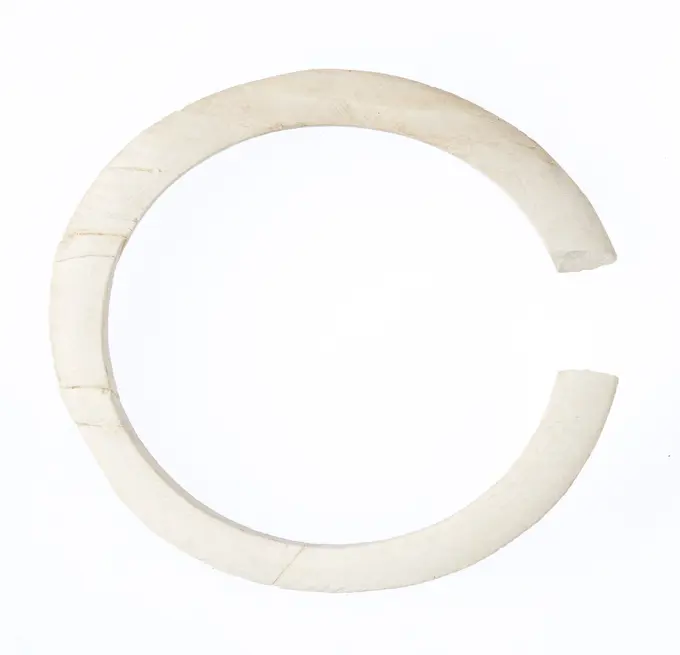
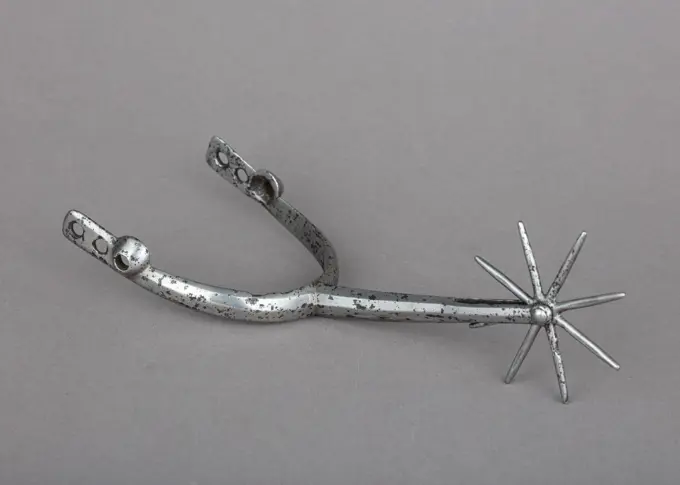
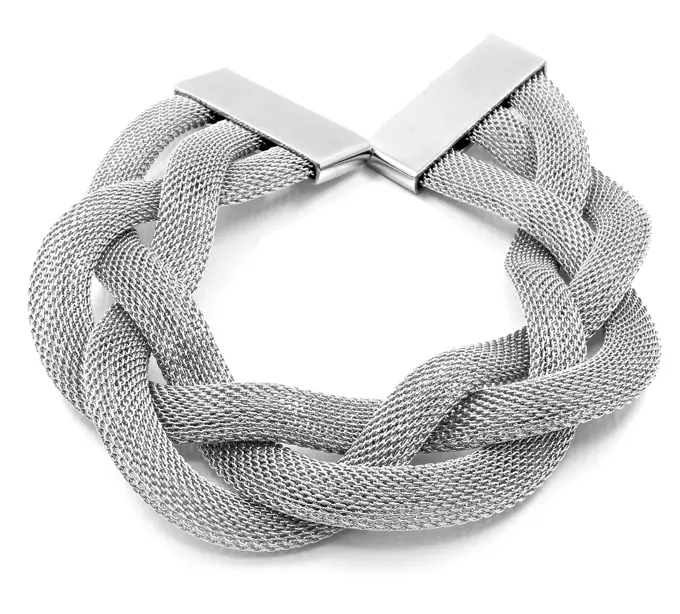
A collection of silver brooches and bracelets, highlighting intricate designs, circular forms, and fine details typical of jewelry craftsmanship.

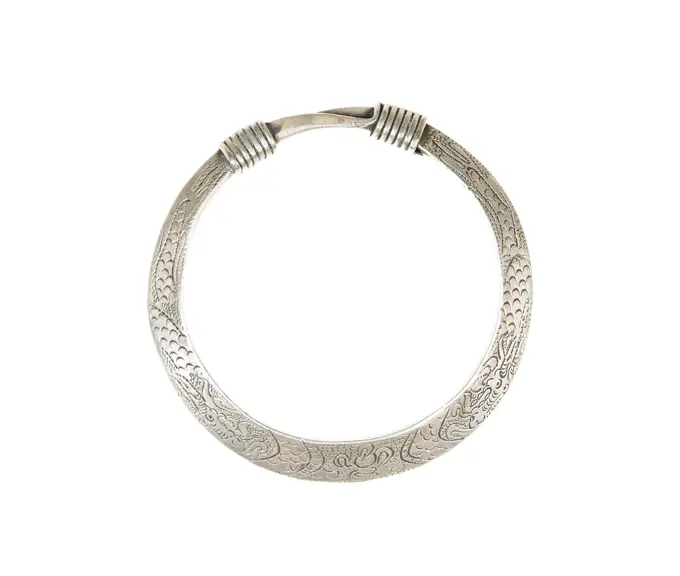
Bracelet, one of a pair, 3 1/8 x 3 1/8 x 3/8 in. (7.94 x 7.94 x 0.95 cm), Silver, China
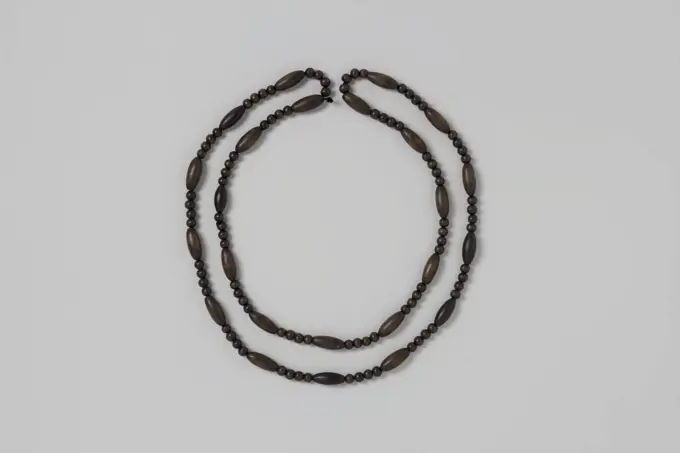
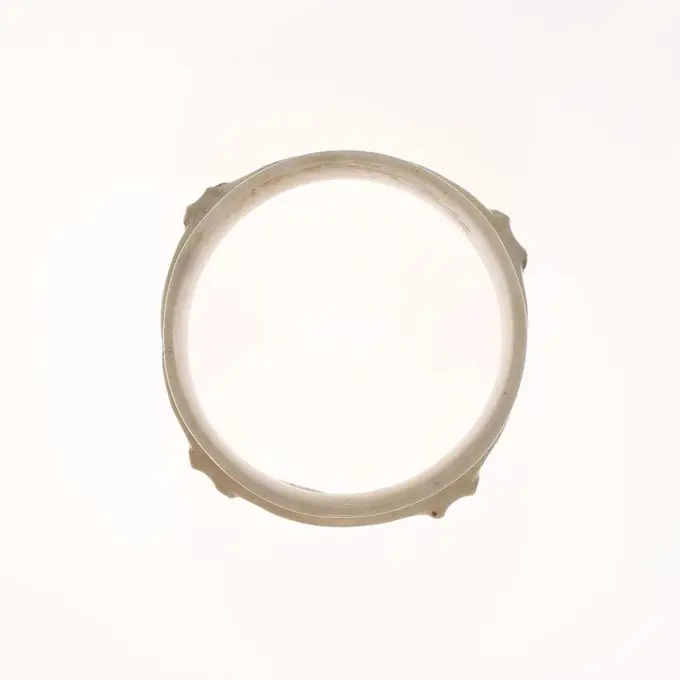
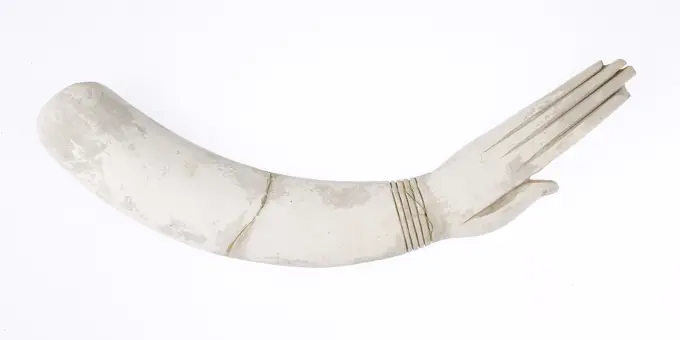
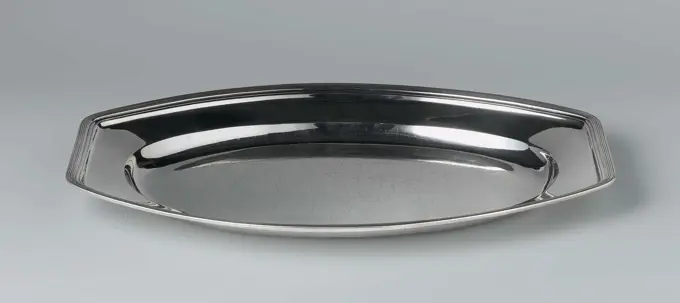
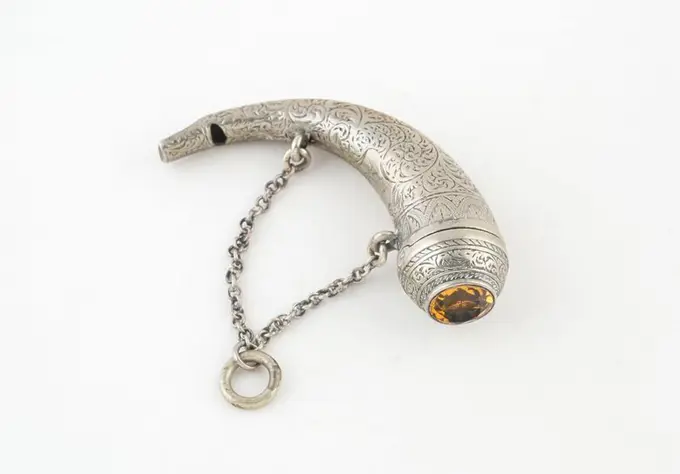
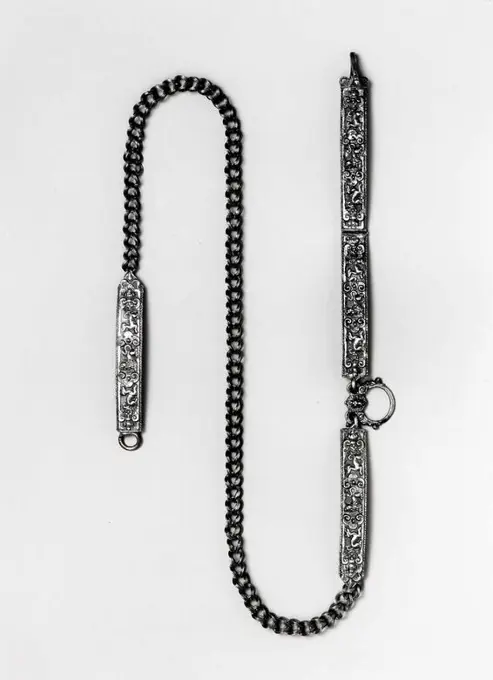
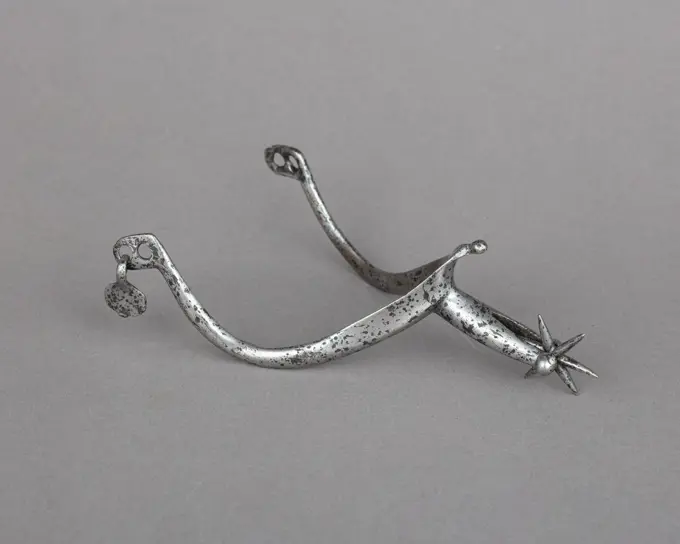
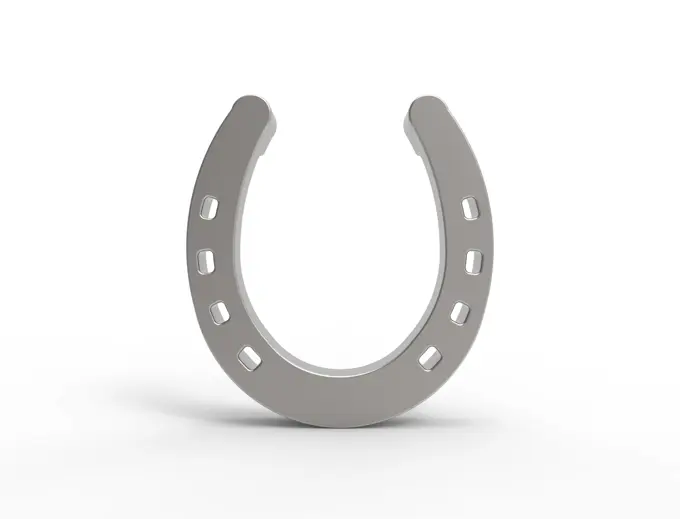
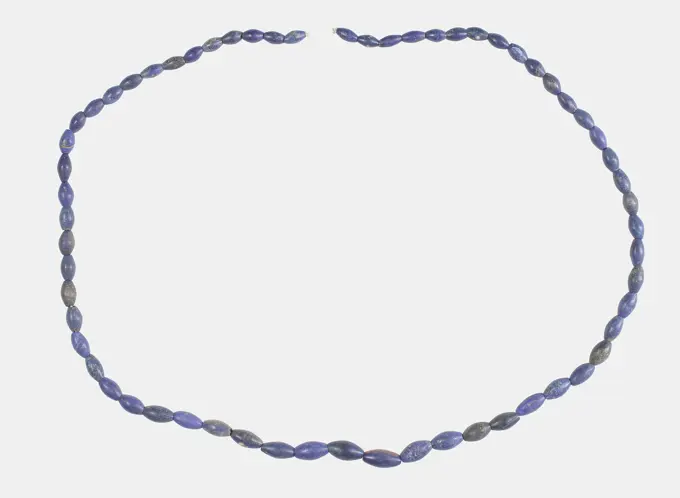
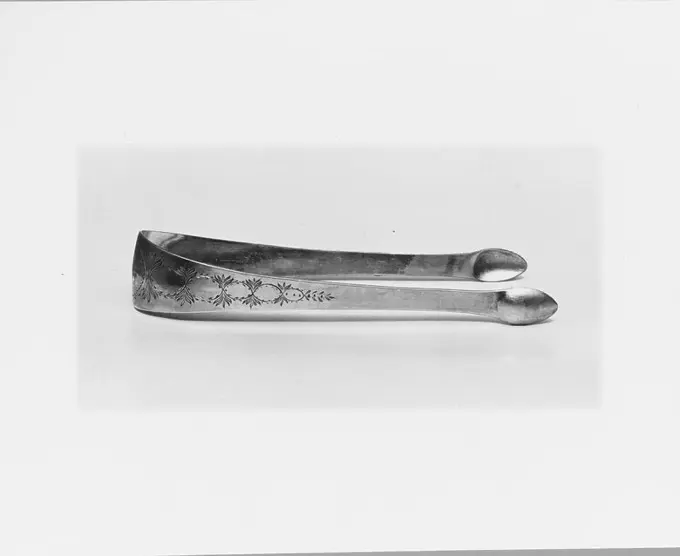
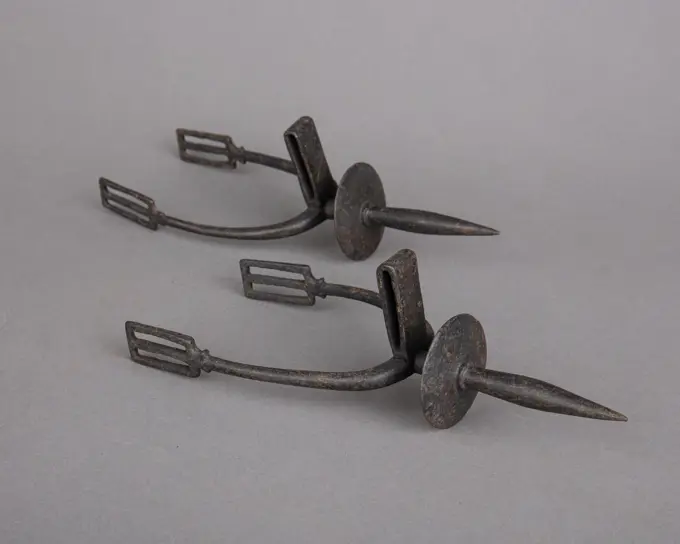
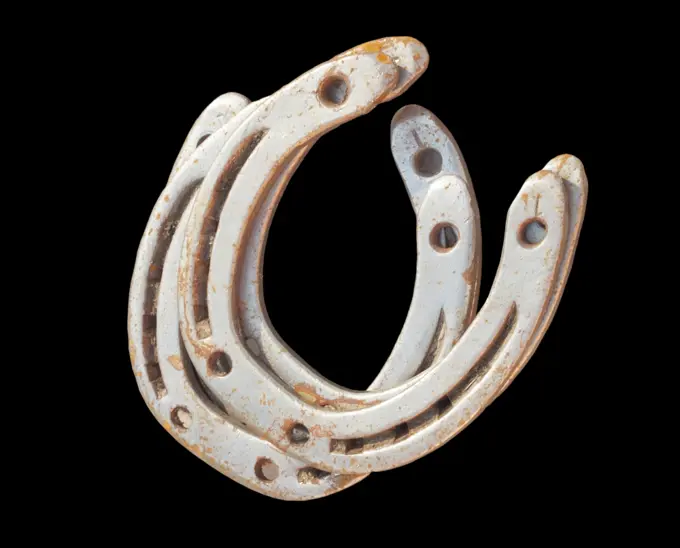
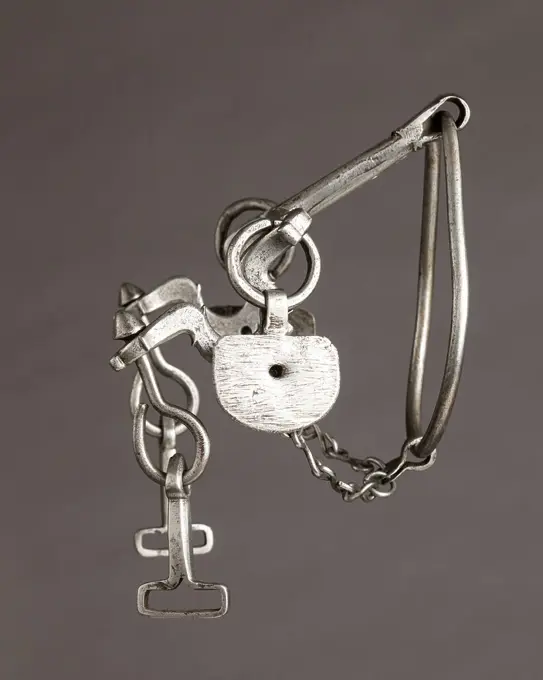
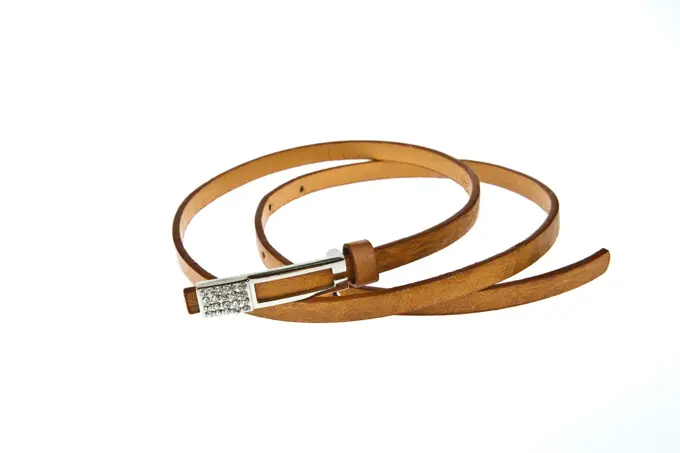
Brooch -Brooch -Bracelet, one of a pair, 3 1/8 x 3 1/8 x 3/8 in. (7.94 x 7.94 x 0.95 cm), Silver, ChinaBrooch -Brooch -With four protrusions. Silver ring with four protrusions.Bracelet. UnknownOfficial chain probably from Jhr. P.J. Teding van Berkhout, mayor of Baarn       BaarnHaardtang, Johannes Adrianus van Geffen (attributed to), c. 1766 - c. 1798 Fire tongue with twisted legs and a ring at the end of the profiled handle. The fire tongs are marked: Mt. = John Adrianus van Geffen. Amsterdam silver (metal) Fire tongue with twisted legs and a ring at the end of the profiled handle. The fire tongs are marked: Mt. = John Adrianus van Geffen. Amsterdam silver (metal)Brooch -Collared Disc. China. Date: 1600 BC-1046 BC. Dimensions: H. 1.8 cm (11/16 in.); diam. 8.3 cm (3 1/4 in.). Jade. Origin: China. Museum: The Chicago Art Institute, FLORENCIA, USA.Brooch -Torque, 8 7/8 x 8 3/4 x 3/4 in. (22.54 x 22.23 x 1.91 cm), Silver, ChinaChain of black wooden beads, alternating four round and one oval, anonymous, c. 1900 - c. 1920 Chain of black wooden beads, alternating four round and one oval. Netherlands (possibly) wood (plant material) Chain of black wooden beads, alternating four round and one oval. Netherlands (possibly) wood (plant material)Chatelaine chain, Silver, Flat links of six paired openings, alternate with round links in threes, holding flat ones continuously. Both ends of chain are secured to a ring., India, mid-19th century, jewelry, Decorative Arts, Chatelaine chainEarring-loop type, plain. Dimensions: Other: 1 1/4 x 1 1/4 x 1/16 in. (3.2 x 3.2 x 0.2 cm). Museum: Metropolitan Museum of Art, New York, USA.Collared Disc with Teeth. China. Date: 1600 BC-1045 BC. Dimensions: H. 2.6 cm (1 in.); diam. 7.4 cm (2 15/16 in.). Jade. Origin: China. Museum: The Chicago Art Institute, Chicago, USA.Ring. Ring 243533Close-up of paper clips in the shape of Euro symbolA silver bracelet with two rings attached, vector, color drawing or illustration.brass chain isolated on white background long brass chain isolated on white background Copyright: xZoonar.com/ValeryxVoennyyx 14440245Iron chain. Circle frame of  rings of chain. Vector illustration.&#xA;Clapper ca. 1900-1800 B.C. Middle Kingdom Clappers are among the earliest percussion instruments in ancient Egypt. This clapper is shaped like a forearm and hand; a bracelet adorns the wrist. Clappers were used in all activities featuring music or singing, such as banquets, funerary processions, and rituals.. Clapper. ca. 1900-1800 B.C.. Ivory. Middle Kingdom. From Egypt, Memphite Region, Lisht North, cemetery south of the tomb of Senwosret (758), Pit 555, north chamber, MMA excavations, 1907-08. Dynasty 12, mid-late. The dishes (F to m) have an oval flat and a wide flat edge, which is straight on the sides; There is a fillet edge along the outer edge.Brooch -Eiförmige Ausstechform auf weißer Fläche Egg shaped pastry cutter on white surface Copyright: xZoonar.com/ChristophxBurgstedtx 22601028Hammered Copper Band A.D. 1450-1530 Peruvian. Hammered Copper Band 309094Necklace, 20th century, 14 1/4 in. (36.2 cm), Heishi, United States, 20th centurySilver octagonal ring. Silver molded. 6th century centuries. Paris, Carnavalet museum. Silver, octagonal ring, jewelry, mold, ancientPetri dishLasso cartoon icon on a white background. Lasso cartoon icon Fishing hook and fishing lineVinaigrette with Whistle in the Form of a Hunting Horn. Possibly Scotland. Date: 1835-1845. Dimensions: H. 5.1 cm (2 in.). Silver, silver gilt, cairngorm. Origin: Scotland. Museum: The Chicago Art Institute, Chicago, USA.Ring with hollow hoop. Ring with hollow hoop 243540Torque, 8 1/2 x 8 1/2 x 3/4 in. (21.59 x 21.59 x 1.91 cm), Silver, ChinaDog collar isolated on the white backgroundTongs 1800-1830 Phinney and Mead. Tongs. American. 1800-1830. SilverCloseup of a bottle openerStainless steel craft scissor, India Copyright: xHarixMahidhar/DinodiaxPhotoxJewellery ring isolated on the white backgroundBracelet 1870-79 American. Bracelet 108453Spectacles.  Maker: Edmund Hughes, American, 1781-1855Belt. Culture: probably Germany, Hanau. Dimensions: L. 94 cm. Date: late 19th century. Museum: Metropolitan Museum of Art, New York, USA.Brooch -Bracelet, one of a pair, 3 x 3 1/16 x 9/16 in. (7.62 x 7.78 x 1.43 cm), Silver, ChinaBracelet -Bracelet, Gold, 4th-3rd century BC, Russia, St. Petersburg, Collection of Peter the Great State Hermitage, D 10Drinking horn. Smooth, curved, dibling tube, the wide side deposited with a glass wire, the narrow side ending in a ring and a double button. On the body three ribbed glass wires and two smooth eyes. Nice the top edge and the residue residues button.fishing hooks on a white backgroundUpside down horseshoe against white background.Balla, Andreas .Bracelet, 1930s, 2 5/8 x 11/16 x 11/16 in. (6.67 x 1.75 x 1.75 cm), Silver, United States, 20th centuryBracelet; Eastern Mediterranean; 4th - 5th century; Glass; 8.5 cm (3 3,8 in.)Brooch -TieCurb Bit. Culture: German. Dimensions: H. 11 in. (27.9 cm); W. 5 3/4 in. (14.6 cm); Wt. 1 lb. 4 oz. (567 g). Date: second half 17th century.The cheekpieces of this bit are adorned with a pierced decoration featuring hearts and friezes of stylized fleurs-de-lis running on the edge of the shanks. These shanks were called 'strong,' meaning that the swivel ring's hole is placed ahead of the axis of the banquet (piece to which the mouthpiece is attached). Strong shanks were used for lowering the head of a horse that would hold it too high. The mouthpiece, the curb chain and the rein rings hanging at the bottom of the lower loops are modern. The pierced decoration of this bit, giving a lace-like aspect to the metal, is typical of the decoration used by the spur makers in South East of Germany in the 16th and 17th centuries. Despite their name, spur makers not only made spurs, but also other small equestrian hardware like bits, stirrups, muzzles, cavessons or curry-combs, sometimes aFlüssiges Gel oder Serum auf einem Bildschirm des Mikroskops hellblau isolierten Hintergrund Liquid gel or serum on a screen of microscope light blue isolated background. Copyright: xZoonar.com/IrinaxKvyatkovskayax 22748579Tray. Oval tray with a pearl edge, standing on four legs. The tray has been marked: STK. = Amsterdam, JRL. = S (1801), the letter B, V and the sign &. The tray is saved as part of a coffee and tea table (BK-NM-11177-158).Silver mirror Big wall mirror with silver frame and clipping path Copyright: xZoonar.com/Baloncicix 7287166Close-up of protractorRowel Spur late 14th century possibly Italian The first rowel spurs, featuring a revolving disc or star at the end of the neck, appeared in Western Europe around the mid-13th century. They cohabitated with the earlier form, the prick spur, for about a century, before replacing it almost completely in Europe by the mid 14th century. The advantage of the rowel spur over the prick was it allowed the rider to reach the flanks of its horse with one of the points whatever the angle of its foot, which was very convenient regarding the riding position of the time, with long stirrups-leathers and extended legs. The fact that the rowel rolled against the horse instead of hitting it directly reduced also the probability of injuring it too seriously. As a knights status was closely related to his horse, spurs became one of the symbols of chivalry, and one of the tokens given to him during his knighting.. Rowel Spur. possibly Italian. late 14th century. Iron alloy. Equestrian Equipment-SpursBroken black and brown color glass bangle  graphic  Bombay Mumbai  Maharashtra  India Copyright: xRavixShekhar/DinodiaxPhotoxBracelets found in coffins in the Pamitinan Cave in Sierra Madre near Wawa Dam, Rizal, Philippines, South Asia. Drawing by P. Sellier. Luzon and Palawan, six years of travel in the Philippines by Alfred Marche (1844-1898) Le Tour du Monde 1886isolated metal figure isolated metal figure Copyright: xZoonar.com/OxanaxRishnyakx 52502593D rendering of a horseshoe isolated in studio background 3D rendering of a metal horseshoe isolated in studio background. Copyright: xZoonar.com/HugoxKurkx 13915010Bracelet, one of a pair, 2 7/8 x 3 1/4 x 1/4 in. (7.3 x 8.26 x 0.64 cm), Silver, ChinaRed old pliers Red old pliers isolated on white background Copyright: xZoonar.com/AndreyxEreminx 3081175Hepy, String of beads ca. 1950-1885 B.C. Middle Kingdom. Hepy, String of beads. ca. 1950-1885 B.C.. Lapis lazuli. Middle Kingdom. From Egypt, Memphite Region, Lisht South, tomb west of the tomb of Senwosretankh, Pit 3, Burial of Hepy, MMA excavations, 1933-34. Dynasty 12, early-midGolden disc halo. Yellow circle for decorating holiness and elemental magic with shiny halo of vector light. Golden disc halo. Yellow circle for decorating holinessWicker basket isolated on white backgroundTongs. Culture: American. Dimensions: L. 5 7/8 in. (14.9 cm). Maker: Ezekiel Burr (1764-1846). Date: 1810-20. Museum: Metropolitan Museum of Art, New York, USA.Nose Ring, 20th Century. India. Silver; overall: 6.4 cm (2 1/2 in.).Willow wreath. Round frame made of willow twigs. Easter wreath made of willow stalks.Vector flat illustration isolated on a white background. Design for invitations, postcards, printing.. Willow wreath. Round frame made of willow twigsPair of Prick Spurs 19th century North African The prick spurs traditionally used in most of the Islamic world evolved directly from late Antique examples. They consist of straight U-shaped branches bearing a very long prick with a disc at its base. The flat loop at the top of the heel is used for attaching the strap going around the ankle.. Pair of Prick Spurs. North African. 19th century. Iron alloy, gold. Equestrian Equipment-SpursLeather belt isolated on the white backgroundLucky horseshoe isolated at whiteSpectacles.  Maker: A. G. Peck, active ca. 1823Ring Bit. Culture: Maghreban, North Africa. Dimensions: H. 6 3/4 in. (17.1 cm); W. 5 3/4 in. (14.6 cm); Wt. 1 lb. 5.4 oz. (606.7 g). Date: 18th-19th century.The C-shaped shanks are characteristic of the ring bits made in North Africa at least since the 16th century. The T-shaped mouthpiece is pierced with a gothic window motif and a heart, a type of decoration influenced by German or Spanish ironwork, and found, for example, on some horse bits made in Tunisia during the 19th century.The ring bit is a strong instrument distinguished by the fact that the curb chain is replaced by a ring attached at the top of the mouthpiece, going around the horse's lower jaw. The ring would press the sensitive chin of the horse when the reins are pulled. Typical of the Islamic world, ring bits were introduced to Spain during the Arab presence, and then kept by the Spaniards for their light cavalry (used in the genette or <i>jineta</i> riding style). Brought into the New World during the Spanish conquestBeads (33) 18th century () Italian, Venice (Murano). Beads (33). Italian, Venice (Murano). 18th century (). Glass. Glassnautical orange rope knot with shadowsPipe. Pipe with round cup and a long smooth handle. The pipe is stored together with two other pipes (Invn. BK-NM-11177-141-B and BK-NM-11177-142-C) in a pipe bin (Invn. BK-NM-11177-141-a). The tall pipe with Invnr. BK-NM-11177-141-C is missing. The pipe is marked with a sword.Pair of Earrings, 2 7/8 x 1 5/8 x 3/4 in. (7.3 x 4.13 x 1.91 cm) (a)2 7/8 x 1 5/8 x 3/4 in. (7.3 x 4.13 x 1.91 cm) (b), Silver, ChinaBracelet ca. 1635-1458 B.C. Second Intermediate Period-Early New Kingdom. Bracelet. ca. 1635-1458 B.C.. Ivory. Second Intermediate Period-Early New Kingdom. From Egypt, Upper Egypt, Thebes, Asasif, Courtyard CC 41, Pit 2, Burial D 1, On body, MMA excavations, 1915-16. Dynasty 17-Early Dynasty 18Wild west lasso rope circle frame black vector imageRing, copper, hammered facets, ring jewel clothing accessory clothing soil find copper metal d 0.3, cast hammered soldered Copper ring Faceted hammered surfaces on the outside Soldering archeology Rotterdam rail tunnel prosperity adorn standing status Soil discovery: Railway tunnel 1988-1993.Rowel Spur ca. 1500 German In the 15th century, rowel spurs with very long necks were of common use in Western Europe. At this period, the elevated war saddles and the very specific riding style, with long stirrup leathers and legs extended forward, had the consequence of taking away the riders feet from the horses flank. Thus, these long necks gave them easier access without having to disturb the riders position.. Rowel Spur. German. ca. 1500. Iron alloy. Equestrian Equipment-SpursStainless steel bracelet Stainless steel bracelet on a white background Copyright: xZoonar.com/Jandix2gmail.comx 7879390A coffee cup stain isolated on whiteWedding rings of Forever Love isolated on white background Bracelet ca. 9th century B.C. Iran. Bracelet 325165Hammock end, 18th century, 15/16 x 12 x 5/8 in. (2.38 x 30.48 x 1.59 cm), Ivory, China, 18th century, While extremely rare, hammock stays similar in form to these can be found in album paintings of the 18th and 19th centuries. The use of precious ivory for such clearly utilitarian objects is unusual, but the well-carved dragon-and-cloud decor suggests an upper class owner, probably a literatus.Red faucet and water rubber tube on white background..Old rusty horse shoe on white.Attic Red-Figure Kylix. UnknownStone wall letters Letter Q 3D stone wall letters Letter Q 3DWild west lasso rope circle frame. Vector clip art color illustration isolated on white. Wild west lasso. ColorNecklace ca. 1786-1482 B.C. Second Intermediate Period-Early New Kingdom. Necklace 552394Gold WatchMemorial key ringBrown women style belt isolated on white background