Stylish Vintage Furniture

Illustrations of classic furniture pieces including sideboards, tables, and stands, showcasing intricate designs and vintage styles.

Wall bench, resting on three consoles stabbed, ending in lion claws., Anonymous, 1600 - 1650 Oak wall bench resting on three roughly stabbed consoles, ending in lion claws. Northern Netherlands (possibly) wood (plant material). oak (wood). elm (wood) Oak wall bench resting on three roughly stabbed consoles, ending in lion claws. Northern Netherlands (possibly) wood (plant material). oak (wood). elm (wood)
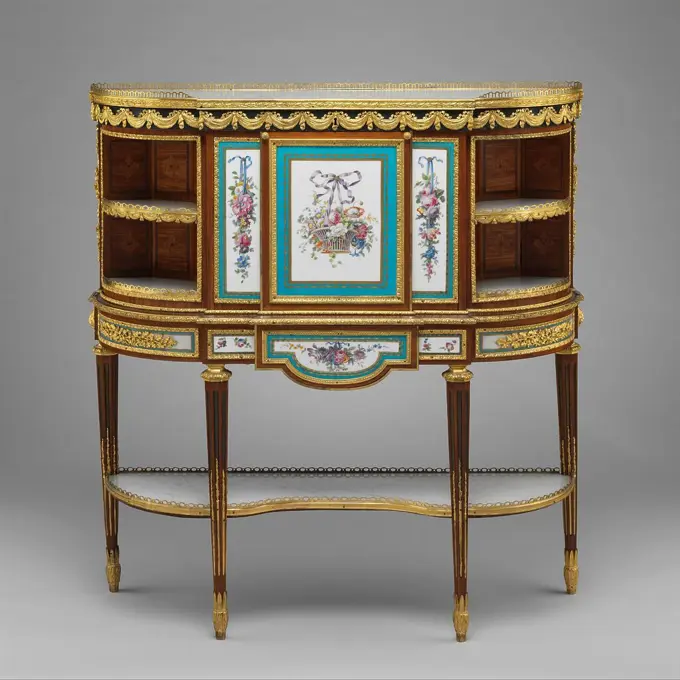
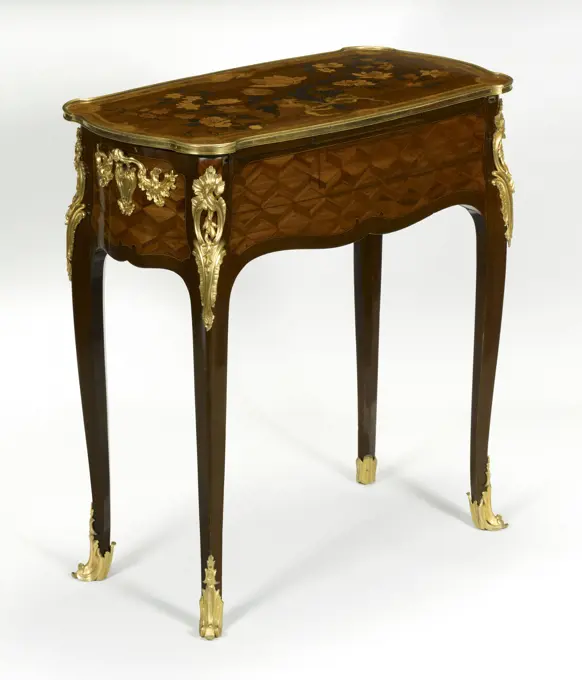
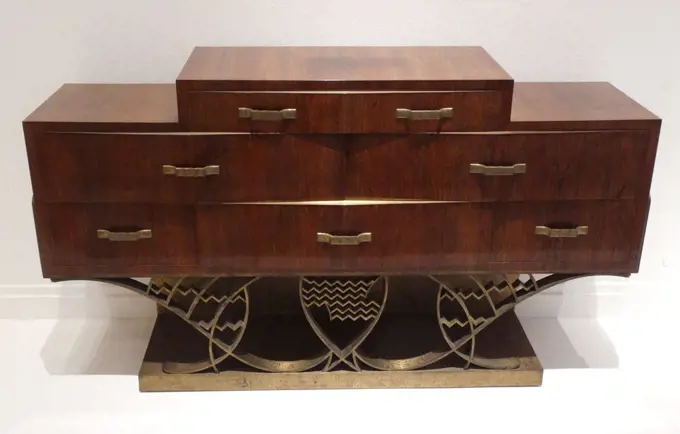
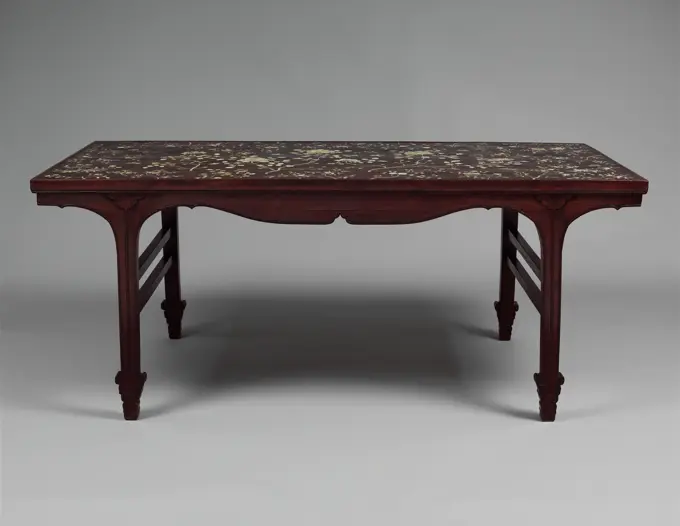
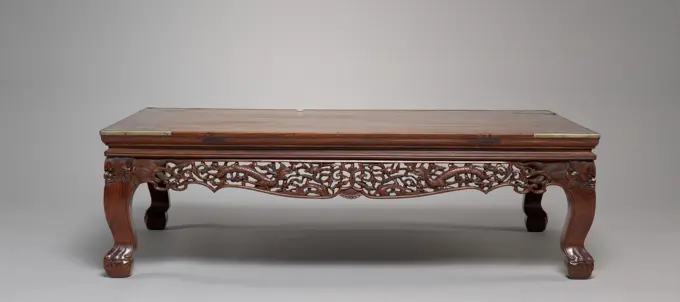
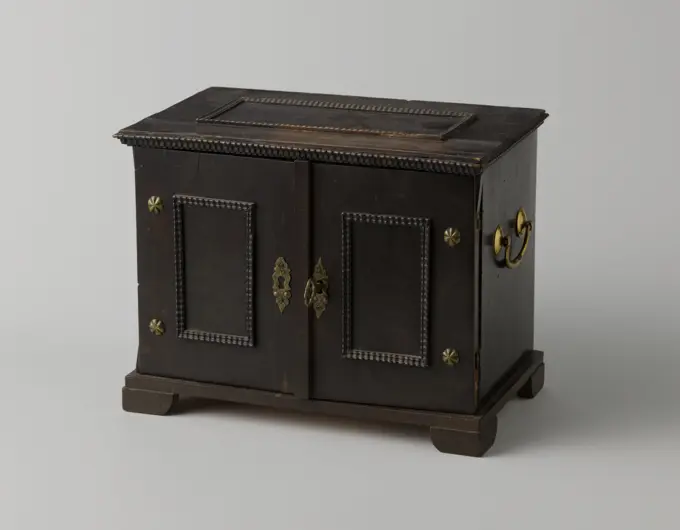
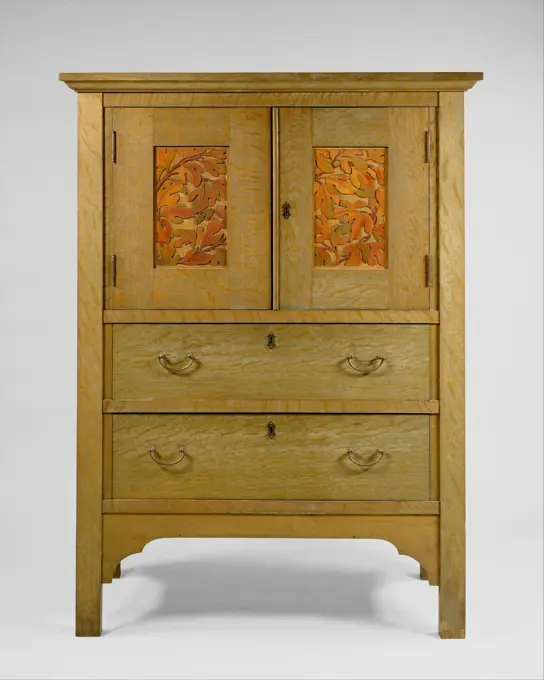
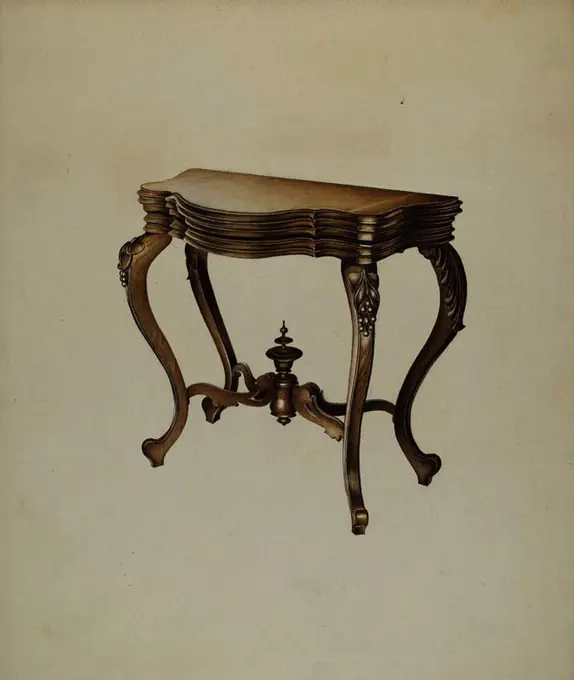
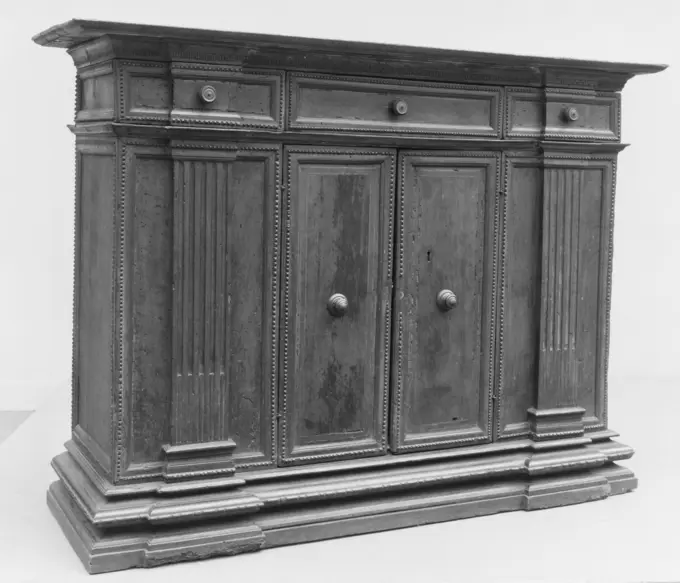
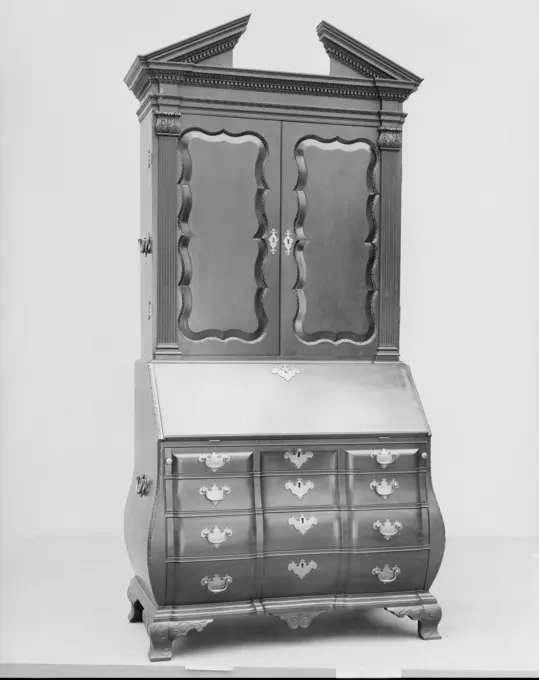
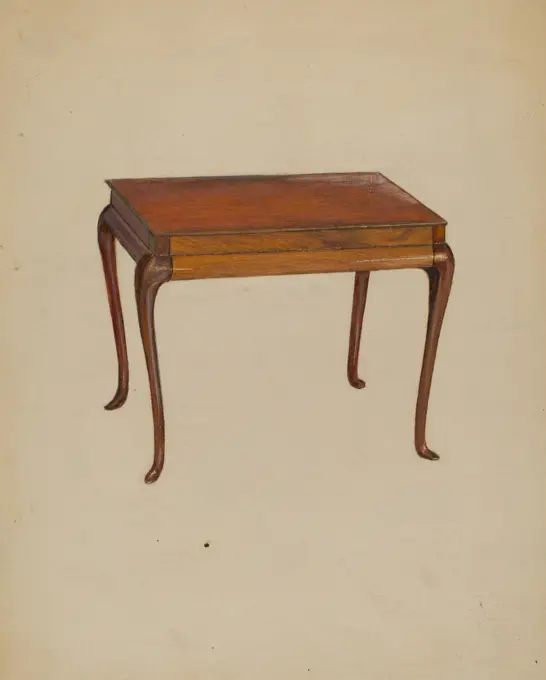
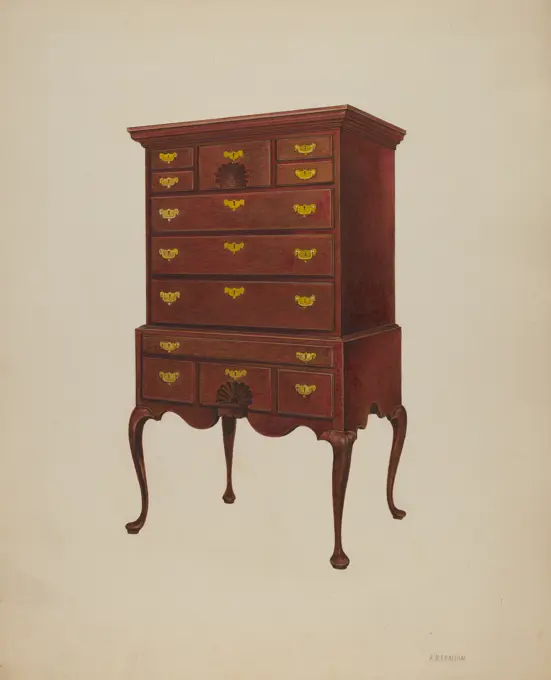
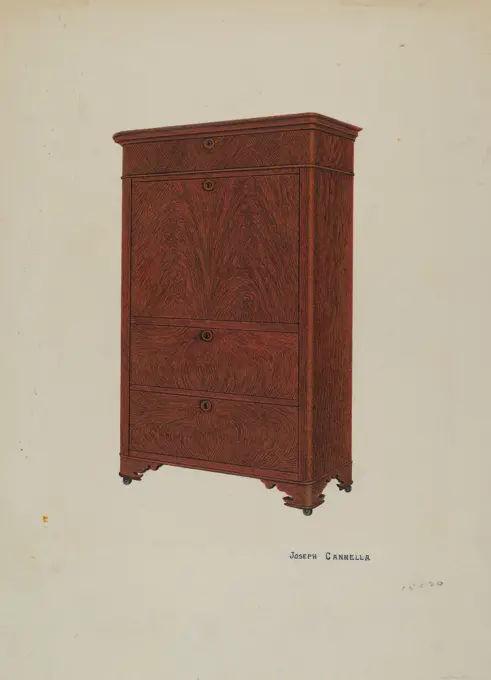
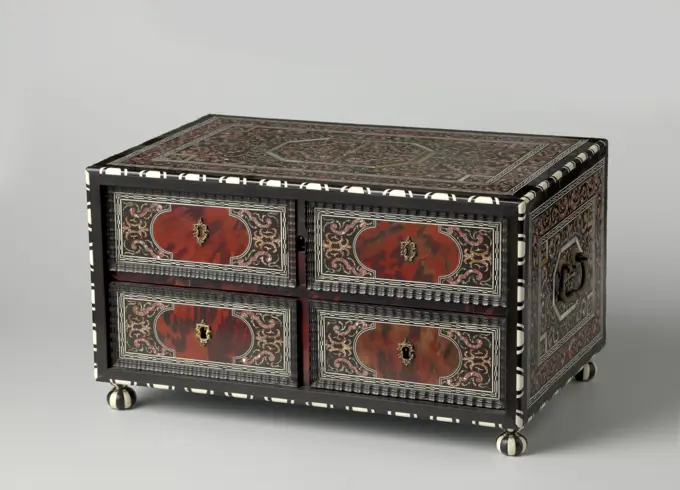
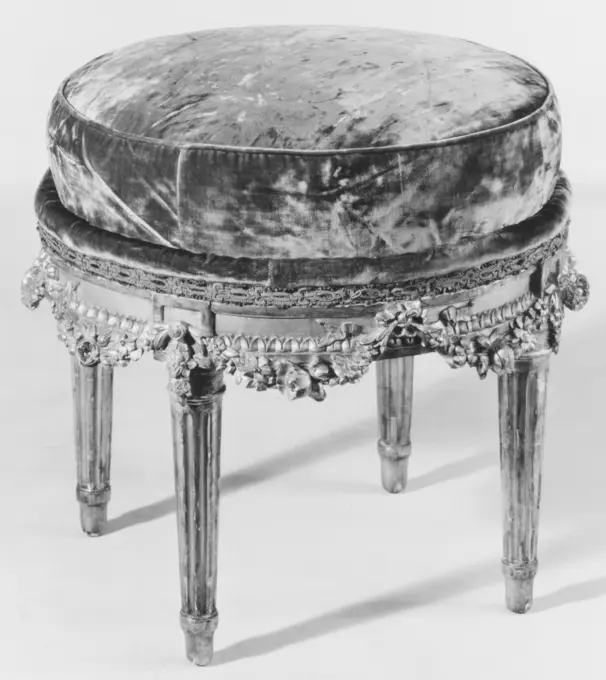
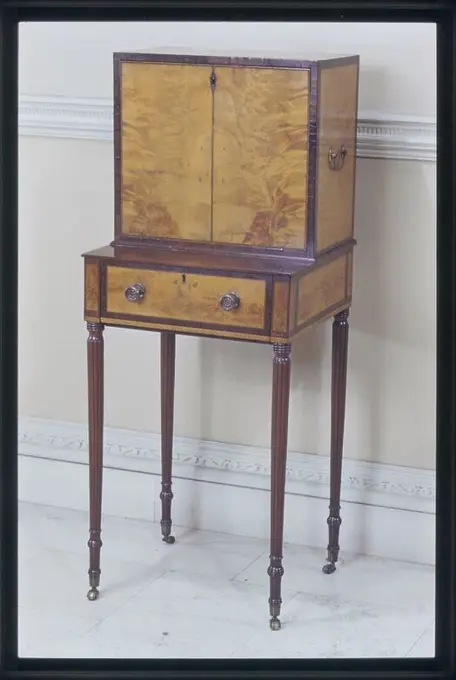
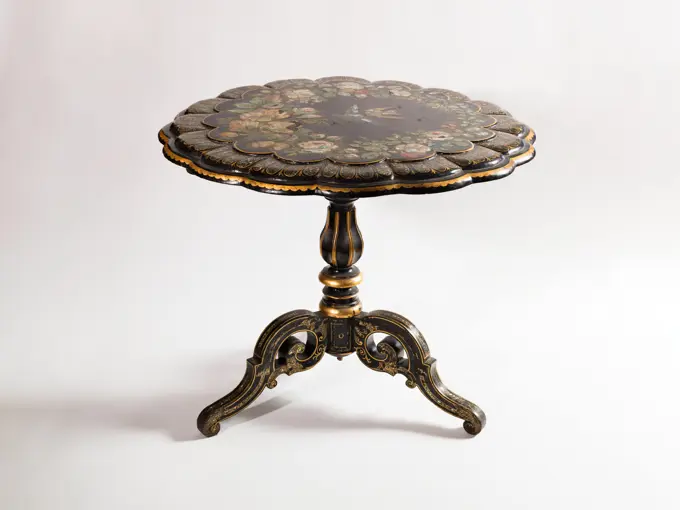
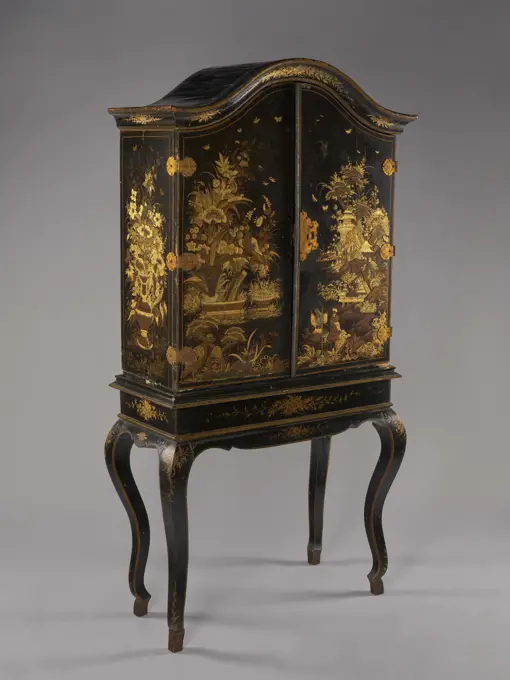
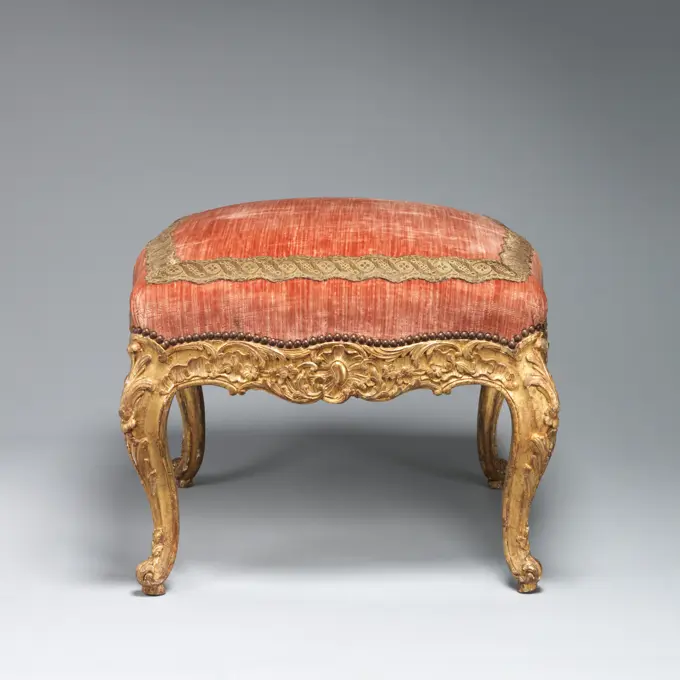
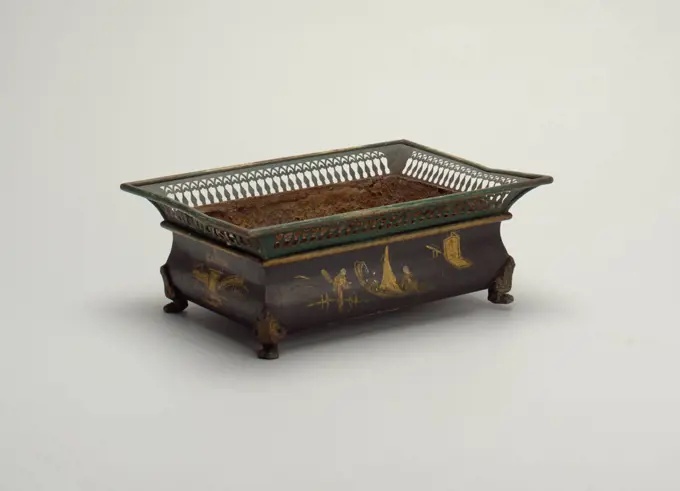
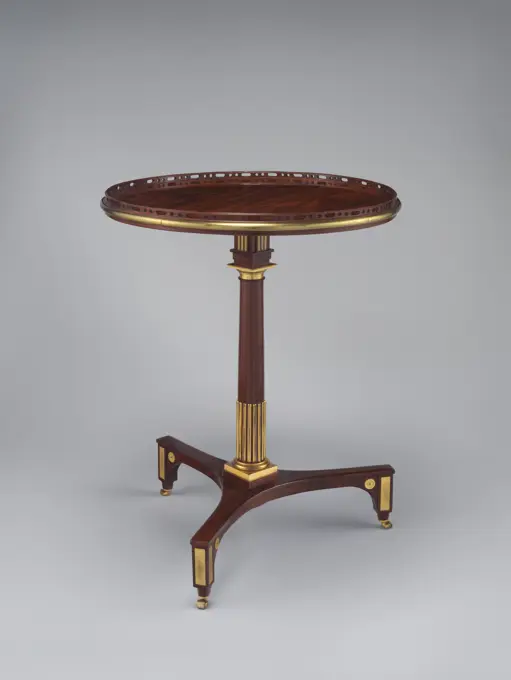
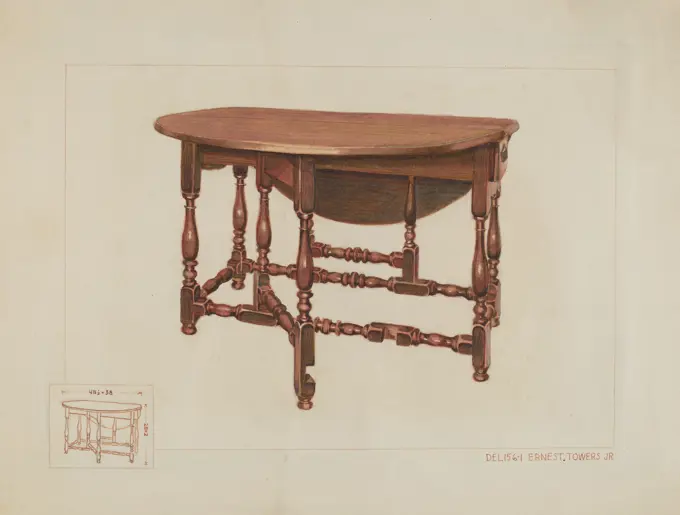
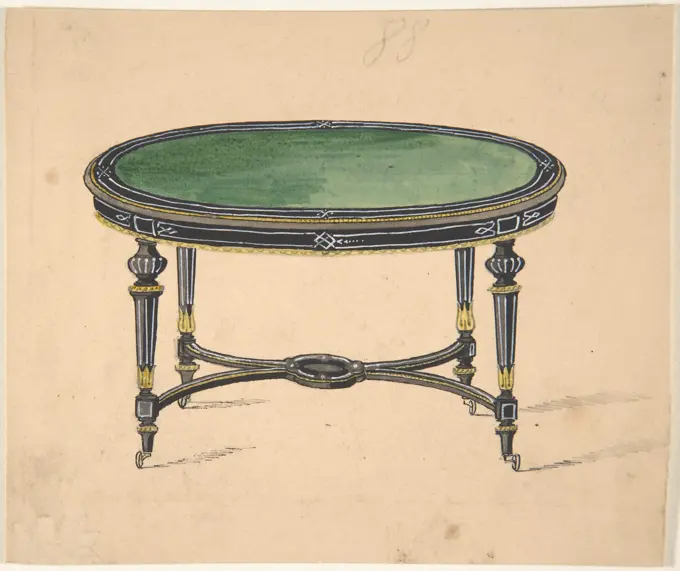
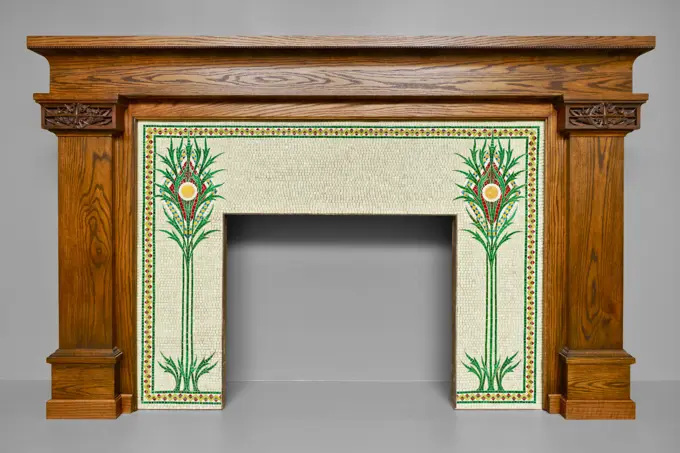
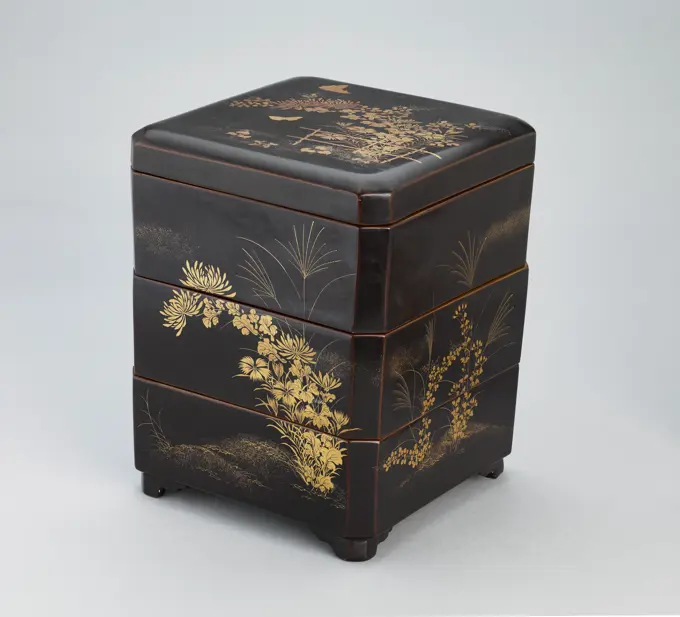
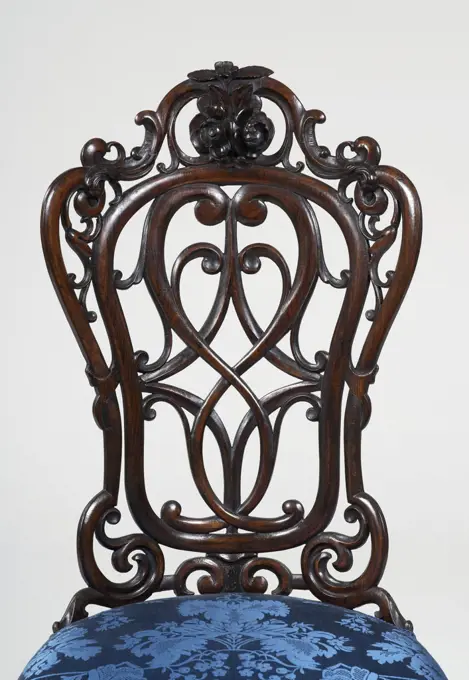
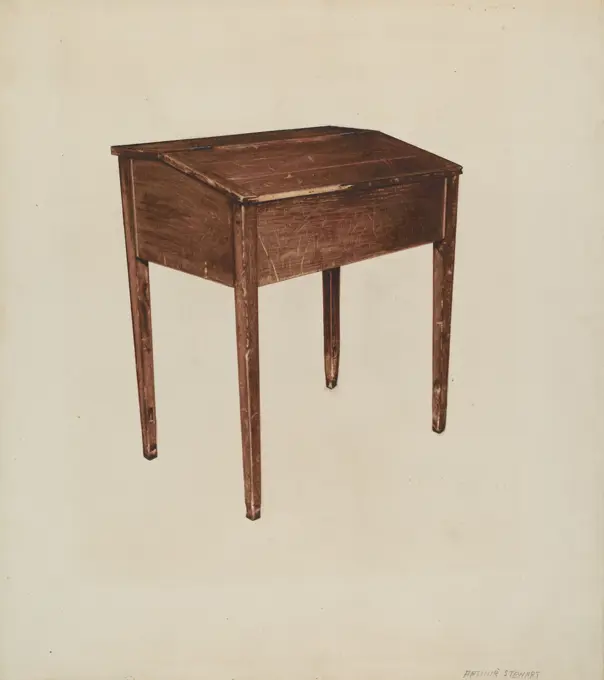
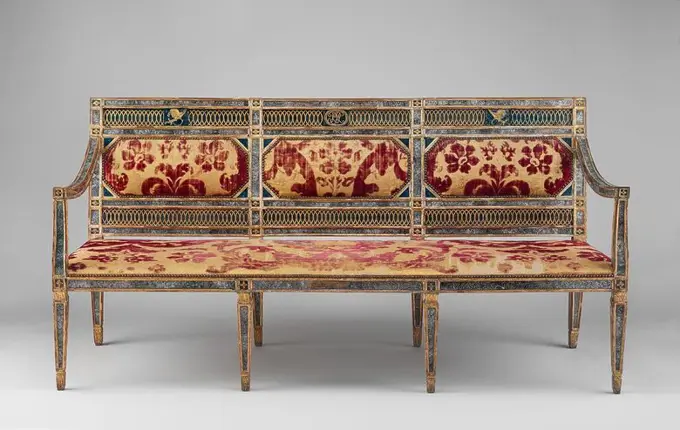
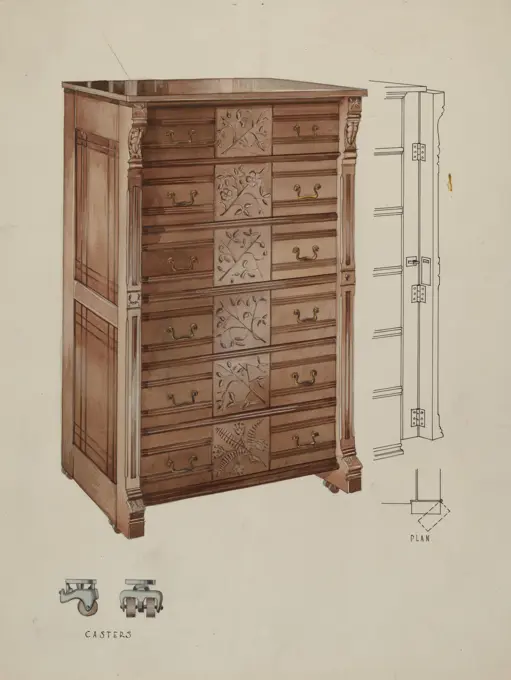
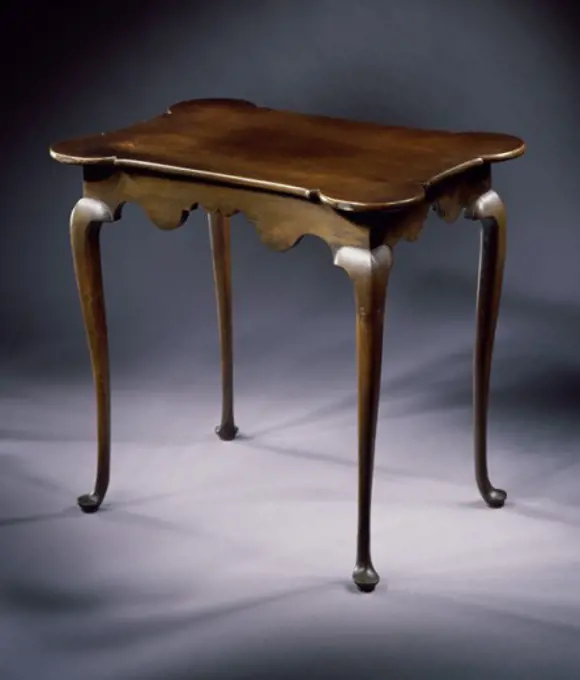
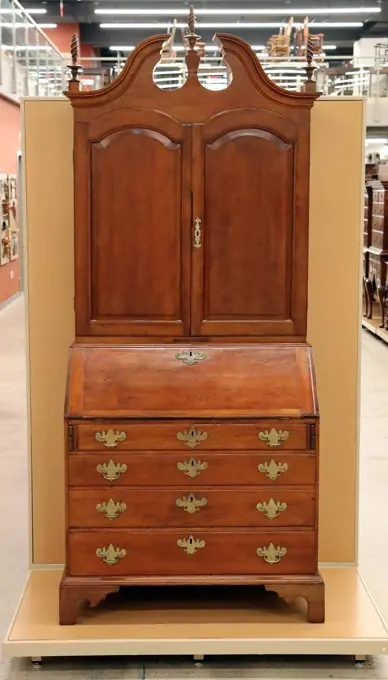
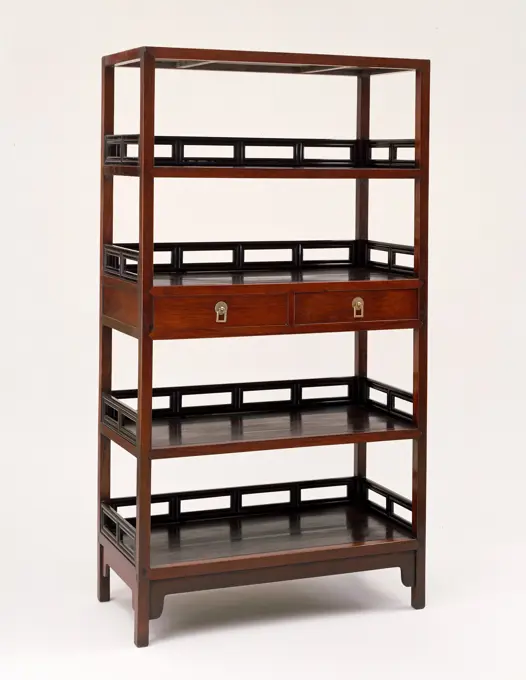
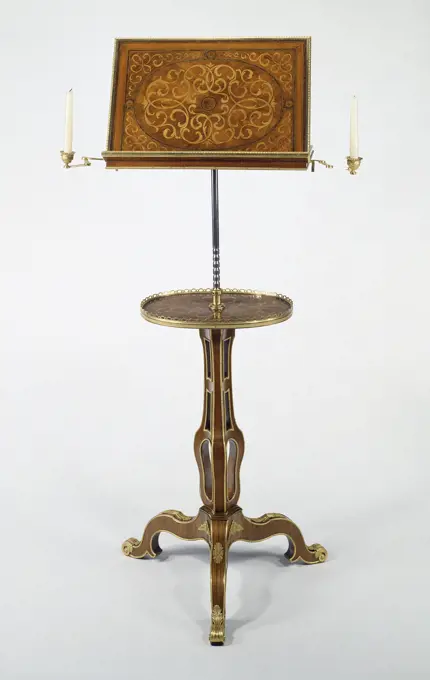
Music Stand; Attributed to Martin Carlin (French, born Germany, about 1730 - 1785 (master 1766)); Paris, France; about 1770 - 1775; Oak veneered with tulipwood, amaranth (or purple heart), holly and fruitwood, and incised with colored mastics; gilt bronze mounts; 148.6 x 50.2 x 36.5 cm (58 1,2 x 19 3,4 x 14 3,8 in.)Double Desk. Bernard II van Risenburgh (French, after 1696 - about 1766, master before 1730)Double Counter ca. 1825 United Society of Believers in Christs Second Appearing (“Shakers”), Mount Lebanon, New York. Double Counter 3385Dresser;  1830-1840 (1830-00-00-1840-00-00);Drop-front desk (secrétaire à abattant or secrétaire en cabinet). Culture: French, Paris and Sèvres. Decorator: Central plaque decorated by Edme François Bouillat père (French,1739/40-1810, active 1758-1800). Dimensions: 43 3/8 x 40 1/2 x 12 7/8 in. (110.1 x 102.9 x 32.7cm). Factory: Sèvres Manufactory (French, 1740-present). Maker: Attributed to Martin Carlin (French, near Freiburg im Breisgau ca. 1730-1785 Paris). Date: ca. 1776.Attributed to the cabinetmaker Martin Carlin, who was known for his graceful furniture mounted with Sevres porcelain, this exquisite two-piece desk was made about 1776. A date letter for that year is painted on the back of the central porcelain plaque, together with the mark of Edme-Francois Bouillat (1739/40-1810), a painter at the Sevres manufactory. A specialist in different kinds of floral ornament, Bouillat decorated the main plaque with a flower basket suspended from a large bowknot. The history of this secretary is well documented. During the eighteentMechanical Reading, Writing, and Toilet Table; Jean-François Oeben (French, born Germany, 1721 - 1763 (master 1761)); Paris, France; about 1750; Oak veneered with kingwood, amaranth, bloodwood, holly, and various stained exotic woods; drawers of juniper; iron mechanism; silk; gilt-bronze mounts; 73 x 74 x 37.8 cm (28 3,4 x 29 1,8 x 14 7,8 in.)Nicholas Gorid, Tea Table, c 1936 Tea TableDressing Table 1755-90 American. Dressing Table 3427Commode with drawers set on a latticed bronze base, 1933, by Eugène Printz, (1889 - 1948); self-taught French cabinetmaker and decoratorDressing Glass 1760-90 American. Dressing Glass 3416Tafel puts marquetry, Simon Oeben, c. 1765 Table decorated with marquetery of roson and mahogany and other types of wood on oak core. The four overhoeks placed, stretched S-shaped legs turn into the round, slightly forward-jumping corners of the rule. This is scored at the front and back; Bent on the sides. The rules show flower branches within contrasting fields; The fields remain empty above the legs. The leaf shows flower branches within winding C-volutes with a shell motif. France wood (plant material). purpleheart (wood). boxwood. maple (wood). ebony (wood). satinwood (wood). mahogany (wood). oak (wood). rosewood (wood) Table decorated with marquetery of roson and mahogany and other types of wood on oak core. The four overhoeks placed, stretched S-shaped legs turn into the round, slightly forward-jumping corners of the rule. This is scored at the front and back; Bent on the sides. The rules show flower branches within contrasting fields; The fields remain empty above the legs. TheAmerican 20th Century, Shaker Cupboard, 1935 1942 Shaker CupboardTable with Flowering Sprays late 16th-early 17th century China In China, mother-of-pearl was being used as early as the twelfth century to decorate furniture, including beds, chests, and tables, as well as such smaller items as garden stools. These goods were important items in the global trade from the sixteenth to the eighteenth century.The decorative elements on the top of this table consist of large pieces of relatively thick mother-of-pearl that were incised and inlaid into the lacquer-coated rosewood. They include large sprigs of tree peony interspersed with small sprays of plum and chrysanthemum and fluttering butterflies.. Table with Flowering Sprays 56362Table on four conical scanned legs. With pull-out leaves and drawer .. Table with oak base and a, with mahogany and black tarpaulin glued, extendable leaf. The furniture rests on four conical scanned legs. A drawer is decorated with copper fittings in the upper rule.Low Table (kang zhuo) with Dragons in Clouds, 1600s-1700s. China, Ming dynasty (1368-1644) or Qing dynasty (1644-1911). Rosewood (huanghuali) and metal; overall: 29 x 97.2 x 69.2 cm (11 7/16 x 38 1/4 x 27 1/4 in.). Originally, low tables were placed on a kang, a raised platform made of brick and heated by a fire underneath, which served as a bed and living space on cold winter days in northern China. During the daytime, these platforms could accommodate two sitters with a kang table placed between them. In the warmer south, kang tables were used on daybeds made of wood. By the Ming and Qing dynasties, furniture makers used rare tropical hardwood, such as huanghuali, known as rosewood.Ebony cabinet with two doors with panels with Robbell lists. Inside with nine drawers, painted with, among other things, landscapes, Anonymous, 1650 - 1700 Ebbenhouten cabinet in miniature with two doors, which show a panel on the inside and outside with Robbell list, filled on the inside with a painted representation of a man and a female person behind Mica. The cabinet contains 9 drawers that show painted landscapes with houses, placed behind Mica, within a Robbell list. The top shows an empty panel with Robbell list; The sides carry gilded handles and the doors each two rosettes and a key plate. Key. Northern Netherlands (possibly)Netherlands (possibly)Southern Netherlands (possibly)Belgium (possibly) wood (plant material). pear (wood). oak (wood). spruce (wood). brass (alloy). paper. stain (coating) Ebbenhouten cabinet in miniature with two doors, which show a panel on the inside and outside with Robbell list, filled on the inside with a painted representation of a man and a femaleLinen Press ca. 1904 Byrdcliffe Arts and Crafts Colony American The Byrdcliffe Arts and Crafts Colony was founded in 1902 outside of Woodstock, New York, by Englishman Ralph Whitehead. Inspired by John Ruskin, Whitehead invited independent craftsmen and designers to work in traditional crafts, which included furniture, pottery, textiles, and metalwork. This oak linen press epitomizes Byrdcliffe furniture in its simple, rectilinear shape, hand-carved panels, natural wood surfaces finished with transparent stains in nature's colors. The carved panels, of stylized sassafras leaves, were designed by Edna M. Walker, who graduated from Brooklyn's Pratt School of Design where she studied with Arthur Wesley Dow. The cabinet remained in the Whitehead family who generously made it a partial gift to the Museum.. Linen Press 14336Console Table. Dated: 1937. Dimensions: overall: 32 x 25.7 cm (12 5/8 x 10 1/8 in.) Original IAD Object: none given. Medium: watercolor, colored pencil, gouache, and graphite on paper. Museum: National Gallery of Art, Washington DC. Author: Robert Pohle.Isidore Sovensky, Desk, c 1939 DeskCabinet (credenza) second half 16th century Italian, Tuscany. Cabinet (credenza) 195520Pa. German Chest. Dated: c. 1940. Dimensions: overall: 34.7 x 48.8 cm (13 11/16 x 19 3/16 in.) Original IAD Object: 28 1/2" high; 52" wide; 22 3/4" deep. Medium: watercolor and graphite on paper. Museum: National Gallery of Art, Washington DC. Author: Carl Strehlau.Porch, anonymous, c. 1600 - c. 1650 Porch of oak, decorated with ebony. The porch has a hermatlant and a hermkaratide on the styles. The upper sill (the calf) has been treated as a main frame with a broken pediment. The main frame is distributed by five consoles in the form of lion heads on leaf ornaments; The Frisian has two horizontal Ebben panels; Architraaf and list under the pediment are richly decorated with ebony. In the fronton open worked ornament and a vase on a pedestal. Coming from a building on the Oude Haven, 79 (), In Zierikzee. Netherlands wood (plant material). oak (wood). ebony (wood) Porch of oak, decorated with ebony. The porch has a hermatlant and a hermkaratide on the styles. The upper sill (the calf) has been treated as a main frame with a broken pediment. The main frame is distributed by five consoles in the form of lion heads on leaf ornaments; The Frisian has two horizontal Ebben panels; Architraaf and list under the pediment are richly decorated with ebony. IWilliam Kieckhofel, Secretary Cabinet, 1935 1942 Secretary CabinetIron design fitting on antique wooden small almira, Jodhpur, Rajasthan, India Copyright: xSafatxAli/DinodiaxPhotoxDesk and bookcase 1765-90 American According to late-nineteenth-century tradition, this desk was in George Washingtons headquarters in Cambridge, Massachusetts, during the Siege of Boston (April 1775-March 1776). Consequently, it was exhibited at the 1893 Worlds Columbian Exposition in Chicago as “Washingtons desk.” It is the only known piece of American furniture to combine the bombé and blockfront forms. A later collector replaced the original mirror-glass doors in the upper section with wood panels.. Desk and bookcase. American. 1765-90. Mahogany, white pine. Made in Boston, Massachusetts, United StatesMarble-slab table 1765-70 American This is probably one of the two marble slabs” purchased by General John Cadwalader (1742-1786) at an auction in 1769 for use in his house on Second Street, which he furnished with an ornateness unparalleled elsewhere in Philadelphia. In their plasticity, the unbroken serpentine curves of the legs and skirt rail are fully in the spirit of the French Rococo. However, the brilliant naturalistic carving is purely English, probably the work of a London-trained carver just arrived in Philadelphia.. Marble-slab table 5624Card table, 1865, William Burges, British, 1827 - 1881, 29 1/4 x 36 x 17 3/4 in. (74.3 x 91.44 x 45.09 cm) (folded), Walnut, boxwood, ebony, England, 19th century, William Burgess name is indelibly linked with the Gothic Revival in the mid 19th century Britain. His design work for one of the richest men in the British Empire, the Third Marquess of Bute, along with major commissions executed at the Anglican Cathedral in Cork, Ireland, and Trinity College in Hartford, Connecticut, earned Burges a truly international reputation.Desk. Dated: 1935/1942. Dimensions: overall: 60.6 x 46.2 cm (23 7/8 x 18 3/16 in.) Original IAD Object: none given. Medium: watercolor, colored pencil, graphite and heightening on paperboard. Museum: National Gallery of Art, Washington DC. Author: Fritz Boehmer.Meyer Goldbaum, Silver Table (Tea), 1935 1942 Silver Table (Tea)Console table ca. 1782-92 Attributed to Giuseppe Maria Bonzanigo With its pierced legs and finely carved details, this table represents Neoclassical Piedmontese furniture at the highest level of quality. It shows the combined influences of French and Italian furniture often present in furniture of this region, which in the eighteenth century was the Kingdom of Savoy, an independent state that was artistically as French as it was Italian.It has been attributed to Giuseppe Maria Bonzanigo (1745-1820), one of the leading cabinetmakers in Turin at this period, who worked chiefly on royal commissions. However, recent research has unveiled a number of contemporary furniture makers whose style was very similar. The composition is closely related to the designs of Michelangelo Pergolesi (d. 1801), the prolific Italian master of Neoclassical ornament. The vignette of Leda and the Swan in the frieze is directly derived from his designs.. Console table 205178Natalie Simon, Bureau, c 1936 BureauDesk and Bookcase. Ladislaus Zdzieblowski; American, 1857-1929. Date: 1893. Dimensions: 190.5 × 149.8 × 67.3 cm (75 × 59 × 26 1/2 in.). Oak. Origin: Chicago. Museum: The Chicago Art Institute, Chicago, USA. Author: Lladislaus Zdzieblowski.Violet Hartenstein, Round Top Table, c 1940 Round Top TableCassone (chest, pair with 1975.1.1945). Culture: Italian (Tuscany). Dimensions: H. 74.9 cm, W. 1.8 m, D. 58.4 cm. Date: ca. 1840-80. Museum: Metropolitan Museum of Art, New York, USA.Arsen Maralian, Highboy, 1937 HighboyShaker Chest of Drawers. Dated: 1937. Dimensions: overall: 27.9 x 22.8 cm (11 x 9 in.) Original IAD Object: 42 1/2" high; 37 3/4" wide; 18" deep. Medium: watercolor and graphite on paperboard. Museum: National Gallery of Art, Washington DC. Author: Winslow Rich.Joseph Cannella, Desk, c 1941 DeskChest of DrawersEbony chest with four drawers, decorated with turtle, leg, mother -of -pearl and various types of wood, anonymous, c. 1400 - c. 1950 Ebony box with three drawers, one of which is divided into a number of containers. The box is on three half legs, half wooden legs. Inlaid with turtle, leg, mother -of -pearl and different types of wood. Copper key plates and gilded handles. NOTE: The key is defective.  ebony (wood). oak (wood). rosewood (wood). ivory. lacquer (coating). mother of pearl. copper (metal). bone (material). wood (plant material) gilding Ebony box with three drawers, one of which is divided into a number of containers. The box is on three half legs, half wooden legs. Inlaid with turtle, leg, mother -of -pearl and different types of wood. Copper key plates and gilded handles. NOTE: The key is defective.  ebony (wood). oak (wood). rosewood (wood). ivory. lacquer (coating). mother of pearl. copper (metal). bone (material). wood (plant material) gildingSideboard c 1825-1835 Philadelphia. Mahogany, mahogany veneer, poplar, and eastern white pine . Artist unknownRound stool ca. 1780 French. Round stool 206495Console Table. Unknown about 1725-1730Stool, 1786-1787. Jean-Baptiste-Claude Sené (French, 1748-1803). Carved and gilded wood; overall: 44.8 x 71.7 x 51.5 cm (17 5/8 x 28 1/4 x 20 1/4 in.). This stool was made in 1786-1787 for the Queen's gaming room at the palace of Compiègne.Chest-On-Chest. Dated: c. 1937. Dimensions: overall: 35.8 x 29.2 cm (14 1/8 x 11 1/2 in.) Original IAD Object: 75 1/2"high; 41"wide; widest depth 18 3/4. See data sheet for dets. Medium: watercolor, colored pencil, and graphite on paperboard. Museum: National Gallery of Art, Washington DC. Author: Frank Wenger.Portable Desk-on-frame Table. Culture: American. Dimensions: 43 1/2 x 17 1/4 x 15 1/4 in. (110.5 x 43.8 x 38.7 cm). Date: 1800-1810. Museum: Metropolitan Museum of Art, New York, USA.Pa. German Chest. Dated: c. 1940. Dimensions: overall: 34.3 x 50.8 cm (13 1/2 x 20 in.) Original IAD Object: 22" high; 50" long; 22 3/4" deep. Medium: watercolor, graphite, and gouache on paper. Museum: National Gallery of Art, Washington DC. Author: Carl Strehlau.Virginal. This musical instrument is sitting upon a stand and is engraved with a Latin motto. Created by Hans Ruckers, a master of the Saint Luke's Guild of Antwerp.Anonymous. "Guéridon". Building: blackened oak; Painting, gilding and mother -of -pearl. 1855. Paris, Carnavalet museum. 100080-8 FURNITURECabinet. unknown, creatorStool (tabouret) (one of a pair) ca. 1740-50 Possibly by Jean-Baptiste I Tilliard Stools played an important role in the hierarchical seating arrangements of the French court. Depending on the rank of the company, one remained standing or was assigned a floor cushion or stool, rarely a chair. This pair of stools displays the fine craftsmanship that characterized furniture by the Tilliard family of menuisiers.. Stool (tabouret) (one of a pair). French, Paris. ca. 1740-50. Beechwood frame, carved and gilded, upholstered in modern velvet.. Woodwork-FurnitureShaker Cabinet. Dated: 1935/1942. Dimensions: overall: 37.9 x 33.9 cm (14 15/16 x 13 3/8 in.). Medium: watercolor, graphite, and colored pencil on paper. Museum: National Gallery of Art, Washington DC. Author: George V. Vezolles.Planter, Painted tôle, Rectangular planter, low bombe body painted black with gold and polychrome chinoiserie decoration., France, late 18th century, metalwork, Decorative Arts, PlanterTrestle Table. Culture: American. Dimensions: 28 3/4 x 41 1/4 x 26 1/2 in. (73 x 104.8 x 67.3 cm). Date: 1740-80. Museum: Metropolitan Museum of Art, New York, USA.Charles Henning, Press Cupboard, c 1938 Press CupboardBookcase inlaid with piping of ebony and with sliced braided rosettes, Karel Petrus Cornelis de Basel, c. 1894 - c. 1900 Bookcase made of oak wood consisting of a base cabinet and a recovering top cabinet resting on four block feet on the front and three on the back that contain inserted piping of ebony. The base cabinet has three doors that are caught in a framework. Each door consists of a panel with input piping of ebony, a pearl edge, a sliced braided rosette and a sculpted button. The recovering top cabinet has four styles on which an upper rule rests. There are three niches between the styles where shelves can be placed at the desired height. Each style has inlaid a block at the top with ebony in a rectangular shape with a pearl edge on the top and bottom of the block. The top line runs above each niche in a bar. Above this rule is a profiled forward -facing frame that runs along the side walls and contains the piping of Ebony. Amsterdam oak (wood). ebony (wood). rosewood (wood).Tilt-top table ca. 1785-90 Workshop of David Roentgen The circular top of this small table, or gueridon, has a pierced wood gallery with brass banding. It is supported by a fluted block above a pillar in the form of a stylized Ionic column with brass moldings. The top can be both turned horizontally and tipped up, and gilt-brass casters under the feet make the whole piece easy to move. The gallery is not only decorative, but it would also have prevented objects from sliding off the edge. The revolving top made it possible for a host to serve tea to a small company of guests in privacy, without the presence of servants. All the elements of this table, but especially the pierced gallery, which is not executed in gilded metal in the French manner but skillfully crafted from wood, distinguish it from every other contemporary table invention.. Tilt-top table. German, Neuwied am Rhein. ca. 1785-90. Mahogany; gilt bronze and brass. Woodwork-FurnitureTester bed late 16th-second quarter 17th century Italian (Florentine) Painter Italian. Tester bed. Italian (Florentine) Painter. Italian, Tuscany and Florence. late 16th-second quarter 17th century. Walnut, partly painted and gilded, paintings on canvasAntique wooden letter holder box, Jodhpur, Rajasthan, India Copyright: xSafatxAli/DinodiaxPhotoxCupboard. Maker, possibly by: Nathaniel Stone, 1649-1709Work table. unknown, creatorInkstand. UnknownRound Tea Table. Culture: American. Dimensions: H. 27 1/2 in. (69.9 cm); Diam. 33 3/8 in. (84.8 cm). Date: ca. 1765.One of the finest ornamentally carved Philadelphia circular tea tables, this example has exceptionally high knees and, on the pillar, an unusually flattened ball. The top is a finely figured board with a delicate, crisply carved rim; the fluting is narrow; the small-scale, naturalistic carving is discreetly placed. Such refined carving could only have been done by someone fully trained in a rigid London apprenticeship system, and Philadelphia in the 1760s was a magnet for just such talented and ambitious craftsmen. Museum: Metropolitan Museum of Art, New York, USA.TableTraining table with extra sheets under the table top, Hendrik Petrus Berlage, 1902 Training table made of oak -wood resting on four made -in legs. The legs on the top contain cutting work in vegetable motifs and are interconnected by means of an H-shaped cross where the pens sting slightly through the legs. At the top between the legs are rules that contain cut out motifs. The table top is rectangular, underneath are extra sheets. Amsterdam oak (wood) Training table made of oak -wood resting on four made -in legs. The legs on the top contain cutting work in vegetable motifs and are interconnected by means of an H-shaped cross where the pens sting slightly through the legs. At the top between the legs are rules that contain cut out motifs. The table top is rectangular, underneath are extra sheets. Amsterdam oak (wood)Ernest A Towers, Jr, Eight Leg Table with Drawer, c 1936 Eight Leg Table with DrawerTable;  19th/20th century (1890-00-00-1910-00-00);Arabic (culture), geometric (ornament), Mihrab, tables, art of IslamFall-Front Cabinet with Flowers andBirdsTable. unknown, creatorRVD / Royal House photo collection. Tray. Receive a gift from the state visit to the Antilles. zd}Design for a Round or Oval Table with a Green Top and Black and Gold Sides and Legs 19th century Anonymous, British, 19th century British. Design for a Round or Oval Table with a Green Top and Black and Gold Sides and Legs 386597Dower Chest. Dated: 1935/1942. Dimensions: overall: 29.6 x 41.5 cm (11 5/8 x 16 5/16 in.). Medium: watercolor and graphite on paperboard. Museum: National Gallery of Art, Washington DC. Author: American 20th Century.Canapé of mahoniefiner on oak, covered and painted à l'trusque, anonymous, 1785 - 1800 furniture Canapé of Mahoniefiner on oak, covered and "à l'étrusque" painted, resting on eight square, rejuvenating legs with cannelures. The seating rules are painted on black soil in red -brown and white with palmets, interspersed with rays. A women's head with braids between the middle palmets. The, stretched S-shaped handrails placed on both ends are painted in the same colors with horns of abundance, from which ears and flower vessels sprout. Northern NetherlandsNetherlands wood (plant material). mahogany (wood). oak (wood). textile materialsTable, Polygonal 15th century Franco-Netherlandish. Table, Polygonal. Franco-Netherlandish. 15th century. Walnut. Woodwork-FurnitureCollectors cabinet with miniature apothecary, anonymous, 1730 Simplicia cabinet glued with root nuts and olive wood on oak core. The front makes in the middle forward and contains two doors in the base cabinet, above which one wide and two narrow drawers; volute -shaped sides. The profile lists below and above the drawers also contain a drawer and there is also an extendable leaf in this part. The upper cabinet has two doors with mirrors at the top. Hood with angular bent profiled cornice. Copper fittings. Delft (possibly) wood (plant material). oak (wood). pine (wood). ebony (wood). olive (wood). padouk (wood). satinwood (wood). rosewood (wood). boxwood. hackia. copper (metal). looking glasses. porcelain. glass. membrane. bronze (metal). ivory. gilding (material). velvet (fabric weave) gilding Simplicia cabinet glued with root nuts and olive wood on oak core. The front makes in the middle forward and contains two doors in the base cabinet, above which one wide and two narrow drawers; Sacristianist with sliced decoration representing Christ on the cross and the Madonna on the Moon molk, Anonymous, c. 1400 - c. 1500 Chest with 15th century panels with the representation of Christ on the cross and the Madonna on the moon melon. Netherlands oak (wood) Chest with 15th century panels with the representation of Christ on the cross and the Madonna on the moon melon. Netherlands oak (wood)Fireplace Surround 1901 United States. Prairie School architect George Washington Maher worked for Joseph Lyman Silsbee before striking out on his own. During this period Maher developed a system of design that he called the ìmotif rhythm theory,î in which he created a signature motif to harmonize the interior and exterior of a house through the repetition of decorative details based on local natural forms. He frequently collaborated with Louis J. Millet on his commissions, including the Patrick J. King House (1901), from which this fireplace surround came. This extraordinary object is composed of glass mosaics and features one of Maherís most prominent motifs, the stylized thistle. It is delicately rendered in shades ranging from pale seafoam green to vibrant greens, blues, and yellows. The fireplace surround is an outstanding example of Milletís exacting execution of Maherís designs.. Oak and glazed earthenware . George Washington MaherDower Chest. Culture: American. Dimensions: 27 1/4 x 50 x 23 1/4 in. (69.2 x 127 x 59.1 cm). Date: 1786. Museum: Metropolitan Museum of Art, New York, USA.Marble Top Table. Dated: 1935/1942. Dimensions: overall: 22.7 x 28.8 cm (8 15/16 x 11 5/16 in.) Original IAD Object: none given. Medium: watercolor, colored pencil, graphite, and heightening on paper. Museum: National Gallery of Art, Washington DC. Author: GEORGE NELSON.Toyosuke, Daiki (n.1813 - D.1858), food box (Jubako) (common name), 1603. Ceramics painted with lacquer, maki -e. Cernuschi Museum, Asia Museum of Asia in the city of Paris.Side chair, carved laminated and steamed rosewood veneer, oak (frame), silk upholstery (not original), Shaped back, curved in plan, with openwork design of laminated wood in plain and foliate scrolls, and carved bunch of flowers at top. Carving on front of apron; turning on outcarving front legs, which are fitted with casters. Seat upholstered in blue silk damask (not original)., New York, New York, USA, 1855-70, furniture, Decorative Arts, Side chairArthur Stewart, Desk, c 1938 DeskRVD / Royal House photo collection. Tray. Receive a gift from the state visit to the Antilles. zd}Sofa. Dated: 1935/1942. Dimensions: overall: 22.8 x 30 cm (9 x 11 13/16 in.) Original IAD Object: 6'8"long; 3'1 1/2"high at back.. Medium: watercolor, colored pencil, graphite, and heightening on paperboard. Museum: National Gallery of Art, Washington DC. Author: Nicholas Gorid.Table ca. 1825 Austrian. Table 230974RETRETE DE FERNANDO VII. Location: MUSEO DEL ROMANTICISMO-OBJETOS VARIOS. MADRID. SPANIEN.The International Exhibition: cabinet and candelabra by Wright and Mansfield, 1862. '...a splendid cabinet in the style of the English furniture of the eighteenth century...which consists of carved wood gilded, with pleaques of Wedgwood ware introduced in the panels and frieze...The frieze is enriched by a simple upright treatment well calculated to convey the idea of strength, and in the centre by a very beautiful medallic tablet by Wedgwood...The central compartment of the cabinet is open, and is furnished with two shelves covered in maroon velvet traversed by gold lines, while each of theAnonymous. Table. Mahogany. 1785. Paris, Carnavalet museum. Mobilier, 18th 18th 18th 18th 18th 18th century, furniture, tableChest 18th century. Chest 456933Footstool, 16th-17th century, 6 3/8 x 26 x 12 1/4 in. (16.19 x 66.04 x 31.12 cm), Huang-hua-li hardwood, China, 16th-17th centuryAmerican Desk. Dated: 1935/1942. Dimensions: overall: 28.8 x 22.4 cm (11 5/16 x 8 13/16 in.). Medium: watercolor, graphite, and gouache on paper. Museum: National Gallery of Art, Washington DC. Author: Aaron Dermansky.Triple-back settee (part of a set). Culture: Italian, Sicily. Dimensions: Overall: 38 3/4 × 78 3/8 × 26 in. (98.4 × 199.1 × 66 cm). Date: ca. 1790-1800.This settee is from a large set of seat furniture, which included at least four settees and twenty side chairs. It was formerly thought to have been commissioned for the Villa Palagonia at Bagheria near Palermo, but the provenance remains undocumented, and the initials in the cipher at the center of the back, "PPL," are as yet unidentified. The reverse-painted glass panels in imitation of agate, lapis, and marble are a distinctive feature often used on late-eighteenth-century Neoclassical Sicilian furniture. Museum: Metropolitan Museum of Art, New York, USA.Dining Table 1800-1825 United Society of Believers in Christs Second Appearing (“Shakers”), Mount Lebanon, New York. Dining Table. American, Shaker. 1800-1825. Pine, maple, basswood. Made in Hancock, Massachusetts, United StatesKurt Melzer, Highboy, c 1936 HighboyAntique household scale Old antique household scale with weighing pans Copyright: xZoonar.com/JFsPic Thielemannx 7814313Table Clock. Johann Sayller (Germany, Ulm, active 17th century). Germany, circa 1650. Furnishings; Accessories. Gilt-brass, silver, leatherRETRETE DE FERNANDO VII. Location: MUSEO DEL ROMANTICISMO-OBJETOS VARIOS. MADRID. SPANIEN.Queen Anne Tea Table Connecticut  c. 1760 Antique Furniture Joan Busquets i Jané / Mueble mesita, siglo XX. Colección privada.Desk andBookcase.   Maker: Benjamin Frothingham Jr., American, 1734-1809 Engraver: Nathaniel Hurd, American, 1730-1777Bookshelf, late 17th century, 71 x 39 1/4 x 18 1/2 in. (180.34 x 99.7 x 46.99 cm), Huang-hua-li hardwood, ebony (wu-mu) and tie-li-mu, China, 17th century, The bookcase was commonly used in the scholar's study to store books and scrolls and to display collectibles. Few examples combining huang-hua-li and ebony remain, and this work uses a less expensive hardwood, tie-li-mu, in the shelving, which when set with objects had less visibility than the huang-hua-li frame and ebony shelf rails.