Stylish Vintage Furniture

Illustrations of classic furniture pieces including sideboards, tables, and stands, showcasing intricate designs and vintage styles.

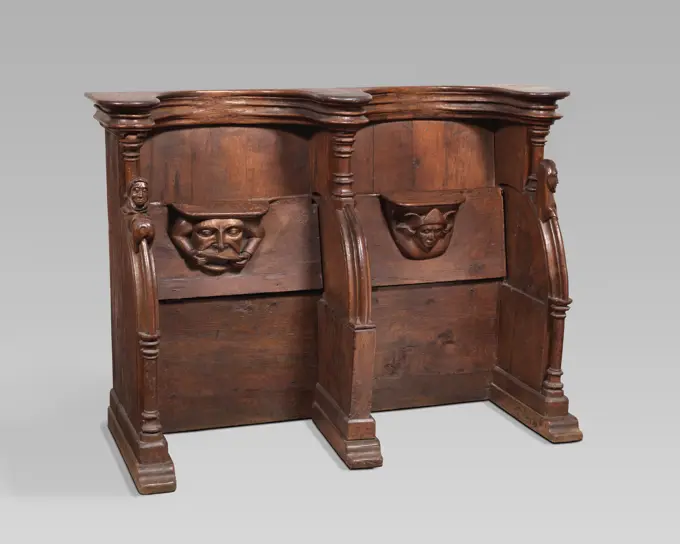
Wall bench, resting on three consoles stabbed, ending in lion claws., Anonymous, 1600 - 1650 Oak wall bench resting on three roughly stabbed consoles, ending in lion claws. Northern Netherlands (possibly) wood (plant material). oak (wood). elm (wood) Oak wall bench resting on three roughly stabbed consoles, ending in lion claws. Northern Netherlands (possibly) wood (plant material). oak (wood). elm (wood)
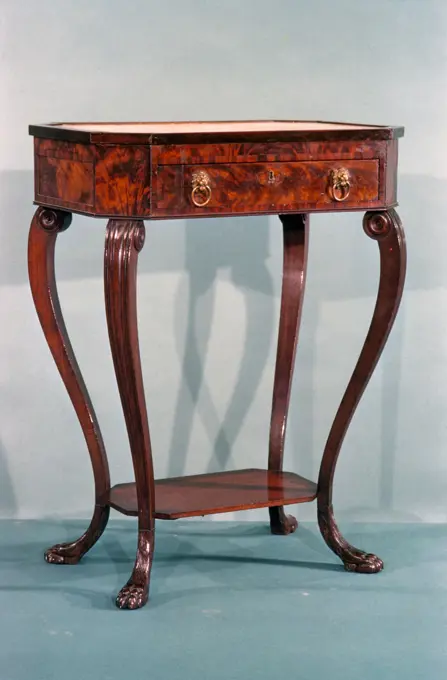
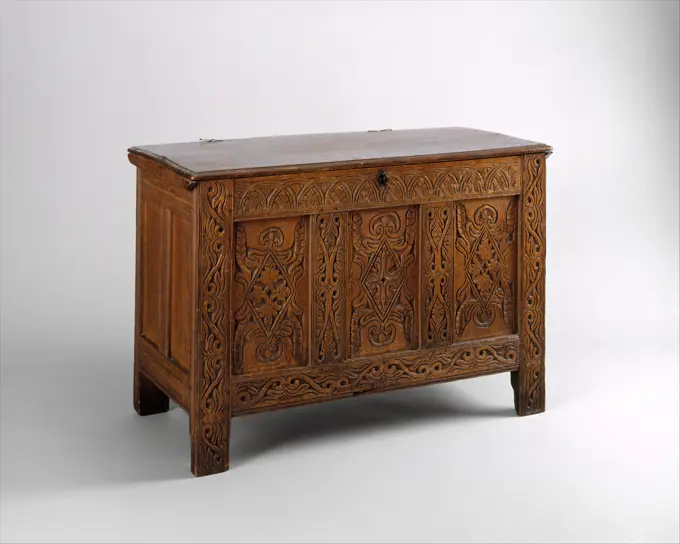
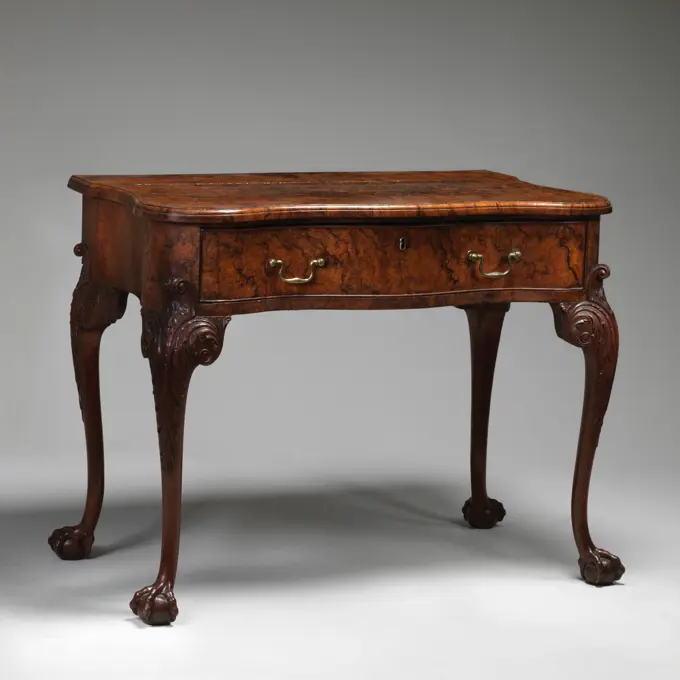
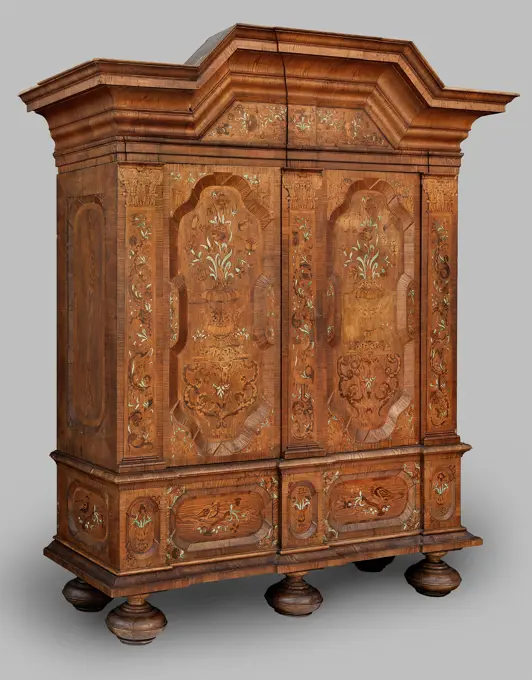
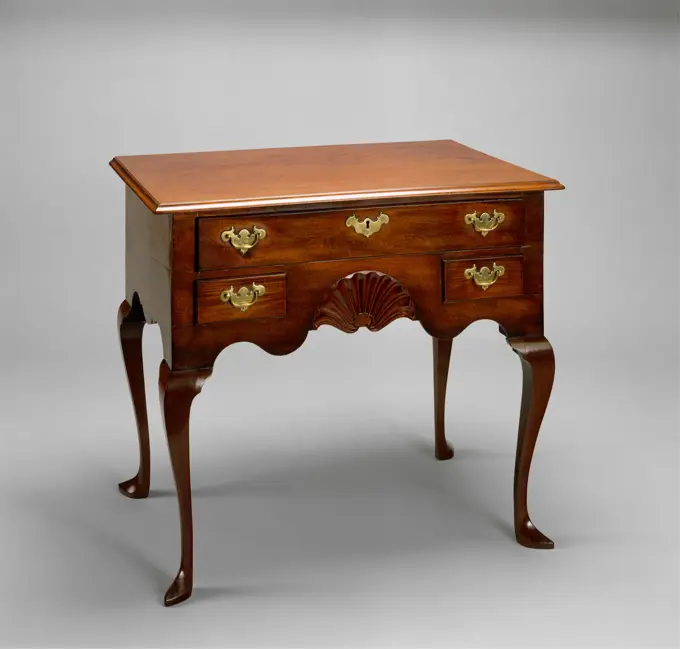
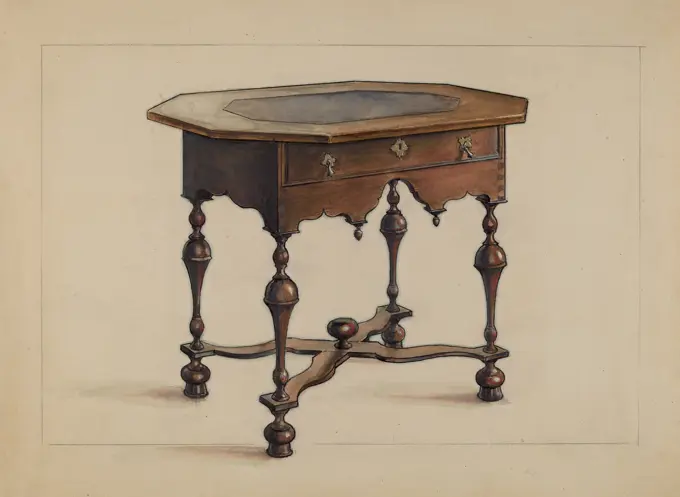
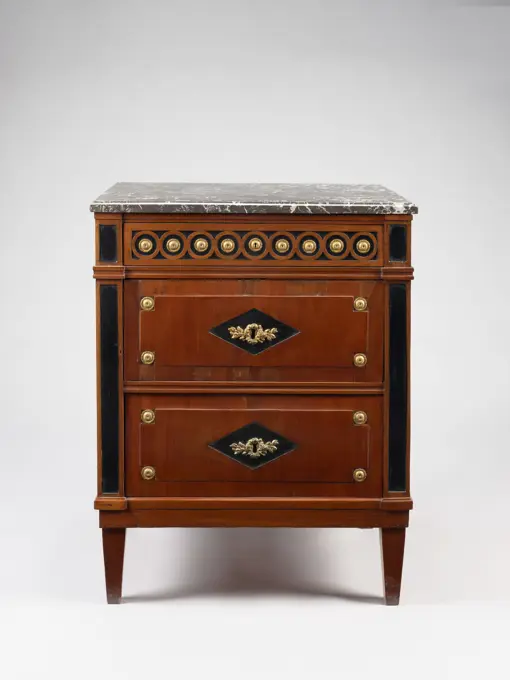
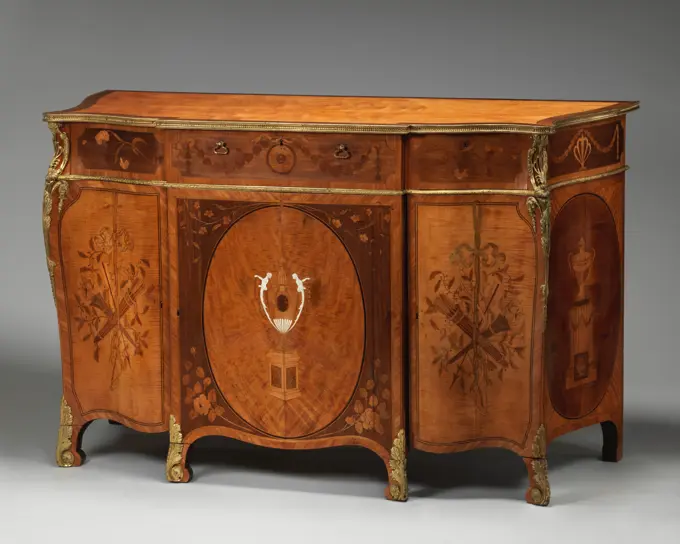
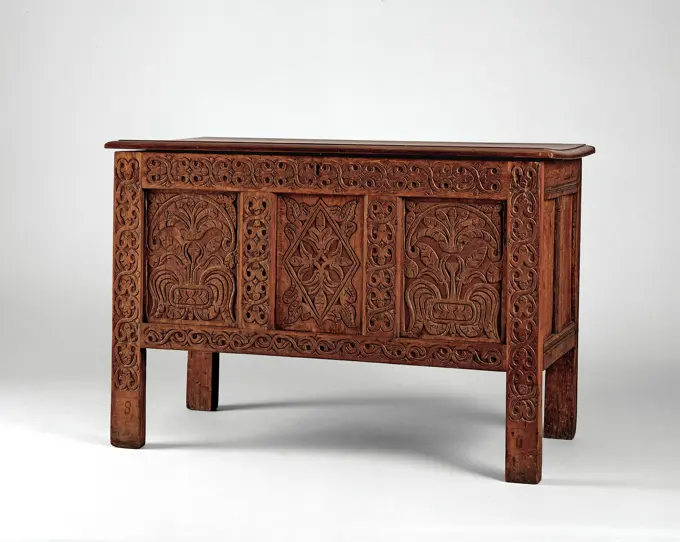
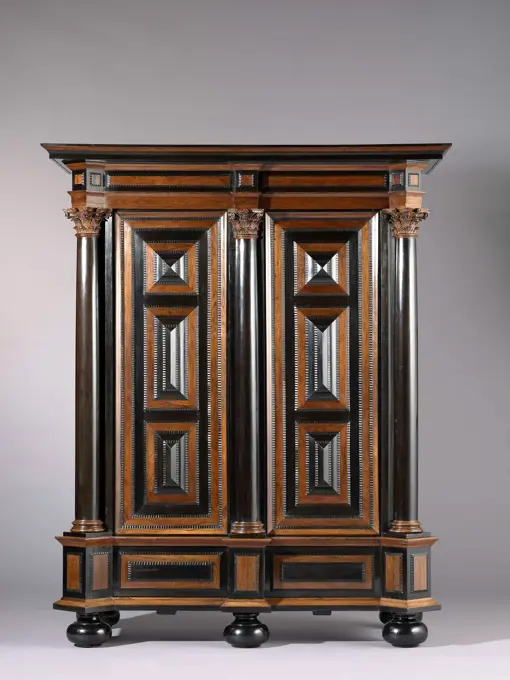
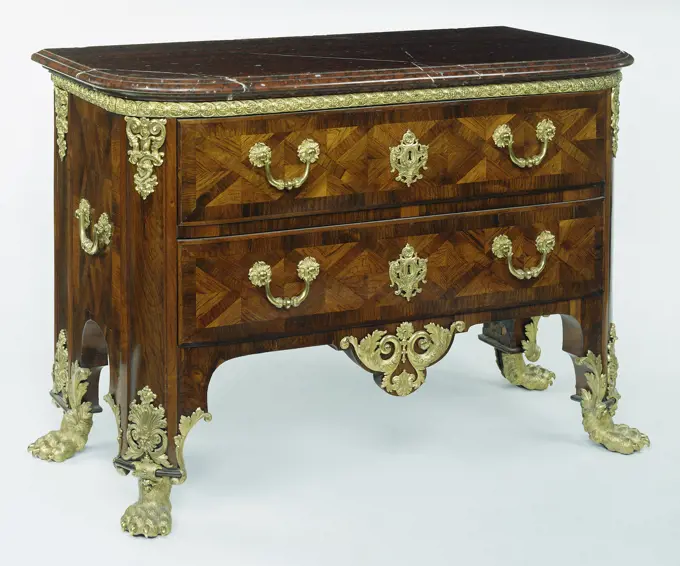
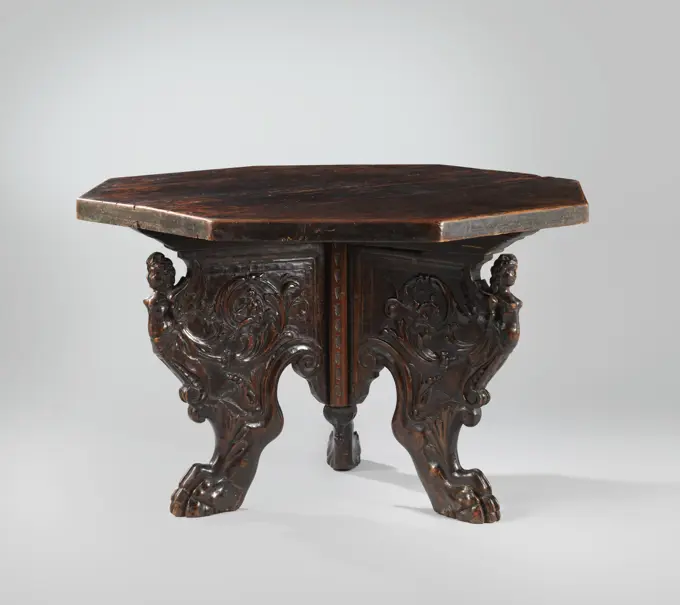
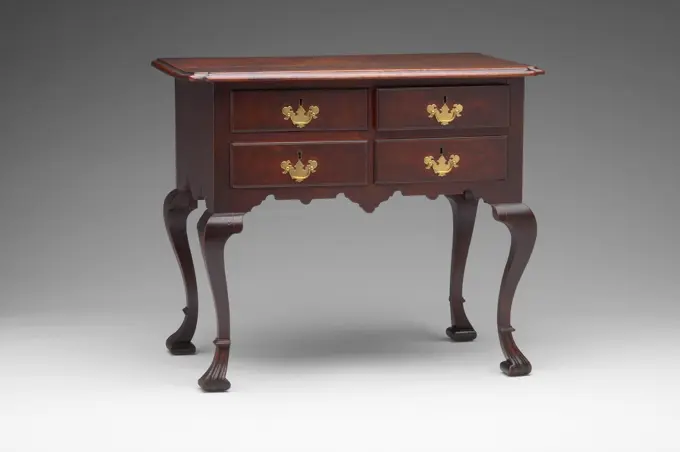
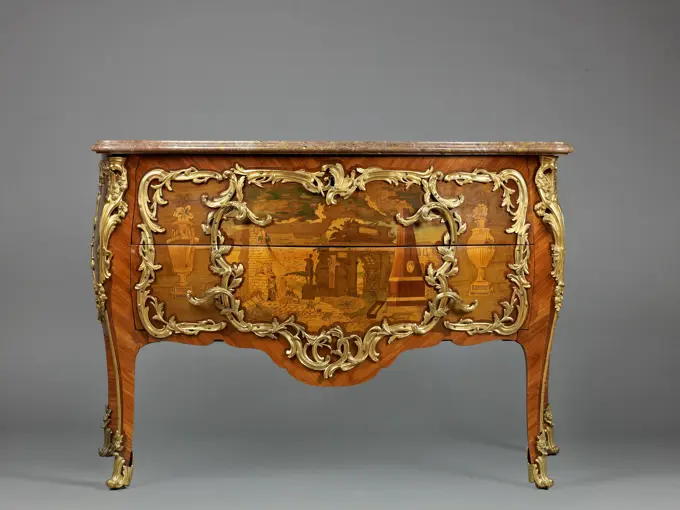
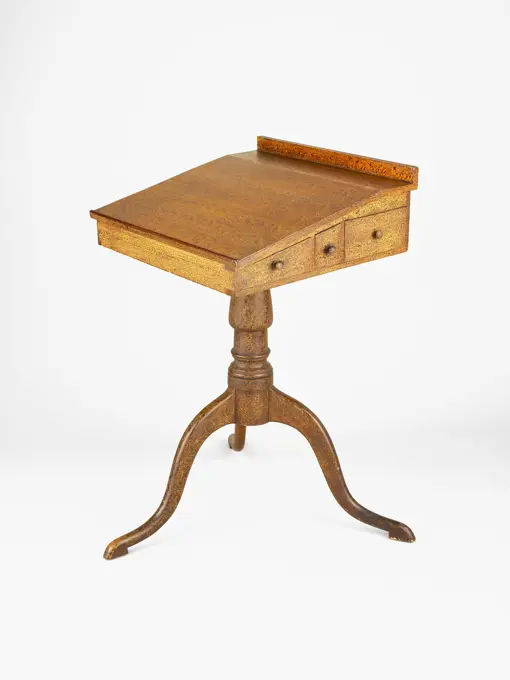
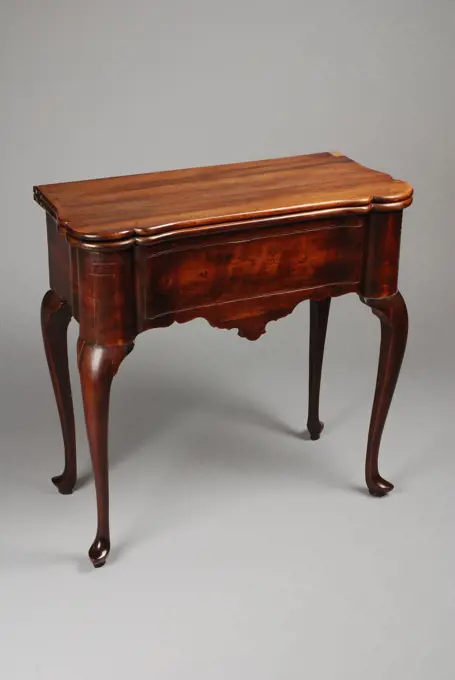
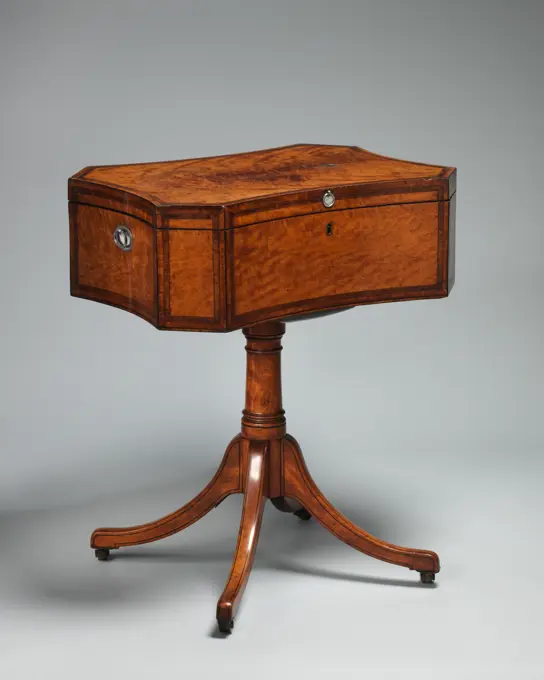
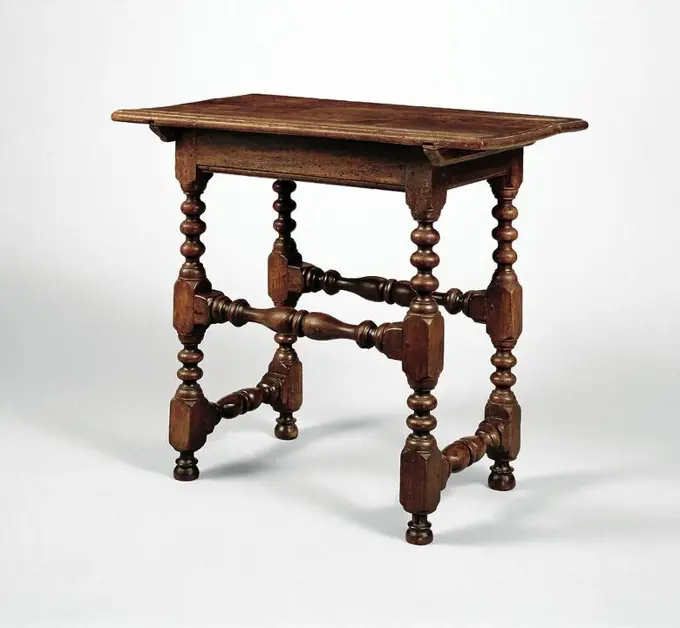
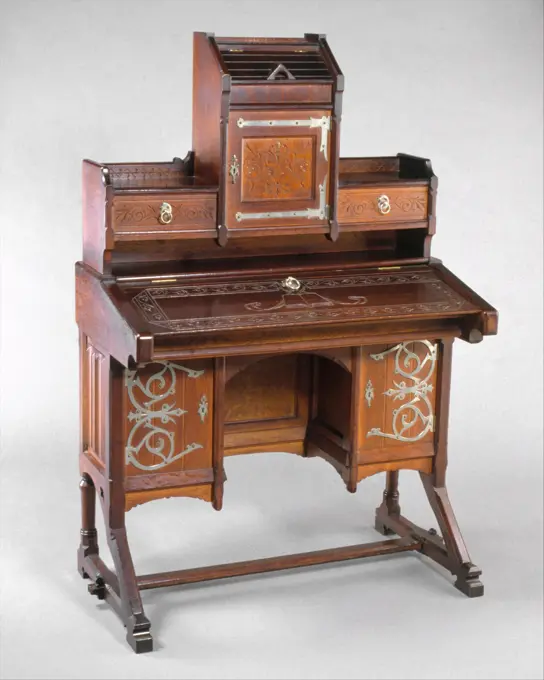
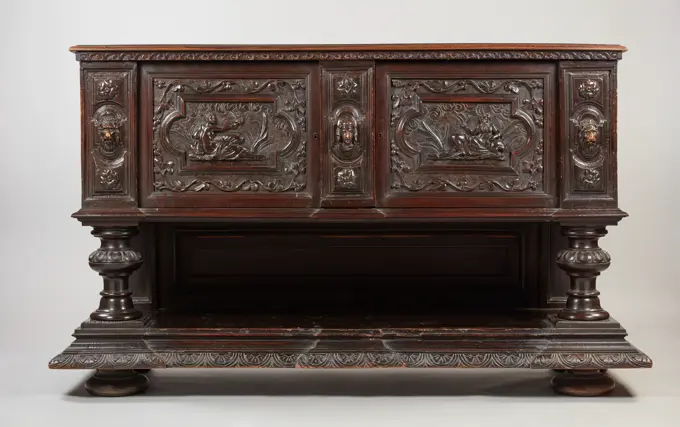
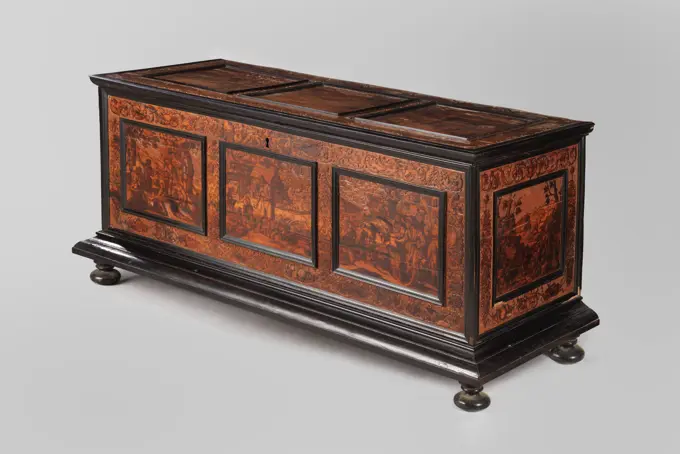
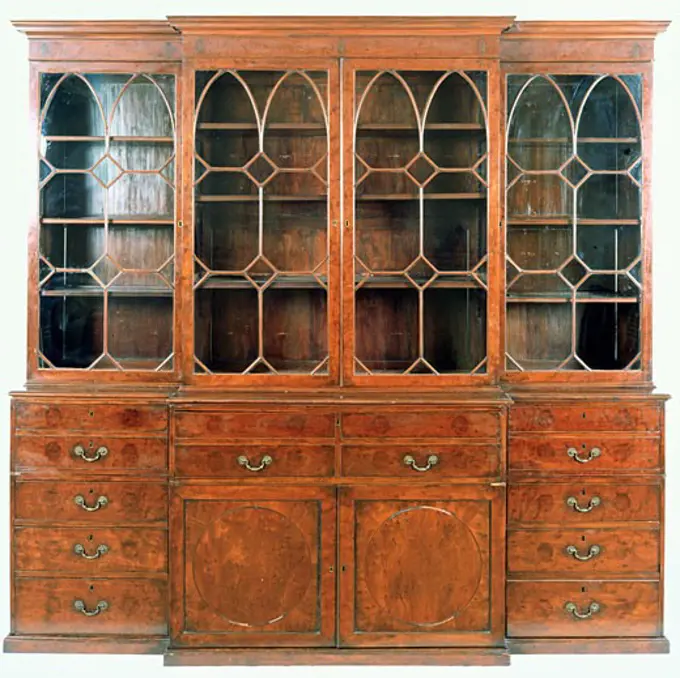
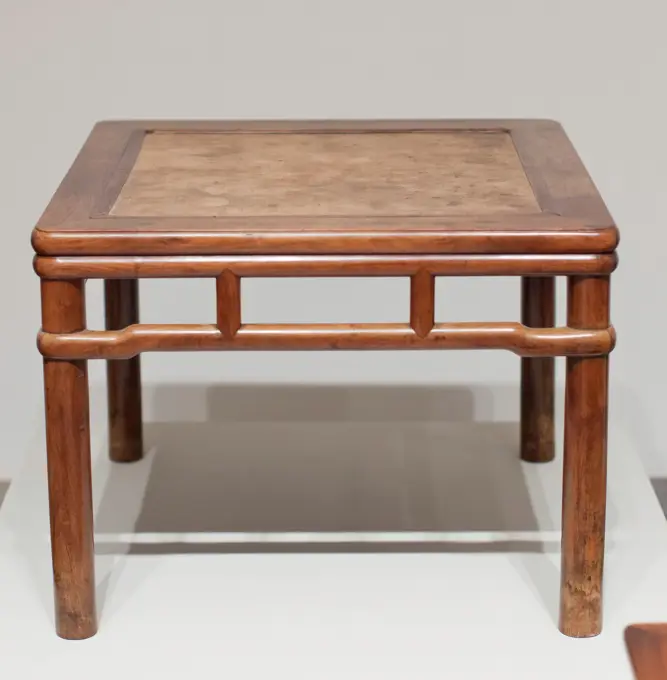
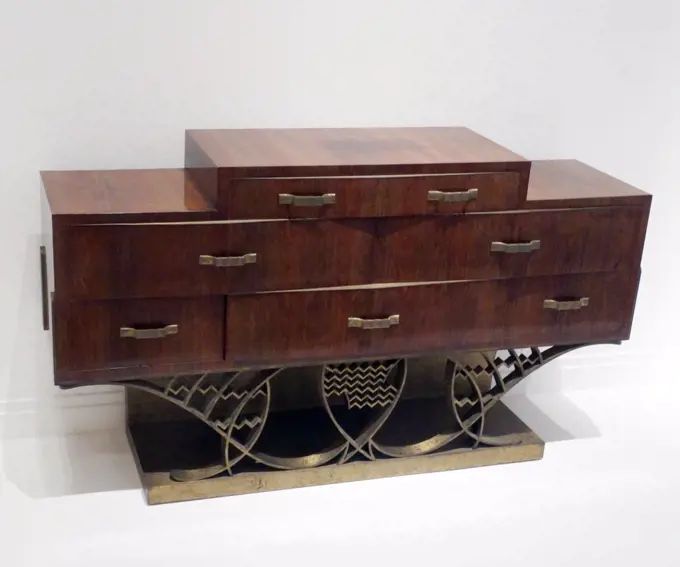
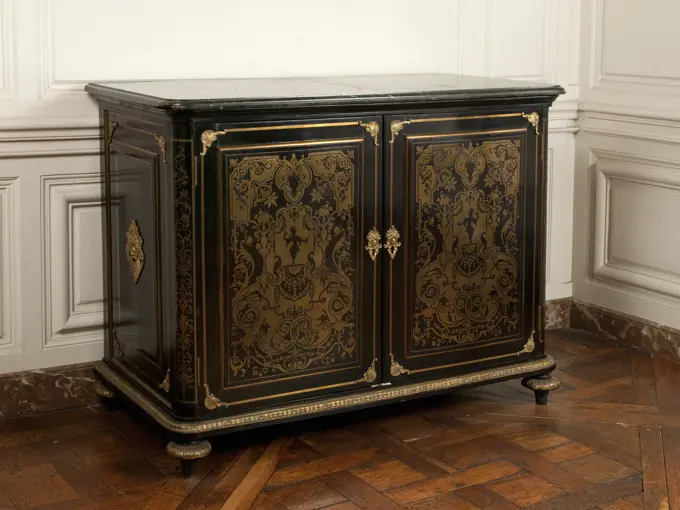
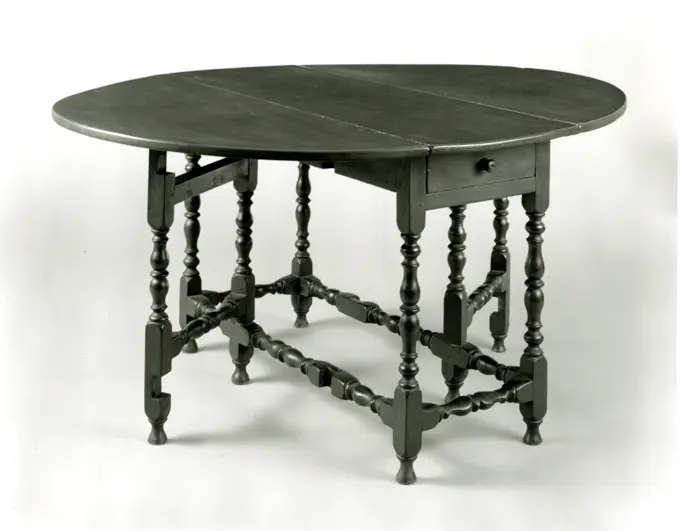
Sideboard. Dated: c. 1938. Dimensions: overall: 30.2 x 42.1 cm (11 7/8 x 16 9/16 in.) Original IAD Object: 37 1/2"high; 5'4"long; 25"deep. Medium: watercolor, colored pencil, gouache, and graphite on paperboard. Museum: National Gallery of Art, Washington DC. Author: Michael France.Kettle Stand 1810-20 Attributed to the Workshop of Duncan Phyfe Scottish. Kettle Stand. American. 1810-20. Mahogany, marble, tulip poplar, white pine. Made in New York, New York, United StatesUnknown, Serpentine Card Tables (pair), c. 1800, inlaid mahogany and birch.Chest. Dated: c. 1937. Dimensions: overall: 22.8 x 29.8 cm (9 x 11 3/4 in.) Original IAD Object: 24 1/2" high; 37 1/2" long; 20 1/4" deep. Medium: watercolor, pen and ink, gouache, and graphite on paperboard. Museum: National Gallery of Art, Washington DC. Author: Paul Farkas.Wine Tasting Table 1800-1899 Irish Republic. Mahogany and gilt metal .Chest 1670-90 Attributed to the Searle-Dennis shop tradition Chests stored clothes, linens, table coverings, and other household items. The most richly ornamented joined chests produced in North America during the seventeenth century are those attributed to the Ipswich joiners, William Searle (d. 1667) and Thomas Dennis (1638-1706). Both acquired their florid style as apprentices in County Devon, England. Characteristics of the Searle-Dennis school on this chest include S-scrolls on the stiles and lower rail, interlocking lunettes on the top rail, and low-relief carving on the front panels.. Chest 1989Prie-dieu mid-18th century possibly Flemish. Prie-dieu. possibly Flemish. mid-18th century. Oak. Woodwork-FurnitureSide table ca. 1735 British. Side table. British. ca. 1735. Walnut, burr walnut veneer, oak, brass handles. Woodwork-FurnitureHall cupboard (Schrank). unknown, creatorWall bench, resting on three consoles stabbed, ending in lion claws., Anonymous, 1600 - 1650 Oak wall bench resting on three roughly stabbed consoles, ending in lion claws. Northern Netherlands (possibly) wood (plant material). oak (wood). elm (wood) Oak wall bench resting on three roughly stabbed consoles, ending in lion claws. Northern Netherlands (possibly) wood (plant material). oak (wood). elm (wood)Card table ca. 1725 Dutch. Card table. Dutch. ca. 1725. Walnut, burr-walnut veneer, needlework. Woodwork-FurnitureDressing Table 1740-50 American A classic example of the Queen Anne style, this dressing table has cabriole legs that terminate in delicate slipper” feet and a carved shell that is fully integrated into the scrolls of the skirt.. Dressing Table 12652. Cabinet of Indonesian wood, resting on a base in walnut and with lock plate, hinges and corner pieces of carped copper. Copper handles with small copper plates are arranged on the sides. There are several drawers behind the two front doors, with copper tractors. The chassis has swapped legs, connected by one at the bottom, washed X-shaped cross, and resting on blackboat bulbs. The deck frame has been profiled.DressingTableFrank Wenger, Chest of Drawers, c 1939 Chest of DrawersAlvin M Gully, Lowboy, 1936 LowboyTable;  1. W. 19th century (1801-00-00-1825-00-00);Méyet, Leopold (1850-1912) - collection, gift (provenance)M Rosenshield von Paulin, Slate top Table, 1936 Slate-top TableCabinet Top Desk. Dated: 1941. Dimensions: overall: 57.6 x 46.3 cm (22 11/16 x 18 1/4 in.) Original IAD Object: 68 3/4"high; 30 1/2"wide; 23 1/4"deep. Medium: watercolor, colored pencil, and graphite on paperboard. Museum: National Gallery of Art, Washington DC. Author: Ferdinand Cartier.Cabinet with marquetery of flowers, birds, butterflies, mermaids and tritons with kinkgarens. Cabinet glued with walnut and decorated with marketary of nut, satin, rosewood, ebony and ivory on a pine corner. The furniture is divided into a top and bottom cupboard. The upper wardrobe exhibits two doors, on both sides of which five drawers, and above and below one. The lower case has two front doors. The drawers and doors are marketed with flowers, birds, butterflies, mermaids and tritons with clocks. In the upper horn in ivory the letters FVG and left in walnut the word grabant.TOCADOR DE LA EPOCA DE FERNANDO VII. Location: MUSEO DEL ROMANTICISMO-OBJETOS VARIOS. MADRID. SPAIN.Sienia wardrobe;  1670-1680 (1670-01-01-1680-12-31);Chest of drawers. unknown, creatorCommode ca. 1771-73 British Formerly at St. Gile's House, Dorset, this commode has been attributed to several London cabinetmakers, including Chippendale, but its maker remains unknown. The top, a modern replacement, was originally veneered with pictorial marquetry.. Commode. British. ca. 1771-73. Pine and oak veneered with satinwood, tulipwood, ash, thuya and other woods, ivory; gilt bronze. Woodwork-FurnitureChest 1685-1700 Attributed to the Searle-Dennis shop tradition Chests stored clothing, linens, table coverings, and other household items. The most richly ornamented joined chests produced in America during the seventeenth century are those attributed to the Ipswich joiners William Searle (d. 1667) and Thomas Dennis (1638-1706). Both acquired their florid style as apprentices in County Devon, England. This chest was originally designed with a lower drawer (here missing).. Chest 1988Chest. unknown, creatorMount of a Laffel. Three cheek slots, ending in claws. The cheekpies show a winged female figure on the knee, whose lower body finishes in a volute. From under her wings an embossed ranking is emerging, in which different fables. The claws end up in an acanthus sheet on the outside and a volute on the inside, between which a flower. With octagonal, unforeseen and unprofilated top (BK-15391-2).. Cabinet, Z.G. Pillow cabinet, glued with rosewood and ebony on an oak core. Freestanding corintean columns form the corner styles on the front. The middle style has half a column. Both doors are decorated with high cushions. The main frame and pedestal are decorated with cushion panels, as well as the sides. Against the rear wall quartz columns. The pedestal has two drawers. The furniture rests on three turned blackwood spheres. Inside four shelves.Commode; Paris, France; about 1710 - 1715; Fir and oak veneered with rosewood; drawers of walnut; gilt-bronze mounts; rouge griotte de Félines marble top; 85.1 x 121.9 x 56.8 cm (33 1,2 x 48 x 22 3,8 in.)Queen Anne spice box ca. 1750 American. Queen Anne spice box 653054DressingtableChest of drawers. Weiss, Jan Bogumił (fl. ca 1816), joinerChest of Drawers c 1800-1815 Portsmouth. The serpentine form of the faÁade, the contrasting birch veneer in bold geometric patterns, the central drop pendant, and the beautifully curved French feet make this chest of drawers an outstanding example of 19th-century Portsmouth furniture. The top and sides of this chest have split in several places due to the typical Portsmouth construction that utilized nails to anchor the top and sides firmly to the core structure, thus preventing the natural expansion and contraction of the wood during changes in humidity. The chest retains its original stamped-brass hardware.. Mahogany, birch, and white pine . Artist unknownOctagonal table top, anonymous, 1500 - 1600 Octagonal, unadorned and unprofiled leaf. Belongs to a chassis consisting of three cheek legs, ending in claws (BK-15391-1). Italy poplar (wood). walnut (hardwood) Octagonal, unadorned and unprofiled leaf. Belongs to a chassis consisting of three cheek legs, ending in claws (BK-15391-1). Italy poplar (wood). walnut (hardwood)M Rosenshield von Paulin, Lowboy, c 1938 LowboyCard Table. American; Chester, Vermont. Date: 1816-1830. Dimensions: 74.9 × 94 × 45.4 cm (closed lid) (29 1/2 × 37 × 17 7/8 in.). Cherry with Bird's-eye maple. Origin: Chester. Museum: The Chicago Art Institute, Chicago, USA.Tea Table. Dated: c. 1936. Dimensions: overall: 25.3 x 36.2 cm (9 15/16 x 14 1/4 in.) Original IAD Object: none given. Medium: watercolor, colored pencil, gouache, and graphite on paper. Museum: National Gallery of Art, Washington DC. Author: Henry Moore.DressingTableCorner cupboard. unknown, joinerDrawers and Mirror. Dated: 1935/1942. Dimensions: overall: 48.2 x 31.4 cm (19 x 12 3/8 in.) Original IAD Object: Chest of drawers: 33"high; 38"wide; 22"deep. Mirror: 37"h; 19"wide. Medium: watercolor, colored pencil, gouache, and graphite on paper. Museum: National Gallery of Art, Washington DC. Author: Juanita Lantz.Commode ca. 1765-70 Attributed to Léonard Boudin French This chest of drawers, veneered in marquetry and ornamented with gilt-bronze mounts, may be the work of the French cabinet-maker Pierre-Antoine Foullet. He was known for elaborate case pieces embellished with classical urns or floral ornament, and landscape scenes with architectural ruins. In the late 1760s Foullet often worked in collaboration with Leonard Boudin, who supplied him with furniture to be veneered.. Commode 460914Cupboard;  around 1620-1640 (1620-00-00-1640-00-00);Writing Stand c 1835-1870 New England. White pine and maple . Artist unknownWriting cabinet with mirror in the upper door; Front base cabinet with drawers is accolade -shaped., Anonymous, 1750 Writing cabinet with mirror glued with root nut wood on oak core. The front of the base cabinet, with three large and two small drawers, is sculpted in accolade; Above the schuingested writing sheet. The upper cupboard has a door with a mirror with a list scumed at the top; Below a pull -out sheet. The cornice sculpted on the sides consists of two bold C-volutes, with cartouche and shell as a middle part, and volutes on the corners. (Gilded) copper tractors and fittings. Northern Netherlands wood (plant material). looking glasses. amalgam. copper (metal) gilding Writing cabinet with mirror glued with root nut wood on oak core. The front of the base cabinet, with three large and two small drawers, is sculpted in accolade; Above the schuingested writing sheet. The upper cupboard has a door with a mirror with a list scumed at the top; Below a pull -out sheet. The cornice scClothing wardrobe (Armire);  horse. 18th century (1780-00-00-1800-00-00);Commode. Unknown maker, FrenchQueen Anne play table, playtable table furniture interior design wood brass oak, Queen Anne playtable with fold-out top and rear leg Below the bottom shelf there is storage space with several compartments turning the left rear leg backwards creates support for the blade the open leaf is very nicely finished with raised edge and polish Unknown tropical wood species Queen AnneSewingTable. Maker, attributed to: Johann Michael Jahn, American, born Germany, 1816-1883Chest of drawers. unknown, creatorChoir Stalls 15th century French During church services, clerics and monks sat facing one another in choir stalls, or benches, set perpendicular to the altar, behind a screen. Their hinged seats could be turned up, leaving small supports known as misericords (from the Latin misericordia, or mercy) upon which to rest during long periods of standing. Misericords commonly feature grotesque, imaginative, and even obscene figures. Some believe that such figures embodied the perils of the world, others that they reflect commentary on scripture and theology, yet others that they reflect the medieval sense of humor and love of the imaginary.. Choir Stalls. French. 15th century. Oak. Woodwork-FurnitureTambour Desk. Dated: c. 1936. Dimensions: overall: 30 x 22.6 cm (11 13/16 x 8 7/8 in.) Original IAD Object: 54 1/2"high; 38"wide, base; 20 1/2"deep, base. 11 1/8"deep, top.. Medium: watercolor, colored pencil, graphite, and some heightening on paperboard. Museum: National Gallery of Art, Washington DC. Author: Bernard Gussow.Teapoy with four oval tea caddies ca. 1790 British The word teapoy derives from the Hindu tepai, meaning "three-legged" or "three-footed" and refers to a small table or stand on a tripod support. These were used "in drawing rooms to prevent the company rising from their seats whilst taking refreshment," according to the Regency furniture designer George Smith (act. 1804-28) in A Collection of Designs for Household Furniture and Interior Decoration (1808). However, from about 1810 on, it came to signify a chest on a stand fitted with various compartments holding removable caddies for storing tea. Here, the names of the teas are engraved in silver medallions.. Teapoy with four oval tea caddies. British. ca. 1790. Satinwood veneer, inlaid with rosewood, holly and ebony. Woodwork-FurnitureTable. Culture: American. Dimensions: 29 x 31 3/4 x 19 in. (73.7 x 80.6 x 48.3 cm). Date: 1690-1720.The manner in which the top of this table is attached to its frame--by dovetailing cleats to the underside of the top and securing them to the end rails--is a northern European method of construction that is associated in American furniture primarily with craftsmen of Germanic background working in Pennsylvania. Museum: Metropolitan Museum of Art, New York, USA.Cupboard. unknown, authorOval Table with FallingLeavesSide table (one of a pair). Culture: British. Dimensions: Overall: 30 1/4 × 19 3/4 × 47 1/4 in. (76.8 × 50.2 × 120 cm). Date: ca. 1790. Museum: Metropolitan Museum of Art, New York, USA.Recessed-leg Table with Stone Top, 17th century, 31 3/8 x 32 7/16 x 16 in. (79.69 x 82.39 x 40.64 cm), Cypress, stone, China, 17th centurySatinwood and Mahogany Sideboard, 1907 (1908). Creator: Shirley Slocombe.Desk ca.1877 A. Kimbel and J. Cabus This desk embodies the Modern Gothic style prescribed by English and American design reformers beginning in the late 1860s. The firm of A. Kimbel & J. Cabus worked extensively in this mode throughout the 1870s, incorporating such Gothic elements as pointed gables, trestle feet, incised linear decoration, and elaborate strap hinges into a large stock of furniture displayed in their showrooms at 7 and 9 East Twentieth Street. No doubt much of their work was inspired by the design philosophy of Charles Locke Eastlake (1836-1906), who would have approved of the choice of oak, which he considered "by far the best wood to be used for both appearance and durability." Mounted on a trestle base with stiff, diagonal front legs and mortise-and-tenon construction, it bears medieval-style ornamentation of shallow incising, nickel-plated hardware, carved linen-fold panels, and chamfered edges. The projecting shelf opens to become the writing surface, which retainsHigh Chest of Drawers. Attributed to John Goddard; American, 1723-1785. Date: 1755-1785. Dimensions: 219.4 × 101.6 × 54.6 cm (86 3/8 × 40 × 21 1/2 in.). Mahogany with chestnut and white pine. Origin: Newport. Museum: The Chicago Art Institute, Chicago, USA.Tafel, Charles Marie Cochois, 1750 Table decorated with marqueterie of pink, rosewood, olijve and other woods on oak core, with gilded bronze batter. The overhoeks placed legs carry fittings with rocaille motifs. The front is inside, the rear bent out; Both with rocaille motif. The scalloped sides have a drawer with key plate; Under the leaf, on which a gallery on three side, is a flat drawer. The rules wear flower marqueterie. Here and there deposits by bronze edges. France wood (plant material). oak (wood). rosewood (wood). purpleheart (wood). olive (wood). bronze (metal) gilding Table decorated with marqueterie of pink, rosewood, olijve and other woods on oak core, with gilded bronze batter. The overhoeks placed legs carry fittings with rocaille motifs. The front is inside, the rear bent out; Both with rocaille motif. The scalloped sides have a drawer with key plate; Under the leaf, on which a gallery on three side, is a flat drawer. The rules wear flower marqueterie. Here and thereDressing Table 1780-1810 American. Dressing Table. American. 1780-1810. Mahogany, tulip poplar. Made in Lancaster County, Pennsylvania, United StatesChest ofDrawersChest. unknown, creatorSideTableChest 1640-80 American. Chest 1994Cardtable.   Maker: Joseph Rawson and Son, active 1808-26Bahut Renaissance. Carved wood. House of Victor Hugo - Hauteville House.Corn Van Kornoeljehout, Anonymous, 1650 - 1700 Corn van Kornoeljehout, resting on the front on candidly wooden ball legs and glued with ebony on oak core. On the front, side and upper sides there are fields within ebbenhouts with performances, with pen and thick ink drawn, from the Old Testament, around which festons, flowers and acanthus vranks, on the front board combined with hunting scenes. Allegorical figures are grouped around the keyhole. As a background with the shows deepened soil with equestrian. Germany (possibly) wood (plant material). oak (wood). ebony (wood). dogwood (wood). ink Corn van Kornoeljehout, resting on the front on candidly wooden ball legs and glued with ebony on oak core. On the front, side and upper sides there are fields within ebbenhouts with performances, with pen and thick ink drawn, from the Old Testament, around which festons, flowers and acanthus vranks, on the front board combined with hunting scenes. Allegorical figures are grouped around the keyholGeorgian mahogany breakfront antiquesMeditation Stool, 17th century, 20-15/16 x 27-1/2 x 27-1/2 in. (53.2 x 69.9 x 69.9 cm), Huang-hua-li hardwood, China, 17th century, Meditation platforms evolved from Chinese antiquity as honorary seats of rulers, sages, and important members of society. The importation of Buddhism in the second century, with its focus on meditation, created a new demand for wide, elevated platforms that could accommodate a person seated in the meditative lotus position.. Closet of oak, consisting of a single-door stove and a two-door board. The corner styles wear Tuscan pilasters. The panels of the doors are decorated with a chain ornament and acanthus leaf inside profiled tables. The main frame has a stung fries with fruit shell, flanked by acanthus drinks. The panels from the sides are unfromed.Display cabinet (Vitrine). unknown, creatorChest-On-Chest. Dated: c. 1938. Dimensions: overall: 36.5 x 30 cm (14 3/8 x 11 13/16 in.) Original IAD Object: none given. Medium: watercolor, colored pencil, graphite and pen and ink on paperboard. Museum: National Gallery of Art, Washington DC. Author: ARTHUR JOHNSON.Medal cabinet 1760-61 Attributed to William Vile British This medal cabinet, with 135 shallow drawers that can accommodate more than six thousand coins and medals, is one of two cabinets that probably formed the end sections of a larger piece of furniture, called His Majesty's Grand Medal Case. (Its mate is in the Victoria and Albert Museum, London.) The pair appears to have been commissioned by the future George III; the door of the top section is carved with the star of the Order of the Garter, to which the Prince of Wales had been elected in 1750. Originally the cabinets rested on open stands. William Vile made alterations to both cabinets, the most extensive of which was the filling in of the space between the legs. Listen to experts illuminate this artwork's story Listen Play or pause #2142. Cabinet, Coin Play or pause #412. The Hanoverians and the Return of Royal Patronage Supported by Bloomberg Philanthropies We're sorry, the transcript for this audio track is not available at tChest. American; New England, possibly Connecticut. Date: 1825-1835. Dimensions: 57.2 × 111.7 × 45.7 cm (22 1/2 × 44 × 18 in.). Painted white pine and oak. Origin: New England. Museum: The Chicago Art Institute, Chicago, USA.Commode with drawers set on a latticed bronze base, 1933, by Eugène Printz, (1889 - 1948); self-taught French cabinetmaker and decoratorCorner Cupboard (encoignure).Chest. Dated: c. 1938. Dimensions: overall: 29.9 x 36.9 cm (11 3/4 x 14 1/2 in.) Original IAD Object: 26"x15 1/2"x28". Medium: watercolor, colored pencil, graphite, and heightening on paperboard. Museum: National Gallery of Art, Washington DC. Author: Margery Parish.Court cupboard ca. 1600 British. Court cupboard. British. ca. 1600. Walnut. Woodwork-FurnitureJosephine Prado, Show Case, c 1941 Show CaseCenter Table Base. UnknownToilet Table. Attributed to Jean-François Leleu (French, 1729 - 1807, master 1764)Desk. unknown, authorTrestle Table. Culture: American. Dimensions: 26 1/2 x 27 1/2 x 20 in. (67.3 x 69.9 x 50.8 cm). Date: 1700-1725. Museum: Metropolitan Museum of Art, New York, USA.High chest ofdrawers. Maker, probably by: Eliphalet Chapin, American, 1741-1807Sideboard with two shelves and loading above it with black piping, anonymous, c. 1900 - c. 1925 Sideboard made of fruit wood. The hexagonal sideboard has beveled corners at the front rest on six high legs at each corner. The twisted legs, with a brass cover at the bottom, broaden upwards and have a black painted band at the top. Five sides, except the rear, consist of a framework with a panel surrounded by a black painted piping. The front contains two shelves above each other with two drawers next to each other. The edges of the drawers are surrounded by a black painted piping and contain brass rings as handles. On the top of the dresser a gray -veined marble leaf is laid in.  fruitwood. oak (wood). marble (rock). brass (alloy) Sideboard made of fruit wood. The hexagonal sideboard has beveled corners at the front rest on six high legs at each corner. The twisted legs, with a brass cover at the bottom, broaden upwards and have a black painted band at the top. Five sides, except the reaDesk. Dated: c. 1937. Dimensions: overall: 30.2 x 22.6 cm (11 7/8 x 8 7/8 in.) Original IAD Object: 40"high; 30"long; 18 1/2"wide. Medium: watercolor, colored pencil, graphite, and heightening on paperboard. Museum: National Gallery of Art, Washington DC. Author: Charles Squires.English oak table bench, table bench furniture furniture interior design oak wood h 81.0, By placing the table top upright, bench is cut on the seat and above the backrest.Chippendale Secretary. Dated: c. 1939. Dimensions: overall: 50.3 x 40.1 cm (19 13/16 x 15 13/16 in.) Original IAD Object: 8'7"high; 25"deep. See data sheet for dets.. Medium: watercolor, colored pencil, gouache, pen and ink, and graphite on paperboard. Museum: National Gallery of Art, Washington DC. Author: Amos C. Brinton.Writing table ca. 1760-65 Joseph Baumhauer French. Writing table 460642. Table of oak and mahogany with round tabletop on three low feet with a ther-armed star with a wavy edge on the bottom. On this therose star, three walls resting and protruding and protruding along the table top. The walls in sculpted masks end up at the table top. In the center of the table, the three walls are interconnected by two rings placed above each other.Louis Seize wall cupplate, wall cupboard cupboard furniture furniture interior design wood rosewood purple heart wood violet wood elmwood brass, Curved front in which venetian blind and drawer brass batter veneered with exotic woods Louis XVI Louis XVI Louis SeizeRobert Pohle, Console Table, 1937 Console TableSupport furniture opening with two leaves ". Ebony plating, marquetry Boulle. Paris, Carnavalet museum. 72593-18 Bronze Dore, two leaves, genus Boulle, marble portor Italy, marquetry, furniture, ornament, ebene plating, furnitureDressing table. Tichy, Karol (1871-1939), designer, Sydor, Andrzej (fl. ca 1909), joinerDrop-leaf Table 1700-1730 American. Drop-leaf Table 3905Writing and Toilette Table. Jean-François Oeben (French, born Germany, 1721 - 1763, master 1761)Chest. Dated: 1936. Dimensions: overall: 22.7 x 29.7 cm (8 15/16 x 11 11/16 in.) Original IAD Object: 2'9"high; 3'10 3/4"wide; 20"deep. Medium: watercolor, colored pencil, pen and ink, and some heightening on paperboard. Museum: National Gallery of Art, Washington DC. Author: John Dieterich.. Buffet with the rebellion of Coromandelwood inlaid with walnut, ivory and brass, oak blind work, with two drawers above four doors and in the corner styles two smaller drawers. Decorated with letter panels and with gothic and other decorative motives. In the rebellion, the cut monogram DVS for mr. Th.G. Dentz from Schaick.