Terracotta Bowls from Asia

A selection of antique terracotta bowls from various Asian cultures, showcasing unique shapes, colors, and historical significance in ceramic art.

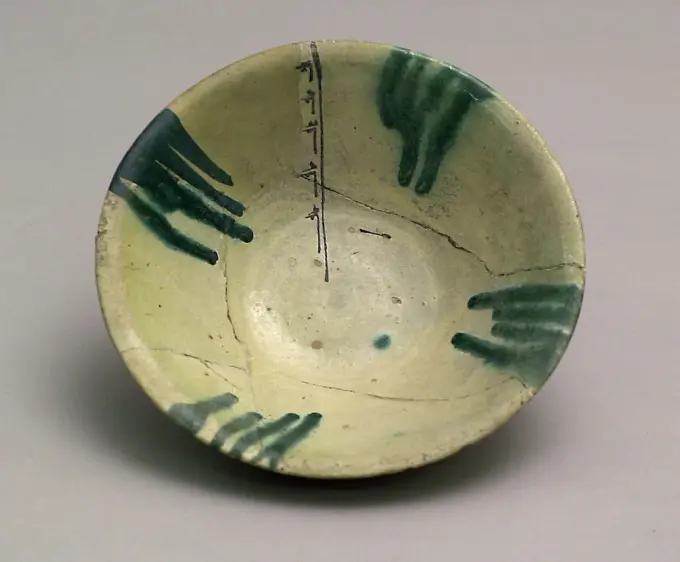
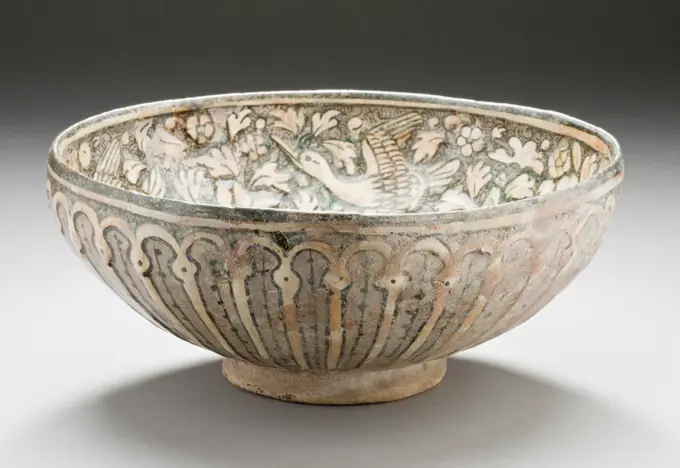
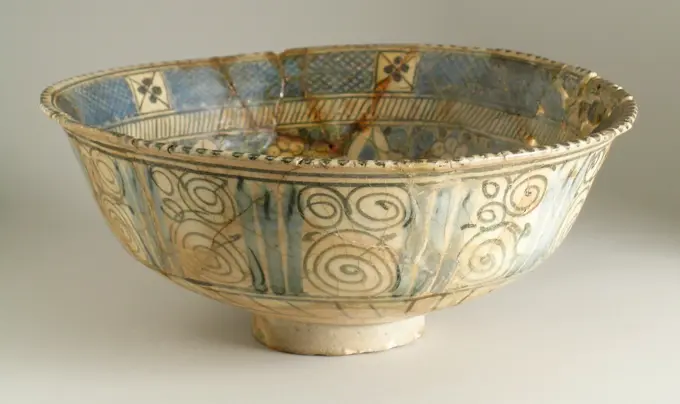
Bowl with a bird and a border with a pseudo-inscription, anonymous, c. 900 - c. 999 Come from earthenware decorated with brown -black sludge decoration on a white sludge engobe. On the bottom a bird and on the inner wall a tire of pseudo-script. Nishapur earthenware. glaze painting / vitrification Come from earthenware decorated with brown -black sludge decoration on a white sludge engobe. On the bottom a bird and on the inner wall a tire of pseudo-script. Nishapur earthenware. glaze painting / vitrification
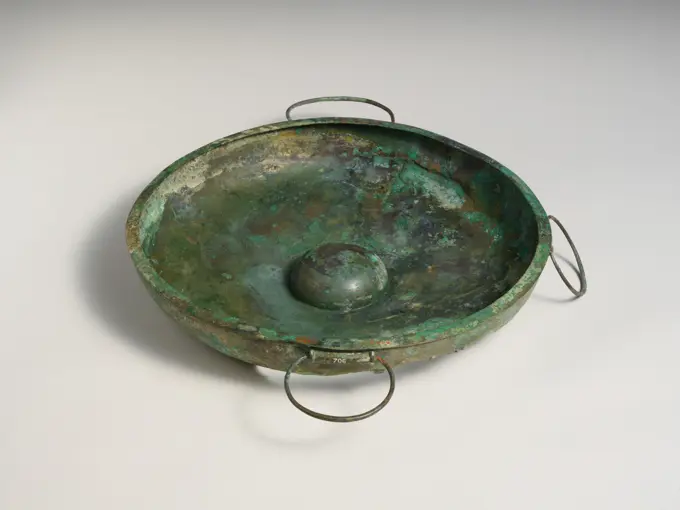
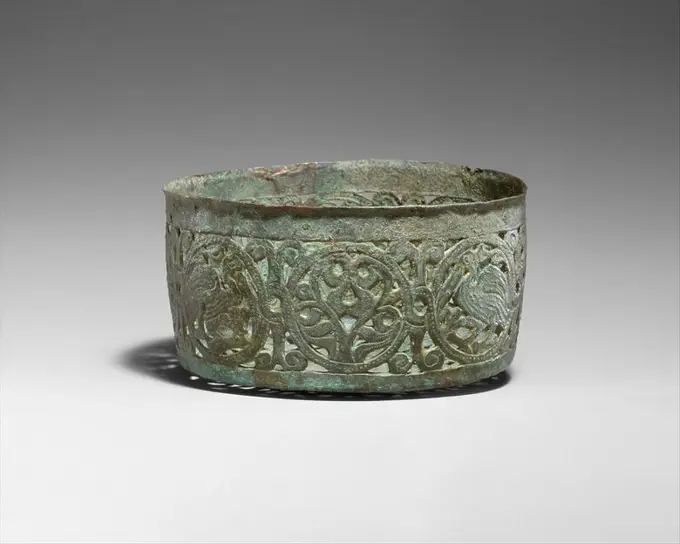
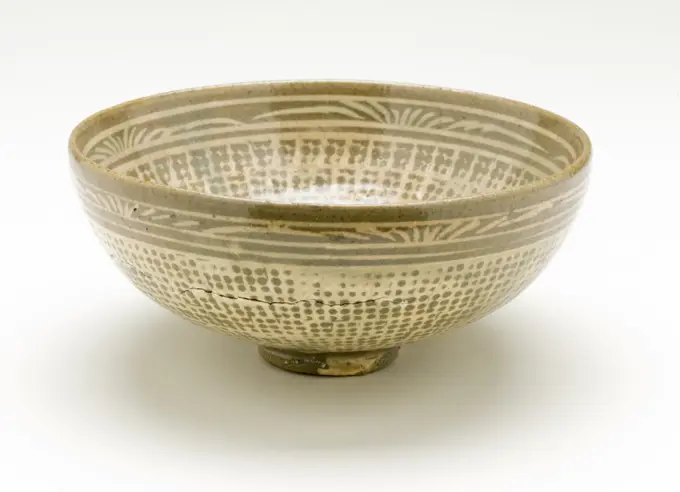
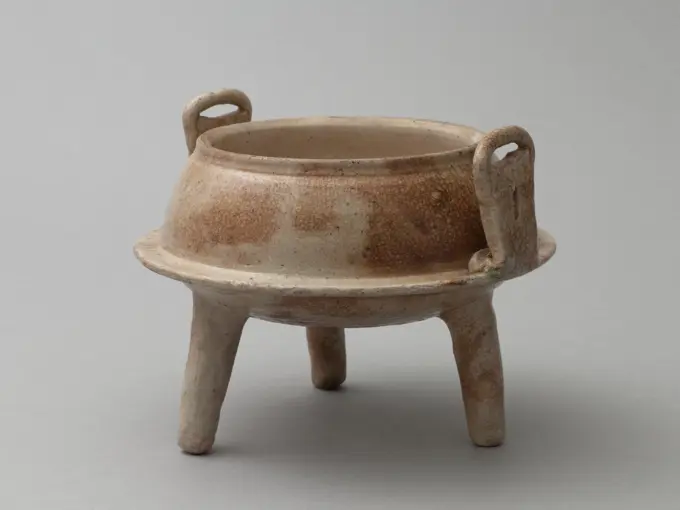
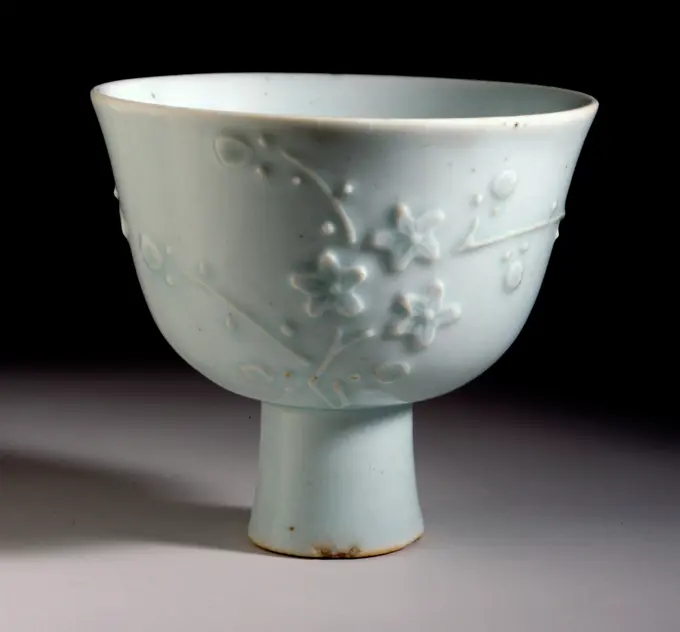
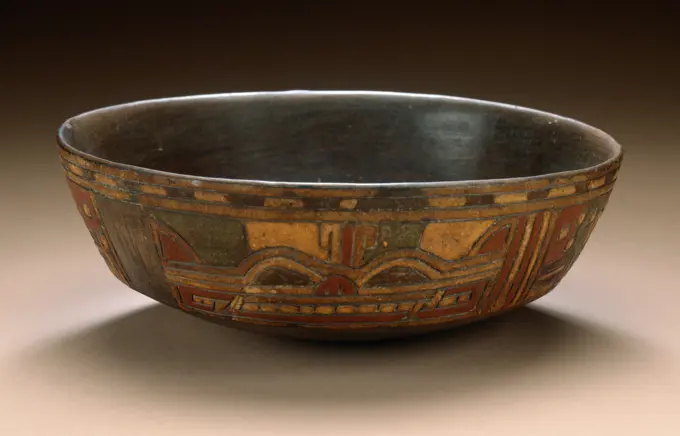
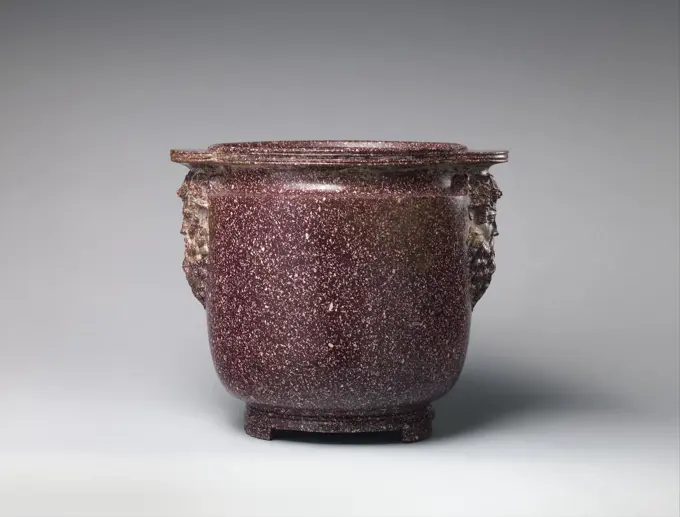
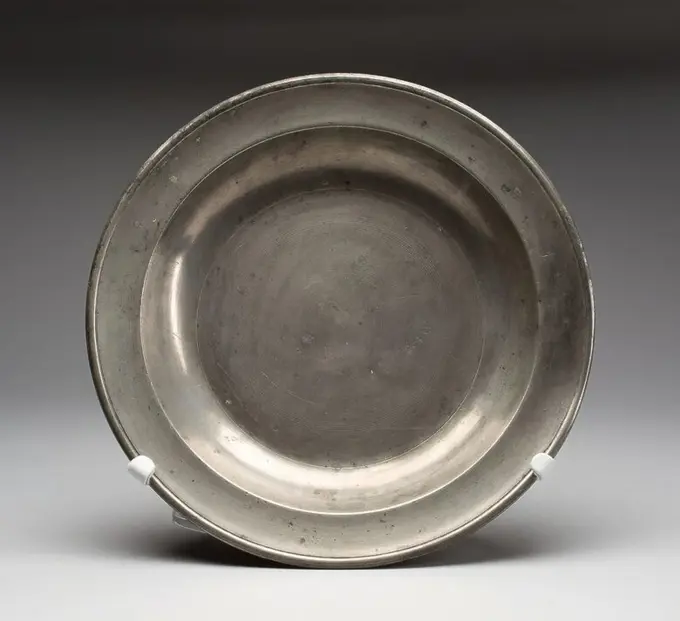
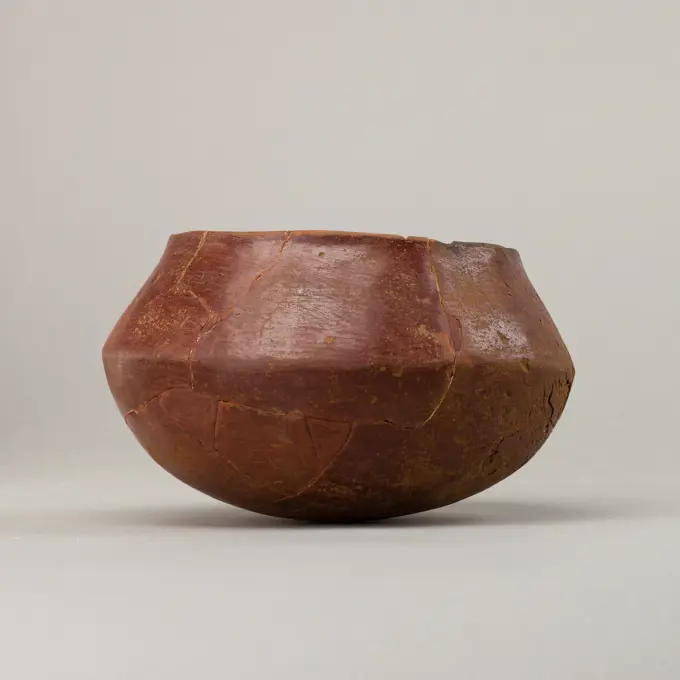
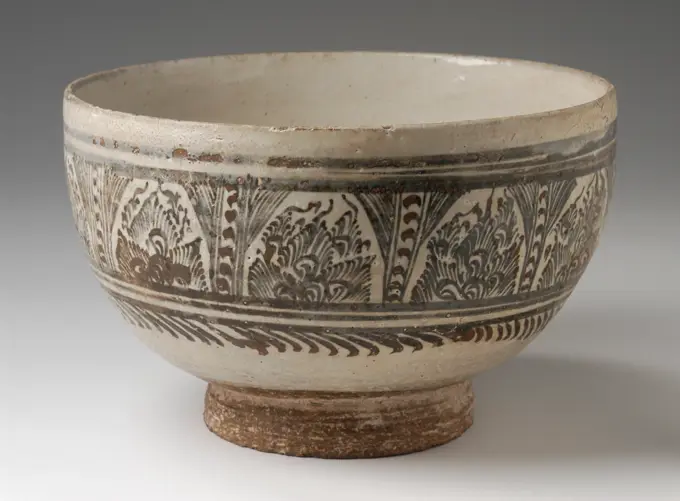
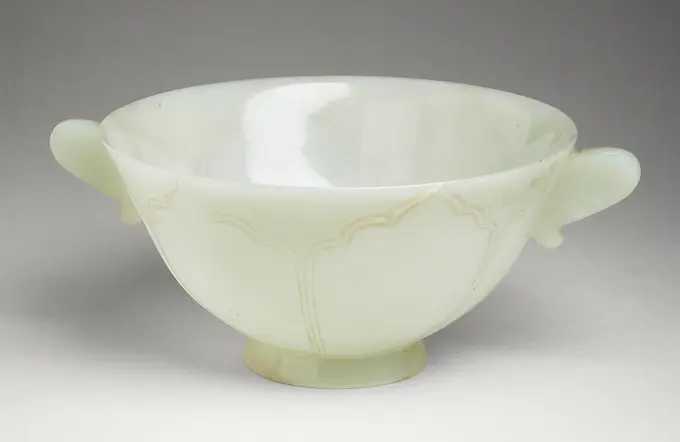
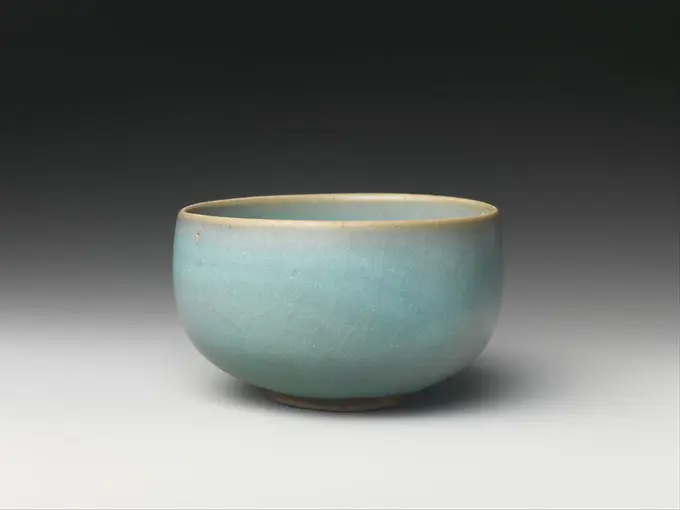
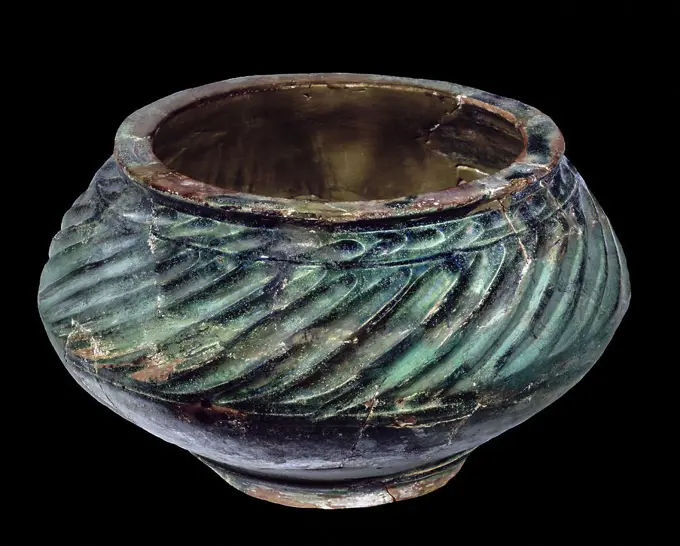
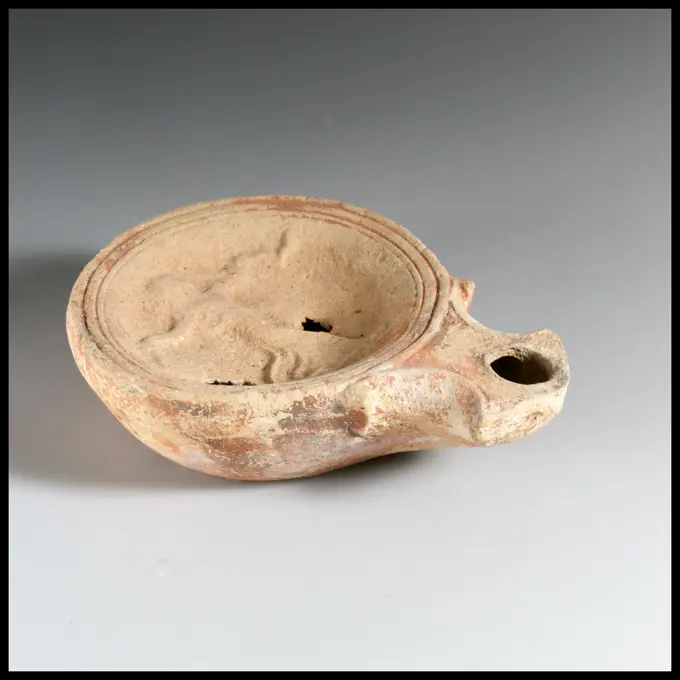
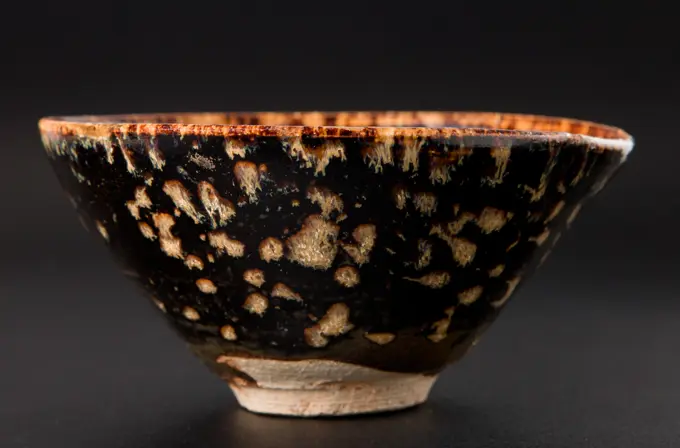
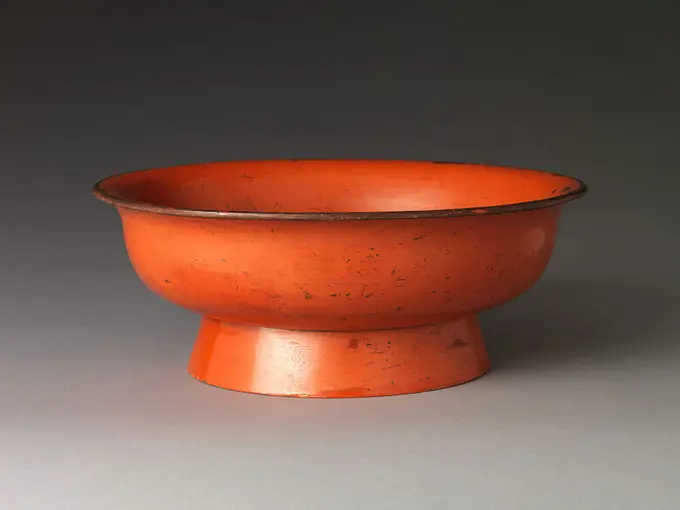
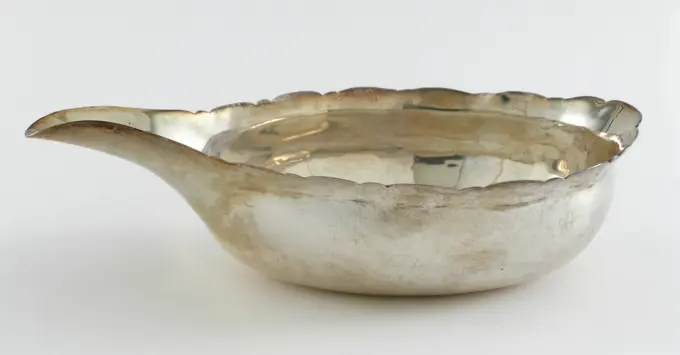
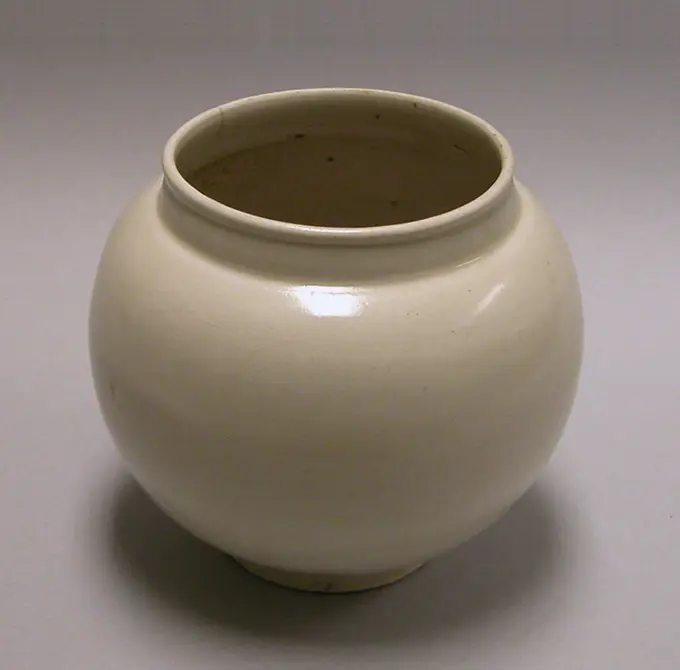
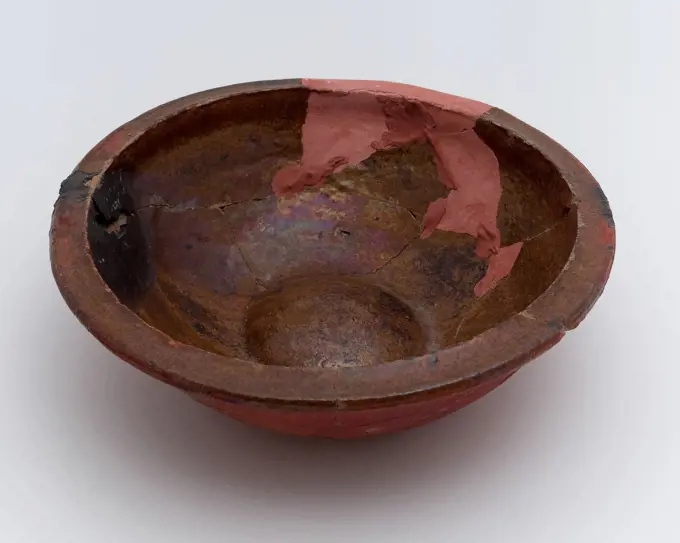
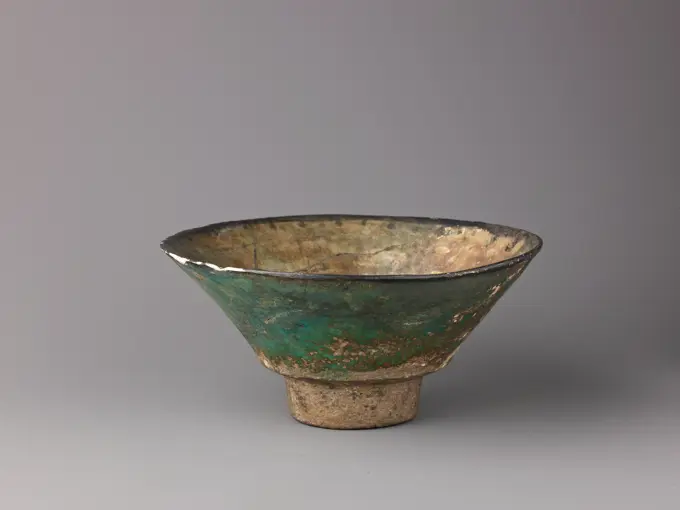
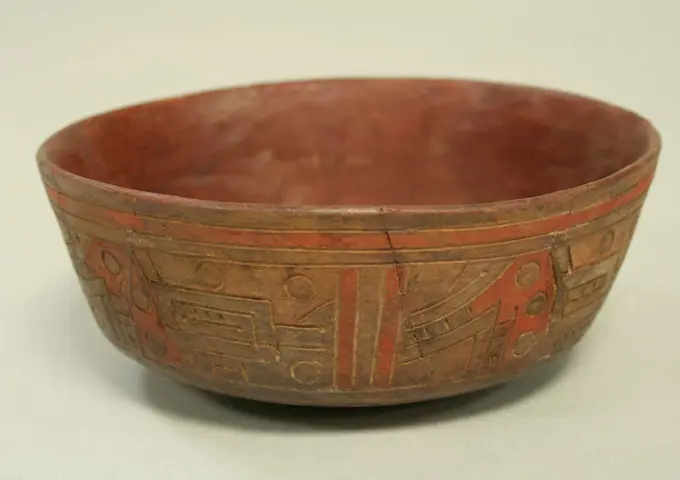
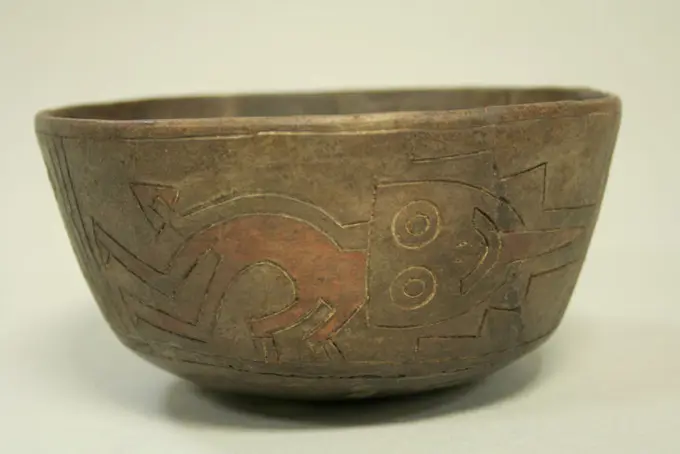
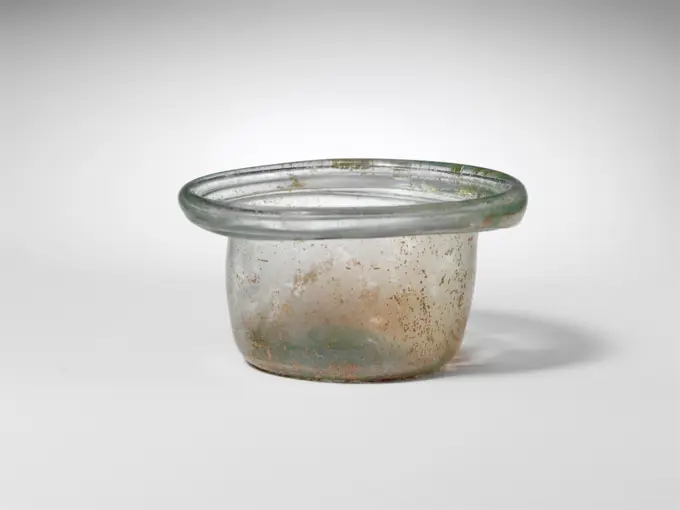
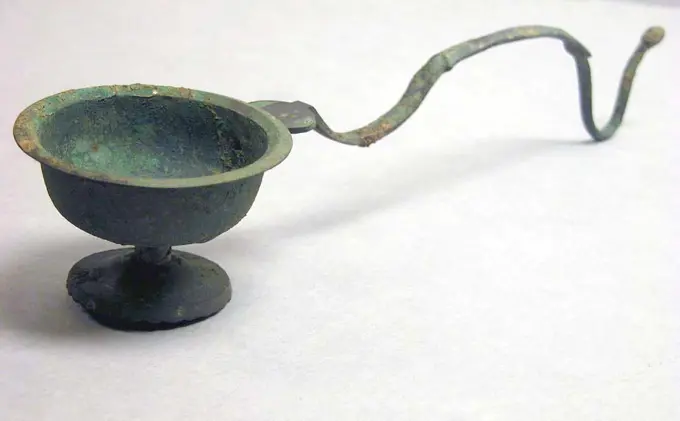
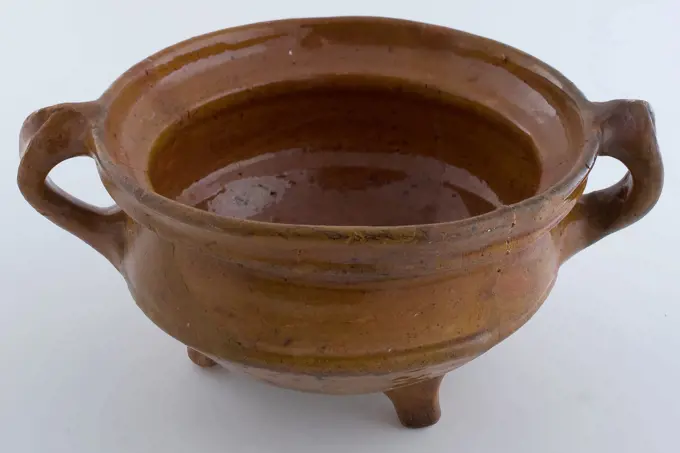
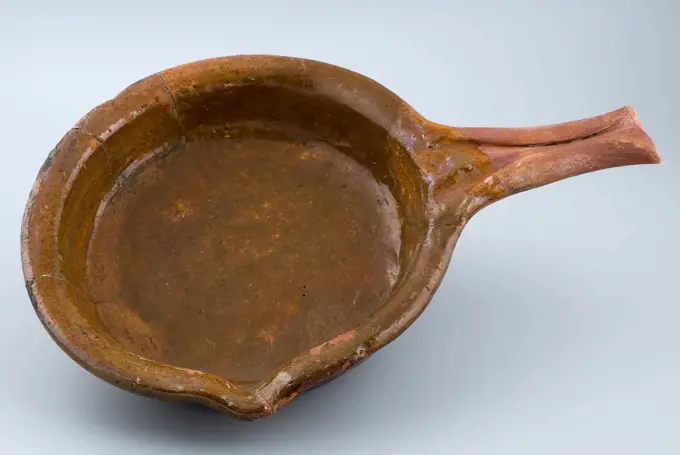
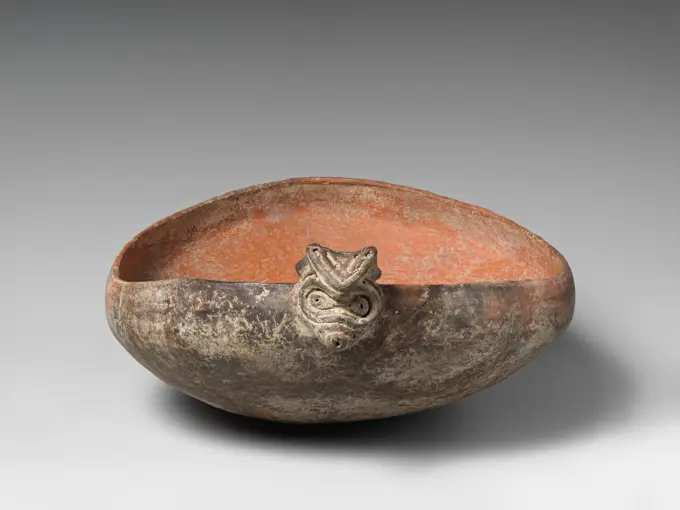
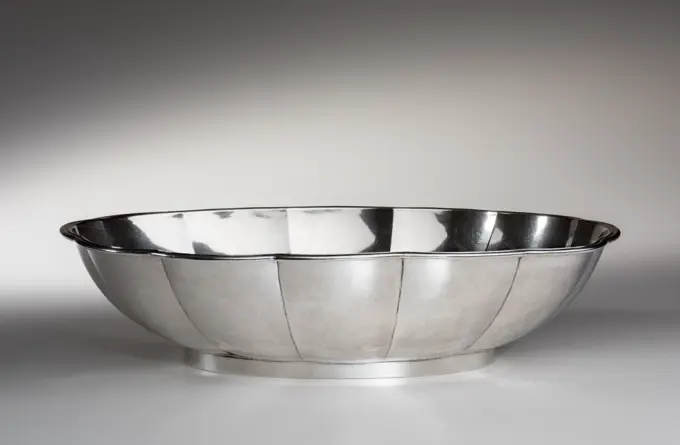
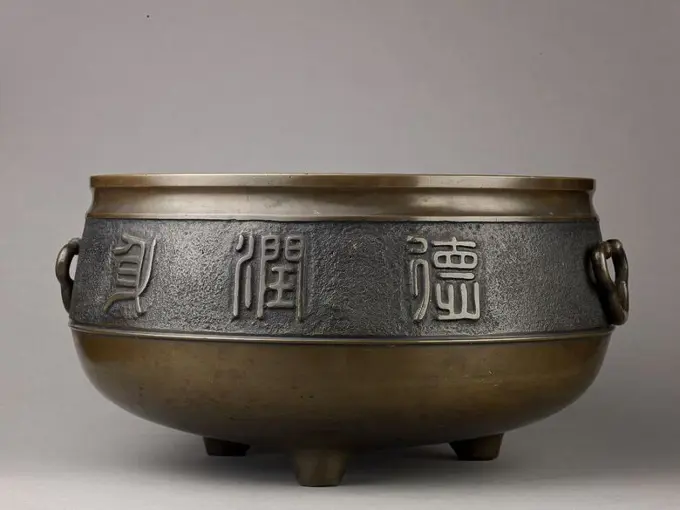
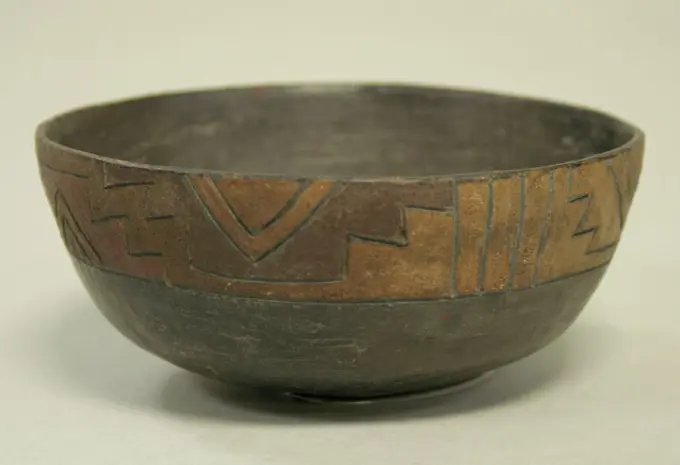
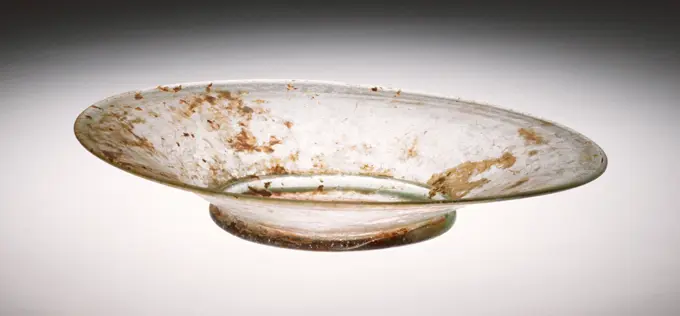
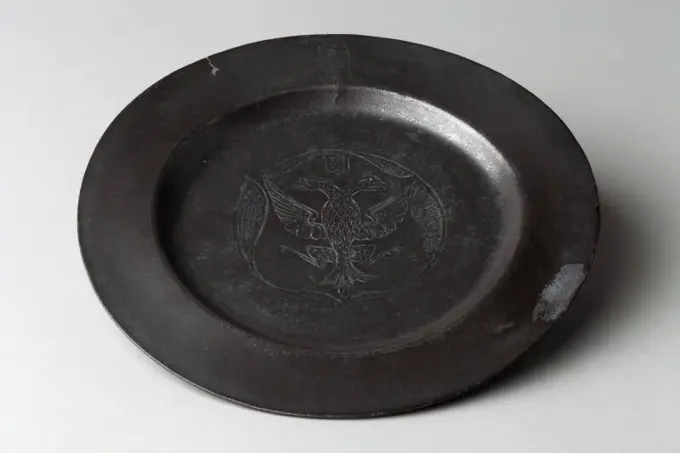
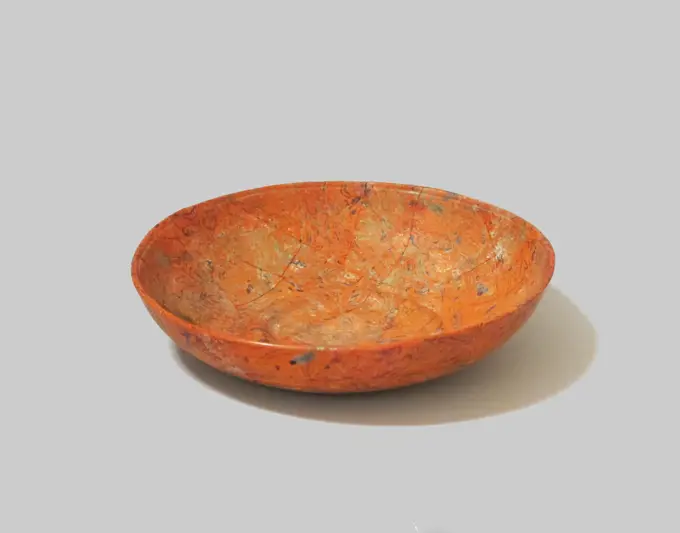
Dish China. Dish 60632Bowl with Stamped Lotus Design. Korea, Joseon dynasty (1392-1910), 15th-early 16th century. Furnishings; Serviceware. Buncheong ware: Wheel-thrown stoneware with stamped, incised and slip-filled decoration and pale green glazeTripod pot. White sandstone with covered. Janse, Lach Truong, burial 6, n ° 13. Epoque by Giao Chi (1st century BC - Tenth century AD). Paris, Cernuschi museum. 59237-5 Anse, Vietnamese art, covered, Lach Truong culture, Giao Chi, excavation Janse, white Gres, Marmitte Tripode, n ° 13, foot, container, Sepulture 6Cup with Plum Flower Design in ReliefBowl 9th-10th century. Bowl. 9th-10th century. Earthenware; molded decoration, white opaque tin glaze. Excavated in Iran, Nishapur. Attributed to Iran, Nishapur. CeramicsBowl. American; Pennsylvania. Date: 1810-1850. Dimensions: H. 38 cm (1 3/4 in.). Earthenware. Origin: Pennsylvania. Museum: The Chicago Art Institute, Chicago, USA.SkyphosTerracotta oil lamp 2nd century A.D. Roman Mold-made. Large, deep body, with ring handle. Large discus: indistinct wreath, with a single central filling hole, and a single raised band around edge; horizontal shoulder: impressed ovules around inner edge; round nozzle. Broad, raised base ring, and broad, flat base.Intact.. Terracotta oil lamp 241507Bowl. Culture: Mexican. Dimensions: Diam. 13 1/4 in. (33.7 cm). Date: ca. 1840. Museum: Metropolitan Museum of Art, New York, USA.Lazio Roma Rome SS. Giovanni e Paolo, Museum17. Hutzel, Max 1960-1990 Medieval: Ceramic fragments, sculptural fragments, fresco fragments, inscribed tomb markers. Houses one of the best collections of Malagan medieval ceramics for casting wall monuments, copies of which are housed in campanile. Specific Location: Museum Antiquities: Ceramic fragments, sculptural fragments, architectural fragments Object Notes: Basilica has separate record and is filed separately. German-born photographer and scholar Max Hutzel (1911-1988) photographed in Italy from the early 1960s until his death. The result of this project, referred to by Hutzel as Foto Arte Minore, is thorough documentation of art historical development in Italy up to the 18th century, including objects of the Etruscans and the Romans, as well as early Medieval, Romanesque, Gothic, Renaissance and Baroque monuments. Images are organized by geographic region in Italy, then by province, city, site complex and monument.Basin. unknown, craftsmanBowl with Feline Motif. Peru, South Coast, Paracas, Ica Valley, Paracas, 800-100 BCE. Ceramics. Ceramic, incised and resin paintedCovered Box. Thailand, Sawankhalok, 16th century. Furnishings; Accessories. Stoneware with cream slip and underglaze black painted decorationAnonymous, Bol (usual name), 1100. CERUNUSCHI museum, Museum of Arts in Asia in the city of Paris.Porphyry vessel with bearded masks ca. late 1st century B.C.early 2nd century A.D. Roman Porphyry vessel shaped like a situla but without the two handles above.Outsplayed rim, with molding decoration and one groove on interior shoulder below rim; low neck with concave profile; narrow shoulder, sloping downwards; cylindrical body with side curving in at bottom; low base with molding decoration and three curving feet around bottom edge; flat bottom with raised central disk; two horizontal ear-shaped handles; below each handle, a Silenus mask. Each Silenus wears a wreath with leaves and berries and a fillet across his forehead; he has pointed ears, projecting forwards, a broad nose, a bushy moustache, parted lips, and long, flowing beard with drilling between the wavy locks.In antiquity, porphyry was highly regarded as a royal stone, because its color was associated with the regal and, in Roman times, imperial use of purple to symbolize rank and authority. Since the stone is very hard, mCharger. Thomas Danforth III; American, 1756-1840; Philadelphia, Pennsylvania. Date: 1807-1811. Dimensions: 3.8 × 29.2 cm (1 1/2 × 11 1/2 in.). Pewter. Origin: Philadelphia. Museum: The Chicago Art Institute, Chicago, USA.Red polished ware bowl ca. 3850-2960 B.C. Predynastic Period. Red polished ware bowl. ca. 3850-2960 B.C.. Pottery. Predynastic Period. From Egypt, Southern Upper Egypt, Hierakonpolis (Nekhen), MMA excavationsBowlDish with Chrysanthemum Spray and Floral Scrolls. Thailand, Sukhothai, 15th-16th century. Furnishings; Serviceware. Stoneware with underglaze black painted decorationBowl with Pseudo Inscription 899 CE-999 CE Iran. Earthenware painted in manganese purple with splashes of green on an opaque white glaze . IslamicBowl, one of a pair, 9th century, 1 5/8 x 5 7/16 in. (4.1 x 13.81 cm), Glazed ceramic, China, 9th centuryEarthenware earthenware pot, red shard, glazed, two pinched bandors, on three legs, Strawberry pottery pottery holder earthenware pottery earthenware glaze lead glaze, hand-turned glazed baked earthenware pottery red shard entirely covered with lead glaze with greenish spots two pinched bottoms in the bottom three legs archeology indigenous pottery serving selling food preparing kitchen cooking foodSmall globular pot ". Glaid terracotta. Paris, Muse Cernuschi. Globular Asian art, extreme-East art, Vietnamese art, ceramic, terracotta, dishesBowl with Handles. India, Deccan (), 18th century. Furnishings; Serviceware. White nephrite jadeBowl, 7th-8th century, 2 1/8 x 4 5/8 x 4 5/8 in. (5.4 x 11.75 x 11.75 cm), Silver with parcel gilt decor, China, 7th-8th centuryBowl. Culture: China. Dimensions: Diam. 4 1/8 in. (10.5 cm). Date: first half of the 12th century.Kilns producing Jun ware, which were based in north China, are listed among the kilns that made wares for the court during the Northern Song dynasty (960-1127). The light blue color of the glaze on this elegant bowl typifies some of the finest Jun wares produced during this period. Museum: Metropolitan Museum of Art, New York, USA.ORZA CALIFAL VIDRIADA CON PLUMBIFERO Y OXIDO DE COBRE - PERIODO OMEYA - AL-ANDALUS - SIGLO X. Location: MUSEO ARQUEOLOGICO NACIONAL-COLECCION. MADRID. SPAIN.Bowl. Culture: Nicaragua. Dimensions: Height 3-3/4 in.. Date: 12th-15th century. Museum: Metropolitan Museum of Art, New York, USA.Terracotta oil lamp 1st century B.C.-1st century A.D. Roman, Cypriot Loeschcke Type 1A. Mold-made. Discus: maenad, advancing right, with head thrown back, arms outstretched, and drapery flowing behind; in her proper left hand a small, indistinct object (castanets: krotala) and in her right a large round object (tambourine); a single filling hole at right; a fine band of lines and grooves around edge. Volutes flanking broad, angular nozzle, with large wick hole. Raised base ring, and slightly concave base.One large hole in discus at left, and a small hole in left side of body.. Terracotta oil lamp. Roman, Cypriot. 1st century B.C.-1st century A.D.. Terracotta. Early Imperial. TerracottasTea bowl unknownPlate Yellowish glazed plate.. Plate. Terracotta. VasesJar - Dion Pottery Dion PotteryFooted Bowl. Culture: Japan. Dimensions: H. 6 in.(15.2 cm); Diam.15 3/4 in.(40 cm). Date: late 16th-early 17th century.Objects of this type, covered with black and red lacquer, are known as Negoro ware after an eponymous temple in Wakayama where such works were often produced. Museum: Metropolitan Museum of Art, New York, USA.Bulb Bowl: Jun Type, 960-1279. Northern China, Song dynasty (960-1279). Unglazed ceramic; overall: 6.4 x 18.5 cm (2 1/2 x 7 5/16 in.).Pap Boat. Hester Bateman (England, 1709-1794). England, London, 1779. Furnishings; Serviceware. SilverJar 11th-12th century China. Jar. China. 11th-12th century. Porcelain with creamy white glaze (Ding ware). Northern Song dynasty (960-1127). CeramicsTwo bronze swinging handles, perhaps from phialai (libation bowls) ca. 550 B.C. Etruscan This large phiale may have been used for washing hands and feet before a banquet.. Two bronze swinging handles, perhaps from phialai (libation bowls). Etruscan. ca. 550 B.C.. Bronze. Archaic. BronzesPapboat 1725-26 George Wickes. Papboat 197404Bowl. Iran, 14th century. Ceramics. Fritware, underglaze paintedBowl ca. 9th century B.C. Iran. Bowl 325170Dish in the shape of a chrysanthemum flower 18th-19th century China. Dish in the shape of a chrysanthemum flower. China. 18th-19th century. Jade (nephrite). Qing dynasty (1644-1911). JadePottery, bowl or bowl on stand with soul, bowl bowl crockery holder soil find ceramic earthenware glaze lead glaze, hand-turned glazed baked Round bowl with collapsed bottom flat top edge Red earthenware inside glazed outside here and there stain Under the edge black plaque of the glaze Restoration partly carried out archeology Rotterdam rail tunnel indigenous earthenware food drink Soil discovery: rail tunnel Rotterdam.Biconical bowl first half 13th century Syrian. Biconical bowl. Syrian. first half 13th century. Fritware, underglaze-painted.. Ceramics-PotteryMACETA CON BORDE RIZADO - VIDRIADA. Location: ALFARERIA. Coruña. SPAIN.Incised Painted Bowl 5th-2nd century B.C. Paracas. Incised Painted Bowl 308633Bowl with Trophy Head Design 3rd century B.C. Paracas. Bowl with Trophy Head Design 308501Glass bowl ca. 3rd century A.D. Roman Translucent pale blue green.Tubular collared rim, folded our, round, and down; horizontal, uneven neck; slightly convex sides, tapering gently downwards; pushed-in bottom with prominent pontil scar at center.Intact; pinprick bubbles and one black impurity in rim; pitting and creamy brown weathering with slight iridescence on exterior.. Glass bowl 244699Satz leere Schalen aus gesprenkelter Keramik Satz leere Schalen aus gesprenkelter Keramik Copyright: xZoonar.com/NATASHAxBREENx 22667248Pottery flower pot on stand with two horizontal sausage ears, five holes in the bottom, flower pot holder earthenware foundry pottery, hand-turned baked glazed earthenware pot on stand with horizontal sausage ear and flat top edge Five drainage holes in the bottom. Stand ring shows faint finger impressions Here and there glaze spots In the edge holes still visible for sticks that could be put in to bind the plants Red-orange shard Very coarse turned and unfinished archeology indigenous pottery decorate home interior garden plant grow flowerIncised Painted Bowl with Leaf Motif 5th-2nd century B.C. Paracas. Incised Painted Bowl with Leaf Motif. Paracas. 5th-2nd century B.C.. Ceramic, pigment. Peru. Ceramics-ContainersIncense burner with long handle China. Incense burner with long handle 61175Pottery cooking pot on three legs, two bandors, low model with wide top edge, grape cooking pot tableware holder utensils earthenware ceramics earthenware glaze lead glaze, hand-turned glazed baked Pottery cooking pot on three legs Two scalloped standing bandors Outstanding edge with lip on the outside. Wide neck opening Fully glazed. Profile ring at the bottom of the shoulder on the transition to the bottom. Convex soil Restoration is repainted archeology Rotterdam City Triangle Groenendaal underground pit indigenous pottery cooking kitchen food food preparation archaeological find in the soil Rotterdam underground pit Groenendaal (from canal dredger) 1976-08-23.ARTE PREHISTORICO. VASO , CUENCO , CAZUELA. VALLE DEL MANZANARES. MUSEO MUNICIPAL. MADRID.Bronze Cup 1200 B.C. Peach-shaped Cup with Saucer 19th century China. Peach-shaped Cup with Saucer 43807Soup Tureen. Designer: Jean E. Puiforcat (French, Paris 1897-1945 Paris). Dimensions: 9 7/8 x 10 7/8 in. (25.1 x 27.6 cm). Date: ca. 1937.As his career progressed, Puiforcat became increasingly fascinated by themathematical principles of geometry and proportion. By the 1930s he hadreplaced the stylized naturalism of his early work with geometric abstractionand bold simplicity. His pieces relied on their exquisite proportions andperfect finish for their effect. Decoration, when it appeared, was restrictedto the addition of glass or semiprecious stones. This change reflected notonly a shift in consumer taste but also Puiforcat's decision to join the Uniondes Artistes Modernes (UAM) in 1930. Museum: Metropolitan Museum of Art, New York, USA.Pottery ointment jar, cylindrical model, red shard, internally glazed, ointment jar pot holder soil find ceramic earthenware glaze lead glaze, hand turned glazed baked Pottery ointment jar cylindrical model red shard internal glazed Flat top edge. Narrowing of the boiler above the stand plane with light soul. Pivot pot is deformed and the intended model is probably cylindrical archeology health care indigenous pottery pharmacy store sell craft. Come of pottery decorated with sgraffito curlwork on Engobe of white sludge on which napkin work and dots are applied in a monochrome green lead glaze.Very small Roman saucer, dish crockery holder soil find ceramic earthenware glaze, archeology Soil discovery of large rivers.Pottery saucepan with pouring clip and scalloped handle, saucepan casserole tableware holder kitchenware soil find ceramics earthenware glaze lead glaze, hand-turned glazed baked Pottery saucepan. Low model with sloping sidewall Flat scalloped handle angled upwards. Convex bottom pouring lip Internally glazed. Red shard Restauration is repainted archeology underground pit Rotterdam City center Stadsdriehoek Groenendaal indigenous pottery frying food preparation cooking kitchen Soil discovery: underground pit Groenendaal waste well at 137 meters from Mariniersweg 2 meters -NAP 1975-09-29.Baking cake form;  around 1550 1069 BC ; New PAMirror cover Roman, Cypriot. Mirror cover 244296Bowl, stone dish, plate;  around 2890-2613 BC; Early agent period, 2-3 dynasty (-2890-00-00--2613-00-00), approx. 2890-2613 BC ; Early Envych-2-3 Dynasty (-2895-00-00--2608-00-00), approx. 3100-2686 BC; Early body period, 1-2 dynasty (0-00-00-0-00-00);Collection of ancient Egypt, Louvre, recovery, Polish-French excavations in Edfu (Egypt)Bowl. China. Date: 1127-1279. Dimensions: H. 4.1 cm (1 5/8 in.); diam. 12.9 cm (5 1/16 in.). Guan ware; glazed stoneware (misfired). Origin: China. Museum: The Chicago Art Institute, Chicago, USA.Chinese bronze, Ritual wine vessel, zun. Spring and Autumn period (771-475 BC)Pair of Bowls with Yellow Glaze, 1723-35. China, Qing dynasty (1644-1911), Yongzheng mark and reign (1723-35). Glazed porcelain; diameter: 14.8 cm (5 13/16 in.); overall: 6.7 cm (2 5/8 in.).CERAMICA POPULAR DE VENECIA S XVI.Bowl 9th century. Bowl 449113Magnolia cup late 18th century China. Magnolia cup 46372Bowl. Iran or Syria, late 14th-15th century. Ceramics. Fritware, underglaze-paintedMiniature porringer 1713 David Clayton British. Miniature porringer. British, London. 1713. Silver. Metalwork-Silver-MiniaturePan. American; Ohio. Date: 1820-1830. Dimensions: 14.6 cm (5 3/4 in.). Pattern-molded blown glass. Origin: Ohio. Museum: The Chicago Art Institute, Chicago, USA.Cooking Basket ca. 1880 Mary Tecuyas. Cooking Basket 318358Papkom, I. van den Heggen (attributed to), c. 1725 - c. 1750 Papomy van Tin. The two openwork handles are decorated with braid. Low Countries tin (metal) casting / engraving Papomy van Tin. The two openwork handles are decorated with braid. Low Countries tin (metal) casting / engravingCome of bowl of soup turbine in the form of a green cabbage, anonymous, c. 1750 - c. 1780 Soup terrine in the form of a green cabbage, of green painted faience. Brussels earthenware. tin glaze. Soup terrine in the form of a green cabbage, of green painted faience. Brussels earthenware. tin glaze.Terracotta saucer-shaped lamp 4th century B.C. Cypriot Wheel-made with edge folded in to form a narrow wick rest; narrow rim, with rounded lip; broad, shallow, open body; undefined, convex base.Intact, but one crack on right side of nozzle, and small chip in rim at back.. Terracotta saucer-shaped lamp. Cypriot. 4th century B.C.. Terracotta. Late Classical. TerracottasCeramic bowl from unknown origin, Mexico. Dated 600-900 AD.Vasija. Siglos IX-XIII. Museum: MUSEO ARQUEOLOGICO, Mexico D. F., CIUDAD DE MEXICO.Bowl. Thailand, Sawankhalok, 16th century. Furnishings; Serviceware. Stoneware with underglaze black painted decorationJean Carriès (1855-1894). "Bowl". Enameled sandstone. Museum of Fine Arts of the City of Paris, Petit Palais. 24205-19 Bowl, ceramic, gres emaillePLATO DE AL MUTAMID. Location: MUSEO ARQUEOLOGICO-COLECCION. CORDOBA. SPAIN.Empty wooden bowl . Empty wooden bowl on a white background.Bowl 13th-15th century Taíno Most containers that survive from the Taíno civilizations of the ancestral Caribbean islands are ceramic vessels. While some feature whole or partial depictions of anthropomorphic and zoomorphic characters, many show the Taíno artists abilities to distill figural imagery into abstract and geometric motifs. Hands, eyes, gaping or grimacing mouths, and stylized linear passages appear in the modeled ceramic bottles and bowls.. Bowl. Taíno. 13th-15th century. Ceramic. Dominican Republic, Caribbean. Ceramics-ContainersJoseph Richardson Jr., Baking Dish, 1797, silver.Bowl with an inscription and floral motifs, anonymous, c. 1170 - c. 1200 Come from quartz fritry decorated with inscriptions and plant motifs in Luster on the surface of Opaak Wit Tin-Lood-Alkiliglaze. Kashan (possibly) earthenware. glaze. luster (textile) painting / vitrification Come from quartz fritry decorated with inscriptions and plant motifs in Luster on the surface of Opaak Wit Tin-Lood-Alkiliglaze. Kashan (possibly) earthenware. glaze. luster (textile) painting / vitrificationCenser. Artist: Chinese , Qing Dynasty. Culture: Chinese. Dimensions: H. 19 cm.Diameter: 32.7 cm.. Date: 19th century. Museum: Metropolitan Museum of Art, New York, USA.Painted Bowl with Incised Geometric Patterns 5th-4th century B.C. Paracas. Painted Bowl with Incised Geometric Patterns. Paracas. 5th-4th century B.C.. Ceramic, pigment. Peru, Ica Valley. Ceramics-ContainersMirror Greek, Cypriot. Mirror 244285Miniature tea bowl (one of five) (part of a set) ca. 1800 British. Miniature tea bowl (one of five) (part of a set). British. ca. 1800. Soft-paste porcelain. Ceramics-PotteryCup and saucer, Meissener porcelain manufactory, c. 1725 - c. 1747 Head without an ear, of multicolored, gold and underlaze blue painted porcelain. The head on the outer wall is black glazed and painted with Chinese style figures. The inner wall is painted with four land with Indianic blums on the edge and four large JUI motifs that enclose a field in the middle, in which a branch with flowers enclosure. A dish belongs to the head. The head is marked. porcelain company: MeissenAugsburg porcelain Head without an ear, of multicolored, gold and underlaze blue painted porcelain. The head on the outer wall is black glazed and painted with Chinese style figures. The inner wall is painted with four land with Indianic blums on the edge and four large JUI motifs that enclose a field in the middle, in which a branch with flowers enclosure. A dish belongs to the head. The head is marked. porcelain company: MeissenAugsburg porcelainHigh-footed bowl ca. 6th-7th century A.D. Sasanian. High-footed bowl 326231Dish. Egypt or Syria-Palestine, 3rd-4th century. Furnishings; Serviceware. Greenish glassCUENCOS DECORADOS Y VIDRIADOS. Location: ALFARERIA. VALDEVERDEJA. Toledo. SPAIN.Teacup from Teacups with Chinese Landscapes, c. 1915-40. Seifū Yohei IV (Japanese, 1872-1951). One from a set of eleven teacups; porcelain with underglaze blue; overall: 4 x 6.6 cm (1 9/16 x 2 5/8 in.).Pewter Plates (2),  1728Glass mosaic bowl 1st half of 1st century A.D. Roman, Eastern Mediterranean Opaque orange and opaque red.Slightly flaring vertical rim, with rounded edge; convex curving side; deeply indented base ring around slight convex bottom.Marbled mosaic pattern formed from polygonal sections of a single cane in orange with red streaks. On interior, a single horizontal groove below rim, another single groove around upward ridge of base ring, and on bottom a small raised circle around a central dot; on exterior, a band of two raised lines flanking a groove halfway down side, another raised line flanked by two grooves outside base ring, and another band of two raised lines flanking a groove on bottom.Broken and repaired with areas of fill in rim; dulling, some whitish weathering with green weathering of red streaks.The rich colors of the marbling decoration on this bowl may have been meant to imitate semiprecious stone, but it finds its closest parallel in pottery produced in southern Gaul in ca. Vessel with Pierced Designs. Dimensions: H. 2 5/8 in. (6.6 cm)Diam. 4 5/8 in. (11.8 cm). Date: ca. 700.Bronze was used extensively in the early Islamic period. Judging from the pierced decoration, this object might have been part of a lamp or an incense burner, its pierced surfaces perfect for allowing light and scented smoke to pass through. The exterior is decorated with a horizontal band with alternating, interlacing roundels containing birds and stylized plants. The bottom also features stylized plant designs arranged radially. Museum: Metropolitan Museum of Art, New York, USA.Base of a cast bronze bowl. Dated 2nd Century BCEmpty wooden plate, knife, fork and cutting board set on textured concrete backgroundcopa decorada con motivos geomericos, siglo I a.C. Procedente de Numancia, museo Numantino de Soria, Soria, Comunidad Autónoma de Castilla, Spain, Europe.