Terracotta Bowls from Asia

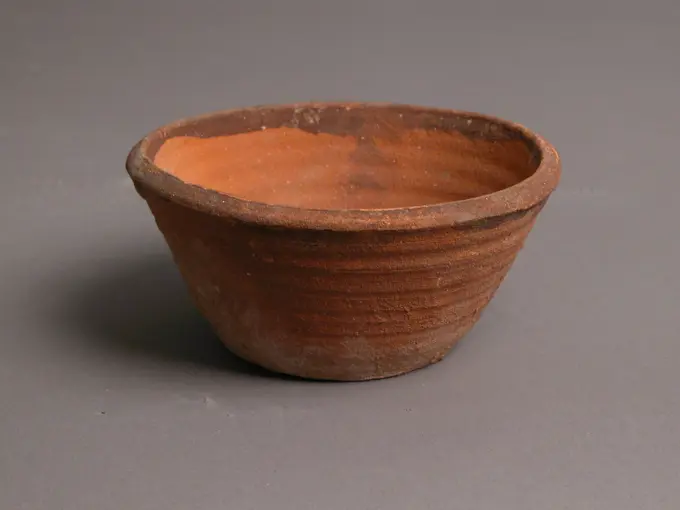
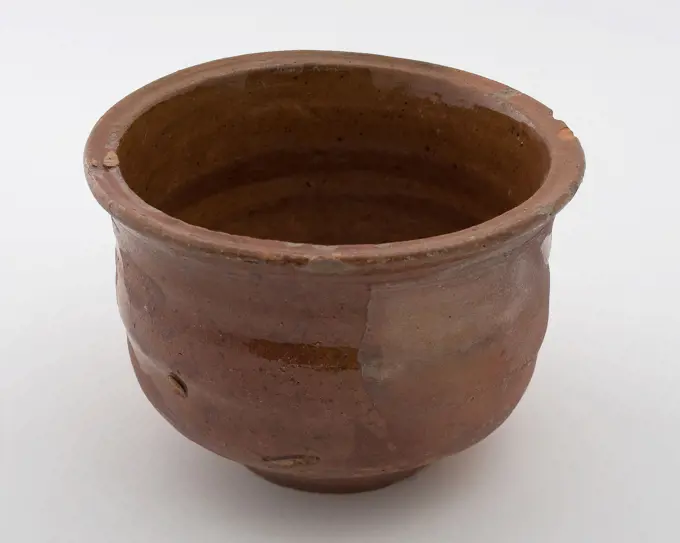
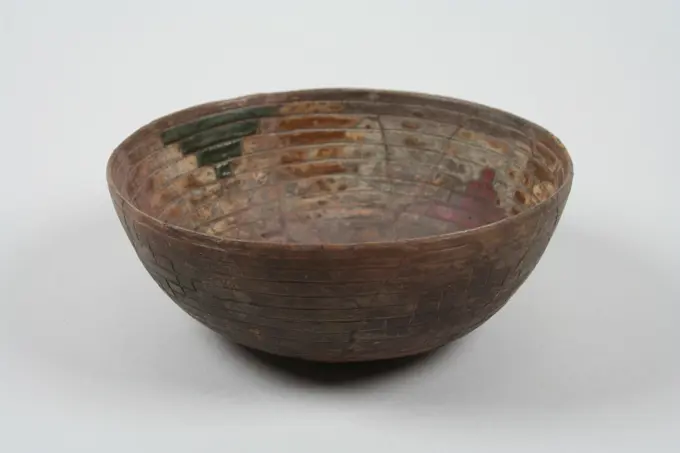
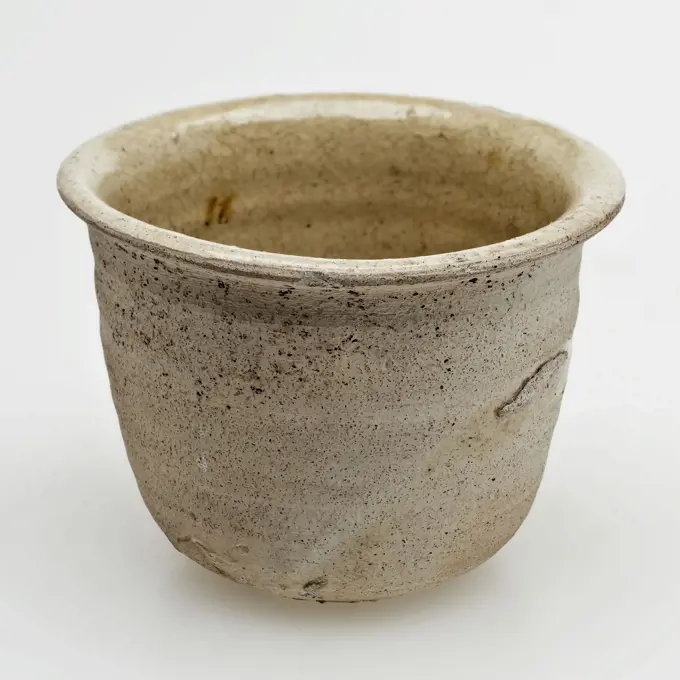
A selection of antique terracotta bowls from various Asian cultures, showcasing unique shapes, colors, and historical significance in ceramic art.

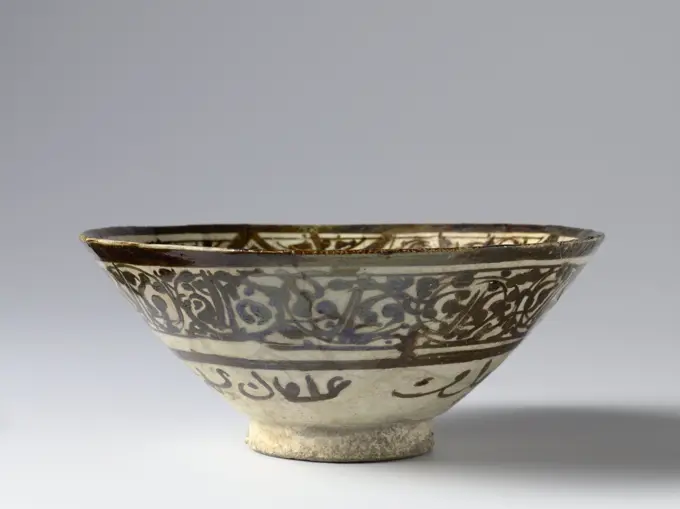
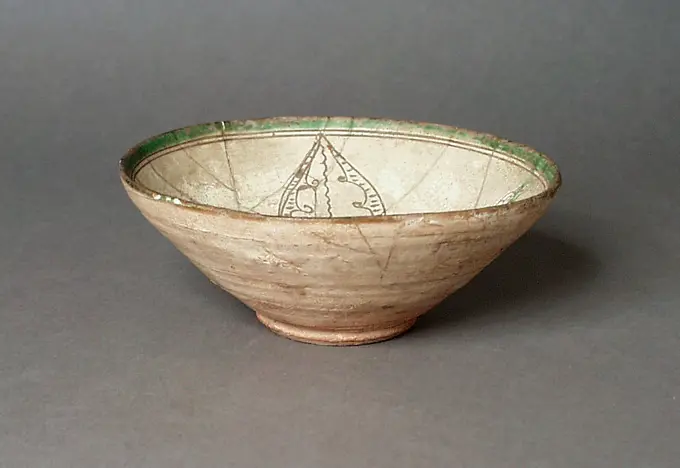
Bowl with a bird and a border with a pseudo-inscription, anonymous, c. 900 - c. 999 Come from earthenware decorated with brown -black sludge decoration on a white sludge engobe. On the bottom a bird and on the inner wall a tire of pseudo-script. Nishapur earthenware. glaze painting / vitrification Come from earthenware decorated with brown -black sludge decoration on a white sludge engobe. On the bottom a bird and on the inner wall a tire of pseudo-script. Nishapur earthenware. glaze painting / vitrification
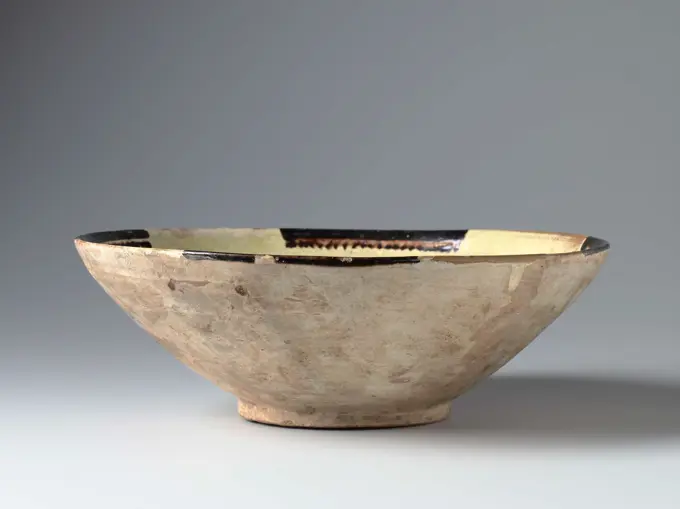
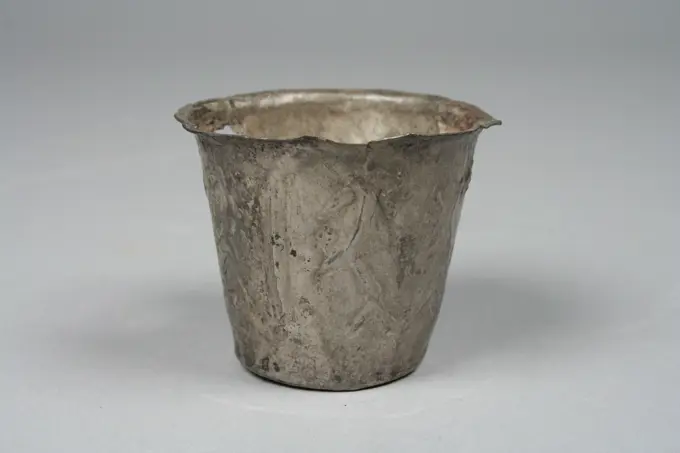
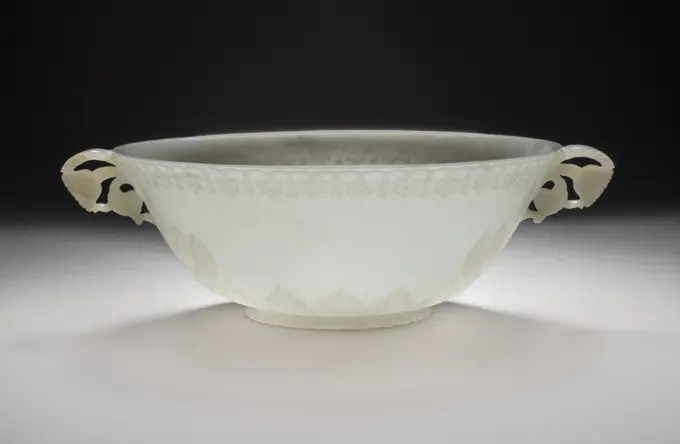
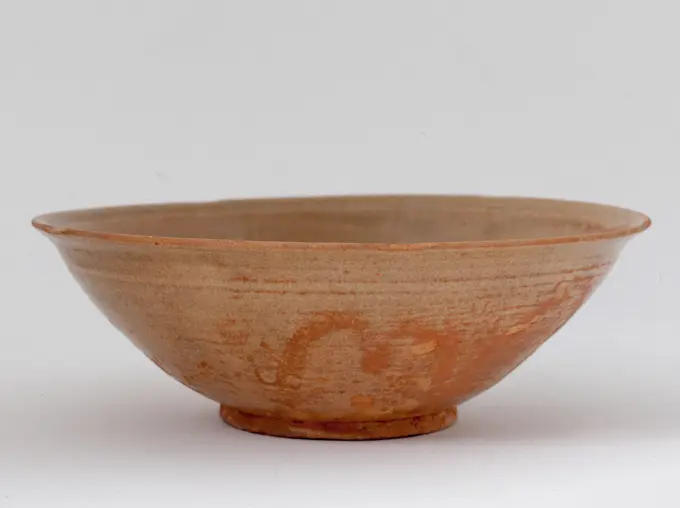
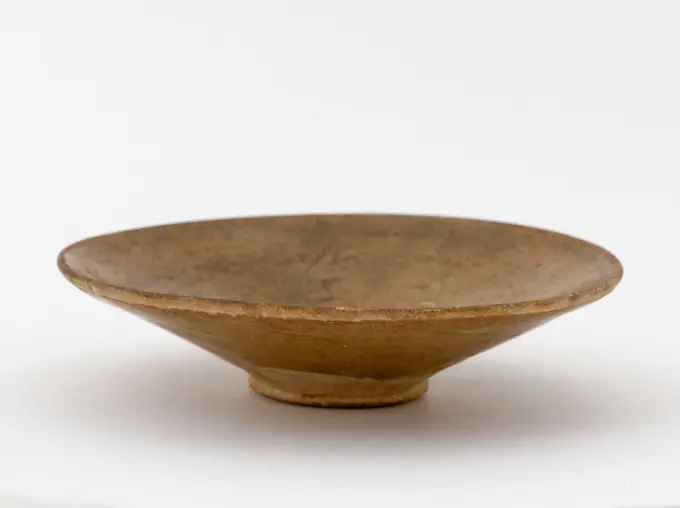
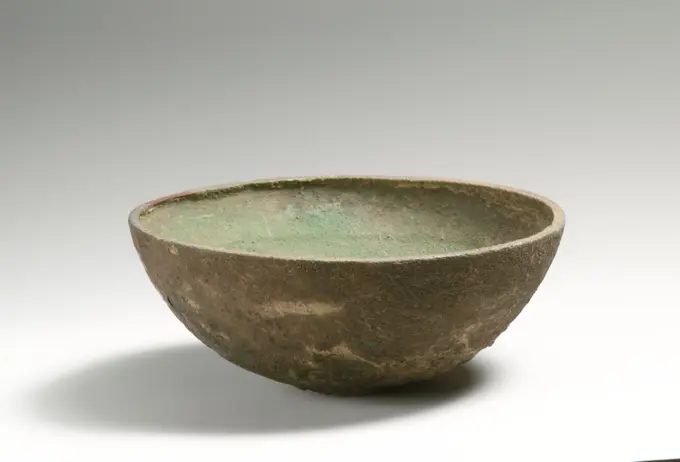
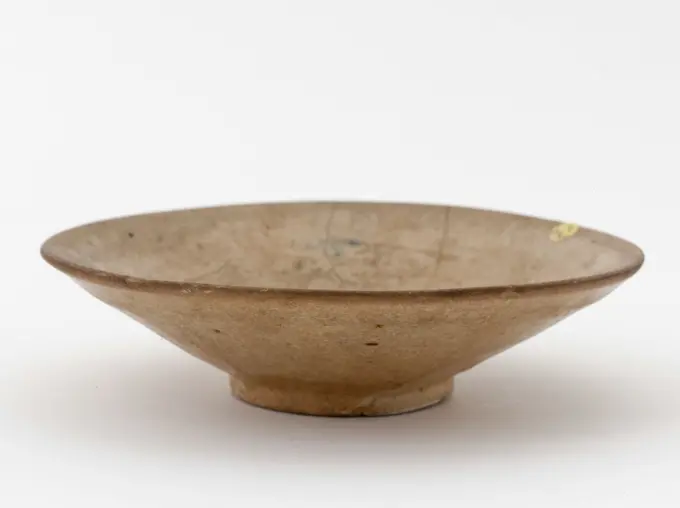
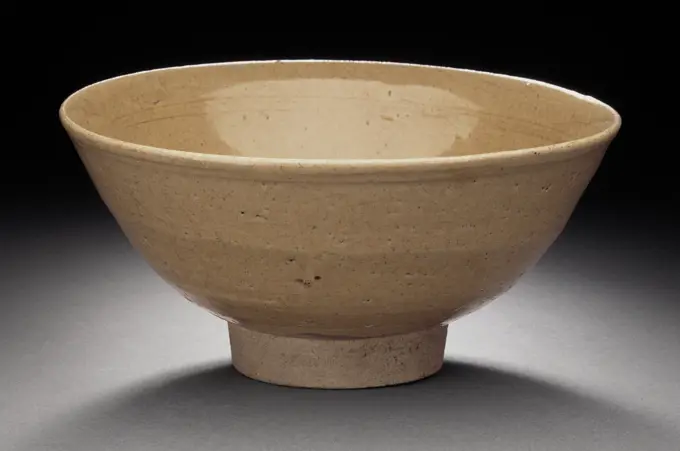
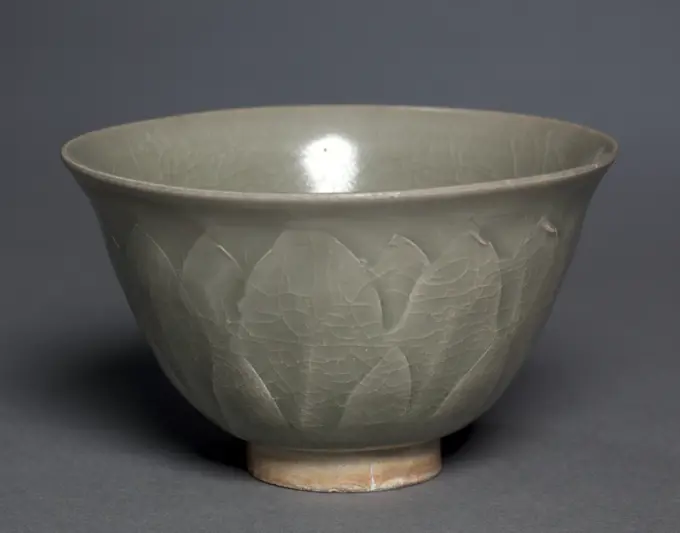
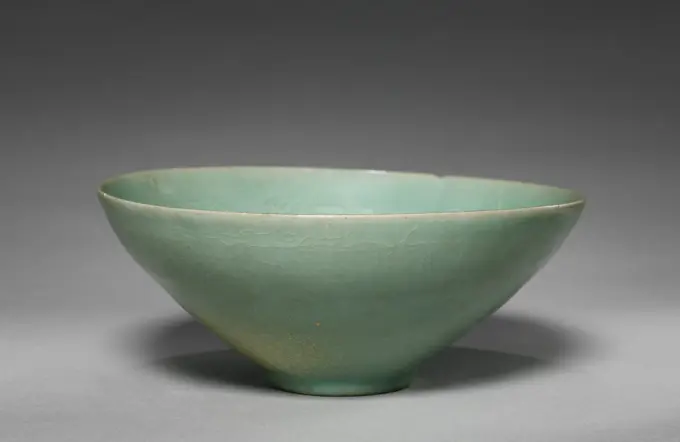
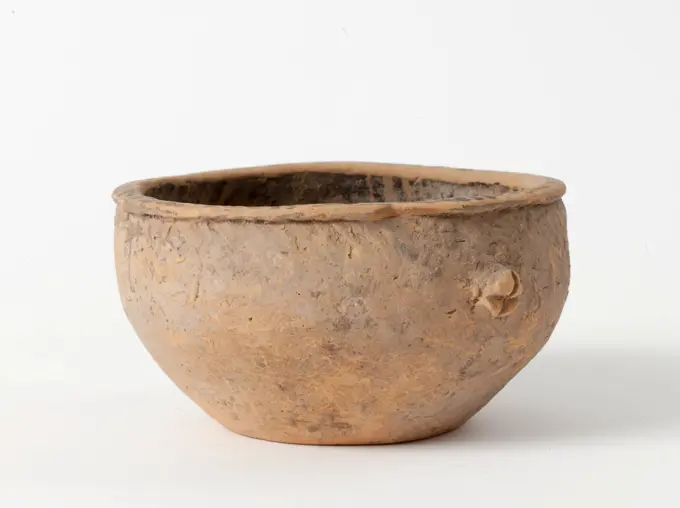
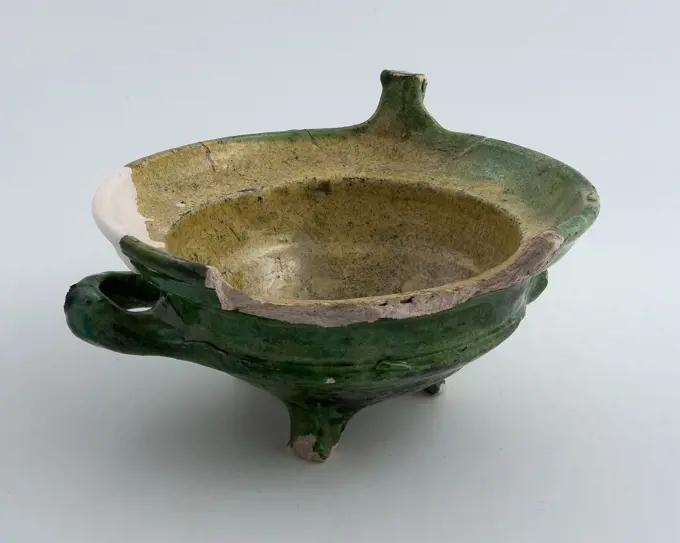
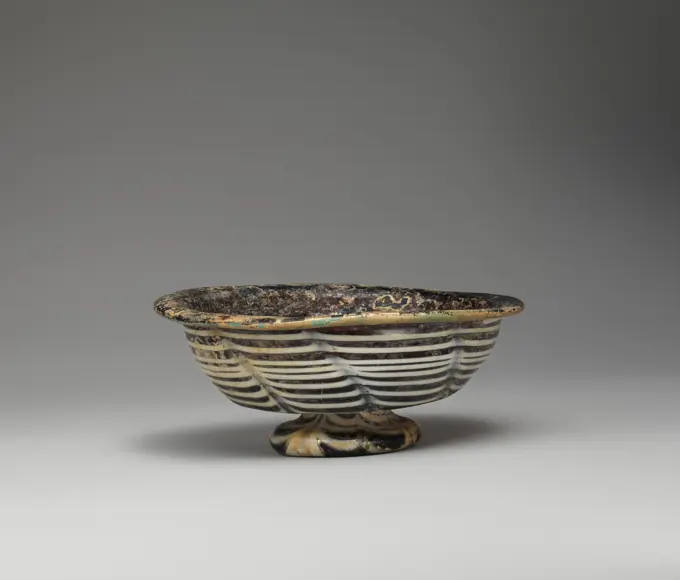
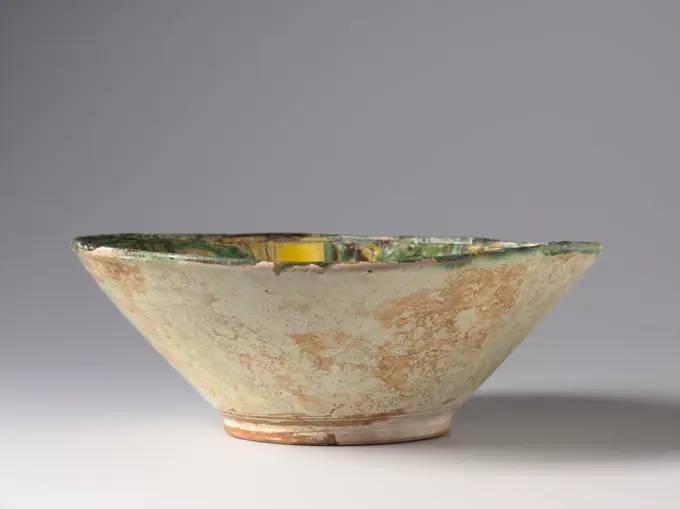
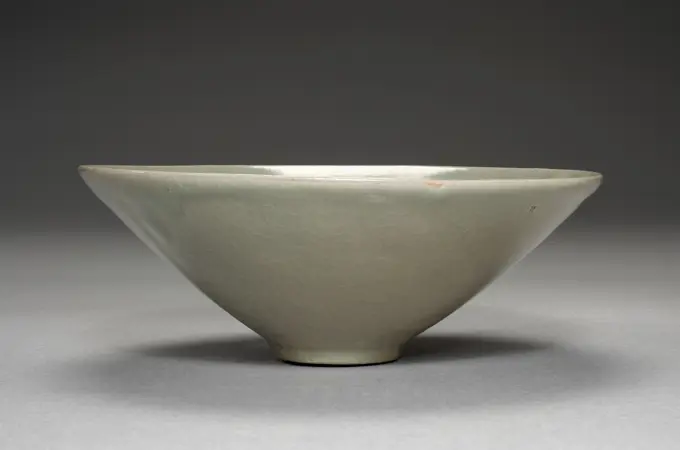
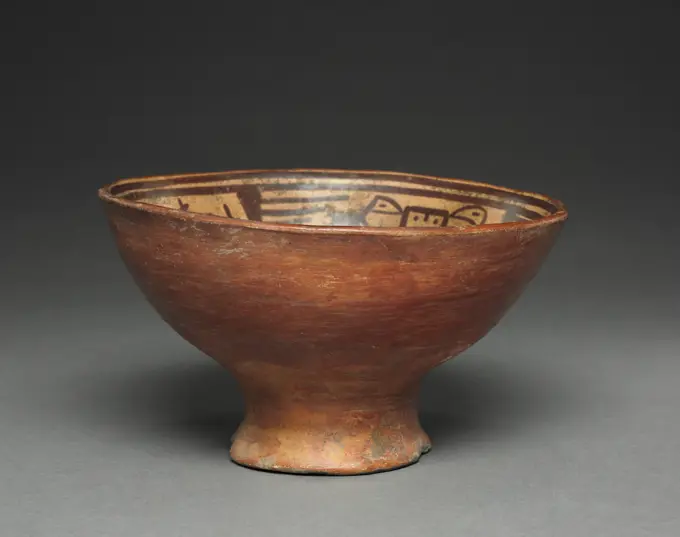
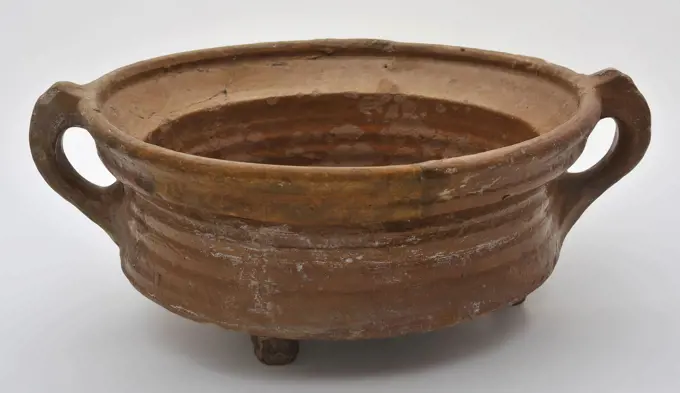
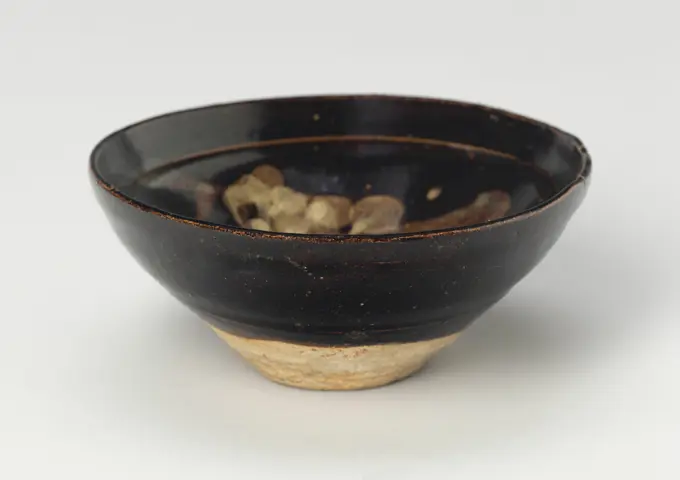
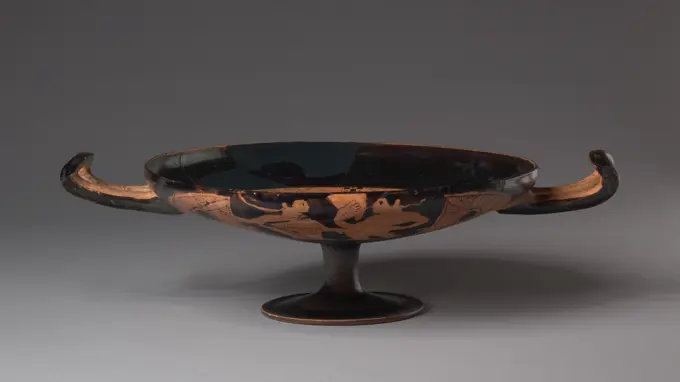
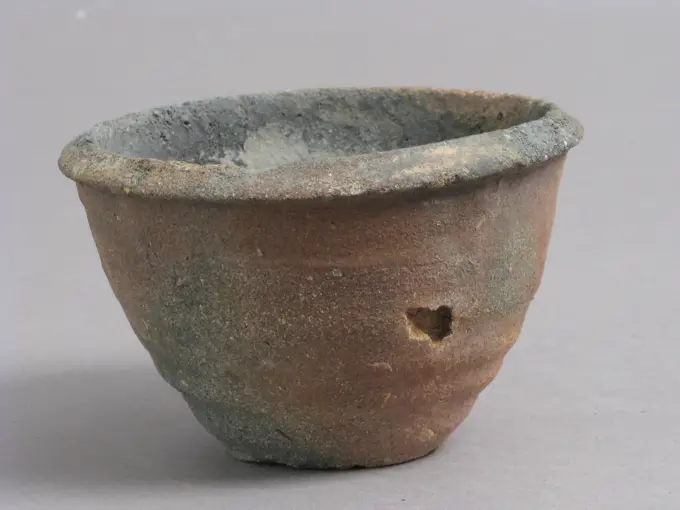
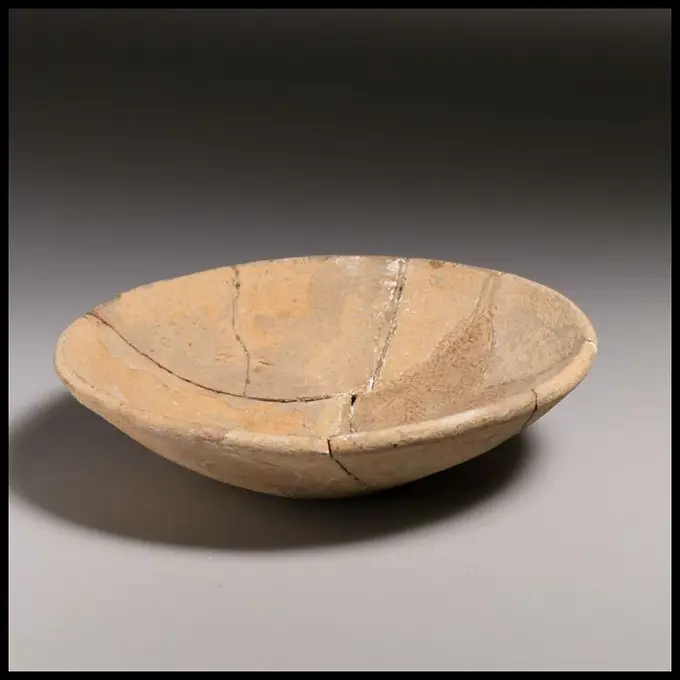
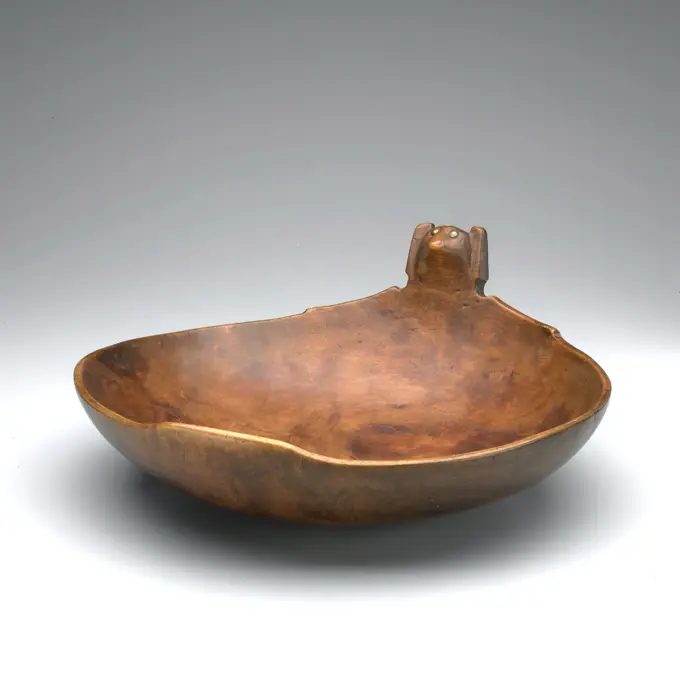
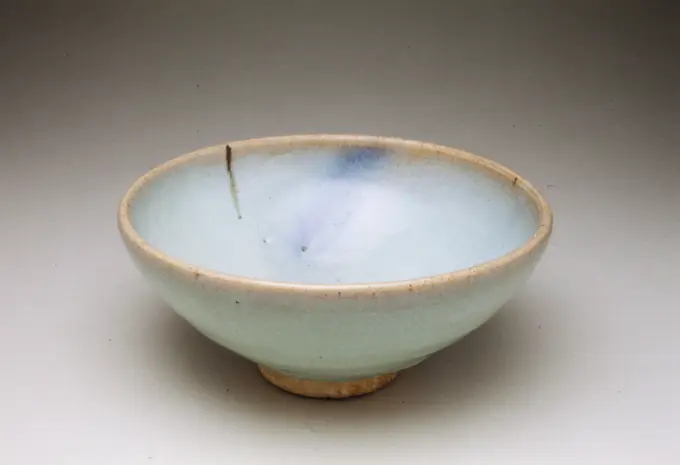
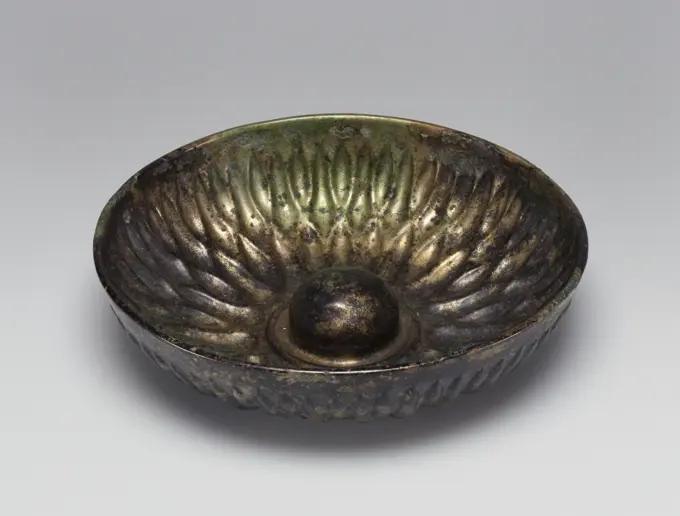
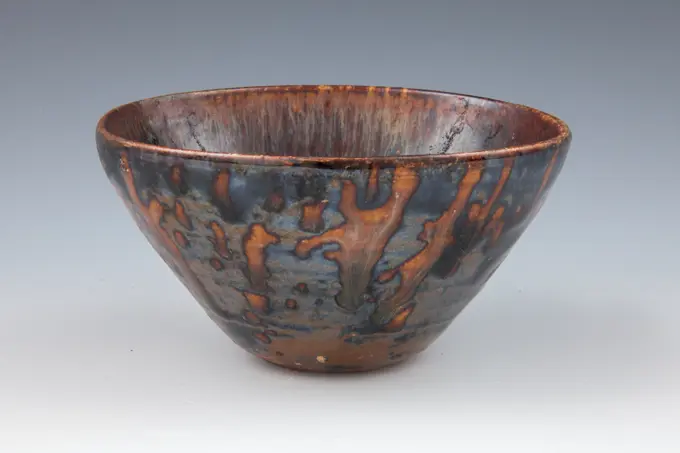
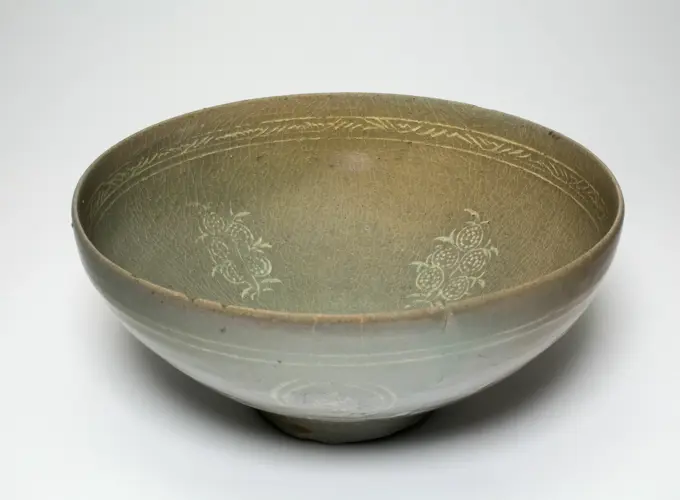
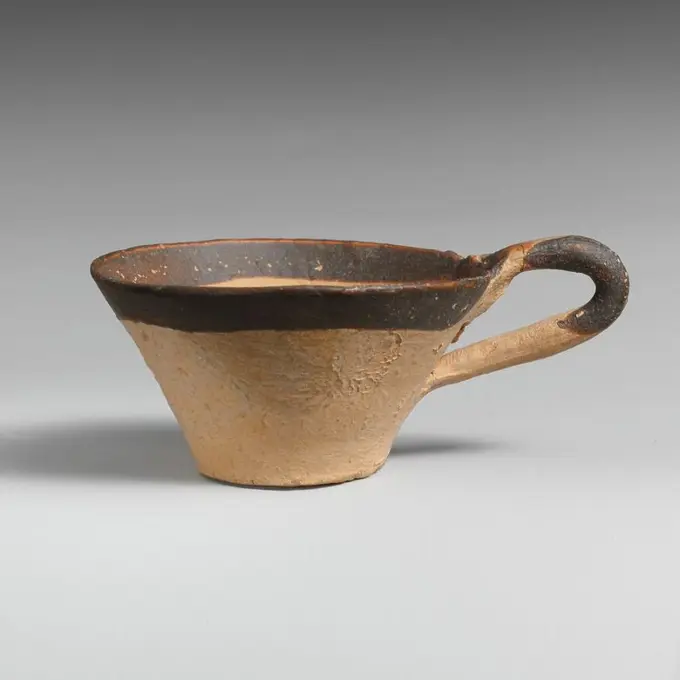
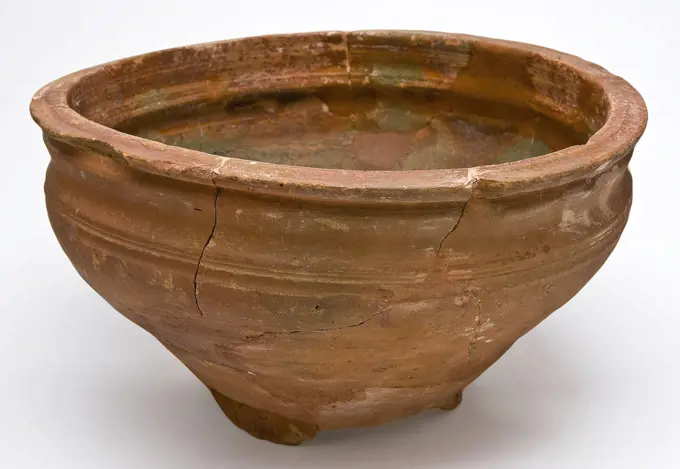
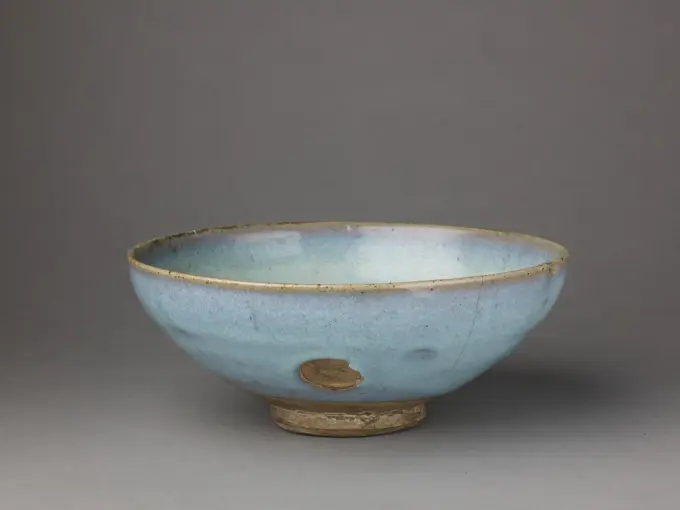
Terracotta cup ". Terracotta, white slip painted with blue and yellow under covered. China, Tang dynasty (618-907). Paris, Cernuschi museum. Chinese art, Chinese ceramic, container, cup, tang dynasty, container, terracottaBol ". Terracotta with a Céladon green cove. China, Hunan, Changsha. Paris, Cernuschi museum. Asian art, Chinese art, bowl, Chinese ceramic, container, container, terracottaBowl. "Hare fur" covered sandstone. Paris, Cernuschi museum. 78845-31 Asian art, table art, bowl, old ceramic, container, dishesBowl. Culture: Coptic. Dimensions: Overall: 1 7/8 x 5 1/4 in. (4.7 x 13.4 cm). Date: 4th-7th century. Museum: Metropolitan Museum of Art, New York, USA.Basin. Terracotta, Vietnam, 10th-12th century. Provenance: Vietnam. Paris, Cernuschi museum. 78605-8 Archeology, Vietnamese art, basin, container, terracotta, archeological vestige, 10th x 10th 10th 10th century, 13th XIIII 13th 13th 13th 13. Tea bowl of stoneware, partly covered with a black glaze with golden brown stripes (hazel). The lower half of the bowl is unglazed. The edge is caught in a metal band. Jian.. Come from stoneware, covered with a dark green glaze. The inside with a pressed decoration of flower drinks; The outside with ingrangled lines. A crack in the edge. Celadon (Yaozhou).BowlBowl with a bird and a border with a pseudo-inscription, anonymous, c. 900 - c. 999 Come from earthenware decorated with brown -black sludge decoration on a white sludge engobe. On the bottom a bird and on the inner wall a tire of pseudo-script. Nishapur earthenware. glaze painting / vitrification Come from earthenware decorated with brown -black sludge decoration on a white sludge engobe. On the bottom a bird and on the inner wall a tire of pseudo-script. Nishapur earthenware. glaze painting / vitrificationTea Bowl, 1100s-1200s. China, Fujian province, Southern Song dynasty (1127-1279). Stoneware with black "hares fur" glaze and metal-bound rim, Jian ware; diameter: 17.8 cm (7 in.); overall: 8.7 cm (3 7/16 in.).Bowl. Culture: Coptic. Dimensions: Overall: 1 7/8 x 5 1/8 in. (4.7 x 13 cm). Date: 4th-7th century. Museum: Metropolitan Museum of Art, New York, USA.Bowl. Culture: Coptic. Dimensions: Overall: 2 3/8 x 4 3/4 in. (6 x 12.1 cm). Date: 4th-7th century. Museum: Metropolitan Museum of Art, New York, USA.Bowl with ornamental borders, anonymous, c. 900 - c. 999 Come of earthenware decorated in black sludge on Engobe from white sludge with a cross in a cartouche and decorative tires on the inner edge on the bottom. With local yellow glaze. Nishapur earthenware. glaze painting / vitrification Come of earthenware decorated in black sludge on Engobe from white sludge with a cross in a cartouche and decorative tires on the inner edge on the bottom. With local yellow glaze. Nishapur earthenware. glaze painting / vitrificationCup ". GRS covered Cladon. Paris, Muse Cernuschi. Coupe Asian art, extreme-East art, Vietnamese art, ceramic, cut, gres, dishesBowl CypriotBowl. Thailand, Sukhothai, 14th-15th century. Furnishings; Serviceware. Stoneware with underglaze black painted deocorationCup ". GRS covered ivory green reflections. Paris, Muse Cernuschi. Coupe Asian art, extreme-East art, Vietnamese art, ceramic, cut, gres, dishes. Tea bowl of stoneware, partly covered with a black glaze with golden brown stripes (hazel). The lower half of the bowl and the edge are unglazed. Jian.Bowl. Korea, Korean, Joseon dynasty (1392-1910), late 15th century. Furnishings; Serviceware. Wheel-thrown stoneware with slip and pale green glaze. Come from quartz fritgoed decorated with polychrome luster on surface of opaque white tin-lead-alkali acid. The inside is covered with curled work with four lobed cartouches with a seated lady.. Come of quartz frites decorated with scriptures and floral motifs in luster on surface of oprake white tin-lead-alkali acid. On the bottom a medallion with flower drinks and a kind of 'Spearhead-Border'. A band with Psuedocript. The inner wall with a tire with flower refrences interrupted by medallions. The inner edge with a band writing. On the outer wall a wide bond with medallions, dots and tendrils.Terracotta shallow angular bowl. Culture: Mycenaean. Dimensions: H. 13/16 in. (2 cm.)Diameter 4 1/16 in. (10.3 cm.). Date: ca. 1300-1090 B.C..Shallow bowl with angled rim. Museum: Metropolitan Museum of Art, New York, USA.Bowl 7th-4th century B.C. Paracas. Bowl 308429Glass dish 4th century A.D. Roman Translucent pale blue green.Tubular rim, folded out, down, and in, with narrow, slightly convex inner shoulder; bulging side to body, curving in to integral tubular base ring; concave bottom, with kick at center and large circular pontil mark.Intact; pinprick and a few larger bubbles; pitting, dulling, and iridescent weathering.. Glass dish 239891Bowl: Northern Celadon Ware, Yaozhou type, 11th Century. China, Northern Song dynasty (960-1127). Glazed stoneware; diameter: 13.4 cm (5 1/4 in.); overall: 8 cm (3 1/8 in.).Cup, 1400. Gray-green covered sandstone. Cernuschi Museum, Asia Museum of Asia in the city of Paris.. Shallow bowl of stoneware, partly covered with a gray-colored white sludge and a cream-colored glaze. The bottom is unglazed. Cizhou ?.Bowl with Flowering Vines Design in Relief, 1100s-1200s. Korea, Goryeo period (918-1392). Celadon ware; diameter of mouth: 10.9 cm (4 5/16 in.); overall: 7.6 cm (3 in.).Bol ". Terracotta with painted decoration in black. Neolithic period (around 8000 BC). Paris, Cernuschi museum. Chinese art, bowl, Chinese ceramic, container, neolithic period, container, terracotta. Come from quartz frying with a polychrome figural decoration. On the bottom a medallion of flower drinks with a bird in it.Earthenware stain, entirely yellow and green glazed, two horizontal sausages, on three legs, stain soil found ceramic earthenware glaze lead glaze clay, hand-turned glazed baked earthenware white chard entirely glazed in yellow and green outside dark green two horizontal sausages three supporting feet on the upper edge on three legs Used dyes: white clay and copper oxide archeology Rotterdam City center Stadsdriehoek Oudehaven indigenous pottery food preparation kitchen heating food cooking Soil discovery: Oude Haven Rotterdam.. Bowl of earthenware decorated with black, red, gray and white sludge, with some incisions through the colors, on a white sludge engobe. Flower branches styled on the inside.Bowl. Culture: Coptic. Dimensions: Overall: 1 3/4 x 4 5/16 in. (4.5 x 10.9 cm). Date: 4th-7th century. Museum: Metropolitan Museum of Art, New York, USA.Footed Bowl with Marvered Decoration in White and Turquoise 12th-14th century In the 12th-14th centuries the manufacture of marvered glass was among the many shared features in the artistic creation and material culture of Syria and Egypt, ruled at the time by the Ayyubids and then the Mamluks. The deep-purple glass and white trail combination is the most commonly one found in Syria, and is attested on a variety of shapes, also including kohl bottles, flasks, bottles, beakers, and perfume sprinklers.. Footed Bowl with Marvered Decoration in White and Turquoise. 12th-14th century. Glass; blown, marvered, tooled, worked on the pontil. Country of Origin Syria or Egypt. GlassBowl 11th-12th century. Bowl 446897Bowl with a bird and foliate scrolls in a panel decoration, anonymous, c. 1170 - c. 1200 Come of earthenware decorated with polychrome luster on white greenish glaze. On the bottom a bird in a star -shaped cartouches. Around this in courses. The outer wall with a band with leaf vines and below a bond with a inscription. is the earthenware. glaze. luster (textile) painting / vitrification Come of earthenware decorated with polychrome luster on white greenish glaze. On the bottom a bird in a star -shaped cartouches. Around this in courses. The outer wall with a band with leaf vines and below a bond with a inscription. is the earthenware. glaze. luster (textile) painting / vitrificationPaphom with two ears, multicolored painted on blue fond. On bottom inside a rosette; Concentric circles on wall .. half-bottled pap bowl of multi-colored painted majolica, with a blue fond. The bowl has two flat, lying ears in which a small hole. A rosette is painted on the bottom on the inside and concentric circles on the wall.. Come of pottery decorated with four narrow tires. Mangan black sludge on engobe of white sludge. Four dots on the bottom.Nap lid, anonymous, c. 1590 - c. 1596 lid Lid of which a border has been saved at the base, with convex outer wall which ends in a flat surface. Two edges have been saved for decoration.  wood (plant material)   Nova Zembla. Saving HuysBowl with six-lobed side, anonymous, c. 960 - c. 1279 Come from stoneware with a six -time wall, covered with a transparent enamel with a light green hue. Qingbai. China stoneware. glaze vitrification Come from stoneware with a six -time wall, covered with a transparent enamel with a light green hue. Qingbai. China stoneware. glaze vitrification. Come of pottery decorated with sgraffito and polychrome ornament of yellow and green splashes. Leadglaze and manhese brown sludge on Engobe of white sludge.Bowl with stylised birds and a pseudo-inscription, anonymous, c. 900 - c. 1099 Come from earthenware decorated with two stylized birds and two ties with pseudo-script in brown sludge on Engobe van Witte sludge. nishapursamardD earthenware. glaze painting / vitrification Come from earthenware decorated with two stylized birds and two ties with pseudo-script in brown sludge on Engobe van Witte sludge. nishapursamardD earthenware. glaze painting / vitrificationBowl with Tendril Frieze. Unknown. Oval wine bowl of stoneware with two handles on the long side, covered with a green glaze. Three preen on the bottom.Round bowl with two trefoil-shaped flat ears, pop bowl bowl crockery holder soil find tin, cast Round bowl without stand ring thick convex walls narrow flat outer edge ending in thickened ridge two trefoil shaped flat ears smashed marks on top ear: archeology Cheese market Second World war war Rotterdam Stadscentrum Stadsdriehoek bombardement 14 May 1940 May days puinruimen porridge eating food Soil discovery from rubble after the bombing of May 1940: Rotterdam Cheese Market.Bowl with Cloud Design in Relief, 1100s. Korea, Goryeo period (918-1392). Glazed porcelain; overall: 6.2 cm (2 7/16 in.). As early as the seventh century, the practice of drinking tea and wine became an important part of elite leisure culture in Korea. A wide bowl like this example was especially suitable for drinking powdered tea shaved from a compressed tea cake, the most commonly enjoyed type during the Goryeo period. The pale bluish green glaze indicates that this tea bowl was created in the 12th century, the time when the production of celadon reached its technical peak.Bowl with Humans and Birds, c. 1250-1550. Colombia, Highland Nariño region,Tuza style, 13th-15th century. Earthenware with colored slips; diameter: 11.5 x 19.5 cm (4 1/2 x 7 11/16 in.); overall: 11.4 cm (4 1/2 in.).Cooking pot of light red earthenware, two pinched ears, three legs, wide model, grape cooking pot tableware holder utensils earthenware ceramics earthenware glaze lead glaze, hand turned set glazed baked Cooking pot of light red earthenware two pinched ears three legs rotations yellow-brown glazed inner edge. Low and wide model with straight sidewall slightly curved soil and sloping top edge archeology Valckensteyn Poortugaal Albrandswaard indigenous pottery cooking stew kitchen food food food preparation Soil discovery: canal at kitchen castle Valckensteyn at Poortugaal now Albrandswaard 1961Jules Desbois (1851-1935), and Adrien-Aurélien Hébrard (1865-1937). "Cut". Money. 1900. Museum of Fine Arts of the City of Paris, Petit Palais. 75496-9 Anse, money, cuttingBowl early 13th century. Bowl 454037Conical Bowl 1000-1099 China. Northern russet ware, Cizhou type; grey stoneware with russet glaze .Bowl with Winding Strokes 1100-1199 China. Jizhou ware; light grey stoneware with dark brown glaze and painting in overglaze buff .Bowl;  10th century (901-00-00-1000-00-00);Semerau-Siemianowski, Władysław (1849-1938)-collection, Semerau-Siemianowski, Władysław (1849-1938), Dar (provenance), Persian (culture), Islam artBowl 4th-7th century Coptic. Bowl 478443Pottery pot, cup model, red shard, internally glazed, on stand, pot crockery holder soil find ceramics earthenware glaze lead glaze, hand turned glazed baked Pottery potter model red shard part outside and whole inside covered with lead glaze stand archaeological indigenous pottery serve store kitchen cook food prepare foodCovered Bowl with Floral Scrolls. China. Date: 960 AD-1279. Dimensions: H. 10.3 cm (4 1/16 in.); diam. 17.1 cm (6 3/4 in.). Qingbai ware; stoneware with underglaze incised decoration. Origin: China. Museum: The Chicago Art Institute, Chicago, USA.Greyware Bowl with Incised Designs 3rd century B.C. Paracas. Greyware Bowl with Incised Designs 308481Pottery cooking pot on three legs, lid rim, low model with wide top edge, two lying ears, cooking pot tableware holder utensils earthenware ceramics earthenware glaze lead glaze, hand turned glazed baked Pottery cooking pot red shard both inside and outside glazed outside greenish colored. Two sausage ears mounted horizontally on the top edge and bent upwards. Low model with wide top edge and profiled outer wall Three legs archeology indigenous pottery food prepare cooking cuisineBowl on a base, from the Cherkassy Region, Ukraine. Scythian Civilization, 7th Century BC.Ointment jar, tapered model, white shard, internal yellow glazed, ointment jar holder soil find ceramic earthenware glaze lead glaze, hand-turned glazed baked Ointment jar white shard internal glazed glaze wipe outside. Stand surface carelessly finished archeology Valckensteyn Poortugaal Albrandswaard health care pottery ointment care medication medicine packing pharmacy packaging Soil discovery: castle Valckensteyn in Poortugaal now Albrandswaard.Stoneware drinking bowl low model with vertical top edge, sparingly glazed, bowl scale bowl tableware holder soil find ceramic stoneware glaze salt glaze, bottom, hand turned glazed fried Stoneware drinking bowl upright drinking rim. Outside largely glazed. Light gray shard archeology Rotterdam Kralingen-Crooswijk Struisenburg Oostmaaslaan indigenous pottery import drinking begs Soil discovery: Oostmaaslaan at the site of the Schieland pumping station.Bowl, 20th century, 8 x 10 1/4 in. (20.3 x 26.04 cm), Ceramic, Democratic Republic of the Congo, 20th centuryBasin (Jian) China. Basin (Jian) 61030Bowl with six seated figures and scrolls, anonymous, c. 1170 - c. 1199 Come from quartz fritgoed covered with a white tin-lood-alkalaplaze on which a decoration in Luster. On the inner wall six times a lobed cartouche with a sitting person. The outer wall is divided into seven compartments with tendrils or curl. is the earthenware. glaze. luster (textile) painting / vitrification Come from quartz fritgoed covered with a white tin-lood-alkalaplaze on which a decoration in Luster. On the inner wall six times a lobed cartouche with a sitting person. The outer wall is divided into seven compartments with tendrils or curl. is the earthenware. glaze. luster (textile) painting / vitrificationBowl second half of the 12th century Korea. Bowl 57414A dish from the corner of a cup shaped rhinoceros unknownBowl 4th-7th century Coptic. Bowl 477338Bowl late 11th-early 12th century This bowl was most probably made in central or northern Iran in the 11th or 12th century, at a time when potters were experimenting with stonepaste, a new ceramic technology. Early stonepaste vessels were mostly monochrome glazed, in turquoise, purple, white, blue, with the occasional splash of a different color. On this bowl, the two-color glazed coating, dark purple and turquoise, creates a striking effect enhanced by the purple droppings inside the bowl. In contrast, the incised vegetal motif repeated on the exterior appears rather sober.The bowl came to the Museum in 1920 together with a large group of objects bequeathed from the collection of the antique dealer William Milne Grinnell.. Bowl 447280Earthenware bowl, internal glazed, red shard, horizontal sausage ear, porcelain crockery holder earth discovery ceramic earthenware glaze lead glaze, hand turned glazed baked earthenware bowl bowl red shard inside covered with lead glaze horizontal set sausage ear stand ring archeology food drink dinnerware cooking kitchenPainted bowl with stylized monkeys 3rd-2nd century B.C. Paracas. Painted bowl with stylized monkeys 308357Bowl 4th-7th century Coptic. Bowl 477750A bowl for a long time;  19th century (1801-00-00-1900-00-00);Paderewski, Ignacy Jan (1860-1941), Paderewski, Ignacy Jan (1860-1941)-collection, qing (style), ceramics, Chinese (culture), gift (provenance), Chinese artRed-Figure Kylix (Drinking Cup): Artemis and Stag, c. 350 BC. Attributed to Clusium Group (Etruscan or Faliscan). Ceramic; diameter: 22.6 cm (8 7/8 in.); overall: 9.5 x 31.8 cm (3 3/4 x 12 1/2 in.); diameter of foot: 9.6 cm (3 3/4 in.).Bowl 4th-7th century Coptic. Bowl. Coptic. 4th-7th century. Earthenware. Made in Kharga Oasis, Byzantine Egypt. CeramicsTerracotta bowl. Culture: Helladic. Dimensions: H. 1 3/4 in. (4.4 cm.)Diameter 6 1/4 in. (5.8 cm.). Date: ca. 2650-2150 B.C..Shallow bowl without decoration. Museum: Metropolitan Museum of Art, New York, USA.Bowl, c. 1750-1850, 6 1/4 x 15 7/8 x 14 15/16 in. (15.88 x 40.32 x 37.94 cm), Maple burl, brass tacks, United States, 19th century, Wooden bowls were an integral part of traditional life for the tribal groups of the Plains and Great Lakes/Woodlands regions. Carved by men, they were used primarily for utilitarian and ceremonial purposes; decorated examples were highly regarded. The head on this bowl probably represents Eyah, the spirit of 'eating heartily.' Carving an image of Eyah on a bowl reinforced the custom of consuming large amounts of offered food.Black-figure Cassel” CupDishBowl, 14th century, 3 1/2 x 7 3/4 x 7 3/4 in. (8.89 x 19.69 x 19.69 cm), Stoneware, glaze, China, 14th centuryBowl. Culture: Coptic. Dimensions: H: 2 1/16 in (5.3 cm); Diameter: 4 1/2 in. (11.4 cm). Date: 4th-7th century. Museum: Metropolitan Museum of Art, New York, USA.Phiale. UnknownTea bowl unknownBowl with Stylized Pomegranate Clusters 1265-1299 Korea. Celadon-glazed stoneware with underglaze inlaid decoration of white clay .Terracotta miniature one-handled cup. Culture: Minoan. Dimensions: H. 15/16 in. (2.4 cm). Date: ca. 1600-1525 B.C..Miniature vessels used as votives have been discovered in shrines within settlements as at Knossos and also at peak sanctuaries. Museum: Metropolitan Museum of Art, New York, USA.Vase fragment Minoan Early Minoan IIEarthenware bowl or bowl on stand fins, red shard, wide top edge and narrow bottom, dishware holder earthenware ceramic earthenware glaze lead glaze, hand-turned glazed baked Bowl of red earthenware profiled flat upper edge internal sparingly glazed three pinched fins two incised lines top belly. Wide model on narrow bottom Shallow constriction below the top edge. Scale is distorted oval archeology Valckensteyn Poortugaal Albrandswaard indigenous pottery kitchen packaging storage store food preparation Soil discovery: canal at kitchen castle Valckensteyn at Poortugaal now Albrandswaard 1962.. Shallow bowl of stoneware, covered with a dark brown glaze. The bottom is unglazed. The bowl has a white border. Jian.Flower bulbs vessel unknownPottery ointment jar, cup model, red shard, internally glazed, ointment jar pot holder soil find ceramic earthenware glaze lead glaze, hand-turned glazed baked High straight shape with wide scraping edge and tapered bottom. Inside with revolving completely glazed outside sparingly glazed Red shard Strong narrowing of the boiler above the stand arch archeology health care pharmacy packing store sell craft medicine drug drinkBowl ca. 10th-9th century B.C. Iran. Bowl 325922Dish (usual name). Sandstone with brown-black decoration under cover. Cernuschi Museum, Asia Museum of Asia in the city of Paris.Deep bowl, Jun ware 13th-14th century Chinese. Deep bowl, Jun ware 461207BowlBowl 1200-1050 B.C. Cypriot Two handles on lip, and straight and wavy bands.. Bowl. Cypriot. 1200-1050 B.C.. Terracotta. Late Cypriot IIIB. VasesDish. Culture: American. Dimensions: H. 3 3/8 in. (8.6 cm). Date: 1800-1830. Museum: Metropolitan Museum of Art, New York, USA.Cup and Stand, 1100s. China, Jiangxi province, Jingdezhen, Southern Song dynasty (1127-1279). Porcelain with pale bluish-white glaze, qingbai ("blue-white") ware; diameter: 4.9 x 10.5 cm (1 15/16 x 4 1/8 in.); overall: 4.8 cm (1 7/8 in.); stand: 14 cm (5 1/2 in.). The kilns of Jingdezhen in Jiangxi province produced an extremely delicate porcelain made from the local resources of kaolin (white China clay) and petuntse (a feldspathic rock called china stone). It is glazed with a clear bluish-white glaze, thus the name qingbai ("blue-white") or yingqing ("shadowy blue") for this type of ware.Guri cupstand 1368-1644 China. Guri cupstand. China. 1368-1644. Black lacquer. Ming dynasty (1368-1644). LacquerBeaker with embossed plants 12th-15th century Chimú. Beaker with embossed plants 307478Bowl with Handles. India, Mughal empire, circa 1750. Furnishings; Serviceware. White nephrite jadevasija celtibera , siglos IV-I a.C, Cerro de San Miguel, Arnedo, Museo de la Romanización, Calahorra, La Rioja , Spain, Europe.