Textile Art and Accessories

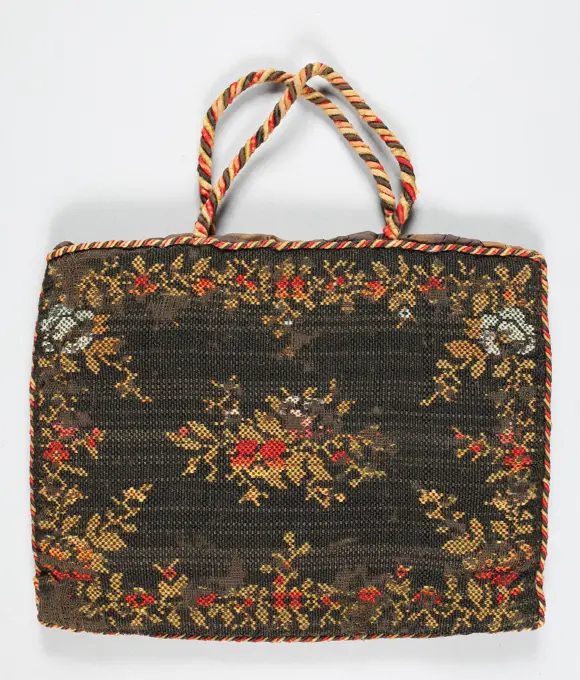
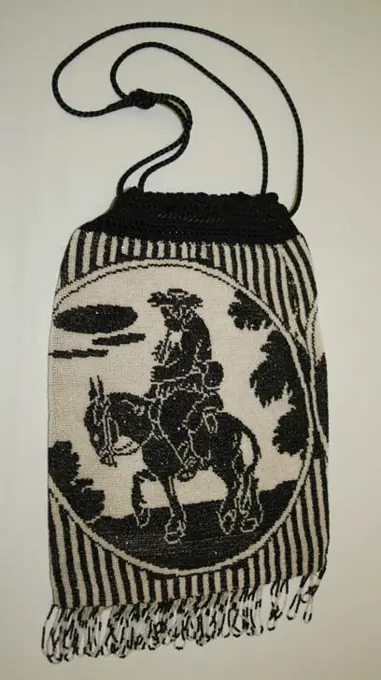
A variety of handmade textile items including needle cases, bags, and beadwork aprons, showcasing intricate patterns and colorful fabrics from different cultures.

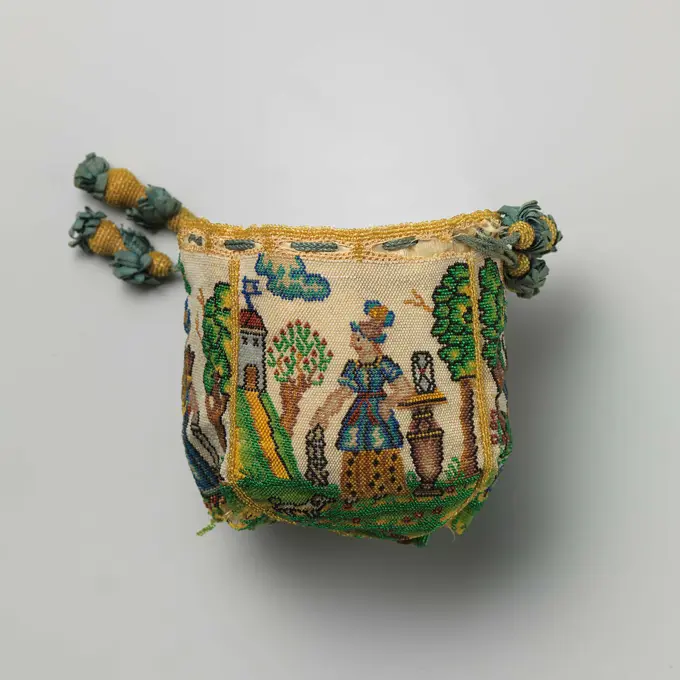
Eyeglass Case (China); silk, metallic thread, glass bead
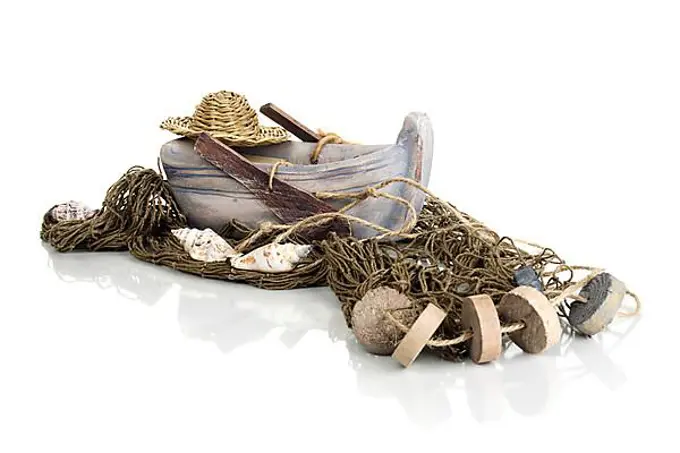
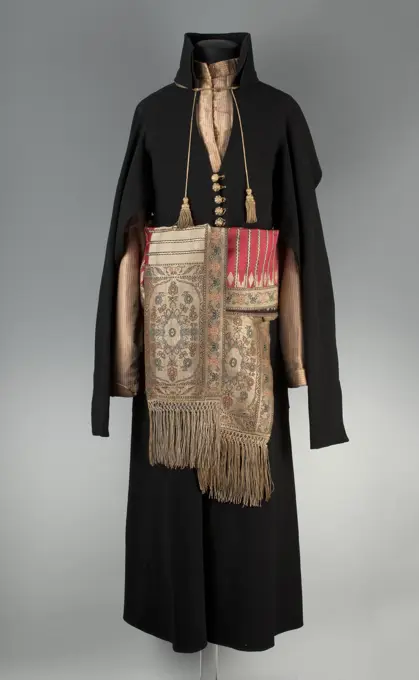
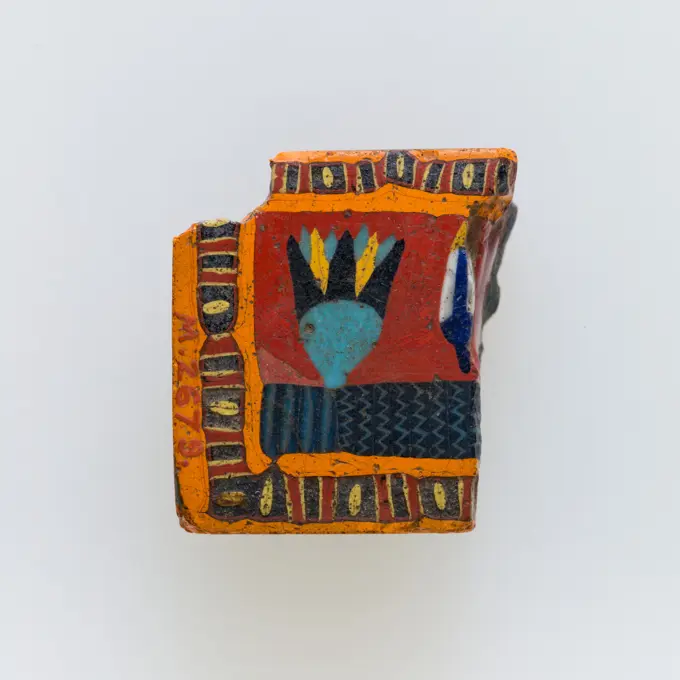
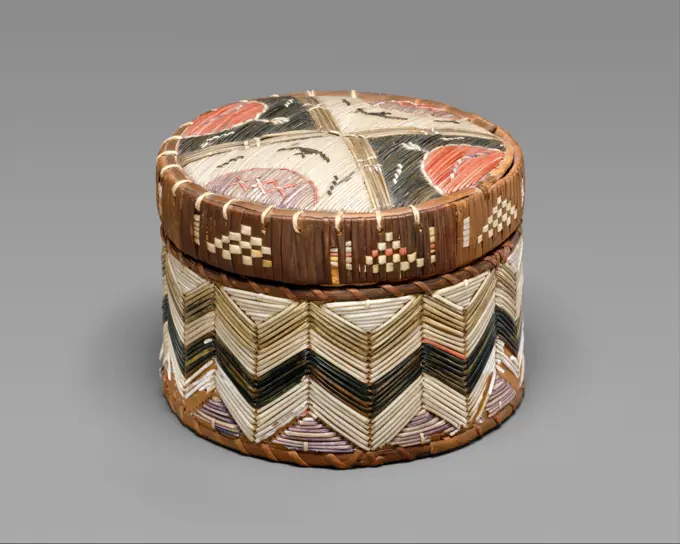
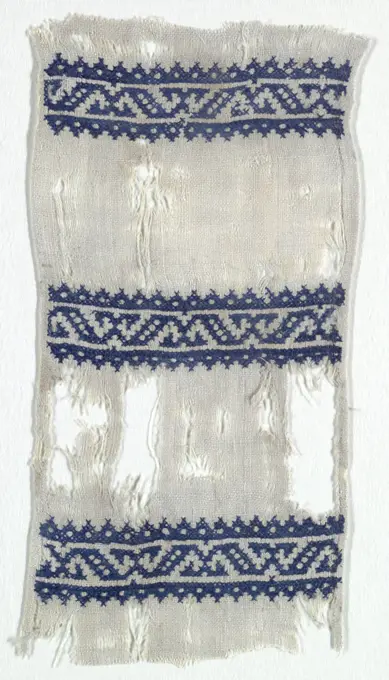
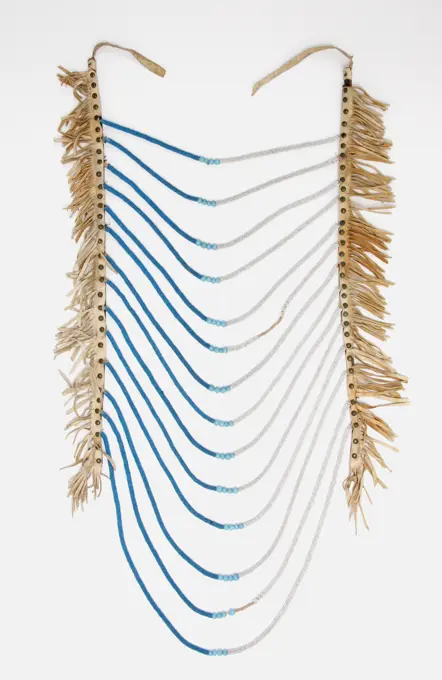
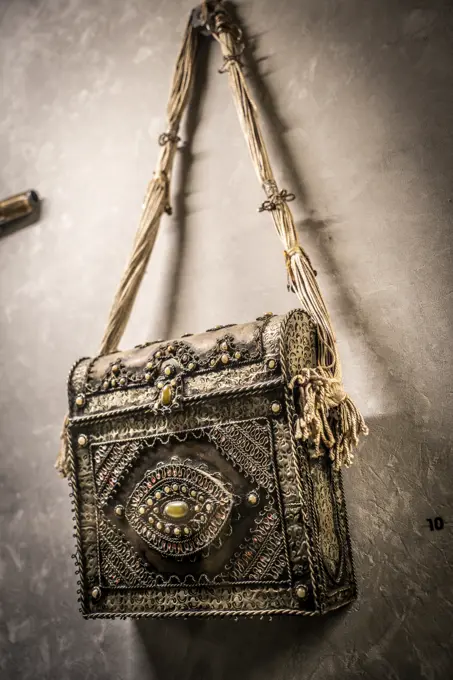
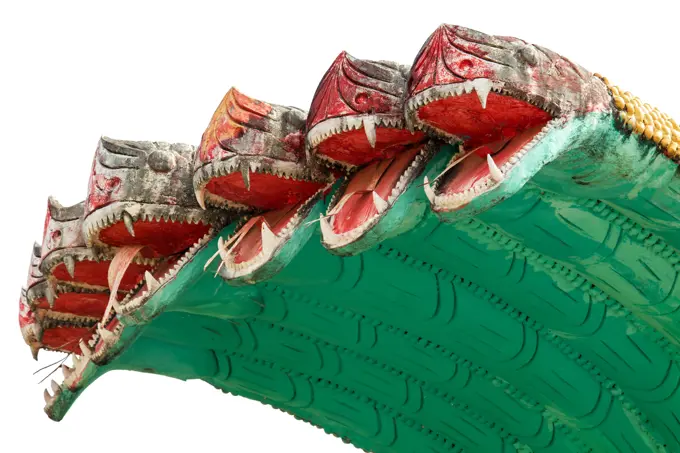
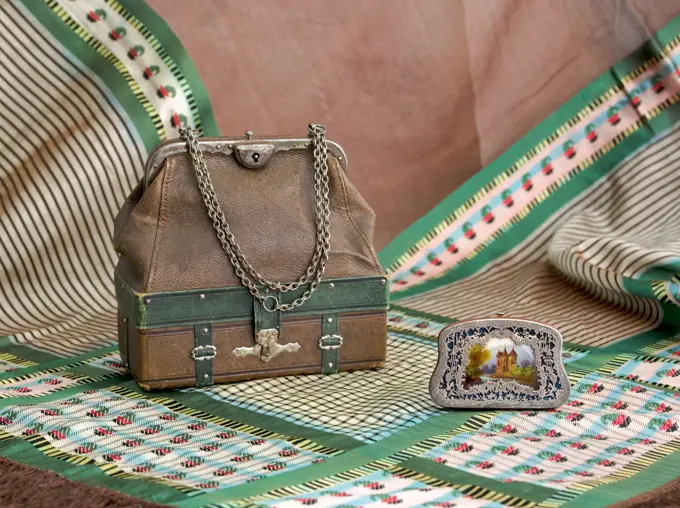
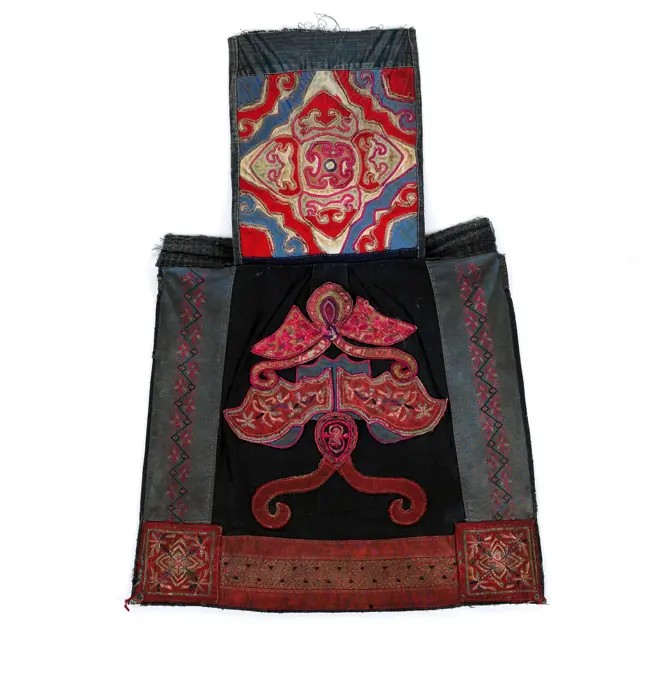
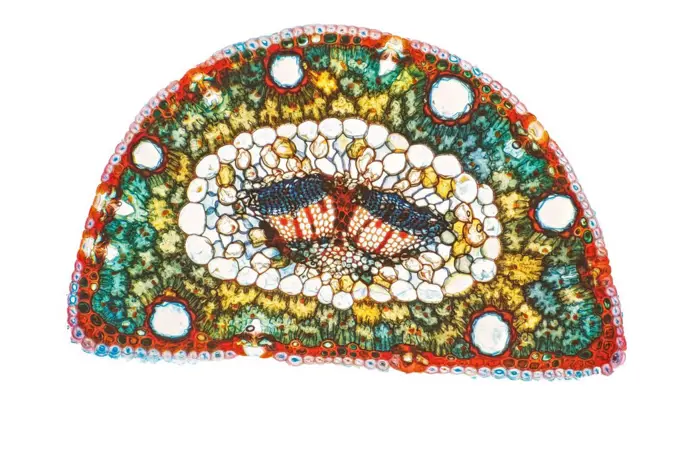
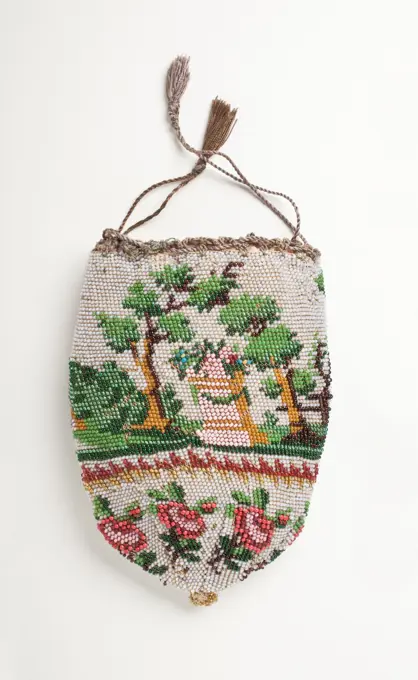
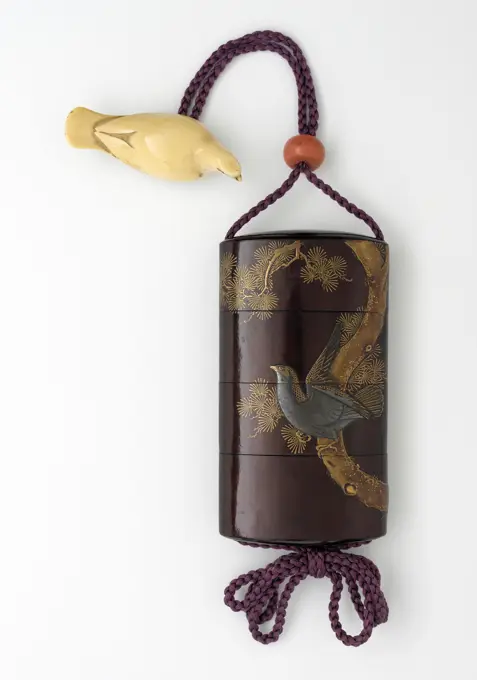
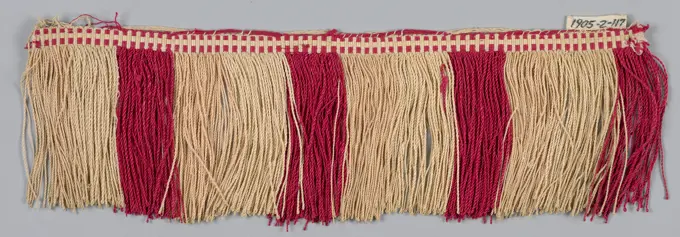
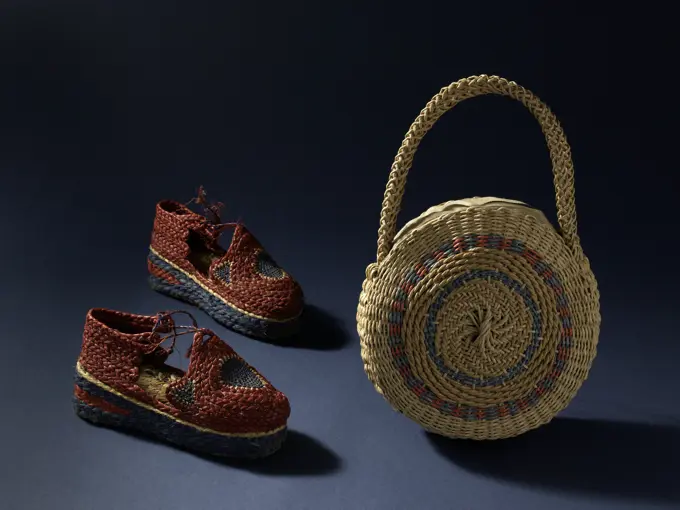
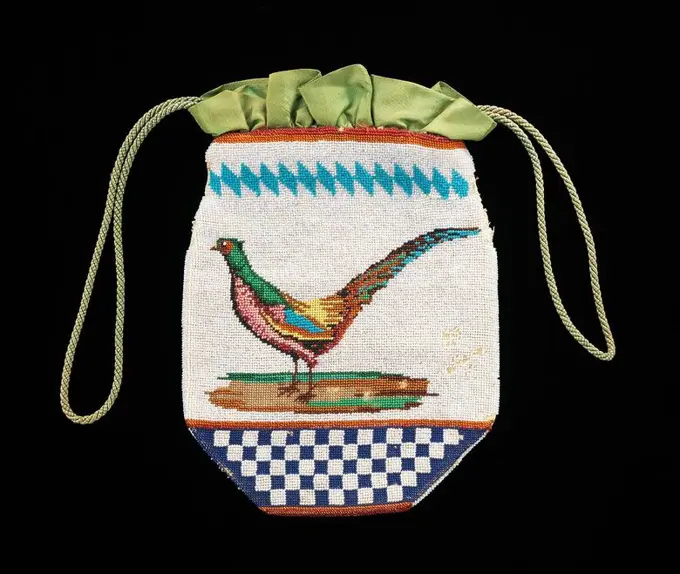
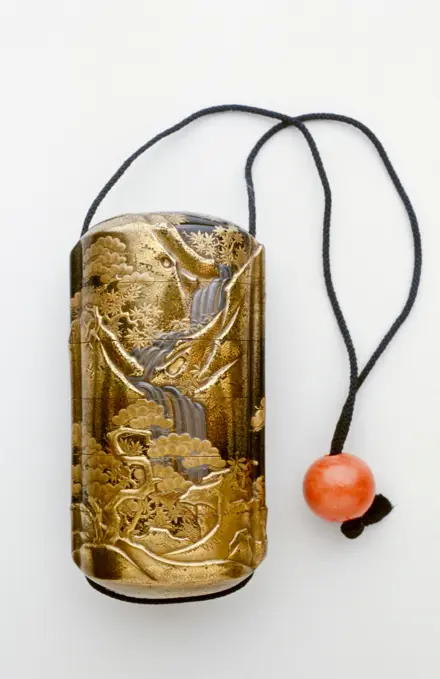
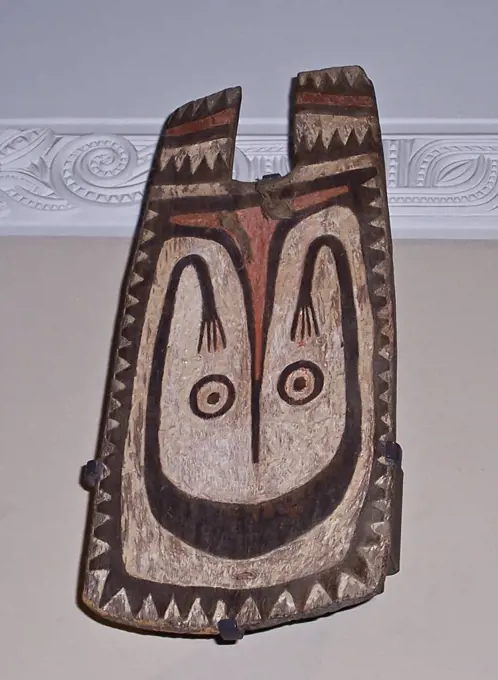
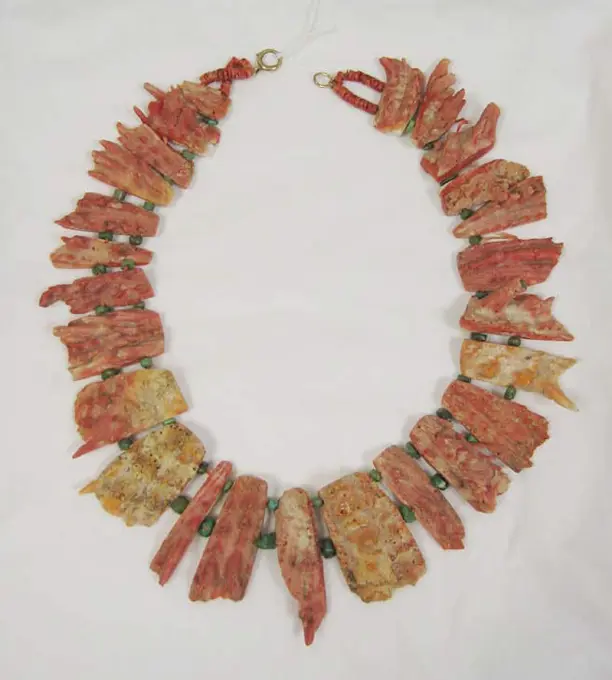
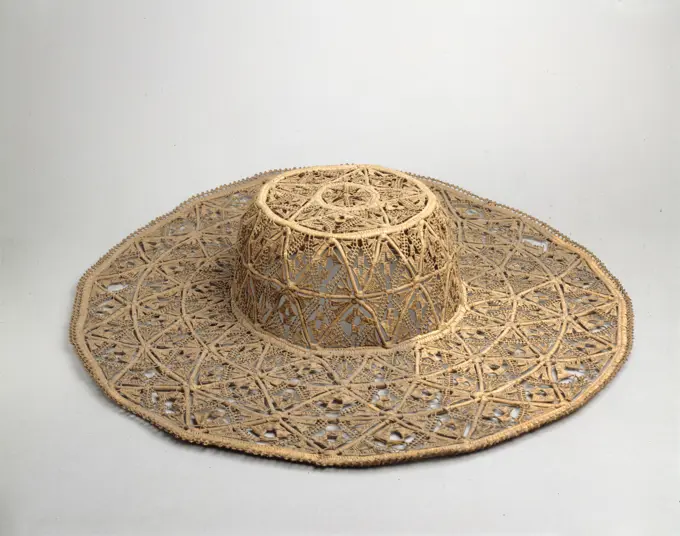
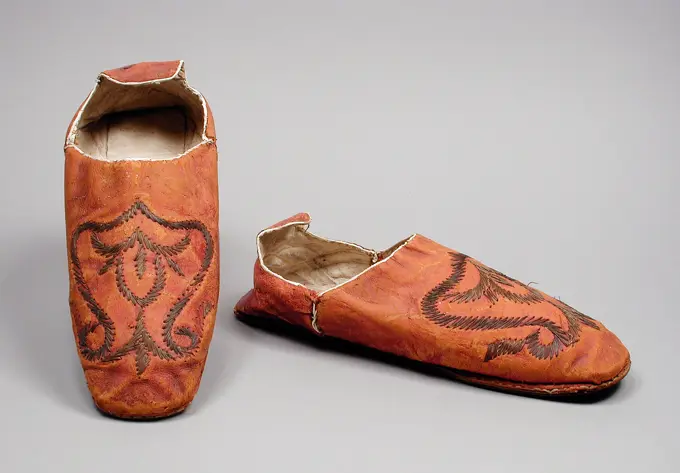
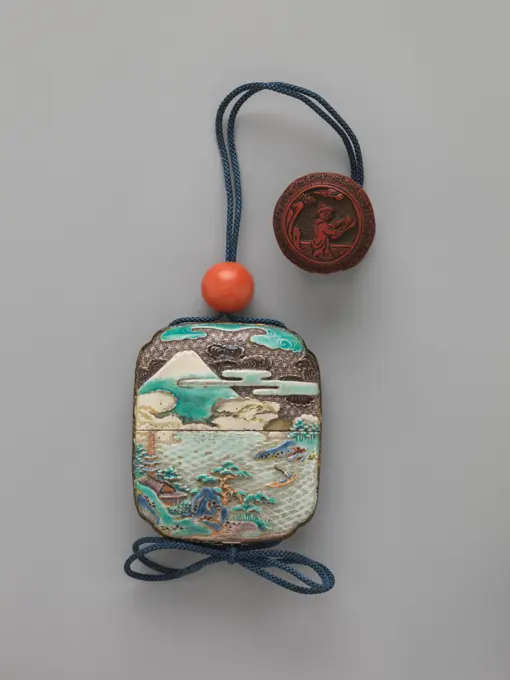
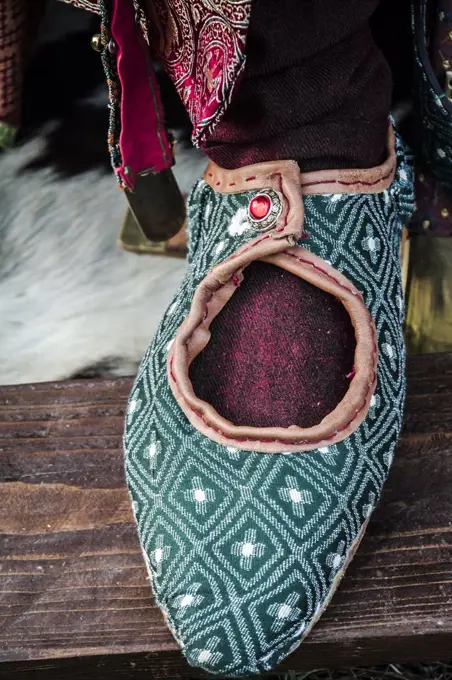
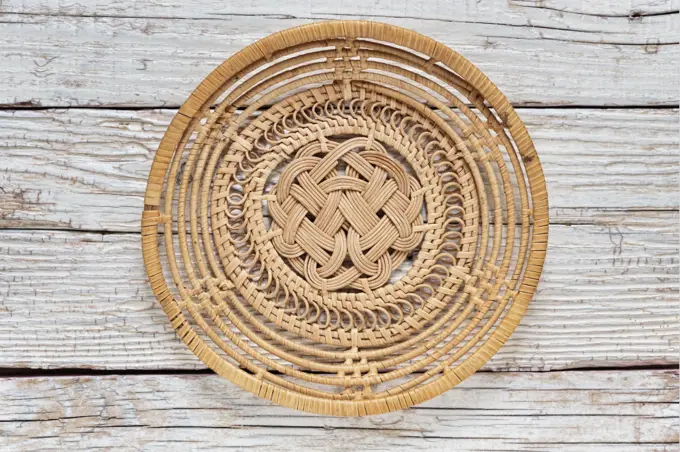
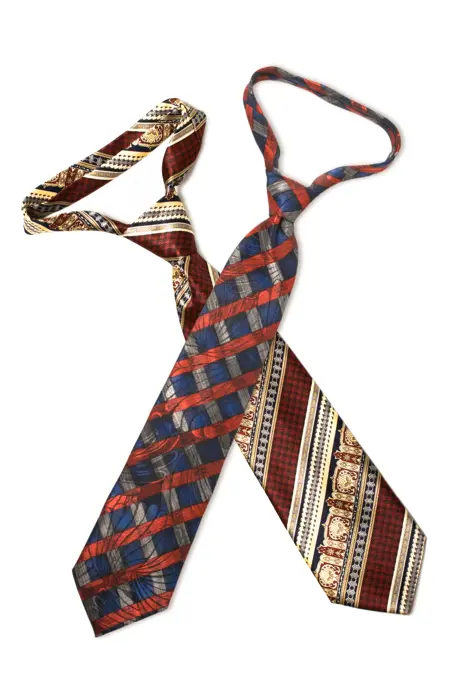
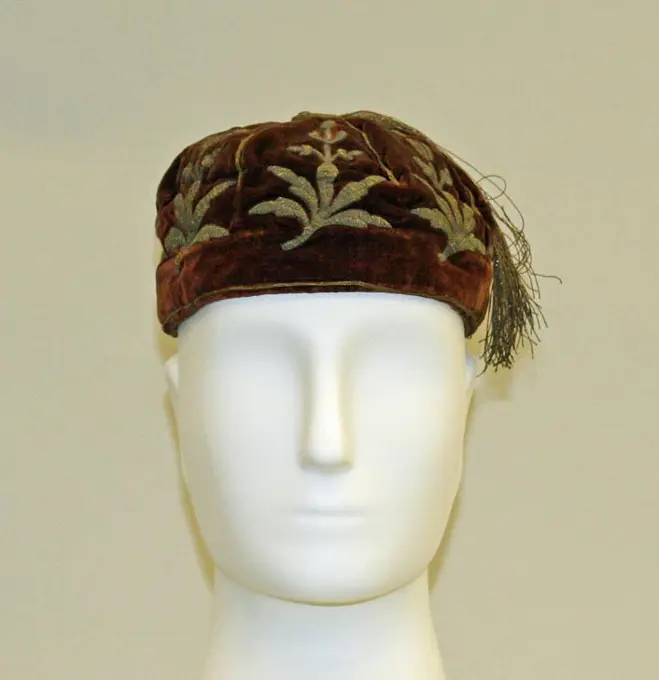
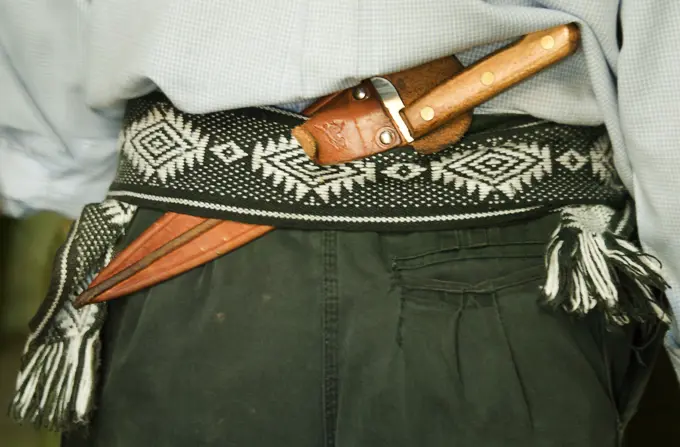
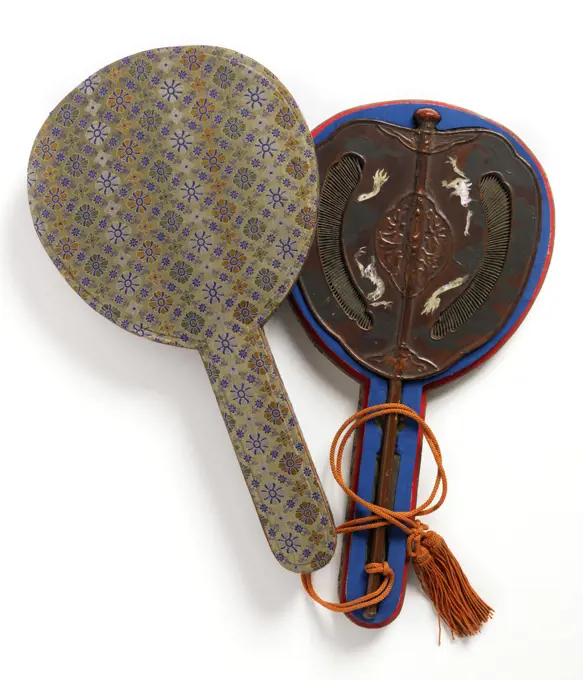
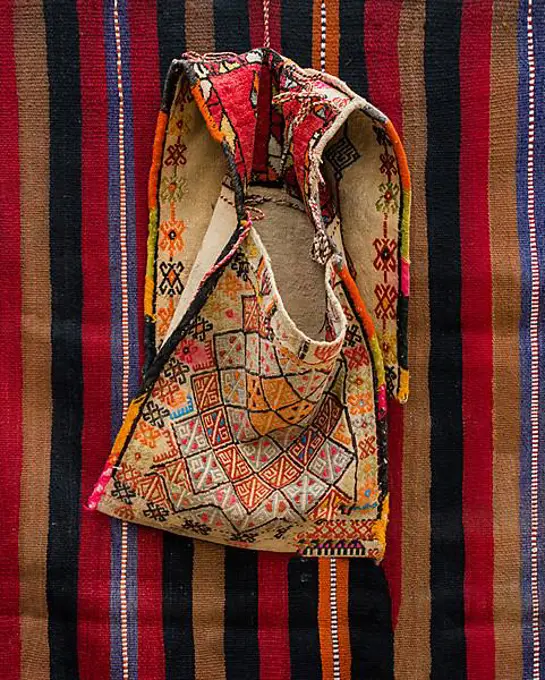
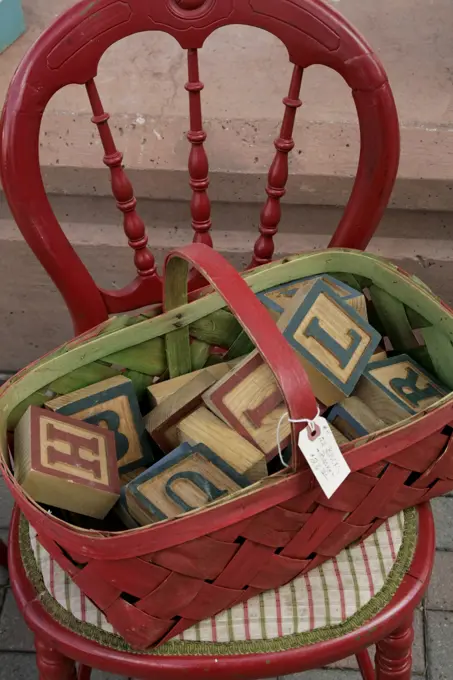
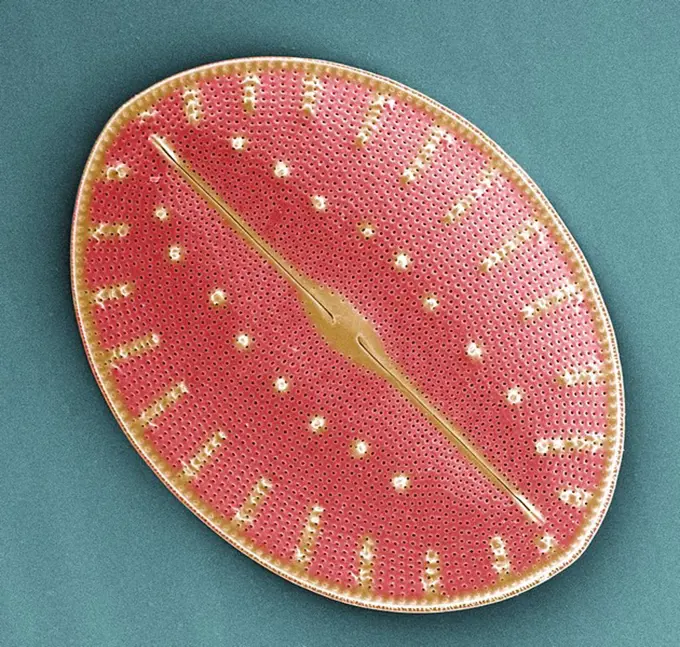
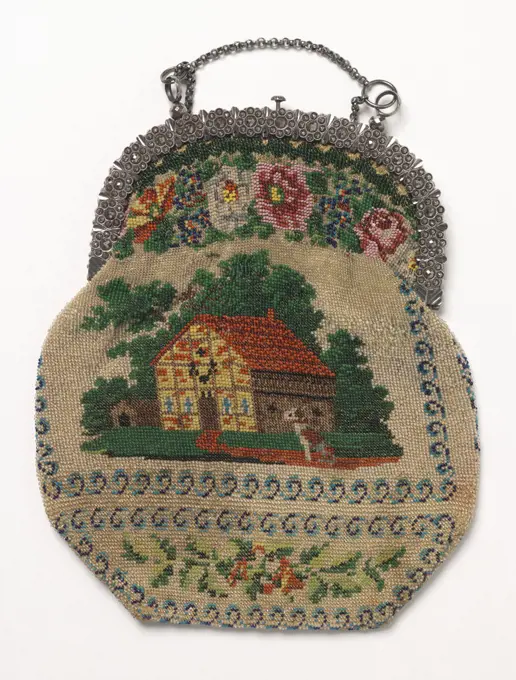
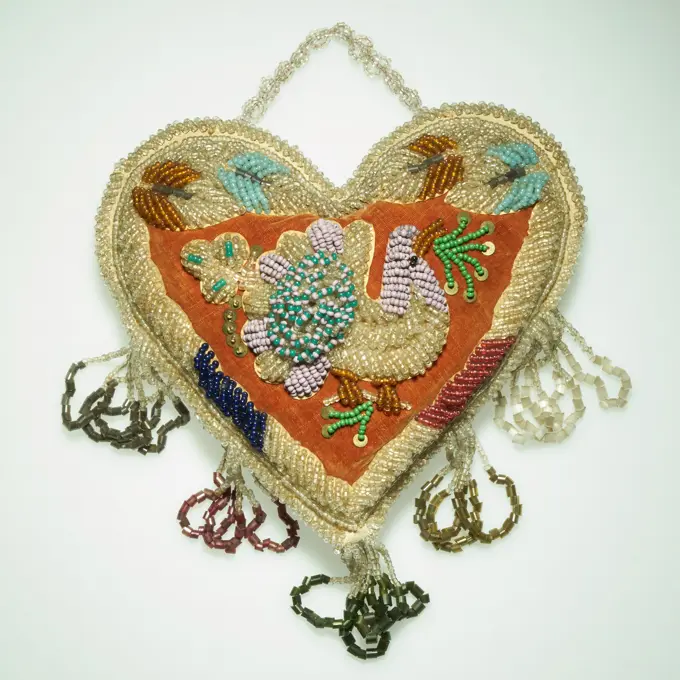
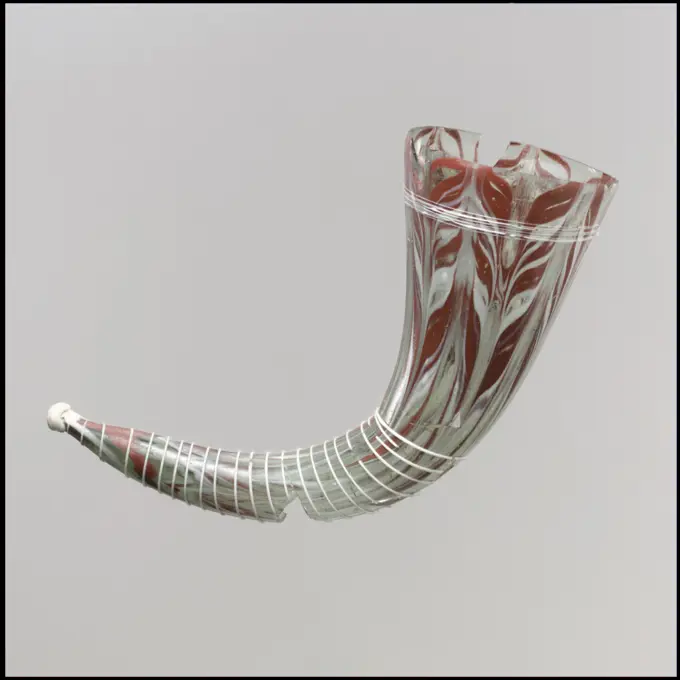
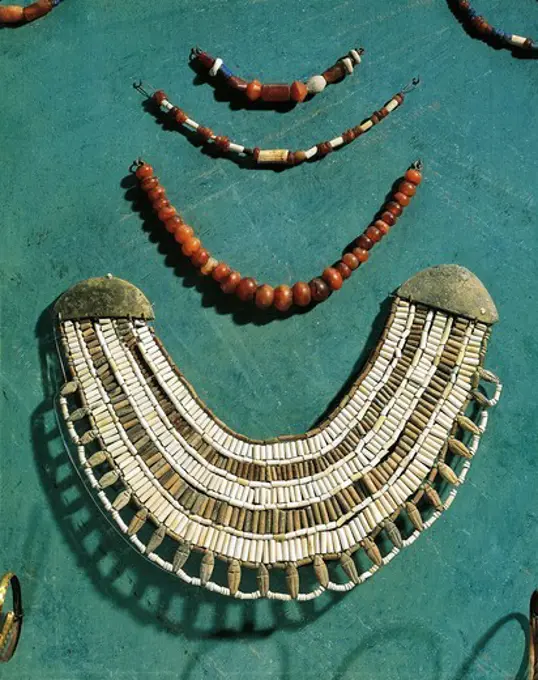
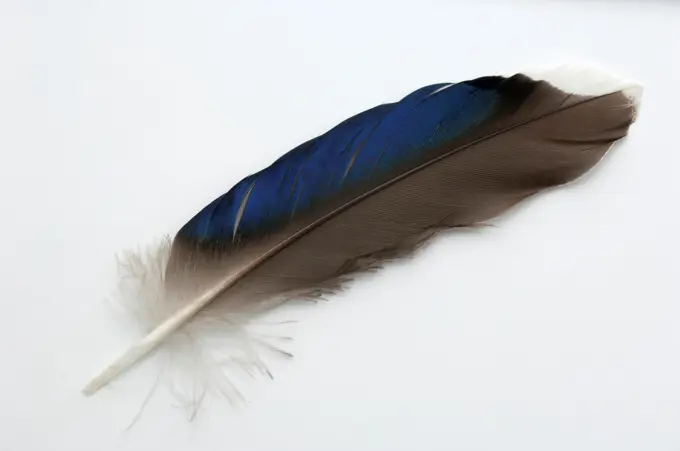
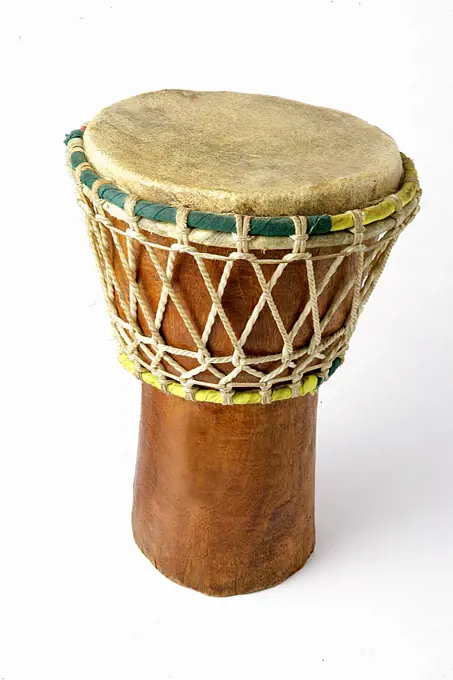
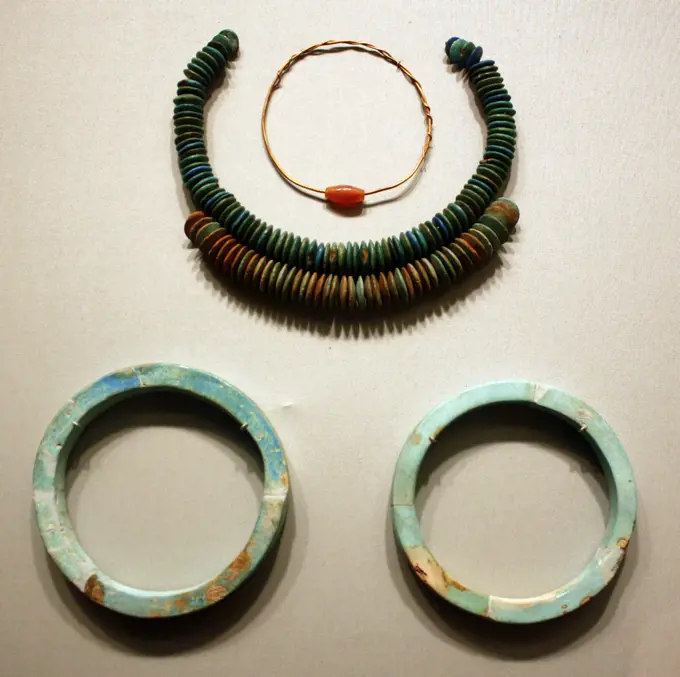
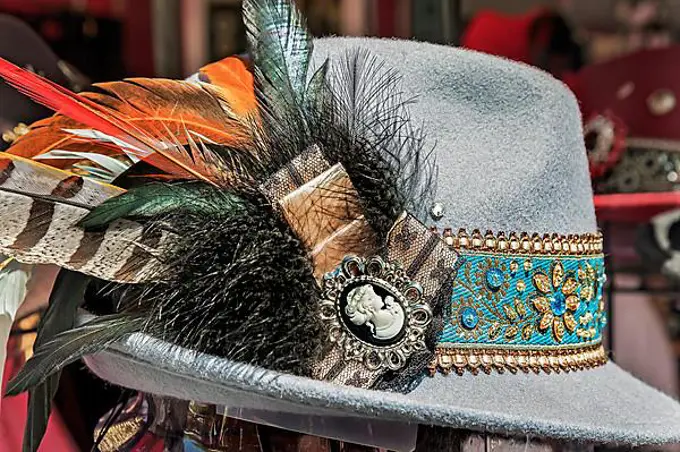
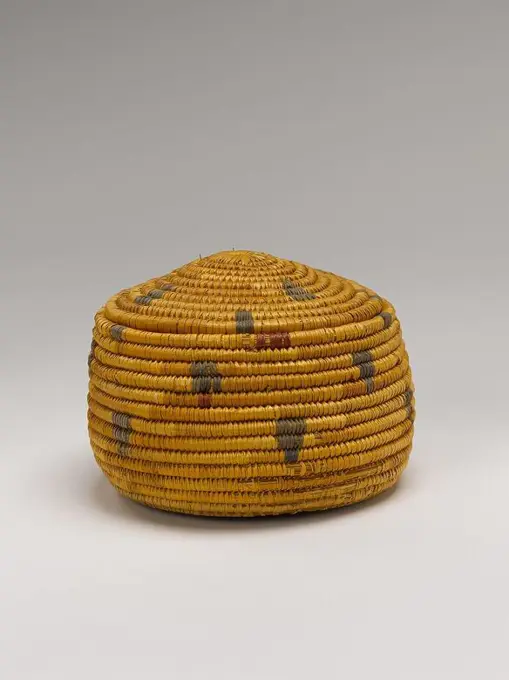
Circular Basket with Lid. Dimensions: H. 10.5 cm (4 1/8 in); diam. 14.5 cm (5 11/16 in). Dynasty: Dynasty 18. Reign: reign of Amenhotep I. Date: ca. 1525-1504 B.C.. Museum: Metropolitan Museum of Art, New York, USA.Straw sandalsMitts Italian 1750-75Rowing boat with fishing netENTORCHADOS. Location: ALCAZAR / MUSEO DEL EJERCITO-COLECCIÓN. Toledo. SPANIEN.decorative clay vase on the white backgroundRut, Upan, index belt; Unknown, workshop of Karol Stanis Awa Radziwi (s Uck; Pasów label; Ca 1767-1790), Mad Anski, Jan (fl. Ante 1757-Ca 1800); The end of the 18th century (1791-00-00-1800-00-00), XVIII/19th century (1790-00-00-1810-00-00), 1767-1780 (1767-00-00-1780-00 -00);Eysmond, Franciszek Teodor (painter - 1859-1931) - collection, Godyńska, Maria (fl. Ca 1946) - collection, Januszewski, Marian (Flow. Ca 1920) - collections, Radziwiłł, Karol Stanisław (Vilnius Voivodeship - 1734-1790 ), Subise-Bisier, Gustaw Wilhelm (1849-1937)-collection, gift (provenance), bipartite heads, men's fashion, geometric ornaments, plant ornaments, four-way belts, Polish belts, semi-lone belts, Polish (culture), rosette (ornamentation ), Polish clothing, Polish clothing, purchase (provenance)Button (China); glass beads, kingfisher feathers, brass and wood ?Inlay fragment, with lotus in a pool 100 BC-100 AD Ptolemaic Period-Roman Period A mosaic glass technique allowed multiples of an image to be created: a figural or design composition was made by bundling colored glass canes, which were then drawn out into a long bar. The bar was then sectioned at right angles, probably by striking the bar with appropriate tools, to produce small inlay tiles. The tile would then be smoothed and polished on the face intended to appear outwards.. Inlay fragment, with lotus in a pool. 100 BC-100 AD. Glass. Ptolemaic Period-Roman Period. From EgyptShelfLidded Box 1840-50 Micmac. Lidded Box 319120Pouch with four pattes, from side with which with multicolored glass beads the four cardinal virtues: caution, justice, moderation and courage are knitted, with drawstring and large fucks with brush. Pouch with four pattes, from side with which with multicolored glass beads the four cardinal virtues, caution, justice, moderation and courage are knitted, with drawstring and large fucks with brush. Caution (Temperantia) often drives on a lion, camel or elephant or mixes wine with water. Her attributes are: hourglass, reins in the mouth, mislift, skull, glasses, windmill, circle, sword in the sheath. Her animals: pigeon, elephant, lamb in fire, fish. Justice (Justitia): Libra, sword or lecturer bundle, eagle, passer, crown, code, head in the lap, globe, palm, phenix, ostrich or crane (often with stone in neck, symbol of vigilance). Courage (fortitudo): Knight in harness or with lion skin and clubs of Hercules, sword, shield, spear, scepter, lion, press, anvil, column.Fragment, Medium: linen, silk Technique: plain weave, cross stitch and long-armed cross stitch, White linen ground with three bands of dark blue in an embroidered design of S-shaped motifs., Egypt, 10th-12th century, embroidery & stitching, FragmentTerracotta fragment of a neck-amphora (jar) 530-520 B.C. Greek, Attic Feet of a draped male to right, with a lyre; upright palmette with tendrils; at the right, a lotus bud; below, two black glazed lines; a band of upright lotuses. Terracotta fragment of a neck-amphora (jar). Greek, Attic. 530-520 B.C.. Terracotta; black-figure. Archaic. VasesPowder horn -Close-up of a person´s hand putting paper currency into a piggy bankNecklace -Purse; silk and metallic embroidery on silk foundationAttic Black-Figure Lekythos Fragment. UnknownGlass Fragment 13th-15th century French. Glass Fragment. French. 13th-15th century. Colorless glass, silver stain, vitreous paint. Glass-StainedQuran holder, 19th century, Morocco, Álava Armory Museum, Vitoria, Basque Country, SpainNaga Statue isoliert auf weißem Hintergrund Naga statue isolated on white background LicenseRF Copyright: xZoonar.com/MilanxVasicekx 12821171Shawl, travel bag and wallet. Shawl: brown silk gauze, brown silk brown gray purple green, fringes in brown silk. Bag: Brown leather with ornament in brown leather and silver metal, clasp with steel click in steel, double steel chain handle bréguet, red leather lining, double red moiré background maintained by flange and lock, small storage flanges The interior. Silver: In silver cut on black silk background framing a glass paint. 1855-1860. Galliera, fashion museum of the city of Paris. Accessory, chale, brown leather, female, argente metal clasp, fringe, gauze, wallet, bag, second empireShawl, travel bag and wallet. Shawl: brown silk gauze, brown silk brown gray purple green, fringes in brown silk. Bag: Brown leather with ornament in brown leather and silver metal, clasp with steel click in steel, double steel chain handle bréguet, red leather lining, double red moiré background maintained by flange and lock, small storage flanges The interior. Silver: In silver cut on black silk background framing a glass paint. 1855-1860. Galliera, fashion museum of the city of Paris. In the center, a square of brown gauze surrounded by a green striped band, black streaked with yellow, a frieze of small palmettes then again with a black strip streaked with yellow and a large border of palmettes all around. Accessory, chale, brown leather, female, argente metal clasp, fringe, gauze, wallet, bag, second empireBaby carrier, c. 1970s-1980s, 26 5/16 x 18 3/4 in. (66.83 x 47.63 cm), Cotton, silk; needlework, China, 20th centuryLeather sole of classic men s shoes close-up, isolated on white background Leather sole of classic men s shoes close-up, isolated on white background Copyright: xZoonar.com/OleksandrxKostiuchenkox 9817899Textile (England); woolBlack pine (Pinus sylvestris), needle t.s., colouring Wacker A2Drawstring bag 1840s American. Drawstring bag. American. 1840s. glass, silkGAL1956.32.12 GAL1956.32.12Purse 16th century German. Purse 102666Woman's Bag (Reticule). Europe, circa 1810. Costumes; Accessories. Silk knit with glass beads and silk cordBasket, 20th century, 1 7/8 x 4 3/8 x 4 3/8 in. (4.8 x 11.1 x 11.1 cm), Plant fiber, United States, 20th centurySemiformal Winter Court Hat for a First Rank Civil Official chi'i-kuan, c. 1900, 6 1/2 x 9 x 11 in. (16.5 x 22.9 x 27.9 cm), Silk braid, mink fur, cotton, satin, gilt metal, and glass, China, 19th-20th centuryAnonymous, Bavarian veteran insignia (Munich)-Mitgliedschaft of B.V .-, K. & K.-Bundes. (BVKKB) Deutscher Kriegerbund München (attributed title), 1877. Painted metal, fabric, ink. General Leclerc Museum of the Liberation of Paris - Jean Moulin Museum.Drawstring bag ca. 1904 European, Eastern. Drawstring bag 117212Inrō, Ojime, and Netsuke. Ryūwa (Japan, dates unknown). Japan, 19th century. Costumes; Accessories. Inrō: lacquer on cherry bark, mixed metal flecks; Ojime: coral; Netsuke: ivoryFringe (Spain); silkPair of milestones in natural, blue and red raffia; blue and red braided raffia laces; Complete rope sole, around 1941. Circular bag, two handles, braided string; Corner decor; zipper, 1941-1942. Galliera, fashion museum of the city of Paris. Espadrilles and bags Accessory, white, blue, shoe, espadrille, feminine, female, woman, paper string, haute couture, raffia, red, bag, tricolorStacked sombreros Colorful stacked Mexican straw sombreros Copyright: xZoonar.com/IvonnexWierinkx 7997980Pouch. Culture: probably Italian. Date: 1820-50.Purchased in Rome, this pouch bag displays distinctive and unusual iconography: a curling floral motif on one side and what appears to be a sporting motif on the other. The contradictions give the bag a whimsical, personalized air.Margaret S. Bedell (1861-1932) donated, by gift or bequest, over 500 objects to the Brooklyn Museum, including furniture, quilts, samplers, costume and Native American beadwork. Her collection of American and European beaded bags includes examples from Philadelphia and the Catskill Mountain region of New York State, as well as Italy, Austria, Germany, and Holland. Museum: Metropolitan Museum of Art, New York, USA.Kajikawa-style five-case inro with decor of waterfall in the mountains, 19th century, Unknown Japanese, 3 11/16 x 2 x 1 3/16 in. (9.4 x 5.1 x 3 cm) (without cord), Lacquer; ojime: glass bead; silk cord, Japan, 19th centuryTraditional Turkish hand made carpet and rugsKnifeBaby Carrier, Silk cotton, gold metal, ribbon; needlework, ChinaEgyptian necklace or collar from the tomb of King Tutankhamen. 18th Dynasty, Egypt. 1323 BCTribal art: Decorated wooden board from the South Pacific. Displayed in ceremonies by the Elema people from Gulf of Papua, New Guinea.Cradleboard wrapper -Necklace 2300 B.C.-A.D. 1492 Indigenous American (Pre-Columbian) This collection of largely ethnographic jewelry includes examples from cultures in South America, North America, Europe, Asia, and Africa and dates from the Pre-Columbian period to the twentieth century. Owned by renowned art collector and fashion enthusiast Muriel Kallis Newman, the collection represents her knowledge and appreciation of a wide range of jewelry design and making traditions. Numerous items in her collection are composite artifacts made from various cultures and time periods reappropriated as modern jewelry creations by or for Muriel. It is important to note that Newman wore many of the pieces in the collection, interpreting them to suit and express her own singular, often avant-garde style.. Necklace 141474Hat 17th century British This hat belonged to the Kennett family of Sellindge, Kent, England. Considered to date from the late seventeenth to the early eighteenth century, it is related to three other hats worked in this shape and unusual technique at Colonial Williamsburg, Virginia, and Hatfield House and Hereford Museum, England. The pattern is reminiscent of early needle lace or cutwork, and around the brim is evidence of tiny silk stitches, suggesting that the hat originally had a silk lining, as does the one at Hatfield.This group of hats has generally been associated with the Italian straw-hat industry, and as early as 1590 Cesare Vecellio in Habiti Antichi et Moderni illustrates a huge, crownless straw brim, on which a fashionable Venetian lady might spread out her hair to bleach it in the sun, while shading her face. In England, in 1667, Samuel Pepys records a visit to Hatfield, where the ladies "had pleasure in putting on some straw hats," and in 1722 the Post Boy newspaper reGreen Sombrero Green Spanish Sombrero isolated over white background Copyright: xZoonar.com/IvonnexWierinkx 7997960Comb. René Lalique; French, 1860-1945; Paris, France. Date: 1915-1925. Dimensions: 6.4 × 8.9 cm (2 1/2 × 3 1/2 in.). Carved horn and tourmaline. Origin: France. Museum: The Chicago Art Institute, Chicago, USA.Fes, Morocco. Fancy embroidered saddle.Pair of Man's SlippersHat. Culture: British. Date: 17th century.This hat belonged to the Kennett family of Sellindge, Kent, England. Considered to date from the late seventeenth to the early eighteenth century, it is related to three other hats worked in this shape and unusual technique at Colonial Williamsburg, Virginia, and Hatfield House and Hereford Museum, England. The pattern is reminiscent of early needle lace or cutwork, and around the brim is evidence of tiny silk stitches, suggesting that the hat originally had a silk lining, as does the one at Hatfield.This group of hats has generally been associated with the Italian straw-hat industry, and as early as 1590 Cesare Vecellio in Habiti Antichi et Moderni illustrates a huge, crownless straw brim, on which a fashionable Venetian lady might spread out her hair to bleach it in the sun, while shading her face. In England, in 1667, Samuel Pepys records a visit to Hatfield, where the ladies "had pleasure in putting on some straw hats," and in 1722 the PoPair of Shoes for Bound Feet, 6 1/2 x 2 x 6 3/4 in. (16.51 x 5.08 x 17.15 cm) (each), Silk, cotton, ChinaFragment Of Rank Badge (China); silk, metal wrapped silk threadsShields made from wood from various tribal cultures in Merauke, Paua New Guinea. early 20th Century.Two Tassels for curtain, isolated on white backgroundCase (Inrō) with Design of Deer and Maple Trees (obverse); Mount Fuji (reverse) ca. 1820 Japan. Case (Inrō) with Design of Deer and Maple Trees (obverse); Mount Fuji (reverse) 45470green bayan  isolated on white backgroundSmall closed wicker box isolated on whiteKimono, early 20th century, Unknown Japanese, 60 1/4 x 50 1/2 in. (153.04 x 128.3 cm) (including sleeves), Cloth: satin; shibori (tie-dyeing), yuzen, Japan, 20th centuryBag (Austria); cottonHorse Crupper, c. 1880, 40 1/8 x 12 3/16 x 2 1/2 in. (101.92 x 30.96 x 6.35 cm) (including top loop), Animal hide, cotton, beads, felt, United States, 19th centuryBroad Faience Collar 1353 B.C.Headdress -Plaque with Animal Mask. China. Date: 1300 BC-1000 BC. Dimensions: 1 1/4 × 1 3/4 × 3/8 in. Jade. Origin: China. Museum: The Chicago Art Institute, Chicago, USA.Frederick of Antioch's shoes, Altopascio, TuscanyMoccasin vamp -Pair of footware made of straw on white backgroundEmpty basket on an old wooden tableTwo neckties isolated on whiteCap 1800-1825 European. Cap 84584HK Axe. HK Swimmer Axe. Hurricane KatrinaArgentina, San Carlos de Bariloche. Close-up of a gaucho's leather-encased knife tucked in the back of his traditional woven belt.Handscreen and case, 19th century, costume & accessories, Handscreen and caseTraditional turkish handmade bagArtesia, New Mexico, United States. Antique children's toy blocks and old red chair.Black mexican sombrero from Mexico isolated on white backgroundDiatom, SEMKnife -Purse, Medium: silk, glass beads, steel Technique: beaded knitting, Cut steel frame ornamented with flowers; bag worked in colored beads with design of landscape with hunter, stag and dog surrounded by floral and geometric borders. On the reverse, the same except the landscape shows a house with a dog. Long steel chain, lined with satin., Italy, 19th century, costume & accessories, PurseEsparto halfah grass used for crafts as cords basketry and espadrillesPincushion, 20th century, 7 13/16 x 8 7/8 x 2 3/4 in. (19.84 x 22.54 x 6.99 cm) (without dangles or hanger), Beads, cotton, velvet, sequins, paper, United States, 20th centuryHat 1892-95 American. Hat 113241Glass Drinking Horn 575-625 Langobardic () While contemporaneous Frankish glass vessels tend to be in natural colors of light green or brown, Langobardic glassware makes use of vivid colors, often combed, as here, to create complicated patterns. Listen to experts illuminate this artwork's story Listen Play or pause #2765. Glass Drinking Horn Supported by Bloomberg Philanthropies We're sorry, the transcript for this audio track is not available at this time. We are working to make it available as soon as possible.. Glass Drinking Horn. Langobardic (). 575-625. Glass. Made in Italy (North). Glass-Vesselsamulet with devil, Nepal, 19th century, silver, coral and turquoise, Anthropology National Museum, Madrid, Spain.NecklacesBadges of support for the British Miners strike of 1984-1985. At the end of the strike the National Union of Miners was left weakened and mining communities divided between supporters and opponents of the industrial action 1985Mallard (Anas platyrhynchos), wing feather of a drake. Studio picture against a white backgroundExotic drumGlass striped mosaic bowl fragment. Culture: Roman, probably Italian. Dimensions: 1 7/16 × 1 7/16 × 1/8 in. (3.7 × 3.6 × 0.3 cm)Estimated diameter 4 5/16 in. (11 cm). Date: late 1st century B.C.-early 1st century A.D..Translucent cobalt blue appearing grey blue, opaque yellow, white, and red, and colorless.Vertical rounded rim; straight side, tapering gently towards bottom.Striped mosaic pattern formed from lengths of a single composite cane laid side by side in parallel rows, comprising from right to left a blue stripe, encasing and outlined to left in white, a red stripe, and a yellow stripe, outlined to left in white. The pattern is repeated four times, slanting from top right to bottom left. A blue network cane wound spirally with double fine white threads is attached as a rim.A few bubbles; dulling, slight pitting, and faint iridescent weathering on interior; weathering on jagged edges. Irregular shallow indents on exterior. Museum: Metropolitan Museum of Art, New York, USA.Two lamps in shape of human face against white background, close-upFaience Armlets and Necklaces, Dynasty 18, reign of Thutmose 111 (ca 1479-1425 BC) From the tomb of three minor wives of Tutmose 111 in the Wady Gabbanet el-Qurud, Thebes.Feather decoration on a Bavarian hat, Auer Dult, Munich, Bavaria, Germany, EuropeOld black Chinese vase on the white backgroundChristmas decoration, fir cone on fur blanketBeautiful dream catcher isolated on white with clipping pathgreen mask and red garland on white background