Textile Art and Accessories

A variety of handmade textile items including needle cases, bags, and beadwork aprons, showcasing intricate patterns and colorful fabrics from different cultures.

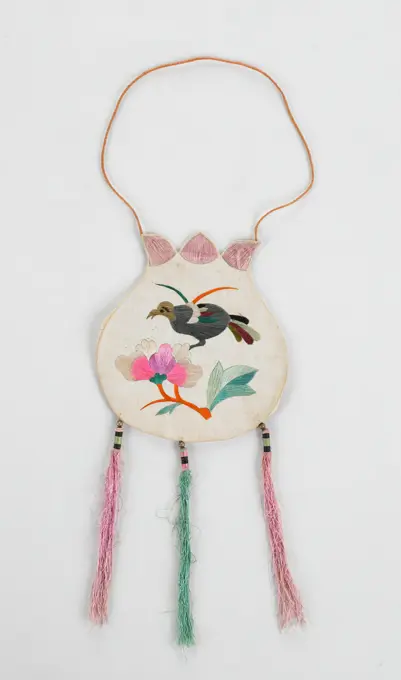
Eyeglass Case (China); silk, metallic thread, glass bead
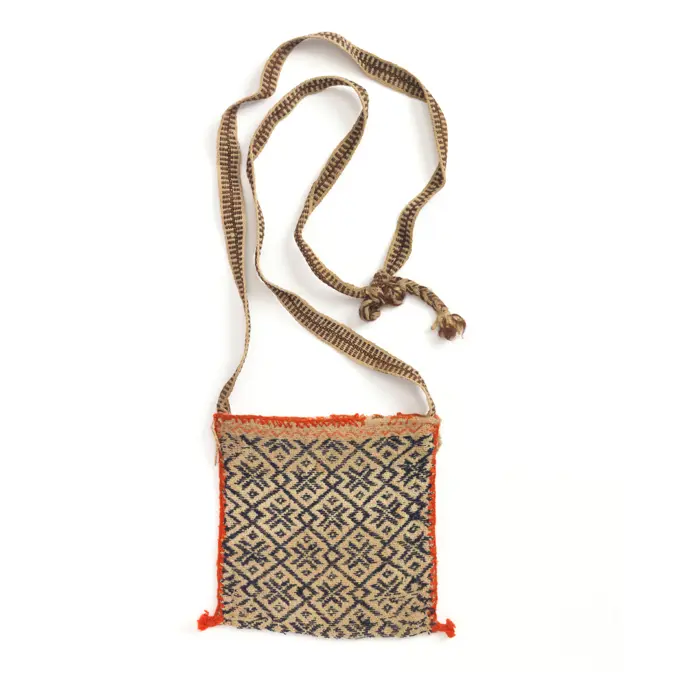
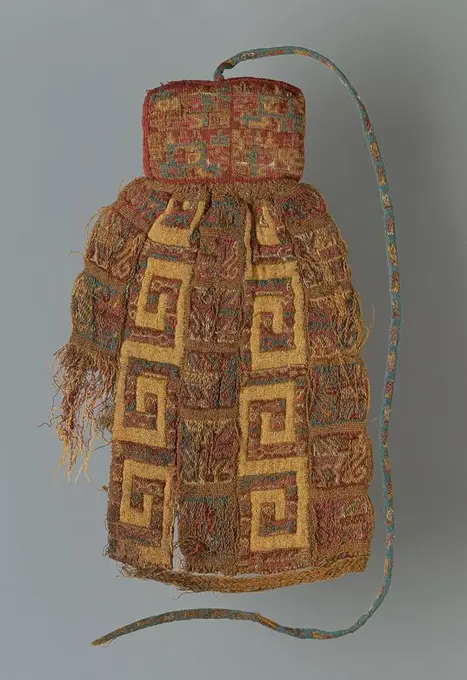
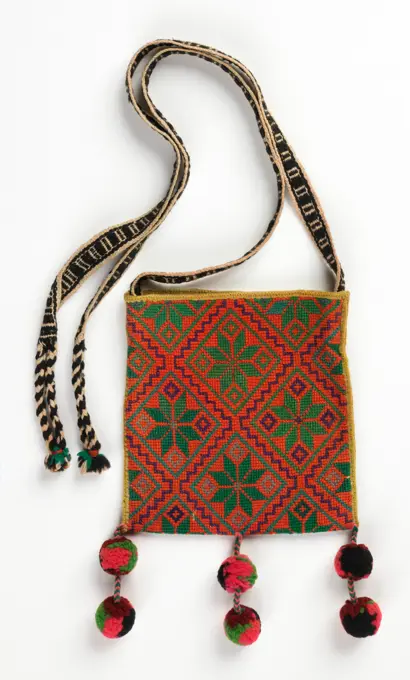
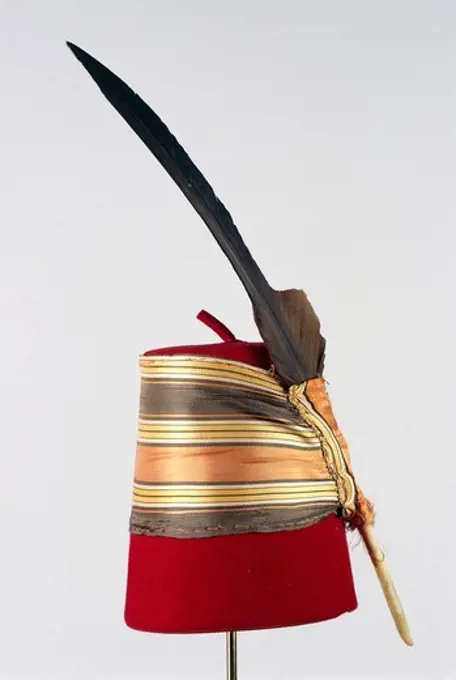
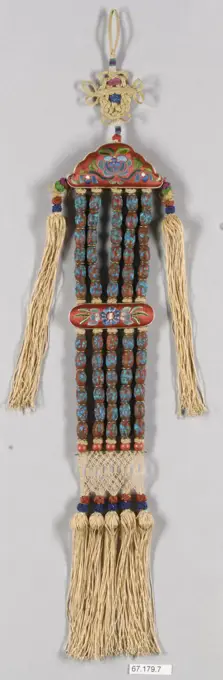
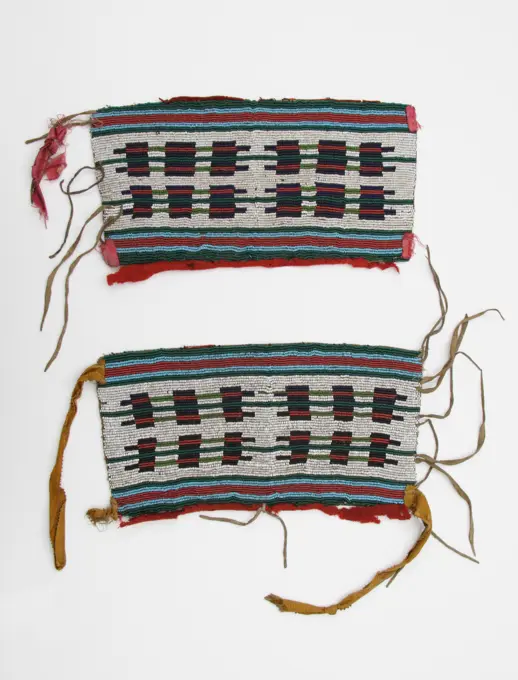
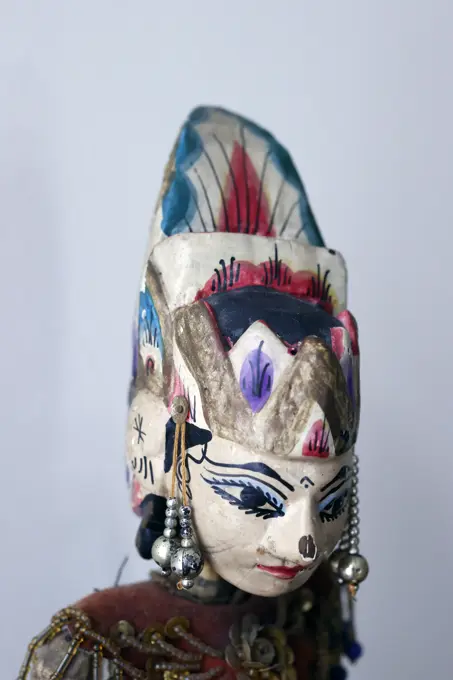
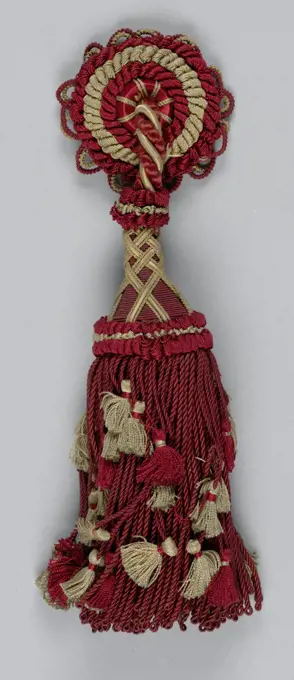
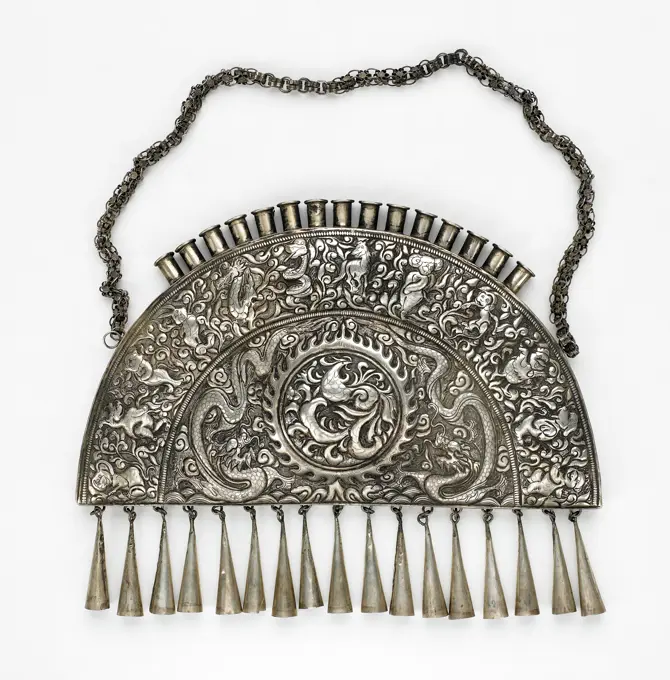
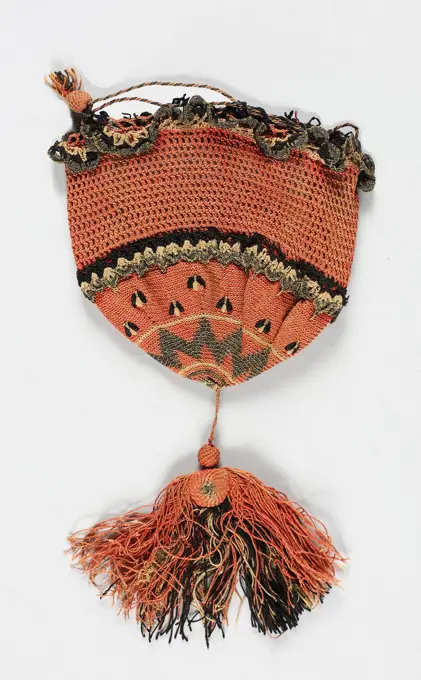
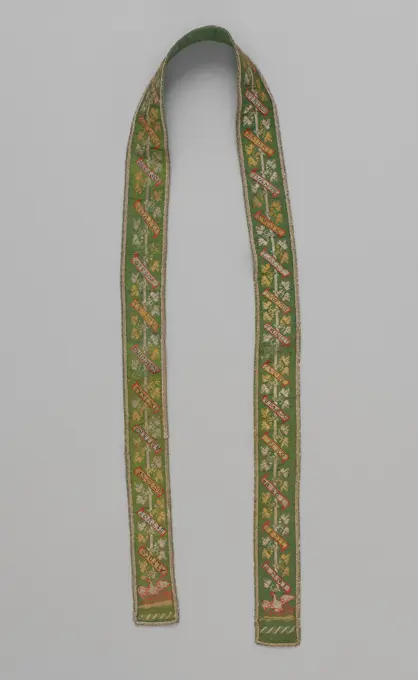
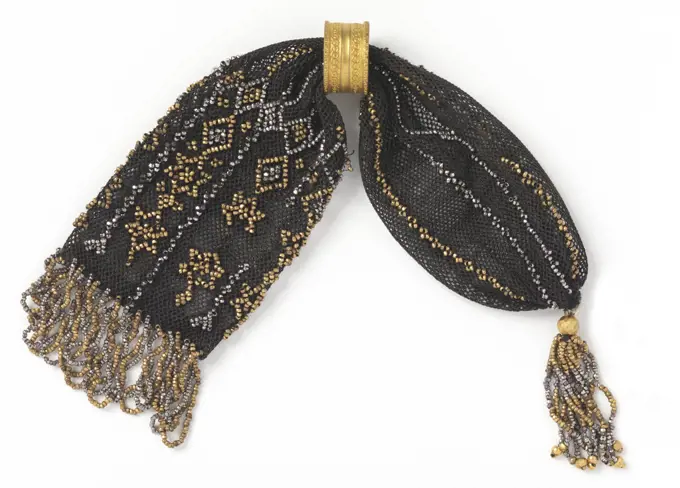
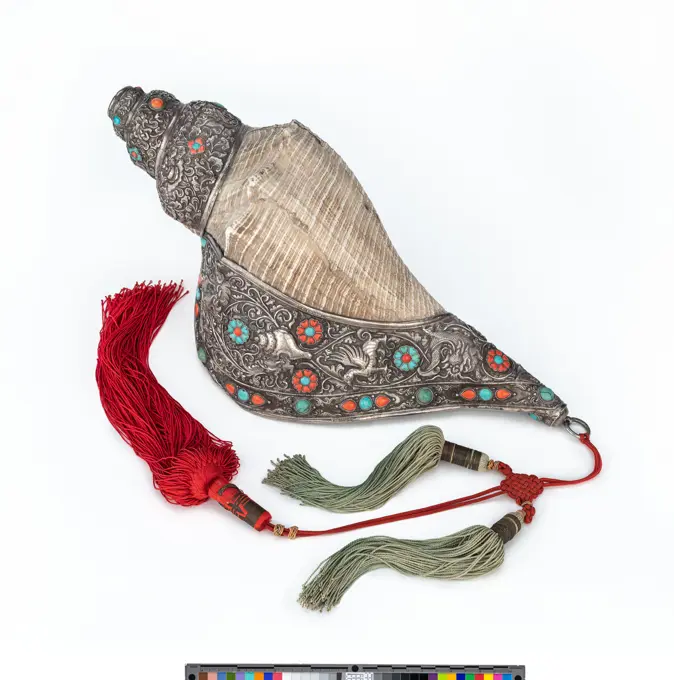
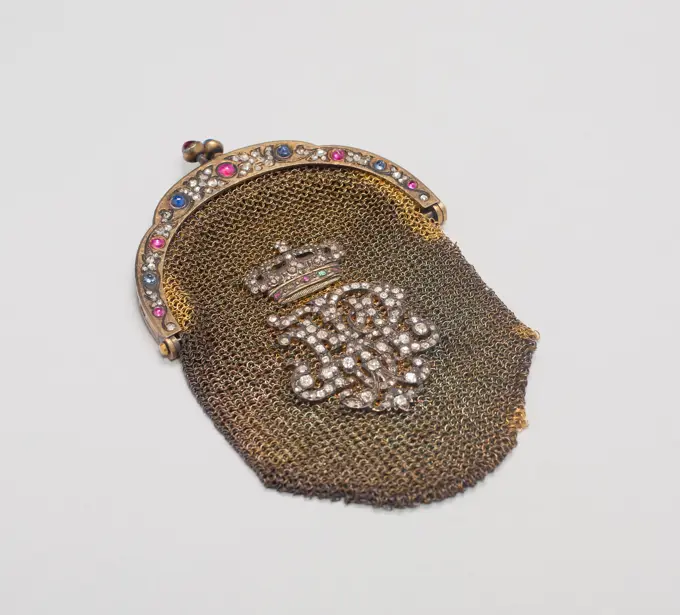
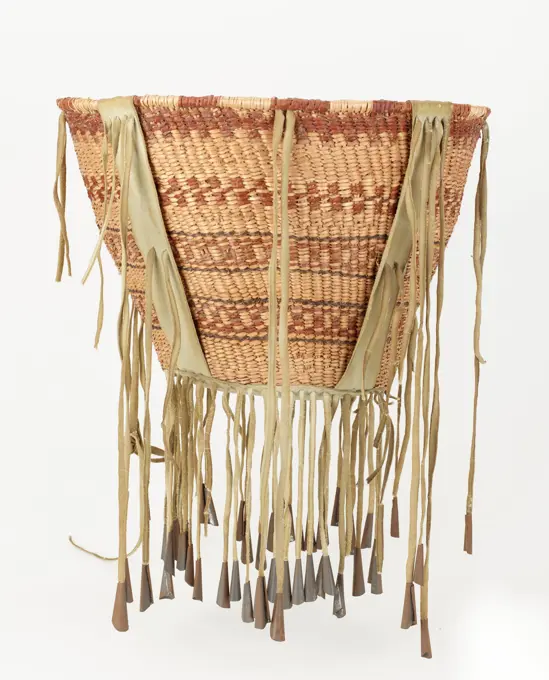
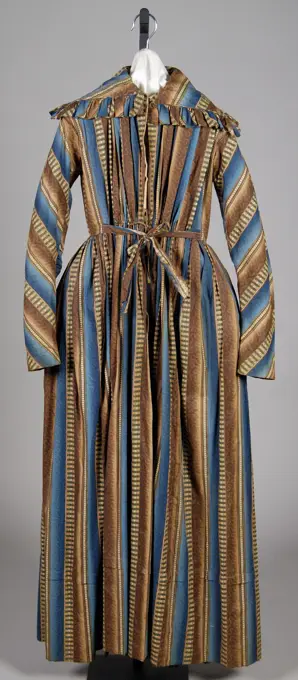
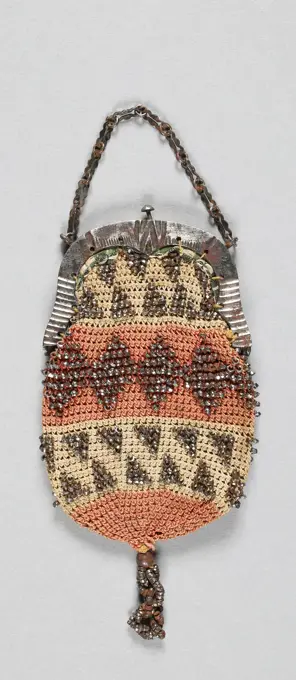
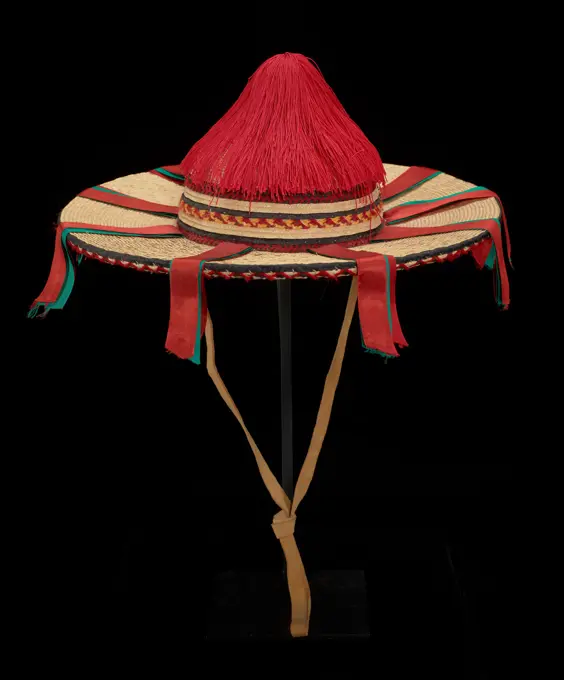
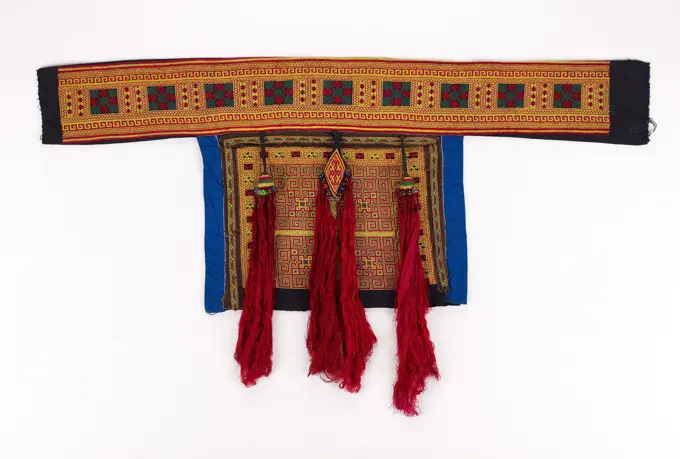
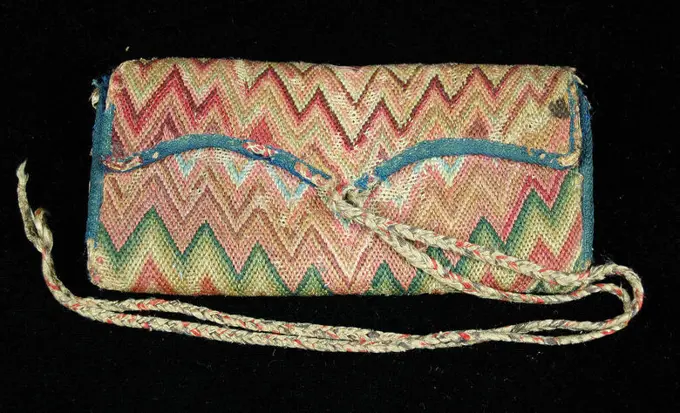
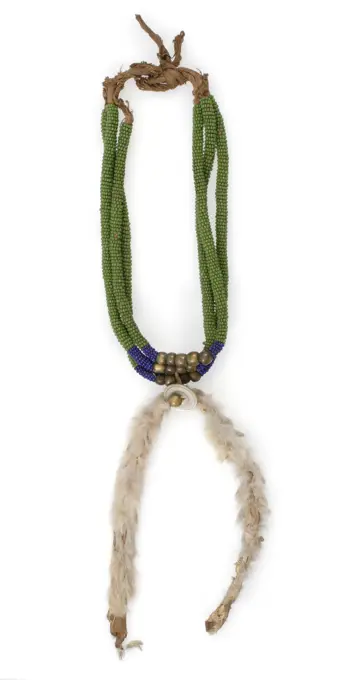
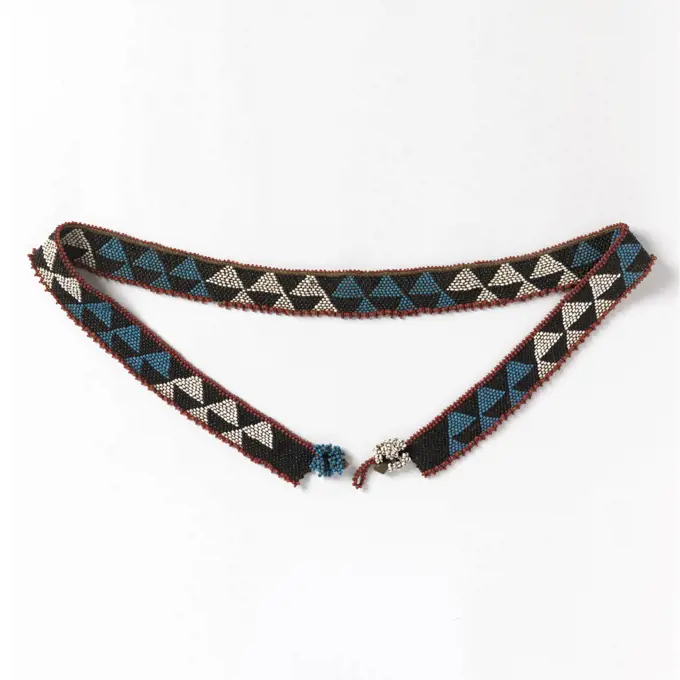
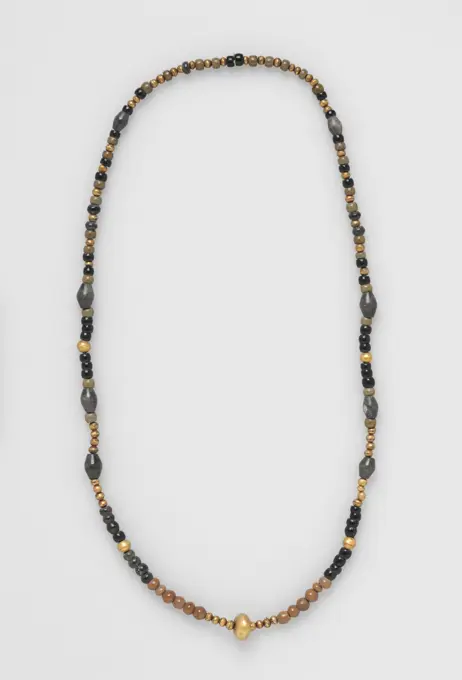
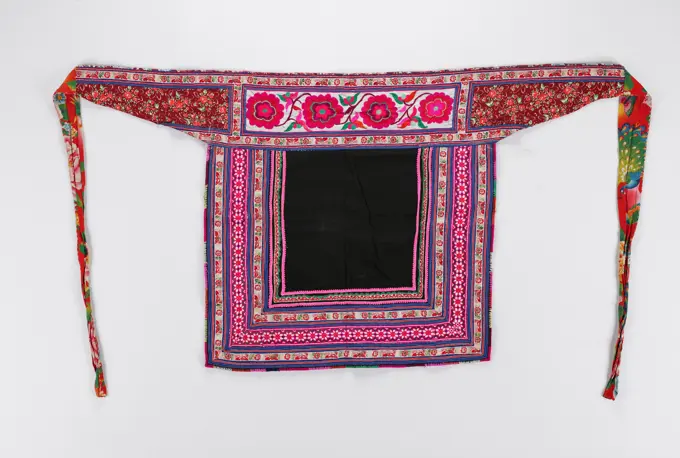
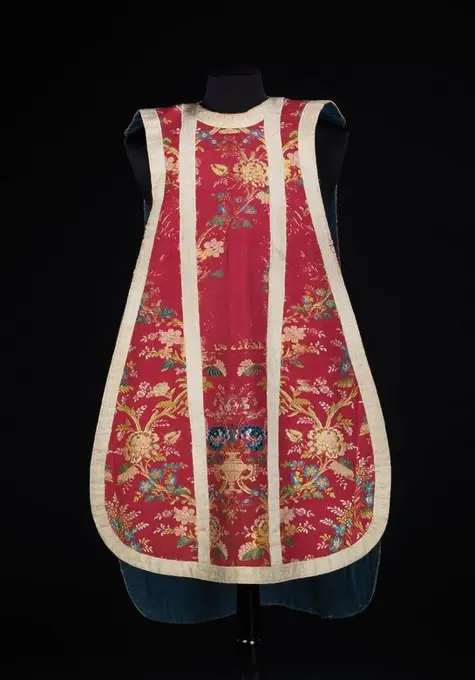
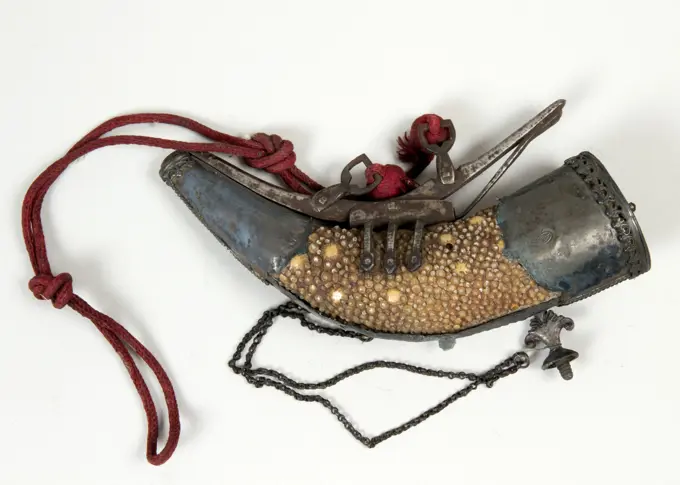
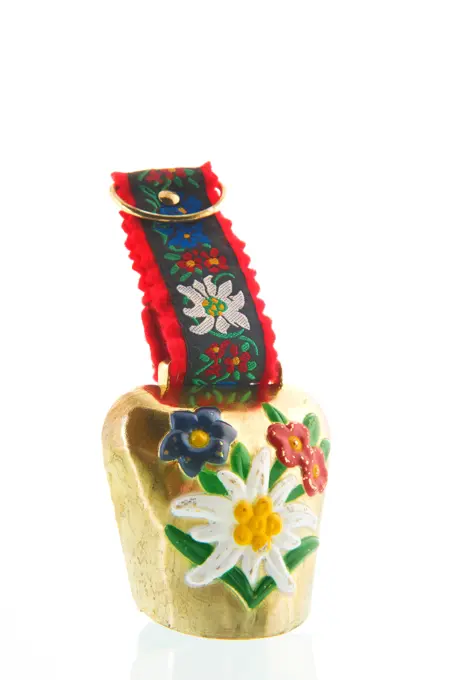
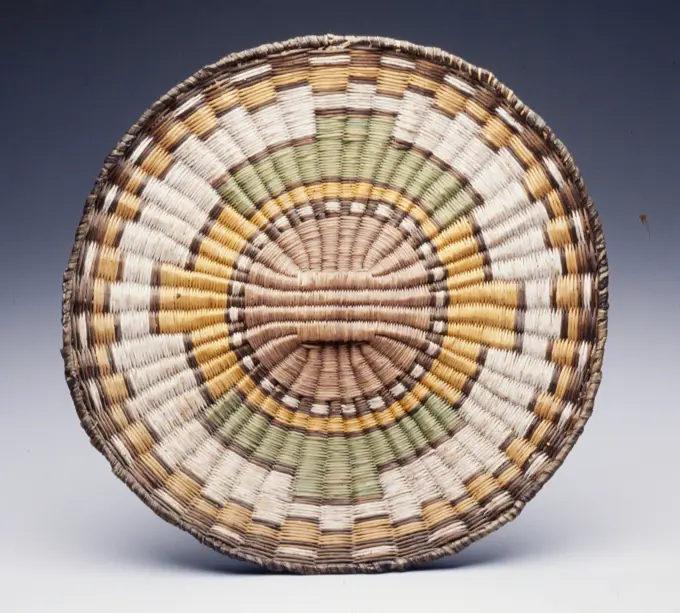
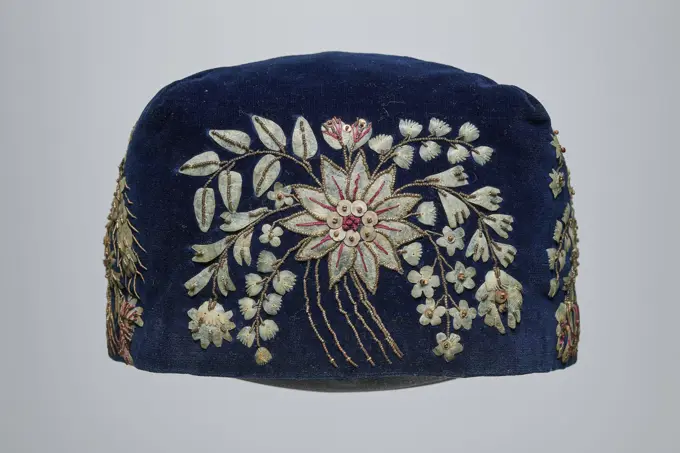
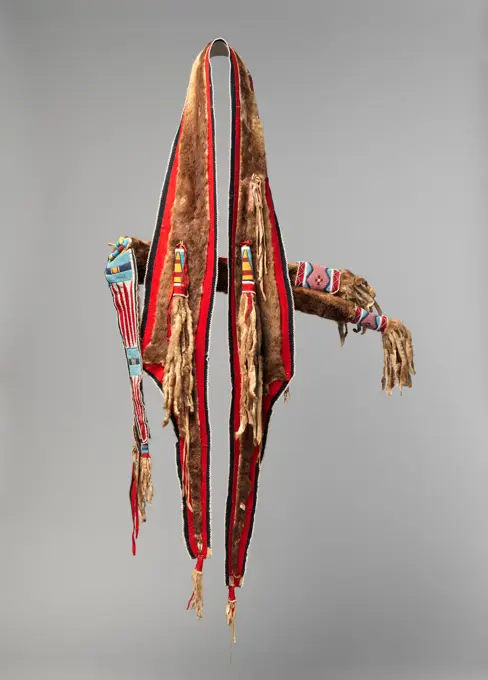
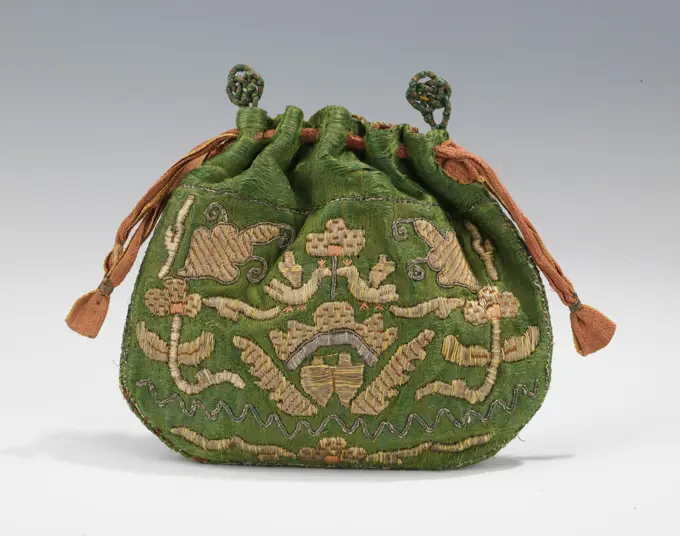
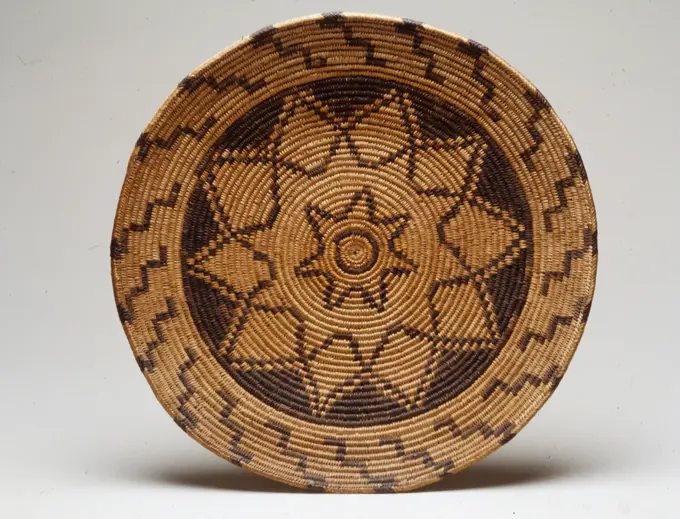
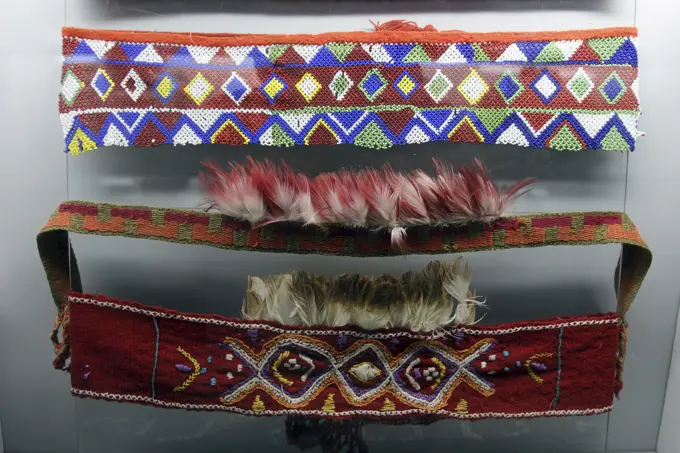
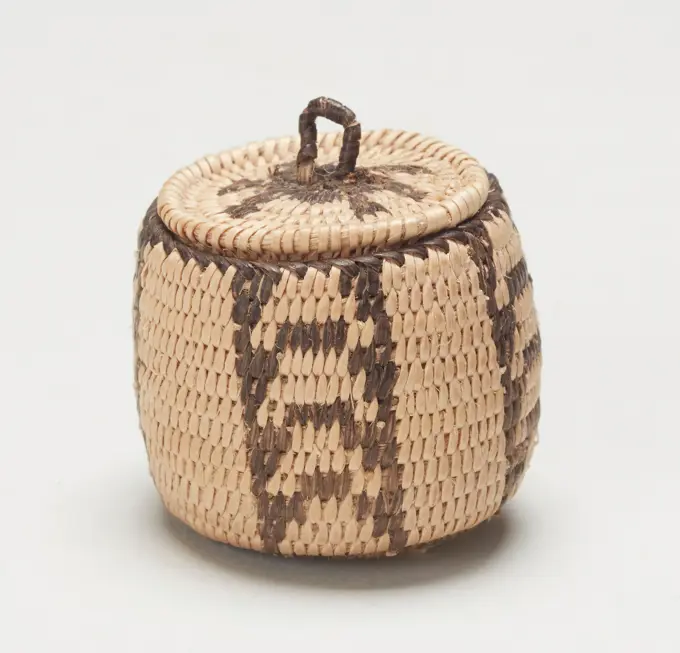
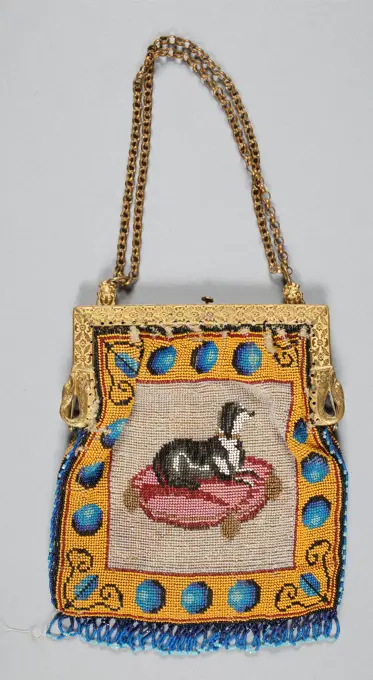
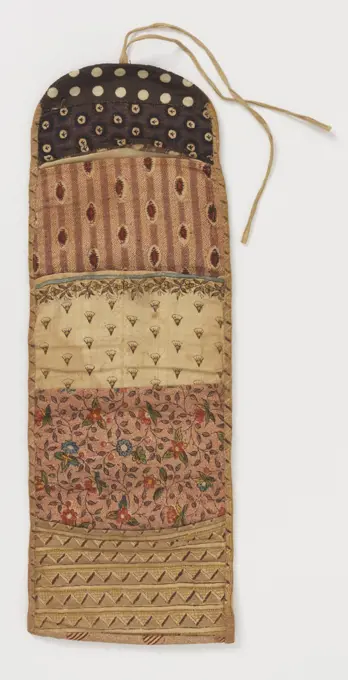
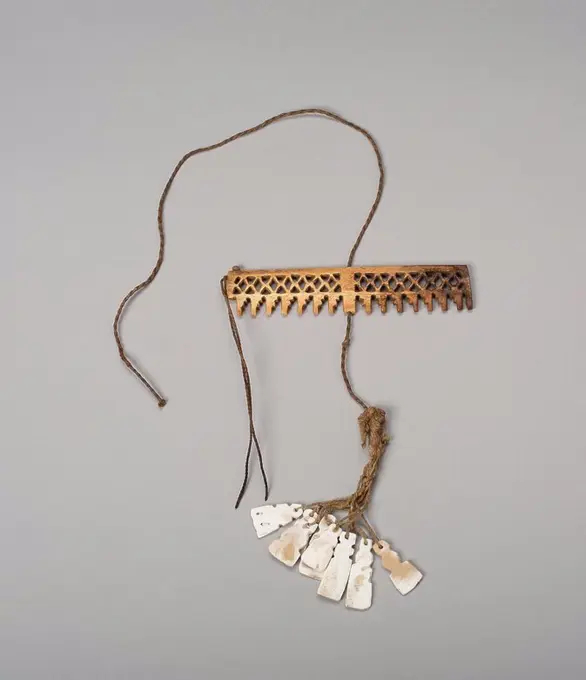
Needle case, Medium: cotton, wool Technique: printed fabrics, stitched, Folding oblong needle case made of seven different printed cottons; four pockets, one with a piece of wool for needles. In one pocket a small semicircle of newspaper dated 1838., USA, after 1838, costume & accessories, Needle caseBag (Mexico); woolBeadwork apron, Medium: cotton, glass, china beads, wool (), Woven beadwork in design of crosses in blue with surrounding lines in red on a white ground. Cotton strings for tying and for ornament. Border at the bottom of wool ()., Guyana, 19th century, woven textiles, Beadwork apronTassel. Nazca; Peru, , south coast, Probably Nazca Valley. Date: 500 AD-900 AD. Dimensions: 33.7 x 20.3 cm (13 1/4 x 8 in.). Wool; tubular plain weave, patterned in five-color, three-span floats, warp substitution; oblique twill interlacing with paired elements; "cross-knit" looping; plain oblique interlacing with four elements; strips of tubular plain weave double cloth and five-color complementary warp weave with warp substitution strips of plain weave double cloth and five-color complementary warp weave; oblique twill interlacing with three elements. Origin: Peru. Museum: The Chicago Art Institute, Chicago, USA.Bag (Mexico); wool, cottonMilitaria, Italy, 19th century. Headgear of th Eritrean cavalry squadrons Penne di Falco.Arrow sash -Small Hanging China. Small Hanging 65673Miser's Purse (France); silk, metalEyeglass Case (China); silk, metallic thread, glass beadHat, Medium: silk, mirror glass Technique: plain cloth embroidered with silks and mirror glass, Round pointed hat with a shoulder cape. Dark blue silk with all-over closely-spaced formalized flower design in red, yellow, green and cream silks and round bits of mirror glass. Backed with heavy red cotton., Punjab, India, 19th century, costume & accessories, HatLegging strip -Tassel, Medium: silk, metallic thread, Spain, 18th century, trimmings, TasselHand made traditional indonesia wooden puppet used in tradionalt shadow theartre. Yogyakarta. Indonesia.Bag, Medium: silk, glass beads Technique: embroidered with beads, Small bag fringed with blue beads and topped with fold-over flap of patterned brocaded taffeta. Rows of simple designs of stars, flowers, dogs. The name Sally Exnights and Watersbourough, 1837 are worked into the embroidery., England, 1837, costume & accessories, BagTassel, Medium: silk, wood core, Tassel with a skirt of red silk twisted and looped with small red and tan tassels in outer strands. Tassel head of red silk with tan braid forming crosses and two collars of red and tan silk in loops. Tassel is attached by a cord to a rosette which is composed of a central button surrounded by rings of red and tan silk loops., USA, 19th century, trimmings, TasselSac. 1880. 1890. GAL2004.298.XPendant, 20 1/4 x 14 x 7/8 in. (51.44 x 35.56 x 2.22 cm) (including dangles), Silver, ChinaTassel (USA); silk, wood coreBourse. GAL2004.274.XBelt or girdle with a woven love poem 16th century Italian. Belt or girdle with a woven love poem. Italian. 16th century. Tapestry weave band with silk and metal thread. Textiles-WovenMiser's purse, Medium: silk, metal Technique: crochet, Crocheted black silk ornamented on one end with single lengthwise bars of alternating rows of gold and cut steel beads; the other end is decorated with gold and steel beads in a six-pointed star and diamond pattern. One gold ring controls side closing. One end is fringed, the other tasseled, both with cut steel and gold beads., France, early 19th century, costume & accessories, Miser's purseFragment with red shard, with floral shapes and jobs in sgraffito technology with ocher and green glaze on a white surface, anonymous, 1200 - 1899  Italy earthenware  Italy earthenwareEvening bag. End XIXth. GAL2001.190.XBag in a flat, rectangular model, of cream -colored cotton macramé with a cream -colored satin lining, anonymous, c. 1920 Bag in a flat, rectangular model, the lower half of which is of cream -colored cotton macramé, which is tied in a pattern of diagonal jobs. On both sides a handle of Macramé, which is tied so that it gets a helix form. The bag is lined with a cream -colored satin, which partly protrudes above the knotted part. A tunnel is sewn on the side, so that a twisted cream -colored cord is strung. Netherlands whole: Cotton (textile). Lining: Silk Bag in a flat, rectangular model, the lower half of which is of cream -colored cotton macramé, which is tied in a pattern of diagonal jobs. On both sides a handle of Macramé, which is tied so that it gets a helix form. The bag is lined with a cream -colored satin, which partly protrudes above the knotted part. A tunnel is sewn on the side, so that a twisted cream -colored cord is strung. Netherlands whole: Cotton (textile). Lining: SRitual Conch. Eastern Tibet or Mongolia, 18th century. Tools and Equipment. Shell with silver fittings inlaid with coral, jade, and turquoise; silk tasselsMiniature Evening Purse 1885-1905 Russia. Gold, sapphires, emeralds, rubies, and diamonds .Basket with cone jingles, 10 7/16 × 15 5/16 × 15 1/4 in. (26.51 × 38.89 × 38.74 cm) (without fringe), Plant fibers, metal cones, leather, United States, For thousands of years, Native people have lived in the dry deserts of the North American Southwest, where summer temperatures can reach 130 degrees Fahrenheit. Indeed, the Apache and Tohono Oodham, among other Native peoples, still thrive there. Indigenous knowledge of their environment historically helped them travel great distances with little water to collect certain plants and animals. They still make gathering baskets from local plant fibers, adorned with objects that create pleasing sounds when the baskets are used, Baskets woven so tightly they can store water are both utilitarian and artful, embellished with patterns.Wrapper ca. 1840 American. Wrapper 174748Basket, 1900-1942, 13/16 x 1 3/16 x 1 3/16 in. (2.1 x 3 x 3 cm), Natural plant fibers, United States, 20th centurySotck exchange. XIXth. Gal1959.78.3Ceremonial hat, 20th century, 8 7/16 × 16 1/2 × 16 1/2 in. (21.43 × 41.91 × 41.91 cm), Plant materials, wool, ribbons, synthetic fibers, leather, Mexico, 20th centuryBliżej Kultury unknownPurse. Culture: British. Date: ca. 1785. Museum: Metropolitan Museum of Art, New York, USA.Basket. Culture: Japan. Dimensions: H. 8 in. (20.3 cm); Diam. 4 1/2 in. (11.4 cm). Date: 19th century. Museum: Metropolitan Museum of Art, New York, USA.Beaded Bag. Dated: 1938. Dimensions: overall: 43.5 x 34.9 cm (17 1/8 x 13 3/4 in.). Medium: watercolor, gouache, and graphite on paperboard. Museum: National Gallery of Art, Washington DC. Author: Ralph Atkinson.Hat, before 1929. Africa, Central Africa, Democratic Republic of the Congo, Mangbetu, 20th century. Plant fibers and dye; overall: 9.4 cm (3 11/16 in.); diameter of top: 15.8 cm (6 1/4 in.).Bib, 26 1/2 x 14 3/4 in. (67.31 x 37.47 cm), Cotton, ChinaBalance-Beam Scale with Geometric Cut-out Motifs and String holding Shell Pendants. Possibly Nazca; South coast, Peru. Date: 500 AD-800 AD. Dimensions: 9.7 x 2 cm (3 13/16 x 3/4) (scale only). Bone, string, and shell. Origin: Peru. Museum: The Chicago Art Institute, Chicago, USA.Baby Carrier, 22 x 52 in. (55.88 x 132.08 cm), Cotton, silk, plastic; needlework, ChinaOne half of a Kontusz sash/belt. Madżarski, Jan (tkacz ; Słuck, -ca 1800), Manufaktura Karola Stanisława Radziwiłła (Słuck ; wytwórnia pasów ; ca 1767-1790), manufactureBag. Culture: American. Date: 1775-90. Museum: Metropolitan Museum of Art, New York, USA.Necklace -Belt, Medium: glass beads, metal fasteners, Long, narrow beaded belt with a design of opposing triangles in black, blue, and white, with red beads on long edges. Fastened with cone-shaped metal buttons., South Africa, late 19th-early 20th century, costume & accessories, BeltHat -Child's Neck Pendant, 20th century, 12 3/4 x 5 7/8 in. (32.39 x 14.9 cm), Silk, plastic beads, synthetic fringe attachments, embroidery, China, 20th centuryApron, 20th century, 25 1/4 x 9 1/2in. (64.1 x 24.1cm), Cotton, China, 20th centuryPocket early 19th century American. Pocket 117284Scarf (), ChinaTassel 18th century French. Tassel. French. 18th century. Silk. Textiles-TrimmingsNecklace, before 1532. Peru. Gold with gray and black polished stone beads; overall: 79.4 cm (31 1/4 in.).Belt -Hat, late 19th-early 20th century, 29 7/8 × 9 1/4 × 6 1/2 in. (75.88 × 23.5 × 16.51 cm) (including back 'tail'), Cotton, metal, silk, metallic threads, beads, carnelian, Uzbekistan or Afghanistan, 19th-20th century, This hat was made by people of the Turkmen cultural group of Central Asia in the later nineteenth or early twentieth century. It would have been worn by elite women as part of a traditional wedding ensemble. The hat combines many of the distinctive materials and techniques that are representative of the culture. The cut tassels, stamped metal plates, and use of carnelian are typical of Turkmen jewelry practices. It also integrates embroidered panels that are typical of the needlework traditions for which the culture is well known.Apron, 20th century, 25 15/16 x 47 7/8 in. (65.9 x 121.6 cm), Cotton, China, 20th centuryChasuble. Culture: Spanish. Dimensions: Length at CB: 42 in. (106.7 cm). Date: 1740-60.The perfectly matched flowing floral design gives this chasuble its distinctive appearance. The sense of liveliness in the beautiful pattern comes from the finely detailed central urn motifs, which incorporate fluting and cross-hatching; the peony blossoms shaded with subtle gradations in color; and the tulip heads that are just beginning to open. Museum: Metropolitan Museum of Art, New York, USA.Primer with Cord 18th century Turkish. Primer with Cord. Turkish. 18th century. Silver, lizard skin, textile, turquoise. Firearms Accessories-Flasks & PrimersSwiss Cow bell Swiss cow bell with Edelweiss isolated over white background Copyright: xZoonar.com/IvonnexWierinkx 12928429Basket, c. 1950, 1 3/16 x 12 13/16 in. (3.02 x 32.54 cm), Plant fibers, United States, 20th century, Flat wicker baskets are unique to the Third Mesa Hopi. Notable for their fine weave and bright colors, these baskets have both utilitarian and ceremonial uses. They are created by women, and are given as a gift from the bride to the groom at their marriage, or carried in the women's Basket Dance. Complicated designs are usually woven into each basket, either a figure or geometric pattern like in these examples.Cap. unknown, authorCingel of cord with embroidered ends, with a pattern of a heart shield with tree and animal, between two pigeons ,, c. 1675 - c. 1700 Cingel van Cord with ends with embroidered Akers. The pattern has a heart shield with tree and animal, between two pigeons. The Cingel has a attachment with a pattern of a crowned heart with a cross, stopped by two winged angels. De Klingel is part of six ecclesiastical embroidery works with InvNR. BK-1966-54-A to BK-1966-54-F. Italy lanyards. paste (glass) embroidering Cingel van Cord with ends with embroidered Akers. The pattern has a heart shield with tree and animal, between two pigeons. The Cingel has a attachment with a pattern of a crowned heart with a cross, stopped by two winged angels. De Klingel is part of six ecclesiastical embroidery works with InvNR. BK-1966-54-A to BK-1966-54-F. Italy lanyards. paste (glass) embroideringBorder (France); block-printed on paper; 116 x 14.5 cm (45 11/16 x 5 11/16 in.)Bowcase and Quiver ca. 1870 Nez Perce artist. Bowcase and Quiver. Nez Perce artist. Nez Perce. ca. 1870. Otter skin, native-tanned leather, wool cloth, glass beads, ermine, and silk ribbon. Idaho, Oregon, or Washington, United States; United StatesPouch first quarter 18th century Russian This object is from the collection of Natalia de Shabelsky (1841-1905), a Russian noblewoman compelled to preserve what she perceived as the vanishing folk art traditions of her native country. Traveling extensively throughout Great Russia, she collected many fine examples of textile art of the wealthy peasant class. From the 1870s until moving to France in 1902, Shabelsky amassed a large collection of intricately embroidered hand-woven household textiles and opulent festival garments with rich decoration and elaborate motifs. The Brooklyn Museum holdings include many fine examples including the majority of the garments. Portions of Shabelsky's collection are also housed at the Museum of Fine Arts, Boston, the Cleveland Art Museum, and the Russian Museum of Ethnography in St. Petersburg. This rare and expensive luxury accessory depicts the traditional goddess or tree of life motif. Depictions of the goddess are common in Russian embroidery, tradClose-up of red and metallic silk throwsFragment (England); Designed by Christopher Dresser (Scottish, 1834 - 1904); Produced by James W.& C. Ward; silk, woolPair of footware made of straw on white backgroundBasket, 20th century, 2 1/4 x 17 in. (5.72 x 43.18 cm), Plant fibers, United States, 20th centuryBasket, 20th century, 3 3/4 x 13 in. (9.53 x 33.02 cm), Plant fibers, United States, 20th centuryArmband -Tile/tile fragment, Glazed earthenware, Spain or Italy, 17th century, tiles, Decorative Arts, Tile/tile fragmentPulsera, obra de Jaume Mercadé i Queralt, siglo XX. Colección privada.Warm slippers isolated on the white background
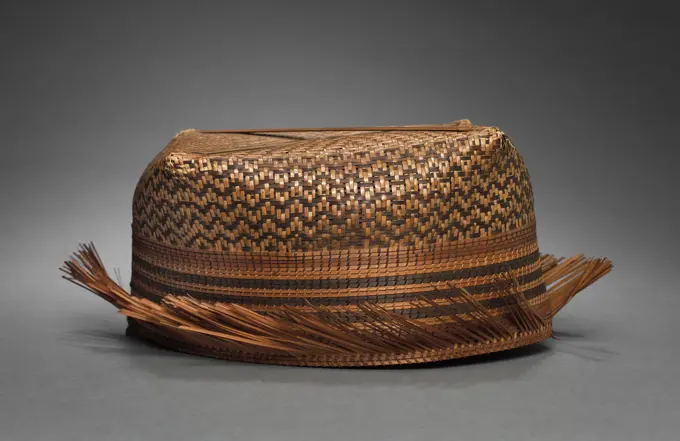
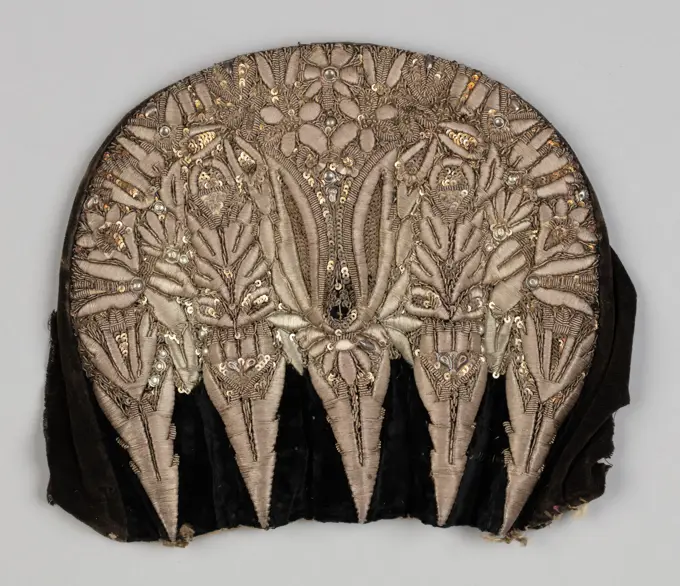
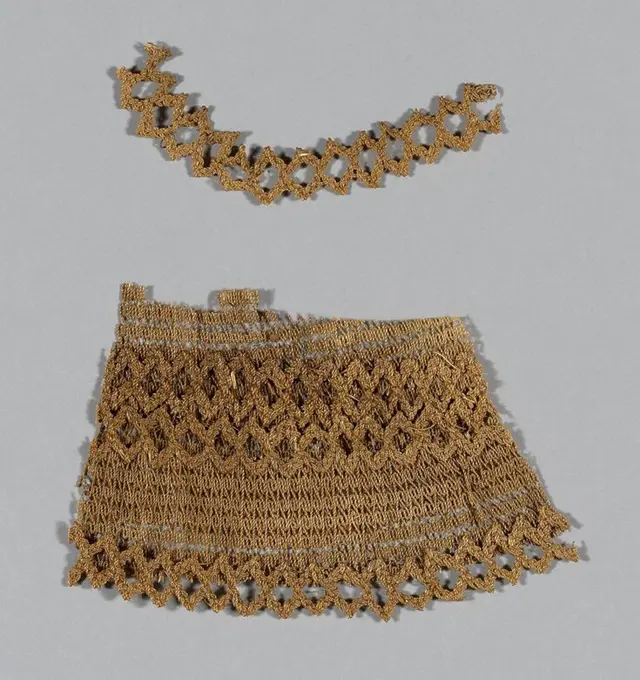
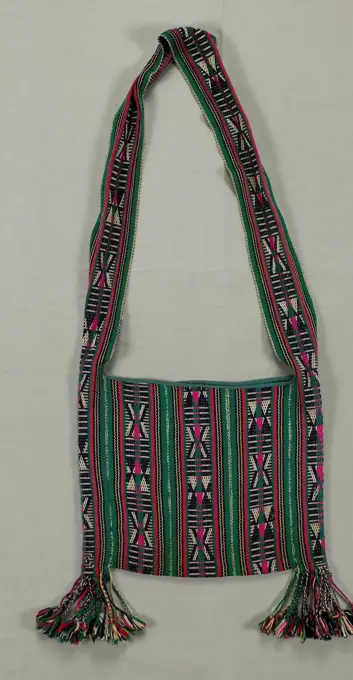
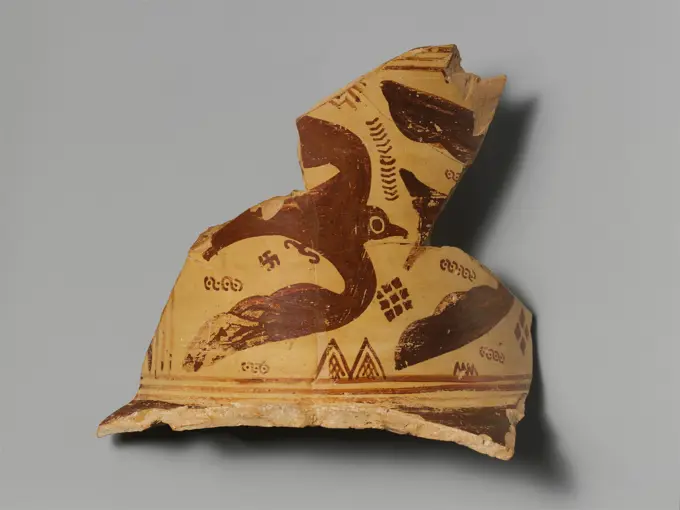
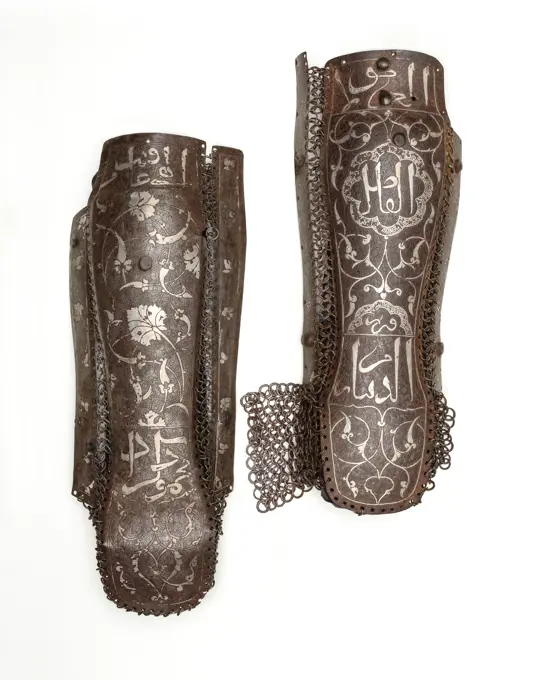
Purse; silk, glass beadsFragment (Bonnet Trim). Probably Europe. Date: 1840-1850. Dimensions: 16.1 × 10.2 cm (6 3/8 × 4 in.). Straw and silk, simple gauze weave with ground wefts turning after each gauze crossing; edged with straw in pairs of joined braids of oblique interlacing; top: horizontal openwork pattern with four rows of heavy zig-zag lines superimposed; lower edge: two rows of additional zig-zag lines, in brown. Origin: Europe. Museum: The Chicago Art Institute, Chicago, USA.Comb China 13th-11th century BCEBasket Company: J.K.Miniature basket, 1900-1942, 11/16 x 1 3/8 x 1 3/8 in. (1.7 x 3.5 x 3.5 cm), Natural plant fibers, United States, 20th centuryMuseo del Barro host, in a modern slick building, a private collection ranging from feather art to santos.Asuncion is the capital of Paraguay.Tassel; silk, metal thread, wooden core, linenBracelet probably 14th-15th century The earliest known examples of this type of seamless mosaic glass bracelet are from the late thirteenth century; it continued to be produced well into the nineteenth century at Hebron, in Palestine. This bracelet, together with thirty-three others in the collection, comes from UpperEgypt and was probably made during the Mamluk period.. Bracelet 446022Plate ca. 1850-75 American. Plate 6506Kaichidon, late 19th-early 20th century, 21 3/4 x 5 in. (55.25 x 12.7 cm), Silk, cotton, wool, metal; patchwork ground; slanted buttonhole stitch, chain stitch, cretan stitch, fishbone stitch, Uzbekistan, 19th-20th centuryBasket, 1900-1942, 7/8 x 7/8 x 7/8in. (2.2 x 2.2 x 2.2cm), Natural plant fibers, United States, 20th centuryBlack brocatel side choir hood with woven flower patterns and embroidery, c. 1800 - c. 1900 Choir of brocatel with embroidery. On the aurifries, the cloth of Veronica, a barrel, a tree, a whistling angel and a cloud of rays are embroidered in silver thread. On the back shield, a crown of thorns is embroidered in silver thread, including the Holy Cross, a cloth, a snake on clouds and on either side a praying angel and a tree. The underside and the shield are trimmed with silver frain. Along the aurifries and the shield runs Silvervalon.  brocatelle. silver thread. silk embroidering Choir of brocatel with embroidery. On the aurifries, the cloth of Veronica, a barrel, a tree, a whistling angel and a cloud of rays are embroidered in silver thread. On the back shield, a crown of thorns is embroidered in silver thread, including the Holy Cross, a cloth, a snake on clouds and on either side a praying angel and a tree. The underside and the shield are trimmed with silver frain. Along the aurifTassel early 19th century French. Tassel. French. early 19th century. Metal thread. Textiles-TrimmingsZagda, in the Dzid O, Nachrapnik;  18th century (1701-00-00-1800-00-00);three dimensional mixed media composition by French-Algerian artist Yves Baume; Born 1933Bag, 20th century, 10 3/16 x 12 5/8 in. (25.88 x 32.07 cm) (bag only, without tassels)38 x 3 in. (96.52 x 7.62 cm) (object part, strap), Wool, Laos, 20th centuryanother side of flemish bend joining two ropes another side of flemish bend joining two ropes isolated on white background Copyright: xZoonar.com/ValeryxVoennyyx 13966606Jacket, ChinaFragmentary neck-amphora (jar) ca. 675 B.C. Greek, Protoattic On the neck, two birds of prey, probably eaglesThe decoration may be by the Polyphemos Painter, best known for the impressive depiction in Eleusis of the blinding of Polyphemos by Odysseus. The motifs on the New York vase seem to have been limited to the eagles on the neck, with horizontal stripes and perhaps a narrow subsidiary frieze on the body.. Fragmentary neck-amphora (jar) 254644 Greek, Protoattic, Fragmentary neck-amphora (jar), ca. 675 B.C., Terracotta, b.: 11 1/8  12 1/8  5/8 in. (28.3  30.8  1.6 cm) c,d, joined: 9  10  1/2 in. (22.9  25.4  1.3 cm) .a: 5 9/16  5 1/8 in. (14.1  13.1 cm) .e: 5 1/8  4 7/8  1/2 in. (13.1  12.3  1.3 cm) .f: 3 1/2  4 15/16  5/8 in. (8.8  12.5  1.6 cm) .g: 2 1/16  3 3/4  9/16 in. (5.3  9.5  1.5 cm) .h: 5 5/16  11 3/4  1/2 in. (13.5  29.8  1.3 cm) .i: 11 1/4  8 1/2  7/16 in. (28.6  21.6  1.2 cm) .k: 9 3/4  6 5/16  7/16 in. (24.8  16  1.2 cm) .l: 2 1/4  Leg guard (greave) (two of two). Iran, 
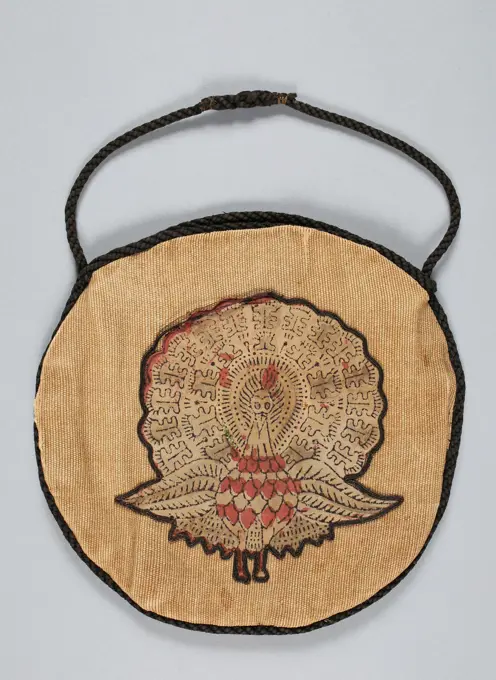
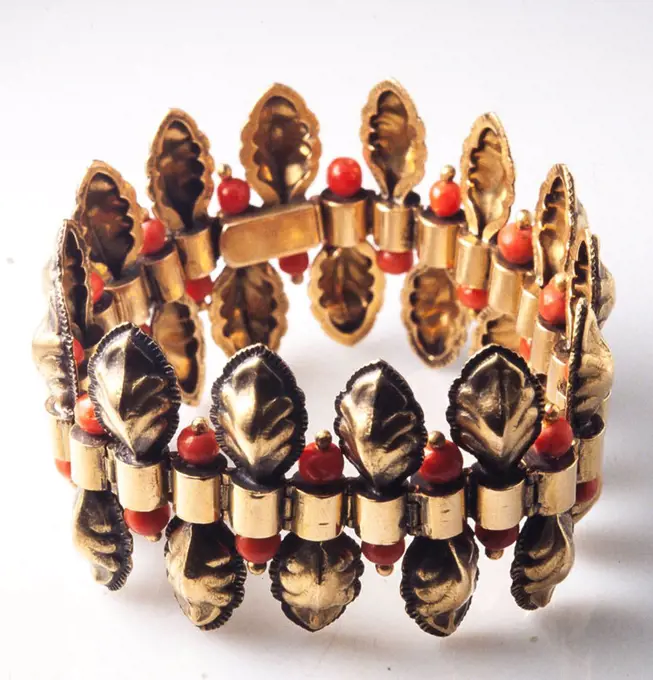
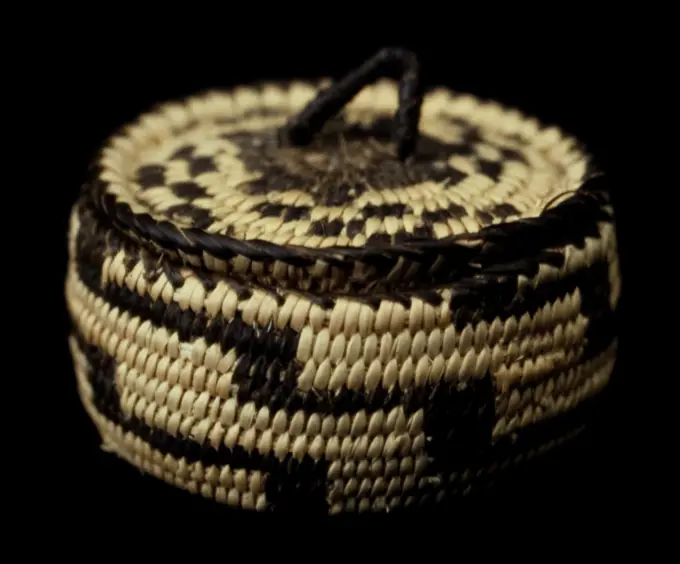
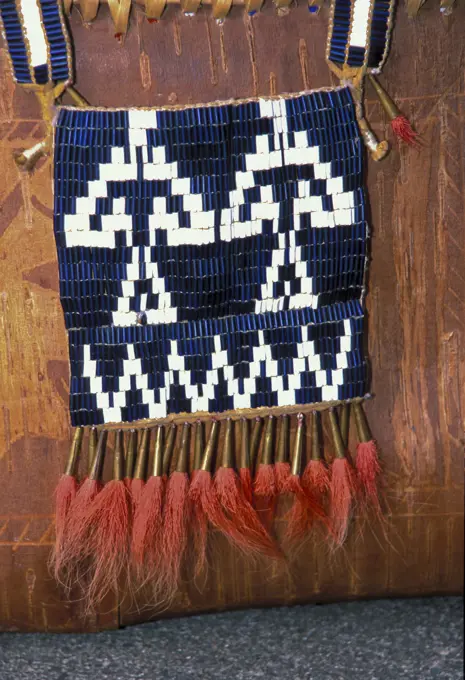
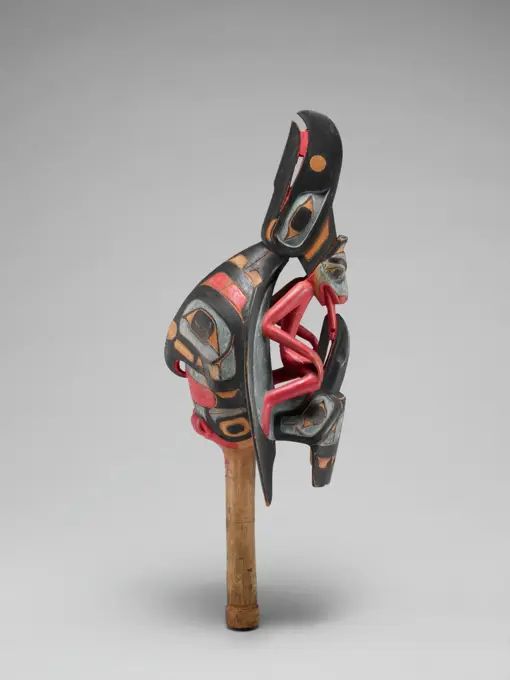
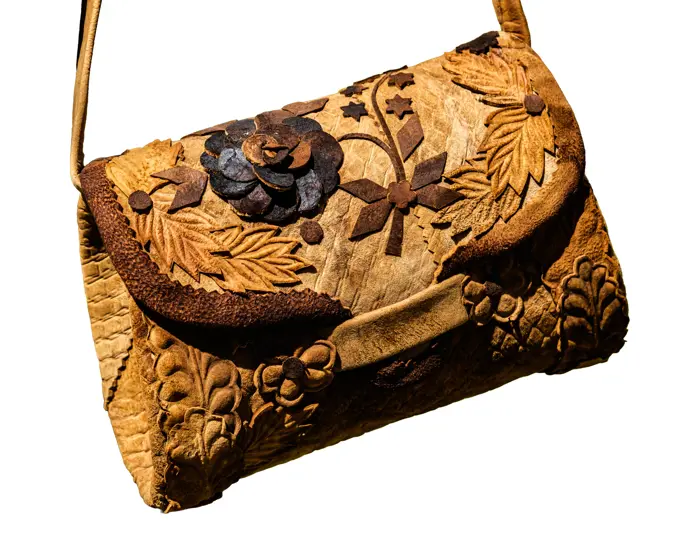
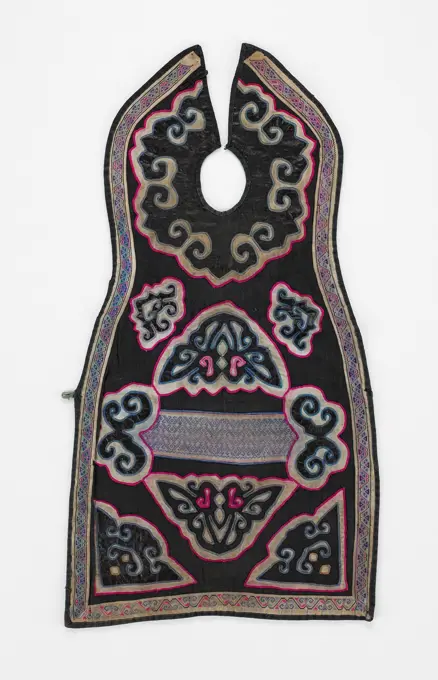
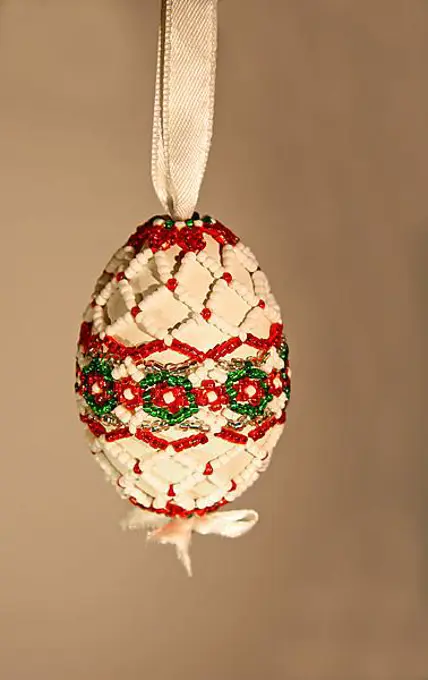
, 15th century. Arms and Armor. Steel with silver inlay and traces of gildingForehead Ornament for a Crown or a Deity. Culture: Newari for Nepal or Tibet market. Dimensions: 2 3/4 x 10 in. (7.0 x 25.4 cm). Date: 17th-19th century. Museum: Metropolitan Museum of Art, New York, USA.Shawnee bag decorated with wampum beads, also known as a shoulder purse, was used to carry personal items, ammunition and food.Raven rattle 19th century Native American (Tsimshian) Most often associated with shamanic practices on the Northwest Coast, raven rattles are held oriented with the bird's beak pointing down when used in dance. Additionally, rattles like this are used to channel a shaman's spirit guide and can be used in healing ceremonies. Much of the symbolism associated with this rattle comments on the transmission of power from one figure to the nextthe raven to humankind in general (as oral tradition states) and the kingfisher to the prone figure on the raven's back. The prone figure is personified with a face of a wolf, perhaps another guide of the owner of this rattle. Rattles are considered extremely personal objects and bear specific symbolism and power known only by those who understand their meaning. As symbols of power, rattles are also kept by clan leaders. Carved in two pieces and assembled using wooden pins to secure the halves, a rattle usually contains small stones or seeds. PolychromFrauentasche manuell aus Tinder Fungus erstellt Frauentasche manuell aus Tinder Fungus erstellt LicenseRF Copyright: xZoonar.com/RobertoxSorinx 23254994Miniature basket, 20th century, 1 3/8 x 2 1/4 x 2 1/4 in. (3.5 x 5.7 x 5.7 cm), Natural plant fibers, United States, 20th century, In the early 1900s, many Euro-American women traveling through the Southwest region of the United States became infatuated with miniature Native American baskets, and some became avid collectors. Native women basket makers responded to this demand by creating ever-smaller baskets, utilizing the same harvesting, processing, and coiling techniques as those for personal use. Creating tightly woven, tiny baskets in an expanding range of designs and styles for their new clientele required the same levels of expertise and knowledgebut perhaps even more dexterity and skill.Baby carrier, ChinaHandmade Easter egg decorated with beads, folk art, Transylvania, Hungarian artHandbag. 1830. Recto. Gal1972.5.7_1