Textile Art And Craft

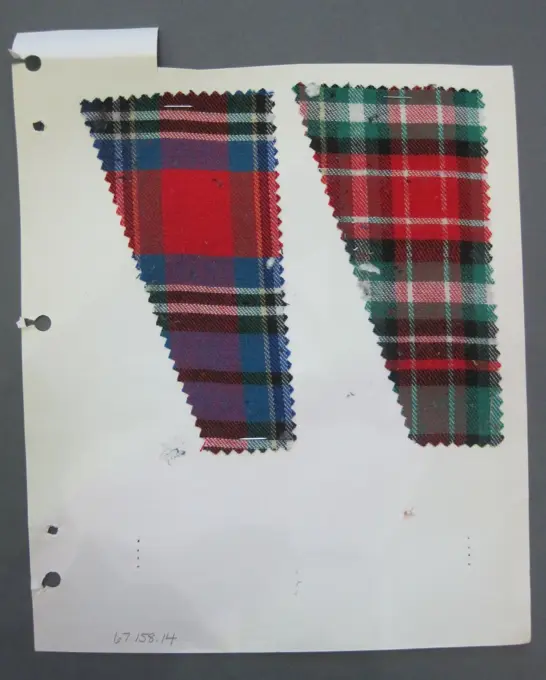
An assortment of historical textiles, including napkins and ceremonial kilts, showcasing intricate patterns and weaving techniques.

Pillowcase of linen with bobbin, c. 1600 - c. 1650 Pillowcase of Linnamast with bobbin. Model: rectangular with inner straps on one of the short sides, where the fringes also run and on the other three intermediate sinks from Kloskant. Kant pattern: double wide side in the middle and half strips next to it. Four -lobe rosettes in linen stroke change with rush -hour, who are halved along the edges. Brand: in Red Cross stitch VHT/24 (Van Hasselt-t. Southern Netherlands linen (material). bobbin lace / damask Pillowcase of Linnamast with bobbin. Model: rectangular with inner straps on one of the short sides, where the fringes also run and on the other three intermediate sinks from Kloskant. Kant pattern: double wide side in the middle and half strips next to it. Four -lobe rosettes in linen stroke change with rush -hour, who are halved along the edges. Brand: in Red Cross stitch VHT/24 (Van Hasselt-t. Southern Netherlands linen (material). bobbin lace / damask
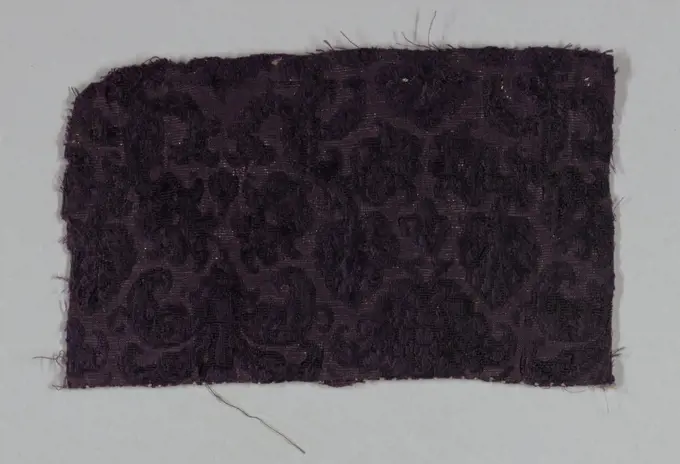
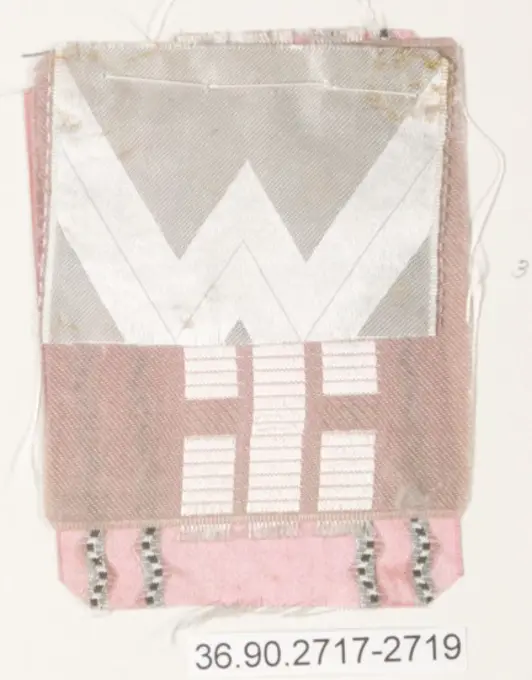
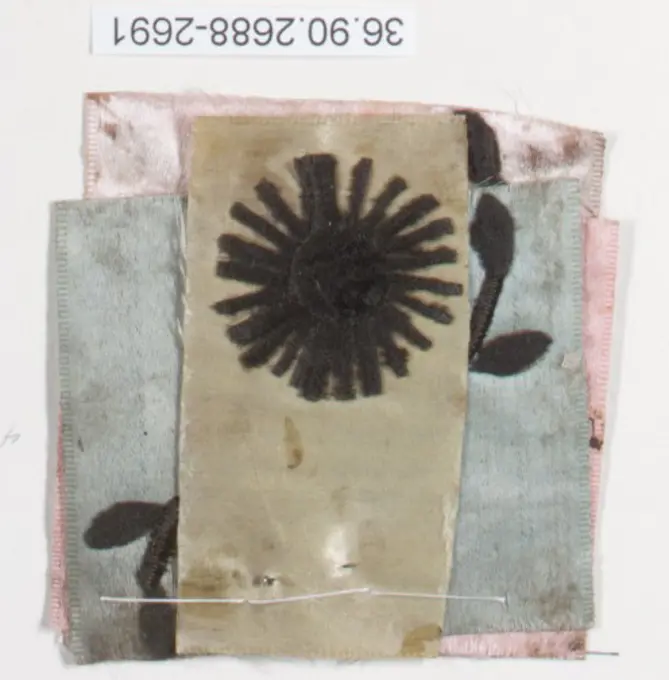
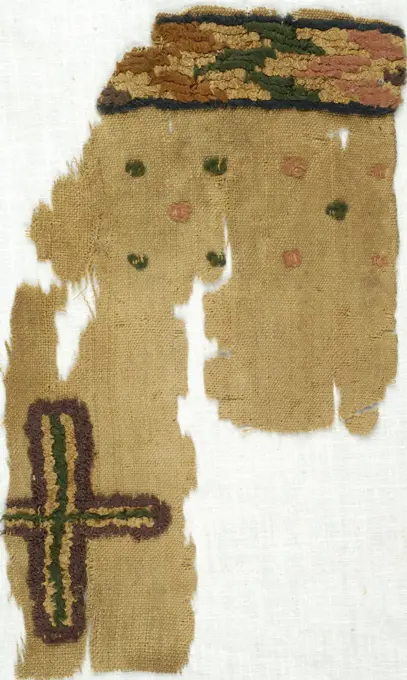
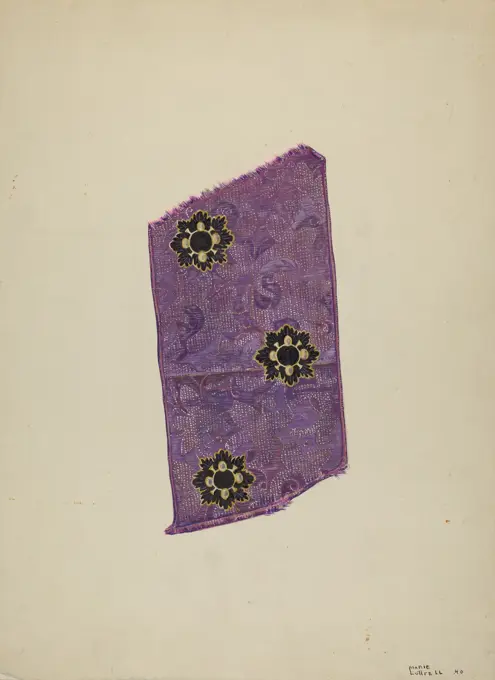
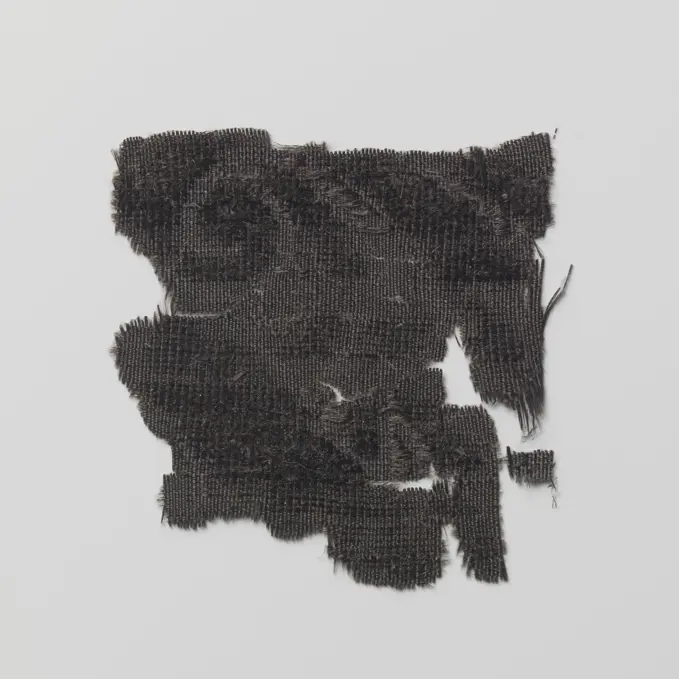
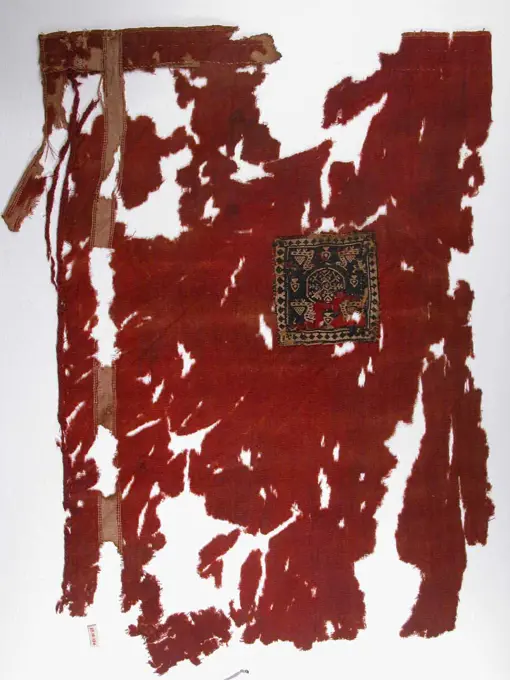
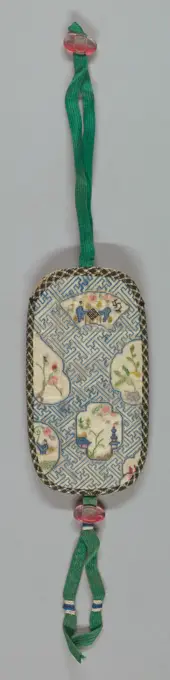
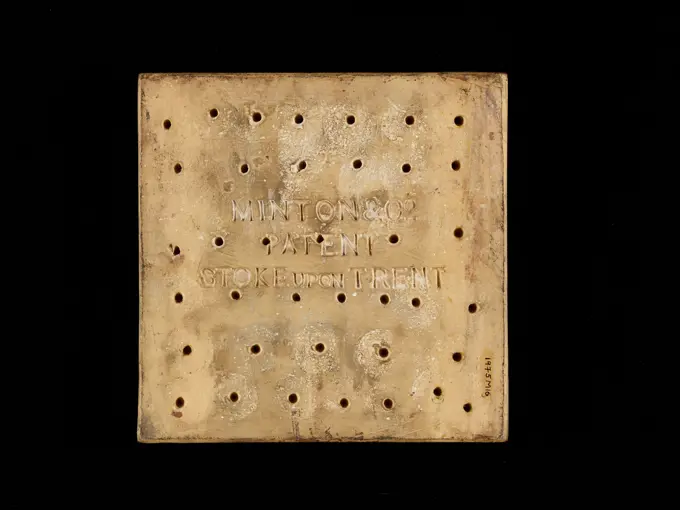
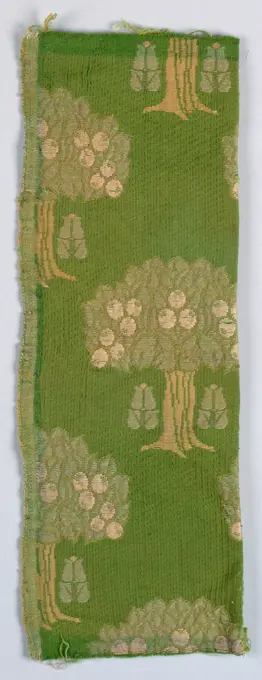
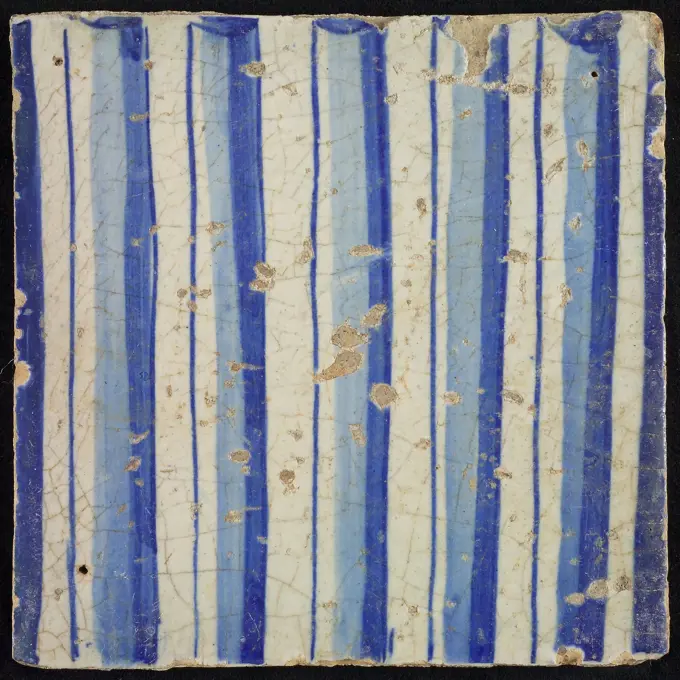
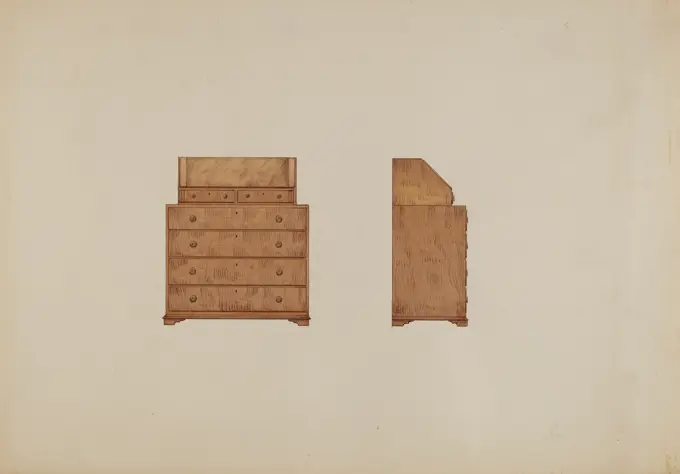
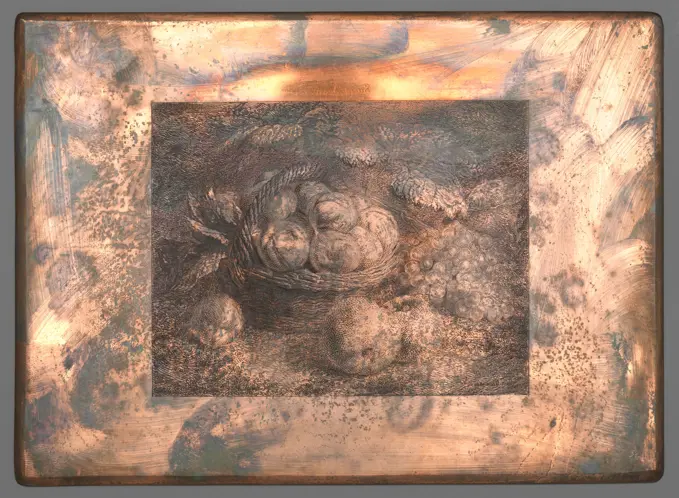
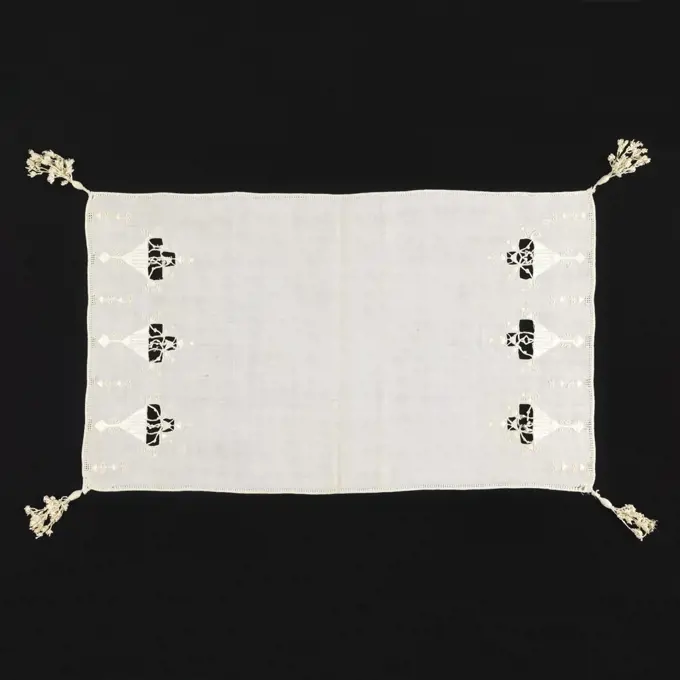
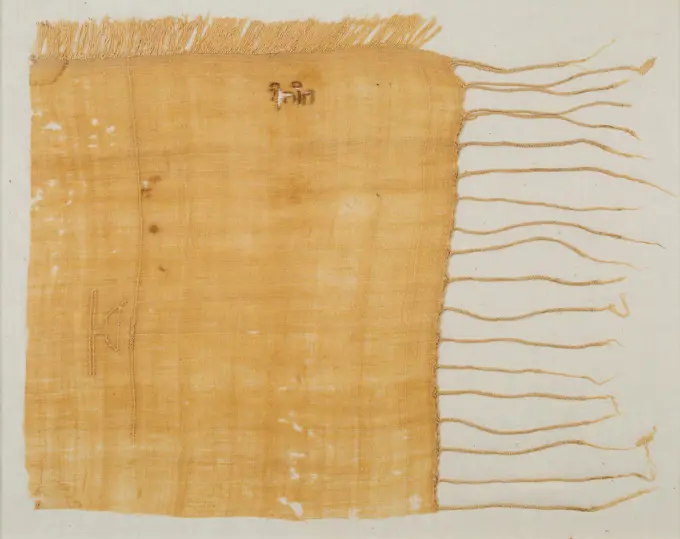
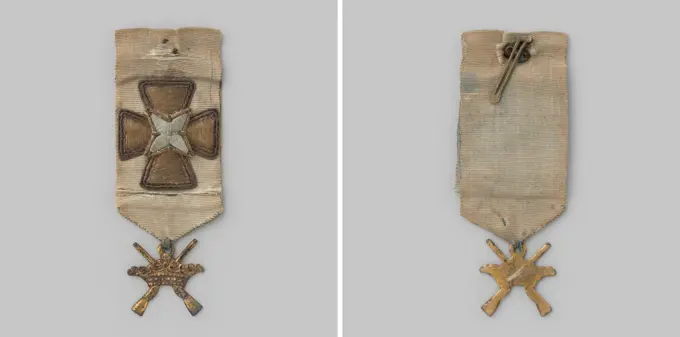
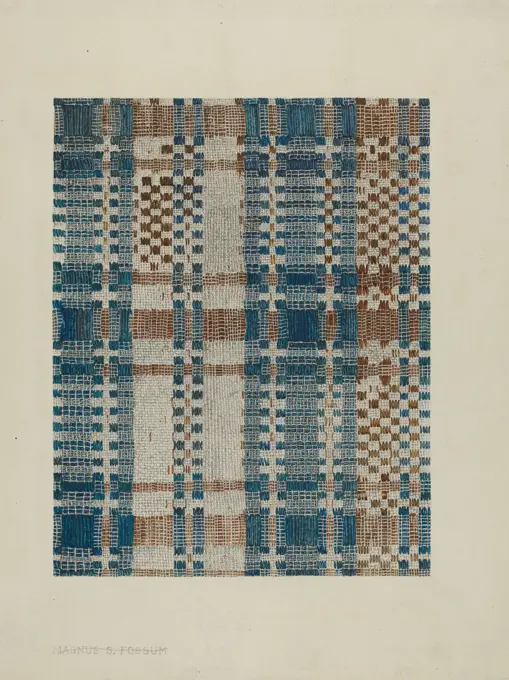
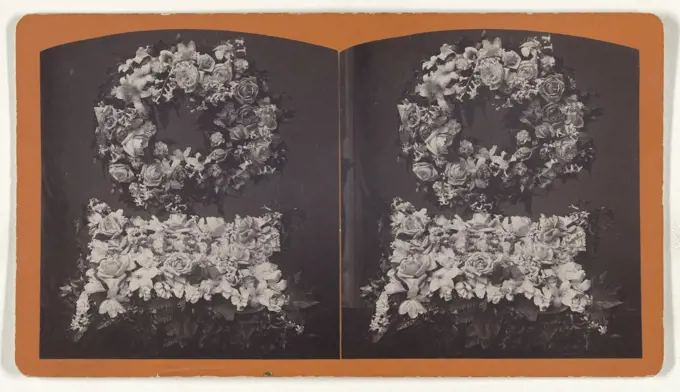
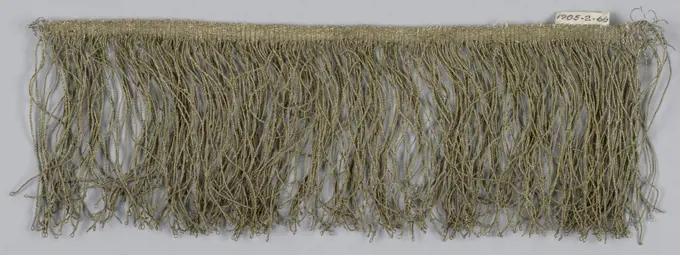
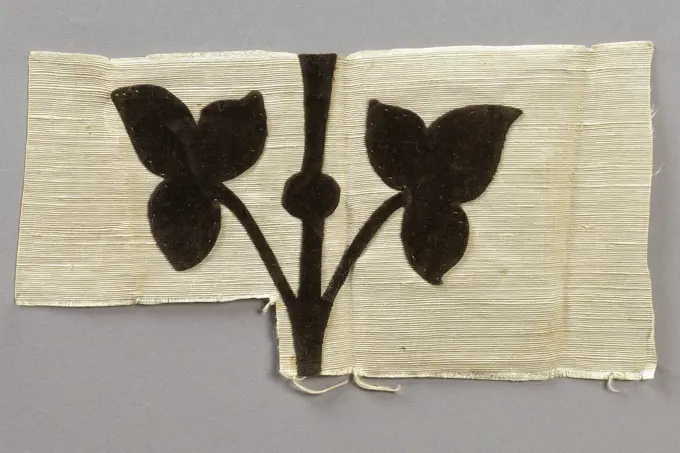
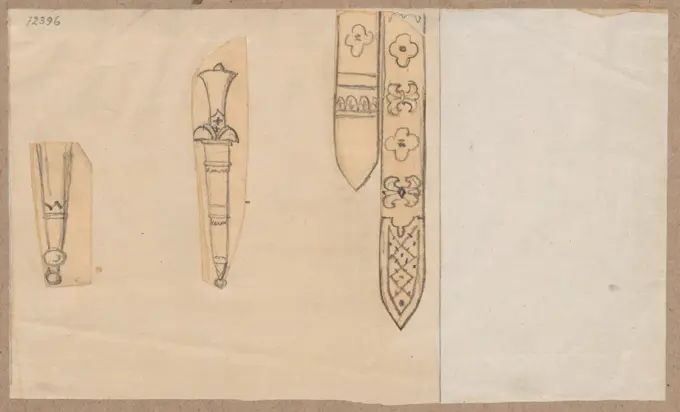
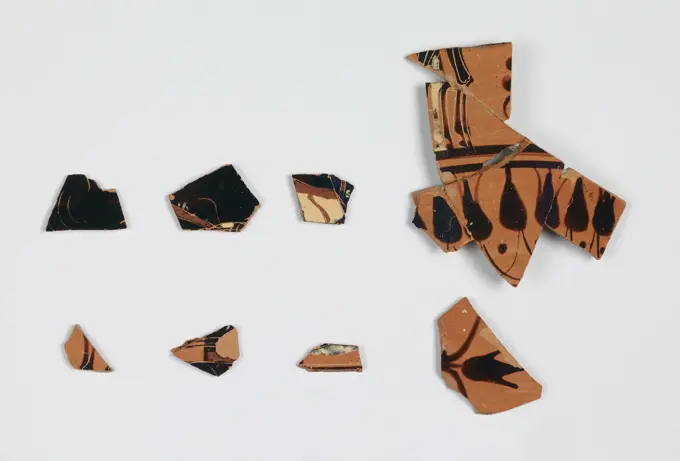
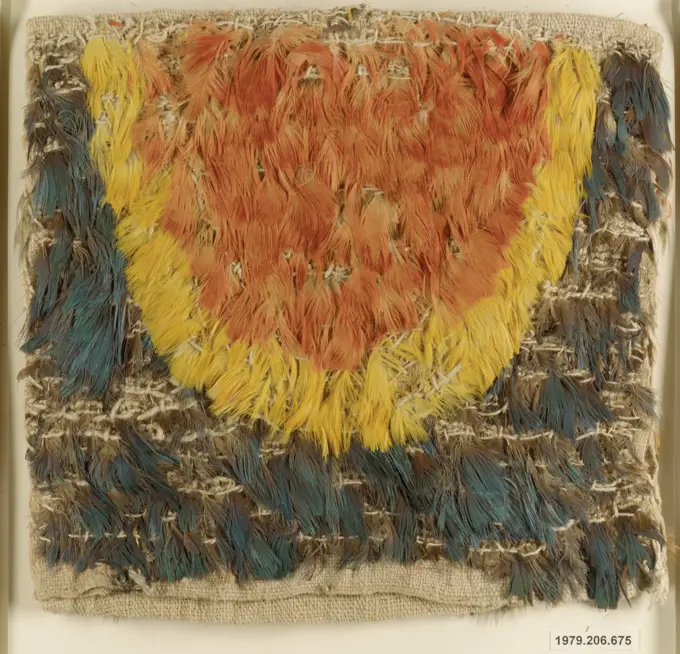
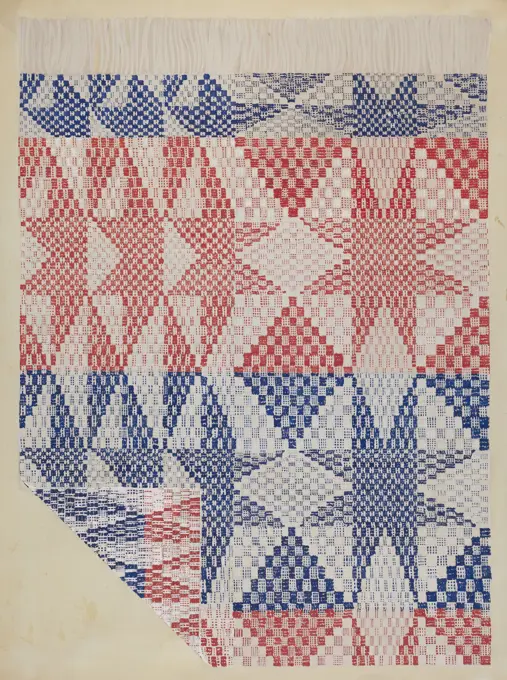
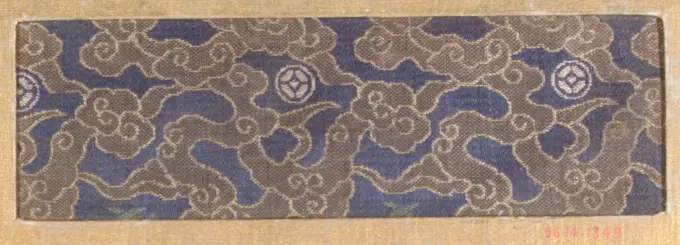
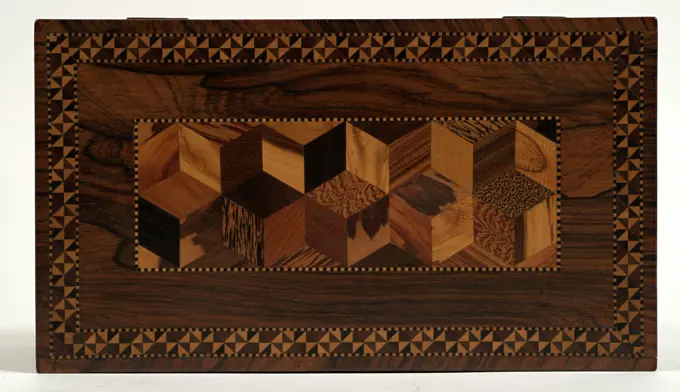
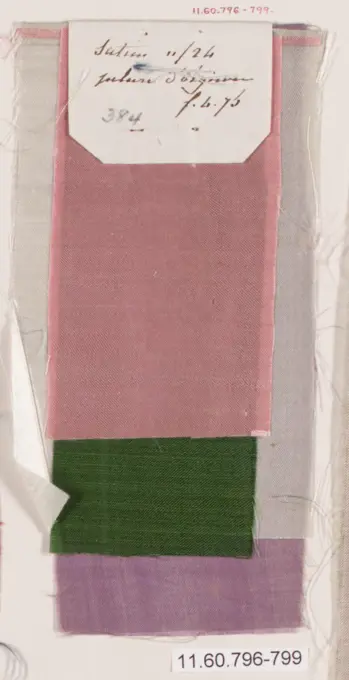
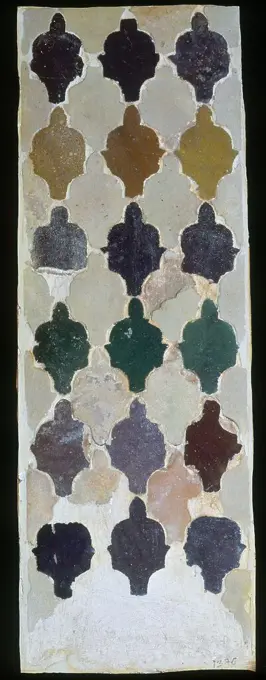
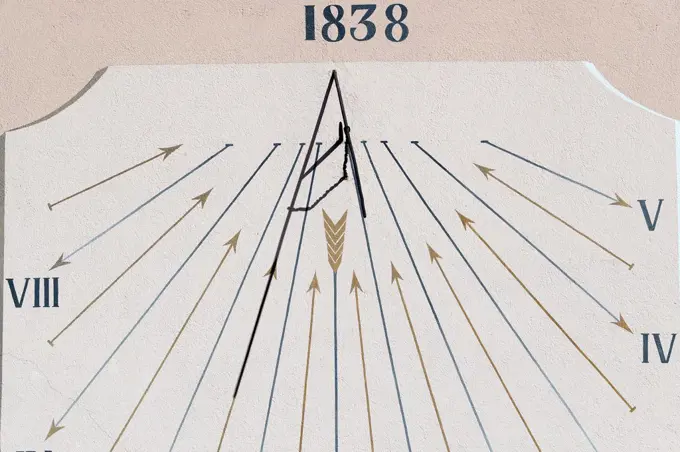
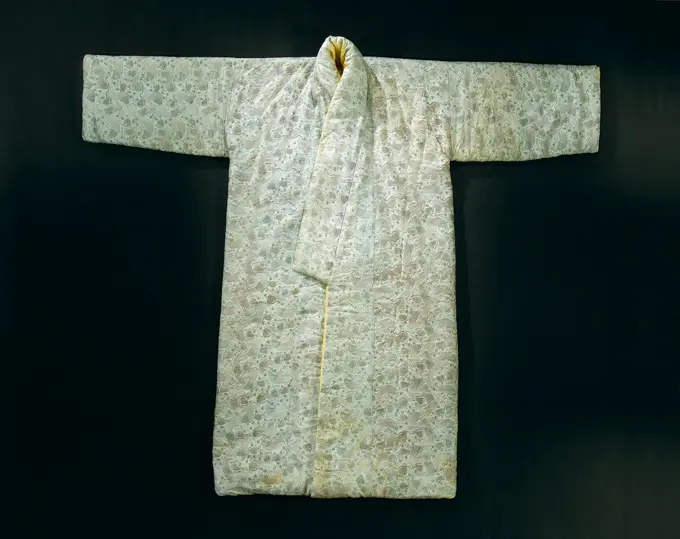
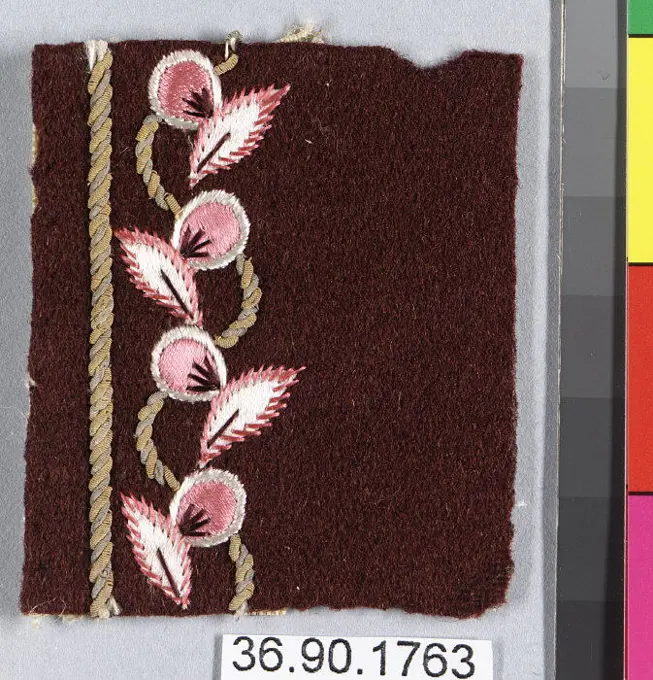
Textile Swatches Onondaga Silk Company, Inc. (1925-1981). Textile Swatches, 1948-1959. silk; metal, (a) - (e): 8 1/2 x 4 1/2 in. (21.6 x 11.4 cm).    1948-1959Textile fragments. Textile fragments on a leaf, embroidery and shibori zome on silk.Sampler with golden thread embroidery unknown, a professional school in KrakowFragments, Medium: silk, metallic thread Technique: cut and uncut supplementary warp pile in a plain weave foundation (ciselé voided velvet); supplementary metal thread weft in foundation, Staggered alternating repeat of two rows of flowering plants: one row has two plants, each with a central axis, the other row has two plants, one with an S-curved stem and the other a Z-curved stem. In the repeat, the S and Z-curved plants support the large single blossom of the alternate row., possibly Italy, 17th century, woven textiles, FragmentsWhite wrap trimmed with lace, anonymous, c. 1850 - c. 1920  Netherlands textile materials. knopen:  Netherlands textile materials. knopen:Ribbon French 19th centuryChintz Fragments (India); cotton; Warp x Weft (a): 58.5 x 66.5 cm (23 1/16 x 26 3/16 in.) Warp x Weft (b): 8.5 x 10 cm (3 3/8 x 3 15/16 in.) Warp x Weft (c): 7.5 x 10.5 cm (2 15/16 x 4 1/8 in.)Scapular, embroidered unknownBorder, Machine-printed, Almond-shaped guilloche pattern with interior motif., USA, 1800-1850, Wallcoverings, BorderWoman's Sarong (tapis), 19th century, 46 x 23 1/4 in. (116.84 x 59.1 cm), Cotton, gold thread; needlework, Indonesia, 19th centuryTextile Fragments, textile fragment, Textile Fragments on a leaf, embroidery and shibori hem on silk., anonymous, Japan, 1661 - 1672, Kanbun period, silk, height 16.4 cm × width 9.7 cmSteel bobbin with coarse wire as an example of a diamond -shaped grid as used in Eastern European sides, anonymous, c. 1900 - c. 1930 sample Steel natural-colored bobbin with coarse wire as an example of a diamond-shaped grid, worked in zigzag lines and that is used in Eastern European sides and is also seen at Milan sides. The steel includes a matching fragment from a side in which this technique has been applied. The date concerns the steel. Amsterdam cotton (textile) bobbin lace / East European laceRibbon French 19th century View more. Ribbon. French. 19th century. Textiles-TrimmingsFragment with Cross and Geometric Decoration Coptic. Fragment with Cross and Geometric Decoration, 5th-7th century C.E. Flax, wool, 6 1/4 x 10 in. (15.9 x 25.4 cm).   Egyptian, Classical, Ancient Near Eastern Art 5th-7th century C.E.Tapestry Fragment 9th-13th century Lambayeque (Sicán). Tapestry Fragment 307920Marie Lutrell, Ribbon, 1940 RibbonSidewall (USA); block-printed on handmade paper; 23 x 18 cm (9 1/16 x 7 1/16 in.)Piece 18th-19th century Japan. Piece 67393Thousand Character Classic 1599 Zhan Jingfeng. Thousand Character Classic 78125Fragment of a cloak of ciselé velvet with bobbin, according to tradition from Hugo de Groot, Anonymous, c. 1600 - c. 1699 Fragment of a mantle of black ciselé velvet on which black bobbin is sewn. According to tradition, the fragment comes from a cloak by Hugo de Groot. Netherlands silk. velvet (fabric weave) bobbin lace Fragment of a mantle of black ciselé velvet on which black bobbin is sewn. According to tradition, the fragment comes from a cloak by Hugo de Groot. Netherlands silk. velvet (fabric weave) bobbin laceTextile Fragment 4th-5th century. Textile Fragment 443339Tunic 16th-17th century () Quechua. Tunic 318145Textile Swatches Onondaga Silk Company, Inc. (1925-1981). , 1948-1959. 53 silk, 35 wool, 12 nylon, 21 x 17 1/2 in. (53.3 x 44.5 cm).    1948-1959Spectacle Case (China); canvas, silk, glass beadburnt paper old burnt paper over white background ,model released, Symbolfoto Copyright: xZoonar.com/RuslanxNassyrovx 2020339 ,model released, Symbolfoto ,property releasedLinen mark, Wah, 20.3.203ttt ca. 1981-1975 B.C. Middle Kingdom. Linen mark, Wah, 20.3.203ttt 564910Fragment of Blue Silk Coat, 19th century, Silk; needlework, India, 19th centuryPiece 18th century British. Piece 213189Minton Floor Tile. Manufacturer: Minton & CoPiece 18th century Japan. Piece 72178Fragments (England); wool; 1976-19-1-a/hPiece 18th century China. Piece 71881Sampler 19th century German. Sampler 228672Textile Fragment early 19th century. Textile Fragment 443075Fragments; Retailed by Maison Franck (France); linenCap crown, Medium: linen Technique: bobbin lace, Brussels style, Worked with a floral design and central floral motif., Belgium, 18th century, lace, Cap crownTextile (France); silk, metallic thread; Anonymous bequest in memory of Albert and Rebecca Elsberg; 1938-82-45-cIsolated tie folded origami styleEgyptian ivory handle of a dagger. Artist: UnknownTile of chimney pilaster, blue on white, part of pillar with flutes, chimney pilaster tile pilaster footage fragment ceramics pottery glaze, baked 2x glazed painted Three tiles of one-row chimney pilaster originally twelve high. The remaining nine tiles are missing Rossige shard three nail holes, C with written cross marks at the ends 1914 construction town hall Zandstraat-quarters Second World War war bombardment Rotterdam City Center Stadsdriehoek 1940 renaissance Originally from rubble after bombing on Rotterdam in May 1940.Greek Ornament and Etruscan OrnamentBorder, Block-printed and flocked on paper, Metallic gold quatrefoil medallion printed on flocked background. The flock is overprinted with edge bands of a ribbon twist on rod. a) Printed on green flock ground; b) Printed on purple flock ground., H# 35B, France, 1850-80, Wallcoverings, BorderFred Weiss, Scrutoir or Butler's Desk, c 1936 Scrutoir or Butler's DeskPiece 18th-19th century Japan. Piece. Japan. 18th-19th century. Silk. Textiles-WovenSteel Application side with surrounding peacock with hanging tail, anonymous, after 1908 - c. 1920 Steel natural -colored application side: Kloskant Applicated on machine tulle. The application is a surrounding peacock, seated on a branch with a hanging tail. The peacock is made in linen battle with openwork edges and recesses. The motif is partly equipped with contour threads and relief contours have been used in the tail. The Hague (possibly) linen (material) Steel natural -colored application side: Kloskant Applicated on machine tulle. The application is a surrounding peacock, seated on a branch with a hanging tail. The peacock is made in linen battle with openwork edges and recesses. The motif is partly equipped with contour threads and relief contours have been used in the tail. The Hague (possibly) linen (material)Fruit Still life, 1848 - 1909    copper (metal) etchingCover, Medium: linen Technique: cutwork and embroidery stitches, Cover ornamented at ends in a design of vases in cutwork and embroidery. Knotted tassels at each corner., USA, ca. 1900, embroidery & stitching, CoverCorner of a Linen Pall ca. 1492-1473 B.C. New Kingdom This linen fragment is the corner of one of two palls that covered coffin III in the tomb of Hatnefer. It is inscribed in ink with the words "Treasury of Truth," or perhaps "True Treasury," and has a woven linen mark in the form of a headrest. The pall was a loosely woven linen sheet 17 feet long (520 cm) and 4 1/2 feet wide (140 cm).. Corner of a Linen Pall 549193Textile Swatches Onondaga Silk Company, Inc. (1925-1981). , 1948-1959. Silk, 23 1/2 x 9 in. (59.7 x 22.9 cm).    1948-1959Fragment; warp; s-spun, z-twist linen. wefts; s-spun linen. s-spun woolDarning sampler. Date/Period: 1811. Darning sampler. Medium: silk embroidery on cotton foundation. Technique: embroidered in running stitch (pattern darning) on plain weave foundation. Height: 250 mm (9.84 in); Width: 260 mm (10.23 in). Author: UNKNOWN.Distinction sign of the shooters of the knighty conferie of the Handbussche in Delft., Anonymous, 1737 medal Gilded silver carrying sign with an eye, on which a ribbed silk ribbon with embroidery of gold and silver thread.  Penning: Silver (Metal). Penning: Gilding (Material). Lint: Textile Materials. Embroidery on Lint:. Embroidery on Lint: Silver Thread gildingFontange consisting of two hat slips, Brussels bobbin, Anonymous, c. 1720 - c. 1730 Fontange from Brussels side, consisting of two hat slips sewn together. The lace has a pattern of flowers and leaves. West-Europa . Brussels bobbin lace Fontange from Brussels side, consisting of two hat slips sewn together. The lace has a pattern of flowers and leaves. West-Europa . Brussels bobbin laceShaker Kerchief. Dated: 1935/1942. Dimensions: overall: 20.2 x 17.9 cm (7 15/16 x 7 1/16 in.). Medium: watercolor and graphite on paperboard. Museum: National Gallery of Art, Washington DC. Author: Ingrid Selmer-Larsen.Ornament, Medium: warp; S-spun linen. Wefts; S-spun linen, S-spun wool. Technique: slit tapestry woven with supplementary weft wrapping., Leaf rising from a horizontally striped oblong., Egypt, 3rd-4th century, woven textiles, OrnamentFragment (Spain); wool; 1947-37-2 in mount nebo jordan the antique ceramic roman decorative mosaic like backgroundEmbroidered Interior Textile, anonymous, c. 1750 - c. 1760  France (possibly) silk embroidering  France (possibly) silk embroideringMagnus S Fossum, Handwoven Coverlet, c 1938 Handwoven CoverletFuneral wreath; about 1870; Albumen silver printFringe, Medium: silver foil on a silk core Technique: woven, Silver fringe with a plain-woven heading and a skirt of twisted loops., Spain, 17th century, trimmings, FringeFlower still life, Cornelis Ploos van Amstel, after Jan van Huysum, 1777  The Calque is loose in an album, see page 66. Amsterdam tracing paper. chalk  flowersSteel bobbin with coarse wire as an example of a ribbon in linen stroke with a fierce threshold that is used in Russian ribbon side, anonymous, c. 1900 - c. 1930 sample Steel natural -colored bobbin with coarse wire as an example of a ribbon in linen stroke with a fighter thread that is used in Russian ribbon side. West-Europa cotton (textile) bobbin lace / tape lace (bobbin lace) / Russian tape laceSampler (Netherlands); silk and linen embroidery on linen foundationTAPIZ. Author: VALLINA C. Location: PREMIO NACIONAL DE TAPICES. Aranjuez. MADRID. SPAIN.Fringe 18th century Italian or Spanish. Fringe 213711Remnant of the parade bed of Napoleon I, 1821 fragment Remnant of the parade bed of Napoleon I; A piece of beige textiles with a stitched black floral pattern.  textile materials   Sint-HelenaPiece 18th century Japan. Piece 71602Daggers "Tulichy"; Lesser, Aleksander (1814-1884); 1830-1884 (1830-00-00-1884-00-00);Kazimierz (Kraków - district), Lesser, Aleksander (1814-1884), Lesser, Wiktor Stanisław Zygmunt (Baron - 1853-1935), weapons, white weapons, former weapons, gift (provenance), Church of St. Jana (Vilnius), swords, military, puginals, crafts, daggersAttic Black-Figure Neck Amphora Fragment. Unknown about 510 B.C.Miniature Tunic 12th-13th century Ica. Miniature Tunic 312862Piece 18th century French. Piece 230868Katherine Hastings, Coverlet, c 1936 CoverletNapkin with fish and shellfish, anonymous, c. 1600 - c. 1649 Linnamast napkin with fish and shellfish. Midfield: Various fish. Standing edges: fishing and fishing. Lying edges: sea gods. Hoek: Krab. Haarlem linen (material) damask Linnamast napkin with fish and shellfish. Midfield: Various fish. Standing edges: fishing and fishing. Lying edges: sea gods. Hoek: Krab. Haarlem linen (material) damaskPiece 18th-19th century Japan. Piece 67068Tunbridgeware Tea Caddy, 1830-40. Pinto Collection - Purchased from Edward H Pinto, 1965.. Made in Tunbridge Wells, Kent, England UK. This Tunbridgeware tea caddy was made around 1830-1840 in Tunbridge Wells. The centre panel is decorated with parquetry or perspective cube work, a type of decoration which was popular throughout the nineteenth century. A craftsman often used over forty different woods to make a single object. This tea caddy is faced with a veneer of rosewood and makes use of exotic timbers like Partridgewood and Palmyra to achieve the broken lines and stippling effects. .Unidentified mollusk shell. J.C. Moulton (American, 1824 - 1914, active Fitchburg, Massachusetts)Textile Swatch Textile Swatch, 1950s to 1960s. Silk, 20 x 10 1/2 in. (50.8 x 26.7 cm).    1950s to 1960sTextile Sample Book late 19th century French. Textile Sample Book. French. late 19th century. Textiles-Sample BooksPiece 18th century French. Piece 224464Samples (4) early 19th century French. Samples (4) 219351Mae A Clarke, Valance, c 1938 ValanceEmbroidery sample, Medium: silk, paper Technique: embroidered on cut voided supplementary warp pile (velvet), Multicolored silk embroidery in a floral design on a ground of deep red patterned velvet., France, 1790-1800, embroidery & stitching, Embroidery sampleVeld van vijf tegels.Field of five tiles (1 x 5) each with a blue painted inscription of one letter: X, L, K, L, Y.PAÑO ALICATADO DE LADRILLOS DE COLORES HISPANO MUSULMAN. Location: ALHAMBRA-MUSEO-CERAMICA. GRANADA. SPAIN.vintage old paper collection isolated on white backgroundFragment (France); silk; Warp x Weft: 21.5 x 6.5 cm (8 7/16 x 2 9/16 in.); includes fringeRug Banded with "diamond stripes", c. 1890-1900. America, Native North American, Southwest, Navajo, Post-Contact, Transitional Period. Tapestry weave: wool (handspun); overall: 211 x 142.5 cm (83 1/16 x 56 1/8 in.).Fabric Swatch Fab-Tex Inc.. , 1963-1966. Cotton, sheet: 8 1/4 x 10 1/2 in. (21 x 26.7 cm).    1963-1966Border, Medium: linen Technique: knotting (macramé), Border with horizontal band finished with triangular tabs., Italy, 16th century, knotted, knitted and crocheted textiles, BorderPlaying Card; Manufactured by Ferdinand Piatnik and Sonscollection of colorful amate bark paper handmade created in MexicoOld sundial on a wall.  France... Japonche Rock from silk with gray-blue fond on which rice bundles and flower branches in red with green and red with blue, filled with silk watts and lined with yellow silk. Model: This jacket is equal to the standard pattern of the Japanese cosode with the exception of the shawl collar, which is not composed of remaining pieces of dust here, but when one long strip has been cut. At first glance, the sleeves model seems the most deviant, but here the dependent kimonomicouw has turned a quarter turn and opened open. The original kososdes always follows the patterns of the sleeves that of the buildings, but here it stands as a result of the aim of a hurry. A kosode is made by default from a piece of 10.5 m with a dust width of approx. 32.0 cm. For this Japonche Rock, 10,54 m fabric is used with a width of 37.0 cm. Decoration: The pattern has been raised in a sophisticated form of Katagami technique. The basic principle of this recess technique is: Slabed from mulberry leaves. Stencils Color embroidery project for a napkin W Niechska, AnnaCreative thanksgiving day concept photo of leaves on grey background.Carpets (1), c. 1910 - c. 1911 photograph Album magazine with four photos of carpets. Part of photo album of the Palthe family from Almelo.  cardboard. paper. photographic support gelatin silver print carpet, rugMerklap of multicolored cotton on cotton, W.H.J.L. Hoogland, 1920 Brand patch made of cotton on cotton. The embroidery has the text W.H. J.L Hoogland and the dating 1920.  cotton (textile) embroidering Brand patch made of cotton on cotton. The embroidery has the text W.H. J.L Hoogland and the dating 1920.  cotton (textile) embroideringSample early 19th century French. Sample 224851Fragment of a strip of needle side with curly tendrils and multi-part flowers. Fragment of a strip of natural needle side, Venise flat. Pattern with rich branched curly tendrils with small large flowers on an irregular open ground with one-sided picoted bars. Full work with twisted feston stitches containing various motifs through recesses. The top was originally trimmed with a border of clamping side, causing damage to this finish. The underside is finished with a straight picro edge with arcs.