Textile Art and Patterns

Historical textile fragments showcasing intricate patterns and colors from different cultures, each piece narrating a unique story.

Baan silk with a design of Swastica's contained in a "window" of cloud tires with circular flowers at the intersections of the window, c. 1900 - c. 1920 Baan silk with design of Swastica's contained in a "window" of cloud tires in golden brown shades, with circular flowers in pink, beige, red and purple on a dark brown stock at the intersections of the window. Eastern textile. Japan silk Baan silk with design of Swastica's contained in a "window" of cloud tires in golden brown shades, with circular flowers in pink, beige, red and purple on a dark brown stock at the intersections of the window. Eastern textile. Japan silk
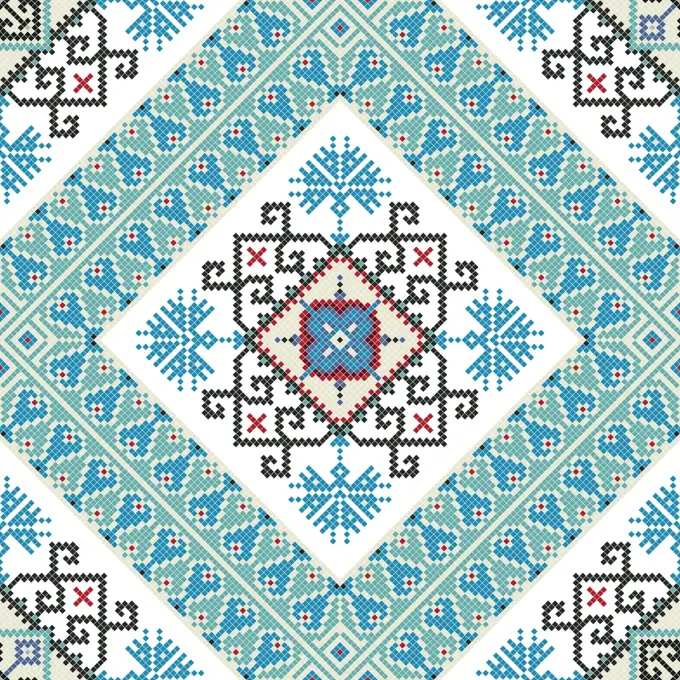
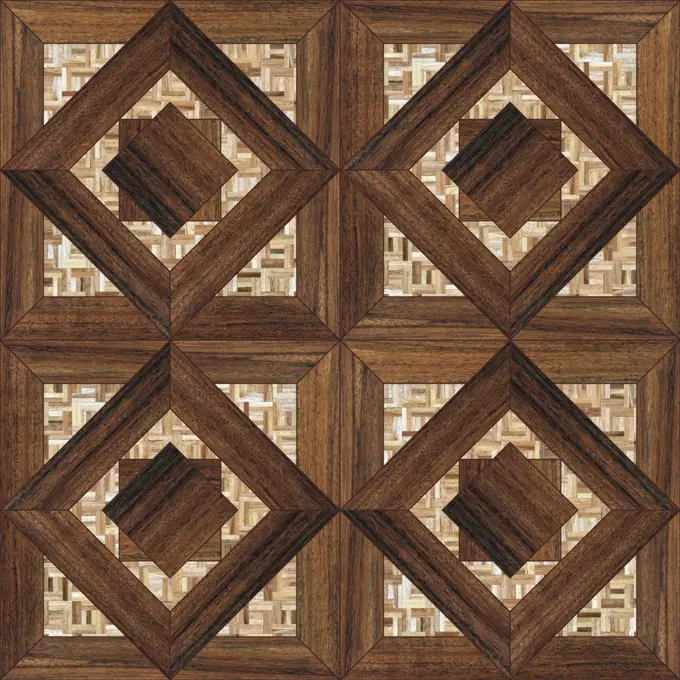
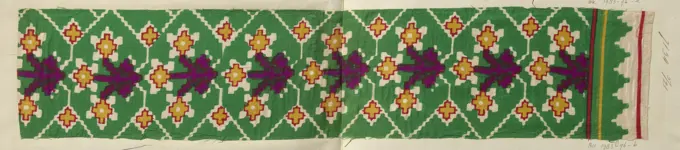
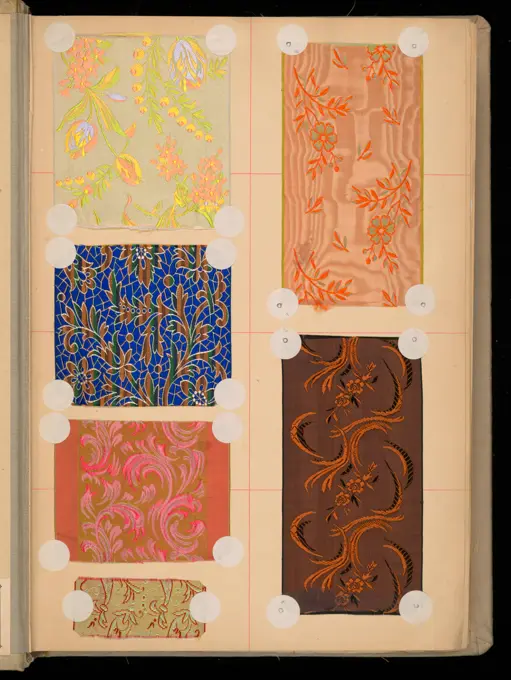
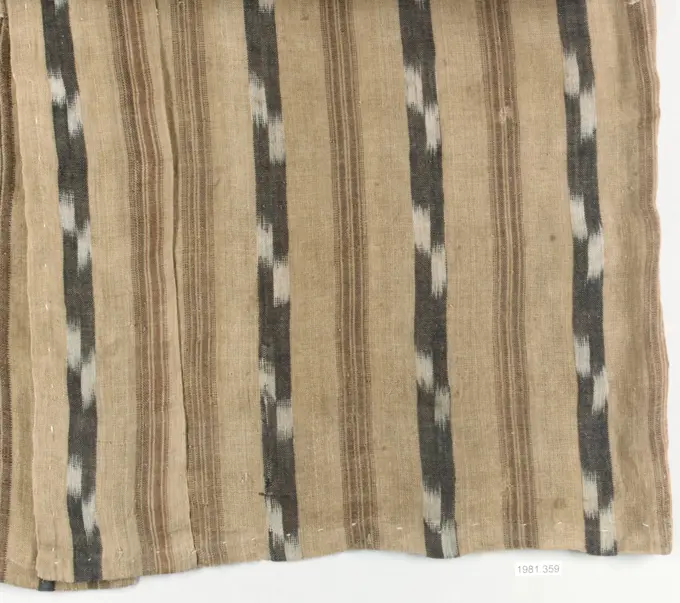
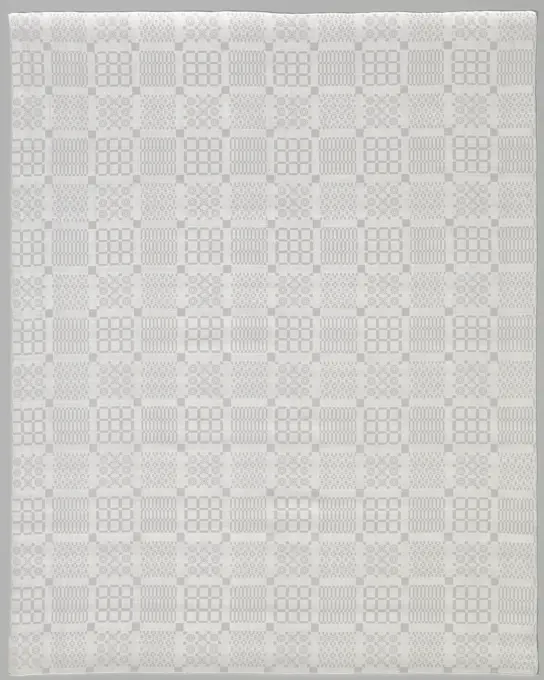
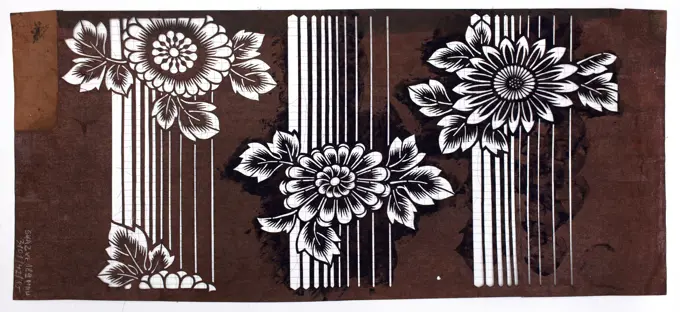
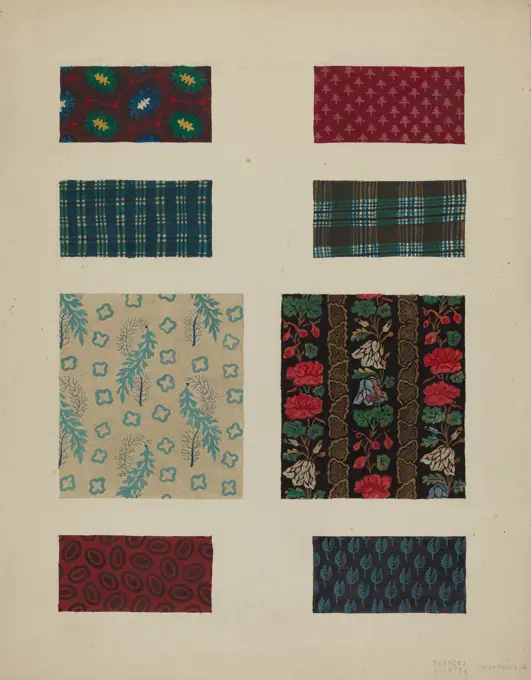
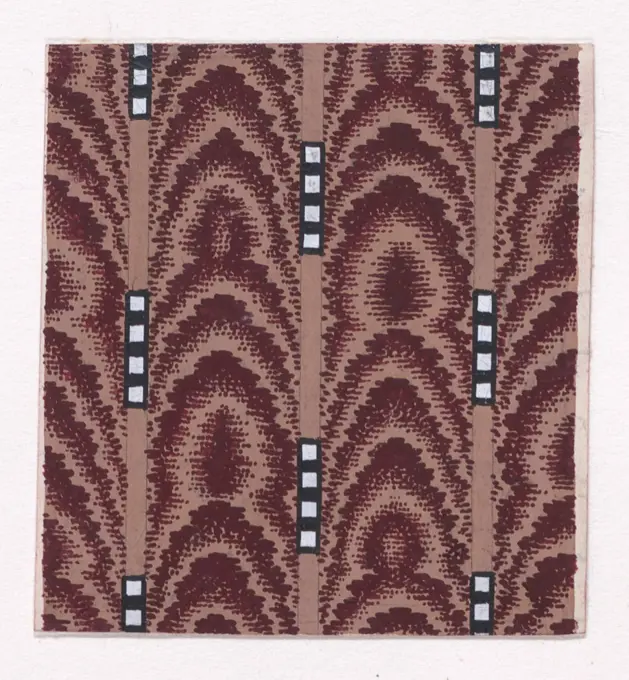
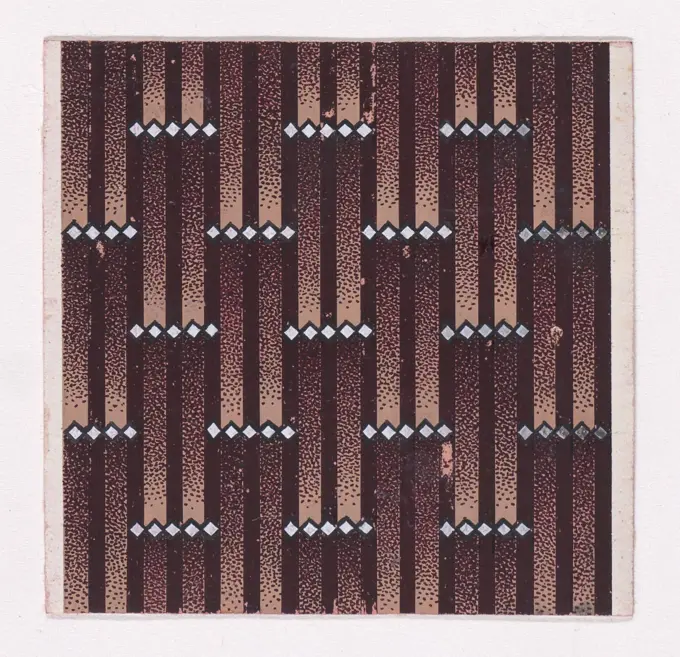
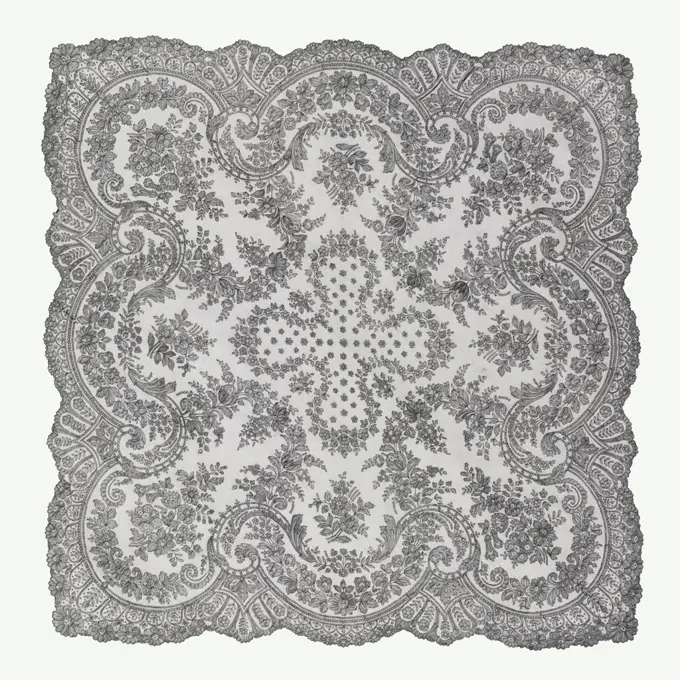
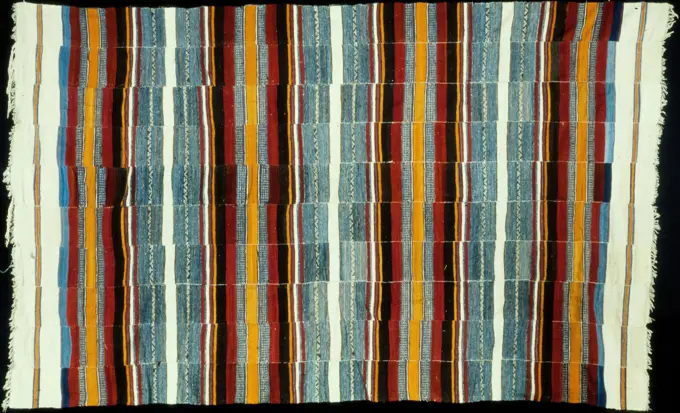
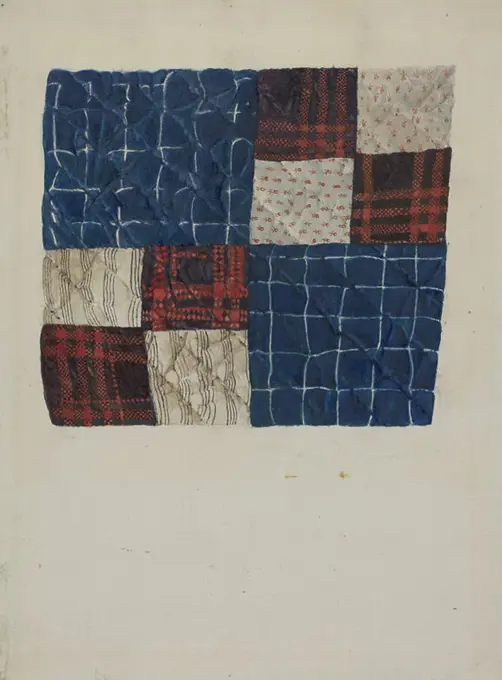
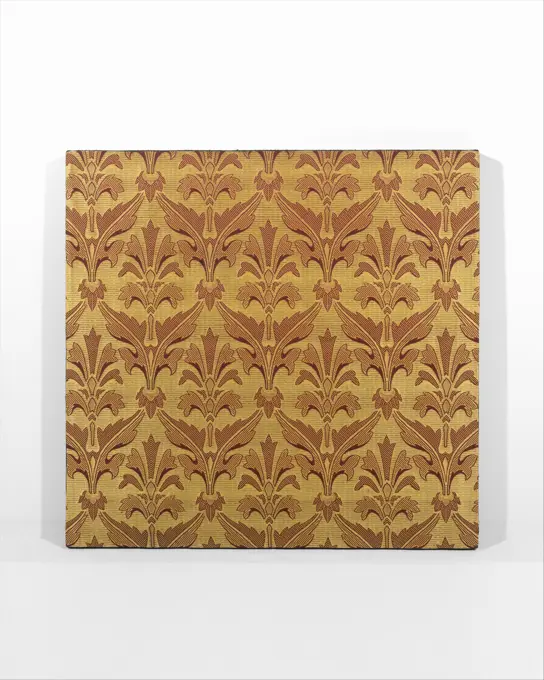
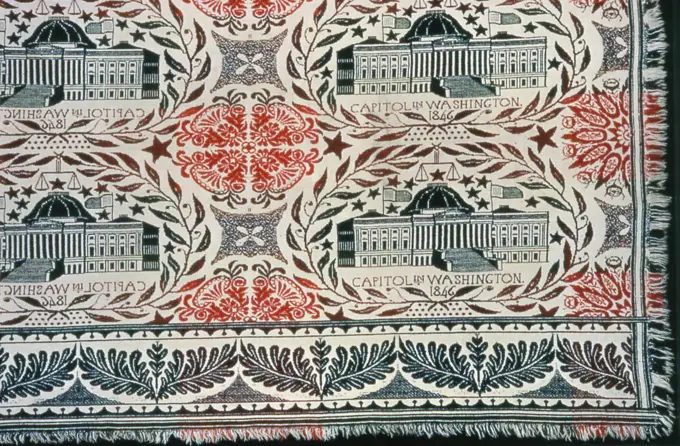
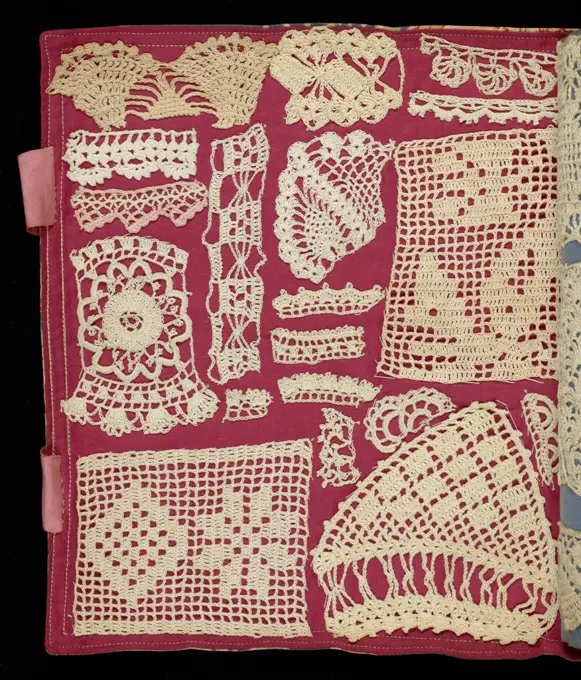
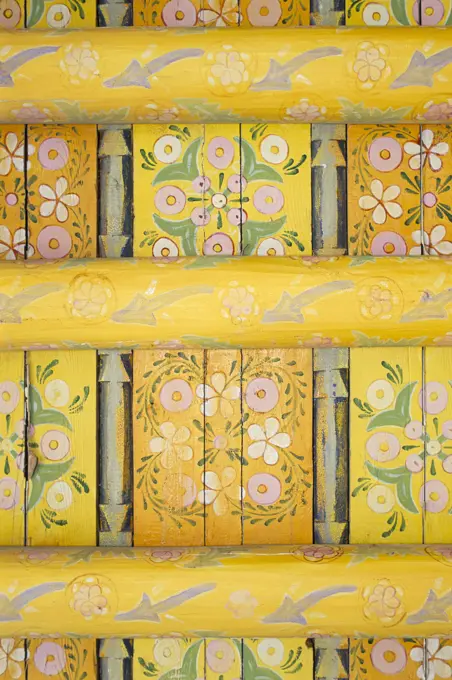
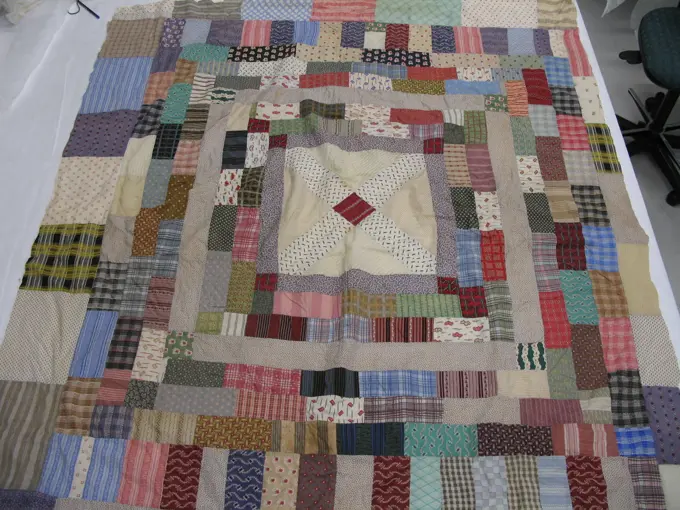
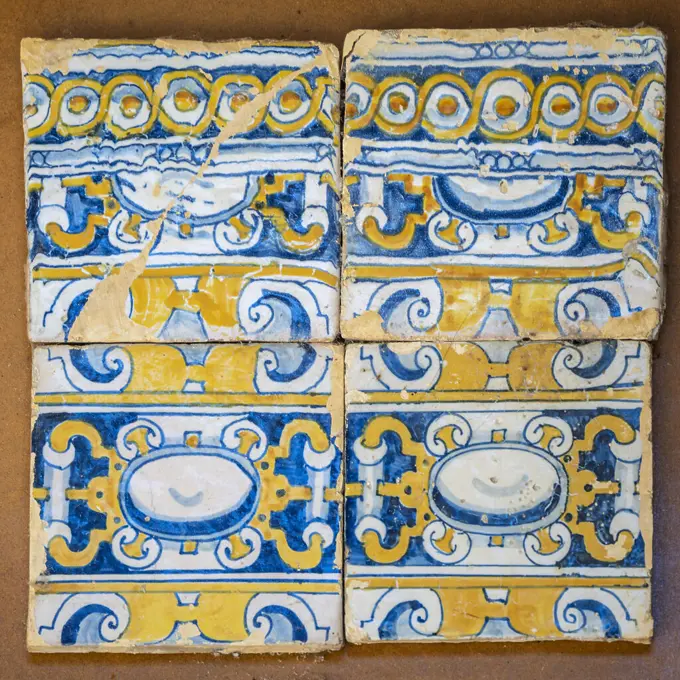
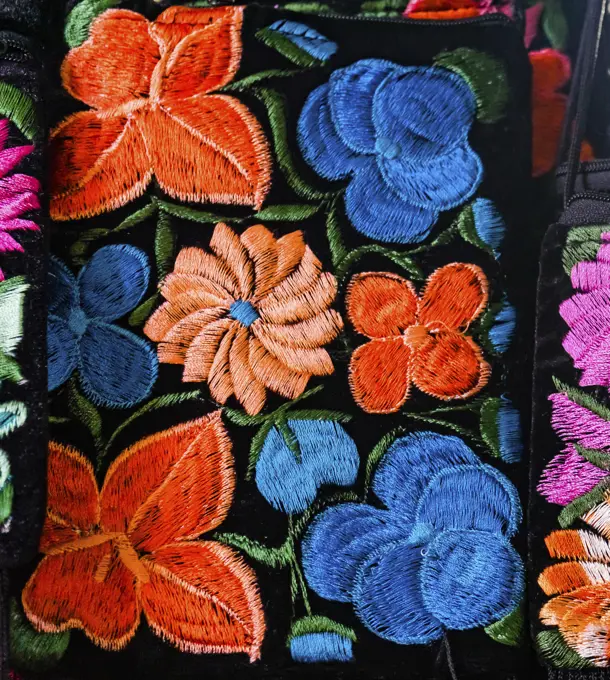
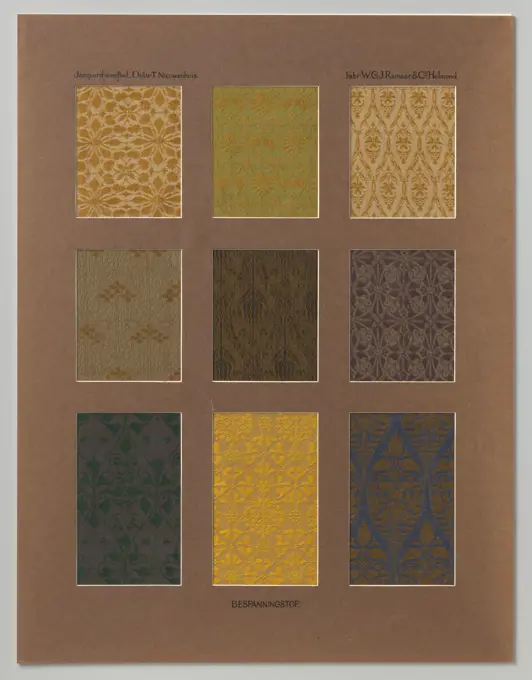
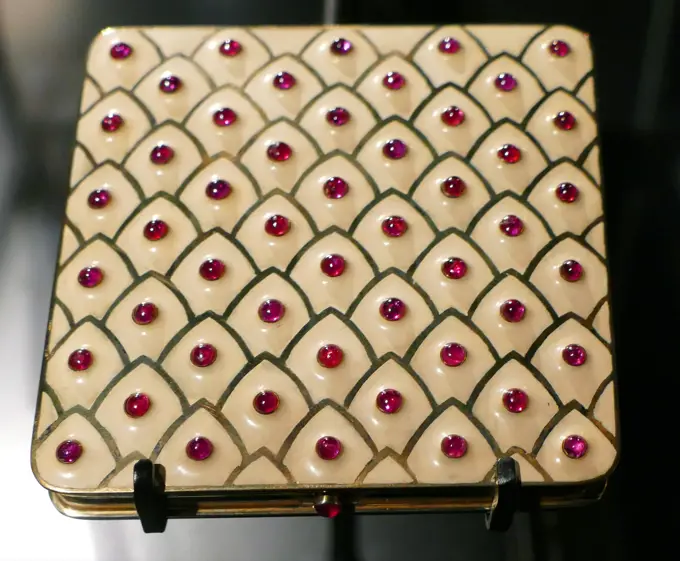
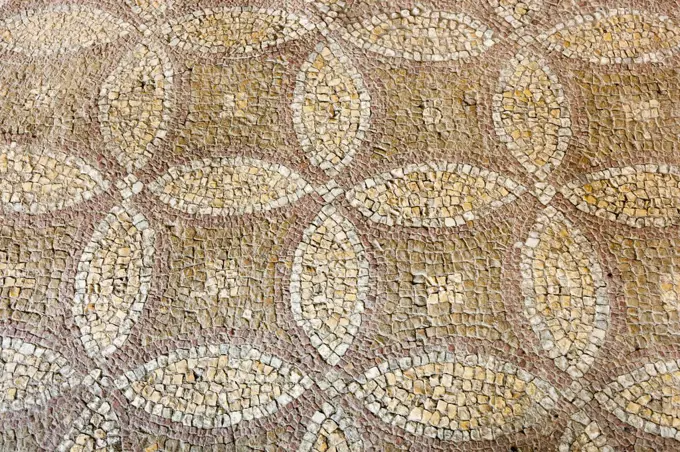
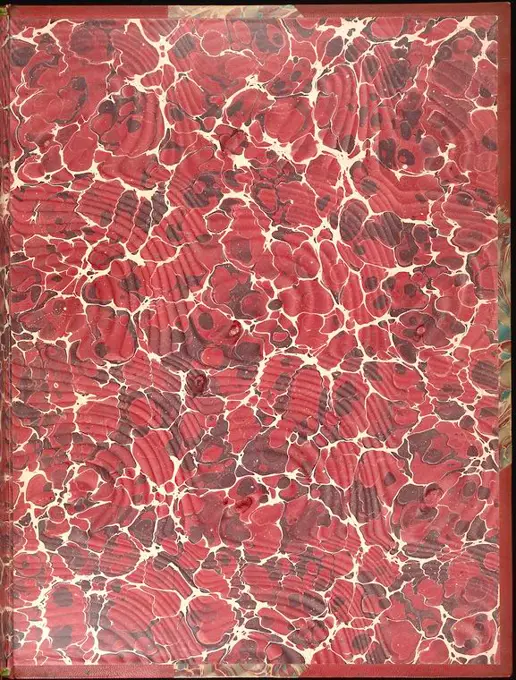
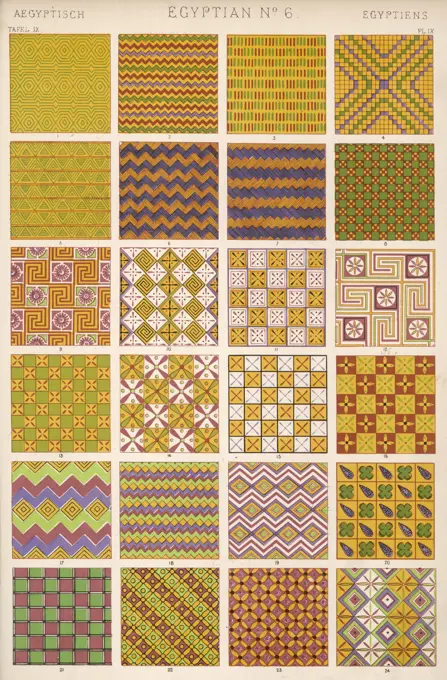
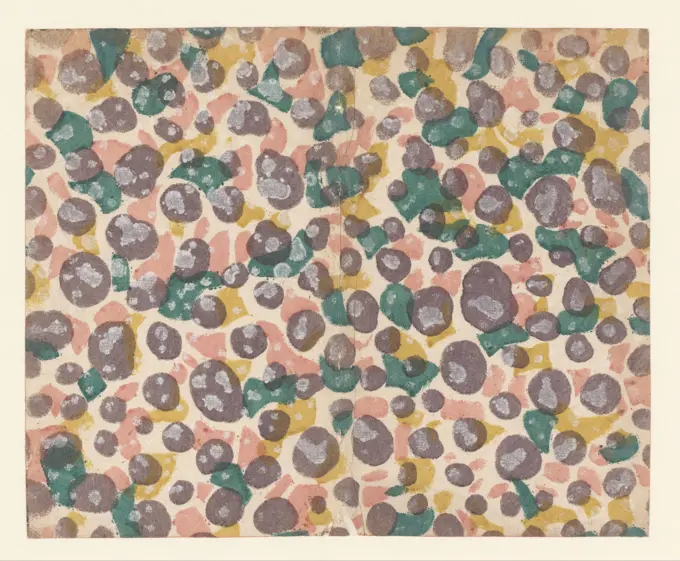
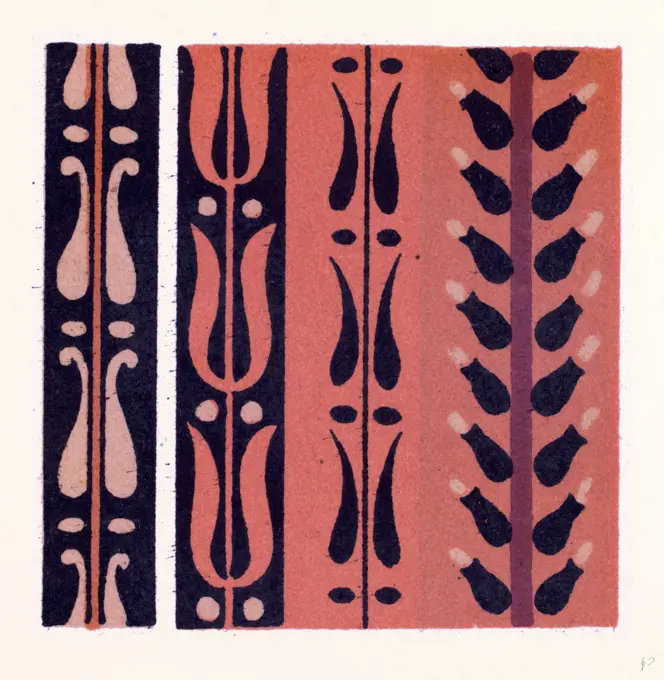
Greek Ornament and Etruscan OrnamentGeorgian embroidery pattern 82wooden parquetVitrage in Neo Lodewijk -XVI style, with copper rings ,, 1895 - 1905 Vitrage in Neo Lodewijk-Xvie style, with copper rings. Netherlands copper (metal) Vitrage in Neo Lodewijk-Xvie style, with copper rings. Netherlands copper (metal)Shoulder cloth, Anonymous, 1900 - 1949 Shoulder cloth with geometric motifs. Malaysia silk Shoulder cloth with geometric motifs. Malaysia silkPrepot cloth made of mixed side in U-shape for an antependium. Natural mixed side predicted cloth: Venetian ribbon side. U-shaped model. On a hexagonal maas soil with picots, is an asymmetrical spiral rank in the lying part. The sloping rank, which starts in the lower corners of the standing parts, crosses a spiral rank. The left leg of the you are symmetrical with respect to the judge. Flowers and Arabesk leaves are, as it were, strung on these tendrils. The flowers are in the form of a palm with a pomegranate and a rosette. Straight finish with alternating large and small triangles.Steel silk in album, Wiener Werkstätte, c. 1910 - c. 1932 Steel printed silk, green, red, yellow and purple on natural, with stylized flower plant inside Paralellepipedum-shaped frame (designer 7134 5/21). Vienna silk block printing (relief printing process) Steel printed silk, green, red, yellow and purple on natural, with stylized flower plant inside Paralellepipedum-shaped frame (designer 7134 5/21). Vienna silk block printing (relief printing process)Sampler (Italy); cotton, linenSample Book (USA); paper, silkEllen Duncan, Patchwork Quilt and Detail, c 1936 Patchwork Quilt and DetailChild's Robe 19th century Japan (Ryky Islands). Child's Robe. Japan (Ryky Islands). 19th century. Banana fiber (basho), cotton. Textiles-CostumesWomans Ceremonial Skirt (Tapis)Textile (Japan); cottonFragment Made 1876 United States. Cotton, plain weave; roller printed .Chinese ornamentMachine-made Openwork Samples (USA); cardboard, linen, silk, metallic; 1971-26-2-18Arabian ornamentFragment, Medium: Technique: printed, USA, 19th century, printed, dyed & painted textiles, FragmentScarf isolated on the white backgroundTEJIDO ARABE.Traditional Georgian folk art embroidery vector patternOld hand made carpet and rugs of  traditional typesold wood background with carving  on white backgroundBorder (France); block-printed on handmade paper; 23 x 12 cm (9 1/16 x 4 3/4 in.)Georgian embroidery pattern 74Textile Swatch , 1950s to 1960s. Silk, 18 3/4 x 19 1/2 in. (47.6 x 49.5 cm).    1950s to 1960sCoverlet Made 1820-1830 United States. Cotton and wool, plain weave with supplementary patterning wefts (overshot); two loom widths joined .Piling pattern napkin, Anonymous, 1737 White linen napkin with peel pattern, called "Oostindische Caracters". Brand Kroon WG 36 1737. Northern Netherlands (Possible) linen (material) White linen napkin with peel pattern, called "Oostindische Caracters". Brand Kroon WG 36 1737. Northern Netherlands (Possible) linen (material)Portugal, Lisbon, Traditional Portuguese ceramic tiles AzuelosDying template katagami cut in the mothe of chrysanthemum flowers against the background of vertical groups of straps of various widths;  19th/20th century (1868-00-00-1912-00-00);ISE-CATAGAMI, templates, purchase (provenance)Square Doily, 20th century, Linen; lace, Denmark, 20th centuryFrances Lichten, Materials from Patchwork Bedspread, c 1936 Materials from Patchwork BedspreadPiece 18th-19th century Japan. Piece 67459Skirt, 20th century, 41 x 30 in. (104.14 x 76.2 cm), Silk, cotton, Myanmar (Burma), 20th centuryPersian No 1 Plate XLIV From The Grammar of Ornament by Owen Jones published by Day & Son London 1865Textile Design of Vertical Stripes of Overlapping Scales Simulating Tie-Dye Framed by Alternating Vertical Strings of Squares 1840 Anonymous, Alsatian, 19th century Rectangular sheet of paper with a textile design from a group, dated 1840, made in Mulhouse, Alsace which was an important nineteenth-century center for textile production in the Haut-Rhin region of France. The design consists of vertical stripes of overlapping abstract scales of dark reddish-brown color simulating a tie-dye textile, over a light tan base. The stripes are framed by alternating vertical strings of four squares of white color outlined in black. The pattern in this design is identical to that of object 1978.671.5(20.11), which contains incomplete repetitions of the stripes.. Textile Design of Vertical Stripes of Overlapping Scales Simulating Tie-Dye Framed by Alternating Vertical Strings of Squares. Anonymous, Alsatian, 19th century. 1840. GouacheTextile, Medium: silk Technique: 5-harness satin damask (warp face of satin for background), Yellow damask with a very bold, large-scale, vertically symmetrical pattern of a large blossom with fruit and leaves. Length of pattern is incomplete., 1700-1750, woven textiles, TextileCushion cover. Embroidered linen with silk and wool. 16th cent. Elizabethan ENGLAND.Piece 18th-19th century Japan. Piece 66784Design for the Corner Motif of a Woven Fabric, Brush and white opaque paint, impressed lines on oily tracing paper, A fantastical lace plant rises from a bottom showing obliquely dispersed rows of points. Stripes designed in the manner of lace form a framing at left and at the bottom. A narrow vertical stripe is seen at the extreme left., France, 1815-1840, Drawing, DrawingBlanket, 56 1/2 x 43 in. (143.51 x 109.22 cm), Cotton; needlework, ChinaCloseup detail of old Portuguese glazed tiles.Hand drawn doodle frame in childish style. Vintage hand drawn frame. Vector illustrationField of sixteen tiles with rosettes. Field of sixteen tiles (4 x 4) each with a blue-painted rosette surrounded by leaves in the four corners. Along the edges, half a rosette.Field of sixteen tiles with rosettes, anonymous, c. 1625 - c. 1650 Field of sixteen tiles (4 x 4) each with a multicolored (blue, yellow and brown) painted rosette with in the corners, a f 3. Netherlands earthenware. tin glaze majolica Field of sixteen tiles (4 x 4) each with a multicolored (blue, yellow and brown) painted rosette with in the corners, a f 3. Netherlands earthenware. tin glaze majolicaEurope, Greece, Karpathos, Arkasa: Roman mosaics on the floor of a ruined basilicaTextile Design with Alternating Vertical Rows of Horizontal Strings of Lozenges with Over a Striped Background 1840 Anonymous, Alsatian, 19th century Rectangular sheet of paper with a textile design from a group, dated 1840, made in Mulhouse, Alsace, which was an important nineteenth-century center for textile production in the Haut-Rhin region of France. The design is made up of alternating vertical rows of horizontal strings of five touching lozenges with a stippled shade of brown color over a striped background of light tan and brown color. The lozenges are of white color and have black outlines.. Textile Design with Alternating Vertical Rows of Horizontal Strings of Lozenges with Over a Striped Background. Anonymous, Alsatian, 19th century. 1840. GouacheEmbroidery pattern unknownLeerer Keramikteller auf einem monochromen braunen Hintergrund Empty ceramic plate on a monochrome brown background. Empty plate with cutlery on a dining table LicenseRF Copyright: xZoonar.com/TetianaxChernykovax 23261979Textile (USA); cottonMantilla, Medium: silk Technique: bobbin lace, Chantilly style Label: silk bobbin lace, Square mantilla of black Chantilly lace with a cross in the center and a design of floral swags forming a deeply scalloped innter border; bunches of flowers are placed within each scallop., France, 19th century, lace, MantillaBlanket, 20th century, 94 x 154 in. (238.8 x 391.2 cm), Wool, Mali, 20th centuryChinese Woman's Unofficial Wedding Collar, mid to late 19th century, 26 x 26 in. (66 x 66cm), Silk, China, 19th centurySprinkled purple ornament tile, acanthus leaf coming from corner with quarter flower surrounded by octagonal pattern with pearls, angle opposite of it quarter flower with long petals, wall tile tile sculpture ceramic earthenware glaze, baked 2x glazed painted Yellow shard square two nail holes. Purple on white.Egyptian OrnamentArthur G Merkley, Tyler Coverlet, c 1942 Tyler CoverletTatreez, decorative Palestinian embroidery symbolQuilt Square. Dated: 1935/1942. Dimensions: overall: 29.9 x 22.5 cm (11 3/4 x 8 7/8 in.). Medium: watercolor and graphite on paper. Museum: National Gallery of Art, Washington DC. Author: Baye M. Yancey.Paper Wallowing with pattern of four passes and French lilies, Jules Desfossé (workshop or), c. 1851 - c. 1855 Paper loss with a pattern of white four passes with a white cross shape, which is composed of French lilies, on a gray stock. Block pressure with continuous pattern on a satinized stock. Paris paper Paper loss with a pattern of white four passes with a white cross shape, which is composed of French lilies, on a gray stock. Block pressure with continuous pattern on a satinized stock. Paris paperEurope, Hungary, Budapest, Covered Market, embroidered table runner.Italian ca. 1873 Owen Jones British "Italian" is one of the rare textiles by Owen Jones. Fewer than thirty of his textile designs are known to exist, and they all date to the early 1870s. This silk textile typifies Jones' predilection for formal, repeating patterns, in contrast to the naturalistic, three-dimensional floral designs found on many Victorian furnishing fabrics. Jones, who was trained as an architect, is probably best known as the author of The Grammar of Ornament, first published in 1856. The book provided thirty-seven principles of design and an ambitious survey of decorative motifs from cultures around the world. It was intended to serve as inspiration and guide for designers in all facets of the decorative arts, and was influential throughout the second half of the nineteenth century.. Italian 230019Fragment, Medium: Technique: printed, USA, 19th century, printed, dyed & painted textiles, FragmentLength of double-sided cut velvet and plush silk late 16th century-early 17th century Spanish. Length of double-sided cut velvet and plush silk. Spanish. late 16th century-early 17th century. Silk; cut velvet, plush. Textiles-VelvetsTextile Swatches Onondaga Silk Company, Inc. (1925-1981). Textile Swatches, 1948-1959. 72 silk; 28 metal, (a) - (d): 11 1/4 x 4 1/2 in. (28.6 x 11.4 cm).    1948-1959Textile palette Decorative and fashion textile cloth color chart Copyright: xZoonar.com/Baloncicix 14274139Textile 19th century Japan. Textile 67994Coverlet Made 1846 Ohio. Wool and cotton, plain weave double cloth; main warp and ground weft cut fringe; woven on loom with Jacquard attachment; two loom widths joined .Fragment, 1700s or 1800s. India, Surat, 18th or 19th century. Brocade, "himru"; cotton and silk; overall: 59.7 x 41.9 cm (23 1/2 x 16 1/2 in.).Sample book, Medium: cotton, silk, linen, wool Technique: crochet, Twenty-one page swatchbook. Cover in silk with a design of poppies in pink and green on a dark blue ground. Pages of tan, blue, green, red and pink cotton. With 333 samples of crochet and darned net work in linen, cotton and wool thread. Two pink silk ribbons to close., USA, ca. 1850, sample books, Sample bookPainted ceiling, the harem, Tash Khauli Palace, Khiva, Uzbekistan, Central Asia, AsiaQuilt, 1800s, maker unknown. Acquisition history unknown.Tile for wainscoting and altar front, glazed and painted tiles, 17th century, Huesca Diocesan Museum, Aragon community, Spain.Folded striped kitchen towel made of linen on a blue background, view folded above striped kitchen towel made of linen on a blue background, view from aboveDrawing, Wool Embroidery Design (Berlin Wool Work); T. P. Devrient (active ca. 1860); Germany; brush and gouache, pen and black ink over etching on cream laid paper ; 13 x 33.8 cm (5 1/8 x 13 5/16 in.) Dimensions vary Platemark/repeat: 10.5 x 29.8 cm (4 1/8 x 11 3/4 in.) Mat: 35.6 x 45.7 cm (14 x 18 in.)Colorful Mexican flower textiles, Oaxaca, Mexico.metal grey   morocco in    africa the old wood  facade home and rusty safe padlock Ukrainian embroidery pattern 80Pink, white and gray pair of child socks on white backgroundSteel spancing material to the design of Theo Nieuwenhuis in Passe-partout, Theo Nieuwenhuis, c. 1910 Steel map with nine steel spancing material to the design of Theo Nieuwenhuis. In original passe-partout. Nine designs in different colors: two samples with golden yellow impact on white chain; golden yellow impact on light green chain; olive -green impact on gray chain; dark blue impact on yellow chain; Purple impact on light green chain; dark green impact on gray chain; yellow impact on gray chain; Olive -green impact on blue chain. Netherlandsmaker: Helmond Staal: Cotton (Textile). PASE-PARTOUT: Cardboard jacquard Steel map with nine steel spancing material to the design of Theo Nieuwenhuis. In original passe-partout. Nine designs in different colors: two samples with golden yellow impact on white chain; golden yellow impact on light green chain; olive -green impact on gray chain; dark blue impact on yellow chain; Purple impact on light green chain; dark green impact on gray chain; Textile Swatches Onondaga Silk Company, Inc. (1925-1981). Textile Swatches, 1948-1959. 80 acetate; 20 metal, (a): 9 1/2 x 4 1/2 in. (24.1 x 11.4 cm).    1948-1959Textile Fragment ca. 1800. Textile Fragment. ca. 1800. Silk and metallic thread. Country of Origin India. TextilesPiece 18th-19th century Japan. Piece. Japan. 18th-19th century. Silk. Textiles-WovenPowder Case (Compaq), French, made in Paris 1938. Made by Rene Bolvin. Gold, platinum, enamel, mother of pearl, pearl, sapphire, moonstone and diamonds. Floor mosaic in the Roman Mosaic Museum, also known as the Roman Edifice, Constanta, Romania Closeup detail of old Portuguese glazed tiles.Textile Swatches Onondaga Silk Company, Inc. (1925-1981). Textile Swatches, 1948-1959. 72 silk; 28 metal, (a): 8 x 4 1/2 in. (20.3 x 11.4 cm).    1948-1959Tuch mit Blumendekor - Cloth with flowers Tuch mit Blumendekor - Cloth with flowers Copyright: xZoonar.com/lantapixx 5654792Pair of Thistle CupPlatesTraditional Polish embroidery round symbol 6Heads Greek ancient sculpture, mystic. Vector hand drawn illustrations of antique classic statues in trendy bohemian style. Heads Greek ancient sculpture, mystic. hand drawn illustrations of antique statues in trendy bohemian styleBack doubleur. Charnay, Désiré (1828-1915). bindings (gathered matter components), Book covers. 1885. Spencer Collection. BookbindingThe ornaments on this plate  are taken from paintings on  tombs in various parts of  Egypt, from original drawings.       Date: 1868Vintage paper rolls on woven wooden matsBig pink flower on green marker brushed.Hand drawn with ink and colored with marker brush seamless background.Creative hand made brushed design.Big flower collection.Corporal or lkin dock with a embroidered cross and finished around with a border in a border in every corner. Corporal or celkfrier of linen with embroidery - whiteware - in the corners and around finished with a border of natural colosside: Old-raised side with ribbon decor (ribbon side). Square model. Embroidery: There is an equal arms embroidered in satin stitch in every corner, in which each arm also ends in a cross separately. Side: The repetitive and symmetrical pattern consists of a narrow and through winding ribbon that forms a row of hearts with three-robbed awards. The ribbon has been split into linen stroke with openwork edges on one side. Braid supports the motifs model and connect the motifs. The sloping edge is formed by the three-robbed awards on each of the consecutive hearts.colorated glass and sun in morocco africa window and lightPortuguese ceramic tile pattern. Mediterranean traditional ornament. Italian pottery or spanish majolica.. Portuguese ceramic tile pattern. Mediterranean traditional ornament. Italian or spanish majolica.Leaf with random dot pattern, anonymous, c. 1763 - c. 1803  Leaf with random dot pattern. Used as a cover for a publication from 1783.  paper.  ornament ~ circle and derived from circle, e.g.: guillocheBlank banner. Bunting or swag templates. Holiday flag garland collection. Flags decoration for party and celebration. Vector illustrationLeaf with windscreen pattern with leaf motif, anonymous, 1750 - 1950    paper.  ornament derived from plant forms