Textile Art and Patterns

Historical textile fragments showcasing intricate patterns and colors from different cultures, each piece narrating a unique story.

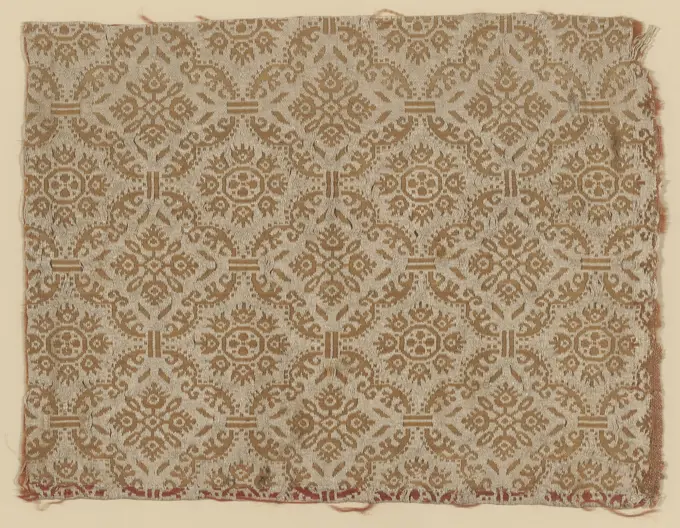
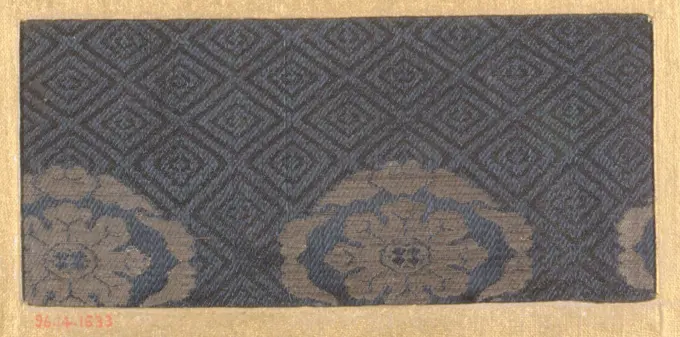
Baan silk with a design of Swastica's contained in a "window" of cloud tires with circular flowers at the intersections of the window, c. 1900 - c. 1920 Baan silk with design of Swastica's contained in a "window" of cloud tires in golden brown shades, with circular flowers in pink, beige, red and purple on a dark brown stock at the intersections of the window. Eastern textile. Japan silk Baan silk with design of Swastica's contained in a "window" of cloud tires in golden brown shades, with circular flowers in pink, beige, red and purple on a dark brown stock at the intersections of the window. Eastern textile. Japan silk
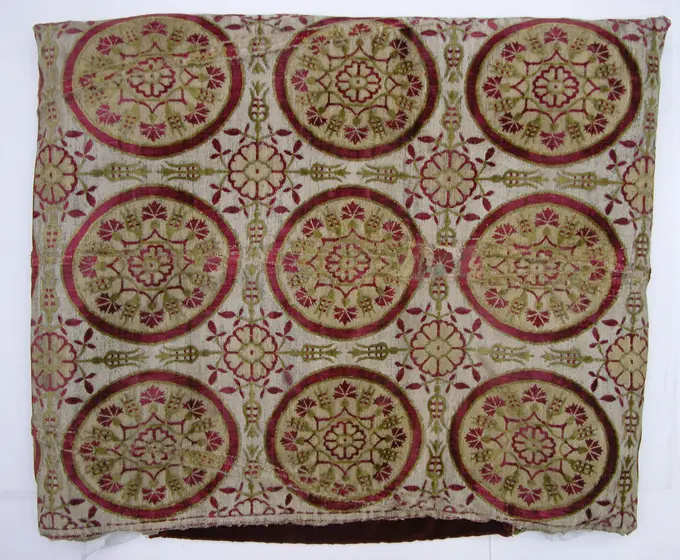
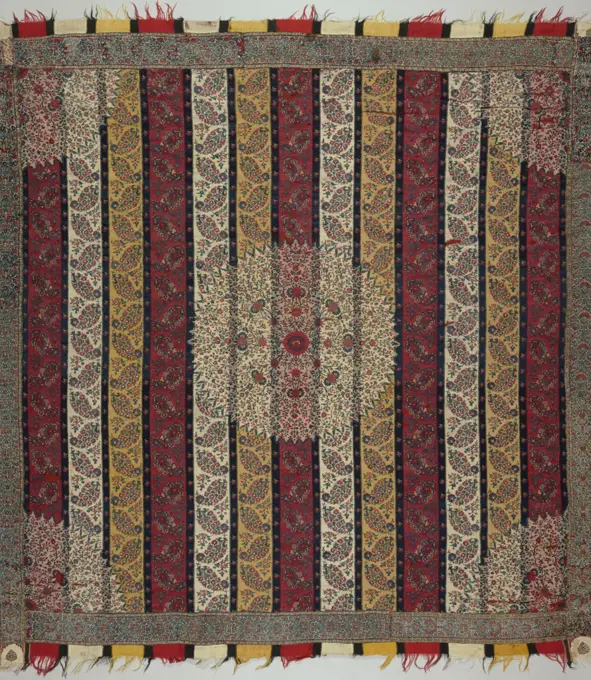
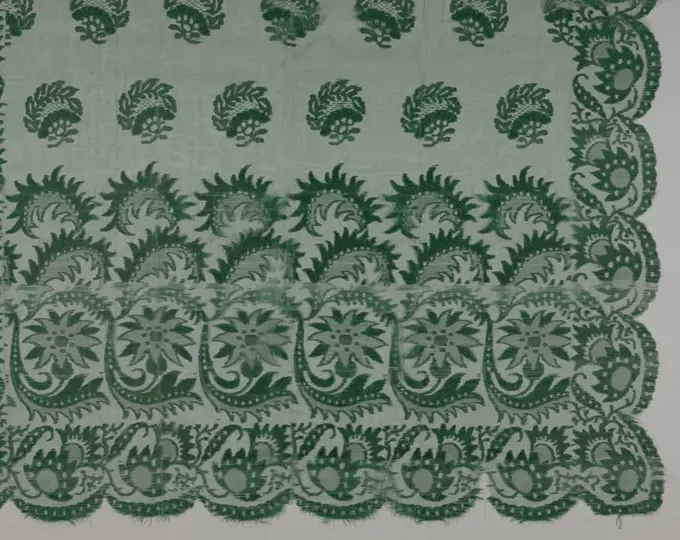
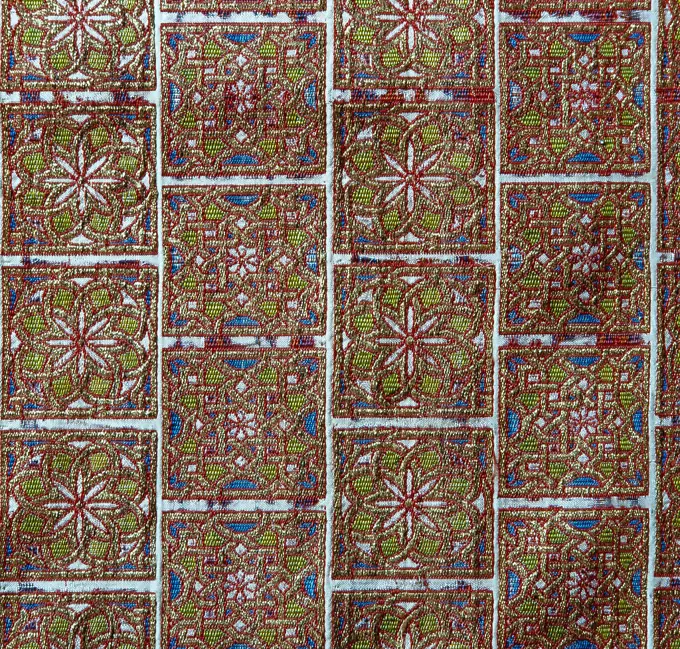
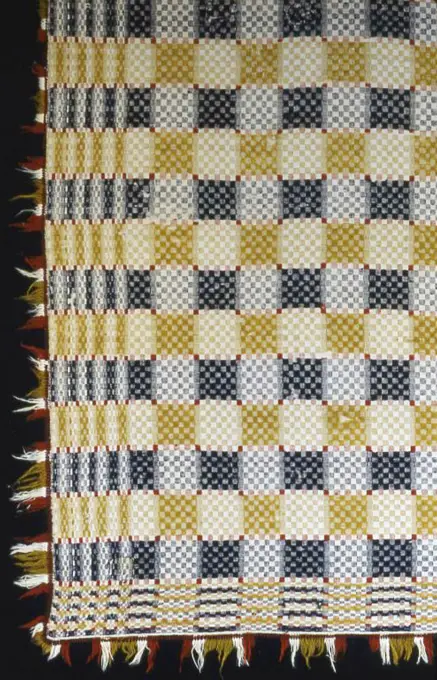
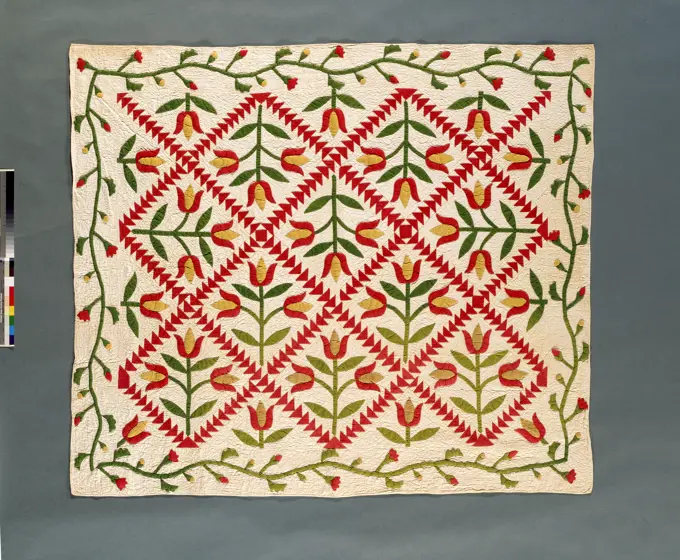
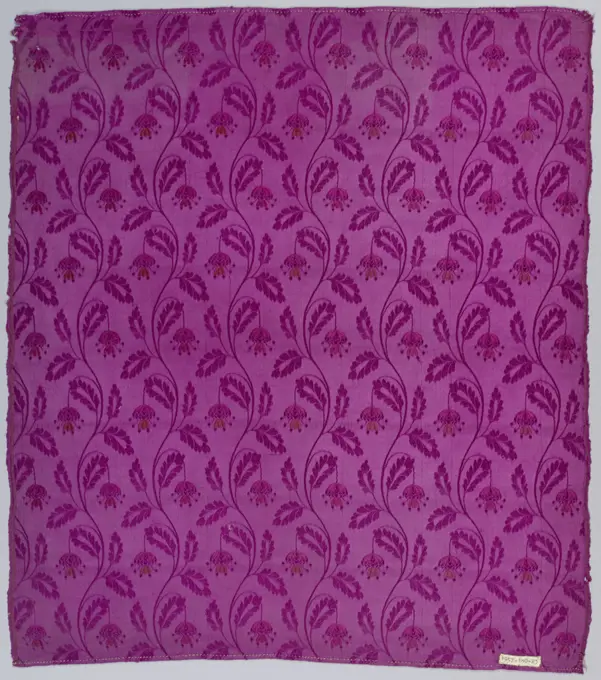
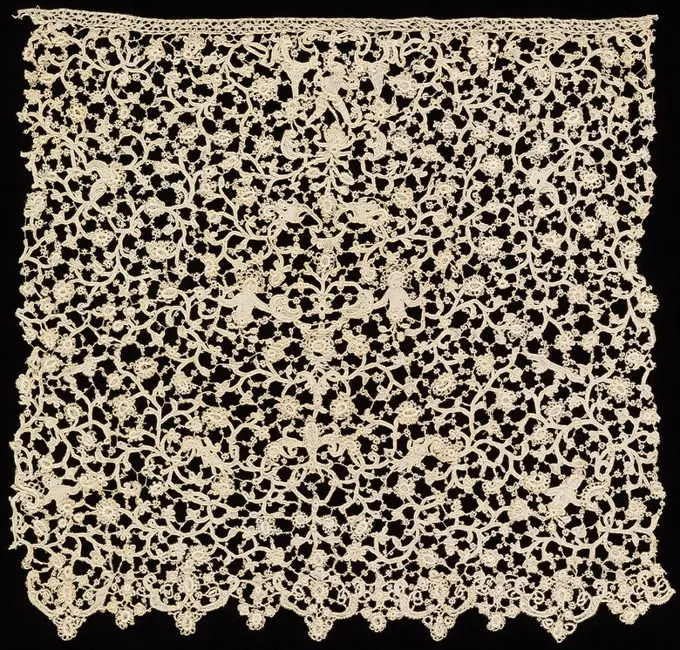
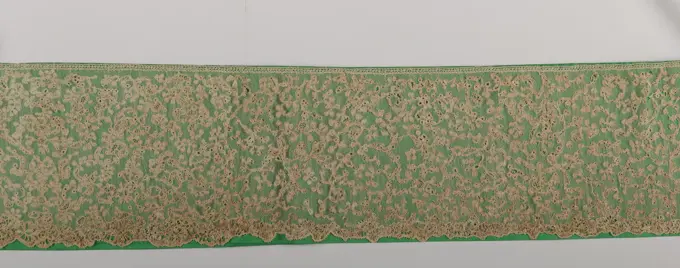
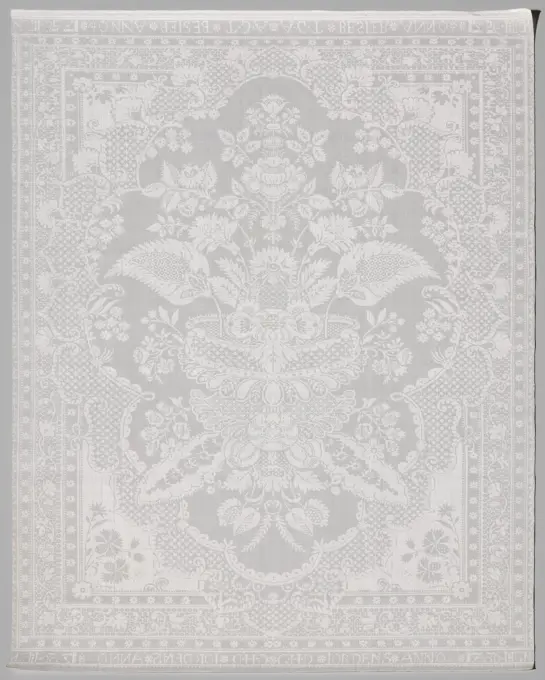
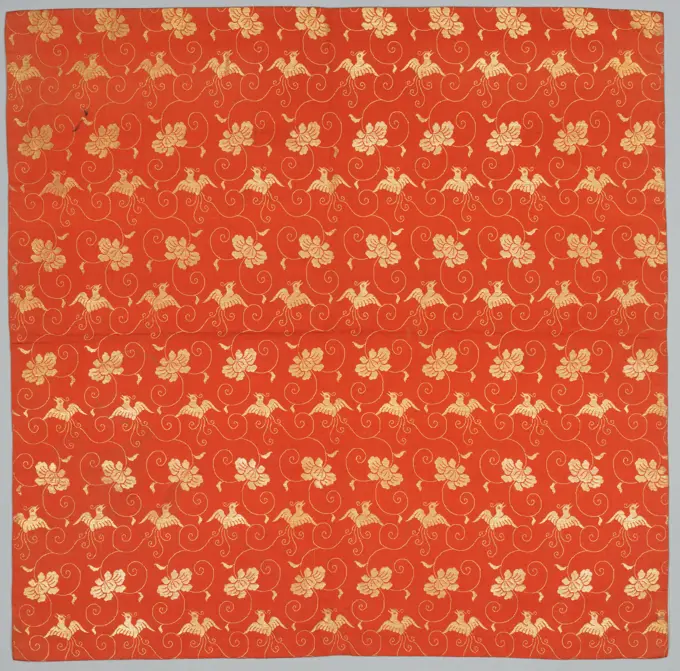
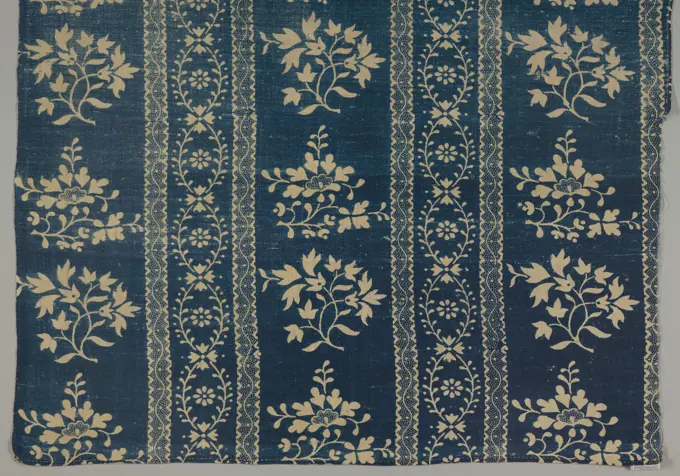
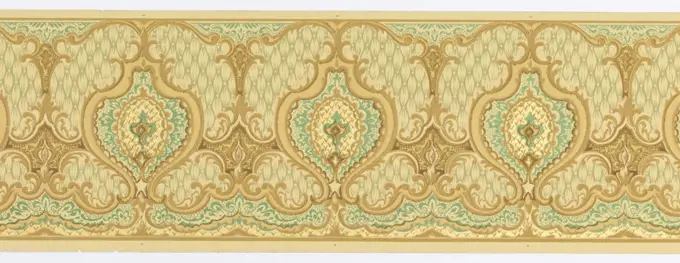
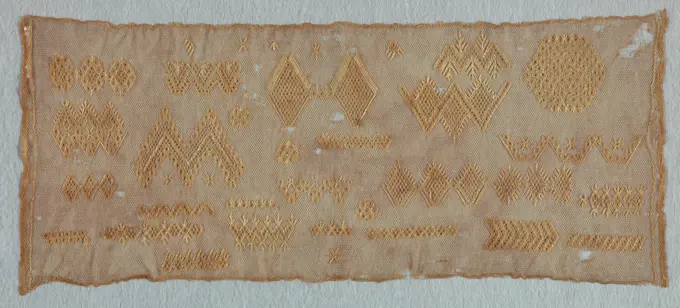
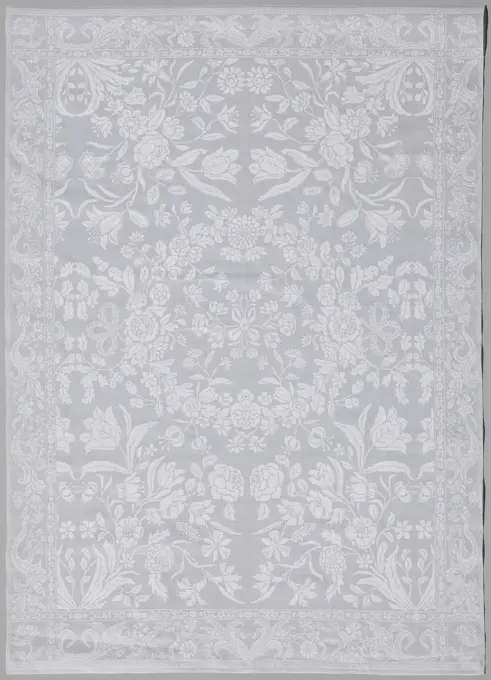
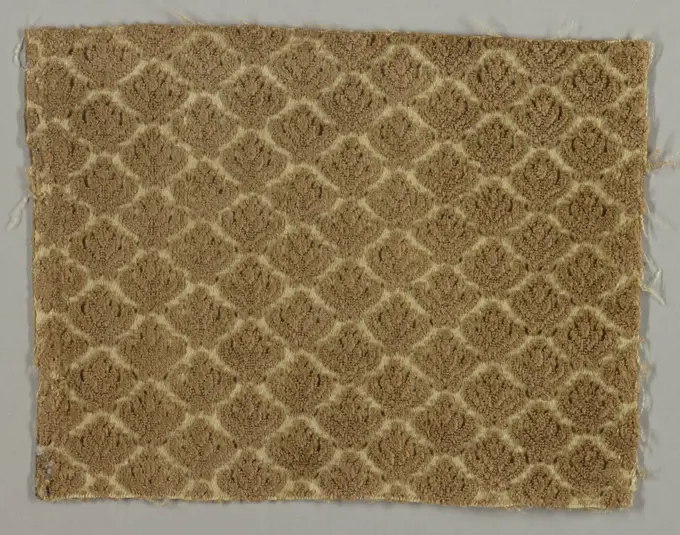
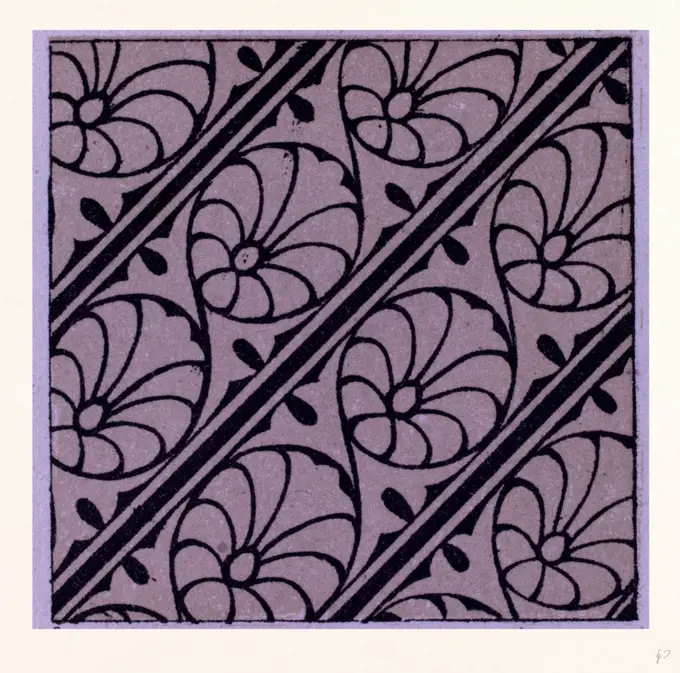
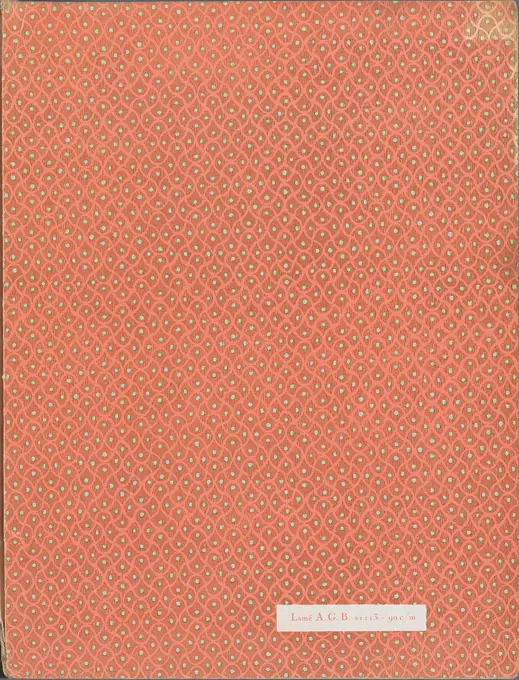
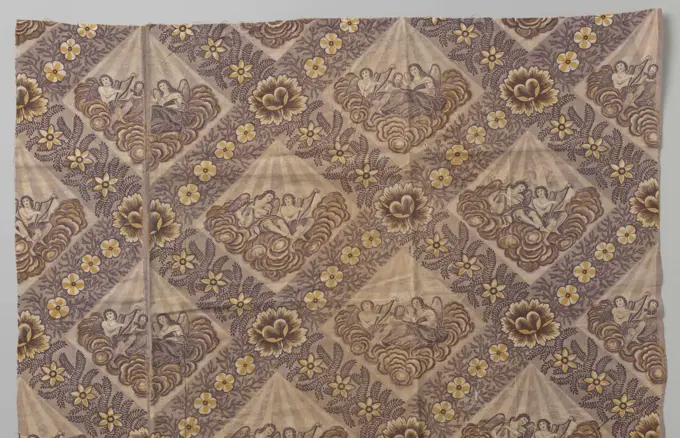
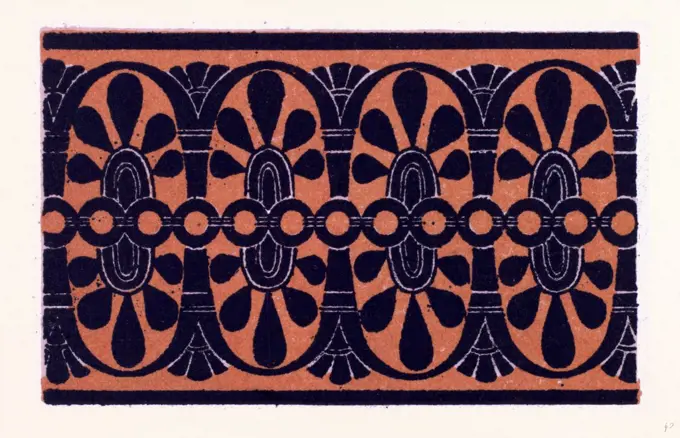
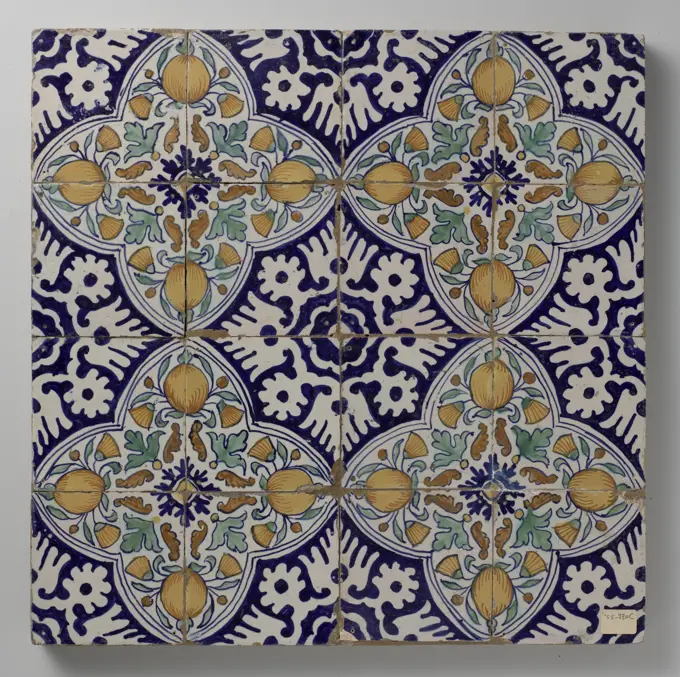
Baan silk with a design of Swastica's contained in a "window" of cloud tires with circular flowers at the intersections of the window, c. 1900 - c. 1920 Baan silk with design of Swastica's contained in a "window" of cloud tires in golden brown shades, with circular flowers in pink, beige, red and purple on a dark brown stock at the intersections of the window. Eastern textile. Japan silk Baan silk with design of Swastica's contained in a "window" of cloud tires in golden brown shades, with circular flowers in pink, beige, red and purple on a dark brown stock at the intersections of the window. Eastern textile. Japan silkFragment Made 1601-1700 Europe. Linen and wool, compound weave (i.e. Beiderwand or Lampas 2 1) .fragment Made 1801-1900 Morocco. Embroidered .Front doubleur. 1899 - 1902. bindings (gathered matter components), Book covers. Spencer Collection. BookbindingTextile, Medium: cotton Technique: roller printed on plain weave, Flower sprays in brown and pink with green scrolling lines on a dark blue ground., USA, 1870-80, printed, dyed & painted textiles, TextileFragment (Spain); silkCushion Cover (Yastik) 17th-18th century Yastiks are cushion covers used by the Ottoman elite to decorate the interiors of their palaces. They are distinguished by their rectangular shape, a dominant red velvet background, and a composition framed on both sides with a band formed of a linear repeating motif. These cushion covers were produced in quantity; the same pattern type was woven one after the other in a continuous length on the loom and later cut to size.. Cushion Cover (Yastik) 452094Textile (France); cotton; Warp x Weft: 40 x 28 cm (15 3/4 x 11 in.) Repeat H: 22 cm (8 11/16 in.)Textile Fragment early 17th century. Textile Fragment. early 17th century. Silk, cotton; velvet, brocaded. Attributed to Turkey. Textiles-WovenPiece 18th-19th century Japan. Piece 65837Fragment (France); cotton; Warp x Weft: 61 x 77 cm (24 x 30 5/16 in.); Bequest of Elinor Merrell; 1995-50-238Pictorial Quilt 1832 Euphemia Kichlein. Pictorial Quilt. Euphemia Kichlein (American, Bucks County, Pennsylvania 1818-1885). American. 1832. Cotton, wool and silk. Made in Buck's County, Pennsylvania, United StatesPanel Made 1550-1600 Italy. Silk, plain weave; double-faced needlework embroidered with silk and gilt-metal-strip-wrapped silk in satin stitches; couching; edged with gilt-metal-strip-wrapped silk, bobbin straight lace and with silk and gilt-metal-strip-wrapped silk, plaited braid; two panels joined .Fragment civilian with flower within SpitsOval, Theo Nieuwenhuis, 1900 - 1925 Fragment civilians of flower within SpitsOvals. Black Inslag on BeIe chain. Netherlands cotton (textile) Fragment civilians of flower within SpitsOvals. Black Inslag on BeIe chain. Netherlands cotton (textile)Fragment, Medium: cotton Technique: printed, Fragment with a wavy vine pattern has yellow lines with yellow and brown dots., England or USA, ca. 1850, printed, dyed & painted textiles, FragmentBorstdoek, anonymous, 1900 - 1949 Ceremonial chest cloth with diamond pattern for women from the highest caste (Brahmanen). Bali silk Ceremonial chest cloth with diamond pattern for women from the highest caste (Brahmanen). Bali silkCoverlet 1839 Harry Tyler. Coverlet 14794Piece 18th-19th century Japan. Piece 66797Coverlet Made 1820-1825 United States. Cotton and wool, plain weave with supplementary patterning wefts .Coverlet Made 1820-1830 United States. Cotton and wool, plain weave with supplementary patterning wefts (overshot); two loom widths joined .Piece 16th-17th century Italian. Piece 223392Fragment 16th century Spanish or Italian. Fragment 230458Fragment Made 1825-1875 Japan. Plain compound cloth, silk. .Piece 18th-19th century Japan. Piece 67281Oversize Hip Wrapper (tapis), mid-1700s. India, Coromandel Coast, mid-18th Century. Cotton; plain weave; drawn resist, painted mordants, dyed; overall: 296 x 120 cm (116 9/16 x 47 1/4 in.).Piece 18th-19th century Japan. Piece 67346Purse late 19th century Mexican. Purse 170245Panel (Bedcover ) Made 1701-1800 Greece. Linen, plain weave; embroidered with silk in chain, closed herringbone, and stem stitches; couching; edged with silk, plain weave woven tape .Blanket, 51 1/8 x 44 7/8 in. (129.86 x 113.98 cm), Cotton; needlework, ChinaShawl, Medium: wool Technique: interlocked twill tapestry weave Label: wool interlocked twill tapestry, Square 'moon shawl' with guard borders on four sides and fringed borders at warp ends only. Broad vertical stripes of red, yellow and white with floral cones, separated by narrow stripes of dark blue. Circular central medallion, with a quarter-circle medallions in each corner with stylized floral filling in blues and red on pink and white ground. Coarse woven border with stylized floral motifs on four sides. Separate borders top and bottom imitate fringed warp ends., India, 1800-1850, woven textiles, ShawlPanel Made 1601-1625 Italy. Silk and linen, warp-float faced 7 1 satin weave with supplementary patterning wefts bound by secondary binding warps in weft-float faced 3 1 twill interlacings .Fragment Made 1701-1800 China. Damask, silk. .Bonnet veil, Medium: silk Technique: machine-made lace, Green bonnet veil patterned with conventionalized flowers that form three borders and rows across the field., Spain, 19th century, lace, Bonnet veilPiece 18th-19th century Japan. Piece 67470Capa pluvial del Tern de Sant Valeri, siglo XII. Museu del Disseny de Barcelona.Textile, Medium: cotton Technique: block printed resist, indigo dyed plain weave, Narrow and thin floral stripes; in white on blue., France, 1750-1800, printed, dyed & painted textiles, TextileFragment of silk fabric  mat stripes with colourful floral twig (back of a chasuble) unknownCoverlet Made 1820-1839 United States. Linen, cotton and wool, plain weave with supplementary patterning wefts (overshot); edged with plain weave with extended ground weft fringe; two loom widths joined .Quilt, 'Tulips' with 'Flying Geese' Sashing and Meandering Border. Mary Jane Robson (United States, New York, Dundee, active 1825-1840). United States, 1825-1840. Textiles; quilts. Appliquéd, pieced, quilted and padded plain and printed cottonFragment 17th century Italian or Persian. Fragment. Italian or Persian. 17th century. Embroidered net, punto à rammendo. Textiles-LacesFragment, Medium: silk Technique: velvet, Fragment of brown silk velvet on a cream-colored ground in a pattern of flowering branches., Italy, 16th-early 17th century, woven textiles, FragmentCushion Cover Made 1701-1725 England. Linen, plain weave; embroidered with wool and silk in flame stitch .Piece 17th century Japan. Piece 71109Textile, Medium: silk Technique: plain compound weave, Bright magenta dress silk with a meandering vertical floral design. Dark brown and dark red leaves of small flowers brocaded in lancé technique., France, 19th century, woven textiles, TextileFlounce fragment. Date/Period: 18th century. Flounce fragment. Medium: linen. Technique: needle lace. Author: UNKNOWN.Piece 18th-19th century Japan. Piece 66666Piece 18th century French. Piece 230864Length of LaceMedieval ornamentSnakeshead, 1876-77. Designer: William Morris. Manufacturer: William Morris & CoLinnamast napkin with a edge pattern, Anonymous, 1736 White Linnamasten Napkin, decorated with "Kant" pattern and woven agt Besier Anno 1736 and GHD Iordens Anno 1736. Southern Netherlands (possibly) linen (material) damask White Linnamasten Napkin, decorated with "Kant" pattern and woven agt Besier Anno 1736 and GHD Iordens Anno 1736. Southern Netherlands (possibly) linen (material) damaskTunic. Culture: Wari. Dimensions: H. 36 1/8 x W.44 3/8 in. (91.8 x 112.7 cm). Date: 7th-9th century. Museum: Metropolitan Museum of Art, New York, USA.Brocaded Silk, 1800s. Japan, 19th century. Silk, metallic thread; average: 67.7 x 70.5 cm (26 5/8 x 27 3/4 in.).Beautiful Indian Floral Ornament Beautiful Indian floral ornament can be used as a greeting card Copyright: xtransiaxTextile (France); cotton; Warp x Weft: 62 x 77 cm (24 7/16 x 30 5/16 in.); Bequest of Elinor Merrell; 1995-50-305Piece 18th-19th century Japan. Piece. Japan. 18th-19th century. Silk. Textiles-WovenCoverlet Made 1820-1825 United States. Cotton and wool, plain weave with supplementary patterning wefts ( summer and winter) and main warp fringe .Coverlet Made 1815-1835 Virginia. Cotton and wool, plain weave double cloth; woven on loom with Jacquard attachment; two loom widths joined .Frieze, Machine-printed paper, Large oval medallions on background of simulated textile with effect of tufting or cording., USA, 1905-1915, Wallcoverings, FriezeSampler (Germany); cotton; Warp x Weft: 26.5 x 31.5 cm (10 7/16 x 12 3/8 in.); Bequest of Mrs. Henry E. Coe; 1941-69-196Napkin from white Linnamast, 1680 - 1690 White Linnamasten napkin with a pattern of flower wreaths and smells. Northern Netherlands (Possible) linen (material) damask White Linnamasten napkin with a pattern of flower wreaths and smells. Northern Netherlands (Possible) linen (material) damaskQuilt, 'New York Beauty'Square, 1800s. France, 19th century. Embroidery: linen; overall: 35.5 x 36.8 cm (14 x 14 1/2 in.).Uchishiki (Altar Cover) Made 1875-1900 Japan. .Fragment, Medium: silk Technique: supplementary warp forming cut and uncut raised pile in plain weave foundation (velvet), Small leaf-like shapes in off-set rows in tan., 17th century, woven textiles, FragmentLinnamast napkin with a flower and lace pattern ,, c. 1725 - c. 1730 White Linnamasten Napkin, flatly filled with different flowers, pineapple, pomegranates with a pendulent lace pattern. With embroidered monogram: T. Flanders (Possible) linen (material) damask White Linnamasten Napkin, flatly filled with different flowers, pineapple, pomegranates with a pendulent lace pattern. With embroidered monogram: T. Flanders (Possible) linen (material) damaskDamask napkin with ornamented longitudinal stripes inside edge with volutes, flowers and a flower basket., 1840 - 1860 White linen Damas napkin with ornamented length stripes within an edge with volutes, flowers and a flower basket. Marked: WDW and 24. Netherlands (possibly) linen (material) damask White linen Damas napkin with ornamented length stripes within an edge with volutes, flowers and a flower basket. Marked: WDW and 24. Netherlands (possibly) linen (material) damaskTrouser Band Made 1875-1900 China. embroidered gauze . Han-ChineseCoverlet Made 1825 New York. Cotton and wool, plain weave double cloth; woven on draw loom . James AlexanderIndian ornamentFragment; Warp x Weft: 115.6 x 56.8 cm (45 1/2 x 22 3/8 in.); 1949-55-2Flounce, Medium: linen Technique: Brussels-style bobbin lace, Flounce worked in an allover design of various types of leaves, terminating in small scrolls and many varieties of flowers., Belgium, 17th century, lace, FlounceSheet with four borders with a garland of acanthus leaves and flowers late 18th-mid-19th century Anonymous. Sheet with four borders with a garland of acanthus leaves and flowers. Anonymous , Italian, late 18th-mid 19th century. late 18th-mid-19th century. Relief print (wood or metal). PrintsFlounce second quarter 18th century Italian, Venice. Flounce 212460Piece French 19th century View more. Piece. French. 19th century. Textiles-WovenFragment; cotton; Warp x Weft: 27 x 26 cm (10 5/8 x 10 1/4 in.) Repeat (offset): 20.3 x 19.1 cm (8 x 7 1/2 in.)Leaf with winding tendrils consisting of points with flowers, anonymous, 1800 - 1900  Leaf with regular pattern of winding tendrils and leaves consisting of points and with flowers.  paper. paint (coating). block printing (relief printing process) ornament derived from plant formsFragments; silk, metallicPrentalbum with trophies, anonymous, after Jean Antoine Watteau, 1704 - 1762  Prentalbum with a series of six trophies. Scripture with the cover of decorative paper in which prints bound.  paper decorated paper / etching / engraving trophy, i.e.: decorative arrangement of symbolic or typical objects ~ ornamentQuiltArt - Taste - Beauty, Leaflets or Female Elegance, Christmas 1928, No. 100, 9th year, p. 1. Companion: pattern 'Lame' in pink in green. Bottom right in Box: LAME A.G.B. 21113 - 90C / IIIFabric of a chair inside an apartment in Copenhagen, Denmark.Textile; silk, cottonDress or piece with pattern of winch and harply angels. Dress or lap of yellow and purple printed white cotton with winch and harply and singing angels inside a diamond shaped, with flowers filledGreek Ornament and Etruscan OrnamentTextile (England); cottonBraid Made 1650-1675 France. Silk and silk-wrapped-hemp and silk-wrapped-linen cords, bobbin straight lace .Border 17th century Italian, Milan. Border. Italian, Milan. 17th century. Bobbin lace, Milanese lace. Textiles-LacesField of sixteen tiles with pomegranates and marigolds in four four passes, anonymous, c. 1580 - c. 1620 Field of sixteen tiles (4 x 4) with multicolored (blue, orange, green and yellow) painted pomegranates and marigolds within a four -pass, formed from four tiles. The four passes are surrounded by ornament in Vultechniek. Netherlands earthenware. tin glaze majolica Field of sixteen tiles (4 x 4) with multicolored (blue, orange, green and yellow) painted pomegranates and marigolds within a four -pass, formed from four tiles. The four passes are surrounded by ornament in Vultechniek. Netherlands earthenware. tin glaze majolicaSampler (Stitching). Dated: c. 1937. Dimensions: overall: 35.6 x 26.7 cm (14 x 10 1/2 in.) Original IAD Object: 28" high; 36" wide. Medium: watercolor and gouache on paper. Museum: National Gallery of Art, Washington DC. Author: Ruth M. Barnes.Fragment multicolor mexicaine. A fragment of white silk soil with stripes and blocks of green, yellow and purple. Note: White figuring also by extra chain system.Back doubleur. 1906. bindings (gathered matter components), Book covers. Spencer Collection. BookbindingPatchwork Quilt. Dated: c. 1936. Dimensions: overall: 26.4 x 34.4 cm (10 3/8 x 13 9/16 in.) Original IAD Object: 91 1/2" wide; 89" long. Medium: watercolor and graphite on paper. Museum: National Gallery of Art, Washington DC. Author: Ellen Duncan.Napkin of white Linnendamast with lace pattern and name and arms inquiry of Hendrik van Isselmuden and year 1731. Napkin of white Linnendamast with lace pattern and name and arms consequence of Hendrik van Isselmuden and year 1731.Swatches, Maison Worth, Medium: silk Technique: woven, France, 19th century, woven textiles, SwatchesNapkin; Client: Napoleon III; linen; 1900-18-1Bedcover (Lend and Borrow Quilt) Made 1835 United States. Cotton, plain weave; pieced with cotton, plain weave, printed; quilted; backed with cotton, plain weave; red and green on white ground .Piece ca. 1660 Spanish or Italian. Piece. Spanish or Italian. ca. 1660. Silk. Textiles-WovenShawl ca. 1854 probably French. Shawl 110154Two uncut tabs for Anghaka, 18th century, 13 1/8 x 8 3/4 in. (33.32 x 22.23 cm), Cotton, silk, metallic thread; embroidered, India, 18th century