Textile Art and Patterns

A variety of textile fragments showcasing intricate designs and historical patterns, highlighting different materials and techniques.
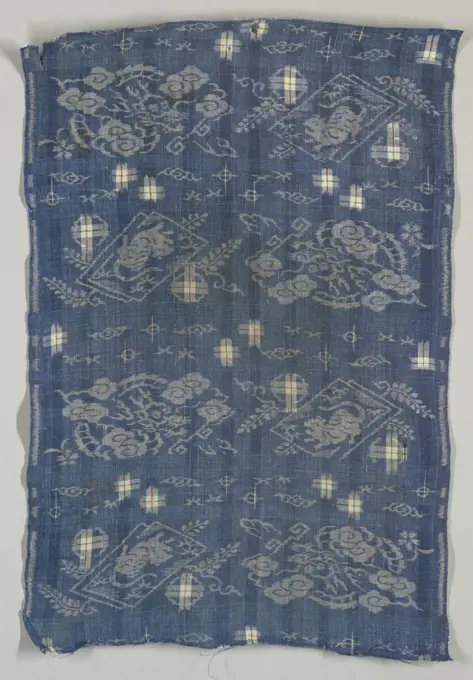
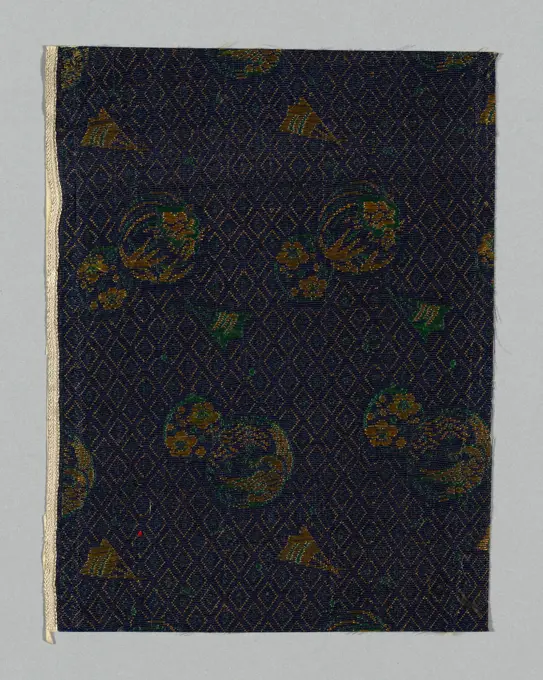
Textile, Medium: hemp Technique: tied resist patterning in warp and weft (double ikat) on plain weave, Medium-scale repeat of curling dragon in clouds alternating with prancing animal in diamond frame superimposed on a curving branch with flowers. Scattered plaid crosses in double ikat. In white reserved on blue ground., Japan, early 19th century, printed, dyed & painted textiles, Textile
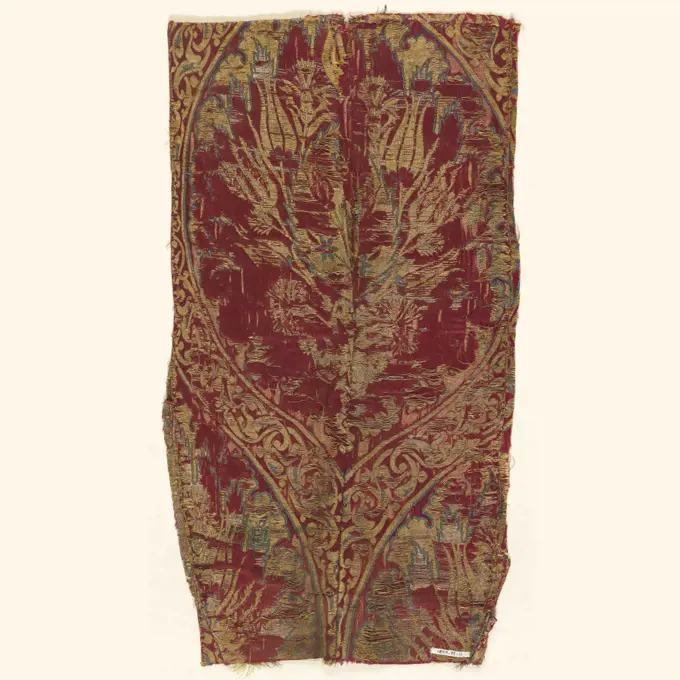
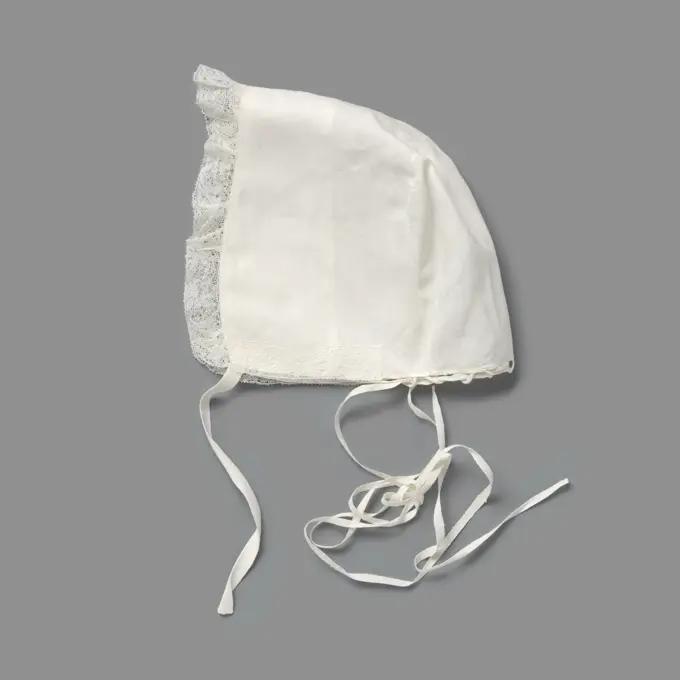
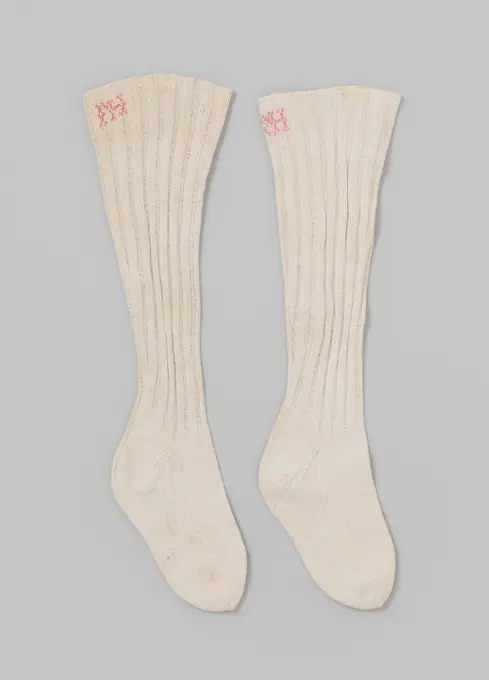
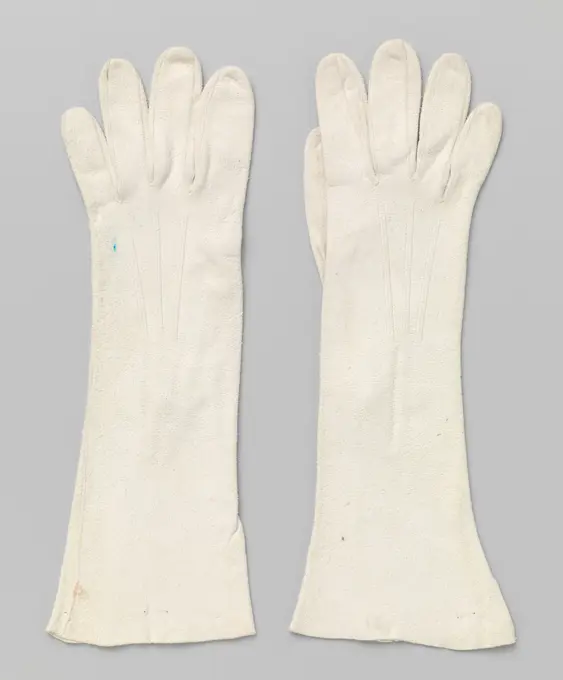
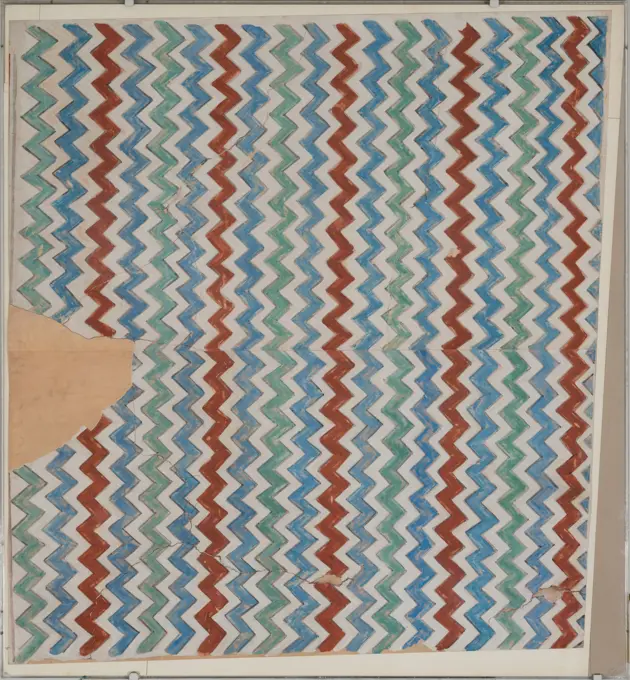
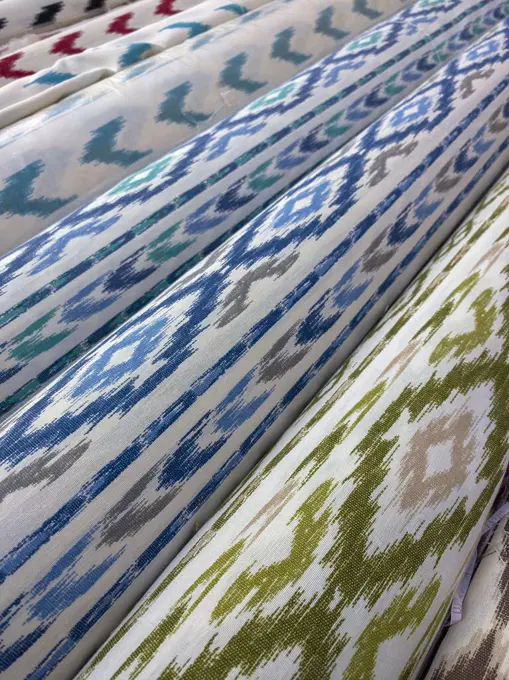
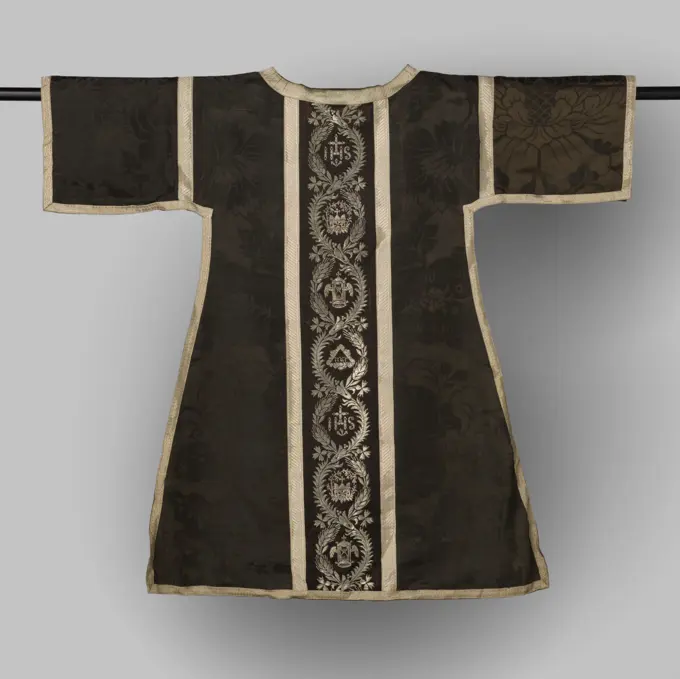
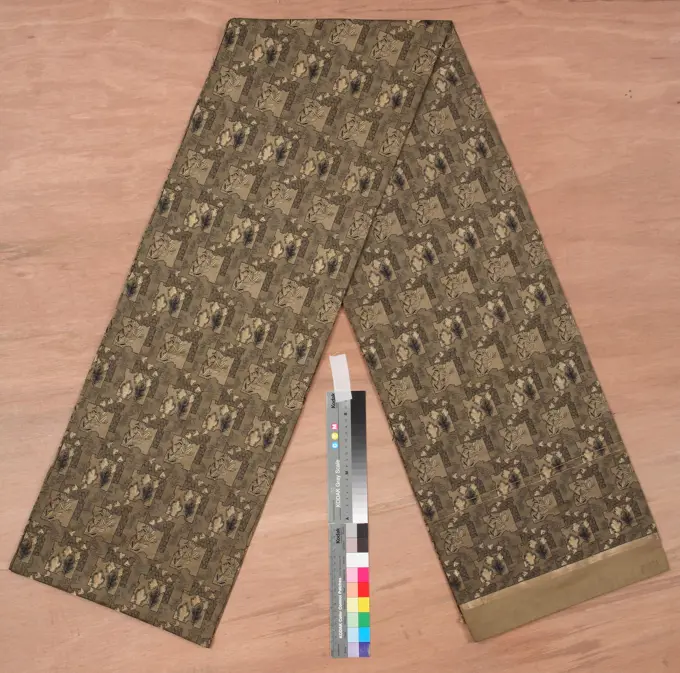
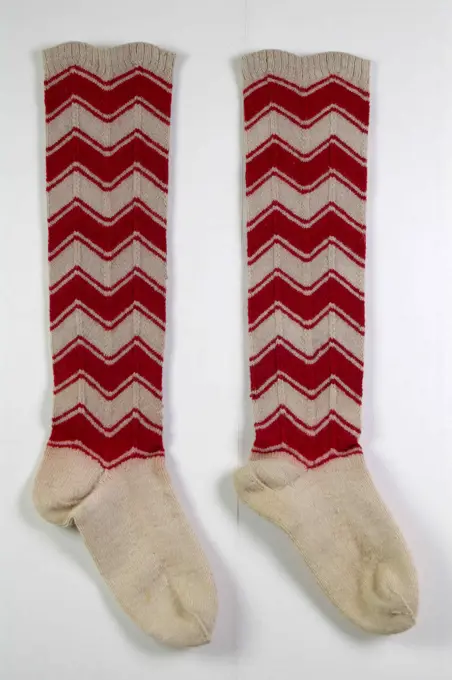
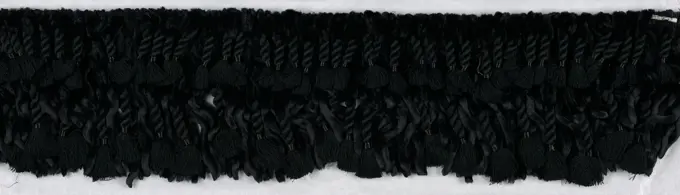
Fringe (France); silkInfants vestCage crinoline mid-19th century American or European. Cage crinoline 108674Jupka. unknown, authorStockings. Culture: American. Date: 1878. Museum: Metropolitan Museum of Art, New York, USA.Stocking of white knitted cotton with jobs in right-handed, anonymous, c. 1879 - c. 1880 Stocky of white knitted cotton with jobs in right-reaching. Amsterdam whole: Cotton (textile) knitting Stocky of white knitted cotton with jobs in right-reaching. Amsterdam whole: Cotton (textile) knittingWoman's awayo (mantle), 19th century, 42 3/8 x 41 in. (107.63 x 104.14 cm), Alpaca, Bolivia, 19th centuryMale necktie on a white background Male necktie on a white background Copyright: xZoonar.com/VolodymyrxSemenchukx 5361324Fragment, Medium: silk, metallic yarns Technique: satin weave, Two fragments seamed together down vertical center. Sprays of tulips and carnations in an ogival framework. In silver outlined with blue on a red ground., Turkey, 16th-17th century, woven textiles, Fragmentblue jean isolated on white backgroundStole fourth quarter 19th century Spanish. Stole 168604Ribbon French 19th centuryEpaulet -Textile (France); silkMiser's Purse (France); silk, metalChasuble back ca. 1705 Italian, Venice. Chasuble back 220602Children's hat of linen with binchekant; marked: s, anonymous, c. 1740 - c. 1760 A children's hat of linen and bobbin. Marked: S. Netherlands linen (material). Binche Lace A children's hat of linen and bobbin. Marked: S. Netherlands linen (material). Binche LaceCurtain of relief velegel with a pattern of zee symphen. Cotton curtain of cotton with a pattern of zey symphen. According two drawstrings with brush. Bag with loose rings and brackets.Autumn or fall composition or concept and word AutumnShirt. Culture: American or European. Date: 1795-1800. Museum: Metropolitan Museum of Art, New York, USA.Textile Swatches Onondaga Silk Company, Inc. (1925-1981). , 1948-1959. Silk, 22 1/2 x 9 1/4 in. (57.2 x 23.5 cm).    1948-1959Woolen soft and worm scarf on rustic wooden background. Top view with copy spaceRackDrawers 1830s-40s American. Drawers 84376Textile Swatches Onondaga Silk Company, Inc. (1925-1981). Textile Swatches, 1948-1959. 72 silk; 28 metal, (a) - (d): 11 1/4 x 4 1/2 in. (28.6 x 11.4 cm).    1948-1959Material of colors lives along a wall with a falling house plant.Fragment Made 1775-1800 Japan. Silk, plain wave with supplementary patterning wefts .Capuchin ca. 1810 American. Capuchin 90508Men Nagajuban with love couple in the snow, 1920 - 1940 Snipanono (Nagajuban) for a man with a decoration on the back of a show of a young pair that runs under an umbrella in a snow landscape with a willow tree, bamboo and two mandarin ducks in a water, surrounded by clouds at the top. Probably inspired by a print from Harunobu. The two ducks are a symbol of faith. The bottom of the back properties with a pattern of the characters 'Fuku' ('Happiness') and 'Kotobuki' ('Lang Life'). Brown silk with stenciled Yuzen decorations. White silk lining. Japan silk painting Snipanono (Nagajuban) for a man with a decoration on the back of a show of a young pair that runs under an umbrella in a snow landscape with a willow tree, bamboo and two mandarin ducks in a water, surrounded by clouds at the top. Probably inspired by a print from Harunobu. The two ducks are a symbol of faith. The bottom of the back properties with a pattern of the characters 'Fuku' ('Happiness') and 'Kotobuki' ('Lang Life'). Revers with seven buttonholes, embroidered with silver thread, c. 1800 - c. 1825 Revers with seven button holes, embroidered with silver wire. Uniform fragment for livrei or militia () Netherlands cloth. silver thread embroidering Revers with seven button holes, embroidered with silver wire. Uniform fragment for livrei or militia () Netherlands cloth. silver thread embroideringTextile Swatches Onondaga Silk Company, Inc. (1925-1981). Textile Swatches, 1948-1959. 60 acetate; 27 nylon; 13 metal, (a) - (c): 8 1/2 x 4 1/2 in. (21.6 x 11.4 cm).    1948-1959Fringe early 19th century British. Fringe 224923Pair of jeans isolated on the white background
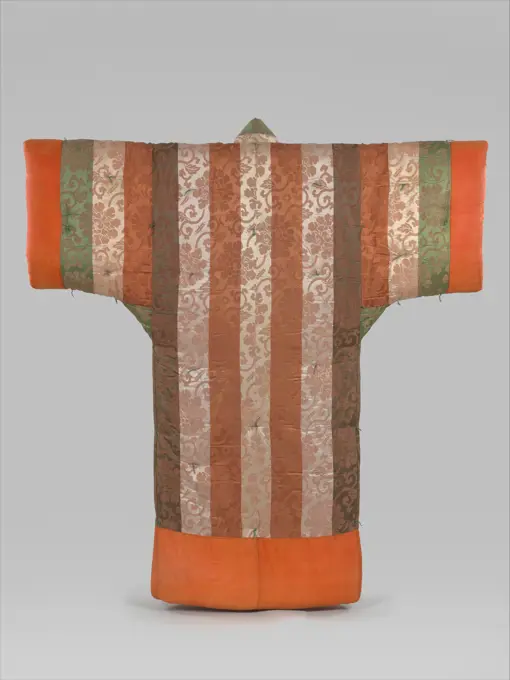
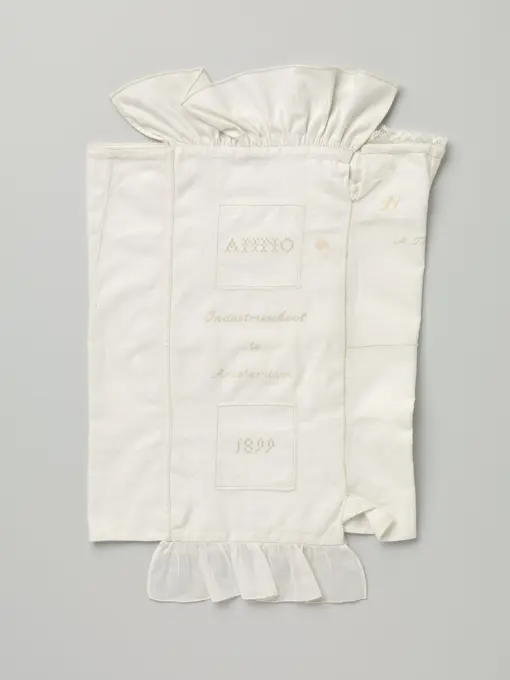
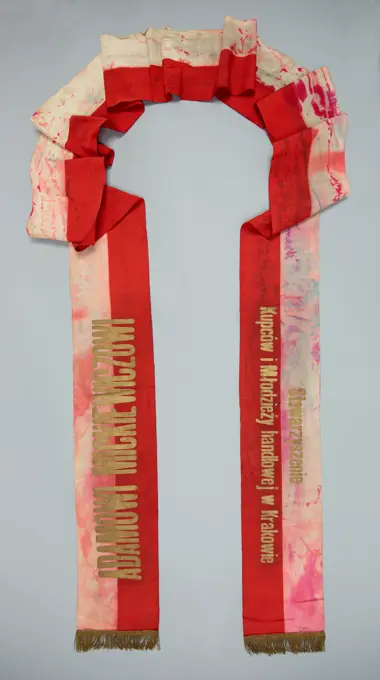
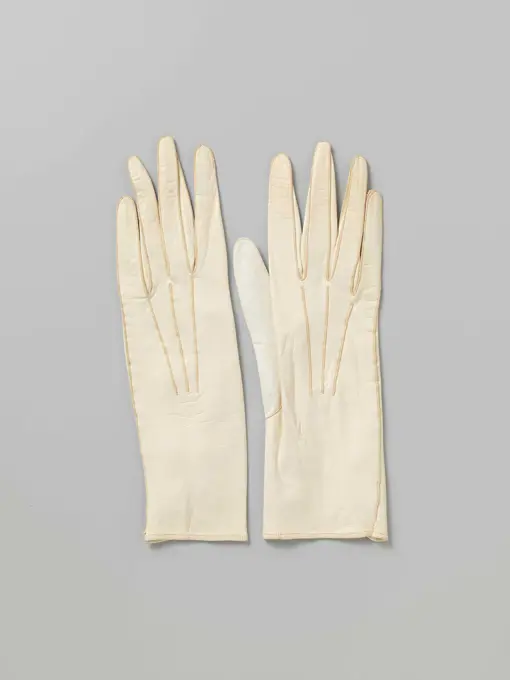
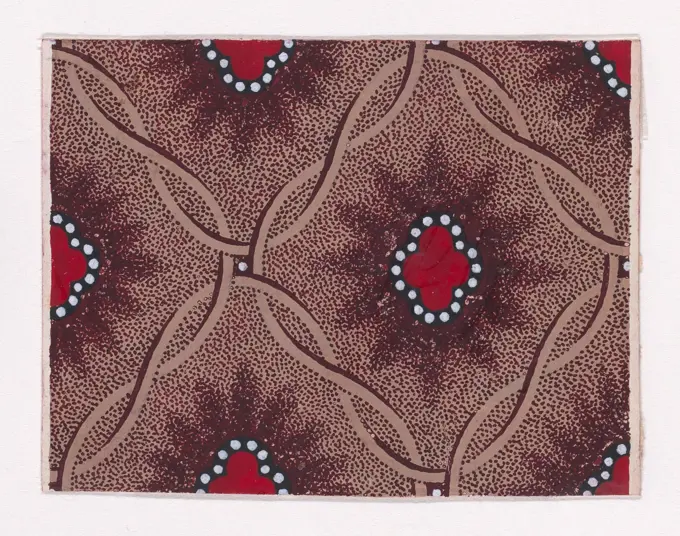
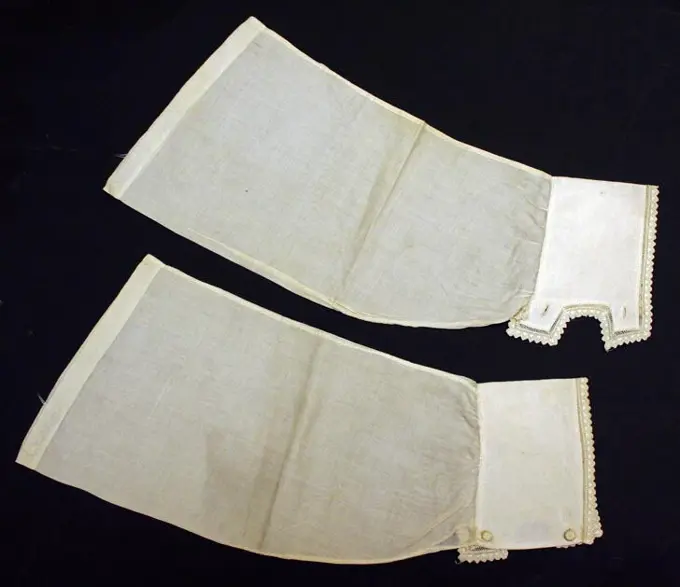
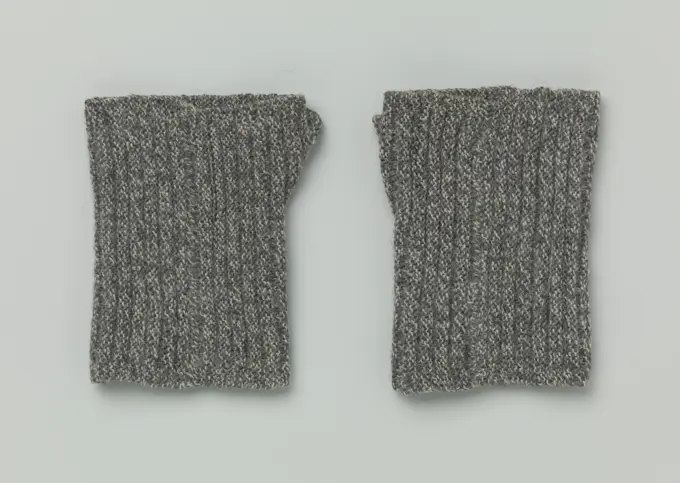
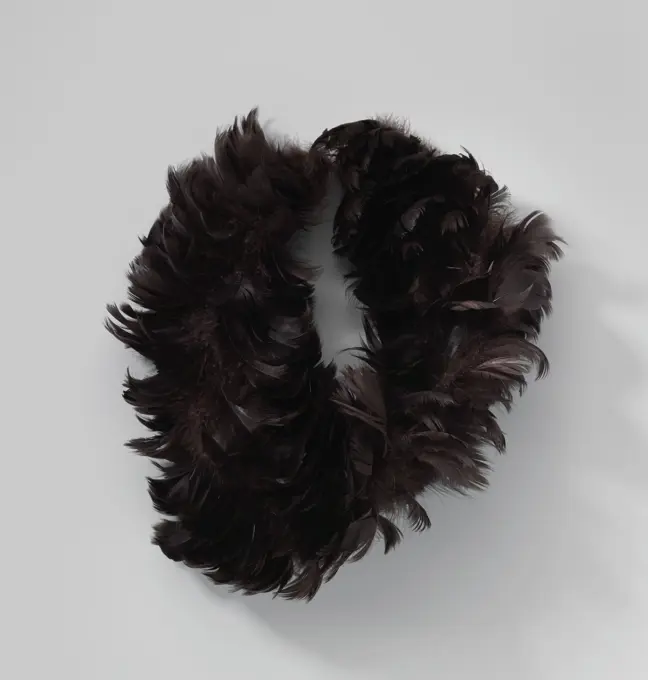
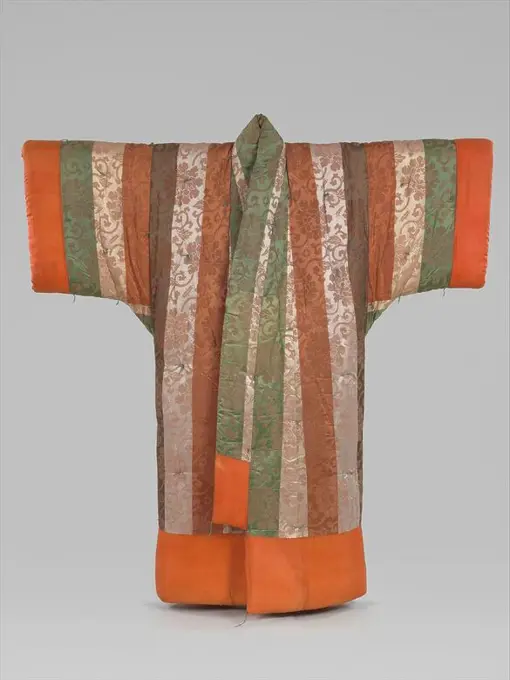
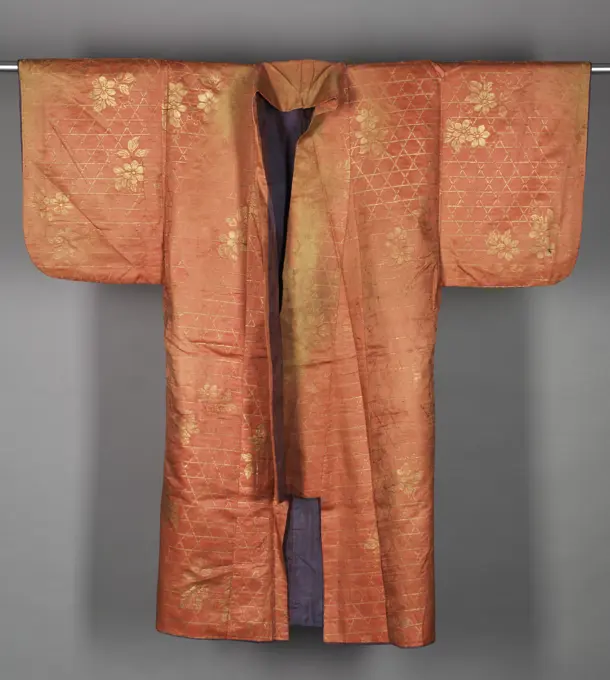
Kimono-shaped Comforter (Yogi) with Peonies and Stripes early 20th century Japan A yogi is a thickly padded, kimono-shaped comforter, used for sleeping on cold winter nights. They were made in three sizes, with the luxurious silk damask yogi exhibited here representing a large example. Yogi became popular in the Edo period (1615-1868) and were frequently part of a wedding trousseau. Yogi were often decorated with auspicious motifs, suggesting that they would keep sleepers safe and sound through the night. Since both covers and the wadding would have been replaced as needed, yogi could be used over a long period of time.In ukiyo-e paintings, prints, and illustrated books we often see pictures of sleeping coupleswhether husband and wife or courtesans with clientscovered with yogi. These images show how the neck and the shoulders were kept warm due to the kimono shape of the coverlet. Most yogi are quite heavy because of the wadding, but similarly shaped, lighter garments were worn as nMantle 1885-95 American. Mantle 107796Evil eye bead as Amulet souvenir from TurkeyEmpty clipboard isolated Empty clipboard isolated on white background Copyright: xZoonar.com/Adirekxkatax 7319859Tuch mit Karomuster - Cloth with checks Tuch mit Karomuster - Cloth with checks Copyright: xZoonar.com/lantapixx 6618265Textile Swatches Onondaga Silk Company, Inc. (1925-1981). , 1948-1959. Silk, 23 3/4 x 17 1/2 in. (60.3 x 44.5 cm).    1948-1959Chair covering of pink/red silk dam mast with floral pattern, anonymous, c. 1700 - c. 1899 Chair covering of a backrest of pink/red silk daamast. The design consists of flower bouquets within the windows of flower branches. The seat cover consists of three pieces, a wide central part consisting of the entire dust width, with strips rounded on either side. The self -sides consist of alternating green and white stripes. The upholstery is stretched around a wooden framework and still has the interior and is a chair cushion.  silk. wood (plant material). metal damask Chair covering of a backrest of pink/red silk daamast. The design consists of flower bouquets within the windows of flower branches. The seat cover consists of three pieces, a wide central part consisting of the entire dust width, with strips rounded on either side. The self -sides consist of alternating green and white stripes. The upholstery is stretched around a wooden framework and still has the interior and is a chair cusStocking of knitted white cotton in ribsteek, children's size, anonymous, c. 1900 - c. 1920 Stocking of knitted white cotton in ribsteek, children's size. Marked: 'm 2'. Netherlands whole: Cotton (textile) knitting Stocking of knitted white cotton in ribsteek, children's size. Marked: 'm 2'. Netherlands whole: Cotton (textile) knittingFabric Swatch Fab-Tex Inc.. , 1963-1966. Cotton with synthetic, sheet: 8 1/4 x 10 1/2 in. (21 x 26.7 cm).    1963-1966Ensemble. Culture: American. Date: ca. 1864. Museum: Metropolitan Museum of Art, New York, USA.Studio shot of Red Bean Seeds making arrow sign on white backgroundJeans pocketUndersleeves ca. 1860 American. Undersleeves 169997Undersleeves ca. 1850 American. Undersleeves. American. ca. 1850. CottonStockings 19th century French. Stockings 102370Ribbon French 19th century View more. Ribbon. French. 19th century. Textiles-TrimmingsWitte Naafap, Aagje Ticket, C. 1900 White sewing juice or seam pap with anno 1899 and industry school in Amsterdam Amsterdam White sewing juice or seam pap with anno 1899 and industry school in Amsterdam AmsterdamPair or gloves. Left glove from beige pigsuede. Three stitched seams on the backhellbeiger Rollkragenpullover auf einem Bügel vor einer weißen Wand, vertikales Foto. hellbeiger Rollkragenpullover auf einem Bügel vor einer weißen Wand, vertikales Foto. LicenseRF Copyright: xZoonar.com/EvgeniiaxGordeevax 23396973TextileA sash from the funeral of Adam Mickiewicz in Krakow on July 4, 1890Pocket of blue jeans. Back pocket of jeans close-up as background.Sector of a parasoldek of dark blue cotton, with a border of Batist embroidered with wold wire, c. 1885 - c. 1900 Sector of a parasold deck of dark blue cotton, with a border of Batist embroidered with wold wire. Nijmegenfrance whole: Cotton (textile). Rand: Cotton (textile). Embroidery Rand: Wool embroidering Sector of a parasold deck of dark blue cotton, with a border of Batist embroidered with wold wire. Nijmegenfrance whole: Cotton (textile). Rand: Cotton (textile). Embroidery Rand: Wool embroideringA sash from the celebration of the hundredth anniversary of Adam Mickiewicz's birthTextile Swatches Onondaga Silk Company, Inc. (1925-1981). , 1948-1959. Silk, 23 x 8 1/2 in. (58.4 x 21.6 cm).    1948-1959Scarf isolated on the white backgroundWomen's belt modeled on highlander: leather and light fabric fabric filled with ornaments Blamr; Osuchowska, Anna (fl. Ca 1946-1953), Bureau of Production Aesthetics Supervision (Warsaw; 1947-1949); around 1946-1947 (1941-00-00-1951-00-00);Production Aesthetics Supervision Office (1947-1949), Zakopane (Lesser Poland Voivodeship), folklore, highlanders, transmission (provenance)Gaiter. Pair of guêtrons, a priori civilian, personal purchase. COUNTED MACHINE, LEATHER, COPPER, BRASTON, Iron, Ink canvas, 1940-1945. General Leclerc Museum of Hauteclocque and the Liberation of Paris, Jean Moulin Museum. 78985-10 Civil Equipment, War 1939-1945, War 39-45, Guetre, Second World WarKimono with Blossoming Plum Tree second half of the 19th century Japan Paste-resist dyeing, along with skillful use of a shading technique, finely renders the gradual progression from white to dark gray on this garment. Early Meiji period kimonos often have gray or black grounds and decoration concentrated along the hemline. Here, the plum tree, painted in ink and pigments and embroidered with silk and occasional glints of gold, seems to glow in soft moonlight, while the rest of the robe is in shadow. The design scheme is based on the kosode style that became popular among chnin women at the end of the Edo period (1615-1868). Since the left panel overlaps the right, much of the plum-tree pattern would ordinarily be obscured, coming to light only as the wearer walked. Another plum tree is hidden on the lining inside the underflap.. Kimono with Blossoming Plum Tree. Japan. second half of the 19th century. Plain-weave silk with resist dyeing, ink, pigments, silk and metallic-thread embroGlove from white glacer leather with two push buttons made of plastic, decorated with three radiating cords. Left glove from white glaceré leather with two leg-colored push buttons of plastic. Three stitched thickened lines on the hand.Black fabric sample, cutoutMantle 1830s French. Mantle 108138Cotton pajama jacket with fantasy motif in blue and white and brass knots on which an anchor between two tulips, Anonymous, 1905 - 1910 Cotton pajama jacket with fantasy motif in blue and white and brass knots on which an anchor between two tulips. India, East Java, Malang, ca. 1908. Malang cotton (textile). knoop: brass (alloy) Cotton pajama jacket with fantasy motif in blue and white and brass knots on which an anchor between two tulips. India, East Java, Malang, ca. 1908. Malang cotton (textile). knoop: brass (alloy)Beret with a ball of liver -colored silk velvet and a border in the same color felt, maud & nano, in or after 1942 Baret with a ball of liver -colored silk velvet and a border in the same color felt. Maud et nano. With the original cardboard box (BK-1984-94-B). Paris bol: silk. rand: wool Baret with a ball of liver -colored silk velvet and a border in the same color felt. Maud et nano. With the original cardboard box (BK-1984-94-B). Paris bol: silk. rand: woolStocky of white knitted cotton, with ridges in right-reaching, c. 1879 - c. 1880 Stocky of white knitted cotton, with ridges in right-reaching. Inscription: '12' and 'MH', embroidered in red cross stitch. Amsterdam whole: Cotton (textile) knitting / embroidering Stocky of white knitted cotton, with ridges in right-reaching. Inscription: '12' and 'MH', embroidered in red cross stitch. Amsterdam whole: Cotton (textile) knitting / embroideringSkeleton suit ca. 1820 American. Skeleton suit 103808Colored side pocket on shorts Close-up of colored side pocket on shorts Copyright: xZoonar.com/OlgaxPopovax 4692739Textile Design with Alternating Quatrefoils Bordered with Pearls and Framed by Interlacing Ribbons 1840 Anonymous, Alsatian, 19th century Rectangular sheet of paper with a textile design from a group, dated 1840, made in Mulhouse, Alsace which was an important nineteenth-century center for textile production in the Haut-Rhin region of France. The design is made up of alternating quatrefoils of dark red color framed by pearls with offsetting thorns rendered with stipples of dark reddish-brown color on a light tan ground. The quatrefoils are framed by interlacing ribbons of light tan color with dark reddish-brown border and shade. The pearls bordering the quatrefoils are colored with white.. Textile Design with Alternating Quatrefoils Bordered with Pearls and Framed by Interlacing Ribbons. Anonymous, Alsatian, 19th century. 1840. GouacheUndersleeves 1850-79 American. Undersleeves 120059Radiation insulation technology from Apollo and subsequent spacecraft was used to develop superinsulators, used by makers of cold weather apparel, to make parkas, jackets, boots and outdoor gear such as sleeping bags. The radiant barrier technology offers warmth retention at minimal weight and bulk.Mitaine of gray -white mixed wool with thumb, anonymous, c. 1900 - c. 1940 Left mitiane from Grijwitte mixed wool with thumb. Short model. Part of a few. West-Europa whole: Wool Left mitiane from Grijwitte mixed wool with thumb. Short model. Part of a few. West-Europa whole: WoolTwo pairs of gloves with buttons. Left glove from white corner leather with three pearl nuts. Adorned on the hand with three stitched thickened lines.Headband of dark brown springs, c. 1950 - c. 1985 Headband of dark brown springs, with retail price fixed on the inside. Yugoslavia . Headband of dark brown springs, with retail price fixed on the inside. Yugoslavia .Close-up of a blue striped fabric with a metal buckle detail in focus.Matras.Mattress from yellow silkGlove from white corner leather. Right glove from white corner leather. On the back decorated with three stitched thickened ljjnen. On the inside wrist with a pearl-colored knot.Skirt (Haidate) ca. 1615-1868 Japanese. Skirt (Haidate) 22533Ceiling in the Center of the Transverse Hall of Nakht's Offering Chapel 1909-1910; original ca. 1410-1370 B.C. Twentieth Century; original New Kingdom Lancelot Crane. Ceiling in the Center of the Transverse Hall of Nakht's Offering Chapel. Lancelot Crane (British, 1880-1918). 1909-1910; original ca. 1410-1370 B.C.. Tempera on paper. Twentieth Century; original New Kingdom. From Egypt, Upper Egypt, Thebes, Sheikh Abd el-Qurna, Tomb of Nakht, TT 52, chapel, ceiling, center, MMA Graphic Section, 1907-1908. Dynasty 18Sweden, Blekinge, Blekinge, Karlskrona, Karlskrona, external marina (depicted, town).Sweden, Blekinge, Blekinge, Karlskrona, Karlskrona, External War Gogs (depicted, City)Sample (USA); cottontied on a rope is an empty rectangular brown paper tag on blue jeans, full frametypical fabrics of Mallorca (´Roba de llengües´), for sale in the urban market of Llucmajor, Majorca, Balearic Islands, Spain.Rouw almatics, Anonymous, c. 1500 - 1999 Mourning almatics, black damask side, trimmed with silverfallon  textile materials Mourning almatics, black damask side, trimmed with silverfallon  textile materialsMantle. Culture: American. Date: 1857-60. Museum: Metropolitan Museum of Art, New York, USA.Mali, Timbuktu. An elaborately decorated leather purse and a metal talisman box hang round the neck of a Tuareg man.A photo of a wooden table with different backgrounds for any announcementsWomen Maru Obi with plovers, waves and bamboo. Belt of silk brocade for a formal kimono (Maru obi) for a woman, with a decoration over the entire plane of two partially overlapping squares with irregular coves, on which a grid pattern with plovers and alternating bamboo and pine, against a background of stylized waves. Gray silk with brocade woven decoration (Nishiki).Edge of blue jeans fabric with fringe on white background.Textile Swatches Onondaga Silk Company, Inc. (1925-1981). , 1948-1959. Wool blend, a: 21 1/2 x 17 1/4 in. (54.6 x 43.8 cm).    1948-1959Bonnet. Culture: American. Date: 1895-96.Simple cotton or linen bonnets were routinely worn at home by lower and middle-class women. The ingenious shape and cut of this whitework bonnet allows it to button together to form an attractive shape with a flounce at the back, but to lie flat when unbuttoned. The flat cut would have greatly simplified washing and pressing, which was by far the most laborious and time-consuming domestic chore prior to the adoption of the electric washing machine. Museum: Metropolitan Museum of Art, New York, USA.Lower sleeve, balloon -shaped, of white work decorated batist, A.G. Nije, c. 1860 - c. 1865 Lower sleeve, balloon -shaped, of embroidered batist. The lower sleeve is wrinkled to the cuff. Both the sleeve and the cuff are decorated with whitework in the form of garlands of pearls with two tied flowers tied together on the junctions and three hanging blossoms as a litter. Matching on the cuff, but fuller decor. Two knots on the cuff. With threader on the top. Amsterdam Batiste. Button: Glass Lower sleeve, balloon -shaped, of embroidered batist. The lower sleeve is wrinkled to the cuff. Both the sleeve and the cuff are decorated with whitework in the form of garlands of pearls with two tied flowers tied together on the junctions and three hanging blossoms as a litter. Matching on the cuff, but fuller decor. Two knots on the cuff. With threader on the top. Amsterdam Batiste. Button: GlassKimono-shaped Comforter (Yogi) with Peonies and Stripes. Culture: Japan. Dimensions: 75 1/4 x 83 1/2 in. (191.1 x 212.1 cm). Date: early 20th century.A yogi is a thickly padded, kimono-shaped comforter, used for sleeping on cold winter nights. They were made in three sizes, with the luxurious silk damask yogi exhibited here representing a large example. Yogi became popular in the Edo period (1615-1868) and were frequently part of a wedding trousseau. Yogi were often decorated with auspicious motifs, suggesting that they would keep sleepers safe and sound through the night. Since both covers and the wadding would have been replaced as needed, yogi could be used over a long period of time.In ukiyo-e paintings, prints, and illustrated books we often see pictures of sleeping couples--whether husband and wife or courtesans with clients--covered with yogi. These images show how the neck and the shoulders were kept warm due to the kimono shape of the coverlet. Most yogi are quite heavy becachristmas bow on a green paper  backgroundNoh Costume (Surihaku) with Flowers in Fence, 1800-1850. Japan, Edo period (1615-1868). Silk, metal thread; overall: 123.8 x 124.5 cm (48 3/4 x 49 in.).Aigrette with a foef of smooth herons such as crown, black, anonymous, c. 1900 - c. 1915 Aigrette with a foef of smooth herons such as crown, black. Two of the feathers have a small brush. Europe metal Aigrette with a foef of smooth herons such as crown, black. Two of the feathers have a small brush. Europe metalStockings third quarter 19th century American. Stockings 174288Shirt of Mail and Plate. Iran, 
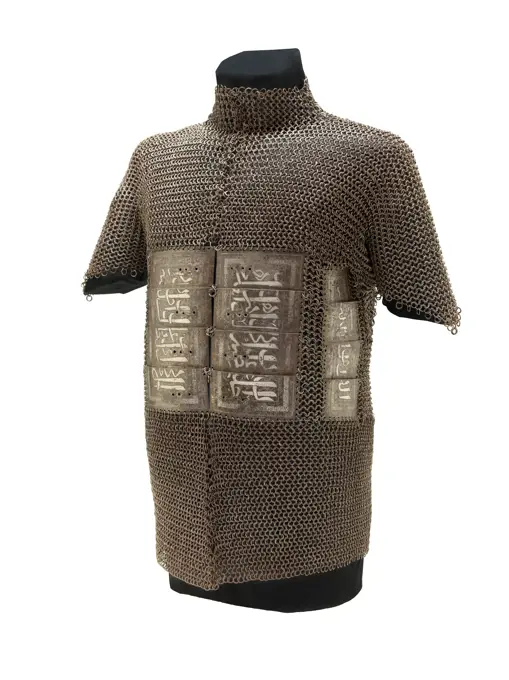
, 15th century. Arms and Armor. Steel with silver inlay and traces of gilding