Textile Art and Patterns

A variety of textile fragments showcasing intricate designs and historical patterns, highlighting different materials and techniques.
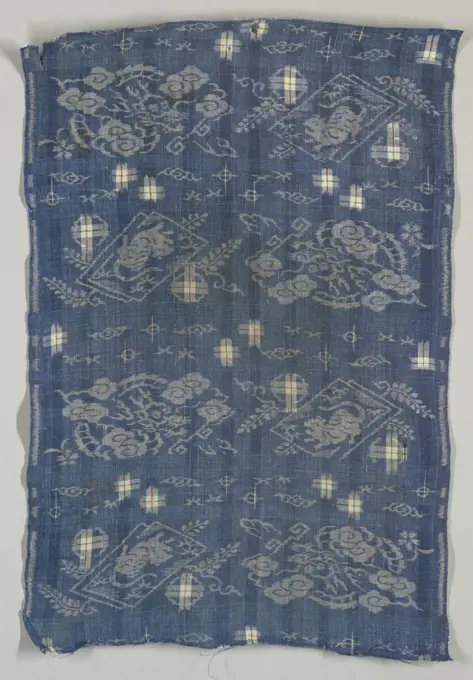
Textile, Medium: hemp Technique: tied resist patterning in warp and weft (double ikat) on plain weave, Medium-scale repeat of curling dragon in clouds alternating with prancing animal in diamond frame superimposed on a curving branch with flowers. Scattered plaid crosses in double ikat. In white reserved on blue ground., Japan, early 19th century, printed, dyed & painted textiles, Textile
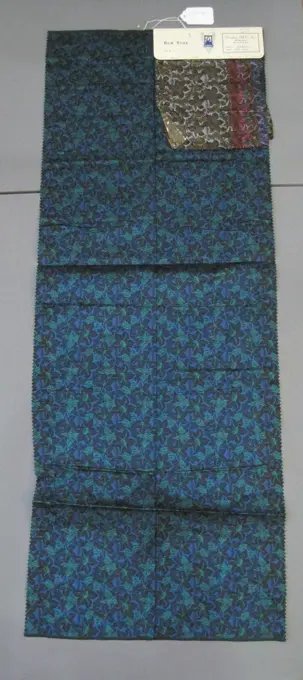
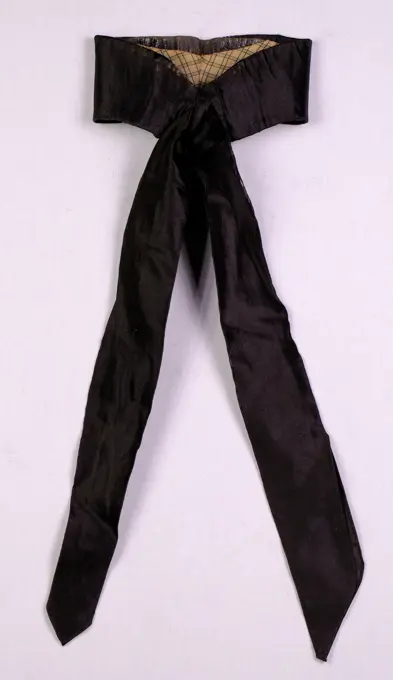
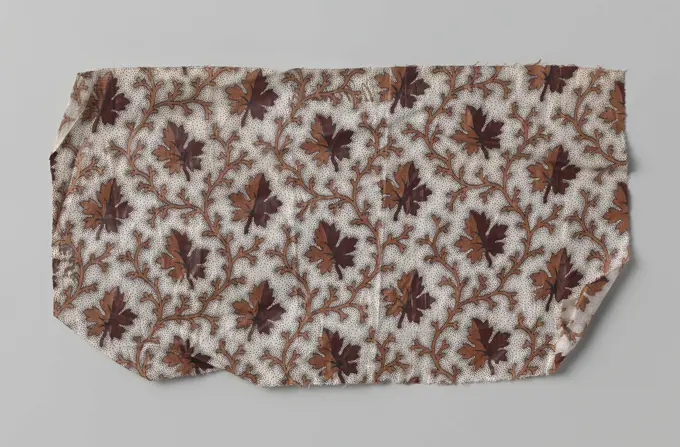
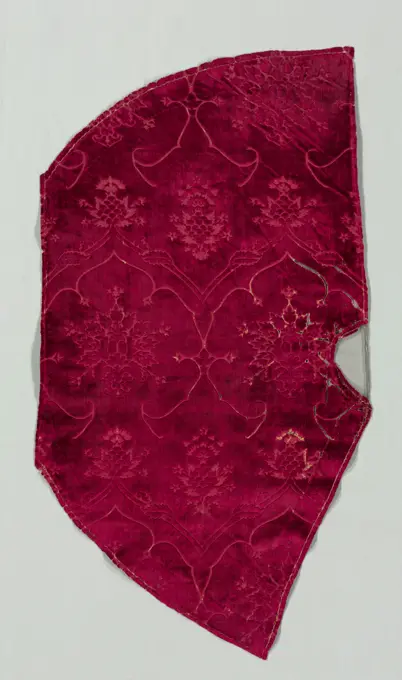
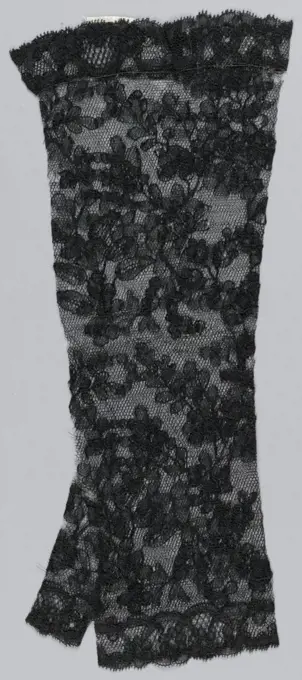
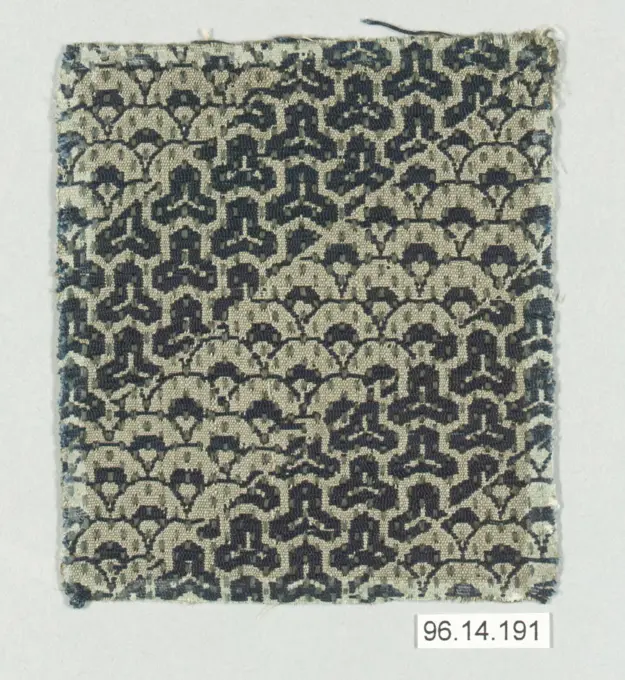
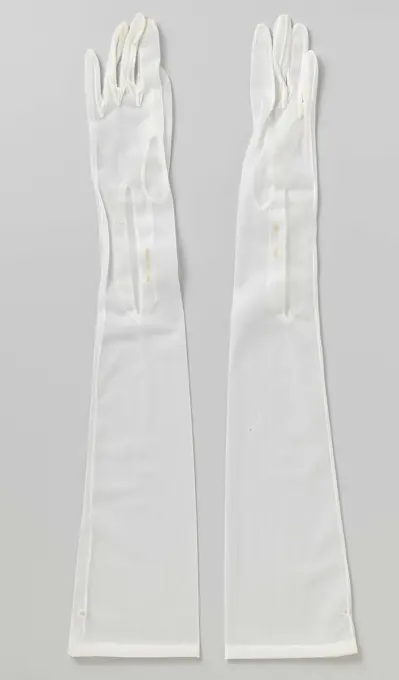
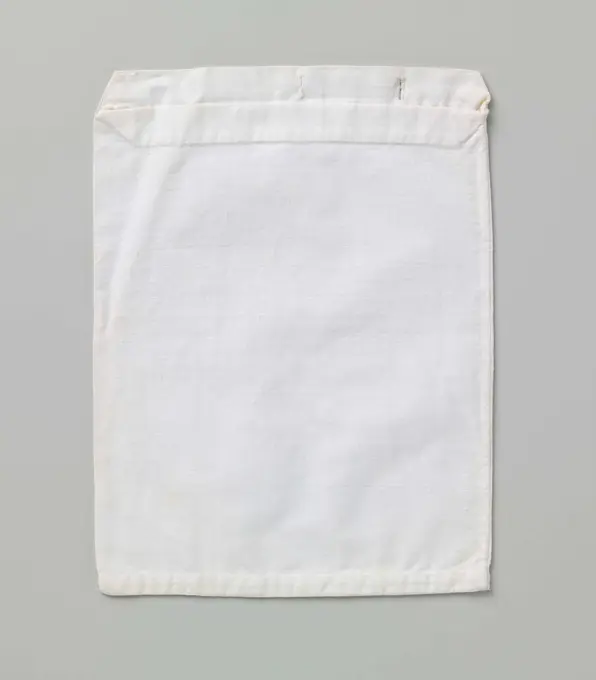
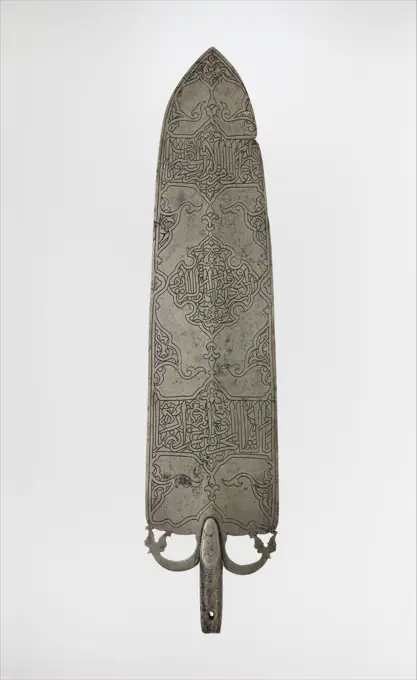
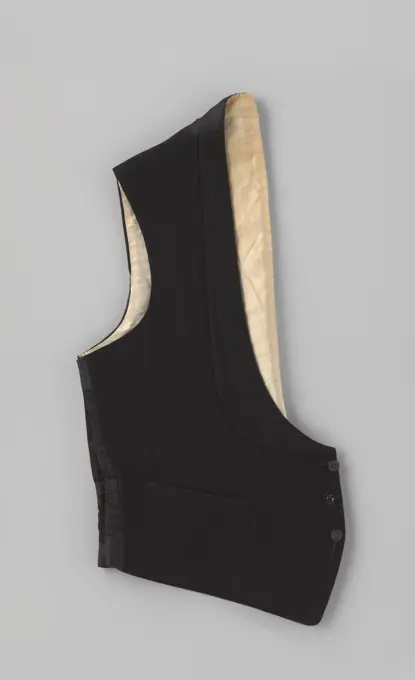
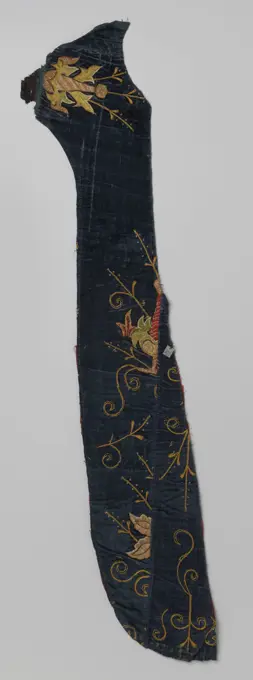
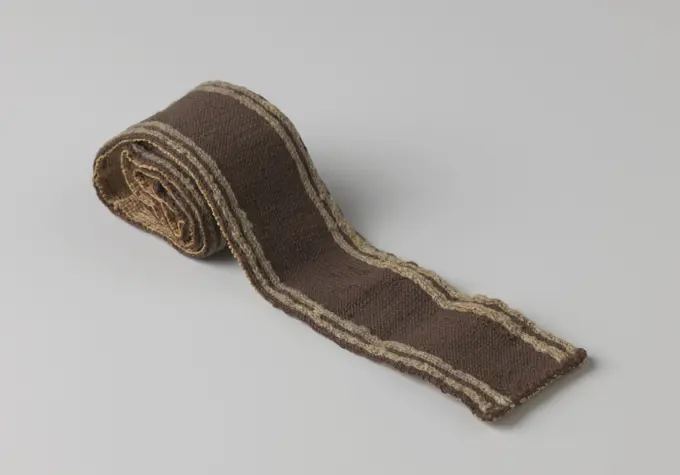
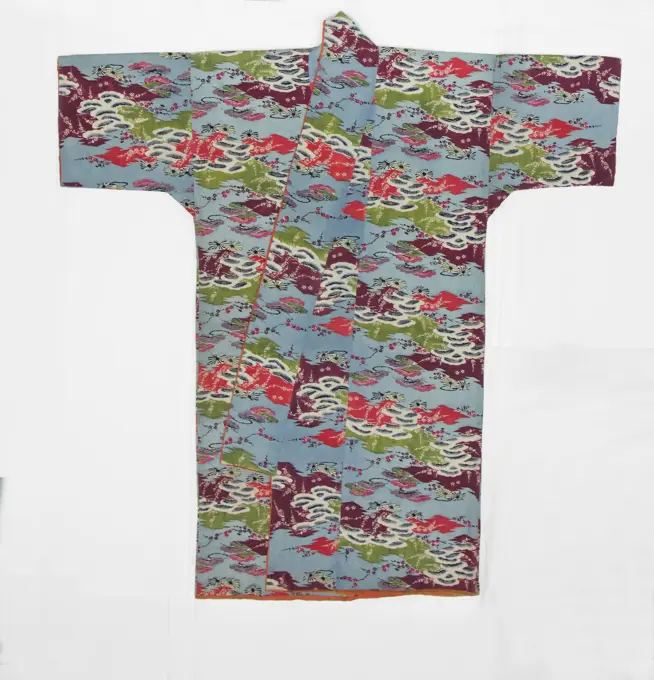
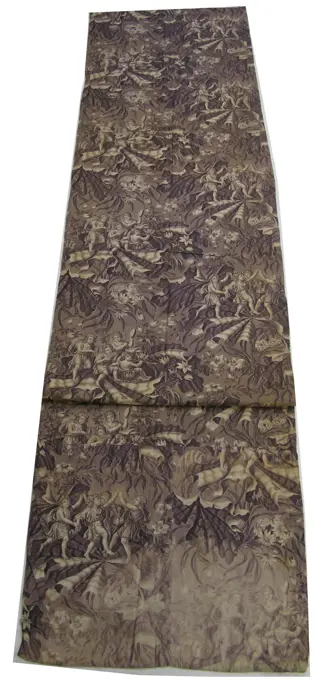
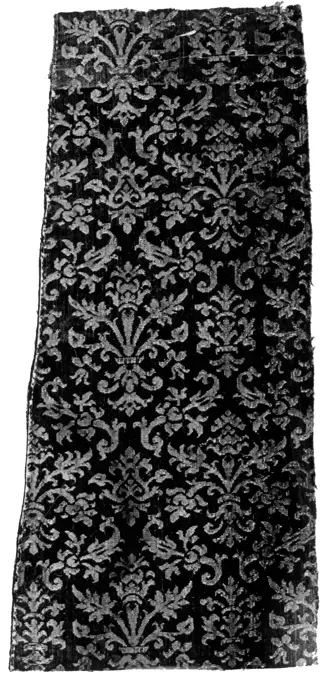
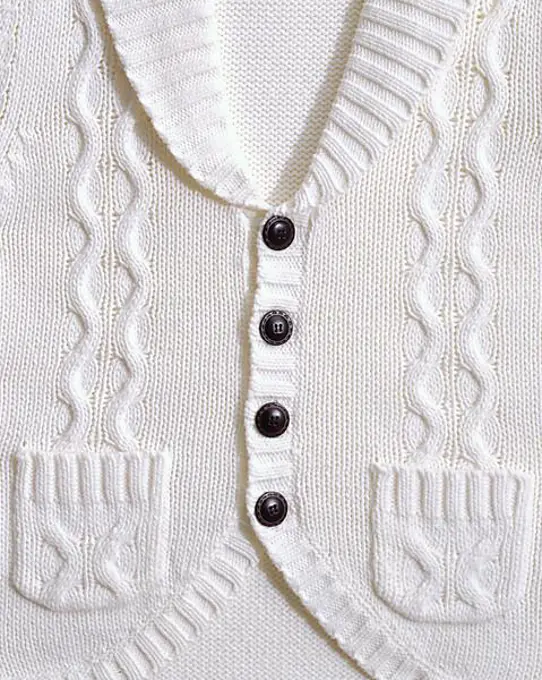
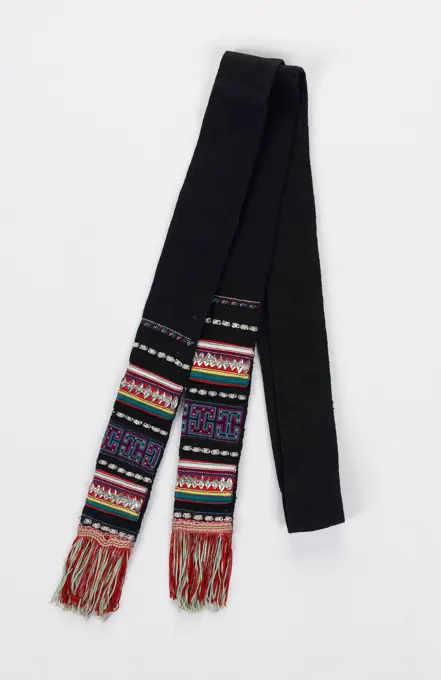
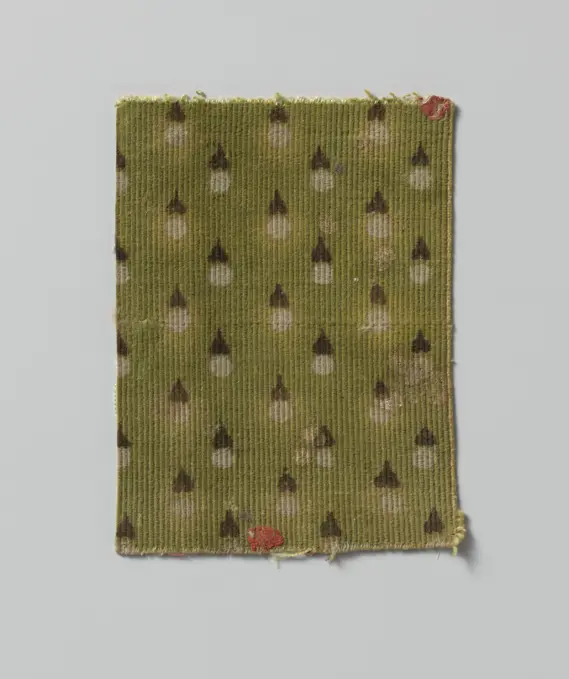
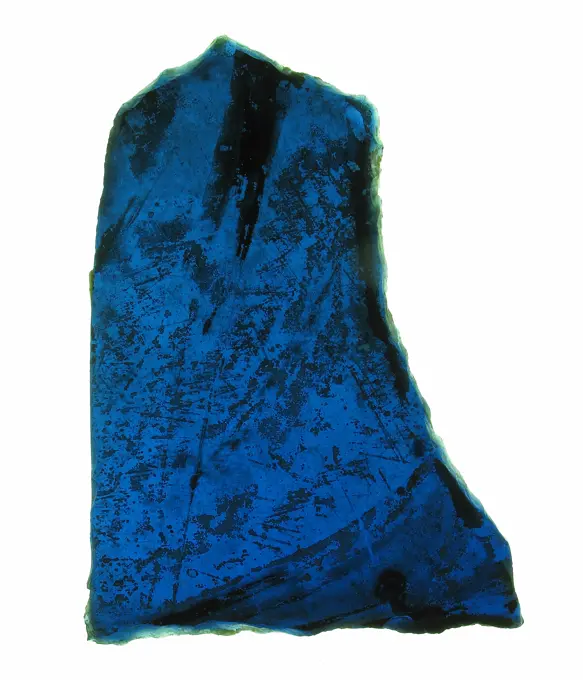
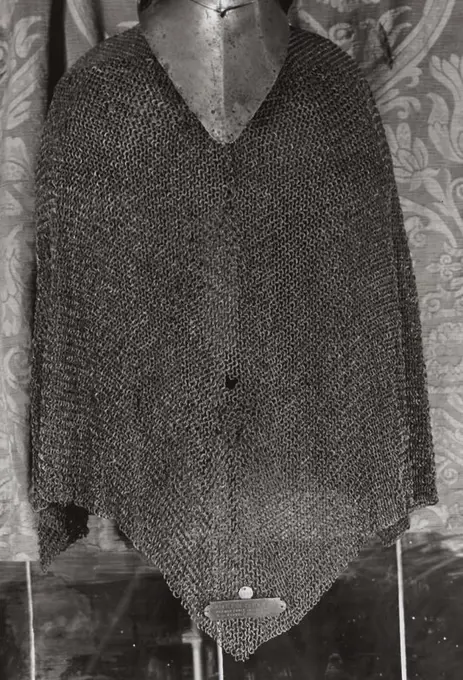
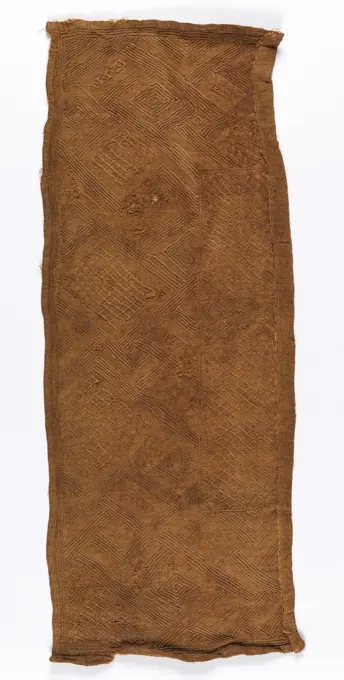
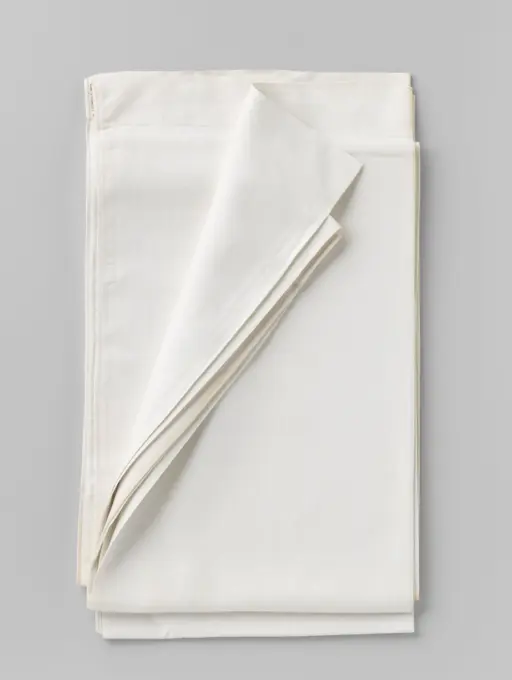
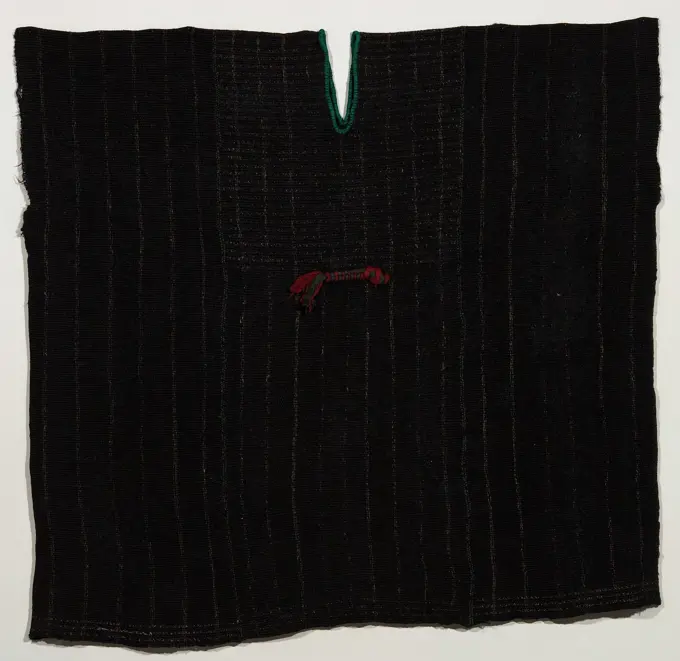
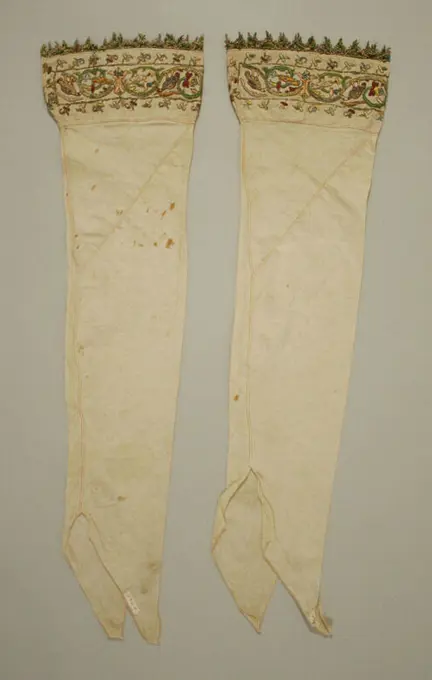
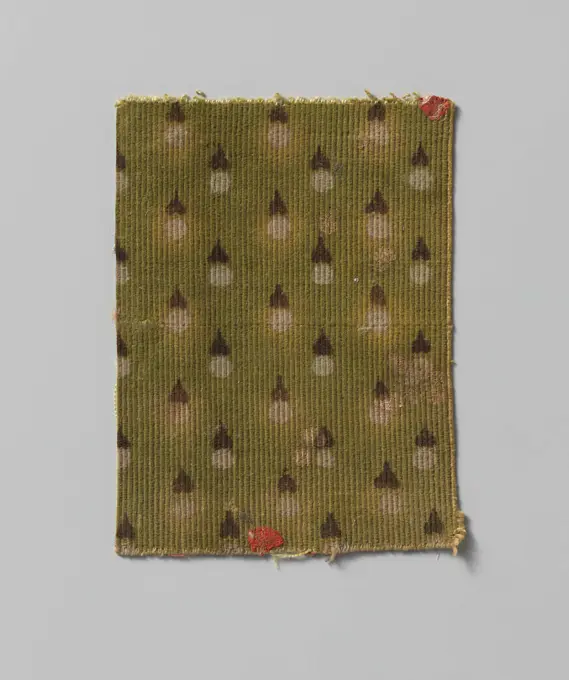
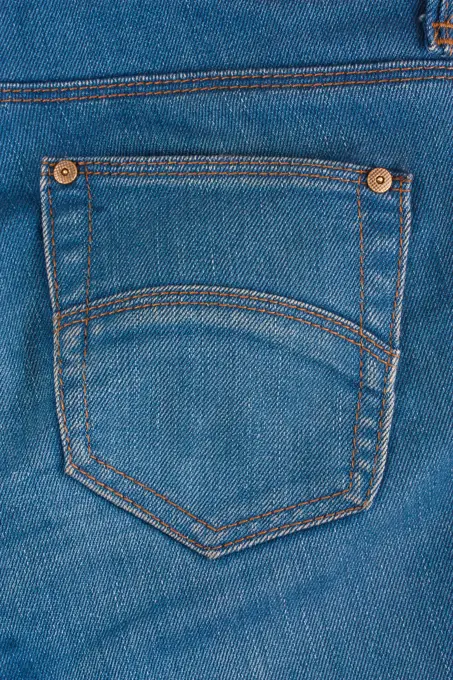
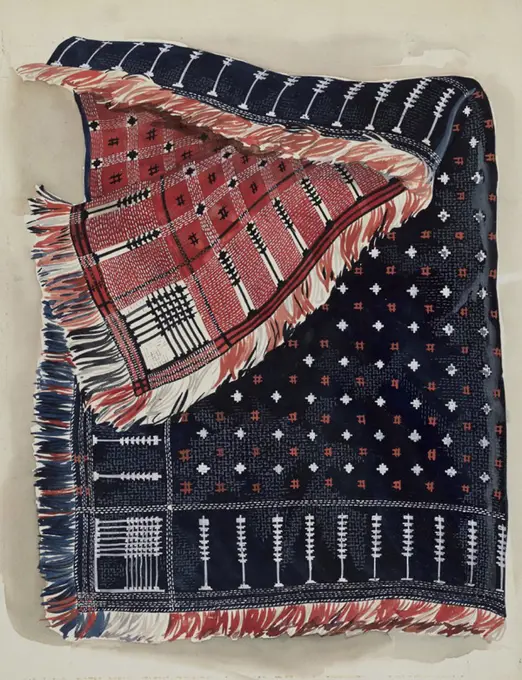
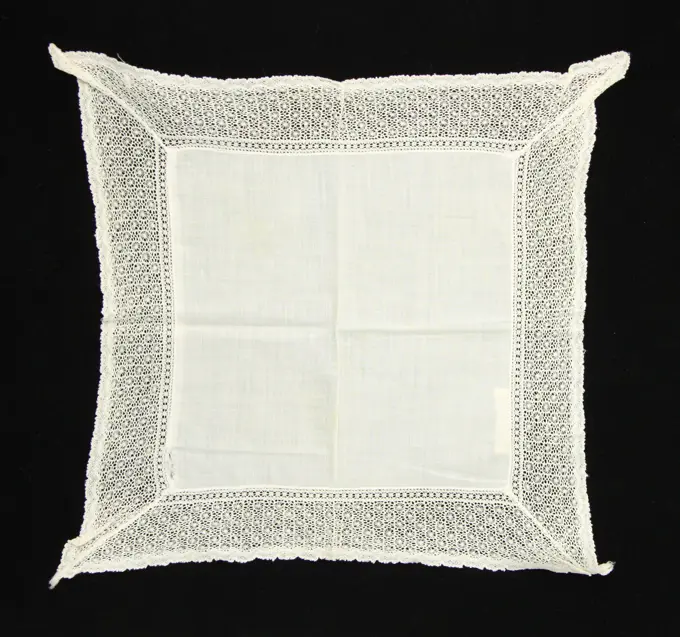
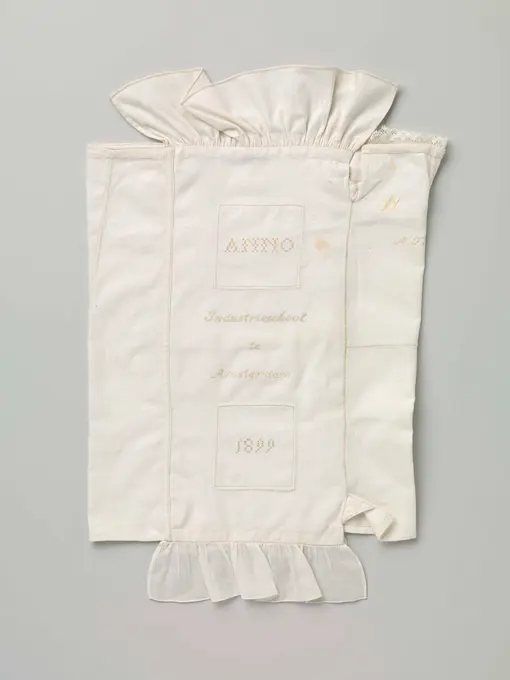
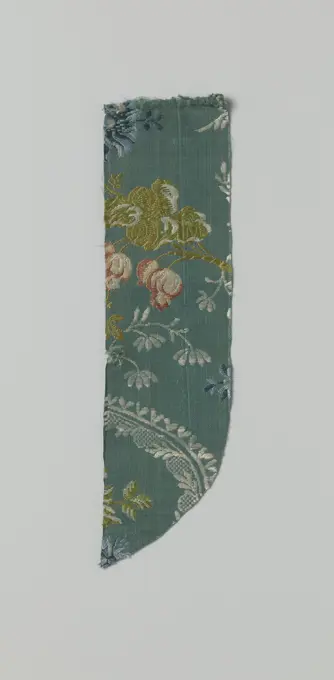
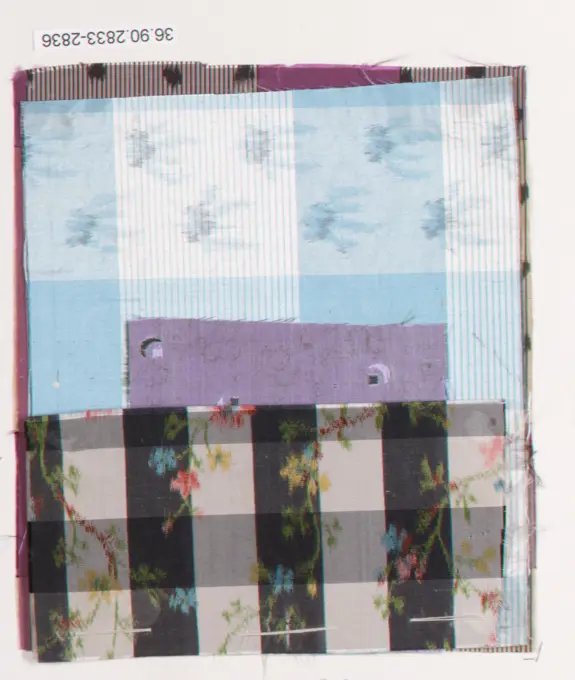
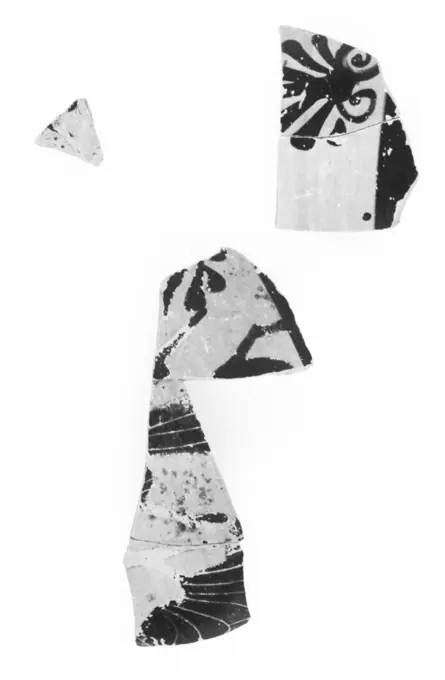
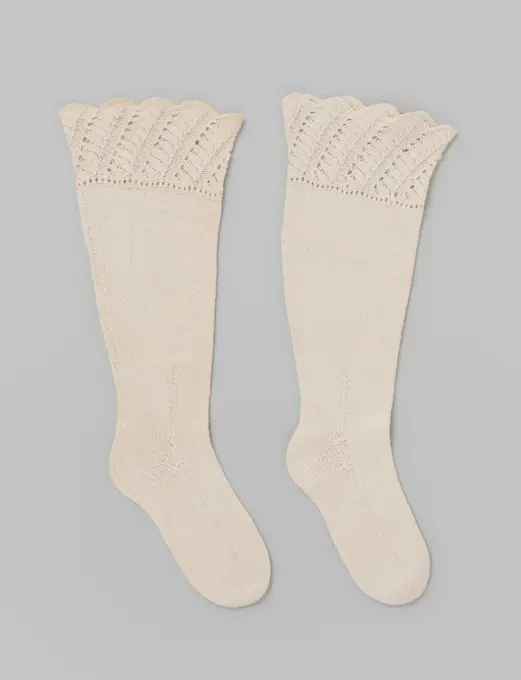
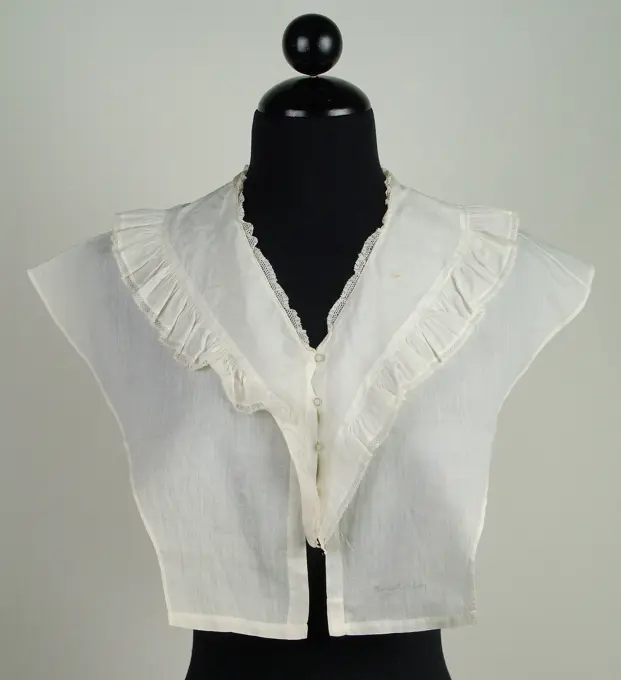
Textile, Medium: hemp Technique: tied resist patterning in warp and weft (double ikat) on plain weave, Medium-scale repeat of curling dragon in clouds alternating with prancing animal in diamond frame superimposed on a curving branch with flowers. Scattered plaid crosses in double ikat. In white reserved on blue ground., Japan, early 19th century, printed, dyed & painted textiles, TextilePrinting Block (Germany); wood, metalEmbossed Wool; a-f) wool; g-l) wool; camel's hair and silkFragment black silk droguet with white and beige flower branches ,, c. 1740 - c. 1760 Fragment black silk tissue with a pattern of white and beige flower branches. Germany silk Fragment black silk tissue with a pattern of white and beige flower branches. Germany silkFragment (possibly France); silk, metal thread; Warp x Weft: 77 x 69 cm (30 5/16 x 27 3/16 in.)Bag with wide tires and marked gl, anonymous, c. 1900 - c. 1940 Bag with wide tires, hand nawn and marked gl. Netherlands cotton (textile) sewing Bag with wide tires, hand nawn and marked gl. Netherlands cotton (textile) sewingFragment silk velvet with a light blue floor a pattern in ocher of windows forming tire garlands in which palmets. Fragment silk velvet with a light blue floor a pattern in ocher of windows forming tire garlands in which palmets. Italy, 16th century.Textile Swatches Onondaga Silk Company, Inc. (1925-1981). , 1948-1959. Silk, 47 1/2 x 17 1/2 in. (120.7 x 44.5 cm).    1948-1959Fragment of silk fabric  pattern made of flowered floral twig in net composition unknownLong ladies stocking of pink silk jersey with 'fee' woven into board and on the sound a long stem with stylized flower, c. 1900 - c. 1940 Long ladies stocking of pink silk jersey with 'fee' woven into board and a long stem with stylized flower on the sound. Attached to each other under the heel with threads. Model: seam in the middle. Reinforced forefoot and heel. Double collar on the top. Decoration: From the ankles to halfway through the calf a thicken long handle with stylized flour. Marked: woven on board fee. Germany (possibly) whole: Silk. Long ladies stocking of pink silk jersey with 'fee' woven into board and a long stem with stylized flower on the sound. Attached to each other under the heel with threads. Model: seam in the middle. Reinforced forefoot and heel. Double collar on the top. Decoration: From the ankles to halfway through the calf a thicken long handle with stylized flour. Marked: woven on board fee. Germany (possibly) whole: Silk.Stock ca. 1830 American. Stock 170072Textile Swatch , 1950s to 1960s. Silk, 15 1/2 x 20 in. (39.4 x 50.8 cm).    1950s to 1960sFragment printed cotton. Fragment printed cotton. Brown branches are printed on white cotton. One half of the leaf is dark brown, the further half is light brown. The surrounding of the branches and the leaves have dots.Vest, ChinaTextile Swatches Onondaga Silk Company, Inc. (1925-1981). , 1948-1959. Silk, 40 1/2 x 23 in. (102.9 x 58.4 cm).    1948-1959pigmented cloth held by pegsPieces from Disassembled Cape, 1400s. Italy, 15th century. Velvet (cut and voided); silk; average: 56.5 x 100.5 cm (22 1/4 x 39 9/16 in.).Pair of mitts, Medium: silk Technique: bobbin lace (Chantilly style), Pair of black mitts showing a flowering vine design., Chantilly, France, ca. 1840, lace, Pair of mittsJacket 18th century Greek. Jacket 85887Fragment, Medium: silk Technique: supplementary warp forming raised pile (blue) in plain weave foundation with supplementary warp (yellow), Diagonal shapes in blue and yellow facing alternately in opposite directions on pinkish tan., 16th-17th century, woven textiles, FragmentPiece 19th century Japan. Piece 65917Cap 19th century probably French. Cap 98251Piece 17th-18th century Italian. Piece 230901Silk. Fragment. Dunhuang. Silk Road. 7-8th cent. China.Fragment zijdeweefsel.Fragment of Écru silk with rehaling pattern of large flowers in red, yellow, white and green.Textile Swatches Onondaga Silk Company, Inc. (1925-1981). , 1948-1959. 75 wool, 25 silk, 48 1/4 x 17 1/2 in. (122.6 x 44.5 cm).    1948-1959Pop of white glacé with head of porcelain and blue eyes. Really blond hair., C. 1850 - c. 1860 Pop of Wit Glacé; Porcelain head, blue eyes and real blond hair, from the sisters (Jonkvrouwen) Backer: Louise (1857), Geertruid Cornelia (1859) and Elisabeth (1860). Netherlands (possibly) Pop: Leather. Head: Porcelain. her:. Eyes: Glass Pop of Wit Glacé; Porcelain head, blue eyes and real blond hair, from the sisters (Jonkvrouwen) Backer: Louise (1857), Geertruid Cornelia (1859) and Elisabeth (1860). Netherlands (possibly) Pop: Leather. Head: Porcelain. her:. Eyes: GlassFragment, Medium; silk Technique: damask, Green-on-green damask fragment with a pattern of large floral sprigs., Italy, 17th century, woven textiles, FragmentFragment multicolored silk dryuet. Fragment silk tissue. A gray-green ground has a network of tires in white and blue with red diamond traps on the intersections and in the small flower branches shaped in red and green.Right glove from undelinded white stretch nylon. Opening on inside wrist, with three buttons of plastic, mother-of-pearl.Pillowcase of white cotton with two buttonholes. Pillowcase of white cotton with two buttonholes, without buttons.Standard Head ca. 1500-1511 Egyptian or Syrian Ensigns like this one often served as finials for standards, which were carried like flags to identify army units on the battlefield and in military reviews before the sultan. This ensign bears a Koranic inscription and the name of a Syrian emir, Sayfī al-Dīn Tarabāy, who is recorded to have commissioned a mausoleum in Cairo in 1503-4.This is probably one of the many ensigns that were taken as booty by the Ottomans when they defeated the Mamluks in 1517.. Standard Head 24426Smoking vest of black sheet, with deep scarf collar, three knots and three side pockets; Back of black satin () With strap and buckle and lining of white cotton, m.s. de Jong (company), 1916 Cardigan of Zwart Laeken, part of Smoking. Short cardigan with slightly pointed front buildings. Low hollowed -out neckline with sewn round shawl collar. Two horizontal insert bags and a smaller watch bag. On the lining ridge strings with buckle and address: M.S. De Jong/Arnhem/'s-Gravenhage/Amsterdam and written by hand: 7/12/16, (no.) 2012/Jhr. Mr. Gevers of Marquette. Netherlands cloth. cotton (textile). satin Cardigan of Zwart Laeken, part of Smoking. Short cardigan with slightly pointed front buildings. Low hollowed -out neckline with sewn round shawl collar. Two horizontal insert bags and a smaller watch bag. On the lining ridge strings with buckle and address: M.S. De Jong/Arnhem/'s-Gravenhage/Amsterdam and written by hand: 7/12/16, (no.) 2012/Jhr. Mr. Gevers of Marquette. Netherlands cloth.FragmentFragment of a kazuifel, with embroidery of silk and gold council, anonymous, c. 1500 - c. 1525 Fragment of a kazuifel, with embroidery. The pattern has flowers. The Kazuifel is made of blue velvet. Netherlands (possibly) silk. velvet (fabric weave) embroidering Fragment of a kazuifel, with embroidery. The pattern has flowers. The Kazuifel is made of blue velvet. Netherlands (possibly) silk. velvet (fabric weave) embroideringTowel from coarse linen. Coarse linen towel with a grid work pattern in embossed and above and bottom with open seductions, decorated with large picots; labeled in red: Emmens and 8. See: BK-1972-169-a.Textile, Medium: silk, metallic threads Technique: plain weave with discontinuous supplementary weft patterning (brocade), Long panel, possibly a breast cloth (kemben), made of two wide borders, showing rows of rich gold brocading. Border shows 'tumpal' motif (row of isosceles triangles) plus stylized floral and vegetable design. Ground woven in dark blue silk, with occasional red silk thread., Aceh, Indonesia, 19th century, woven textiles, TextileDemolition with cord closure. Demolition for cushion, on a short side with six holes for cord closure.Bliżej Kultury Spink and sonLoper, anonymous, c. 1800 - c. 1899 A runner of knitted wool; in brown -free color with two light gray brown brown edges on both sides; secured on jute with coarse stitches. Amsterdam (possibly) wool. A runner of knitted wool; in brown -free color with two light gray brown brown edges on both sides; secured on jute with coarse stitches. Amsterdam (possibly) wool.Robe 19th century Japan (Ryky Islands) This costume features a pattern of pine boughs and plum blossoms, common throughout east Asia, on a background of colorful broken-diamond shapes, a traditional Japanese pattern called matsukawabishi (pine-bark lozenges) for its fundamental resemblance to pine bark. Note that there are two views of pine boughs in the design: one is a cloud-shaped view of the side of a large limb, and the other is a view of the end of a branch in the form of a circle with radiating pine needles.Generally speaking, the bingata dyeing technique involves the application of paste, sometimes through stencils and sometimes freehand, in areas of the pattern that are to remain white. Dyes and pigments are applied to other pattern areas with a brush. The designs are protected with paste before the background is dyed. Finally, all the paste is washed out, leaving the vibrant colors and spirited designs that are typical of bingata.. Robe. Japan (Ryky Islands). 19th centuryCloak 1868 American or European. Cloak 107737Longiji, 20th century, 40 7/16 x 28 in. (102.71 x 71.12 cm), Silk, cotton, Myanmar (Burma), 20th centurySteel made of black machine side with a scallop; with palm pattern, Gustav Schnitzler, c. 1900 - c. 1910 Steel Machine, rectangular, used in the manufacture of a parasold deck. The side has a palm pattern. NijmegenSwitzerland (possibly) . Steel Machine, rectangular, used in the manufacture of a parasold deck. The side has a palm pattern. NijmegenSwitzerland (possibly) .Musicians in tropical foliage second quarter 19th century French. Musicians in tropical foliage 236796Fragment Made 1575-1600 Italy. silk damask .Textile (France); wool; Warp x Weft: 64 x 48 cm (25 3/16 x 18 7/8 in.); Bequest of Elinor Merrell; 1995-50-284Textile Swatches Onondaga Silk Company, Inc. (1925-1981). , 1948-1959. Silk, 18 x 7 1/4 in. (45.7 x 18.4 cm).    1948-1959Knitted patternMen's Haori with the hills at the Daikeyoan temple. Haori for a man with an adornment to the lining of a circular image of a hilly landscape with a glimped poem, visible between two sliding doors with celligraphy and a stamp, left below a triangular surface with a diamond pattern on which an image of a black tea cup, right Above a teahouse (Chashaku) with his box. On the right sliding door: 'Takagamine Koetsu', seal 'Daiikyoan'; On the left door 'Konu Ozan', signature (KAO), may not be from Ozan. The Callraaf Konoe Nobuhiro (1599-1649), priestname ozan, also trained in poetry, the tea ceremony and incense game, played an important role in artificial life to the Imperial Court of the first half of the 17th century. He was in the same circles as the Calligraaf and Ceramist Hon'ami Koetsu (1558-1637); The teahouse shown is in Koetsu's style and has similarities with the bowl 'Azuma'. The drawing on the bowl is reminiscent of the round hills of Takagamine, visible here by the opened slidiPiece second half 17th century Italian. Piece. Italian. second half 17th century. Silk; metal; cotton. Textiles-WovenPiece late 18th century Japan. Piece 67437Ceremonial Textile Made 1801-1900 Bali. Cotton and gold-leaf-on-paper-strip-wrapped bast fiber (probably ramie), bands of plain weave; knotted main warp fringe .Glove of white chamois leather with three mother -of -pearl knots, M. Laimböck, c. 1900 - c. 1920 Left glove of white wax leather, a split with white leather and three mother -of -pearl buttons at the wrist. Marked: M. Laimböck, from (illegible) royal supplier, Amsterdam. France geheel: chamois (animal material). knopen: mother of pearl Left glove of white wax leather, a split with white leather and three mother -of -pearl buttons at the wrist. Marked: M. Laimböck, from (illegible) royal supplier, Amsterdam. France geheel: chamois (animal material). knopen: mother of pearlBelt, 60 1/2 x 1 13/16 in. (153.67 x 4.6 cm) (without fringe), Cotton, silk, silver, ChinaFragment green ribbed velvet with print, anonymous, c. 1740 - c. 1760 A fragment green ribbed velvet, with a printed spread pattern of round dots with a black heart -shaped stem. Germany cotton (textile). corduroy A fragment green ribbed velvet, with a printed spread pattern of round dots with a black heart -shaped stem. Germany cotton (textile). corduroyShawl, Medium: wool Technique: twill weave, Square shawl with a green center and borders on all four sides. Borders have two wide and three narrow bands showing a conventionalized floral pattern in yellow, brown and green. Border woven separately and joined by sewing., France, 19th century, costume & accessories, ShawlWaistcoat ca. 1775 British. Waistcoat 90525Glass Fragment 14th-15th century European. Glass Fragment. European. 14th-15th century. Pot metal glass. Glass-StainedDônuki Made 1883-1900 Japan. upper portion silk, plain weave; tie-dyed (shibori); lower portion silk, satin weave, self-patterned by areas of plain weave; lined with silk, plain weave; silk, padding .Vest ca. 1775 French. Vest 90765Cape of Mail ("Bishop's Mantle"). German. Date: 1500-1530. Dimensions: . Steel. Origin: Germany. Museum: The Chicago Art Institute, Chicago, USA.TorsoCover for chair session, from printed silk, 1770 - 1780 Three covers for seat sessions. The covers are made of printed silk. Multicolored flower branches are printed on a red soil. The covers have a linen lining. maker: NetherlandsFrance silk. linen (material) printing / painting Three covers for seat sessions. The covers are made of printed silk. Multicolored flower branches are printed on a red soil. The covers have a linen lining. maker: NetherlandsFrance silk. linen (material) printing / paintingPanel (Democratic Republic of the Congo); raffiaBed sheet. Brand: Is, is and 24., Anonymous, 1767 - 1816 Sheet of white linen, is and is and 24. Northern Netherlands linen (material) Sheet of white linen, is and is and 24. Northern Netherlands linen (material)Huipil, 1930, 37 x 39 1/2 in. (93.98 x 100.33 cm), Wool, Mexico, 20th centuryStockings. Culture: Italian. Date: 16th century. Museum: Metropolitan Museum of Art, New York, USA.Collar with mechanical side with cloudy rosette flowers, anonymous, c. 1925 - c. 1949 Collar with breastlap of natural -colored machine side. Wourly pattern with rosette flowers and feathered leaves between which different decorative lands. Around the collar an edge of machine valenciennes side with flowers on curly stems. The motifs are connected to each other by a fine machine soil, with the diamond-shaped grater typical for the Valenciennes side. In front of a sewn closure with three hooks and eyes. A rectangular piece of tulle is sewn on the neck edge. West-Europa cotton (textile) Collar with breastlap of natural -colored machine side. Wourly pattern with rosette flowers and feathered leaves between which different decorative lands. Around the collar an edge of machine valenciennes side with flowers on curly stems. The motifs are connected to each other by a fine machine soil, with the diamond-shaped grater typical for the Valenciennes side. In front of a sewn closure with three hoTextile Swatches Onondaga Silk Company, Inc. (1925-1981). , 1948-1959. Silk, 23 3/4 x 8 3/4 in. (60.3 x 22.2 cm).    1948-1959Textile Swatch , 1950s to 1960s. Silk, 20 3/4 x 15 1/2 in. (52.7 x 39.4 cm).    1950s to 1960sSilk tissue made of browned silk, composed of thirty -two fragments, c. 1760 - c. 1765 Silk tissue made of browned side, composed of thirty -two fragments. Along the edges of pink silk lining remains. Design: Tiles placed in horizontal rows in two colors of pink/red, lilac, green and two colors blue (brochure) and in gold (liseré), interspersed with branches with blue flowers in two colors of blue (brochure) and in gold ( Liseré). Possibly cape for a statue of Mary. At the rear label on which printed: French and Co. inc. and written: 21927, Price 275. On top a linen label with inscription # 21927, fragment Antique Brocade Selling Price # 150, with a fracture number and rolled up again the number 21927. Submitted letter with the letter R. France silk. Silk tissue made of browned side, composed of thirty -two fragments. Along the edges of pink silk lining remains. Design: Tiles placed in horizontal rows in two colors of pink/red, lilac, green and two colors blue (brochure) and in gold (lStole, embroidered, red  tuIIp motif unknownFragment green Ribbed velvet with print. A fragment green ribbed velvet, with a printed spreading pattern of round dots with a black heart-shaped stem.Textile Swatches Onondaga Silk Company, Inc. (1925-1981). , 1948-1959. Silk, 23 1/2 x 18 in. (59.7 x 45.7 cm).    1948-1959Blue denim with empty pocket Closeup photo of blue denim with empty pocket Copyright: xZoonar.com/AndreyxEreminx 3700838Quilt. Dated: c. 1937. Dimensions: overall: 34.5 x 27.2 cm (13 9/16 x 10 11/16 in.) Original IAD Object: 92" long; 72" wide. Medium: watercolor, graphite, and gouache on paper. Museum: National Gallery of Art, Washington DC. Author: Lillian Causey.Woman's tube skirt, 1975, 35 5/16 x 25 in. (89.69 x 63.5 cm), Cotton, Laos, 20th centuryTextile Swatches Onondaga Silk Company, Inc. (1925-1981). , 1948-1959. Silk, rayon, 47 x 19 1/2 in. (119.4 x 49.5 cm).    1948-1959Woman's handkerchief, 1900s, maker unknown. Gift of Margaret Anderson, 1998.White sewing cap. White clearing juice or thinking flap with Anno 1899 and industry school in AmsterdamPiece French 19th century View more. Piece. French. 19th century. Textiles-WovenPants of blue/white striped twill cotton, worn in Dachau concentration camp during W.O. II, Anonymous, c. 1940 - c. 1945 Pants of blue/white striped twill cotton, worn in Dachau concentration camp during W.O. Ii. Long, straight pipes, waistband in the back. Aluminum knots. Germany whole: Cotton (textile). Buttons: aluminum (metal) casting  Dachau Pants of blue/white striped twill cotton, worn in Dachau concentration camp during W.O. Ii. Long, straight pipes, waistband in the back. Aluminum knots. Germany whole: Cotton (textile). Buttons: aluminum (metal) casting  DachauBelt, 69 3/4 x 11 in. (177.17 x 27.94 cm), Cotton, ChinaFragment multicolored brochure silk, 1700 - 1750 Fragment silk tissue. A dark green soil has a pattern with white side garlands and multicolored flower branches. France (possibly) silk Fragment silk tissue. A dark green soil has a pattern with white side garlands and multicolored flower branches. France (possibly) silkPiece French 19th century View more. Piece. French. 19th century. Silk. Textiles-WovenHead scarf (Amendil), early 20th century, 41 3/4 x 34 3/4 in. (106 x 88.3 cm), Wool resist dyed and henna painted, Morocco, 20th centuryStockings 1788-93 French. Stockings. French. 1788-93. silkHat Belt, 20th century, 1 7/16 x 21 1/2 in. (3.7 x 54.6 cm), Silk, China, 20th centuryTextile Swatches Onondaga Silk Company, Inc. (1925-1981). , 1948-1959. Silk, a: 42 1/2 x 22 in. (108 x 55.9 cm).    1948-1959Textile Swatches Onondaga Silk Company, Inc. (1925-1981). , 1948-1959. silk; metal, largest component (a): 35 x 11 1/2 in. (88.9 x 29.2 cm).    1948-1959Textile Swatches Onondaga Silk Company, Inc. (1925-1981). , 1948-1959. Silk, 23 3/4 x 17 in. (60.3 x 43.2 cm).    1948-1959Attic Black-Figure Neck Amphora Fragment (comprised of 2 Joined Fragments). UnknownChildren’s  sweater isolated on white backgroundStocking made of knitted cotton with arrow decoration on the latch, scalloped board with sloping rows of cable stitch, children's size, anonymous, c. 1800 - c. 1900 Brushed knitted cotton with forged arrow decoration on the Klink, scalloped border with sloping rows of cable stitch. Children's size. Netherlands whole: Cotton (textile) knitting Brushed knitted cotton with forged arrow decoration on the Klink, scalloped border with sloping rows of cable stitch. Children's size. Netherlands whole: Cotton (textile) knittingSample first half 19th century French. Sample. French. first half 19th century. Silk. Textiles-WovenWoman's () wrapper, c. 1925, 28 x 38 1/2 in. (71.12 x 97.79 cm), Cotton, India, 20th centuryYoung man's or warrior's wrap, Second quarter of the 20th century, 45 x 46 in. (114.3 x 116.84 cm), Cotton and silk; woven, India, 20th centuryTextile, Olympia; Designed by Wiener Werkstätte (Austria), Dagobert Peche (Austrian, 1887-1923, active Vienna, 1911-1923); silk; Height: 11.1 cm (4 3/8 in.) Width: 8.3 cm (3 1/4 in.)Chemisette fourth quarter 19th century American. Chemisette 168579